Os ollos amarelos non son unha proba de cribado fiable para a hepatite B. A infección é frecuentemente silenciosa, e a proba de anticorpos e virais correctas —non só os síntomas— establecen o que está a ocorrer.



- Infección silenciosa é común: moitas persoas con hepatite B non teñen ictericia nin síntomas recoñecibles da hepatite B.
- Período de incubación da hepatite B aguda adoita ser de 60–150 días, cunha media duns 90 días.
- HBsAg positivo durante 6 meses define a infección crónica por hepatite B e require seguimento clínico.
- IgM anti-HBc adoita apoiar unha infección aguda recente, pero tamén pode aumentar durante unha exacerbación da hepatite B crónica.
- Anti-HBs polo menos 10 mIU/mL despois dunha serie de vacinación documentada considérase xeralmente unha resposta inmune protectora.
- ALT por riba de 1.000 IU/L pode ocorrer na hepatite viral aguda, pero os medicamentos, a isquemia e outros virus poden producir o mesmo patrón.
- HBV DNA mide a replicación viral; é a proba que converte un resultado de cribado positivo nun plan de xestión.
- Urxencias é axeitado para confusión, vómitos intensos, hematomas inusuais, somnolencia que empeora ou ictericia con feces pálidas.
Pode ocorrer hepatite B sen ictericia? Si —a miúdo silenciosamente
Si, a hepatite B sen ictericia é común. Moitas persoas non presentan síntomas en absoluto, e incluso a infección aguda sintomática pode sentirse como unha enfermidade viral inespecífica en lugar dun problema hepático. A ictericia aparece só cando a bilirrubina se acumula o suficiente como para descolorir os ollos e a pel; non é necesaria para a lesión das células hepáticas ou a transmisión da hepatite B.
Na miña experiencia clínica, a persoa con máis probabilidades de pasar desapercibida non é necesariamente a que está enferma: é o paciente con bo aspecto cuxo panel de cribado foi solicitado por embarazo, inmigración, unha nova relación ou unha enzima hepática anormal non relacionada. Os síntomas da hepatite B aguda desenvólvense en só aproximadamente o 30%–50% dos adultos infectados, mentres que os nenos pequenos son sintomáticos moito menos a miúdo; a ausencia de febre, ollos amarelos ou dor abdominal non a descarta.
A ictericia reflicte un aumento da bilirrubina circulante, que adoita ser visible cando a bilirrubina total supera aproximadamente 2-3 mg/dL (34-51 µmol/L). A inflamación do fígado pode ser substancial antes dese punto, polo que unha cor de ouriña de aspecto normal e uns ollos brancos só son tranquilizadores nun sentido moi limitado; consulte a nosa guía para patróns de advertencia de bilirrubina.
Kantesti é un Analizador de análises de sangue con IA que sitúa as enzimas hepáticas, a bilirrubina, a albúmina e os resultados das plaquetas xunto coa seroloxía viral que un clínico solicitou. Non pode diagnosticar a hepatite B só con química de rutina, pero pode axudar a alguén a decatarse de que un resultado de “proba hepática” está incompleto sen probas específicas para a hepatite.
Por que os síntomas son unha ferramenta de cribado deficiente
O VHB pode transmitirse durante unha fase asintomática porque a replicación viral precede, acompaña ou dura máis que a enfermidade visible. A data do 11 de setembro de 2026, o cribado adulto baseado no risco e único segue sendo máis fiable que esperar a síntomas, especialmente para persoas nacidas en rexións con maior prevalencia de VHB ou aquelas con exposición familiar, sexual ou por inxección.
Cales son os síntomas máis temperáns da hepatite B?
Os primeiros síntomas da hepatite B adoitan ser fatiga, perda de apetito, náuseas, febre baixa, dores musculares e malestar debaixo das costelas dereitas. Ningún é o suficientemente específico como para confirmar a hepatite B, e o intervalo asintomático despois da exposición é comúnmente de 60-150 días.

Unha pista clínica útil é a orde dos acontecementos. A malestar e a perda de apetito adoitan chegar antes da ouriña escura ou do amarelecemento, e unha persoa pode sentirse marcadamente cansa mentres a bilirrubina aínda é normal. A media da incubación é de case 90 días, por iso probar o día despois dunha posible exposición pode ser demasiado cedo para resolver a cuestión.
As dores nas articulacións e unha erupción transitoria poden ocorrer no pródromo porque os complexos inmunes circulan antes de que se desenvolva a hepatite patente. Vín isto confundido con gripe ou unha nova reacción alimentaria; o detalle discriminatorio foi un ALT de 642 IU/L xunto cun antíxeno de superficie da hepatite B positivo, non a propia erupción.
O uso de paracetamol, suplementos, alcohol, virus de Epstein-Barr e lesión muscular poden elevar as aminotransferases. Un coidadoso revisión do resultado de ALT evita o erro común de chamar a cada ALT elevada “hepatite” antes de confirmar a causa.
Síntomas menos típicos
A picazón, as feces pálidas e a ouriña escura persistente suxiren unha alteración na xestión da bilis e merecen unha avaliación máis rápida, pero non son a presentación temprana habitual. É estatisticamente máis probable que unha persoa con inchazo illado, refluxo ou dor intermitente no lado esquerdo teña outra explicación, aínda que a exposición ao risco aínda debe levar a probar o VHB.
Cando se debe facer a proba da hepatite B?
Fai a proba da hepatite B sen demora despois dunha exposición sanguínea, sexual, familiar ou perinatal, mesmo que te sintas completamente ben. As probas de referencia documentan o seu estado, mentres que as probas repetidas axústanse ao período de xanela e guíanse polo historial de vacinación.
O CDC recomenda un cribado adulto único cun panel de tres probas: HBsAg, anti-HBs e anti-HBc total (Conners et al., 2023). Esta combinación separa a infección actual, a infección resolta pasada, a inmunidade por vacina e a susceptibilidade de forma máis eficaz que solicitar só HBsAg.
Despois dunha exposición recente significativa, un médico pode facer a proba agora e repetir as probas arredor de 6 meses se o panel inicial non establece a infección ou a inmunidade. A profilaxe post-exposición é sensible ao tempo: a vacina contra a hepatite B debe iniciarse canto antes, e a inmunoglobulina contra a hepatite B pode estar indicada para exposicións seleccionadas non inmunes, polo que non esperes polos síntomas.
Kantesti é un plataforma de interpretación de análise de sangue de IA que pode organizar un informe serolóxico fotografado ou cargado no padrón de tres marcadores, pero a xestión da exposición pertence a un médico de atención urxente, de saúde sexual, de saúde ocupacional ou de atención primaria. A nosa guía de síntomas da hepatite C explica por que as probas de hepatite viral deben interpretarse virus por virus.
Probas durante o embarazo
Cada embarazo debe incluír o cribado de HBsAg durante cada embarazo, independentemente do risco percibido. Un resultado positivo cambia a planificación da prevención do recentemente nado: o lactante necesita a vacina contra a hepatite B e, cando estea indicado, inmunoglobulina dentro das 12 horas posteriores ao nacemento.
As tres probas de sangue que aclaran o estado da hepatite B
HBsAg, anti-HBs e anti-HBc total son as probas principais de cribado da hepatite B. Xuntos, responden se o virus é actualmente detectable, se existe inmunidade e se o sistema inmunitario xa se atopou coa hepatite B.

HBsAg é o antíxeno de superficie da hepatite B; un resultado positivo significa que é posible unha infección actual e precisa confirmación e seguimento clínico. Anti-HBs é o anticorpo de superficie; un nivel de polo menos 10 mIU/mL despois dunha serie de vacinación completa documentada considérase xeralmente unha resposta protectora en persoas immunocompetentes.
Anti-HBc total detecta o anticorpo do núcleo de infección natural previa ou actual e non é producido pola vacinación. O padrón HBsAg negativo, anti-HBs positivo e anti-HBc total negativo encaixa na inmunidade derivada da vacina; HBsAg negativo, anti-HBs positivo e anti-HBc total positivo adoita encaixar na infección natural resolta.
Un anti-HBc total positivo illado é un dos padróns máis complicados. Pode reflectir unha infección remota resolta con waning anti-HBs, un ensaio falso positivo, infección oculta ou, menos a miúdo, unha infección aguda temperá; os médicos poden repetir a seroloxía e solicitar ARN viral B, especialmente antes dun tratamento inmunosupresor. A nosa explicación de resultados de anticorpos positivos cobre por que un anticorpo raramente conta toda a historia.
Como as probas distinguen a hepatite B aguda da crónica
As hepatites B agudas e crónicas distínguense principalmente polo tempo e a seroloxía, non polo malestar que sente alguén. A persistencia do HBsAg durante polo menos 6 meses establece a infección crónica; un único resultado positivo de HBsAg non pode datar a infección por si só.

IgM anti-HBc apoia firmemente unha infección aguda recente cando se combina cunha nova positividade de HBsAg e unha enfermidade compatible. Non é perfecto: a IgM anti-HBc tamén pode detectarse durante un brote de hepatite B crónica, polo que os médicos comparan resultados previos, o momento dos síntomas, a traxectoria da ALT e o ADN do VHB.
O ADN do VHB infórmase en UI/mL e mide a cantidade de material xenético viral en circulación. Non etiqueta por si só a enfermidade como aguda ou crónica, pero un resultado detectable confirma a replicación e convértese en central para as decisións de seguimento e tratamento; un ADN baixo ou indetectable non elimina a necesidade de interpretar o HBsAg e o estado do fígado xuntos.
A guía da AASLD fai énfase na ALT seriada, o ADN do VHB, o estado do HBeAg e a avaliación da fibrose en lugar dunha única instantánea de laboratorio (Terrault et al., 2018). Esta é unha razón pola que unha ALT normal nunha mostra non demostra que a hepatite B crónica sexa inofensiva.
A regra dos seis meses ten un propósito
O limiar de 6 meses separa as infeccións que probablemente se resolverán espontaneamente daquelas que persistiron e portan un risco a máis longo prazo de fibrose e carcinoma hepatocelular. En adultos, máis do 90% das infeccións agudas inmunocompetentes resólvense, mentres que a infección adquirida ao nacer se volve crónica moito máis a miúdo.
Que poden —e non poden— mostrar as probas hepáticas
A ALT e a AST revelan lesión hepatocelular, mentres que a bilirrubina, a albumina, o INR e as plaquetas axudan a mostrar a gravidade e a función hepática. Un panel hepático rutineiro non pode identificar a hepatite B como a causa sen seroloxía viral.

A ALT é máis específica do fígado que a AST, aínda que ningunha é exclusiva do fígado. Na hepatite viral aguda, a ALT pode superar as 1.000 UI/L; ese mesmo rango pode ocorrer con toxicidade por paracetamol ou fluxo sanguíneo hepático reducido, polo que o número esixe contexto urxente en lugar dun autodiagnóstico.
A bilirrubina reflicte a conxugación e a excreción biliar, mentres que o INR e a albumina reflicten a capacidade sintética. Un INR crecente, especialmente a 1,5 ou máis en alguén con hepatite aguda e alteración mental, suscita preocupación por insuficiencia hepática aguda e precisa avaliación de emerxencia; o noso guía INR explica a medición.
A rede neuronal de Kantesti le transaminases xunto con bilirrubina, fosfatase alcalina, albumina e plaquetas para sinalar patróns para revisión médica. O noso desglose do panel hepático é útil antes de asumir que unha “proba de función hepática” normal incluíu a detección do VHB.
A relación AST:ALT non é unha proba de hepatite B
Unha relación AST:ALT inferior a 1 é común na hepatite viral pero non é nin sensible nin específica. O exercicio intenso recente pode aumentar a AST por parte do músculo, mentres que a gama-glutamil transferase e a bilirrubina poden permanecer normais; repetir as probas despois da recuperación pode previr un estudo viral enganoso.
Que síntomas da hepatite B requiren atención o mesmo día?
Confusión, somnolencia inusual, vómitos repetidos, ictericia que se afonda rapidamente, hematomas novos ou inchazo abdominal grave requiren avaliación urxente o mesmo día. Estes síntomas poden sinalar unha función hepática prexudicada en lugar dunha simple hepatite aguda rutinaria.
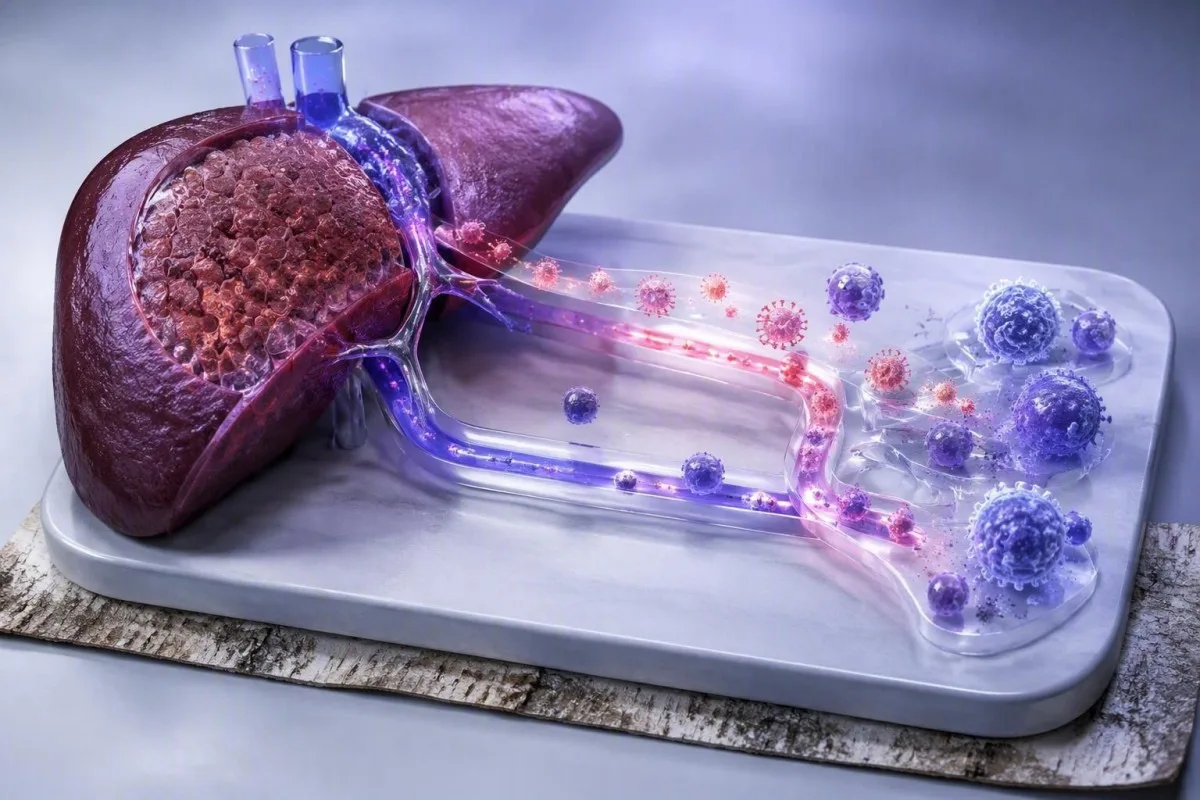
A confusión ou un patrón de sono-vigilia alterado pode indicar encefalopatía hepática, especialmente cando se combina con ictericia e INR prolongado. É infrecuente, pero non é un síntoma de “agardar ata o luns”: a insuficiencia hepática aguda pode progresar en horas ou días.
A orina escura por si soa non é automaticamente unha emerxencia; a deshidratación, os medicamentos e a orina concentrada son alternativas comúns. A orina escura xunto con feces pálidas, ollos amarelos, coceira, febre ou dor na parte superior dereita do abdome apuntan máis firmemente a unha alteración da bilirrubina ou do fluxo biliar, como se detalla na nosa guía de ouriños escuros.
Evita o alcohol e non comeces “limpezas hepáticas” a base de herbas mentres esteas en avaliación. Moitos suplementos con múltiples ingredientes teñen contidos incertos, e un produto comercializado para a desintoxicación pode complicar a lesión hepática inducida por fármacos xusto cando os clínicos precisan unha imaxe diagnóstica limpa.
Quen debería ser avaliado antes mesmo sen síntomas?
As persoas que están embarazadas, teñen cirrose, toman quimioterapia ou terapia inmunosupresora biolóxica, teñen VIH ou teñen coñecemento de VHB crónico necesitan unha revisión individualizada despois dun novo resultado anómalo. A reactivación pode ser clinicamente silenciosa ata que aumenta a ALT, polo que a planificación antiviral preventiva pode ser máis segura que as probas reactivas.
Por que a hepatite B crónica pode sentirse completamente normal
A hepatite B crónica a miúdo non causa síntomas diarios durante anos, mesmo cando a replicación viral ou a lesión hepática de baixo grao continúan. Sentirse con enerxía, facer exercicio regularmente e ter bilirrubina normal non exclúen o risco de fibrose.

Aquí é onde os pacientes loitan comprensiblemente: unha persoa pode ter ALT normal ou lixeiramente elevada e aínda así necesitar seguimento estruturado porque o VHB DNA, a idade, o estado HBeAg, o historial familiar e a fibrose modifican o risco. Unha conta de plaquetas que descenda por debaixo duns 150 × 10⁹/L non é diagnóstica de cirrose, pero con probas hepáticas anormais merece atención.
A Puntuación FIB-4 usa a idade, AST, ALT e a conta de plaquetas como unha estimación de triaxe para a fibrose; non pode diagnosticar a cirrose nin substituír a elastografía. A nosa Guía da calculadora FIB-4 explica por que a idade pode facer que unha puntuación límite pareza máis preocupante despois dos 65 anos.
Kantesti é un Ferramenta de análise de probas de sangue impulsada por IA deseñado para comparar paneis hepáticos anticuados, polo que un cambio gradual de ALT ou plaquetas non se oculta cunha única bandeira “dentro do rango”. O recoñecemento de tendencias axuda a preparar unha mellor conversa co clínico; non é un substituto das probas de VHB DNA, ecografía ou coidados especializados.
A vixilancia do cancro baséase no risco
A vixilancia por ecografía para o carcinoma hepatocelular non se determina só polos síntomas. Os clínicos usan o estado de VHB crónico, a cirrose, o historial familiar, a idade, o sexo e o risco da rexión de orixe para decidir se a vixilancia semestral é apropiada; a AFP engádese ás veces pero non é fiable como proba de cribado independente.
A fatiga non proba a hepatite B —como os médicos a resolven
A fatiga é común na hepatite B pero é moito máis frecuentemente causada por alteración do sono, anemia, enfermidade da tiroide, depresión, efectos de medicamentos ou outras infeccións. A pregunta útil é se a fatiga ocorre xunto coa exposición ao risco, cambios nas probas hepáticas ou marcadores VHB positivos.

Un corredor de resistencia de 52 anos con AST 89 UI/L despois dunha carreira non ten automaticamente enfermidade hepática; a liberación muscular pode elevar a AST, e a creatina quinase xunto cun panel de repetición despois do descanso adoita aclarar a fonte. Pola contra, unha ALT de 289 UI/L con HBsAg positivo e ouriños escuros require unha vía moi diferente.
A fatiga xunto cunha hemoglobina baixa, ferritina baixa ou marcadores anómalos da tiroide merece unha avaliación paralela en lugar dunha historia de causa única. O noso artigo sobre síntomas de ferritina baixa explica por que a deficiencia de ferro pode causar fatiga antes de que apareza a anemia.
A regra práctica do Dr. Thomas Klein é sinxela: os síntomas inician a investigación, pero os patróns deciden. Un CBC, química hepática, revisión de medicamentos, historial de exposición e probas virais dirixidas adoitan responder máis que a comprobación repetida dunha soa encíma.
Non doe sangue para “descubrir”
O cribado de doadores de sangue protexe aos receptores pero non é unha estratexia diagnóstica persoal e pode non proporcionar unha asesoría oportuna. Se é posible a exposición, organice probas clínicas ou de saúde pública confidenciais onde se poidan discutir o panel completo de tres marcadores e o seguimento.
Que sucede despois dun resultado positivo de HBsAg?
Un resultado positivo de HBsAg debería desencadear unha avaliación confirmatoria, probas de ADN de VHB, química hepática e unha revisión da duración e prevención da transmisión. É o suficientemente grave como para facer un seguimento rápido, pero non significa automaticamente cirrose ou a necesidade de tratamento antiviral inmediato.
Os clínicos adoitan pedir HBsAg repetido ou confirmatorio, anti-HBc total e IgM, anti-HBs, HBeAg e anti-HBe, ADN de VHB cuantitativo, ALT, AST, bilirrubina, albúmina, INR, CBC, e probas de hepatite C, hepatite D e VIH cando sexa relevante. As probas adicionais responden a preguntas distintas: replicación, fase, lesión hepática, co-infeccións e seguridade do tratamento.
Os contactos domésticos e sexuais deben ser probados e vacinados se son susceptibles. Non compartas coitelas de afeitar, cepillos de dentes nin equipos de inxección; o VHB transmítese a través do sangue e certos fluídos corporais, pero non se propaga por abrazos, compartir comidas, tose ou contacto normal no lugar de traballo.
Un HBsAg positivo tamén debería provocar unha revisión de patróns de AST elevados en lugar de culpar reflexivamente ao alcol ou á graxa hepática. A enfermidade hepática metabólica coexistente é o suficientemente común como para que poidan estar presentes máis dun proceso.
Poden os resultados ser falsos positivos?
Os resultados falsos positivos de HBsAg son infrecuentes pero posibles, especialmente preto dun corte de ensaio ou pouco despois da vacinación en circunstancias inusuales. A confirmación mediante a neutralización recomendada polo laboratorio ou o método de repetición é apropiada, pero unha persoa debe comportarse como potencialmente infecciosa ata que se resolva o resultado.
A hepatite B crónica sempre necesita tratamento?
Non, a hepatite B crónica non sempre require terapia antiviral inmediata, pero cada caso confirmado necesita seguimento baseado no risco. As decisións de tratamento sopesan o ADN de VHB, ALT, fibrose ou cirrose, o estado de HBeAg, a idade, os antecedentes familiares e as condicións coexistentes.

Os medicamentos de primeira liña a longo prazo adoitan incluír tenofovir ou entecavir porque suprimen a replicación do VHB de forma eficaz e teñen unha alta barreira á resistencia. Controlan o virus en lugar de eliminalo de forma fiable, polo que deixar o tratamento sen consello especializado pode precipitar unha exacerbación.
Os limiares de ADN de VHB difiren segundo o estado de HBeAg e o contexto das directrices; un punto de decisión de uso común é 2,000 IU/mL, pero o tratamento nunca se basea só nese número. A cirrose cambia substancialmente o cálculo, xa que calquera ADN de VHB detectable pode xustificar o tratamento na cirrose compensada.
O/A marco de validación médica detrás de Kantesti enfatiza que unha ferramenta de interpretación debe mostrar preguntas de seguimento, non prescribir antivirais. A elección do medicamento require a función renal, os plans de embarazo, a saúde ósea, os antecedentes de resistencia e o xuízo do especialista.
Os intervalos de seguimento varían
As persoas que non están actualmente en tratamento poden necesitar controis de ALT e ADN de VHB cada 3-6 meses durante as fases activas e con menos frecuencia nas fases estables, con intervalos establecidos polo seu médico. Un resultado normal hoxe non establece permanentemente un estado inactivo porque a actividade do VHB pode fluctuar.
Como protexer a parellas e familiares
A vacinación e as probas protexen aos contactos domésticos e sexuais da hepatite B de forma máis fiable que o seguimento dos síntomas. As persoas susceptibles deben comezar a vacinación de inmediato, mentres que os contactos con HBsAg positivo necesitan avaliación clínica en lugar de só tranquilidade.
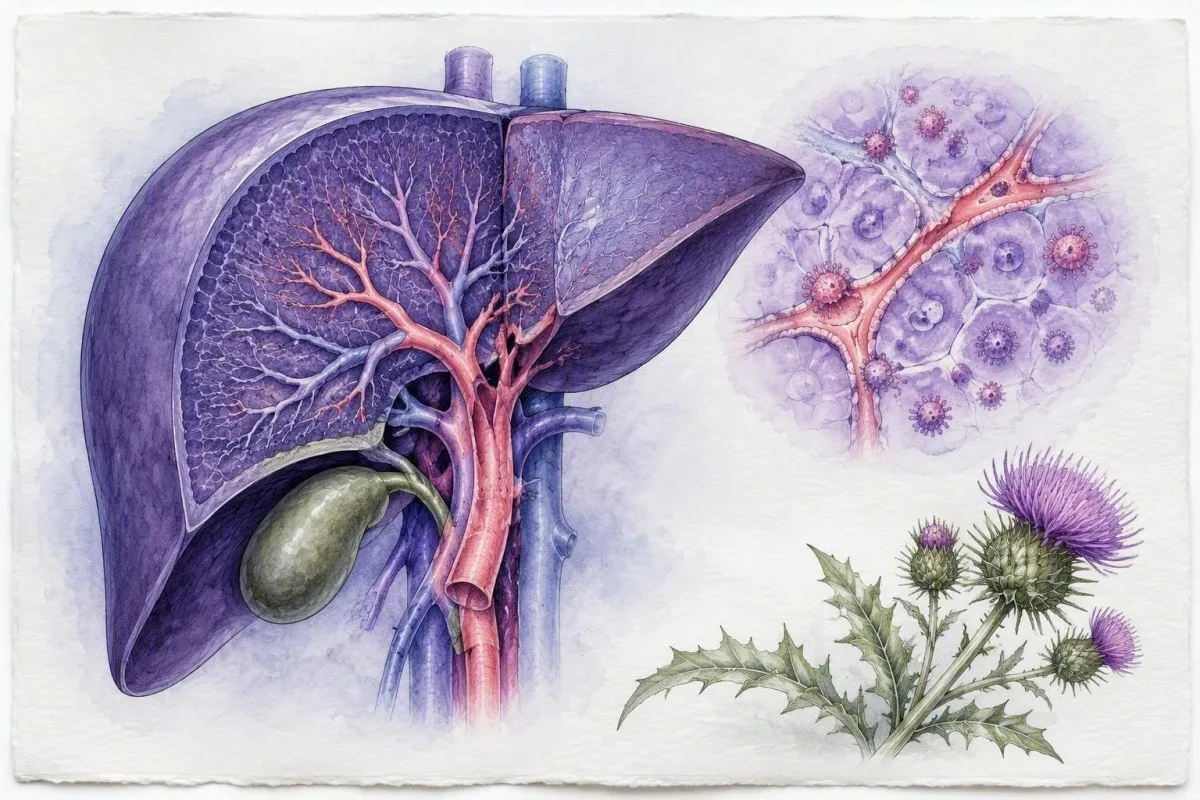
A vacina contra a hepatite B é moi eficaz cando se completa a serie. Para adultos que necesitan proba de resposta post-vacinación debido a risco ocupacional ou inmunitario, o anti-HBs mídese 1-2 meses despois da dose final; 10 mIU/mL ou máis é o limiar protector convencional.
Use preservativos ata que se documente a inmunidade dunha parella, cubra cortes e manteña os elementos de hixiene persoal para uso persoal. O contacto social rutineiro é seguro, e os nenos non deben ser illados dun pai con VHB; esta idea errónea aínda causa ansiedade familiar innecesaria.
Kantesti’s recursos de seguimento da saúde familiar pode axudar aos fogares a organizar resultados separados con consentimento, pero cada persoa necesita o seu propio rexistro de probas e vacinación. A proba de anticorpos positiva dun parente non pode establecer a inmunidade de ninguén máis.
Que hai da lactación materna?
A lactación materna está xeralmente permitida cando o recentemente nado recibe a inmunoprofilaxe recomendada contra a hepatite B. Aínda é necesario un consello individual se hai fisuras ou sangrado nos mamilos, coinfección por VIH ou preguntas sobre a terapia antiviral materna.
Que se debe evitar mentres se esperan os resultados da hepatite B?
Evite o alcohol, o paracetamol innecesario e os novos suplementos a base de herbas ou de musculación mentres se avalía a hepatite B aguda. Estas exposicións poden agravar o estrés hepático ou dificultar a identificación da fonte de resultados anormais.
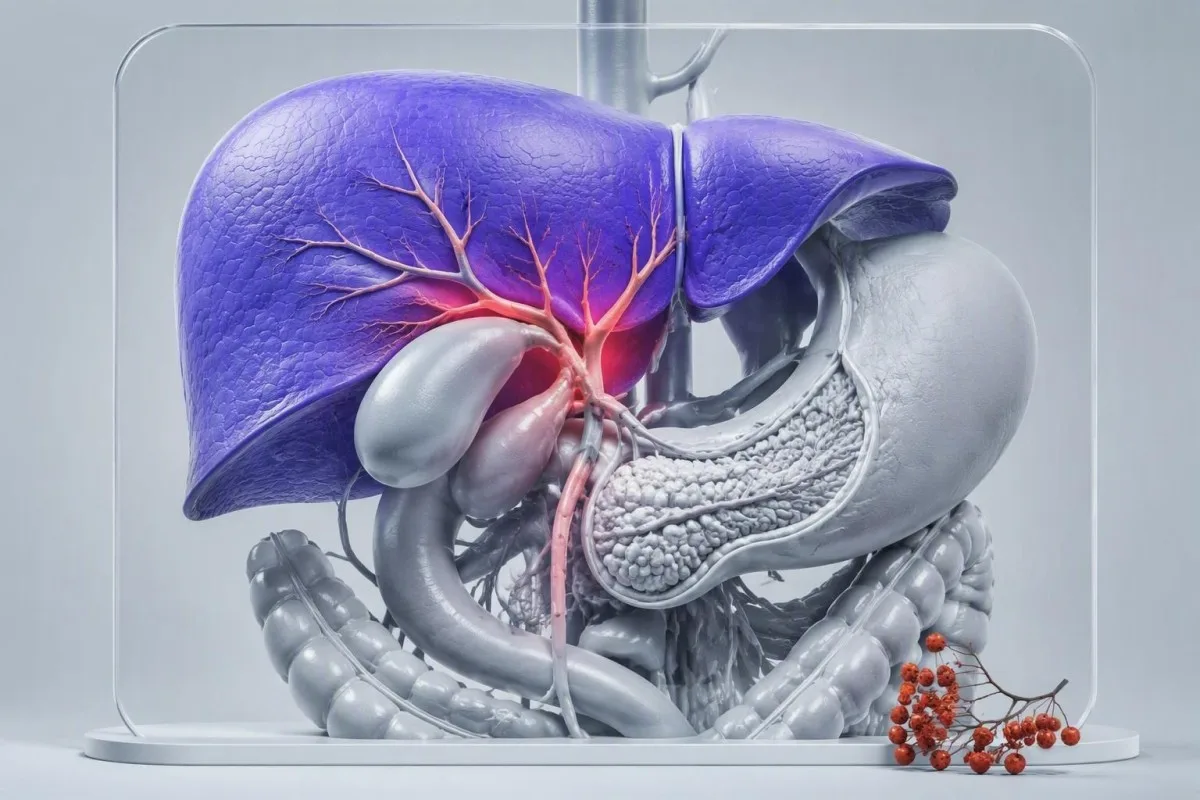
Non hai evidencia de que as limpezas con zumes, os réximes de xaxún ou os produtos de desintoxicación de venda libre eliminen a hepatite B. Algúns produtos conteñen extractos concentrados ou ingredientes non revelados, e o fígado pode ser especialmente vulnerable durante un episodio inflamatorio agudo; a nosa revisión de suplementos hepáticos con risco explica a preocupación.
Non interrompa un medicamento prescrito bruscamente a menos que o prescriptor o aconsella. Para o paracetamol, os clínicos adoitan individualizar os límites seguros cando hai lesión hepática; un máximo estándar doutra forma de 4.000 mg ao día non é automaticamente apropiado para alguén con hepatite aguda, consumo de alcohol, baixo peso corporal ou enfermidade hepática crónica.
A hidratación, as comidas sinxelas regulares, evitar o alcohol e manter unha lista datada de medicamentos e suplementos son sensatos mentres se espera a revisión. Se os vómitos impiden a inxesta de líquidos ou os cambios na claridade mental, busque atención urxente en lugar de intentar xestionalo na casa.
A comida non transmite o VHB
A hepatite B non se adquire a través da preparación normal de alimentos, pratos compartidos ou vasos de bebida. Isto é importante porque evitar as comidas familiares non reduce a transmisión, mentres que a vacinación e a evitación de artigos persoais contaminados con sangue si.
Como prepararse para unha cita de seguimento da hepatite B
Traia todos os resultados da hepatite B coas datas de recollida, o seu rexistro de vacinación, unha lista de medicamentos e unha liña de tempo concisa das exposicións. Estes detalles a miúdo distinguen unha infección recente, unha infección remota, un patrón de falso positivo ou hepatite B crónica establecida máis rápido que repetir unha única proba.
Anote as datas de posible exposición, viaxes, novas parellas sexuais, procedementos de inxección ou tatuaxe, contacto doméstico, embarazo e vacinación previa. Inclúa tamén medicamentos inmunosupresores como o rituximab, esteroides a alta dose, quimioterapia ou biolóxicos, xa que a positividade do anti-HBc pode ser importante incluso cando o HBsAg é negativo.
Pregunte catro preguntas directas: Cal dos tres marcadores de cribado foron positivos? Está presente o IgM anti-HBc? Cal é o ADN do VHB en UI/mL? Necesito avaliación de fibrose ou probas de hepatite D? Estas preguntas moven a conversación da preocupación vaga a un plan.
O Dr. Thomas Klein recomenda gardar o PDF orixinal en lugar dunha captura de pantalla do portal, xa que os rangos de referencia, os nomes dos ensaios, as datas e os comentarios do laboratorio poden afectar a interpretación. O Kantesti guía tecnolóxica explica como a nosa IA extrae o contexto do informe, mentres que o seu médico segue sendo responsable do diagnóstico e tratamento.
Unha perspectiva final e práctica
Un sentimento negativo non é unha proba negativa, e a ictericia é unha pista tardía e inconsistente. Se hai risco de exposición ou cribado, organice o panel de tres marcadores mesmo cando se sinta completamente normal; o coñecemento temperán protexe tanto o seu fígado como as persoas próximas a vostede.
Preguntas frecuentes
Podes ter hepatite B sen ictericia?
Si. A hepatite B pode ocorrer sen ictericia e moitas persoas infectadas non presentan síntomas nalgunha. A ictericia xeralmente convértese en perceptible cando a bilirrubina total aumenta a aproximadamente 2-3 mg/dL (34-51 µmol/L), pero a hepatite B pode causar inflamación hepática antes de que a bilirrubina alcance ese rango. O panel de cribado apropiado é HBsAg, anti-HBs e anti-HBc total, non unha lista de síntomas.
Cales son os primeiros síntomas da hepatite B?
Os primeiros síntomas da hepatite B poden incluír fatiga, falta de apetito, náuseas, febre leve, dores musculares, dor nas articulacións e molestias debaixo das costelas dereitas. Os síntomas agudos adoitan aparecer despois dun período de incubación de 60–150 días, cunha media duns 90 días. Estes síntomas solápanse con moitas enfermidades, polo que se require unha proba de HBsAg, anti-HBc total e anti-HBs para establecer o estado da hepatite B. Pode ocorrer ouriña escura ou ollos amarelos máis tarde, pero nin un nin outro son necesarios.
Que proba amosa se a hepatite B é aguda ou crónica?
Ningunha proba por si soa data a hepatite B perfectamente, pero a persistencia de HBsAg durante 6 meses ou máis establece unha infección crónica. IgM anti-HBc apoia unha infección aguda recente cando se combina cunha positividade nova de HBsAg, aínda que tamén pode aparecer durante un brote de hepatite B crónica. O ADN do VHB en UI/mL mide a replicación viral e axuda a guiar o manexo, mentres que as datas de probas anteriores adoitan proporcionar a resposta máis clara. Un clínico normalmente interpreta estas probas xunto con ALT, bilirrubina e historial de exposición.
Poden as enzimas hepáticas ser normais na hepatite B crónica?
Si. A ALT e a AST poden ser normais nun momento concreto na hepatite B crónica, aínda que a infección persista e o ADN do VHB siga sendo detectable. Unha ALT normal non exclúe a fibrose, polo que os médicos avalían o ADN do VHB, o estado do HBeAg, as plaquetas, o risco de fibrose, a idade e os antecedentes familiares xunto coas enzimas hepáticas. Unha ALT superior a 1.000 UI/L pode producirse na hepatite viral aguda, pero valores de ALT baixos ou normais non descartan a enfermidade crónica. Os resultados seriados son máis informativos que unha única extracción de sangue.
Que significa un antíxeno de superficie da hepatite B positivo?
Un antíxeno de superficie da hepatite B, ou HBsAg, positivo indica unha posible infección activa por hepatite B e precisa un seguimento confirmatorio inmediato. Os médicos adoitan engadir ADN do VHB, anti-HBc total e IgM, anti-VHB, HBeAg, química hepática, CBC e, a miúdo, probas de hepatite C, hepatite D e VIH en función do risco. Se o HBsAg permanece positivo durante polo menos 6 meses, a infección clasifícase como crónica. Un resultado positivo non proba por si só a cirrose nin determina se é necesario un tratamento antiviral.
Cando debo buscar atención urxente por sospeita de hepatite B?
Busque atención urxente o mesmo día por confusión, somnolencia severa, vómitos repetidos, ictericia que empeora rapidamente, hematomas inusuales, inchazo abdominal significativo ou incapacidade para retener líquidos. Na hepatite aguda, un INR de 1,5 ou superior combinado cun estado mental alterado suscita preocupación por insuficiencia hepática aguda e require avaliación de emerxencia. A urina escura soa pode ter causas benignas, pero a urina escura con feces pálidas, febre, ollos amarelos ou picor intensa precisa unha revisión médica inmediata. Non use alcol nin novos suplementos desintoxicantes mentres espera atención.
Obtén hoxe unha análise de sangue con IA
Únete a máis de 2 millóns de usuarios en todo o mundo que confían en Kantesti para obter unha análise instantánea e precisa das análises de laboratorio. Carga os teus resultados de análise de sangue e recibe unha interpretación completa de biomarcadores de 15,000+ en segundos.
📚 Publicacións de investigación citadas
Klein, T., Mitchell, S., & Weber, H. (2026). Kantesti LTD. (2026). Analizador de análise de sangue con IA: 2.5M probas analizadas | Informe global de saúde 2026. Zenodo.. Kantesti Investigación médica con IA.
Klein, T., Mitchell, S., & Weber, H. (2026). Kantesti LTD. (2026). Proba de sangue RDW: guía completa de RDW-CV, MCV e MCHC. Zenodo.. Kantesti Investigación médica con IA.
📖 Referencias médicas externas
Organización Mundial da Saúde (2024). Guías para a prevención, diagnóstico, atención e tratamento de persoas con infección crónica por hepatite B. Organización Mundial da Saúde.



⚕️ Aviso médico
Este artigo é só para fins educativos e non constitúe asesoramento médico. Consulta sempre un/ha profesional sanitario/a cualificado/a para decisións de diagnóstico e tratamento.
Sinais de confianza E-E-A-T
Experiencia
Revisión clínica dirixida por un médico dos fluxos de interpretación de análises.
Experiencia
Foco en medicina de laboratorio sobre como se comportan os biomarcadores no contexto clínico.
Autoridade
Escrito polo Dr. Thomas Klein, con revisión da Dra. Sarah Mitchell e do Prof. Dr. Hans Weber.
Fiabilidade
Interpretación baseada en evidencias con vías de seguimento claras para reducir a alarma.