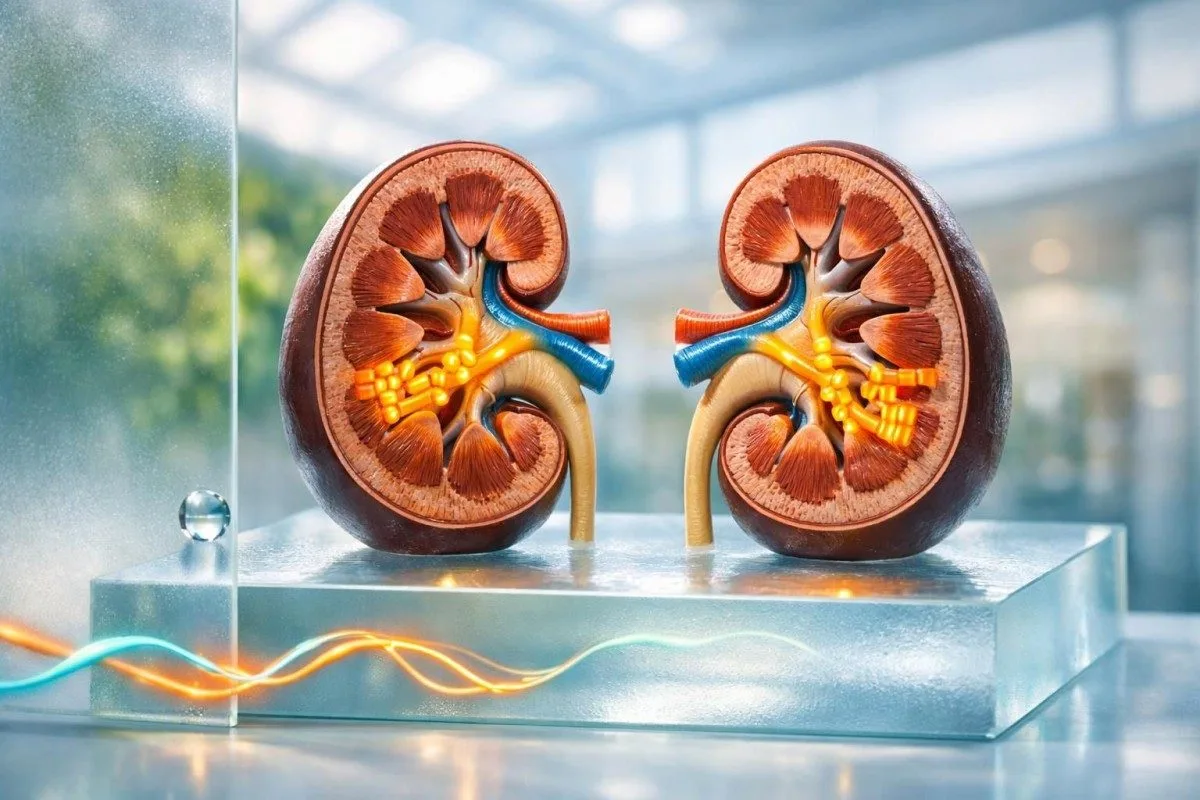
Merkitty kaliumtulos ei ole aina hätätilanne—mutta joskus se on. Näin erotan virheelliset kohonneet arvot todellisesta hyperkalemiasta ja päätän, kenelle tarvitaan uusintatesti ja kenelle kiireellinen hoito.


- Viitearvot Aikuisen seerumin kalium on yleensä 3,5–5,0 mmol/l, vaikka jotkin laboratoriot käyttävät ylärajana 5,1 tai 5,3 mmol/l.
- kiireellinen raja-arvo Kalium 6,0 mmol/l tai enemmän vaatii saman päivän kliinisen arvion, ja 6,5 mmol/l käsitellään yleensä hätätilanteena.
- Virheellisen korkea Hemolyysi, nyrkin puristaminen, viivästynyt käsittely tai EDTA-kontaminaatio voi nostaa kaliumia virheellisesti noin 0,3–1,0 mmol/l tai enemmän.
- Verihiutalovaikutus Verihiutalemäärät yli 500 x 10^9/l ja selvä leukosytoosi voivat aiheuttaa pseudohyperkalemiaa, erityisesti seeruminäytteissä.
- Munuaisten vihje Korkea kalium sekä nouseva kreatiniini tai eGFR alle 30 ml/min/1,73 m² viittaa paljon todennäköisemmin todelliseen ongelmaan.
- Lääkityslista ACE-estäjät, ARB-lääkkeet, spironolaktoni, trimetopriimi, tulehduskipulääkkeet (NSAID), takrolimuusi ja kaliumkloridin suolankorvikkeet ovat yleisiä laukaisijoita.
- Diabeteskuvio Korkea glukoosi ja matala CO2 voivat aiheuttaa vaarallisen hyperkalemian, vaikka elimistön kokonaiskalium olisi todellisuudessa vähentynyt.
- Paras uusintatesti Uusittu kalium plasmasta tai kokoveren kaasuanalyysistä on usein luotettavampi, kun epäillään trombosytoosia, leukosytoosia tai hemolyysiä.
- Hätätilan merkit Sydämentykytys, rintakipu, pyörtyminen, voimakas heikkous tai hengenahdistus vaativat kiireellisen arvion nyt.
Mitä odottamattoman korkea kaliumtulos yleensä tarkoittaa
Odottamaton korkean kaliumin kanssa tulos tarkoittaa yleensä jompaakumpaa kahdesta asiasta: todellinen hyperkalemia tai näytteestä johtuva virheellinen kohoaminen. Jos sinun kaliumtasot ovat 6,0 mmol/l tai korkeampi, tai sinulla on sydämentykytys, rintakipu, pyörtyminen, voimakas heikkous tai hengenahdistus, hakeudu saman päivän lääkärinhoitoon; jos arvo on 5,1–5,5 mmol/L ja voit hyvin, nopea uusintatesti kaliumin verikoe on usein turvallisin ensimmäinen toimenpide.
Kun tarkistan paneelia, jossa kalium 5.7 mmol/L henkilöllä, joka voi täysin hyvin, kysyn ensin, miten näyte on otettu. yllättävän moni yksittäinen poikkeava tulos johtuu hemolyysistä, nyrkin puristamisesta, liian pitkään pidetystä kiristyssiteestä tai viivästyneestä käsittelystä vaarallisen elimistön kaliumkuorman sijaan; meidän Kantesti tekoälyllä toimiva verikoeanalysaattori merkkimme nämä esianalyyttiset vihjeet muiden elektrolyyttipaneeli ohjaa.
kanssa. Luku on tärkeä, mutta se, millaisen seurassa se esiintyy, on vielä tärkeämpää. Korkea kalium ja kreatiniinin nousu, matala CO2, korkea glukoosi tai vähentynyt virtsaneritys on huomattavasti vakuuttavampaa kuin pelkkä kalium, minkä vuoksi meidän kliinikkomme ja tiimi kliinisen validoinnin standardiemme tarkastelevat trendejä yksittäisen punaisen lipun sijaan; Thomas Klein, MD, kertoo potilaille usein, että yksi kaliumarvo ilman kontekstia on vain puolet tarinasta.
17. huhtikuuta 2026 alkaen käytännön rajani on yksinkertainen: 5.1–5.4 mmol/l yleensä ansaitsee huolellisen uusinnan, 5.5–5.9 mmol/l vaatii kiireellistä kliinikon arviointia, ja 6,0 mmol/l tai enemmän sitä ei pidä sivuuttaa. Jos tulos tuli seulonnasta oireiden sijaan, seuraavat jaksot auttavat sinua erottamaan yleiset virhehälytykset niistä tapauksista, jotka todella tarvitsevat kiireellistä hoitoa.
Normaalit kaliumarvot ja miksi laboratorion viitearvot vaihtelevat
Aikuisen normaali kaliumin viitealue on yleensä 3,5–5,0 mmol/L seerumissa, vaikka jotkin laboratoriot käyttävät 3.5-5.1 tai 3,5–5,3 mmol/l. Tuloksena 5,1 mmol/l voi saada toisessa laboratoriossa merkinnän ja toisessa ei, joten vertaan aina laboratorion omaa viiteväliä ennen kuin pidän sitä totena korkean kaliumin kanssa.
Seerumi ja plasma eivät ole identtisiä. Seerumin kaliumarvo on usein noin 0,1–0,4 mmol/l korkeampi kuin plasmassa, koska hyytyminen voi vapauttaa kaliumia verihiutaleista, ja ero voi kasvaa paljon trombosytoosissa; jos raporttisi tuli CMP vs. BMP -opas, tarkista, lukiko siinä seerumi, plasma, BMP vai munuaisarvopaneeli.
Viitearvot ovat väestötyökaluja, eivät henkilökohtaisia takeita. Näen joskus potilaan, jonka tavanomainen kalium on 3,8–4,2 mmol/l vuosien ajan, ja nousu arvoon , tai kalium on yli on merkityksellinen, vaikka laboratorio tuskin merkitsee sitä; selittäjämme kohdassa miksi viitearvot harhauttavat osaa tämän vivahteen oikein.
Jotkin eurooppalaiset laboratoriot käyttävät hieman matalampaa plasman kaliumin ylärajaa kuin yhdysvaltalaiset laboratoriot, ja se voi hämmentää potilaita, jotka vertaavat raportteja verkossa. Kantesti tekoäly vertailee myös nykyistä tulostasi lähtötason trendeihin, mikä on usein kliinisesti hyödyllisempää kuin tuijottaa yhtä ainoaa ylärajaa.
Miksi yksi laboratorio merkitsee 5,2 ja toinen ei
Kaliumtulos 5,2 mmol/l voidaan merkitä rajatapausluonteiseksi, korkeaksi tai jopa normaaliksi näytetyypin, analysointilaitteen kalibroinnin ja paikallisten viitetietojen mukaan. Käytännön ratkaisu on tulkita tulos oireiden, munuaismerkkiaineiden ja toistotutkimussuunnitelman kanssa eikä pelkästään punaisella fontilla.
Virheellisen korkea kalium: näytteen ongelmat, jotka huijaavat testin
Yleisin syy odottamattomaan yksittäiseen korkeaan kaliumtulokseen on pseudohyperkalemia, eli näyte näyttää korkeaa, vaikka elimistön taso ei ole. Hemolyysi, vaikea näytteenotto, verihiutaleet, valkosolut tai putkikontaminaatio voivat nostaa ilmoitettua lukua sen verran, että se aiheuttaa todellista paniikkia.
Punasolujen hajoaminen näytteenoton aikana voi nostaa kaliumia noin 0,3–1,0 mmol/L, joskus enemmän. Näen tätä toistuvan kiristyssiteen puristamisen, tiukan nyrkin pumppaamisen, pienikokoisten näytteenottolaitteiden, voimakkaan putken ravistelun tai kun näyte seisoo liian kauan ennen sentrifugointia; artikkelimme kohdassa kuivumisen aiheuttamat virheelliset korkeat arvot selitetään, miksi väkevät tai vaikeat näytteet ovat alttiimpia virheille.
Marked trombosytoosi tai leukosytoosi voi hämätä seerumitutkimusta. Verihiutalemäärät, jotka ovat noin 500 x 10^9/L ja hyvin korkeat valkosolumäärät, erityisesti yli 50–100 x 10^9/L, voivat vapauttaa kaliumia hyytymisen aikana niin, että seerumin arvo näyttää korkealta, vaikka plasman arvo on normaali; tämä on klassinen Sevastos ym. (2006) kuvaama malli.
Vähemmän tunnettu ansa on EDTA-kontaminaatiosta väärä näytteenottokäsky tai siirtymä violetinkantaisesta putkesta. Vihje on erikoinen yhdistelmä: korkea kalium yhdessä odottamattoman matalan kalsiumin ja matalan magnesiumin, kanssa, joskus paljon matalampana kuin potilaan oireet antaisivat olettaa; kun potilaat lataavat raporttikuvan käyttäen meidän verikoetulosten valokuvasuunnitteluopas, tämä kuvio erottuu nopeasti.
Näin pyydät puhtaamman uusintanäytteen
Kysy, oliko ensimmäinen näyte hemolysoitunut, ja voidaanko uusinta tehdä ilman nyrkin puristamista, mahdollisimman lyhyellä kiristyssiteen käytöllä ja ripeällä käsittelyllä. Jos verihiutaleet tai valkosolut ovat hyvin korkeita, a plasman kalium tai kokoveren kaasuanalyysin kalium on yleensä luotettavampi kuin seerumi.
Munuaissairaus, lääkkeet ja yleisimmät todelliset syyt
Tosi korkean kaliumin kanssa useimmiten johtuu munuaisten vajaatoiminta tai lääkkeet, jotka vähentävät kaliumin eritystä. Kun munuaiset eivät pysty erittämään tarpeeksi kaliumia, vaikka ruokavalion saanti olisi normaali, taso voi silti nousta.
Munuaiset poistavat noin 90% päivittäisestä kaliumin saannista, joten jo lievä munuaisten vajaatoiminta muuttaa laskelmaa. Käytännössä riski alkaa kasvaa, kun eGFR laskee alle 60 ml/min/1,73 m² ja terävöityy paljon alempana 30 ml/min/1,73 m²; siksi minä tarkistan munuaispaneelia vs. CMP ja katson tarkasti kaiken historian matala GFR mutta normaali kreatiniini.
Lääkityslistat selittävät paljon tapauksia. ACE:n estäjät, ARB-lääkkeet, spironolaktoni, eplerenoni, amiloridi, triamtereeni, trimetopriimi, tulehduskipulääkkeet (NSAIDit), takrolimuusi, siklosporiini ja hepariini kaikki voivat nostaa kaliumia, erityisesti kun kaksi tai kolme yhdistetään; KDIGO:n kaliumia käsittelevässä konferenssijulkaisussa korostettiin, että lääkityksen tarkistus on keskeistä hyperkalemian triagessa (Clase ym., 2020).
Tässä on toinenkin näkökulma: iäkkäillä diabeetikoilla voi kehittyä hyporenineeminen hypoaldosteronismi, jota joskus kutsutaan tyypin 4 munuaistiehyiden asidoosiksi, jolloin kaliumia on noin 5,3–6,0 mmol/l ja bikarbonaattia alle 22 mmol/l jo ennen kuin kreatiniini näyttää dramaattiselta. Tämä on myös se potilas, joka usein käyttää kaliumkloridin suolankorvikkeita—noin 600–700 mg neljännesteelusikallista kohti—joten katson lähes aina kokonaiskuvaa munuaisten toiminnasta yhdessä BUN/ kreatiniinisuhteen oppaasta.
Yhdistelmät, jotka saavat minut huolestumaan
Eniten minua huolettaa asetelma, jossa CKD plus RAAS-salpaus plus äskettäinen NSAID, usein kuivumisen tai infektion jälkeen. Lisää kaliumlisät, suolankorvike tai trimetopriimi virtsatietulehdukseen, ja aiemmin vakaana ollut potilas voi hypätä 4.8 että 6,0 mmol/L muutamassa päivässä.
Asidoosi, diabetes, rabdomyolyysi ja muut vähemmän ilmeiset syyt
Kalium voi myös nousta, koska se siirtyy pois soluista tai koska solut vapauttavat sitä hajotessaan. Siksi diabeteskriisit, asidoosi, rabdomyolyysi, kasvaimen hajoamisoireyhtymä ja lisämunuaisongelmat ovat listallani korkealla, kun anamneesi sopii.
, ESR on usein selvästi koholla, joskus diabeettinen ketoasidoosi tai vaikeasta insuliinin puutteesta kalium siirtyy solujen sisältä verenkiertoon. Seerumin kaliumarvo voi olla 5,5–6,5 mmol/l vaikka elimistön kokonaiskaliummäärä onkin todellisuudessa vähentynyt, joten luen sen aina rinnakkain glukoosin, CO2:n ja anionivajeen enkä erillisinä.
Kudosten hajoaminen on toinen todellinen syy. Rabdomyolyysi voi vapauttaa suuria määriä solunsisäistä kaliumia, ja kuvioihin usein kuuluu lihaskipua, tummaa virtsaa, korkea CK, ja joskus harhaanjohtava nousu AST kovan harjoittelun, kohtausten, murskaantumisvamman tai pitkittyneen liikkumattomuuden jälkeen; meidän verikoeopas auttaa, kun taustalla on intensiivinen harjoittelu eikä munuaissairaus.
Lisämunuaisen vajaatoiminta ansaitsee enemmän huomiota kuin mitä se saa yleisissä artikkeleissa. Kun näen korkean kaliumin ja matalan natriumin, matalan verenpaineen, väsymyksen ja painon laskun, alan ajatella hypoaldosteronismia tai Addisonin tautia enkä hedelmien syöntiä; kokemukseni mukaan tämä on yksi niistä alueista, joilla konteksti merkitsee enemmän kuin numero.
Miksi banaanit ovat yleensä häiriötekijä
Yksi banaani sisältää noin 400–450 mg kaliumia, mikä ei yksinään riitä aiheuttamaan vaikeaa hyperkalemiaa henkilöllä, jolla on normaalit munuaisten toiminta. Ruokavalio alkaa vaikuttaa merkittävästi lähinnä silloin, kun eritys on heikentynyt, lääkkeitä käytetään tai kaliumia sisältäviä suolankorvikkeita ja lisäravinteita käytetään päivittäin.
Oireet ja kiireelliset varoitusmerkit, joita ei pidä odottaa
Kiireelliset varoitusmerkit ovat sydämentykytys, rintakipu, pyörtyminen, etenevä lihasheikkous, hengenahdistus tai vaikea yleiskunnon lasku, erityisesti kun kalium on 6,0 mmol/l tai korkeampi. Hyperkalemia voi olla vaarallista, koska se häiritsee sydämen johtumista, joskus hyvin vähäisin varoitusoirein.
Turhauttavaa on, että oireet ja lukemat eivät asetu siististi kohdakkain. Jotkut potilaat voivat hyvin 6.2 mmol/L, kun taas toiset heikkenevät tai saavat bradykardian jo alemmilla tasoilla; Montford ja Linas (2017) toivat tämän selvästi esiin, ja se vastaa sitä, mitä näen päivystystyössä.
Klassiset EKG-muutokset sisältävät kärjistyneet T-aallot, PR-ajan pitenemisen, QRS-kompleksin laajenemisen, P-aaltojen katoamisen, siniaalto-/sine-aaltomuodon ja bradyarytmioita. Usein käytetty kynnys hätätoimille on 6,5 mmol/l tai mikä tahansa taso, jossa on EKG-muutos, mutta nostan hoidon aiemmin, jos kyseessä on CKD, vähäinen virtsaneritys, vaikea asidoosi tai äkillinen kaliumin nousu yli 1,0 mmol/l lähtötasosta—akuutit muutokset ovat usein riskialttiimpia kuin kroonisesti vakaat.
Hätähoito on sairaalan työtä, ei kotona tehtävää vianetsintää. Lääkärit voivat antaa IV-kalsiumia sydänlihaksen stabiloimiseksi, 10 yksikköä säännöllistä insuliinia ja 25 g dekstroosia siirtämään kaliumia soluihin, inhaloitua salbutamolia/albuterolia, bikarbonaattia, jos potilas on asidoottinen, ja sen jälkeen poistaa kalium diureeteilla, sitojilla tai dialyysillä; meidän Lääketieteellinen neuvoa-antava toimikunta käyttää samaa mallipohjaista triagea, kun tarkistamme kiireellisiä latauksia.
Kun sanon potilaille, että menkää nyt
Hakeutukaa kiireelliseen hoitoon tai päivystykseen samana päivänä, jos kaliuminne on 6,0 mmol/l tai korkeampi, tai aiemmin, jos teillä on rintakipua, pyörtymistä tai merkittävää heikkoutta. Menkää vielä nopeammin, jos tulos liittyy heikkenevään munuaistoimintaan, hyvin matalaan CO2-arvoon tai matalaa natriumia; meidän natriumin verikoearvojen viitearvot selittää, miksi tämä yhdistelmä saa minut ajattelemaan laajempaa epävakautta.
Milloin uusitaan kaliumin verikoe ja miten se tehdään oikein
Uusintatesti on perusteltu, kun kalium on vain lievästi koholla ja kliininen kuva vaikuttaa vähäriskiseltä. Useimmat kliinikot toistavat heti tai , lopeta suurannoksinen miehille alle 50-vuotiaille 5.5–5.9 mmol/l, kuluessa, ja muutaman päivän sisällä, jos 5.1–5.4 mmol/l potilas voi hyvin, munuaistoiminta on vakaa ja vaarallisia lääkkeitä ei ole käytössä.
Ei ole yhtä ainoaa yleistä aikataulua, ja kliinikot ovat eri mieltä täällä. Omassa käytännössäni terve aikuinen, jolla on 5,2 mmol/l, normaali kreatiniini, ei oireita ja merkintä siitä, että näyte oli hemolysoitunut, voi usein toistaa testin pian avohoidossa, kun taas sama arvo potilaalla, jolla on CKD tai spironolaktoni, ansaitsee paljon nopeamman seurannan.
Hyvä uusinta on enemmän kuin pelkkä toinen kaliumnumero. Pyydä kalium, kreatiniini, eGFR, CO2 tai bikarbonaatti, glukoosi, natrium ja joskus magnesium, ja sitten vertaile uutta paneelia vanhaan käyttämällä meidän verikoetulosten vertailuominaisuutta sen sijaan, että arvioisit yksittäistä laboratoriotulosta erillään.
Valmistautuminen merkitsee. Vältä maksimaalista rasitusta testin aamuna, älä purista ja rentouta nyrkkiä näytteenoton aikana, tuo mukaan täydellinen lääkitys- ja ravintolisäluettelo, ja jos lataat tuloksia alustallemme, käytä selkeää PDF:ää tai kuvaa; meidän verikokeen PDF-latausohje näyttää, mikä tekee tulkinnasta selkeämmän.
Plasman tai veren kaasuanalyysin uusinta: kun pyydän sitä
Jos täydellinen verenkuva (CBC) näyttää hyvin korkeat trombosyytit tai valkosolut, haluan yleensä plasman kalium tai kokoveren kaasuanalyysin kalium , koska seerumi voi yliarvioida ongelman. Tämä pieni tekninen valinta voi säästää potilaan tarpeettomalta päivystykseltä lähetteeltä.
Miten tulkitset kaliumia kreatiniinin, CO2:n, natriumin ja magnesiumin kanssa
Turvallisin tapa tulkita kaliumtasot on lukea ne vierekkäin munuaistoiminnan, happo-emästilan, natriumin, magnesiumin ja glukoosin kanssa. Kaliumtulos ilman muuta paneelia on kuin yksi elokuvan kuvakehys.
Kreatiniini on hyödyllinen, mutta trendit ovat parempia. Kreatiniinin nousu vain 0,3 mg/dl voi täyttää AKI-kriteerit, ja iäkkäämmällä tai pienikokoisella potilaalla kreatiniini voi näyttää näennäisesti normaalilta, vaikka suodatus on heikentynyt, minkä vuoksi meidän tekoäly verikoetulokset -työkalu varmistaa sekä GFR:n että eGFR:n ohjeet ja kreatiniinialueohje samanaikaisesti.
Matala CO2 tai bikarbonaatti, erityisesti alle 22 mmol/l, ohjaa minua kohti asidoosiin liittyvää hyperkalemiaa. Jos paneeli on peräisin tavallinen verikoe ja glukoosi on myös poikkeava, todennäköisyys todelliselle aineenvaihduntaongelmalle kasvaa nopeasti.
Magnesium ja kalsium voivat muuttaa täysin tapaa, jolla luen tuloksen. Matala magnesium voi lisätä rytmihäiriöriskiä, kun taas hyvin matala kalsium yhdessä hyvin matalan magnesiumin kanssa ja korkea kalium saa minut epäilemään EDTA-kontaminaatiota todellisen hätätilanteen sijaan; meidän tarkastelumme magnesiumin viitearvo-ohje kannattaa katsoa, jos tuo kolmikko näkyy raportissasi.
Kaava, joka rauhoittaa minua
Uusittu kaliumarvo 4,6 mmol/l, stabiili kreatiniini, normaali CO2 ja tavanomainen CBC riittää yleensä laskemaan hälytyksen tasoa. Kokemuksemme mukaan Kantesti:llä tämä ennen–jälkeen -vertailu ehkäisee enemmän ahdistusta kuin mikään geneerinen oirelista.
Ruoka, lisäravinteet ja ensimmäiset myytit, joita potilaat kuulevat
Ruoka ei yleensä yksinään aiheuta vaikeaa hyperkalemiaa, jos munuaisten toiminta on normaali. Suuremmat syylliset ovat suolan korvikkeet, lisäravinteet, munuaissairaus ja lääkkeet jotka vähentävät kaliumin eritystä.
Useimmat potilaat murehtivat ensin banaaneista, mutta se on yleensä väärä pahis. Banaanissa on noin 400–450 mg kaliumia, kun taas jotkin kaliumkloridipohjaiset suolan korvikkeet tarjoavat 600–700 mg neljännesteelusikallista kohti ja tietyt elektrolyyttijauheet tai vihannesblendit lisäävät satoja lisää muutamassa kauhallisessa; jos tuloksesi oli uusinnassa oikeasti matala, liian tiukka ruokarajoitus voi luoda päinvastaisen ongelman, kuten matalan kaliumin opas selittää.
Älä tee äkillisiä muutoksia lääkitykseesi omin päin, ellei kliinikko kehota siihen. ACE-estäjän, ARB:n tai mineralokortikoidireseptorin salpaajan lopettaminen voi olla riskialtista sydämen vajaatoiminnassa tai munuaissairaudessa, ja turvallisempi vaihtoehto on yleensä nopea koko lääkityslistan läpikäynti, uusintalabrat ja räätälöity ruokavaliosuunnitelma sen sijaan, että arvuuttelisi internetistä.
Eniten auttaa tarkkuus. Kantesti AI yhdistää kaliumin munuaismerkkiaineisiisi, glukoosiin ja trendihistoriaan, ja ohjaa sitten kohti seuraavaa järkevää askelta; jos haluat laajemman kontekstin siitä, miten lähestymme verikoetulosten tulkintaa, meidän Kantestin blogi sisältää rinnakkaisia osioita elektrolyytteistä, munuaispaneeleista ja yleisistä vääristä hälytyksistä.
Kotikonstit, joita en suosittele
Älä yritä itsehoitaa selvästi korkeaa kaliumtulosta laksatiiveilla, valtavilla vesimäärillä, satunnaisilla lisäravinteilla tai jonkun toisen diureetilla. Nämä keinot voivat pahentaa kuivumista, häiritä natriumia tai viivästyttää hoitoa, joka oikeasti pienentää rytmihäiriöriskiä.
Tutkimusnäyttöön perustuva kaliumin tulkinta ja seuraavat askeleet Kantesti
Kantesti AI tulkitsee kaliumtasot lukemalla arvo kontekstissa yhdessä kreatiniinin, eGFR:n, bikarbonaatin, glukoosin, natriumin, magnesiumin, CBC:n vihjeiden ja aiempien tulosten kanssa. Se on hyödyllistä triagessa, mutta se ei koskaan korvaa ensiapua, kun numero tai oireet ovat vaarallisia.
Lääketieteellinen arviointipolkumme, jota johtaa Thomas Klein, MD, ja jota tukevat lääkärit eri puolilta Tietoja Kantestista, käsittelee hyperkalemiaa kuvioiden tunnistamisen ongelmana. Meitä käyttää yli 2 miljoonaa käyttäjää poikki Yli 127 maata ja Yli 75 kieltä, ja taustalla on CE-merkinnän, HIPAA:n, GDPR:n ja ISO 27001 -suojatoimet.
Jos haluat syvemmän katsauksen aiheeseen liittyviin merkkiaineisiin, on käytännöllinen paikka aloittaa. Taustalla tekee biomarkkeriopas on käytännöllinen paikka aloittaa. Kulissien takana, meidän 2.78T-parametrinen Health AI ristiinviittauksia yli 15 000 biomarkkerin, minkä vuoksi kaliumia ei koskaan analysoida alustallamme yksin; se heijastaa Thomas Kleinin, MD:n, ja lääkäritiimimme arvioimia kliinisiä standardeja.
Seuraavaksi nopea askel: kokeile . Useimmat potilaat huomaavat, että kaliumtuloksen näkeminen trendianalyysin, lääkityskehotteiden ja selkokielisten jatkokysymysten rinnalla vähentää paniikkia ja tekee seuraavasta keskustelusta oman lääkärin kanssa paljon tuottavamman. ilmaista verikokeen demoa. Useimmat potilaat huomaavat, että kaliumtuloksen näkeminen yhdessä trendianalyysin, lääkemuistutusten ja selkokielisten jatkokysymysten kanssa vähentää paniikkia ja tekee seuraavasta keskustelusta oman lääkärin kanssa paljon tuottavamman.
Usein kysytyt kysymykset
Onko kalium 5,5 vaarallista?
Kaliumarvo on rajatapaus tai lievästi koholla, ja vaarallisuus riippuu tilanteesta. Hyväkuntoisella henkilöllä, jolla on normaali munuaisten toiminta, ei oireita ja epäillään näyteongelmaa, kliinikot usein toistavat tutkimuksen nopeasti sen sijaan, että hoitaisivat heti. Sama 5,5 mmol/l on rajatapaus tai lievästi koholla, ja vaara riippuu asiayhteydestä. Terveellä henkilöllä, jolla on normaali munuaistoiminta, ei oireita ja epäilty näyteongelma, lääkärit toistavat usein testin nopeasti sen sijaan, että hoitaisivat välittömästi. Sama 5,5 mmol/l on huolestuttavampi, jos kreatiniini on nousemassa, eGFR on matala, potilas käyttää spironolaktonia tai ACE-estäjiä tai EKG:ssä on muutoksia. Jos oireita, kuten tykytys, heikkous, rintakipu tai pyörtyminen, on, tarvitaan saman päivän lääkärin arvio.
Miksi kaliumarvoni oli kerran korkea ja toistomittauksessa normaali?
Korkea kaliumtulos, joka muuttuu toistossa normaaliksi, on usein , mikä tarkoittaa, että ensimmäinen näyte oli harhaanjohtava eikä kaliumisi ollut todellisuudessa oikeasti korkea. Yleisiä syitä ovat hemolyysi, nyrkin puristaminen näytteenoton aikana, näytteen käsittelyn viivästyminen tai seeruminäyte, joka on otettu tilanteessa, jossa trombosyyttien tai valkosolujen määrä on hyvin korkea. Ero näytteenottoon liittyvistä ongelmista on sen verran yleinen, etten koskaan sivuuta laboratorion kommenttia hemolyysistä. Jos toistotaso on normaali ja muu kemiallinen tutkimus on vakaa, se on yleensä rauhoittavaa. pseudohyperkalemia, mikä tarkoittaa, että ensimmäinen näyte oli harhaanjohtava sen sijaan, että kehosi kalium olisi todella korkea. Yleisiä syitä ovat hemolyysi, nyrkin puristaminen näytteenoton aikana, näytteen viivästynyt käsittely tai seeruminäyte, joka on otettu hyvin korkeiden verihiukkasten tai valkosolujen yhteydessä. Ero 0,3–1,0 mmol/L näytteenottovirheistä on riittävän yleinen, että en koskaan jätä huomiotta laboratorion hemolyysikommenttia. Jos uusintatulos on normaali ja muu kemiallinen paneeli on vakaa, se on yleensä rauhoittavaa.
Voiko kuivuminen aiheuttaa korkean kaliumarvon?
Nestehukka voi vaikuttaa korkeaan kaliumiin, mutta yleensä ei yksinkertaisella yhden vaiheen tavalla. Lievä nestehukka voi tiivistää näytettä tai vaikeuttaa näytteenottoa, mikä voi aiheuttaa virheellisen korkean tuloksen, kun taas vakavampi nestehukka voi heikentää munuaisten verenkiertoa ja pahentaa todellista kaliumin pidättymistä. Vihje on, näkyykö myös kreatiniinissa, BUN:ssa, CO2:ssa ja virtsanerityksessä poikkeavuuksia eikä vain kaliumissa. Jos kalium on korkea ja sinulla on myös oksentelua, heikotusta tai et virtsaa paljon, se vaatii nopeampaa arviointia.
Mitkä lääkkeet nostavat yleisesti kaliumin tasoa?
Lääkkeet, jotka useimmiten liittyvät korkeampiin kaliumtasoihin, ovat . Riski kasvaa jyrkästi, kun kahta tai useampaa yhdistetään, erityisesti potilailla, joilla on . Kaliumlisät ja kaliumkloridin suolan korvikkeet voivat pahentaa tilannetta, ja potilaat unohtavat usein mainita ne. Kysyn aina täydellisen listan resepteistä, itsehoitotuotteista, jauheista ja suolan korvikkeista ennen kuin päätän, onko tulos todellinen. ACE:n estäjät, ARB-lääkkeet, spironolaktoni, eplerenoni, amiloridi, triamtereeni, trimetopriimi, tulehduskipulääkkeet (NSAIDit), takrolimuusi, siklosporiini ja hepariini. Riski kasvaa jyrkästi, kun kaksi tai useampi yhdistetään, erityisesti potilailla, joilla on eGFR alle 60 mL/min/1.73 m². Kaliumlisät ja kaliumkloridisuolankorvikkeet voivat pahentaa ongelmaa, ja potilaat unohtavat usein mainita ne. Kysyn aina täydellisen luettelon resepteistä, reseptivapaista tuotteista, jauheista ja suolankorvikkeista ennen kuin päätän, onko tulos todellinen.
Pitäisikö minun lopettaa banaanien tai muiden runsaasti kaliumia sisältävien ruokien syöminen yhden poikkeavan tuloksen jälkeen?
Ei—useimpien ei pitäisi poistaa banaaneja tai kaikkia runsaasti kaliumia sisältäviä ruokia sokeasti yhden poikkeavan tuloksen perusteella. Yksi banaani sisältää noin kaliumia, ja se yksin harvoin aiheuttaa vaarallista hyperkalemiaa, jos munuaisten toiminta on normaali. Suurempi ruokavalioon liittyvä ongelma ovat usein kaliumkloridin suolan korvikkeet, jotka voivat sisältää , tai toistuva käyttö lisäravinteiden ja elektrolyyttijauheiden kanssa. Jos toistokaliumisi on normaali, liian tiukka rajoittaminen voi olla tarpeetonta ja joskus jopa haitallista. ei sokeasti eliminoi banaanit tai kaikki kaliumpitoiset ruoat yhden epänormaalin tuloksen jälkeen. Yksi banaani sisältää noin 400–450 mg kaliumia, ja se yksin harvoin aiheuttaa vaarallista hyperkalemiaa, jos munuaistoiminta on normaalia. Suurempi ruokavalio-ongelma ovat usein kaliumkloridisuolankorvikkeet, jotka voivat sisältää 600–700 mg neljännesteelusikallista kohti, tai lisäravinteiden ja elektrolyyttijauheiden toistuva käyttö. Jos uusintakaliumtasosi on normaali, liian tiukka rajoittaminen voi olla tarpeetonta ja joskus haitallista.
Milloin minun pitäisi mennä päivystykseen, jos kaliumarvoni on korkea?
Hakeudu kiireelliseen, saman päivän hoitoon, jos kalium on , ja monet kliinikot hoitavat hätätilanteena jo ennen kuin toistotulos on tullut. Mene aiemmin, jos sinulla on rintakipua, tykytyksiä, pyörtymistä, voimakasta heikkoutta, hengenahdistusta tai tunne, että sydämen sykkeesi on poikkeuksellisen hidas tai epäsäännöllinen. Korkea kalium yhdessä heikkenevän munuaistoiminnan, hyvin matalan CO2:n tai hyvin vähäisen virtsanerityksen kanssa on myös vaarallisempaa. Jos olet dialyysissä tai sinulla on pitkälle edennyt munuaissairaus, älä odota netin neuvoja. 6,0 mmol/l tai korkeampi, ja monet lääkärit hoitavat 6,5 mmol/l hätätilanteena jo ennen uusintatuloksen saamista. Mene nopeammin, jos sinulla on rintakipua, sydämentykytystä, pyörtymistä, vakavaa heikkoutta, hengenahdistusta tai tunne, että sydämesi lyö epätavallisen hitaasti tai epäsäännöllisesti. Korkea kaliumpitoisuus, johon liittyy munuaistoiminnan heikkeneminen, hyvin matala CO2 tai hyvin matala virtsaneritys, on myös vaarallisempaa. Jos olet dialyysihoidossa tai sinulla on pitkälle edennyt munuaissairaus, älä odota internetin neuvoja.
Mitä tulisi toistaa korkean kaliumin verikokeen jälkeen?
Paras uusintamittaus korkean kaliumin verikokeen jälkeen sisältää yleensä kaliumin, kreatiniinin, eGFR:n, CO2:n tai bikarbonaatin, glukoosin, natriumin ja usein myös magnesiumin, ei pelkästään kaliumia. Jos trombosytoosia, leukosytoosia tai hemolyysiä epäillään, on usein luotettavampi kuin seerumi. Haluan myös , koska verihiutaleiden ollessa koholla tai hyvin korkeat valkosolumäärät voivat selittää virheellisen nousun. Uusintatesti on hyödyllisin, kun se verrataan suoraan alkuperäiseen tulokseen ja tulkitaan osana toistuvaa kaavaa. plasman kalium tai kokoveren kaasuanalyysin kalium on usein luotettavampi kuin seerumi. Haluan myös CBC:n, koska verihiutaleet yli 500 x 10^9/L tai hyvin korkea valkosolumäärä voivat selittää väärennetyn korkean tason. Uusintatesti on hyödyllisin, kun sitä verrataan suoraan alkuperäiseen tulokseen ja tulkitaan mallina.
Pitäisikö minun välttää raskasta liikuntaa ennen uutta kaliumverikoetta?
Vältä raskasta liikuntaa 24 tuntia ennen suunniteltua uusintakoetta, ellei lääkärisi toisin ohjeista. Rankka liikunta voi siirtää kaliumia väliaikaisesti lihaksista ja vaikeuttaa tulkintaa, etenkin jos on ollut lihasvamma tai kovaa lihassärkyä.
Voiko korkea kalium vaikuttaa sydämen rytmiin, vaikka voin normaalisti?
Kyllä. Kalium voi häiritä sydämen sähköistä rytmiä ennen kuin selviä oireita ilmenee, erityisesti kun pitoisuus on noin 6,0 mmol/l tai korkeampi tai nousee nopeasti. Siksi kliinikot voivat määrätä EKG:n, vaikka voisit hyvin.
Mitä lääkärit tekevät, jos kaliumini on vaarallisen korkea?
He yleensä varmistavat tuloksen, asettavat sinut sydämen monitorointiin, tarkistavat EKG:n ja arvioivat munuaisten toiminnan sekä happo-emästasapainon. Hoito voi sisältää IV-kalsiumia, insuliinia glukoosin kanssa, inhaloitavaa albuterolia, diureetteja, kaliumin sitojia tai dialyysiä tilanteen vakavuudesta riippuen.
Hanki tekoälypohjainen verikoeanalyysi tänään
Liity yli 2 miljoonan käyttäjän joukkoon maailmanlaajuisesti, jotka luottavat Kantesti:hen saadakseen välittömän ja tarkan laboratoriotestianalyysin. Lataa verikoetuloksesi ja saat kattavan tulkinnan 15,000+-biomarkkereista sekunneissa.
📚 Viitatut tutkimusjulkaisut
Klein, T., Mitchell, S., & Weber, H. (2026). BUN/kreatiniinisuhde selitettynä: Munuaisten toimintakokeen opas. Kantesti AI Medical Research.
Klein, T., Mitchell, S., & Weber, H. (2026). Urobilinogeeni virtsakokeessa: täydellinen virtsanäytteen opas 2026. Kantesti AI Medical Research.
📖 Ulkoiset lääketieteelliset lähteet
Clase CM ym. (2020). Kaliumin homeostaasin ja dyskalemian hoito munuaissairauksissa: johtopäätökset Kidney Disease: Improving Global Outcomes (KDIGO) -kiistakonferenssista. Kidney International.
Montford JR, Linas S (2017). Kuinka vaarallista on hyperkalemia?. American Society of Nephrology -lehden julkaisu.
Sevastos N ym. (2006). Pseudohyperkalemia seerumissa: ilmiö ja sen kliininen merkitys. Journal of Laboratory and Clinical Medicine -lehti.
⚕️ Lääketieteellinen vastuuvapauslauseke
Tämä artikkeli on tarkoitettu vain koulutustarkoituksiin eikä se muodosta lääketieteellistä neuvontaa. Ota aina yhteyttä pätevään terveydenhuollon ammattilaiseen diagnoosi- ja hoitopäätöksiä varten.
E-E-A-T-luottamussignaalit
Kokea
Lääkärin johtama kliininen arviointi laboratoriotulkinnan työnkuluista.
Asiantuntemus
Laboratoriolääketiede keskittyy siihen, miten biomarkkerit käyttäytyvät kliinisessä kontekstissa.
Auktoriteetti
Kirjoittanut tohtori Thomas Klein, tarkistanut tohtori Sarah Mitchell ja professori tohtori Hans Weber.
Luotettavuus
Näyttöön perustuva tulkinta selkeillä jatkopoluilla, jotka vähentävät hälytystä.