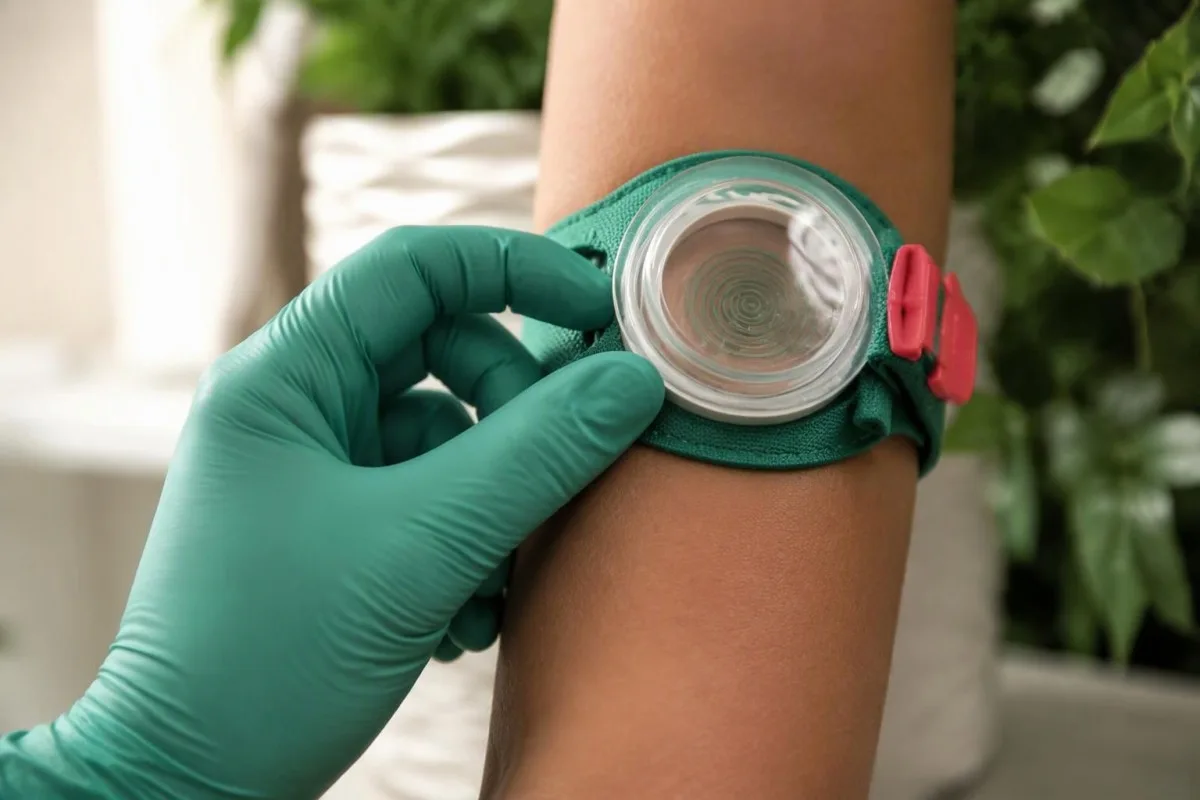
የ30–59 mmol/L የድንበር ላብራቶሪ የላብ ምርመራ ውጤት ሳይስቲክ ፋይብሮሲስን አያረጋግጥም። ውጤቱ ክትትል እንደሚያስፈልገው ያሳያል፡ ይህም ብዙውን ጊዜ በልዩ ማዕከል በድጋሚ መመርመር፣ የበሽታ ምልክቶች እና የአራስ ሕፃናት ምርመራ ግምገማ፣ እና አንዳንድ ጊዜ የ CFTR ጂን ወይም ተግባራዊ ግምገማ ማካተት አለበት።.


- ዝቅተኛ የላብ ውጤት: ከ 30 mmol/L በታች የሆነ ውጤት ሳይስቲክ ፋይብሮሲስ የመከሰት ዕድል ዝቅተኛ ያደርገዋል፣ ነገር ግን በሽታው ምልክቶች ወይም የዘረመል ጠንካራ ተጋላጭነት በሚኖርበት ጊዜ ሙሉ በሙሉ አያገልም።.
- መካከለኛ የላብ ውጤት: የ30–59 mmol/L ደረጃዎች አጠራጣሪ ናቸው—የተረጋገጠ የሳይስቲክ ፋይብሮሲስ ምርመራ አይደለም እና በራስ-ሰር ተሸካሚ ውጤት አይደለም።.
- ከፍተኛ የላብ ውጤት: የ60 mmol/L ወይም ከዚያ በላይ የሆነ ትክክለኛ ውጤት በተገቢው ክሊኒካዊ ሁኔታ የሳይስቲክ ፋይብሮሲስን ይደግፋል እና የልዩ ባለሙያ ማረጋገጫ ይፈልጋል።.
- የተደጋጋሚ ምርመራ፦ መካከለኛ ውጤት በአጠቃላይ በ1–2 ወራት ውስጥ ሌላ የላብ ምርመራ ያጸድቃል፣ ለበሽታ ምልክት ያላቸው ሕፃናት ወይም አሳሳቢ ምልክቶች ቀደም ብሎ መገምገም አለበት።.
- ሁሉም ዕድሜዎች: የሳይስቲክ ፋይብሮሲስ ፋውንዴሽን የዲያግኖስቲክ ገደቦች ለሕፃናት፣ ለህጻናት እና ለአዋቂዎች ከ 30 በታች፣ 30–59 እና ቢያንስ 60 mmol/L ይጠቀማሉ።.
- የናሙና ጥራት፡ በቂ ያልሆነ የላብ ናሙና አስተማማኝ አሉታዊ ውጤት ተብሎ ሊዘገብ አይችልም፤ የተለዩ የናሙና ቦታዎች ሊጣመሩ አይገባም።.
- የ CFTR ግምገማ፡ የማያቋርጥ መካከለኛ ውጤቶች፣ የሚያመለክቱ ምልክቶች፣ ወይም መደበኛ ያልሆነ የአራስ ልጅ ምርመራ ቅደም ተከተል፣ የጎደለ/የመባዛት ትንተና እና የዘረመል ምክክር ሊያረጋግጡ ይችላሉ።.
- AI ገደቦች፡ የላብ ክሎራይድ ላብን እንጂ ደምን አይለካም። ተጓዳኝ የላብ ውጤቶች የ AI ትርጓሜ የሳይስቲክ ፋይብሮሲስን ማቋቋም ወይም መከልከል አይችልም።.
ዝቅተኛ፣ መካከለኛ እና ከፍተኛ ውጤቶች ምን ማለት ናቸው?
የላብ ክሎራይድ የሙከራ ውጤቶች ከ 30 mmol/L በታች የሆኑ የሳይስቲክ ፋይብሮሲስ ዕድልን ይቀንሳሉ፤ 30–59 mmol/L መካከለኛ ነው፤ እና 60 mmol/L ወይም ከዚያ በላይ በሆነው ትክክለኛ ክሊኒካዊ ሁኔታ ውስጥ የሳይስቲክ ፋይብሮሲስን ይደግፋል።. ድንበር ያለበት ውጤት ምርመራ ምክንያት እንጂ ምርመራ፣ የክብደት ውጤት ወይም በራስዎ ህክምና ለመጀመር ምክንያት አይደለም።.
የ 2017 የሳይስቲክ ፋይብሮሲስ ፋውንዴሽን ስምምነት ከሕፃናት በኋላ ለትላልቅ ሕፃናት እና ጎልማሶች ከፍ ያለ መካከለኛ ድንበር ከመጠቀም ይልቅ (Farrell et al., 2017) እነዚህን 3 ገደቦች በእድሜ ሁሉ ይተገብራል። አንዳንድ የቆዩ ዘገባዎች ከሕፃናት በኋላ ድንበርን 40–59 mmol/L በማለት ይገልጻሉ፤ ጊዜ ያለፈበት የማጣቀሻ ክፍተት መደበኛ ብሎ ስለሚጠራው ብቻ የ 35 mmol/L ውጤት መጣል የለበትም።.
የ 59 mmol/L ውጤት እና የ 60 mmol/L ውጤት በተለያዩ ምድቦች ውስጥ ይወድቃሉ፣ ነገር ግን ባዮሎጂ በእነዚህ ቁጥሮች መካከል በድንገት አይቀየርም። የናሙና ጥራት፣ ምልክቶች፣ የፍተሻ ታሪክ እና ተደጋጋሚ መለኪያዎች ምድቡን ምን ያህል በልበ ሙሉነት መጠቀም እንደሚቻል ይወስናሉ። የእኛ ማብራሪያ ከክልል ውጭ የሆኑ የላቦራቶሪ ባንዲራዎች የተነሳው ቁጥር ራሱ ምርመራ የሆነው ለምን እንደሆነ ያብራራል።.
እኔ ዶክተር ቶማስ ክላይን፣ የKantesti ዋና የህክምና ኦፊሰር ነኝ፣ እና የእኔ ክሊኒካዊ ማዕቀፍ ማንኛውንም ከመወያየትዎ በፊት መለኪያን ከምርመራ መለየት ነው። Kantesti የ AI የደም ምርመራ ተንታኝ ነው፤ የላብ ክሎራይድ የተለየ ልዩ ምርመራ እንጂ የደም ባዮማርከር አይደለም። የእኛ ድርጅት እና ክሊኒካዊ ወሰን ያንን ልዩነት ያብራራሉ፣ በተለይም አንድ ሰው የተቀላቀለ የላብ ሪፖርት ሲጭን አስፈላጊ ነው።.
የላብ ምርመራው በእርግጥ ምን ይለካል?
የላብ ክሎራይድ ምርመራ ፒሎካርፒን ትንሽ የናሙና አካባቢን ካነቃቃ በኋላ በላብ ውስጥ ያለውን የክሎራይድ ትኩረት ይለካል።. የ CFTR ቻናል ተግባር አንድን መዘዝ ይገመግማል፡ ላብ ወደ ላይኛው ገጽ ከመድረሱ በፊት ላብ ቻናል ክሎራይድን ምን ያህል ውጤታማ በሆነ መንገድ እንደገና እንደሚወስድ። የውሳኔው ውጤት በ mmol/L ነው የሚዘገበው እንጂ በተመረተው የላብ መጠን አይደለም።.
The sweat gland first produces fluid, and its duct then reabsorbs salt. Reduced CFTR function can leave more chloride in the final sweat, producing values of 60 mmol/L or higher in many people with cystic fibrosis. This is a functional clue, but it does not directly measure lung damage, pancreatic function, or the number of genetic variants present.
Sweat chloride and serum chloride describe different compartments. A person can have elevated sweat chloride while the chloride concentration in a metabolic panel is normal—or low after substantial salt loss. Our discussion of serum chloride and fluids concerns blood chemistry; its reference intervals cannot be substituted for the 30–59 mmol/L sweat interval.
The units can also look different without representing different thresholds: for chloride, 1 mmol/L equals 1 mEq/L because chloride has a single electrical charge. Sweat conductivity is another matter—it reflects multiple ions, often expressed as sodium chloride equivalents. A conductivity result must not be interpreted using diagnostic sweat chloride thresholds, even when the report looks reassuringly numerical.
ለምን መካከለኛ ውጤት ሳይስቲክ ፋይብሮሲስን አያረጋግጥም?
An intermediate sweat chloride result does not confirm cystic fibrosis because 30–59 mmol/L overlaps several clinical situations. These include some people with cystic fibrosis, people with other CFTR-associated conditions, and people without a CFTR disorder. The same value can therefore lead to different conclusions depending on the evidence around it.
For an illustrative comparison, consider a thriving infant with 38 mmol/L after newborn screening and an adult with 38 mmol/L plus recurrent pancreatitis and bronchiectasis. Neither number independently proves cystic fibrosis, but the second history raises different diagnostic questions. This is why I would not attach a single percentage probability to every borderline sweat chloride test without knowing the referral context.
Persistent intermediate results on 2 separate occasions can still occur in cystic fibrosis, and the 2017 consensus recommends considering extended CFTR analysis or specialized functional testing in that setting (Farrell et al., 2017). Conversely, 2 intermediate measurements do not automatically convert uncertainty into a confirmed diagnosis. Repetition establishes persistence; it does not explain the cause by itself.
Borderline is also not another word for carrier. A person with 1 identified CF-causing variant may be a carrier, but the initial genetic panel might have missed another variant, or the symptoms may have another explanation. Our discussion of borderline stool test follow-up illustrates the broader distinction between an indeterminate measurement and a named disease; the follow-up tests themselves are different.
አዎንታዊ የላብ ውጤት ቀጣይ እርምጃዎች ምንድናቸው?
A properly collected sweat chloride result of at least 60 mmol/L supports a cystic fibrosis diagnosis when there is compatible newborn screening, a relevant family history, or characteristic clinical features. Specialist assessment should follow promptly. Confirmation usually uses repeat testing on a separate date or an independent diagnostic method, such as appropriate CFTR analysis.
A report saying sweat chloride test positive deserves more than a telephone message reading only the flag. Ask for the actual concentration, the collection method, whether the sample was sufficient, and the plan for confirmation. A measured chloride of 72 mmol/L is meaningful evidence; a positive conductivity screening result is not an interchangeable diagnostic finding.
The distinction between a category and a concentration matters at both ends of the scale. Chloride concentrations above roughly 160 mmol/L are outside the expected physiological range for sweat and should trigger immediate laboratory review rather than assumptions about unusually severe disease. The collection and analytical record may be more informative than another decimal place on the report.
Positive-range sweat chloride is not, by itself, an emergency severity score. A clinically stable child with 68 mmol/L needs a timely CF specialist pathway; a child with dehydration or breathing difficulty needs urgent care regardless of the sweat value. Our guide to ጥራት ያላቸው እና መጠናዊ ውጤቶች explains why the measured number should accompany the positive label.
ዝቅተኛ ውጤት ሳይስቲክ ፋይብሮሲስን ሊያስቀር ይችላል?
Sweat chloride below 30 mmol/L makes cystic fibrosis less likely, but cannot absolutely exclude it when symptoms or CFTR findings are strongly suggestive. A low result is most reassuring when the sample was valid, the person has no characteristic symptoms, and the screening or family-history concern has been adequately addressed.
Certain CFTR variants preserve enough sweat-duct function to produce lower chloride concentrations despite clinically relevant disease. The 2017 consensus therefore allows further evaluation when a value below 30 mmol/L conflicts with genotype or evolving clinical features (Farrell et al., 2017). A normal newborn screen also does not eliminate every possible CF diagnosis in a child who later develops suggestive symptoms.
Age does not create a separate low-result exception: a value of 27 mmol/L has the same diagnostic category in a toddler and an adult. What changes is the history available to interpret it—growth trajectory in a young child, for example, versus years of recurrent pancreatitis or unexplained bronchiectasis in an adult. The referral question should travel with the laboratory result.
A child with 24 mmol/L, persistent greasy stools, and faltering growth still needs an explanation for the symptoms, even if cystic fibrosis becomes less likely. The next step may include pancreatic, gastrointestinal, or nutritional assessment rather than simply repeating every test. Our guidance on የሕፃናት AI ትርጓሜ ገደቦች explains why pediatric decisions require age-specific clinical oversight.
ከመጠን አዲስ የተወለዱ ሕፃናት ምርመራ በኋላ መካከለኛ ውጤቶች እንዴት ይያዛሉ?
An infant with an abnormal newborn screen and intermediate sweat chloride needs assessment through a CF specialist pathway, but may not have cystic fibrosis. Some clinically well infants receive the designation CRMS/CFSPID, meaning the screening and diagnostic findings remain inconclusive. This designation has specific criteria; it should not be applied to every borderline result.
CRMS/CFSPID generally applies after positive newborn screening when sweat chloride is below 30 mmol/L with 2 CFTR variants, at least 1 of uncertain consequence, or when chloride is 30–59 mmol/L with no more than 1 CF-causing variant. The infant should not have clinical features establishing CF. A symptomatic child or an adult with borderline chloride needs a different diagnostic framing.
The 2024 Cystic Fibrosis Foundation guideline recommends repeat sweat chloride at 6 months and annually through at least age 8 for children with CRMS/CFSPID (Green et al., 2024). Fewer than 10% are reclassified as CF in the evidence summarized by that guideline, although individual risk varies. That estimate describes a defined screened population—not all children with intermediate chloride.
For screen-positive newborns, diagnostic sweat testing is generally arranged after 10 days of age and ideally by 4 weeks, when the infant is over 2 kg and at least 36 weeks corrected gestational age. Feeding, stool pattern, and weight gain help determine urgency. Our explanation of pediatric growth assessment addresses broader growth questions; a borderline sweat result does not itself justify growth-hormone testing.
አዋቂዎች ላይ የድንበር የላብ ውጤት ምን ማለት ነው?
Sweat chloride levels 30–59 mmol/L are intermediate in adults, just as they are in children. Persistent intermediate results deserve particular attention when there is unexplained bronchiectasis, recurrent pancreatitis, chronic sinus disease with other suggestive features, or obstructive infertility. Adult diagnosis is possible; age alone does not exclude cystic fibrosis.
Imagine an illustrative 34-year-old with chloride of 44 mmol/L, repeated pancreatitis, and otherwise normal routine blood chemistry. The normal metabolic panel does not settle the CFTR question, because it measures neither sweat-duct transport nor pancreatic duct function. A specialist might pursue extended genetics and pancreatic assessment while also checking more common causes of recurrent pancreatitis.
Bronchiectasis has several possible causes, and 1 intermediate sweat result should not end that investigation. Depending on the history, clinicians may evaluate immune deficiency, aspiration, ciliary disorders, and other inherited respiratory conditions. Our guide to አልፋ-1 አንቲትሪፕሲን ምርመራ discusses a different inherited lung-risk pathway; it is complementary only when the clinical pattern supports testing.
Male infertility can occasionally be the first clue to CFTR-associated disease, especially when congenital absence of the vas deferens causes obstruction. A sperm count of 0 is not enough to establish that anatomy or a CF diagnosis, and hormonal explanations require different evaluation. Our semen analysis interpretation guide explains why reproductive assessment must accompany—not be replaced by—CFTR testing.
የመሰብሰብ ችግሮች ውጤቱን ሊያስትሹ ይችላሉ?
Collection problems can make sweat chloride results unreliable, and insufficient sweat is not a negative test. Evaporation, contamination, incorrect handling, and inadequate sample volume can interfere with interpretation. Before drawing conclusions from a borderline result, confirm that the laboratory performed quantitative chloride analysis on an acceptable sample.
Common minimum quantities are 75 mg for gauze or filter-paper collection and 15 µL for a Macroduct collection system; collection generally lasts no more than 30 minutes. Samples from separate sites should not be pooled to reach the minimum. The Cystic Fibrosis Foundation sweat-testing guidance describes these collection safeguards because an apparently precise number cannot rescue an inadequate specimen (LeGrys et al., 2007).
A report marked QNS—quantity not sufficient—means no reliable diagnostic concentration was obtained. If one arm yields an acceptable sample and the other does not, the center should explain which result is valid; the unsuccessful site is not a second negative measurement. Likewise, conflicting bilateral values should prompt a quality review rather than an improvised average that hides disagreement.
Copied reports introduce another avoidable problem: 35 mmol/L can become 85 mmol/L through transcription or image-reading error. Our የፒዲኤፍ ቅጂ ቼክ ዝርዝር is useful for verifying numbers against the original report, not for validating the sweat procedure. Kantesti’s ክሊኒካዊ ደረጃዎች እና ገደቦች should also be distinguished from accreditation of the laboratory that collected and measured the sweat.
በየትኛው ጊዜ በታወቀ ማዕከል በድጋሚ መመርመር አለበት?
An intermediate sweat chloride result generally warrants repeat quantitative testing within 1–2 months at an accredited CF center or an appropriately accredited laboratory experienced in sweat testing. Earlier specialist assessment is appropriate for symptomatic infants, poor growth, recurrent pancreatitis, or significant respiratory concerns. Persistent uncertainty should not be managed through repeated low-quality collections.
The right center depends on your country: CF-center accreditation and laboratory accreditation are related but not identical. Ask whether the laboratory regularly performs pediatric and adult sweat chloride testing, monitors insufficient-sample rates, and uses quantitative chloride rather than conductivity alone. For a result of 46 mmol/L, an experienced collection team may be more useful than choosing a laboratory solely for convenience.
Repeat tests can cross categories because of biological and analytical variation. Values of 29 and 33 mmol/L on separate dates deserve context; they do not prove that CFTR function suddenly deteriorated. Our discussion of laboratory changes over time explains the general distinction between variation and disease progression, although sweat testing has its own collection requirements.
For a valid repeat, follow the center’s instructions, maintain normal hydration, and avoid lotions or creams on the collection site. Do not fast, overdrink water, or stop prescribed medicines unless instructed; disclose all medicines, especially CFTR modulators. If the first sample was QNS, the repeat may simply be the first interpretable test—not a confirmation of any earlier diagnostic category.
የ CFTR ጂን ግምገማ መቼ ተገቢ ነው?
CFTR genetic evaluation is appropriate when sweat chloride remains intermediate, newborn screening is abnormal, family history is relevant, or characteristic symptoms persist despite a low result. Testing may need to extend beyond a common-variant panel to sequencing and deletion/duplication analysis. A negative limited panel cannot exclude all clinically relevant CFTR variants.
Finding 2 variants is not automatically equivalent to finding 2 CF-causing variants. Classification matters, and the variants usually need to be on opposite gene copies—in trans—to support the recessive diagnostic explanation. Parental testing can help establish phase; 2 variants on the same copy, in cis, leave the other copy unresolved.
A variant of uncertain significance cannot be promoted to a disease-causing finding simply because sweat chloride is 41 mmol/L. Specialists combine curated variant evidence, the phenotype, family testing, and sometimes functional assessment. Genetic counseling should explain what the result establishes, what it leaves unanswered, and whether relatives or a reproductive partner need targeted evaluation.
Kantesti is an AI blood test interpretation platform, not a CFTR variant-classification laboratory. Our የ AI ቴክኖሎጂ ማብራሪያ describes how laboratory information is organized, but 1 unresolved genetic finding requires qualified interpretation rather than an automated disease label. When I review accompanying chemistry, I treat the genetic report as a separate evidence source with its own method, coverage, and limitations.
ያልተረጋገጠ ውጤትን ለማብራራት የትኞቹ ተጨማሪ ምርመራዎች ሊረዱ ይችላሉ?
Specialist CFTR functional tests can help when sweat chloride and genetics remain inconclusive. Nasal potential difference assesses ion transport in nasal epithelium, while intestinal current measurement assesses transport in intestinal tissue. These tests require validated protocols at experienced reference centers; they are not routine blood tests or interchangeable screening tools.
The 2017 consensus recommends that nasal potential difference and intestinal current measurement be performed in validated reference centers when needed for diagnosis (Farrell et al., 2017). Availability varies internationally, and 1 abnormal functional measurement must be interpreted using the center’s protocol and clinical context. Referral is often more sensible than asking a general laboratory to improvise an unfamiliar assay.
Organ-specific tests answer different questions. Fecal elastase below 200 µg/g can suggest pancreatic exocrine insufficiency, but a watery sample may dilute the measurement and a normal result does not exclude pancreatic-sufficient CF. Our የሰገራ ኤላስታሴ ትርጓሜ መመሪያ explains those limitations; pancreatic status is evidence about organ function, not a substitute for establishing CFTR-related diagnosis.
Fat malabsorption may also justify stool-fat assessment, with collection and dietary requirements determined by the laboratory. Adult fecal fat above about 7 g/day on an appropriate standardized intake suggests steatorrhea, but the cause may be pancreatic, intestinal, or biliary. Our fecal fat result guide helps separate documenting malabsorption from naming its cause.
ሌሎች ሁኔታዎች ወይም መድሃኒቶች የላብ ምርመራ ውጤት ላይ ተጽዕኖ ሊያሳድሩ ይችላሉ?
Technical problems and some non-CF conditions can produce elevated or intermediate sweat chloride, while medicines can affect sweat production or CFTR function. Severe malnutrition, untreated hypothyroidism, and adrenal insufficiency are among reported non-CF associations. These possibilities require a clinically directed assessment; they should not become an excuse to dismiss a valid result of 60 mmol/L or higher.
Adrenal insufficiency deserves consideration when fatigue, weight loss, low blood pressure, pigmentation changes, or abnormal electrolytes accompany the diagnostic question. A sweat value of 48 mmol/L alone does not justify a cortisol workup, but the combined pattern may. Our guide to adrenal insufficiency warning signs explains when symptoms make that alternative urgent.
Malnutrition can be a confounder and also a consequence of an underlying disorder, so correcting nutrition does not automatically resolve the CF question. A child with 43 mmol/L and chronic diarrhea may need evaluation for celiac disease or another malabsorption cause as well as CFTR assessment. Our explanation of IgA-related celiac testing pitfalls is relevant when negative celiac antibodies conflict with a suggestive history.
CFTR modulators can lower sweat chloride because they improve channel function; a treated value below 30 mmol/L does not erase an established CF diagnosis. Drugs that reduce sweating, such as topiramate in some patients, can make adequate collection harder without providing a reliable prediction of chloride concentration. Give the center a complete medication list, and never stop treatment just to produce an untreated number.
ምርመራው እርግጠኛ በማይሆንበት ጊዜ ቤተሰቦች ምን ማድረግ አለባቸው?
While a borderline result is being clarified, keep specialist follow-up, monitor relevant symptoms, and avoid starting CF-specific treatment without an indication. A sweat chloride value of 30–59 mmol/L does not justify routine pancreatic enzymes, antibiotics, high-dose vitamins, or extra salt on its own. Supportive care should address demonstrated problems rather than a provisional label.
Bring the original sweat report, newborn-screening record if applicable, genetic report, medication list, and growth measurements to the appointment. Recording 2–3 concrete observations—such as stool frequency, weight trend, or repeated chest illnesses—is usually more useful than an exhaustive diary. Ask who will arrange the repeat test and who will explain a result that remains intermediate.
Nutrition testing should be driven by symptoms and growth, not by the sweat number alone. Iron deficiency can accompany restricted intake or malabsorption, but a ferritin result does not confirm CF; iron treatment also needs an appropriate indication. Our complete iron studies guide explains how to distinguish low stores from inflammation-related changes when a clinician requests that assessment.
Routine chemistry can help assess complications: low chloride and bicarbonate elevation may accompany salt depletion, while low albumin needs a separate nutritional, hepatic, or protein-loss explanation. Our የሴረም ፕሮቲን ትርጓሜ መመሪያ provides that context. Seek urgent care for breathing difficulty, marked lethargy, repeated vomiting, or substantially reduced urination—do not wait 1–2 months for the planned sweat retest.
ውጤቱ እንዴት መገለጽ እና መመዝገብ አለበት?
A useful sweat chloride explanation records the exact value, units, collection quality, clinical context, and next diagnostic step. As of October 8, 2026, this article uses the 2017 CF diagnostic consensus and the 2024 CRMS/CFSPID management guideline—not a newly invented 2026 cutoff. The central distinction remains unchanged: intermediate is not confirmed CF.
For a result of 42 mmol/L, a clear clinical note might say: intermediate quantitative sweat chloride, adequate sample, CF diagnosis unresolved, repeat at an experienced center and review CFTR testing. That wording is more useful than possible CF without a plan. If the repeat is below 30 mmol/L but symptoms remain concerning, the note should explain why investigation is continuing.
Kantesti is an AI lab test interpretation service that can help explain accompanying blood chemistry, but cannot confirm cystic fibrosis from sweat chloride or genetics. At Kantesti, the safe boundary is to distinguish report explanation from specialist diagnosis; our medical advisory responsibilities describe the role of clinical oversight. A value of 60 mmol/L or higher should trigger a clinical pathway, not an AI-generated treatment prescription.
As Thomas Klein, MD, my practical recommendation is to ask 3 questions: was the specimen valid, does the clinical story fit, and what evidence will resolve the uncertainty? The related Zenodo publications below address general laboratory interpretation, not sweat chloride diagnostic validation. The CF-specific external references are the sources supporting the thresholds, confirmation strategy, and follow-up recommendations in this article.
በተደጋጋሚ የሚጠየቁ ጥያቄዎች
ድንበር ያለበት ላብ ክሎራይድ የሳይስቲክ ፋይብሮሲስ ማለት ነው?
የ 30–59 mmol/L ድንበር ላይ ያለ የላብ ክሎራይድ ውጤት በራሱ የሳይስቲክ ፋይብሮሲስ በሽታን አያረጋግጥም። ይህ ክፍተት የ CF፣ ከ CFTR ጋር የተያያዙ ሌሎች ሁኔታዎች እና የ CFTR መታወክ የሌላቸውን ሰዎች ያጠቃልላል። በልዩ ማዕከል እንደገና መመርመር፣ የሕመም ምልክቶች ግምገማ እና ምርመራ፣ እና አንዳንድ ጊዜ የ CFTR ማራዘም ግምገማ ተገቢ ናቸው። ሁለት መካከለኛ ውጤቶች እንኳን ከራስ-ሰር ምርመራ ይልቅ ተጨማሪ ማብራሪያ ያስፈልጋቸዋል።.
አዎንታዊ የላብ ክሎራይድ ምርመራ ውጤት ማለት ምን ማለት ነው?
60 mmol/L ወይም ከዚያ በላይ የሆነ የላብ ክሎራይድ መጠን መውሰድ፣ አዎንታዊ የህክምና ምርመራ ክልል ውስጥ የሚገኝ ሲሆን ከታመሙ የሳንባ ምች ምልክቶች፣ ከአራስ ምርመራ ወይም ከቤተሰብ ታሪክ ጋር ተያይዞ የሳይስቲክ ፋይብሮሲስን ይደግፋል። ናሙናው የመሰብሰቢያና ትንተና መስፈርቶችን ማሟላት አለበት። የልዩ ባለሙያ ማረጋገጫ በተለምዶ በተናጠል ቀን ላይ መደጋገም ወይም በተናጥል የምርመራ ዘዴን ያካትታል። አዎንታዊ የላብ ንክኪነት ምርመራ ከመጠን በላይ የክሎራይድ ውጤት ጋር ሊለዋወጥ አይችልም።.
የአዋቂ ሰው የላብ ክሎራይድ ውጤት 35 የተለመደ ነው?
የላብ የክሎራይድ ውጤት 35 mmol/L በ 2017 የሳይስቲክ ፋይብሮሲስ ፋውንዴሽን የምርመራ ስምምነት መሠረት በአዋቂዎች ላይ መካከለኛ ነው። የአሁኑ ምድቦች ከ 30 mmol/L በታች፣ 30–59 mmol/L እና ለሁሉም ዕድሜዎች ቢያንስ 60 mmol/L ናቸው። አንዳንድ ቀደምት የላቦራቶሪ ክልሎች ከጨቅላ ሕፃናት በኋላ እንደ መካከለኛ ወሰን 40 mmol/L ይጠቀሙ ነበር። የአዋቂዎች 35 mmol/L ውጤት ስለዚህ በአሮጌው የጊዜ ገደብ ከመባረር ይልቅ በክሊኒካዊ አውድ ውስጥ መገምገም አለበት።.
መካከለኛ ላብራቶሪ ምርመራ በስንት ጊዜ ሊደገም ይገባል?
የላብ የክሎራይድ መካከለኛ ውጤት 30–59 mmol/L በአጠቃላይ ከ1–2 ወራት ባልበለጠ ጊዜ ውስጥ ልምድ ባለው፣ በትክክል እውቅና ባለው ማዕከል ውስጥ መጠባበቅያ የquantitative testing ይጠይቃል። ምልክት ያለባቸው ጨቅላ ህጻናት፣ ደካማ እድገት፣ ወይም ጉልህ የሳንባ ወይም የጣፊያ ስጋቶች ቀደም ብሎ የልዩ ባለሙያ ግምገማ ያስፈልጋቸዋል። በተለይ CRMS/CFSPID ተብለው የተሰየሙ ህጻናት በ6 ወር እና በ8 አመት እድሜ ድረስ በየአመቱ የላብ ምርመራን የሚያካትት ረዘም ያለ የጊዜ ሰሌዳ ይከተላሉ። የውሳኔው ድግግሞሽ እና ቀጣይ የክትትል መርሃ ግብር የተለያዩ ዓላማዎችን ያገለግላሉ።.
የሳይስቲክ ፋይብሮሲስ በሽታ ላብ ያለው ክሎራይድ ከ 30 በታች ቢሆን ሊከሰት ይችላል?
የሳይስቲክ ፋይብሮሲስ የላብ ክሎራይድ ከ 30 mmol/L በታች በሆነ ጊዜ አልፎ አልፎ ሊከሰት ይችላል, በተለይም አንዳንድ CFTR ልዩነቶች የላብ-ቧንቧ ተግባርን በሚጠብቁበት ጊዜ። ዝቅተኛ ውጤት CFን ያነሰ ሊያደርገው ይችላል ነገር ግን ምልክቶች ወይም ጄኔቲክስ ጠንካራ ፍንጭ ሲኖራቸው ሙሉ በሙሉ አያካትትም። የማያቋረጥ ብሮንካይተስ፣ ተደጋጋሚ የፓንቻይተስ፣ ወይም ባልተገለጸ የማላብሰርፕሽን ለተጨማሪ ልዩ ባለሙያ ግምገማ ሊያረጋግጥ ይችላል። በቂ ናሙና እና ትክክለኛ የቁጥር ዘዴም ማረጋገጥ አለባቸው።.
አንድ የሲኤፍቲአር ሚውቴሽን የድንበር ላብራቶሪ የላብራቶሪ ምርመራን ያብራራል?
አንድ የተለየ የሲኤፍ-አስከትል የሲኤፍቲአር ልዩነት በራሱ የሳይስቲክ ፋይብሮሲስን አያቋቁምም ወይም የ 30–59 mmol/L ላብ ክሎራይድ ውጤትን ሙሉ በሙሉ አያብራራም። የተገደበ ፓነል ሌላ ልዩነት ሊያመልጠው ይችላል፣ እና ክሊኒካዊ ምልክቶች ሌላ ምክንያት ሊኖራቸው ይችላል። ጥርጣሬው በሚቀጥልበት ጊዜ የዘረዘር ቅደም ተከተል፣ የሰርዝ/መደጋገም ትንተና እና የዘረመል ምክክር ተገቢ ሊሆን ይችላል። 2 ልዩነቶች ከተገኙ፣ የእነሱ ምደባ እና በተቃራኒ የጂን ቅጂዎች ላይ መሆናቸውም አስፈላጊ ነው።.
በላብ ምርመራ ላይ "የበቂነት መጠን የለም" የሚለው ምን ማለት ነው?
Quantity not sufficient, ወይም QNS፣ አስተማማኝ የምርመራ ውጤት ለማግኘት በቂ ላብ አለመሰብሰቡን ያመለክታል። ለማክሮዳክት መሰብሰብ የተለመደው ዝቅተኛው መጠን 15 µL ሲሆን ለመሠብሰብ ደግሞ 75 mg ለጋዝ ወይም ለወረቀት ነው። QNS የ CF አሉታዊ የላብ ምርመራ አይደለም እና የሳይስቲክ ፋይብሮሲስን አያገለልም። እንደገና መሰብሰብ ያስፈልጋል፣ እና ዝቅተኛውን ለማሟላት የተለየ የመሰብሰቢያ ቦታዎች አንድ ላይ መሆን የለባቸውም።.
ዛሬ የAI-የኃይል የደም ምርመራ ትንተና ያግኙ
በፍጥነት እና ትክክለኛ የላቦራቶሪ ምርመራ ትንተና ለማግኘት Kantestiን የሚያምኑ ከ2 ሚሊዮን በላይ ተጠቃሚዎችን ይቀላቀሉ። የደም ምርመራ ውጤትዎን ይስቀሉ እና በ15,000+ ባዮማርከሮች ላይ የተሟላ ትርጓሜን በሰከንዶች ውስጥ ይቀበሉ።.
📚 የተጠቀሱ የምርምር ህትመቶች
📖 ውጫዊ የሕክምና ማጣቀሻዎች
Green DM et al. (2024). Cystic Fibrosis Foundation Evidence-Based Guideline for the Management of CRMS/CFSPID. ፔዲያትሪክስ።.
LeGrys VA et al. (2007). Diagnostic Sweat Testing: The Cystic Fibrosis Foundation Guidelines. የህፃናት ህክምና ጆርናል።.
⚕️ የሕክምና ማስተባበያ
ይህ ጽሑፍ ለትምህርታዊ ዓላማ ብቻ ነው እና የሕክምና ምክር አይደለም። ለምርመራ እና ለሕክምና ውሳኔዎች ሁልጊዜ ብቁ የጤና ባለሙያን ያማክሩ።.
የE-E-A-T እምነት ምልክቶች
ልምድ
በሐኪም መሪነት የላቦራቶሪ ትርጓሜ የስራ ፍሰቶች ክሊኒካዊ ግምገማ።.
ባለሙያነት
በክሊኒካዊ አውድ ውስጥ ባዮማርከሮች እንዴት እንደሚሰሩ ላይ የላቦራቶሪ ሕክምና ትኩረት።.
ስልጣን ያለው
በዶክተር ቶማስ ክላይን የተፃፈ ከዶክተር ሳራ ሚቸል እና ፕሮፌሰር ዶክተር ሃንስ ዌበር ግምገማ ጋር።.
አስተማማኝነት
ለማስጠንቀቂያ ምላሽ መቀነስ ግልጽ የቀጣይ መንገዶች ያለው በማስረጃ የተደገፈ ትርጓሜ።.