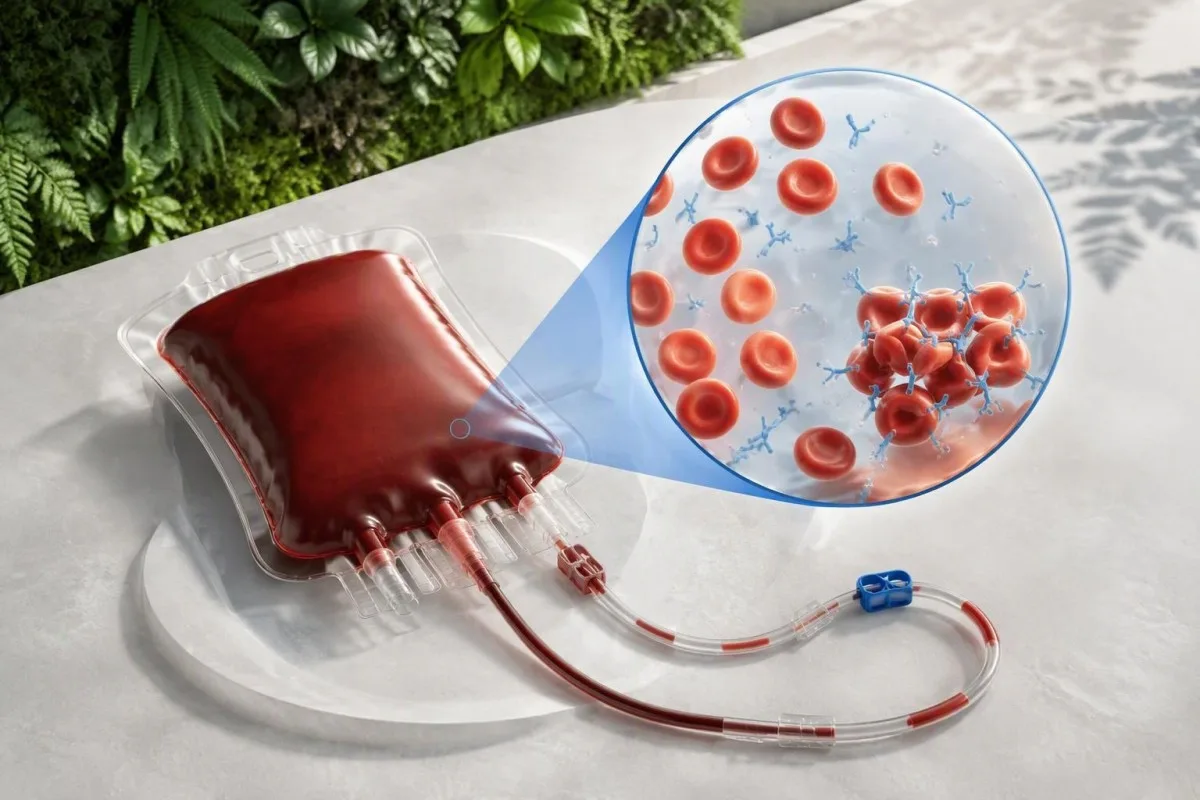
Xét nghiệm hòa hợp chéo kiểm tra xem hồng cầu của một người hiến cụ thể có phù hợp với một người nhận cụ thể hay không. Xét nghiệm này bổ sung bước kiểm tra tính tương thích ngoài định nhóm ABO và Rh, nhưng không thể ngăn ngừa mọi biến chứng truyền máu.



- Xét nghiệm hòa hợp chéo kiểm tra sự phù hợp của một cặp người hiến–người nhận cụ thể; hòa hợp chéo huyết thanh học kiểm tra huyết tương của người nhận với hồng cầu của người hiến.
- Ba bước kiểm tra khác nhau—định nhóm máu, sàng lọc kháng thể và hòa hợp chéo—giải đáp những câu hỏi khác nhau và không thể thay thế cho nhau.
- Hòa hợp nhóm ABO và RhD không loại trừ kháng thể chống lại các kháng nguyên hồng cầu khác, bao gồm Kell, Kidd, Duffy và các kháng nguyên Rh khác.
- Hòa hợp chéo không tương thích thường có nghĩa là cần điều tra hoặc thay thế đơn vị máu đã chọn, chứ không có nghĩa là bệnh nhân sẽ không bao giờ được truyền máu.
- Các kháng thể đã từng được phát hiện vẫn quan trọng ngay cả khi sàng lọc kháng thể hôm nay cho kết quả âm tính; hãy báo cho bệnh viện về mọi lần định danh kháng thể trước đây.
- Đối chiếu chéo điện tử sử dụng phần mềm phòng xét nghiệm đã được thẩm định thay vì trộn mẫu trực tiếp; điều kiện áp dụng đòi hỏi đáp ứng các tiêu chí nghiêm ngặt của phòng xét nghiệm.
- Hiệu lực của mẫu thường chỉ giới hạn khoảng 72 giờ sau lần truyền máu hoặc mang thai gần đây, mặc dù quy định tại địa phương và cách tính thời hạn sử dụng có khác nhau.
- Truyền máu cấp cứu có thể bắt đầu trước khi hoàn tất đối chiếu chéo nếu việc trì hoãn điều trị đe dọa tính mạng; hồng cầu nhóm O không tương thích với mọi loại kháng thể trong mọi trường hợp.
- Triệu chứng mới trong khi truyền máu hoặc những ngày sau đó—đặc biệt là khó thở, sốt, đau lưng, vàng da hoặc nước tiểu sẫm màu—cần được đánh giá lâm sàng kịp thời.
Xét nghiệm hòa hợp chéo thực sự kiểm tra điều gì?
A xét nghiệm đối chiếu chéo kiểm tra xem hồng cầu của một người hiến cụ thể có tương thích với một người nhận cụ thể hay không. Trong đối chiếu chéo tại phòng xét nghiệm, huyết tương người nhận được xét nghiệm với tế bào của người hiến; phản ứng không tương thích sẽ dẫn đến việc điều tra và thường là chọn một đơn vị máu khác. Chỉ ghép phù hợp nhóm ABO và RhD không thể loại trừ kháng thể chống lại các kháng nguyên hồng cầu khác.
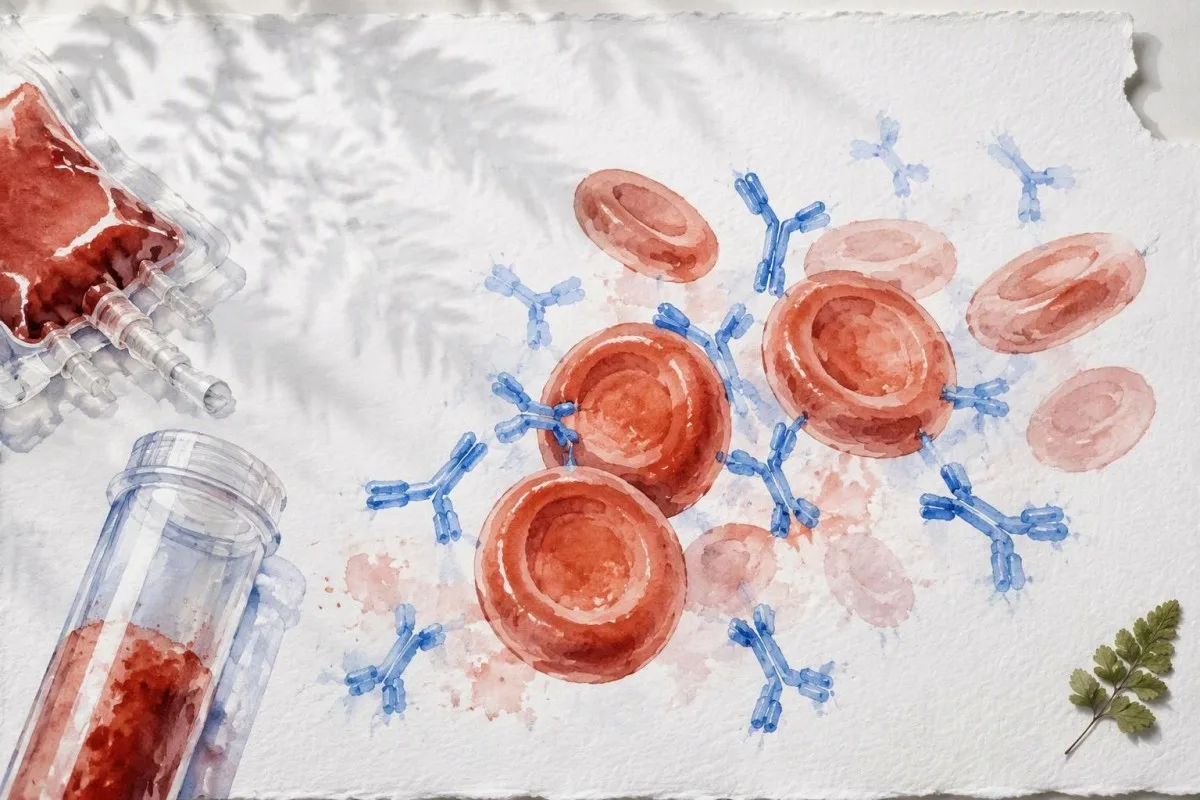
Điểm khác biệt then chốt là đơn vị máu này cho bệnh nhân này, chứ không chỉ đơn giản là hai người có cùng nhóm máu hay không. Người có nhóm máu A dương tính có thể phù hợp với một đơn vị máu hiến A dương tính nhưng không tương thích với một đơn vị khác vì những người hiến đó khác nhau về các kháng nguyên ngoài ABO và RhD.
Kết quả tương thích có nghĩa là các bước kiểm tra tương thích cần thiết không phát hiện vấn đề loại trừ nào theo phương pháp được sử dụng. Điều đó không có nghĩa là không có rủi ro: phản ứng dị ứng, quá tải tuần hoàn và một số phản ứng miễn dịch muộn vẫn có thể xảy ra ngay cả khi xét nghiệm tương thích hồng cầu đạt yêu cầu.
Hãy xem xét trường hợp minh họa một người 58 tuổi đang được điều trị thiếu máu nặng: ngân hàng máu phát hiện anti-K, một kháng thể chống lại kháng nguyên Kell K. Giải pháp thực tế không chỉ là tìm một đơn vị máu khác cùng nhóm ABO; mà là một đơn vị được định тип phù hợp, K âm tính và đạt yêu cầu xét nghiệm tương thích bắt buộc.
Mục tiêu của tôi, Thomas Klein, MD, là giúp mọi người hiểu được quyết định của phòng xét nghiệm mà không biến một báo cáo thành sự cho phép truyền máu. Kantesti là một tổ chức đứng sau máy phân tích xét nghiệm máu AI có thể giúp giải thích ba nhóm xét nghiệm này; chỉ nhóm điều trị và phòng xét nghiệm truyền máu mới có thể phê duyệt việc lựa chọn đơn vị máu hiến.
Định nhóm máu và hòa hợp chéo: sàng lọc kháng thể được thực hiện ở bước nào?
Định nhóm máu xác định nhóm ABO và tình trạng RhD của bệnh nhân; một sàng lọc kháng thể tìm kiếm các kháng thể hồng cầu bất thường; một kháng nguyên đánh giá một đơn vị máu hiến đã được chọn. Đây là ba biện pháp bảo vệ có liên quan, chứ không phải ba tên gọi của cùng một xét nghiệm.
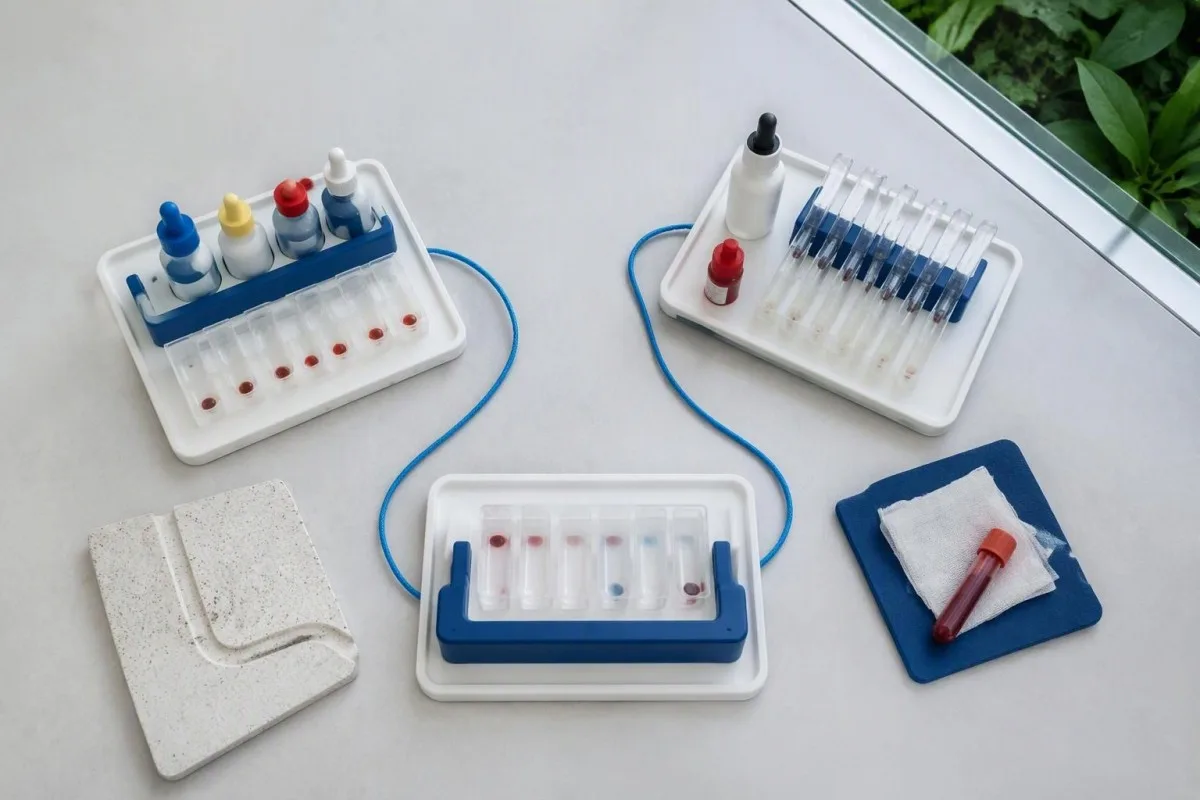
Định nhóm ABO thường bao gồm định nhóm xuôi, xét nghiệm tế bào của bệnh nhân, và định nhóm ngược, xét nghiệm huyết tương của bệnh nhân. Hai phương pháp này phải cho kết quả phù hợp khi định nhóm ngược được áp dụng; nếu không phù hợp, việc cấp máu có thể bị trì hoãn trong khi phòng xét nghiệm tìm nguyên nhân.
An antibody screen uses selected reagent red cells, commonly supplied as a two-cell or three-cell set, rather than cells from the intended donor. The reagent cells carry a planned selection of antigens, making the screen an efficient search for clinically significant antibodies rather than a trial of every available unit.
A negative screen cannot exclude every possible antibody. For example, an antibody against a low-frequency antigen may react with a donor who carries that antigen even though none of the screening cells do; this distinction helps explain why different antibody results need different follow-up.
Milkins et al. (2013), in the British compatibility-testing guideline, distinguish grouping, antibody detection, and donor compatibility procedures as separate parts of pretransfusion testing. A request labeled group and screen hoặc type và screen therefore does not automatically mean that one or more donor units have already been crossmatched or reserved.
Vì sao chỉ hòa hợp nhóm ABO và RhD có thể vẫn chưa đủ
Matching ABO and RhD does not match every antigen on a red cell. Antibodies against Kell, Kidd, Duffy, or non-D Rh antigens can make otherwise ABO-compatible donor blood unsuitable, particularly after previous transfusions or pregnancy.
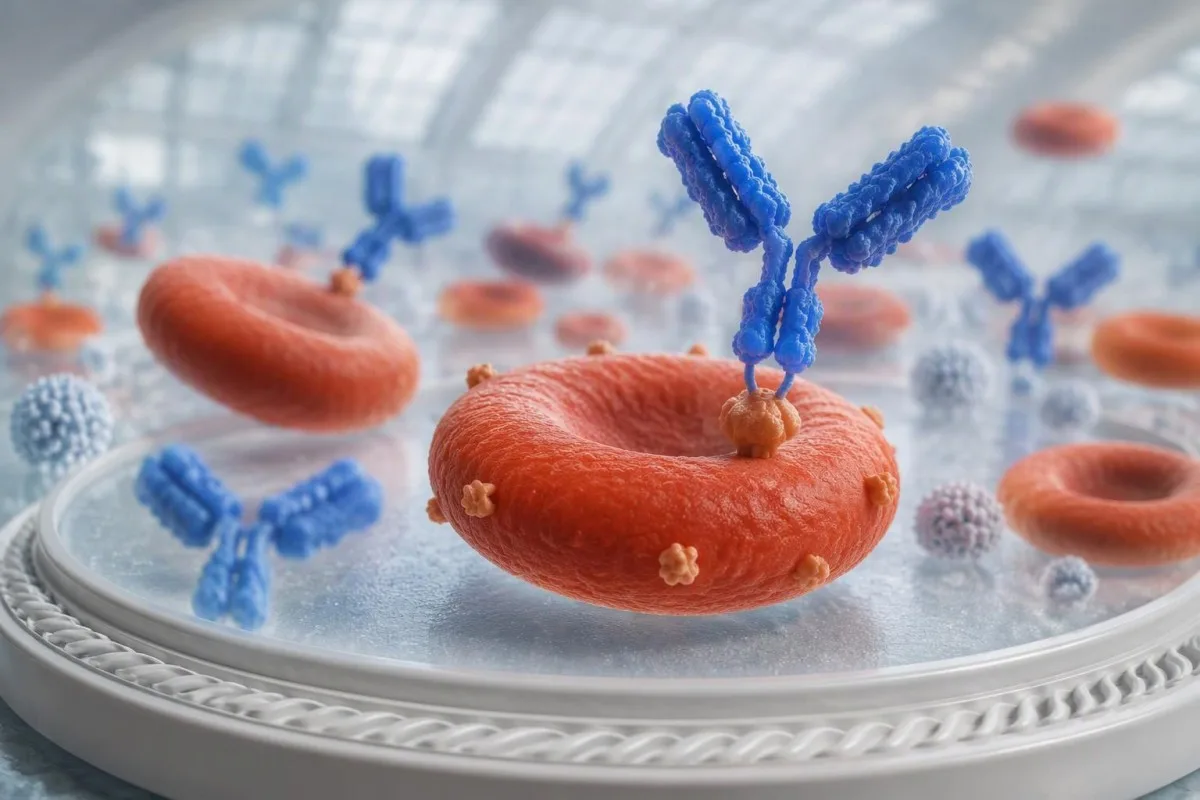
The familiar positive or negative sign refers to RhD, not the entire Rh system. Two D-positive people can differ in C, c, E, and e antigens; a recipient with anti-E may need E-negative red cells even when both recipient and donor are described as positive.
Previous exposure changes the interpretation of today’s results. A transfusion received 12 years ago can still matter if it produced a clinically significant antibody, because antibody concentrations may later fall below the screening method’s detection limit while immune memory remains.
Tormey and Hendrickson (2019), writing in Blood, explain that antibody disappearance and fragmented transfusion records contribute to delayed hemolytic reactions. The dangerous sequence is an apparently negative current screen, re-exposure to the relevant antigen, and a renewed antibody response—not a laboratory result that was necessarily misread.
A blood-group card containing only B-negative leaves out information that may determine donor selection. Our blood groups and hematology guide separates the group label from red-cell turnover markers; neither an LDH value nor a reticulocyte count identifies which donor antigens must be avoided.
Hòa hợp chéo trong phòng xét nghiệm được thực hiện như thế nào?
A serological crossmatch tests recipient plasma or serum against red cells from the selected donor unit. Depending on the patient’s antibody findings and laboratory protocol, testing may include a rapid immediate-spin method or an indirect antiglobulin method designed to detect clinically significant antibodies.

The donor cells usually come from an attached, sealed segment of the donation tubing, not from repeatedly opening the transfusion bag. That segment connects the test to one identifiable donor unit, while checks on the patient sample connect the result to the intended recipient.
Immediate-spin crossmatching principally checks for ABO incompatibility and is suitable only under defined laboratory criteria. It is not an adequate substitute for an antiglobulin crossmatch when a clinically significant IgG antibody requires investigation or has previously been identified.
An indirect antiglobulin crossmatch commonly includes incubation at approximately 37°C, close to body temperature. Gel, column-agglutination, solid-phase, and tube methods have different operating characteristics; the laboratory interprets reactions within its validated system rather than treating all methods as interchangeable.
A crossmatch is generally a qualitative compatibility result, not a concentration with a normal range in mg/dL. Reaction strength may be graded, but a weak reaction is not automatically harmless; antibody specificity, temperature of reactivity, and the complete investigation determine its significance.
Hòa hợp chéo điện tử là gì và được phép thực hiện khi nào?
MỘT electronic crossmatch uses validated blood-bank software to confirm compatibility without physically mixing recipient plasma and donor cells. It is generally restricted to patients with a suitable negative antibody screen, no history of clinically significant antibodies, and satisfactorily verified blood-group results.
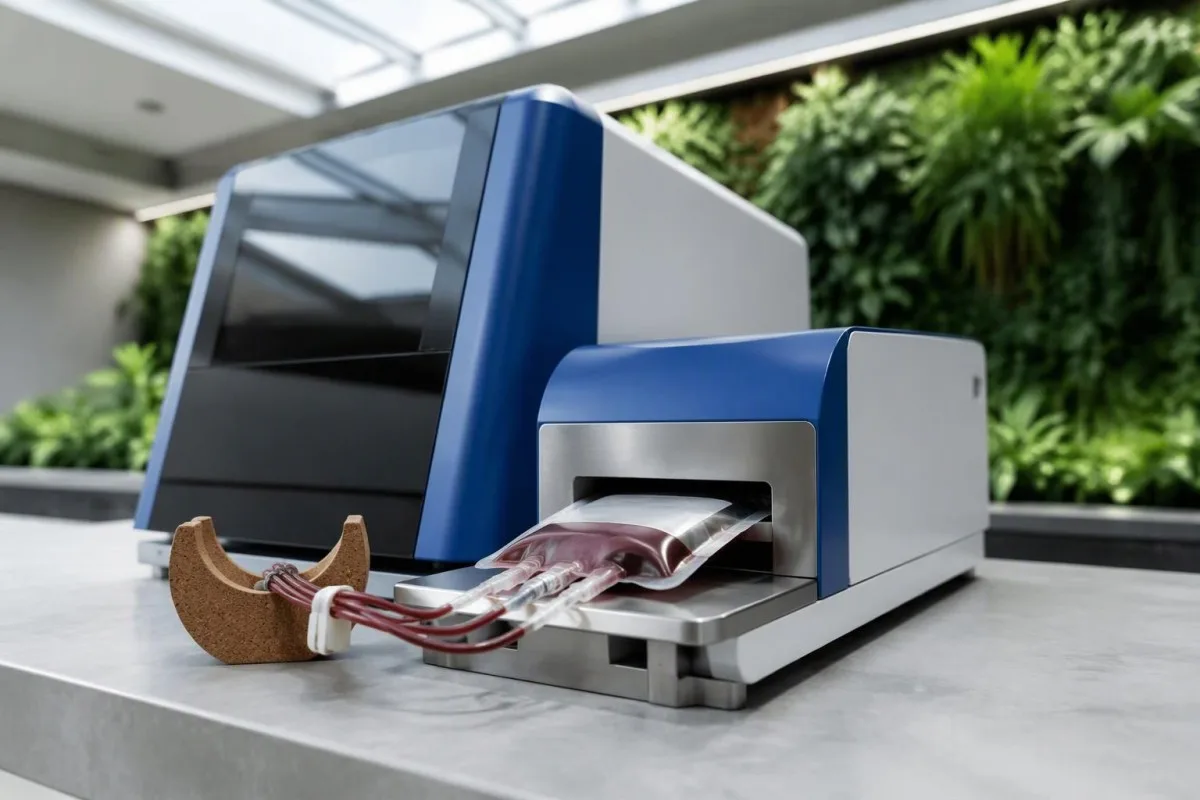
Electronic crossmatching is not a shortcut around antibody testing. The software checks the recorded patient group against the selected unit and applies release rules, while laboratory procedures establish whether that patient is eligible; a negative current screen alone does not erase an old anti-K or anti-Jka.
Many services require two independently established ABO results before routine electronic issue when no reliable previous group is available. Whether the second determination requires a separate collection depends on local policy and identification safeguards, so an additional sample request may be a deliberate protection rather than duplication.
Eligible units can sometimes be issued within minutes once the earlier checks are complete. However, this timing describes the release step, not the entire process from sample collection, transport, grouping, screening, discrepancy resolution, and availability of the requested component.
Kantesti’s thông tin xác thực y tế concerns our interpretation service, not validation of a hospital’s blood-bank system. These are separate responsibilities: explanatory AI cannot perform electronic crossmatching, reserve a unit, or replace the laboratory’s release controls, as our report explanation safety guide also emphasizes.
Ý nghĩa của kết quả hòa hợp chéo không tương thích: kết quả này cho biết điều gì?
MỘT incompatible crossmatch means the selected donor–recipient combination has not passed the required compatibility assessment. It can reflect an ABO problem, an antibody against donor antigens, an autoantibody, medication interference, or another testing issue; it does not by itself identify the cause or prove active hemolysis.
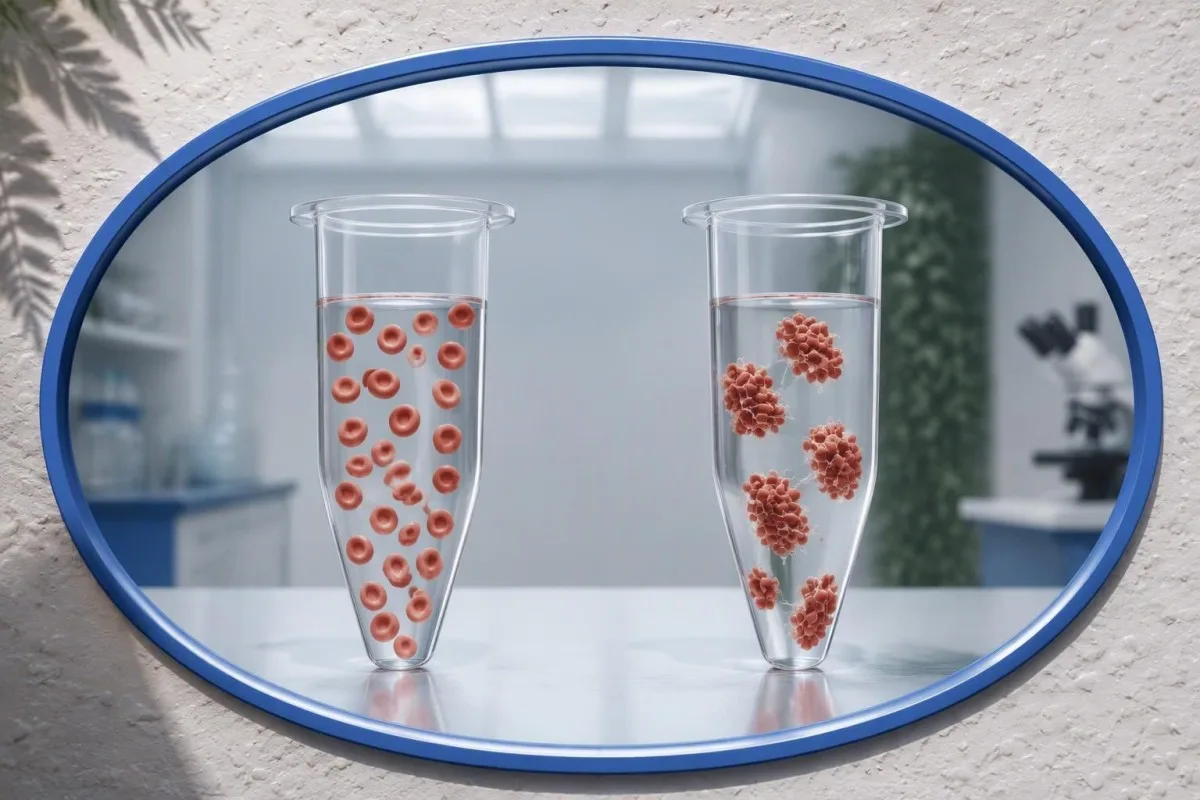
A reaction with one donor unit can point toward an antigen carried by that donor, whereas reactions with several units raise a different set of possibilities. The laboratory compares the antibody screen, antibody-identification panel, patient history, and sometimes an autocontrol to separate these patterns.
An autocontrol tests patient plasma against the patient’s own cells; a xét nghiệm kháng globulin trực tiếp, or DAT, checks whether antibodies or complement are already attached to those cells. Neither is the same as a donor crossmatch, and a kết quả Coombs trực tiếp dương tính does not automatically establish clinically significant hemolysis.
Reactivity at approximately 37°C is often more relevant to red-cell transfusion than a reaction confined to colder conditions, but temperature alone is not a complete decision rule. A specialist may need additional methods to distinguish a cold-reactive antibody, a warm autoantibody, and an underlying alloantibody.
Not every apparent clump represents immune agglutination. Increased plasma proteins can produce rouleaux on cell examination, and technical problems can also complicate interpretation; this is why the report should lead to an investigation, not a patient attempting to choose the least reactive bag.
Ngân hàng máu chọn đơn vị máu hiến khác như thế nào?
After an incompatible crossmatch, the blood bank identifies the cause and selects red cells that meet the patient’s antigen requirements and compatibility criteria. When a clinically significant alloantibody is responsible, the usual approach is antigen-negative donor blood followed by the appropriate crossmatch.
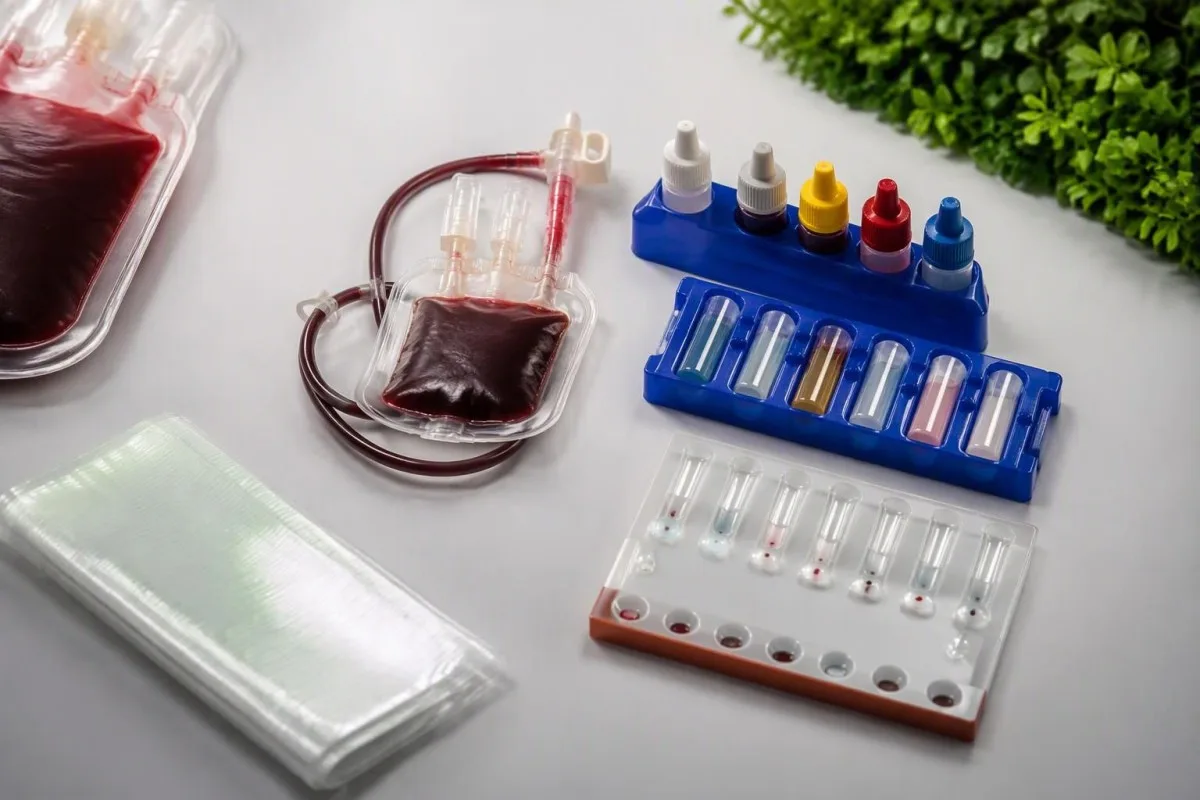
For a recipient with anti-K, the laboratory searches for K-negative units; for anti-Jka, it searches for Jka-negative units. If the patient has two or more clinically significant antibodies, each relevant antigen requirement must be considered, which can shrink the available donor pool substantially.
ABO-compatible blood does not always have to be ABO-identical, but any substitution follows the laboratory’s component-selection rules. Switching an A-positive patient to O-positive red cells does not solve anti-K incompatibility unless the selected O-positive unit also lacks the K antigen.
Patients receiving repeated transfusions may benefit from extended antigen typing or genotyping before future requirements become complicated. Someone with myelodysplastic syndrome who has received 20 units presents a different planning problem from someone needing a first transfusion, although unit count alone cannot predict whether antibodies have formed.
When a warm autoantibody makes many units react, the priority is excluding clinically significant alloantibodies and selecting appropriately matched blood—not simply finding the weakest reaction. The phrase least incompatible can be misleading; urgent release decisions belong to the transfusion specialist and treating clinician, with the residual uncertainty explicitly documented.
Hòa hợp chéo mất bao lâu và vì sao có thể cần lấy mẫu mới?
Straightforward compatibility testing may take approximately 30–60 minutes after the laboratory receives a suitable sample, but antibody investigations can take hours or longer. A new sample may be required because identification checks, recent transfusion, pregnancy history, or local sample-expiry rules make the previous sample unsuitable.
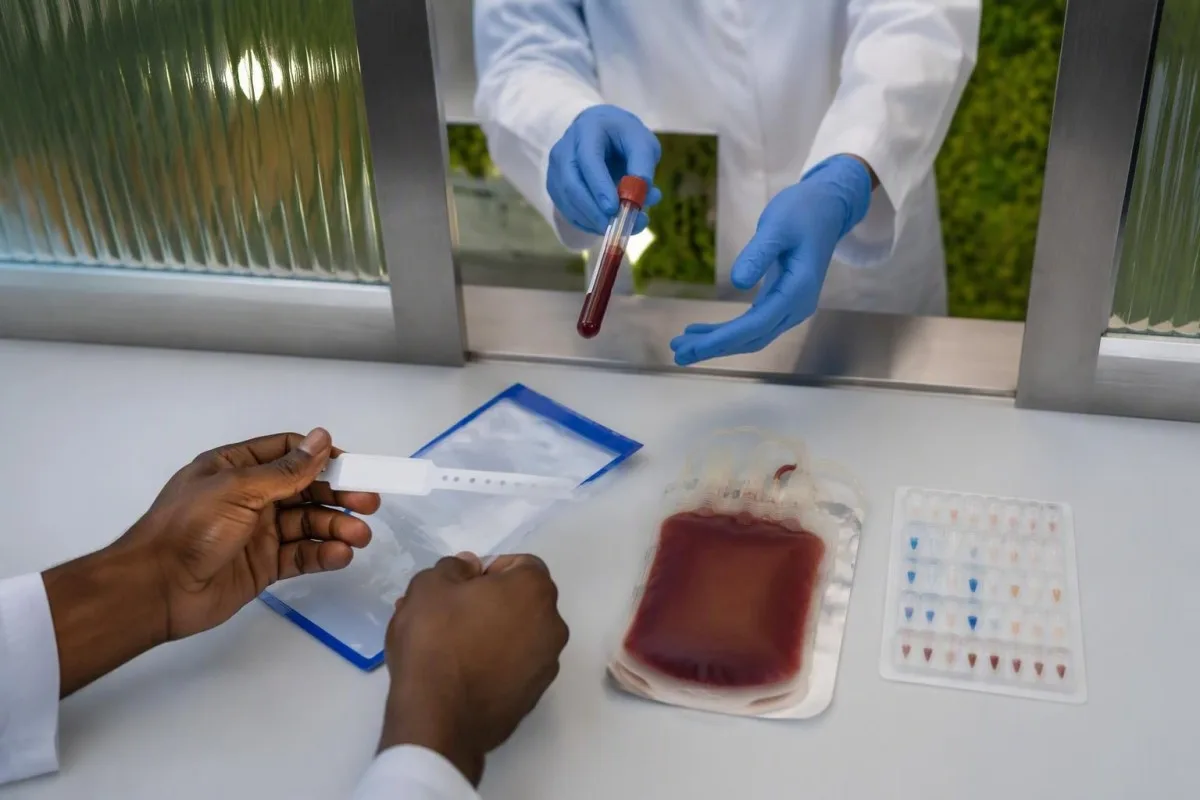
The commonly encountered 72-hour rule is about detecting newly developing antibodies after recent exposure, not about how long a tube can physically remain intact. Milkins et al. (2013) recommend restricted sample validity for patients transfused or pregnant within the preceding three months; exact expiry calculations follow local policy.
Three days and exactly 72 elapsed hours are not always operationally identical. Some services calculate expiry using the collection day and a specified midnight cutoff, while other jurisdictions use different intervals; ask the blood bank for the actual expiry timestamp rather than estimating it yourself.
Identification problems can stop testing even when the laboratory sample looks perfectly usable. A mismatch between the wristband, request, and sample label requires resolution because a technically compatible result from the wrong patient’s sample offers no protection to the intended recipient.
Hemolysis and other sample-quality problems may also trigger recollection, although acceptance depends on the test method and local procedures. Our xét nghiệm lặp lại sau khi tan máu explains why a redraw can protect interpretation; a repeat collection is not evidence that the donor blood itself is incompatible.
Bệnh nhân nên khai báo những gì trước phẫu thuật hoặc truyền máu theo kế hoạch?
Before planned transfusion, tell the team about previous transfusions, pregnancies, known red-cell antibodies, and transfusion reactions. These details can change the sample schedule and donor-unit requirements even when the current antibody screen is negative.

An old antibody card can save hours of investigation if it identifies the antibody precisely. Bring the original report when possible, including the hospital name and approximate year; a statement such as “my blood was difficult to match in 2014” is useful, but “anti-E identified in 2014” is much more actionable.
Pregnancy can expose the maternal immune system to red-cell antigens that differ from her own. A positive pregnancy antibody screen may therefore influence both pregnancy monitoring and future transfusion selection; anti-D following prophylactic immunoglobulin also needs interpretation in its timing and clinical context.
A preoperative group-and-screen sample collected several weeks ahead may identify an antibody early, yet a fresh sample can still be needed close to surgery. These two collections serve different purposes: the first allows planning, and the second meets current compatibility and sample-validity requirements.
Treating the cause of anemia can reduce the likelihood of transfusion, but it does not replace compatibility testing when transfusion becomes necessary. A patient with rong kinh nặng and hemoglobin of 8.5 g/dL needs assessment of symptoms, ongoing losses, and iron deficiency—not an automatic transfusion based on that number alone.
Có thể bắt đầu truyền máu cấp cứu trước khi hoàn tất hòa hợp chéo không?
Emergency red-cell transfusion can begin before crossmatching is complete when waiting would create a greater immediate danger. The team may initially use uncrossmatched group O red cells, then change to appropriately selected group-specific blood as reliable laboratory information becomes available.
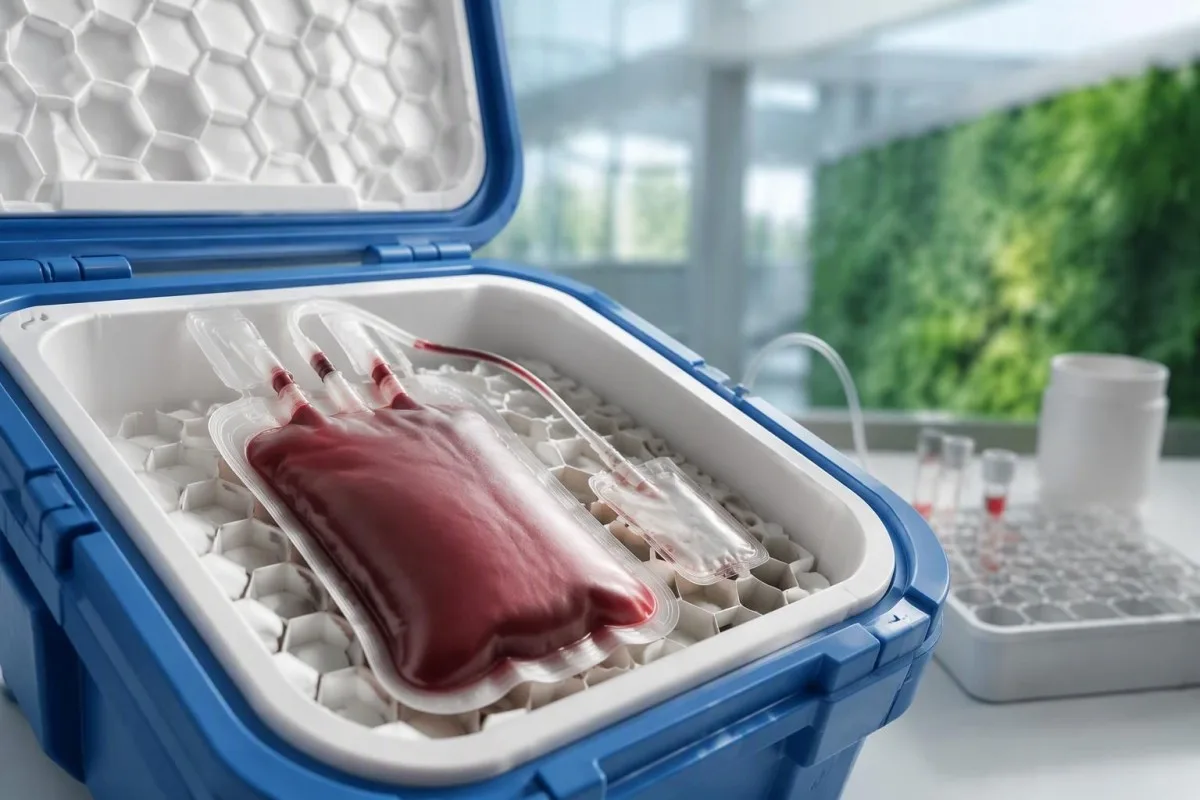
Group O red cells lack A and B antigens, but they can still carry Kell, Kidd, Duffy, and Rh antigens. Consequently, an O-negative unit is not universally compatible with every recipient who has an unexpected antibody; the word universal is an oversimplification outside ABO and RhD discussions.
O-negative red cells are often prioritized when avoiding D exposure is especially important, including certain patients with future pregnancy potential. Other patients may receive O-positive emergency red cells under local policy, balancing clinical urgency, sensitization risk, and the finite supply of O-negative donations.
A pretransfusion patient sample should be collected before the first unit when feasible without delaying resuscitation. Donor cells can complicate later grouping or antigen typing, while the pretransfusion sample preserves a clearer view of the recipient’s original cells and antibodies.
Major bleeding may require more than red cells: plasma, platelets, and fibrinogen replacement address different problems. Our các kiểu xét nghiệm đông máu trong DIC Và xét nghiệm đông máu của chúng tôi explain these separate assessments; passing a red-cell crossmatch does not correct a platelet count of 30 × 10⁹/L or a depleted fibrinogen concentration.
Ai cần được hòa hợp bổ sung hoặc xét nghiệm tính tương thích chuyên sâu?
Những bệnh nhân có sickle cell disease, multiple antibodies, warm autoantibodies, or certain antibody-based treatments may need additional compatibility procedures. Neonates also require a different approach because maternal antibodies and the infant’s age affect which tests are informative.
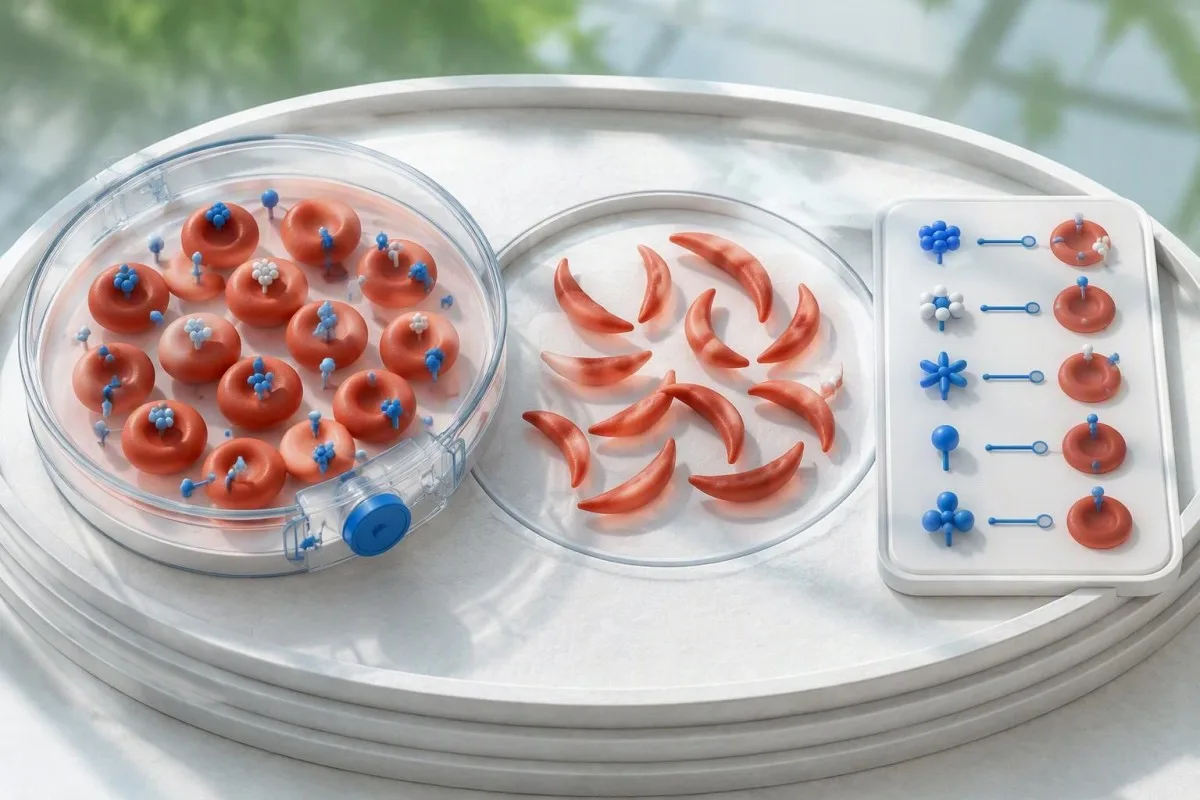
Chou et al. (2020), in the American Society of Hematology guideline, recommend prophylactic Rh C/E and K matching for patients with sickle cell disease receiving transfusions. An extended antigen profile, preferably obtained before the first transfusion, helps plan sickle cell transfusion care rather than waiting for an antibody to appear.
Recent donor cells can complicate serological phenotyping, so genotyping may provide useful additional information about the recipient’s antigen profile. Transfusion also affects hemoglobin fraction interpretation, meaning an HbS percentage measured after two donor units is not directly comparable with the patient’s untreated baseline.
Daratumumab, an anti-CD38 treatment, can cause widespread reactivity in indirect antiglobulin testing. Laboratories may use methods such as dithiothreitol treatment to reduce interference, but that treatment also affects certain antigens, including Kell; the medication history therefore changes both investigation and donor-selection precautions.
Infants younger than approximately four months often have transfusion-testing procedures that account for maternal antibodies and limited infant antibody production. Kantesti is an AI blood test interpretation platform that can explain these distinctions, but an adult compatibility pathway should never be assumed to apply unchanged to a newborn.
Điều gì vẫn có thể xảy ra sau khi hòa hợp chéo cho kết quả tương thích?
A compatible crossmatch does not rule out every transfusion reaction. It reduces particular red-cell incompatibility risks, but allergic reactions, transfusion-associated circulatory overload, lung injury, and delayed hemolysis require separate clinical monitoring.
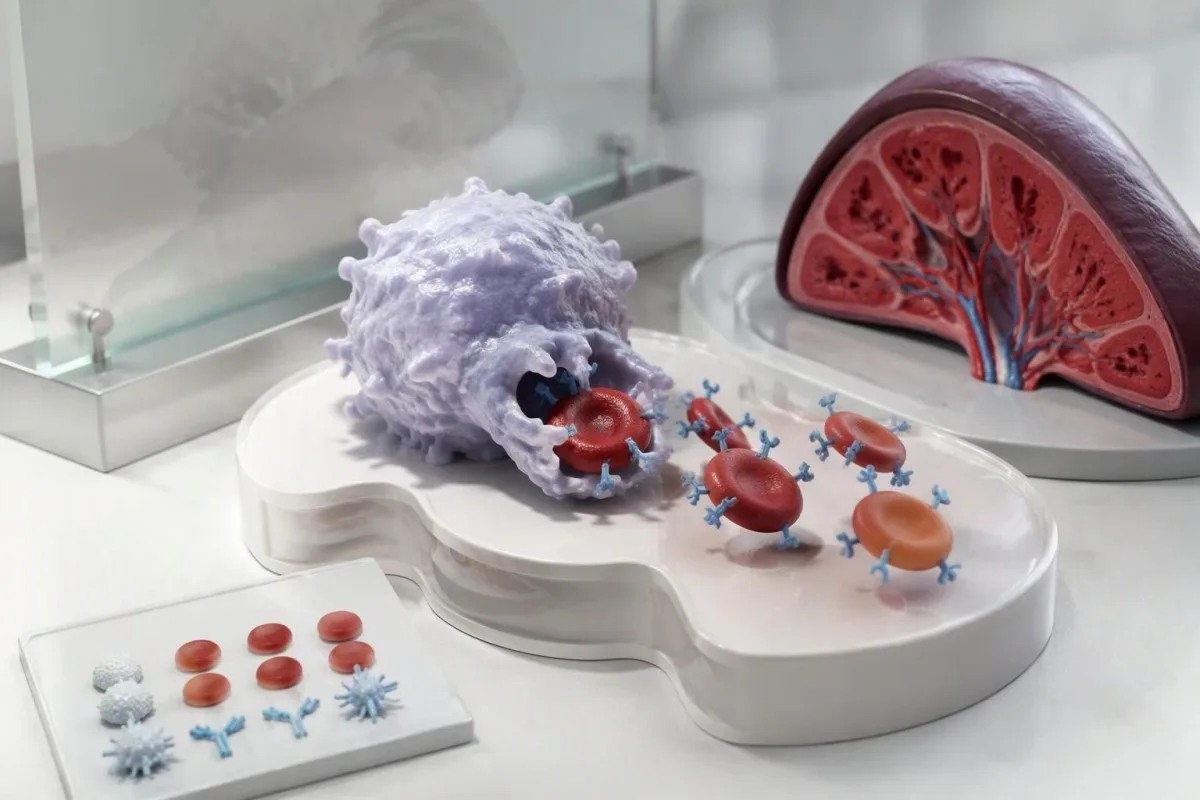
Symptoms during transfusion—including fever, chills, breathlessness, chest or back pain, or an unexpected blood-pressure change—should be reported immediately. Staff may stop the transfusion, reassess the patient, recheck identity and component details, and arrange laboratory investigations; a previously compatible result must not dismiss new symptoms.
Delayed hemolytic reactions often become apparent several days after transfusion, although timing varies and can extend over subsequent weeks. Falling hemoglobin, jaundice, dark urine, rising LDH, and reduced haptoglobin can support investigation, but low haptoglobin has other causes and is not diagnostic by itself.
For an adult without ongoing bleeding or major fluid shifts, one red-cell unit commonly raises hemoglobin by about 1 g/dL, tương đương 10 g/L. A smaller increase needs context: continued losses, fluid dilution, sampling timing, or hemolysis can each explain it, so the team should not jump directly to an incompatible-transfusion diagnosis.
LDH is a marker of cell injury rather than a donor-compatibility measurement. An LDH result and its causes must be considered alongside bilirubin, haptoglobin, reticulocytes, DAT findings, and the hemoglobin trend; no single number can reconstruct the entire transfusion reaction.
Bạn nên đọc báo cáo hòa hợp chéo và đặt những câu hỏi hữu ích như thế nào?
Read a crossmatch report as a decision about a specified donor unit, method, and sample—not as a general certificate that all donor blood is safe for you. Ask whether antibodies were found, whether historical antibodies were checked, and whether the proposed unit meets any antigen-negative requirements.

Three practical questions are: “Was my antibody screen negative?”, “Do I have a clinically significant antibody now or in my history?”, and “Is this unit compatible using the method appropriate for me?” If the report says pending, incompatible, or emergency release, ask the team to explain what remains unresolved and why the chosen timing is appropriate.
Kantesti is an AI-powered blood test analysis tool that can help explain uploaded laboratory wording and associated anemia results. Our hướng dẫn công nghệ AI describes the interpretation process; it does not establish that a donor unit is compatible, verify bedside identity, or make a transfusion-release decision.
Transfusion dates also matter when reviewing later laboratory trends. For example, HbA1c sau truyền máu can be misleading because the measured red-cell population now includes donor cells; recording the date and number of units helps a clinician decide which follow-up measurements remain useful.
My advice here, as Thomas Klein, MD, is to preserve the original transfusion and antibody records rather than relying only on a simplified explanation. If using Kantesti to understand them, consider removing identifiers you do not need to share and read our thông tin về quyền riêng tư và dữ liệu; explainable results and responsible handling are separate concerns.
Các công bố nghiên cứu và bằng chứng đằng sau xét nghiệm tính tương thích
The clinical recommendations in this article are supported by transfusion-specific guidelines and peer-reviewed literature, not by a general blood-test guide alone. As of 25 tháng 10, 2026, the distinction between compatibility testing, antibody history, and clinical monitoring remains fundamental; individual hospitals must apply their current validated procedures.
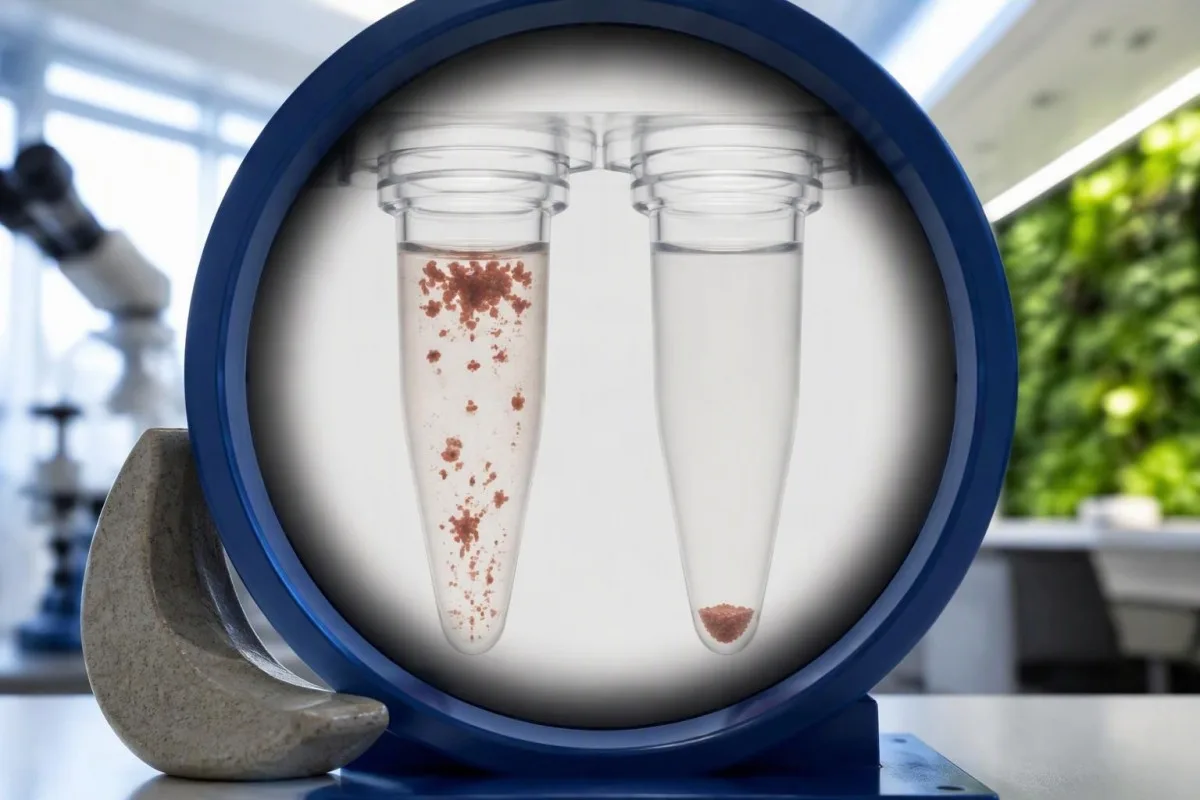
Milkins et al. (2013) provide the compatibility-testing framework; Tormey and Hendrickson (2019) explain antibody formation, disappearance, and clinical consequences; Chou et al. (2020) address additional matching in sickle cell disease. These three external references directly support the clinical discussion and are listed separately from the two repository publications below.
Nipah virus blood test: Early detection & diagnosis guide 2026. (n.d.). Zenodo. https://doi.org/10.5281/zenodo.18487418. This supplied repository reference concerns a different diagnostic topic and is not evidence for transfusion compatibility; its Tìm kiếm tiêu đề trên ResearchGate Và Tìm kiếm tiêu đề trên Academia là các liên kết để tra cứu, không phải bản sao đã được xác minh của ấn phẩm.
B negative blood type, LDH blood test & reticulocyte count guide. (n.d.). Figshare. https://doi.org/10.6084/m9.figshare.31333819. This supplied reference offers adjacent blood-group and hematology context rather than a compatibility-testing guideline; its Tìm kiếm bài công bố trên ResearchGate Và Tìm kiếm bài công bố trên Academia should likewise be treated as searches rather than confirmed hosted versions.
The two repository entries use title-first APA-style citations because verified author and publication-date metadata were not supplied; readers should check the DOI landing pages before reusing those details. Kantesti’s các tiêu chuẩn về nội dung y khoa distinguish explanatory material from clinical authorization: an educational article cannot override the blood bank’s compatibility investigation or an urgent bedside decision.
Những câu hỏi thường gặp
Xét nghiệm hòa hợp chéo trước khi truyền máu là gì?
Xét nghiệm hòa hợp chéo đánh giá xem hồng cầu của người hiến được chọn có tương thích với một người nhận cụ thể hay không. Xét nghiệm hòa hợp chéo huyết thanh học kiểm tra huyết tương của người nhận với tế bào của người hiến, trong khi xét nghiệm hòa hợp chéo điện tử đủ điều kiện sử dụng phần mềm phòng xét nghiệm đã được thẩm định và kết quả xét nghiệm đã được xác minh. Các phương pháp kháng globulin thường bao gồm xét nghiệm ở khoảng 37°C nhằm giúp phát hiện các kháng thể có ý nghĩa lâm sàng. Xét nghiệm hòa hợp chéo liên quan đến đơn vị máu được chọn; xét nghiệm này không quyết định liệu bệnh nhân có cần truyền máu hay không và cũng không loại bỏ mọi nguy cơ truyền máu.
Sự khác biệt giữa định nhóm máu, sàng lọc kháng thể và phản ứng chéo là gì?
Định nhóm máu xác định nhóm ABO và tình trạng RhD, sàng lọc kháng thể tìm kiếm các kháng thể hồng cầu bất thường, còn phản ứng chéo đánh giá một đơn vị máu của người hiến được chọn. Ba xét nghiệm này giải đáp những câu hỏi khác nhau và không thể thay thế cho nhau. Xét nghiệm sàng lọc kháng thể thường sử dụng bộ thuốc thử gồm hai hoặc ba loại tế bào, thay vì tế bào từ người hiến dự định. Vì vậy, kết quả định nhóm máu và sàng lọc kháng thể không nhất thiết có nghĩa là các đơn vị máu của người hiến đã được phản ứng chéo hoặc dành riêng.
Kết quả phản ứng hòa hợp không tương thích có nghĩa là gì?
Kết quả hòa hợp chéo không tương thích có nghĩa là cặp người hiến–người nhận được chọn chưa vượt qua đánh giá tương thích bắt buộc. Các nguyên nhân có thể bao gồm bất tương thích ABO, kháng thể chống lại kháng nguyên của người hiến, tự kháng thể, ảnh hưởng của thuốc hoặc vấn đề kỹ thuật. Phản ứng với một đơn vị máu của người hiến có thể có nguyên nhân khác với phản ứng với nhiều đơn vị. Ngân hàng máu sẽ điều tra kiểu phản ứng và lựa chọn máu được ghép phù hợp; kết quả này không tự động có nghĩa là bệnh nhân sẽ không bao giờ được truyền máu.
Phản ứng hòa hợp có thể không tương thích ngay cả khi nhóm ABO và Rh trùng khớp không?
0 A crossmatch có thể không tương hợp dù nhóm ABO và RhD phù hợp vì hồng cầu của người hiến mang các kháng nguyên bổ sung. Ví dụ, người nhận nhóm A dương tính có kháng thể anti-K có thể phản ứng với đơn vị máu A dương tính của người hiến mang kháng nguyên K. Một kháng thể có ý nghĩa lâm sàng được xác định từ 10 năm trước vẫn có thể ảnh hưởng đến việc lựa chọn, ngay cả khi xét nghiệm sàng lọc hôm nay cho kết quả âm tính. Hồ sơ kháng thể trước đây giúp ngân hàng máu chọn các đơn vị âm tính với kháng nguyên và tránh phơi nhiễm lại.
Thử nghiệm hòa hợp mất bao lâu và mẫu có hiệu lực trong bao lâu?
Xét nghiệm tương hợp thông thường có thể mất khoảng 30–60 phút sau khi mẫu phù hợp được chuyển đến phòng xét nghiệm, nhưng việc khảo sát kháng thể có thể mất vài giờ hoặc lâu hơn. Việc cấp phát điện tử có thể nhanh hơn khi hoàn tất tất cả các bước kiểm tra điều kiện. Hiệu lực mẫu thường bị giới hạn trong khoảng 72 giờ sau khi truyền máu hoặc mang thai gần đây, mặc dù khoảng thời gian áp dụng tại địa phương và cách tính hạn sử dụng có khác nhau. Ngân hàng máu có thể xác nhận chính xác thời điểm hết hạn và liệu có cần lấy mẫu mới hay không.
Máu nhóm O Rh âm có an toàn khi truyền mà không cần phản ứng chéo trong trường hợp khẩn cấp không?
Có thể sử dụng hồng cầu nhóm O âm tính chưa được định nhóm chéo trong tình huống cấp cứu đe dọa tính mạng khi việc trì hoãn truyền máu nguy hiểm hơn. Các tế bào này không có kháng nguyên A, B và D nhưng vẫn có thể mang những kháng nguyên khác bị kháng thể của người nhận nhắm đến. Hồng cầu nhóm O dương tính cấp cứu cũng có thể được sử dụng cho một số bệnh nhân được lựa chọn theo quy định tại địa phương. Nên lấy mẫu của bệnh nhân trước khi truyền đơn vị máu đầu tiên nếu có thể thực hiện mà không làm chậm quá trình điều trị, và các xét nghiệm tương hợp vẫn được tiếp tục trong khi hồi sức.
Nhận phân tích xét nghiệm máu được hỗ trợ bởi AI ngay hôm nay
Tham gia hơn 2 triệu người dùng trên toàn thế giới, những người tin tưởng Kantesti để phân tích xét nghiệm máu tức thì và chính xác. Tải lên kết quả xét nghiệm máu của bạn và nhận phần giải thích toàn diện về các chỉ dấu sinh học 15,000+ trong vài giây.
📚 Các ấn phẩm nghiên cứu được trích dẫn
Klein, T., Mitchell, S., & Weber, H. (2026). Xét nghiệm máu phát hiện virus Nipah: Hướng dẫn phát hiện sớm và chẩn đoán năm 2026. Nghiên cứu y khoa bằng AI của Kantesti.
Klein, T., Mitchell, S., & Weber, H. (2026). Hướng dẫn nhóm máu B âm tính, xét nghiệm LDH và số lượng hồng cầu lưới. Nghiên cứu y khoa bằng AI của Kantesti.
📖 Tài liệu tham khảo y khoa bên ngoài
Milkins C et al. (2013). Guidelines for pre-transfusion compatibility procedures in blood transfusion laboratories. Y học Truyền máu.
Tormey CA and Hendrickson JE (2019). Transfusion-related red blood cell alloantibodies: induction and consequences.
Chou ST et al. (2020). American Society of Hematology 2020 guidelines for sickle cell disease: transfusion support. Blood Advances.



⚕️ Tuyên bố miễn trừ trách nhiệm y tế
Bài viết này chỉ nhằm mục đích giáo dục và không cấu thành lời khuyên y tế. Luôn tham khảo ý kiến của nhà cung cấp dịch vụ chăm sóc sức khỏe đủ năng lực để đưa ra quyết định chẩn đoán và điều trị.
Tín hiệu tin cậy E-E-A-T
Kinh nghiệm
Đánh giá lâm sàng do bác sĩ phụ trách đối với quy trình diễn giải kết quả xét nghiệm.
Chuyên môn
Tập trung vào y học xét nghiệm: cách các chỉ dấu sinh học (biomarker) hoạt động trong bối cảnh lâm sàng.
Tính uy quyền
Được viết bởi Tiến sĩ Thomas Klein, có rà soát bởi Tiến sĩ Sarah Mitchell và Giáo sư Tiến sĩ Hans Weber.
Độ tin cậy
Diễn giải dựa trên bằng chứng, kèm các lộ trình theo dõi rõ ràng để giảm mức độ báo động.
