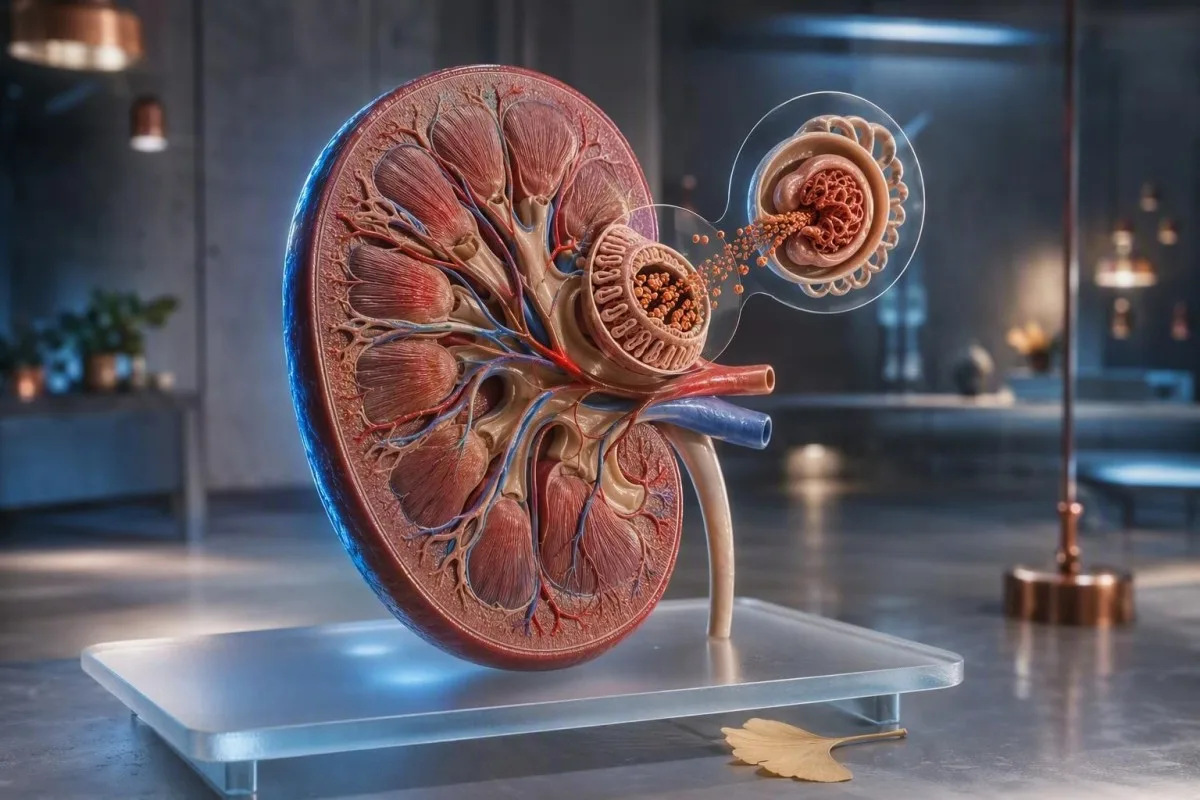
سۈرئەتلىك سۈيدۈك ئېقىمىدىن كېيىن پەيدا بولغان بىر نەچچە كۆپۈك ئادەتتە فىزىكىلىق جەريان. قاپقا تەكرار يېتىدىغان، سۈيدۈك ئېقىمىدىن كېيىن ساقلىنىپ قالىدىغان ياكى ئىششىشنى كەلتۈرۈپ چىقىرىدىغان كۆپۈك، گۇمانلىنىشقا قارىغاندا سۈيدۈك ئاقسىل كۆرسەتكۈچىنى تەلەپ قىلىدۇ.


- قىسقا كۆپۈكلەر بىر نەچچە سېكۇنت ئىچىدە يوقالغانلار ئادەتتە سۈيدۈك سۈرئىتى، ھاجەتخانا پاكىزلاش دورىسى قالدۇقلىرى ياكى تۇخۇمدان كېسىلىگە قارىغاندا، توخۇمدان يىراقلاشتۇرۇلغان سۈيدۈكنى ئەكس ئەتتۈرىدۇ.
- تەۋرەنمە كۆپۈكلۈك سۈيدۈك قېلىن بولۇپ، قاپقا 1-2 مىنۇت توختىماي ساقلىنىپ قالسا، كۆپرەك ئەندىشىلىنەرلىك.
- سۈيدۈك ACR 3 mg/mmol (30 mg/g) دىن تۆۋەن بولسا، كۆپىنچە قۇراماغا يەتكەنلەرنىڭ سۈيدۈكىدە ئاقسىلنىڭ نورمال ياكى ئازراق كۆپىيىشى.
- ئالبومىنۇرىيە 3-30 mg/mmol (30-300 mg/g) بولسا، 3 ئايدىن كەم بولمىغان تەكرار ئەتىگەنلىك ئەۋرىشكە بىلەن جەزملەشتۈرۈش كېرەك.
- ACR 30 mg/mmol دىن يۇقىرى (300 mg/g) ئاقسىلنىڭ كۆپىيىشى بولۇپ، جىددىي كلىنىكىلىق باھالاشنى تەلەپ قىلىدۇ.
- قىزىل بايراقلار يۈز ياكى پۇت ئىششىش، كۆرۈنەرلىك قان، نەپەس قىيىن بولۇش، سۈيدۈك چىقىرىش ئازىيىش، قىزىش ياكى باش ئاغرىش ۋە قان بېسىمى يۇقىرى بولغان ھامىلدارلىق قاتارلىقلارنى ئۆز ئىچىگە ئالىدۇ.
- توپلىنىش ئىشلىرى: 24-48 سائەت داۋامىدا ئېغىر يۈرۈشۈشتىن ساقلىنىڭ، پاكىز ئوتتۇرا ئېقىمدىكى ئەتىگەنلىك ئەۋرىشكە ئىشلىتىڭ، ھەيز كېلىش ياكى سىيىش يولى ياللۇغى توغرىسىدا دوختۇرغا خەۋەر قىلىڭ.
- قان تەكشۈرۈشى ياردەم قىلىدۇ: كرېئىياتىنىن، eGFR، قان سېھرىگەرلىك ئالبۇمىنى، گلوكوزا ۋە HbA1c سىيىشدىكى ئاقسىلنىڭ بۆرەك، دىئابىت ياكى سىستېمىلىق كېسەللەرنى ئەكىس ئەتتۈرگەنلىكىنى ئېنىقلايدۇ.
زىيانسىز كۆپۈكنى تەۋرەنمە كۆپۈكلۈك سۈيدۈكتىن قانداق پەرقلەندۈرۈش كېرەك
كۆپۈكچە سۈيدۈك سەۋەبلىرى تېز ئېقىن سۇغا چۈشكەندىن تارتىپ، ئالبۇمنىڭ بۆرەك سۈزگۈچىدىن سızıپ چىقىشىغىچە بولىدۇ. زىيانسىز كۆپۈكلەر چوڭ، سۇس، تېزلا يوقالمايدۇ؛ ئەندىشىلىنەرلىك كۆپۈك پاكىز قاچىغا قارىماي، تېخىمۇ نېپىز، ئاق، قايتا-قايتا پەيدا بولىدۇ ۋە تەخمىنەن 1-2 مىنۇت ساقلايدۇ.
يۈزەكنىڭ تېرىشچانلىقى بىر قېتىملىق كۆپۈكلەرنىڭ كۆپىنچىسىنى چۈشەندۈرىدۇ. كۈچلۈك ئەتىگەنلىك ئېقىن، سۇسىزلىنىش، زىچ توشۇغۇچىلار ياكى قالغان پاكىزلاش دورىسى سۇنىڭ يۈزىدە ئاقسىل يوقىتىشسىز ھاۋانى تۇتۇپ قالالايدۇ؛ بۇ، ئالاھىدە ئۇزۇن سەپەر، ئىسسىق ياكى قىيىن مەشىقتىن كېيىن كۆپ كۆرۈلىدۇ.
ئەندىزە بىر قېتىملىق كۆزىتىشتىن مۇھىم. 15 يىللىق كلىنىكىلىق خىزمىتىمدە، مەن بىمارلاردىن پاكىز، ئېغىزى يوق قاچىدا ئۈچ قېتىم ئايرىم-ئايرىم كۈنلەردە كۆپۈكنى دىققەت قىلىشنى تەلەپ قىلىمەن؛ قايتا-قايتا پەيدا بولىدىغان نېپىز كۆپۈك قەۋىتى مەشىقتىن كېيىنكى ھەشەمەتلىك كۆرۈنۈشنى تەكشۈرۈشنىڭ ياخشى سەۋەبى.
كۆپۈك ئۆزى ئاقسىلنى دىئاگنوز قويالمايدۇ، چۈنكى فوسفات، ئۆت تۇزلىرى، ئوغۇللار سۈيى ۋە سىيىش يولى ياللۇغىمۇ يۈزەكنىڭ تېرىشچانلىقىنى ئۆزگەرتەلەيدۇ. ئەگەر سىيىش قۆيىتىك تەرىقىدە بولسا، پەرق كىرىستال، ھۈجەيرە ياكى يۇقۇملىنىشقا قاراپ ئۆزگىرىدۇ؛ بىزنىڭ يېتەكچىمىز قۆيىتىك سىيىشدىن ئېرىشىلگەن پاكىزلار بۇ ئەندىزىلەرنى ئايرىشقا ياردەم بېرىدۇ.
ئاددىي ئۆيدىكى كۆزىتىش قائىدىسى
ھاجەتخانا قاچىسىنى سۈرەتكە ئالمىسىڭىز ياكى ئۆيدىكى “تېزلىتىش سىنىقى” نى سىناپ باقماڭ. بەلكى، پاكىز قاچىدا 7 كۈندىن 3 كۈندىن كۆپرەك كۆپۈك پەيدا بولامدۇ، 1 مىنۇتتىن ئاشامدۇ، ۋە ئىششىق ياكى قان بېسىمى ئۆزگىرىشى بارمۇ؟ بۇ تەپسىلاتلار لاگېرىمىزنى تېخىمۇ پايدىلىق قىلىدۇ.
نېمىشقا سۈيدۈكتىكى ئاقسىل مۇقىم كۆپۈكنى ھاسىل قىلالايدۇ
كۆپۈكلۈك سىيىشدىن ئېرىشىلگەن ئاقسىل كۆپىنچە ھاللاردا ئالبۇمىندۇر، بۇ تۈگىمەس ئېلېكترولىتى بار ئاقسىل بولۇپ، نورمالدا قان ئايلىنىشىدا ساقلىنىدۇ. گلۇمېرۇس سۈزگۈچى تېخىمۇ ئۆتكۈزگۈچى بولغاندا، ئالبۇمىن يۈزەكنىڭ تېرىشچانلىقىنى تۆۋەنلەيدۇ ۋە كىچىك، مۇقىم كۆپۈكلەرنى ھاسىل قىلالايدۇ.
ساغلام قۇرامغا يەتكەنلەر ئادەتتە كۈنىگە 30 مىللىگرامدىن ئاز ئالبۇمنى چىقىرىدۇ، گەرچە دائىملىق تارتقۇچ كىچىك سەۋىيىلىك ئالبۇمنىڭ يوقىلىشىنى بايقىماي قويسا بولىدۇ. تېخىمۇ سەزگۈر سىيىش ئالبۇمىن-كرېئىياتىنىن نىسبىتى، ياكى ACR، سىيىش مىقدارىغا قاراپ ئالبۇمنى تۈزەيدۇ ۋە دەسلەپكى تەكشۈرۈش ئۈچۈن ئەۋزەل.
ئالبۇمىن ئەھمىيەتلىك بىردىنبىر ئاقسىل ئەمەس. ئاز ساندىكى سىياقىدىن كېلىدىغان يېنىك زەنجىرلەر، مەلۇم دورىلاردىن كېيىنكى تۇبۇلىر ئاقسىللار ۋە ئىسسىق بولغاندا ۋاقىتلىق ئاقسىللار ئالبۇمىن ئۈچۈن لايىھەلەنگەن تارتقۇچتىن چىقىپ كېتىشى مۇمكىن؛ بۇ سەۋەبتىن مەنپىي تارتقۇچ ھەمىشە ساقلاپ تۇرىدىغان كۆپۈكنىڭ ھەممە ئەھۋالىنى ھەل قىلمايدۇ.
دوكتور توماس كلېين كۆزىتىش سىپتوملىرىنى دىئاگنوز قويۇشتىن كۆپرەك، قان كرېئىياتىنىن، eGFR، ئالبۇمىن ۋە گلوكوزا بىلەن بىللە سىيىشدىن ئېرىشىلگەن نەتىجىلەرنى تەكشۈرىدۇ. بىزنىڭ سۇيۇقلۇق ئاقسىل يېتەكچىسى قان ئالبۇمىنىنىڭ تۆۋەن نەتىجىسى ۋە ئۆستۈرۈلگەن سىيىش ACR نىڭ بىرلىكتە ھەرىكەت قىلىشىنىڭ بىر-بىرىدىن كۆپ ئېغىرلىقى بارلىقىنى چۈشەندۈرىدۇ.
تۈزۈلگەن سۈيدۈك كۆپۈكىنىڭ كۆپ ئۇچرايدىغان سەۋەبلىرى
كۆپىنچە ۋاقىتلىق كۆپۈكلۈك سىيىش، بۆرەك بىلەن مۇناسىۋەتسىز چۈشەندۈرۈشنى بارلىققا كەلتۈرىدۇ: سىيىشنىڭ زىچلىشىشى، تېز سىيىش، يېقىنقى ئوغۇل سۈيى، سوپۇن قالدۇقى، ئىسسىق، ياكى قىيىن چېنىقىش. بۇ سەۋەبلەر ئادەتتە نورمال سۇيۇقلۇق ۋە ئەسلىگە كېلىشتىن 24-48 سائەت ئىچىدە تۈگىدۇ.
سۇسىزلىنىش سىيىشنى تېخىمۇ قېنىق ۋە زىچلاشتۇرىدۇ، شۇڭا ئالبۇمىن چىقىرىش نورمال بولسىمۇ كۆپۈكلەر تېخىمۇ زىچ كۆرۈلىدۇ. كېيىنكى كۈنى سۇس-سېرىق سىيىش ئۈچۈن تىرىشىڭ، ئۆتكۈر سۇيۇقلۇقنى كۈچەيتىشتىن ساقلىنىڭ؛ بىردىنبىر يېڭى لىتىرلارنى تېز سىيىش بىر كىشىنى ئاسانلا ساقلىغۇچى كىشىلەردە سۇدىن پايدىلىنىشنى تۆۋەنلەتسە بولىدۇ.
چېنىقىش سىيىشدىن ئېرىشىلگەن ئالبۇمنى ۋاقىتلىق ئۆستۈرەلەيدۇ. 10 كىلومېتىرلىق مۇسابىقە، يۇقىرى قاتتىقلىقتىكى قارشىلىق كۆرسىتىش مەشىقى، ياكى ئۇزۇن ئىسسىققا چىداملىق بولۇش، دەرھال ئېلىنغان ئەۋرىشكە ئاقسىل ھاسىل قىلىشى مۇمكىن، بۇ سەۋەبتىن لاگېرلار دائىم ACR تەكشۈرۈشىدىن 24 سائەت بۇرۇن ئېغىر چېنىقىشتىن ساقلىنىشنى تەۋسىيە قىلىدۇ.
ئوغۇل سۈيىنىڭ ئۆتكۈزۈلگەندىن كېيىنكى ئۆتكۈر ئۆسمىسىدە ۋاقىتلىق كۆپۈك ۋە تىرناق-ئاقسىللىق تارتقۇچ پەيدا بولىدۇ. كۆرۈنۈشچان قىزىل ياكى چاي رەڭلىك سىيىش پۈتۈنلەي سوئالنى ئۆزگەرتىدۇ ۋە بۇ يېتەكچى بىلەن تەكشۈرۈلۈشى كېرەك. سۈيدۈكتە قان, ، بولۇپمۇ 45 ياشتىن كېيىن ياكى تاماكا چېكىش تارىخى بار كىشىلەردە.
تەۋرەنمە كۆپۈك قاچان كلىنىكىلىق مۇھىم ئاقسىل يوقىلىشنى كۆرسىتىدۇ
ئىسپاتلانغان كۆپۈك، بولۇپمۇ يىغىلىپ قالغاندا ۋە دىياىABET، قان بېسىمى يۇقىرى، ئىششىق ياكى eGFR تۆۋەنلەش بىلەن بىللە بولغاندا، سۈيدۈك ئاقسىلىنى تەكشۈرۈشنى تەلەپ قىلىدۇ. ئالبۇمىنۇرىيە، ھەتتا كرېئىتىن تەجرىبىخانا دائىرىسىدە تۇرسا، مېيىشەڭنىڭ بالدۇر ئاگاھلاندۇرۇشى بولۇشى مۇمكىن.
KDIGO ACR نى 3 مىللىگىرام/mmol (ياكى 30 مىللىگىرام/g) دىن تۆۋەن A1 دەپ بەلگىلەيدۇ؛ 3-30 مىللىگىرام/mmol A2 دەپ؛ 30 مىللىگىرام/mmol دىن يۇقىرى A3 ئالبۇمىنۇرىيە دەپ بەلگىلەيدۇ. بۇ كاتېگورىيەلەر eGFR بىلەن بىرلەشتۈرۈلگەندە مېيىشەك ۋە يۈرەك- قان تومۇر خەۋپىنى ئەڭ ئېنىق چۈشەندۈرۈپ بېرىدۇ، ئۆزى تۇرۇپ ئىشلىتىلمەيدۇ (KDIGO, 2024).
دىياىABET ۋە قان بېسىمىنىڭ يۇقىرىلىقى دۇنيادا ئالبۇمىنۇرىيەنىڭ ئەڭ كۆپ تارقالغان داۋاملىق سەۋەبلىرى، ئەمما ئۇلار يېگانە ئەمەس. گلومېرۇلونېفرىت، ئېغىرلىق يۇقىرىلىقتىن كېلىپ چىققان گلومېرۇلولوپاتىيە، لۇپۇس، پرىئېكلامپسىيە، ئۇخلاشغا قارشى تۇرۇش، ۋە بەزى ياللۇغقا قارشى دورىلارمۇ تۆھپە قوشالايدۇ؛ داۋاملىق بايقالغان ئەھۋاللاردا سەۋەبىنى ئېنىقلاش ئۈچۈن دوختۇر كېرەك.
كانتېستى بىر AI قان تەكشۈرۈش ئانالىزچىسى ئۇ كرېئىتىن، eGFR، قان سېرۇم ئالبۇمىنى، گلوكوزا ۋە HbA1c نى بىر ئۇزۇنلۇق مەزمۇندا ساقلايدۇ. ئۇ قان تاختىسىدىن سۈيدۈك ACR نى ئۆلچەپ چىقالمىسا، ئەمما سۈيدۈك نەتىجىسىنى تېخىمۇ جىددىيلەشتۈرىدىغان مېتابولىزم ياكى بۆرەك ئەندىزىسىنى بايقاشقا ياردەم بېرەلەيدۇ.
قايسى سۈيدۈك ئاقسىل كۆرسەتكۈچى بۇ سوئالغا ئەڭ ياخشى جاۋاب بېرىدۇ
كۆپىنچە قۇراماغا يەتكەنلەرنىڭ ئالبۇمىن يوقىلىشىدىن گۇمانلانغاندا، ئەتىگەنلىككىنكى بىر قېتىملىق سۈيدۈك ACR ئەڭ ياخشى تۇنجى تەكشۈرۈش. ئاقسىل-كرېئىتىن نىسبىتى، ياكى PCR، غەيرىي-ئالبۇمىن ئاقسىلىدىن گۇمانلانغاندا ياكى ئومۇمىي ئاقسىلنى مىقدارىنى بېكىتىش زۆرۈر بولغاندا پايدىلىق.
ACR ئەنگىلىيە ۋە نۇرغۇن دۆلەتلەردە mg/mmol دە، ياكى ئامېرىكىدا mg/g دە خەۋەر قىلىنىدۇ. 3 mg/mmol ACR 30 mg/g غا تەڭ كېلىدۇ؛ بۇ ئۆزگەرتىش مۇھىم، چۈنكى بىمارلار بەزىدە ھەر خىل بىرلىكلەرنى چوڭ نەتىجە ئۆزگىرىشى دەپ چۈشەنگەن.
سىناق تاختىسىدىكى 1+ ياكى تۆۋەنرەك ئاقسىل نەتىجىسى بىر سىگنال، دىئاگنوز ئەمەس. ئىشقارىي سۈيدۈك، مىكدارى يۇقىرى سۈيدۈك، ۋە بۇلغىنىش يالغۇن ئاگاھلاندۇرۇشقا سەۋەب بولالايدۇ، شۇنىڭ بىلەن بىللە سۇيۇق سۈيدۈك ۋە غەيرىي-ئالبۇمىن ئاقسىلى يالتىراق خاتىرجەم قىلالايدۇ؛ مىقدارىنى ئۆلچەپ تەكشۈرۈش بۇ گۇماننى ھەل قىلىدۇ.
24-سائەتلىك توپلاش ھازىر ئالاھىدە ئەھۋاللار ئۈچۈنلا قوللىنىلىدۇ، مەسىلەن ناھايىتى يۇقىرى ئاقسىل يوقىلىشى، ھامىلدارلىقنى باھالاش، ياكى بىئارام بولغان ئەۋرەكلەر. توپلاشنى ئازايتىش ئاسان، شۇڭا بىزنىڭ ئەمەلىي 24 سائەتلىك سۈيدۈك يىغىش يېتەكچىسى نى باشلاشتىن بۇرۇن ئوقۇڭ.
سۈيدۈك ئاقسىل كۆرسەتكۈچىنى قانداق توغرا توپلاش كېرەك
سۈيدۈك ئاقسىلىنى توغرا تەكشۈرۈش 24 سائەتتىن كېيىن ھېچقانداق ئېغىر يۈرۈشسىز يىغىپ ئېلىنغان پاكىز ئەتىگەنلىك ئوتتۇرا سۈيدۈك ئەۋرەكىدىن باشلىنىدۇ. ئەتىگەنلىك تۇنجى سۈيدۈك ئەڭ ياخشى، چۈنكى تۇرۇش، سۇيۇقلىق ۋە كۈندۈزلۈك پائالىيەتلەر ئالبۇمىن ئاجرىلىشىغا ئاز تەسىر قىلىدۇ.
قولىڭىزنى يۇيۇڭ، تەمىنلەنگەن پاكىز قاچىنى ئىشلىتىڭ، سۈيدۈك قىلىشنى ھاجەتخانىغا باشلاڭ، ئاندىن قاچىنىڭ ئىچكى قىسمى ياكى قاپقىقىنى تېگىشتۈرمەي ئوتتۇرا قىسمىنى ئېلىڭ. ئەۋرەكنى جىددىي تاپشۇرۇڭ؛ ئەگەر كېچىكىش بولسا، ئىسسىق ماشىنىدا قالدۇرۇش ئورنىغا تەجرىبىخانىنىڭ سوۋۇتۇش كۆرسەتمىلىرىگە ئەمەل قىلىڭ.
يۇقۇملىنىش، قىزىتما، ئىچ سۈرۈش، ھەيز، ياكى يۈرۈش كۈچىدىن 24 سائەت ئىچىدە بولسا، جىددىي بولمىغان تەكشۈرۈشنى توختىتىڭ. بۇ ئەھۋاللار ئالبۇمىن ئاجرىلىشىنى ۋاقىتلىق كۆتۈرۈشى مۇمكىن، ھەمدە ھەيز بۇلغىنىشى يەنە كۆرۈنۈپ تۇرغان قان ۋە ئاقسىلنى ھاسىل قىلالايدۇ؛; لېۋكو سىت ئېسترېزا نەتىجىلىرىمىزنى كۆرۈڭ يۇقۇملىنىش ئەندىزىسىنى چۈشەندۈرۈپ بېرىشى مۇمكىن.
تىك تۇرۇپ ئاجرىلىپ چىقىدىغان ئىيىق، بولۇپمۇ ئۆسمۈرلەر ۋە ياش قۇراماغا يەتكەنلەرگە قارشى تۇرۇشىغا تېگىشلىك. كۈندۈزلۈك سۈيدۈكتە پەيدا بولغان، ئەمما ئەتىگەنلىك ئەۋرەكتە كۆرۈنمەيدىغان ئاقسىل دائىم بىخەتەر بولىدۇ، گەرچە دوختۇر ئۇنى يۈزلىنىشىنى پەرەز قىلىشنىڭ ئورنىغا ئۇ ئەندىزىنى جەزملەشتۈرۈشى كېرەك.
ACR ۋە ئاقسىل-كرېئاتىنىن نەتىجىلىرىنى قانداق چۈشىنىش
3 مىللىگىرام/mmol دىن تۆۋەن ACR ئادەتتە خاتىرجەم بولىدۇ، ھالبۇكى جەزملەشتۈرۈلگەن 3 مىللىگىرام/mmol ياكى ئۇنىڭدىنمۇ يۇقىرى ACR خەتەرگە ئاساسەن كۆزىتىشنى تەلەپ قىلىدۇ. بىر قېتىم كۆتۈرۈلگەن ئەۋرەك بۆرەك ياللۇغىنى توغرا بەلگىلىمەيدۇ، چۈنكى يۈرۈش، يۇقۇملىنىش ۋە گلوكوزا ئېشىپ كېتىش قىسقا ۋاقىتلىق ئالبۇمىنۇرىيەنى كەلتۈرۈپ چىقىرىشى مۇمكىن.
دىياىABETسىز قۇراماغا يەتكەنلەر ئۈچۈن، يېڭىدىن كۆتۈرۈلگەن ACR ئادەتتە ھەپتىلەر ئىچىدە ئەتىگەنلىك ئەۋرەك بىلەن قايتا تەكشۈرۈلىدۇ. داۋاملىق بۆرەك ياللۇغى ئاز دېگەندە 3 ئاي داۋاملاشقان ئادەتتىن تاشقىرى ئەھۋاللارنى تەلەپ قىلىدۇ، گەرچە ئۆتكۈر بۆرەك زەخملىنىشى ياكى تېز كۆزىتىشنى تەلەپ قىلىدىغان ناھايىتى يۇقىرى ئاقسىل بولسا (KDIGO, 2024).
70 مىللىگىرام/mmol دىن يۇقىرى ACR، تەخمىنەن 700 مىللىگىرام/g، ئادەتتە ئالاھىدە تەكشۈرۈشنى تەلەپ قىلىدۇ، ھەتتا eGFR ساقلانغان بولسىمۇ، بولۇپمۇ سۈيدۈكتە قان بولسا. نېفروتسىك دائىرىدىكى ئاقسىل يوقىلىشى ئادەتتە 300 مىللىگىرام/mmol دىن يۇقىرى PCR ياكى كۈنىگە 3.5 گرامدىن يۇقىرى ئاقسىل يوقىلىشى، دائىم ئىششىق ۋە تۆۋەن قان سېرۇم ئالبۇمىنى بىلەن بىللە بولىدۇ.
كانتېستى بىر AI لابراتورىيە سىنىقىنى چۈشەندۈرۈش مۇلازىمىتىدە ئېلان قىلىنىدۇ بۆرەك قانىنى ھەر خىل كۈنلەردە تەرتىپلىيەلەيدىغان ۋە چۈشۈپ كېتىۋاتقان eGFR يۈزلىنىشىنى بەلگىلەيدىغان. يۈزلىنىشنى چۈشەندۈرۈش، بۆرەك مىكرو ئېلېكترونلۇق تەكشۈرۈشى، ACR نى جەزملەشتۈرۈش ۋە دورا كۆرىكىنى قوللايدۇ، ئەمما ئەسلا ئورنىنى ئالمايدۇ.
كۆپۈكلۈك سۈيدۈك نەتىجىلىرىنى مەنىلىك قىلىدىغان قان تەكشۈرۈش
كرېئىتىن، eGFR، قان سېرۇم ئالبۇمىنى، گلوكوزا، HbA1c، ئېلېكترولىتلار ۋە لىپىدلار سۈيدۈك ئاقسىلىنىڭ بۆرەك سۈزۈش ياللۇغىنى ياكى تېخىمۇ كەڭ مېتابولىزم قالايمىقانچىلىقىنى ئەكس ئەتتۈرىدىغانلىقىنى چۈشەندۈرۈشكە ياردەم بېرىدۇ. نورمال كرېئىتىن بالدۇر ئالبۇمىنۇرىيەنى رەت قىلمايدۇ.
eGFR كرېئاتىنمىدىن ھېسابلىنىدۇ ۋە كۆپلىگەن دىياۋېت بىمارلىرىدا ئاز مىقداردا ئالبۇمىن سىزدۇ. eGFR 60 مىللىلېتىر/مىنۇت/1.73 m² دىن تۆۋەن بولۇپ 3 ئاي ياكى ئۇنىڭدىن ئۇزۇن داۋاملاشسا، خاراكتېرلىك بۆرەك كېسەللىكىنىڭ بىر خىل ئۆلچىمىگە توشىدۇ، ئەمما يېشى، مۇسكۇل كۆلەمى ۋە يېقىنقى كېسەللىكلەرگە قاراپ چۈشەندۈرۈش كېرەك.
تەخمىنەن 35 گ / لىتىردىن تۆۋەن بولغان تۆۋەن قان ئالبۇمىنى، ئېغىر سۈيدۈك ئاقسىلى ۋە يېڭى قىچىشىش راۋانلىقى بىلەن بىرلىشىپ، بۆرەك ئاقسىلىنىڭ زور يوقىلىشىدىن ئەندىشە قوزغىتىدۇ. تەتۈرچە، ئاقسىلنىڭ يۇقىرى بولۇشى بىلەن قېنىق سۈيدۈك، جىسمانىي سۇيۇقلۇقنىڭ تۆۋەنلىشىنى كۆرسىتىدۇ؛ بىزنىڭ سۇسىزلىنىش يېتەكچىسىدىن كېيىنكى eGFR ساغلاملاشقاندىن كېيىن قايتا تەكشۈرۈشنىڭ ئەھمىيىتىنى چۈشەندۈرىدۇ.
ئامېرىكا دىياۋېت جەمئىيىتى تىپ 2 دىياۋېت كېسىلىگە گىرىپتار بولغانلار ۋە 5 يىل ياكى ئۇنىڭدىن ئارتۇق تىپ 1 دىياۋېت كېسىلىگە گىرىپتار بولغانلاردا ھەر يىلى UACR ۋە eGFR تەكشۈرۈشىنى تەۋسىيە قىلىدۇ (ADA Professional Practice Committee, 2024). HbA1c بىزگە قاندىكى شېكەرنىڭ ئوتتۇرىچە ھالىتىنى بىلدۈرىدۇ، ئەمما قاندىكى شېكەرنىڭ تۇيۇقسىز ئېشىپ كېتىشى HbA1c ئۆزگەرمەي تۇرۇپلا، سۈيدۈكتىكى ئالبۇمىننى ۋاقىتلىق ئاشۇرۇشى مۇمكىن.
سۈيدۈكتىكى ئاقسىلغا تەسىر قىلالايدىغان دورىلار، تولۇقلىما ۋە كېسەللىكلەر
ياللۇغ قارشى تۇرغۇچى ئاغرىق دورىلىرى، لىتىي، بەزى راك داۋالاشلىرى ۋە ئېغىر يۇقۇملىنىشلار بۆرەك سۈزۈش ياكى تۇبۇلىنلىق ئاقسىلنى بىر تەرەپ قىلىشقا تەسىر قىلالايدۇ. سۈيدۈك كۆپتەك كۆرۈنگەنلىكى ئۈچۈنلا زاكاز قىلىنغان دورا ئىستېمالىنى توختاتماڭ؛ سۈيدۈك ۋە بۆرەك قان تەكشۈرۈشىنى سوراڭ.
ئىبوپروفېن ۋە نابروكسېن قاتارلىق NSAIDلار بۆرەك قان ئېقىمىنى ئازايتىدۇ، بولۇپمۇ سۇيۇقلۇق، يۈرەك ناچارلىشىش ياكى بار بولغان CKD دا. NSAID دورا بىلەن دىيۇرېتىك ۋە ACE ئىنگىبىت (inhibitor) ياكى ARB نى بىرلەشتۈرگەندە خەتەر ئاشىدۇ، بۇ بىرلەشمىنى بەزىدە كلينىكىستلار “ئۈچ قېتىم قايناش” دەپ ئاتايدۇ.”
SGLT2 دورىلىرى eGFR نىڭ ئازراق تۆۋەنلەشىنى كەلتۈرۈپ چىقىرىشى مۇمكىن، ئەمما گەرچە مۇۋاپىق تاللانغان بىمارلاردا ۋاقىتنىڭ ئۆتۈشى بىلەن ئالبۇمىننىيىنى ئازايتىدۇ. بۇ ئېنىقلىق ئۆزگىرىشى ئىلگىرىلەنگەن زىياندىن پەرقلىنىدۇ؛ كۆرۈڭ SGLT2 داۋالاش بىلەن eGFR ئۆزگىرىشلىرى ئەمەلىي پەرقنى چۈشەندۈرىدۇ.
يۇقىرى مىقداردىكى ۋىتامىن C بەزى سۈيدۈك تەكشۈرگۈچىلىرىگە تەسىر قىلالايدۇ، شۇنىڭ بىلەن بىرگە كرېئاتىن بۆرەكنى زىيان يەتكۈزمەي تۇرۇپلا كرېئاتىين چۈشەندۈرۈشىنى قىيىنلاشتۇرالايدۇ. دورا زاكاز قىلىنغان، ھۆددىگە ئېلىنغان ئاغرىق ئازايتقۇچى، ئاقسىل پاراشوكلىرى ۋە گىياھلىق مەھسۇلاتلارنىڭ تولۇق تىزىملىكىنى تەكشۈرۈشكە ئېلىپ كېلىڭ - ئىسىملار ۋە مىقدارى مۇھىم.
دىيابىت ۋە قان بېسىمى: ئەڭ يۇقىرى ئۈنۈملۈك خەتەر تەكشۈرۈش
دىياۋېت ۋە قان بېسىمىنىڭ توخانسىز كۆپۈكلىرىنى تېخىمۇ كۆپ مەنىلىك قىلىدۇ، چۈنكى ھەر ئىككىسى كېسەللىك ئالامەتلىرىدىن يىللاردىن بۇرۇن ئالبۇمىننىيىنى كەلتۈرۈپ چىقىرىدۇ. قان بېسىمى 140/90 mmHg ياكى ئۇنىڭدىن يۇقىرى، ACR 3 mg/mmol ياكى ئۇنىڭدىن يۇقىرى بولسا، تۈزۈملەشكەن ئاساسلىق داۋالاشنى تەكشۈرۈشنى تەلەپ قىلىدۇ.
CKD ۋە ئالبۇمىننىيىغا گىرىپتار بولغان نۇرغۇن كىشىلەر ئۈچۈن، كلينىكىستلار ياش، يىقىلىش خەۋپى، ھامىلدارلىق ۋە ئۆلچەش ئۇسۇلىغا قاراپ ھەرىكەتلەندۈرۈشكە بولىدىغان بولسا، 120 mmHg دىن تۆۋەن بولغان سىستولىك قان بېسىمىنى ساقلاشنى مەقسەت قىلىدۇ. ئۆيدە خاتا ئۆلچەنگەن نەتىجىلەر پەقەت دورا ئۆزگەرتىشنى كەلتۈرۈپ چىقارماسلىقى كېرەك.
ئالبۇمىننىيى شۇنداقلا قان تومۇر خەۋپىنىڭ بەلگىسى. ACR نىڭ ئېشىپ كېتىشى بىلەن قان بېسىمى يۇقىرى بولۇشىدىن ئەندىشە قىلىشىمىزنىڭ سەۋەبى، ئۇلار بىرلىشىپ ئېندوتېلىيال ۋە گلۇمېروللۇسنىڭ بېسىمىنى كۆرسىتىدۇ، ئەمما ئاغرىق جەريانىدا ھەر بىرىنى بىر قېتىم كۆرۈش ۋاقىتلىق بولۇشى مۇمكىن؛ بىزنىڭ قان بېسىمىنى تەكشۈرۈش قوللانمىسى تېخىمۇ كەڭ تەكشۈرۈشنى چۈشەندۈرىدۇ.
كانتېستى بىر AI بىئوماركر ئىزاھلاش سۇپىسى گلىكوزا، HbA1c، بۆرەك بەلگىسى ۋە ياغ مىقدارىنى سېلىشتۇرۇش ئۈچۈن 127+ دۆلەتتە ئىشلىتىلىدۇ. توخانسىز كۆپۈكلۈك سۈيدۈك ئۈچۈن، مۇناسىۋەتلىك كېيىنكى تەكشۈرۈش laboratoriya سۈيدۈك ACR، ئەڭ ياخشىسى قان بېسىم ياكى دىياۋېتنى داۋالىدىغان كلىنىك ئەترىتى بىلەن بىرلىشىپ تەكشۈرۈش.
ھامىلدارلىق ۋە بالىلاردىكى كۆپۈكلۈك سۈيدۈك ئوخشىمىغان قائىدىلەرنى تەلەپ قىلىدۇ
ھامىلدارلىق جەريانىدا كۆپۈكلۈك سۈيدۈك باش ئاغرىقى، كۆرۈش ئۆزگىرىشى، قورساقنىڭ ئۈستۈنكى قىسمىدا ئاغرىق، تۇيۇقسىز ئىششىق ياكى قان بېسىمىنىڭ ئېشىپ كېتىشى بىلەن بىرگە يۈز بەرسە، شۇ كۈنى تەكشۈرۈش تەلەپ قىلىدۇ. 20 ھەپتىدىن كېيىنكى ئاقسىلنىيى پرى-ئېكلامپسىيانىڭ بىر قىسمى بولۇشى مۇمكىن، ئەمما كۆرۈنۈشىلا دىياگنوز قويغىلى بولمايدۇ.
ھامىلدارلىق جەريانىدا، 30 mg/mmol ياكى ئۇنىڭدىن يۇقىرى سۈيدۈك-كرېئاتىين نىسبىتى، ياكى 24 سائەتتىكى 300 mg ئاقسىل، مۇۋاپىق كلىنىك ئەھۋالىدا زور ئاقسىلنىيىنى قوللايدۇ. قان بېسىمى 140/90 mmHg ياكى ئۇنىڭدىن يۇقىرى بولۇپ، ئەندىشىلىنەرلىك كېسەللىك ئالامەتلىرى بولغاندا، نورمال كۆرۈنۈشى سۈيدۈك ئەۋرىشكىسى پرى-ئېكلامپسىيىنى تۈگىتەلمەيدۇ.
بالىلار دائىم قىزىش، تىنىقىش، ياكى سۇيۇقلۇق يېتىشمەسلىكتىن كېيىن ۋاقىتلىق ئاقسىلنىيىغا ئىگە بولىدۇ. ئۈچ ئەۋرىشكە توغرا كېلىدىغان ئاقسىل، قان بېسىمى يۇقىرى، ئىششىق ياكى سۈيدۈكتە قان بولۇش بالىلارنى تەكشۈرۈشنى تەلەپ قىلىدۇ؛ ياشلاردا تۇرىدىغان ئاقسىلنى تۈگىتىش ئۈچۈن ئەتىگەنلىك تەكشۈرۈش ئالاھىدە پايدىلىق.
ھامىلدارلىق جەريانىدا سۈزۈش ئۆزگىرىدۇ، شۇڭا “نورمال” بولۇپ كۆرۈنگەن كرېئاتىين قىممىتى ھامىلدار بولمىغان چوڭلار ئۈچۈن ئىنتايىن خۇشخەۋەر بولماسلىقى مۇمكىن. بىزنىڭ قوللانمىمىز ھامىلدارلىق GFR قىممىتى چۈشەندۈرۈشنى بېرىدۇ، ئەمما جىددىي كېسەللىك ئالامەتلىرىنى تېز تەكشۈرۈشكە ئەۋەتىش كېرەك، تور بېتىدىكى چۈشەندۈرۈشكە ئەمەس.
قىزىل بايراق: تەۋرەنمە سۈيدۈك قاچان جىددىي داۋالاشنى تەلەپ قىلىدۇ
نەپەس سىقىلىش، پۇت ياكى يۈزنىڭ تۇيۇقسىز ئىششىپ كېتىشى، سۈيدۈكنىڭ ئازىيىشى، كۆرۈنۈپ تۇرىدىغان قان، يان تەرەپ ئاغرىش بىلەن قىزىش، ياكى ھامىلدارلىقنىڭ خەۋپلىك ئالامەتلىرى بىلەن كۆپۈكلۈك سۈيدۈك ئۈچۈن جىددىي داۋالاشنى سوراڭ. بۇ بىرلەشمىلەر بۆرەك، يۈرەك، يۇقۇملىنىش ياكى ھامىلدارلىق بىلەن مۇناسىۋەتلىك كېسەللىكلەرنى كۆرسىتىدۇ.
ئەتىگەن سائەتتە يېڭىدىن باشلانغان يۈز ئىششىقى، كەچقۇرۇن ئىچى سىقىلىپ قالغان ياكى 2-3 كۈن ئىچىدە 2 كىلوگىرامدىن ئارتۇق تۇرمۇشقا ئېرىشىش سۇيۇقلۇقنىڭ ساقلىنىشىنى ئەكس ئەتتۈرۈشى مۇمكىن. بۇ ئالامەتلەر دائىملىق كۆپۈك بىلەن بىرگە بولغاندا، كىلىن تەكشۈرۈش ئۈچۈن سۈيدۈك ئاقسىمى، كرېئېئاتىنىن، ئالبۇمىن، قان بېسىمى ۋە بەزىدە ئۆپكە ئەھۋالىنى تېزلىكتە تەكشۈرىدۇ.
ئېغىر مۇسكۇل ئاغرىقى بىلەن كەڭ كۆلەملىك مەشىقتىن كېيىن چاي رەڭلىك سۈيدۈك ئادەتتىكى بىخەتەر كۆپۈك ئەمەس؛ ئۇ مىيوگلوفىننىڭ قويۇپ بېرىلىشىنى كۆرسىتىدۇ ۋە جىددىي قان ۋە سۈيدۈك تەكشۈرۈشىنى تەلەپ قىلىدۇ. بۇ كولانىڭ رەڭگىدە ئازىيىپ كەتكەن ھالىتىگە ئوخشاش، ئۇ گلۇمېرۇس قاناش ياكى مۇسكۇل يارىلىنىشىنى ئەكس ئەتتۈرۈشى مۇمكىن.
دوكتور توماس كلېين بىمارلارنى قىزىل بايراق بار بولسا، ئۆيدىكى سىناق ئەينىكىنىڭ نەتىجىسىنى ساقلىماي تۇرۇپ تەكشۈرتۈشنى تەۋسىيە قىلىدۇ. پائالىيەت بىلەن مۇناسىۋەتلىك رەڭ ئۆزگىرىشلىرى ئۈچۈن، بىزنىڭ يۈگۈرگۈچىنىڭ قان تومۇرلىرى توغرىسىدىكى ماقالىمىز بىخەتەر تەرەپنى ۋە بىخەتەر بولمىغان ئالاھىدىلىكلەرنى چۈشەندۈرىدۇ.
سۈيدۈك ئاقسىل نەتىجىسى ئىجابىي چىققاندىن كېيىن كلىنىكلار نېمە قىلىدۇ
ACR ياكى PCR نى ئاكتىپلىغاندىن كېيىن، كىلىنلار ئادەتتە نەتىجىنى جەزملەشتۈرىدۇ، قان بېسىمى ۋە eGFR نى ئۆلچەيدۇ، سۈيدۈك چۆكمىسىنى تەكشۈرىدۇ، شۇنداقلا دىئابېت، دورا، ئۆزلۈكىدىن ئىممۇنىتېت كېسەللىكلىرى ۋە ئائىلە ئەھۋالىنى قايتا كۆرىدۇ. كېيىنكى قەدەم مىقدارى، داۋاملىشىش ۋە قوشۇلغان قان ياكى تۆۋەنلەنگەن سۈزگۈچكە باغلىق.
سۈيدۈك مىكروسكوپىيىسى ئاقسىل رەقەملىرى بىلەنلا چۈشەندۈرگىلى بولمايدىغان قىزىل ھۈجەيرىلەرنى، ئاق ھۈجەيرىلەرنى ۋە قېلىپلارنى ئېنىقلاپ چىقالايدۇ. قىزىل قان ھۈجەيرىسى ياكى دىسمورف قىزىل قان ھۈجەيرىسى گلۇمېرۇس مەنبەسىنى كۆرسىتىدۇ ۋە بۆرەككە يۆتكىلىشنى تېزلىتىدۇ؛ ئاددىي ھاياللىق قېلىپلىرى سۇيۇقلۇق يېتىشمەسلىك ياكى پائالىيەتتىن كېيىن پەيدا بولىدۇ، بۇ بىزنىڭ ھاياللىق قېلىپ رەھبىرى.
كۆرسىتىلدى. ئەگەر ئالبۇمىنۇرىيە جەزملەنسە، داۋالاش ئادەتتە سەۋەبنى نىشان قىلىدۇ: قان بېسىمىنى كونترول قىلىش، گلۇكوزا باشقۇرۇش، تۇرمۇش ۋە تاماكا چەككۈچىلەرنى قوللاش، شۇنداقلا كېرەكلىك جايلاردا بۆرەك قوغداش دورىلىرى. بۆرەك ئالترا ئاۋازلىق تەكشۈرۈش، ئىممۇنىتېت تەكشۈرۈش، قان سېرۇمى ئېلېكتروفورېزى ياكى بۆرەك بىيوپسىيىسى - بۇلار ئاددىي 1+ سىناق ئەينىكىنىڭ ئاپتوماتىك نەتىجىسى ئەمەس.
Kantesti نىڭ كىلىن تىجارەت ئۇسۇلى قۇرۇلما بىخەتەرلىك ئۆلچىمى بويىچە تەكشۈرۈلىدۇ، ۋە ئوقۇرمەنلەر بىزنىڭ داۋالاش جەھەتتىكى دەلىللەش ئۇسۇلىمىز. بىزنىڭ رولىمىز بىر يۈرۈش قان نەتىجىلىرىنى مۇزاكىرە قىلىشنى ئاسانلاشتۇرۇش، رەسىم ياكى بىرلا قىممەتتىن گلۇمېرۇس كېسىلىنى دىئاگنوز قويۇش ئەمەس.
تەۋرەنمە كۆپۈك ئۈچۈن ئەمەلىي يەتتە كۈنلۈك پىلان
قىزىل بايراق بولمىغان دائىملىق كۆپۈكلۈك سۈيدۈك ئۈچۈن، 1-2 ھەپتە ئىچىدە بىرىنچى قاتلامدىن سۈيدۈك ACR ۋە سۈيدۈك تەكشۈرۈشىنى ئورۇنلاشتۇرۇڭ، ئەڭ ياخشىسى ئەتىگەن سائەتتىكى ئەۋرۇننى ئىشلىتىڭ. قان بېسىمى، سۇيۇقلۇق، پائالىيەت، دورا ۋە 7 كۈنلۈك كۆپۈكنىڭ 1 مىنۇتتىن ئارتۇق داۋاملىشىشىنى خاتىرىلەڭ.
1-3-كۈن: نورمال سۇيۇقلۇق، ئېغىر پائالىيەتتىن ساقلىنىڭ، ۋە پاكىز سۈيدۈك قاچىسىدا پەقەت تازىلىقنى ئىشلىتىپ كۆزىتىڭ. تاشلاندۇق سۇيۇقلۇقنى “يۇيۇش” ئۈچۈن ھەددىدىن زىيادە سۇ ئىستىمال قىلماڭ؛ مەقسەت رەسمىي ئەۋرۇن، سۈنئىي رايونلۇق ئەمەس.
4-7-كۈن: سۈيدۈك تەكشۈرۈش ۋە ACR نى تەلەپ قىلىڭ، شۇنداقلا كرېئېئاتىنىن، eGFR، كاۋا، قان سېرۇمى ئالبۇمىن، گلۇكوزا ۋە HbA1c لەرنىڭ ئەھۋالىڭىزغا ماس كېلىدىغان-كەلمەيدىغانلىقىنى سوراپ بېقىڭ. ئىلگىرىكى نەتىجىلەرنى ئېلىپ كېلىڭ، چۈنكى ACR 2 دىن 8 مىللىي/mmol غا ئۆزگىرىشى، بۇ ئىككى رەقەمدىن باشقا ھېچقانداق مەنىسى يوق؛; نەتىجىلەرنى ئۇزۇن مۇددەتلىك ئىز قوغلاش تارىخلارنى رەتلەشكە ياردەم بېرەلەيدۇ.
2026-يىلى 9-ئاينىڭ 4-كۈنىگىچە، ئەقىللىق خەۋەر سۇغۇرتا قىلىشقا بولىدىغان، ئەمما قەتئىي: كۆپىنچە يالغۇز كۆپۈكلەر زىيانسىز، паўتولانغان نەپىس كۆپۈك مىقدارى سۈيدۈك تەكشۈرۈشىگە لايىق. ئەگەر سىز كىلىنلارغا سوئاللارنى تەييارلاشتا ياردەمگە موھتاج بولسىڭىز، بىزنىڭ داۋالاش مەسلىھەت گۇرۇپپىسى مائارىپ مەزمۇنىمىزنى ئاساس قىلغان كىلىن ئۆلچىمىنى بېكىتىدۇ.
دائىم سورايدىغان سوئاللار
تۈكۈرۈك سۈيدۈك ھەممە ۋاقىتتا سۈيدۈكتە ئاقسىل بارلىقىنىڭ بەلگىسىمۇ؟
ياق، كۆپۈكلۈك سۈيدۈك ھەمىشە ئاقسىل كەمچىلىكىنىڭ بەلگىسى ئەمەس. تېز سۈيدۈك چىقىش، سۇسىزلىنىش، ھاجەتخانا پاكىزلاش دورىسى قالدۇقلىرى، ئىسسىق، يۈگۈرۈش، ۋە توخۇم سۈيى سېكۇنت ئىچىدە يوقىلىدىغان كۆپۈكلەرنى پەيدا قىلالايدۇ. بىر نەچچە كۈن داۋاملاشقان، دائىملىق، مايda ئاق كۆپۈك ئاقسىل كەمچىلىكىنى كۆرسىتىدۇ ھەمدە سۈيدۈك ئالبومىن-كرېئىئاتىنىن نىسبىتى بىلەن تەكشۈرۈش كېرەك. ACR 3 mg/mmol (30 mg/g غا تەڭ) ياكى ئۇنىڭدىن يۇقىرى بولسا، كلىنىكىلىق شارائىتنى ۋە كۆپىنچە قايتا تەكشۈرۈشنى تەلەپ قىلىدىغان نورمالسىزلىق دەپ قارىلىدۇ.
Siydiktiki köpük neçə vaqt dawamlashsa, endişilinisam بولىدۇ؟
قېتىم-قىتىم كۆرۈلۈپ، تەخمىنەن 1-2 مىنۇت داۋاملىشىدىغان قېلىن كۆپۈك، تېزلا يوقالايدىغان چوڭ كۆپۈكلەردىن ئەندىشىلىنەرلىك. سۈيدۈك تەكشۈرۈش ئارقىلىق دىئاگنوز قويغىلى بولمايدۇ، چۈنكى ھاجەتخانا خىمىيىلىكلىرى ۋە سۈيدۈكنىڭ قويۇقلۇقى كۆپۈكنىڭ مۇقىملىقىنى ئۆزگەرتەلەيدۇ. ئەگەر بۇ ئەھۋال 3 كۈن ياكى ئۇنىڭدىنمۇ كۆپ قېتىم تەكرارلانسىدۇ، 1-2 ھەپتە ئىچىدە سۈيدۈك تەكشۈرۈش ۋە سۈيدۈك ACR نى تىزىملىتىڭ. ئەگەر كۆپۈك بىلەن بىرگە ئىششىش، قان كۆرۈنۈش، نەپەس قىيىنلىشىش، قىزىتما ياكى سۈيدۈك چىقىش مىقدارىنىڭ ئازىيىشى قاتارلىق ئەھۋاللار كۆرۈلسە، دەرھال داۋالىنىش كېرەك.
قانچە سۈيدۈك ئاقسىل تەكشۈرۈشىنى سورۇشۇم كېرەك؟
كۆپىنچە قۇراماغا يەتكەنلەر ئۈچۈن ئەڭ ياخشى تۇنجى تەكشۈرۈش ئەتىگەنلىك سۈيدۈك ئالبۇمىن-كرېئېناتىن نىسبىتى بولۇپ، ئۇ ACR ياكى UACR دەپ ئاتىلىدۇ. ACR 3 مىللىگىرام/mmol ياكى 30 مىللىگىرام/g دىن تۆۋەن بولسا، ئادەتتە نورمال ياكى ئازراق ئېشىپ كەتكەن ھېسابلىنىدۇ، 3-30 مىللىگىرام/mmol بولسا ئوتتۇراھال ئېشىپ كەتكەن ئالبۇمىن نۇرنى بىلدۈرىدۇ. يۇقىرى پىروتىن ياكى ئالبۇمىن بولمىغان پىروتىن يوقىتىش گۇمان قىلىنغاندا، پىروتىن-كرېئېناتىن نىسبىتى قوشۇلسا بولىدۇ. كۆپ ئىشلىتىلىدىغان سىناق تاختايى پايدىلىق تەكشۈرۈش بولسىمۇ، تۆۋەن سەۋىيىدىكى ئالبۇمىن يوقىتىش ئۈچۈن ACR غا قارىغاندا ئانچە ئېنىق ئەمەس.
سۇسىزلىنىش بىرە ھالەتتە كۆپۈكلۈك سۈيدۈكنى كەلتۈرۈپ چىقىرىشى مۇمكىن؟
ھەئە، سۇسۇزلۇق تەرەتنى تېخىمۇ قويغۇنلاشتۇرۇپ، بۆرەكنىڭ ئاقسىلنى ئۇزۇل-كېچىكىتكىن pérdidası بولمىغان ئەھۋال ئاستىدا كۆپرەك كۆپۈك ياكى ھاۋا پەيدا قىلىشى مۇمكىن. بۇ ئادەتتە سۈيدۈك سېرىق رەڭ بولغاندا، ھەسرەت، ئىسسىققا چېتىشلىق، قۇسۇش، ئىچ سۈرۈش ياكى ئۇزۇن ۋاقىت سۇ ئىچمەسلىك بىلەن بايقالسا. ئادەتتىكى سۇيۇقلۇقنى 24-48 سائەت ئىچىدە نورمال ئەھۋالغا قايتۇرۇش، ئەمما نەتىجىنى سۇيۇلدۇرۇش ئۈچۈن بەك كۆپ ئىچىشتىن ساقلىنىڭ. سۇ قوبۇل قىلغاندىن كېيىن ھاۋا پەيدا بولۇش داۋاملاشسا، تەرەت ACR تەكشۈرۈشىنى تەلەپ قىلىڭ.
مەشق ئاقسىم ۋە كۆپۈككە سەۋەب بولالامدۇ؟
قاتتىق ۋە قىيىن چېنىقىش (مەسىلەن، يۈگۈرۈش، ئېغىر ئۆستۈرۈش مەشىقى، چىداملىققا چېتىشلىق پائالىيەتلەر ياكى ئىسسىق جايدا چېنىقىش) قىسقا مۇددەتلىك ئالبۇمىنورىيە ۋە كۆپتۈرۈلگەن سۈيدۈكنى كەلتۈرۈپ چىقىرىشى مۇمكىن. بۇ تەسىر ئادەتتە 24-48 سائەت ئىچىدە ئەسلىگە كېلىدۇ، شۇڭا ACR ئەۋرىسمىنى 24 سائەت داۋامىدا قىيىن چېنىقىشتىن ساقلانغاندىن كېيىن ئېلىش ئەڭ ياخشى. ئەسلىگە كەلگەندىن كېيىنكى ئەتىگەنلىك ئەۋرىسمىدىكى داۋاملىق ئاقسىل ئارتۇقچىلىقىنى پەقەت چېنىقىش بىلەنلا چۈشەندۈرۈش قىيىن. بەدەن ئاغرىش بىلەن قارا ياكى كولا رەڭلىك سۈيدۈك جىددىي داۋالاشنى تەلەپ قىلىدۇ.
ACR جەۋھىرى خەتەرلىك؟
30 mg/mmol (300 mg/g) دىن يۇقىرى ACR ئېغىر دەرىجىدە ئالگىنىئورىيەنى كۆرسىتىدۇ ھەمدە جىددىي داۋالاشنى تەلەپ قىلىدۇ، بولۇپمۇ eGFR تۆۋەنلەنگەن ياكى تۇخۇمىدا قان بولسا. 70 mg/mmol (700 mg/g) دىن يۇقىرى ACR، ھەتتا كرېئىتىن نورمال بولسىمۇ، كۆپىنچە جىددىي مۇتەخەسسىسلەرنى مۇزاكىرىگە تەكلىپ قىلىدۇ. خەتەر ACR، eGFR، قان بېسىمى، دىياېتىت ھالىتى، سىكەيما، ۋە تەكرار ئۆلچەش قاتارلىق بىرلەشمىلەر تەرىپىدىن بەلگىلىنىدۇ. بىر قېتىمقى ئۆرلەنگەن ACR، ئەگەر كلىنىكىلىق ئەھۋال جىددىي بولمىسا، ئادەتتە ئىسپاتلىنىشى كېرەك.
بۈگۈنلا AI بىلەن قان تەكشۈرۈش تەھلىلى ئېلىڭ
دۇنيادىكى 2 مىليوندىن ئارتۇق ئىشلەتكۈچى Kantesti نى دەرھال، توغرا تەجرىبىخانا تەھلىلى ئۈچۈن ئىشەنچ قىلىدۇ. قان تەكشۈرۈش نەتىجىڭىزنى يوللاپ، 15,000+ بىئوماركىرلىرىنىڭ تولۇق چۈشەندۈرۈشىنى بىر نەچچە سېكۇنتتا ئېلىڭ.
📚 پايدىلىنىلغان تەتقىقات ئېلانلىرى
Klein, T., Mitchell, S., & Weber, H. (2026). كلىنىكىلىق دەلىللەش رامكىسى v2.0 (مېدىتسىنا دەلىللەش بېتى). Kantesti AI Medical Research.
Klein, T., Mitchell, S., & Weber, H. (2026). AI قان تەكشۈرۈش ئانالىزلىغۇچىسى: 2.5M تەكشۈرۈش تەھلىل قىلىندى | دۇنيا ساغلاملىق دوكلاتى 2026. Kantesti AI Medical Research.
📖 تاشقى داۋالاش پايدىلىنىش ماتېرىياللىرى
⚕️ تېببىي ئەسكەرتىش
بۇ ماقالە پەقەت تەربىيە-ئوقۇتۇش مەقسىتى ئۈچۈن بولۇپ، داۋالاش مەسلىھەتىنى تەشكىل قىلمايدۇ. دىئاگنوز قويۇش ۋە داۋالاش قارارلىرى ئۈچۈن ھەمىشە لاياقەتلىك ساغلاملىق مۇلازىمىتى تەمىنلىگۈچى بىلەن مەسلىھەتلىشىڭ.
E-E-A-T ئىشەنچ سىگناللىرى
تەجرىبە
دوختۇر رەھبەرلىكىدىكى لابوراتورىيە تەبىرىنى چۈشەندۈرۈش خىزمەت ئېقىملىرىنى بالىياتقۇچلۇق تەكشۈرۈش.
مۇتەخەسسىسلىك
بىئوماركىرلارنىڭ كىلىنىكىلىق مۇھىتتا قانداق ھەرىكەت قىلىدىغانلىقىغا مەركەزلەشكەن لابوراتورىيە تېبابىتى.
ھوقۇقدارلىق
دوكتور توماس كلېين تەرىپىدىن يېزىلغان، دوكتور سارا ميتچېل ۋە پروف. دوكتور ھانس ۋېبېر تەرىپىدىن تەكشۈرۈلگەن.
ئىشەنچلىكلىك
ئاگاھلاندۇرۇشنى ئازايتىش ئۈچۈن ئېنىق كېيىنكى قەدەملەر بىلەن ئىسپات-ئاساسلىق تەبىر.