Accessibility at Kantesti
What helps today, what we are still improving, and how to tell us.
Last reviewed:

Our commitment
We want Kantesti to work well for everyone. This includes people who use a screen reader, a keyboard or screen magnification, people with low vision or limited hand movement, and people who read best in their own language.
Our target is Level AA of the Web Content Accessibility Guidelines (WCAG) 2.2. WCAG is built on four principles: content must be perceivable, operable, understandable and robust.
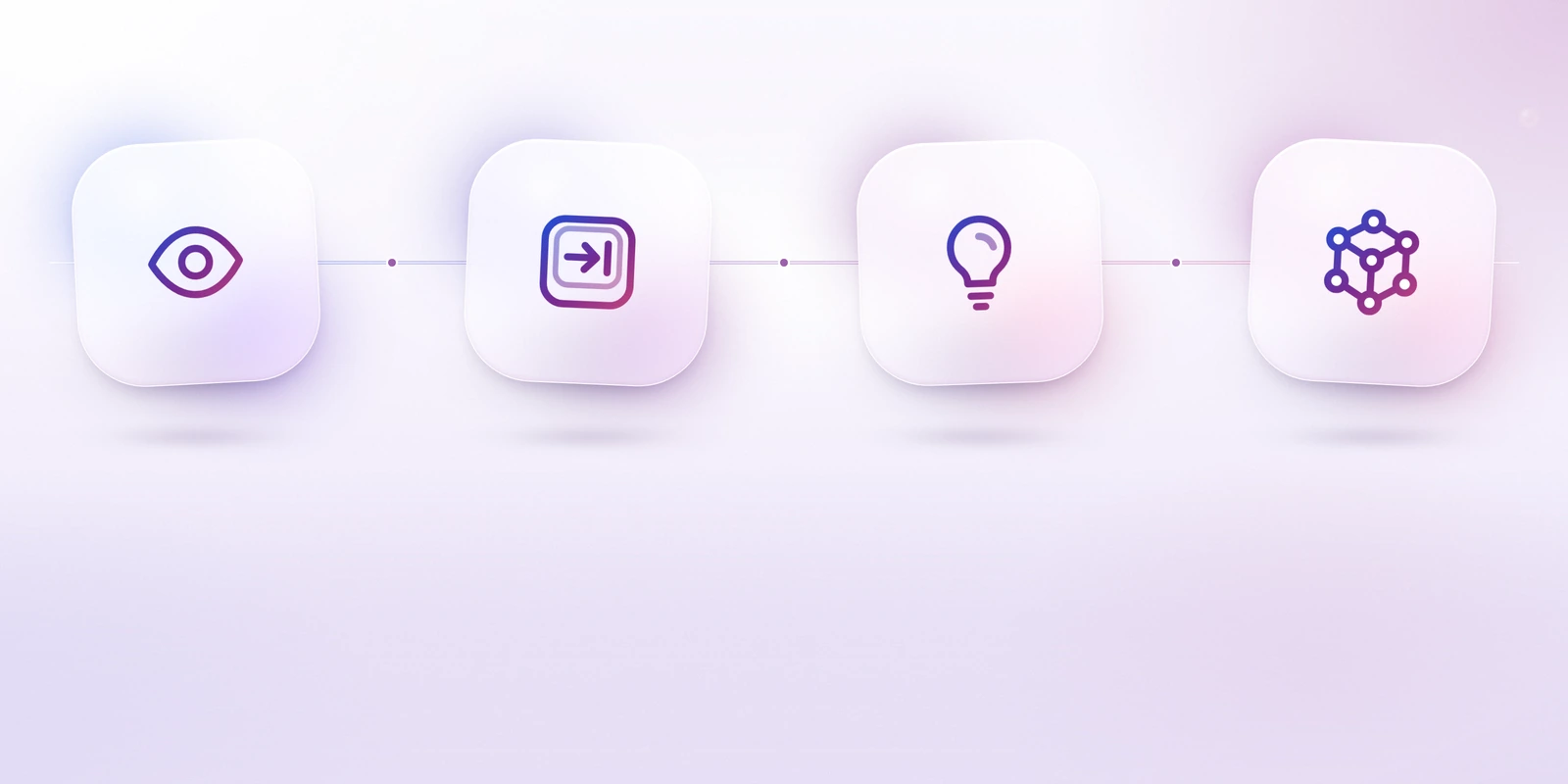
- Perceivable
- Operable
- Understandable
- Robust
Where we stand today
This statement covers the Kantesti website at kantesti.net and the web app, where you upload and read your reports. The mobile apps are not yet covered by this statement.
- We have not yet completed a full assessment against WCAG 2.2 Level AA within this scope. We will update this statement when we have.
- This statement was last reviewed on .
The Trust Center pages are checked with automated accessibility tools before they are published.
Features that help
- Languages. You can choose your report language from 100+ languages and read the result in the language you understand best.
- Listening. Kantesti Voice reads a short summary of your report aloud, in the language of your report. The full written text is always on the page as well.
- Simple uploads. You can upload your lab report as a PDF, JPG or PNG file, so a clear phone photo is enough.

On the Trust Center pages:
- Every meaningful image has a text description, and the words you see on images are real text. You can enlarge them, translate them and have them read aloud.
- You can move through the pages with a keyboard, and the item in focus is clearly marked.
- The pages adapt to small screens and to browser zoom.
- Animations are reduced when your device is set to reduce motion.
- Right-to-left languages, such as Arabic, Hebrew, Persian and Urdu, are shown in their natural direction.
Tips for using Kantesti
- To enlarge text, use your browser's zoom. On most computers, hold Ctrl (Command on a Mac) and press the plus key.
- If a page is hard to read, try your browser's reader view. It shows the text in a simple layout.
- You can choose a report language that differs from the language of your lab report. You can try this with Kantesti's free blood test interpretation, which is educational information, not a diagnosis.
- If taking a photo of your lab report is difficult, ask your laboratory for a PDF, for example through its patient portal, or ask someone you trust to help.
Known limitations
- Some content comes from third parties, such as embedded videos and payment pages, and is not fully under our control.
We add a limitation to this list once we have confirmed it. If you meet a barrier, please tell us, so that we can record it and work on it.
Tell us about a barrier
If something is hard to use, please email [email protected]. It helps if you tell us:
- the page address or the part of the service;
- what you were trying to do, and what happened;
- the device, browser and any assistive technology you used, such as a screen reader.
You can also ask for information from these pages in a different format.
Please do not include health details unless they are needed to describe the problem.