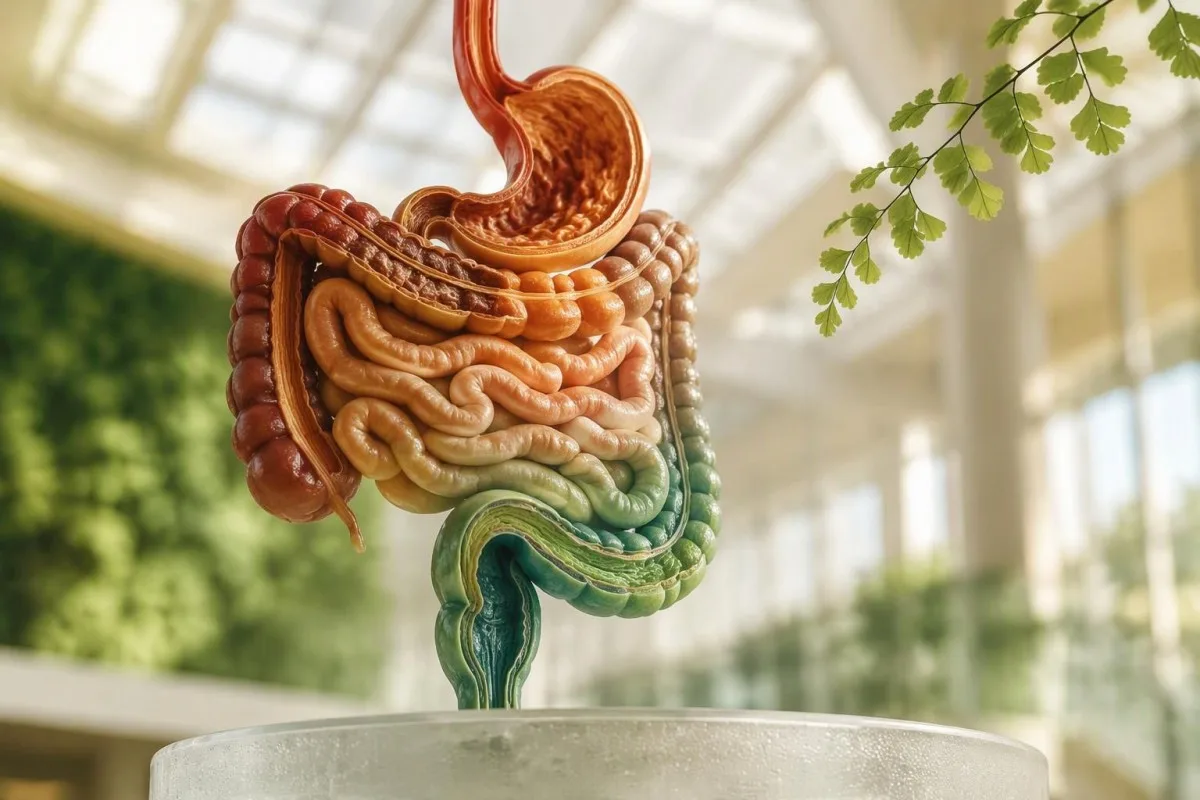
Rangi ya kinyesi inaweza kusaidia kubaini mahali pa kutokwa na damu tumboni, lakini rangi pekee haiwezi kutambua sababu. Mwongozo huu unaoanza na dalili unatenganisha ishara za onyo za dharura kutoka kwa hali zinazohitaji uhakiki wa kimatibabu kwa wakati unaofaa.


- Kinyesi cheusi kama lami inaweza kuashiria kutokwa na damu sehemu ya juu ya mfumo wa mmeng'enyo wa chakula na inahitaji tathmini ya haraka ndani ya siku hiyo hiyo, hasa ikiambatana na kizunguzungu, udhaifu, au kutapika.
- Damu nyekundu angavu kwenye kinyesi mara nyingi hutokana na bawasiri au mwanya, lakini kutokwa na damu mara kwa mara baada ya umri wa miaka 40 bado kunahitaji tathmini ya kimatibabu.
- Kinyesi cha rangi ya maroon kinaweza kuonyesha kutokwa na damu kwa kasi au kwa kiasi kikubwa kutoka kwenye utumbo mpana au mdogo na haipaswi kuangaliwa nyumbani.
- Kiwango cha dharura ni kutokwa na damu kwa kinyesi chochote na kukosa fahamu, maumivu ya kifua, ugumu wa kupumua, kuchanganyikiwa, maumivu makali ya tumbo, au moyo kupiga haraka.
- Kidokezo cha hesabu kamili ya damu (CBC): kupungua kwa haemoglobin au kuongezeka kwa uwiano wa urea-kwa-creatinine kunaweza kuunga mkono upotevu wa damu tumboni kwa kiwango kikubwa kimatibabu.
- Mapitio ya dawa maswala: aspirini, ibuprofen, naproxen, dawa za kugandisha damu, dawa za kotikosti, na baadhi ya virutubisho vinaweza kuongeza hatari ya kutoka damu.
- Vitu vinavyofanana na chakula vinajumuisha beets, rangi nyekundu ya chakula, bismuth, na chuma; vinaweza kubadilisha rangi ya kinyesi lakini havielezi jaribio chanya la damu kwenye kinyesi.
- Usisimamishe dawa za kugandisha damu zilizowekwa na daktari bila ushauri wa haraka kutoka kwa daktari aliyeweka, hata kama kutatokea kutokwa na damu kwenye mfereji wa haja kubwa;.
Rangi ya damu kwenye kinyesi inaweza kukuambia nini katika saa ya kwanza
Damu kwenye kinyesi inamaanisha kuwa kutokwa na damu kunaweza kutokea mahali fulani kutoka kwenye njia ya juu ya chakula hadi kwenye mfereji wa haja kubwa; kinyesi cheusi, chenye kubana kwa kawaida huwa cha dharura zaidi kuliko michirizi michache myekundu inayong'aa kwenye karatasi ya chooni. Kufikia Septemba 25, 2026, sheria yangu ya vitendo ni rahisi: ikiwa unajisikia vibaya, kizunguzungu, upungufu wa pumzi, unahisi baridi, au unagundua kinyesi cheusi chema, tafuta huduma ya haraka sasa badala ya kujaribu kutambua sababu nyumbani.
Damu nyekundu inayong'aa kwa kawaida imekuwa na muda mfupi wa kuchunguzwa, kwa hivyo mara nyingi hutoka kwenye mfereji wa haja kubwa au mfereji wa haja kubwa. Kinyesi cheusi chema, kinachoitwa melaena, kwa kawaida huonyesha damu imebadilishwa na asidi ya tumbo na vimeng'enya vya matumbo, mara nyingi kutoka kwenye umio, tumbo, au sehemu ya juu ya utumbo mdogo. Rangi moja haithibitishi chanzo, lakini inabadilisha uharaka.
Kinyesi cha rangi ya maroon au divai nyeusi kinaweza kutoka kwenye utumbo mpana wa kulia, utumbo mdogo, au kutokwa na damu kali kwenye sehemu ya juu ya mfumo wa chakula. Katika mazoezi ya kliniki, kinyesi cha maroon chenye kunde juu ya michomo 100 kwa dakika, kizunguzungu kipya, au kupungua kwa mkojo hutibiwa kama hasara kubwa ya damu ya ndani hadi itakapothibitishwa vinginevyo.
Kantesti ni Mchambuzi wa mtihani wa damu wa AI ambayo huwasaidia watumiaji kuweka CBC, vipimo vya chuma, vipimo vya figo, na vipimo vya ini katika muktadha baada ya daktari kushughulikia dalili za haraka. Kwa dalili zinazohusiana na muundo wa haja kubwa, angalia mwongozo wetu wa Jedwali la Bristol la kinyesi.
Usitumie rangi kama utambuzi wa nyumbani
Beets, rangi nyekundu, maganda ya nyanya, vidonge vya chuma, na bismuth vinaweza kuiga mabadiliko ya rangi yanayohusu. Kinyesi ambacho kwa kweli ni chema kwa kawaida ni cheusi sana, kinang'aa, kinabana, na kinanukia vibaya sana—si kahawia tu iliyo giza.
Damu nyekundu angavu kwenye kinyesi: sababu za kawaida na mipaka
Damu nyekundu inayong'aa kwenye kinyesi mara nyingi hutoka kwenye hemorrhoids, mpasuko wa mfereji wa haja kubwa, kuvimba kwa mfereji wa haja kubwa, au kidonda cha utumbo wa chini. Michirizi midogo isiyo na maumivu tu kwenye karatasi inaweza kuwa madogo, lakini matukio yanayojirudia, damu iliyochanganywa kwenye kinyesi, au kutokwa na damu pamoja na kupoteza uzito huhitaji uchunguzi wa kimatibabu.
Hemorrhoids mara nyingi husababisha matone mekundu yanayong'aa kwenye beseni au michirizi baada ya kufuta, hasa wakati wa kuvimbiwa, ujauzito, kuinua vitu vizito, au kukandamiza kwa muda mrefu. Mpaspasi wa mfereji wa haja kubwa mara nyingi husababisha maumivu makali wakati au baada ya haja kubwa; daktari kwa kawaida anaweza kutofautisha hizi kwa uchunguzi wa kina.
Damu ambayo ni iliyochanganyikana na kinyesi badala ya kukaa juu yake inahitaji umakini zaidi kwa sababu inaweza kutoka juu zaidi kwenye mfereji wa haja kubwa au utumbo mpana. Mpango wa kufuata maelekezo ya NICE wa saratani inayoshukiwa unashauri uchunguzi wa haraka kwa kutokwa na damu kwenye mfereji wa haja kubwa kwa watu wazima wenye umri wa miaka 50 na zaidi, hasa inapofuatana na maumivu ya tumbo au mabadiliko ya tabia ya haja kubwa (NICE, 2025).
Hatua muhimu ya vitendo ni kupiga picha kinyesi ikiwa unaweza kufanya hivyo kwa faragha, kisha rekodi muda, kiasi, maumivu, mzunguko wa haja kubwa, na dawa. Kuvimbiwa kwa kudumu kunaweza kuzidisha ama mapengo au hemorrhoids; makala yetu kuhusu chakula ambacho hakijachunguzwa na dalili za tahadhari inaelezea mabadiliko gani ya kinyesi hufanya na hayafanyi ishara.
Sababu za kinyesi cheusi kama lami na viwango vya dharura
Black tarry stool causes include peptic ulcer bleeding, gastritis, oesophageal varices, and medicines that irritate the stomach lining; true melaena warrants same-day urgent assessment. Black stool plus faintness, vomiting that resembles coffee grounds, or severe weakness is an emergency.
Melaena is classically black, sticky, and difficult to flush because digested haemoglobin changes stool texture as well as colour. Iron supplements may make stool dark green-black, but they usually do not create the sticky, tar-like quality or the illness symptoms that accompany an active upper gastrointestinal bleed.
A urea level that rises out of proportion to creatinine can occur in upper gastrointestinal bleeding because digested protein is absorbed and converted to urea. This pattern is supportive rather than diagnostic; hydration status, kidney function, and steroid use can produce similar results. Our uwiano wa BUN na creatinine huongoza explains those competing explanations.
The 2021 American College of Gastroenterology guideline recommends risk assessment at presentation for overt upper gastrointestinal bleeding and supports endoscopy within 24 hours for patients admitted or under observation (Laine et al., 2021). I would not advise driving yourself if you are dizzy or passing repeated black stools.
Maana ya kinyesi cha rangi ya maroon: kwa nini rangi hii inahitaji uhakiki wa haraka
Maroon stool means blood may be moving through the bowel quickly enough that it is only partly digested, and it should be assessed urgently if new or ongoing. It can arise from the colon, small intestine, or occasionally a rapid upper gastrointestinal source.
Maroon stool is not a harmless middle ground between red and black. A person can lose a clinically meaningful volume of blood before the stool becomes obviously red, particularly if they are older, take beta-blockers, or have limited cardiac reserve.
Diverticular bleeding is often painless and can be surprisingly brisk, while colitis more commonly brings urgency, cramps, diarrhoea, fever, or mucus. A new maroon stool after a recent colonoscopy, polyp removal, or change in anticoagulant dose should prompt immediate contact with the treating team.
The 2016 ACG guideline states that haematochezia with haemodynamic instability may indicate an upper gastrointestinal source and merits upper endoscopy consideration (Strate and Gralnek, 2016). Review our positive FIT follow-up guide if screening test results are part of the picture.
Damu kwenye kinyesi ni dharura lini
Call emergency services or go to an emergency department now if stool bleeding occurs with fainting, confusion, chest pain, shortness of breath, severe abdominal pain, or repeated large-volume blood loss. A normal-looking blood pressure does not reliably exclude early blood loss, especially in fit younger adults.
A resting heart rate above 100 beats per minute, systolic pressure below 100 mmHg, cold sweaty skin, or inability to stand without dizziness are practical danger signs. In my experience, patients often minimise these symptoms because the bleeding seems to have stopped; that can be misleading after an intermittent bleed.
Seek urgent care the same day for black stool, maroon stool, recurrent red bleeding, or any bleeding while taking warfarin, apixaban, rivaroxaban, dabigatran, clopidogrel, or dual antiplatelet therapy. Do not independently skip an anticoagulant dose unless an emergency clinician tells you to—stroke and clot risk can rise quickly.
ya Kantesti jukwaa la tafsiri ya vipimo vya damu la AI can organise trends in haemoglobin, platelets, kidney tests, and iron markers, but it is not an emergency service and cannot rule out active bleeding. If the bleeding is paired with breathlessness, our vipimo vya damu kwa upungufu wa pumzi article explains why anaemia is only one possibility.
Uteuzi wa kawaida unafaa lini
A routine primary-care appointment is reasonable for one small episode of bright-red blood clearly linked to constipation or painful wiping when you feel entirely well. Arrange review within days rather than months if it recurs, even when you suspect haemorrhoids.
The lower-risk pattern is a few drops of red blood on paper after a hard stool, with no blood mixed into stool, no abdominal symptoms, and no anaemia symptoms. Even then, age, family history of colorectal cancer, inflammatory bowel disease, and prior polyps alter the threshold for investigation.
New rectal bleeding with unexplained fatigue, unintentional weight loss, persistent altered bowel habit, or abdominal mass should not be labelled haemorrhoids without an examination. A full blood count is often useful, but a normal haemoglobin does not exclude an early lesion or intermittent bleeding.
Dr. Thomas Klein advises patients to bring a complete medication and supplement list, including turmeric, fish oil, ginkgo, NSAIDs, and iron. A clinician may use a faecal immunochemical test, examination, sigmoidoscopy, or colonoscopy; compare FIT and FOBT testing before assuming the tests are interchangeable.
Sababu zinazowezekana hutofautiana kulingana na umri, maumivu, na mfumo wa haja kubwa
The most likely cause of blood in stool changes with age and symptoms: fissures and infectious diarrhoea are common in younger adults, while diverticular disease, polyps, angiodysplasia, and cancer become more relevant with age. Pain, diarrhoea, fever, and medication use refine the pattern.
Painful bright bleeding after constipation points toward a fissure, while painless intermittent bleeding may fit haemorrhoids, polyps, or diverticular disease. Cramping with bloody diarrhoea raises concern for infectious colitis, inflammatory bowel disease, or ischaemic colitis—particularly after dehydration, low blood pressure, or vascular disease.
In adults under 50, colorectal cancer is still less common than benign causes, but incidence has risen enough that persistent rectal bleeding should never be dismissed by age alone. The presence of iron-deficiency anaemia, a first-degree relative with colorectal cancer, or symptoms that wake someone at night changes the risk calculation substantially.
Stool inflammatory markers can sometimes clarify whether diarrhoea reflects intestinal inflammation, although they cannot identify the cause by themselves. See calprotectin dhidi ya lactoferrin for sensible next questions after recurrent loose, bloody stool.
Dawa, pombe, na virutubisho vinavyobadilisha hatari ya kutokwa na damu
Aspirin, ibuprofen, naproxen, anticoagulants, antiplatelet drugs, corticosteroids, and heavy alcohol use can make gastrointestinal bleeding more likely or more severe. The combination of an NSAID with an anticoagulant is more concerning than either medicine alone.
NSAIDs reduce protective prostaglandins in the stomach and duodenum, which can allow ulcers to form or bleed. A person taking ibuprofen 600 mg three times daily for several days may be at higher risk than they realise, especially if they are also older than 65, use steroids, or have had an ulcer before.
Warfarin requires an INR check when bleeding occurs, but a normal INR does not make rectal bleeding unimportant. Direct oral anticoagulants do not have a simple routine blood level that excludes clinically meaningful bleeding; emergency clinicians use timing of the last dose, kidney function, and bleeding severity.
Dark stool after iron is common, while bismuth can turn stool black and the tongue darker. If you take iron because of low ferritin, review the underlying reason with our mwongozo wa dalili za kiwango cha chini cha feritin rather than assuming replacement has solved the cause.
Madaktari hukagua nini kwenye vipimo vya damu na kinyesi
Clinicians commonly check a full blood count, ferritin, urea, creatinine, liver tests, clotting studies, and stool tests when blood in stool is recurrent or significant. No single laboratory result can identify the exact bleeding site.
A haemoglobin below the laboratory reference range supports anaemia, while a low mean corpuscular volume and low ferritin can suggest longer-term iron loss. Ferritin below 15 ng/mL is highly specific for depleted iron stores in many adults, although inflammation can raise ferritin and hide deficiency.
Platelet count, prothrombin time, INR, activated partial thromboplastin time, albumin, bilirubin, and liver enzymes may be relevant when bleeding is unexpected or liver disease is possible. A platelet count below 50 × 10^9/L increases procedural and spontaneous bleeding concerns, though individual decisions depend on context.
Kantesti ni Zana ya uchambuzi wa vipimo vya damu inayotumia AI that compares these markers across reports so a clinician can see whether a low haemoglobin is new, stable, or worsening. For why red-cell size matters, read our mwongozo wa sababu za chini za MCV.
Ishara za upungufu wa damu zinazofanya kutokwa na damu kwenye kinyesi kuwa na wasiwasi zaidi
Blood in stool becomes more concerning when it is paired with falling haemoglobin, low ferritin, fatigue, exertional breathlessness, palpitations, or pale skin. Chronic small-volume bleeding may cause iron deficiency before a person sees obvious red blood.
A haemoglobin decrease of 2 g/dL or more over days to weeks is clinically meaningful and should be interpreted urgently when bleeding is suspected. Acute blood loss can initially leave haemoglobin looking deceptively normal because fluid shifts take time; symptoms and vital signs still matter.
Iron deficiency can produce fatigue, restless legs, reduced exercise tolerance, hair shedding, and concentration difficulty before anaemia develops. In men and postmenopausal women, confirmed iron-deficiency anaemia commonly prompts gastrointestinal evaluation because menstrual loss is not an adequate explanation.
Dr. Thomas Klein has seen patients reassured by a “normal” haemoglobin of 13.2 g/dL despite a clear downward trend from 15.8 g/dL over six months. Our haematocrit and haemoglobin guide shows why both numbers and trends deserve attention.
Damu kwenye kinyesi wakati wa ujauzito, watoto, na wazee
Pregnancy, childhood, and older age each change the likely causes of blood in stool, but black stool or systemic illness is urgent at any age. In infants and children, a paediatric clinician should assess recurrent bleeding rather than relying on adult haemorrhoid explanations.
Pregnancy increases constipation and haemorrhoids, so small bright-red streaks are common, yet severe abdominal pain, heavy bleeding, dizziness, or black stool still needs urgent assessment. Iron supplements can darken stool during pregnancy, but they do not make a person safe from gastrointestinal bleeding.
In children, fissures from constipation are common, but bloody diarrhoea with fever, reduced drinking, lethargy, or abdominal swelling needs same-day paediatric care. Currant-jelly-like stool with episodic severe pain is an emergency pattern because intussusception is one possible cause.
Older adults may have less pain despite substantial bleeding, especially with diverticular disease or angiodysplasia. If there is a bleeding tendency in the wider family, our von Willebrand disease symptoms guide may help prepare for the right questions.
Usifanye nini wakati unasubiri ushauri wa kimatibabu
Do not take extra ibuprofen or aspirin for abdominal pain, use anti-diarrhoeal medicines for bloody diarrhoea without advice, or stop critical anticoagulants on your own. These choices can worsen bleeding, hide important symptoms, or create clotting risk.
Avoid alcohol, strenuous exercise, and fasting if you are light-headed or continuing to pass blood. Drink small amounts of fluid if you can keep them down, but do not force fluids if vomiting, severe pain, or confusion is present—those are reasons for urgent in-person assessment.
Do not use a home stool test to reassure yourself after visible blood. A negative result can miss intermittent bleeding, while a positive result cannot identify whether the cause is a fissure, inflammation, polyp, ulcer, or cancer.
Write down the last normal stool, estimated amount of bleeding, medicine doses, and any prior endoscopy results. If you use warfarin, see our explanation of what INR means before discussing results with your care team.
Madaktari huweka wapi chanzo cha kutokwa na damu tumboni
Doctors locate gastrointestinal bleeding using symptom pattern, examination, laboratory trends, and targeted procedures such as endoscopy, colonoscopy, CT angiography, or capsule endoscopy. The test choice depends on whether bleeding is active, likely upper or lower, and whether the person is stable.
Upper endoscopy examines the oesophagus, stomach, and duodenum and can often treat a bleeding ulcer during the same procedure. Colonoscopy examines the colon and rectum, but preparation quality, active bleeding, and medical stability influence timing and visibility.
CT angiography can identify active bleeding when the rate is high enough to detect, but a negative scan does not rule out a slow or intermittent source. Capsule endoscopy is sometimes used for suspected small-bowel bleeding after standard upper and lower examinations are unrevealing.
Kantesti AI interprets supportive laboratory patterns, not images or endoscopic findings, and our mbinu ya uthibitisho wa kimatibabu explains why clinical context and human oversight remain necessary. A normal test on one day is not proof that intermittent bleeding never occurred.
Jinsi ya kujiandaa kwa uteuzi wa kimatibabu unaofaa
The most useful appointment preparation is a precise timeline of stool colour, amount, pain, bowel changes, medicines, family history, and prior laboratory results. This often shortens the path to the appropriate test more than a vague description such as “a little blood.”
Tell the clinician whether blood is on paper, drips into the bowl, coats stool, or is mixed throughout it; these descriptions change the working diagnosis. Record associated symptoms including fever, urgency, nocturnal diarrhoea, nausea, weight change, and fatigue, plus whether you have travelled or recently used antibiotics.
Bring prior CBC, ferritin, liver, kidney, and coagulation results if available. A longitudinal view can reveal a gradual decline that a single report conceals; our mwongozo wa mwelekeo wa vipimo vya damu outlines what to save between visits.
Kantesti is used across 127+ countries as an huduma ya kutafsiri vipimo vya maabara ya AI, but no automated interpretation should delay a clinician’s assessment of visible gastrointestinal bleeding. Our doctors and reviewers follow clinical oversight standards described by the Bodi ya Ushauri wa Matibabu.
Mpango wa vitendo wa rangi na dalili
Treat black tarry stool, maroon stool, large-volume red bleeding, or any bleeding with weakness or faintness as urgent; arrange timely review for recurring bright-red bleeding even if haemorrhoids seem likely. The safest decision is based on colour plus how you feel, not colour alone.
Call emergency services for fainting, chest pain, severe shortness of breath, confusion, severe abdominal pain, or ongoing large-volume bleeding. Go for same-day urgent evaluation for melaena, maroon stool, coffee-ground vomiting, or bleeding while on anticoagulants.
Book a prompt outpatient appointment for recurring bright red blood, blood mixed in stool, changed bowel habits lasting more than 3 weeks, unexplained fatigue, or weight loss. A presumed haemorrhoid diagnosis should be revisited when the pattern changes or symptoms persist.
The practical lesson from my clinical work is that people rarely regret seeking assessment for a potentially serious bleed; they more often regret waiting because a familiar explanation seemed plausible. For a broader overview of clinical test interpretation safeguards, visit our mwongozo wa teknolojia ya AI.
Maswali Yanayoulizwa Mara Kwa Mara
Je, bawasiri huweza kusababisha damu kuchanganyikana na kinyesi?
Haemorrhoids usually cause bright-red blood on toilet paper, on the stool surface, or as drops in the bowl rather than blood thoroughly mixed through stool. Blood mixed into stool can come from higher in the rectum or colon and should be assessed, particularly if it recurs or occurs after age 40. Seek faster care if there is weight loss, changed bowel habit, abdominal pain, fatigue, or a haemoglobin decline of 2 g/dL or more. A clinician can confirm haemorrhoids, but visible bleeding should not be self-diagnosed indefinitely.
Je, kinyesi cheusi huashiria damu kila wakati?
Black stool is not always blood because iron tablets, bismuth-containing medicines, and some foods can darken stool. True melaena is usually jet black, glossy, sticky, and unusually foul-smelling, and it may occur with weakness, dizziness, or a heart rate above 100 beats per minute. Black tarry stool should receive same-day urgent medical assessment, even if you take iron. Emergency care is needed if fainting, vomiting, chest pain, or shortness of breath accompanies it.
Kinyesi cha rangi ya maroon kinamaanisha nini?
Maroon stool can mean bleeding from the right colon, small intestine, or a rapidly bleeding upper gastrointestinal source. It is more concerning than a few small bright-red streaks because it can reflect blood moving quickly through the bowel. Maroon stool with light-headedness, low urine output, fast pulse, or repeated bowel movements needs emergency assessment. Doctors may use a CBC, urea and creatinine, CT angiography, colonoscopy, or upper endoscopy depending on stability.
Nitakiwa kwenda chumba cha wagonjwa wa dharura kwa damu kwenye kinyesi lini?
Go to the emergency department immediately for black tarry stool, maroon stool, large amounts of red blood, fainting, confusion, chest pain, severe abdominal pain, shortness of breath, or a resting pulse above 100 beats per minute. These features can indicate substantial blood loss or a serious gastrointestinal condition. People taking warfarin, apixaban, rivaroxaban, dabigatran, clopidogrel, or dual antiplatelet therapy should seek same-day advice for any new visible stool bleeding. Do not drive yourself if you feel weak or dizzy.
Je, vidonge vya chuma vinaweza kufanya kinyesi kuwa cheusi?
Iron tablets commonly make stool dark green or black, and this effect can begin within 24 to 48 hours of starting treatment. Iron-related dark stool is usually not sticky or tar-like and does not typically cause dizziness, weakness, coffee-ground vomiting, or a falling haemoglobin level. Do not assume black stool is from iron if the appearance is new, very tarry, foul-smelling, or accompanied by illness symptoms. A clinician can decide whether a CBC, ferritin, and urgent gastrointestinal evaluation are needed.
Vipimo gani vya damu vinaweza kuonyesha kutokwa damu ndani ya utumbo?
A full blood count can show low haemoglobin, low haematocrit, and sometimes a low MCV when blood loss has been ongoing long enough to deplete iron. Ferritin below 15 ng/mL strongly supports depleted iron stores in many adults, although inflammation can make ferritin appear higher than expected. Urea may rise disproportionately to creatinine in upper gastrointestinal bleeding because digested protein increases urea production. Normal laboratory results do not exclude a recent or intermittent bleed, especially during the first hours.
Pata Uchambuzi wa Vipimo vya Damu kwa AI Leo
Jiunge na zaidi ya watumiaji 2 milioni duniani kote wanaoamini Kantesti kwa uchambuzi wa papo hapo na sahihi wa vipimo vya maabara. Pakia matokeo yako ya vipimo vya damu na upate tafsiri ya kina ya viashiria vya 15,000+ ndani ya sekunde.
📚 Machapisho ya Utafiti Yanayorejelewa
Klein, T., Mitchell, S., & Weber, H. (2026). BUN/Creatinine Ratio Explained: Kidney Function Test Guide. Kantesti Research Publication. Zenodo.. Kantesti uchambuzi wa damu kwa AI ya utafiti wa matibabu.
Klein, T., Mitchell, S., & Weber, H. (2026). Urobilinogen in Urine Test: Complete Urinalysis Guide 2026. Kantesti Research Publication. Zenodo.. Kantesti uchambuzi wa damu kwa AI ya utafiti wa matibabu.
📖 Marejeo ya Nje ya Tiba
Taasisi ya Kitaifa ya Afya na Ubora wa Huduma (NICE) (2025). Suspected cancer: recognition and referral. NICE guideline NG12.
⚕️ Kanusho la Kimatibabu
Makala haya ni kwa madhumuni ya elimu tu na si ushauri wa kimatibabu. Wasiliana na mtoa huduma aliyehitimu kila wakati kwa maamuzi ya utambuzi na matibabu.
E-E-A-T Trust Signals
Uzoefu
Mapitio ya kimatibabu inayoongozwa na daktari ya mifumo ya tafsiri ya maabara.
Utaalamu
Kuzingatia dawa za maabara kuhusu jinsi viashiria (biomarkers) vinavyobadilika katika muktadha wa kliniki.
Mamlaka
Imeandikwa na Dk. Thomas Klein kwa mapitio ya Dk. Sarah Mitchell na Prof. Dk. Hans Weber.
Uaminifu
Tafsiri inayotegemea ushahidi yenye njia zilizo wazi za ufuatiliaji ili kupunguza tahadhari za hofu.