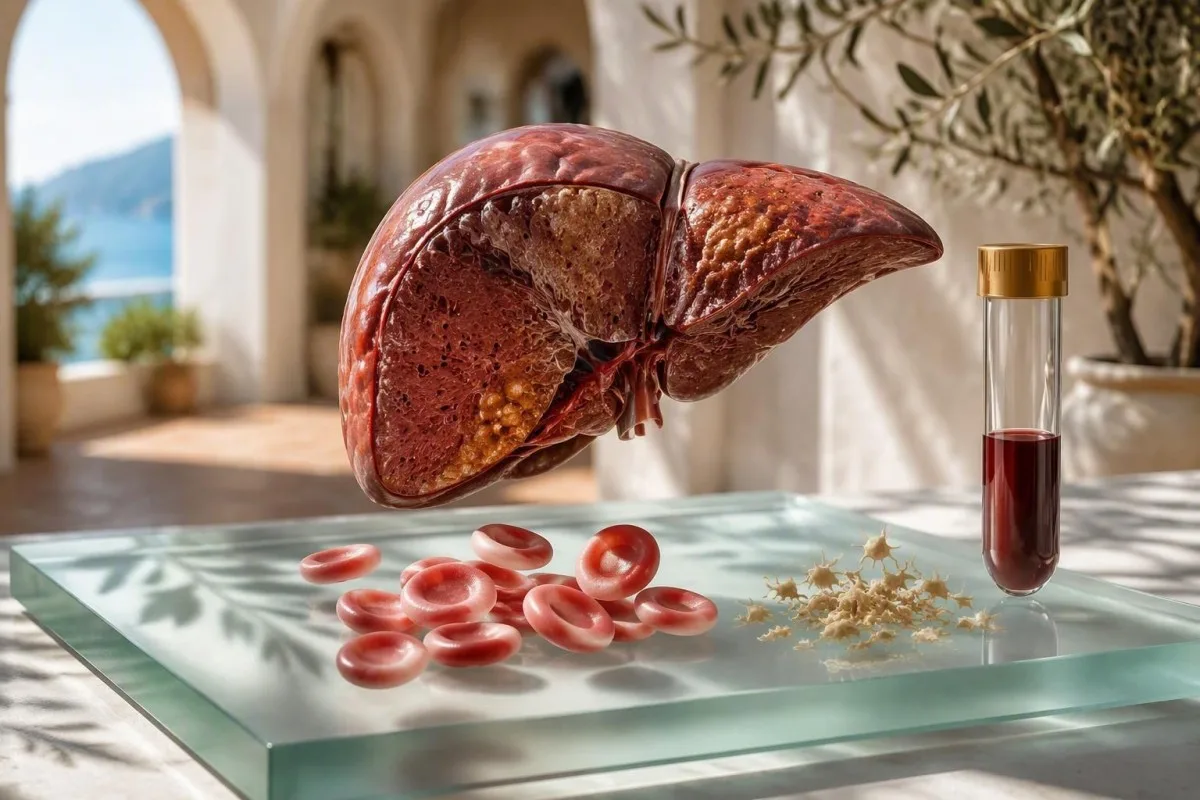
Dalili ya HELLP hufikiriwa pale chembechembe za damu zinapokuwa chache, AST au ALT inapoongezeka, na dalili za kuvunjwa kwa chembechembe nyekundu za damu zinapotokea pamoja wakati wa ujauzito au mara baada ya kujifungua. Maumivu makali ya kichwa, mabadiliko ya macho, maumivu ya tumbo la juu kulia, ugumu wa kupumua, kuvuja damu nyingi, au kupungua kwa mwendo wa mtoto tumboni huhitaji tathmini ya haraka katika kitengo cha uzazi au hospitali ya dharura—usisubiri kupima tena.


- Chembechembe za damu chini ya 100 × 10⁹/L pamoja na kuongezeka kwa enzyme za ini hufikia kiwango kikubwa cha dalili kali wakati wa ujauzito na huhitaji tathmini ya uzazi siku hiyo hiyo.
- LDH juu ya 600 U/L pamoja na haptoglobin ya chini, kuongezeka kwa bilirubin isiyo moja kwa moja, au schistocytes huunga mkono hemolysis katika muundo wa kawaida wa HELLP.
- AST au ALT angalau 70 U/L hutumiwa katika vigezo vya Tennessee; wataalamu pia wanatathmini ikiwa mojawapo ya enzyme ni mara mbili ya kikomo cha juu cha maabara.
- Matokeo moja yasiyo ya kawaida si HELLP. Wasiwasi huongezeka sana wakati chembechembe za damu zinaposhuka, ini linapojeruhiwa, na hemolysis zinapotokea pamoja kwa saa nyingi.
- Dalili za dharura ni pamoja na maumivu makali ya kichwa yanayoendelea, usumbufu wa kuona, maumivu ya epigastric au robo ya juu kulia, kukosa pumzi, kuchanganyikiwa, kifafa, au kupungua kwa mwendo wa mtoto tumboni.
- HELLP inaweza kutokea baada ya kujifungua. Takriban 30% ya visa huonekana baada ya kujifungua, mara nyingi ndani ya saa 48 lakini wakati mwingine hadi siku 7.
- Kujifungua ni tiba ya uhakika mara tu hali ya mama au mtoto inapozorota; magnesium sulfate hutumiwa sana kwa ajili ya kuzuia kifafa.
- Usijitibu chembechembe za damu chache kwa virutubisho au kuchelewesha utunzaji kwa tafsiri ya mtandaoni wakati dalili za onyo la ujauzito zipo.
Muundo wa Vipimo vya HELLP vya Sehemu Tatu kwa Muhtasari
Vipimo vya HELLP syndrome vinaonyesha dharura ya kimatibabu wakati uharibifu wa chembechembe nyekundu, viwango vya juu vya Enzymes za ini, na chembechembe chache zinapotokea kama muundo mmoja unaoendelea. Hesabu ya chembechembe za damu chini ya 100 × 10⁹/L, AST ya 70 U/L au zaidi, na LDH juu ya 600 U/L hutumiwa mara nyingi kama vizingiti vya uchunguzi, lakini mwelekeo wa kushuka kwa kasi unaweza kuwa wa kutisha vile vile.
HELLP inasimama kwa uharibifu wa chembechembe nyekundu, viwango vya juu vya Enzymes za ini, na chembechembe chache. Jina hilo ni muhimu, hata hivyo hali halisi ya kimatibabu inabadilika: mtu anaweza kwanza kuonyesha chembechembe zikishuka kutoka 185 hadi 112 × 10⁹/L kwa muda wa saa 12 kabla ya kuvuka kizingiti cha 100. Katika mazoezi yangu, mteremko huo unachochea hatua kabla mtu yeyote hajathibitishwa na thamani ambayo bado ni ya kawaida kikatokana; viwango vya platelets wakati wa ujauzito msaada huweka hesabu moja katika muktadha.
Uainishaji wa Tennessee unafafanua HELLP kamili kama LDH angalau 600 U/L, AST angalau 70 U/L, na chembechembe chini ya 100 × 10⁹/L. Mfumo wa Mississippi unapima ukali kwa sehemu kwa kiwango cha chini kabisa cha chembechembe: daraja la 1 ni 50 × 10⁹/L au chini, daraja la 2 ni 50 hadi 100 × 10⁹/L, na daraja la 3 ni 100 hadi 150 × 10⁹/L na vigezo vya enzyme na LDH.
Kantesti ni Mchambuzi wa mtihani wa damu wa AI ambayo inasoma CBC, jopo la ini, na alama za uharibifu wa chembechembe nyekundu pamoja badala ya kuashiria thamani moja iliyotoka nje ya kiwango. Thomas Klein, MD, anashauri kwamba mtumiaji yeyote mjamzito aliye na mchanganyiko huu au dalili zinazotia wasiwasi anapaswa kuwasiliana na huduma yao ya ufuatiliaji wa uzazi mara moja; tafsiri ya kidijitali haichukui nafasi ya tathmini ya haraka ya kitandani.
Kwa nini muundo huhesabiwa zaidi kuliko nambari moja
Hesabu ya chembechembe za damu ya 118 × 10⁹/L peke yake inaweza kuonyesha thrombocytopenia ya ujauzito, ambayo kwa kawaida huwa hafifu na tuli. Hesabu ya 118 na AST 96 U/L na LDH 720 U/L inaonyesha ugonjwa wa mishipa midogo hadi timu ya uzazi itakapothibitisha vinginevyo.
Chembechembe za Damu Chache Wakati wa Ujauzito: Namba Zinazobadilisha Uhimili
Chembechembe chini ya 100 × 10⁹/L katika ujauzito ni kipengele kikali cha preeclampsia na huhitaji tathmini ya haraka ya kimatibabu, hasa ikiwa hesabu inashuka. Hesabu chini ya 50 × 10⁹/L huongeza kwa kiasi kikubwa ugumu wa taratibu na usimamizi wa damu, ingawa kutokwa na damu kwa hiari hakutokani na hesabu pekee.
Kawaida ya kawaida ya chembechembe za damu kwa mtu asiye mjamzito ni takriban 150 hadi 400 × 10⁹/L, wakati ujauzito usio na matatizo unaweza kusababisha kushuka kidogo katika hatua za mwisho za ujauzito. Thrombocytopenia ya ujauzito kawaida hukaa juu ya 100 × 10⁹/L, haisababishi uharibifu wa chembechembe nyekundu au transaminitis, na hurejea baada ya kuzaa. Tofauti hiyo ndiyo sababu wataalamu wa matibabu hurudia jopo kamili badala ya kutibu kila hesabu ya chini kama tatizo sawa.
ACOG inatambua hesabu ya chembechembe za damu chini ya 100 × 10⁹/L kama kipengele kikali cha preeclampsia, bila kujali kama shinikizo la damu ni kubwa (ACOG, 2020). Hesabu ya 72 × 10⁹/L yenye maumivu makali ya kichwa yanayojitokeza si matokeo ya kufuatiliwa nyumbani; inahitaji tathmini ya haraka ya shinikizo la damu, hali ya neva, ustawi wa fetasi, na maabara za mfululizo.
Maabara inapaswa kukagua smear au kurudia sampuli ikiwa ubanano wa chembechembe za damu unashukiwa, kwa sababu ubanano unaohusiana na EDTA unaweza kusababisha matokeo ya kiotomatiki ya chini kwa uwongo. Onyo hilo halipaswi kuchelewesha ufuatiliaji wakati dalili zipo; mwongozo wetu wa kushikana kwa platelets za EDTA unafafanua kwa nini hesabu ya ti tube ya citrate wakati mwingine inaweza kuombwa.
Viwango vya Juu vya Enzymes za Ini Wakati wa Ujauzito: Kusoma AST na ALT
AST and ALT rise in HELLP because small-vessel injury and reduced blood flow affect the liver, not because HELLP is ordinary hepatitis. AST or ALT at least twice the local upper limit is a severe-feature threshold, while AST of 70 U/L or higher is used in classic Tennessee HELLP criteria.
ALT is more liver-specific than AST, but both matter in pregnancy. An AST of 145 U/L and ALT of 120 U/L is far more concerning alongside platelets of 82 × 10⁹/L than the same enzyme values in an otherwise well non-pregnant endurance athlete. The mwongozo wa paneli ya ini explains which tests usually accompany AST and ALT.
Severe right-upper-quadrant or epigastric pain can reflect liver capsule stretching even before enzymes reach their maximum. Pain, nausea, shoulder-tip discomfort, hypotension, or a rapidly falling haemoglobin raises concern for hepatic hematoma or rupture, rare but life-threatening complications that require emergency imaging and specialist management.
Alkaline phosphatase is a poor discriminator in late pregnancy because placental production can make it two to four times the non-pregnant upper limit. Bilirubin may be normal in HELLP; when indirect bilirubin rises above about 20.5 µmol/L or 1.2 mg/dL with LDH elevation, hemolysis becomes more likely than isolated liver injury.
Do AST and ALT have to be extremely high?
No. HELLP may be present with AST between 70 and 200 U/L, and the trajectory can worsen quickly. AST or ALT in the thousands shifts the differential toward acute viral hepatitis, ischemic injury, toxin exposure, or acute fatty liver of pregnancy, although overlap can occur.
Vipimo vya Hemolysis: LDH, Bilirubin, Haptoglobin na Smear
Hemolysis in HELLP is demonstrated by red-cell fragmentation and turnover, most often an LDH above 600 U/L plus a falling haptoglobin or schistocytes on a peripheral smear. A haemoglobin decline alone is not enough because pregnancy fluid expansion and bleeding have different mechanisms.
LDH is a sensitive but nonspecific marker of cellular injury; muscle injury, liver injury, and even a poorly handled specimen can increase it. In HELLP, LDH above 600 U/L gains meaning when it parallels platelets falling and AST rising. A high LDH result should therefore trigger a search for the whole pattern, not a single-cause assumption.
Schistocytes are fragmented red cells seen on a manually reviewed cell sample slide. Their presence supports a thrombotic microangiopathy, but their percentage and interpretation require an experienced laboratory professional; a sample with more than 1% schistocytes is generally considered significant in the right clinical setting.
Haptoglobin often falls below the laboratory reference interval as it binds free haemoglobin, while indirect bilirubin and reticulocytes may rise. These are supporting markers, not gatekeepers: in rapidly evolving HELLP, clinicians do not wait for every confirmatory value before admitting and monitoring a symptomatic patient.
A sample error can imitate hemolysis
Laboratory sample hemolysis can falsely increase potassium, LDH, AST, and bilirubin-related measurements. It does not explain a genuine platelet decline or new hypertension, so a redraw is sensible only alongside—not instead of—immediate clinical assessment; see our repeat test after hemolysis guide.
Kwa Nini Vipimo vya Damu vya Dalili ya HELLP Vinavyofuatana ni Muhimu
Suspected HELLP requires serial CBC, AST, ALT, LDH, creatinine, and coagulation testing because the direction of change over 6 to 12 hours can alter delivery and critical-care decisions. A normal result yesterday does not exclude an emergency pattern today.
Hospital teams commonly repeat key laboratories every 6 to 12 hours in unstable or evolving disease, then adjust the interval to symptoms and results. A platelet fall of 35 × 10⁹/L between draws matters even if both values are above 100 × 10⁹/L. The first 24 hours after delivery can also be the nadir, which catches many families off guard.
Coagulation studies are not required to diagnose HELLP, but PT, aPTT, fibrinogen, and D-dimer help assess disseminated intravascular coagulation when there is bleeding, placental abruption, shock, or very low platelets. Pregnancy normally raises fibrinogen to around 4 to 6 g/L, so a fibrinogen of 2 g/L may be concerning despite appearing nonzero; our mwongozo wa vipimo vya kuganda kwa damu hutoa muktadha muhimu.
A rising creatinine, particularly above 1.1 mg/dL or 97 µmol/L, is another severe-feature marker and can coexist with HELLP. One practical point: ask for the actual prior values, not merely whether the result was flagged, because many electronic portals hide the clinical significance of a sharp change within the reference interval.
Do not wait for the final send-out test
Most decisive HELLP tests are routine hospital laboratories with turnaround measured in hours, not days. Treatment decisions rest on bedside condition, blood pressure, fetal monitoring, and the available trend—not on a delayed specialized assay.
Shinikizo la Damu, Protini kwenye Mkojo na Dalili za Figo Pamoja na HELLP
HELLP often occurs with preeclampsia, so blood pressure of 160/110 mmHg or higher, new proteinuria, or creatinine above 1.1 mg/dL increases urgency—but HELLP can appear without obvious hypertension or protein in urine. Normal urine protein never clears a concerning laboratory triad.
Preeclampsia is classically diagnosed after 20 weeks with new blood pressure of at least 140/90 mmHg on two readings four hours apart, plus proteinuria or maternal organ dysfunction. Severe-range pressure of 160 systolic or 110 diastolic needs prompt treatment in a monitored setting to reduce maternal stroke risk. Home cuffs can be helpful, but technique and cuff size change readings by 10 mmHg or more.
A urine protein-to-creatinine ratio of 0.3 mg/mg or more supports proteinuria, while a 24-hour urine total of 300 mg or more is another accepted threshold. Yet about 10% to 20% of HELLP presentations may lack hypertension or proteinuria at first, which is why unexplained epigastric pain and falling platelets should never be dismissed.
Kantesti ni jukwaa la tafsiri ya vipimo vya damu la AI that can organize renal, liver, and CBC results in a clear timeline, but urgent pregnancy symptoms override any remote review workflow. For practical context about a positive result, read our guide to protini kwenye mkojo.
Dalili za Dharura Zinazoshinda Matokeo Moja ya Vipimo
A severe persistent headache, visual symptoms, upper-abdominal pain, shortness of breath, seizure, confusion, vaginal bleeding, or reduced fetal movement needs emergency assessment immediately in pregnancy or within 7 days after birth. These symptoms can signal cerebral, liver, lung, placental, or clotting complications before laboratory values are complete.
Headache is common in pregnancy, but a new headache that is severe, persistent, unresponsive to acetaminophen, or paired with flashing lights, blind spots, or confusion is different. A blood pressure reading below 140/90 does not make neurologic symptoms safe. In the emergency department, assessment may include repeated pressure measurements, reflexes, oxygen saturation, fetal monitoring, and a focused neurologic examination.
Right-upper-quadrant pain may be mistaken for reflux, gallbladder disease, or a pulled muscle. If it is intense, constant, accompanied by vomiting or shoulder pain, or occurs with platelets below 150 × 10⁹/L, seek care now; the differential includes HELLP and conditions discussed in our gallbladder blood test article.
Breathlessness, chest pressure, oxygen saturation below 95%, or sudden swelling with rapid weight gain can reflect pulmonary edema or another urgent cardiopulmonary condition. Do not drive yourself if you feel faint, confused, severely unwell, or have reduced fetal movement; call emergency services or your local maternity emergency line.
What to say when calling triage
State the gestational age or delivery date, blood pressure if known, exact symptoms, fetal movement change, and the latest platelet, AST, ALT, and LDH values. Saying that you are worried about HELLP provides the team a useful clinical frame without asking you to diagnose yourself.
Hali Zinazoweza Kufanana na HELLP Kwenye Vipimo
Acute fatty liver of pregnancy, thrombotic thrombocytopenic purpura, atypical hemolytic uremic syndrome, lupus flare, viral hepatitis, and severe infection can resemble HELLP. The overlap is why hospital clinicians check glucose, creatinine, coagulation, blood film, medication exposure, and the timing of symptoms rather than relying on one checklist.
Acute fatty liver of pregnancy more often brings low glucose, raised bilirubin, prolonged PT or INR, elevated ammonia, and liver synthetic dysfunction. HELLP more characteristically features severe hypertension, platelet consumption, and microangiopathic hemolysis, but mixed cases happen. A glucose below 70 mg/dL or an INR above 1.5 in late pregnancy deserves immediate senior obstetric and liver input.
TTP can produce profound thrombocytopenia and neurologic symptoms with comparatively modest liver enzyme elevation; ADAMTS13 activity below 10% supports the diagnosis, but treatment may begin before the result returns. Atypical HUS frequently has prominent kidney injury after delivery. These distinctions are specialist territory, not something a patient should try to settle from a portal result.
Viral hepatitis can raise ALT and AST above 1,000 U/L, often much higher than in classic HELLP, but numbers overlap. Medication and supplement history matters too—particularly acetaminophen-containing products and herbal preparations; our hepatitis symptom guide explains why jaundice may be absent.
Why a specialist blood film matters
A manually reviewed cell sample can distinguish schistocyte-predominant hemolysis from other red-cell patterns. In difficult cases, obstetrics, maternal-fetal medicine, hematology, anesthesia, nephrology, and critical care may all be involved within the same day.
Utunzaji wa Hospitali wa Dharura kwa HELLP kwa Kawaida Unajumuisha Nini
Emergency HELLP care centers on maternal stabilization, seizure prevention, blood-pressure control, close fetal assessment, and timely delivery when indicated. Delivery is the definitive treatment for HELLP, although clinicians may briefly stabilize a parent or give fetal corticosteroids when that is safe.
Magnesium sulfate is commonly administered for seizure prevention in preeclampsia with severe features and HELLP; a common regimen is a 4 to 6 g intravenous loading dose followed by 1 to 2 g per hour, adjusted for renal function and local protocol. Staff monitor reflexes, breathing, urine output, and serum magnesium when clinically indicated. This is hospital medicine, not a home supplement strategy.
For sustained severe blood pressure, teams may use intravenous labetalol, intravenous hydralazine, or immediate-release oral nifedipine, aiming to treat promptly rather than allowing repeated pressures above 160/110 mmHg. ACOG recommends urgent antihypertensive therapy for acute-onset severe hypertension persisting 15 minutes or more (ACOG, 2020).
Platelet transfusion is not routine just because a count is low; it is considered around delivery, active bleeding, or invasive procedures based on count and clinical context. Vaginal delivery is often feasible, while anesthesia decisions require a current platelet trend and local expertise; platelet thresholds before procedures illustrate why procedure-specific risk matters.
Will corticosteroids cure HELLP?
Corticosteroids may be given before preterm delivery for fetal lung maturation, generally betamethasone 12 mg intramuscularly every 24 hours for two doses. Evidence has not established maternal high-dose corticosteroids as a reliable cure for HELLP, so they must not delay indicated delivery.
HELLP Baada ya Kujifungua: Kwa Nini Saa 48 za Kwanza bado ni Muhimu
HELLP can first appear after birth, most commonly within 48 hours and occasionally up to 7 days postpartum. New headache, abdominal pain, breathlessness, swelling, high blood pressure, or abnormal labs after discharge should be treated as an obstetric emergency, not assumed to be normal recovery.
Roughly 30% of HELLP cases present postpartum, and platelet counts may continue falling for 24 to 48 hours after delivery before recovering. Haram and colleagues described the syndrome's variable timing and emphasized that postpartum surveillance is clinically necessary, not merely precautionary (Haram et al., 2009). A planned follow-up blood pressure check does not replace emergency review for red-flag symptoms.
The postpartum differential includes retained products, infection, cardiomyopathy, pulmonary embolism, TTP, and postpartum hemorrhage, so clinicians again interpret laboratory changes with examination and vital signs. Sudden breathlessness, fainting, one-sided weakness, or a seizure needs emergency services rather than a call-back request. The mwongozo wa kipimo cha damu cha kupumua kwa shida describes several non-HELLP causes that also require speed.
Do not stop prescribed antihypertensives or anticonvulsant plans because the baby has been delivered; the maternal risk does not end at birth. Document the diagnosis and nadir platelet count for future pregnancies, because a prior HELLP history changes early antenatal risk planning.
When do laboratory values recover?
Most patients begin improving within 48 to 72 hours after delivery, but recovery varies with disease severity and complications. Persistent hemolysis, worsening creatinine, or platelets that do not turn upward should trigger reassessment for an alternative thrombotic microangiopathy.
Jinsi ya Kutumia Matokeo ya Mtandaoni kwa Usalama Wakati HELLP Inawezekana
Online laboratory results can help you identify a concerning trend, but they cannot establish whether you or your baby are clinically stable. If HELLP is possible, contact maternity triage first and use the exact report only to communicate values, dates, units, and symptoms accurately.
A result page may display platelets as 92, AST as 88, and LDH as 650 without explaining that all three were normal yesterday. That delta is clinically meaningful. Save screenshots or PDFs with collection times, but do not spend an hour comparing reference ranges while severe symptoms are developing.
Kantesti AI ni Zana ya uchambuzi wa vipimo vya damu inayotumia AI designed to identify cross-panel patterns and trends, including the CBC-liver-hemolysis relationship that clinicians assess in suspected HELLP. Its output should be treated as a structured conversation starter for a clinician, not as clearance to remain at home; our mbinu ya uthibitisho wa kimatibabu describes the boundaries of responsible interpretation.
Before sharing a report, check patient identity, pregnancy week, collection date, units, and whether the laboratory marked the sample hemolyzed. A point-of-care platelet count and the central laboratory count can differ slightly, but an important clinical decision should be based on the treating team's verified result and repeat testing.
A practical message for your care team
A concise message can read: 32 weeks pregnant, platelets fell from 154 to 94 × 10⁹/L today, AST 82 U/L, new right-upper-abdominal pain, blood pressure 158/102. That gives triage staff a usable snapshot in fewer than 30 seconds.
Usifanye Nini na Matokeo Yanayoshukiwa ya HELLP
Do not wait for a routine appointment, start an iron product for a falling haemoglobin, or use supplements to treat a possible HELLP pattern. HELLP is driven by pregnancy-related endothelial and microvascular disease, and its dangerous complications can develop over hours.
Iron deficiency is common in pregnancy, but it does not explain LDH above 600 U/L with schistocytes and rapidly falling platelets. Taking iron may be appropriate when a clinician confirms deficiency, yet it will not reverse HELLP or replace urgent monitoring. If iron questions coexist, review a proper vipimo vya madini ya chuma after the emergency issue is addressed.
Avoid nonsteroidal anti-inflammatory drugs unless your obstetric clinician specifically advises them, particularly with thrombocytopenia, kidney impairment, hypertension, or bleeding risk. Do not take aspirin, herbal products, or high-dose vitamins to alter a result on your own; low-dose aspirin is preventive therapy for selected high-risk pregnancies, not emergency treatment for established HELLP.
I have seen patients minimize symptoms because an earlier scan was reassuring or because their home pressure was only 145/95 mmHg. Fetal imaging and one pressure are snapshots. Persistent severe pain, visual change, or a deteriorating laboratory trend deserves a higher level of caution.
Can diet prevent a current episode?
No food, salt restriction, hydration plan, or supplement reverses established HELLP. Nutrition supports general pregnancy health, but emergency obstetric assessment is the intervention that changes immediate safety.
Kupona na Kupanga kwa Ujauzito wa Baadaye
A prior HELLP syndrome episode raises the risk of hypertensive disease in a later pregnancy, so preconception or early first-trimester review is appropriate. Recurrence estimates vary by population and definition, but are often cited around 5% to 20% for HELLP or preeclampsia-spectrum disease.
At the postnatal review, ask for the discharge diagnosis, highest AST and ALT, lowest platelets, kidney function, blood pressure plan, and whether any alternative diagnosis was excluded. This record helps a future obstetric team distinguish recurrent disease from baseline mild thrombocytopenia. It also prevents the frustrating situation where a patient remembers only that their liver tests were high.
Many high-risk patients are offered low-dose aspirin, commonly 81 to 150 mg daily, starting between 12 and 28 weeks and ideally before 16 weeks, according to local guidance and individual bleeding risk. Aspirin must be prescribed by the pregnancy clinician; its role is prevention, not a response to acute warning labs. Baseline CBC, creatinine, urine protein assessment, and liver tests can make later changes easier to recognize.
Kantesti, ambayo huduma ya kutafsiri vipimo vya maabara ya AI, can maintain a date-stamped laboratory timeline for a clinician-led pregnancy plan across reports from different laboratories. For decisions about safeguards and clinical oversight, our Bodi ya Ushauri wa Matibabu outlines the physicians who guide our medical standards.
When to seek preconception advice
Arrange review before trying to conceive if HELLP occurred before 34 weeks, involved kidney injury, severe hypertension, intensive care, or fetal growth restriction. Maternal-fetal medicine may individualize aspirin timing, blood-pressure targets, and surveillance frequency.
Orodha ya Ukaguzi kwa ajili ya Mganga kwa Saa Iliyofuata
When HELLP is suspected, the next hour should focus on emergency contact, safe transport, symptom documentation, and bringing the laboratory report—not on interpreting every reference range. Prompt escalation is appropriate even if the diagnosis is uncertain.
Call maternity triage, labor and delivery, or emergency services now if red-flag symptoms or a concerning lab combination is present. Do not drive if you have visual disturbance, severe pain, faintness, confusion, seizure activity, heavy bleeding, or shortness of breath. If fetal movements are reduced, say so explicitly when you call.
Bring or transmit the latest report and one prior report if available. Include platelet count in × 10⁹/L, AST and ALT in U/L, LDH in U/L, bilirubin, creatinine, collection time, medications, allergies, and blood-pressure readings. This information helps the team recognize a meaningful delta rather than repeating history under pressure.
As of September 16, 2026, the practical standard remains the same: suspected HELLP is an obstetric emergency evaluated in person with serial tests and maternal-fetal monitoring. Thomas Klein, MD, recommends that readers use our mwongozo wa teknolojia ya kimatibabu only after urgent care has been arranged, because a well-designed tool should accelerate escalation—not create false reassurance.
What improvement looks like after treatment
Improvement usually means symptoms settle, blood pressure becomes controllable, urine output is adequate, platelets turn upward, LDH falls, and AST or ALT stop rising. One better value is encouraging, but hospital discharge decisions depend on the full trajectory and reliable follow-up.
Maswali Yanayoulizwa Mara Kwa Mara
Ni vipimo gani vya maabara vinatambua HELLP syndrome?
Kukamilika kwa HELLP syndrome mara nyingi huainishwa na chembechembe za damu chini ya 100 × 10⁹/L, AST ya angalau 70 U/L, na LDH ya angalau 600 U/L chini ya mfumo wa Tennessee. Uharibifu wa damu huungwa mkono zaidi na schistocytes kwenye sampuli ya damu ya pembeni, haptoglobin ya chini, bilirubini moja kwa moja inayoongezeka, au ongezeko la reticulocyte. Madaktari pia hutumia vigezo vya ACOG vinavyoonyesha hali mbaya, ikiwa ni pamoja na chembechembe za damu chini ya 100 × 10⁹/L na transaminases ya ini angalau mara mbili ya kiwango cha juu cha kawaida cha eneo hilo. Utambuzi daima unachanganya mwelekeo wa maabara na dalili, shinikizo la damu, uchunguzi, na muda wa ujauzito.
Je, HELLP syndrome inaweza kutokea na shinikizo la kawaida la damu?
Ndiyo, HELLP syndrome inaweza kutokea bila shinikizo la damu au protini dhahiri, hasa mapema. Takriban 10% hadi 20% ya watu wenye HELLP huenda wasiwe na dalili za kawaida za preeclampsia wakati wa tathmini ya awali. Kushuka kwa chembechembe, kupanda kwa AST au ALT, LDH juu ya 600 U/L, maumivu makali ya kichwa, au maumivu ya tumbo la juu kulia bado yanahitaji tathmini ya haraka ya uzazi. Shinikizo la kawaida la damu nyumbani halihakikishi kutengwa kwa HELLP.
Platelets hupungua kiasi gani katika ugonjwa wa HELLP?
Hesabu za platelet katika HELLP syndrome zinaweza kushuka chini ya 100 × 10⁹/L, na uainishaji wa Mississippi huainisha hesabu za 50 × 10⁹/L au chini yake kama daraja la 1, kategoria kali zaidi ya platelet. Kushuka kwa kasi kutoka 180 hadi 110 × 10⁹/L baada ya masaa 12 kunaweza kuwa ya kutisha kliniki hata kabla hesabu kufikia 100. Hesabu ya platelet pekee haiwezi kutabiri kila shida, kwa hivyo wataalamu wanatathmini kutokwa damu, enzymes za ini, hemolysis, shinikizo la damu, na mahitaji ya kujifungua pamoja. Mjamzito yeyote aliye na platelet chini ya 100 × 10⁹/L anapaswa kupata tathmini ya haraka inayoongozwa na mtaalamu.
Je, vimeng'enya vya ini vinatakiwa kuwa juu sana kwa HELLP?
Hapana, vipimo vya ini havihitaji kufikia maelfu ili ugonjwa wa HELLP kuwa hatari. AST ya 70 U/L au zaidi hutumiwa katika vigezo vya Tennessee, na AST au ALT mara mbili ya kiwango cha juu cha maabara ni dalili kali ya preeclampsia. Maumivu makali ya robo ya juu kulia yanaweza kutokea licha ya kuongezeka kwa vipimo vya wastani kwa sababu kunyooshwa kwa kofia ya ini hakulingani kikamilifu na nambari. AST au ALT zaidi ya 1,000 U/L huongeza utofauti kuelekea ugonjwa wa virusi, ischemic, unaohusiana na sumu, au ugonjwa wa ini wenye mafuta, lakini unahitaji tathmini ya dharura kwa njia yoyote.
HELLP inaweza kuanza baada ya kuzaa?
Ndiyo, takriban 30% ya visa vya HELLP syndrome hutokea baada ya kuzaa, mara nyingi ndani ya saa 48 na wakati mwingine hadi siku 7 baada ya kuzaa. Platelets zinaweza kuwa mbaya kwa masaa 24 hadi 48 baada ya kuzaliwa kabla hazijaanza kupona, kwa hivyo ufuatiliaji wa maabara baada ya kuzaa unaweza kuwa muhimu. Maumivu makali ya kichwa, mabadiliko ya kuona, maumivu ya tumbo, kupumua kwa shida, shinikizo la damu, au uvimbe baada ya kuzaa unapaswa kutathminiwa kwa haraka. Kuzaa hutibu kichocheo cha msingi cha ujauzito, lakini hakikomi hatari ya papo hapo kwa mama.
Matibabu ya dharura kwa HELLP syndrome ni yapi?
Matibabu ya dharura ya HELLP yanajumuisha kulazwa hospitalini, ufuatiliaji wa karibu wa mama na fetasi, salfati ya magnesi kwa ajili ya kuzuia kifafa inapohitajika, matibabu ya haraka ya shinikizo la damu linaloshikilia au zaidi ya 160/110 mmHg, na kuzaa wakati hali za mama au fetasi zinapohitaji. Ratiba ya kawaida ya salfati ya magnesi ni dozi ya awali ya 4 hadi 6 g ya ndani ya mshipa ikifuatiwa na 1 hadi 2 g kwa saa, ikirekebishwa kulingana na utendaji wa figo na itifaki ya eneo husika. Bidhaa za damu, dawa za kupunguza shinikizo la damu, kortikosteroidi kwa ajili ya kukomaa kwa mapafu ya fetasi, na usaidizi wa kina wa uangalizi maalum huchaguliwa kulingana na hali ya kimatibabu. Hakuna nyongeza, mabadiliko ya lishe, au mpango wa shinikizo la damu wa nyumbani unaoweza kuchukua nafasi ya huduma ya dharura ya uzazi.
Pata Uchambuzi wa Vipimo vya Damu kwa AI Leo
Jiunge na zaidi ya watumiaji 2 milioni duniani kote wanaoamini Kantesti kwa uchambuzi wa papo hapo na sahihi wa vipimo vya maabara. Pakia matokeo yako ya vipimo vya damu na upate tafsiri ya kina ya viashiria vya 15,000+ ndani ya sekunde.
📚 Machapisho ya Utafiti Yanayorejelewa
Klein, T., Mitchell, S., & Weber, H. (2026). Kantesti LTD. (2026). Mwongozo wa Utafiti wa Chuma: TIBC, Uwezo wa Kuunganisha na Nguvu ya Chuma. Zenodo.. Kantesti uchambuzi wa damu kwa AI ya utafiti wa matibabu.
Klein, T., Mitchell, S., & Weber, H. (2026). Kantesti LTD. (2026). Masafa ya Kawaida ya aPTT: D-Dimer, Mwongozo wa Kuganda kwa Damu wa Protein C. Zenodo.. Kantesti uchambuzi wa damu kwa AI ya utafiti wa matibabu.
📖 Marejeo ya Nje ya Tiba
⚕️ Kanusho la Kimatibabu
Makala haya ni kwa madhumuni ya elimu tu na si ushauri wa kimatibabu. Wasiliana na mtoa huduma aliyehitimu kila wakati kwa maamuzi ya utambuzi na matibabu.
E-E-A-T Trust Signals
Uzoefu
Mapitio ya kimatibabu inayoongozwa na daktari ya mifumo ya tafsiri ya maabara.
Utaalamu
Kuzingatia dawa za maabara kuhusu jinsi viashiria (biomarkers) vinavyobadilika katika muktadha wa kliniki.
Mamlaka
Imeandikwa na Dk. Thomas Klein kwa mapitio ya Dk. Sarah Mitchell na Prof. Dk. Hans Weber.
Uaminifu
Tafsiri inayotegemea ushahidi yenye njia zilizo wazi za ufuatiliaji ili kupunguza tahadhari za hofu.