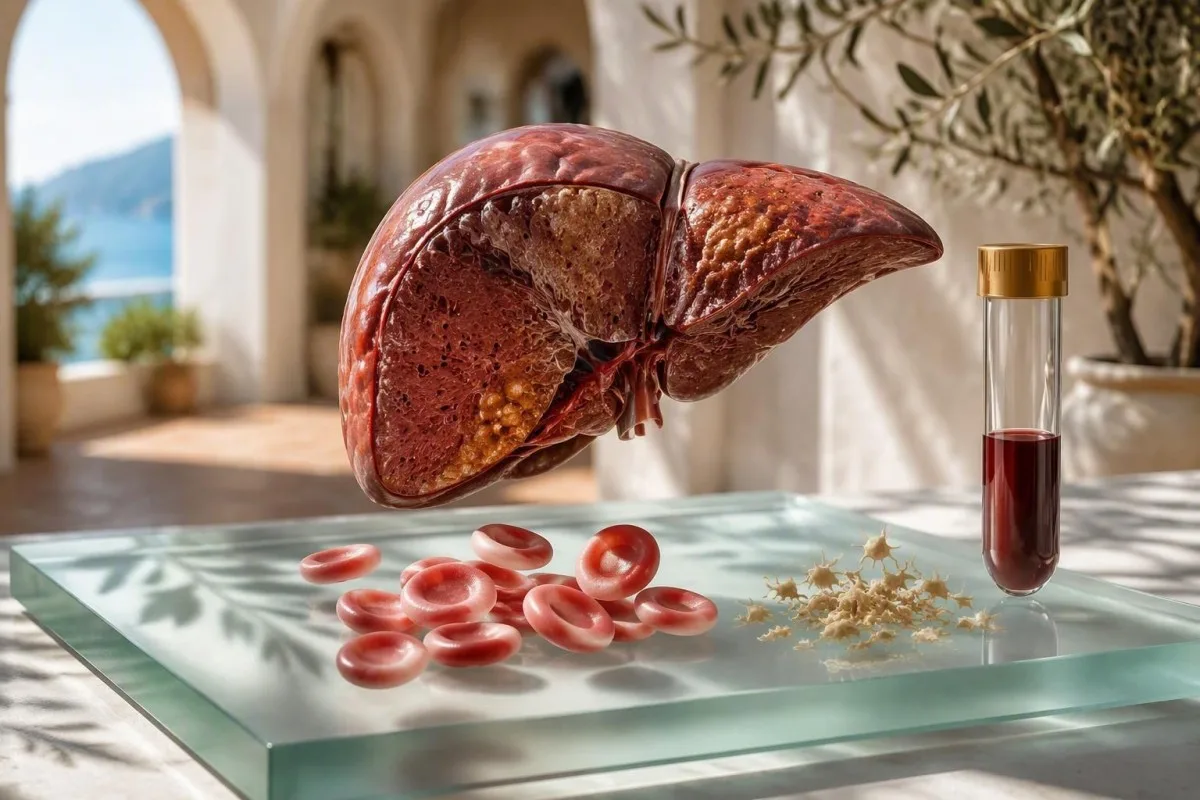
د HELLP سنډروم شک هغه وخت کیږي کله چې په امیندوارۍ کې یا له زېږون وروسته ژر لږ پلیټلیټونه، د AST یا ALT زیاتوالی، او د سره وینې د حجرو د ماتیدو نښې یوځای ښکاره شي. شدید سر درد، د لید بدلون، د پورتنۍ ښي معدې درد، تنفسي ستونزې، درنه وینې بهیدنه، یا د جنین د خوځښت کمښت سمدستي د زېږون د واحد یا بیړني ارزونې ته اړتیا لري — د بیا ازموینې لپاره مه ځنډئ.


- له 100 × 10⁹/L څخه لږ پلیټلیټونه د ځيګر انزایمونو لوړیدو سره په امیندوارۍ کې د جدي ځانګړتیا یوه مهمه کچه پوره کوي او هماغه ورځ د نسایی معاینې ته اړتیا لري.
- له 600 U/L څخه زیات LDH د کم هاپټوګلوبین، د غیر مستقیم بلیروبین لوړیدو، یا شیستوسایټونو سره، په کلاسیک HELLP نمونې کې هیمولیسس ملاتړ کوي.
- له 70 U/L څخه زیات AST یا ALT د ټینیسي معیارونو کې کارول کیږي؛ کلینیکي ډاکټران دا هم ارزوي چې ایا کوم یو انزایم د لابراتوار د پورتنۍ حد دوه چنده دی.
- یوه غیر نورمال پایله HELLP نه ده. اندیښنه په چټکۍ سره زیاتیږي کله چې په ساعتونو کې د پلیټلیټونو کمښت، د ځیګر حجرو زیان، او هیمولیسس یوځای کیږي.
- د بیړني حالت نښې پکې په دوامداره توګه شدید سر درد، د لید اختلال، د معدې پورتنۍ یا ښي اړخ ته درد، تنفسي ستونزې، ګډوډي، دورې، یا د جنین د خوځښت کمښت شامل دي.
- HELLP د زیږون وروسته هم رامنځته کیدی شي. په 30% قضیو کې د زیږون وروسته ښکاري، ډیری وختونه په 48 ساعتونو کې مګر کله ناکله تر 7 ورځو پورې.
- زیږون حتمي درملنه ده کله چې د مور او ماشوم حالت خراب شي؛ مګنیزیم سلفیټ د قبضت مخنیوي لپاره عام کارول کیږي.
- د ټیټ پلیټلیټونو لپاره پخپله درملنه مه کوئ د ضمیمو سره یا د انلاین تفسیر لپاره پاملرنې ځنډولو سره کله چې د امیندوارۍ خطرناکې نښې شتون ولري.
په یوه نظر د HELLP لابراتوار درې ګونی نمونې
HELLP سنډروم لابراتوارونه د طبي بیړني حالت ته اشاره کوي کله چې هیمولیسز، لوړ شوي ځیګر انزایمونه، او ټیټ پلیټلیټونه د یو وده کونکي نمونې په توګه رامنځته کیږي. د 100 × 10⁹/L څخه ښکته د پلیټلیټ شمیر، 70 U/L یا ډیر AST، او د 600 U/L څخه لوړ LDH د تشخیص عامه حدونه دي، مګر چټک ښکته رجحان هم په هماغه اندازه اندیښمن کیدی شي.
HELLP د دې لپاره ولاړ دی هیمولیسز، لوړ شوي ځیګر انزایمونه، او ټیټ پلیټلیټونه. دا نوم ګټور دی، مګر کلینیکي واقعیت متحرک دی: یو کس ممکن لومړی د 185 څخه 112 × 10⁹/L ته د 12 ساعتونو په موده کې پلیټلیټونه له لاسه ورکړي مخکې لدې چې له 100 حد څخه تیر شي. زما په عمل کې، دا لمنه د هر چا د ډاډ تر لاسه کولو دمخه اقدام هڅوي.; د امیندوارۍ د پلیټلیټونو رینجونو په یو شمیر کې د مرستې لپاره مرسته وکړئ.
د ټینیسي طبقه بندي بشپړ HELLP د LDH لږترلږه 600 U/L، AST لږترلږه 70 U/L، او د 100 × 10⁹/L څخه ښکته پلیټلیټونه تعریفوي. د مسیسیپي سیسټم تر حدی پورې د شدت درجې برخه ده: ټولګی 1 50 × 10⁹/L یا ښکته دی، ټولګی 2 50 تر 100 × 10⁹/L دی، او ټولګی 3 100 تر 150 × 10⁹/L دی چې د انزایم او LDH معیارونو سره.
کانټیسټي یو دی د AI د وینې معاینې شنونکی چې د CBC، ځیګر پینل، او هیمولیسز مارکرونه په ګډه لوستل کیږي د دې پرځای چې یوه جلا ارزښت ته بیرغ پورته کړي. توماس کلین، MD، مشوره ورکوي چې په دې ترکیب یا اندیښنې نښو سره کوم امیندواره کاروونکي باید سمدستي د مورین روغتیا پاملرنې خدماتو سره اړیکه ونیسي؛ ډیجیټل تفسیر هیڅکله بیړنۍ بسترې ارزونې ته ځای نه شي نیولی.
ولې نمونې له یو شمیر څخه ډیر اهمیت لري
یوازې 118 × 10⁹/L د پلیټلیټ شمیر ممکن د امیندوارۍ ترومبوسایټوپینیا منعکس کړي، کوم چې معمولا نرم او باثباته وي. 118 شمیره د AST 96 U/L او LDH 720 U/L سره د مایکروسکلر ناروغۍ وړاندیز کوي تر هغه چې د نسایی پاملرنې ټیم بل څه ثابت کړي.
په امیندوارۍ کې لږ پلیټلیټونه: هغه شمیرې چې عاجل بدلون راولي
د امیندوارۍ پرمهال د 100 × 10⁹/L څخه ښکته پلیټلیټونه د شدید پری اکلمپسیا یوه ځانګړتیا ده او سمدستي کلینیکي ارزونې ته اړتیا لري، په ځانګړي توګه که شمیره راټیټیږي. له 50 × 10⁹/L څخه ښکته شمیرې په پامنیه توګه د پروسیجرل او وینې مدیریت پیچلتیا زیاتوي، که څه هم ناڅاپي وینه یوازې په شمیره نه ټاکل کیږي.
د غیر امیندواره خلکو لپاره یوه عامه پلیټلیټ طبقه بندي وقفه شاوخوا 150 تر 400 × 10⁹/L ده، پداسې حال کې چې پیچلې امیندوارۍ کولی شي د وروستي امیندوارۍ په جریان کې یو نرم راټیټ رامینځته کړي. د امیندوارۍ ترومبوسایټوپینیا معمولا له 100 × 10⁹/L څخه لوړه پاتې کیږي، د هیمولیسز یا ټرانسمینیټس لامل نه کیږي، او د زیږون وروسته حل کیږي. دا توپیر هغه دلیل دی چې کلینیکيان بشپړ پینل تکراروي د دې پرځای چې هر ټیټ شمیره د ورته ستونزې په توګه درملنه وکړي.
ACOG د 100 × 10⁹/L څخه ښکته د پلیټلیټ شمیر د پری اکلمپسیا د جدي ځانګړتیا په توګه پیژني، که څه هم لوړ فشار ډراماتیک وي یا نه (ACOG، 2020). د 72 × 10⁹/L شمیر د نوي شدید سر درد سره د کور څخه نظارت کولو پایله نه ده؛ دا د وینې فشار، عصبي حالت، د ماشوم روغتیا، او سریال لابراتوارونو سمدستي ارزونې ته اړتیا لري.
لابراتوار باید د سمییر بیاکتنه وکړي یا نمونه تکرار کړي که چیرې د پلیټلیټ کوچني ټوټې کیدل شکمن وي، ځکه چې EDTA پورې تړلی ټوټې کیدل کولی شي په اتوماتیک ډول غلط ټیټ پایله رامینځته کړي. دا خبرداری باید د بیړني حالت په وخت کې د بیړني حالت ځنډ نه کړي؛ زموږ لارښود د EDTA له امله د پلیټلیټونو ټوټې کېدل تشریح کوي چې ولې کله ناکله د سیټریټ-ټیوب شمیره غوښتنه کیدی شي.
په امیندوارۍ کې د ځيګر انزایمونو لوړیدل: د AST او ALT لوستل
AST and ALT rise in HELLP because small-vessel injury and reduced blood flow affect the liver, not because HELLP is ordinary hepatitis. AST or ALT at least twice the local upper limit is a severe-feature threshold, while AST of 70 U/L or higher is used in classic Tennessee HELLP criteria.
ALT is more liver-specific than AST, but both matter in pregnancy. An AST of 145 U/L and ALT of 120 U/L is far more concerning alongside platelets of 82 × 10⁹/L than the same enzyme values in an otherwise well non-pregnant endurance athlete. The د ځیګر پینل لارښود explains which tests usually accompany AST and ALT.
Severe right-upper-quadrant or epigastric pain can reflect liver capsule stretching even before enzymes reach their maximum. Pain, nausea, shoulder-tip discomfort, hypotension, or a rapidly falling haemoglobin raises concern for hepatic hematoma or rupture, rare but life-threatening complications that require emergency imaging and specialist management.
Alkaline phosphatase is a poor discriminator in late pregnancy because placental production can make it two to four times the non-pregnant upper limit. Bilirubin may be normal in HELLP; when indirect bilirubin rises above about 20.5 µmol/L or 1.2 mg/dL with LDH elevation, hemolysis becomes more likely than isolated liver injury.
Do AST and ALT have to be extremely high?
No. HELLP may be present with AST between 70 and 200 U/L, and the trajectory can worsen quickly. AST or ALT in the thousands shifts the differential toward acute viral hepatitis, ischemic injury, toxin exposure, or acute fatty liver of pregnancy, although overlap can occur.
د هیمولیسس نښې: LDH، بلیروبین، هاپټوګلوبین او سمییر
Hemolysis in HELLP is demonstrated by red-cell fragmentation and turnover, most often an LDH above 600 U/L plus a falling haptoglobin or schistocytes on a peripheral smear. A haemoglobin decline alone is not enough because pregnancy fluid expansion and bleeding have different mechanisms.
LDH is a sensitive but nonspecific marker of cellular injury; muscle injury, liver injury, and even a poorly handled specimen can increase it. In HELLP, LDH above 600 U/L gains meaning when it parallels platelets falling and AST rising. A high LDH result should therefore trigger a search for the whole pattern, not a single-cause assumption.
Schistocytes are fragmented red cells seen on a manually reviewed cell sample slide. Their presence supports a thrombotic microangiopathy, but their percentage and interpretation require an experienced laboratory professional; a sample with more than 1% schistocytes is generally considered significant in the right clinical setting.
Haptoglobin often falls below the laboratory reference interval as it binds free haemoglobin, while indirect bilirubin and reticulocytes may rise. These are supporting markers, not gatekeepers: in rapidly evolving HELLP, clinicians do not wait for every confirmatory value before admitting and monitoring a symptomatic patient.
A sample error can imitate hemolysis
Laboratory sample hemolysis can falsely increase potassium, LDH, AST, and bilirubin-related measurements. It does not explain a genuine platelet decline or new hypertension, so a redraw is sensible only alongside—not instead of—immediate clinical assessment; see our repeat test after hemolysis guide.
د HELLP سنډروم د وینې سریال ازموینې ولې مهمې دي
Suspected HELLP requires serial CBC, AST, ALT, LDH, creatinine, and coagulation testing because the direction of change over 6 to 12 hours can alter delivery and critical-care decisions. A normal result yesterday does not exclude an emergency pattern today.
Hospital teams commonly repeat key laboratories every 6 to 12 hours in unstable or evolving disease, then adjust the interval to symptoms and results. A platelet fall of 35 × 10⁹/L between draws matters even if both values are above 100 × 10⁹/L. The first 24 hours after delivery can also be the nadir, which catches many families off guard.
Coagulation studies are not required to diagnose HELLP, but PT, aPTT, fibrinogen, and D-dimer help assess disseminated intravascular coagulation when there is bleeding, placental abruption, shock, or very low platelets. Pregnancy normally raises fibrinogen to around 4 to 6 g/L, so a fibrinogen of 2 g/L may be concerning despite appearing nonzero; our د کوګولیشن ازموینې لارښود ګټور شرایط/شالید (context) برابروي.
A rising creatinine, particularly above 1.1 mg/dL or 97 µmol/L, is another severe-feature marker and can coexist with HELLP. One practical point: ask for the actual prior values, not merely whether the result was flagged, because many electronic portals hide the clinical significance of a sharp change within the reference interval.
Do not wait for the final send-out test
Most decisive HELLP tests are routine hospital laboratories with turnaround measured in hours, not days. Treatment decisions rest on bedside condition, blood pressure, fetal monitoring, and the available trend—not on a delayed specialized assay.
د وینې فشار، د پیشاب پروټین او پښتورګو نښې د HELLP سره یوځای
HELLP often occurs with preeclampsia, so blood pressure of 160/110 mmHg or higher, new proteinuria, or creatinine above 1.1 mg/dL increases urgency—but HELLP can appear without obvious hypertension or protein in urine. Normal urine protein never clears a concerning laboratory triad.
Preeclampsia is classically diagnosed after 20 weeks with new blood pressure of at least 140/90 mmHg on two readings four hours apart, plus proteinuria or maternal organ dysfunction. Severe-range pressure of 160 systolic or 110 diastolic needs prompt treatment in a monitored setting to reduce maternal stroke risk. Home cuffs can be helpful, but technique and cuff size change readings by 10 mmHg or more.
A urine protein-to-creatinine ratio of 0.3 mg/mg or more supports proteinuria, while a 24-hour urine total of 300 mg or more is another accepted threshold. Yet about 10% to 20% of HELLP presentations may lack hypertension or proteinuria at first, which is why unexplained epigastric pain and falling platelets should never be dismissed.
کانټیسټي یو دی AI د وینې ازموینې تشریح پلیټفارم that can organize renal, liver, and CBC results in a clear timeline, but urgent pregnancy symptoms override any remote review workflow. For practical context about a positive result, read our guide to په ادرار کې پروټین.
بیړني علایم چې د یوې ځانګړې لابراتواري پایلې څخه ډیر مهم دي
A severe persistent headache, visual symptoms, upper-abdominal pain, shortness of breath, seizure, confusion, vaginal bleeding, or reduced fetal movement needs emergency assessment immediately in pregnancy or within 7 days after birth. These symptoms can signal cerebral, liver, lung, placental, or clotting complications before laboratory values are complete.
Headache is common in pregnancy, but a new headache that is severe, persistent, unresponsive to acetaminophen, or paired with flashing lights, blind spots, or confusion is different. A blood pressure reading below 140/90 does not make neurologic symptoms safe. In the emergency department, assessment may include repeated pressure measurements, reflexes, oxygen saturation, fetal monitoring, and a focused neurologic examination.
Right-upper-quadrant pain may be mistaken for reflux, gallbladder disease, or a pulled muscle. If it is intense, constant, accompanied by vomiting or shoulder pain, or occurs with platelets below 150 × 10⁹/L, seek care now; the differential includes HELLP and conditions discussed in our gallbladder blood test article.
Breathlessness, chest pressure, oxygen saturation below 95%, or sudden swelling with rapid weight gain can reflect pulmonary edema or another urgent cardiopulmonary condition. Do not drive yourself if you feel faint, confused, severely unwell, or have reduced fetal movement; call emergency services or your local maternity emergency line.
What to say when calling triage
State the gestational age or delivery date, blood pressure if known, exact symptoms, fetal movement change, and the latest platelet, AST, ALT, and LDH values. Saying that you are worried about HELLP provides the team a useful clinical frame without asking you to diagnose yourself.
هغه شرایط چې په لابراتوارونو کې د HELLP سره ورته والی لري
Acute fatty liver of pregnancy, thrombotic thrombocytopenic purpura, atypical hemolytic uremic syndrome, lupus flare, viral hepatitis, and severe infection can resemble HELLP. The overlap is why hospital clinicians check glucose, creatinine, coagulation, blood film, medication exposure, and the timing of symptoms rather than relying on one checklist.
Acute fatty liver of pregnancy more often brings low glucose, raised bilirubin, prolonged PT or INR, elevated ammonia, and liver synthetic dysfunction. HELLP more characteristically features severe hypertension, platelet consumption, and microangiopathic hemolysis, but mixed cases happen. A glucose below 70 mg/dL or an INR above 1.5 in late pregnancy deserves immediate senior obstetric and liver input.
TTP can produce profound thrombocytopenia and neurologic symptoms with comparatively modest liver enzyme elevation; ADAMTS13 activity below 10% supports the diagnosis, but treatment may begin before the result returns. Atypical HUS frequently has prominent kidney injury after delivery. These distinctions are specialist territory, not something a patient should try to settle from a portal result.
Viral hepatitis can raise ALT and AST above 1,000 U/L, often much higher than in classic HELLP, but numbers overlap. Medication and supplement history matters too—particularly acetaminophen-containing products and herbal preparations; our hepatitis symptom guide explains why jaundice may be absent.
Why a specialist blood film matters
A manually reviewed cell sample can distinguish schistocyte-predominant hemolysis from other red-cell patterns. In difficult cases, obstetrics, maternal-fetal medicine, hematology, anesthesia, nephrology, and critical care may all be involved within the same day.
د HELLP لپاره معمولاً کوم بیړني روغتیایی پاملرنه شامله وي
Emergency HELLP care centers on maternal stabilization, seizure prevention, blood-pressure control, close fetal assessment, and timely delivery when indicated. Delivery is the definitive treatment for HELLP, although clinicians may briefly stabilize a parent or give fetal corticosteroids when that is safe.
Magnesium sulfate is commonly administered for seizure prevention in preeclampsia with severe features and HELLP; a common regimen is a 4 to 6 g intravenous loading dose followed by 1 to 2 g per hour, adjusted for renal function and local protocol. Staff monitor reflexes, breathing, urine output, and serum magnesium when clinically indicated. This is hospital medicine, not a home supplement strategy.
For sustained severe blood pressure, teams may use intravenous labetalol, intravenous hydralazine, or immediate-release oral nifedipine, aiming to treat promptly rather than allowing repeated pressures above 160/110 mmHg. ACOG recommends urgent antihypertensive therapy for acute-onset severe hypertension persisting 15 minutes or more (ACOG, 2020).
Platelet transfusion is not routine just because a count is low; it is considered around delivery, active bleeding, or invasive procedures based on count and clinical context. Vaginal delivery is often feasible, while anesthesia decisions require a current platelet trend and local expertise; platelet thresholds before procedures illustrate why procedure-specific risk matters.
Will corticosteroids cure HELLP?
Corticosteroids may be given before preterm delivery for fetal lung maturation, generally betamethasone 12 mg intramuscularly every 24 hours for two doses. Evidence has not established maternal high-dose corticosteroids as a reliable cure for HELLP, so they must not delay indicated delivery.
د زیږون وروسته HELLP: ولې لومړني 48 ساعتونه لا هم مهم دي
HELLP can first appear after birth, most commonly within 48 hours and occasionally up to 7 days postpartum. New headache, abdominal pain, breathlessness, swelling, high blood pressure, or abnormal labs after discharge should be treated as an obstetric emergency, not assumed to be normal recovery.
Roughly 30% of HELLP cases present postpartum, and platelet counts may continue falling for 24 to 48 hours after delivery before recovering. Haram and colleagues described the syndrome's variable timing and emphasized that postpartum surveillance is clinically necessary, not merely precautionary (Haram et al., 2009). A planned follow-up blood pressure check does not replace emergency review for red-flag symptoms.
The postpartum differential includes retained products, infection, cardiomyopathy, pulmonary embolism, TTP, and postpartum hemorrhage, so clinicians again interpret laboratory changes with examination and vital signs. Sudden breathlessness, fainting, one-sided weakness, or a seizure needs emergency services rather than a call-back request. The دليل اختبار الدم لضيق التنفس describes several non-HELLP causes that also require speed.
Do not stop prescribed antihypertensives or anticonvulsant plans because the baby has been delivered; the maternal risk does not end at birth. Document the diagnosis and nadir platelet count for future pregnancies, because a prior HELLP history changes early antenatal risk planning.
When do laboratory values recover?
Most patients begin improving within 48 to 72 hours after delivery, but recovery varies with disease severity and complications. Persistent hemolysis, worsening creatinine, or platelets that do not turn upward should trigger reassessment for an alternative thrombotic microangiopathy.
کله چې د HELLP امکان شتون ولري د آنلاین پایلو خوندي کارول
Online laboratory results can help you identify a concerning trend, but they cannot establish whether you or your baby are clinically stable. If HELLP is possible, contact maternity triage first and use the exact report only to communicate values, dates, units, and symptoms accurately.
A result page may display platelets as 92, AST as 88, and LDH as 650 without explaining that all three were normal yesterday. That delta is clinically meaningful. Save screenshots or PDFs with collection times, but do not spend an hour comparing reference ranges while severe symptoms are developing.
Kantesti AI یو د AI پر بنسټ د وینې ازموینې تحلیل وسیله designed to identify cross-panel patterns and trends, including the CBC-liver-hemolysis relationship that clinicians assess in suspected HELLP. Its output should be treated as a structured conversation starter for a clinician, not as clearance to remain at home; our د طبي تایید (validation) طریقه describes the boundaries of responsible interpretation.
Before sharing a report, check patient identity, pregnancy week, collection date, units, and whether the laboratory marked the sample hemolyzed. A point-of-care platelet count and the central laboratory count can differ slightly, but an important clinical decision should be based on the treating team's verified result and repeat testing.
A practical message for your care team
A concise message can read: 32 weeks pregnant, platelets fell from 154 to 94 × 10⁹/L today, AST 82 U/L, new right-upper-abdominal pain, blood pressure 158/102. That gives triage staff a usable snapshot in fewer than 30 seconds.
د شکمن HELLP پایلو سره څه نه باید وکړئ
Do not wait for a routine appointment, start an iron product for a falling haemoglobin, or use supplements to treat a possible HELLP pattern. HELLP is driven by pregnancy-related endothelial and microvascular disease, and its dangerous complications can develop over hours.
Iron deficiency is common in pregnancy, but it does not explain LDH above 600 U/L with schistocytes and rapidly falling platelets. Taking iron may be appropriate when a clinician confirms deficiency, yet it will not reverse HELLP or replace urgent monitoring. If iron questions coexist, review a proper د اوسپنې د ازموینو تشریح after the emergency issue is addressed.
Avoid nonsteroidal anti-inflammatory drugs unless your obstetric clinician specifically advises them, particularly with thrombocytopenia, kidney impairment, hypertension, or bleeding risk. Do not take aspirin, herbal products, or high-dose vitamins to alter a result on your own; low-dose aspirin is preventive therapy for selected high-risk pregnancies, not emergency treatment for established HELLP.
I have seen patients minimize symptoms because an earlier scan was reassuring or because their home pressure was only 145/95 mmHg. Fetal imaging and one pressure are snapshots. Persistent severe pain, visual change, or a deteriorating laboratory trend deserves a higher level of caution.
Can diet prevent a current episode?
No food, salt restriction, hydration plan, or supplement reverses established HELLP. Nutrition supports general pregnancy health, but emergency obstetric assessment is the intervention that changes immediate safety.
رغیدل او د راتلونکي امیندوارۍ لپاره پلان جوړول
A prior HELLP syndrome episode raises the risk of hypertensive disease in a later pregnancy, so preconception or early first-trimester review is appropriate. Recurrence estimates vary by population and definition, but are often cited around 5% to 20% for HELLP or preeclampsia-spectrum disease.
At the postnatal review, ask for the discharge diagnosis, highest AST and ALT, lowest platelets, kidney function, blood pressure plan, and whether any alternative diagnosis was excluded. This record helps a future obstetric team distinguish recurrent disease from baseline mild thrombocytopenia. It also prevents the frustrating situation where a patient remembers only that their liver tests were high.
Many high-risk patients are offered low-dose aspirin, commonly 81 to 150 mg daily, starting between 12 and 28 weeks and ideally before 16 weeks, according to local guidance and individual bleeding risk. Aspirin must be prescribed by the pregnancy clinician; its role is prevention, not a response to acute warning labs. Baseline CBC, creatinine, urine protein assessment, and liver tests can make later changes easier to recognize.
Kantesti، یو د AI لاب ټېسټ د تفسیر خدمت, can maintain a date-stamped laboratory timeline for a clinician-led pregnancy plan across reports from different laboratories. For decisions about safeguards and clinical oversight, our د طبي مشورتي بورډ outlines the physicians who guide our medical standards.
When to seek preconception advice
Arrange review before trying to conceive if HELLP occurred before 34 weeks, involved kidney injury, severe hypertension, intensive care, or fetal growth restriction. Maternal-fetal medicine may individualize aspirin timing, blood-pressure targets, and surveillance frequency.
د راتلونکې ساعت لپاره د کلینیکي ډاکټرانو چمتو لیست
When HELLP is suspected, the next hour should focus on emergency contact, safe transport, symptom documentation, and bringing the laboratory report—not on interpreting every reference range. Prompt escalation is appropriate even if the diagnosis is uncertain.
Call maternity triage, labor and delivery, or emergency services now if red-flag symptoms or a concerning lab combination is present. Do not drive if you have visual disturbance, severe pain, faintness, confusion, seizure activity, heavy bleeding, or shortness of breath. If fetal movements are reduced, say so explicitly when you call.
Bring or transmit the latest report and one prior report if available. Include platelet count in × 10⁹/L, AST and ALT in U/L, LDH in U/L, bilirubin, creatinine, collection time, medications, allergies, and blood-pressure readings. This information helps the team recognize a meaningful delta rather than repeating history under pressure.
As of September 16, 2026, the practical standard remains the same: suspected HELLP is an obstetric emergency evaluated in person with serial tests and maternal-fetal monitoring. Thomas Klein, MD, recommends that readers use our کلینیکي ټیکنالوژي لارښود only after urgent care has been arranged, because a well-designed tool should accelerate escalation—not create false reassurance.
What improvement looks like after treatment
Improvement usually means symptoms settle, blood pressure becomes controllable, urine output is adequate, platelets turn upward, LDH falls, and AST or ALT stop rising. One better value is encouraging, but hospital discharge decisions depend on the full trajectory and reliable follow-up.
پوښتل شوې پوښتنې
کوم لاب ارزښتونه HELLP سنډروم تشخیصوي؟
د HELLP سنډروم بشپړتیا په عام ډول د ټینیسي سیسټم لاندې د پلیټلیټونو له 100 × 10⁹/L څخه کم، د AST لږترلږه 70 U/L، او LDH لږترلږه 600 U/L لخوا تعریف کیږي. د وینې په لامسلایډ کې د شیستوسایټس، د هاپتوګلوبین ټیټوالي، د غیر مستقیم بilirوبین لوړیدو، یا د ریټیکولوسایټس لوړیدو لخوا هیمولیسس نور هم ملاتړ کیږي. کلینیکي کارپوهان د ACOG شدید-ب feature معیارونه هم کاروي، پشمول د پلیټلیټونو له 100 × 10⁹/L څخه کم او د جگر ټرانسامینز لږترلږه د محلي پورتنۍ حد څخه دوه چنده. تشخیص تل د لابراتواري رجحاناتو سره د علایمو، د وینې فشار، معاینې، او د امیندوارۍ وخت سره یوځای کیږي.
ایا HELLP سنډروم د وینې نورمال فشار سره هم کیدی شي؟
هو، HELLP سنډروم کولی شي د څرګند لوړ فشار یا پروټینوریا پرته هم رامنځته شي، په ځانګړې توګه د دې په لومړنیو پړاوونو کې. شاوخوا 10% تر 20% پورې خلک چې HELLP لري ممکن په لومړني ارزونې کې د پری-اکلامپسیا کلاسیک نښې ونه لري. د پلیټلیټ کمښت، AST یا ALT لوړیدل، LDH له 600 U/L څخه پورته، شدید سر درد، یا د ښي پورتنۍ معدې درد لاهم د اضطراري ښځینه معاینې ته اړتیا لري. په کور کې د وینې نورمال فشار په خوندي توګه HELLP رد نه شي.
په HELLP سنډروم کې د پلیټلیټونو کچه څومره ټیټه کیږي؟
په HELLP سنډروم کې د پلیټلیټ شمیره ممکن له 100 × 10⁹/L څخه ښکته شي، او د مسیسيپي طبقه بندي له 50 × 10⁹/L یا لږ شمیر ته د ټولګي 1 په توګه پیژني، چې ترټولو سخته د پلیټلیټ کټګوري ده. په 12 ساعتونو کې د 180 څخه تر 110 × 10⁹/L پورې چټک راټیټیدل په کلینیکي توګه اندیښمن کیدی شي حتی مخکې لدې چې شمیره 100 ته ورسیږي. یوازې د پلیټلیټ شمیره د هرې پیچلتیا وړاندوینه نه کوي، نو کلینیکونه د وینې بهیدنې، د جگر انزایمونو، د وینې حجرو تخریب، د وینې فشار، او د زیږون اړتیاوو په ګډه ارزونه کوي. هغه هر امیندواره شخص چې د پلیټلیټ شمیره یې له 100 × 10⁹/L څخه ټیټه وي باید د کلینیکي مشرتابه لاندې عاجل ارزونه ترلاسه کړي.
ایا د HELLP لپاره د جگر انزایمونه باید ډیر لوړ وي؟
نه، د HELLP سنډروم د خطرناک کیدو لپاره د ځيګر انزایمونو ته په زرګونو رسیدو ته اړتیا نشته. د تنیسي معیارونو له مخې د 70 U/L یا لوړ AST کارول کیږي، او د لابراتوار پورتنۍ حد څخه لږترلږه دوه چنده AST یا ALT د شدید پری اکلامپسیا ځانګړتیا ده. په ښي پورتنۍ څلورم ભાગ کې شدید درد یوازې د متوسط انزایم لوړیدو سره سره پیښ کیدی شي ځکه چې د ځيګر د کیپسول پراخیدل په شمیر سره په بشپړ ډول متناسب ندي. د 1,000 U/L څخه پورته AST یا ALT د ویروسي، اسکیمیک، زهرجن پورې اړوند، یا د ځيګر د شدید غوړ ناروغۍ په لور توپیر پراخوي، مګر په هر حالت کې عاجل ارزونې ته اړتیا لري.
ایا HELLP د تحویل وروسته پیل کیدی شي؟
هو، شاوخوا ۳۰۱TP54T قضیې د HELLP سنډروم د زیږون وروسته ښکاره کیږي، ډیری وختونه د ۴۸ ساعتونو دننه او ځینې وختونه تر ۷ ورځو پورې د زیږون وروسته. پلیټلیټونه ممکن د زیږون وروسته له ۲۴ تر ۴۸ ساعتونو پورې خراب شي مخکې لدې چې دوی بیرته راشي، نو د زیږون وروسته لابراتواري څارنه کیدای شي اړینه وي. شدید سر درد، د لید بدلونونه، د معدې درد، ساه لنډۍ، لوړ فشار، یا د زیږون وروسته پړسوب باید عاجل ارزول شي. تحویل د لاندې حمل ګیج درملنه کوي، مګر دا د فوري مورنۍ خطر پای ته نه رسوي.
د HELLP سنډروم لپاره عاجل درملنه څه ده؟
د HELLP د بیړني درملنې په تدابیرو کې روغتون کې بستر کول، د مور او جنین نږدې څارنه، د دورې یا کانګو د مخنیوي لپاره د مګنیزیم سلفیټ کارول (کله چې اړین وي)، د 160/110 mmHg یا لوړ فشار لرونکي وینې د وینې فشار سمدستي درملنه، او د مور یا جنین د حالتونو له مخې تحویلي شامله ده. د مګنیزیم سلفیټ یو عام رژیم 4-6 ګرامه داخلي دوز دی چې د 1-2 ګرامه فی ساعت لخوا تعقیب کیږي، چې د پښتورګو د فعالیت او محلي پروتوکول سره سمون لري. د وینې محصولات، د وینې فشار ضد درمل، د جنین د سږو د پخیدو لپاره کورټیکوسټرایډز، او د پاملرنې ځانګړي ملاتړ د کلینیکي وضعیت سره سم غوره کیږي. هیڅ بشپړونکي، د رژیم بدلون، یا د کور د وینې فشار پلان د بیړني امیندوارۍ پاملرنې ځای نشي نیولی.
همدا نن د AI په مرسته د وینې ازموینې تحلیل ترلاسه کړئ
له 2M+ څخه زیات کاروونکي په ټوله نړۍ کې زموږ په Kantesti باور لري چې د لابراتوار ازموینو تحلیل په فوري او دقیق ډول کوي. خپل د وینې ازموینې پایلې اپلوډ کړئ او په ثانیو کې د 15,000+ بایومارکرونو بشپړه تشریح ترلاسه کړئ.
📚 د څېړنې خپرونې چې حواله شوې دي
کلین، ټي، مېچېل، ایس، او وېبر، ایچ. (2026). Kantesti LTD. (2026). د اوسپنې مطالعات لارښود: TIBC، د اوسپنې سنډم او د تړلو ظرفیت. Zenodo.. Kantesti د AI طبي څېړنه.
کلین، ټي، مېچېل، ایس، او وېبر، ایچ. (2026). Kantesti LTD. (2026). د aPTT نورمال رینج: D-Dimer، د Protein C د وینې ټوټې کېدو لارښود. Zenodo.. Kantesti د AI طبي څېړنه.
📖 بهرني طبي مراجع
د امریکایي نسایي او ولادي ډاکټرانو کالج (2020). د امیندوارۍ لوړ فشار او پری ایکلامپسیا: د ACOG عملي لارښود، نمبر 222. د نسایی او امراضو.
Haram K et al. (2009). The HELLP syndrome: Clinical issues and management. A Review. BMC Pregnancy and Childbirth.
⚕️ طبي ردونه
دا مقاله یوازې د زده کړې لپاره ده او طبي مشوره نه جوړوي. د تشخیص او درملنې د پرېکړو لپاره تل د وړ روغتیايي خدمت وړاندې کوونکي سره سلا وکړئ.
د E-E-A-T باور نښې
تجربه
د ډاکټر تر مشرۍ لاندې کلینیکي بیاکتنه د لابراتواري تفسیر د کاري بهیرونو لپاره.
تخصص
د لابراتواري طب تمرکز پر دې چې بایومارکرونه په کلینیکي شرایطو کې څنګه چلند کوي.
واک ورکول
د ډاکټر توماس کلاین له خوا لیکل شوی، د ډاکټر سارا میچل او پروف. ډاکټر هانس ویبر له خوا بیاکتنه.
اعتبار
د شواهدو پر بنسټ تفسیر د روښانه تعقیبي لارو چارو سره، تر څو اندیښنه کمه شي.