شروعاتي نشونما جو مطلب هميشه اهو ناهي ته بلوغت جو سڄو عمل شروع ٿي ويو آهي. تبديلين جو تسلسل، واڌ جي رفتار ۽ ليبارٽري جو طريقو اڪثر هڪ هارمون جي نتيجي کان وڌيڪ اهم هوندا آهن.


- عمر جون حدون: ڇوڪرين ۾ 8 سالن کان اڳ يا ڇوڪرن ۾ 9 سالن کان اڳ بلوغتي نشونما لاءِ ڪلينڪل جائزو ضروري آهي؛ رڳو وار اچڻ يا جسم مان بوءِ اچڻ لازمي طور مرڪزي بلوغت نه هوندي آهي.
- basal LH: تقريباً 0.3 IU/L يا ان کان وڌيڪ جو الٽراسينسٽو LH نتيجو مرڪزي بلوغت جي حمايت ڪري سگهي ٿو، پر ان جي معنيٰ ليبارٽري جي assay ۽ معائني سان طئي ٿيندي آهي.
- گهٽ LH: 0.3 IU/L کان گهٽ basal LH شروعاتي مرڪزي بلوغت کي رد نٿو ڪري، ڇاڪاڻ ته شروعات ۾ هارمون جو اخراج وقفي وقفي سان ٿيندو آهي ۽ اڪثر ننڊ دوران سڀ کان وڌيڪ هوندو آهي.
- Stimulation testing: جيڪڏهن basal نتيجو غيرحتمي رهي ته GnRH يا GnRH-agonist stimulation test وڌندڙ نشونما بابت وضاحت ڪري سگهي ٿو.
- stimulated LH: ڪيترن ئي پروٽوڪولن ۾ لڳ ڀڳ 5 IU/L جي چوٽي کي حمايتي ثبوت طور استعمال ڪيو ويندو آهي، پر اها حد مختلف دوائن، assays يا نمونا وٺڻ جي شيڊولن ۾ هڪجهڙي لاڳو نٿي ٿئي.
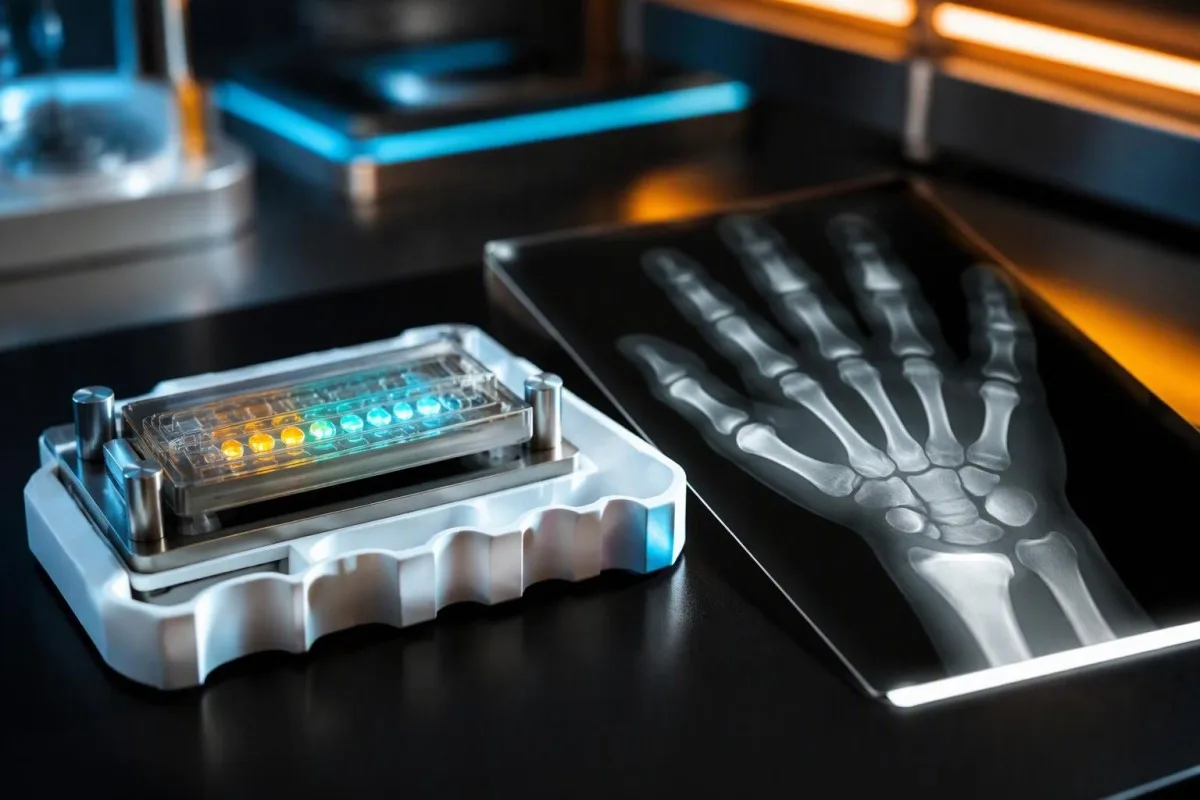
- هڏن جي عمر: کاٻي هٿ ۽ ڪلائي جو ايڪس ري هڏيءَ جي پختگيءَ جو اندازو لڳائي ٿو؛ 2 سالن کان وڌيڪ اڳڀرائي ڳڻتي وڌائي ٿي، پر مرڪزي بلوغت ثابت نٿي ڪري.
- فالو اپ: 3–6 مهينن کان پوءِ رٿيل ٻيهر جائزو، جڏهن تڪڙي خبرداريءَ جون نشانيون نه هجن، ته مستحڪم الڳ تبديلين ۽ وڌندڙ بلوغت ۾ فرق ڪرڻ ۾ مدد ڪري سگهي ٿو.
- تڪڙي علامتون: شديد مٿي جي سور، نظر ۾ تبديلي، دورو، گهڻي مهبلي رت وهڻ يا خصيي ۾ اوچتي سور سان گڏ شروعاتي نشونما لاءِ ترت طبي جائزو ضروري آهي.
شروعاتي نشونما ۾ رت جو ٽيسٽ ڪڏهن ضروري هوندو آهي؟
A وقت کان اڳ بلوغت لاءِ رت جو ٽيسٽ ڇوڪرين ۾ 8 سالن جي عمر کان اڳ ڇاتين جي نشونما يا ڇوڪرن ۾ 9 سالن جي عمر کان اڳ خصين جي وڌڻ جو جائزو وٺڻ ۾ مدد ڪري ٿو. طبي ماهر LH، FSH ۽ چونڊيل جنسي هارمونن جي نتيجن کي معائني، واڌ جي رڪارڊ ۽ اڪثر هڏن جي عمر سان گڏ پرکين ٿا؛ بنيادي LH جو گهٽ هجڻ شروعاتي مرڪزي بلوغت کي رد نٿو ڪري.
پهريون فرق اهو آهي ته ڇا دماغ جي ڪنٽرول هيٺ بلوغت وارو عمل سرگرم ٿيو آهي يا رڳو هڪ شروعاتي تبديلي ظاهر ٿي آهي. مرڪزي وقت کان اڳ بلوغت عام طور تي نشونما جو وڌندڙ سلسلو پيدا ڪري ٿي؛ جسم جي بوءِ، زیر ناف وار يا مستحڪم ڇاتيءَ جي بافت جو اڪيلو ظاهر ٿيڻ، مختلف انداز ۾ اڳتي وڌي سگهي ٿو، جيتوڻيڪ اهي 8 يا 9 سالن جي حد کان اڳ محسوس ٿين.
سالگرهه جي عمر ماهر ڏانهن موڪلڻ لاءِ رهنمائي آهي، حياتياتي سوئچ نه: 7 سال 11 مهينن جي عمر ۾ شروعات ۽ 8 سال 1 مهيني جي عمر ۾ شروعات، جيڪڏهن نشونما تيز هجي، ته هڪجهڙي توجهه جي گهرج رکي سگهي ٿي. آمريڪن اڪيڊمي آف پيڊياٽرڪس جي رپورٽ 4–6 مهينن دوران اڳڀرائي ۽ تيز واڌ کي ماهر جي جائزي جا سبب قرار ڏئي ٿي (Kaplowitz and Bloch, 2016).
ڪينٽيسٽي هڪ آهي اي آءِ بلڊ ٽيسٽ اينالائيزر جيڪا ڄاڻايل LH ۽ FSH جي قدرن جي وضاحت ڪرڻ ۾ مدد ڪري سگهي ٿي، پر ڪو به AI نتيجو 8 يا 9 سالن جي عمر کان اڳ گهربل معائني جو متبادل نٿو ٿي سگهي. اسان جو تنظيم ۽ ڪلينڪي دائري گڏ پڙهڻ گهرجي ٻارن جي نتيجن جي تشريح جون حدون, سان، خاص ڪري جڏهن بظاهر اطمينان ڏيندڙ نتيجو نظر ايندڙ اڳڀرائيءَ سان ٺهڪي نه اچي.
بلوغت جون ڪهڙيون شروعاتي نشانيون مرڪزي بلوغت ڏانهن اشارو ڪن ٿيون؟
ڇوڪرين ۾ ڇاتين جي وڌندڙ نشونما ۽ ڇوڪرن ۾ ٻنهي خصين جو وڌڻ رڳو وارن يا بوءِ جي ڀيٽ ۾ مرڪزي بلوغت جا وڌيڪ مضبوط اشارا آهن. 8 يا 9 سالن جي عمر کان اڳ زیر ناف وار، دماغ–پيٽيوٽري بلوغتي عمل جي سرگرم ٿيڻ کان سواءِ، ايڊرينل هارمونن جي سرگرميءَ جو نتيجو ٿي سگهن ٿا.
وقت کان اڳ ٿيلارڪي اڪيلائيءَ ۾ شروعاتي ڇاتيءَ جي نشونما کي چئبو آهي، جيڪا اڪثر تيز واڌ يا ايسٽروجن جي ٻين اثرن کان سواءِ هوندي آهي. اها هڪ پاسي وڌيڪ ٿي سگهي ٿي ۽ گهٽ عمر وارن ٻارن ۾ خاص طور تي گهٽ وڌ ٿي سگهي ٿي؛ 3 سالن جي عمر کان پوءِ پهريون ڀيرو ڇاتيءَ جي بافت ظاهر ٿيڻ تي، اهو فرض ڪرڻ بدران ته هر اڪيلي تبديلي ختم ٿي ويندي، ان جي اڳتي وڌڻ واري رخ تي ڌيان ڏيڻ گهرجي.
وقت کان اڳ ايڊرينارڪي ايڊرينل غدود وڌيڪ اينڊروجن پيدا ڪن ٿا، تنهنڪري زیر ناف يا بغلن جا وار، بوءِ ۽ هلڪا داڻا ٿي سگهن ٿا. 9 سالن کان گهٽ عمر واري ڇوڪري ۾ ننڍن خصين سان وار ظاهر ٿيڻ، عام مرڪزي سلسلي جي ابتڙ آهي؛ عضوي جي تيز واڌ، آواز جو ڳرو ٿيڻ يا نمايان مرداڻا اثر، پوءِ به اينڊروجن جي وڌيڪ مقدار جي سامهون اچڻ يا پيدا ٿيڻ جي جاچ گهرن ٿا.
اڻ لاڳاپيل هارمونن جا انگ گڏ ڪرڻ کان وڌيڪ اهم انهن جي ترتيب آهي. بالغن جي ماهواري چڪر جا قاعدا ڇاتيءَ جي ننڍڙي ڳوڙهي واري 6 سالن جي ٻار تي لاڳو نٿا ڪري سگهجن، ۽ نوجوانن جا نمونا وري مختلف هوندا آهن؛ اسان جو نوجوانن ۾ هارمونن جي جاچ بابت رهنما وضاحت ڪري ٿو ته ليبارٽري نتيجن سان گڏ نشونما جو مرحلو ڇو ڄاڻڻ گهرجي، ان کي اختياري تفصيل نه سمجهي.
واڌ جا چارٽ ۽ معائنو پهرين ڇو ڪيا ويندا آهن؟
واڌ جي تيزي ۽ نشونما جي اڳڀرائي help determine whether early signs represent active puberty. A clinician checks height velocity, Tanner stage and, in boys, testicular size; bilateral testicular volume around 4 mL or greater generally marks pubertal onset, although measurement methods differ.
Many school-age children grow roughly 5–6 cm per year before puberty, although age and individual patterns matter. A sustained rise toward 7–8 cm per year, especially with upward crossing of height percentiles, can strengthen suspicion of puberty; two measurements separated by only a few weeks are too vulnerable to measurement error.
Consider a hypothetical 7-year-old whose LH is 0.08 IU/L but whose breast development has progressed and whose measured growth has accelerated over 6 months. I would not let the low LH close the case: those findings create a reason to repeat an appropriate morning measurement, obtain bone age or arrange stimulation testing.
Accurate height records are worth bringing from school, primary care and previous specialist visits, ideally covering 12–24 months. Puberty can make a child temporarily tall while reducing remaining growth potential; that differs from the problems discussed in our childhood growth hormone guide, where poor linear growth often drives the investigation.
وقت کان اڳ بلوغت جي شروعاتي رت جي ٽيسٽ ۾ ڇا ماپيو ويندو آهي؟
The initial panel usually includes ultrasensitive LH and FSH, with estradiol in girls or testosterone in boys when clinically useful. Additional tests depend on the signs: a child under 8 or 9 with hair alone needs a different investigation from a child with progressive gonadal development.
LH provides evidence about pituitary activation, while FSH is less specific because prepubertal and early-pubertal values overlap. A single LH-to-FSH ratio cannot establish the diagnosis in a 7-year-old; the adult applications described in our LH and FSH comparison should not be used as pediatric diagnostic rules.
Estradiol may remain very low or fluctuate despite genuine early breast development, and routine assays can struggle near their lower detection limits. Testosterone is often more informative in boys, but a value such as 30 ng/dL must still be interpreted against age, examination and assay method rather than a reference interval intended for a 30-year-old.
Broad screening creates noise when the clinical question is narrow. Thyroid tests, adrenal androgens, 17-hydroxyprogesterone or hCG may be appropriate for selected findings, not automatically for every child; our hormonal physiology reference provides background while reinforcing that pediatric thresholds are distinct from adult reproductive ranges.
وقت کان اڳ بلوغت ۾ basal LH گهٽ ڇو ٿي سگهي ٿو؟
A low basal LH does not rule out early central precocious puberty. Early LH secretion is intermittent and initially more prominent during sleep, so a daytime sample can miss activation; a result of 0.08 IU/L may be inconclusive rather than definitively negative.
A basal sample is one frame from a moving film. In early puberty, the pituitary may release LH in pulses that leave a quiet interval between them; an early-morning sample can be more informative than a late-afternoon sample, but even a carefully timed result below 0.3 IU/L cannot overrule convincing progression.
The assay can hide the signal too. A report reading '<0.2 IU/L' does not tell you whether the underlying value is 0.01 or 0.19 IU/L, and those possibilities are not analytically identical; ask whether the laboratory uses a pediatric-sensitive LH method and whether its stated lower limit is detection or reliable quantification.
ڪينٽيسٽي هڪ آهي AI blood test interpretation پليٽ فارم that can explain why an LH below 0.3 IU/L is not a stand-alone exclusion result. Our out-of-range نتيجو گائيڊ addresses the opposite misconception as well: a result inside a printed interval can still require follow-up when the interval does not match the child's developmental stage.
basal LH جي ڪهڙي حد مرڪزي بلوغت جي حمايت ڪري ٿي؟
A basal LH around 0.3 IU/L or higher supports central puberty on some ultrasensitive assays, but there is no single cutoff that applies to every laboratory. Lower thresholds may detect more early cases while creating more overlap with children who do not have progressive central puberty.
Cutoffs balance sensitivity and specificity, not normality and danger. A threshold of 0.3 IU/L is used because sustained LH becomes more detectable as pituitary activation develops; it is not a toxicity boundary, an emergency threshold or a number that independently determines whether treatment should start.
Units deserve a quick check before interpretation: 1 IU/L equals 1 mIU/mL, so those two LH expressions have the same numerical value. By contrast, a report containing only 'negative' or '<0.1' carries less information than an exact quantified result; our معياري بمقابله مقداري گائيڊ اهو فرق بيان ڪري ٿو.
When I interpret an LH of 0.24 IU/L, I would ask about the assay, sampling time and 3–6-month developmental trajectory before calling it reassuring or concerning. The 2022 Korean clinical guideline discusses assay-dependent basal thresholds and cautions about reduced LH responses in children with obesity (Kim et al., 2023); body size should modify interpretation, not become a reason to dismiss progressive development.
GnRH stimulation test ڪڏهن مددگار ٿيندو آهي؟
A GnRH stimulation test helps when early development is progressing but basal LH is low or ambiguous. The test measures pituitary hormone responses after GnRH or a GnRH agonist; it is particularly useful when a child under 8 or 9 has examination findings that disagree with the initial laboratory result.
Stimulation asks whether the pituitary is ready to respond in a pubertal pattern, rather than waiting for a spontaneous LH pulse. The 2022 Korean guideline recommends interpreting stimulated LH alongside Tanner stage, growth velocity and bone age, rather than treating the response as an isolated diagnosis (Kim et al., 2023).
The protocol matters. Depending on the agent and local method, samples may be collected at baseline and several points over roughly 30–120 minutes, while some agonist protocols add later measurements; a value at 30 minutes cannot automatically be compared with a peak obtained using a different drug or a later collection schedule.
This is a specialist-supervised test, not a challenge to reproduce at home, and medication doses are determined by the local pediatric protocol. Preparation instructions can differ from an ordinary laboratory visit; our first sample preparation guide is useful background, but the testing unit's instructions take priority for fasting, medicines and appointment length.
stimulated LH جي نتيجن جي تشريح ڪيئن ڪئي ويندي آهي؟
A stimulated LH peak around 5 IU/L or higher supports central puberty in many protocols, including the cited Korean guideline. The exact threshold depends on the stimulation agent, assay and sampling schedule; a lower response does not necessarily settle the question when development continues to progress.
A peak of 4.8 IU/L and a peak of 5.2 IU/L are not biologically opposite states. Near a protocol's decision limit, analytical variation, missed peak timing and clinical trajectory become especially relevant; clinicians may review the entire LH and FSH response rather than assigning certainty to the final decimal place.
FSH-predominant responses can occur with isolated thelarche, but response ratios overlap and their interpretation varies by age and protocol. In girls under 3, developmental physiology can complicate stimulation results further; a pubertal-looking laboratory response requires correlation with sustained progression, estrogen effects and growth rather than automatic treatment.
Children with obesity may have lower stimulated LH responses, especially early in development, so an apparently subthreshold peak needs thoughtful interpretation. Repeating a test with another assay introduces another variable; our between-visit result comparison explains why a change over 3 months is easier to assess when the laboratory method and sampling conditions are documented.
بلوغت جي جاچ ۾ هڏن جي عمر ڪهڙي اضافي ڄاڻ ڏئي ٿي؟
Bone age estimates skeletal maturity from a left-hand and wrist radiograph. Advancement of more than 2 years can strengthen concern about sustained hormone exposure, but bone age alone cannot distinguish central puberty from adrenal androgen effects, obesity or other causes of accelerated skeletal maturation.
A bone age of 10 in an 8-year-old means the hand's maturation resembles the reference pattern for an older child; it does not mean every aspect of development has advanced by 2 years. Greulich–Pyle and Tanner–Whitehouse methods approach the estimate differently, and reader variation should be considered before small changes are treated as progression.
An advanced bone age can indicate less remaining growth despite an impressive current height. Predicted adult-height calculations depend on assumptions that may not hold during rapidly progressing puberty, so a single estimate should not be presented as a guaranteed outcome; serial growth over 6–12 months often gives the prediction more clinical meaning.
A normal bone age does not exclude very early central puberty because skeletal change may lag behind the first signs. Likewise, IGF-1 can rise with pubertal maturation without implying a separate growth-hormone disorder; our age-specific IGF-1 interpretation explains why chronological age, developmental stage and the laboratory's reference population must be considered together.
نتيجا ڪڏهن پردي واري هارمون جي پيداوار ڏانهن اشارو ڪن ٿا؟
Sex-hormone effects with persistently suppressed LH can suggest peripheral hormone production or exposure rather than central puberty. In a child under 8 or 9, the evaluation may include adrenal disorders, functional ovarian cysts, hCG-related conditions, severe hypothyroidism or contact with another person's hormone medication.
Rapid pubic-hair development, acne and virilization may justify morning 17-hydroxyprogesterone testing for congenital adrenal hyperplasia. A screening value around 200 ng/dL, equivalent to 2 ng/mL, is commonly used to consider further assessment for nonclassic disease, but age, assay and symptoms matter; our 17-hydroxyprogesterone testing guide explains why confirmation may require an ACTH stimulation test.
Severe primary hypothyroidism is an unusual but useful exception: apparent pubertal development can occur with slow growth and delayed bone age, rather than the acceleration expected in ordinary central puberty. A 7-year-old with this combination needs TSH and free T4 assessment; our ٿائيروڪسين ۽ TSH بابت وضاحت provides the relevant laboratory background.
Ask specifically about testosterone gels, estrogen creams and hormone-containing supplements used by household members, including accidental transfer through contact. DHEA-S can help identify an adrenal contribution, but an adult androgen interval cannot classify a 6-year-old; our DHEA-S بمقابله DHEA گائيڊ explains the different information these measurements provide.
ڪير MRI، الٽراسائونڊ يا جينياتي جاچ ڪرائي؟
Brain MRI is generally recommended for boys with confirmed central precocious puberty, girls with onset before age 6, and children with neurological symptoms. For girls aged 6–8 without neurological findings, imaging decisions are individualized because the likelihood of a relevant intracranial cause is lower.
Early puberty with headache or visual change requires a different level of attention from isolated odor in an otherwise well 7-year-old. Carel and Léger's clinical review describes the importance of identifying central nervous system causes, particularly in boys and younger girls (Carel and Léger, 2008); our neurological warning signs guide helps families recognize symptoms without assuming that early puberty usually means a brain growth.
Pelvic ultrasound may support assessment in girls, especially when bleeding, a mass or a peripheral estrogen source is suspected, but size measurements overlap between developmental stages. In a girl aged 6–8, uterine or ovarian measurements cannot replace the examination and hormone pattern; in boys, asymmetry or a palpable testicular abnormality may prompt targeted ultrasound.
Family history can guide testing for causes such as MKRN3-related central puberty, but genetic testing is not routine for every child before age 8 or 9. Kantesti AI can explain laboratory terminology, not read an MRI or establish a genetic diagnosis; our AI ٽيڪنالاجي گائيڊ describes a different task from pediatric endocrine imaging and examination.
نگراني ڪڏهن ڪافي هوندي آهي، ۽ علاج تي ڪڏهن غور ڪيو ويندو آهي؟
Stable isolated changes can often be monitored for 3–6 months, while progressive central puberty may warrant treatment after specialist assessment. The decision considers age at onset, progression, skeletal advancement, remaining growth potential and the child's needs—not whether one LH value crosses 0.3 IU/L.
Observation should have a date and a plan: reassess height velocity, developmental stage and new symptoms, then repeat selected testing if the pattern changes. A 7-year-old with stable isolated breast tissue and ordinary growth needs a different pathway from a 5-year-old whose development and bone age are advancing quickly.
GnRH agonist treatment suppresses the central puberty pathway through sustained receptor stimulation that ultimately reduces gonadotropin release. Height benefit is generally clearest in girls whose puberty begins before age 6, becomes more variable between 6 and 8, and requires individualized discussion at older ages; treatment is not automatically beneficial merely because puberty is earlier than the family expected.
Pubic hair or odor may continue during effective treatment because adrenal maturation is not the same pathway being suppressed. I would explain that distinction before monitoring begins, rather than letting families interpret every new hair as treatment failure; our عمر جي بنياد تي خاندان جي ٽيسٽنگ گائيڊ reinforces why follow-up should answer specific clinical questions instead of adding broad panels every 3 months.
خاندانن کي بلوغت جي ٽيسٽ جي نتيجن لاءِ ڪيئن تياري ڪرڻ ۽ اهي ڪيئن شيئر ڪرڻ گهرجن؟
Bring the child's growth records, symptom timeline and complete laboratory report, including assay units and collection time. For suspected early puberty before age 8 or 9, these details make interpretation more useful than a cropped image containing only the LH result and a colored normal-range flag.
Ask the ordering team whether the sample should be collected early in the morning and whether fasting is required; these are not identical instructions. Record all medicines and supplements, including biotin, because interference varies by assay, and do not stop a child's prescription medicine simply to improve a test; for a stimulation visit, confirm whether the appointment lasts 1–2 hours or longer.
ڪينٽيسٽي هڪ آهي AI-powered رت جي ٽيسٽ تجزيي جو اوزار that can help organize an LH result such as 0.12 IU/L alongside its printed units and reference interval. That explanation cannot certify that puberty is absent, and families should check whether a service supports the child's age and obtain appropriate permission; our upload privacy checklist explains how to limit unnecessary identifiers.
A child needs age-appropriate explanation and privacy as well as parental involvement, particularly when development begins at 6 or 7. Share only the information needed for care, avoid uploading intimate photographs, and check retention and deletion terms before using any digital service; our رازداري ۽ ڊيٽا بابت ڄاڻ describes the policies families should review before sharing a pediatric report.
تحقيقي اشاعتون ۽ ڪلينڪل تشريح جا معيار
Clinical puberty guidelines—not product usage reports—should guide diagnosis and treatment. As of October 23, 2026, the external references below support this article's discussion of age thresholds, basal LH limitations, stimulation testing and bone age; organizational research serves a separate purpose.
The AAP report from 2016, the clinical review from 2008 and the Korean guideline published in 2023 address complementary questions rather than supplying one universal laboratory rule. Assay technology and local stimulation protocols differ, so I would expect a pediatric endocrinologist to use the testing laboratory's validated decision limits alongside these sources.
Kantesti's 2 linked Zenodo publications concern an organizational validation framework and a global testing report; they should not be treated as evidence that an AI system can diagnose childhood puberty or validate every pediatric LH assay. Our طبي تصديق جي معلومات should be assessed for its stated population, methods and limitations before any performance claim is applied to children.
For Thomas Klein, the editorial priority here is simple: an LH below 0.3 IU/L should never become a blanket reassurance message when a child's development is clearly progressing. Our طبي مشاورتي بورڊ جي معلومات describes clinical oversight roles; a named review date should be recorded only after an actual medical review, and the 2 organizational citations below remain separate from the condition-specific medical references.
وچان وچان سوال ڪرڻ
ڪهڙو رت جو ٽيسٽ وقت کان اڳ بلوغت جي جاچ ڪري ٿو؟
بلوغ جي وقت کان اڳ شروعات لاءِ ابتدائي رت جي ٽيسٽ ۾ عام طور تي الٽراسينسٽو LH ۽ FSH ماپيا ويندا آهن، ۽ مناسب هجي ته ڇوڪرين ۾ ايسٽراڊيول يا ڇوڪرن ۾ ٽيسٽوسٽيرون پڻ. ڇوڪرين ۾ 8 سالن جي عمر کان اڳ يا ڇوڪرن ۾ 9 سالن جي عمر کان اڳ بلوغي نشونما ٿيڻ تي ٽيسٽ ڪرڻ تي غور ڪيو ويندو آهي، پر رڳو وار اچڻ يا جسماني بوءَ جي صورت ۾ مختلف ٽيسٽن جي ضرورت ٿي سگهي ٿي. طبيب نتيجن جي تشريح معائني، واڌ جي رفتار ۽ ڪڏهن ڪڏهن هڏن جي عمر سان گڏ ڪندو آهي. ڪجهه چونڊيل ٻارن کي ايڊرينل، ٿائيرائيڊ يا اسٽيميوليشن ٽيسٽن جي به ضرورت هوندي آهي.
ڇا LH جي گهٽ سطح وقت کان اڳ بلوغت کي رد ڪري سگهي ٿي؟
گهٽ بيسل LH جي بنياد تي شروعاتي مرڪزي وقت کان اڳ بلوغت کي يقيني طور رد نٿو ڪري سگهجي. 0.3 IU/L کان گهٽ قدر ان ڪري ٿي سگهي ٿو جو شروعاتي LH جو اخراج نبضيءَ جي صورت ۾ هوندو آهي، جيڪو ننڊ دوران سڀ کان وڌيڪ هوندو آهي يا جاچ جي قابلِ اعتماد ماپ جي حد کان گهٽ هوندو آهي. نتيجو گهٽ هجڻ باوجود سيني يا خصين جي وڌندڙ واڌ ۽ تيز واڌ ويجهه وڌيڪ جاچ جا سبب رهندا آهن. صبح سوير ٻيهر جاچ يا ماهر جي نگرانيءَ هيٺ تحريڪي ٽيسٽ مددگار ٿي سگهي ٿي.
ڪهڙي LH سطح مرڪزي وقت کان اڳ بلوغت جي نشاندهي ڪري ٿي؟
ڪجهه الٽرا سينسِٽو اسيس ۾ بنيادي LH لڳ ڀڳ 0.3 IU/L يا ان کان وڌيڪ هجڻ مرڪزي بلوغت جي حمايت ڪري ٿو، پر حد جو قدر ليبارٽري تي دارومدار رکي ٿو. ڪيترن ئي تحريڪي پروٽوڪولن ۾ چوٽيءَ جو LH لڳ ڀڳ 5 IU/L هجڻ پيچوٽري جي فعال ٿيڻ جو حمايتي ثبوت سمجهيو ويندو آهي. ٻار جي عمر، نشونما سان لاڳاپيل نتيجن ۽ جاچ جي پروٽوڪول کان سواءِ، انهن مان ڪوبه قدر تشخيص ثابت نٿو ڪري. حدن جي ويجهو نتيجن لاءِ هر حال ۾ مثبت يا منفي قرار ڏيڻ بدران لاڳاپيل پسمنظر کي ڏسڻ ضروري آهي.
GnRH جي تحريڪي ٽيسٽ دوران ڇا ٿيندو آهي؟
GnRH اسٽيميوليشن ٽيسٽ ماپي ٿو ته پيچوٽري غدود، GnRH يا GnRH ايگونسٽ ملڻ کان پوءِ، LH ۽ FSH ڪيئن خارج ڪري ٿو. پروٽوڪول موجب، ليبارٽري جا نمونا شروعاتي وقت تي ۽ لڳ ڀڳ 30–120 منٽن دوران ڪيترائي ڀيرا گڏ ڪري سگهجن ٿا؛ ڪجهه ايگونسٽ پروٽوڪولن ۾ پوءِ به ماپون ڪرڻيون پونديون آهن. ٻارن جي اينڊوڪرائن ٽيم دوا، مقدار، وقت ۽ تشريح جي حد مقرر ڪندي آهي. خاندانن کي ان يونٽ جي تياري بابت هدايتن تي عمل ڪرڻ گهرجي، عام روزي جي قاعدن کي لاڳو ٿيڻ جو مفروضو رکڻ بدران.
ڇا هڏن جي عمر وڌيل هجڻ جو مطلب آهي ته منهنجي ٻار کي وقت کان اڳ بلوغت ٿي رهي آهي؟
0 هڏن جي عمر وڌيل هجڻ اڪيلي سر وقت کان اڳ بلوغت جي تشخيص نٿو ڪري. 2 سالن کان وڌيڪ واڌ هارمونن جي مسلسل اثر جي حمايت ڪري سگهي ٿي، پر موٽاپو، وقت کان اڳ ايڊرينارڪي ۽ ٻيون حالتون پڻ هڏن جي پختگي کي تيز ڪري سگهن ٿيون. هڏن جي عام عمر ان بلوغت کي رد نٿي ڪري جيڪا تازو ئي شروع ٿي هجي. ڊاڪٽر ايڪس ري تصوير کي واڌ جي رڪارڊن، معائني ۽ هارمونن جي نتيجن سان گڏ ڏسن ٿا.
ڇا 8 سالن جي عمر کان اڳ زڪي وار اچڻ هميشه وقت کان اڳ بلوغت آهي؟
0 ڇوڪرين ۾ 8 سالن جي عمر کان اڳ يا ڇوڪرن ۾ 9 سالن جي عمر کان اڳ ناف جا وار اچڻ لازمي طور تي مرڪزي وقت کان اڳ بلوغت نه هوندي آهي. وقت کان اڳ ايڊرينارڪيءَ سبب مرڪزي بلوغت جو رستو فعال ٿيڻ کان سواءِ وار، بوءِ ۽ هلڪا مِهاسا ٿي سگهن ٿا. تيزيءَ سان اڳڀرائي، نمايان مرداڻا آثار، تيز واڌ يا گڏوگڏ ڇاتي يا خصين جي نشونما، جائزي جي ضرورت وڌائين ٿا. مستحڪم ۽ اڪيلي سر ظاهر ٿيندڙ نشانين جي ڊاڪٽر جي رٿا تحت 3–6 مهينن تائين نگراني ڪري سگهجي ٿي.
بلوغت جي شروعاتي نشانين جو فوري جائزو ڪڏهن وٺڻ گهرجي؟
بلوغ جي شروعاتي نشانين سان گڏ سخت يا اوچتو مٿي جو سور، نظر ۾ تبديلي، دورو يا ٻيون عصبي علامتون هجن ته فوري طبي جائزو ضروري آهي. گهڻو ويجائنل رت وهڻ يا خصين ۾ شديد سور جي صورت ۾ به معمول جي هارمونن جي نتيجن جو انتظار ڪرڻ بدران ترت جائزو وٺڻ گهرجي. 9 سالن کان گهٽ عمر جي ڇوڪرن يا 6 سالن کان اڳ بلوغ شروع ٿيندڙ ڇوڪرين ۾ مرڪزي بلوغ جي تصديق ٿيڻ تي عام طور ماهر کان جاچ ڪرائڻ ضروري هوندو آهي، جنهن ۾ دماغ جي MRI تي غور ڪرڻ پڻ شامل آهي. ٻين ڳڻتيءَ جوڳين علامتن کان سواءِ رڳو جسم جي بوءَ ۾ تبديلي عام طور هنگامي صورتحال ناهي.
اڄ ئي AI-طاقتور خون جي جاچ جو تجزيو حاصل ڪريو
دنيا ڀر ۾ 2 ملين کان وڌيڪ استعمال ڪندڙن ۾ شامل ٿيو جيڪي فوري ۽ درست ليب ٽيسٽ تجزيو لاءِ Kantesti تي ڀروسو ڪن ٿا. پنهنجا خون جي جاچ جا نتيجا اپلوڊ ڪريو ۽ سيڪنڊن ۾ 15,000+ بائيو مارڪرز جي جامع تشريح حاصل ڪريو.
📚 حوالا ڏنل تحقيقي اشاعتون
ڪلين، ٽي.، مچل، ايس.، ۽ ويبر، ايڇ. (2026). ڪلينڪل ويلڊيشن فريم ورڪ v2.0 (ميڊيڪل ويلڊيشن پيج). Kantesti AI Medical Research.
ڪلين، ٽي.، مچل، ايس.، ۽ ويبر، ايڇ. (2026). AI خون جي جاچ تجزيو: 2.5M جاچون تجزيو ڪيون ويون | عالمي صحت رپورٽ 2026. Kantesti AI Medical Research.
📖 ٻاهرين طبي حوالا
Kaplowitz P, Bloch C (2016). Evaluation and Referral of Children With Signs of Early Puberty. Pediatrics.
Carel JC, Léger J (2008). Clinical practice. Precocious puberty. نيو انگلينڊ جرنل آف ميڊيسن (New England Journal of Medicine).
Kim SJ et al. (2023). 2022 Clinical practice guidelines for central precocious puberty of Korean children and adolescents. Annals of Pediatric Endocrinology & Metabolism.
⚕️ طبي دستبرداري
هي آرٽيڪل صرف تعليمي مقصدن لاءِ آهي ۽ طبي مشورو نٿو بڻجي. تشخيص ۽ علاج جي فيصلن لاءِ هميشه ڪنهن قابل صحت فراهم ڪندڙ سان صلاح ڪريو.
E-E-A-T اعتماد جا سگنل
تجربو
ڊاڪٽر جي نگرانيءَ هيٺ ليبارٽري نتيجن جي تشريح واري عمل جو جائزو.
ماهر
ليبارٽري دوائن جو ڌيان ان ڳالهه تي ته بايو مارڪرز ڪلينڪل حوالي سان ڪيئن رويو ڏيکارين ٿا.
اختيار
ڊاڪٽر ٿامس ڪلين لکيو، ۽ ڊاڪٽر ساره مچل ۽ پروف. ڊاڪٽر هانس ويبر طرفان جائزو ورتل.
اعتبار
ثبوتن تي ٻڌل تشريح، جنهن سان خبرداري گهٽائڻ لاءِ واضح پيرويءَ جا رستا موجود هجن.