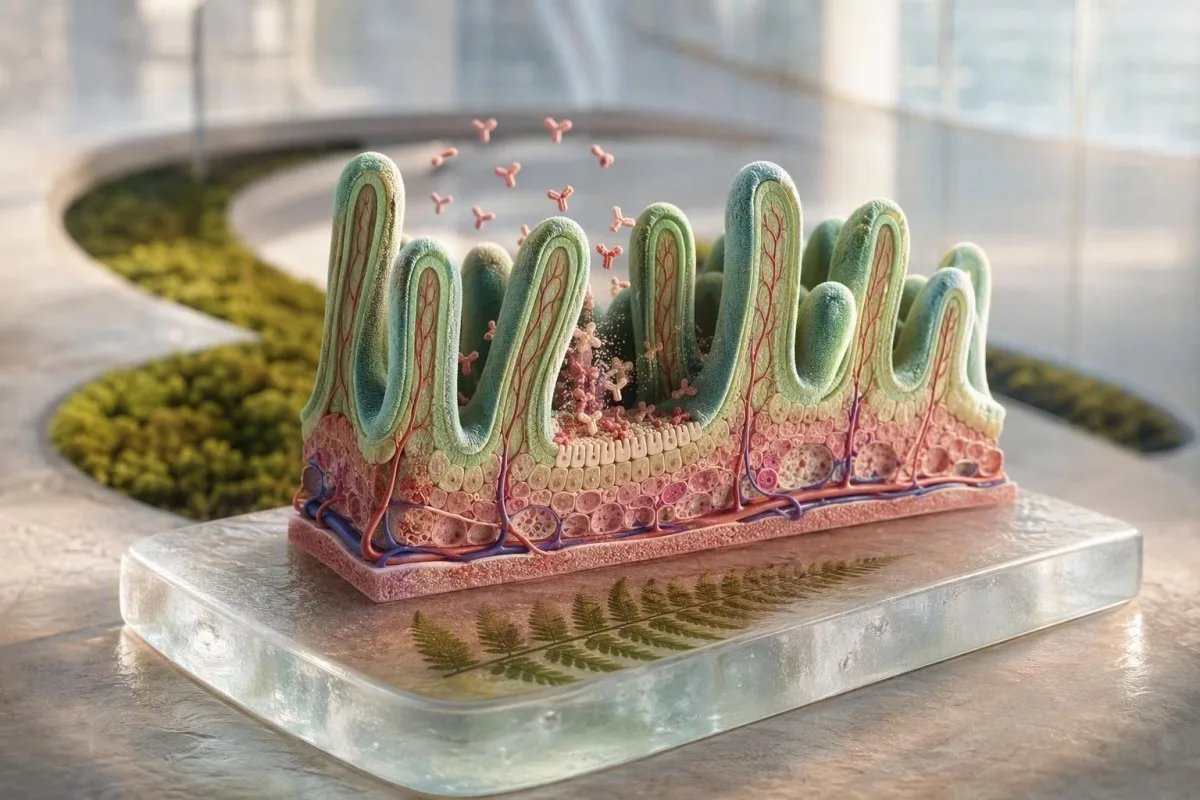
Для достоверного анализа крови на целиакию большинству взрослых, соблюдающих безглютеновую диету, необходимо потреблять примерно 3–6 г глютена ежедневно в течение как минимум 6 недель; 12-недельный период «провокации» глютеном дает наиболее точный ответ, когда он переносится. Не возобновляйте употребление глютена самостоятельно, если у вас наблюдаются сильные реакции, значительная потеря веса, есть опасения по поводу беременности или ранее был подтвержден диагноз целиакии.


- Минимальная «провокация»: 3–6 г глютена ежедневно, примерно 1–2 ломтика пшеничного хлеба, — практическая цель для взрослых перед повторным серологическим исследованием на целиакию.
- Предпочтительная продолжительность: 12 недель ежедневного потребления глютена повышают вероятность обнаружения заболевания при анализе крови и биопсии после периода отказа от глютена.
- Короткая «провокация»: 3 г ежедневно в течение 2 недель могут вызвать изменения при биопсии у некоторых взрослых, но отрицательный результат после всего 2 недель не позволяет надежно исключить целиакию.
- tTG-IgA: Отрицательный результат tTG-IgA может ложно успокаивать, когда потребление глютена низкое или наблюдается дефицит общего IgA.
- Общий IgA: Общий сывороточный IgA следует измерять вместе с tTG-IgA; дефицит IgA требует тестирования на основе IgG.
- Не проводите «провокацию» самостоятельно: Дети, беременные женщины, лица с предшествующими тяжелыми реакциями и значительным недоеданием нуждаются в планировании под наблюдением врача.
- Тестирование HLA: Отрицательные результаты HLA-DQ2 и HLA-DQ8 делают целиакию очень маловероятной и иногда позволяют избежать провокации глютеном.
- Не прекращайте рано: Продолжайте употреблять глютен до тех пор, пока врач не подтвердит, что анализы крови и, при необходимости, эндоскопия завершены.
Почему отказ от глютена может привести к ложноотрицательному результату анализа крови на целиакию
A серологический тест на целиакию может стать отрицательным после ограничения глютена , поскольку измеряемый иммунный сигнал ослабевает при исключении пшеницы, ячменя и ржи. На практике отрицательный результат tTG-IgA при безглютеновой диете не исключает целиакию; он может просто указывать на то, что иммунная система больше не стимулируется.
tTG-IgA обнаруживает реакцию антител, а не постоянный маркер целиакии. Концентрация антител часто снижается в течение нескольких недель или месяцев на строгой безглютеновой диете, в то время как заживление кишечника может продолжаться гораздо дольше. Руководство Американского колледжа гастроэнтерологии 2023 года гласит, что диагностическую серологию следует проводить во время употребления пациентом глютена (Rubio-Tapia et al., 2023).
Я регулярно вижу такую картину: человек исключает глютен на 8 месяцев, чувствует себя немного лучше, затем получает нормальный результат tTG-IgA и ему говорят, что целиакия исключена. Этот вывод небезопасен без знания его потребления глютена; ложноотрицательный результат tTG-IgA более вероятен, когда воздействие уже прекращено. Наше сопутствующее руководство по низкому уровню IgA и подводным камням целиакии объясняет вторую основную причину, по которой серология может пропустить заболевание.
Кантести — это Анализатор анализа крови на основе искусственного интеллекта которая интерпретирует tTG-IgA вместе с общим IgA, гемоглобином, ферритином, фолатом, витамином B12 и печеночными ферментами, а не рассматривает один отрицательный результат антител как окончательный диагноз. Дефицит железа или неожиданно высокий уровень ALT могут сохранять целиакию в качестве возможного диагноза, даже когда результат одного анализа на антитела нормальный.
Механизм имеет значение. Пептиды глютена достигают верхнего отдела тонкого кишечника, тканевая трансглутаминаза модифицирует их, а восприимчивые иммунные пути HLA-DQ2 или HLA-DQ8 генерируют антитела; исключите триггер, и измеримая реакция антител может утихнуть. Это биология, а не сбой теста.
Распространенное заблуждение
Улучшение самочувствия после отказа от хлеба само по себе не является диагностическим признаком. Симптомы могут улучшаться из-за снижения количества ферментируемых углеводов, уменьшения потребления ультра-обработанных продуктов, отказа от пшеничной аллергии или нецелиакийной чувствительности к глютену; только правильно проведенное тестирование может различить эти возможности.
Для каких анализов на целиакию требуется употребление глютена?
tTG-IgA, EMA-IgA, антитела к деамидированным пептидам глиадина и биопсия двенадцатиперстной кишки наиболее надежны при употреблении глютена. Генетическое тестирование HLA-DQ2/DQ8 отличается: оно остается действительным независимо от того, употребляет ли человек глютен или нет.
tTG-IgA является обычным тестом первой линии для диагностики целиакии у взрослых и детей в возрасте от 2 лет и старше. Многие лаборатории сообщают о значениях ниже 10–15 Ед/мл как отрицательных, но верхний предел нормы зависит от анализа, поэтому интерпретация регулируется собственным референсным интервалом лаборатории. EMA-IgA обладает высокой специфичностью и часто используется для подтверждения сильно положительного результата tTG-IgA.
Общий уровень IgA в сыворотке крови должен быть указан в том же направлении, что и tTG-IgA. Селективный дефицит IgA встречается примерно у 1 из 400–700 человек во многих западных популяциях и может давать отрицательный результат tTG-IgA, несмотря на целиакию; в таком случае подходит тестирование DGP или tTG на основе IgG. Руководство по качественному и количественному тестированию поможет читателям определить, предоставляет ли отчет измеряемое значение или только флаг положительного/отрицательного результата.
Биопсия двенадцатиперстной кишки оценивает архитектуру ворсинок и внутриэпителиальные лимфоциты, но изменения слизистой оболочки также могут улучшиться после отказа от глютена. У взрослых положительный результат серологического исследования обычно приводит к проведению верхней эндоскопии перед пожизненным ограничением; биопсия остается особенно полезной при противоречивых результатах.
Не путайте панель пищевой непереносимости с серологией целиакии. Панели IgG на пищевую непереносимость не диагностируют целиакию, а домашний тест не может заменить оценку общего IgA, валидированное определение антител или интерпретацию специалистом.
Тесты, остающиеся полезными при безглютеновой диете
Отсутствие HLA-DQ2 или HLA-DQ8 имеет очень высокую отрицательную прогностическую ценность, поскольку почти все люди с целиакией несут один из этих гаплотипов. Положительный результат HLA распространен и не является диагностикой целиакии; примерно 30% населения имеют DQ2 или DQ8, но только около 1% заболевают целиакией.
Сколько глютена достаточно для «провокации» глютеном?
Практическое провокационное введение глютена взрослым составляет 3–6 г глютена в день, что эквивалентно примерно 1–2 обычным ломтикам пшеничного хлеба, для диагностического тестирования. Большее количество пищи не обязательно лучше; постоянство важнее, чем употребление большой дозы, которая заставляет человека прекратить прием через несколько дней.
Один ломтик обычного пшеничного хлеба содержит около 2–3 г глютена, в то время как стандартный бейгл может содержать 4–7 г, а одна чашка приготовленных макаронных изделий — около 2–4 г, в зависимости от рецепта и порции. Овес не является надежным продуктом для провокации, поскольку сертифицированный безглютеновый овес содержит незначительное количество глютена, а содержание глютена в обычном овсе варьируется из-за загрязнения.
В обзоре Леонарда и коллег рекомендуется не менее 3–6 г в день в течение более 12 недель , когда более длительная провокация переносится, особенно если цель состоит в том, чтобы уверенно исключить заболевание после месяцев или лет без глютена (Leonard et al., 2023). Некоторые клиницисты используют 10 г в день, но такое количество труднее поддерживать, и его необходимость для каждого взрослого не доказана.
Полезно один продукт, содержащий глютен, употреблять на завтрак, а другой — на обед, а не одну большую вечернюю трапезу. Записывайте продукт, примерную порцию, симптомы и пропущенные дни; такой дневник предоставит гастроэнтерологу гораздо больше информации, чем смутное воспоминание о том, что вы съели “немного хлеба”.”
Для более широкого контекста того, что означают лабораторные маркеры вместе, наш справочник по биомаркерам объясняет, почему ферритин и показатели красных кровяных телец часто рассматриваются наряду с антителами к целиакии.
Доза — это граммы глютена, а не вес продукта
50-граммовая порция хлеба — это не 50 г глютена. Содержание глютена зависит от муки, гидратации, рецепта и обработки, поэтому клиницисты обычно назначают эквиваленты продуктов, а не просят пациентов взвешивать изолированный белок глютена.
Как долго должна длиться «провокация» глютеном перед проведением анализа?
Шесть недель — разумный минимум для многих взрослых, в то время как 12 недель обеспечивают более надежную провокацию после длительного воздержания от глютена. Двухнедельная провокация может поддержать диагностику, если тесты станут положительными, но отрицательный результат всего после 14 дней не может безопасно исключить целиакию.
Необходимая продолжительность зависит от возраста, предыдущей диеты, иммунного ответа и того, планирует ли клиницист только серологическое исследование или биопсию. В небольшом исследовании взрослых 3 г глютена в день в течение 14 дней вызвали диагностические гистологические изменения у многих участников, однако антительный ответ отставал; этот разрыв объясняет, почему короткие протоколы могут пропустить случаи.
По состоянию на 31 августа 2026 года я обычно обсуждаю 12-недельный план со взрослыми, которые употребляли мало или совсем не употребляли глютен в течение нескольких месяцев, с проведением анализа крови примерно на 6-й неделе и снова около 12-й недели, если первый результат отрицательный. Доктор Томас Кляйн, наш главный медицинский директор, считает, что самой большой задержкой в диагностике является случай, когда пациент возобновляет употребление глютена всего на выходные перед сдачей крови.
Если симптомы становятся неприемлемыми, обратитесь к лечащему врачу, а не прекращайте прием препарата самостоятельно. Врач может перенести анализ крови, назначить эндоскопию раньше или рассмотреть, может ли HLA-тестирование дать ответ без длительного воздействия. гайд по срокам сдачи анализа крови полезен для понимания того, почему изменения в диете не отражаются мгновенно в результатах лабораторных исследований.
Продолжайте употреблять глютен до сдачи крови, а если результат анализа на антитела положительный или подозрение остается высоким, до тех пор, пока команда, проводящая эндоскопию, не даст других указаний. Прекращение приема после положительного результата анализа крови, но до биопсии, может уменьшить видимый кишечный сигнал.
Реалистичный календарь
Недели 1–2: установление ежедневного потребления и выявление ранних симптомов. Недели 3–6: когда может быть полезен первоначальный анализ крови; недели 7–12: повышение чувствительности у людей, у которых антитела повышаются медленно, особенно после длительного ограничения.
«Провокация» глютеном у детей и подростков требует другого плана
Детям не следует начинать тест на глютен без консультации педиатра, поскольку рост, питание, тяжесть симптомов и возможность постановки диагноза без биопсии — все это изменяет план. Ребенок, который плохо растет или теряет вес, нуждается в оценке в первую очередь, а не в самостоятельном тесте с хлебом.
У детей с очень высокими значениями tTG-IgA — по крайней мере, в 10 раз превышающими верхний предел нормы для анализа— плюс положительный EMA-IgA во второй пробе, рекомендации ESPGHAN допускают постановку диагноза без биопсии в избранных случаях под наблюдением специалиста-педиатра (Husby et al., 2020). Этот путь требует активного потребления глютена во время тестирования.
У дошкольника нельзя предполагать, что он переносит ту же абсолютную дозу, что и 75-килограммовый взрослый. Детские клиницисты часто работают, исходя из обычных дневных порций и привычного рациона ребенка, а затем следят за весом, скоростью роста, гидратацией, характером стула и посещаемостью школы; цель никогда не должна состоять в соревновании на выносливость симптомов.
Дефицит железа, медленный линейный рост, рецидивирующие язвы во рту, изменения эмали, задержка полового созревания могут быть признаками целиакии даже без диареи. Родители могут ознакомиться с более широким списком обследований в нашем руководстве по тестированию роста детей, но нормальный скрининг гормона роста не исключает кишечного мальабсорбции.
Если у ребенка уже был убедительный ответ на безглютеновую диету, семья должна спросить, является ли HLA-типирование или контролируемое возобновление приема пищи наименее нарушающим путем. Я научился серьезно относиться к тревоге семьи в этом случае — приемы пищи могут очень быстро стать напряженными.
Планирование школьного питания и диеты
Письменный план должен определять, какие блюда содержат глютен и как будут справляться с симптомами во время школьных занятий. Повторное изменение дозы, переход на безглютеновые продукты или разрешение употребления только по выходным значительно затрудняют интерпретацию окончательного результата.
Что делать, если вы придерживались безглютеновой диеты годами?
После многих лет на безглютеновой диете тестирование на антитела может оставаться отрицательным, если воздействие глютена не будет достаточно продолжительным, чтобы реактивировать иммунный ответ. Это группа, для которой 12-недельный тест под наблюдением врача или сначала HLA-тестирование обычно наиболее целесообразны.
Чем дольше глютен отсутствовал, тем менее полезным становится однократный анализ tTG-IgA. Некоторым пациентам требуется более 6 недель, прежде чем вернутся измеримые антитела, и отрицательный результат на 6-й неделе следует интерпретировать в контексте фактически съеденной дозы, а не просто по календарю.
Целиакия может оставить след в истории анализов: низкий ферритин, низкая сатурация трансферрина, дефицит фолиевой кислоты, повышенное количество тромбоцитов, низкий уровень витамина D или необъяснимое легкое повышение трансаминаз. Ни один из них сам по себе не является диагностическим, но их совокупность повышает вероятность предтестовой проверки; см. наши подробные руководство по изучению железа различия между истощением запасов железа и снижением уровня железа в сыворотке крови, связанным с воспалением.
Кантести — это сервисе интерпретации тестов ИИ которая помогает пользователям сравнивать старую и новую панель показателей рядом, включая гемоглобин, MCV, ферритин, альбумин и значения антител. Это не может диагностировать целиакию, но временная шкала может помочь клиницисту увидеть, предшествовали ли пищевые аномалии ограничению диеты.
Ранее отрицательный тест на целиакию не решает вопрос, если он был проведен после исключения глютена. Запросите первоначальный отчет, точное значение антител, общий IgA и сколько глютена вы употребляли за 6–12 недель до взятия образца.
Почему питание может выглядеть нормальным
Нормальный ферритин не исключает целиакию. Ферритин повышается при воспалении и повреждении печени, поэтому ферритин 70 мкг/л может сосуществовать с ограниченной доступностью железа при повышенном С-реактивном белке; сатурация трансферрина добавляет полезный контекст.
Когда не следует проводить «провокацию» глютеном без медицинского наблюдения?
Не возобновляйте прием глютена самостоятельно, если ранее это вызывало обезвоживание, обморок, сильную рвоту, быструю потерю веса, осложнения беременности или госпитализацию. Контролируемый план также безопаснее для детей, людей с диабетом, получающих инсулин, и всех, у кого есть известное или подозреваемое обострение расстройства пищевого поведения.
Сама по себе целиакия редко вызывает немедленную анафилактическую реакцию, поэтому быстрая крапивница, хрипы, чувство стеснения в горле или коллапс после употребления пшеницы предполагают возможную аллергию на пшеницу и требуют аллергологического обследования, а не провокации глютеном. Тестирование на целиакию и аллергологическое тестирование отвечают на разные вопросы, и их путаница может быть опасной.
Обратитесь за срочной консультацией врача перед провокацией, если у вас есть более 5% непреднамеренная потеря веса более чем на 5% за 1 месяц, постоянная рвота, черный стул, сильная боль в животе или симптомы обезвоживания, такие как очень низкий объем мочи и головокружение. Это не ожидаемое “доказательство” того, что глютен действует; это причины для переоценки.
Беременность требует отдельного подхода, поскольку как нелеченная целиакия, так и ограничительные диеты могут влиять на уровень железа, фолиевой кислоты и набор веса. Свяжитесь с врачом через наш путь медицинской консультации или с вашей командой по ведению беременности, прежде чем сознательно возобновлять прием глютена.
Людям с ранее подтвержденным биопсией диагнозом целиакии обычно не требуется провокация глютеном для его повторного подтверждения. Исключение составляет обоснованное сомнение в старом диагнозе, которое лучше всего решать с гастроэнтерологом, который может пересмотреть оригинальные результаты патологических исследований и данные об антителах.
Срочные симптомы
Новый хрип, отек лица, спутанность сознания, невозможность удерживать жидкость в течение 12–24 часов, обморок или признаки желудочно-кишечного кровотечения требуют неотложного медицинского обследования. Не продолжайте диетическое воздействие “для завершения теста”, когда присутствуют тревожные симптомы.
Могут ли HLA-генетические тесты предотвратить ненужную «провокацию» глютеном?
Отрицательный результат тестирования на HLA-DQ2 и HLA-DQ8 делает целиакию очень маловероятной и часто позволяет избежать провокации глютеном. Положительный результат только показывает генетическую предрасположенность, поэтому он не может подтвердить целиакию или объяснить симптомы сам по себе.
Более 95% людей с целиакией несут HLA-DQ2.5, DQ2.2 или DQ8, хотя терминология немного различается в разных лабораториях. Тест наиболее полезен, когда человек уже исключил глютен, когда старые записи недоступны или когда ожидаемая нагрузка при повторном введении глютена высока.
Положительный результат HLA является распространенным: около 30–40% людей имеют совместимый генотип, в то время как только примерно 1% развивают целиакию. Это несоответствие объясняет, почему генетическое тестирование должно направлять следующее решение, а не становиться диагнозом, напечатанным в списке проблем.
ИИ Kantesti использует платформа для интерпретации биомаркеров с помощью ИИ подход для определения того, когда панель антител была собрана после отказа от глютена и когда отсутствует результат общего IgA; генетическое тестирование по-прежнему требует назначения и интерпретации врачом. Наши принципам клинической валидации объясняют, почему контекстуальные флаги не заменяют диагностические решения.
По моему опыту, HLA-тестирование особенно ценно для людей, которые прекратили употребление глютена из-за неясных симптомов и теперь опасаются длительной провокации. Отрицательный результат может завершить сложный этап; положительный результат просто означает, что разговор продолжается.
Гены не предсказывают тяжесть заболевания
HLA-тип не позволяет надежно предсказать, будут ли симптомы легкими, присутствуют ли изменения ворсинок слизистой оболочки или разовьется ли у человека целиакия в дальнейшем. У близких родственников с подходящими генами может по-прежнему возникать необходимость в периодической клинической оценке, если появятся симптомы или дефицит питательных веществ.
Как провести «провокацию» без случайного недобора дозы
Последовательное ежедневное потребление глютена более полезно для диагностики, чем случайные большие приемы пищи. Выберите два-три знакомых продукта, содержащих пшеницу, оцените их содержание глютена и избегайте перехода на безглютеновые версии после начала провокации.
Примерная схема в 3–6 г может включать один ломтик пшеничного тоста на завтрак и небольшую порцию обычной пасты или крекеров позже в течение дня. Проверяйте этикетки на наличие пшеницы, ржи или ячменя; закваска из пшеницы по-прежнему содержит глютен, а “ремесленный” хлеб не является автоматически низкоглютеновым.
Пиво, соусы, общие фритюрницы и обработанные продукты создают неопределенность, поэтому они являются плохими основными источниками для дозированной провокации. Один предсказуемый продукт дает более чистую историю потребления и облегчает определение того, связаны ли симптомы с дозой.
Не начинайте несвязанные элиминационные диеты, прием пробиотиков, продуктов с высоким содержанием клетчатки или новые слабительные в то же окно 6–12 недель, если это возможно. Они могут изменить кишечные симптомы и затруднить интерпретацию полученного опыта; наше руководство по продуктам, изменяющим кишечные тесты охватывает этот практический вопрос.
Дневник питания должен включать дату, продукт, примерную порцию, частоту стула, кишечные симптомы и пропущенные дозы. Он не обязательно должен быть идеальным — три четких записи в день гораздо полезнее, чем попытка записать каждую крошку.
Овес и провокация глютеном
Овес, сертифицированный как безглютеновый, не является источником глютена для диагностических целей. Обычный овес может быть непредсказуемо загрязнен, что делает его непригодным для провокации, предназначенной для установления известной дозы.
Какие симптомы ожидаются и как безопасно ими управлять?
Вздутие живота, жидкий стул, усталость, дискомфорт в животе, головная боль и «туман в голове» могут рецидивировать во время провокации глютеном, но сильные симптомы должны вызывать клинический пересмотр, а не стоицизм. Одни только симптомы не подтверждают и не опровергают целиакию, поскольку они пересекаются с синдромом раздраженного кишечника и другими кишечными заболеваниями.
Используйте поддерживающие меры, которые не исключают глютен: обычные жидкости, раствор для пероральной регидратации при диарее, меньшие порции и предсказуемый сон. Противодиарейное средство может быть разумным для некоторых взрослых, но сначала проконсультируйтесь с врачом, если у вас есть лихорадка, кровь в стуле, сильная боль или проводится расследование нового диагноза.
Избегайте интерпретации каждого симптома как повреждения кишечника. Человек с функциональной кишечной чувствительностью может почувствовать себя хуже в течение нескольких часов после употребления пшеничного блюда, потому что фруктаны быстро ферментируются, тогда как продукция tTG-IgA и изменение ворсинок происходят через другой иммунный процесс. Наше руководство по анализам крови на диарею описывает, когда симптомы стула требуют более широкого обследования.
Если утомляемость становится выраженной, следует пересмотреть потребление жидкости, калорий, статус железа и сон, вместо того чтобы предполагать одну причину. Доктор Томас Кляйн видел, как пациенты неоправданно пугались незначительных изменений уровня тромбоцитов или ALT во время тестирования; тенденции и полная клиническая картина важнее одного пограничного результата.
Остановитесь и обратитесь за советом при стойкой неспособности работать или посещать школу, повторяющейся ночной диарее, усилении головокружения или явном обезвоживании. Медицински сокращенный период провокации, который позволяет получить полезные результаты серологии или биопсии, лучше, чем продолжать до полного краха плана.
Меняют ли пробиотики результаты тестов?
Нет достоверных данных о том, что пробиотики, отпускаемые без рецепта, предотвращают выработку антител к целиакии во время глютеновой провокации. Начало приема одного из них в середине провокации все еще может затруднить отслеживание симптомов, поэтому я обычно советую поддерживать прием добавок на постоянном уровне, если только врач не рекомендует изменение.
Как подготовиться к забору крови для анализа на целиакию
Серологический анализ крови на целиакию обычно не требует голодания, но требует постоянного употребления глютена и правильной панели антител. Продолжайте согласованную суточную дозу глютена до дня, предшествующего забору образца, и, если ваш врач не укажет иное, до утра дня забора образца.
Спросите, включает ли заказ tTG-IgA и общий IgA в сыворотке крови; EMA-IgA, DGP-IgG или tTG-IgG могут быть добавлены для отдельных случаев. Лаборатории используют разные методы и единицы измерения, поэтому значение 18 U/mL не может быть интерпретировано без указания верхнего предела нормы для данного анализа.
Голодание не требуется для тестирования на антитела, хотя сопутствующая панель липидов, глюкозы или железа может иметь отдельные инструкции по подготовке. Биотин обычно не влияет на стандартную серологию целиакии так, как может искажать некоторые гормональные иммуноанализы, но перечислите все добавки и лекарства в запросе.
Кантести — это Инструмент анализа результатов анализа крови с ИИ который может помочь читателям точно транскрибировать PDF-файл из лаборатории и определить отсутствие общего IgA, но его не следует использовать для самодиагностики по скриншоту. Перед загрузкой используйте наш контрольный список точности PDF для проверки единиц измерения, дат и референсных диапазонов.
Запишите количество недель провокации и обычный ежедневный источник пищи перед приемом. “Безглютеновая диета в течение года, затем один ломтик тоста ежедневно в течение 7 недель” — это клинически действенная информация; “Я иногда ел глютен” — нет.
Примечания по медикаментам
Не прекращайте прием назначенных лекарств только для подготовки к серологии на целиакию. Иммуносупрессивная терапия может снизить ответ антител, поэтому лекарства, такие как системные кортикостероиды, биологические препараты или посттрансплантационные препараты, должны быть задокументированы и обсуждены с направляющим специалистом.
Как интерпретировать результаты после «провокации» глютеном
Положительный результат tTG-IgA во время адекватной глютеновой провокации убедительно свидетельствует о целиакии, в то время как отрицательный результат является успокаивающим только в том случае, если доза, продолжительность, общий IgA и клиническое подозрение являются адекватными. Результаты следует интерпретировать до того, как глютен будет снова исключен.
Результат tTG-IgA выше верхнего предела лаборатории не является автоматически окончательным диагнозом у взрослых, поскольку ложноположительные результаты могут наблюдаться при аутоиммунных заболеваниях печени, диабете 1 типа и других воспалительных состояниях. Подтверждение EMA-IgA и биопсия двенадцатиперстной кишки часто проясняют картину, особенно при низких положительных значениях.
Отрицательный результат tTG-IgA после всего лишь 2 недель употребления 1 ломтика хлеба ежедневно не является адекватным исключающим тестом для большинства людей. Данные, честно говоря, неоднозначны относительно единого универсального порогового значения, но 3–6 г ежедневно в течение 6–12 недель гораздо более информативны, чем периодическое воздействие.
Проверьте нутритивный контекст. Низкий уровень ферритина ниже 15–30 мкг/л помогает восполнить истощенные запасы железа у многих взрослых, хотя воспалительные состояния могут маскировать дефицит; наша ферритин и CRP направляют объясняет, почему оба маркера важны вместе.
Kantesti AI может хронологически упорядочить изменяющиеся результаты анализов антител и питательных веществ, но положительный результат панели на целиакию должен быть рассмотрен лечащим врачом, который может назначить подтверждение. Не следует принимать постоянную строгую диету, основанную исключительно на непроверенном слабоположительном результате, если биопсия еще запланирована.
Серонегативный вариант целиакии
Серонегативный вариант целиакии встречается редко, но он реален. Когда атрофия ворсинок, соответствующий HLA-тип, мальабсорбция и реакция на отказ от глютена совпадают, несмотря на отрицательные антитела, гастроэнтеролог также должен исключить инфекции, медикаментозные эффекты, аутоиммунные заболевания и другие причины повреждения ворсинок.
Когда требуется эндоскопия после анализа крови на целиакию?
Большинство взрослых с положительной серологией на целиакию должны продолжать употреблять глютен и пройти верхнюю эндоскопию с множественными биопсиями двенадцатиперстной кишки перед постановкой пожизненного диагноза. Эндоскопия также полезна, когда антитела отрицательны, но потеря веса, анемия или семейный анамнез сохраняют подозрение.
Очаговый характер заболевания – одна из причин, по которой важен забор образцов. Гастроэнтерологи обычно берут по крайней мере четыре образца из дистального отдела двенадцатиперстной кишки и один или два из луковицы, поскольку аномалии могут быть более заметны в одном месте, чем в другом; один образец может привести к постановке неверного диагноза.
Продолжайте провокацию до тех пор, пока эндоскопист конкретно не разрешит прекратить. Пациенты иногда получают положительный результат анализа на антитела, радуются, немедленно возвращаясь к безглютеновой диете, и приходят через несколько недель с менее выраженными изменениями слизистой оболочки — это избегаемый источник неопределенности.
Эндоскопия также может помочь в диагностике других заболеваний, таких как воспалительные заболевания кишечника, микроскопический колит, язвенная болезнь или другие нарушения мальабсорбции, когда симптомы не подходят точно. При наличии симптомов нижних отделов кишечника или ректального кровотечения наш руководство по копрограмме объясняет, почему маркер стула может быть запрошен отдельно.
Нормальная биопсия после явной адекватной провокации и отрицательной серологии делает активную целиакию маловероятной, но окончательная интерпретация зависит от качества патологии, документации провокации, статуса HLA и сопутствующих диагнозов. Это одна из тех областей, где контекст важнее любой отдельной цифры.
Диагностика без биопсии у взрослых
Некоторые службы для взрослых могут ставить диагноз избранным пациентам без биопсии, когда tTG-IgA очень высок, а EMA-IgA положителен, но это не повсеместная практика. Местные протоколы, предпочтения пациента, возраст и последствия пожизненного диагноза — все это имеет значение.
План для вашего следующего визита к врачу
Возьмите с собой письменное указание дозы глютена, дату начала провокации, дневник симптомов, старые результаты анализов на целиакию и семейный анамнез на прием. Эти пять деталей позволяют врачу оценить, был ли ваш анализ крови на целиакию интерпретируемым, и нужно ли повторить анализ, назначить HLA-типирование или провести эндоскопию.
Задайте четыре прямых вопроса: Был ли мой тест проведен после достаточного употребления глютена? Был ли измерен общий IgA? Нужна ли мне ИФА-тестирование на HLA-DQ2/DQ8? Следует ли мне продолжать употреблять глютен до эндоскопии? Это позволяет избежать распространенной, но дорогостоящей ошибки — уйти с консультации с “отрицательным” результатом, который никогда не мог исключить заболевание.
Если диагноз подтвержден, направление к диетологу, специализирующемуся на целиакии, так же ценно, как и первоначальное назначение избегать глютена. Повторные анализы на питательные вещества обычно включают общий анализ крови, ферритин, фолиевую кислоту, витамин B12, витамин D, печеночные ферменты, а иногда цинк или медь, в зависимости от симптомов и исходного дефицита.
Kantesti AI помогает пользователям сохранять контекст лабораторных данных на протяжении всего диагностического процесса, в то время как наше руководство под руководством врача Медицинский консультативный совет поддерживает клинические стандарты, лежащие в основе образовательного контента. Инструмент полезен для подготовки вопросов, а не для замены гастроэнтерологической помощи.
Итог: не торопитесь с тестом. Взвешенное ежедневное потребление, обычно 3–6 г глютена в течение 6–12 недель, дает вам наилучшие шансы получить ответ, которому будут доверять долгие годы.
Что сохранить в своей истории болезни
Сохраняйте ПДФ-файлы лабораторных исследований, патологоанатомические отчеты, изображения эндоскопии, заметки диетолога и точную дату прекращения приема глютена после тестирования. Эти записи предотвращают повторные провокации в дальнейшем и особенно полезны при смене страны или врача.
Часто задаваемые вопросы
Сколько глютена мне следует употреблять перед сдачей анализа крови на целиакию?
Большинство взрослых должны употреблять около 3–6 г глютена в день перед анализом крови на целиакию, что примерно соответствует 1–2 ломтикам обычного пшеничного хлеба. Постоянный ежедневный источник пищи лучше, чем случайные обильные приемы пищи, поскольку выработка антител зависит от постоянного воздействия. Некоторые специалисты назначают 10 г в день, но более высокие дозы могут ухудшить симптомы и не требуются каждому человеку. Детям необходим индивидуальный план от педиатра.
Как долго мне нужно употреблять глютен перед тестом на целиакию?
Провокация глютеном, длящаяся не менее 6 недель, обычно используется для анализа крови на целиакию, в то время как 12 недель предлагают более надежную стратегию исключения после длительного отказа от глютена. 2-недельная провокация иногда может привести к положительным результатам биопсии, но отрицательный результат анализа на антитела всего через 14 дней не исключает целиакию. Правильная продолжительность зависит от предыдущего ограничения глютена, суточной дозы, симптомов и того, планируется ли эндоскопия. Продолжайте употреблять глютен, пока врач не подтвердит завершение тестирования.
Может ли безглютеновая диета вызвать ложноотрицательный результат анализа на tTG-IgA?
Да, диета без глютена может привести к ложноотрицательному результату tTG-IgA, поскольку tTG-IgA измеряет иммунный ответ, который снижается при исключении пищевого глютена. Уровень антител может снизиться в течение недель или месяцев, поэтому нормальный результат ненадежен, если потребление глютена было низким. Общий уровень IgA в сыворотке следует проверять вместе с tTG-IgA, поскольку дефицит IgA также может дать ложноотрицательный результат. Тестирование HLA-DQ2/DQ8 может помочь решить, необходима ли провокация, когда человек уже соблюдает безглютеновую диету.
Достаточно ли одного ломтика хлеба в день для проведения глютеновой провокации?
Один обычный ломтик пшеничного хлеба содержит около 2–3 г глютена, поэтому он может быть на нижней границе дозы для провокации, но сам по себе не всегда достаточен. Многие врачи стремятся к 3–6 г в день, часто достигаемых одним ломтиком хлеба плюс еще один предсказуемый продукт из пшеницы. Провокация обычно должна длиться 6–12 недель, а не всего несколько дней. Ваш врач должен скорректировать дозу, если симптомы, возраст, масса тела или пищевой риск делают этот план неприемлемым.
Стоит ли мне снова начинать употреблять глютен, если у меня уже есть целиакия, подтвержденная биопсией?
Нет, людям с ранее подтвержденным диагнозом целиакии по биопсии обычно не следует возобновлять прием глютена только для повторного анализа крови на целиакию. Первоначальные патологоанатомические и серологические отчеты обычно достаточны, а преднамеренное повторное введение может вызвать ненужные симптомы и пищевой вред. Специалист может рассмотреть возможность контролируемой переоценки только в том случае, если первоначальный диагноз действительно неопределен или записи недоступны. Людям с тяжелыми предыдущими реакциями следует обратиться за медицинской помощью перед изменением диеты.
Можно ли голодать перед сдачей анализа крови на целиакию?
Голодание не требуется для tTG-IgA, EMA-IgA, общего IgA или большинства анализов на антитела к целиакии. Вы должны продолжать согласованную провокацию глютеном до дня тестирования и обычно в день забора образца, если лечащий врач не дал других указаний. Если в тот же визит назначены анализы на содержание железа, уровня глюкозы натощак или липидов, эти тесты могут иметь отдельные требования к подготовке. Возьмите с собой на прием подробную информацию о вашей дозе глютена и продолжительности провокации.
Получите анализ крови с помощью ИИ уже сегодня
Присоединяйтесь к более чем 2 миллионам пользователей по всему миру, которые доверяют Kantesti для мгновенного и точного анализа лабораторных тестов. Загрузите результаты анализа крови и получите комплексную интерпретацию биомаркеров 15,000+ за считанные секунды.
📚 Ссылки на научные публикации
Кляйн, Т., Митчелл, С., и Вебер, Х. (2026). Руководство по изучению железа: TIBC, насыщенность железом и связывающая способность.. Kantesti AI Medical Research.
Кляйн, Т., Митчелл, С., и Вебер, Х. (2026). Нормальный диапазон АЧТВ: D-димер, белок С. Руководство по свертываемости крови.. Kantesti AI Medical Research.
📖 Внешние медицинские источники
⚕️ Медицинское предупреждение
Эта статья предназначена только для образовательных целей и не является медицинской консультацией. Всегда консультируйтесь с квалифицированным специалистом здравоохранения по вопросам диагностики и решений по лечению.
Сигналы доверия E-E-A-T
Опыт
Клинический обзор рабочих процессов интерпретации лабораторных данных под руководством врача.
Экспертиза
Акцент на лабораторной медицине: как биомаркеры ведут себя в клиническом контексте.
Авторитетность
Написано доктором Томасом Кляйном при рецензировании доктором Сарой Митчелл и профессором доктором Хансом Вебером.
Доверие
Интерпретация на основе доказательств с понятными маршрутами дальнейших действий, чтобы снизить тревожность.