Mata kuning bukan ujian saringan yang boleh dipercayai untuk hepatitis B. Jangkitan ini sering tidak disedari, dan ujian antibodi serta virus yang betul—bukan gejala semata-mata—menentukan apa yang berlaku.



- Jangkitan tanpa gejala adalah biasa: ramai orang dengan hepatitis B tidak mempunyai jaundis dan tiada gejala hepatitis B yang dapat dikenali.
- Tempoh pengeraman untuk hepatitis B akut biasanya 60–150 hari, dengan purata kira-kira 90 hari.
- HBsAg positif selama 6 bulan mendefinisikan jangkitan hepatitis B kronik dan memerlukan susulan klinikal.
- IgM anti-HBc biasanya menyokong jangkitan akut baru-baru ini, tetapi ia juga boleh meningkat semasa suar hepatitis B kronik.
- Anti-HBs sekurang-kurangnya 10 mIU/mL selepas siri vaksin yang didokumentasikan secara amnya dianggap sebagai tindak balas imun yang melindungi.
- ALT melebihi 1,000 IU/L boleh berlaku dalam hepatitis virus akut, tetapi ubat-ubatan, iskemia, dan virus lain boleh menghasilkan corak yang sama.
- HBV DNA mengukur replikasi virus; ia adalah ujian yang mengubah keputusan saringan positif menjadi pelan pengurusan.
- Rawatan segera sesuai untuk kekeliruan, muntah teruk, lebam yang tidak biasa, rasa mengantuk yang semakin teruk, atau jaundis dengan najis pucat.
Bolehkah hepatitis B berlaku tanpa jaundis? Ya—sering kali tanpa gejala
Ya, hepatitis B tanpa jaundis adalah biasa. Ramai orang tidak mempunyai gejala sama sekali, dan jangkitan akut yang bergejala pun mungkin terasa seperti penyakit virus yang tidak spesifik berbanding masalah hati. Jaundis hanya muncul apabila bilirubin terkumpul cukup untuk mewarnakan mata dan kulit; ia tidak diperlukan untuk kecederaan sel hati atau penularan hepatitis B.
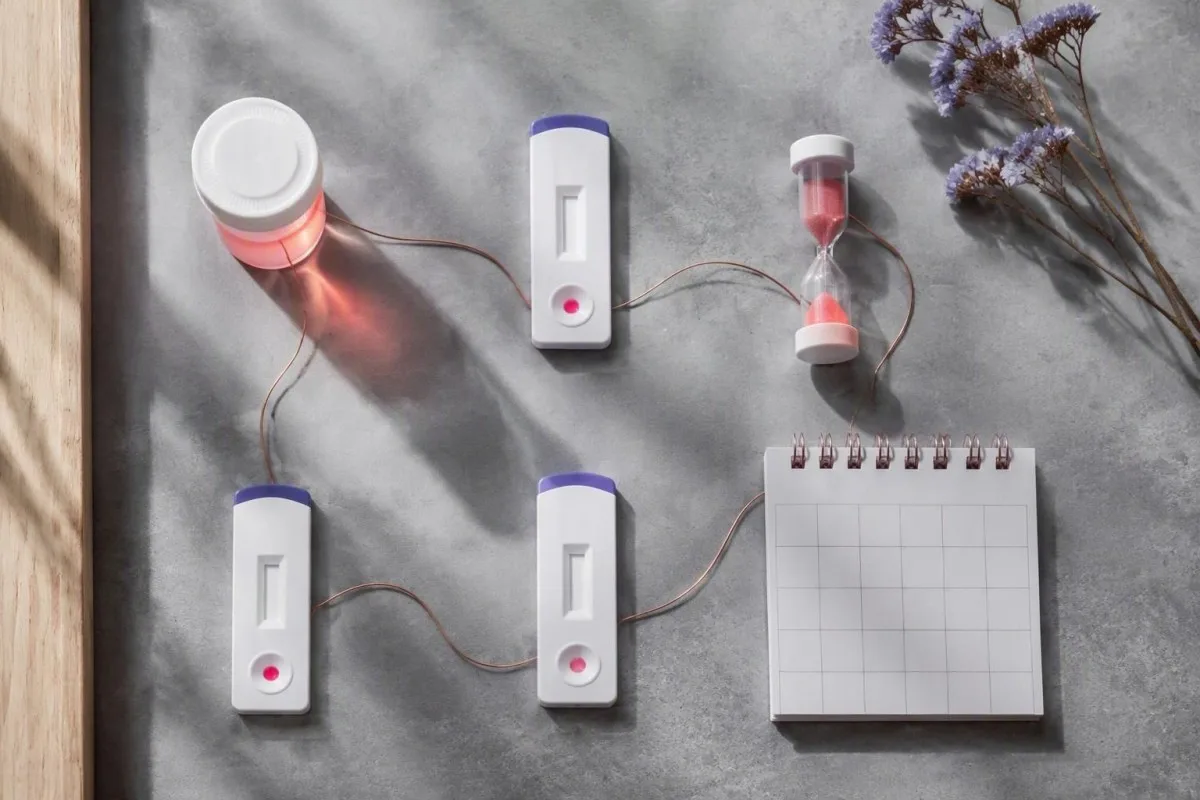
Dalam pengalaman klinikal saya, orang yang paling mungkin terlepas bukan semestinya tidak sihat: ia adalah pesakit yang kelihatan sihat yang panel saringannya dipesan untuk kehamilan, imigresen, hubungan baru, atau enzim hati abnormal yang tidak berkaitan. Gejala hepatitis B akut berlaku hanya pada kira-kira 30%–50% orang dewasa yang dijangkiti, manakala kanak-kanak kecil kurang bergejala; ketiadaan demam, mata kuning, atau sakit perut tidak menyingkirkannya.
Jaundis mencerminkan peningkatan bilirubin beredar, lazimnya menjadi ketara apabila jumlah bilirubin melebihi kira-kira 2–3 mg/dL (34–51 µmol/L). Keradangan hati boleh menjadi ketara sebelum itu, jadi warna air kencing yang kelihatan normal dan mata putih meyakinkan hanya dalam pengertian yang sangat terhad; lihat panduan kami kepada corak amaran bilirubin.
Kantesti ialah seorang Penganalisis ujian darah AI yang meletakkan enzim hati, bilirubin, albumin, dan keputusan platelet di sebelah serologi virus yang telah dipesan oleh doktor. Ia tidak boleh mendiagnosis hepatitis B daripada kimia rutin sahaja, tetapi ia boleh membantu seseorang menyedari bahawa keputusan “ujian hati” tidak lengkap tanpa ujian khusus hepatitis.
Mengapa gejala adalah alat saringan yang buruk
HBV boleh ditularkan semasa fasa bebas gejala kerana replikasi virus mendahului, mengiringi, atau bertahan lebih lama daripada penyakit yang kelihatan. Setakat 11 September 2026, saringan dewasa berasaskan risiko dan sekali sahaja kekal lebih boleh dipercayai daripada menunggu gejala, terutamanya bagi orang yang dilahirkan di kawasan dengan prevalens HBV yang lebih tinggi atau mereka yang mempunyai pendedahan isi rumah, seksual, atau suntikan.
Apakah gejala hepatitis B paling awal?
Gejala awal hepatitis B biasanya adalah keletihan, selera makan berkurangan, loya, demam ringan, sakit otot, dan ketidakselesaan di bawah tulang rusuk kanan. Tiada yang cukup spesifik untuk mengesahkan hepatitis B, dan selang bebas gejala selepas pendedahan lazimnya adalah 60–150 hari.
Petunjuk klinikal yang berguna ialah urutan peristiwa. Malaise dan kehilangan selera makan sering datang sebelum air kencing gelap atau menguning, dan seseorang boleh berasa sangat letih semasa bilirubin masih normal. Purata inkubasi adalah hampir 90 hari, itulah sebabnya ujian sehari selepas pendedahan yang mungkin mungkin terlalu awal untuk menyelesaikan persoalan.
Sakit sendi dan ruam sementara boleh berlaku dalam prodrom kerana kompleks imun beredar sebelum hepatitis yang ketara berkembang. Saya pernah melihat ini disalah anggap sebagai influenza atau tindak balas makanan baharu; butiran pembeza ialah ALT sebanyak 642 IU/L bersama-sama antigen permukaan hepatitis B yang positif, bukan ruam itu sendiri.
Penggunaan acetaminophen, suplemen, alkohol, virus Epstein–Barr, dan kecederaan otot semuanya boleh meningkatkan aminotransferase. Semakan keputusan ALT menghalang kesilapan biasa memanggil setiap ALT yang meningkat “hepatitis” sebelum mengesahkan puncanya.
Gejala yang kurang tipikal
Gatal-gatal, najis pucat, dan air kencing gelap yang berterusan menunjukkan gangguan pengendalian hempedu dan memerlukan penilaian yang lebih pantas, tetapi ia bukan persembahan awal yang biasa. Seseorang dengan kembung terpencil, refluks, atau sakit sisi kiri sekejap-sekejap secara statistik lebih mungkin mempunyai penjelasan lain, walaupun pendedahan risiko masih harus mendorong ujian HBV.
Bilakah anda perlu menjalani ujian hepatitis B?
Dapatkan ujian hepatitis B dengan segera selepas pendedahan darah, seksual, isi rumah, atau perinatal, walaupun anda berasa sihat sepenuhnya. Ujian asas mendokumentasikan status anda, manakala ujian ulangan dijadualkan mengikut tempoh tingkap dan dipandu oleh sejarah vaksinasi.
CDC mengesyorkan saringan dewasa sekali sahaja dengan panel tiga ujian: HBsAg, anti-HBs, dan total anti-HBc (Conners et al., 2023). Kombinasi ini memisahkan jangkitan semasa, jangkitan yang telah selesai, imuniti vaksin, dan kerentanan dengan lebih berkesan daripada memesan HBsAg sahaja.
Selepas pendedahan baru-baru ini yang bermakna, seorang doktor boleh menguji sekarang dan mengulangi ujian sekitar 6 bulan jika panel awal tidak mengesahkan jangkitan atau imuniti. Profilaksis selepas pendedahan adalah sensitif masa—vaksin hepatitis B harus dimulakan secepat mungkin, dan globulin imun hepatitis B mungkin diperlukan untuk pendedahan terpilih yang tidak imun—jadi jangan tunggu sehingga ada gejala.
Kantesti ialah seorang platform tafsiran ujian darah AI yang boleh menyusun laporan serologi yang difoto atau dimuat naik ke dalam corak tiga penanda, tetapi pengurusan pendedahan adalah tanggungjawab doktor rawatan kecemasan, kesihatan seksual, kesihatan pekerjaan, atau penjagaan primer. Panduan gejala hepatitis C kami menjelaskan mengapa ujian hepatitis virus mesti ditafsirkan mengikut virus.
Saringan semasa kehamilan
Setiap kehamilan harus merangkumi saringan HBsAg semasa setiap kehamilan, tanpa mengira risiko yang dipersepsikan. Keputusan positif mengubah perancangan pencegahan bayi baru lahir: bayi memerlukan vaksin hepatitis B dan, jika perlu, globulin imun dalam masa 12 jam selepas kelahiran.
Tiga ujian darah yang menjelaskan status hepatitis B
HBsAg, anti-HBs, dan total anti-HBc adalah ujian saringan hepatitis B teras. Bersama-sama, ia menjawab sama ada virus boleh dikesan pada masa ini, sama ada imuniti wujud, dan sama ada sistem imun pernah menemui hepatitis B sebelum ini.
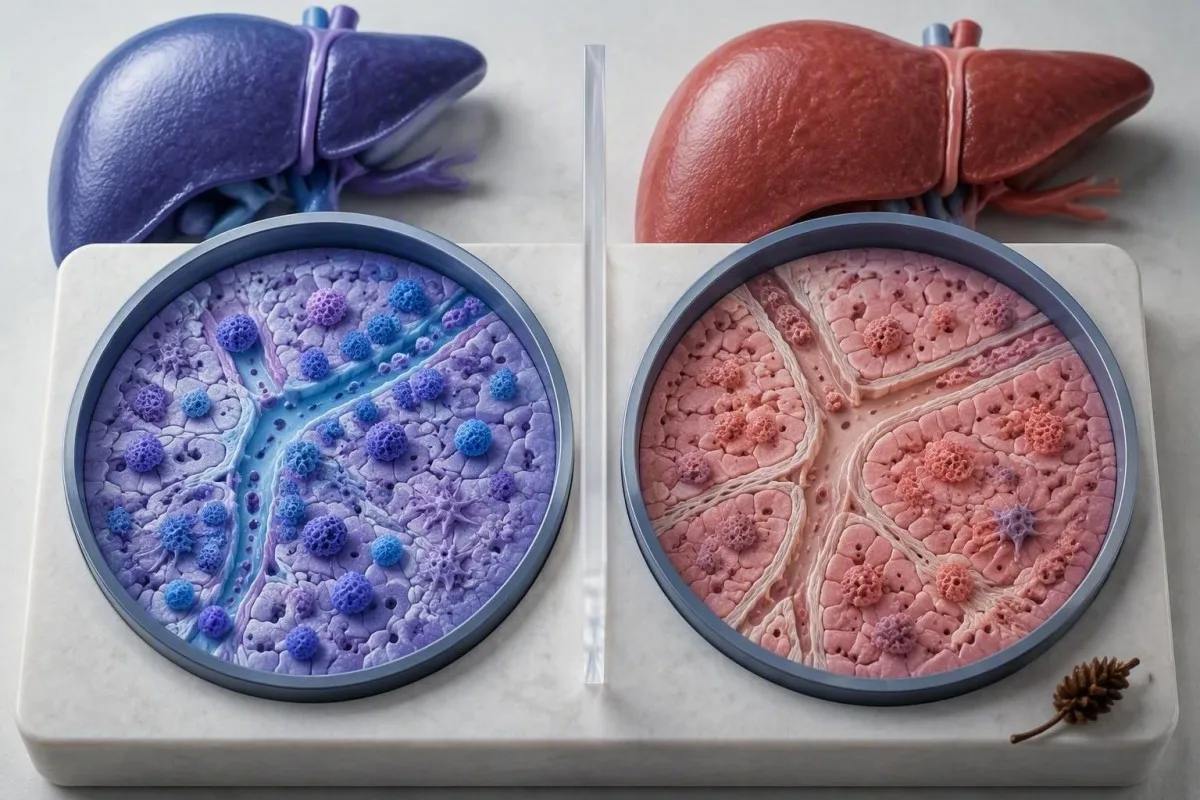
HBsAg ialah antigen permukaan hepatitis B; keputusan positif bermakna jangkitan semasa mungkin berlaku dan memerlukan pengesahan dan susulan klinikal. Anti-HBs ialah antibodi permukaan; tahap sekurang-kurangnya 10 mIU/mL selepas siri vaksinasi yang lengkap didokumentasikan secara amnya dianggap sebagai tindak balas perlindungan pada individu yang imunokompeten.
Anti-HBc jumlah mengesan antibodi teras daripada jangkitan semula jadi sebelum ini atau semasa dan tidak dihasilkan oleh vaksinasi. Corak HBsAg negatif, anti-HBs positif, dan total anti-HBc negatif sesuai dengan imuniti yang dihasilkan oleh vaksin; HBsAg negatif, anti-HBs positif, dan total anti-HBc positif biasanya sesuai dengan jangkitan semula jadi yang telah selesai.
Total anti-HBc positif yang terpencil adalah salah satu corak yang lebih rumit. Ia boleh mencerminkan jangkitan yang telah selesai dari jauh dengan anti-HBs yang lemah, ujian positif palsu, jangkitan tersembunyi, atau lebih jarang jangkitan akut awal; doktor boleh mengulangi serologi dan memesan HBV DNA, terutamanya sebelum rawatan imunosupresif. Penjelasan kami tentang keputusan antibodi positif merangkumi mengapa satu antibodi jarang menceritakan keseluruhan cerita.
Bagaimana ujian membezakan hepatitis B akut daripada kronik
Hepatitis B akut dan kronik dibezakan terutamanya oleh masa dan serologi, bukan oleh betapa sakitnya seseorang. HBsAg yang berterusan sekurang-kurangnya 6 bulan mewujudkan jangkitan kronik; satu keputusan HBsAg positif sahaja tidak dapat menentukan masa jangkitan dengan sendirinya.
IgM anti-HBc menyokong kuat jangkitan akut baru apabila digandingkan dengan kepositifan HBsAg baru dan penyakit yang bersesuaian. Ia tidak sempurna: IgM anti-HBc juga mungkin dikesan semasa suar hepatitis B kronik, jadi doktor membandingkan keputusan sebelumnya, masa gejala, trajektori ALT, dan HBV DNA.
HBV DNA dilaporkan dalam IU/mL dan mengukur jumlah bahan genetik virus dalam peredaran. Ia tidak dengan sendirinya melabelkan penyakit sebagai akut atau kronik, tetapi keputusan yang boleh dikesan mengesahkan replikasi dan menjadi pusat untuk keputusan pemantauan dan rawatan; DNA yang rendah atau tidak dapat dikesan tidak menghapuskan keperluan untuk mentafsir HBsAg dan status hati bersama-sama.
Panduan AASLD menekankan ALT bersiri, HBV DNA, status HBeAg, dan penilaian fibrosis berbanding dengan satu makmal snapshot (Terrault et al., 2018). Ini adalah salah satu sebab mengapa ALT normal pada satu ujian tidak membuktikan bahawa HBV kronik tidak berbahaya.
Peraturan enam bulan mempunyai tujuan
Ambang batas 6 bulan memisahkan jangkitan yang berkemungkinan sembuh secara spontan daripada yang telah berterusan dan membawa risiko jangka panjang fibrosis dan karsinoma hepatoselular. Pada orang dewasa, lebih daripada 90% jangkitan akut yang imunokompeten sembuh, manakala jangkitan yang diperoleh sekitar kelahiran menjadi kronik lebih kerap.
Ujian hati apa yang boleh—dan tidak boleh—tunjukkan
ALT dan AST mendedahkan kecederaan hepatosit, manakala bilirubin, albumin, INR, dan platelet membantu menunjukkan keterukan dan fungsi hati. Panel hati rutin tidak boleh mengenal pasti hepatitis B sebagai punca tanpa serologi virus.

ALT lebih spesifik hati daripada AST, walaupun kedua-duanya tidak eksklusif kepada hati. Dalam hepatitis virus akut, ALT boleh melebihi 1,000 IU/L; julat yang sama boleh berlaku dengan ketoksikan acetaminophen atau aliran darah hati yang berkurangan, jadi nombor itu memerlukan konteks segera dan bukannya diagnosis diri.
Bilirubin mencerminkan konjugasi dan perkumuhan hempedu, manakala INR dan albumin mencerminkan kapasiti sintetik. INR yang meningkat, terutamanya pada 1.5 atau ke atas pada seseorang dengan hepatitis akut dan status mental yang berubah, menimbulkan kebimbangan kegagalan hati akut dan memerlukan penilaian kecemasan; kami INR menerangkan pengukuran.
rangkaian saraf Kantesti membaca transaminase bersama bilirubin, alkali fosfatase, albumin, dan platelet untuk menandakan corak untuk semakan perubatan. Kami pecahan panel hati berguna sebelum anda menganggap bahawa “ujian fungsi hati” normal termasuk saringan HBV.
Nisbah AST:ALT bukan ujian hepatitis B
Nisbah AST:ALT di bawah 1 adalah biasa dalam hepatitis virus tetapi tidak sensitif atau spesifik. Senaman sengit baru-baru ini boleh meningkatkan AST daripada otot, manakala gamma-glutamyl transferase dan bilirubin mungkin kekal normal; mengulang ujian selepas pulih boleh menghalang siasatan virus yang mengelirukan.
Gejala hepatitis B mana yang memerlukan rawatan pada hari yang sama?
Kebingungan, rasa mengantuk yang tidak biasa, muntah berulang, jaundis yang semakin dalam dengan cepat, lebam baru, atau bengkak perut yang teruk memerlukan penilaian segera pada hari yang sama. Gejala ini boleh menandakan fungsi hati yang terjejas dan bukannya sekadar penyakit hepatitis akut biasa.
Kekeliruan atau perubahan corak tidur-bangun boleh menunjukkan ensefalopati hepatik, terutamanya apabila digandingkan dengan jaundis dan INR yang berpanjangan. Ia jarang berlaku, tetapi ia bukan simptom “tunggu Isnin”—kegagalan hati akut boleh berkembang dalam masa beberapa jam hingga hari.
Air kencing gelap sahaja tidak semestinya kecemasan; penyahhidratan, ubat-ubatan, dan air kencing pekat adalah alternatif biasa. Air kencing gelap campur najis pucat, mata kuning, gatal, demam, atau ketidakselesaan pada bahagian atas abdomen kanan lebih kuat menunjukkan gangguan bilirubin atau aliran hempedu, seperti yang diperincikan dalam air kencing gelap.
Elakkan alkohol dan jangan mulakan “detoks hati” herba semasa penilaian. Banyak suplemen pelbagai ramuan mempunyai kandungan yang tidak pasti, dan produk yang dipasarkan untuk detoksifikasi boleh merumitkan kecederaan hati akibat dadah tepat apabila doktor memerlukan gambaran diagnostik yang jelas.
Siapa yang perlu dinilai lebih awal walaupun tanpa gejala?
Orang yang mengandung, mempunyai sirosis, mengambil kemoterapi atau terapi imunosupresif biologi, menghidap HIV, atau mempunyai jangkitan HBV kronik yang diketahui memerlukan ulasan individu selepas keputusan yang tidak normal baharu. Pengaktifan semula boleh senyap secara klinikal sehingga ALT meningkat, jadi perancangan antivirus pencegahan mungkin lebih selamat daripada ujian reaktif.
Mengapa hepatitis B kronik mungkin terasa normal sepenuhnya
Hepatitis B kronik sering tidak menyebabkan gejala harian selama bertahun-tahun, walaupun replikasi virus atau kecederaan hati tahap rendah berterusan. Merasa bertenaga, bersenam secara kerap, dan mempunyai bilirubin normal tidak menyingkirkan risiko fibrosis.

Di sinilah pesakit bergelut secara boleh difahami: seseorang boleh mempunyai ALT normal atau sedikit meningkat dan masih memerlukan susulan berstruktur kerana HBV DNA, umur, status HBeAg, sejarah keluarga, dan fibrosis semuanya mengubah risiko. Kiraan platelet yang merosot di bawah kira-kira 150 × 10⁹/L bukanlah diagnostik sirosis, tetapi dengan ujian hati yang tidak normal ia patut diberi perhatian.
A Skor FIB-4 menggunakan umur, AST, ALT, dan kiraan platelet sebagai anggaran triaj untuk fibrosis; ia tidak boleh mendiagnosis sirosis atau menggantikan elastografi. Kami panduan kalkulator FIB-4 menjelaskan mengapa umur boleh membuat skor sempadan kelihatan lebih membimbangkan selepas 65.
Kantesti ialah seorang Alat analisis ujian darah berkuasa AI direka untuk membandingkan panel hati bertarikh, jadi perubahan ALT atau platelet beransur-ansur tidak tersembunyi oleh satu bendera “dalam julat”. Pengiktirafan trend membantu menyediakan perbualan doktor yang lebih baik; ia bukan pengganti untuk ujian HBV DNA, ultrasound, atau penjagaan pakar.
Pengawasan kanser adalah berdasarkan risiko
Pengawasan ultrasound untuk kanser sel hati tidak ditentukan semata-mata oleh gejala. Doktor menggunakan status HBV kronik, sirosis, sejarah keluarga, umur, jantina, dan risiko wilayah asal untuk memutuskan sama ada pengawasan setiap enam bulan adalah sesuai; AFP kadang-kadang ditambah tetapi tidak boleh dipercayai sebagai ujian saringan tunggal.
Keletihan tidak membuktikan hepatitis B—bagaimana doktor menanganinya
Keletihan adalah perkara biasa dalam hepatitis B tetapi lebih kerap disebabkan oleh gangguan tidur, anemia, penyakit tiroid, kemurungan, kesan ubat, atau jangkitan lain. Soalan yang berguna ialah sama ada keletihan berlaku bersama pendedahan risiko, perubahan ujian hati, atau penanda HBV positif.
Seorang pelari ketahanan berusia 52 tahun dengan AST 89 IU/L selepas perlumbaan tidak secara automatik mempunyai penyakit hati; pelepasan otot boleh meningkatkan AST, dan kreatin kinase serta panel berulang selepas rehat sering menjelaskan sumbernya. Sebaliknya, ALT 289 IU/L dengan HBsAg positif dan air kencing gelap memerlukan laluan yang sangat berbeza.
Keletihan campur hemoglobin rendah, ferritin rendah, atau penanda tiroid tidak normal memerlukan penilaian selari dan bukannya cerita tunggal. Kami artikel gejala ferritin rendah menjelaskan mengapa kekurangan zat besi boleh menyebabkan keletihan sebelum anemia muncul.
Peraturan praktikal Dr. Thomas Klein adalah mudah: gejala memulakan siasatan, tetapi corak menentukannya. CBC, kimia hati, semakan ubat, sejarah pendedahan, dan ujian virus yang disasarkan biasanya menjawab lebih daripada berulang kali menyemak satu enzim.
Jangan menderma darah untuk “mengetahui”
Saringan penderma darah melindungi penerima tetapi bukan strategi diagnostik peribadi dan mungkin tidak memberikan kaunseling yang tepat pada masanya. Jika pendedahan mungkin berlaku, aturkan ujian klinikal atau kesihatan awam sulit di mana panel tiga penanda penuh dan susulan boleh dibincangkan.
Apa yang berlaku selepas keputusan HBsAg positif?
Keputusan HBsAg positif harus mencetuskan penilaian pengesahan, ujian HBV DNA, kimia hati, dan semakan tempoh dan pencegahan penularan. Ia cukup serius untuk susulan segera, tetapi ia tidak semestinya bermakna sirosis atau keperluan untuk rawatan antiviral segera.
Doktor klinikal biasa memesan ujian ulangan atau pengesahan HBsAg, jumlah dan anti-HBc IgM, anti-HBs, HBeAg dan anti-HBe, HBV DNA kuantitatif, ALT, AST, bilirubin, albumin, INR, CBC, dan ujian untuk hepatitis C, hepatitis D, dan HIV apabila berkaitan. Ujian tambahan menjawab soalan yang berbeza—replikasi, fasa, kecederaan hati, koinfeksi, dan keselamatan rawatan.
Kontak isi rumah dan seksual harus diuji dan divaksin jika terdedah. Jangan berkongsi pisau cukur, berus gigi, atau peralatan suntikan; HBV dihantar melalui darah dan cecair badan tertentu, tetapi ia tidak merebak melalui pelukan, perkongsian makanan, batuk, atau kontak tempat kerja biasa.
HBsAg positif juga harus mendorong semakan pola AST tinggi daripada menyalahkan alkohol atau hati berlemak secara refleks. Penyakit hati metabolik yang wujud bersama cukup biasa sehingga lebih daripada satu proses mungkin hadir.
Bolehkah keputusan menjadi positif palsu?
Keputusan HBsAg positif palsu adalah jarang tetapi mungkin, terutamanya berhampiran dengan ambang batas ujian atau sejurus selepas vaksinasi dalam keadaan yang tidak biasa. Pengesahan melalui kaedah peneutralan atau ulangan yang disyorkan oleh makmal adalah sesuai, tetapi seseorang harus berkelakuan sebagai berpotensi berjangkit sehingga keputusan diselesaikan.
Adakah hepatitis B kronik selalu memerlukan rawatan?
Tidak, hepatitis B kronik tidak selalu memerlukan terapi antiviral segera, tetapi setiap kes yang disahkan memerlukan pemantauan berasaskan risiko. Keputusan rawatan menimbang HBV DNA, ALT, fibrosis atau sirosis, status HBeAg, umur, sejarah keluarga, dan keadaan yang wujud bersama.

Ubat jangka panjang barisan pertama sering termasuk tenofovir atau entecavir kerana ia menekan replikasi HBV dengan berkesan dan mempunyai halangan rintangan yang tinggi. Ia mengawal virus bukannya menghilangkannya secara pasti, jadi menghentikan rawatan tanpa nasihat pakar boleh membawa kepada gegaran.
Ambang HBV DNA berbeza mengikut status HBeAg dan konteks garis panduan; titik keputusan yang biasa digunakan ialah 2,000 IU/mL, tetapi rawatan tidak pernah berdasarkan nombor itu sahaja. Sirosis mengubah pengiraan secara ketara, kerana mana-mana HBV DNA yang boleh dikesan mungkin membenarkan rawatan dalam sirosis yang dikompensasi.
The rangka kerja pengesahan perubatan di sebalik Kantesti menekankan bahawa alat tafsiran harus memaparkan soalan susulan, bukan menetapkan antivirus. Pilihan ubat memerlukan fungsi buah pinggang, rancangan kehamilan, kesihatan tulang, sejarah rintangan, dan penilaian pakar.
Jeda pemantauan berbeza
Orang yang tidak dirawat pada masa ini mungkin memerlukan pemeriksaan ALT dan HBV DNA setiap 3–6 bulan semasa fasa aktif dan kurang kerap dalam fasa stabil, dengan jeda ditetapkan oleh doktor mereka. Keputusan normal hari ini tidak secara kekal menetapkan keadaan tidak aktif kerana aktiviti HBV boleh berfluktuasi.
Cara melindungi pasangan dan ahli keluarga
Vaksinasi dan ujian melindungi kontak isi rumah dan seksual daripada hepatitis B dengan lebih pasti daripada pemantauan gejala. Orang yang terdedah harus memulakan vaksinasi segera, manakala kontak dengan HBsAg positif memerlukan penilaian klinikal dan bukannya jaminan sahaja.
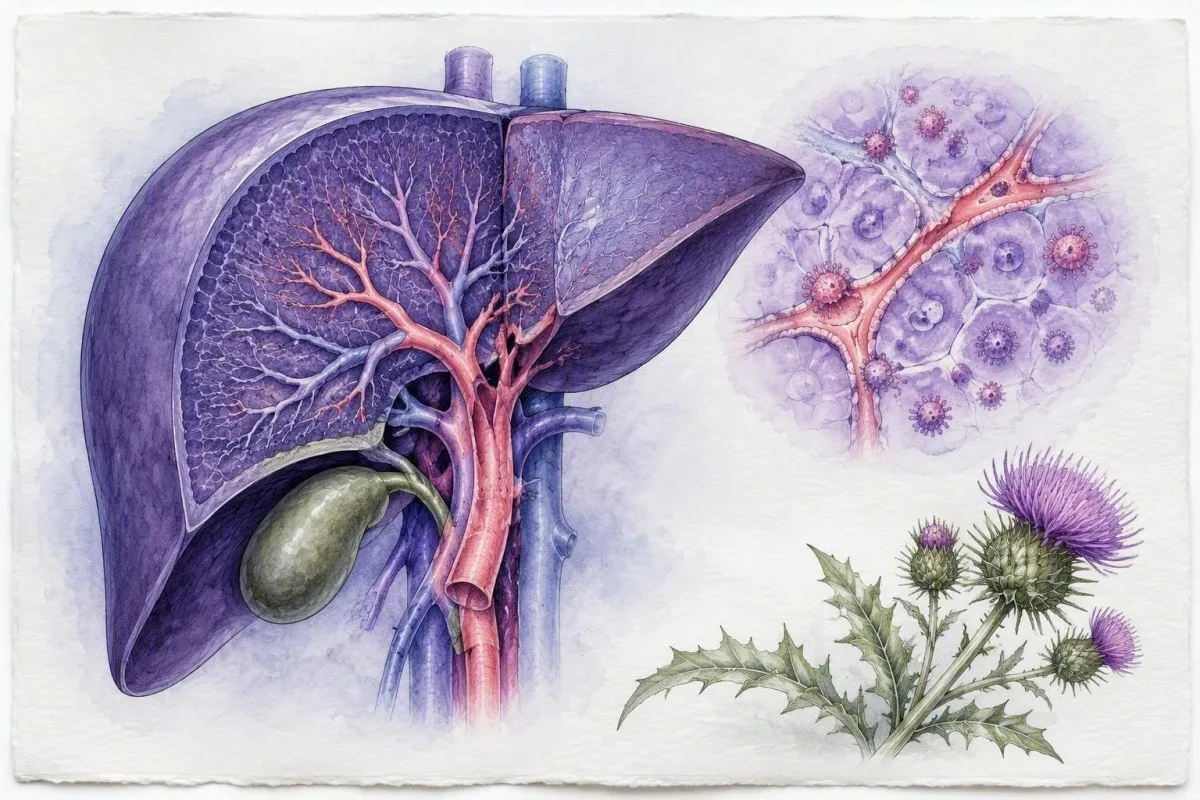
Vaksin hepatitis B sangat berkesan apabila siri lengkap diambil. Bagi orang dewasa yang memerlukan bukti tindak balas selepas vaksinasi disebabkan risiko pekerjaan atau imun, anti-HBs diukur 1–2 bulan selepas dos akhir; 10 mIU/mL atau lebih adalah ambang perlindungan konvensional.
Gunakan kondom sehingga imuniti pasangan didokumentasikan, tutup luka, dan simpan barang penjagaan diri peribadi. Pergaulan sosial rutin adalah selamat, dan kanak-kanak tidak seharusnya diasingkan daripada ibu bapa yang menghidap HBV—salah faham ini masih menyebabkan kebimbangan keluarga yang tidak perlu.
Kantesti’s sumber pengesanan kesihatan keluarga boleh membantu isi rumah menguruskan keputusan berasingan dengan persetujuan, tetapi setiap orang memerlukan rekod ujian dan vaksinasi mereka sendiri. Ujian antibodi positif seseorang saudara tidak boleh membuktikan imuniti orang lain.
Bagaimana pula dengan penyusuan susu ibu?
Penyusuan susu ibu secara amnya dibenarkan apabila bayi baru lahir menerima imunoprofilaksis hepatitis B yang disyorkan. Nasihat individu masih diperlukan jika terdapat puting yang merekah atau berdarah, koinfeksi HIV, atau persoalan tentang terapi antivirus ibu.
Apa yang perlu dielakkan semasa menunggu keputusan hepatitis B?
Elakkan alkohol, asetaminofen yang tidak perlu, dan suplemen herba atau bina badan baharu semasa hepatitis B akut sedang dinilai. Pendedahan ini boleh memburukkan tekanan hati atau menyukarkan pengenalpastian punca keputusan yang tidak normal.
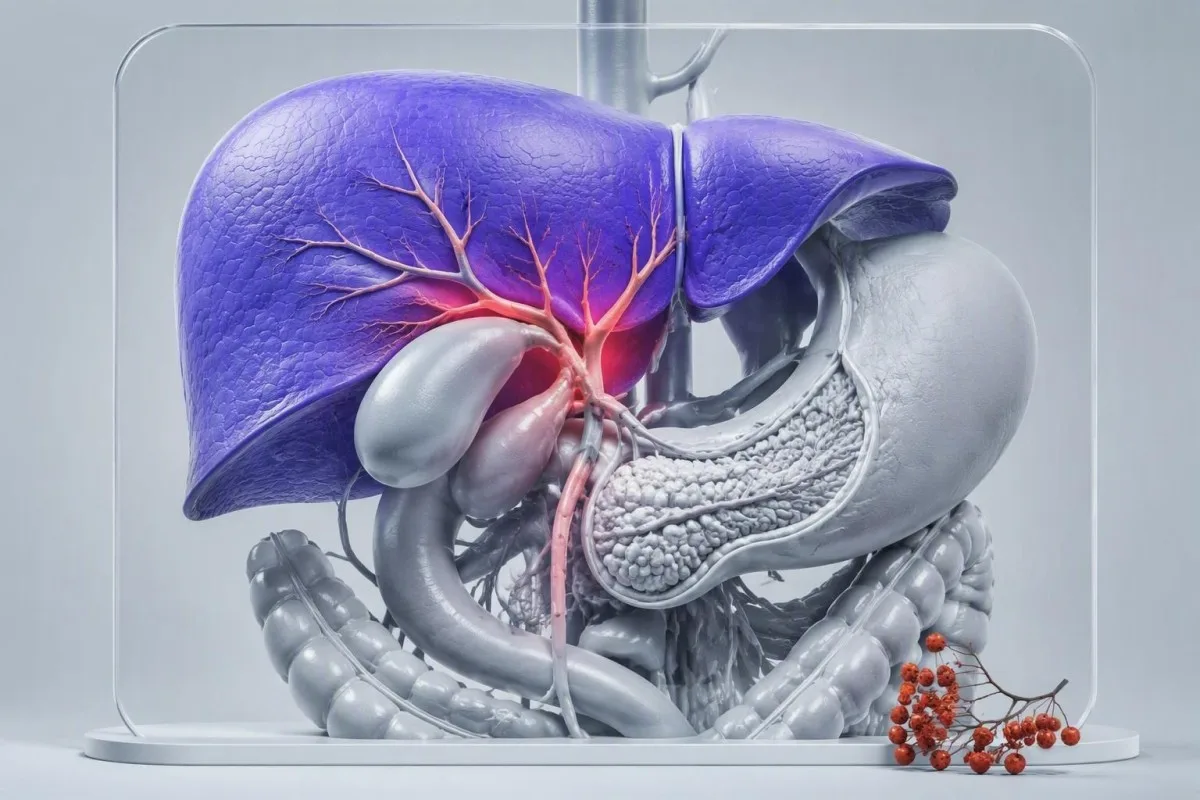
Tiada bukti bahawa jus pembersihan, rejimen puasa, atau produk detoks atas kaunter boleh membersihkan hepatitis B. Sesetengah produk mengandungi ekstrak pekat atau bahan yang tidak didedahkan, dan hati mungkin amat terdedah semasa episod keradangan akut; kajian kami tentang suplemen hati yang berisiko menjelaskan kebimbangan tersebut.
Jangan hentikan ubat yang dipreskripsi secara mendadak melainkan preskriber menasihatinya. Untuk asetaminofen, doktor seringkali memperibadikan had selamat apabila kecederaan hati hadir; had maksimum 4,000 mg sehari yang standard tidak secara automatik sesuai untuk seseorang yang menghidap hepatitis akut, pengambilan alkohol, berat badan rendah, atau penyakit hati kronik.
Penghidratan, hidangan ringkas yang kerap, mengelakkan alkohol, dan menyimpan senarai ubat dan suplemen yang bertarikh adalah bijak sementara menunggu semakan. Jika muntah menghalang pengambilan cecair, atau kejelasan mental berubah, dapatkan rawatan segera daripada cuba menguruskannya di rumah.
Makanan tidak menularkan HBV
Hepatitis B tidak diperoleh daripada penyediaan makanan biasa, pinggan perkongsian, atau gelas minuman. Ini penting kerana mengelakkan hidangan keluarga tidak mengurangkan penularan, manakala vaksinasi dan mengelakkan barang peribadi yang tercemar darah berbuat demikian.
Cara bersedia untuk janji temu susulan hepatitis B
Bawa setiap keputusan hepatitis B dengan tarikh pengumpulan, rekod vaksinasi anda, senarai ubat, dan garis masa pendedahan yang ringkas. Butiran ini sering membezakan jangkitan baru-baru ini, jangkitan lama, corak positif palsu, atau hepatitis B kronik yang telah terbentuk lebih cepat daripada mengulang ujian tunggal.
Tulis tarikh pendedahan yang mungkin, perjalanan, pasangan seksual baharu, prosedur suntikan atau tatu, kontak isi rumah, kehamilan, dan vaksinasi terdahulu. Juga masukkan ubat penekan imun seperti rituximab, steroid dos tinggi, kemoterapi, atau biologik, kerana kepositifan anti-HBc boleh menjadi penting walaupun HBsAg negatif.
Ajukan empat soalan langsung: Tiga penanda saringan manakah yang positif? Adakah IgM anti-HBc hadir? Berapakah DNA HBV dalam IU/mL? Adakah saya memerlukan penilaian fibrosis atau ujian hepatitis D? Soalan-soalan tersebut menggerakkan perbualan daripada kebimbangan yang samar kepada satu pelan.
Dr. Thomas Klein mengesyorkan menyimpan PDF asal dan bukannya hanya tangkapan skrin portal, kerana julat rujukan, nama ujian, tarikh, dan ulasan makmal boleh mempengaruhi tafsiran. CE teknologi menjelaskan cara AI kami mengekstrak konteks laporan, manakala doktor anda kekal bertanggungjawab untuk diagnosis dan rawatan.
Satu perspektif praktikal akhir
Perasaan negatif bukanlah ujian negatif, dan jaundis adalah petunjuk lewat dan tidak konsisten. Jika pendedahan atau risiko saringan berlaku, aturkan panel tiga penanda walaupun anda berasa sihat sepenuhnya; pengetahuan awal melindungi hati anda dan orang yang rapat dengan anda.
Soalan Lazim
Bolehkah anda menghidap hepatitis B tanpa jaundis?
Ya. Hepatitis B boleh berlaku tanpa jaundis, dan ramai orang yang dijangkiti tidak menunjukkan sebarang gejala. Jaundis secara umumnya menjadi ketara apabila jumlah bilirubin meningkat kepada kira-kira 2–3 mg/dL (34–51 µmol/L), tetapi hepatitis B boleh menyebabkan keradangan hati sebelum bilirubin mencapai julat tersebut. Panel saringan yang sesuai ialah HBsAg, anti-HBs, dan jumlah anti-HBc, bukan senarai semak gejala.
Apakah gejala awal hepatitis B?
Gejala awal hepatitis B mungkin termasuk keletihan, kurang selera makan, loya, demam ringan, sakit otot, sakit sendi, dan ketidakselesaan di bawah tulang rusuk kanan. Gejala akut biasanya berlaku selepas tempoh inkubasi 60–150 hari, purata kira-kira 90 hari. Gejala ini bertindih dengan banyak penyakit, jadi ujian HBsAg, anti-HBc keseluruhan, dan anti-HBs diperlukan untuk menentukan status hepatitis B. Air kencing gelap atau mata kekuningan mungkin berlaku kemudian, tetapi kedua-duanya tidak diperlukan.
Ujian manakah yang menunjukkan sama ada hepatitis B adalah akut atau kronik?
Tiada satu ujian pun yang dapat menentukan hepatitis B dengan sempurna, tetapi HBsAg yang berterusan selama 6 bulan atau lebih membuktikan jangkitan kronik. IgM anti-HBc menyokong jangkitan akut baru apabila digandingkan dengan keputusan positif HBsAg yang baharu, walaupun ia juga boleh meningkat semasa kemuncak hepatitis B kronik. HBV DNA dalam IU/mL mengukur replikasi virus dan membantu membimbing pengurusan, manakala tarikh ujian terdahulu selalunya memberikan jawapan yang paling jelas. Seorang doktor biasanya mentafsir ujian ini bersama ALT, bilirubin, dan sejarah pendedahan.
Bolehkah enzim hati normal dengan hepatitis B kronik?
Ya. ALT dan AST boleh jadi normal pada satu ketika dalam hepatitis B kronik, walaupun jangkitan berterusan dan HBV DNA masih boleh dikesan. ALT yang normal tidak menyingkirkan fibrosis, jadi pakar klinikal menilai status HBV DNA, HBeAg, platelet, risiko fibrosis, umur, dan sejarah keluarga bersama-sama enzim hati. ALT yang melebihi 1,000 IU/L boleh berlaku dalam hepatitis virus akut, tetapi nilai ALT yang ringan atau normal tidak menyingkirkan penyakit kronik. Keputusan bersiri lebih bermaklumat daripada satu ujian darah.
Apakah maksud ujian antigen permukaan hepatitis B positif?
Kehadiran antigen permukaan hepatitis B, atau HBsAg, yang positif menunjukkan kemungkinan jangkitan hepatitis B semasa dan memerlukan susulan pengesahan segera. Doktor biasanya menambah ujian HBV DNA, total dan IgM anti-HBc, anti-HBs, HBeAg, kimia hati, CBC, dan selalunya ujian hepatitis C, hepatitis D, dan HIV berdasarkan risiko. Jika HBsAg kekal positif sekurang-kurangnya 6 bulan, jangkitan itu diklasifikasikan sebagai kronik. Keputusan positif tidak membuktikan sirosis dengan sendirinya atau menentukan sama ada rawatan antivirus diperlukan.
Bilakah saya perlu mendapatkan rawatan segera untuk suspected hepatitis B?
Dapatkan rawatan segera pada hari yang sama jika mengalami kekeliruan, rasa sangat mengantuk, muntah berulang kali, jaundis yang semakin teruk dengan cepat, lebam yang luar biasa, bengkak perut yang ketara, atau tidak dapat menahan cecair. Dalam hepatitis akut, INR 1.5 atau lebih tinggi digabungkan dengan perubahan status mental menimbulkan kebimbangan kegagalan hati akut dan memerlukan penilaian kecemasan. Air kencing gelap sahaja boleh mempunyai sebab yang tidak berbahaya, tetapi air kencing gelap dengan najis pucat, demam, mata kuning, atau gatal-gatal yang teruk memerlukan pemeriksaan perubatan segera. Jangan gunakan alkohol atau suplemen detoks baharu semasa menunggu rawatan.
Dapatkan Analisis Ujian Darah Berkuasa AI Hari Ini
Sertai lebih 2 juta pengguna di seluruh dunia yang mempercayai Kantesti untuk analisis ujian makmal segera dan tepat. Muat naik keputusan ujian darah anda dan terima tafsiran menyeluruh biomarker 15,000+ dalam beberapa saat.
📚 Penerbitan Penyelidikan Dirujuk
Klein, T., Mitchell, S., & Weber, H. (2026). Kantesti LTD. (2026). Penganalisis Ujian Darah AI: 2.5 Juta Ujian Dianalisis | Laporan Kesihatan Global 2026. Zenodo.. Kantesti Penyelidikan Perubatan AI.
Klein, T., Mitchell, S., & Weber, H. (2026). Kantesti LTD. (2026). Ujian Darah RDW: Panduan Lengkap untuk RDW-CV, MCV & MCHC. Zenodo.. Kantesti Penyelidikan Perubatan AI.
📖 Rujukan Perubatan Luaran
Pertubuhan Kesihatan Sedunia (2024). Garis panduan untuk pencegahan, diagnosis, penjagaan dan rawatan untuk orang yang menghidap jangkitan hepatitis B kronik. Pertubuhan Kesihatan Sedunia.

⚕️ Penafian Perubatan
Artikel ini adalah untuk tujuan pendidikan sahaja dan tidak merupakan nasihat perubatan. Sentiasa rujuk pembekal penjagaan kesihatan yang berkelayakan untuk keputusan diagnosis dan rawatan.
Isyarat Kepercayaan E-E-A-T
Pengalaman
Semakan klinikal yang diketuai oleh doktor terhadap aliran kerja tafsiran makmal.
Kepakaran
Fokus perubatan makmal tentang bagaimana biomarker berkelakuan dalam konteks klinikal.
Kewibawaan
Ditulis oleh Dr. Thomas Klein dengan semakan oleh Dr. Sarah Mitchell dan Prof. Dr. Hans Weber.
Kebolehpercayaan
Tafsiran berasaskan bukti dengan laluan susulan yang jelas untuk mengurangkan kebimbangan.