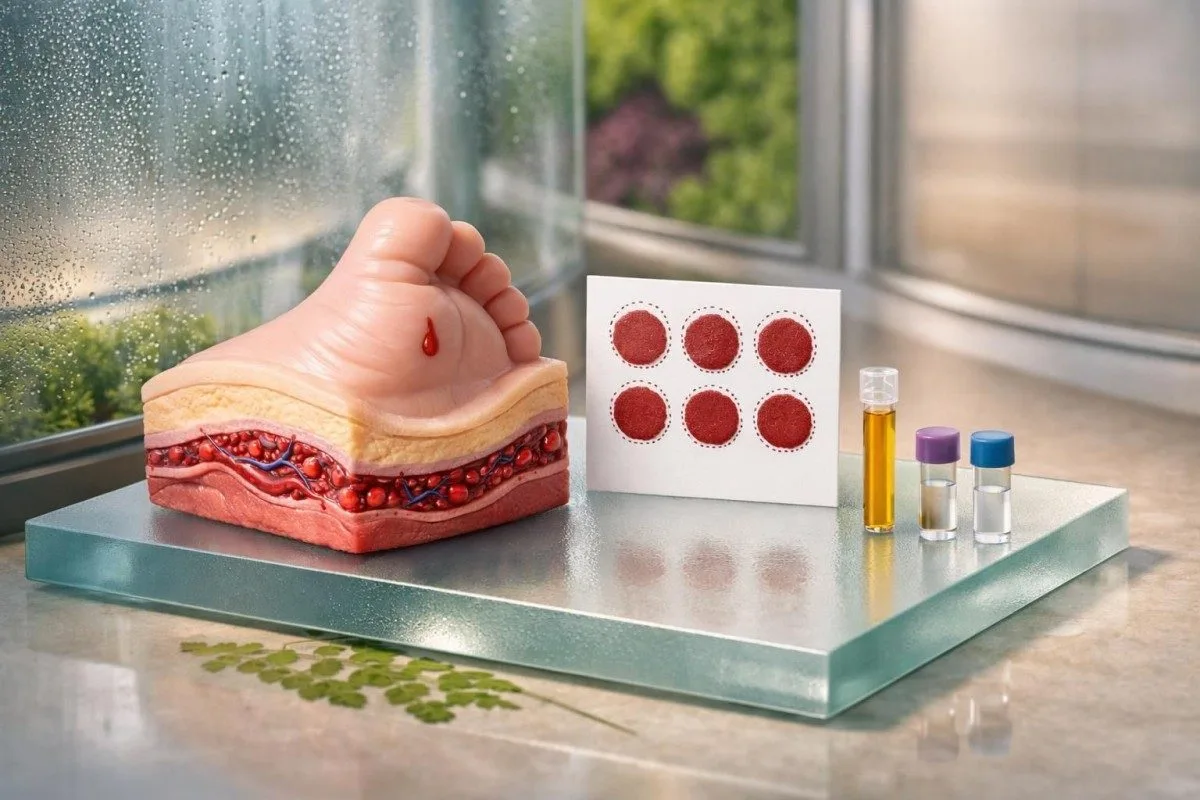
Ихэнх нярай хүүхдүүдийн эцэг эхийн бодсоноос цөөн тооны цусны шинжилгээ авдаг ч цаг хугацаа бүхнийг өөрчилдөг. Энд төрсний дараах эхний өдрүүдэд өсгийн хатгалтаар илрүүлэх шинжилгээ, билирубин, цусны бүлэг үнэндээ юу гэсэн утгатайг тайлбарлав.


- Өсгийн хатгалтын шинжилгээ ихэвчлэн авдаг 24–48 цагийн орчимд дээд хэмжээндээ хүрдэг АНУ-ын олон эмнэлэгт, гэхдээ Их Британийн цусны толбоны стандарт шинжилгээг ихэвчлэн хийдэг 5 дахь өдөр.
- Өсгийг дахин хатгах түгээмэл тохиолддог, хэрэв эхний карт 24 цагийн турш хүнд дасгал хийхээс зайлсхий, бамбай булчирхай эсвэл дааврын иммун шинжилгээний өмнө өндөр тунгийн, хангалтгүй ханасан, эсвэл цус сэлбэлт эсвэл TPN-ийн нөлөөнд орсон бол.
- Билирубин -ийг цаг (нас), тайлбарлах ёстой, хуанлийн өдрөөр биш; 1 мг/дЛ = 17.1 мкмоль/Л.
- Эрт үеийн шарлалт эхний 24 цагийн турш хүнд дасгал хийхээс зайлсхий, бамбай булчирхай эсвэл дааврын иммун шинжилгээний өмнө өндөр тунгийн хэвийн бус бөгөөд тухайн өдрийн дотор хүүхдийн эмчийн үзлэг шаардлагатай.
- Шууд билирубин дээш 1.0 мг/дл нярайд хэвийн бус бөгөөд холестазын үнэлгээг хийх шаардлагатайг илтгэнэ.
- Цусны бүлэг ба DAT нь бүх нярайд заавал хийдэг ердийн шинжилгээ биш; эхийн эсрэгбие эсвэл эрт үеийн шарлалт нь цус задрал (гемолиз)-ыг сэжиглүүлж байвал хамгийн чухал.
- Нярайн скрининг эерэг гарсан нь онош гэсэн үг биш; баталгаажуулах шинжилгээ ихэвчлэн цагийн дотор—өдрүүдийн дотор тухайн эмгэгээс хамаарч хийгддэг.
- Яаралтай анхааруулах шинжүүд Үүнд хооллолт муудах, нойрмоглох, бөөлжих, биеийн температур тогтворгүй болох, эсвэл билирубиний үзүүлэлт нь эмчилгээний босго хэмжээнд хүрсэн/даваагүй байх зэрэг орно.
Амьдралын эхний өдрүүдэд нярай ямар цусны шинжилгээ өгдөг вэ?
Шинэ төрсөн нярайн цусны шинжилгээ ихэвчлэн гурван ангилалд хуваагддаг: a өсгий хатгалтаар авсан нярайн цусны скринингийн сорьц, a билирубин шарлалтыг шалгах, мөн цусны бүлэг/DAT эхийн цусны бүлэг эсвэл нярайн шинж тэмдгүүд нь цус задралын талаар санаа зовох шалтгаан болж байвал хийх шинжилгээ. АНУ-ын олон эмнэлэгт өсгий хатгалтын багцыг 24–48 цагийн турш; үед авдаг; Их Британид ердийн цусны дуслыг ихэвчлэн 5 дахь өдөр. үед хийдэг. Билирубийг ихэвчлэн эмнэлгээс гарахаас өмнө эсвэл 24–72 цаг. үед шалгадаг. Ихэнх эрүүл нярайд үгүй том хэмжээний венийн багц шинжилгээ заавал хэрэггүй. Эцэг эхчүүд дараа нь гарсан хариуг Кантести AI. -аар зохион байгуулж авч болно. Хэрэв та жирэмсний үеийн суурь мэдээллийг сонирхож байвал тэдгээрийг өмнөх жирэмсний үеийн шинжилгээний цагийн хуваарьтай харьцуул..
Олон эцэг эхийн хувьд анхны гэнэтийн зүйл бол эрүүл хугацаандаа төрсөн нярайд ихэвчлэн насанд хүрэгчдийн хүлээж байснаас цусны шинжилгээ цөөн байдаг. Би Томас Кляйн, Анагаах ухааны доктор (MD) бөгөөд төрсний дараах үзлэгийн үеэр эдгээр шинжилгээг санамсаргүйгээр хайх биш, харин эхний 72 цаг, -д чимээгүй асуудлуудыг илрүүлэх зорилгоор сонгодог гэж ихэвчлэн тайлбарладаг. Манай баг Бидний тухай Бид боловсролоо яг тэр асуултын эргэн тойронд байгуулсан, учир нь энэ нь бараг бүх удаагийн гаргалтын өдөр дээр гарч ирдэг.
Билирубины шинжилгээ нь арьсны хэмжигчээр эхэлж, хэрэв уншилт өндөр байвал, нярай 2 сартайгаас бага бол, эсвэл хөхрөлт, хооллолт муу байвал тоо нь найдвартай биш болох тул сийвэнгийн шинжилгээнд шилжиж болно. 24 цагийн турш хүнд дасгал хийхээс зайлсхий, бамбай булчирхай эсвэл дааврын иммун шинжилгээний өмнө өндөр тунгийн Насанд тохирсон нөхцөл байдлын талаар хүсвэл манай насны ангиллаар билирубины заавар нийт билирубин 10 мг/дл нь 72 цаг хэвийн байж болох ч 18 цаг.
Цусны бүлэг болон шууд эсрэгбиеийн шинжилгээ, үүнийг ихэвчлэн DAT эсвэл Coombs, гэж нэрлэдэг, олон нэгжид бүх нийтэд биш харин зорилтот байдлаар хийдэг. Порталаар дамжуулан хариу авсан эцэг эхчид эхлээд цуглуулсан цагийг, дараа нь нэгжүүдийг, дараа нь тайлбарын мөрийг унших хэрэгтэй; үүнийг ойлгоход манай заавар цусны шинжилгээний хариу онлайн тусална.
Өсгийн хатгалтаар авсан нярайн цусны шинжилгээ: цусны толбо яг юуг шалгадаг вэ
Өсгий хатгалтаар нярайн цусны шинжилгээ шинж тэмдэг гарахаас өмнө ховор боловч ноцтой эмгэгүүдийг илрүүлэхийг зорьдог бөгөөд яг жагсаалт нь улс, бүс нутгаас хамаарна. АНУ-д олон эмнэлэг 24–48 цагийн турш; үед цуглуулдаг; Их Британид ердийн цусны дуслыг ихэвчлэн 5 дахь өдөр. үед авдаг. 18-аас өмнө авсан дээжийг давтан авах шаардлагатай болох магадлал 24 цагийн турш хүнд дасгал хийхээс зайлсхий, бамбай булчирхай эсвэл дааврын иммун шинжилгээний өмнө өндөр тунгийн их байдаг.
Ихэнх эцэг эхчүүд өсгий хатгалт нь нэг л өвчнийг шалгана гэж боддог. Энэ нь ихэвчлэн тандем масс спектрометри, иммун шинжилгээ (immunoassay) болон холбогдох аргуудыг ашиглан хэд хэдэн шинжилгээний хэв шинжийг хамтад нь илрүүлдэг тул нэг карт нь бамбай булчирхай, амин хүчил, өөхний хүчил, гемоглобин, цистик фиброзын асуудлыг шалгаж чадна. Watson et al., 2006 нь АНУ-ын нэгдсэн багцын суурийг тавьсан боловч 2026 оны 4-р сарын 21-ний байдлаар мужуудын бодит жагсаалт өөр хэвээр байна; энэ нь өсгий хатгалт нь насанд хүрэгчдийн стандарт маягийн багцаас.
Хуурамч эерэг хариу нь дутуу төрсөн болон NICU-ийн нярайд илүү ихээр бөөгнөрдөг. 17-гидроксипрогестерон стрессд орсон нярайд өндөр гарч болно, TSH дээр суурилсан цистик фиброзын илрүүлэг дархлаа урвалжит трипсиноген онош биш. Хэрэв товчлолууд бүдэг санагдвал манайх эцэг эхчүүдийн үр дүнгийн захидал дээр хардаг богино хэлбэрүүдийг тайлдаг. цусны шинжилгээний товчлолын гарын авлага эцэг эхчүүдийн үр дүнгийн захидал дээр хардаг товчилсон хэлбэрүүдийг тайлж өгдөг.
Олон сайт орхидог нэг чухал зүйл бий: шинжилгээний карт өөрөө бүтэлгүйтэж болно. Давхарласан, бүлэн үүссэн, эсвэл цаасан дээр зөвхөн хэсэгчлэн шингэсэн хатаасан толбо ихэвчлэн татгалзагддаг бөгөөд донороос авсан улаан эс хүлээн авсан нярайд дэлгэц нь нярайн өөрийн гемоглобины хэв маягийг анзаарахгүй байж болзошгүй тул дараа нь давтан шинжилгээ хийх шаардлагатай байж болно. Манай эмч нар Эмнэлгийн зөвлөх зөвлөл Kantesti дээр давтан карт нь муу мэдээ биш, харин түгээмэл чанарын хяналт гэдгийг гэр бүлүүдэд тайвшруулахад их цаг зарцуулдаг.
Яагаад хоёр дахь өсгийн хатгалт заримдаа ердийн байдаг вэ?
Цуглуулгын дараа, 24 цагийн турш хүнд дасгал хийхээс зайлсхий, бамбай булчирхай эсвэл дааврын иммун шинжилгээний өмнө өндөр тунгийн, мэдэгдэхүйц сэлбэлт хийсний дараа, эсвэл TPN-ийн нөлөөнд орсон бол амин хүчлийн маркеруудыг гажуудуулсан үед хоёр дахь дэлгэц нь ердийн байдаг. 3-аас 7 хоног, ихэвчлэн.
Билирубин шинжилгээ ба нярайн шарлалт: тоо хэзээ чухал вэ
Билирубин нярайг 24–72 цагийн хооронд,, эсвэл түүнээс өмнө нярай шарласан харагдвал эрт шалгана. Тоо нь зөвхөн нярайн цаг (нас), жирэмсний хугацаа, эрсдэлт хүчин зүйлстэй хамт утга учиртай. 18 цаг дээр шарласан нярай нь 78 цаг дээрхээс огт өөр өвтөн байдаг..
AAP болон NICE хоёулаа нийт билирубин хүн бүрт зориулсан нэг “хэвийн” хүрээ гэхээсээ илүү насанд тохирсон босгоор тайлдаг. 2022 оны AAP-ийн удирдамжид арьсаар хэмжсэн уншилт нь фототерапийн босготой 3 мг/дЛ ойролцоо байвал эсвэл арьсны уншилт 15 мг/дл буюу түүнээс өндөр байвал ийлдсийн билирубин хийхийг зөвлөдөг (Kemper et al., 2022); манай билирубины дараагийн хяналтын гарын авлага цаашид юу болохыг алхам алхмаар тайлбарладаг.
A шууд билирубин дээш 1.0 мг/дл шарласан нярайд билирубин хэвийн бус байвал холестазын талаар яаралтай үнэлгээ шаардлагатай, нийт билирубин нь тийм ч сүртэй харагдахгүй байсан ч. Нэг практик арга: 1 мг/дЛ нь 17.1 мкмоль/Л-тай тэнцэнэ., тэгэхээр нийт билирубин нь 12 мг/дл нь ойролцоогоор 205 мкмоль/Л. Эцэг эхчүүд портал дээрх насанд хүрэгчдийн лавлах зурвасуудыг хараад зогсох үед манай нийтлэлээс— хилийн заагтай лабораторийн үзүүлэлтүүдийн тухай гарын авлага.
Шарлалт эхний үед илрэхэд бид хамгийн их санаа зовдог. 24 цагийн турш хүнд дасгал хийхээс зайлсхий, бамбай булчирхай эсвэл дааврын иммун шинжилгээний өмнө өндөр тунгийн, билирубин ойролцоогоор цаг тутамд 0.3 мг/дл -аас хурдан нэмэгдэхэд, эсвэл эхний өдрийн дараа 0.2 мг/дЛ/цаг -аас хурдан нэмэгдэхэд. NICE (2023) болон Kemper et al. (2022) хоёулаа цаг (цагийн тоогоор) дахь насыг онцолдог, учир нь 36 долоо хоногтой хүүхэд 30 цагт ба 40 долоо хоногтой хүүхэд 72 цаг хүүхэдтэй адил эрсдэлийн муруйг хуваалцахгүй. Зарим Европын лабораториуд шууд билирубиний хуучин дүрмийг хэвээр тайлбарладаг ч миний ажиглалтаар үүнийг хүлээх нь холестазын танилтыг удаашруулж болдог. нийт шууд билирубинд зориулсан дүрэм боловч миний туршлагаар үүнийг хүлээх нь холестазыг танихад удаашрал үүсгэж болно.
Цусны сийвэн дэх билирубин ба арьсны билирубин
Арьсны билирубин хэмжигчүүд нь маш сайн скрининг хэрэгсэл бөгөөд ялангуяа гаргахаас өмнө тохиромжтой. Гэхдээ эмчилгээний босго орчимд эсвэл фототерапийн үед сийвэн дэх билирубин нь шийдвэр гаргах шинжилгээ хэвээр байна. Үүний практик шалтгаан энгийн: 14–16 мг/дЛ түвшинд эмчилгээний шийдвэр гаргахын тулд арьсаар хэмжсэн тооцоолол үргэлж өгч чаддаггүй нарийвчлал хэрэгтэй.
Цусны бүлэг, Rh, мөн Coombs-ийн шинжилгээ: хэнд хийдэг, яагаад
Цусны бүлэг ба Кумбсын шинжилгээ нь бүх нярайд автоматаар хийгддэггүй. Ихэвчлэн эх нь O бүлэгтэй, аллоантибие, эсрэгбиеийн скрининг эерэг гарсан үед, эсвэл хүүхэд эрт шарлалт, цайваржилт, эсвэл цус багадалт үүсгэх үед захиалдаг.
Энэ алхамд хүйн цус ихэвчлэн хангалттай байдаг тул эцэг эх өөр дээж ашиглагдаж байгааг анзаарахгүй ч байж болно. Түгээмэл тохиолдол бол эхийн O бүлэгтэй , хүүхэд нь A эсвэл B, эрт үед билирубин нэмэгдэхэд хүргэж болох ABO-ийн үл нийцэл үүсгэнэ; манай нярайн цусны бүлгийн заавар тэр хэв маягийн эргэн тойрон дахь гематологийн сэжүүрүүдийг тайлбарладаг.
Эерэг DAT эсрэгбиеэр дамжсан гемолизийг дэмждэг боловч хүндрэлийг сайн урьдчилан таамагладаггүй. Би DAT-эерэг нярай нэмэлтээр билирубиныг л дахин шалгуулах шаардлагатай тохиолдлыг харсан, мөн ABO-ийн зөрчлөөс үүдэлтэй тод гемолизтэй DAT-сөрөг хүүхдүүдийг ч харсан. Нэмэгдэж буй ретикулоцитын тоо ба буурч буй гемоглобин нь ихэвчлэн зөвхөн Коомбсын хариунаас илүү хурдыг хэлж өгдөг; тиймээс манай ретикулоцитын тооллогын заавар нь цус багадалт зураглалд орж ирэхэд тус болдог.
Rh-ийн өвчин одоо anti-D урьдчилан сэргийлэлт ажилладаг тул бага тохиолддог ч бүрэн арилсангүй, мөн anti-c эсвэл anti-E зэрэг D биш эсрэгбиеүүд одоо ч нөлөөлж болно. Тиймээс бид хүүхдийн ABO төрлөөр зогсохын оронд эхийн эсрэгбиеийн скринингийг асуудаг. Эрт үеийн шарлалт ба цус багадалт хоёуланг нь бид анхаардаг шалтгаан нь хамтдаа идэвхтэй улаан эсийн задрал явагдаж байгааг илтгэдэг бол, зөвхөн хөнгөн шарлалт нь ихэвчлэн физиологийн шинжтэй байдаг. нь нярайн хэвийн бус хариунаас хойш түгээмэл тохиолддог бөгөөд давтан шинжилгээ.
Давтан хийдэг нярайн хэвийн бус үр дүн аль нь вэ — мөн яагаад
Давтан шинжилгээ оношийг баталсан гэсэн үг биш. Лабораториуд дээжийг хэт эрт авсан, картын чанар муу байсан, үзүүлэлт хязгаарын ойролцоо байрласан, эсвэл NICU-ийн хүчин зүйлс болох сэлбэлт ба TPN нь скринингийг гажуудуулж болзошгүй үед давтдаг. үгүй Дээжийн чанар эсвэл цаг хугацаатай холбоотойгоор олон удаагийн өсгий хатгалтын давтан хүсэлт гардаг бөгөөд энэ нь өвчнөөс илүүтэй байдаг.
баталгаажуулах шинжилгээ -г өдөөдөг, шууд эмчилгээ биш. Хилийн заагтай төрөлхийн гипотиреоидын скрининг ихэвчлэн ийлдэсний, -д хүргэдэг бөгөөд хилийн заагтай бодисын солилцооны маркерууд ихэвчлэн давтан хатаасан дусал эсвэл ийлдэсний амин хүчлийн шинжилгээнд хүргэдэг. Үнэ цэнэ дээш эсвэл доошоо хэлбийж байгаа эсэхийг ойлгохыг хүсдэг эцэг эхчүүд манай TSH болон чөлөөт T4 дотор 24–72 цаг, лабораторийн харьцуулалтын зааварт логикийг харж болно. Цус сэлбэлт нь хуваарийг маш тодорхой байдлаар өөрчилдөг. Хандивлагчийн улаан эсийг скринингээс өмнө өгсөн бол гемоглобинопати илрүүлэх шинжилгээг ойролцоогоор.
90-120 хоногийн дараа дахин хийх шаардлагатай байж болно, учир нь хандивлагчийн эсүүд түр хугацаанд хадуур эсийн эсвэл бусад гемоглобины хувилбаруудыг далдалж чаддаг. Манай нь эдгээр хойшлогдсон давтан шинжилгээнүүдийг эмх цэгцтэй байлгахад хэрэгтэй. цусны шинжилгээний түүхэн хөтөч Билирубины давтан шинжилгээ хамаагүй хурдан. Хэрэв нэг үзүүлэлт эмчилгээний шугамаас хэдхэн мг/дл-ийн дотор байвал ихэнх нярай тасагт ирэх долоо хоногт биш,.
4-24 цагийн дотор дахин шалгадаг бөгөөд хооллолтын чанар нь тухайн цонхны богино үзүүрийг ихэвчлэн тодорхойлдог. Kantesti дахь бидний шинжилгээний ажлын урсгалд чиг хандлага болон хүүхдийн цагийн нас нь ганц улаанаар тодруулсан тооноос хамаагүй илүү ихийг хэлж өгдөг., дотор дахин шалгадаг бөгөөд хооллолтын чанар нь ихэвчлэн тухайн цонхны богино үзүүрийг тодорхойлдог. Kantesti дахь бидний шинжилгээний ажлын урсгалд чиг хандлага болон нярайн цагийн нас нь ганц улаанаар тодруулсан тооноос хамаагүй илүү ихийг хэлж өгдөг.
NICU-ийн давтан шинжилгээг ихэвчлэн протоколд урьдчилан тусгасан байдаг
Дутуу төрөлт, судсаар хийх тэжээл (IV nutrition), мөн өвчлөл нь нярай тогтвортой байсан ч давтан үзлэг хийх нь илүү түгээмэл болгодог. Зарим нэгжүүд давтан шинжилгээг 2 долоо хоног эсвэл 36 долоо хоногийн засварласан насанд учир нь дутуу төрсөн нярайд дотоод шүүрлийн (эндокрин) өөрчлөлт хожуу илрэх ба бодисын солилцооны хуурамч эерэг маркерууд түгээмэл байдаг.
Нярайн цусны шинжилгээний хэвийн бус хариу гарвал хэзээ яаралтай, тухайн өдрийн дотор дахин үзүүлэх шаардлагатай вэ
Яаралтай хяналт нярайд шарлалт (jaundice)-ын үед эхний 24 цагийн дотор, эмчилгээний босгоос дээш буюу түүнтэй тэнцүү билирубин, нярайн давтан шинжилгээний (newborn screens) хариу хэвийн бус + шинж тэмдэг, эсвэл нойрмог, сэрээхэд хэцүү, бөөлжих, эсвэл сайн хооллохгүй байгаа ямар ч нярайд шаардлагатай. Ихэнх эерэг скрининг картууд дангаараа шөнө дунд яаралтай тохиолдол биш байдаг ч шинж тэмдгүүд зураглалыг хурдан өөрчилдөг.
Анхааруулах “улаан туг” шинжүүд нэлээд тодорхой байдаг: 24 цагийн турш хүнд дасгал хийхээс зайлсхий, бамбай булчирхай эсвэл дааврын иммун шинжилгээний өмнө өндөр тунгийн, -оос өмнө шарлалт, нойрмог байдал нэмэгдэх, сул хөхөх, өндөр өнгөтэй уйлах, нуруугаа хойш нумлах, биеийн температур тогтворгүй болох, эсвэл шээс ба өтгөний гаралт муу байх. Эдгээр шинж тэмдгүүд нь билирубиний дунд зэргийн асуудлыг яаралтай тусламж болгон хувиргаж чаддаг тул манай цусны шинжилгээний шинж тэмдгийг тайлах хэрэгсэл зөвхөн лабораторийн дугаараас бус зан байдал, хооллолтоос эхэлдэг.
Бодисын солилцооны скринингийн хувьд аюултай хослол нь эерэг хариу + бөөлжих, хурдан амьсгалах, таталт, эсвэл сул дорой/суларсан байдал (limpness) зэрэг шинж тэмдгүүд юм. Хооллосны дараа ойролцоогоор 45 мг/дл -аас доогуур үргэлжилсэн глюкоз нь нярайд яаралтай эмчийн үзлэг шаарддаг бөгөөд -ийн эерэг скрининг нь, мочевин-цикл (urea cycle) эмгэгүүд, эсвэл өөх тосны хүчлийн исэлдэлтийн эмгэгүүд -ийн үед нярай “өвчтэй харагдах” тусам бүр илүү яаралтай болдог.
Холимог бус (conjugated) шарлалт өөрийн гэсэн дохиоллын хонхтой. Шууд билирубин дээш 1.0 мг/дл, ялангуяа цайвар өтгөнтэй эсвэл бараан шээстэй бол, энэ нь ердийн хоргүй нярайн шарлалтын түүх биш бөгөөд энгийн хуваарийн дагуу үзүүлэхийг хүлээж болохгүй.
Цаг хугацаа, хооллолт, дутуу төрөлт, мөн цус сэлбэлт нь нярайн үр дүнг яагаад өөрчилдөг вэ
Цаг хугацааны өөрчлөлт тайлал Учир нь нярайн физиологи цаг тутамд өөрчлөгддөг. Дутуу төрөлт, хөхрөлт, хооллолт хойшлох, улаан эсийн сэлбэлт, нийт парентерал тэжээл зэрэг нь шинжилгээний үзүүлэлтүүдийг хангалттай хэмжээгээр өөрчилж, үр дүнг нөхцөлгүйгээр уншвал худал дохио эсвэл орхигдсон дохио аль алинд хүргэж болдог.
Дутуу төрөлт хэд хэдэн үзүүлэлтийг хөдөлгөдөг. 17-гидроксипрогестерон Дутуу нярайд алдартайгаар өндөр байдаг тул төрөлхийн бөөрний дээд булчирхайн гиперплазийн скринингт худал эерэг илрүүлэлтүүд нэмэгддэг, мөн зарим нэгжүүд бамбай булчирхайн скринингийг давтдаг, учир нь хойшлогдсон TSH-ийн огцом өсөлт хүлээгдэж байснаас хожуу харагдаж болно. Энэ бол хэвлэсэн зурвас төөрөгдүүлж болдгийг яагаад сонгодог жишээ болохыг бид хэвийн хүрээ таныг хуурч болдгийг тайлбарладаг..
Хооллолт, судсаар өгөх тэжээл ч мөн чухал. Сүү дамжуулалт муу байвал өтгөн гаралт удааширч, гэдэс-элэгний билирубины дахин боловсруулалт нэмэгддэг бол TPN-ийн нөлөөнд орсон бол амин хүчлийн үр дүнг хангалттай хэмжээгээр гажуудуулж, хооллолт тогтсоны дараа нярайн скринингийг давтан хийдэг. Эцэг эхчүүд үр дүн нь техникийн хувьд хэвийн бус мэт боловч физиологийн хувьд тайлбарлагдах боломжтой гэдгийг ихэвчлэн гайхдаг, тиймээс бидний цусны химийн тойм нөхцөлийг онцлон давтан хэлсээр байдаг.
Сэлбэлтүүд бол хүмүүсийн мартдаг хамгийн том саад/гаж нөлөө. Донор эсүүд нь скрининг дээр гемоглобины харагдах байдлыг түр хугацаанд хэвийн болгож чадна, мөн гэрлийн эмчилгээ нь арьсны билирубины хэмжигчийг ил гарсан арьсан дээр найдвартай бус болгох боломжтой. Практикт би шинжилгээний цагийн тэмдэг, хооллолтын түүх, эмчилгээний цагийн шугамыг тухайн аналит өөрөөс нь ч илүүтэйгээр итгэдэг.
Эцэг эхчүүд тайланг хэрхэн хуурамч дохиоллыг хэтрүүлэн дуудахгүйгээр уншиж болох вэ
Эцэг эхчүүд нярайн үр дүнг насанд хүрэгчдийн лабораторийнхаас өөрөөр унших ёстой. Эхний асуултууд нь хүүхдийн цаг (нас), дээж нь хялгасан судасны (капилляр) эсвэл ийлдэс (серум) байсан эсэх, мөн тайланд, скрининг эерэг хил хязгаартай, гэж бичсэн эсэх юм., эсвэл -г өдөөдөг, шууд эмчилгээ биш. Хилийн заагтай төрөлхийн гипотиреоидын скрининг ихэвчлэн ийлдэсний. хэрэглэгчдэд зориулан үүнийг хийдэг. Манай Кантести хиймэл оюун ухааны цусны шинжилгээний анализатор, Бид үр дүнг нэгтгэн дүгнэхээс өмнө эдгээр нөхцөлт зангилаа/дохиог уншихын тулд ажлын урсгалыг (workflow) тэгж бүтээсэн.
Насанд хүрэгчдийн порталын хүрээ нь урхагтай. Нийт билирубин нь 7 мг/дл ихэнх насанд хүрэгчдийн хязгаараас дээгүүр боловч 2–3 хоногтой хугацааны нярайд хэвийн байж болох бөгөөд харин мөн тэр тоо 12 цагийн дотор дасгал хийсэн эсэх өөр түүх болно. Kantesti-д байршуулсан илүү өргөн тайлангуудад насанд хүрэгчдийн хүрээний төөрөгдөл нь эцэг эхчүүд хэвийн нярайн чиг хандлагыг аюултай гэж бодох хамгийн түгээмэл шалтгаануудын нэг байдаг; наснаас хамаарсан тэр логик нь манай эмнэлзүйн баталгаажуулалтын стандартууд.
Нэгжүүд эцэг эхчүүдийг байнга төөрөгдүүлдэг. Хэрэв тайланд мкмоль/л, хуваа 17.1 ашиглан тооцоолсон бол мг/дл; хэрэв mg/dL ашигласан бол 17.1 ашиглан тооцоолсон бол мкмоль/л. -аар үржүүлнэ. Лабораторийн PDF байршуулж буй гэр бүлүүдэд зориулсан манай аюулгүй PDF-ийн тайлал нь цуглуулах хугацаа болон дээжийн төрөл уншилтад хэрхэн нөлөөлдгийг харуулдаг.
Би, Анагаах ухааны доктор Томас Кляйн, нярайн тайланг хянахдаа улаан дүрсийг харахаас өмнө кросс-матч гэдэг үгийг хайдаг. Дэлгэц нь эрсдэлийг хэлдэг, онош биш. Хэрэв танд лабораторийн хуудсыг зөвхөн утсаар авсан зураг л байгаа бол манай зургийн скан тайлбарлагч нь AI юу болон юуг аюулгүйгээр таамаглаж чадахгүйг — мөн нойрмог эсвэл шарласан хэвээр байгаа нярай ч эхлээд бодит ертөнцийн эмнэлгийн тусламж зайлшгүй хэрэгтэй байдгийг — тайлбарладаг.
Нярайн хэвийн бус хариу гарсны дараа хүүхдийн эмчээсээ асуух асуултууд
Нярайн хэвийн бус үр дүн гарсны дараах хамгийн зөв дараагийн алхам бол хүүхдийн эмчийн багтайгаа богино, тодорхой ярилцах явдал юм. Юу хэвийн бус байсан, таслах босгоос хэр хол байсан, үр дүн нь кросс-матч эсвэл a оношилгооны шинжилгээ, байсан эсэх, мөн давтан эсвэл баталгаажуулах дээж яг хэзээ авах ёстойг асуу.
Эхлээд дөрвөн зүйлийг асуу: яг ямар аналит хэвийн бус байсан, таслах босгоос хэр хол байсан, энэ нь кросс-матч эсвэл a оношилгооны шинжилгээ, эсэх, мөн дараагийн дээжийг хэзээ заавал авах ёстойг. Бидэнд Кантести блог, дотор нэмэлт тайлбарууд олон бий, гэхдээ зөвхөн тэр дөрвөн асуулт л ихэнх төөрөгдлийг зогсоодог.
Дараа нь яаралтай байдлыг юу өөрчилдөг вэ гэдгийг асуу. Эцэг эхчүүд хооллолт муу байгаа эсэх, ойролцоогоор 3–4 Эхний өдрүүдээс хойш живх норох нь үргэлжилсэн, бөөлжилт удаан үргэлжлэх, эсвэл цээж, хөл илүү шаргалтах бол цаг товыг маргаашаас өнөөдөр рүү шилжүүлээрэй. Хэрэв та давтан шинжилгээний хариуг хүлээж байгаа бол манай нийтлэл цусны шинжилгээний хариу хэр удаан гардаг вэ Давтан шинжилгээ хийхийг хэзээ хүлээхгүй вэ.
Төрөлтөөс гарсан хураангуй (discharge summary), эхийн цусны бүлэг, фототерапийн (гэрлийн эмчилгээ) ямар нэгэн бүртгэл, мөн хооллолтын (feeds) жагсаалтыг авчир. NICU-д байгаа нярайд дээж авах үед TPN ажиллаж байсан эсэх, мөн цус сэлбэлт хийсэн огноонуудыг нэмээрэй; эдгээр хоёр мэдээлэл нь эцэг эхийн бодсоноос илүүтэйгээр хилийн (borderline) үзүүлэлтүүдийг би хэрхэн тайлбарлахад нөлөөлдөг.
Kantesti нярайн үр дүнг хэрхэн зохион байгуулдаг вэ — мөн түүний ард буй судалгааны мөр
Кантешти эцэг эхчүүдэд гарсан нярайн лабораторийн тайланг цэгцлэх, нэгжийг хөрвүүлэх, мөн давтан шинжилгээний утгуудыг хянахад тусалж чадна. Гэхдээ яаралтай нярайн шийдвэрүүд нь хүүхдийн эмч эсвэл яаралтай тусламжийн тасагт хамаарна. Бидний үүрэг бол хариу гарсны дараах орчуулга, чиг хандлагын (trend) таних явдал бөгөөд билирубины номограммыг (bilirubin nomogram) эсвэл бодисын солилцооны мэргэжилтнийг орлохгүй.
Энэ ялгаа чухал. Манай эмч нар Эмнэлзүйн практикт AI лабораторийн тайлал өндөр эрсдэлтэй шинж тэмдгүүд болон наснаас хамаарах хүүхдийн үр дүнг болгоомжтойгоор авч үзэхээр зохион байгуулсан бөгөөд тэдгээрийг ерөнхий насанд хүрэгчдийн дүрэмд “шахаж” оруулахгүй.
2026 оны 4-р сарын 21-ний байдлаар, Хиймэл оюун ухаанаар ажилладаг цусны шинжилгээний тайлбар at Кантешти -аас илүү үйлчилдэг бөгөөд манай систем PDF эсвэл зургийг ойролцоогоор 2 сая хэрэглэгч хөндлөн 127+ улс орон болон 75+ хэл, . дотор уншиж чадна. Бидний CE Марк, HIPAA, GDPR, болон ISO 27001 хяналтууд чухал, учир нь нярайн лабораторийн тайлангууд нь мэдрэмтгий гэр бүлийн мэдээлэл байдаг. Хэдийгээр манай систем 60 секундын дотор. хугацаанд уншиж чадна. Манай CE Mark, HIPAA, GDPR, ISO 27001 хяналтууд чухал, учир нь нярайн лабораторийн тайлангууд нь мэдрэмтгий гэр бүлийн мэдээлэл байдаг бөгөөд манай систем 15,000+ biomarkers, -г шинжилж чаддаг ч нярайн хэрэглээ ихэвчлэн нэгж хөрвүүлэлт, чиг хандлагын харьцуулалт, мөн дараагийн хяналтын асуултуудыг илүү тодорхой болгоход чиглэдэг.
Хэрэв таны хүүхдийн эмч тайланг нь аль хэдийн гаргасан бөгөөд хүүхэд сайн байгаа бол үнэ төлбөргүй цусны шинжилгээний тайлал -г ашиглан энгийн хэллэгээрх (plain-language) хураангуйг оролдож болно. Харин үр дүн яаралтай эсвэл хүүхэд зовиуртай харагдаж байвал апп-ыг алгасаад эмнэлгийн баг руу залгаарай — яг л би өөрийн гэр бүлдээ хэлэх байсан зүйл.
Судалгааны мөр (research trail) ба лабораторийн уншиж ойлгох чадвар
Доор неонатологийн гадна лабораторийн боловсролыг бид хэрхэн баримтжуулдгийг харуулсан DOI-оор хянагдсан Kantesti-ийн хоёр нийтлэл байна. Эдгээр нь нярайн скринингийн судалгаанууд биш, харин илүү өргөн хүрээтэй лабораторийн тайлбарын (lab-interpretation) өгүүллүүд юм. Гэхдээ Анагаах ухааны доктор Томас Кляйн (Thomas Klein, MD) болон манай шүүмжлэгчид энд мөн адил дадлыг ашигладаг: тодорхой нэгжүүд, нэртэй эшлэлүүд, мөн тайрах (cutoff) утга нь нөхцөлөөс хамаарах үед шударга тодорхойгүй байдал.
Байнга асуудаг асуултууд
Шинээр төрсөн хүүхдэд төрсний дараа ямар цусны шинжилгээ хийдэг вэ?
Ихэнх эрүүл шинэ төрсөн хүүхдүүд өсгийн хатгалтаар авсан шинжилгээний дээж өгдөг бөгөөд шарлалт илэрсэн эсвэл төрөхөөс өмнө шинжилгээ хийх хугацаа таарсан тохиолдолд билирубиныг шалгана. Эхийн цусны бүлэг эсвэл шинж тэмдэг санаа зовоох түвшинд байвал л цусны бүлэг эсвэл DAT-ыг нэмэлтээр шалгана. АНУ-ын олон эмнэлэгт өсгийн хатгалтын дээжийг 24–48 цагийн үед авдаг бол Их Британид түгээмэл хэрэглэгддэг цусны толбоны шинжилгээг ихэвчлэн 5 дахь өдөр хийдэг. Глюкоз, цусны ерөнхий шинжилгээ (CBC), эсвэл өсгөвөр зэрэг нэмэлт шинжилгээнүүд нь шинж тэмдгээс хамаардаг бөгөөд бүх хүнд заавал хийдэггүй. Жирийн хугацаандаа төрсөн эрүүл нярайд том хэмжээний венийн иж бүрэн самбар (panel) нь ердийн биш юм.
Шинээр төрсөн хүүхдэд өсгий хатгах шинжилгээг ихэвчлэн хэзээ хийдэг вэ?
Шинэ төрсөн хүүхдийн өсгий хатгалтын шинжилгээг АНУ-ын олон эмнэлэгт ихэвчлэн 24–48 цагийн настайд авдаг. Их Британид ердийн шинэ төрсөн хүүхдийн цусны дуслыг ихэвчлэн 5 дахь өдөр хийдэг. 24 цагаас өмнө авсан дээж нь зарим эмгэгийг илрүүлэхгүй байх эсвэл бүдгэрүүлэх магадлал өндөр байдаг бөгөөд ялангуяа бамбай булчирхайн эрт үеийн эсвэл бодисын солилцооны өөрчлөлтүүдийг алдах нь элбэг. Тиймээс эрт гарсан тохиолдолд давтан шинжилгээ хийх нь түгээмэл. Олон хөтөлбөрүүд төвлөрсөн шинжилгээний лаборатори ашигладаг тул хариу ихэвчлэн 3–7 хоногийн дотор ирдэг.
Яагаад миний хүүхдийн нярайн скринингийг давтах шаардлагатай гэж?
Давтан нярайн шинжилгээг ихэвчлэн өвчин батлагдсан учраас биш, харин хугацаа эсвэл дээжийн чанартай холбоотой асуудлаас болж хүсдэг. Эхний дээжийг 24 цагаас өмнө авсан бол, хатаасан толбо давхарласан эсвэл дутуу дүүргэсэн бол, хүүхэд дутуу төрсөн бол, эсвэл сэлбэлт (трансфузи) болон TPN нь шинжилгээний үзүүлэлтүүдийг гажуудуулж болзошгүй тохиолдолд картуудыг давтан авч болно. Зарим нярайд шинжилсэн зүйлээс хамааран сэлбэлт хийснээс хойш 2 долоо хоногийн дараа, эсвэл бүр 90–120 хоногийн дараа хоёр дахь шинжилгээ шаардлагатай байдаг. Давтан хүсэлт гаргах нь эхлээд чанарын хяналт, дараа нь оношлогоо юм.
Шарлалттай төрсөн нярай бүрт ийлдсийн билирубины цусны шинжилгээ зайлшгүй шаардлагатай юу?
Шарлалттай төрсөн нярай бүрт ийлдэс дэх билирубиныг нэн даруй авах шаардлагагүй, учир нь олон эмнэлэг эхлээд арьсаар хэмжих (транскутан) төхөөрөмжөөр скрининг хийдэг. 2022 оны AAP-ийн удирдамжийн дагуу транскутан хэмжилтийн утга нь фототерапийн босгоос 3 мг/дл-ийн дотор байвал эсвэл арьсаар уншсан үзүүлэлт 15 мг/дл ба түүнээс дээш байвал ийлдэс дэх билирубиныг авах ёстой. Шарлалт нь эхний 24 цагийн дотор илэрвэл, фототерапи хийж байх үед, эсвэл гемолиз сэжиглэгдсэн үед ийлдэсний шинжилгээг мөн илүүд үздэг. Уг тоог хэзээд зөвхөн хуанлийн өдрөөр бус, харин цагийн нас (төрснөөс хойш хэдэн цаг өнгөрсөн)-аар нь тайлбарлах ёстой.
Бүх нярай хүүхдүүдийн цусны бүлгийг заавал шалгадаг уу?
Үгүй ээ, бүх нярайд цусны бүлгийг тогтмол байдлаар заавал шалгадаггүй. Нярайн ABO, Rh, мөн DAT-ийн шинжилгээг ихэвчлэн эх нь O бүлэгтэй, Rh-сөрөг, эсрэгбиеийн шинжилгээ эерэг гарсан тохиолдолд, эсвэл хүүхэд эрт шарлалт, цайваржилт, эсвэл цус багадалттай үед захиалдаг. Ихэвчлэн хүйн цусыг ашигладаг тул эцэг эхчүүд тусдаа цуглуулга хийгдсэнийг анзаарахгүй байж болно. Эерэг DAT нь эсрэгбиеэс шалтгаалсан задрал (гемолиз)-ыг дэмждэг боловч дангаараа шарлалт хэр хүнд болохыг урьдчилан таамаглахгүй.
Яаралтай эмнэлгийн тусламж шаардлагатай нярайн хэвийн бус шинжилгээний хариунууд юу вэ?
Эхний 24 цагийн дотор шарлалт (jaundice) илэрвэл, билирубин эмчилгээний босго хэмжээнд хүрсэн буюу түүнээс дээш байвал, шууд билирубин 1.0 мг/дл-ээс дээш байвал, эсвэл ямар нэгэн хэвийн бус үзлэгийн хариу + хооллоход муу байх, нойрмоглох (letargy), бөөлжих, сул дорой/хөдөлгөөнгүй болох (limpness), эсвэл таталт зэрэг шинж тэмдэг илэрвэл яаралтай эмнэлгийн тусламж шаардлагатай. Эхний өдөрт билирубин ойролцоогоор цагт 0.3 мг/дл-ээс хурдан нэмэгдэх нь цус задрал (hemolysis)-ын өөр нэг аюулын дохио юм. Хооллосны дараа нярайд ойролцоогоор 45 мг/дл-ээс доогуур глюкоз тогтвортой байх нь мөн яаралтай эмчийн үзлэг шаарддаг. Шинж тэмдэг нь лабораторийн тооноос адилхан чухал.
Kantesti миний хүүхдийн нярайн лабораторийн тайланг ойлгоход надад тусалж чадах уу?
Тийм ээ, Kantesti нь шинээр төрсөн нярайн гарсан лабораторийн тайлангуудыг эмх цэгцтэй болгох, mg/dL болон µmol/L зэрэг нэгжүүдийг хөрвүүлэх, мөн хугацааны явцад давтан гарсан үзүүлэлтүүдийг харьцуулахад тусалж чадна. Манай систем хамгийн их үр дүнтэй нь нярай тогтвортой байх бөгөөд үр дүн нь аль хэдийн гарсан үед байдаг, учир нь гол ажил нь яаралтай тусламжийн ангилалт хийхээс илүүтэй орчуулга болон чиг хандлагын (тренд) хяналт байдаг. Эцэг эхчүүд эмчилгээний шийдвэр гаргахын тулд хүүхдийн эмчийн багтайгаа заавал зөвлөлдөх шаардлагатай, ялангуяа нярай шарлалттай, нойрмог, хооллолт муу байвал эсвэл бодисын солилцооны шинжилгээний хариу хэвийн бус гарсан бол. Яаралтай нярайн нөхцөлд эмнэлзүйн тусламж нэгдүгээрт тавигдах бөгөөд AI хүлээх ёстой.
Хүүхэд шилжин суурьшсан эсвэл хүүхдийн эмчээ сольсон тохиолдолд нярайн албан ёсны скрининг/шинжилгээний хариуг хэрхэн авах вэ?
Хүүхэд тань төрсөн мужийн эсвэл бүсийн нярайн скрининг/шинжилгээний хөтөлбөртэй холбоо барина уу, эсвэл төрсөн эмнэлэг болон анхны хүүхдийн эмчээс тайланг нь илгээхийг хүс. Хэвийн үзүүлэлттэй байсан ч дараа нь шинж тэмдэг илэрвэл эмчийн хяналтыг орлохгүй тул шинэ хүүхдийн эмчдээ хуулбарыг нь өг.
Хэрвээ миний хүүхэд нярайн шинжилгээ (newborn screen) авахаас өмнө эмнэлгээс гарсан бол би юу хийх ёстой вэ?
Тухайн өдөр төрөх эмнэлэг, эх баригч эсвэл хүүхдийн эмч рүү залгаж, ихэвчлэн хүүхэд эрт гарсан бол дараагийн 24 цагийн дотор цуглуулалтыг зохион байгуул. Хүүхэд тань сайн харагдаж байсан ч цаг товоо хэвээр нь баримтал, учир нь олон шинжилгээнд хамрагдсан өвчнүүд эрт үедээ шинж тэмдэггүй байдаг.
Хэвийн нярайн шинжилгээ (newborn screen) хийлгэсэн ч хүүхэд минь дараа нь өвдвөл ямар нэг өвчнийг алдаж болох уу?
Тийм ээ, хэвийн шинжилгээ нь шинжилгээнд хамрагдсан өвчнүүдийн магадлалыг ихээхэн бууруулдаг боловч бүх нярайн өвчнийг үгүйсгэж чадахгүй. Хүүхэд муу хөхөх, ер бусын нойрмоглох, давтан бөөлжих, амьсгалахад хүндрэлтэй болох, эсвэл халуурах зэрэг шинж илэрвэл хүүхдийн эмчтэйгээ яаралтай холбоо бариарай.
Өнөөдөр AI-аар дэмжигдсэн цусны шинжилгээний тайлал аваарай
Лабораторийн шинжилгээний агшин зуур, үнэн зөв тайлалд итгэдэг дэлхийн 2 сая гаруй хэрэглэгчтэй нэгдээрэй. Цусны шинжилгээний хариугаа байршуулж, 15,000+ биомаркеруудын цогц тайллыг хэдхэн секундын дотор аваарай.
📚 Иш татсан судалгааны нийтлэлүүд
Клейн, Т., Митчелл, С., ба Вебер, Х. (2026). Сийвэнгийн уургийн гарын авлага: Глобулин, альбумин ба A/G харьцааны цусны шинжилгээ. Kantesti AI Медикл Рисерч.
Клейн, Т., Митчелл, С., ба Вебер, Х. (2026). C3 C4 Комплементын цусны шинжилгээ & ANA титрийн гарын авлага. Kantesti AI Медикл Рисерч.
📖 Гадаад эмнэлгийн лавлагаа
Эрүүл мэнд, тусламж үйлчилгээний үндэсний хүрээлэн (National Institute for Health and Care Excellence) (2023). 28 хоногоос доош настай нярайд шарлалт. NICE-ийн удирдамж CG98.
Watson MS болон бусад. (2006). Нярайг скрининг: Нэгдсэн скрининг панел ба систем рүү. Генетикийн анагаах ухаан.
⚕️ Эмнэлгийн мэдэгдэл
Энэ нийтлэл зөвхөн боловсролын зорилготой бөгөөд эмнэлгийн зөвлөгөө биш болно. Оношилгоо, эмчилгээний шийдвэр гаргахдаа мэргэшсэн эрүүл мэндийн үйлчилгээ үзүүлэгчтэй заавал зөвлөлдөнө.
E-E-A-T итгэлийн дохио
Туршлага
Эмчийн удирдлагатай лабораторийн тайлалын ажлын урсгалын клиник хяналт.
Мэргэшсэн байдал
Биомаркерууд клиникийн нөхцөлд хэрхэн ажиллаж/өөрчлөгдөж байгаад чиглэсэн лабораторийн анагаах ухаан.
Эрх мэдэл
Доктор Томас Клейн бичсэн, Доктор Сара Митчелл, Проф. Доктор Ханс Вебер нар хянан тохиолдуулсан.
Найдвартай байдал
Сэрэмжлүүлгийг бууруулахын тулд тодорхой дараагийн алхамтай, нотолгоонд суурилсан тайлал.