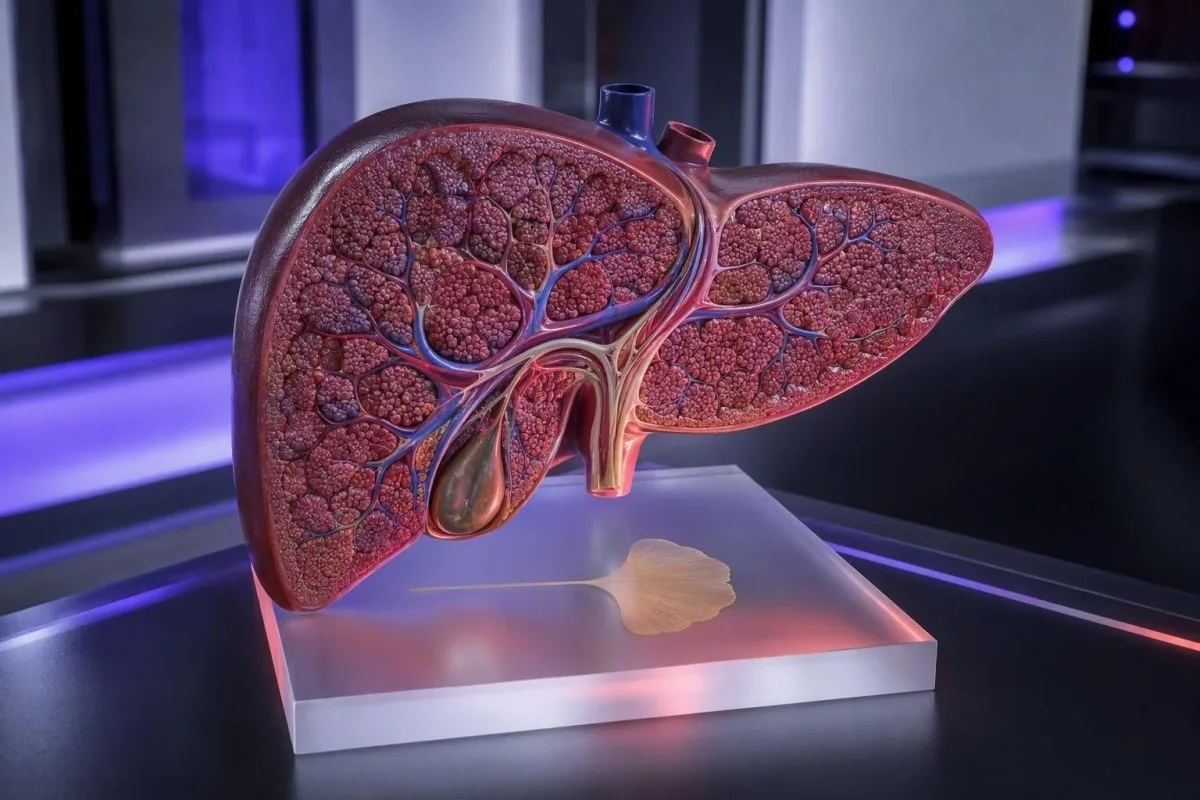
ALT yra dažnai nurodomas kepenų fermentas, tačiau jis signalizuoja apie ląstelių stresą, o ne yra diagnozė. Jo reikšmė priklauso nuo jo dydžio, modelio, laiko ir likusios jūsų kepenų rodiklių analizės.


- ALT reikšmė: ALT reiškia alanino aminotransferazę, fermentą, matuojamą IU/L, kuris yra sutelktas kepenų ląstelėse.
- Tipinis intervalas: Daugelis suaugusiųjų laboratorijų naudoja ALT viršutinę ribą moterims 35 IU/L, o vyrams – 45 IU/L, nors ataskaitos nuosava ribų vertė yra lemiama.
- Lengvas padidėjimas: ALT, mažesnis nei 2 kartus viršijantis laboratorinę viršutinę ribą, yra dažnas ir dažnai reikalauja planuojamo pakartojimo, o ne panikos.
- Svarbus yra modelis: ALT kartu su aukštu AST, ALP, GGT, bilirubino ar INR reiškia ką nors kita nei izoliuotas ALT padidėjimas.
- Fizinių pratimų poveikis: Intensyvios jėgos treniruotės gali padidinti ALT ir AST 7 dienas ar ilgiau, ypač kai kreatino kinazė taip pat yra aukšta.
- Vaistų peržiūra: Acetaminofenas, statinai, antibiotikai, vaistai nuo traukulių, maisto papildai ir vaistažolių produktai gali paveikti ALT.
- Skubūs simptomai: Gelta, sumišimas, stiprus skausmas dešinėje viršutinėje pilvo dalyje, dažnas vėmimas ar labai tamsus šlapimas reikalauja tos pačios dienos klinikinio įvertinimo.
- Tendencijos reikšmė: Kritęs ALT po trigerio pašalinimo paprastai ramina labiau nei vienas atskiras ribinis rezultatas.
Ką reiškia ALT kraujo tyrime
ALT reiškia alanino aminotransferazę, fermentą, kuris padeda ląstelėms pernešti amino grupes energijos metabolizmo metu. Jis matuojamas, nes ALT patenka į kraujotaką, kai kepenų ląstelės yra paveiktos streso ar pažeistos; pats savaime jis neįrodo nuolatinio kepenų pažeidimo.
ALT daugiausia randama hepatocituose, darbinėse kepenų ląstelėse, nors nedideli kiekiai randami griaučių raumenyse ir kituose audiniuose. Padidėjęs rezultatas reiškia, kad į mėginį pateko daugiau fermento nei tikėtasi; jis negali identifikuoti riebalinio kepenų susirgimo, hepatito, medikamentinio pažeidimo ar pratimo be papildomų įrodymų.
Mano klinikinėje praktikoje naudingiausias pirmas klausimas yra ne “kiek jis aukštas?”, o “aukštas, palyginti su kokiu baziniu lygiu ir kokiais kitais žymenimis?” ALT 58 TV/l po naujos sporto salės rutinos yra kita problema nei ALT 58 TV/l su bilirubinu 65 µmol/l ir geltonomis akimis.
Kantesti yra AI kraujo tyrimo analizatorius kurioje ALT matuojama kartu su AST, ALP, GGT, bilirubinu, albuminu, trombocitų kiekiu, vaistais ir ankstesniais rezultatais, o ne vienas pažymėtas rodmuo laikomas diagnoze. Didesnį susijusių matavimų žemėlapį rasite mūsų biomarkerio gidas.
Kodėl gali pasirodyti senesnis pavadinimas SGPT
Kai kuriuose ataskaitose ALT vis dar vadinama “serumo glutaminas-piruvato transaminaze” arba SGPT. ALT ir SGPT reiškia tą patį fermento tyrimą, nors šiuolaikinėse laboratorinėse ataskaitose dažniausiai naudojama ALT.
Kodėl klinicistai matuoja alanino aminotransferazę
Gydytojai skiria alanino aminotransferazės tyrimą , siekdami nustatyti kepenų ląstelių stresą, stebėti žinomą kepenų ligą ir patikrinti, ar nėra vaistų sukeltų pažeidimų. ALT dažnai įtraukiamas į kepenų arba visapusiško medžiagų apykaitos skydą, net jei žmogus nejaučia jokių simptomų.
ALT dažnai tikrinamas atliekant diabeto ar lipidų patikras, nes metaboliniu disfunkcija susijusi steatotinė kepenų liga, anksčiau vadinta riebaliniu kepenų susirgimu, gali būti besimptomė daugelį metų. 2023 m. AASLD rekomendacijos pataria vertinti asmenis, turinčius metabolinės rizikos veiksnių ir nepaaiškinamą kepenų fermentų padidėjimą, dėl steatotinės kepenų ligos ir fibrozės rizikos (Rinella et al., 2023).
Normalus ALT nenustatomas esant reikšmingai fibrozės stadijai, o aukštas ALT nerodo fibrozės stadijos. Aš esu matęs pacientų su ALT 24 TV/l ir reikšmingu randėjimu po specialistų vertinimo, ypač sergančių 2 tipo diabetu; fibrozės balai ir vaizdinimas atsako į kitokį klausimą.
ALT stebėjimas taip pat praktiškas po vaistų pakeitimo, tačiau jį reikėtų suplanuoti apgalvotai. Mūsų vadovas metiniams kraujo tyrimams paaiškina, kodėl tyrimų dažnumas turėtų atitikti riziką, simptomus ir gydymą, o ne tik įpročius.
ALT normalios ribos ir kodėl laboratorijų ribiniai rodikliai skiriasi
Suaugusiųjų ALT referenciniai intervalai moterims paprastai svyruoja nuo maždaug 7 iki 35 TV/l, o vyrams – nuo 10 iki 45 TV/l, tačiau intervalai skiriasi priklausomai nuo tyrimo metodo, populiacijos ir laboratorijos. Visada naudokite viršutinę ribą, atspausdintą šalia jūsų rezultato, o ne interneto ribą.
Viršutinė riba yra statistinė, paprastai gaunama iš referencinės populiacijos, o ne garantija, kad kiekviena žemiau jos esanti vertė atspindi visiškai sveiką kepenį. Kai kurios Europos laboratorijos naudoja lyčių specifines viršutines ribas, artimas 25 TV/l moterims ir 35 TV/l vyrams, kurios gali anksčiau nustatyti metabolinę riziką, bet taip pat sukurti daugiau ribinių vėliavų.
Vertė, mažesnė nei dvigubai viršijanti normalios viršutinę ribą, dažnai vadinama lengvu padidėjimu. Laboratorijoje, kurios viršutinė riba yra 40 TV/l, ALT 55–80 TV/l vertė reikalauja konteksto ir dažniausiai pakartotinio plano, o ALT 400 TV/l yra 10 kartų viršutinė riba ir keičia skubumą.
Dr. Thomas Klein pataria pacientams užsirašyti laboratorijos pavadinimą, vienetus, intervalą, paėmimo datą, alkoholio vartojimą ir mankštą per ankstesnę savaitę. Tai leidžia rezultatų skirtumus tarp apsilankymų daug lengviau interpretuoti.
Kaip ALT ir AST veikia kartu
ALT ir AST turėtų būti vertinami kartu, nes ALT yra santykinai kepenims specifinis, o AST taip pat gausiai randamas griaučiuose ir širdies raumenyse. AST ir ALT santykis gali rodyti tam tikrus modelius, tačiau vien jo nepakanka diagnozuoti su alkoholiu susijusią ligą ar cirozę.
Kai ALT viršija AST, klinicistas dažnai atsižvelgia į metabolinę steatozę, virusinį hepatitą ar vaistų poveikį, nors yra daug išimčių. AST:ALT santykis, didesnis nei 2, gali pasireikšti sergant su alkoholiu susijusiu kepenų pažeidimu, tačiau pažengusi fibrozė, raumenų pažeidimas ir laikas po ūminio pažeidimo taip pat gali pakeisti santykį.
52 metų maratonininkui, kuriam po lenktynių nustatytas AST 89 TV/L, ALT 61 TV/L ir kreatinkinazė 1450 TV/L, bus kitoks pokalbis nei asmeniui, kuriam nustatyti tie patys fermentai ir kreatinkinazė 90 TV/L. Priežastis, kodėl nerimaujame dėl AST ir didelio CK, yra raumenų išsiskyrimas; vienas ALT yra mažiau specifinis raumenims, bet taip pat gali padidėti.
Apie raumenų pusę šio skirtumo skaitykite mūsų paaiškinimą apie didelio AST simptomus. Jei fizinis aktyvumas yra galima priežastis, venkite neįprastai intensyvaus treniruočių 7 dienas prieš pakartojimą, nebent jūsų gydytojas pataria kitaip.
Kodėl ALP, GGT ir bilirubinas keičia ALT reikšmę
ALT rodo hepatoceliulinį modelį, o šarminė fosfatazė, GGT ir bilirubinas padeda nustatyti cholestazę arba sutrikusį tulžies tekėjimą. ALT kartu su padidėjusiu ALP ir GGT turėtų paskatinti apsvarstyti tulžies latakų ligą, vaistų poveikį ar kepenų uždegimą, o ne manyti paprastą riebalinę kepenų ligą.
Gydytojas gali apskaičiuoti R santykį: ALT padalijus iš jo viršutinės ribos, o tada padalijus iš ALP padalijus iš jo viršutinės ribos. R santykis 5 ar didesnis patvirtina hepatoceliulinį pažeidimą, 2 ar mažesnis – cholestazinį pažeidimą, o nuo 2 iki 5 rodo mišrų modelį; tai yra triažo įrankis, o ne galutinė diagnozė.
GGT yra naudingas, kai pakyla ALP, nes GGT padidėjimas rodo kepenų ir tulžies latakų kilmę, o ALP gali pakilti ir dėl kaulų apykaitos. Todėl izoliuotas ALP padidėjimas su normaliu GGT gali nukreipti į klausimus dėl kaulų ir vitamino D, o ne į kepenų vaizdinimą.
Tamsus šlapimas, blyškios išmatos, niežulys, karščiavimas ar gelta su padidėjusiu bilirubinu nėra simptomai, kuriuos “palauksime iki kito metinio tyrimo”. Mūsų cholestazės modelio vadovas paaiškina derinius, kuriuos reikia nedelsiant įvertinti.
Dažnos padidėjusio ALT priežastys
Padidėjęs ALT dažniausiai atspindi metabolinę riebalinę kepenų ligą, alkoholio poveikį, virusinį hepatitą, vaistų poveikį arba laikiną su mankšta susijusį padidėjimą. Kiekvienos priežasties tikimybė keičiasi priklausomai nuo kūno svorio, gliukozės, trigliceridų, alkoholio vartojimo modelio, kelionių, vaistų ir padidėjimo dydžio.
Metabolinė riebalinė kepenų liga yra ypač tikėtina, kai ALT padidėjimą lydi centrinis svorio padidėjimas, trigliceridai virš 150 mg/dL, mažas HDL cholesterolis, padidėjęs gliukozės kiekis nevalgius arba 2 tipo cukrinis diabetas. Ji gali pasireikšti ir žmonėms, turintiems mažesnį kūną, ypač dėl pilvo riebalų, genetikos, miego apnėjos ar tam tikrų vaistų.
Virusinio hepatito tyrimai priklauso nuo poveikio ir rizikos, o ne vien nuo ALT. Hepatito B paviršiaus antigenas ir hepatito C antikūnas su patvirtinančiu RNR tyrimu yra standartinės tikslingo įvertinimo dalys, kai istorija, geografija ar fermentų modelis tai patvirtina; mūsų hepatito C vadovas apima įprastą eigą.
Rečiau pasitaikančios, bet svarbios priežastys apima hemochromatozę, autoimuninį hepatitą, Wilsono ligą jaunesniems žmonėms, celiakiją ir alfa-1 antitripsino trūkumą. Daktaras Thomas Klein matė žalos, atsiradusios dėl prielaidos, kad kiekvienas padidėjęs ALT yra susijęs su alkoholiu; struktūrizuotas tyrimas yra humaniškesnis ir tikslesnis.
Vaistai ir maisto papildai, galintys padidinti ALT
Vaistai ir maisto papildai gali padidinti ALT dėl tiesioginio kepenų pažeidimo, pakitusios tulžies tėkmės, metabolinių poveikių ar nesusijusio sutapimo. Nenutraukite paskirto vaisto staiga dėl vieno rezultato; susisiekite su gydytoju, kuris gali įvertinti vaisto naudą, palyginti su modeliu ir tendencija.
Acetaminofenas, dar vadinamas paracetamoliu, gali sukelti žymų ALT padidėjimą perdozavus, o kartais ir švelnesnius pokyčius esant dideliam terapiniam poveikiui. Daugumai suaugusiųjų įprastas didžiausias kiekis yra 4000 mg per dieną, tačiau daugelis gydytojų rekomenduoja mažesnę ribą žmonėms, kurie reguliariai vartoja alkoholį, serga kepenų ligomis, yra vyresnio amžiaus arba vartoja kombinuotus vaistus nuo peršalimo.
Statinai gali sukelti nedidelį ALT padidėjimą, tačiau rimtas su statinais susijęs kepenų pažeidimas yra retas; kardiovaskulinio vaisto nutraukimas be patarimo gali būti rizikingesnis nei fermento rodmuo. ACG gairės rekomenduoja patvirtinti nenormalius kepenų rodmenis ir atidžiai peržiūrėti receptinius, be recepto parduodamus ir papildomų preparatų istoriją prieš atliekant išsamius tyrimus (Kwo ir kt., 2017).
Žaliosios arbatos ekstraktas, anaboliniai produktai, didelės vitamino A dozės, daugkartinio sudėties “detoksikuojantys” milteliai ir nereguliuojami kultūrizmo papildai nusipelno konkrečių klausimų, nes etiketės gali būti neišsamios. Peržiūrėkite mūsų praktišką maisto papildų saugos vadovą prieš pradėdami vartoti naują produktą.
Ar mankšta gali laikinai padidinti ALT?
Taip, intensyvus pratimas gali laikinai padidinti ALT, ypač po neįprasto pasipriešinimo treniruotės, ištvermės renginių ar raumenų traumos. AST ir kreatino kinazė paprastai padidėja labiau, o vertės gali užtrukti 10–3 dienas, kad nusistovėtų, priklausomai nuo pratimo intensyvumo ir raumenų masės.
Dažna klaidinga nuomonė yra ta, kad padidėjęs ALT visada reiškia kepenų pažeidimą. Praktikoje sunki treniruotė, apimanti ekscentrinį kėlimą – lėtus nuleidimo judesius – gali pakankamai pažeisti raumenų membranas, kad pakeistų AST, ALT, LDH ir CK be vidinio kepenų sutrikimo.
Norint atlikti švarų pakartotinį patikrinimą, paprastai prašau stabilių, gerai besijaučiančių pacientų vengti intensyvių treniruočių 5–7 dienas, vengti alkoholio kelias dienas, palaikyti normalų skysčių vartojimą ir, jei įmanoma, naudoti tą pačią laboratoriją. Tai netinka, jei yra pavojaus signalų simptomų arba ALT kelis kartus viršija normos ribas; tokiose situacijose pirmiausia reikia klinikinio patarimo.
Kantesti yra AI pagrindu veikiantis kraujo tyrimų analizės įrankis naudojami 127+ šalyse, kurie gali palyginti ALT, AST, CK ir ankstesnius rodmenis, kad būtų galima nustatyti su fizine veikla susijusį modelį, nepaskelbiant jo nekenksmingu. Sportininkai taip pat gali peržiūrėti maratono kraujo tyrimų laiko.
Simptomai, dėl kurių ALT rezultatas tampa skubesnis
Dauguma lengvų ALT padidėjimų nesukelia simptomų, tačiau gelta, labai tamsus šlapimas, šviesios išmatos, stiprus pilvo skausmas, sumišimas, lengvas kraujavimas ar nuolatinis vėmimas reikalauja greitos medicininės apžiūros. Simptomai svarbūs, nes jie gali rodyti sutrikusią bilirubino apykaitą, tulžies obstrukciją, ūminį hepatitą ar sumažėjusią kepenų sintezės funkciją.
Kreipkitės medicininės pagalbos tą pačią dieną, jei pasireiškia geltonos akys ar oda, sumišimas, naujas mieguistumas, greitai blogėjantis skausmas po dešiniuoju šonkauliu arba negalėjimas išlaikyti skysčių. Šie simptomai yra svarbesni, kai ALT viršija 5 kartus viršutinę ribą, bilirubino kiekis yra padidėjęs arba INR yra pailgėjęs.
Nėštumas pakeičia nerimo slenkstį: niežulys delnuose ar paduose, dešiniojo viršutinio pilvo diskomfortas, galvos skausmas, regos sutrikimai ar aukštas kraujospūdis reikalauja skubios akušerinės apžiūros, net jei ALT yra tik vidutiniškai padidėjęs. Nėštumui būdingos būklės reikalauja kitokios eigos nei įprasti ambulatoriniai kepenų tyrimai.
Šlapimo pokyčiai gali suteikti papildomų užuominų, tačiau patys savaime nėra diagnostiniai. Mūsų straipsnis apie tamsaus šlapimo priežastis padeda atskirti dehidrataciją ir vaistus nuo su bilirubinu susijusių įspėjamųjų ženklų.
Kas paprastai nutinka po nenormalaus ALT rezultato
Po nenormalaus ALT rezultato gydytojai paprastai patvirtina rezultatą, peržiūri poveikį ir pakartoja arba išplečia tyrimų panelę, atsižvelgdami į padidėjimo dydį ir simptomus. Vienas lengvas rezultatas dažnai lemia pakartojimą po kelių savaičių ar mėnesių, o žymus padidėjimas ar gelta reikalauja greitesnio įvertinimo.
Protingas pirmasis vertinimas apima alkoholio vartojimo ypatumus, neseniai sirgtas ligas, svorio pokyčius, keliones, šeimos anamnezę, receptinius ir nereceptinius vaistus, maisto papildus ir fizinį aktyvumą per pastarąsias 7 dienas. Dažni tolesni tyrimai apima AST, ALP, GGT, bilirubiną, albuminą, pilną kraujo tyrimą, INR, hepatito atranką, feritiną su transferino sotumu bei gliukozę ar HbA1c.
Ultragarsas dažnai naudingas esant steatozei, tulžies akmenligei, tulžies latakų išsiplėtimui ar struktūriniams pokyčiams, tačiau jis patikimai nenustato ankstyvos stadijos fibrozės. FIB-4 naudoja amžių, AST, ALT ir trombocitų skaičių fibrozės rizikai įvertinti; jis tampa mažiau patikimas jaunesniems nei 35 metų asmenims ir neturėtų būti naudojamas ūminės ligos metu.
Kantesti AI yra AI laboratorinio tyrimo interpretavimo paslaugoje kuris organizuoja šiuos susijusius žymenis ir nuoseklius rezultatus diskusijai su gydytoju. Mūsų kepenų rodiklių paaiškinimas parodo, ką duoda kiekvienas tolesnis tyrimas.
Kodėl ALT tendencijos yra naudingesnės nei vienas skaičius
ALT tendencija dažnai yra informatyvesnė nei vienas rezultatas, nes parodo, ar rodmuo gerėja, išlieka pastovus, ar greitėja. Pokytis nuo 72 iki 34 TV/L po 6 savaičių turi kitokią klinikinę reikšmę nei nuo 34 iki 72 TV/L, net jei abu skaičiai gali būti arti laboratorijos ribos.
Biologinė kaita, hidratacija, tyrimo metodo kaita ir laikas gali nežymiai pakeisti ALT tarp paėmimų. Kartojant tame pačiame laboratorijoje, panašiu paros metu, po panašaus aktyvumo ir alkoholio poveikio, sumažėja triukšmas ir lengviau nustatyti tikrąjį pokytį.
Nuolatinis padidėjimas ilgiau nei 6 mėnesius reikalauja sąmoningesnio įvertinimo, ypač sergant diabetu, nutukimu, turint kepenų ligų šeimos anamnezę, sumažėjus trombocitų skaičiui ar padidėjus bilirubinui. Priešingai, stabilus lengvas ALT padidėjimas kruopščiai ištirtam pacientui gali būti stebimas, o ne siekiamas nuolat atliekant plačius tyrimus.
Kantesti AI interpretuoja ALT tendencijas kartu su esančiais AST, trombocitų skaičiumi, bilirubinu ir medžiagų apykaitos žymenimis, o ne laiko 3 TV/L pokytį ligos progresavimu. Žr. mūsų išilginio tyrimo gaires informaciją, kurią verta užfiksuoti po kiekvieno paėmimo.
ALT klaidingos nuomonės, kurios gali lemti netinkamus sprendimus
ALT nėra “kepenų funkcijos tyrimas” griežta prasme, nes jis matuoja fermento ištekėjimą, o ne kepenų gebėjimą gaminti albuminą, krešėjimo faktorius ar tulžį. Albuminas, INR, bilirubinas, trombocitų skaičius, simptomai ir vaizdiniai tyrimai gali papasakoti svarbesnę istoriją nei vien ALT.
Normalus ALT neleidžia ignoruoti didelio alkoholio vartojimo, diabeto ar stiprios kepenų ligų šeimos anamnezės. Taip pat padidėjęs ALT neįrodo, kad alkoholis buvo priežastis; toks prielaida gali pakenkti pasitikėjimui ir uždelsti virusinių, autoimuninių, genetinių ar vaistų sukeltų susirgimų diagnozę.
“Kepenų detoksikacija” yra dar viena dažna klaida. Kepenys jau atlieka medžiagų apykaitą ir išskirimą, o griežtas badavimas, nereguliuojami vaistiniai augalai ir greitas svorio metimas kartais gali pabloginti simptomus ar laboratorinius rodiklius; komercinių detoksikacijos režimų įrodymai yra sąžiningai menki.
Jei mityba yra diskusijos dalis, sutelkite dėmesį į tvarų svorio pokytį, pakankamą baltymų kiekį, skaidulas ir sumažintą itin perdirbto maisto kiekį, o ne į stebuklingus produktus. Mūsų įrodymais pagrįstas kepenų mitybos vadovas yra saugesnis pradinis taškas.
ALT interpretacija vaikams, nėštumo metu ir vyresniame amžiuje
ALT interpretavimas reikalauja amžiaus specifikos vaikams, nėštumo metu ir pagyvenusiems suaugusiems, nes referencinės ribos ir tikėtinos priežastys skiriasi. Pediatrinės ALT ribos dažnai yra žemesnės nei suaugusiųjų laboratorinių intervalų, o su nėštumu susiję kepenų simptomai reikalauja greitesnės specialistų konsultacijos.
Vaikams vis dažniau pripažįstama su nutukimu susijusi kepenų steatozė, tačiau tarp diferencinių diagnozių turi likti virusinės ligos, raumenų sutrikimai, celiakija ir paveldėtos medžiagų apykaitos ligos. Vaikų gydytojas turėtų interpretuoti nuolatinį ALT padidėjimą, o ne taikyti suaugusiųjų mąstymą “žemiau 40 TV/L yra gerai”.
Nėštumo metu ALT paprastai turėtų likti ne nėščiosios referenciniame intervale; padidėjimas kartu su hipertenzija, mažais trombocitais, niežuliu ar pykinimu reikalauja skubaus nėštumui būdingų sutrikimų įvertinimo. Albuminas dažnai sumažėja dėl plazmos tūrio padidėjimo, todėl albumino ir ALT neturėtų būti interpretuojami ta pačia logika.
Pagyvenusiems suaugusiems polifarmacija ir silpnumas padidina visapusiško vaistų apžvalgos vertę. Mūsų vadovas vyresnio amžiaus pacientų vaistų laboratoriniams tyrimams apibūdina klausimus, kuriuos reikia užduoti vizito metu.
Kaip saugiai naudoti DI interpretaciją ALT rezultatams
Dirbtinis intelektas (DI) gali padėti organizuoti ALT rezultatą, tačiau jis negali jūsų ištirti, patvirtinti simptomų ar pakeisti medicininio įvertinimo dėl potencialiai rimto kepenų veiklos rodiklių. Saugiausias naudojimo būdas yra pasiruošimas: nustatykite rodiklių profilį, išsaugokite originalią ataskaitą ir užduokite konkrečius klausimus kvalifikuotam gydytojui.
Nuo 2026 m. rugsėjo 5 d. Kantesti yra AI kraujo tyrimo rezultatų interpretavimo platforma kuris per maždaug 60 sekundžių peržiūri įkeltas laboratorinių tyrimų ataskaitas ir ALT pateikia susijusių verčių, tendencijų istorijos ir praneštų vaistų kontekste. Jis skirtas pagerinti klausimų kokybę, o ne nustatyti diagnozę ar skirti gydymą.
Dėl tikslumo patikrinkite, ar ataskaitos vaizdas yra įskaitomas, ar vienetai užfiksuoti teisingai, ir ar ankstesnių metų rezultatas nėra klaidingai palaikytas šiandienos verte. Kantesti klinikinį metodą formuoja gydytojų priežiūra; skaitytojai gali peržiūrėti mūsų medicininio patvirtinimo standartus ir Medicinos patariamoji taryba spręsdami, kaip naudoti DI paremtą interpretaciją.
Atsineškite tris dalykus į apžiūrą: pilną tyrimų paketą, kiekvieno vaisto ir maisto papildo su dozėmis sąrašą bei alkoholio, ligų, kelionių ir intensyvaus fizinio krūvio tvarkaraštį. Toks kuklus pasiruošimas dažnai padeda išvengti nereikalingo susirūpinimo ir užtikrina, kad nebus praleistas reikšmingas rodiklių pokytis.
Praktinis kontrolinis sąrašas prieš kitą ALT tyrimą
Prieš planuojamą ALT pakartotinį tyrimą, laikykitės įprastos rutinos ir dokumentuokite veiksnius, kurie gali pakeisti fermentų kiekį. Venkite intensyvių treniruočių 5–7 dienas, jei tai kliniškai saugu, kelias dienas venkite alkoholio ir nekeiskite paskirtų vaistų, nebent taip nurodė gydytojas.
Užrašykite bet kokį acetaminofeno ar paracetamolio vartojimą, antibiotikus, naujus maisto papildus, neseniai buvusį karščiavimą, gastroenteritą, skiepus, badavimą ir greitą svorio pokytį. ALT vienam tyrimui paprastai badavimas nebūtinas, nors jis gali būti reikalaujamas, jei tuo pačiu metu matuojami gliukozės, trigliceridų ar kiti rodikliai.
Paklauskite gydytojo, ar pakartotinis ALT tyrimas turėtų apimti AST, ALP, GGT, bilirubiną, albuminą, trombocitus ir CK. Atsakymas dažnai priklauso nuo pirminio rodiklių profilio; izoliuotas ALT 48 TV/l po svarmenų kilnojimo nereikalauja tokio paties ištyrimo kaip ALT 248 TV/l su bilirubinu 48 µmol/l.
Jei jums reikia pagalbos, kad surinktumėte klausimus iš savo ataskaitos, mūsų AI ataskaitos tikslumo kontrolinį sąrašą yra naudingas prieš vizitą. Daugiau informacijos apie mūsų darbą rasite Apie Kantesti.
Dažnai užduodami klausimai
Ką reiškia ALT laboratoriniuose tyrimuose?
ALT reiškia alanino aminotransferazę, fermentą, randamą daugiausia kepenų ląstelėse ir matuojamą tarptautiniais vienetais litre (IU/L). Daugelis laboratorijų naudoja viršutines ribas apie 35 IU/L suaugusioms moterims ir 45 IU/L suaugusiems vyrams, nors individualioje ataskaitoje nurodytas referencinis intervalas yra tinkamas palyginimo standartas. Padidėjęs ALT rodo ląstelių stresą ar pažeidimą, bet pats savaime negali nustatyti priežasties. ALT, AST, ALP, GGT, bilirubinas, vaistai, alkoholis, fizinis aktyvumas ir simptomai lemia, ką reiškia rezultatas.
Ar ALT 50 TV/L yra daug?
50 TV/L ALT yra šiek tiek padidėjusi laboratorijose, kurių viršutinė riba yra 35 arba 40 TV/L, tačiau ji yra arti normalios kai kuriose laboratorijose, kurių viršutinė riba yra 55 TV/L. Maždaug 50 TV/L vertė paprastai yra mažiau skubi, kai bilirubinas, ŠF, INR ir simptomai yra normalūs, nors vis tiek reikalauja konteksto ir dažnai pakartojimo. Neseniai atliktas sunkumų kilnojimas, alkoholis, metabolinis steatozė, vaistai ir maisto papildai yra dažnos priežastys. Nuolatinis padidėjimas ilgiau nei 6 mėnesius reikalauja struktūrinės klinikinės peržiūros.
Ar fizinis krūvis gali padidinti ALT lygį?
Didelis fizinis krūvis gali padidinti ALT, AST, LDH ir kreatinkinazės kiekį, nes po intensyvaus ar neįprasto fizinio krūvio skeletinis raumuo išskiria fermentus. Pakilimas gali išlikti 3–10 dienų, o AST ir kreatinkinazės kiekis dažnai pakyla labiau nei ALT. Norint išsiaiškinti, ar prisidėjo fizinis krūvis, reikėtų vengti neįprastai intensyvaus fizinio krūvio 5–7 dienas prieš planuojamą pakartotinį tyrimą. Reikšmingas ALT padidėjimas, gelta, stiprus skausmas ar tamsus šlapimas vis tiek reikalauja nedelsiant kreiptis į gydytoją, o ne manyti, kad dėl to kaltas fizinis krūvis.
Kas svarbiau, ALT ar AST?
Nei ALT, nei AST nėra visuotinai svarbesnis, nes abu rodikliai kartu suteikia daugiau informacijos nei kiekvienas atskirai. ALT yra labiau susijęs su kepenimis, o AST taip pat randamas griaučių raumenyse ir gali žymiai padidėti po fizinio krūvio ar raumenų sužalojimo. AST/ALT santykis, didesnis nei 2, gali atsirasti dėl alkoholio sukeltų kepenų pažeidimų, tačiau tai nėra diagnostinis rodiklis ir gali pasireikšti esant pažengusiai fibrozės stadijai ar dėl raumenų pažeidimo. Gydytojai interpretuoja abu rodiklius kartu su GGT, ŠF, bilirubinu, kreatinkinaze, trombocitų kiekiu ir klinikiniais duomenimis.
Kada didelis ALT rodiklis turėtų būti laikomas skubiu?
Dėl didelio ALT rodiklio reikia nedelsiant įvertinti, kai jis yra daugiau nei 5 kartus didesnis už laboratorijos viršutinę ribą, greitai didėja arba pasireiškia kartu su gelta, sumišimu, stipriu skausmu dešinėje viršutinėje pilvo dalyje, nuolatiniu vėmimu, lengvu kraujosruvų atsiradimu arba labai tamsiu šlapimu. Bilirubino padidėjimas, pailgėjęs INR, mažas gliukozės kiekis arba mažas trombocitų kiekis gali didinti susirūpinimą, nes gali rodyti daugiau nei izoliuotą fermentų išsiskyrimą. Su nėštumu susijęs niežulys, galvos skausmas, regėjimo simptomai ar aukštas kraujospūdis kartu su ALT padidėjimu taip pat reikalauja neatidėliotinos akušerinės konsultacijos. Izoliuotas lengvas rodiklis, mažesnis nei 2 kartus viršutinė riba, paprastai vertinamas mažiau skubiai, bet jo neturėtų būti ignoruojama.
Ar riebalinis kepenų sutrikimas gali sukelti padidėjusį ALT?
Metabolizmo sutrikimais susijusi steatozinė kepenų liga yra dažna lengvai padidėjusios ALT priežastis, ypač kai trigliceridų kiekis viršija 150 mg/dL, padidėjęs gliukozės kiekis, 2 tipo diabetas, centrinis nutukimas ar mažas HDL cholesterolis. ALT gali būti normalus, nepaisant kepenų riebalų ar fibrozės, todėl normalus rezultatas neatmeta kliniškai reikšmingos ligos. 2023 m. AASLD rekomendacijos palaiko fibrozės rizikos vertinimą žmonėms, turintiems metabolinių rizikos veiksnių ir nepaaiškinamą fermentų padidėjimą. Tvarus svorio valdymas, diabeto kontrolė, alkoholio vartojimo mažinimas ir gydytojo paskirtas stebėjimas yra labiau pagrįsti įrodymais nei detoksikacijos produktai.
Gaukite AI pagrįstą kraujo tyrimo analizę jau šiandien
Prisijunkite prie daugiau nei 2 milijonų naudotojų visame pasaulyje, kurie pasitiki Kantesti dėl momentinės, tikslios laboratorinių tyrimų analizės. Įkelkite savo kraujo tyrimo rezultatus ir per kelias sekundes gaukite išsamią 15,000+ biomarkerių interpretaciją.
📚 Nuorodomis pagrįsti moksliniai leidiniai
Klein, T., Mitchell, S., & Weber, H. (2026). B neigiama kraujo grupė, LDH kraujo tyrimas ir retikulocitų skaičiaus vadovas. Kantesti AI Medical Research.
Klein, T., Mitchell, S., & Weber, H. (2026). Viduriavimas po pasninko, juodos dėmės išmatose ir virškinamojo trakto vadovas 2026 m.. Kantesti AI Medical Research.
📖 Išorinės medicininės nuorodos
⚕️ Medicininis atsakomybės apribojimas
Šis straipsnis skirtas tik mokymo tikslais ir nesudaro medicininės konsultacijos. Visada kreipkitės į kvalifikuotą sveikatos priežiūros specialistą dėl diagnozės ir gydymo sprendimų.
E-E-A-T patikimumo signalai
Patirtis
Gydytojo vadovaujama klinikinė laboratorinių tyrimų interpretavimo darbo eigų peržiūra.
Ekspertizė
Laboratorinės medicinos dėmesys tam, kaip biomarkeriai elgiasi klinikiniame kontekste.
Autoritetas
Parašyta dr. Thomas Klein, peržiūrėjo dr. Sarah Mitchell ir prof. dr. Hans Weber.
Patikimumas
Įrodymais pagrįsta interpretacija su aiškiais tolesnių veiksmų keliais, siekiant sumažinti nerimą.