A low folate result is a clue, not a diagnosis. The pattern of your CBC, vitamin B12, medicines, alcohol intake and digestive symptoms usually points to the next useful test.


- Serum folate below 3 ng/mL (7 nmol/L) strongly supports folate deficiency in most laboratories, although local assay ranges differ.
- Dietary shortfall can lower serum folate within days to weeks; a stable low value with diarrhoea or weight loss deserves a malabsorption work-up.
- Methotrexate, trimethoprim, pyrimethamine, sulfasalazine and several antiseizure medicines can impair folate pathways or absorption.
- Alcohol use can reduce food intake, intestinal uptake, liver storage and marrow production at the same time.
- High homocysteine with normal methylmalonic acid supports isolated folate deficiency after vitamin B12 deficiency has been excluded.
- MCV above 100 fL suggests macrocytosis, but many people with early folate deficiency have a normal MCV.
- Folic acid 5 mg daily for about 4 months is a common clinician-prescribed treatment in the UK, but vitamin B12 should be checked first.
- Pregnancy planning requires 400 micrograms daily of folic acid from before conception through 12 weeks for most people; some need a higher prescribed dose.
The main low folate causes clinicians separate first
Low folate most often comes from insufficient intake, alcohol exposure, medicines, impaired small-intestinal absorption, or increased demand during pregnancy and rapid cell turnover. The fastest way to separate these causes is to review the result alongside vitamin B12, MCV, medicines, drinking pattern, diet and gut symptoms rather than treating one number in isolation. In my practice, the combination usually tells the story before an expensive test does.
A serum folate result below 3 ng/mL (7 nmol/L) is commonly considered deficient, while 3 to 4 ng/mL is a grey zone that needs context and the laboratory’s own reference interval. Serum folate can dip after a few days of poor intake, so one low result after acute illness is not automatically proof of depleted body stores.
Dietary causes are more likely when a person has a narrow diet, recent food insecurity, restrictive eating, prolonged nausea, or avoids fortified grains and leafy vegetables. Malabsorption moves higher on the list when low folate accompanies chronic loose stools, bloating, unintentional weight loss, low ferritin, low albumin or recurrent mouth ulcers.
Dr. Thomas Klein, our Chief Medical Officer, sees one recurring trap: assuming a plant-based diet is automatically the cause. Kantesti is an AI blood test analyzer that reads a folate result alongside CBC indices, B12, liver markers and prior tests, rather than assigning blame to a dietary label. Our background and clinical remit are described on our About Us page, and the safety distinction between B12 and folate is covered in our B12 versus folate guide.
A useful first question
Ask whether the change is new. A fall from 14 to 5 ng/mL over 6 months after starting an antiseizure medicine suggests a different mechanism than a result that has hovered around 4 ng/mL through several years of digestive symptoms.
What a low serum folate result actually measures
Serum folate measures recently circulating folate, not a perfect lifetime record of tissue stores. A low result is clinically meaningful when it is persistent or fits anemia, macrocytosis, dietary risk, medication exposure or a high homocysteine level.
Folate in serum changes with recent meals, supplements and short-term intake; fasting is usually not required, but a folic-acid tablet taken shortly before sampling can make a low baseline less visible. Most laboratories report serum folate in ng/mL or nmol/L, with 1 ng/mL equal to roughly 2.27 nmol/L.
Red-cell folate was historically used as a longer-term marker because erythrocytes retain folate acquired while they formed. In day-to-day care, however, assay standardisation is imperfect and many guidelines accept serum folate plus clinical context; our detailed RBC folate testing explainer discusses when an extra measurement may genuinely clarify matters.
A low concentration is not the same as a low intake. Haemolysis can falsely raise folate because cellular elements contain folate, while severe vitamin B12 deficiency can make red-cell folate appear low through the methyl-folate trap. Kantesti AI interprets the folate deficiency blood test in the context of sample flags and paired biomarkers, but a clinician should confirm surprising results with the original laboratory.
When low folate comes from diet rather than disease
Dietary folate deficiency usually develops when vegetables, pulses, citrus, fortified grains and other folate sources are absent or eaten in very small amounts for weeks to months. It is particularly common when appetite falls after illness, depression, dental difficulty, financial strain or an overly restrictive diet.
UK adult reference nutrient intake is 200 micrograms per day, while US adult dietary reference intake is 400 micrograms dietary folate equivalents per day. Folate is heat-sensitive and water-soluble, so repeatedly boiling spinach or greens until very soft can reduce the amount retained; steaming, microwaving or using the cooking liquid preserves more.
A practical dietary history is more revealing than asking whether someone eats “healthy.” I ask how many days per week they eat legumes, dark leafy greens, fortified cereal or grain products, and whether meals have changed in the past 3 months. A low serum value after a short juice fast often corrects quickly; a low value with falling albumin does not fit that simple story.
Food alone may be enough for mild dietary depletion once a clinician has excluded B12 deficiency, but anemia usually needs supplementation as well. People following vegetarian or vegan patterns can use our plant-based nutrient recheck guide to plan a broader nutrient review rather than chasing folate alone.
Alcohol use can lower folate through four separate pathways
Alcohol-related low folate can result from lower food intake, reduced intestinal absorption, impaired liver storage and direct suppression of bone-marrow production. That four-part mechanism is why a folate result and a high MCV may remain abnormal even when someone reports a fairly reasonable diet.
There is no blood-test threshold that proves alcohol caused a folate deficiency. Clinicians instead look for a pattern: macrocytosis, raised GGT, an AST:ALT ratio above 2 in some patients, low magnesium, triglyceride elevation, nutrition risk and a time-linked drinking history. A normal GGT does not exclude alcohol exposure, as our GGT meaning guide explains.
For UK readers, recording weekly units is more useful than describing drinking as “social”; one UK unit contains 8 g of alcohol. Regular use can coexist with obesity or normal body weight, and neither appearance nor a normal albumin result rules out micronutrient depletion.
Stopping alcohol may improve serum folate within weeks, but MCV can lag because circulating red cells survive about 120 days. If drinking is difficult to reduce, withdrawal symptoms, morning drinking or seizures require medical support rather than an abrupt unsupported attempt; our review of biomarker changes after alcohol reduction explains the expected laboratory timeline.
Medicines that cause or mimic folate deficiency
Medicines cause low folate either by blocking folate metabolism, reducing intestinal uptake or increasing folate turnover. The most clinically consequential examples are methotrexate, trimethoprim, pyrimethamine, sulfasalazine and some antiseizure medicines, particularly phenytoin, phenobarbital and primidone.
Methotrexate inhibits dihydrofolate reductase, which is precisely why folic acid or folinic acid is often co-prescribed in inflammatory disease and oncology care. The timing and dose are individual: do not add, stop or move folate around a methotrexate schedule without speaking to the prescribing team, because protocols differ materially between indications.
Sulfasalazine can reduce folate absorption, and long-term anticonvulsant therapy can lower measured folate and raise homocysteine. Trimethoprim and pyrimethamine also interfere with folate pathways; the concern rises when kidney function is reduced, nutrition is poor, or two antifolate drugs are used together.
Metformin and proton-pump inhibitors are often blamed for low folate, but their stronger established association is with vitamin B12 deficiency, not folate deficiency. That distinction matters when numbness, gait change or memory symptoms are present; see our advice on laboratory checks during long-term PPI use.
Gut conditions behind persistent low folate
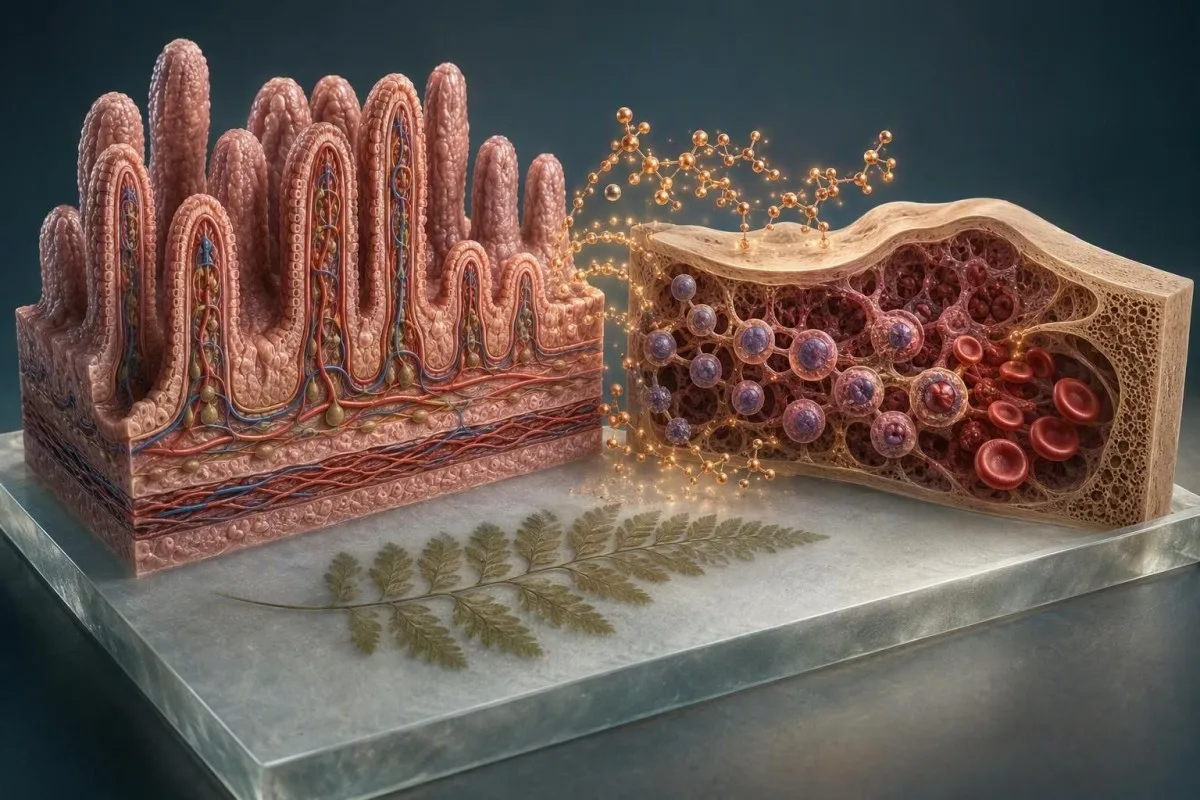
Persistent low folate with diarrhoea, bloating, weight loss or iron deficiency should raise concern for malabsorption, especially coeliac disease affecting the proximal small bowel. Crohn’s disease, extensive small-bowel surgery, short-bowel syndromes and severe pancreatic or biliary disorders can also contribute.
Folate is absorbed mainly in the duodenum and proximal jejunum, so coeliac disease is a particularly efficient cause of low folate and iron deficiency together. The British Society of Gastroenterology guideline recommends coeliac serology in appropriate patients, generally tissue-transglutaminase IgA plus total IgA while the person is still eating gluten (Ludvigsson et al., 2014).
A negative tissue-transglutaminase IgA result is less reassuring if total IgA is low, if gluten has already been removed, or if clinical suspicion is high. That is why total IgA belongs on the initial request in many cases; our low IgA and coeliac testing guide covers the common false-negative route.
Steatorrhoea, meaning pale bulky floating stools that are difficult to flush, points beyond simple dietary deficiency toward fat and broader nutrient malabsorption. Low faecal elastase, abnormal liver tests or weight loss may redirect the work-up, and a faecal fat result can be useful in selected patients.
When the body needs more folate than usual
Pregnancy, breastfeeding, chronic haemolysis, rapid growth, extensive skin turnover and dialysis can create folate deficiency despite a reasonable diet. The clue is a low folate result in someone whose intake sounds adequate but whose cells are being produced or lost unusually quickly.
Most people planning pregnancy should take 400 micrograms of folic acid daily from before conception until 12 completed weeks of pregnancy. The World Health Organization’s 2015 guideline links adequate red-cell folate before conception with lower neural-tube-defect risk; food folate alone is not considered a reliable substitute for this preventive dose.
A previous neural tube defect pregnancy, certain antiseizure medicines, diabetes, sickle-cell disease and some other circumstances can justify a higher prescribed dose, often 5 mg daily in UK practice. This is a preconception conversation, not a result to self-manage after a positive pregnancy test; our pregnancy supplement guide explains why doses vary.
Chronic haemolytic anemia can consume folate faster because marrow production accelerates, and haemodialysis can remove water-soluble vitamins. Kantesti is an AI lab test interpretation service that flags low folate beside reticulocytes, bilirubin, LDH and kidney markers, helping identify a demand pattern that warrants clinician review.
Low folate symptoms and the CBC pattern doctors look for
Low folate symptoms commonly include fatigue, reduced exercise tolerance, sore tongue, mouth ulcers, breathlessness and palpitations when anemia develops. These symptoms are nonspecific, and some people with a clearly low folate level have no symptoms until the CBC begins to change.
Folate deficiency can impair DNA synthesis, producing macrocytic anemia with large red cells; MCV above 100 fL is the usual adult definition of macrocytosis. Hemoglobin can still be normal early on, and iron deficiency can pull MCV downward enough to conceal the classic large-cell pattern.
On a peripheral cell sample, clinicians may see macro-ovalocytes and neutrophils with unusually many nuclear segments. Those findings support megaloblastic change but are not exclusive to folate deficiency: B12 deficiency, alcohol, liver disease, hypothyroidism, marrow disorders and some medicines remain alternatives. Our high MCH and macrocytosis article unpacks this differential.
Numbness, pins and needles, impaired balance, memory change or a painful burning tongue should trigger urgent consideration of B12 deficiency, even when folate is low as well. Folate treatment can improve anemia while neurological B12 injury continues, which is why clinicians check B12 first and investigate pernicious anemia when appropriate; see tests for pernicious anemia.
The folate deficiency blood tests that confirm the cause
A useful folate deficiency blood test set includes repeat serum folate, CBC with MCV and RDW, vitamin B12, methylmalonic acid when B12 is uncertain, homocysteine, reticulocytes, ferritin and targeted coeliac testing. No single test identifies every cause, but the pattern usually narrows the differential substantially.
Serum folate below 3 ng/mL (7 nmol/L) supports deficiency in most assays, while a normal or high methylmalonic acid makes isolated folate deficiency more likely than B12 deficiency. Homocysteine can rise in both conditions, so it is a supportive test rather than a verdict. The British Committee for Standards in Haematology guideline advises interpreting cobalamin and folate biomarkers with symptoms and blood count findings (Devalia et al., 2014).
Ferritin, transferrin saturation and CRP matter because iron deficiency or inflammation can hide macrocytosis and create mixed anemia. Our blood test biomarker guide explains how a complete panel prevents an isolated low vitamin from becoming a misleading diagnosis.
If B12 is in the borderline zone, methylmalonic acid is especially useful because it rises with cellular B12 deficiency but typically remains normal in isolated folate deficiency. Kidney impairment can raise methylmalonic acid independently, however, so this is one of those areas where context matters more than the number; our MMA test guide explains the limitation.
How clinicians interpret conflicting folate and CBC results
A low folate result with a normal CBC can represent early deficiency, a short-term dietary dip, laboratory variation or a result distorted by coexisting conditions. Conversely, macrocytosis with normal folate often comes from alcohol, liver disease, B12 deficiency, hypothyroidism, marrow disease or medicines.
The MCV is an average, not a diagnosis. A patient with iron deficiency and folate deficiency can have an MCV of 88 fL, because small iron-deficient cells and large folate-deficient cells average each other out; a high RDW may be the first clue that two processes are colliding.
A normal folate after supplementation does not prove that absorption is normal. I have seen patients take a multivitamin for 48 hours before testing, normalize serum folate, and still have chronic diarrhoea, low ferritin and declining hemoglobin that required a coeliac evaluation.
Trend data are clinically valuable when the same laboratory method is used. A change from 12 to 4 ng/mL is more persuasive than a solitary value of 4.5 ng/mL, particularly if it parallels MCV or hemoglobin; our guide to meaningful changes between blood tests explains biological and analytical variation.
Treating low folate safely while the cause is investigated
Treatment usually combines folic acid replacement with correction of the cause, but vitamin B12 deficiency should be excluded or treated at the same time. In UK practice, clinicians commonly use folic acid 5 mg once daily for about 4 months for established folate-deficiency anemia, then confirm hematologic recovery.
The reticulocyte response often begins within about 3 to 5 days after effective vitamin replacement, and hemoglobin generally rises over subsequent weeks if the diagnosis is correct and there is no ongoing loss. Failure to improve should prompt a recheck of adherence, B12 status, iron stores, alcohol exposure, medication effects and malabsorption rather than simply escalating the folate dose.
Folic acid is not interchangeable with folinic acid. Folinic acid, also called leucovorin, has specific roles in methotrexate protocols and certain drug-toxicity settings, so it should not be substituted casually based on internet advice; our folate versus folic acid guide separates the terms clearly.
A fortified diet can support recovery, but severe deficiency, anemia, pregnancy-related prevention and drug-related depletion often need a defined supplement plan. Over-the-counter products vary from 200 micrograms to 1 mg per tablet, which is one reason patients should bring the bottle or a photograph to their appointment.
When to repeat folate and what improvement should look like
Most clinicians repeat a CBC and selected vitamin markers about 6 to 8 weeks after treatment begins, earlier if anemia is substantial or symptoms are worsening. Serum folate itself can normalize quickly, so hemoglobin, MCV, reticulocytes and the underlying cause are often better recovery markers.
A rising reticulocyte count and hemoglobin after replacement supports a responsive nutritional or medication-related process. MCV may remain high for several months because older macrocytic cells remain in circulation until their approximate 120-day lifespan ends.
For malabsorption, monitoring should follow the disease rather than a generic calendar. Newly diagnosed coeliac disease, inflammatory bowel disease or post-bariatric surgery may require repeat folate, B12, ferritin, vitamin D and other nutrients at intervals set by the treating team.
Kantesti is an AI biomarker interpretation platform that compares folate, MCV, hemoglobin, B12 and ferritin across dates rather than displaying isolated flags. Our approach to result handling is detailed in the AI technology guide, while our lab trend analysis guide shows which slow shifts deserve a discussion.
When low folate needs urgent assessment or specialist referral
Low folate alone is rarely an emergency, but severe anemia, neurological symptoms, black stools, fever, jaundice, rapid weight loss or very low white cells and platelets require prompt medical assessment. The urgency comes from what may be causing the abnormality, not from folate’s position on the report.
Same-day assessment is sensible for chest pain, fainting, breathlessness at rest, new confusion, rapidly worsening weakness, or symptoms of gastrointestinal blood loss. Hemoglobin below 80 g/L (8 g/dL) is often clinically significant, but the correct response depends on the speed of decline, heart and lung disease, pregnancy and symptoms.
Referral to gastroenterology is reasonable for persistent low folate with positive coeliac antibodies, unexplained weight loss, chronic diarrhoea, recurrent abdominal pain, low ferritin or a history of bowel surgery. Referral to hematology is considered when macrocytosis persists despite correction of folate, B12, thyroid, alcohol and medication factors, especially if two or three cell lines are low.
Dr. Klein’s practical rule is simple: anemia plus unexplained cytopenias should not be treated indefinitely with vitamins alone. Kantesti’s clinical content is reviewed with input from our Medical Advisory Board, and our blood cancer testing pathway explains why a smear and specialist testing can occasionally be needed.
A patient checklist for finding the real cause of low folate
Bring your laboratory report, a complete medication and supplement list, a 7-day food recall, alcohol history and any digestive or neurologic symptoms to the appointment. This information often separates a dietary cause from medication-related depletion or malabsorption in one visit.
Write down dose, frequency and start date for prescriptions, over-the-counter products and supplements; “a vitamin” is not specific enough. Mention methotrexate, antiseizure medicines, sulfasalazine, trimethoprim, bariatric surgery, dialysis, chronic diarrhea, pregnancy plans and any recent drastic diet change.
Ask three direct questions: do I also need B12, ferritin and coeliac testing; does one of my medicines alter folate; and when should we repeat the CBC? As of August 2, 2026, the safest answer remains individualized because assay ranges, pregnancy guidance and medicine protocols differ by country and by clinical setting.
Kantesti can organise the values and questions you want to discuss, but it does not replace examination, diagnosis or prescribed care. For how our methods and clinical safeguards are evaluated, read our medical validation overview; for a concise appointment document, use our blood test summary checklist.
Frequently Asked Questions
What is the most common cause of low folate?
Low dietary intake is a common cause of low folate, especially after weeks to months of limited vegetables, pulses, citrus or fortified grain foods. Serum folate below 3 ng/mL, or 7 nmol/L, supports deficiency in many laboratories, but the result should be interpreted with CBC indices, vitamin B12 and recent supplement use. Alcohol, medicines and malabsorption are at least as important as diet when the result is persistent or anemia is present. A clinician can usually narrow the cause with a medication review and targeted blood tests.
Can alcohol cause folate deficiency?
Yes, regular alcohol use can contribute to folate deficiency by reducing food intake, impairing intestinal uptake, altering liver storage and suppressing bone-marrow production. Alcohol-related folate deficiency often occurs with macrocytosis, defined as MCV above 100 fL, although MCV can also rise for several other reasons. A GGT or liver panel can add context but cannot prove alcohol is the cause. Folate treatment should be paired with support to reduce alcohol safely when needed.
Which medicines can lower folate levels?
Methotrexate, trimethoprim, pyrimethamine, sulfasalazine, phenytoin, phenobarbital and primidone can lower folate availability or interfere with its metabolic pathway. Methotrexate commonly requires a clinician-directed folic acid or folinic acid schedule, and patients should not change that schedule without contacting the prescriber. Metformin and proton-pump inhibitors are more strongly associated with vitamin B12 deficiency than with folate deficiency. A low folate result after a new medicine should prompt a medication review rather than abrupt discontinuation.
How do doctors confirm folate deficiency with a blood test?
Doctors commonly confirm folate deficiency with serum folate, a CBC with MCV and RDW, and vitamin B12 testing. Serum folate below 3 ng/mL, or 7 nmol/L, is generally consistent with deficiency, although each laboratory sets its own reference range. Homocysteine often rises in folate deficiency, while methylmalonic acid is usually normal unless vitamin B12 deficiency is also present. Ferritin, CRP and coeliac serology may identify a mixed anemia or malabsorption cause.
Can low folate cause neurological symptoms?
Folate deficiency can cause fatigue, cognitive slowing and mood symptoms through anemia and broader nutritional stress, but numbness, pins and needles, impaired balance or memory loss should raise particular concern for vitamin B12 deficiency. Neurological injury from B12 deficiency can progress even if folic acid improves anemia. For that reason, clinicians check B12 before or alongside folic acid treatment, especially when MCV exceeds 100 fL or neurologic symptoms are present. New weakness, confusion or gait difficulty warrants prompt medical assessment.
How quickly does folate recover after taking folic acid?
Serum folate can rise within days of taking folic acid, while a reticulocyte response often begins within 3 to 5 days if deficiency was the main cause of anemia. Hemoglobin usually improves over weeks, and MCV may take up to about 120 days to normalize because existing red cells remain in circulation. Many UK clinicians prescribe folic acid 5 mg daily for around 4 months for folate-deficiency anemia, but dose and duration vary by cause and country. Lack of improvement should trigger reassessment for B12 deficiency, iron deficiency, alcohol exposure, medicine effects or malabsorption.
Get AI-Powered Blood Test Analysis Today
Join over 2 million users worldwide who trust Kantesti for instant, accurate lab test analysis. Upload your blood test results and receive comprehensive interpretation of 15,000+ biomarkers in seconds.
📚 Referenced Research Publications
Klein, T., Mitchell, S., & Weber, H. (2026). Kantesti AI. (2026). aPTT Normal Range: D-Dimer, Protein C Blood Clotting Guide. Zenodo.. Kantesti AI Medical Research.
Klein, T., Mitchell, S., & Weber, H. (2026). Kantesti AI. (2026). Serum Proteins Guide: Globulins, Albumin & A/G Ratio Blood Test. Zenodo.. Kantesti AI Medical Research.
📖 External Medical References
World Health Organization (2015). Optimal serum and red blood cell folate concentrations in women of reproductive age for prevention of neural tube defects. WHO Guideline.
⚕️ Medical Disclaimer
This article is for educational purposes only and does not constitute medical advice. Always consult a qualified healthcare provider for diagnosis and treatment decisions.
E-E-A-T Trust Signals
Experience
Physician-led clinical review of lab interpretation workflows.
Expertise
Laboratory medicine focus on how biomarkers behave in clinical context.
Authoritativeness
Written by Dr. Thomas Klein with review by Dr. Sarah Mitchell and Prof. Dr. Hans Weber.
Trustworthiness
Evidence-based interpretation with clear follow-up pathways to reduce alarm.