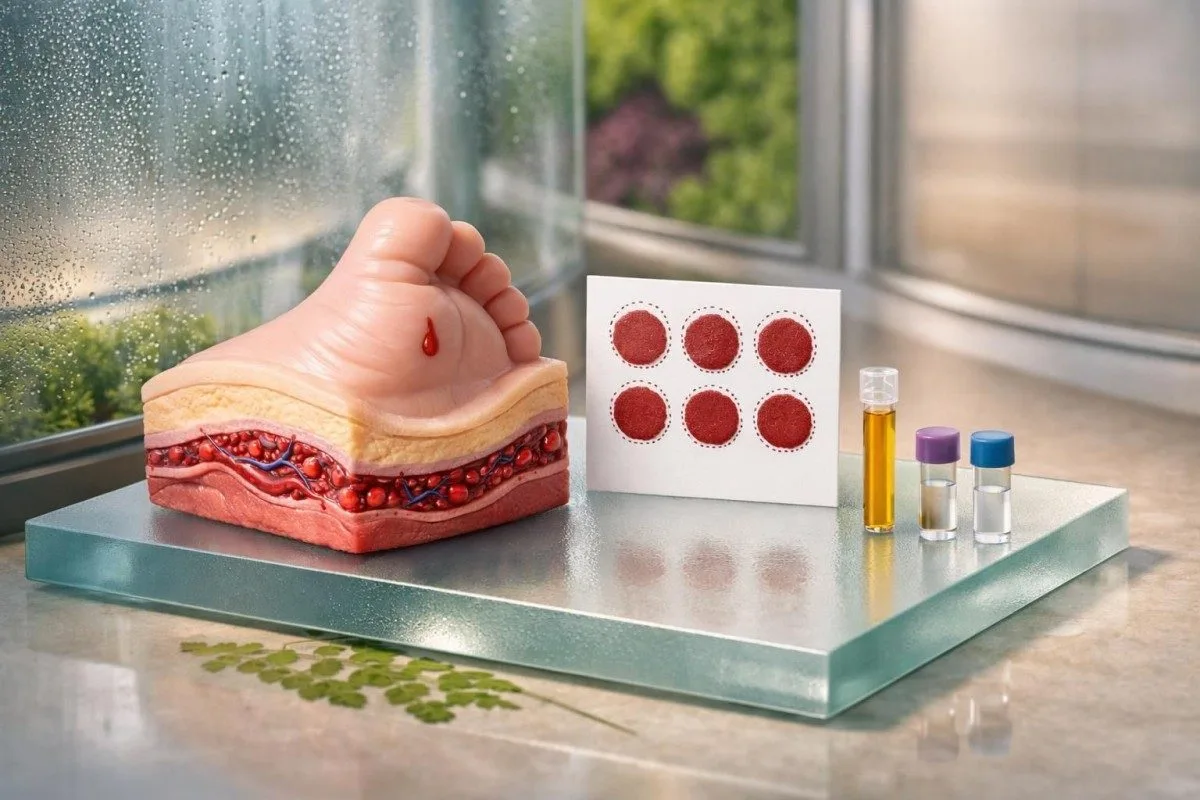
ເດັກເກີດໃໝ່ສ່ວນໃຫຍ່ຈະໄດ້ການກວດເລືອດໜ້ອຍກວ່າທີ່ພໍ່ແມ່ຄາດຫວັງ, ແຕ່ເວລາແມ່ນສິ່ງທີ່ປ່ຽນທຸກຢ່າງ. ນີ້ແມ່ນຄວາມໝາຍຂອງການກວດຄັດກອງຈາກການຈິ້ມສົ້ນ, ບິລິຣູບິນ, ແລະກຸ່ມເລືອດ ໃນຊ່ວງວັນທຳອິດຫຼັງເກີດ.


- ການກວດຈາກການຈິ້ມສົ້ນ ມັກຈະເກັບຢູ່ທີ່ 24-48 ຊົ່ວໂມງ ໃນໂຮງໝໍຫຼາຍແຫ່ງຂອງສະຫະລັດ, ແຕ່ການກວດຈຸດເລືອດປົກກະຕິຂອງອັງກິດ ມັກຈະເຮັດຢູ່ທີ່ ວັນທີ 5.
- ຈິ້ມສົ້ນຊ້ຳ ເປັນເລື້ອຍຖ້າວ່າບັດທຳອິດຖືກເອົາກ່ອນ 24 ຊົ່ວໂມງ, ຖືກດູດຊຶມບໍ່ດີ, ຫຼືຖືກກະທົບໂດຍ ການໃຫ້ເລືອດ (transfusion) ຫຼື TPN.
- ບິລິຣູບິນ ຕ້ອງຖືກຕີຄວາມໂດຍ ອາຍຸໃນຊົ່ວໂມງ, ບໍ່ແມ່ນຕາມວັນປະຕິທິນ; 1 mg/dL = 17.1 µmol/L.
- ເຫຼືອງໃນໄລຍະເຊົ້າ ໃນຊ່ວງຕົ້ນ 24 ຊົ່ວໂມງ ແມ່ນຜິດປົກກະຕິ ແລະຕ້ອງໃຫ້ແພດເດັກທົບທວນໃນມື້ດຽວກັນ.
- Bilirubin ສ່ວນທີ່ໂດຍກົງ (direct) ສູງກວ່າ 1.0 mg/dL ມີຄວາມຜິດປົກກະຕິໃນເດັກເກີດໃໝ່ ແລະຄວນກະຕຸ້ນໃຫ້ມີການກວດສອບເພື່ອຫາພາວະທໍ່ນ້ຳບີ້ຕັນ (cholestasis).
- ກຸ່ມເລືອດ ແລະ DAT ເປັນການກວດເປົ້າໝາຍ, ບໍ່ແມ່ນການກວດປົກກະຕິສຳລັບເດັກທຸກຄົນ; ມັນສຳຄັນທີ່ສຸດເມື່ອມີພູມຕ້ານທານຈາກແມ່ ຫຼື ອາການເຫຼືອງໃນໄລຍະເຊົ້າໆ ຊີ້ບອກການທຳລາຍເມັດເລືອດ (hemolysis).
- ຜົນກວດຄັດກອງເດັກເກີດໃໝ່ທີ່ເປັນບວກ ບໍ່ແມ່ນການວິນິດໄສ; ການກວດຢືນຢັນມັກຈະຕາມມາພາຍໃນ ຊົ່ວໂມງ ຫາ ມື້ ຂຶ້ນກັບພະຍາດ.
- ສັນຍານເຕືອນດ່ວນ ລວມເຖິງ ການກິນບໍ່ດີ, ຊຶມເສົ້າ/ຂາດພະລັງງານ (lethargy), ອາເມື່ອ, ອຸນຫະພູມບໍ່ຄົງທີ່, ຫຼື ຄ່າ bilirubin ຢູ່ທີ່ ຫຼື ສູງກວ່າ ເກນການຮັກສາ.
ໃນຊ່ວງວັນທຳອິດຂອງຊີວິດ ເດັກເກີດໃໝ່ໄດ້ກວດເລືອດຫຍັງແດ່?
ການກວດເລືອດຂອງເດັກເກີດໃໝ່ ມັກຈະແບ່ງເປັນ 3 ກຸ່ມ: ກ ຕົວຢ່າງການຄັດກອງເລືອດເດັກເກີດໃໝ່ຈາກສົ້ນເທົ້າ (heel-prick) ຕົວຢ່າງ, ຂ ບິລິຣູບິນ ກວດເຊັກອາການເຫຼືອງ, ແລະ ກວດກຸ່ມເລືອດ/DAT ເມື່ອກຸ່ມເລືອດຂອງແມ່ ຫຼື ອາການຂອງເດັກ ເຮັດໃຫ້ມີຄວາມກັງວົນວ່າຈະເກີດ hemolysis. ໃນໂຮງໝໍສະຫະລັດຫຼາຍແຫ່ງ ການກວດຊຸດຈາກສົ້ນເທົ້າຈະເອົາຢູ່ 24 ຫາ 48 ຊົ່ວໂມງ; ໃນອັງກິດ ການກວດເລືອດປົກກະຕິມັກຈະເຮັດຢູ່ ວັນທີ 5. ມັກຈະກວດ bilirubin ກ່ອນອອກໂຮງໝໍ ຫຼື ທີ່ 24 ຫາ 72 ຊົ່ວໂມງ. ເດັກເກີດໃໝ່ທີ່ສຸຂະພາບດີສ່ວນໃຫຍ່ ບໍ່ ບໍ່ ຈຳເປັນຕ້ອງກວດຊຸດເລືອດທາງເສັ້ນເລືອດຂະໜາດໃຫຍ່ (venous panel). ພໍ່ແມ່ສາມາດຈັດການຮັບຜົນທີ່ປ່ອຍອອກມາພາຍຫຼັງດ້ວຍ Kantesti AI. ຖ້າທ່ານຢາກຮູ້ພື້ນຫຼັງກ່ອນເກີດ (prenatal backstory), ໃຫ້ປຽບທຽບກັບ ໄລຍະເວລາການກວດກ່ອນເກີດ (prenatal testing timeline).
ສິ່ງທີ່ແປກໃຈອັນທຳອິດສຳລັບພໍ່ແມ່ຫຼາຍຄົນ ແມ່ນວ່າ ເດັກເກີດໃໝ່ທີ່ຄົບກຳນົດ (term) ທີ່ສຸຂະພາບດີ ມັກຈະມີ ການກວດເລືອດ ໜ້ອຍກວ່າທີ່ຜູ້ໃຫຍ່ຄາດຫວັງ. ຂ້ອຍແມ່ນ Thomas Klein, MD, ແລະໃນການອອກตรวจຫຼັງເກີດ (postnatal rounds) ຂ້ອຍມັກຈະອະທິບາຍວ່າ ການກວດເຫຼົ່ານີ້ແມ່ນເລືອກເພື່ອຈັບບັນຫາທີ່ບໍ່ມີອາການ (silent problems) ໃນຊ່ວງ 72 ຊົ່ວໂມງ, ບໍ່ແມ່ນເພື່ອຄົ້ນຫາຢ່າງສຸ່ມ. ທີມຂອງພວກເຮົາຢູ່ ກ່ຽວກັບພວກເຮົາ ພວກເຮົາໄດ້ຈັດການສຶກສາຂອງພວກເຮົາໂດຍອີງໃສ່ຄໍາຖາມນັ້ນແທ້ໆ ເພາະມັນຖືກຍົກຂຶ້ນໃນວັນຈໍາໜ່າຍອອກໂຮງໝໍເກືອບທຸກມື້.
ການກວດບິລິຣູບິນອາດເລີ່ມຈາກເຄື່ອງວັດຜິວໜັງ ແລ້ວຈຶ່ງປ່ຽນໄປເປັນການກວດໃນເຊຣັມ ຖ້າຄ່າອ່ານສູງ, ເດັກອາຍຸຕໍ່າກວ່າ 24 ຊົ່ວໂມງ ປີ, ຫຼືການຊໍ້າບວມແລະການກິນນົມບໍ່ດີ ເຮັດໃຫ້ຕົວເລກບໍ່ໜ້າເຊື່ອຖືໄດ້ຫຼາຍ. ຖ້າທ່ານຕ້ອງການບັນບົດຕາມອາຍຸ, ຄູ່ມືຂອງພວກເຮົາ ຄູ່ມືບິລິຣູບິນຕາມອາຍຸ ອະທິບາຍວ່າບິລິຣູບິນທັງໝົດຂອງ 10 mg/dL ອາດເປັນຄ່າປົກກະຕິໄດ້ທີ່ 72 ຊົ່ວໂມງ ແຕ່ຈະໜ້າກັງວົນຫຼາຍກວ່າຢ່າງຫຼາຍທີ່ 18 ຊົ່ວໂມງ.
ກຸ່ມເລືອດ ແລະ ການກວດການຕ້ານທານໂດຍກົງ (direct antiglobulin test) ເຊິ່ງມັກເອີ້ນວ່າ DAT ຫຼື Coombs, ຖືກເລືອກເຮັດແບບເຈາະຈົງ ບໍ່ແມ່ນເຮັດທົ່ວໄປໃນຫຼາຍໂຮງໝໍ. ພໍ່ແມ່ທີ່ໄດ້ຮັບຜົນຜ່ານພອດທັນ (portal) ຄວນອ່ານເວລາທີ່ເກັບກ່ອນ, ຈາກນັ້ນອ່ານໜ່ວຍ, ແລ້ວຈຶ່ງອ່ານແນວຄໍາເຫັນໃນແຖວຄອມເມັນ; ຄູ່ມືຂອງພວກເຮົາ ຜົນກວດເລືອດອອນໄລນ໌ ຊ່ວຍໃຫ້ຈັດລໍາດັບນັ້ນໄດ້.
ການກວດເລືອດເດັກເກີດໃໝ່ຈາກການຈິ້ມສົ້ນ: ການກວດຈຸດເລືອດນັ້ນກວດຫຍັງແທ້
ການຄັດກອງເລືອດເດັກເກີດໃໝ່ດ້ວຍການຈິ້ມສົ້ນ (heel-prick) ຊອກຫາພະຍາດທີ່ຫາຍາກແຕ່ຮ້າຍແຮງ ກ່ອນທີ່ຈະມີອາການ ແລະ ລາຍຊື່ທີ່ແນ່ນອນຂຶ້ນກັບປະເທດ ແລະ ພາກພື້ນ. ໃນສະຫະລັດ, ຫຼາຍໂຮງໝໍເກັບທີ່ 24 ຫາ 48 ຊົ່ວໂມງ; ໃນອັງກິດ ປົກກະຕິແລ້ວຈຸດເລືອດຈາກການຈິ້ມຈະເອົາໃນ ວັນທີ 5. ຕົວຢ່າງທີ່ເກັບກ່ອນ 24 ຊົ່ວໂມງ ມີໂອກາດທີ່ຈະຕ້ອງເຮັດຊ້ໍາຫຼາຍກວ່າ.
ພໍ່ແມ່ສ່ວນໃຫຍ່ຄິດວ່າ heel prick ກວດພະຍາດພຽງໜຶ່ງຢ່າງ. ມັນມັກຈະສຳຫຼວດຮູບແບບຂອງສານຫຼາຍຊະນິດ (analyte) ໂດຍໃຊ້ tandem mass spectrometry, immunoassay, ແລະ ວິທີທີ່ກ່ຽວຂ້ອງ ດັ່ງນັ້ນ ບັດໜຶ່ງໃບສາມາດຄັດກອງບັນຫາຂອງຕ່ອມໄທລອຍ (thyroid), ກົດອາມິໂນ (amino-acid), ກົດໄຂມັນ (fatty-acid), ເຮໂມໂກບິນ (hemoglobin), ແລະ ພະຍາດຊີສຕິກໄຟໂບຣຊິສ (cystic-fibrosis). Watson et al., 2006 ໄດ້ວາງຮາກຖານໃຫ້ກັບແຜງມາດຕະຖານຂອງສະຫະລັດ (US uniform panel) ແຕ່ ນັບແຕ່ວັນທີ 21 ເມສາ 2026 ລາຍຊື່ຂອງແຕ່ລັດຍັງແຕກຕ່າງກັນ; ນັ້ນແມ່ນເຫດຜົນໜຶ່ງທີ່ heel prick ກວ້າງກວ່າແຜງ ແບບກວດຂອງຜູ້ໃຫຍ່ທົ່ວໄປ.
ຜົນບວກປອມ (false positives) ມັກຈະກຸ່ມຢູ່ໃນເດັກເກີດກ່ອນກຳນົດ (preterm) ແລະ ເດັກໃນຫ້ອງດູແລເດັກເກີດໃໝ່ (NICU). 17-hydroxyprogesterone ສາມາດມີຄ່າສູງໄດ້ໃນເດັກທີ່ກຳລັງຖືກກະທົບ (stressed), TSH ສາມາດທຳໃຫ້ເຂົ້າໃຈຜິດ ຖ້າເກັບໄວເກີນໄປ, ແລະ ການຄັດກອງ cystic fibrosis ທີ່ອີງໃສ່ ທຣີບິນໂກເຈນທີ່ມີຄວາມສາມາດຕ້ານທານ (immunoreactive trypsinogen) ບໍ່ແມ່ນການວິນິດໄຊ. ຖ້າຕົວຫຍໍ້ຮູ້ສຶກຄືບໍ່ຊັດເຈນ, ພວກເຮົາ ການກວດເລືອດຄຳຫຍໍ້ ຖອດລະຫັດຄໍາຫຍໍ້ທີ່ພໍ່ແມ່ເຫັນໃນໜັງສືຜົນກວດ.
ນີ້ແມ່ນລາຍລະອຽດທີ່ເວັບໄຊຫຼາຍແຫ່ງຂ້າມ: ບັດເອງກໍສາມາດລົ້ມເຫຼວໄດ້. ຈຸດແຫ້ງທີ່ຖືກຊັ້ນທັບ, ມີກ້ອນເລືອດ, ຫຼື ຊຸ່ມຜ່ານເຈ້ຍພຽງບາງສ່ວນ ມັກຈະຖືກປະຕິເສດ, ແລະ ເດັກນ້ອຍທີ່ໄດ້ຮັບເມັດເລືອດແດງຈາກຜູ້ໃຫ້ອາດຈະຕ້ອງການກວດຊ້ຳຕໍ່ມາ ເພາະການຄັດກອງອາດພາດຮູບແບບຮີໂມໂກລບິນຂອງເດັກນ້ອຍເອງ. ທ່ານໝໍຂອງພວກເຮົາໃນ ຄະນະທີ່ປຶກສາທາງການແພດ ໃຊ້ເວລາຫຼາຍໃນການປອບໃຈຄອບຄົວວ່າ ການກວດບັດຊ້ຳແມ່ນການຄວບຄຸມຄຸນນະພາບທົ່ວໄປ, ບໍ່ແມ່ນຂ່າວຮ້າຍ.
ເປັນຫຍັງການຈິ້ມສົ້ນຄັ້ງທີສອງບາງຄັ້ງຈຶ່ງເປັນປົກກະຕິ
ການຄັດກອງຄັ້ງທີສອງແມ່ນເປັນປົກກະຕິ ຫຼັງຈາກເກັບຕົວຢ່າງ ກ່ອນ 24 ຊົ່ວໂມງ, ຫຼັງຈາກມີການໂອນເລືອດຢ່າງມີນັຍສໍາຄັນ, ຫຼື ເມື່ອ TPN ທໍາລາຍຕົວຊີ້ວັດກົດອາມິໂນ. ພໍ່ແມ່ຫຼາຍຄົນຖືກບອກຜົນຄັ້ງທໍາອິດຫຼັງຈາກອອກໂຮງໝໍ, ປົກກະຕິໃນ 3 ຫາ 7 ວັນ, ນັ້ນແຫຼະ ເພາະຄໍາຮ້ອງຂໍກວດຊ້ຳອາດຮູ້ສຶກທັນທີ ເຖິງແມ່ນວ່າມັນຄາດໄດ້ຕັ້ງແຕ່ຕົ້ນ.
ການກວດບິລິຣູບິນ ແລະ ພາວະເຫຼືອງໃນເດັກເກີດໃໝ່: ເມື່ອໃດຈຳນວນຈຶ່ງສຳຄັນ
ບິລິຣູບິນ ມັກຈະຖືກກວດລະຫວ່າງ 24 ຫາ 72 ຊົ່ວໂມງ, ຫຼືໄວກວ່ານັ້ນ ຖ້າເດັກນ້ອຍເບິ່ງມີອາການເຫຼືອງກ່ອນເວລານັ້ນ. ຈໍານວນຈະເຂົ້າໃຈໄດ້ກໍຕໍ່ເມື່ອຮູ້ ອາຍຸໃນຊົ່ວໂມງ, ອາຍຸຄັນທີ່ຖືພາ (gestational age) ແລະປັດໄຈສ່ຽງ. ເດັກນ້ອຍທີ່ມີອາການເຫຼືອງໃນ 18 ຊົ່ວໂມງ ແມ່ນຄົນເຈັບທີ່ແຕກຕ່າງຫຼາຍຈາກຄົນໃນ 78 ຊົ່ວໂມງ.
AAP ແລະ NICE ທັງສອງຕີຄວາມ bilirubin ທັງໝົດ ຕາມເກນທີ່ສະເພາະຕາມອາຍຸ ແທນທີ່ຈະໃຊ້ຊ່ວງຄ່າປົກກະຕິອັນດຽວສໍາລັບທຸກຄົນ. ຄໍາແນະນໍາ AAP ປີ 2022 ແນະນໍາໃຫ້ກວດ serum bilirubin ເມື່ອການອ່ານຜ່ານຜິວໜັງຢູ່ໃນ 3 mg/dL ຂອບເຂດການໃຫ້ແສງຮັກສາ (phototherapy threshold) ຫຼືເມື່ອການອ່ານຜິວໜັງແມ່ນ 15 mg/dL ຫຼືສູງກວ່າ (Kemper et al., 2022); ຄູ່ມື ການຕິດຕາມ bilirubin ຂອງພວກເຮົາ ອະທິບາຍວ່າຕໍ່ໄປຈະເກີດຫຍັງ.
A ບິລິຣູບິນທີ່ຖືກຜູກກັບ (direct bilirubin) ສູງກວ່າ 1.0 mg/dL ຜິດປົກກະຕິໃນເດັກນ້ອຍທີ່ມີອາການເຫຼືອງ ແລະຕ້ອງມີການປະເມີນຢ່າງທັນດ່ວນສໍາລັບ cholestasis, ເຖິງແມ່ນວ່າ bilirubin ລວມບໍ່ໄດ້ສູງຫຼາຍ. ກົດລັບທີ່ໃຊ້ໄດ້ງ່າຍ: 1 mg/dL ເທົ່າກັບ 17.1 µmol/L, ດັ່ງນັ້ນ bilirubin ລວມເທົ່າກັບ 12 mg/dL ແມ່ນປະມານ 205 µmol/L. ພໍ່ແມ່ທີ່ຈ້ອງເບິ່ງຊ່ອງອ້າງອີງສຳລັບຜູ້ໃຫຍ່ໃນເວັບພອດມັກຈະໄດ້ປະໂຫຍດຈາກບົດຄວາມຂອງພວກເຮົາກ່ຽວກັບ ຄ່າທົດລອງຂອບເຂດ (borderline).
ພວກເຮົາກັງວົນຫຼາຍທີ່ສຸດເມື່ອມີອາການຕາເຫຼືອງ (jaundice) ເກີດຂຶ້ນໃນຊ່ວງຕົ້ນ 24 ຊົ່ວໂມງ, ເມື່ອ bilirubin ສູງຂຶ້ນໄວກວ່າປະມານ 0.3 mg/dL ຕໍ່ຊົ່ວໂມງ ໃນມື້ທຳອິດ, ຫຼືໄວກວ່າ 0.2 mg/dL ຕໍ່ຊົ່ວໂມງ ຫຼັງຈາກນັ້ນ. NICE, 2023 ແລະ Kemper et al., 2022 ທັງສອງເນັ້ນອາຍຸໃນຊົ່ວໂມງ ເພາະວ່າ ເດັກອາຍຸ 36 ອາທິດ ເມື່ອ 30 ຊົ່ວໂມງ ແລະ a 40 ອາທິດ ເມື່ອ 72 ຊົ່ວໂມງ ບໍ່ໄດ້ມີເສັ້ນໂຄ້ງຄວາມສ່ຽງດຽວກັນ. ບາງຫ້ອງທົດລອງໃນເອີຣົບຍັງຄົງຄຳເຫັນກົດເກົ່າສຳລັບ direct bilirubin, ແຕ່ໃນປະສົບການຂອງຂ້ອຍ ການລໍຖ້າໃຫ້ຮອດຕົວນັ້ນອາດຊ້າການຮັບຮູ້ cholestasis. 20% ຂອງ total ກົດລະບຽບສຳລັບບິລິລູບິນໂດຍກົງ, ແຕ່ຕາມປະສົບການຂອງຂ້ອຍ ການລໍຖ້າອັນນັ້ນສາມາດເຮັດໃຫ້ການຮັບຮູ້ເຖິງໂຄເລສຕາຊີສຊ້າລົງ.
Serum bilirubin ທຽບກັບ skin bilirubin
ເຄື່ອງວັດ skin bilirubin ເປັນເຄື່ອງມືຄັດກອງທີ່ດີຫຼາຍ, ໂດຍສະເພາະກ່ອນຈຳໜ່າຍ, ແຕ່ serum ຍັງເປັນການທົດສອບທີ່ໃຊ້ໃນການຕັດສິນໃຈໃກ້ຈຸດກຳນົດການເລີ່ມການຮັກສາ ຫຼື ໃນໄລຍະການສ່ອງແສງ (phototherapy). ເຫດຜົນທາງປະຕິບັດງ່າຍດາຍ: ການຕັດສິນໃຈການຮັກສາທີ່ 14 ຫາ 16 mg/dL ຕ້ອງການຄວາມລະອຽດທີ່ການປະເມີນຜ່ານຜິວໜັງ (transcutaneous) ບໍ່ສາມາດໃຫ້ໄດ້ສະເໝີ.
ກຸ່ມເລືອດ, Rh, ແລະການກວດ Coombs: ໃຜໄດ້ຮັບ ແລະ କାເຫດເປັນຫຍັງ
ກຸ່ມເລືອດ ແລະ ການກວດ Coombs ບໍ່ແມ່ນການກວດອັດຕະໂນມັດສຳລັບເດັກເກີດໃໝ່ທຸກຄົນ. ມັກຈະສັ່ງກວດເມື່ອແມ່ເປັນ ກຸ່ມ O, Rh-negative, ມີຜົນກວດຄັດກອງພູມຕ້ານທານ (antibody screen) ທີ່ເປັນບວກ, ຫຼື ເມື່ອເດັກເກີດມີອາການຕາເຫຼືອງໄວ, ຜິວຈືດ (pallor), ຫຼື ໂລຫິດ (anemia).
ເລືອດຈາກສາຍບື ມັກຈະພຽງພໍສຳລັບຂັ້ນຕອນນີ້, ດັ່ງນັ້ນພໍ່ແມ່ອາດບໍ່ເຫັນເລີຍວ່າມີການໃຊ້ຕົວຢ່າງອື່ນ. ສະຖານະການທີ່ພົບເລື້ອຍແມ່ນ ແມ່ມີກຸ່ມ O ກັບເດັກທີ່ມີກຸ່ມ A ຫຼື B, ສ້າງຄວາມບໍ່ເຂົ້າກັນຂອງ ABO ທີ່ສາມາດຍູ້ໃຫ້ bilirubin ສູງຂຶ້ນໄດ້ໄວ; ຄູ່ມື ການກວດກຸ່ມເລືອດຂອງເດັກເກີດໃໝ່ ອະທິບາຍເບາະແສກດ້ານເລືອດວິທະຍາທີ່ຢູ່ຮອບແບບນັ້ນ.
ຜົນບວກ DAT ສະໜັບສະໜູນການທຳລາຍເມັດເລືອດແບບຖືກກະຕຸ້ນໂດຍພູມຕ້ານທານ, ແຕ່ມັນບໍ່ສາມາດຄາດຄວາມຮຸນແຮງໄດ້ດີຫຼາຍ. ຂ້ອຍເຄີຍເຫັນເດັກທີ່ DAT ບວກ ບໍ່ຕ້ອງເຮັດຫຍັງເພີ່ມເທົ່າໃດນອກຈາກການກວດ bilirubin ເພີ່ມ, ແລະຂ້ອຍເຄີຍເຫັນເດັກ DAT ລົບ ທີ່ມີການທຳລາຍເມັດເລືອດຊັດເຈນຈາກຄວາມບໍ່ເຂົ້າກັນຂອງ ABO. ການ ການນັບ reticulocyte ແລະການຫຼຸດລົງຂອງ hemoglobin ມັກຈະບອກເຮົາໄດ້ຫຼາຍກວ່າຄວາມຜົນຂອງ Coombs ຢ່າງດຽວ, ນັ້ນແມ່ນເຫດທີ່ວ່າ ຄູ່ມືການນັບ reticulocyte ຊ່ວຍເມື່ອອານີເມຍເຂົ້າມາໃນພາບ.
ພະຍາດ Rh ພົບໜ້ອຍລົງໃນປັດຈຸບັນ ເພາະການໃຫ້ anti-D prophylaxis ໄດ້ຜົນ, ແຕ່ມັນບໍ່ໄດ້ຫາຍໄປ, ແລະພູມຕ້ານທານທີ່ບໍ່ແມ່ນ D ເຊັ່ນ ສາມາດປ່ຽນແປງການຕິດຕາມດ້ວຍອັລຕຣາຊາວ, ການກວດຂອງຝ່າຍພໍ່, ແລະ ແຜນການຄອດ. ຫຼື anti-E ຍັງສາມາດມີຄວາມສຳຄັນ. ນັ້ນແມ່ນເຫດທີ່ພວກເຮົາຖາມກ່ຽວກັບການກວດພູມຕ້ານທານຂອງແມ່ ແທນທີ່ຈະຢຸດຢູ່ພຽງກຸ່ມເລືອດ ABO ຂອງເດັກ. ເຫດທີ່ພວກເຮົາກັງວົນກ່ຽວກັບ ອາການເຫຼືອງໄວ ພ້ອມກັບອານີເມຍ ແມ່ນວ່າ ທັງສອງຢ່າງນີ້ຮ່ວມກັນຊີ້ບອກການສະລາຍເມັດເລືອດແດງທີ່ກຳລັງເກີດຂຶ້ນ, ໃນຂະນະທີ່ ອາການເຫຼືອງອ່ອນໆຢ່າງດຽວມັກເປັນພາວະທາງສະຫຼຸບ (physiological).
ຜົນທີ່ຜິດປົກກະຕິຂອງເດັກເກີດໃໝ່ທີ່ຖືກທົດຊ້ຳ — ແລະເປັນຫຍັງ
ການກວດຊ້ຳ ເປັນເລື່ອງທົ່ວໄປຫຼັງຈາກຜົນກວດຂອງເດັກເກີດໃໝ່ທີ່ຜິດປົກກະຕິ, ແລະການກວດຊ້ຳ ບໍ່ ບໍ່ໄດ້ຫມາຍຄວາມວ່າການວິນິດໄຊຖືກຢືນຢັນແລ້ວ. ຫ້ອງທົດລອງຈະກວດຊ້ຳ ເມື່ອເກັບຕົວຢ່າງໄວເກີນໄປ, ຄຸນນະພາບບັດບໍ່ດີ, ຄ່າຢູ່ໃກ້ຈຸດຕັດສິນ, ຫຼື ປັດໃຈຂອງ NICU ເຊັ່ນ ການໃຫ້ເລືອດທົດແທນ ແລະ TPN ສາມາດທຳໃຫ້ການກວດພູມຕ້ານທານບິດເບືອນໄດ້.
ການກວດພົບຜິດປົກກະຕິສ່ວນໃຫຍ່ຈະກະຕຸ້ນໃຫ້ ການກວດຢືນຢັນ, ບໍ່ແມ່ນການປິ່ນປົວທັນທີ. ການກວດຄັດກອງ congenital hypothyroidism ທີ່ຢູ່ໃນຂອບເຂດມັກຈະນຳໄປສູ່ TSH ແລະ free T4 ພາຍໃນ 24 ຫາ 72 ຊົ່ວໂມງ, ແລະ ຕົວຊີ້ວັດທາງເມຕາບໍລິຊຶມທີ່ຢູ່ໃນຂອບເຂດມັກນຳໄປສູ່ການກວດຊ້ຳຈາກ dried spot ຫຼື ການກວດກົດອາມິໂນໃນ plasma. ພໍ່ແມ່ທີ່ຢາກເຂົ້າໃຈວ່າຄ່າກຳລັງຂຶ້ນຫຼືລົງ ສາມາດເບິ່ງເຫດຜົນໃນ ຄູ່ມືການປຽບທີ່ຫ້ອງທົດລອງ.
ການໃຫ້ເລືອດທົດແທນ ປ່ຽນຕາຕະລາງໃນທາງທີ່ຊັດເຈນຫຼາຍ. ຖ້າເຄີຍໃຫ້ເມັດເລືອດຂອງຜູ້ໃຫ້ກ່ອນການກວດ, ການກວດພະຍາດທາງພັນທຸກຳຂອງ hemoglobin ອາດຈະຕ້ອງກວດຊ້ຳປະມານ 90 ຫາ 120 ວັນ ຕໍ່ມາ ເພາະເມັດຈາກຜູ້ໃຫ້ສາມາດປົກປິດຊົ່ວຄາວພະຍາດເຊວລ໌ (sickle cell) ຫຼື ຕົວແປຂອງ hemoglobin ອື່ນໆ. ຂອງພວກເຮົາ ປະຫວັດການກວດເລືອດ ຊ່ວຍທ່ານ ເປັນປະໂຫຍດໃນການຈັດລະບົບການກວດຊ້ຳທີ່ຊັກຊ້າເຫຼົ່ານັ້ນໃຫ້ຖືກຕ້ອງ.
ການກວດຊ້ຳ bilirubin ໄວກວ່າຫຼາຍ. ເມື່ອຄ່າຢູ່ໃນຂອບສອງສາມ mg/dL ຂອງເສັ້ນການປິ່ນປົວ, ສ່ວນໃຫຍ່ຂອງຫ້ອງອົບຮົມຈະກວດຊ້ຳພາຍໃນ 4 ຫາ 24 ຊົ່ວໂມງ, ບໍ່ແມ່ນອາທິດຕໍ່ໄປ, ແລະ ຄຸນນະພາບການໃຫ້ອາຫານມັກຈະກຳນົດປາຍທີ່ສັ້ນກວ່າຂອບເວລານັ້ນ. ໃນການວິເຄາະຂອງພວກເຮົາທີ່ Kantesti, ແນວໂນ້ມ ແລະ ອາຍຸຂອງເດັກໃນຊົ່ວໂມງ ບອກເຈົ້າໄດ້ຫຼາຍກວ່າຕົວເລກດຽວທີ່ຖືກເນັ້ນສີແດງ.
ການກວດຊ້ຳຂອງ NICU ມັກຈະຖືກບັນຈຸໄວ້ໃນແຜນການ (protocol) ແລ້ວ
ຄວາມເກີດກ່ອນກຳນົດ, ໂພຊະນາການ IV, ແລະ ພະຍາດ ເຮັດໃຫ້ການກວດຊ້ຳເປັນເລື້ອຍຫຼາຍ ເຖິງແມ່ນວ່າເດັກຈະສະຖຽນກໍຕາມ. ບາງຫ້ອງການກວດຊ້ຳທີ່ 2 ອາທິດ ຫຼື ປະມານ ອາຍຸທີ່ປັບແກ້ແລ້ວ 36 ອາທິດ ເພາະວ່າການປ່ຽນແປງດ້ານ endocrine ທີ່ຊ້າ ແລະ ຕົວຊີ້ວັດ metabolic ທີ່ຜິດພາດ (false-positive) ແມ່ນພົບໄດ້ບໍ່ຍາກໃນເດັກເກີດກ່ອນກຳນົດ.
ເມື່ອການກວດເລືອດເດັກເກີດໃໝ່ທີ່ຜິດປົກກະຕິ ຈຳເປັນຕ້ອງຕິດຕາມດ່ວນໃນມື້ດຽວກັນ
ຕ້ອງມີການຕິດຕາມຢ່າງດ່ວນ ຈຳເປັນສຳລັບອາການເຫຼືອງ (jaundice) ໃນ ຊົ່ວໂມງທໍາອິດ, ຄ່າ bilirubin ຢູ່ທີ່ ຫຼື ເກີນຂອບການຮັກສາ, ຜົນການກວດທາງເກີດຂອງເດັກໃໝ່ທີ່ຜິດປົກກະຕິ ພ້ອມກັບອາການ, ຫຼື ເດັກທຸກຄົນທີ່ງ່ວງນອນ, ປຸກຍາກ, ອາເມັດ (vomiting), ຫຼື ກິນນົມບໍ່ດີ. ບັດກວດຊ້ຳທີ່ອອກຜົນບວກສ່ວນໃຫຍ່ບໍ່ແມ່ນສະພາວິກິດກາງຄືນ (midnight emergencies) ດ້ວຍຕົວເອງ, ແຕ່ອາການສາມາດປ່ຽນພາບໄດ້ໄວ.
ສັນຍານເຕືອນສີແດງ (red flags) ຊັດເຈນຫຼາຍ: ອາການເຫຼືອງກ່ອນ 24 ຊົ່ວໂມງ, ງ່ວງນອນຫຼາຍຂຶ້ນ, ດູດອ່ອນແອ, ຮ້ອງສຽງແຫຼມ, ກົ້ມຫຼັງ (arching), ອຸນຫະພູມບໍ່ຄົງທີ່, ຫຼື ປັດສາວ ແລະ ອຸຈຈາລະບາຍອອກໜ້ອຍ. ອາການເຫຼົ່ານີ້ສາມາດປ່ຽນບັນຫາ bilirubin ລະດັບປານກາງໃຫ້ເປັນສຸກເສີນ, ນັ້ນແມ່ນເຫດທີ່ວ່າ ຕົວຖອດລະຫັດອາການກວດເລືອດ ເລີ່ມຈາກພຶດຕິກຳ ແລະ ການກິນນົມ, ບໍ່ແມ່ນພຽງແຕ່ຈຳນວນການກວດໃນຫ້ອງທົດລອງ.
ສຳລັບການກວດຄັດກອງດ້ານ metabolic, ການປະສົມທີ່ອັນຕະລາຍແມ່ນຜົນບວກພ້ອມກັບອາການ ເຊັ່ນ ອາເມັດ (vomiting), ຫາຍໃຈໄວ, ຊັກ (seizures), ຫຼື ອ່ອນເພຍ (limpness). ການມີນ້ຳຕານ (glucose) ຕ່ຳຢ່າງຕໍ່ເນື່ອງປະມານ 45 mg/dL ຫຼັງການກິນນົມ ຄວນໄດ້ຮັບການທົບທວນຢ່າງທັນທີໂດຍແພດໃນເດັກໃໝ່, ແລະ ການກວດຄັດກອງທີ່ອອກຜົນບວກສຳລັບ MSUD, ພະຍາດວົງຈອນ urea, ຫຼື ພະຍາດການສະຫຼາຍກົດໄຂມັນ (fatty-acid oxidation disorders) ຈະຮີບດ່ວນຂຶ້ນຫຼາຍເມື່ອເດັກເບິ່ງບໍ່ສະບາຍ.
ອາການເຫຼືອງຊະນິດ conjugated ມີສັນຍານເຕືອນຂອງຕົນເອງ. Bilirubin ສ່ວນທີ່ໂດຍກົງ (direct) ສູງກວ່າ 1.0 mg/dL, ໂດຍສະເພາະຖ້າອາຈົມຈືດ (pale stools) ຫຼື ຍ່ຽວຊ້ຳ (dark urine), ບໍ່ແມ່ນເລື່ອງອາການເຫຼືອງຂອງເດັກໃໝ່ທີ່ບໍ່ອັນຕະລາຍທົ່ວໄປ ແລະ ບໍ່ຄວນລໍຖ້າການນັດພົບຕາມປົກກະຕິ.
ເປັນຫຍັງເວລາ, ການໃຫ້ນົມ, ຄວາມເປັນເດັກກ່ອນກຳນົດ, ແລະການໃຫ້ເລືອດ ຈຶ່ງປ່ຽນຜົນຂອງເດັກເກີດໃໝ່
ການຕີຄວາມການປ່ຽນແປງດ້ານເວລາ ເພາະວ່າສະພາບທາງຟິຊິວິທະຍາຂອງເດັກເກີດໃໝ່ປ່ຽນແປງໄປທຸກໆຊົ່ວໂມງ. ຄວາມເປັນເດັກກ່ອນກຳນົດ, ການຊ້ຳຊ້ອນ, ການໃຫ້ອາຫານຊ້າ, ການໃຫ້ເລືອດແດງ (red-cell transfusion), ແລະ ການໃຫ້ສານອາຫານທາງເສັ້ນທາງທັງໝົດ (total parenteral nutrition) ສາມາດຍ້າຍຕົວຊີ້ວັດການຄັດກອງໄດ້ພໍທີ່ຈະເຮັດໃຫ້ເກີດການເຕືອນຜິດ ຫຼື ພາດສັນຍານ ຖ້າອ່ານຜົນໂດຍບໍ່ມີບໍລິບົດ.
ຄວາມເປັນເດັກກ່ອນກຳນົດ ດັນຫຼາຍຕົວຊີ້ວັດໃຫ້ປ່ຽນໄປ. 17-hydroxyprogesterone ມັກຈະສູງກວ່າໃນເດັກກ່ອນກຳນົດ ເຊິ່ງເຮັດໃຫ້ການຄັດກອງ congenital adrenal hyperplasia ທີ່ເປັນຜົນບວກຜິດ (false-positive) ເພີ່ມຂຶ້ນ ແລະ ບາງຫ້ອງການກໍ່ທົດສອບຄັດກອງໄທລອຍອີກ ເພາະວ່າການຄັດກອງທີ່ຊ້າ ການພຸ່ງຂຶ້ນຂອງ TSH ອາດຈະປາກົດຊ້າກວ່າທີ່ຄາດໄວ້. ນີ້ແມ່ນຕົວຢ່າງຄລາສສິກວ່າ ສາຍແຖບທີ່ພິມອອກມາສາມາດຊັກນຳໃຫ້ທ່ານຫຼົງໄດ້ ດັ່ງທີ່ພວກເຮົາອະທິບາຍໃນ ເຫດຜົນທີ່ວ່າຊ່ວງຄ່າປົກກະຕິສາມາດຫຼອກທ່ານໄດ້.
ການໃຫ້ອາຫານ ແລະ ອາຫານທາງເສັ້ນ (IV nutrition) ກໍສຳຄັນຄືກັນ. ການໂອນນົມທີ່ບໍ່ດີ ເຮັດໃຫ້ຖ່າຍອອກຊ້າ ແລະ ເພີ່ມການນຳບິລິຣູບິນກັບໄປໃຊ້ອີກຜ່ານວົງຈອນ enterohepatic, ໃນຂະນະທີ່ TPN ສາມາດປ່ຽນແປງຜົນການວັດແທກອາມິໂນອາຊິດໄດ້ພໍທີ່ຈະເຮັດໃຫ້ການຄັດກອງເດັກເກີດໃໝ່ຖືກທົດສອບຊ້ຳ ຫຼັງຈາກການໃຫ້ອາຫານຖືກຈັດຕັ້ງແລ້ວ. ພໍ່ແມ່ມັກຈະປະຫຼາດໃຈວ່າ ຜົນອາດຈະຜິດປົກກະຕິທາງວິຊາການ ແຕ່ອະທິບາຍໄດ້ທາງຟິຊິວິທະຍາ, ເຊິ່ງເປັນເຫດຜົນທີ່ວ່າ ພາບລວມທາງເຄມີເລືອດ ຍັງຄົງເນັ້ນໃສ່ບໍລິບົດ.
ການໃຫ້ເລືອດ (transfusions) ແມ່ນຕົວປົນປຽກຂະໜາດໃຫຍ່ທີ່ຄົນມັກລືມ. ເຊວຂອງຜູ້ໃຫ້ (donor cells) ສາມາດທຳໃຫ້ຮູບລັກສະນະຂອງ hemoglobin ໃນການຄັດກອງກັບມາເປັນປົກກະຕິຊົ່ວຄາວ, ແລະ ການຮັກສາດ້ວຍແສງ (phototherapy) ສາມາດເຮັດໃຫ້ເຄື່ອງວັດບິລິຣູບິນທີ່ຜິວໜັງບໍ່ເຊື່ອຖືໄດ້ຫຼາຍກັບຜິວທີ່ຖືກເປີດເຜີຍ. ໃນການປະຕິບັດ, ຂ້ອຍເຊື່ອໃຈວ່າ ເວລາທີ່ບັນທຶກ (timestamp), ເລື່ອງການໃຫ້ອາຫານ, ແລະ ໄລຍະເວລາການຮັກສາ ສຳຄັນພໍໆກັບຕົວວັດທີ່ກຳລັງວິເຄາະ (analyte) ເອງ.
ພໍ່ແມ່ອ່ານລາຍງານແນວໃດ ໂດຍບໍ່ເອີ້ນສັນຍານຕົກໃຈຜິດໆ
ພໍ່ແມ່ຄວນອ່ານຜົນການຄັດກອງເດັກເກີດໃໝ່ ແຕກຕ່າງຈາກການອ່ານຜົນກວດຂອງຜູ້ໃຫຍ່. ຄຳຖາມທຳອິດແມ່ນ ອາຍຸໃນຊົ່ວໂມງ, ຂອງເດັກ, ວ່າຕົວຢ່າງແມ່ນ ເກັບຈາກປາຍນິ້ວ (capillary) ຫຼື serum, ແລະ ລາຍງານບອກວ່າ ຜົນຄັດກອງເປັນບວກ (screen positive), ຂອບເຂດ (borderline), ຫຼື ການກວດຢືນຢັນ. ຢູ່ໃນ ເຄື່ອງວິເຄາະເລືອດ Kantesti AI, ພວກເຮົາໄດ້ສ້າງຂັ້ນຕອນວຽກ (workflow) ເພື່ອອ່ານຂໍ້ມູນບໍລິບົດເຫຼົ່ານັ້ນ ກ່ອນຈະພະຍາຍາມສະຫຼຸບຜົນ.
ຊ່ວງລະດັບສຳລັບຜູ້ໃຫຍ່ແມ່ນກັບດັກ. ຄ່າ bilirubin ລວມຂອງ 7 mg/dL ເກີນຂອບເຂດສຳລັບຜູ້ໃຫຍ່ສ່ວນໃຫຍ່ ແຕ່ສາມາດເປັນປົກກະຕິໃນ ເດັກທີ່ເກີດໃໝ່ອາຍຸ 2 ຫາ 3 ມື້ ທີ່ເກີດຄົບກຳນົດ, ໃນຂະນະທີ່ຈຳນວນດຽວກັນນີ້ຢູ່ທີ່ 12 ຊົ່ວໂມງ ແມ່ນເລື່ອງອື່ນ. ໃນບົດລາຍງານທີ່ກວ້າງກວ່າທີ່ອັບໂຫລດໄປຍັງ Kantesti, ຄວາມສັບສົນຂອງຊ່ວງສຳລັບຜູ້ໃຫຍ່ແມ່ນໜຶ່ງໃນເຫດຜົນທີ່ພົບເລື້ອຍທີ່ສຸດທີ່ເຮັດໃຫ້ພໍ່ແມ່ຄິດວ່າແນວໂນ້ມປົກກະຕິຂອງເດັກເກີດໃໝ່ແມ່ນອັນຕະລາຍ; ເຫດຜົນທີ່ອ່ອນໄຫວຕາມອາຍຸນັ້ນແມ່ນສ່ວນໜຶ່ງຂອງ ມາດຕະຖານການຢັ້ງຢືນທາງການແພດ.
ໜ່ວຍທຳໃຫ້ພໍ່ແມ່ສັບສົນຢູ່ຕະຫຼອດ. ຖ້າລາຍງານໃຊ້ µmol/L, ຫານດ້ວຍ 17.1 ເພື່ອປະເມີນ mg/dL; ຖ້າມັນໃຊ້ mg/dL, ໃຫ້ຄູນດ້ວຍ 17.1 ເພື່ອປະເມີນ µmol/L. ສຳລັບຄອບຄົວທີ່ອັບໂຫລດ PDF ຂອງຫ້ອງທົດລອງ, ຄູ່ມືຂອງພວກເຮົາກ່ຽວກັບ ການອ່ານຜົນກວດເລືອດຢ່າງປອດໄພຈາກ PDF ສະແດງວ່າເວລາເກັບຕົວຢ່າງ ແລະປະເພດຕົວຢ່າງປ່ຽນແປງການອ່ານແນວໃດ.
ເມື່ອຂ້ອຍ, Thomas Klein, MD, ກວດກາລາຍງານຂອງເດັກເກີດໃໝ່, ຂ້ອຍຈະເບິ່ງຄຳວ່າ screen ກ່ອນຈະເບິ່ງສັນຍາລັກສີແດງ. ໜ້າຈໍຈະບອກຄວາມສ່ຽງ, ບໍ່ແມ່ນການວິນິດໄສ. ຖ້າທ່ານມີພາບຖ່າຍຈາກໂທລະສັບຂອງໃບລາຍງານເທົ່ານັ້ນ, ຂອງພວກເຮົາ ຄຳອະທິບາຍການສະແກນຮູບ ສະແດງວ່າ AI ສາມາດ ແລະບໍ່ສາມາດສະຫຼຸບໄດ້ຢ່າງປອດໄພ — ແລະເປັນເຫດຜົນທີ່ເດັກເກີດໃໝ່ທີ່ງ່ວງນອນ ຫຼືມີອາການຕາເຫຼືອງ ຍັງຈຳເປັນຕ້ອງໄດ້ຮັບການດູແລທາງການແພດແບບໃນໂລກຈິງກ່ອນ.
ຄຳຖາມທີ່ຄວນຖາມແພດເດັກຫຼັງຈາກຜົນກວດເດັກເກີດໃໝ່ຜິດປົກກະຕິ
ຫຼັງຈາກຜົນຂອງເດັກເກີດໃໝ່ທີ່ບໍ່ປົກກະຕິ, ຂັ້ນຕອນຕໍ່ໄປທີ່ດີທີ່ສຸດແມ່ນການໂທສັ້ນໆ ແລະຊັດເຈນກັບທີມກຸ່ມການດູແລເດັກຂອງທ່ານ. ຖາມວ່າອັນໃດບໍ່ປົກກະຕິ, ຫ່າງຈາກຈຸດຕັດສິນໄກປານໃດ, ຜົນໄດ້ມາຈາກ screen ຫຼື a ການກວດວິນິດໄສ, ແລະແນ່ນອນວ່າຕ້ອງເກັບຕົວຢ່າງຊ້ຳ ຫຼືຢືນຢັນເມື່ອໃດ.
ຖາມສີ່ຢ່າງກ່ອນ: ຕົວກວດວັດແທກ (analyte) ທີ່ບໍ່ປົກກະຕິແມ່ນອັນໃດຢ່າງແນ່ນອນ, ຫ່າງຈາກຈຸດຕັດສິນໄກປານໃດ, ນີ້ແມ່ນ screen ຫຼື a ການກວດວິນິດໄສ, ແລະເມື່ອໃດຕ້ອງເກັບຕົວຢ່າງຄັ້ງຕໍ່ໄປ. ພວກເຮົາມີຄຳອະທິບາຍການຕິດຕາມອີກຫຼາຍຢ່າງໃນ ບລັອກ Kantesti, ແຕ່ສີ່ຄຳຖາມນັ້ນຢ່າງດຽວກໍຊ່ວຍປ້ອງກັນຄວາມສັບສົນໄດ້ຫຼາຍ.
ຈາກນັ້ນຖາມວ່າອັນໃດປ່ຽນແປງຄວາມຮີບດ່ວນ. ພໍ່ແມ່ຄວນຮູ້ວ່າການກິນບໍ່ດີ, ໜ້ອຍກວ່າປະມານ 3 ຫາ 4 ຜ້າອ້ອມປຽກຫຼັງຈາກມື້ທຳອິດ, ອາເຈັບອາຈຽນຢ່າງຕໍ່ເນື່ອງ, ຫຼື ເອິກ ຫຼື ຂາທີ່ມີສີເຫຼືອງຫຼາຍຂຶ້ນ ຄວນຍ້າຍນັດຈາກມື້ອື່ນໄປເປັນມື້ນີ້. ຖ້າທ່ານກຳລັງລໍຖ້າການກວດຊ້ຳ, ບົດຄວາມຂອງພວກເຮົາກ່ຽວກັບ ຜົນກວດເລືອດໃຊ້ເວລາດົນປານໃດ ຊ່ວຍກຳນົດຄວາມຄາດຫວັງທີ່ເປັນໄປໄດ້.
ນຳເອົາໃບສະຫຼຸບການຈຳໜ່າຍ, ກຸ່ມເລືອດຂອງແມ່, ບັນທຶກການຮັກສາດ້ວຍແສງ (phototherapy) ທຸກຢ່າງ, ແລະ ລາຍຊື່ການໃຫ້ນົມ. ສຳລັບເດັກ NICU, ໃຫ້ເພີ່ມວັນທີການໃຫ້ເລືອດ (transfusion) ແລະວ່າ TPN ກຳລັງແລ່ນຢູ່ເວລາທີ່ເກັບຕົວຢ່າງບໍ; ສອງລາຍລະອຽດນີ້ປ່ຽນວິທີທີ່ຂ້ອຍອ່ານການກວດຄັດກອງທີ່ຢູ່ໃນຂອບເຂດ (borderline) ເລື້ອຍກວ່າທີ່ພໍ່ແມ່ຄາດຫວັງ.
Kantesti ຈັດລະບົບຜົນກວດເດັກເກີດໃໝ່ແນວໃດ — ແລະເສັ້ນທາງຂອງງານຄົ້ນຄວ້າທີ່ຢູ່ຫຼັງມັນ
Kantesti ສາມາດຊ່ວຍພໍ່ແມ່ຈັດລະບຽບໃບລາຍງານການກວດເລືອດຂອງເດັກເກີດໃໝ່ທີ່ປ່ອຍອອກ, ປ່ຽນໜ່ວຍ, ແລະ ຕິດຕາມຄ່າການກວດຊ້ຳ, ແຕ່ການຕັດສິນໃຈທີ່ຈຳເປັນສຳລັບເດັກເກີດໃໝ່ຍັງຕ້ອງເປັນຂອງແພດຜູ້ດູແລເດັກ ຫຼື ຫ້ອງສຸກເສີນ. ບົດບາດຂອງພວກເຮົາແມ່ນການແປ ແລະ ການຮັບຮູ້ແນວໂນ້ມຫຼັງຈາກມີຜົນແລ້ວ, ບໍ່ແທນທີ່ຈະເປັນຕາຕະລາງການປະເມີນ bilirubin (bilirubin nomogram) ຫຼື ຜູ້ຊ່ຽວຊານດ້ານການແພດທາງກາຍະພາບ (metabolic specialist).
ຄວາມແຕກຕ່າງນີ້ສຳຄັນ. ແພດຂອງພວກເຮົາໄດ້ສ້າງຂັ້ນຕອນການ (workflow) ທີ່ອະທິບາຍໄວ້ໃນ ການວິເຄາະເລືອດດ້ວຍ AI ໃນການນຳໃຊ້ທາງຄລີນິກ ເພື່ອໃຫ້ອາການທີ່ສ່ຽງສູງ ແລະ ຜົນການກວດຂອງເດັກນ້ອຍທີ່ຂຶ້ນກັບອາຍຸ ຖືກຈັດການຢ່າງລະມັດລະວັງ, ບໍ່ໄດ້ຖືກປັບໃຫ້ເປັນກົດທົ່ວໄປສຳລັບຜູ້ໃຫຍ່.
ນັບແຕ່ວັນທີ 21 ເມສາ 2026, ການຕີຄວາມໝາຍຂອງການກວດເລືອດດ້ວຍ AI ທີ່ Kantesti ບໍລິການໃຫ້ຫຼາຍກວ່າ ຜູ້ໃຊ້ 2 ລ້ານຄົນ ຂ້າມ ຫຼາຍກວ່າ 127 ປະເທດ ແລະ 75+ ພາສາ, ແລະລະບົບຂອງພວກເຮົາສາມາດອ່ານ PDF ຫຼືຮູບພາບໄດ້ໃນປະມານ 60 ວິນາທີ. ການຄວບຄຸມຂອງໝາຍ CE, HIPAA, GDPR, ແລະ ISO 27001 ມີຄວາມສຳຄັນ ເພາະວ່າໃບລາຍງານການກວດເລືອດຂອງເດັກເກີດໃໝ່ແມ່ນຂໍ້ມູນຄອບຄົວທີ່ອ່ອນໄຫວ, ແລະ ເຖິງແມ່ນວ່າລະບົບຂອງພວກເຮົາສາມາດວິເຄາະ 15,000+ ຕົວຊີ້ວັດ, ການນຳໃຊ້ສຳລັບເດັກເກີດໃໝ່ໂດຍທົ່ວໄປຈະກ່ຽວກັບການປ່ຽນໜ່ວຍ, ການປຽບທຽບແນວໂນ້ມ, ແລະ ຄຳຖາມການຕິດຕາມທີ່ຊັດເຈນຂຶ້ນ.
ຖ້າແພດເດັກຂອງທ່ານໄດ້ປ່ອຍລາຍງານແລ້ວ ແລະເດັກສະບາຍດີ, ທ່ານສາມາດລອງ ການທົບທວນການກວດເລືອດຟຣີ ເພື່ອສະຫຼຸບເປັນພາສາທີ່ອ່ານງ່າຍ. ແລະຖ້າຜົນເປັນກໍລະນີດ່ວນ ຫຼືເດັກເບິ່ງບໍ່ສະບາຍ, ຂ້າມແອັບແລະໂທຫາທີມຄລີນິກ — ນັ້ນແມ່ນສິ່ງທີ່ຂ້ອຍຈະບອກກັບຄອບຄົວຂອງຂ້ອຍເອງ.
ເສັ້ນທາງການຄົ້ນຄວ້າ ແລະ ຄວາມຮູ້ດ້ານການອ່ານຫ້ອງທົດລອງ
ດ້ານລຸ່ມນີ້ແມ່ນສອງການພິມທີ່ຕິດຕາມ DOI ຂອງ Kantesti ທີ່ສະແດງວ່າພວກເຮົາບັນທຶກການສຶກສາດ້ານຫ້ອງທົດລອງນອກຈາກວິຊາເດັກເກີດໃໝ່ (neonatology) ແນວໃດ. ມັນເປັນບົດຄວາມກ່ຽວກັບການຕີຄວາມຜົນການກວດຫ້ອງທົດລອງທີ່ກວ້າງກວ່າ ບໍ່ແມ່ນການສຶກສາການຄັດກອງເດັກເກີດໃໝ່, ແຕ່ Thomas Klein, MD, ແລະ ຜູ້ທົບທວນຂອງພວກເຮົາໃຊ້ນິໄສດຽວກັນຢູ່ທີ່ນີ້: ໜ່ວຍທີ່ຊັດເຈນ, ການອ້າງອີງທີ່ຕັ້ງຊື່, ແລະ ຄວາມບໍ່ແນ່ນອນຢ່າງຊື່ສັດ ເມື່ອຈຸດຕັດສິນຂຶ້ນກັບບໍລິບົດ.
ຄໍາຖາມທີ່ຖາມເລື້ອຍໆ
ການກວດເລືອດໃດທີ່ເດັກເກີດໃໝ່ໄດ້ຮັບທັນທີຫຼັງເກີດ?
ເດັກເກີດໃໝ່ທີ່ມີສຸຂະພາບສ່ວນຫຼາຍຈະໄດ້ຮັບຕົວຢ່າງກວດຈາກການຈິ້ມສົ້ນຕີນ (heel-prick) ກ່ອນ, ກວດຄ່າ bilirubin ຖ້າມີອາການເຫຼືອງ (jaundice) ຫຼື ມີການກວດຕາມກຳນົດກ່ອນອອກໂຮງໝໍ, ແລະກວດກຸ່ມເລືອດ ຫຼື DAT ກໍ່ເຮັດພຽງເມື່ອກຸ່ມເລືອດຂອງແມ່ຫຼືອາການຕ່າງໆ ເຮັດໃຫ້ມີຄວາມກັງວົນ. ໃນໂຮງໝໍຫຼາຍແຫ່ງຂອງສະຫະລັດ, ຈະເກັບຕົວຢ່າງຈາກການຈິ້ມສົ້ນຕີນໃນຊ່ວງ 24 ຫາ 48 ຊົ່ວໂມງ, ໃນຂະນະທີ່ການກວດຈຸດເລືອດຕາມປົກກະຕິຂອງອັງກິດມັກຈະເຮັດໃນວັນທີ 5. ການກວດເພີ່ມເຊັ່ນ ການກວດນ້ຳຕານ (glucose), ການກວດເລືອດຄົບຖ້ວນ (CBC), ຫຼື ການກວດເຊື້ອ (cultures) ແມ່ນຂຶ້ນກັບອາການ, ບໍ່ແມ່ນກວດທຸກຄົນ. ການກວດຊຸດໃຫຍ່ຈາກເລືອດເສັ້ນ (venous panel) ບໍ່ແມ່ນການກວດຕາມປົກກະຕິສຳລັບເດັກເກີດຄົບກຳນົດ (term) ທີ່ມີສຸຂະພາບດີ.
ການກວດແທກສົ້ນ (heel prick test) ສຳລັບເດັກເກີດໃໝ່ ມັກຈະເຮັດໃນເວລາໃດ?
ການກວດແທກຈຸດສົ້ນຕີນ (heel prick) ສຳລັບເດັກເກີດໃໝ່ ມັກຈະເກັບໃນຊ່ວງອາຍຸ 24 ຫາ 48 ຊົ່ວໂມງ ໃນໂຮງໝໍຫຼາຍແຫ່ງຂອງສະຫະລັດ. ໃນອັງກິດ, ການເຮັດການກວດເລືອດຈຸດຂອງເດັກເກີດໃໝ່ຕາມປົກກະຕິ ມັກຈະເຮັດໃນວັນທີ 5. ຕົວຢ່າງທີ່ເກັບກ່ອນ 24 ຊົ່ວໂມງ ມີໂອກາດຫຼາຍກວ່າທີ່ຈະພາດ ຫຼື ທຳໃຫ້ຄວາມຜິດປົກກະຕິບາງຢ່າງບໍ່ຊັດເຈນ, ໂດຍສະເພາະການປ່ຽນແປງໃນໄລຍະເລີ່ມຕົ້ນຂອງຕ່ອມໄທລອຍ ຫຼື ການປ່ຽນແປງດ້ານການເຜົາຜານ, ດັ່ງນັ້ນການກວດຊ້ຳຈຶ່ງເປັນເລື້ອຍຫຼັງຈາກການອອກໂຮງໝໍໄວ. ຜົນການກວດມັກຈະສົ່ງຄືນປະມານ 3 ຫາ 7 ວັນ ເພາະວ່າຫຼາຍໂຄງການໃຊ້ຫ້ອງທົດລອງກວດຄັດກອງສ່ວນກາງ (centralized screening laboratories).
ເປັນຫຍັງການກວດຄັດກອງເດັກເກີດໃໝ່ຂອງລູກຂ້ອຍຈຶ່ງຕ້ອງກວດຊ້ຳ?
ມັກຈະຂໍໃຫ້ກວດຄັດກອງເດັກເກີດໃໝ່ຊ້ຳ ເພາະເວລາບໍ່ທັນ ຫຼືຄຸນນະພາບຕົວຢ່າງບໍ່ດີ ບໍ່ແມ່ນເພາະຢືນຢັນພະຍາດແລ້ວ. ບັດກວດອາດຈະຖືກກວດຊ້ຳ ຖ້າຕົວຢ່າງທຳອິດໄດ້ຖືກເກັບກ່ອນ 24 ຊົ່ວໂມງ, ຈຸດແຫ້ງໄດ້ຖືກຊ້ອນຊັ້ນ ຫຼືບໍ່ເຕັມປະລິມານ, ເດັກເກີດກ່ອນກຳນົດ, ຫຼືການໃຫ້ເລືອດທົດແທນ (transfusion) ແລະ TPN ອາດທຳໃຫ້ຄ່າທີ່ວິເຄາະ (analytes) ບິດເບືອນ. ເດັກບາງຄົນຈຳເປັນຕ້ອງກວດຊ້ຳອີກຄັ້ງ 2 ອາທິດຕໍ່ມາ ຫຼືແມ່ນແຕ່ 90 ຫາ 120 ວັນຫຼັງຈາກການໃຫ້ເລືອດທົດແທນ (transfusion) ຂຶ້ນກັບວ່າໄດ້ກວດຫຍັງ. ການຂໍກວດຊ້ຳແມ່ນເພື່ອຄວບຄຸມຄຸນນະພາບກ່ອນ ແລະຄ່ອຍເປັນການວິນິດໄຊພະຍາດຕໍ່ມາ.
ເດັກເກີດໃໝ່ທີ່ມີອາການຕາເຫຼືອງທຸກຄົນຈຳເປັນຕ້ອງກວດເລືອດຄ່າບິລິຣູບິນໃນນ້ຳເລືອດບໍ?
ບໍ່ແມ່ນທຸກເດັກເກີດໃໝ່ທີ່ມີອາການຕາເຫຼືອງຈະຕ້ອງກວດ bilirubin ໃນເລືອດທັນທີ, ເພາະວ່າໂຮງໝໍຫຼາຍແຫ່ງຈະຄັດກອງກ່ອນດ້ວຍເຄື່ອງວັດ transcutaneous. ອີງຕາມຄຳແນະນຳ AAP ປີ 2022, ຄວນໄດ້ຮັບການກວດ bilirubin ໃນເລືອດ ເມື່ອຄ່າ transcutaneous ຢູ່ໃນລະດັບຫ່າງກັນ 3 mg/dL ຈາກເກນການໃຫ້ການຮັກສາດ້ວຍແສງ (phototherapy threshold) ຫຼື ເມື່ອການອ່ານຜິວໜັງແມ່ນ 15 mg/dL ຫຼືສູງກວ່າ. ການກວດເລືອດກໍ່ມັກຈະເລືອກເມື່ອມີອາການຕາເຫຼືອງໃນ 24 ຊົ່ວໂມງທຳອິດ, ໃນໄລຍະການໃຫ້ phototherapy, ຫຼື ເມື່ອສົງໄສວ່າມີ hemolysis. ຈຳນວນຜົນກວດຕ້ອງຕີຄວາມໂດຍອີງຕາມອາຍຸເປັນຊົ່ວໂມງສະເໝີ, ບໍ່ແມ່ນອີງຕາມມື້ປະຕິທິນຢ່າງດຽວ.
ເດັກເກີດໃໝ່ທຸກຄົນຕ້ອງມີການກວດກຸ່ມເລືອດບໍ?
ບໍ່, ບໍ່ແມ່ນເດັກເກີດໃໝ່ທຸກຄົນຈະມີການກວດກຸ່ມເລືອດຢ່າງປົກກະຕິ. ການກວດ Infant ABO, Rh, ແລະ DAT ມັກຈະຖືກສັ່ງເມື່ອແມ່ເປັນກຸ່ມ O, Rh-negative, ມີຜົນກວດຄັດກອງພູມຕ້ານທານເປັນບວກ, ຫຼືເມື່ອເດັກມີອາການເຫຼືອງໄວ, ຈືດຈາງ, ຫຼື ໂລຫິດ (anemia). ມັກໃຊ້ເລືອດຈາກສາຍບື (cord blood) ດັ່ງນັ້ນ ພໍ່ແມ່ອາດບໍ່ສັງເກດການເກັບຕ່າງຫາກ. DAT ທີ່ເປັນບວກຊ່ວຍຢືນຢັນການທຳລາຍເມັດເລືອດທີ່ກ່ຽວຂ້ອງກັບພູມຕ້ານທານ (antibody-related hemolysis) ແຕ່ມັນບໍ່ໄດ້ຄາດຄະເນເອງຢ່າງດຽວວ່າ ອາການເຫຼືອງຈະຮຸນແຮງປານໃດ.
ຜົນກວດທາລະກຳເດັກເກີດໃໝ່ທີ່ຜິດປົກກະຕິອັນໃດທີ່ຕ້ອງໄດ້ຮັບການດູແລທາງການແພດຢ່າງດ່ວນ?
ຈຳເປັນຕ້ອງໄດ້ຮັບການແພດດ່ວນສຳລັບອາການຕາເຫຼືອງ (jaundice) ໃນ 24 ຊົ່ວໂມງທຳອິດ, ຄ່າ bilirubin ຢູ່ທີ່ຫຼືສູງກວ່າຂອບເຂດການຮັກສາ, bilirubin ສ່ວນຕົງ (direct bilirubin) ສູງກວ່າ 1.0 mg/dL, ຫຼື ການກວດຄັດກອງທີ່ຜິດປົກກະຕິພ້ອມອາການເຊັ່ນ ການກິນນົມບໍ່ດີ, ຊຶມເສົ້າ/ຊຶມຊ້າ (lethargy), ອາເມັດ (vomiting), ຂາດກຳລັງ/ອ່ອນເພຍ (limpness), ຫຼື ຊັກ (seizures). ການເພີ່ມຂຶ້ນຂອງ bilirubin ໄວກວ່າປະມານ 0.3 mg/dL ຕໍ່ຊົ່ວໂມງໃນມື້ທຳອິດ ແມ່ນອີກສັນຍານເຕືອນສຳລັບ hemolysis. ລະດັບນ້ຳຕານ (glucose) ຕ່ຳກວ່າປະມານ 45 mg/dL ຢູ່ຢ່າງຕໍ່ເນື່ອງຫຼັງການກິນນົມ ກໍຄວນໃຫ້ທີມແພດກວດທັນທີໃນເດັກເກີດໃໝ່. ອາການສຳຄັນພໍໆກັບຕົວເລກໃນຫ້ອງທົດລອງ.
Kantesti ຊ່ວຍໃຫ້ຂ້ອຍເຂົ້າໃຈລາຍງານການກວດເລືອດຂອງເດັກເກີດໃໝ່ຂອງລູກຂ້ອຍໄດ້ບໍ?
ແມ່ນ, Kantesti ສາມາດຊ່ວຍຈັດລະບຽບບົດລາຍງານການກວດທາລະກຳຂອງເດັກເກີດໃໝ່ທີ່ປ່ອຍອອກແລ້ວ, ປ່ຽນໜ່ວຍເຊັ່ນ mg/dL ແລະ µmol/L, ແລະ ປຽບທຽບຄ່າທີ່ກວດຊ້ຳຕາມເວລາ. ລະບົບຂອງພວກເຮົາມີປະໂຫຍດຫຼາຍທີ່ສຸດເມື່ອເດັກມີສະພາບຄົງທີ່ ແລະ ຜົນການກວດມີຢູ່ແລ້ວ, ເພາະວຽກຫຼັກແມ່ນການແປພາສາ ແລະ ການທົບທວນແນວໂນ້ມ (trend) ຫຼາຍກວ່າການຄັດກອງສຸກເສີນ. ພໍ່ແມ່ຍັງຕ້ອງໃຫ້ທີມການແພດຂອງເດັກເປັນຜູ້ຕັດສິນໃຈໃນການຮັກສາ, ໂດຍສະເພາະຖ້າເດັກມີອາການຕາເຫຼືອງ (jaundiced), ຊຶມຊ້ອນ/ງ່ວງນອນ, ກິນນົມບໍ່ດີ, ຫຼື ມີຜົນການກວດຄັດກອງທາງເມຕາບໍລິຊຶມຜິດປົກກະຕິ. ໃນສະຖານະການສຸກເສີນຂອງເດັກເກີດໃໝ່, ການດູແລທາງຄລີນິກມາກ່ອນ ແລະ AI ຄວນລໍຖ້າ.
ຂ້ອຍຈະໄດ້ຮັບຜົນການຄັດກອງເດັກເກີດໃໝ່ຢ່າງເປັນທາງການຂອງລູກຂ້ອຍໄດ້ແນວໃດຫຼັງຈາກຍ້າຍບ້ານຫຼືປ່ຽນແພດເດັກ?
ຕິດຕໍ່ໂຄງການຄັດກອງເດັກເກີດໃໝ່ຂອງລັດຫຼືພາກພື້ນທີ່ລູກຂອງທ່ານເກີດ, ຫລືຂໍໃຫ້ໂຮງໝໍເກີດແລະແພດເດັກເດີມສົ່ງລາຍງານ. ໃຫ້ສຳເນົາແກ່ແພດເດັກຄົນໃໝ່, ເພາະການຄັດກອງປົກກະຕິບໍ່ໄດ້ແທນການປະເມີນຜົນ ຖ້າອາການພັດທະນາໃນພາຍຫຼັງ.
ຂ້ອຍຄວນເຮັດຫຍັງ ຖ້າລູກນ້ອຍຂອງຂ້ອຍຖືກຈຳໜ່າຍອອກກ່ອນທີ່ຈະໄດ້ເກັບກວດ newborn screen?
ໂທຫາໂຮງໝໍທີ່ເກີດ, ພະຍາບານຜດຸງຄັນ, ຫຼືແພດເດັກ ໃນມື້ດຽວກັນ ເພື່ອຈັດແຈງການເກັບກວດ ປົກກະຕິແມ່ນພາຍໃນ 24 ຊົ່ວໂມງຖັດໄປ ຖ້າເດັກອອກໄວ. ຮັກສານັດໄວ້ ເຖິງແມ່ນວ່າລູກຂອງທ່ານເບິ່ງດີ ເພາະວ່າຫຼາຍພາວະທີ່ຖືກກວດບໍ່ມີອາການໃນໄລຍະເຊົ້າ.
តើការពិនិត្យទារកទើបនឹងកើតធម្មតា អាចខកខានជំងឺមួយ ប្រសិនបើកូនខ្ញុំឈឺនៅពេលក្រោយបានទេ?
បាទ/ចាស ការពិនិត្យធម្មតា បន្ថយយ៉ាងខ្លាំងនូវឱកាសនៃជំងឺដែលបានពិនិត្យ ប៉ុន្តែមិនអាចបដិសេធរាល់ជំងឺទារកទើបនឹងកើតបានទេ។ សូមទាក់ទងគ្រូពេទ្យកុមារភ្លាមៗ ប្រសិនបើមានការបៅមិនល្អ សន្លឹមខុសធម្មតា ក្អួតជាបន្តបន្ទាប់ មានបញ្ហាដកដង្ហើម ឬមានគ្រុនក្តៅ។.
ຮັບການວິເຄາະຜົນກວດເລືອດດ້ວຍ AI ທັນທີ
ເຂົ້າຮ່ວມຜູ້ໃຊ້ຫຼາຍກວ່າ 2 ລ້ານຄົນທົ່ວໂລກ ທີ່ໄວ້ໃຈ Kantesti ສຳລັບການວິເຄາະການກວດເລືອດທີ່ທັນທີ ແລະຖືກຕ້ອງ. ອັບໂຫຼດຜົນກວດເລືອດຂອງທ່ານ ແລະຮັບການຕີຄວາມໝາຍຢ່າງຄົບຖ້ວນຂອງ biomarker 15,000+ ໃນວິນາທີ.
📚 ບົດຄວາມວິຈັຍທີ່ອ້າງອີງ
Klein, T., Mitchell, S., & Weber, H. (2026). ຄູ່ມືໂປຣຕີນໃນເລືອດ: ການກວດເລືອດກ່ຽວກັບໂກລບູລິນ, ອາລະບູມິນ ແລະ ອັດຕາສ່ວນ A/G. ການຄົ້ນຄວ້າທາງການແພດຂອງ AI Kantesti.
Klein, T., Mitchell, S., & Weber, H. (2026). ຄູ່ມືການກວດເລືອດ C3 C4 Complement & ຄ່າທິດສະດີ ANA. ການຄົ້ນຄວ້າທາງການແພດຂອງ AI Kantesti.
📖 ເອກະສານອ້າງອີງທາງການແພດພາຍນອກ
ສະຖາບັນແຫ່ງຊາດດ້ານສຸຂະພາບ ແລະການແນະນຳ (National Institute for Health and Care Excellence) (2023). ອາການເຫຼືອງໃນເດັກເກີດໃໝ່ອາຍຸຕ່ຳກວ່າ 28 ວັນ. ຄູ່ມື NICE Guideline CG98.
Watson MS et al. (2006). ການຄັດກອງເດັກເກີດໃໝ່: ໄປສູ່ແຜງການຄັດກອງທີ່ສະໝໍ່າສະເໝີ ແລະ ລະບົບ. ພັນທຸກຳໃນການແພດ.
⚕️ ຂໍ້ສັງເກດທາງການແພດ
ບົດຄວາມນີ້ມີຈຸດປະສົງເພື່ອການສຶກສາເທົ່ານັ້ນ ແລະບໍ່ແມ່ນຄຳແນະນຳທາງການແພດ. ຄວນປຶກສາຜູ້ໃຫ້ບໍລິການດ້ານສຸຂະພາບທີ່ມີຄຸນວຸດທິສະເໝີ ສຳລັບການວິນິດໄຊ ແລະ ການຕັດສິນໃຈດ້ານການຮັກສາ.
ສັນຍານຄວາມໄວ້ໃຈ E-E-A-T
ປະສົບການ
ການທົບທວນຄລີນິກຂອງແພດຜູ້ນຳພາ ກ່ຽວກັບຂັ້ນຕອນການຕີຄວາມໝາຍຜົນການກວດໃນຫ້ອງທົດລອງ.
ຄວາມຊ່ຽວຊານ
ວິຊາການແພດທົດລອງ (ການແພດທາງຫ້ອງທົດລອງ) ເນັ້ນໃສ່ວ່າຕົວຊີ້ວັດ (biomarkers) ມີພຶດຕິກຳແນວໃດໃນບັນບົດທາງຄລີນິກ.
ຄວາມເປັນອຳນາດ
ຂຽນໂດຍທ່ານດຣ. Thomas Klein ໂດຍມີການກວດທານໂດຍທ່ານດຣ. Sarah Mitchell ແລະ ສາດສະດາຈານດຣ. Hans Weber.
ຄວາມໜ້າເຊື່ອຖື
ການຕີຄວາມໝາຍອີງຕາມຫຼັກຖານດ້ວຍເສັ້ນທາງຕິດຕາມທີ່ຊັດເຈນ ເພື່ອຫຼຸດການຕົກໃຈ.