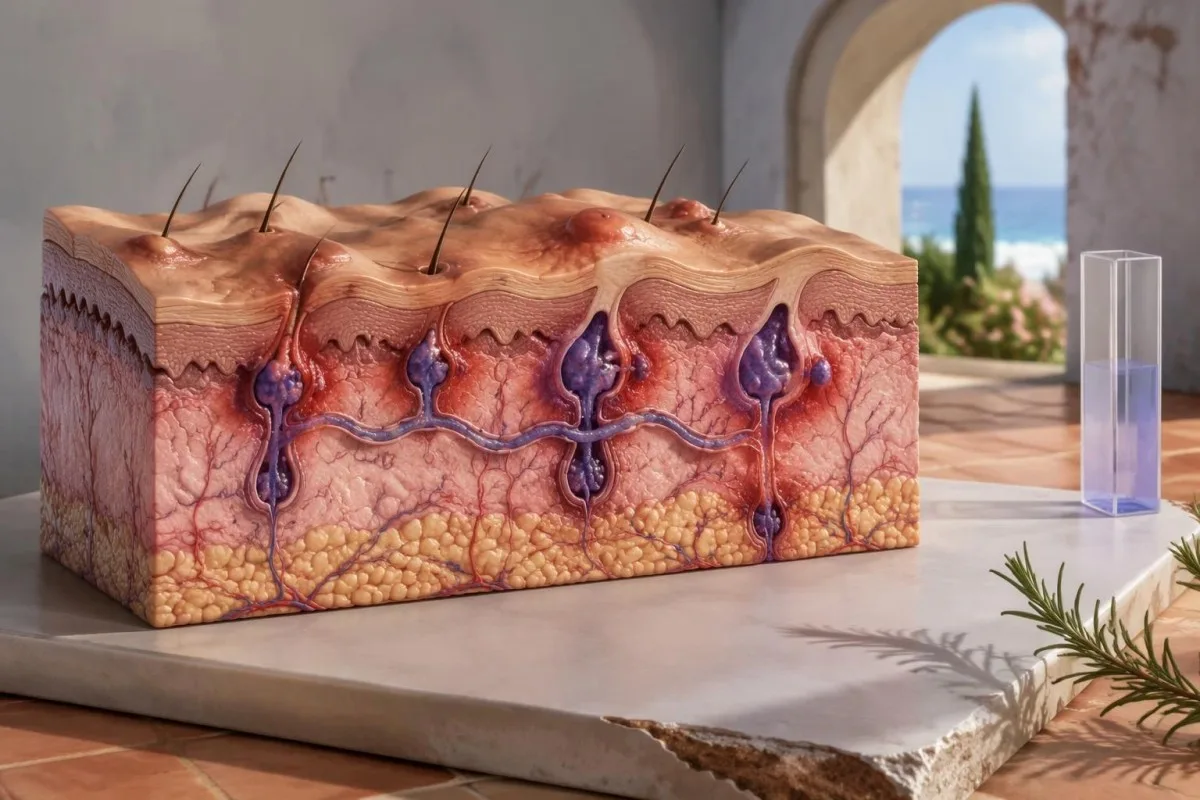
ບໍ່ມີການກວດເລືອດໃດທີ່ສາມາດຢືນຢັນ ຫຼື ຕັດພະຍາດ hidradenitis suppurativa (HS) ອອກໄດ້. ການວິນິດໄສຂຶ້ນກັບການປ່ຽນແປງຂອງຜິວໜັງທີ່ຈຳເພາະ, ຕຳແໜ່ງທີ່ເກີດ ແລະ ການເກີດຊ້ຳ; ການກວດທາງຫ້ອງປະຕິບັດການຕອບຄຳຖາມອື່ນໆກ່ຽວກັບພາວະທີ່ພົວພັນ ແລະ ຄວາມປອດໄພໃນການປິ່ນປົວ.

ຂໍ້ສະຫຼຸບສຳຄັນ
- ການວິນິດໄສ ຂຶ້ນກັບ 3 ລັກສະນະ: ຮອຍໂລກທີ່ຈຳເພາະ, ບ່ອນເກີດທີ່ພົບໄດ້ທົ່ວໄປ ແລະ ຮູບແບບການເກີດຊ້ຳ ຫຼື ເປັນຊຳເຮື້ອ—ບໍ່ແມ່ນຜົນກວດເລືອດທີ່ເປັນບວກ.
- ການເກີດຊ້ຳ ຢ່າງໜ້ອຍ 2 ຄັ້ງພາຍໃນ 6 ເດືອນ ເປັນຂໍ້ບົ່ງຊີ້ທາງການວິນິດໄສທີ່ໃຊ້ກັນທົ່ວໄປ, ບໍ່ແມ່ນເຫດຜົນໃຫ້ເລື່ອນການໄປປະເມີນ.
- ການກວດເລືອດປົກກະຕິ ບໍ່ໄດ້ຕັດ HS ອອກ, ແມ່ນແຕ່ເມື່ອ CRP ຕ່ຳກວ່າຄ່າສູງສຸດປົກກະຕິ 5 mg/L ຂອງຫ້ອງປະຕິບັດການ.
- ຝີທຽບກັບ HS ບໍ່ສາມາດແຍກຄວາມແຕກຕ່າງໄດ້ດ້ວຍຮູບຖ່າຍ 1 ຮູບ ຫຼື ການເພາະເຊື້ອແບັກທີເຣຍພຽງຢ່າງດຽວ; ທາງອຸໂມງ, ຮອຍແປ້ວ ແລະ ອາການກຳເລີບຊ້ຳໃນບໍລິເວນຮອຍພັບຜິວໜັງ ຊີ້ໄປທາງ HS ຫຼາຍກວ່າ.
- ຄວາມຮຸນແຮງ ສາມາດປະເມີນດ້ວຍ IHS4: ນັບກ້ອນໂນນເປັນ 1, ຝີເປັນ 2 ແລະ ທາງອຸໂມງທີ່ມີນ້ຳໄຫຼເປັນ 4 ຄະແນນຕໍ່ອັນ.
- ພາວະທີ່ພົວພັນ ອາດເປັນເຫດຜົນໃຫ້ກວດ HbA1c, ນ້ຳຕານ ຫຼື ໄຂມັນໃນເລືອດ; HbA1c 6.5% ຫຼືສູງກວ່າຕ້ອງປະເມີນພະຍາດເບົາຫວານ, ບໍ່ແມ່ນຢືນຢັນ HS.
- ຄວາມປອດໄພຂອງການປິ່ນປົວ ອາດຈຳເປັນຕ້ອງກວດຄັດກອງວັນນະໂລກ ແລະ ຕັບອັກເສບກ່ອນໃຫ້ຢາຊີວະພາບ, ໂດຍເລືອກກວດເພີ່ມຕາມຢາທີ່ໃຊ້ໂດຍສະເພາະ.
- ການປະເມີນດ່ວນ ຈຳເປັນເມື່ອຮອຍແດງລາມຢ່າງວ່ອງໄວ, ອາການຊຸດໂຊມຮຸນແຮງ ຫຼື ມີໄຂ້ 38°C ຫຼືສູງກວ່າພ້ອມກັບກ້ອນເຈັບທີ່ຮຸນແຮງຂຶ້ນ.
ການກວດເລືອດສາມາດກວດພົບ HS ຫຼື ຕັດພະຍາດນີ້ອອກໄດ້ບໍ?
ການກວດເລືອດບໍ່ສາມາດຢືນຢັນ ຫຼື ຕັດພະຍາດ hidradenitis suppurativa ອອກໄດ້. ບໍ່ມີຕົວຊີ້ວັດໃນເລືອດສຳລັບວິນິດໄສ ຫຼື ຄ່າຕັດທາງຫ້ອງປະຕິບັດການທີ່ຜ່ານການຮັບຮອງສຳລັບ HS; ແພດວິນິດໄສພາວະນີ້ຈາກລັກສະນະຜິວໜັງ ແລະ ປະຫວັດຂອງຜູ້ປ່ວຍ, ສ່ວນການກວດເຊັ່ນ CRP ຫຼື ການກວດເລືອດຄົບຖ້ວນ ໃຊ້ກວດຫາການອັກເສບ, ພະຍາດຮ່ວມ ຫຼື ຄວາມປອດໄພຂອງຢາ.
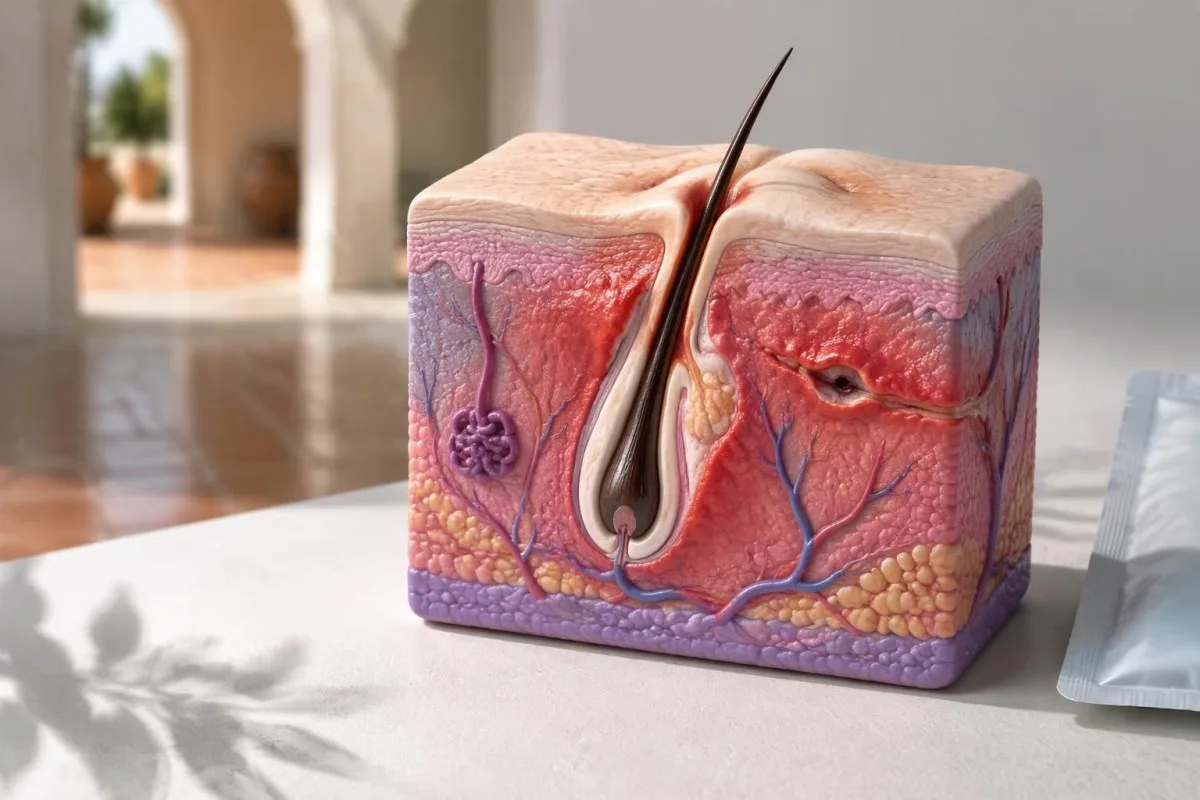
ຜົນກວດທາງຫ້ອງປະຕິບັດການປົກກະຕິບໍ່ໄດ້ລົບລ້າງຮູບແບບອາການທາງຜິວໜັງທີ່ໜ້າເຊື່ອຖື. ຕົວຢ່າງເຊັ່ນ ຜູ້ໃຫຍ່ສົມມຸດທີ່ມີກ້ອນບໍລິເວນຮັກແຮ້ 3 ກ້ອນ ທີ່ເກີດຊ້ຳ ແລະ CRP 2 mg/L ອາດຍັງເປັນ HS, ໃນຂະນະທີ່ອີກຄົນໜຶ່ງທີ່ມີ CRP 25 mg/L ອາດມີການຕິດເຊື້ອ ຫຼື ພາວະອັກເສບອື່ນທີ່ບໍ່ກ່ຽວຂ້ອງ.
ແນວທາງການຈັດການທາງຄລີນິກຂອງອາເມຣິກາເໜືອອີງການວິນິດໄສໃສ່ 3 ອົງປະກອບ: ຮອຍໂລກທີ່ພົບໄດ້ທົ່ວໄປ, ຕຳແໜ່ງທີ່ພົບໄດ້ທົ່ວໄປ ແລະ ການເກີດຊ້ຳ (Alikhan et al., 2019). ແນວທາງນີ້ບໍ່ແນະນຳໃຫ້ກວດຕົວຊີ້ວັດຊີວະພາບເປັນປະຈຳເພື່ອວິນິດໄສ HS, ເນື່ອງຈາກຕົວຊີ້ວັດການອັກເສບທົ່ວຮ່າງກາຍບໍ່ສາມາດລະບຸສາເຫດຂອງກ້ອນໃດໜຶ່ງໄດ້ຢ່າງເຊື່ອຖື.
ແຄນເທສຕີ ເປັນ AI ເຄື່ອງວິເຄາະເລືອດ ທີ່ຊ່ວຍອະທິບາຍຜົນກວດເຊັ່ນ CRP 12 mg/L ໂດຍບໍ່ຖືວ່າມັນເປັນຫຼັກຖານຢືນຢັນ HS. ພວກເຮົາ องค์กรและวัตถุประสงค์ทางคลินิกของเรา ແຍກຕ່າງຫາກຈາກບົດບາດຂອງແພດຜິວໜັງ, ຜູ້ທີ່ສາມາດກວດເບິ່ງທໍ່ທາງເດີນ, ຮອຍແປ້ວ ແລະ ການກະຈາຍຂອງຮອຍໂລກໄດ້ໂດຍກົງ.
ການສັ່ງກວດການອັກເສບ ຫຼື ການກວດພູມຕ້ານທານເພີ່ມອີກ 10 ລາຍການ ບໍ່ແມ່ນສິ່ງທົດແທນການກວດກ້ອນທີ່ເກີດຊ້ຳ. ຖາມແພດວ່າແຕ່ລະການກວດທີ່ສະເໜີຈະປ່ຽນຫຍັງແດ່: ການວິນິດໄສພາວະອື່ນ, ຄວາມຮີບດ່ວນໃນການປິ່ນປົວ ຫຼື ຄວາມປອດໄພຂອງຢາ—ສິ່ງເຫຼົ່ານີ້ແມ່ນຄຳຖາມທາງຫ້ອງປະຕິບັດການທີ່ມີປະໂຫຍດ.
ການວິນິດໄສ hidradenitis suppurativa ທາງຄລີນິກເຮັດແນວໃດ?
ເກນການວິນິດໄສ hidradenitis suppurativa ປະກອບມີຮອຍໂລກທີ່ມີລັກສະນະສະເພາະ, ຕຳແໜ່ງທີ່ພົບໄດ້ທົ່ວໄປ ແລະ ການເກີດຊ້ຳ. ການເກີດອາການຢ່າງໜ້ອຍ 2 ຄັ້ງໃນ 6 ເດືອນ ເປັນເກນການເກີດຊ້ຳທີ່ນິຍົມໃຊ້, ແຕ່ແພດຈະພິຈາລະນາຮ່ວມກັບຜົນການກວດ ແທນທີ່ຈະຖືເປັນກົດຕາຍຕົວ ຫຼື ເປັນເງື່ອນໄຂທີ່ຕ້ອງລໍຖ້າ.
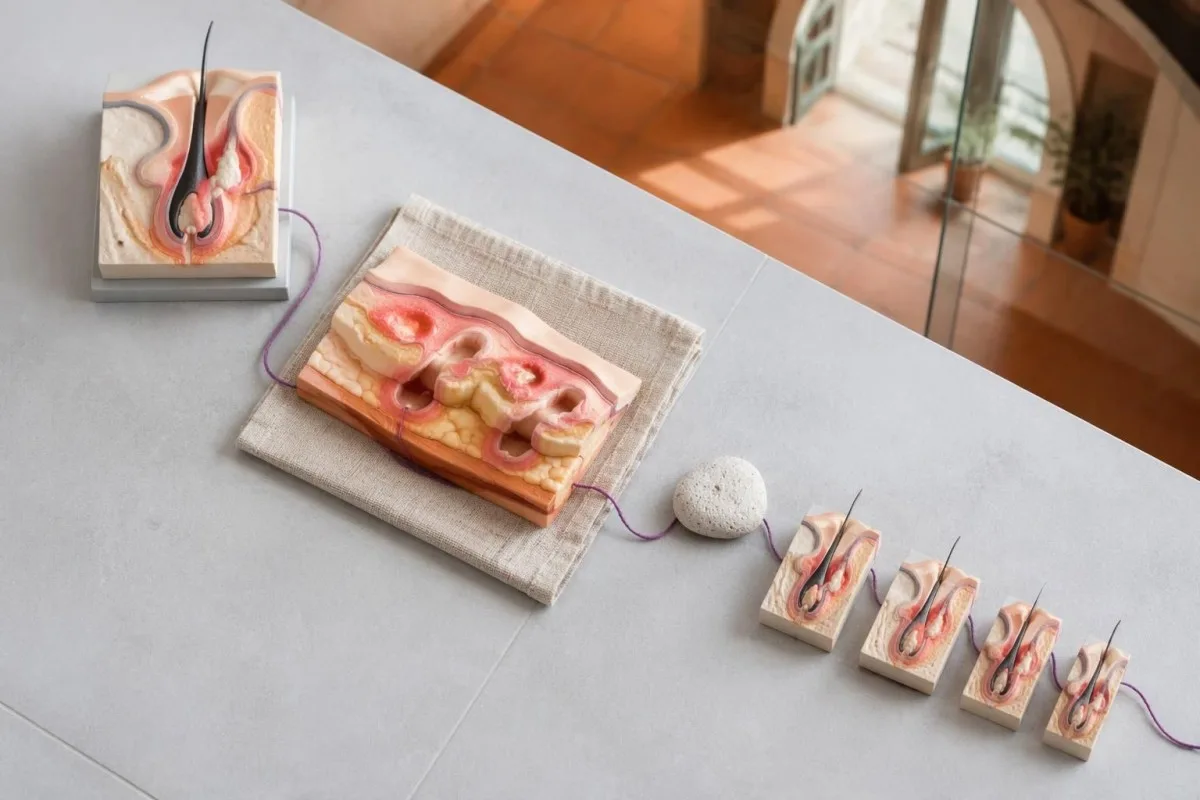
ຮອຍໂລກທີ່ມີລັກສະນະສະເພາະ ລວມມີກ້ອນອັກເສບເລິກ, ຝີ, ທໍ່ທາງເດີນທີ່ມີນ້ຳໄຫຼ ແລະ ຮອຍແປ້ວທີ່ມີລັກສະນະຈຳເພາະ; ຫົວສິວອຸດຕັນແບບຄູ່ ຫຼື ມີສອງປາຍກໍສາມາດຊ່ວຍໜູນການວິນິດໄສໄດ້. ຈຸດຕື້ນໆຈຸດດຽວຫຼັງການໂກນຂົນ ບໍ່ຈຳເພາະເທົ່າກັບກ້ອນເລິກ 3 ກ້ອນທີ່ເກີດຊ້ຳໃນຮອຍພັບບ່ອນເດີມ ແລະ ມີຮູເປີດຄ້າງຢູ່ລະຫວ່າງຊ່ວງກຳເລີບ.
ບ່ອນທີ່ພົບໄດ້ທົ່ວໄປ ລວມມີຮັກແຮ້, ຂາໜີບ, ຕົ້ນຂາດ້ານໃນ, ກົ້ນ ແລະ ຮອຍພັບໃຕ້ເຕົ້ານົມ. HS ບໍ່ຈຳເປັນຕ້ອງກະທົບຕໍ່ 2 ບໍລິເວນຂອງຮ່າງກາຍທີ່ແຕກຕ່າງກັນ ແລະ ຮອຍໂລກກໍບໍ່ຈຳເປັນຕ້ອງສົມມາດກັນ; ຮັກແຮ້ຂ້າງດຽວທີ່ເປັນຊ້ຳໆ ກໍຍັງເຂົ້າກັບຮູບແບບທາງຄລີນິກໄດ້.
ການເກີດຊ້ຳອາດຖືກນັບຕ່ຳກວ່າຄວາມເປັນຈິງ ເມື່ອບາງຄົນເອີ້ນອາການກຳເລີບແຕ່ລະຄັ້ງວ່າເປັນຝີຄົນລະກ້ອນ. ນຳວັນທີ ຫຼື ຮູບຖ່າຍຈາກ 6 ເດືອນຜ່ານມາໄປນຳ, ລວມທັງຄັ້ງທີ່ຮັກສາຢູ່ບ່ອນອື່ນ; ແພດອາດສັງເກດເຫັນພະຍາດເຮື້ອຮັງຈາກທໍ່ທາງເດີນ ແລະ ຮອຍແປ້ວທີ່ມີຢູ່ ແມ້ວ່າປະຕິທິນເຫດການກ່ອນໜ້າຈະບໍ່ຄົບຖ້ວນ.
ພະຍາດໄລຍະເລີ່ມຕົ້ນອາດຍັງບໍ່ມີຮອຍແປ້ວ, ດັ່ງນັ້ນການພົບແພດຄັ້ງທຳອິດອາດໄດ້ຂໍ້ວິນິດໄສເບື້ອງຕົ້ນ ແລະ ແຜນຕິດຕາມຜົນ ແທນທີ່ຈະໄດ້ຄວາມແນ່ນອນໃນທັນທີ. ພວກເຮົາອະທິບາຍຄວາມແຕກຕ່າງລະຫວ່າງການຕີຄວາມທີ່ຊ່ວຍໜູນ ແລະ ການຢືນຢັນການວິນິດໄສໄວ້ໃນ ກອບການຢືນຢັນທາງຄລີນິກ (clinical validation framework); ບໍ່ມີຄ່າເປີເຊັນຄວາມຖືກຕ້ອງຂອງຫ້ອງປະຕິບັດການທີ່ອ້າງໄວ້ໃດ ສາມາດທົດແທນລັກສະນະທາງຄລີນິກ 3 ປະການຂອງ HS ໄດ້.
ກ້ອນຕຸ່ມ HS ທີ່ເກີດຊ້ຳແຕກຕ່າງຈາກຝີທົ່ວໄປແນວໃດ?
HS ມັກເຮັດໃຫ້ເກີດກ້ອນເລິກຊ້ຳໆໃນບໍລິເວນຮອຍພັບທີ່ພົບໄດ້ທົ່ວໄປ, ບາງຄັ້ງມີທໍ່ທາງເດີນ ແລະ ຮອຍແປ້ວ; ສ່ວນຝີທົ່ວໄປມັກເປັນການຕິດເຊື້ອສະເພາະຈຸດໃນຮູຂຸມຂົນ. ທັງຮູບລັກສະນະ ແລະ ຜົນເພາະເຊື້ອແບັກທີເລຍທີ່ເປັນບວກ ບໍ່ສາມາດຊີ້ຂາດຄວາມແຕກຕ່າງນີ້ໄດ້ດ້ວຍຕົວມັນເອງ, ເພາະຝີທີ່ເກີດຊ້ຳກໍເກີດຂຶ້ນໄດ້ ແລະ ຮອຍໂລກ HS ກໍອາດຕິດເຊື້ອຊ້ຳຊ້ອນ.
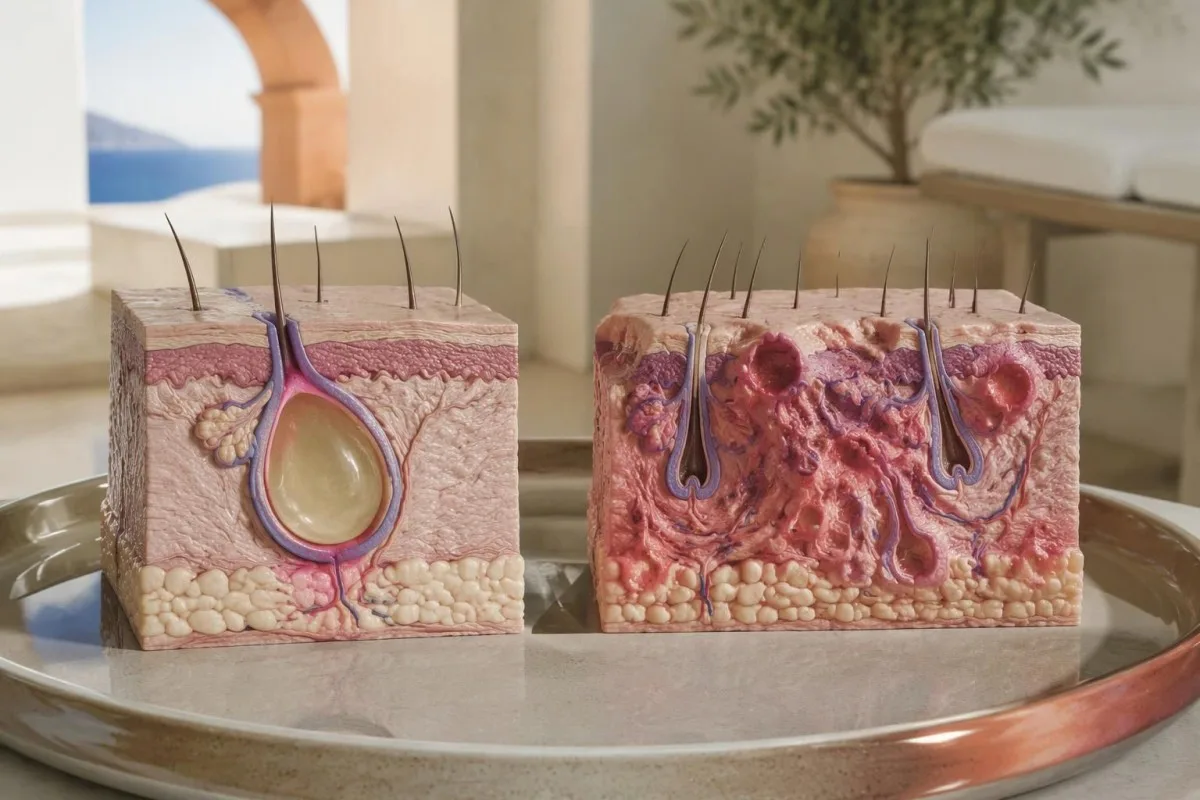
ຝີອາດມີຕຸ່ມໜອງຢູ່ກາງ ແລະ ຍຸບລົງຫຼັງລະບາຍໜອງ ຫຼື ປິ່ນປົວ, ໃນຂະນະທີ່ HS ອາດປະໄວ້ເປັນຮູເປີດຄ້າງ ຫຼື ເນື້ອເຍື່ອຮອຍແປ້ວແຂງ. ໃນປະຫວັດ 6 ເດືອນສົມມຸດ, ອາການກຳເລີບ 4 ຄັ້ງໃນຮອຍພັບຂາໜີບດຽວ ບວກກັບທໍ່ທາງເດີນ 1 ທໍ່ ຊີ້ໄປທາງ HS ຫຼາຍກວ່າຕຸ່ມໜອງນ້ອຍໆ 4 ຕຸ່ມທີ່ບໍ່ກ່ຽວກັນ ແລະ ເກີດຢູ່ແຂນຂາຄົນລະບ່ອນ.
ກິ່ນ ແລະ ນ້ຳໄຫຼ ບໍ່ໄດ້ໝາຍຄວາມວ່າ HS ເກີດຈາກສຸຂະອະນາໄມທີ່ບໍ່ດີ. HS ກ່ຽວຂ້ອງກັບການອຸດຕັນຂອງຮູຂຸມຂົນ ແລະ ການຕອບສະໜອງຕໍ່ການອັກເສບທີ່ຜິດປົກກະຕິ; ແບັກທີເລຍອາດມີສ່ວນຕໍ່ສະພາບໃນບໍລິເວນນັ້ນ, ແຕ່ການພົບແບັກທີເລຍ 1 ຊະນິດ ບໍ່ໄດ້ພິສູດວ່າການຕິດເຊື້ອແມ່ນກົນໄກພື້ນຖານທີ່ເຮັດໃຫ້ເກີດພະຍາດ.
ຝີຈາກແບັກທີເລຍທີ່ເກີດຊ້ຳຄວນໄດ້ຮັບການປະເມີນແຍກຕ່າງຫາກ, ໂດຍສະເພາະເມື່ອສະມາຊິກໃນຄອບຄົວຫຼາຍຄົນມີຮອຍໂລກຄ້າຍຄືກັນ ຫຼື ເກີດການຕິດເຊື້ອຢູ່ບ່ອນຕ່າງໆທີ່ບໍ່ກ່ຽວກັນ. ຄູ່ມືຂອງພວກເຮົາກ່ຽວກັບ การทดสอบการติดเชื้อบ่อย explains when glucose, a blood count or targeted immune evaluation may answer a different question from HS diagnosis.
Repeated incision and drainage may relieve an acutely tense lump but does not address an established HS tunnel. If the same area returns 2 or more times, ask whether the management plan should move beyond treating each episode as a new boil; do not squeeze or puncture it yourself.
ປະເມີນຄວາມຮຸນແຮງຂອງ HS ໂດຍບໍ່ກວດເລືອດໄດ້ແນວໃດ?
HS severity is measured from lesions and tissue damage, not from a CRP cutoff. Hurley staging describes structural disease, while IHS4 measures current inflammatory activity by assigning 1 point per nodule, 2 per abscess and 4 per draining tunnel.
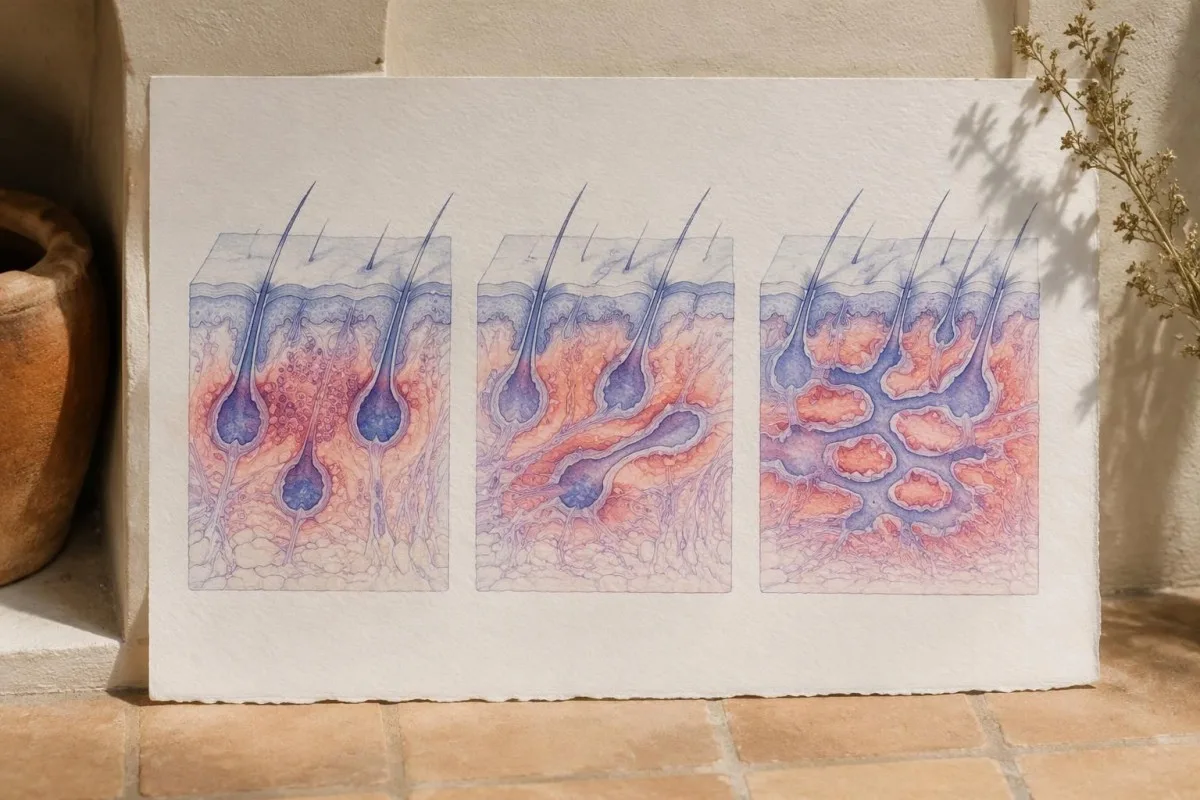
IHS4 scores of 3 or lower indicate mild disease, 4–10 moderate disease and 11 or higher severe disease. The original validation paper established this weighted scoring approach to capture active disease more dynamically than structural staging alone (Zouboulis et al., 2017).
Hurley stage I has no established tunnels or scarring; stage II includes recurrent lesions with tunnels and scarring separated by unaffected areas. Stage III describes diffuse involvement with interconnected tunnels across an affected region, so 1 region can be advanced even when the overall body distribution is limited.
Consider a hypothetical count of 3 nodules, 1 abscess and 1 draining tunnel: IHS4 equals 3 + 2 + 4, or 9. That moderate activity score can coexist with substantial scarring; counting lesions does not erase the separate effects on movement, sleep or quality of life.
Kantesti AI ສາມາດຊ່ວຍ
ການທົບທວນແນວໂນ້ມຄວາມປອດໄພຂອງຢາ, but it cannot calculate a reliable skin severity score from a CBC. A falling CRP from 20 to 6 mg/L may be encouraging in context, yet clinicians still need lesion counts, pain assessment and examination of persistent tunnels.
CRP, ESR ແລະ CBC ບອກຫຍັງກ່ຽວກັບ HS?
CRP, ESR and a CBC can show systemic inflammation or its consequences, but none diagnoses HS. Many laboratories use CRP below 5 mg/L and an adult white blood cell count around 4.0–11.0 × 10⁹/L as reference values; the range printed on your own report takes priority.
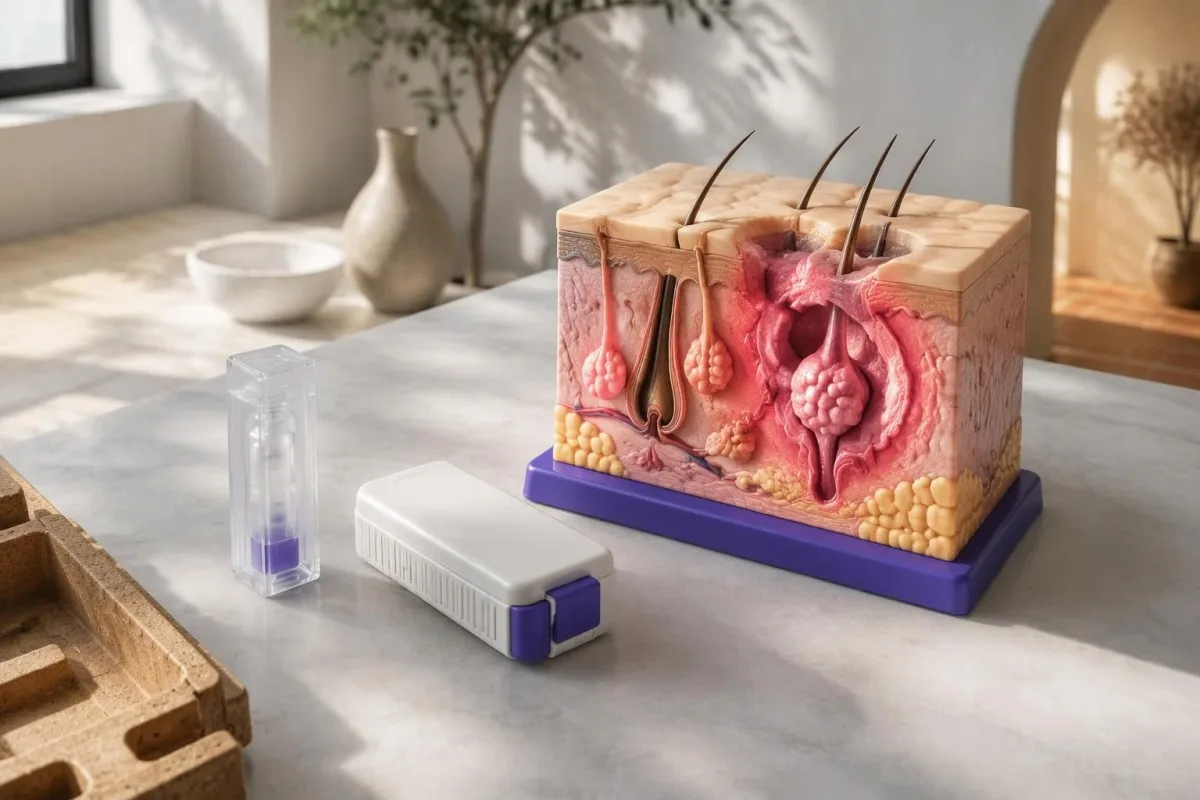
CRP may rise with active HS, bacterial infection, obesity or many other inflammatory conditions. A hypothetical CRP of 18 mg/L with stable chronic lesions means something different from the same value with new fever and rapidly expanding redness; our ການປຽບທຽບ WBC ແລະ CRP ຂອງພວກເຮົາ explains why mismatched results need clinical context.
ESR changes more slowly and is influenced by age, anemia and plasma proteins. Common adult reference limits include approximately 15 mm/hour for younger men and 20 mm/hour for younger women, but laboratory methods and age-adjusted reporting differ enough that a single universal HS threshold would be misleading.
A CBC may identify anemia, raised platelets or leukocytosis associated with inflammation, but each finding has alternative explanations. A platelet count of 480 × 10⁹/L, for example, could reflect iron deficiency or a reactive inflammatory response; persistence and the rest of the blood count determine the next step.
Medication and sampling context matter when comparing 2 reports. Estrogen-containing contraception can alter CRP, as discussed in our guide to contraception and CRP changes; standard CRP and hs-CRP measure the same protein, but cardiovascular hs-CRP categories should not be used to stage an active HS flare.
| ລະດັບ | ຊ່ວງ | ຄວາມໝາຍ |
|---|---|---|
| CRP within a common reference limit | <5 mg/L | Does not exclude HS; use the reporting laboratory’s reference interval. |
| CRP above that reference limit | ≥5 mg/L | Nonspecific inflammation; no concentration confirms HS or distinguishes it from infection. |
| Common adult WBC interval | 4.0–11.0 × 10⁹/L | An illustrative adult range; normal counts do not exclude HS or serious infection. |
| WBC above that interval | >11.0 × 10⁹/L | May reflect infection, inflammation, medicines or other causes; assess the differential count and symptoms. |
ການກວດພາວະເລືອດຈາງ ແລະ ທາດເຫຼັກຊ່ວຍໃນ HS ເມື່ອໃດ?
Iron studies help when someone with HS has anemia, fatigue or other reasons to suspect iron deficiency. Ferritin below 15 ng/mL strongly supports depleted iron stores in adults, but a normal or elevated ferritin cannot reliably exclude deficiency during inflammation.
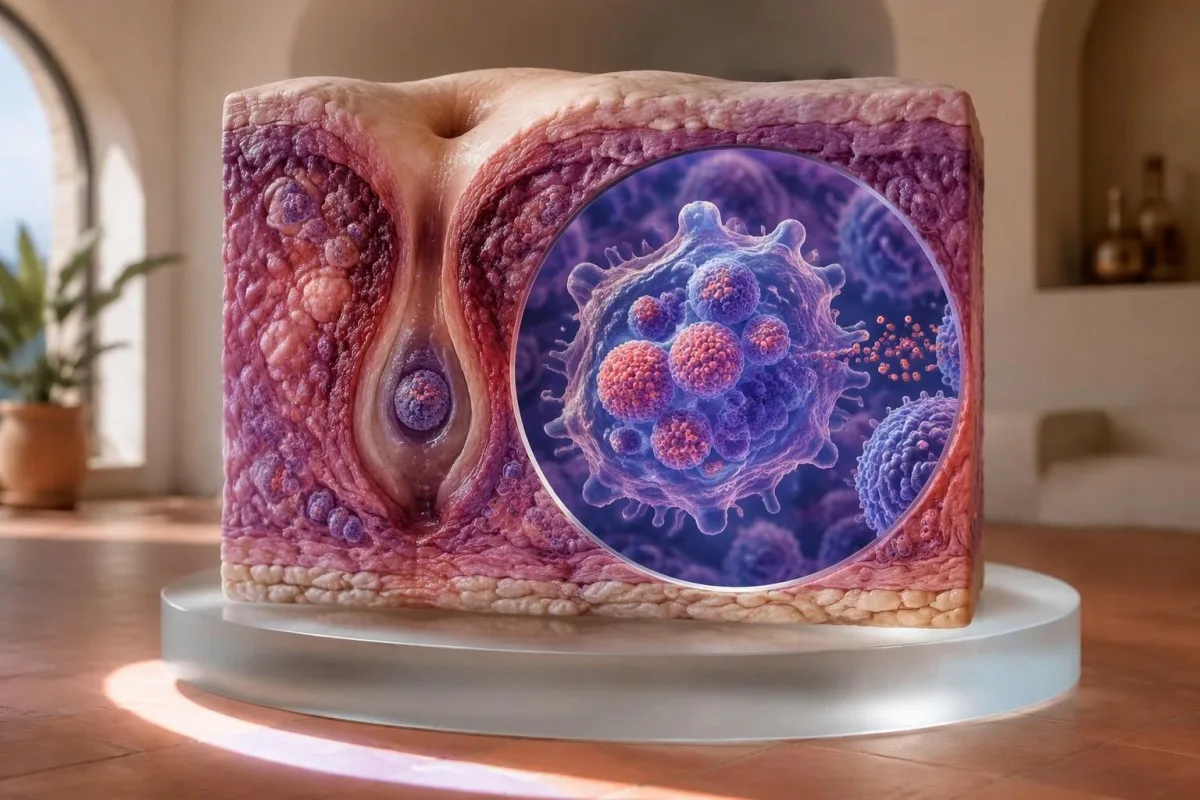
Inflammation increases hepcidin, which reduces iron release from storage and intestinal absorption. A hypothetical ferritin of 90 ng/mL with transferrin saturation of 12% and low hemoglobin can therefore represent iron restriction, mixed iron deficiency and inflammation, or another process—not automatically adequate usable iron.
Transferrin saturation below 20% suggests reduced circulating iron availability, but it does not by itself establish the cause. The combination of hemoglobin, MCV, ferritin, transferrin saturation and CRP is more informative than ferritin alone; our คู่มือการศึกษาธาตุเหล็กที่สมบูรณ์ explains these interactions.
Low transferrin or TIBC can point toward an inflammatory pattern, while uncomplicated iron deficiency more often raises iron-binding capacity. Our explanation of inflammation lowering transferrin helps distinguish these patterns, particularly when 2 mechanisms coexist and the usual textbook picture becomes blurred.
Anemia should not simply be attributed to HS. Heavy menstrual bleeding, gastrointestinal blood loss, nutritional deficiencies and kidney disease may coexist; for example, hemoglobin falling from 125 to 103 g/L deserves an explanation rather than an assumption that treating the skin alone will correct it.
ການກວດເລືອດດ້ານເມຕາບໍລິຊຶມໃດອາດເປັນປະໂຫຍດໃນຜູ້ທີ່ເປັນ HS?
HbA1c, glucose and a lipid panel may help assess metabolic conditions associated with HS. HbA1c of 6.5% or higher and fasting plasma glucose of 126 mg/dL or higher—7.0 mmol/L—are diabetes thresholds, not hidradenitis suppurativa diagnostic criteria.
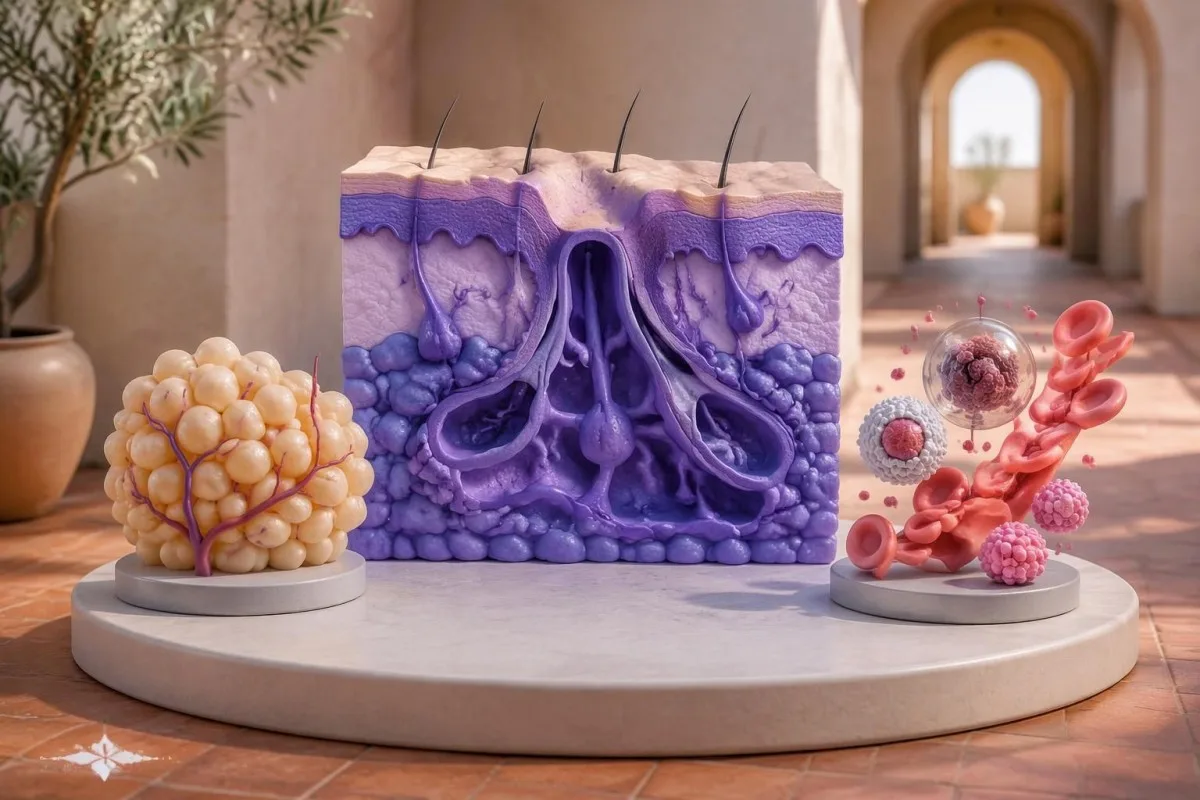
The US and Canadian HS Foundations recommend screening for relevant comorbidities, including diabetes and metabolic syndrome (Garg et al., 2022). The practical plan combines blood pressure, weight-related measures, smoking history and selected laboratory tests; there is no requirement for every person with 1 suspected HS lesion to receive an extensive metabolic panel.
A standard metabolic panel usually measures glucose but not cholesterol. Our guide to metabolic panels versus cholesterol explains why a separate lipid panel may be needed; triglycerides of 150 mg/dL or higher, about 1.7 mmol/L, are one metabolic risk signal rather than evidence of HS.
ແຄນເທສຕີ ເປັນ ແພລດຟອມການອ່ານຜົນກວດເລືອດຂອງ AI that can explain an HbA1c of 6.1% alongside the reported units and other available results. That value may identify increased diabetes risk, but the risk-category boundary differs between some health systems, and it cannot explain the cause of recurrent nodules.
Diabetes-range results usually need confirmation unless there is unequivocal hyperglycemia with a compatible clinical presentation. Iron deficiency, hemolysis or recent transfusion can distort HbA1c; our guide to ທາງເລືອກເມື່ອ A1c ໃຫ້ຄ່າຄາດເຄື່ອນ explains why a plasma glucose-based assessment may be more reliable in those circumstances.
ເມື່ອໃດທີ່ HS ຄວນກະຕຸ້ນໃຫ້ປະເມີນຮໍໂມນ, ລຳໄສ້ ຫຼື ຂໍ້ຕໍ່?
HS warrants targeted assessment for associated conditions when symptoms point toward PCOS, inflammatory bowel disease or inflammatory arthritis. These are separate diagnostic pathways: neither 1 abnormal hormone result nor a positive inflammatory marker proves that the skin lumps are HS.
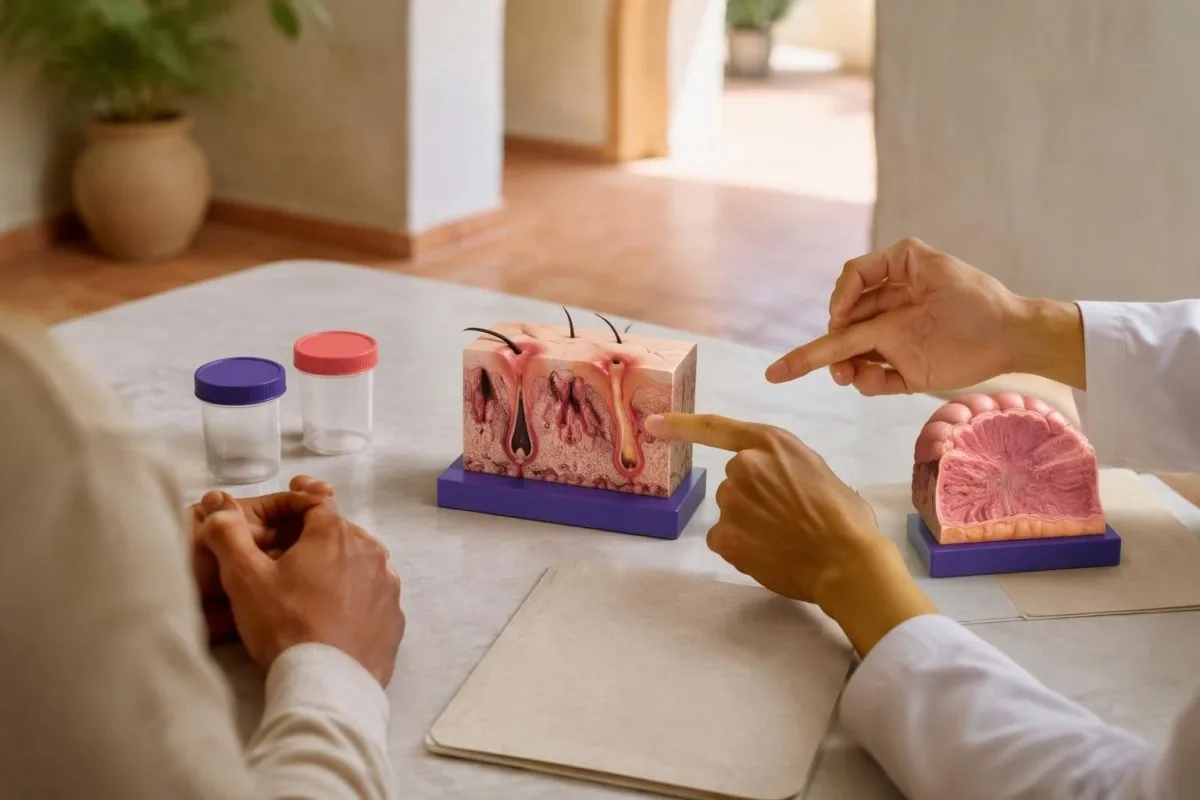
Irregular menstrual cycles, excess facial or body hair and persistent acne may justify PCOS assessment. Adult PCOS commonly requires 2 of 3 diagnostic features after alternative causes are excluded, as explained in our ຄູ່ມືເກນການວິນິດໄສ PCOS; a broad hormone panel is not routinely needed solely because HS flares around menstruation.
Persistent diarrhea, nocturnal bowel symptoms, unexplained weight loss or rectal bleeding deserve assessment rather than being blamed on stress or antibiotics. A hypothetical 4-week history of diarrhea with HS may justify stool testing and gastrointestinal review; our ການປຽບທຽບການກວດການອັກເສບໃນອຸຈະລະ explains the role of fecal calprotectin and lactoferrin.
Back pain lasting more than 3 months, marked morning stiffness or swollen joints can suggest inflammatory musculoskeletal disease. ESR and CRP may support that assessment, but normal values do not reliably exclude it, and HLA-B27 is not a universal screening test for everyone with HS.
Perianal drainage requires particular care because HS tunnels and Crohn-related fistulas may need different evaluation and treatment. The comorbidity recommendations favor symptom-based assessment rather than indiscriminate testing (Garg et al., 2022); record at least 3 details before the visit: duration, associated bowel symptoms and whether the opening repeatedly returns.
ຕ້ອງກວດຫຍັງແດ່ກ່ອນປິ່ນປົວ HS ດ້ວຍຢາຊີວະພາບ?
Before an HS biologic, clinicians assess infection risks and order tests required by the specific drug and local protocol. Tuberculosis testing and hepatitis B assessment are commonly relevant; baseline CBC and liver tests may also be requested, but there is no single pretreatment panel suitable for every biologic.
An IGRA checks immune recognition of tuberculosis antigens; it does not determine whether a person has active tuberculosis by itself. Our IGRA result interpretation guide explains why 1 positive or indeterminate result may require symptom review, imaging or repeat testing before treatment proceeds.
Hepatitis B screening commonly includes 3 markers: HBsAg, total anti-HBc and anti-HBs. Anti-HBs alone is insufficient because it cannot distinguish every pattern of previous infection and reactivation risk; our explanation of hepatitis B immunity results helps clarify why a protective antibody result is only part of the assessment.
Kantesti can explain the reported hepatitis marker pattern, but a prescriber must decide whether monitoring, specialist review or antiviral prevention is required. For example, 1 positive anti-HBc result should not be translated into either automatic treatment refusal or reassurance that reactivation is impossible.
Screening is not limited to blood work: vaccination history, current symptoms, past serious infections and relevant bowel disease also influence the choice of medication. Repeat testing intervals differ by drug, exposure risk and jurisdiction; a 12-month automatic schedule should not be assumed to fit every patient or biologic.
ການກວດທາງຫ້ອງປະຕິບັດການຊ່ວຍຮັບປະກັນຄວາມປອດໄພຂອງຢາປິ່ນປົວ HS ແນວໃດ?
HS medication monitoring is drug-specific rather than a way to confirm the diagnosis. Potassium and kidney function may matter with spironolactone, liver tests with rifampicin-containing regimens, and G6PD assessment with dapsone; a result such as potassium of 5.5 mmol/L answers a safety question, not an HS question.
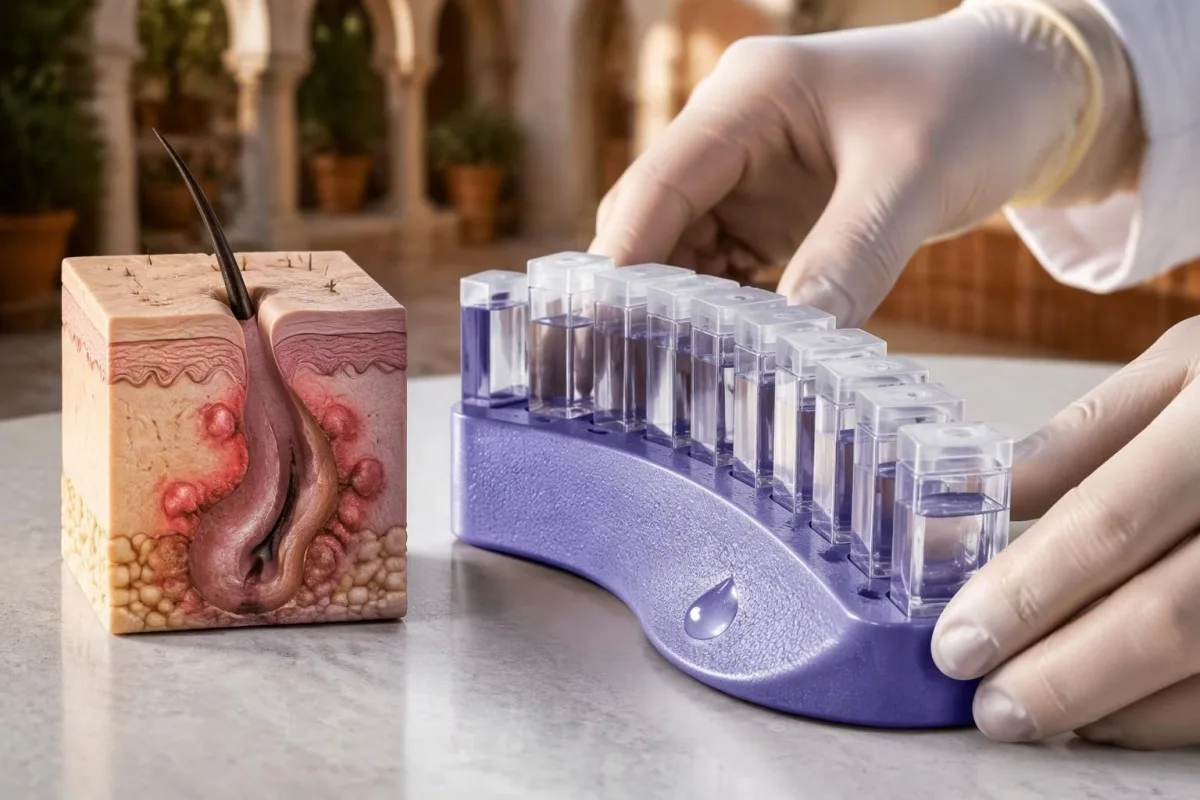
Spironolactone monitoring depends on age, kidney function, other medicines and hyperkalemia risk. A hypothetical patient taking an ACE inhibitor with eGFR of 45 mL/min/1.73 m² needs a different plan from a young otherwise healthy adult; monitoring should not be copied from someone else’s prescription.
Rifampicin can affect liver tests and interact with many medicines, including reducing the effectiveness of some hormonal contraception. If ALT rises from 22 to 110 IU/L, the prescriber considers the laboratory upper limit, bilirubin, symptoms and timing rather than assuming every increase has the same significance.
Dapsone can cause hemolysis and methemoglobinemia, and G6PD deficiency increases certain risks. Our guide to G6PD testing and safety explains why 1 apparently normal enzyme result can be misleading during or shortly after hemolysis; normal G6PD activity also does not remove every dapsone-related risk.
Routine laboratory schedules are not identical for short antibiotic courses, prolonged combination therapy, hormonal treatment and biologics. Before starting treatment, obtain 3 practical answers: which baseline results matter, when the first recheck is due and which symptoms require contacting the prescriber before the next planned appointment.
ຄວນເພາະເຊື້ອ, ຕັດຊິ້ນເນື້ອຜິວໜັງກວດ ຫຼື ກວດພັນທຸກຳເມື່ອໃດ?
Cultures and skin biopsy are selective tests in suspected HS, not routine confirmation methods. A culture may help when secondary infection is suspected, and biopsy may assess an atypical growth or competing diagnosis; no routine genetic panel is recommended to diagnose typical HS.
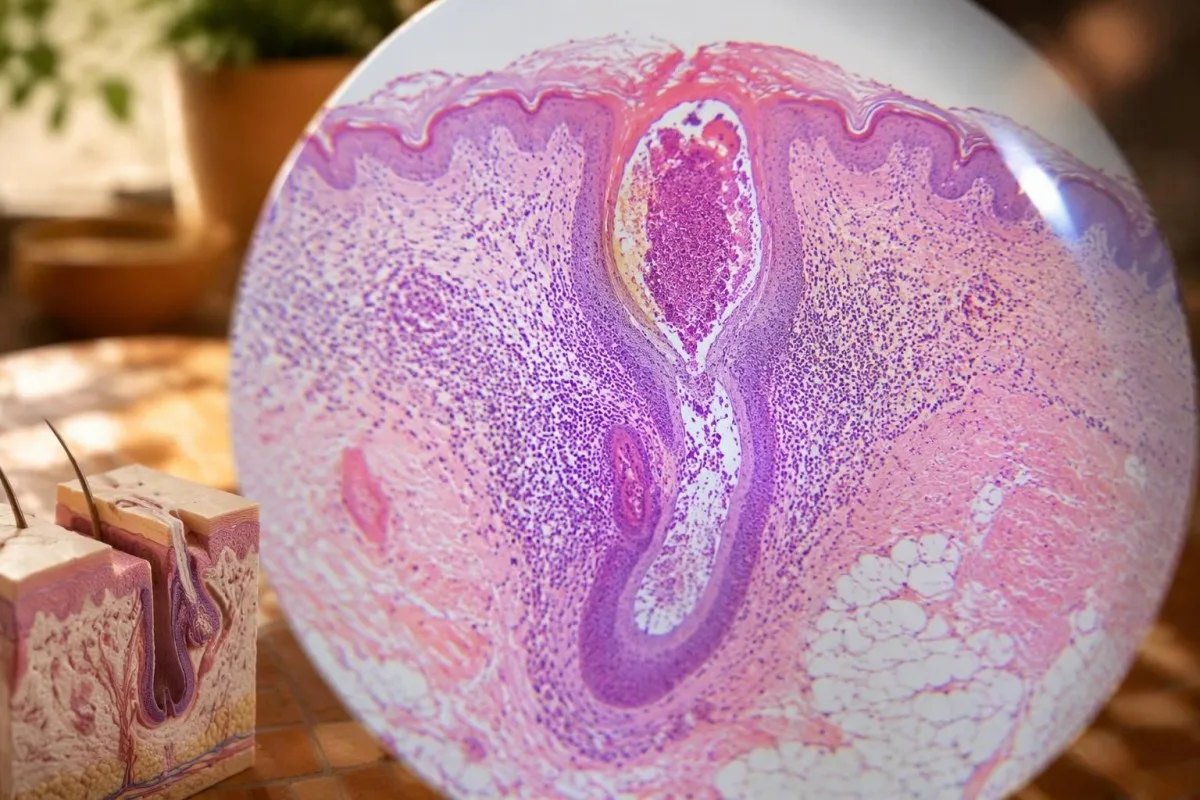
Routine swabbing of every draining HS lesion can produce bacteria that are colonizing the site rather than driving the whole condition. The North American guideline reserves microbiological testing for situations such as suspected secondary infection (Alikhan et al., 2019); 1 positive swab must be interpreted with the examination and clinical course.
Biopsy is more useful when a persistent area behaves differently from the usual flares—such as a new firm growth, unexplained bleeding or a site that does not heal. Rare squamous cell carcinoma can develop in longstanding HS, particularly anogenital disease; a change lasting several weeks deserves examination rather than another automatic antibiotic course.
Immune-function testing is not standard for adult-onset HS. Repeated unusual infections beginning in childhood may justify a separate immunology pathway, sometimes including a targeted oxidative burst test; the reason is the infection history, not the presence of 2 ordinary HS nodules.
Rare familial forms can involve variants in gamma-secretase pathway genes, but most HS is not established through a single-gene test. Even a strong family history involving 3 relatives does not replace clinical assessment, and a negative genetic result cannot rule out the much more common multifactorial form.
ວິຕາມິນ D, ສັງກະສີ ຫຼື ຕົວຊີ້ວັດຊີວະພາບທີ່ຍັງຢູ່ໃນຂັ້ນທົດລອງສາມາດວິນິດໄສ HS ໄດ້ບໍ?
Vitamin D, zinc, cytokines and inflammatory ratios cannot diagnose HS. Low nutrient concentrations may justify assessment for deficiency, but no validated HS diagnostic cutoff exists for vitamin D, zinc, the neutrophil-to-lymphocyte ratio or a commercial inflammatory biomarker panel.
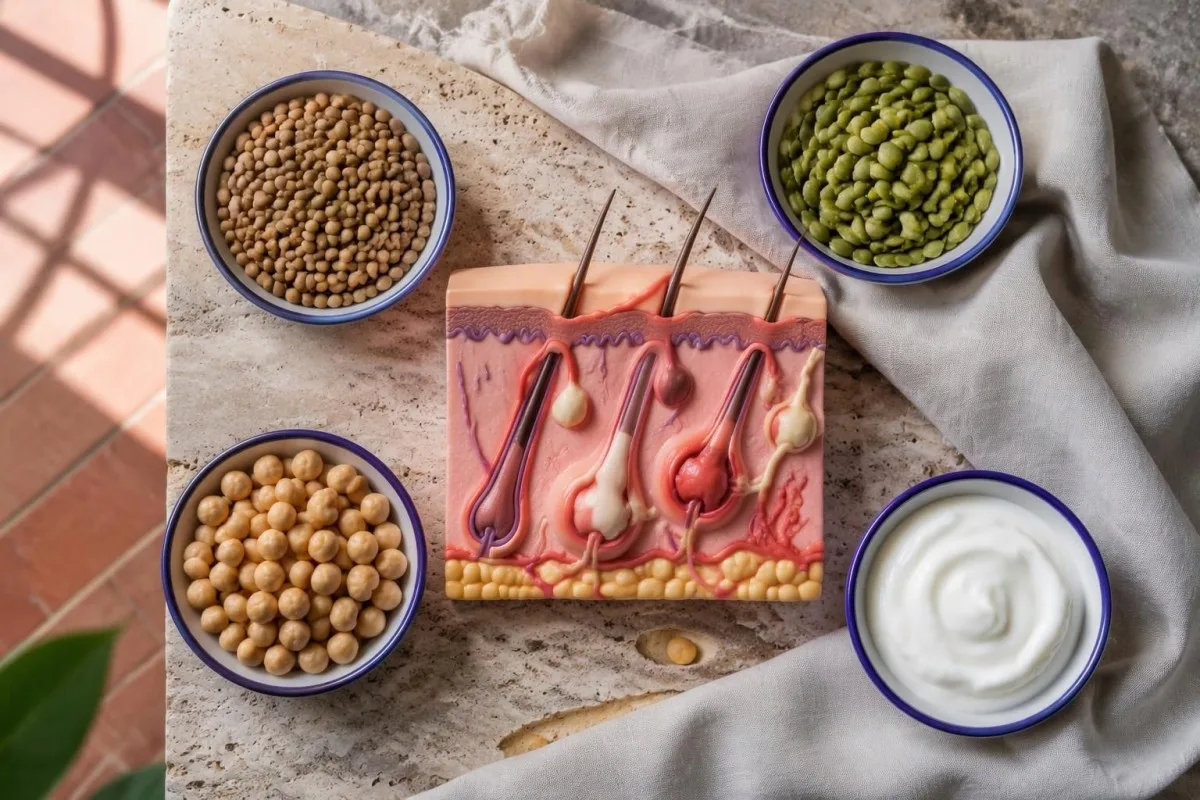
Plasma zinc can fall during inflammation because zinc is redistributed, not simply because dietary intake is inadequate. Our guide to zinc results during inflammation explains why a hypothetical result of 58 µg/dL should be read with the local range, sampling conditions and inflammatory state rather than automatically triggering high-dose supplementation.
Vitamin D associations do not establish that deficiency causes HS or that replacing it reliably controls the condition. A 25-hydroxyvitamin D result of 12 ng/mL, equivalent to 30 nmol/L, may warrant deficiency management for general health, but improvement in HS cannot be promised from that number.
Nutritional treatment evidence for HS is limited and heterogeneous; the uncertainty concerns disease control, not whether genuine deficiency should be addressed. The 2019 North American guideline found insufficient evidence for routine vitamin D supplementation as an HS treatment and only limited support for zinc-based approaches (Alikhan et al., 2019).
The neutrophil-to-lymphocyte ratio can be calculated by dividing the 2 absolute counts, but an NLR of 4 has no accepted diagnostic meaning for HS. Group-level differences reported in research do not establish the sensitivity and specificity needed to decide whether an individual person’s recurrent lump is HS.
ຄວນນຳຫຍັງໄປນັດພົບເພື່ອປຶກສາເລື່ອງ HS—ແລະ ເມື່ອໃດຈຶ່ງເປັນກໍລະນີຮີບດ່ວນ?
Bring a recurrence timeline, photographs and a medication list; seek urgent care for systemic illness or rapidly worsening local symptoms. Fever of 38°C or higher with spreading redness, marked deterioration or a worsening painful lump needs prompt assessment, but serious infection can also occur without fever.
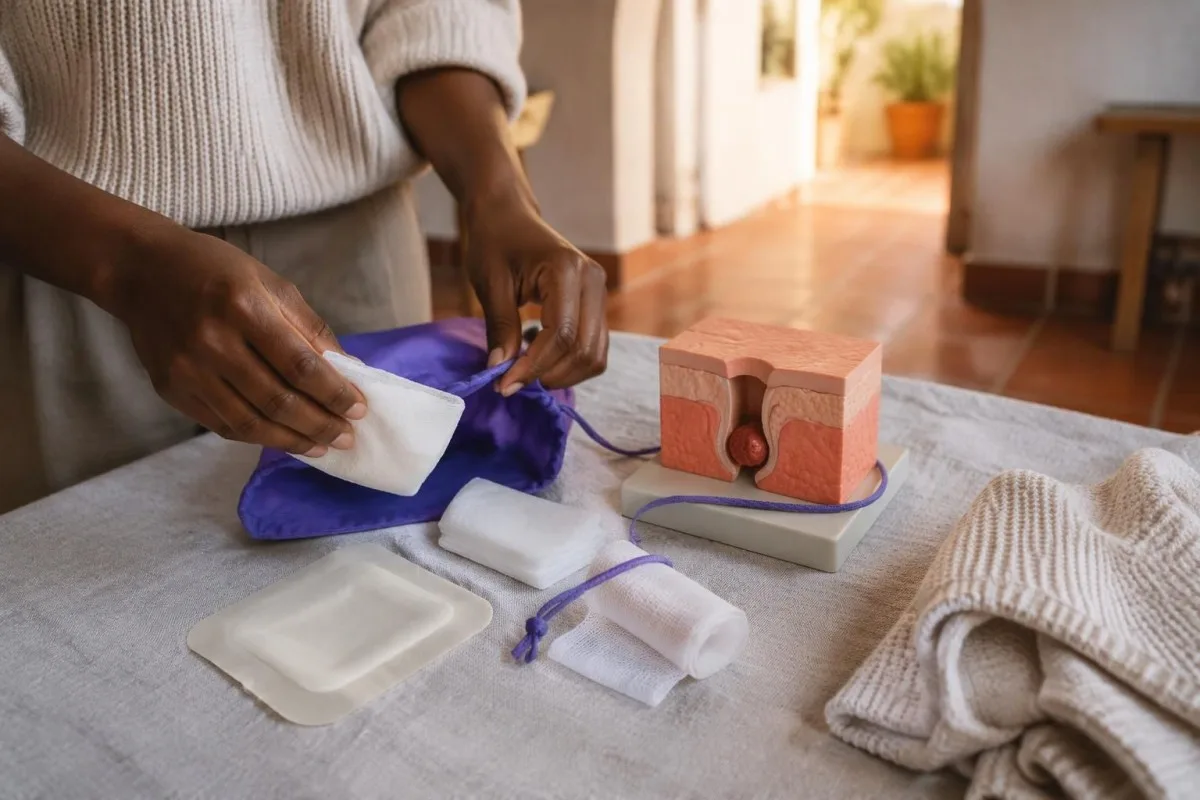
A useful timeline records the date, site, drainage, treatment and recovery of each flare over the last 6 months. Include areas that seemed to heal but left openings or scars, and take photographs only if you are comfortable doing so; recurrence patterns often provide more diagnostic information than another isolated laboratory result.
CBC, CRP and HbA1c do not usually require fasting, although other ordered tests may have preparation instructions. Our ຄ່າພື້ນຖານຂອງພວກເຮົາ explains why recording recent illness, supplements and medication timing is useful when comparing 2 reports; do not stop prescribed treatment simply to obtain a baseline.
Pain out of proportion to visible changes, rapidly spreading swelling, confusion, faintness or severe deterioration requires emergency assessment. A previous CRP of 3 mg/L or a normal white cell count should not delay care for new symptoms, especially during immune-modifying treatment or in someone with diabetes.
Between visits, avoid squeezing lesions and use non-adherent dressings when needed; comfortable clothing can reduce friction without implying that clothing caused HS. Ask for an agreed flare plan with 3 parts: symptom relief, when to contact the treating team and which changes mean the usual home plan is no longer appropriate.
ການແປຜົນໂດຍ AI ແລະ ການຄົ້ນຄວ້າ: ສິ່ງໃດທີ່ບໍ່ສາມາດຢືນຢັນການວິນິດໄສ HS ໄດ້
AI blood test interpretation can support understanding of laboratory results, but it cannot establish HS from those results. The 2 Figshare publications listed below concern an interpretation-engine benchmark and hantavirus triage, not an HS diagnostic-accuracy study or validation of a definitive hidradenitis suppurativa blood test.
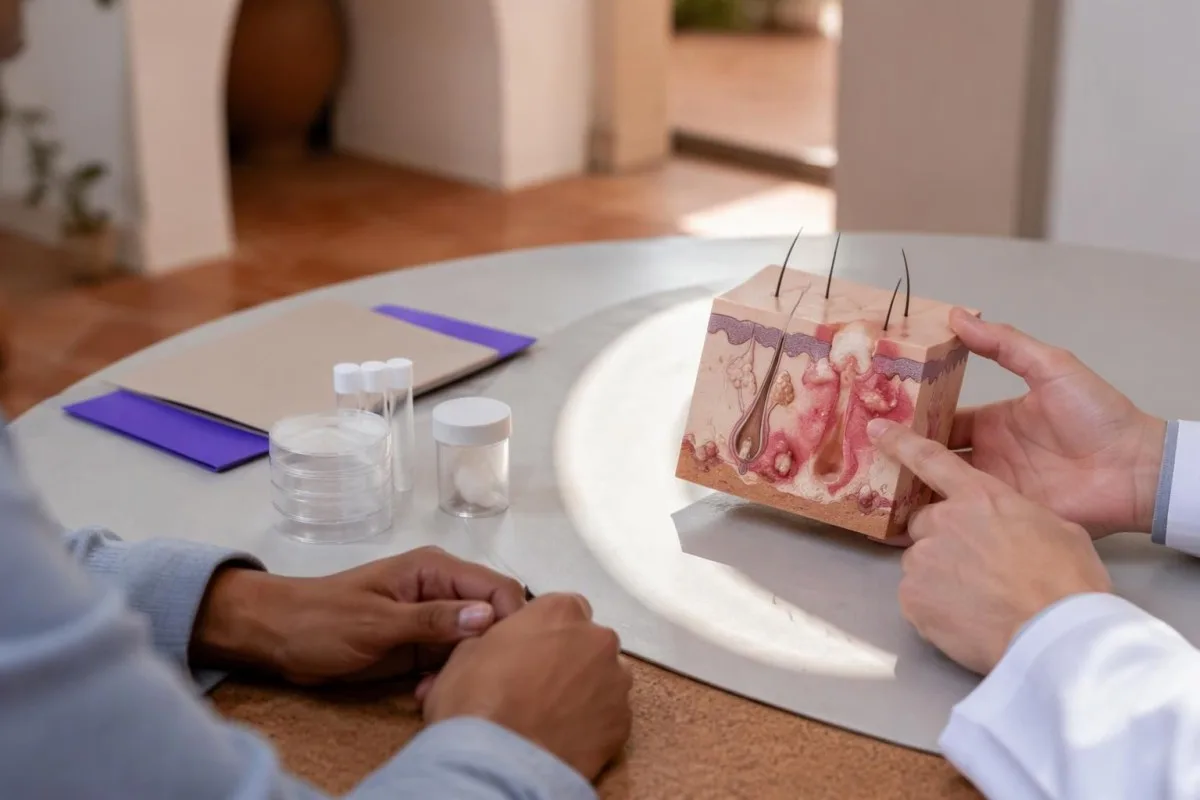
ແຄນເທສຕີ ເປັນ ឧបករណ៍វិភាគតេស្តឈាមដែលដំណើរការដោយ AI that can help organize abnormal results and changes between reports for discussion with your clinician. Our ຄູ່ມືເຕັກໂນໂລຍີການຕີຄວາມໝາຍດ້ວຍ AI explains the workflow; 1 uploaded report does not provide the skin examination or recurrence history needed to diagnose HS.
Keep 3 questions separate: whether the skin pattern fits HS, whether another condition needs investigation and whether treatment is safe. This separation prevents an elevated CRP from being treated as diagnostic proof and prevents normal blood work from incorrectly ending the assessment of recurrent painful lumps.
A benchmark using 100,000 synthetic cases evaluates technical performance within the chosen test design, not outcomes in 100,000 real patients with HS. Similarly, a report concerning 50,000 interpreted laboratory reports for hantavirus triage addresses a different clinical task; neither title supports a claim that AI can distinguish HS from boils.
The publications are listed in the DOI references for transparency, not as evidence for the 3 HS diagnostic criteria. Our AI ຢ່າງຮັບຜິດຊອບຂອງພວກເຮົາ describe why interpretation must remain bounded by the available information; the practical next step for recurring fold-area lumps is clinical assessment, even when every laboratory result is within range.
ຄໍາຖາມທີ່ຖືກຖາມເລື້ອຍໆ
ມີການກວດເລືອດສຳລັບພະຍາດຮິເດຣດີນິຕິສ ຊັບພູຣາຕິວາ ຫຼືບໍ?
0 ບໍ່ມີການກວດເລືອດທີ່ຜ່ານການຢືນຢັນວ່າສາມາດຢືນຢັນຫຼືຕັດພະຍາດ hidradenitis suppurativa ອອກໄດ້. ແພດວິນິດໄສ HS ໂດຍໃຊ້ 3 ລັກສະນະ: ຮອຍໂລກທີ່ເປັນລັກສະນະສະເພາະ, ບໍລິເວນທີ່ພົບໄດ້ຕາມປົກກະຕິ ແລະການເກີດຊ້ຳ ຫຼືການເປັນຊຳເຮື້ອ. CBC, CRP, ນ້ຳຕານໃນເລືອດ ແລະການກວດອື່ນໆ ອາດໃຊ້ປະເມີນພາວະທີ່ກ່ຽວຂ້ອງ ຫຼືຄວາມປອດໄພໃນການຮັກສາ, ແຕ່ຜົນການກວດທີ່ຜິດປົກກະຕິບໍ່ໄດ້ເປັນຫຼັກຖານວ່າເປັນ HS. ຜົນການກວດໃນຫ້ອງປະລິກິລິຍາທີ່ປົກກະຕິບໍ່ຄວນຂັດຂວາງການປະເມີນກ້ອນເຈັບປວດທີ່ເກີດຊ້ຳ.
ທ່ານສາມາດເປັນ HS ໄດ້ບໍ ຖ້າຜົນກວດເລືອດປົກກະຕິ?
ແມ່ນແລ້ວ, ພະຍາດຮິດຣາເດໄນຕິສ ຊຸບປູຣາຕີວາ (hidradenitis suppurativa) ສາມາດເກີດຂຶ້ນໄດ້ເມື່ອ CBC ແລະຕົວຊີ້ວັດການອັກເສບຢູ່ໃນລະດັບປົກກະຕິ. ຕົວຢ່າງເຊັ່ນ, CRP ທີ່ 2 mg/L ບໍ່ໄດ້ຕັດ HS ອອກ ເຖິງແມ່ນວ່າຫ້ອງກວດຈະໃຊ້ຂີດຈຳກັດອ້າງອີງສູງສຸດ 5 mg/L ກໍຕາມ. ກິດຈະກຳຂອງພະຍາດທີ່ຜິວໜັງສະເພາະບໍລິເວນ ແລະອຸໂມງທີ່ເກີດເປັນໂຄງສ້າງ ບໍ່ສາມາດກວດພົບໄດ້ຢ່າງໜ້າເຊື່ອຖືດ້ວຍຕົວຊີ້ວັດໃນເລືອດທົ່ວຮ່າງກາຍ. ການວິນິດໄສຍັງຂຶ້ນກັບລັກສະນະ, ຕຳແໜ່ງ ແລະການເກີດຊ້ຳຂອງຮອຍພະຍາດ.
ມີຝີຈັກເມັດຈຶ່ງອາດໝາຍຄວາມວ່າທ່ານເປັນພະຍາດຮິດຣາເດໄນຕິສ ຊັບພູຣາຕີວາ?
0 ການເກີດຢ່າງໜ້ອຍ 2 ຄັ້ງໃນຮອບ 6 ເດືອນ ບໍລິເວນທີ່ພົບລັກສະນະສະເພາະ ເປັນຂໍ້ບົ່ງຊີ້ທີ່ໃຊ້ກັນທົ່ວໄປສຳລັບພະຍາດ hidradenitis suppurativa, ແຕ່ການນັບພຽງແຕ່ກ້ອນບວມບໍ່ສາມາດໃຊ້ວິນິດໄສພະຍາດນີ້ໄດ້. ກ້ອນເນື້ອເລິກທີ່ເກີດຊ້ຳ, ອຸໂມງໃຕ້ຜິວໜັງ, ສິວອຸດຕັນທີ່ຢູ່ເປັນຄູ່ ແລະ ຮອຍແປ້ວທີ່ມີລັກສະນະສະເພາະ ເຮັດໃຫ້ມີແນວໂນ້ມວ່າເປັນ HS ຫຼາຍຂຶ້ນ. ຝີຈາກແບັກທີເຣຍທີ່ເກີດຊ້ຳກໍອາດເກີດຂຶ້ນໄດ້ ແລະ ອາດຕ້ອງການການປະເມີນທີ່ແຕກຕ່າງກັນ. ຢ່າລໍຖ້າໃຫ້ອາການກຳເລີບອີກຄັ້ງ ຫາກຮອຍໂລກໃນປັດຈຸບັນຮຸນແຮງ ຫຼື ຮູບແບບອາການໜ້າກັງວົນຢູ່ແລ້ວ.
CRP ສູງໝາຍຄວາມວ່າ HS ຕິດເຊື້ອບໍ?
CRP ສູງບໍ່ໄດ້ພິສູດວ່າຮອຍໂລກ HS ມີການຕິດເຊື້ອແບັກທີເຣຍ. CRP ລະດັບ 20 mg/L ອາດສະທ້ອນເຖິງກິດຈະກຳຂອງ HS, ພາວະອັກເສບອື່ນທີ່ບໍ່ກ່ຽວຂ້ອງ ຫຼືການຕິດເຊື້ອ, ຂຶ້ນກັບອາການແລະການກວດ. ໄຂ້ 38°C ຫຼືສູງກວ່າ ຮ່ວມກັບອາການເຈັບທີ່ຮຸນແຮງຂຶ້ນ ຫຼືຮອຍແດງທີ່ລາມອອກ ຄວນໄດ້ຮັບການປະເມີນໂດຍໄວ, ແມ່ນແຕ່ວ່າການຕິດເຊື້ອຮຸນແຮງອາດເກີດຂຶ້ນໂດຍບໍ່ມີໄຂ້ກໍຕາມ. ຈະເກັບຕົວຢ່າງເພື່ອກວດເຊື້ອເມື່ອເຫັນວ່າມີປະໂຫຍດທາງຄລີນິກ ແທນທີ່ຈະເກັບຈາກບ່ອນ HS ທຸກແຫ່ງທີ່ມີນ້ຳໄຫຼເປັນປະຈຳ.
ກ່ອນໃຊ້ຢາຊີວະວັດຖຸສຳລັບ HS ຕ້ອງກວດເລືອດຫຍັງແດ່?
ການກວດກ່ອນການຮັກສາດ້ວຍຢາຊີວະພາບສຳລັບ HS ຂຶ້ນກັບຢາ, ແນວທາງປະຕິບັດໃນທ້ອງຖິ່ນ ແລະຄວາມສ່ຽງຕໍ່ການຕິດເຊື້ອຂອງແຕ່ລະບຸກຄົນ. ການປະເມີນວັນນະໂລກ ແລະການກວດຄັດກອງໄວຣັສຕັບອັກເສບ B ມັກມີຄວາມຈຳເປັນ, ແລະການກວດຄັດກອງໄວຣັສຕັບອັກເສບ B ມັກກວດ 3 ຕົວຊີ້ວັດ: HBsAg, total anti-HBc ແລະ anti-HBs. ອາດມີການຂໍກວດ CBC ແລະກວດການເຮັດວຽກຂອງຕັບເພີ່ມເຕີມ. ຜົນການກວດຄັດກອງທີ່ເປັນບວກຈຳເປັນຕ້ອງໄດ້ຮັບການຕີຄວາມໝາຍທາງຄລີນິກ ແລະບໍ່ໄດ້ໝາຍຄວາມວ່າຢາຊີວະພາບທຸກຊະນິດບໍ່ເໝາະສົມໂດຍອັດຕະໂນມັດ.
ການຕັດເອົາຊິ້ນເນື້ອຜິວໜັງໄປກວດ ຫຼືການເກັບຕົວຢ່າງເຊື້ອແບັກທີເຣຍດ້ວຍການປ້າຍສຳລີ ສາມາດຢືນຢັນ HS ໄດ້ບໍ?
ພະຍາດ hidradenitis suppurativa ແບບທົ່ວໄປມັກວິນິດໄສຈາກອາການທາງຄລີນິກ ໂດຍບໍ່ຕ້ອງຕັດຊິ້ນເນື້ອຜິວໜັງ ຫຼື ເກັບຕົວຢ່າງເຊື້ອແບັກທີເຣຍຕາມປົກກະຕິ. ຜົນເພາະເຊື້ອເປັນບວກທີ່ລະບຸເຊື້ອ 1 ຊະນິດ ອາດບົ່ງຊີ້ເຖິງການຕິດເຊື້ອຊ້ຳຊ້ອນ ຫຼື ການມີເຊື້ອອາໄສຢູ່ ແທນທີ່ຈະຢືນຢັນພາວະຜິວໜັງພື້ນຖານ. ການຕັດຊິ້ນເນື້ອອາດຊ່ວຍປະເມີນກ້ອນທີ່ຄົງຢູ່ແບບຜິດປົກກະຕິ ຫຼື ການວິນິດໄສອື່ນ. ລັກສະນະທາງຄລີນິກ 3 ປະການ—ປະເພດຂອງຮອຍໂລກ, ການກະຈາຍຕົວ ແລະ ການເກີດຊ້ຳ—ຍັງຄົງເປັນພື້ນຖານຫຼັກໃນການຈຳແນກ HS.
ເຄື່ອງວິເຄາະການກວດເລືອດດ້ວຍ AI ສາມາດວິນິດໄສພະຍາດຕ່ອມເຫື່ອອັກເສບເປັນໜອງໄດ້ຫຼືບໍ່?
ເຄື່ອງວິເຄາະຜົນກວດເລືອດດ້ວຍ AI ບໍ່ສາມາດວິນິດໄສພະຍາດຕ່ອມເຫື່ອອັກເສບ (hidradenitis suppurativa) ຈາກຄ່າຜົນກວດໃນຫ້ອງປະລິການຢ່າງດຽວໄດ້. ມັນອາດຊ່ວຍອະທິບາຍຜົນກວດເຊັ່ນ CRP 12 mg/L ຫຼື HbA1c 6.1% ໄດ້, ແຕ່ຜົນທັງສອງຢ່າງບໍ່ສາມາດລະບຸສາເຫດຂອງກ້ອນເນື້ອໃຕ້ຜິວໜັງທີ່ເກີດຊ້ຳໄດ້. ການປະເມີນ HS ຕ້ອງພິຈາລະນາຮູບແບບຂອງຮອຍໂລກ, ບ່ອນທີ່ເກີດ ແລະ ປະຫວັດການເກີດຊ້ຳ, ໂດຍປົກກະຕິຈະມີການກວດຮ່າງກາຍປະກອບ. ການແປຜົນດ້ວຍ AI ຄວນຊ່ວຍສົ່ງເສີມການປຶກສາຫາລືກັບແພດ, ບໍ່ແມ່ນໃຊ້ແທນການປະເມີນນັ້ນ.
ຮັບຄຳອະທິບາຍຜົນກວດເລືອດຂອງທ່ານ
ອັບໂຫຼດລາຍງານຜົນກວດຂອງທ່ານ ແລະ AI ຂອງ Kantesti ຈະອະທິບາຍ biomarker ແຕ່ລະຕົວດ້ວຍພາສາເຂົ້າໃຈງ່າຍພາຍໃນບໍ່ກີ່ວິນາທີ. ມີຜູ້ໃຊ້ຫຼາຍກວ່າ 2 ລ້ານຄົນທົ່ວໂລກ.
ເອກະສານອ້າງອີງ
- Klein, T., Mitchell, S., & Weber, H. (2026). ລະບົບຊ່ວຍຕັດສິນໃຈທາງຄລີນິກທີ່ຊ່ວຍໂດຍ AI ຫຼາຍພາສາ ສຳລັບການຄັດກອງ Hantavirus ໄລຍະຕົ້ນ: ການອອກແບບ, ການກວດສອບດ້ານວິສະວະກຳ ແລະການນຳໃຊ້ຈິງກັບລາຍງານຜົນກວດເລືອດທີ່ແປຜ່ານລ່າມ 50,000 ລາຍງານ. ການຄົ້ນຄວ້າທາງການແພດດ້ວຍ AI ຂອງ Kantesti. ດອຍ
- Klein, T., Mitchell, S., & Weber, H. (2026). เกณฑ์มาตรฐานเชิงเทคนิคอัตโนมัติที่ลงทะเบียนไว้ล่วงหน้าและยึดตามรูบริก ของเครื่องมือ Kantesti สำหรับการตีความผลตรวจเลือด บนเคสทดสอบสังเคราะห์ 100,000 เคส. ການຄົ້ນຄວ້າທາງການແພດດ້ວຍ AI ຂອງ Kantesti. ດອຍ
- Alikhan A et al. (2019). North American clinical management guidelines for hidradenitis suppurativa: A publication from the United States and Canadian Hidradenitis Suppurativa Foundations: Part I: Diagnosis, evaluation, and the use of complementary and procedural management. Journal of the American Academy of Dermatology. ດອຍ
- Garg A et al. (2022). Comorbidity screening in hidradenitis suppurativa: Evidence-based recommendations from the US and Canadian Hidradenitis Suppurativa Foundations. Journal of the American Academy of Dermatology.
- Zouboulis CC et al. (2017). Development and validation of the International Hidradenitis Suppurativa Severity Score System (IHS4), a novel dynamic scoring system to assess HS severity. British Journal of Dermatology. ດອຍ
- 2 ລ້ານ+ການກວດທີ່ວິເຄາະ
- 127+ປະເທດ
- 100+ພາສາ
ກ່ຽວກັບທີມແພດ


ສັນຍານຄວາມໄວ້ໃຈ E-E-A-T
ປະສົບການ
ການທົບທວນຄລີນິກຂອງແພດຜູ້ນຳພາ ກ່ຽວກັບຂັ້ນຕອນການຕີຄວາມໝາຍຜົນການກວດໃນຫ້ອງທົດລອງ.
ຄວາມຊ່ຽວຊານ
ວິຊາການແພດທົດລອງ (ການແພດທາງຫ້ອງທົດລອງ) ເນັ້ນໃສ່ວ່າຕົວຊີ້ວັດ (biomarkers) ມີພຶດຕິກຳແນວໃດໃນບັນບົດທາງຄລີນິກ.
ຄວາມເປັນອຳນາດ
ກວດທົບທວນທາງການແພດໂດຍ ດຣ. Thomas Klein, ໂດຍມີສ່ວນຮ່ວມຈາກ ດຣ. Sarah Mitchell ແລະ ສາດສະດາຈານ ດຣ. Hans Weber.
ຄວາມໜ້າເຊື່ອຖື
ການຕີຄວາມໝາຍອີງຕາມຫຼັກຖານດ້ວຍເສັ້ນທາງຕິດຕາມທີ່ຊັດເຈນ ເພື່ອຫຼຸດການຕົກໃຈ.





ຂໍ້ປະຕິເສດຄວາມຮັບຜິດຊອບທາງການແພດ
ບົດຄວາມນີ້ມີຈຸດປະສົງເພື່ອການສຶກສາເທົ່ານັ້ນ ແລະບໍ່ແມ່ນຄຳແນະນຳທາງການແພດ. ຄວນປຶກສາຜູ້ໃຫ້ບໍລິການດ້ານສຸຂະພາບທີ່ມີຄຸນວຸດທິສະເໝີ ສຳລັບການວິນິດໄຊ ແລະ ການຕັດສິນໃຈດ້ານການຮັກສາ.
ໄດ້ຮັບການເຜີຍແຜ່ · ຕິດຕໍ່ທີມບັນນາທິການ
ຈັດພິມໂດຍ Kantesti Ltd, ຈົດທະບຽນໃນອັງກິດ ແລະເວວສ໌, ເລກທີບໍລິສັດ. 17090423, ລອນດອນ, ສະຫະລາຊະອານາຈັກ.
