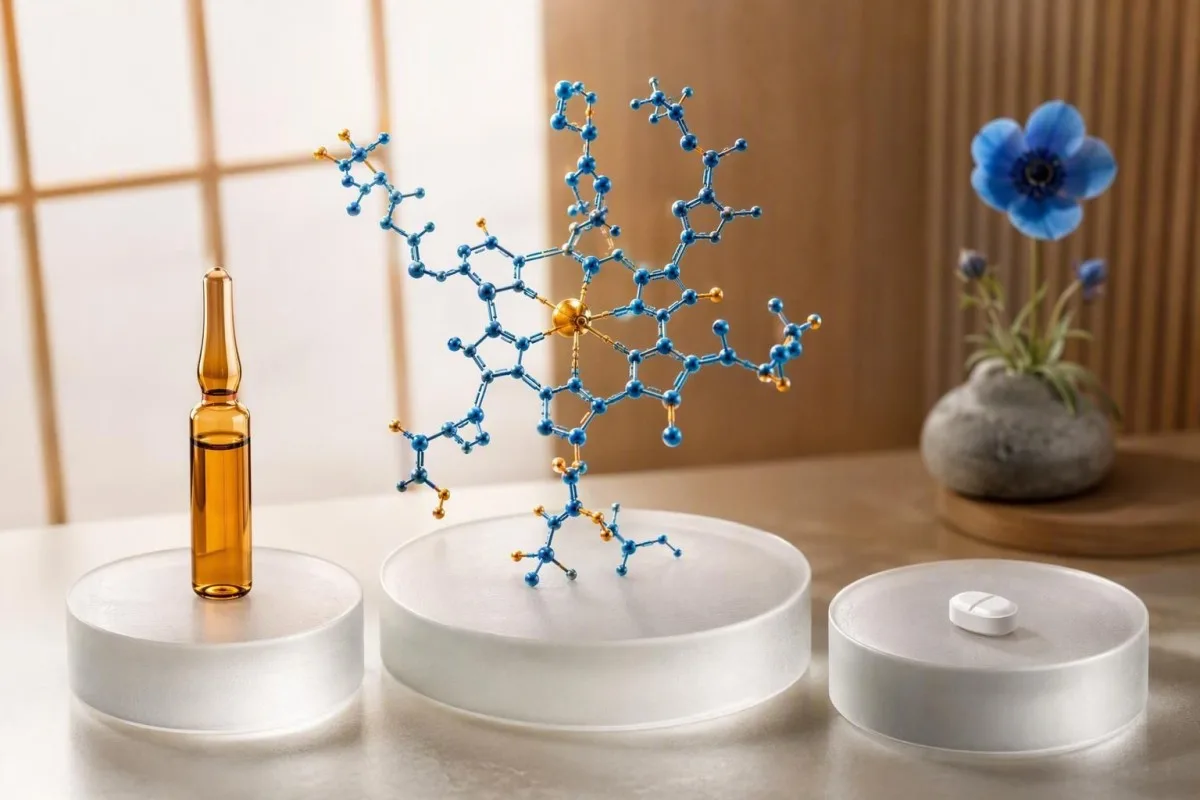
دەرزییەکان لوتکەیەکی خێرای سێרום دروست دەکەن، بەڵام B12ی دەمی بەرزکەوتە زۆرجار کەمبووناکە بەو ڕادەیەی کەهەفتەیەک چاک دەکاتەوە. هۆکار ی بڕیاردەر بریتییە لەهۆکار و توندی کەمبووناکە، نەک تەنها پێشینە.


- خێراترین بەرزبوونەوەی سێרום: دەرزییەکی ١٠٠٠ مایکرۆگرامی ماسولکەیی B12، B12ی دەمژراو بە ماوەی چەند کاتژمێرێک بەرز دەکاتەوە، لەکاتێکدا تابلێتەکان بەهێواشیتر بە ماوەی چەند ڕۆژێک بەرزدەبنەوە.
- جێگرەوەی هاوشێوە: B12ی دەمیی سیانۆکۆبالامین ١٠٠٠-٢٠٠٠ مایکرۆگرام ڕۆژانە دەتوانێت لە ماوەی کورتدا ئەنجامەکانی خوێن و نیشانە هاوشێوەکانی چارەسەری ماسولکەیی بۆ زۆرێک لە گەورەکان بەدەستبهێنێت.
- نیشانەی دەرزی: نیشانە بەهێزە دەروونییەکان، کەمخوێنیی قووڵ، نەتوانینی وەرگرتنی تابلێت، یان مژینی نا-جێگیر بەزۆری پاساودەری دەرزییەکانن لەلایەن کلینیکێکەوە.
- ئەنجامی سنووردار: B12ی سێרום لە خوار ١٨٠ pg/mL (١٣٣ pmol/L) بەزۆری کەمبووناکە دادەنرێت؛ ١٨٠-٣٥٠ pg/mL زۆرجار پێویستی بە پشتڕاستکردنەوەی MMA یان هۆمۆسیستین هەیە.
- مژینی پاسیف: نزیکەی ١١TP54T لە بڕێکی گەورەی B12ی دەمی بە د diffusionی پاسیف دەمژرێت، ئەمەش هۆکارە کە بۆچی تابلێتێکی ١٠٠٠ مایکرۆگرامی دەتوانێت کاربکات سەرەڕای تێکچوونی فاکتەری ناوەکی.
- کاتی دووبارە تاقیکردنەوە: پشێوی خوێن (CBC) و وەڵامدانەوەی کلینیکی بە گشتی سوودبەخشترن لە ماوەی ٤-٨ هەفتەدا لە ئاستی B12 کە بە immediate دوای چارەسەر دەگیرێت.
- خاڵی سەلامەتی: کەمبوونی ناڕوونی چارەسەر مەکە تەنها بە ترشی فۆلیک؛ فۆلیت دەتوانێت کەمخوێنی باشتر بکات لە کاتێکدا زیانی دەمارەکانی پەیوەست بە B12 بەردەوامە.
- هۆکار گرنگە: مێتمین، ئینزیبیتی پەمپیت پەمپ، سیستمی خۆراکی ڤیگەن، نەخۆشی سیلیاک، نەشتەرگەری گەدە و کەمخوێنی زەرد باڵۆنی شێوازی جیاوازی چاودێری داوا دەکەن.
کام بژاردە ئاستی ڤیتامین B12 خێراتر بەرز دەکاتەوە؟
دەرزی B12 ئاستی ناو دەماری چاودێری کراو بە خێراتر بەرز دەکاتەوە لە حەب، زۆرجار لە ماوەی چەند کاتژمێرێکدا، چونکە ئەوان ڕیخۆڵە تێدەپەڕێنن. بۆ زۆربەی گەورە پێگەیشتووەکان بە کەمی پشتڕاستکراوە، لەوانە، دۆزێکی دەمی ١٠٠٠-٢٠٠٠ مایکرۆگرام ڕۆژانە دەتوانێت کۆگاکانی لەش پڕ بکاتەوە و ژمارەی خوێن لە ماوەی چەند هەفتەیەکدا بە شێوازێکی هاوشێوەی کلینیکی باشتر بکات.
دەرزی یەک لوتکەی تیژی دروست دەکات چونکە هیدروکسیکۆبەلەمین یان سیانۆکۆبەلەمین ڕاستەوخۆ دەگوازرێتەوە بۆ ماسولکە و پاشان بۆ سووڕی خوێن. ئەو لوتکەی تاقیگە هەمان شت نییە وەک کۆگاکانی شانەی چاککراوە یان چالاکی دەماری چاککراوە؛ لە پراکتیکی من، چاکبوونەوەی نیشانەکان بە هەفتە بۆ مانگ چاودێری دەکرێت، نەک بەیانییەکەی.
بەراوردە پراکتیکییەکان زۆرجار کاتژمێر بە بەراورد بە ڕۆژ بۆ چڕی دەماری, ، بەڵام بە نزیکەیی ٤-٨ هەفتە بۆ وەڵامدانەوەیەکی مانادار لە خوێن بە هەر ڕێگەیەکی گونجاو. ڕیزی ڕیزی ڕیزی ڕیزی زۆرجار لە ڕۆژی ٣-٥ بەرز دەبێتەوە، هێمۆگڵۆبین دوای نزیکەی ١-٢ هەفتە باشتر دەبێت، و ماکرۆسایتۆز دەتوانێت تا ٨ هەفتە درێژ بکێشێت بۆ جێگیربوون.
Kantestî yek e Analyzerê testa xwînê ya AI کە B12 دادەنێت لە تەنیشت MCV، هێمۆگڵۆبین، فۆلیت، کریاتینین و ئەنجامە پێشووەکان لەبری چارەسەرکردنی لوتکەی B12 دوای چارەسەر وەک بەڵگەی ئەوەی کە کێشەی بنەڕەتی چارەسەر کراوە. خوێنەران دەتوانن ئەنجامەکەیان بەراورد بکەن لەگەڵ ئێمە ڕێنمایی ماوەی BA12 ی سەرچاوەکەمان بکە.
چی “خێراتر” بە ڕاستی مانای چییە
ئەنجامێکی بەرز دوای دەرزی کەوتنی ڕووبەڕووبوونەوەی نوێ پشتڕاست دەکاتەوە، نەک بەو شێوەیە گواستنەوەی خانەیی گونجاو. ترشی مێتیلمالۆنیک، دۆزینەوە دەماری و ئاڕاستەی CBC زیاتر زانیاری دەدەن کاتێک کە دیاری کردنە سەرەتاییەکە ناڕوونکراو بوو.
چۆن مژینی B12ی دەمی کاردەکات کاتێک فاکتەری ناوەکی نزمە
B12ی دەمی بەرز دەتوانێت کار بکات تەنانەت کاتێک مژینی هۆکاری ناوەکی تێکچووە چونکە بەشێکی بچووک بە دیفیۆنی ناڕاستەوخۆ دەچێتە ناوەوە. نزیکەی ١١TP54T لە دۆزێکی ١٠٠٠ مایکرۆگرام دەتوانێت بە ناڕاستەوخۆ مژرابێت، کە دەگاتە نزیکەی ١٠ مایکرۆگرام — زۆر لە پێویستی ڕۆژانەی ناوەندی ٢.٤ مایکرۆگرام بۆ گەورەکان.
B12ی خۆراکی ئاسایی دەبێت لەلایەن ترشی گەدە دەربکرێت، بە هۆکاری ناوەکی ببەسترێتەوە، و لە کۆتایی ئیلیۆم مژرابێت. ئەم سیستەمی چەند قۆناغییە ڕووندەکاتەوە بۆچی داپڵۆسرانی ترشی درێژخایەن، گەدە هەوکردنی ئۆتۆیی، نەخۆشی ئیلیوم و نەشتەرگەری باریاتریک دەتوانێت ببێتە هۆی کەمی؛ هەروەها ڕووندەکاتەوە بۆچی پڕکردنەوەیەکی ستاندەردی فرە-ڤیتامین زۆرجار دۆزێکی زۆر بچووکە بۆ چارەسەر.
مژینی B12ی دەمی وابەستە بە دۆزە بەڵام نا-لینیارییە. ڕێگەی هۆکاری ناوەکی لە نزیکەی ١.٥-٢ مایکرۆگرام بۆ هەر ژەمێکدا تێر دەبێت، لە کاتێکدا دیفیۆنی ناڕاستەوخۆ تەنها لەگەڵ حەبەکانی پۆلی میلیلیدا سوودبەخشە. پڕکردنەوەیەکی ٥٠ مایکرۆگرامی پرۆڤیژنێکی گونجاوە بۆ هەندێک کەس، بەڵام هاوتا نییە لەگەڵ ١٠٠٠ مایکرۆگرام بۆ کەمی دامەزراو.
بۆ نەخۆشانی بەکارهێنەری ئۆمێپرازۆل، پانتۆپرازۆل یان PPI تر، من نمونەی فراوانتر چاودێری دەکەم — خۆراک، تەمەن، کەمخوێنی و ماوەی بەکارهێنان — لەبری ئەوەی دڵنیابم کە دەرمانەکە هەموو چیرۆکەکەیە. لێکۆڵینەوەی ئێمە لەسەر چاودێری تاقیگەدرێژخایەنی PPI ڕووندەکاتەوە بۆچی مەگنیسیوم و ئاسنیش گرنگن.
تاقیکردنەوە کلینیکییەکان چی دەربارەی تابلێت لەبەرامبەر دەرزی دەڵێن
پێداچوونەوەی ڕێژەیی سەلماندوویەتی کە B12 ی دەمی بە ڕێژەی ١,٠٠٠-٢,٠٠٠ מיلیگرام لە ڕۆژێکدا دەتوانێت وەک B12 ی ناو دەم لە پێناو زۆرێک لە خەڵکانی کەمتیاردا کاریگەر بێت. بنکەی بەڵگەکان زۆر گەورە نییە، و ژمارەی نەخۆشەکانی خاوەن نەخۆشی دەماری سەخت کەمترە لەوەی کە کلینیکەکان دەیانەوێت.
پێداچوونەوەی Cochrane لە لایەن Wang و هاوکارانیەوە دۆزیویانەتەوە کە B12 ی دەمی بە دۆزی بەرز، وەڵامنامەی هاوشێوەی ئاستی B12 لە خوێن وەک چارەسەری ناو دەم لە توێژینەوە بچووکەکانی ڕێژەیی (Wang et al., 2018) بەرهەم هێناوە. یەکێک لە توێژینەوەکان ڕۆژانە ٢,٠٠٠ מיلیگرام بە دەم بەکارهاتووە؛ یەکێکی تر ١,٠٠٠ מיلیگرام بە دەم دوای نەخشەیەکی سەرەتایی بەکارهاتووە، بۆیە “چارەسەری دەمی” مانای بەروبوومی سوپەر مارکێت بە دۆزی کەم نییە.
توێژینەوەی پێشووتر لە لایەن Kuzminski et al. دەریخستووە کە چڕییەکانی B12 ی سیروم لەگەڵ ٢,٠٠٠ מיلیگرام سیانۆکۆبۆڵامین بە دەم زیاتر بووە لەگەڵ ڕژێمی ١,٠٠٠ מיلیگرام ئینجێکتن، بەڵام ئەنجامە کلینیکییەکان پرسیارێک بوون کە گرنگ بوون (Kuzminski et al., 1998). بەڵگەکان بە ڕاستی تێکەڵن لەسەر نەخشەی گونجاو چونکە توێژینەوەکان ماوەی جیاوازی ئینجێکتن و ماوەی چاودێرییان بەکارهێناوە.
تابلێتێک تەنها ئەگەر بخورێت کاری دەکات. دەرچوونی دۆزی ڕۆژانە دەتوانێت ئینجێکتێک کە هەر ٢-٣ مانگ جارێک دەدرێت لە ژیانی ڕاستەقینەدا، بە تایبەتی بۆ گەورە ساڵان یان خەڵکانی خاوەن نەخشەی دەرمانی ئاڵۆز، داناتر بکات. ئێمە ڕێبەری کاتی پشکنینی خوێن دەتوانین جیاوازی نێوان گۆڕانکارییەکی ڕاستەقینەی چارەسەر لەگەڵ پشکنینەوەیەکی خراپ کاتدار جیا بکەینەوە.
کەی دەرزییەکانی B12 پێویستی پزیشکییان هەیە
ئینجێکتەکانی B12 بە شێوەیەکی گشتی لە ڕووی پزیشکییەوە پێویستن کاتێک کەمی سەختە، نیشانەکانی دەماری بوونیان هەیە، خواردنی دەمی ناڕێکە، یان هەڵمژین و پابەندبوون جێی متمانە نین. ئەوان بە شێوەیەکی خۆکارانە ناچار نین تەنها لەبەر ئەوەی گومانی ئەنیەمای ترسناک هەیە، بە مەرجێک چارەسەری دەمی بە دۆزی بەرز و چاودێری ئەنجام بدرێت.
پێداچوونەوەی پزیشکی بە پەلە گونجاوە بۆ هاوسەنگی بازدان، بێهوشی بەردەوام، لاوازی، شڵەژان، گۆڕانی بینین، ئەنیەمای دیار، یان دووگیانی لەگەڵ کەمتیاری بەرچاو. زیانی دەماری B12 دەتوانێت بەشێوەیەکی نیمچە نەگۆڕ ببێت؛ لەو بارودۆخەدا، من لە کاتی باس کردنی ئاسانکاری، چارەسەری parenteral دوا ناخەم.
ڕێنمایی NICE NG239 چارەسەری ناو دەم ڕێنمایی دەکات کاتێک گومانی خراپبوونی هەڵمژین هەیە یان پشتڕاست کراوەتەوە و لە زۆرێک لە حاڵەتەکاندا جێگرەوەی چارەسەری ناو دەمی بۆ ماوەی ژیان بۆ گەدەیلایتسی ئۆتۆمین (NICE, 2024) ڕێنمایی دەکات. پراکتیک لە نێودەوڵەتی جیاوازە: هەندێک کلینیک ڕۆژانە ١-٢ مللگرام بە دەم بەکاردەهێنن لە نەخۆشی میوانداردا، لە کاتێکدا ئەوانی تر ئینجێکتەکان باشتر دەزانن چونکە ئەنجامی لاوازی زیاترە.
هیمۆگڵۆبینی کەمتر لە ٨٠ گ/ل، هەناسەتەنگی ناڕەحەت، تاکی کاردیا، یان دەستنیشانکردنی دەستکاری بڕبڕەی پشت پێویستی پشکنینی خێرای پزیشکی هەیە نەک خۆچارەسەرکردن. بۆ تێگەیشتن لە چۆنیەتی دەرکەوتنی شێوازەکانی ئەنییما لە پشکنینی ئاسایی، سەیری بکە چی بریتییە لە کەمترین پشکنینی خوێن.
teaspoonsی چارەسەری کەمی B12 کە کلینیکییەکان بەڕاستی بەکاری دەهێنن
دۆزە باوەکانی چارەسەری دەمی ١,٠٠٠-٢,٠٠٠ מיلیگرام ڕۆژانەیە، لە کاتێکدا ڕژێمە باوەکانی ناو دەم ١,٠٠٠ מיلیگرام لە هەر دۆزێک لەگەڵ قۆناغێکی بارکردنی سەرەتاییدا بەکاردەهێنن. بەروبوومەکە، ڕێنمایی نیشتمانی و هۆکاری کەمی بریتییە لە دیاریکردنی نەخشەی ورد.
لە پراکتیکی بەریتانیا، هیدروکسیکۆبۆڵامین ١,٠٠٠ מיلیگرام ناو دەم سێ جار لە هەفتەیەکدا بۆ ٢ هەفتە بەکاردەهێنرێت کاتێک هیچ نەخۆشییەکی دەماری بوونی نییە، پاشان هەر ٢-٣ مانگ جارێک بۆ مانەوە؛ نەخشەکان بەپێی خزمەتگوزاری ناوچە جیاوازن. بە بوونی تایبەتمەندییەکانی دەماری، دۆزە سەرەتاییەکان زۆرجار هەر ڕۆژێک پاش ڕۆژێک دەدرێت تا هیچ گۆڕانکاری زیاتر نەبێت، پاشان مانەوە بەپێی ڕاوێژی پسپۆڕانە.
نەخشەیەکی نموونەیی دەمی سیانۆکۆبۆڵامین ١,٠٠٠ מיلیگرام ڕۆژانەیە بۆ ٨-١٢ هەفتە، پاشان ١,٠٠٠ מיلیگرام ڕۆژانە یان نەخشەیەکی مانەوەی کەمتر ئەگەر خۆراک تەنها هۆکارەکە بووبێت. بەروبوومە ژێر زمانەکان نەکراونەتەوە کە لە تابلێتە قوتدراوەکان باشتر بن؛ دوای ئەوەی دەتوێتەوە، زۆربەی هەر قوتدراوە.
نەخشەی بارکردن لە ڕاوێژی سۆشیال میدیا دروست مەکە. بەراوردکردنی B12 مێتیلیزە لەگەڵ سیانۆکۆبۆڵامین ڕووندەکاتەوە بۆچی دۆز و پابەندبوون بە گشتی زیاتر گرنگن لە بانگەشەی بازاڕکردن سەبارەت بە شێوازی B12.
چۆن ئەنجامێکی نزم یان سنوورداری B12 لێکبدەینەوە
B12 ی سیروم کەمتر لە ١٨٠ pg/mL (١٣٣ pmol/L) بە شێوەیەکی گشتی پشتگیری لە کەمی دەکات، لە کاتێکدا بەهایەکان لە نزیکەی ١٨٠-٣٥٠ pg/mL ەوە ناوچەیەکی نادیارن کە تیایدا MMA یان هۆمۆسیستین دەتوانێت کەمی خانەیی ڕوون بکاتەوە. ماوەی جیاوازی تاقیگەکانی تاک جیاوازن، و بەهایەکی ئاسایی سیروم ناتوانێت بە تەواوی کەمی دوای زیادکردنی نوێ ڕێگە بگرێت.
ترتفع حمض الميثيل مالونيك عند اختلال عملية الأيض المعتمدة على فيتامين ب12، ولكن انخفاض وظائف الكلى يمكن أن يرفع MMA بشكل مستقل. قد ترتفع الهوموسيستين مع نقص فيتامين ب12، ونقص الفولات، ونقص فيتامين ب6، وقصور الغدة الدرقية، وضعف الكلى، لذلك لا ينبغي قراءة أي من الاختبارين التأكيديين بمعزل عن الآخر.
تضخم الكريات الحمر داعم ولكنه غير مطلوب. يثير متوسط حجم الكريات الحمر فوق 100 fL الشك في نقص فيتامين ب12 أو الفولات، والتعرض للكحول، وأمراض الكبد، وقصور الغدة الدرقية، واضطرابات نخاع العظم، أو تأثير الأدوية؛ حوالي ربع المرضى الذين يعانون من نقص فيتامين ب12 قد يكون لديهم MCV طبيعي.
يقوم Kantesti AI بتفسير نتائج فيتامين ب12 عن طريق التحقق من ڕێکخستە/شێوەکە بخوێنیت. MCV، و RDW، والهيموغلوبين، والفولات، والقيم التاريخية، بما في ذلك الإشارات إلى أن مكمل الفولات قد يخفي تضخم الكريات الحمر. مقالتنا حول بەدواداچوونی MCV بەرز تغطي البدائل الشائعة.
نەخۆشی گێژبوونی بێشومار پلانی درێژخایەن دەگۆڕێت، نەک هەمیشە ڕێگاکە
فقر الدم الخبيث هو فقدان المناعة الذاتية لوظيفة العامل الداخلي، ويتطلب استبدال فيتامين ب12 مدى الحياة بعد التشخيص. توفر الحقن توصيلاً موثوقاً، ولكن العلاج الفموي بجرعة عالية قد لا يزال يحافظ على حالة كافية لدى البالغين المختارين والذين تتم مراقبتهم عن كثب.
الاختبارات الأكثر استخدامًا هي الأجسام المضادة للعامل الداخلي والأجسام المضادة للخلايا الجدارية، بالإضافة إلى B12، و CBC، وأحيانًا الغاسترين. الأجسام المضادة الإيجابية للعامل الداخلي محددة للغاية ولكنها ليست حساسة جدًا، لذا فإن النتيجة السلبية لا تستبعد الحالة؛ هذا هو أحد المجالات التي يكون فيها السياق أكثر أهمية من جسم مضاد واحد.
فقر الدم الخبيث هو أكثر من مجرد مشكلة امتصاص. يمكن أن يتواجد التهاب المعدة المناعي الذاتي مع نقص الحديد قبل أن يصبح نقص فيتامين ب12 واضحًا، ويحمل المرض طويل الأمد اعتبارات للمراقبة المعدية التي يجب مناقشتها مع الطبيب المعالج. دليل اختبار فقر الدم الخبيث يفصل التسلسل التشخيصي.
Kantestî yek e پلاتفۆرمی تێکست/وەشاندنی تاقیکردنی خوێنی AI المستخدمة في 127+ دول، ولكن التفسير بالذكاء الاصطناعي لا يمكنه تشخيص التهاب المعدة المناعي الذاتي أو اختيار فترة حقن مدى الحياة. يحتاج الطبيب إلى ربط الأعراض والأجسام المضادة والتاريخ التنظيري ونمط المختبر.
بۆچی نیشانە دەرەکییەکان پێویستیان بەکاری خێراتری کلینیکی هەیە
التنميل، وفقدان الإحساس بالاهتزاز، والمشي غير المتزن، والتغير المعرفي، أو الضعف مع انخفاض فيتامين ب12 يجب أن يثير تقييمًا فوريًا شخصيًا وعلاجًا بالحقن عادةً. استعادة الأعصاب أقل قابلية للتنبؤ من استعادة فقر الدم وقد تظل غير مكتملة بعد أشهر من النقص.
الأعمدة الظهرية والأعصاب الطرفية عرضة لنقص فيتامين ب12، مما ينتج نمطًا يسميه الأطباء التنكس المشترك تحت الحاد في الحالات المتقدمة. الهيموغلوبين الطبيعي لا يحمي من ذلك؛ لقد رأيت مرضى سبق أن سبقت قدمهم المتخدرة وحس الاهتزاز غير الطبيعي أي فقر دم واضح.
غالبًا ما يبدأ التحسن في غضون أسبوع واحد من العلاج الفعال، ولكن الأعراض الحسية يمكن أن تستغرق 3-12 شهرًا وقد لا تزول تمامًا. النهج الأكثر أمانًا هو تسجيل الوظيفة الأساسية - مسافة المشي، والسقوط، وبراعة اليد، والإحساس بالاهتزاز - لأن ارتفاع فيتامين ب12 في المصل وحده ليس مقياسًا للتعافي.
الاعتلال العصبي له أيضًا العديد من المحاكيات، بما في ذلك السكري، والإصابات العصبية المتعلقة بالكحول، وأمراض الغدة الدرقية، وزيادة فيتامين ب6، وبعض الأدوية. يمكن للمرضى الذين يعانون من التنميل استخدام دليل أعراض الأعصاب الناجمة عن فيتامين ب6 لطرح أسئلة أفضل، ولكن الضعف التدريجي يحتاج إلى رعاية طبية الآن.
کەی تابلێتەکان بەزۆری بەسەن بۆ کەمبوونی B12ی خۆراکی
الأقراص عادة ما تكون كافية عندما ينتج انخفاض فيتامين ب12 عن تناول غير كافٍ ويمكن للأمعاء امتصاص المكملات. النباتيون، والأشخاص الذين يتناولون القليل جدًا من الأطعمة ذات المصدر الحيواني، والبالغون الذين لديهم قيود غذائية مؤقتة يستجيبون جيدًا عادةً لسيانوكوبالامين الفموي 1000 ميكروغرام يوميًا.
يتركز فيتامين ب12 بشكل طبيعي في الأطعمة المشتقة من الحيوانات والأطعمة المدعمة، لذا فإن النظام الغذائي النباتي الصارم يحتاج إلى استراتيجية موثوقة للأطعمة المدعمة أو المكملات. الأطعمة النباتية المسوقة كمصادر طبيعية لفيتامين ب12 غير متناسقة؛ يمكن أن تحتوي الأعشاب البحرية والأطعمة المخمرة على نظائر غير نشطة ليست علاجًا موثوقًا به.
کەمی خۆراکی هێشتا دەبێت ببێتە هۆی مێژوویەکی کورت. ڕووەکی ٢٣ ساڵان لەگەڵ B12 ی ١٤٢ pg/mL، MMA ی ئاسایی دوای چارەسەر و بێ هیچ نیشانەیەکی ڕیخۆڵە جیاوازە لە ٦٨ ساڵانێک کە هەمان ئەنجام، دابەزینی کێش و کەمی ئاسنی هەیە. تەمەن، دەرمانەکان و نیشانەکانی گەدە و ڕیخۆڵە کاردەکەنە سەر شێوازی پشکنین.
بۆ پلاندانانی خۆراک، ڕێبەری ڤیتامینە وشکە-تێکەڵەکانمان بڕی پێشگیری کار لە بڕی چارەسەر جیا دەکاتەوە. گومانی وەرنەگرە کە تەنها خۆراک بە خێرایی چارەسەری نیشانە دەمارییەکان دەکات.
دەرمانەکان و حاڵەتەکانی ڕیخۆڵە کە هەڵبژاردەی چارەسەری B12 دەگۆڕن
مێتفۆرمین، دەرمانەکان دژە ترشەکان، نەخۆشی سیلیاک، نەخۆشی کرۆهن کە کاریگەری لەسەر بادامە هەیە، کەمى ئەنزیمی پەنکریاس و نەشتەرگەری گەدە هەموویان دەتوانن بڕی B12 کەم بکەنەوە. تاقیکردنەوەی حەبێک لە هەندێک حاڵەتدا دەکرێت، بەڵام دەرزی زۆرجار هەڵدەبژێردرێت کاتێک هەڵمژین نادیارە یان نیشانەکان بەرچاون.
کەمی B12 ى بەهۆى مێتفۆرمینەوە زۆر باوە چونکە ڕێکخەرەکان ڕێنمایی دەدەن بڕی ب پشکنرێت لە نەخۆشەکاندا کە ئەینیمیا یان هۆکارى ترشیان هەیە، بە تایبەت لە بڕە زۆرەکان یان ماوەی درێژ. میکانیزمەکە بە گومانێکى زۆر لەسەر هەڵمژينى بەستەرى B12-فاکتەری ناوەکی لە بادامە، نەک تەنها خۆراکی خراپ.
دوای گەدەى سەرەكى یان گەدەى بڕاو، بڕیارەکانی چارەسەر دەبێت دوای ڕێنمایی تیمی باریاتری بێت چونکە ئاسن، فولات، تیامین، ڤیتامین D و مس پێکەوە کاریگەرییان لەسەر دەبێت. سکچوونی هەمیشەیی، ئەلبومینی نزم، دابەزینی کێشی ناڕوون یان پیسایی چەور دەبێت ببێتە هۆی لێکۆڵینەوە نەک گۆڕانکاری بێ کۆتایی زیادەکان.
مسى نزم دەکرێت ببێتە هۆی ئەنییمیا و نیشانەى دەماری کە هاوشێوەى کەمی B12 ى یە، بە تایبەت دوای نەشتەرگەری باریاتری یان زێدەیی زینک. کلینیکی زانینى میسی نزم ڕووندەکاتەوە بۆچی تەنها پشکنینی B12 گەرەکە هۆکاری ڕاستەقینە ون بکات.
چەندە زوو دووبارە پشکنین بکەین دوای چارەسەری B12
پشکنینێکی گشتی خوێن و پێداچوونەوەی نیشانەکان لە نزیکەی ٤-٨ هەفتەدا بە گشتی سودبەخشترە لە دوبارە پشکنینی B12ی خوین نزیکەی دوای دەرزی یان کۆرسێکی حەب. ئەنجامی زۆر بەرزى B12 زوو دوای چارەسەر زۆرتر ڕەنگدانەوەى ئەو بڕەیە کە وەرگیراوە.
وەڵامدانەوەی ڕیستولیتیک نزیکەی ڕۆژی ٣-٥ بەڵگەیەکی زووە کە دروستبوونی مۆخەکە چاک دەبێتەوە، لەکاتێکدا هیمۆگلۆبین دەبێت لە هەفتەکانی داهاتوودا بەرز ببێتەوە ئەگەر کەمی B12 هۆکارێکی سەرەکی بووبێت. نەبوونی چاکبوونەوە دەبێت جیاکاری بکاتەوە: کەمی ئاسن، خوێن بەربوونی بەردەوام، کەمی فولات، هەوکردن، نەخۆشی گورچیلە یان دیاریکردنی هەڵە.
بۆ کەمی خۆراکی ئاسایی، من زۆرجار CBC و B12 لە ٨-١٢ هەفتەدا پشکنین دەکەمەوە، پاشان پلانێکی بەردەوامی چاکبوونەوە پشتڕاست دەکەمەوە. بۆ نەخۆشی دەماری، گەدەى خۆبەخۆ، سکپڕی، کەمى توانى گورچیلە یان کەمی فرە، پێویستە چاودێری تاکەکەسی بێت و زۆرجار زووتر دەستپێدەکات.
Kantesti ئامێری توێژینەوەی تاقیکردنەوەی خوێن بە پشتبەستن بە AI دەتوانێت B12، MCV، RDW و ئەنجامەکانی هیمۆگلۆبین بەدوای یەکدا بەراورد بکات لەجیاتی نیشاندانی هەر کێشانێک وەک ڕووداوێکی جیاواز. ڕێنمای بەراوردی لابراتۆری لە کنار یەکدی پیشاندەری ئەوەیە چی لەنێوان پشکنینەکاندا تۆمار بکرێت.
بۆچی ئەنجامێکی بەرزبوونی B12 دوای چارەسەر هەمیشە دڵنیایی نابەخشێت
ئاستێکی بەرزى B12 دوای دەرزی یان حەبێکی زۆر، زۆرجار ڕەنگدانەوەى زیادەیە و سەلماندنى ئەوە ناکات کە نیشانەکان هۆکارێکی تریان هەیە. بە پێچەوانەوە، بەرزبوونەوەى ناڕوونی B12 ى بەردەوام بێ زیادە پێویستی بە پشکنینی کلینیکی هەیە، بە تایبەت کاتێک نائاساییەکانی جگەر، گورچیلە یان خوێن تیایدا هەیە.
B12ى خوێن دەکرێت سنووری سەرەوەى لەش نزیکەی ٩٠٠-١٠٠٠ pg/mL دوای چارەسەر تێپەڕێنێت، بە پشت بەستن بە پشکنین و کات. ئەمە چاوەڕوانکراوە و بە گشتی ژەهراوی نییە؛ B12 هیچ بڕێکی دانراوی ژیانی بێ زیانی نییە لە گەورەکاندا چونکە زۆربەی زیادە دەردەچێت، هەرچەندە گرێی زیپکەیی لە کەمینەیەکی بچووکدا ڕوودەدات.
پرسیارێک کە لێمە سادەیە: ئایا نموونەکە دوای زیادە، دەرزی، ڤیتامینی فرە، خواردنەوەى وزە یان بەرهەمێکی بەهێزکەر کێشراوە؟ ئەگەر نا، بەرزبوونەوەى B12 دەکرێت هاوڕێ بێت لەگەڵ نەخۆشی جگەر، کەمى پاککردنەوەى گورچیلە، هەوکردن یان بارودۆخی خوێن، و پێویستی بە بارودۆخە نەک ترس.
Yên me ڕێبەری ڤیتامینی B12 بەرز ڕوونکردنەوەی جیاوازی نێوان بەرزبوونەوەی چاوەڕوانکراو کە پەیوەندی بە زیادەرۆیییەوە هەیە و نیشانەیەکی تاقیگەیی ناڕوونکراوە.
هەڵەی باوی چارەسەری B12 کە چاکبوونەوە دوا دەخەن
هەڵەی گەورە بریتییە لە وەرگرتنی ترشی فۆلیک بە تەنها کاتێک کە کەمبوونی B12 دەرنەکرابێت. ترشی فۆلیک دەتوانێت ئەنیمیا ئاسایی بکاتەوە لە کاتێکدا ڕێگە بدات زیانگەیاندن بە دەمارەکان کە پەیوەندی بە B12 هەیە بەردەوام بێت، بەتایبەتی کاتێک بڕەکان لە ڕێژەی ئاسایی خۆراک زیاتر بێت.
تەنها پشت بە نیشانەکان مەبەستە بۆ بڕیاردان لە نێوان دەرزی و حەب. ماندووبوون، تەمومژی مێشک و خەمۆکی ڕاستەقینەن بەڵام دیاریکراو نین؛ لەدەستدانی خەو، نەخۆشیی تیروئید، کەمبوونی ئاسن، خەمۆکی، شەکرە و کاریگەریی دەرمانەکان دەتوانن سکاڵای هاوشێوە دروست بکەن. ئەنجامێکی B12 نزیک لە 250 pg/mL پێویستی بە پشتڕاستکردنەوە هەیە زیاتر لە دەرزییەکی ئۆتۆماتیکی.
هەڵەیەکی دیکە دواکەوتنی پشکنینە تا دوای دەستپێکردنی زیادەڕۆیی کاتێک ئەگەر هەبێت. تەنانەت 50-500 مایکرۆگرام ڕۆژانە دەتوانێت B12ی ئەسیروم بگۆڕێت بە شێوەیەک کە دەستنیشانکردن قورستر بکات، هەرچەندە نیشانە دەمارییەکان دەبێت هەمیشە لەپێشدا چارەسەر بکرێن. ترشی فۆلیکی بەرز و کەمبوونی شاردراوی B12 بە تایبەتی پەیوەندی هەیە بەو کەسانەی کە دەرمانەکانی پێش لەدایکبوون یان وزە بەکاردەهێنن.
لە 27ی ئابی 2026، ڕاوێژی من وەک د. تۆماس کلاین ئەوەیە کە کەمترین ڕێگای قورس هەڵبژێرە کە لە ڕووی پزیشکییەوە جێی متمانەیە، پاشان چاکبوونەوە بە نیشانەکان و ترێندەکان پشتڕاست بکەرەوە. چارەسەری دەرزی دەرمانێکی نایابە کاتێک پێویست بێت؛ بە شێوەیەکی سروشتی دەرمانێکی بەهێزتر نییە بۆ هەموو ئەنجامێکی نزم.
چوارچێوەیەکی بڕیاردانی کرداری بۆ دەرزی یان تابلێتی B12
دەرزی هەڵبژێرە کاتێک مەترسی بەرزە یان متمانەپێکراوی دەمی کەمە؛ حەبی بڕی بەرز هەڵبژێرە کاتێک کەمبوونەکە سووک یان مامناوەندە، خواردن کێشەی سەرەکییە و چاودێریکردن جێی متمانەیە. باشترین ڕێگا ئەوەیە کە کەمبوونەکە چاک دەکاتەوە بێ ئەوەی لێکۆڵینەوە لە هۆکارەکەی دوا بخات.
حەبەکان باشترینن کاتێک B12 بەهۆی خۆراکەوە نزمە، هیچ نیشانەی دەماری نییە، قووتدانەکە سەلامەتە و کەسەکە دەتوانێت بە بەردەوامی 1,000-2,000 مایکرۆگرام ڕۆژانە وەربگرێت. دەرزییەکان باشترینن لەگەڵ نیشانەی دەماری، ئەنیمای سەختی symptomatic، ڕشانەوە، کەم مژینی زۆر، ئەناتۆمی دوای نەشتەرگەری یان پابەندبوونی ناڕوون.
چوار شت ببە بۆ سەردانیکردن: ئەنجامی بنەڕەتی B12 لەگەڵ یەکەکان، CBC، هەموو زیادەڕۆیی و بڕی دەرمان، و کاتیناسەی نیشانەکان. یاسای کلینیکی د. تۆماس کلاین ئەوەیە کە دەبێت هۆکارەکە ناو ببرێت پێش ئەوەی چاککردنەوەکە هەمیشەیی بکرێت کاتێک ئەوە بە سەلامەتی ئەنجام بدرێت.
Kantesti AI یەک خزمەتگوزاری تێکست/تێگەیشتنی تاقیکردنی لابراتۆریی AI دیزاینکراوە بۆ ڕێکخستنی چوارچێوەی تاقیگەیی بۆ نەخۆش و پزیشکان، لە کاتێکدا دەستنیشانکردنی کۆتایی و نووسینی چارەسەر بڕیاری کلینیکی دەمێنێتەوە. ئێمە Lijneya Şêwirmendiya Bijîşkî û ڕێگای تاقیکردنەوەی پزیشکی (clinical validation) چاودێری پزیشکی پشت ئەو سنوورەمان وەسف کردووە.
Pirsên Pir tên Pirsîn
ئایا دهرمانهکانی ڤیتامین B12 بهخێرا دهبن له حهبهکانی؟
injections of B12 raise serum B12 faster than tablets because a 1,000 microgram intramuscular dose bypasses intestinal absorption and can increase circulating levels within hours. High-dose oral B12, usually 1,000-2,000 micrograms daily, can still correct deficiency effectively over several weeks in many adults. The meaningful endpoints are improving symptoms, reticulocytes by day 3-5 and CBC recovery by roughly 4-8 weeks, not only the immediate serum peak. Injections are preferred when neurological symptoms, severe anemia or unreliable absorption are present.
ایا B12 که از طریق دهان مصرف میشود در صورت ابتلا به کمخونی وخیم مؤثر است؟
د ب١٢ی گەورە دەمی دەتوانێت لە هەندێک کەسدا کە کەمخوێنی خراپ (pernicious anemia) یان هەیە کار بکات چونکونکە نزیکەی ١٪ ی بڕی گەورە بە ڕێگای تێپەڕبوونی سلولی (passive diffusion) و بەبێ هۆکارى ناوەکى (intrinsic factor) هەڵدەمژرێت. بۆیە دەکرێت ڕۆژانە ١٠٠٠-٢٠٠٠ מיلیوگرام دەمی ب12 ، ١٠-٢٠ מיلیوگرام ب١٢ ی هەڵمژراو دابین بکات، کە زیاترە لە پێویستی ڕۆژانەی گەورەکان کە ٢.٤ מיلیوگرامە. ڕێنماییەکانی NICE زۆرجار پشتگیری لە جێگرتنەوەی ماسولکەیی (intramuscular) بۆ ماوەی ژیان دەکات بۆ گەدەى خۆبەخۆ (autoimmune gastritis)، بە تایبەت کاتێک سەلامەتی گوماناویە. ڕێگاکە دەبێت لەگەڵ پزیشکی شارەزا لە بەڕێوەبردنی نەخۆشیەکەدا ڕێکبکەوێت و چاودێری بکرێت لەگەڵ نیشانەکان و CBC.
چەندە حەبی B12 یەکسانە بە یەک دەرزی؟
نابراوردێکی وردی تابلێت بۆ ئینجێکتکردن بوونی نییە چونکونکه ئینجێکتکردن دەستکەوتێکی سیستمیی نزیک لە تەواو دەبەخشێت، لەکاتێکدا هەڵمژینی دەمی پشت بە بڕی دەرمانەکە دەبەستێت و تا ڕادەیەک سنووردارە. ئینجێکتکردنی ١٠٠٠ مایکرۆگرام و دەمی ١٠٠٠-٢٠٠٠ مایکرۆگرام لە ڕۆژێکدا هەردووکیان بڕی چارەسەری باون، بەڵام لەسەر بنەمای یەکسانی بڕ و بڕ لە ڕووی فەرمۆلۆجییەوە ناگۆڕدرێن. نزیکەی ٠.١٪ی بڕی ١٠٠٠ مایکرۆگرام دەمی دەتوانێت لە ڕێگەی دابەزینی پۆزەتیڤ بێتە ناو لەش، لەکاتێکدا هەڵمژینی زیاتر لە ڕێگەی فاکتەری ناوەکی ڕوودەدات کاتێک ئەو ڕێگەیە کار دەکات. وەڵامدانەوەی چارەسەر و هۆکاری کەمی پێویستە ڕێنمایی هەر گۆڕانکارییەک بکات.
بۆ ماوهی چهنده مانگ پێویسته که ڤیتامین B12 بۆ چارهسهری ماندووبوون کاریگهربێت؟
بۆتەرزانی B12 دەتوانێت وزە زیاد بکات لە ماوەی چەند ڕۆژێک تا چەند هەفتەیەکدا ئەگەر کەمی هۆکاری سەرەکی ماندووبوون بێت، بەڵام کاتەکە زۆر جیاوازە. بەرهەمهێنانی ڕیوتیکولۆسایت زۆرجار لە ڕۆژانی 3-5 دا بەرز دەبێتەوە، هیمۆگڵۆبین بە شێوەیەکی گشتی دوای 1-2 هەفتە دەست پێ دەکات بەرزبێتەوە، و چاککردنەوەی تەواوی ماکرۆسایتۆسیس لەوانەیە تا 8 هەفتە بخایەنێت. بێهۆشی، کێشەکانی هاوسەنگی، و نیشانە نائاساییەکان زۆرجار 3-12 مانگ دەخایەنێت و لەوانەیە تەواو نەبێت ئەگەر کەمیەکە درێژخایەن بووبێت. ماندووبوونی بەردەوام دوای CBC ی ئاسایی دەبێت هاندەر بێت بۆ پشکنینی کەمی ئاسن، نەخۆشی تایرۆید، کێشەکانی خەو، و هۆکارەکانی تر.
ئایا دەبێت حەبی B12 بخۆم پێش پشکنینی خوێن؟
ئەگەر پشکنین بۆ دیاریکردنی کەمیی B12ی ناڕوونکراوە ئەنجام دەدرێت و لەڕووی کلینیکییەوە جێگیر بوویت، خۆت لە وەرگرتنی دەرمانە زیادەکان بپارێزە تا نموونەکە کۆدەکرێتەوە، چونکە تەنانەت ٥٠-٥٠٠ מיلیگرام ڕۆژانەش دەتوانێت B12ی خوێن بگۆڕێت. هیچ ماوەیەکی گشتگیر بۆ پاککردنەوە نییە، چونکە تاقیگە و بڕی دەرمان جیاوازن، بۆیە داوای ڕێنمایی ئامادەکاری لە پزیشک یان تاقیگە بکە. چارەسەر دوا مەخە بۆ وەرگرتنی بنەمایەکی تەواو ئەگەر نیشانەی دەماریت، کەمخوێنی سەختت، نیگەرانی پەیوەست بە دووگیانیت، یان خراپبوونی بەرچاوی کلینیکی. بڕ و ڕێکەوتی دەستپێکردن تۆمار بکە بۆ ئەوەی ئەنجامەکە بە ڕوونی لێکبدرێتەوە.
ئایا ئاستی B12ی 200 pg/mL بە ئەوەندە کەمە کە پێویستی بە دەرزی بێت؟
ئاستی B12ی 200 pg/mL سنووردارە و بە تەنیا دیاری ناکات کە ئایا پێویستە دەرزی لێبدرێت. زۆرێک لە تاقیگەکان بڕی خوار 180 pg/mL بە کەمی دیاریکراو دادەنێن، لە کاتێکدا بڕەکانی نزیکەی 180-350 pg/mL پێویستی بە ترشی مێتیل مەلۆنیک، هۆمۆسیستین، داتاکانی CBC و پشکنینی نیشانەکان هەبێت. دەرزی لە 200 pg/mLدا گونجاوە کاتێک نیشانە دەماری، کەمخوێنی، هەڵمژینی خراپ، دووگیانی یان نائامادەیی بۆ وەرگرتنی چارەسەری دەمەکی بوونی هەبێت. کەسێکی جێگیر کە مەترسی خۆراکی هەبێت و هیچ نیشانەیەکی دەماری نەبێت، لەوانەیە وەڵامدانەوەیەکی باشی هەبێت بۆ 1000-2000 میکڕۆگرام B12ی دەمەکی ڕۆژانە لەگەڵ چاودێریکردنی پلاندانراو.
ئەمڕۆ AI-پاوەرد لەسەر تاقیکردنەوەی خوێن بەدەست بهێنە
بە یارمەتی زیاتر لە 2 ملیۆن بەکارهێنەر لە هەموو جیهاندا کە Kantesti دەستپێدەکەن بۆ تاقیکردنەوەی لابراتۆری ڕاست و بەهێز لە کاتێکی کەم. ڕەخنەی تاقیکردنەوەی خوێنت بنێرە و تفسیرێکی تەواو لە 15,000+ نیشانەی زیستی (biomarkers) لە ماوەی چرکەکاندا وەرگرە.
📚 توێژینەوە سەرچاوە پەیوەندیدارەکان
کلاین، ت.، میچێڵ، س.، & وێبەر، ه. (2026). Kantesti LTD. (2026). بەندەری (Pre-Registered)، بنەمای ڕubric ـبەستراو (Rubric-Based) بەرهەمهێنانی بنچمارکی تەکنیکی خودکار (Automated Technical Benchmark) بۆ Kantesti Blood-Test Interpretation Engine لەسەر 100,000 کەیسە تاقیکردنەوەی سەرنجڕاکێش/سینتێتیکی. Figshare.. Kantesti توێژینەوەی پزیشکی AI.
کلاین، ت.، میچێڵ، س.، & وێبەر، ه. (2026). Kantesti LTD. (2026). ڕێچکەی پشتڕاستکردنەوەی کلینیکی v2.0 (لاپەڕەی پشتڕاستکردنەوەی پزیشکی). Zenodo.. Kantesti توێژینەوەی پزیشکی AI.
📖 سەرچاوەی پزیشکی دەرەکی
NICE (2024). کەمبودنی ویتامین B12 لە زیاتر لە 16 ساڵ: دۆزینەوە و چارەسەر. ڕێنمایی NICE NG239.
⚕️ Daxuyaniya Bijîşkî
ئەم مادەیە تەنها بۆ. I think I must continue but user expects all items.
سەنگەری باوەڕپێکردن E-E-A-T
Tecribe
ڕەوی پشکنینی کلینیکی لەلایەن پزیشکەوە بۆ ڕێکخستنی ڕووداوەکانی لێکدانەوەی ئازمایش.
Pisporî
گرێدانی لابراتۆرییەی پزیشکی بەوەی چۆن بایۆمارکەرەکان لە کۆنتێکستی کلینیکی دەگۆڕن.
Desthilatdarî
نووسراوە لەلایەن د. توماس کلاین بە پشکنینی لەلایەن د. سارا میچێڵ و پڕۆف. د. هانس وێبەر.
Bawerî
لێکدانەوە بە بنەمای دڵنیابوون (Evidence-based) بە ڕێڕەوی دوایینەوەی ڕوون بۆ کەمکردنەوەی هەست بە ترس/هەڵوەشاندن.