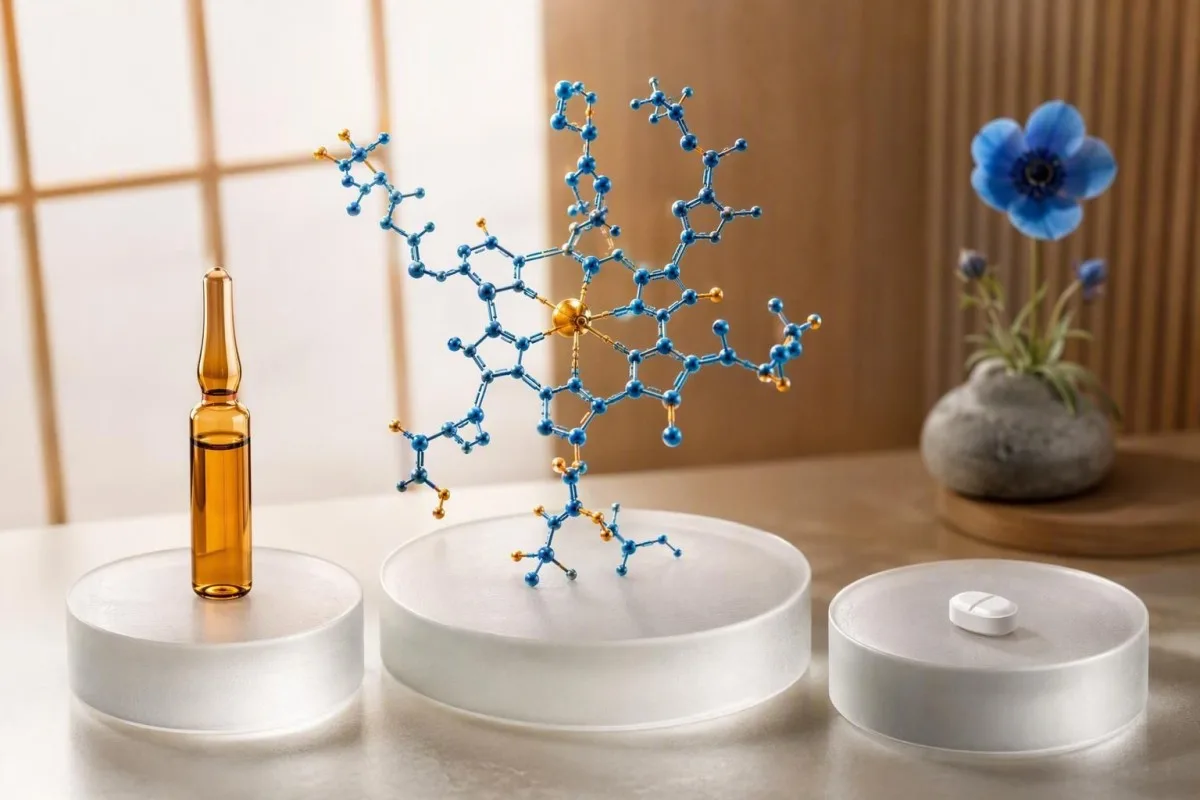
Ներարկումները հանգեցնում են շիճուկի անմիջական գագաթնակետի, սակայն վիտամին B12-ի բարձր դեղաչափով օրալ ընդունումը հաճախ նույնքան արդյունավետ է լրացնում անբավարարությունը շաբաթների ընթացքում։ Որոշիչ գործոնը սովորաբար անբավարարության պատճառն ու ծանրությունը հաճախ չէ, այլ ոչ միայն նախապատվությունը։.


- Շիճուկի ամենաարագ բարձրացումը. 1000 միլիգրամ ներմկանային B12 ներարկումը ժամերի ընթացքում բարձրացնում է շրջանառվող B12-ը, մինչդեռ դեղահատերի մակարդակը ավելի կայուն բարձրանում է օրերի ընթացքում։.
- Համեմատելի փոխատեղում. Օրական 1000-2000 միլիգրամ ցիանոկոբալամին օրալ ընդունումը կարող է հասնել նմանատիպ կարճաժամկետ արյան և ախտանիշների արդյունքների, ինչպիսին է ներմկանային թերապիան շատ մեծահասակների համար։.
- Ներարկման ցուցում. Ծանր նյարդաբանական ախտանիշները, խորը սակավարյունությունը, դեղահատերը չընդունելու անկարողությունը կամ անհուսալի կլանումը սովորաբար հիմնավորում են կլինիցիստի կողմից առաջնորդվող ներարկումները։.
- Սահմանային արդյունք. Շիճուկի B12-ը 180 pg/mL (133 pmol/L)-ից ցածրը հաճախ համարվում է անբավարար, 180-350 pg/mL-ը հաճախ պահանջում է MMA կամ հոմոցիստեինի հաստատում։.
- Պասիվ կլանում. Մոտավորապես 1% մեծ բերանացի B12 դեղաչափը ներծծվում է ակտիվ դիֆուզիայի միջոցով, ուստի 1000 մկգ հաբը կարող է օգնել, նույնիսկ եթե ներքին գործոնը վնասված է։.
- Վերահսկման ժամկետ CBC-ն և կլինիկական պատասխանը սովորաբար ավելի օգտակար են 4-8 շաբաթից, քան B12-ի մակարդակը, որը ստացվում է բուժումից անմիջապես հետո։.
- Անվտանգության կետ. Մի բուժեք անբացատրելի թմրություն միայն ֆոլաթթվով. ֆոլաթթուն կարող է բարելավել սակավարյունությունը, մինչդեռ B12-ի հետ կապված նյարդային վնասվածքը առաջադիմում է։.
- Պատճառը կարևոր է. Մետֆորմինը, պրոտոնային պոմպի արգելափակիչները, վեգան դիետաները, ցելիակիա հիվանդությունը, ստամոքսի վիրահատությունը և աղքատիկ սակավարյունությունը պահանջում են տարբեր հետևողական պլաններ։.
Ո՞ր տարբերակն է ավելի արագ բարձրացնում վիտամին B12-ի մակարդակը։
B12-ի ներարկումները ավելի արագ են բարձրացնում չափված շիճուկի մակարդակը, քան հաբերը, հաճախ ժամերի ընթացքում, քանի որ դրանք շրջանցում են աղիները։. Առավել կայուն մեծահասակների համար, ովքեր ունեն հաստատված դեֆիցիտ, ամեն օր 1000-2000 մկգ բերանացի դեղաչափը կարող է վերականգնել մարմնի պաշարները և բարելավել արյան պատկերը շաբաթների ընթացքում՝ կլինիկապես նմանատիպ տեմպերով։.
Ներարկումը ստեղծում է սուր վաղ գագաթ, քանի որ հիդրօքսոկոբալամինը կամ ցիանոկոբալամինը մատակարարվում են անմիջապես մկանների, այնուհետև շրջանառության մեջ։ Այդ լաբորատոր գագաթը չի նշանակում վերականգնված հյուսվածքների պաշարներ կամ վերանորոգված նյարդային գործառույթ; իմ պրակտիկայում ախտանիշների վերականգնումը չափվում է շաբաթներից մինչև ամիսներ, ոչ թե հաջորդ առավոտյան։.
Գործնական համեմատությունը հաճախ ժամերի դեմ օրերի շիճուկի կոնցենտրացիայի համար, բայց մոտավորապես 4-8 շաբաթ՝ իմաստալից հեմատոլոգիական պատասխանի համար ցանկացած պատշաճ ուղիով։ Ցանցաձև կարմիր արյան բջիջները սովորաբար բարձրանում են 3-5-րդ օրը, հեմոգլոբինը սկսում է բարելավվել մոտ 1-2 շաբաթ անց, իսկ մակրոցիտոզը կարող է պահանջել մինչև 8 շաբաթ՝ կայունանալու համար։.
Կանտեստին մի է AI արյան անալիզատոր որը B12-ը դնում է MCV-ի, հեմոգլոբինի, ֆոլաթի, կրեատինինի և նախկին արդյունքների կողքին, այլ ոչ թե բուժելու հետ-բուժական B12-ի բարձրացումը որպես ապացույց, որ հիմնական խնդիրը լուծված է։ Կարդացողները կարող են նաև համեմատել իրենց արդյունքը մեր B12 տեղեկատու միջակայքի ուղեցույցը.
Ի՞նչ է իրականում նշանակում “ավելի արագ”
Ներարկումից հետո բարձր արդյունքը հաստատում է վերջին ազդեցությունը, ոչ անպայման բջջային մակարդակով պատշաճ մատակարարումը։ Մեթիլմալոնային թթու, նյարդաբանական տվյալները և CBC-ի միտումը ավելի տեղեկատվական են, երբ սկզբնական ախտորոշումը անորոշ էր։.
Ինչպես է գործում B12-ի օրալ կլանումը, երբ ներքին գործոնը ցածր է։
Բարձր դեղաչափով բերանացի B12-ը կարող է օգնել, նույնիսկ երբ ներքին գործոնի ներծծումը վնասված է, քանի որ մի փոքր մասը ներծծվում է ակտիվ դիֆուզիայի միջոցով։. 1000 մկգ դեղաչափի մոտավորապես 1%-ը կարող է ներծծվել ակտիվ դիֆուզիայի միջոցով, տալով շուրջ 10 մկգ՝ բավականին բարձր, քան մեծահասակների համար միջին օրական պահանջը՝ 2.4 մկգ։.
Սովորական սննդային B12-ը պետք է ազատվի ստամոքսի թթվով, կապվի ներքին գործոնի հետ և ընդունվի տերմինալ աղիքում։ Այս բազմափուլ համակարգը բացատրում է, թե ինչու երկարատև թթվային ճնշումը, աուտոիմուն գաստրիտը, աղիքային հիվանդությունը և բարիատրիկ ընթացակարգերը կարող են առաջացնել դեֆիցիտ; այն նաև բացատրում է, թե ինչու ստանդարտ մուլտվիտամինը հաճախ չափազանց փոքր դեղաչափ է բուժման համար։.
Բերանացի B12-ի ներծծումը կախված է դեղաչափից, բայց ոչ գծային։ Ներքին գործոնի ուղին հագենում է մոտ 1.5-2 մկգ մեկ կերակուրի համար, մինչդեռ ակտիվ դիֆուզիան կլինիկապես օգտակար է միայն միլիգրամային հաբերի դեպքում։ 50 մկգ հավելումը ողջամիտ կանխարգելում է որոշ մարդկանց համար, բայց այն համարժեք չէ 1000 մկգ-ի՝ հաստատված դեֆիցիտի դեպքում։.
Օմեպրազոլ, պանտոպրազոլ կամ այլ PPI օգտագործող հիվանդների համար ես ստուգում եմ ավելի լայն պատկերը՝ դիետան, տարիքը, սակավարյունությունը և օգտագործման տևողությունը, այլ ոչ թե ենթադրելով, որ դեղը ամբողջ պատմությունն է։ Մեր վերանայումը երկարատև PPI լաբորատոր մոնիտորինգ բացատրում է, թե ինչու մագնեզիումը և երկաթը կարող են նույնպես կարևոր լինել։.
Ինչ են ցույց տալիս կլինիկական փորձարկումները դեղահատերի և ներարկումների վերաբերյալ։
Ռանդոմիզացված ապացույցները ենթադրում են, որ բերանացի B12-ը 1000-2000 միլիգրամ օրական կարող է նույնքան արդյունավետ լինել, որքան ներմկանային B12-ը շատ մարդկանց համար, ովքեր ունեն դեֆիցիտ։. Ապացույցների բազան հսկայական չէ, և այն պարունակում է ավելի քիչ հիվանդներ ծանր նյարդաբանական հիվանդությամբ, քան կցանկանան կլինիցիստները։.
Wang-ի և գործընկերների Cochrane-ի վերանայումը պարզեց, որ բարձր դեղաչափով բերանացի B12-ը նմանատիպ B12-ի արյան մակարդակային պատասխաններ է առաջացրել ներմկանային բուժման համեմատ՝ առկա փոքր ռանդոմիզացված փորձարկումներում (Wang et al., 2018): Մեկ ուսումնասիրություն օգտագործել է 2000 միլիգրամ օրական բերանացի, մեկ այլ ուսումնասիրություն օգտագործել է 1000 միլիգրամ բերանացի սկզբնական գրաֆիկից հետո, այնպես որ “բերանացի թերապիան” չի նշանակում ցածր դեղաչափով սուպերմարկետի արտադրանք։.
Kuzminski et al.-ի ավելի վաղ փորձարկումը զեկուցել է ավելի բարձր շիճուկային B12 կոնցենտրացիաներ 2000 միլիգրամ բերանացի ցիանոկոբալամինով, քան 1000 միլիգրամ ներարկումային ռեժիմով, սակայն կլինիկական արդյունքները այն հարցն էին, որը կարևոր էր (Kuzminski et al., 1998): Ապացույցները ազնվորեն խառն են իդեալական արձանագրության վերաբերյալ, քանի որ փորձարկումները օգտագործել են տարբեր ներարկման ընդմիջումներ և հետագա ժամանակահատվածներ։.
Դեղահաբը գործում է միայն այն դեպքում, եթե այն ընդունվում է: Բաց թողնված ամենօրյա դեղաչափերը կարող են ավելի հուսալի դարձնել ներարկումը, որը տրվում է ամեն 2-3 ամիսը մեկ, իրական կյանքում, հատկապես փխրուն մեծահասակների կամ բարդ դեղորայքային գրաֆիկ ունեցող մարդկանց համար: Մեր Արյան թեստերի ժամկետների ուղեցույցը կարող է օգնել տարբերել բուժման իրական փոփոխությունը վատ ժամանակացուցված վերաթեստավորումից։.
Ե՞րբ են B12 ներարկումները բժշկականորեն անհրաժեշտ։
B12 ներարկումները սովորաբար բժշկական անհրաժեշտություն են, երբ դեֆիցիտը ծանր է, առկա են նյարդաբանական ախտանիշներ, բերանացի ընդունումը անհնար է, կամ կլանման և հնազանդության վրա հույս դնել անհնար է։. Նրանք ինքնաբերաբար պարտադիր չեն միայն այն պատճառով, որ կասկածվում է չարորակ սակավարյունություն, պայմանով, որ բարձր դեղաչափով բերանացի բուժումը և հետագա դիտարկումը իրականանալի են։.
Արագ կլինիցիստի գնահատումը անհրաժեշտ է քայլվածքի անհավասարակշռության, առաջադեմ թմրության, թուլության, շփոթության, տեսողական փոփոխության, նշանակալի սակավարյունության կամ հղիության դեպքում զգալի դեֆիցիտով։ Nյարդաբանական B12 վնասը կարող է դառնալ մասամբ անդարձելի; այդ դեպքում ես չեմ հապաղի ծայրամասային թերապիայով՝ հարմարավետության շուրջ վիճելիս։.
NICE guideline NG239 խորհուրդ է տալիս ներմկանային բուժում, երբ կասկածվում է կամ հաստատվում է մալաբսորբցիան, և շատ դեպքերում խորհուրդ է տալիս ցմահ ներմկանային փոխարինում աուտոիմունային գաստրիտի համար (NICE, 2024): Պրակտիկան տարբերվում է միջազգայնորեն. որոշ կլինիցիստներ օգտագործում են բերանացի 1-2 մգ օրական հուսալի հիվանդների մոտ չարորակ սակավարյունությամբ, մինչդեռ ուրիշները նախընտրում են ներարկումները, քանի որ բացթողման հետևանքները ավելի բարձր են։.
Հեմոգլոբինը 80 գ/լ-ից ցածր, ախտանշանային շնչահեղձություն, սրտխփոց կամ ողնուղեղի հնարավոր ներգրավումը, ինքնաբուժման փոխարեն, հրատապ բժշկական վերանայման հիմք են տալիս։ Ուսումնասիրելու համար, թե ինչպես են սակավարյունության ձևերը երևում սովորական թեստավորման վրա, տես՝ ինչ է ներառում արյան լիարժեք կանգունացումը.
B12 անբավարարության բուժման դեղաչափերը, որոնք օգտագործում են կլինիցիստները։
Ընդհանուր բերանացի բուժման դեղաչափերը կազմում են 1000-2000 միլիգրամ օրական, մինչդեռ ընդհանուր ներմկանային ռեժիմները օգտագործում են 1000 միլիգրամ մեկ դեղաչափի համար սկզբնական բեռնման փուլով։. Արտադրանքը, ազգային ուղեցույցը և դեֆիցիտի պատճառը որոշում են ճշգրիտ ժամանակացույցը։.
Մեծ Բրիտանիայի պրակտիկայում հիդրօքսոկոբալամին 1000 միլիգրամ ներմկանային ներարկումը հաճախ տրվում է երեք անգամ շաբաթական 2 շաբաթ, երբ չկա նյարդաբանական ներգրավում, ապա ամեն 2-3 ամիսը մեկ պահպանման համար. արձանագրությունները տարբերվում են տեղական ծառայության կողմից: Նյարդաբանական առանձնահատկություններով, սկզբնական դեղաչափերը հաճախ տրվում են ամեն օր մինչև հետագա բարելավում չլինի, ապա պահպանումը հետևում է մասնագիտական խորհրդին։.
Տիպիկ բերանացի պլանը ցիանոկոբալամին 1000 միլիգրամ օրական 8-12 շաբաթվա ընթացքում, որին հաջորդում է 1000 միլիգրամ օրական կամ ավելի ցածր պահպանման ժամանակացույց, եթե միակ պատճառը դիետան էր։ Ենթալեզու արտադրանքները չեն ապացուցվել, որ գերազանցում են կուլ տրված դեղահաբերը. լուծվելուց հետո մեծ մասը, այնուամենայնիվ, կուլ է գալիս։.
Մի պատրաստեք բեռնման ռեժիմ սոցիալական ցանցի խորհրդով։ մեթիլկոբալամինի համեմատությունը ցիանոկոբալամինի դեմ բացատրում է, թե ինչու դեղաչափը և հետևողականությունը, ընդհանուր առմամբ, ավելի կարևոր են, քան B12 ձևի վերաբերյալ շուկայական պնդումները։.
Ինչպես մեկնաբանել B12-ի ցածր կամ սահմանային արդյունքը։
180 pg/mL (133 pmol/L) ցածր շիճուկային B12-ը սովորաբար հաստատում է դեֆիցիտը, մինչդեռ 180-350 pg/mL արժեքները անորոշ գոտի են, որտեղ MMA կամ հոմոցիստեինը կարող է պարզաբանել բջջային դեֆիցիտը։. Անհատական լաբորատորիայի ընդմիջումները տարբերվում են, և շիճուկի նորմալ արժեքը չի բացառում դեֆիցիտը վերջին լրացումից հետո։.
Մեթիլմալոնաթթուն բարձրանում է, երբ B12-կախյալ նյութափոխանակությունը խանգարվում է, սակայն երիկամների ֆունկցիայի նվազումը կարող է անկախ բարձրացնել MMA-ն։ Հոմոցիստեինը կարող է բարձրանալ B12-ի անբավարարության, ֆոլաթթվի անբավարարության, վիտամին B6-ի անբավարարության, հիպոթիրեոզի և երիկամային անբավարարության դեպքում, ուստի ոչ մի հաստատող թեստ չպետք է կարդացվի մեկուսացված։.
Մակրոցիտոզը աջակցող է, բայց ոչ պարտադիր։ Միջին կորպուսկուլյար ծավալը 100 fL-ից բարձր կասկած է հարուցում B12-ի կամ ֆոլաթթվի անբավարարության, ալկոհոլի ազդեցության, լյարդի հիվանդության, հիպոթիրեոզի, ոսկրածուծի խանգարումների կամ դեղորայքային ազդեցությունների վերաբերյալ. B12-ով ախտանշաններ ունեցող հիվանդների մոտ մեկ քառորդը կարող է ունենալ նորմալ MCV։.
Kantesti AI-ն մեկնաբանում է B12-ի արդյունքները՝ ստուգելով օրինաչափությունը։ MCV-ի, RDW-ի, հեմոգլոբինի, ֆոլաթթվի և պատմական արժեքների, ներառյալ այն նշանները, որ ֆոլաթթվի հավելումը կարող է դիմակավորել մակրոցիտոզը։ Մեր հոդվածը բարձր MCV հետագա գնահատում ծածկում է ընդհանուր այլընտրանքները։.
Միջադեպային սակավարյունությունը փոխում է երկարաժամկետ պլանը, ոչ միշտ ընդունման ուղին։
Մեծ չարորակ սակավասպլաստիկ սակավարյունությունը ներքին գործոնի ֆունկցիայի աուտոիմունային կորուստ է, և այն պահանջում է ցմահ B12 փոխարինում ախտորոշումից հետո։. Ներարկումները ապահովում են հուսալի մատակարարում, բայց բարձր դեղաչափով օրալ թերապիան դեռևս կարող է պահպանել բավարար կարգավիճակ ընտրված, ուշադիր հետևվող մեծահասակների մոտ։.
Ամենից հաճախ օգտագործվող թեստերն են ներքին գործոնի հակամարմինները և մարմնային բջիջների հակամարմինները, B12-ի, CBC-ի և երբեմն գաստրինի հետ միասին։ Ներքին գործոնի հակամարմինների դրական արդյունքը բարձր տեսակային է, բայց ոչ շատ զգայուն, ուստի բացասական արդյունքը չի բացառում վիճակը. սա այն ոլորտներից է, որտեղ համատեքստը ավելի կարևոր է, քան մեկ հակամարմինը։.
Մեծ չարորակ սակավասպլաստիկ սակավարյունությունը ավելին է, քան ներծծման խնդիրը։ Աուտոիմունային գաստրիտը կարող է զուգակցվել երկաթի անբավարարության հետ՝ նախքան B12-ի անբավարարության ակնհայտ դառնալը, և երկարատև հիվանդությունը կրում է ստամոքսի հսկողության հետ կապված մտահոգություններ, որոնք պետք է քննարկվեն բուժող բժշկի հետ։ Մեր մեծ չարորակ սակավասպլաստիկ սակավարյունության թեստավորման ուղեցույցը մանրամասնում է ախտորոշման հաջորդականությունը։.
Կանտեստին մի է AI արյան անալիզի մեկնաբանություն հարթակ օգտագործվում է 127+ երկրներում, սակայն AI մեկնաբանությունը չի կարող ախտորոշել աուտոիմունային գաստրիտ կամ ընտրել ցմահ ներարկման միջոց։ Բժիշկը պետք է կապի ախտանշանները, հակամարմինները, էնդոսկոպիկ պատմությունը և լաբորատոր պատկերը։.
Ինչու են նյարդաբանական ախտանիշները պահանջում ավելի արագ կլինիկական միջամտություն։
Ծակծկոց, թրթռման զգացողության կորուստ, անկայուն քայլվածք, ճանաչողական փոփոխություն կամ թուլություն՝ B12-ի ցածր մակարդակով պետք է հրատապ բուժզննում անձամբ և սովորաբար ներարկային բուժում առաջացնեն։. Նյարդային վերականգնումն ավելի քիչ կանխատեսելի է, քան սակավարյունության վերականգնումը, և կարող է մնալ ոչ լիարժեք՝ անբավարարության ամիսներից հետո։.
Մեջքային սյունակներն ու ծայրամասային նյարդերը խոցելի են B12-ի անբավարարության նկատմամբ՝ առաջացնելով մի պատկեր, որը բժիշկները առաջադեմ դեպքերում անվանում են ենթասուրտ համակցված դեգեներացիա։ Նորմալ հեմոգլոբինը չի պաշտպանում դրանից. Ես տեսել եմ հիվանդների, որոնց դանդաղ ոտքերն ու աբնորմալ թրթռման զգացողությունը նախորդել են ցանկացած ակնհայտ սակավարյունության։.
Բարելավումը հաճախ սկսվում է արդյունավետ թերապիայից 1 շաբաթվա ընթացքում, բայց զգայական ախտանշանները կարող են տևել 3-12 ամիս և չեն կարող ամբողջությամբ վերանալ։ Ամենաանվտանգ մոտեցումը բազային ֆունկցիայի գրանցումն է՝ քայլելու հեռավորություն, ընկնել, ձեռքերի ճարպկություն, թրթռման զգացողություն, քանի որ շիճուկային B12-ի բարձրացումը միայնակ չի համարվում վերականգնման միավոր։.
Նյարդաբանությունը նույնպես ունի բազմաթիվ նմանակներ, ներառյալ դիաբետը, ալկոհոլի հետ կապված նյարդային վնասը, վահանաձև գեղձի հիվանդությունը, վիտամին B6-ի ավելցուկը և որոշ դեղամիջոցներ։ Ծակծկոց ունեցող հիվանդները կարող են օգտագործել մեր վիտամին B6 նյարդային ախտանշանների ուղեցույցը ավելի լավ հարցեր պատրաստելու համար, բայց առաջադիմական թուլությունն այժմ բժշկական օգնություն է պահանջում։.
Ե՞րբ են դեղահատերը սովորաբար բավարար սննդային B12 անբավարարության համար։
Որովայնի հաբերը սովորաբար բավարար են, երբ B12-ի ցածր մակարդակը պայմանավորված է անբավարար ընդունմամբ, և աղիները կարող են ներծծել հավելումները։. Վեգանները, մարդիկ, ովքեր շատ քիչ կենդանական սնունդ են օգտագործում, և մեծահասակները, ովքեր ժամանակավոր սննդային սահմանափակումներ ունեն, սովորաբար լավ են արձագանքում օրական 1000 միկրոգրամ ցիանոկոբալամինի օրալ ընդունմանը։.
Վիտամին B12-ը բնականաբար կենտրոնացած է կենդանական ծագում ունեցող մթերքներում և հարստացված մթերքներում, ուստի խիստ վեգան դիետան պահանջում է հուսալի հարստացված մթերքի կամ հավելումների ռազմավարություն։ Բույսական մթերքները, որոնք շուկայում առաջարկվում են որպես B12-ի բնական աղբյուրներ, անկայուն են; ծովային ջրիմուռները և խմորված մթերքները կարող են պարունակել ոչ ակտիվ անալոգներ, որոնք հուսալի բուժում չեն։.
Սննդային անբավարարությունը դեռ պետք է հանգեցնի կարճ պատմության։ 23-ամյա վեգան՝ B12-ի 142 pg/mL մակարդակով, բուժումից հետո նորմալ MMA-ով և առանց աղիքային ախտանիշների, տարբերվում է 68-ամյա մարդուց՝ նույն արդյունքով, քաշի կորստով և երկաթի անբավարարությամբ։ Տարիքը, դեղորայքը և ստամոքս-աղիքային ախտանիշները փոխում են հետազոտությունը։.
Սննդի պլանավորման համար մեր ջրում լուծվող վիտամինների ուղեցույցը տարանջատում է կանխարգելման դեղաչափերը պակասորդության բուժումից։ Մի ենթադրեք, որ միայն սնուցումը բավականաչափ արագ կվերականգնի նյարդաբանական ախտանիշները։.
Դեղամիջոցներն ու աղիքային հիվանդությունները, որոնք փոխում են B12 բուժման ընտրությունը։
Մետֆորմինը, թթվայնությունը ճնշող դեղորայքը, ցելիակիա հիվանդությունը, աղիքի վրա ազդող Կրոնի հիվանդությունը, ենթաստամոքսային անբավարարությունը և ստամոքսի վիրահատությունը կարող են նվազեցնել B12-ի հասանելիությունը։. Որոշ դեպքերում հաբերի փորձարկումը կարող է խելամիտ լինել, սակայն ներարկումները հաճախ ընտրվում են, երբ ներծծումը անորոշ է կամ ախտանիշները զգալի են։.
Մետֆորմինի հետ կապված B12-ի անբավարարությունը այնքան տարածված է, որ կարգավորող մարմինները խորհուրդ են տալիս ստուգել մակարդակները նյարդաբանություն, սակավարյունություն կամ այլ ռիսկի գործոններ ունեցող հիվանդների մոտ, հատկապես ավելի բարձր դեղաչափերով կամ երկարատև օգտագործման դեպքում։ Մեխանիզմը, հավանաբար, ներառում է աղիքում B12-ի ներքին գործոնային կոմպլեքսի կալցիում-կախյալ ներծծումը, ոչ թե պարզապես վատ սննդակարգը։.
Դեպի ճանկային գաստրեկտոմիայից կամ ստամոքսի անցման վիրահատությունից հետո, բուժման որոշումները պետք է հետևեն բարիատրիկ թիմի արձանագրությանը, քանի որ երկաթը, ֆոլաթը, թիամինը, վիտամին D-ն և պղինձը կարող են միասին ազդել։ Փորլուծությունը, ցածր ալբումինը, անբացատրելի քաշի կորուստը կամ յուղոտ կղանքը պետք է հանգեցնեն հետաքննության, այլ ոչ թե անվերջ հավելումների փոփոխության։.
Պղնձի ցածր մակարդակը կարող է նաև առաջացնել սակավարյունություն և նյարդաբանական ախտանիշներ, որոնք նման են B12-ի անբավարարությանը, հատկապես բարիատրիկ վիրահատությունից կամ ցինկի ավելորդ օգտագործումից հետո։ Մեր պղնձի ցածր մակարդակի կլինիկական հուշումները բացատրում են, թե ինչու միայն B12-ի ստուգումը կարող է բաց թողնել իրական բացատրությունը։.
Որքան շուտ պետք է վերստուգել B12 բուժումից հետո։
CBC-ի և ախտանիշների վերանայումը մոտ 4-8 շաբաթ անց, ընդհանուր առմամբ, ավելի օգտակար է, քան շիճուկային B12-ը անմիջապես ներարկումից կամ հաբի կուրսից հետո կրկնելը։. Բուժումից անմիջապես հետո շատ բարձր B12-ի արդյունքը հիմնականում արտացոլում է ստացված դեղաչափը։.
Ռետիկուլոցիտների արձագանքը մոտ 3-5-րդ օրը վաղ հուշում է, որ ոսկրածուծի արտադրությունը վերականգնվում է, մինչդեռ հեմոգլոբինը պետք է բարձրանա հաջորդ շաբաթների ընթացքում, եթե B12-ի անբավարարությունը եղել է հիմնական դրայվերը։ Բարելավման բացակայությունը պետք է բացի դիֆերենցիալը. երկաթի անբավարարություն, շարունակվող արյունահոսություն, ֆոլաթի անբավարարություն, բորբոքում, երիկամային հիվանդություն կամ սխալ ախտորոշում։.
Առանց բարդությունների դիետիկ դեֆիցիտի համար, ես հաճախ կրկին ստուգում եմ CBC-ն և B12-ը 8-12 շաբաթ հետո, այնուհետև հաստատում եմ կայուն պահպանման պլան։ Նյարդաբանական հիվանդությունների, աուտոիմուն գաստրիտի, հղիության, երիկամային անբավարարության կամ բազմակի անբավարարությունների դեպքում, հետագա հետևումը պետք է լինի անհատականացված և հաճախ սկսվում է ավելի շուտ։.
Kantesti-ի AI-ով աշխատող արյան թեստի վերլուծության գործիք կարող է համեմատել հաջորդական B12, MCV, RDW և հեմոգլոբինի արդյունքները, այլ ոչ թե յուրաքանչյուր նմուշառումը ցուցադրելով որպես անջատ իրադարձություն։ լաբորատոր տվյալների համեմատության ուղեցույցը՝ կողք-կողքի ցույց է տալիս, թե ինչ գրանցել թեստերի միջև։.
Ինչու է B12-ի բարձր արդյունքը բուժումից հետո միշտ հանգստացնող չէ։
Ներարկումից կամ բարձր դեղաչափով հաբից հետո B12-ի բարձր մակարդակը սովորաբար արտացոլում է հավելումները և չի ապացուցում, որ ախտանիշներն ունեն այլ պատճառ։. Ընդհակառակը, հավելումների բացակայությամբ անբացատրելի կայուն B12-ի բարձրացումը արժանի է կլինիկական վերանայման, հատկապես, երբ համադրվում են լյարդի, երիկամների կամ արյան պատկերի անբավարարությունները։.
Շիճուկային B12-ը կարող է գերազանցել լաբորատորիայի վերին սահմանը մոտ 900-1000 pg/mL՝ բուժումից հետո, կախված վերլուծությունից և ժամկետից։ Սա սպասելի է և սովորաբար ոչ թունավոր; B12-ը չունի առողջ մեծահասակների համար սահմանված հանդուրժելի վերին ընդունման մակարդակ, քանի որ ավելորդը մեծ մասամբ արտազատվում է, թեև մաշկի բորբոքային ցաները հանդիպում են փոքրամասնության մոտ։.
Հարցը, որը ես տալիս եմ, պարզ է. արդյոք նմուշը վերցվել է հավելումից, ներարկումից, մուլտիվիտամինից, էներգետիկ ըմպելիքից կամ հարստացված մթերքից հետո: Եթե ոչ, ապա բարձրացած B12-ը կարող է ուղեկցվել լյարդի հիվանդությամբ, երիկամային արտազատման նվազմամբ, բորբոքմամբ կամ որոշ արյունաբանական վիճակներով, և այն պահանջում է համատեքստ, այլ ոչ թե մտահոգություն։.
Մեր Վիտամին B12-ի բարձր մակարդակի ուղեցույց բացատրում է հավելումների հետ կապված սպասված բարձրացման և բացատրություն չունեցող լաբորատոր ցուցիչի տարբերությունը։.
B12-ի բուժման ընդհանուր սխալները, որոնք հետաձգում են ապաքինումը։
Ամենակարևոր սխալը ֆոլաթթուի միայնակ ընդունումն է, երբ B12-ի անբավարարությունը հաստատված չէ։. Ֆոլաթթուն կարող է նորմալիզացնել սակավարյունությունը՝ միաժամանակ թույլ տալով B12-ի հետ կապված նյարդային վնասին զարգանալ, հատկապես, երբ չափաբաժինները գերազանցում են սովորական սննդային քանակը։.
Միայն ախտանիշներով մի որոշեք ներարկումների և հաբերի միջև։ Հոգնածությունը, ուղեղային մառախուղը և տրամադրության անկումը իրական են, բայց ոչ սպեցիֆիկ; քնի պակասը, վահանաձև գեղձի հիվանդությունները, երկաթի անբավարարությունը, դեպրեսիան, դիաբետը և դեղորայքային ազդեցությունները կարող են նմանատիպ բողոքներ առաջացնել։ B12-ի մոտ 250 pg/mL մակարդակը ավելի հաճախ է հաստատում պահանջում, քան ինքնաբերական ներարկումը։.
Մեկ այլ սխալ է թեստի ուշացումը մինչև հավելումների ընդունումը, երբ հնարավոր է։ Նույնիսկ օրական 50-500 միկրոգրամը կարող է բավականաչափ փոխել շիճուկային B12-ը՝ բարդացնելով ախտորոշումը, թեև հրատապ նյարդաբանական ախտանիշները միշտ պետք է բուժվեն առաջին հերթին։ Ֆոլաթթվի բարձր մակարդակը և թաքնված B12-ի խնդիրը հատկապես արդիական է նրանց համար, ովքեր ընդունում են նախածնային կամ էներգետիկ հավելումներ։.
Օգոստոսի 27, 2026 թվականի դրությամբ, իմ խորհուրդը՝ որպես դոկտոր Թոմաս Քլայն, այն է, որ ընտրեք ամենաթեթև, բայց բժշկականորեն հուսալի ուղին, այնուհետև ստուգեք վերականգնումը ախտանիշներով և միտումներով։ Ներարկումային բուժումը հիանալի բժշկություն է, երբ նշված է; այն յուրաքանչյուր ցածր արդյունքի համար inherently ավելի ուժեղ բժշկություն չէ։.
B12 ներարկումների կամ դեղահատերի համար գործնական որոշումների կառուցվածք։
Ընտրեք ներարկումները, երբ ռիսկը բարձր է կամ բերանային հուսալիությունը ցածր է; ընտրեք բարձր չափաբաժնով հաբեր, երբ անբավարարությունը թեթև է-միջին, ընդունումը հիմնական խնդիրն է, և հետևումը հուսալի է։. Լավագույն ուղին այն է, որը շտկում է անբավարարությունը՝ չձգձգելով դրա պատճառի հետաքննությունը։.
Հաբերը լավագույնս հարմար են, երբ B12-ը ցածր է սննդի պատճառով, չկան նյարդաբանական նշաններ, կուլ տալը անվտանգ է, և մարդը կարող է հետևողականորեն ընդունել 1,000-2,000 միկրոգրամ օրական։ Ներարկումները լավագույնս հարմար են նյարդաբանական գտածքների, ծանր ախտանշանային սակավարյունության, փսխման, մեծ մալաբսորբցիայի, հետվիրահատական անատոմիայի կամ անորոշ հավատարմության դեպքում։.
Վերցրեք չորս բան հանդիպմանը. B12-ի բնօրինակ արդյունքը՝ միավորներով, CBC, յուրաքանչյուր հավելում և դեղորայքի չափաբաժին, և ախտանիշների ժամանակագրություն։ Դոկտոր Թոմաս Քլայնի կլինիկական կանոնն այն է, որ պատճառը պետք է անվանվի, նախքան պահպանումը դարձնելն անժամկետ, երբ դա կարելի է անել անվտանգ։.
Kantesti AI-ն այն ԱԻ լաբորատոր թեստի մեկնաբանման ծառայությունում նախատեսված է լաբորատոր համատեքստը կազմակերպելու համար հիվանդների և բուժող բժիշկների համար, մինչդեռ վերջնական ախտորոշումը և դեղատվությունը մնում են կլինիկական որոշումներ։ Մեր Բժշկական խորհրդատվական խորհուրդ և կլինիկական վավերացման մոտեցումը նկարագրում են այդ սահմանի ետևում գտնվող բժշկական հսկողությունը։.
Հաճախակի տրվող հարցեր
Արդյո՞ք B12 ներարկումներն ավելի արագ են գործում, քան հաբերը։
B12 ներարկումները ավելի արագ են բարձրացնում շիճուկային B12-ը, քան հաբերը, քանի որ 1000 միկրոգրամ ներմկանային ներարկումը շրջանցում է աղիքային ներծծումը և կարող է բարձրացնել շրջանառվող մակարդակները ժամերի ընթացքում: Բարձր դեղաչափով բերանային B12-ը, սովորաբար 1000-2000 միկրոգրամ օրական, դեռ կարող է արդյունավետորեն ուղղել դեֆիցիտը մի քանի շաբաթվա ընթացքում շատ մեծահասակների մոտ: Կարևոր վերջնակետերն են ախտանիշների բարելավումը, ռետիկուլոցիտները 3-5-րդ օրը և CBC-ի վերականգնումը մոտավորապես 4-8 շաբաթվա ընթացքում, ոչ միայն անմիջական շիճուկային պիկը: Ներարկումները նախընտրելի են, երբ առկա են նյարդաբանական ախտանիշներ, ծանր անեմիա կամ անհուսալի ներծծում:.
Բերանացի B12-ը կարո՞ղ է գործել, եթե ունեմ մակերեսային սակավարյուն։
Բ12-ի բարձր դեղաչափը բերանով կարող է արդյունավետ լինել որոշ մարդկանց մոտ չարորակ սակավարյունության դեպքում, քանի որ մեծ դեղաչափի մոտ 1%-ը կլանվում է ակտիվ դիֆուզիայի միջոցով, առանց ներքին գործոնի։ Հետևաբար, օրական 1000-2000 միկրոգրամ դեղաչափը բերանով կարող է ապահովել 10-20 միկրոգրամ կլանված B12, որը գերազանցում է մեծահասակների օրական 2.4 միկրոգրամ պահանջը։ NICE-ի ուղեցույցները սովորաբար աջակցում են աուտոիմուն գաստրիտի համար ցմահ ներմկանային փոխարինմանը, հատկապես այն դեպքերում, երբ հուսալիությունը անորոշ է։ Կիրառման ուղին պետք է համաձայնեցվի ախտորոշումը կառավարող բժշկի հետ և վերահսկվի ախտանշանների և CBC-ի միջոցով։.
Քանի B12 հաբ է հավասար մեկ ներարկման
Ոչ մի ճշգրիտ հաբ-ից-ներարկային փոխարկում չկա, քանի որ ներարկումները հանգեցնում են գրեթե ամբողջական համակարգային հասանելիության, մինչդեռ բերանացի ներծծումը կախված է դեղաչափից և մասամբ հագեցած է։ 1000 մկգ ներարկումը և 1000-2000 մկգ բերանացի օրական դեղաչափը երկուսն էլ տարածված բուժական դեղաչափեր են, սակայն դրանք դեղաբանորեն փոխարինելի չեն դեղաչափ առ դեղաչափ հիմունքով։ Մոտավորապես 1000 մկգ բերանացի դեղաչափի 1%-ը կարող է ներծծվել ակտիվ դիֆուզիայի միջոցով, մինչդեռ լրացուցիչ ներծծումը տեղի է ունենում ներքին գործոնի միջոցով, երբ այդ ուղին աշխատում է։ Բուժման պատասխանը և անբավարարության պատճառը պետք է առաջնորդեն ցանկացած փոփոխություն։.
Որքա՞ն ժամանակ է պահանջվում B12 ներարկումներից հոգնածության բարելավման համար։
B12-ի ներարկումները կարող են բարելավել էներգիան մի քանի օրվա ընթացքում մինչև մի քանի շաբաթ, երբ անբավարարությունը հոգնածության իսկական պատճառն է, սակայն ժամկետը լայնորեն տարբերվում է։ Ցանցաձև արյան բջիջների արտադրությունը հաճախ բարձրանում է 3-5-րդ օրը, հեմոգլոբինը սովորաբար սկսում է բարձրանալ 1-2 շաբաթ հետո, իսկ մեծ բջիջների ուղղումը կարող է տևել մինչև 8 շաբաթ։ Թմրություն, հավասարակշռության խնդիրներ և ճանաչողական ախտանիշները հաճախ տևում են 3-12 ամիս և կարող են լինել ոչ լրիվ, եթե անբավարարությունը երկար է տևել։ Նորմալացված CBC-ից հետո մնացած հոգնածությունը պետք է հանգեցնի երկաթի անբավարարության, վահանաձև գեղձի հիվանդության, քնի խանգարումների և այլ պատճառների վերանայման։.
Պետք է արյան ստուգումից առաջ B12 հաբեր ընդունե՞մ։
Եթե նախատեսված է անբացատրելի B12-ի անբավարարության ախտորոշման համար թեստավորում, և դուք կլինիկորեն կայուն եք, խուսափեք հավելումներ սկսելուց մինչև նմուշի հավաքագրումը, քանի որ օրական նույնիսկ 50-500 միլիկրոգրամը կարող է փոխել B12-ի մակարդակը շիճուկում։ Ունիվերսալ «լվացման» ընդմիջում չկա, քանի որ լաբորատորիաներն ու դեղաչափերը տարբերվում են, ուստի դիմեք բժշկին կամ լաբորատորիային՝ նրանց նախապատրաստման վերաբերյալ խորհրդատվություն ստանալու համար։ Մի հապաղեցրեք բուժումը՝ կատարյալ բազային գիծ ստանալու համար, եթե ունեք նյարդաբանական ախտանիշներ, ծանր սակավարյունություն, հղիության հետ կապված մտահոգություն կամ զգալի կլինիկական վատթարացում։ Փաստաթղթավորեք դեղաչափը և սկսման ամսաթիվը, որպեսզի արդյունքը կարողանա ճիշտ մեկնաբանվել։.
200 pg/մլ B12 մակարդը բավականաչափ ցածր է ներարկումների համար։
B12-ի 200 pg/mL մակարդակը սահմանային ցածր է և ինքնին չի որոշում, թե արդյոք ներարկումներն անհրաժեշտ են: Շատ լաբորատորիաներ 180 pg/mL-ից ցածր արժեքները համարում են ակնհայտ դեֆիցիտ, մինչդեռ 180-350 pg/mL արժեքները կարող են պահանջել մեթիլմալոնային թթու, հոմոցիստեին, CBC հետազոտություններ և ախտանշանների վերանայում: Ներարկումներն ողջունելի են 200 pg/mL-ի դեպքում, երբ առկա են նյարդաբանական ախտանշաններ, սակավարյունություն, մարսողության խանգարում, հղիություն կամ բերանացի բուժում ընդունելու անկարողություն: Սննդային ռիսկ ունեցող և նյարդաբանական որևէ ախտանիշ չունեցող կայուն մարդը կարող է լավ արձագանքել օրական 1000-2000 մկգ բերանացի B12-ի, պլանավորված հետագա հետևումներով:.
Ստացեք AI-ով աշխատող արյան անալիզի վերլուծություն այսօր
Միացեք ավելի քան 2 միլիոն օգտատերերի ամբողջ աշխարհում, ովքեր վստահում են Kantesti-ին՝ լաբորատոր թեստերի ակնթարթային, ճշգրիտ վերլուծության համար։ Վերբեռնեք ձեր արյան անալիզի արդյունքները և ստացեք 15,000+ բիոմարկերների համապարփակ մեկնաբանություն վայրկյանների ընթացքում։.
📚 Հղված հետազոտական հրապարակումներ
Klein, T., Mitchell, S., & Weber, H. (2026). Kantesti LTD. (2026). 100,000 սինթետիկ թեստային դեպքերի վրա Kantesti Blood-Test Interpretation Engine-ի նախապես գրանցված, ռուբրիկային վրա հիմնված ավտոմատացված տեխնիկական բենչմարկ։ Figshare։..։ Kantesti AI Medical Research.
Klein, T., Mitchell, S., & Weber, H. (2026). Kantesti LTD. (2026)։ Clinical Validation Framework v2.0 (Medical Validation Page)։ Zenodo։..։ Kantesti AI Medical Research.
📖 Արտաքին բժշկական հղումներ
NICE (2024)։. Վիտամին B12-ի անբավարարություն 16 տարեկանից բարձր անձանց մոտ. ախտորոշում և կառավարում.։ NICE Guideline NG239.
⚕️ Բժշկական հրաժարում
Այս հոդվածը միայն կրթական նպատակների համար է և չի հանդիսանում բժշկական խորհրդատվություն։ Ախտորոշման և բուժման որոշումների համար միշտ խորհրդակցեք որակավորված բուժաշխատողի հետ։.
E-E-A-T վստահության ազդանշաններ
Փորձառություն
Բժշկի կողմից ղեկավարվող կլինիկական վերանայում՝ լաբորատոր մեկնաբանության աշխատանքային հոսքերի համար։.
Մասնագիտություն
Լաբորատոր բժշկության կենտրոնացում՝ այն բանի վրա, թե ինչպես են բիոմարկերները դրսևորվում կլինիկական համատեքստում։.
Հեղինակություն
Գրված է դոկտոր Թոմաս Քլայնի կողմից՝ դոկտոր Սառա Միթչելի և պրոֆեսոր դոկտոր Հանս Վեբերի կողմից վերանայմամբ։.
Հուսալիություն
Ապացույցների վրա հիմնված մեկնաբանություն՝ հստակ հետագա քայլերի ուղիներով՝ ահազանգերը նվազեցնելու համար։.