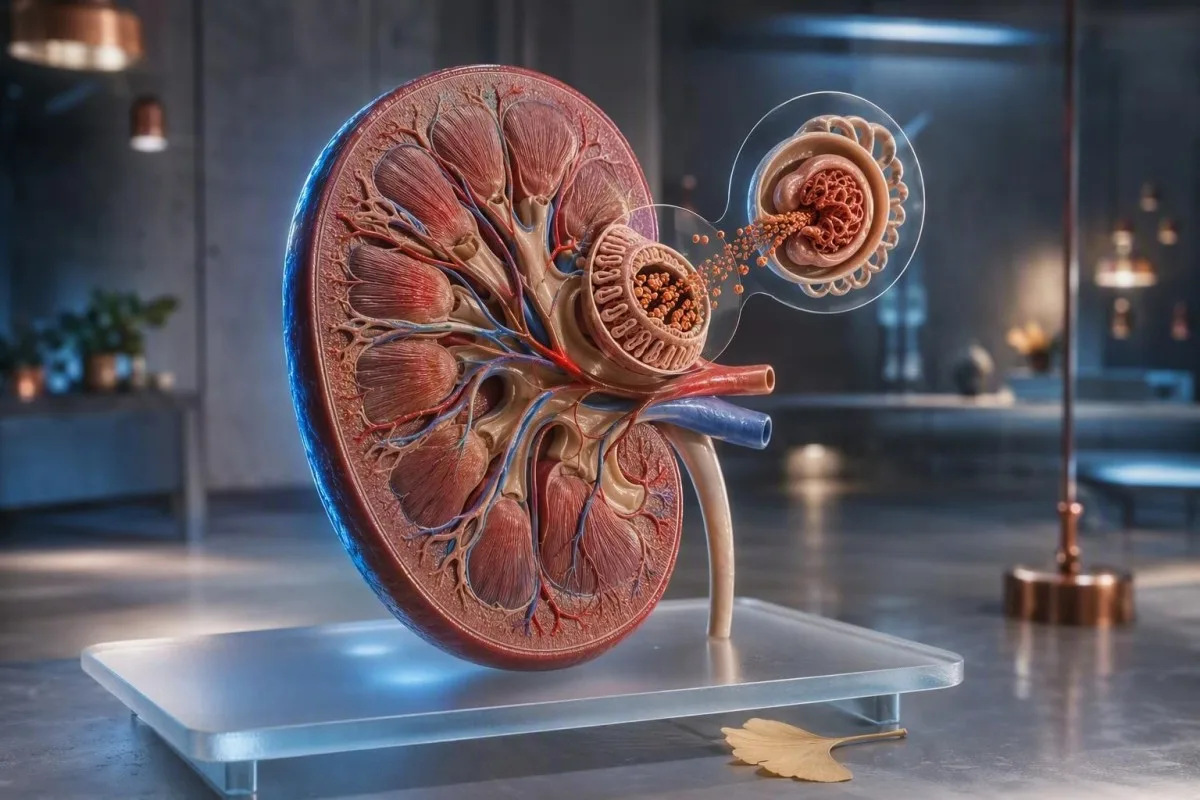
რამდენიმე ბუშტუკი შარდის სწრაფი ნაკადის შემდეგ, როგორც წესი, ფიზიკაა. ქაფი, რომელიც მუდმივად ფარავს ტუალეტის თასს, რჩება ჩარეცხვის შემდეგ ან თან ახლავს შეშუპება, იმსახურებს შარდის ალბუმინის ტესტს, გამოცნობას.


- მოკლე ბუშტუკები რომლებიც ქრება რამდენიმე წამში, ჩვეულებრივ ასახავს შარდის სიჩქარეს, ტუალეტის გამწმენდის ნარჩენებს ან კონცენტრირებულ შარდს თირკმელების დაავადებასთან შედარებით.
- მუდმივი ქაფიანი შარდი უფრო შემაშფოთებელია, როდესაც მკვრივი თეთრი ფენა რჩება 1-2 წუთის განმავლობაში განმეორებით.
- შარდის ACR 3 მგ/მმოლ-ზე (30 მგ/გ) ქვემოთ არის ნორმალური ან ოდნავ მომატებული ალბუმინის ექსკრეცია უმეტეს მოზრდილებში.
- ალბუმინურია 3-30 მგ/მმოლ (30-300 მგ/გ) უნდა დადასტურდეს განმეორებითი ადრეული დილის ნიმუშებით მინიმუმ 3 თვის განმავლობაში.
- ACR 30 მგ/მმოლ-ზე მეტი (300 მგ/გ) არის მძიმედ მომატებული ალბუმინურია და საჭიროებს დაუყოვნებელ კლინიკურ შეფასებას.
- წითელი დროშები მოიცავს სახის ან ფეხების შეშუპებას, შესამჩნევ სისხლს, ქოშინს, შარდის გამოყოფის შემცირებას, ცხელებას ან ორსულობას თავის ტკივილით და მაღალი არტერიული წნევით.
- კოლექცია მნიშვნელოვანია: მოერიდეთ მძიმე ფიზიკურ დატვირთვას 24 საათის განმავლობაში, გამოიყენეთ შარდის სუფთა შუა ნაკადის ნიმუში დილით და აცნობეთ ექიმს მენსტრუაციის ან საშარ Đường შარდგამი გზების ინფექციის (UTI) შესახებ.
- სისხლის ანალიზები გვეხმარება: კრეატინინის, eGFR-ის, შრატის ალბუმინის, გლუკოზის და HbA1c-ის დონეები განმარტავენ, ასახავს თუ არა შარდის ცილა თირკმელების, დიაბეტის ან სისტემური დაავადების შედეგს.
როგორ განვასხვავოთ უვნებელი ბუშტუკები მუდმივი ქაფიანი შარდისგან
ქაფიანი შარდის მიზეზები მერყეობს წყლისკენ მიმართული სწრაფი ნაკადიდან თირკმლის ფილტრიდან გამომავალ ალბუმინამდე. უვნებელი ბუშტები დიდია, გამჭვირვალე და სწრაფად ქრება; პრობლემურ ქაფს უფრო წვრილი, თეთრი, განმეორებადი ხასიათი აქვს და დაახლოებით 1-2 წუთის განმავლობაში რჩება სუფთა ჯამზე.
ზედაპირული დაძაბულობა ხსნის ერთჯერადი ბუშტების უმეტეს ნაწილს. ძლიერი პირველი დილის შარდვის ნაკადი, დეჰიდრატაცია, კონცენტრირებული ხსნადები ან დარჩენილი საწმენდი საშუალება შეიძლება ჰაერს ხაფანგში მოაქციოს წყლის ზედაპირზე ცილის დაკარგვის გარეშე; ეს განსაკუთრებით გავრცელებულია ხანგრძლივი ფრენის, ცხელების ან მძიმე ვარჯიშის შემდეგ.
ნიმუში უფრო მნიშვნელოვანია, ვიდრე ერთი დაკვირვება. ჩემი 15 წლიანი კლინიკური პრაქტიკის განმავლობაში, პაციენტებს ვთხოვ, ყურადღება მიაქციონ ქაფს სამი ცალკეული დღის განმავლობაში, სუფთა, გათეთრებული ჯამი გამოყენებით; განმეორებადი წვრილი ქაფის ფენა უფრო სარწმუნო მიზეზია ტესტირებისთვის, ვიდრე ვარჯიშის შემდეგ დრამატულად ნანახი ეპიზოდი.
ქაფი თავისთავად ვერ დიაგნოსტირებს პროტეინურიას, რადგან ფოსფატმა, ნაღვლის მარილებმა, სპერმამ და საშარ Đường შარდგამი გზების ანთებამ ასევე შეიძლება შეცვალოს ზედაპირული დაძაბულობა. თუ შარდი ქაფიანი კი არა, მოღრუბლულია, დიფერენციალური დიაგნოზი გადადის კრისტალების, უჯრედების ან ინფექციისკენ; ჩვენი სახელმძღვანელო მოღრუბლული შარდის ნიშნები დაგეხმარებათ ამ ნიმუშების ერთმანეთისგან გარჩევაში.
შინაგანი დაკვირვების მარტივი წესი
არ გადაიღოთ ფოტო ტუალეტის ჯამის და არ სცადოთ სახლში “შერყევის ტესტები”. ამის ნაცვლად, დააკვირდით, ჩნდება თუ არა ქაფი სუფთა ჯამში 7 დღიდან მინიმუმ 3 დღეს, გრძელდება თუ არა ის 1 წუთზე მეტხანს და თუ არის შეშუპება ან არტერიული წნევის ცვლილებები. ეს დეტალები ლაბორატორიულ მოთხოვნას ბევრად უფრო სასარგებლოს ხდის.
რატომ შეიძლება შარდის ცილამ შექმნას სტაბილური ქაფი
ქაფიანი შარდის ცილა ყველაზე ხშირად არის ალბუმინი, უარყოფითად დამუხტული ცილა, რომელიც ნორმალურად სისხლში რჩება. როდესაც გლომერულური ფილტრი უფრო გამტარი ხდება, ალბუმინი ამცირებს ზედაპირულ დაძაბულობას და შეუძლია შექმნას პატარა, სტაბილური ბუშტები.
ჯანმრთელი ზრდასრული ადამიანი, როგორც წესი, გამოყოფს დღეში 30 მგ-ზე ნაკლებ ალბუმინს, თუმცა ჩვეულებრივი დიპსტიკი შეიძლება ვერ გამოავლინოს ალბუმინის დაბალი დონის დაკარგვა. უფრო მგრძნობიარე შარდის ალბუმინ-კრეატინინის თანაფარდობა, ან ACR, ასწორებს ალბუმინს შარდის კონცენტრაციის მიხედვით და უპირატესია პირველადი სკრინინგისთვის.
ალბუმინი არ არის ერთადერთი მნიშვნელოვანი ცილა. პლაზმური უჯრედების დარღვევებისგან მომდინარე მსუბუქი ჯაჭვები, გარკვეული მედიკამენტების შემდეგ წარმოქმნილი მილაკოვანი ცილები და ცხელების დროს არსებული გარდამავალი ცილები შეიძლება გაექცეს ალბუმინისთვის ძირითადად შექმნილ დიპსტიკს; ამიტომ უარყოფითი ზოლი არ წყვეტს მუდმივი ქაფის ყველა შემთხვევას.
დოქტორი თომას კლაინი აანალიზებს შარდის მონაცემებს შრატის კრეატინინთან, eGFR-თან, ალბუმინთან და გლუკოზასთან ერთად, ნაცვლად იმისა, რომ ვიზუალურ სიმპტომს დიაგნოზად მკურნალობდეს. ჩვენი სისხლის შრატის ცილების სახელმძღვანელო განმარტავს, რატომ აქვს სისხლში ალბუმინის დაბალ შედეგს და შარდის ACR-ის მომატებულ მაჩვენებელს ერთად მეტი მნიშვნელობა, ვიდრე თითოეულს ცალ-ცალკე.
ქაფიანი შარდის გავრცელებული მიზეზები, რომლებიც არ არის დაკავშირებული თირკმელებთან
ქაფიანი შარდის უმეტეს დროებითი შემთხვევებს არა-თირკმლისმიერი მიზეზი აქვს: კონცენტრირებული შარდი, სწრაფი შარდვა, ბოლო ეაკულაცია, საპნის ნარჩენები, ცხელება ან დატვირთული ვარჯიში. ეს მიზეზები, როგორც წესი, ქრება 24-48 საათის განმავლობაში ნორმალური ჰიდრატაციისა და გამოჯანმრთელების შემდეგ.
დეჰიდრატაცია შარდს უფრო მუქს და კონცენტრირებულს ხდის, ამიტომ ბუშტები შეიძლება უფრო მკვრივი ჩანდეს, მაშინაც კი, როცა ალბუმინის ექსკრეცია ნორმალურია. მომდევნო დღის განმავლობაში მიაღწიეთ ღია-ჩალისფერი შარდის ფერს, ნაცვლად იმისა, რომ ზედმეტი სითხე მიიღოთ; რამდენიმე ლიტრი სითხის სწრაფად დალევამ თავისთავად შეიძლება შეამციროს ნატრიუმის დონე მგრძნობიარე ადამიანებში.
ვარჯიშმა შეიძლება დროებით გაზარდოს შარდის ალბუმინი. 10-კილომეტრიანი რბოლა, მაღალი ინტენსივობის წინააღმდეგობის სესია ან ხანგრძლივი სიცხის ზემოქმედება შეიძლება გამოიწვიოს ცილა ნიმუშში, რომელიც შეგროვდა უშუალოდ შემდეგ, ამიტომ ლაბორატორიები ხშირად გვირჩევენ აქტიური ვარჯიშის თავიდან აცილებას ACR ტესტირებამდე 24 საათით ადრე.
შარდსადენში არსებულმა სპერმამ ეაკულაციის შემდეგ შეიძლება წარმოქმნას დროებითი ბუშტები და კვალის დადებითი ცილის ზოლი. ვარდისფერი ან ჩაისფერი შარდი მთლიანად ცვლის საკითხს და უნდა შეფასდეს ამ სახელმძღვანელოს გამოყენებით სისხლი შარდში, განსაკუთრებით 45 წლის ასაკის შემდეგ ან მწეველ ადამიანებში.
როდის მიუთითებს მუდმივი ქაფი კლინიკურად მნიშვნელოვან ცილის დაკარგვაზე
მუდმივი ქაფი შარდის ცილის ტესტირებას მოითხოვს, როდესაც ის განმეორებით ჩნდება და განსაკუთრებით დიაბეტის, მაღალი არტერიული წნევის, შეშუპების ან დაქვეითებული eGFR-ის არსებობისას. ალბუმინურია თირკმელების ადრეული გაფრთხილებაა, მაშინაც კი, როდესაც კრეატინინი ლაბორატორიულ დიაპაზონში რჩება.
KDIGO განსაზღვრავს ACR-ს 3 მგ/მმოლ-ზე ნაკლებს, ან 30 მგ/გრ-ს, როგორც A1; 3-30 მგ/მმოლ-ს, როგორც A2; და 30 მგ/მმოლ-ზე მეტს, როგორც A3 ალბუმინურიას. ეს კატეგორიები თირკმელებისა და გულ-სისხლძარღვთა რისკს ყველაზე ზუსტად იწინასწარმეტყველებენ, როდესაც ისინი შერწყმულია eGFR-თან, და არა იზოლირებულად (KDIGO, 2024).
დიაბეტი და ჰიპერტენზია ალბუმინურიის ყველაზე გავრცელებული ქრონიკული გამომწვევია მსოფლიოში, მაგრამ ისინი ერთადერთი არ არიან. გლომერულონეფრიტი, სიმსუქნესთან დაკავშირებული გლომერულოპათია, მგლურა, პრეეკლამფსია, ძილის აპნოე და ზოგიერთი ანთების საწინააღმდეგო მედიკამენტი ასევე შეიძლება წვლილი შეიტანონ; მუდმივმა გამოვლინებებმა ექიმისგან მექანიზმის გარკვევა უნდა მოითხოვოს.
კანტესტი არის AI სისხლის ტესტის ანალიზატორი რომელიც კრეატინინს, eGFR-ს, შრატის ალბუმინს, გლუკოზას და HbA1c-ს ათავსებს ერთ გრძელვადიან კონტექსტში. ის ვერ ზომავს შარდის ACR-ს სისხლის ანალიზის პანელიდან, მაგრამ მას შეუძლია დაეხმაროს მეტაბოლური ან თირკმელების იმ სურათის იდენტიფიცირებაში, რომელიც შარდის შედეგს უფრო სასწრაფოს ხდის.
რომელი შარდის ცილის ტესტები პასუხობს კითხვას საუკეთესოდ
დილის ადრეული შარდის ACR-ის სინჯი ყველაზე კარგი პირველი ტესტია სავარაუდო ალბუმინის დაკარგვისას მოზრდილებში. ცილა-კრეატინინის თანაფარდობა, ან PCR, სასარგებლოა, როდესაც ეჭვმიტანილია არალბუმინური ცილა ან როდესაც საჭიროა მთლიანი ცილის რაოდენობის განსაზღვრა.
ACR ანგარიშდება მგ/მმოლ-ში დიდ ბრიტანეთში და ბევრ სხვა ქვეყანაში, ან მგ/გრ-ში შეერთებულ შტატებში. ACR 3 მგ/მმოლ-ის ტოლია დაახლოებით 30 მგ/გრ-ს; ეს კონვერსია მნიშვნელოვანია, რადგან პაციენტები ზოგჯერ განსხვავებულ ერთეულებს დიდი ცვლილების ნიშნად აღიქვამენ.
შტრიხ-ტესტის ცილის შედეგი "Trace" ან 1+ არის სკრინინგის მინიშნება, არა დიაგნოზი. ტუტე შარდი, კონცენტრირებული შარდი და დაბინძურება შეიძლება გახდეს მცდარი დადებითი შედეგების მიზეზი, ხოლო განზავებული შარდი და არალბუმინური ცილები შეიძლება გახდეს ცრუ დამაიმედებელი; რაოდენობრივი ტესტირება ხსნის ამ გაურკვევლობას.
24-საათიანი ნიმუშის აღება ახლა დაცულია შერჩეული სიტუაციებისთვის, როგორიცაა ცილის ძალიან დიდი დაკარგვა, ორსულობის შეფასება ან შეუსაბამო ნიმუშები. მისი არასწორად შეგროვება ადვილია, ამიტომ წაიკითხეთ ჩვენი პრაქტიკული 24-საათიანი შარდის შეგროვების სახელმძღვანელო ინსტრუქციები, სანამ დაიწყებთ.
როგორ შევაგროვოთ შარდის ცილის ტესტირებისთვის ზუსტად
შარდის ცილის ზუსტი ტესტირება იწყება სუფთა დილის შუა შარდის ნიმუშის აღებით, 24-საათიანი პერიოდის შემდეგ მძიმე ფიზიკური დატვირთვის გარეშე. გამოღვიძების შემდეგ პირველი შარდი უპირატესია, რადგან პოზა, ჰიდრატაცია და დღის აქტივობა ნაკლებ გავლენას ახდენს ალბუმინის ექსკრეციაზე.
დაიბანეთ ხელები, გამოიყენეთ მოწოდებული სტერილური კონტეინერი, დაიწყეთ შარდვა ტუალეტში, შემდეგ დაიჭირეთ შუა ნაკადი, კონტეინერის ან თავსახურის შიდა მხარის შეხების გარეშე. მიიტანეთ ნიმუში დროულად; თუ დაგვიანება გარდაუვალია, უპირატესობა მიანიჭეთ ლაბორატორიის გაგრილების ინსტრუქციებს, ვიდრე თბილ მანქანაში დატოვებას.
გადადეთ არა-სასწრაფო ტესტირება სიმპტომური შარდ-სასქესო სისტემის ინფექციის, ცხელების, დიარეის, მენსტრუაციის დროს, ან ინტენსიური ფიზიკური დატვირთვის მომდევნო 24 საათის განმავლობაში. ეს პირობები შეიძლება დროებით ზრდიდეს ალბუმინის ექსკრეციას, ხოლო მენსტრუალური დაბინძურება ასევე შეიძლება გახდეს სისხლისა და ცილის აშკარა გამოჩენის მიზეზი; ლეიკოციტური ესტერაზის შედეგებზე შესაძლო ინფექციური სურათის გარკვევაში დაგეხმარებათ.
ორთოსტატული პროტეინურია იმსახურებს ხსენებას, განსაკუთრებით მოზარდებსა და ახალგაზრდა მოზრდილებში. დღის შარდში ცილის გამოჩენა, რომელიც არ არის პირველ დილის ნიმუშში, ხშირად კეთილთვისებიანია, თუმცა ექიმმა უნდა დაადასტუროს ეს სურათი, ვიდრე ამას დავუშვებთ.
როგორ განვმარტოთ ACR და ცილა-კრეატინინის შედეგები
ACR 3 მგ/მმოლ-ზე ნაკლები, როგორც წესი, დამაიმედებელია, ხოლო დადასტურებული ACR 3 მგ/მმოლ ან მეტი მოითხოვს რისკზე დაფუძნებულ შემდგომ მონიტორინგს. ერთი მომატებული ნიმუში არ მიუთითებს ქრონიკული თირკმელების დაავადებაზე, რადგან ფიზიკური დატვირთვა, ინფექცია და გლუკოზის მომატება შეიძლება გახდეს ხანმოკლე ალბუმინურიის მიზეზი.
დიაბეტის არმქონე მოზრდილებში, ახლად მომატებული ACR, როგორც წესი, მეორდება დილის ნიმუშის გამოყენებით რამდენიმე კვირის განმავლობაში. ქრონიკული თირკმელების დაავადება მოითხოვს ანომალიების არსებობას მინიმუმ 3 თვის განმავლობაში, გარდა მწვავე თირკმელების დაზიანებისა ან გამოხატული ცილის მომატებისა, რომელიც საჭიროებს უფრო სწრაფ შეფასებას (KDIGO, 2024).
ACR 70 მგ/მმოლ-ზე მეტი, დაახლოებით 700 მგ/გრ, ჩვეულებრივ საჭიროებს სასწრაფო სპეციალისტის კონსულტაციას, მაშინაც კი, თუ eGFR შენარჩუნებულია, განსაკუთრებით შარდში სისხლის არსებობისას. ნეფროტული დიაპაზონის პროტეინურია ზოგადად არის PCR 300 მგ/მმოლ-ზე მეტი ან ცილის ექსკრეცია 3.5 გ/დღ-ზე მეტი, ხშირად თან ახლავს შეშუპება და დაბალი შრატის ალბუმინი.
კანტესტი არის AI ლაბორატორიული ტესტის ინტერპრეტაციის სერვისზე რომელსაც შეუძლია თირკმელების სისხლის მარკერების ორგანიზება თარიღების მიხედვით და დაღმავალი eGFR ტენდენციის მონიშვნა. ტენდენციის ინტერპრეტაცია მხარს უჭერს, მაგრამ არასდროს ცვლის ექიმის მიერ შარდის მიკროსკოპიას, ACR-ის დადასტურებას და მედიკამენტების მიმოხილვას.
სისხლის ტესტები, რომლებიც ქაფიანი შარდის შედეგებს აზრიანს ხდის
კრეატინინი, eGFR, შრატის ალბუმინი, გლუკოზა, HbA1c, ელექტროლიტები და ლიპიდები გვეხმარება იმის გარკვევაში, შარდის ცილა თირკმლის ფილტრაციის დაზიანებას ასახავს თუ უფრო ფართო მეტაბოლურ დარღვევას. ნორმალური კრეატინინი არ გამორიცხავს ადრეულ ალბუმინურიას.
eGFR გამოითვლება კრეატინინის მიხედვით და გვიან იკლებს, ვიდრე მსუბუქი ალბუმინის გაჟონვა ბევრ ადამიანში დიაბეტით. eGFR 60 მლ/წთ/1.73 მ²-ზე ნაკლები 3 თვის ან მეტი ხნის განმავლობაში შეესაბამება ქრონიკული თირკმელების დაავადების ერთ კრიტერიუმს, მაგრამ მნიშვნელობები უნდა შეფასდეს ასაკის, კუნთოვანი მასის და ბოლო ავადმყოფობის მიხედვით.
შრატისმიერი ალბუმინის დაბალი დონე, დაახლოებით 35 გ/ლ-ზე ნაკლები, შარდში ცილის დიდი რაოდენობით არსებობასთან და ტერფების შეშუპებასთან ერთად, თირკმელებიდან ცილის მნიშვნელოვანი დაკარგვის საეჭვო ნიშანია. პირიქით, მაღალი ალბუმინი და მუქი ფერის შარდი უფრო ხშირად დეჰიდრატაციაზე მიუთითებს; ჩვენი eGFR დეჰიდრატაციის შემდეგ სახელმძღვანელო განმარტავს, თუ რატომ შეიძლება იყოს გონივრული გამოჯანმრთელების შემდეგ ხელახალი ტესტირება.
ამერიკის დიაბეტის ასოციაცია რეკომენდაციას უწევს ყოველწლიურ UACR და eGFR ტესტირებას მე-2 ტიპის დიაბეტის მქონე პაციენტებში და 1-5 წელზე მეტი ხნის 1 ტიპის დიაბეტის მქონე პაციენტებში (ADA Professional Practice Committee, 2024). HbA1c გვაძლევს ინფორმაციას გლიკემიის საშუალო მაჩვენებელზე, მაგრამ გლუკოზის მკვეთრმა მატებამ შეიძლება დროებით გაზარდოს შარდში ალბუმინის დონე HbA1c-ის ცვლილებამდე.
მედიკამენტები, დანამატები და დაავადებები, რომლებსაც შეუძლიათ შარდის ცილაზე გავლენა მოახდინონ
ანთების საწინააღმდეგო ტკივილგამაყუჩებელმა საშუალებებმა, ლითიუმმა, ზოგიერთმა კიბოს საწინააღმდეგო თერაპიამ და მძიმე ინფექციებმა შეიძლება შეცვალონ თირკმელების ფილტრაციის ან ტუბულარული ცილის მეტაბოლიზმი. ნუ შეწყვეტთ დანიშნულ მედიკამენტებს მხოლოდ იმიტომ, რომ შარდი ქაფიანია; მიმართეთ ექიმს შარდის და თირკმელების სისხლის ანალიზის შესაფასებლად.
NSAIDs-მა, როგორიცაა იბუპროფენი და ნაპროქსენი, შეიძლება შეამცირონ თირკმელებში სისხლის ნაკადი, განსაკუთრებით დეჰიდრატაციის, გულის უკმარისობის ან არსებული CKD-ის დროს. რისკი იზრდება, როდესაც NSAID-ს ერთდროულად იყენებენ დიურეტიკთან და ACE ინჰიბიტორთან ან ARB-თან ერთად, რომელსაც ექიმები ზოგჯერ “სამმაგ დარტყმას” უწოდებენ.”
SGLT2-ის მედიკამენტებმა შეიძლება გამოიწვიოს eGFR-ის მცირე ადრეული დაქვეითება, მაგრამ, როგორც წესი, ამცირებს ალბუმინურიას დროთა განმავლობაში სათანადოდ შერჩეულ პაციენტებში. ეს მოსალოდნელი ჰემოდინამიკური ცვლილება განსხვავდება პროგრესირებადი დაზიანებისგან; იხილეთ eGFR-ის ცვლილებები SGLT2 მკურნალობით პრაქტიკული განსხვავებებისათვის.
მაღალი დოზით მიღებულმა C ვიტამინმა შეიძლება ხელი შეუშალოს შარდის ზოგიერთი ტესტის ჩხირის მუშაობას, ხოლო კრეატინმა შეიძლება გაართულოს კრეატინინის ინტერპრეტაცია თირკმელების დაზიანების გარეშე. მიიყვანეთ დანიშვნაზე რეცეპტით გამოწერილი წამლების, ურეცეპტოდ გაცემული ტკივილგამაყუჩებლების, ცილოვანი ფხვნილებისა და მცენარეული პროდუქტების სრული სია - სახელები და დოზები მნიშვნელოვანია.
დიაბეტი და სისხლის წნევა: ყველაზე მაღალი შედეგის მქონე რისკის შემოწმებები
დიაბეტი და ჰიპერტენზია ქაფიან შარდს უფრო კლინიკურად მნიშვნელოვანს ხდის, რადგან ორივე შეიძლება გამოიწვიოს ალბუმინურია სიმპტომების გამოვლენამდე წლების განმავლობაში. არტერიული წნევა 140/90 მმ ვწყ.სვ ან მეტი და ACR 3 მგ/მმოლ ან მეტი უნდა იყოს პირველადი ჯანდაცვის სტრუქტურირებული მიმოხილვის საფუძველი.
CKD-ისა და ალბუმინურიის მქონე ბევრი პაციენტისთვის ექიმები ცდილობენ მიაღწიონ სტანდარტიზებულ ოფისის სისტოლურ არტერიულ წნევას 120 მმ ვწყ.სვ-ზე ნაკლებს, როდესაც ეს შესაძლებელია, თუმცა სამიზნეები უნდა იყოს ინდივიდუალურად მორგებული ასაკის, დაცემის რისკის, ორსულობისა და გაზომვის მეთოდის მიხედვით. სახლში არასწორად აღებული მაჩვენებლები არ უნდა გახდეს მედიკამენტების ცვლილების ერთადერთი საფუძველი.
ალბუმინურია ასევე არის სისხლძარღვთა რისკის მარკერი. მიზეზი, რის გამოც ჩვენ ვღელავთ ACR-ის მომატებაზე მაღალი არტერიული წნევის ფონზე, არის ის, რომ ერთობლიობაში ისინი მიუთითებენ ენდოთელურ და გლომერულ სტრესზე, ხოლო ნებისმიერი ეს მაჩვენებელი მწვავე დაავადების დროს შეიძლება იყოს დროებითი; ჩვენი ჰიპერტენზიის ლაბორატორიული სახელმძღვანელო ასახავს ფართო კვლევებს.
კანტესტი არის AI ბიომარკერების ინტერპრეტაციის პლატფორმა გამოიყენება 127+ ქვეყნებში გლუკოზის, HbA1c, თირკმელების მარკერებისა და ლიპიდების ტენდენციების შესადარებლად. მუდმივი ქაფიანი შარდის შემთხვევაში, შესაბამისი შემდეგი ტესტი არის ლაბორატორიული შარდის ACR, რომელიც იდეალურად უნდა შეფასდეს იმავე კლინიკურ ჯგუფთან, რომელიც მართავს არტერიულ წნევას ან დიაბეტს.
ორსულობისას და ბავშვებში ქაფიანი შარდისთვის განსხვავებული წესებია საჭირო
ორსულობის დროს ქაფიანი შარდი საჭიროებს იმავე დღეს შეფასებას, თუ ის ვლინდება თავის ტკივილთან, მხედველობის ცვლილებასთან, მუცლის ზედა ნაწილის ტკივილთან, უეცარ შეშუპებასთან ან მომატებულ არტერიულ წნევასთან ერთად. 20-ე კვირის შემდეგ პროტეინურია შეიძლება იყოს პრეეკლამფსიის ნაწილი, მაგრამ მხოლოდ გარეგნობა არ არის დიაგნოსტიკური.
ორსულობისას ცილა-კრეატინინის თანაფარდობა 30 მგ/მმოლ ან მეტი, ან 300 მგ ცილა 24 საათის განმავლობაში, მიუთითებს მნიშვნელოვან პროტეინურიას შესაბამის კლინიკურ გარემოში. ნორმალური შარდის ნიმუში არ გამორიცხავს პრეეკლამფსიას, თუ არტერიული წნევა არის 140/90 მმ ვწყ.სვ ან მეტი შემაშფოთებელი სიმპტომებით.
ბავშვებს ხშირად აღენიშნებათ დროებითი პროტეინურია ცხელების, სპორტული აქტივობის ან დეჰიდრატაციის შემდეგ. შარდში ცილის მუდმივი არსებობა სამ ნიმუშში, მაღალი არტერიული წნევა, შეშუპება ან შარდში სისხლი საჭიროებს პედიატრიულ შეფასებას; პირველი დილის ტესტი განსაკუთრებით სასარგებლოა პოსტურალური პროტეინურიის გამოსარიცხად მოზარდებში.
ორსულობა ცვლის ფილტრაციას, ამიტომ კრეატინინის მნიშვნელობები, რომლებიც “ნორმალურია” არამსუბუქი ორსული მოზრდილებისთვის, შეიძლება არ იყოს დამაიმედებელი. ჩვენი სახელმძღვანელო ორსულობის GFR მნიშვნელობები იძლევა კონტექსტს, მაგრამ სასწრაფო სიმპტომები უნდა გადაიგზავნოს სამშობიარო ტრიაჟში, ვიდრე ონლაინ ინტერპრეტაციაზე.
წითელი დროშები: როდესაც ქაფიანი შარდი საჭიროებს სასწრაფო სამედიცინო დახმარებას
საჭიროა სასწრაფო სამედიცინო შეფასება ქაფიანი შარდის დროს, ქოშინთან, ფეხებისა და სახის სწრაფად მზარდ შეშუპებასთან, შარდვის მკვეთრ შემცირებასთან, თვალსაჩინო სისხლთან, ცხელებასთან და გვერდის ტკივილთან, ან ორსულობის გაფრთხილების სიმპტომებთან ერთად. ეს კომბინაციები შეიძლება მიუთითებდეს თირკმელების, გულის, ინფექციური ან ორსულობასთან დაკავშირებული მნიშვნელოვანი დაავადების შესახებ.
სახის ახალი შეშუპება გაღვიძებისას, ფეხსაცმლის მორგებულობა საღამოს და 2 კგ-ზე მეტი წონის მატება 2-3 დღეში შეიძლება მიუთითებდეს სითხის შეკავებაზე. როდესაც ეს სიმპტომები მუდმივ ქაფს ახლავს თან, კლინიცისტები ამოწმებენ შარდის ცილას, კრეატინინს, ალბუმინს, არტერიულ წნევას და ზოგჯერ გულმკერდის მონაცემებს დაუყოვნებლივ.
ჩაისფერი შარდი ინტენსიური ვარჯიშის შემდეგ ძლიერი კუნთების ტკივილით არ არის ტიპიური კეთილთვისებიანი ქაფი; ეს შეიძლება მიუთითებდეს მიოგლობინის გამოყოფაზე და საჭიროებს სასწრაფო სისხლის და შარდის ანალიზს. იგივე ეხება კოლისფერი შარდის შემცირებულ გამოყოფას, რომელიც შეიძლება მიუთითებდეს გლომერულ სისხლდენაზე ან კუნთების დაზიანებაზე.
დოქტორმა ტომას კლაინმა ურჩია პაციენტებს, არ დაელოდონ სახლის ტესტ-სტიკერის შედეგებს, როდესაც არსებობს წითელი დროშები. გადატვირთვასთან დაკავშირებული ფერის ცვლილებების შესახებ, ჩვენი სტატია მორბენლის ჰემატურია განმარტავს სპექტრის კეთილთვისებიან ბოლოს და მახასიათებლებს, რომლებიც არ არის კეთილთვისებიანი.
რას აკეთებენ ექიმები შარდის ცილის დადებითი შედეგის შემდეგ
დადებითი ACR ან PCR-ის შემდეგ, კლინიცისტები ჩვეულებრივ ადასტურებენ შედეგს, ზომავენ არტერიულ წნევას და eGFR-ს, იკვლევენ შარდის ნალექს და მიმოიხილავენ დიაბეტს, მედიკამენტებს, აუტოიმუნურ სიმპტომებს და ოჯახურ ისტორიას. შემდეგი ნაბიჯი დამოკიდებულია რაოდენობაზე, სიმ persistence-ზე და თანმხლებ სისხლზე ან შემცირებულ ფილტრაციაზე.
შარდის მიკროსკოპია ავლენს ერითროციტებს, ლეიკოციტებს და ცილინდრებს, რომლებსაც ცილის რიცხვი ვერ ხსნის. ერითროციტული ცილინდრები ან დისმორფული ერითროციტები მიუთითებს გლომერულ წყაროზე და აჩქარებს ნეფროლოგის რეკომენდაციას; მარტივი ჰიალინური ცილინდრები შეიძლება გამოჩნდეს დეჰიდრატაციის ან ვარჯიშის შემდეგ, როგორც ეს მოცემულია ჩვენს ჰიალინური ცილინდრების სახელმძღვანელოში.
თუ ალბუმინურია დადასტურდა, მკურნალობა ჩვეულებრივ მიზნად ისახავს გამომწვევ მიზეზს: არტერიული წნევის კონტროლს, გლუკოზის მართვას, წონის და მოწევის შეწყვეტის მხარდაჭერას და თირკმელების დამცავ მედიკამენტებს, სადაც ეს მითითებულია. თირკმლის ულტრაბგერა, იმუნოლოგიური ტესტირება, შრატის ელექტროფორეზი ან თირკმლის ბიოფსია არის შერჩევითი ტესტები - არა 1+ ტესტ-სტიკერის ავტომატური შედეგები.
Kantesti-ის კლინიკური მეთოდოლოგია განიხილება სტრუქტურირებული უსაფრთხოების სტანდარტებთან მიმართებით, და მკითხველებს შეუძლიათ გაეცნონ ჩვენს სამედიცინო ვალიდაციის მიდგომა. ჩვენი როლია არსებული სისხლის ანალიზის შედეგების განხილვის გამარტივება, და არა გლომერული დარღვევის დიაგნოსტიკა სურათის ან ლაბორატორიული მონაცემების საფუძველზე.
პრაქტიკული შვიდდღიანი გეგმა მუდმივი ქაფისთვის
პერსისტენტული ქაფიანი შარდისთვის წითელი დროშების გარეშე, დანიშნეთ პირველადი ჯანდაცვის შარდის ACR და შარდის ანალიზი 1-2 კვირის განმავობაში, იდეალურად დილის პირველი შარდის ნიმუშით. ჩაწერეთ არტერიული წნევა, დატენიანება, ვარჯიში, მედიკამენტები და გრძელდება თუ არა ქაფი 1 წუთზე მეტხანს შვიდი დღის განმავლობაში.
დღე 1-3: დატენიანდით ნორმალურად, მოერიდეთ ინტენსიურ ვარჯიშს და დააკვირდით მხოლოდ სუფთა ტუალეტის თასში, დამატებითი საწმენდის გარეშე. ნუ ეცდებით პრობლემის “ჩამორეცხვას” ჭარბი წყლით; მიზანია წარმომადგენლობითი ნიმუში, არა ხელოვნურად განზავებული.
დღე 4-7: მოითხოვეთ შარდის ანალიზი პლუს ACR და იკითხეთ, არის თუ არა კრეატინინი, eGFR, კალიუმი, შრატის ალბუმინი, გლუკოზა და HbA1c შესაბამისი თქვენი გარემოებებისთვის. მოიტანეთ წინა შედეგები, რადგან ACR 2-დან 8 მგ/მმოლ-მდე ცვლილებას უფრო დიდი მნიშვნელობა აქვს, ვიდრე ამ რიცხვებს კონტექსტის გარეშე; შედეგების ხანგრძლივი მონიტორინგით დაგეხმარებათ თარიღების ორგანიზებაში.
4 სექტემბრის, 2026 წლის მდგომარეობით, გონივრული გზავნილი რჩება დამამშვიდებელი, მაგრამ მტკიცე: უმეტესი იზოლირებული ბუშტები უვნებელია, ხოლო განმეორებითი წვრილი ქაფი საჭიროებს რაოდენობრივ შარდის ტესტს. თუ გჭირდებათ დახმარება კლინიცისტთან შეკითხვების მომზადებაში, ჩვენი სამედიცინო საკონსულტაციო გუნდი განსაზღვრავს კლინიკურ სტანდარტებს ჩვენი საგანმანათლებლო შინაარსის მიღმა.
ხშირად დასმული კითხვები
ყოველთვის თუ არის ქაფიანი შარდი შარდში ცილის ნიშანი?
არა, ქაფიანი შარდი ყოველთვის არ მიუთითებს ცილის დაკარგვაზე. შარდის სწრაფი დენა, დეჰიდრატაცია, ტუალეტის საწმენდი საშუალებების ნარჩენები, ცხელება, ვარჯიში და სპერმა შეიძლება გამოიწვიოს ბუშტუკების წარმოქმნა, რომლებიც რამდენიმე წამში ქრება. მუდმივი, წვრილი თეთრი ქაფი, რომელიც რამდენიმე დღის განმავლობაში მეორდება, უფრო მეტყველებს ცილის არსებობაზე შარდში და უნდა შემოწმდეს შარდის ალბუმინ-კრეატინინის თანაფარდობით (ACR). ACR 3 მგ/მმოლ, რაც უდრის 30 მგ/გრ-ს, ან უფრო მაღალი მაჩვენებელი ითვლება პათოლოგიურად და მოითხოვს კლინიკურ კონტექსტს და ხშირად განმეორებით ტესტირებას.
შარდში ქაფი რამდენ ხანს უნდა გაგრძელდეს, რომ ვიდარდო?
ქაფი, რომელიც განმეორებით დაახლოებით 1-2 წუთის განმავლობაში მკვრივ ფენად რჩება, უფრო შემაშფოთებელია, ვიდრე დიდი ბუშტუკები, რომლებიც სწრაფად ქრება. ხანგრძლივობა არ არის დიაგნოსტიკური ტესტი, რადგან ტუალეტის ქიმიკატებმა და შარდის კონცენტრაციამ შეიძლება შეცვალოს ბუშტუკების სტაბილურობა. თუ ნიმუში მეორდება 3 ან მეტ დღეს, მოაწყვეთ შარდის ანალიზი და შარდის ACR 1-2 კვირის განმავლობაში. სასწრაფოდ მიმართეთ სამედიცინო დახმარებას ადრე, თუ ქაფი გაჩნდება შეშუპებასთან, ხილულ სისხლთან, ქოშინთან, ცხელებასთან ან შარდის გამოყოფის შემცირებასთან ერთად.
რომელი შარდის ცილის ტესტი უნდა ვითხოვო?
უმეტესი ზრდასრული ადამიანისთვის საუკეთესო პირველადი ტესტია შარდის ალბუმინ-კრეატინინის თანაფარდობა (ACR ან UACR) დილის პირველი შარდიდან. ACR 3 მგ/მმოლ-ზე (ან 30 მგ/გ-ზე) ნაკლები, ზოგადად ნორმალურ ან ოდნავ მომატებულ მაჩვენებლად ითვლება, ხოლო 3-30 მგ/მმოლ-ზე ზომიერად მომატებულ ალბუმინურიას მიუთითებს. ცილა-კრეატინინის თანაფარდობა შეიძლება დაემატოს, როდესაც ეჭვი არსებობს ცილის მთლიან ან არა-ალბუმინურ დანაკარგზე. ჩვეულებრივი ტესტ-სტრიპი სასარგებლო სკრინინგს წარმოადგენს, მაგრამ ნაკლებად ზუსტია ACR-თან შედარებით დაბალი დონის ალბუმინის დანაკარგის შემთხვევაში.
შეიძლება თუ არა დეჰიდრატაცია იწვევდეს ქაფიან შარდს?
დიახ, დეჰიდრატაციამ შეიძლება შარდი უფრო კონცენტრირებული გახადოს და გამოიწვიოს უფრო შესამჩნევი ბუშტუკები ან ქაფი თირკმელებიდან ცილის მუდმივი კარგვის გარეშე. ხშირად ეს ხდება მუქი ყვითელი შარდით, წყურვილით, სიცხის ზემოქმედებით, ღებინებით, დიარეით ან ხანგრძლივი პერიოდის განმავლობაში სითხის მიღების გარეშე. დაუბრუნდით ჩვეულ სითხის მიღებას 24-48 საათით ადრე არა-გადაუდებელ ტესტამდე, მაგრამ მოერიდეთ ჭარბი რაოდენობით დალევას მხოლოდ შედეგის გასათხელებლად. თუ ჰიდრატაციის შემდეგ ქაფი რჩება, მოითხოვეთ შარდის ACR ტესტირება.
შეიძლება თუ არა ვარჯიშმა გამოიწვიოს ცილა და ქაფი შარდში?
ძლიერმა ვარჯიშმა შეიძლება გამოიწვიოს ალბუმინურია და ქაფიანი შარდი, განსაკუთრებით სირბილის, მძიმე წინააღმდეგობის ვარჯიშების, გამძლეობის ღონისძიებების ან სიცხეში ვარჯიშის შემდეგ. ეფექტი, როგორც წესი, 24-48 საათში გადის, ამიტომ ACR-ის ნიმუში იდეალურად უნდა იქნას აღებული 24 საათის განმავლობაში ძლიერი ვარჯიშის თავიდან აცილების შემდეგ. მუდმივი პროტეინურია დილის ნიმუშში გამოჯანმრთელების შემდეგ, ნაკლებად სავარაუდოა, რომ მხოლოდ ვარჯიშით იყოს გამოწვეული. მუქი ან კოლისფერი შარდი კუნთების ძლიერი ტკივილით საჭიროებს გადაუდებელ სამედიცინო შეფასებას.
რომელი ACR დონეა საშიში?
ACR 30 მგ/მმოლ-ზე მეტი, ან 300 მგ/გრ, არის ალბუმინურიის მძიმე ხარისხის მომატება და საჭიროებს სასწრაფო სამედიცინო შეფასებას, განსაკუთრებით თუ eGFR შემცირებულია ან შარდში არის სისხლი. ACR 70 მგ/მმოლ-ზე მეტი, დაახლოებით 700 მგ/გრ, ხშირად იწვევს სასწრაფო სპეციალისტის კონსულტაციას, მაშინაც კი, თუ კრეატინინი ნორმალურია. რისკი განისაზღვრება ACR, eGFR, არტერიული წნევის, დიაბეტის სტატუსის, სიმპტომების კომბინაციით და განმეორებითი გაზომვებით. ერთი მომატებული ACR, როგორც წესი, უნდა დადასტურდეს, თუ კლინიკური სიტუაცია არ არის სასწრაფო.
მიიღეთ AI-ით გაძლიერებული სისხლის ანალიზის განმარტება დღეს
შეუერთდით 2 მილიონზე მეტ მომხმარებელს მთელ მსოფლიოში, რომლებიც ენდობიან Kantesti-ს ლაბორატორიული ანალიზების მყისიერ და ზუსტ განმარტებაში. ატვირთეთ თქვენი სისხლის ანალიზის შედეგები და მიიღეთ 15,000+ ბიომარკერების ყოვლისმომცველი ინტერპრეტაცია წამებში.
📚 მითითებული კვლევითი პუბლიკაციები
კლაინი, ტ., მიტჩელი, ს., და ვებერი, ჰ. (2026). კლინიკური ვალიდაციის ჩარჩო v2.0 (სამედიცინო ვალიდაციის გვერდი). Kantesti AI სამედიცინო კვლევა.
კლაინი, ტ., მიტჩელი, ს., და ვებერი, ჰ. (2026). AI სისხლის ანალიზის ანალიზატორი: 2.5M ტესტი გაანალიზდა | გლობალური ჯანმრთელობის ანგარიში 2026. Kantesti AI სამედიცინო კვლევა.
📖 გარე სამედიცინო წყაროები
⚕️ სამედიცინო პასუხისმგებლობის შეზღუდვა
ეს სტატია მხოლოდ საგანმანათლებლო მიზნებისთვისაა და არ წარმოადგენს სამედიცინო რჩევას. დიაგნოზისა და მკურნალობის გადაწყვეტილებებისთვის ყოველთვის მიმართეთ კვალიფიციურ ჯანდაცვის სპეციალისტს.
E-E-A-T სანდოობის სიგნალები
გამოცდილება
ექიმის ხელმძღვანელობით კლინიკური მიმოხილვა ლაბორატორიული ინტერპრეტაციის სამუშაო პროცესებზე.
ექსპერტიზა
ლაბორატორიული მედიცინის აქცენტი იმაზე, როგორ იქცევიან ბიომარკერები კლინიკურ კონტექსტში.
ავტორიტეტულობა
დაწერილია დოქტორ თომას კლაინის მიერ, მიმოხილვა: დოქტორ სარა მიტჩელისა და პროფესორ დოქტორ ჰანს ვებერის მიერ.
სანდოობა
მტკიცებულებებზე დაფუძნებული ინტერპრეტაცია, მკაფიო შემდგომი ნაბიჯებით, რათა შემცირდეს განგაშის დონე.