
INR è un modo standardizzato per riferire la rapidità con cui il sangue forma un coagulo. Viene utilizzato più spesso per monitorare in sicurezza il warfarin, ma un risultato inatteso può anche indicare una malattia epatica, problemi di vitamina K o un problema di test.



- significato INR è International Normalized Ratio, un calcolo standardizzato basato sul tempo di protrombina.
- INR tipico non trattato è approssimativamente 0,8-1,2 negli adulti che non assumono warfarin.
- Obiettivo comune con warfarin è INR 2,0-3,0 per fibrillazione atriale, trombosi venosa profonda ed embolia polmonare.
- Valvole mitrali meccaniche richiedono comunemente un obiettivo INR più elevato di 2,5-3,5, a seconda del tipo di valvola e del rischio clinico.
- INR superiore a 5,0 durante il trattamento con warfarin richiede un consiglio tempestivo dal servizio anticoagulazione, anche in assenza di sanguinamento visibile.
- INR superiore a 8,0 o un sanguinamento significativo richiede una valutazione clinica urgente nello stesso giorno.
- Antibiotici, diarrea, scarso apporto, cambiamenti dovuti all'alcol e nuovi farmaci possono aumentare l'INR nel giro di pochi giorni in persone che assumono warfarin.
- Non aggiustare autonomamente il warfarin da un singolo risultato isolato a meno che il tuo team prescrittore non ti abbia già fornito un piano di dosaggio scritto.
Cosa significa INR in linguaggio semplice
INR sta per International Normalized Ratio. Misura quanto tempo impiega un campione di laboratorio a formare un coagulo dopo l'aggiunta di reagenti, quindi adegua quel risultato in modo che possa essere confrontato tra laboratori. Per una persona che non usa warfarin, un INR intorno 0.8-1.2 è tipico; per molte persone in trattamento con warfarin, l'intervallo previsto è 2.0-3.0. Sono il Dott. Thomas Klein e il punto pratico che sottolineo è semplice: l'INR non è una misurazione della “spessore” del sangue, ma una misura calibrata dell'attività di coagulazione.
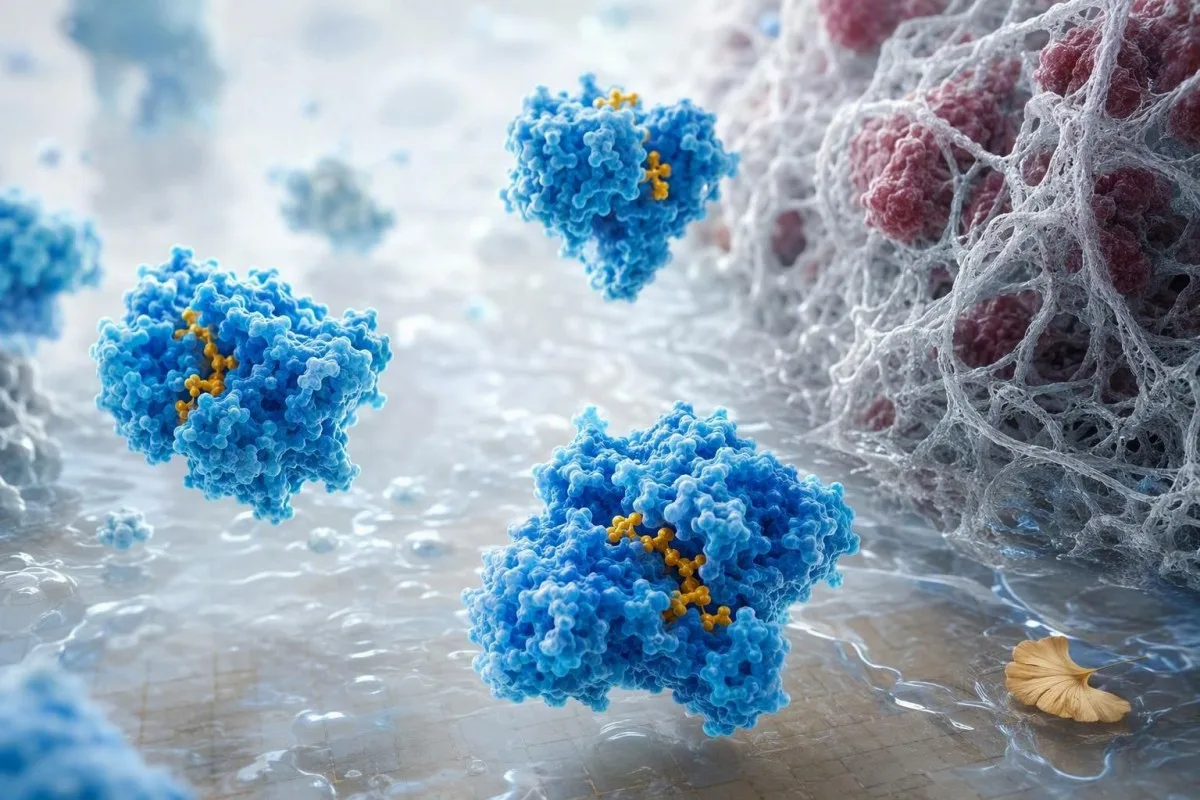
Tempo di protrombina (PT) è il numero grezzo dietro l'INR, solitamente riportato in secondi. Un PT di 12 secondi in un laboratorio potrebbe non significare esattamente la stessa cosa di 12 secondi altrove perché la sensibilità dei reagenti differisce; l'INR corregge tale differenza. Il nostro guida ai biomarcatori del sangue spiega perché un intervallo di riferimento di laboratorio è sempre specifico per il metodo.
Kantesti è un Analizzatore di analisi del sangue AI che colloca un risultato INR accanto alle informazioni sui farmaci, ai marcatori epatici, al conteggio piastrinico e ai valori precedenti, piuttosto che trattare un singolo numero come una diagnosi. Un risultato di 3,2 può essere del tutto appropriato per un paziente con valvola e insicuro per una persona il cui solito target è 2,0-3,0.
La parola “normalizzato” causa un'incomprensibile confusione. Non significa che la tua coagulazione sia normale; significa che il laboratorio ha matematicamente normalizzato il risultato del PT a uno standard internazionale. Se un INR aumenta dopo l'inizio degli antibiotici, la nostra guida ai cambiamenti dell'INR correlati agli antibiotici copre il meccanismo e i passaggi successivi più sicuri.
Cosa misura effettivamente il test INR
L'INR misura le vie di coagulazione estrinseca e comune, in particolare l'attività dei fattori di coagulazione II, VII e X dipendenti dalla vitamina K. Non misura la funzione piastrinica e non può escludere ogni disturbo di sanguinamento o coagulazione.

Il laboratorio aggiunge fattore tissutale e calcio al plasma citrato, quindi registra il tempo fino alla formazione del coagulo. Fattore VII, che ha un breve tempo di dimezzamento funzionale di circa 4-6 ore, spesso fa sì che PT e INR cambino prima di altri test di routine correlati al fegato.
Un INR normale non garantisce l'emostasi normale. Disturbi piastrinici, malattia di von Willebrand, carenza del fattore XIII e farmaci come l'aspirina possono aumentare la tendenza al sanguinamento mentre PT/INR rimangono normali. Tale limitazione è centrale nella lettura di un pannello di coagulazione con giudizio.
Al contrario, un INR elevato non significa automaticamente che una persona avrà emorragie. Secondo la mia esperienza, il rischio aumenta maggiormente quando un INR elevato si combina con cadute, fragilità, compromissione renale, piastrine basse, eccesso di alcol o un secondo farmaco che influisce sulla coagulazione.
Perché i laboratori standardizzano il tempo di protrombina
L'INR consente di confrontare un risultato PT di un laboratorio con un risultato di un altro laboratorio. Ciò è importante perché diversi reagenti tromboplastinici reagiscono in modo diverso alla ridotta attività dei fattori di coagulazione.

La formula standard è INR = (PT paziente ÷ PT medio normale)^ISI. La ISI, o Indice di Sensibilità Internazionale, descrive quanto è reattivo un particolare reagente rispetto a una preparazione di riferimento internazionale; un ISI più basso significa che il reagente si comporta più come il riferimento.
Questa formula spiega perché due referti possono mostrare secondi PT diversi ma un INR simile. Il PT medio normale di un laboratorio viene stabilito localmente da campioni sani idonei, quindi non è un numero universale e non dovrebbe essere copiato dal referto di un altro ospedale.
Anche i dispositivi a puntura digitale point-of-care riportano l'INR, ma il loro risultato potrebbe richiedere la conferma del laboratorio venoso quando è inaspettato, superiore a 4.0, o incoerente con il quadro clinico. Per il percorso associato, vedi la nostra aPTT e guida ai test di coagulazione.
Qual è un risultato normale del test INR?
Un INR normale per gli adulti che non assumono warfarin è di solito circa 0,8-1,2, sebbene l'intervallo di riferimento del referto abbia la priorità. Un risultato più alto significa che il campione ha impiegato più tempo a coagulare in condizioni di prova.

Un INR di 1.4 può essere solo leggermente elevato in una persona che non assume anticoagulanti, tuttavia merita comunque un contesto se vi sono ecchimosi, ittero, cattiva nutrizione, diarrea prolungata o un intervento chirurgico imminente. Prima delle procedure, i chirurghi spesso stabiliscono la propria soglia in base al rischio di sanguinamento piuttosto che utilizzare un unico valore di cut-off universale.
Per gli utenti di warfarin, “normale” significa all'interno dell'intervallo terapeutico individuale, non all'interno dell'intervallo di riferimento del laboratorio. Un paziente trattato per fibrillazione atriale con un INR di 1,1 è ipocoagulato, mentre una persona che non assume anticoagulanti con lo stesso risultato è solitamente nell'intervallo.
L'apporto di vitamina K dovrebbe essere ragionevolmente costante piuttosto che eliminato. Grandi cambiamenti improvvisi nelle verdure, negli shake nutrizionali o negli integratori possono alterare la risposta al warfarin; la nostra guida agli alimenti ricchi di vitamina K e al warfarin fornisce porzioni pratiche e avvertenze.
Gli obiettivi INR dipendono dal motivo per cui si assume il warfarin
La maggior parte degli obiettivi del warfarin è INR 2,0-3,0, ma le valvole cardiache meccaniche e situazioni selezionate ad alto rischio possono richiedere 2,5-3,5. L'intervallo target prescritto, non un grafico di internet, determina se un risultato è troppo basso o troppo alto.
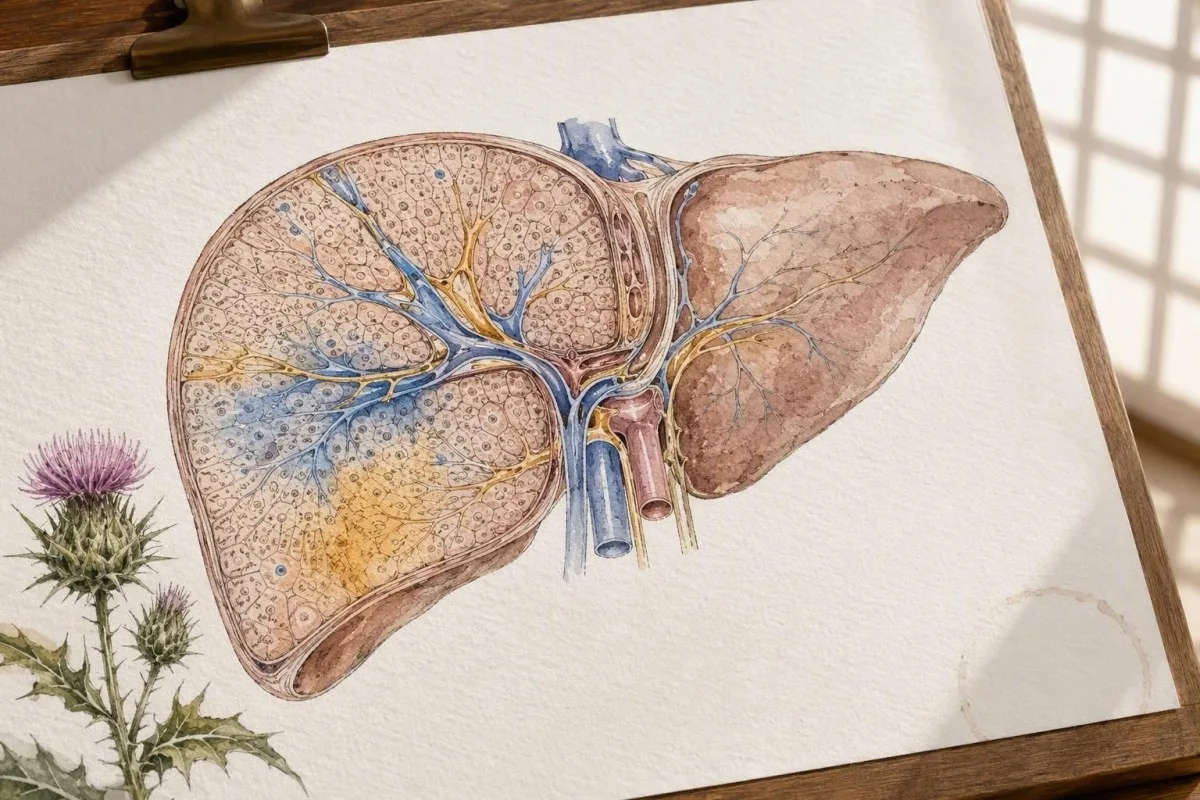
Per la fibrillazione atriale non valvolare, il trattamento della trombosi venosa profonda e l'embolia polmonare, un obiettivo di 2.0-3.0 è comune. Il tempo trascorso nell'intervallo è importante: valori INR ripetuti di 1,5 e 3,5 con una media di 2,5, ma non forniscono la stessa protezione o sicurezza di valori stabili vicini a 2,5.
Le valvole mitraliche meccaniche utilizzano comunemente un obiettivo intorno a 2.5-3.5, mentre alcune moderne valvole aortiche meccaniche hanno protocolli diversi. La linea guida ACC/AHA 2020 sulle valvole raccomanda di adattare l'intensità al tipo di valvola e ai fattori di rischio tromboembolico piuttosto che presumere che ogni valvola necessiti dello stesso obiettivo (Otto et al., 2021).
Il warfarin è insolitamente sensibile alle interazioni perché ha una finestra terapeutica stretta. Una dose settimanale stabile potrebbe essere solo 14-35 mg, quindi un cambiamento di 1 mg in due giorni può fare la differenza. Un INR in aumento con bilirubina o albumina anomale richiede un'ulteriore valutazione, inclusa una revisione del pannello epatico.
Perché un INR può essere più alto del previsto
Un INR alto riflette più spesso un eccessivo effetto del warfarin, una ridotta disponibilità di vitamina K, un'alterazione della sintesi epatica, una malattia acuta o un'interazione farmacologica. Lo stesso numero ha implicazioni diverse in una persona che assume warfarin e in una persona che non lo assume.

Gli antibiotici possono aumentare l'INR attraverso la ridotta produzione di vitamina K intestinale, la ridotta appetito, la diarrea e le interazioni dirette tra farmaci. Trimetoprim-sulfametossazolo, metronidazolo e diversi antifungini azolici sono trigger particolarmente noti nelle cliniche anticoagulanti, spesso entro 3-7 giorni.
Il fegato produce la maggior parte dei fattori di coagulazione misurati dal PT. Un INR elevato con bassa albumina, ittero, urine scure o nuovo gonfiore addominale necessita di una valutazione clinica; la nostra panoramica di indizi dei test ematici per la cirrosi spiega perché l'INR da solo non può stadiare la malattia epatica.
I modelli di consumo di alcol contano più di quanto molti pazienti si aspettino. Un singolo episodio di consumo eccessivo può destabilizzare il metabolismo del warfarin, mentre una lesione epatica cronica può ridurre la produzione di fattori. Non “correggere” un risultato alto con integratori di vitamina K a meno che un medico non te lo dica: farlo può rendere più difficile la gestione dei giorni successivi.
Perché l'INR può essere inferiore al tuo obiettivo
Un INR basso in qualcuno a cui è stato prescritto il warfarin significa che l'attività di coagulazione è più forte del previsto e la protezione da coaguli dannosi può essere ridotta. Dosi saltate, aumento dell'apporto di vitamina K, recupero da una malattia e farmaci interagenti sono spiegazioni comuni.
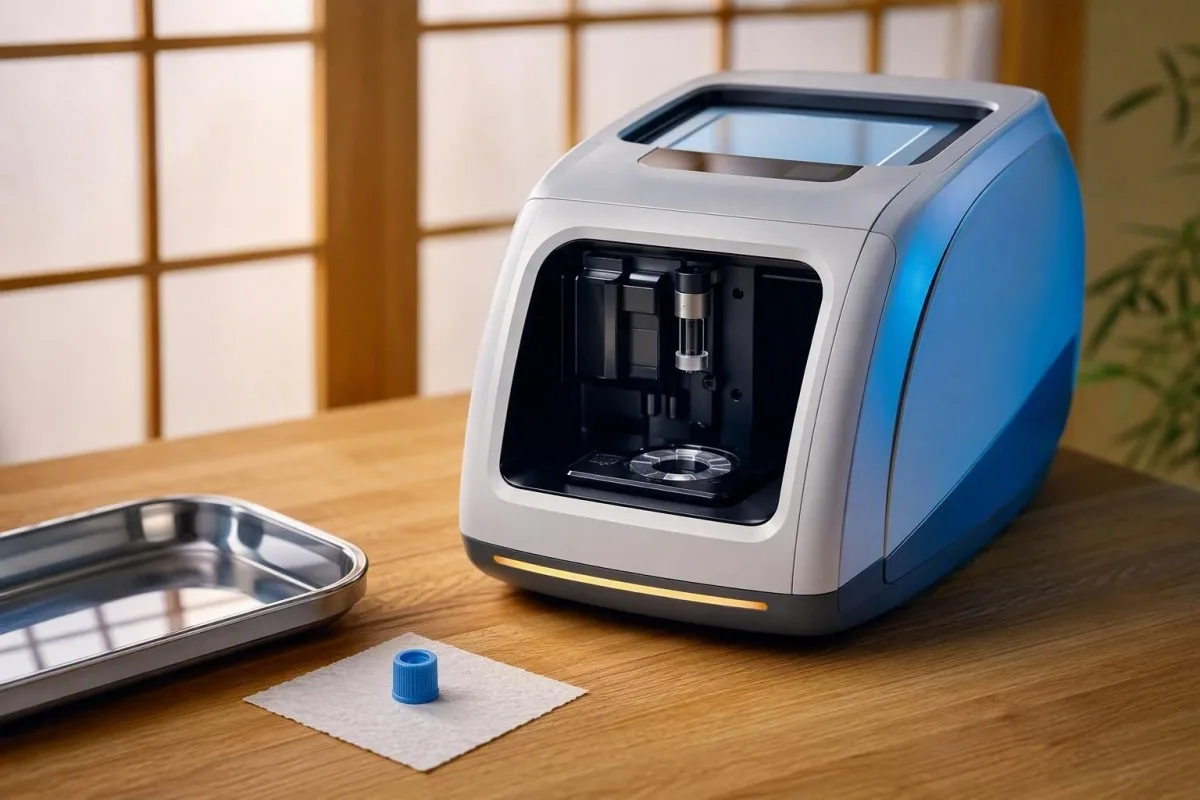
Un INR di 1.6 può essere inferiore all'obiettivo per una persona con fibrillazione atriale, ma non è intrinsecamente anomalo in un adulto non trattato. I medici controllano innanzitutto la data e la dose dell'ultima compressa di warfarin, le dosi saltate, i nuovi integratori e se una malattia recente si è risolta.
La vitamina K non deve essere evitata. L'abitudine più sicura è la costanza: mangiare una grande porzione di verdure a foglia verde una volta al mese è più dirompente che mangiare una porzione moderata più volte a settimana. Kantesti è un Piattaforma di interpretazione esami del sangue AI che può visualizzare le tendenze dell'INR insieme ai cambiamenti documentati nei farmaci e nella dieta.
Valori bassi ripetuti dovrebbero innescare un piano di dosaggio del prescrittore, non compresse di recupero. I cambiamenti dovrebbero essere valutati come una sequenza perché l'effetto completo del warfarin può ritardare 48-72 ore. Una revisione delle tendenze sulla sicurezza dei farmaci può aiutare a organizzare le date di cui il tuo medico ha bisogno.
Un risultato INR può essere errato?
Sì, un INR può essere fuorviante quando la raccolta del campione, la manipolazione o le circostanze del paziente interferiscono con il test. Un risultato sorprendente dovrebbe essere confrontato con i sintomi, la storia farmacologica, i valori precedenti e talvolta un nuovo campione venoso.

I campioni di coagulazione utilizzano un tubo di citrato con un rapporto fisso sangue-anticoagulante. Un tubo sotto-riempito contiene relativamente troppo citrato e può prolungare falsamente il PT/INR; ciò è particolarmente rilevante quando una raccolta difficile del campione produce solo una parte del volume richiesto.
Ematocrito molto elevato, in genere superiore a 55%, modifica anche il rapporto plasma-citrato e può richiedere un aggiustamento di laboratorio. Il test può altrimenti sovrastimare l'anticoagulazione. Questo è uno dei motivi per cui il personale di laboratorio può mettere in discussione un risultato piuttosto che rilasciarlo senza domande.
Un improvviso cambiamento da INR 2,4 a 5,8 senza malattia, farmaci, dosaggio o cambiamento della dieta giustifica la conferma prima di una decisione di gestione importante, a meno che non sia presente sanguinamento, quando la sicurezza viene prima. Confronta attentamente i tempi con il nostro articolo su differenze significative tra esami del sangue.
INR in gravidanza, malattie epatiche e uso di DOAC
L'INR è essenziale per il monitoraggio del warfarin ma non è una misurazione affidabile dell'effetto della maggior parte degli anticoagulanti orali diretti (DOAC). La gravidanza e le malattie epatiche richiedono anche un'interpretazione specialistica perché la fisiologia della coagulazione cambia in modi che l'INR non cattura completamente.

Il warfarin generalmente attraversa la placenta ed è solitamente evitato in gravidanza, tranne in circostanze altamente specializzate, come alcuni casi di valvole meccaniche. Le pazienti in gravidanza non devono mai interrompere o cambiare un anticoagulante basandosi solo su un risultato INR; vedere segnali d’allarme degli esami del sangue in gravidanza per quando un consiglio in giornata è sensato.
Apixaban, rivaroxaban, dabigatran ed edoxaban non utilizzano l'INR per l'aggiustamento della dose di routine. Possono alterare il PT o l'INR in modo variabile a seconda del saggio e del tempo, ma un INR “normale” non dimostra che un DOAC sia cessato.
Nella malattia epatica avanzata, un INR elevato riflette una ridotta produzione di fattori procoagulanti ma non predice precisamente il sanguinamento perché anche le proteine anticoagulanti diminuiscono. Questo stato riequilibrato è una di quelle aree in cui il contesto conta più del numero; i team specialistici possono utilizzare insieme piastrine, fibrinogeno, funzione renale e stato clinico.
Quando un INR inatteso richiede un consiglio clinico tempestivo
Un INR superiore a 5,0 con warfarin di solito richiede un consiglio tempestivo dal servizio di anticoagulazione, mentre un INR superiore a 8,0 generalmente richiede una valutazione in giornata anche in assenza di sanguinamento. Qualsiasi sintomo di sanguinamento grave è un'emergenza indipendentemente dal numero dell'INR.

Chiedi aiuto di emergenza ora per vomito di sangue, feci nere catramose, tosse di sangue, forte mal di testa improvviso, confusione, svenimento, nuova debolezza, trauma grave o sanguinamento che non si ferma. Questi sintomi possono segnalare un sanguinamento interno e non dovrebbero aspettare un nuovo test.
Contatta urgentemente il team di anticoagulazione per un risultato al di sopra del tuo target, in particolare INR 4,5-5,0 o superiore, nuova ecchimosi, epistassi che dura più di 10-15 minuti, o sangue visibile nelle urine. Un basso numero di piastrine aggrava il rischio, rilevante prima di cure dentali o procedure; vedere sicurezza delle piastrine prima dell'estrazione del dente.
Le raccomandazioni delle linee guida sono basate sul rischio piuttosto che puramente numeriche. Holbrook e colleghi sconsigliano la vitamina K di routine per INR asintomatici 4.5-10.0 in molti casi, mentre raccomandano la vitamina K orale per INR superiori a 10.0 senza sanguinamento (Holbrook et al., 2012). Il tuo piano personale può differire perché età, sanguinamento precedente e indicazione sono importanti.
Cosa fare dopo un INR fuori range
Dopo un INR fuori range, segui le istruzioni scritte della tua clinica di anticoagulazione e non raddoppiare, saltare o invertire autonomamente le dosi a meno che tale piano non lo indichi già. Registra il risultato, l'intervallo target, la dose attuale, i nuovi farmaci, le malattie, le modifiche della dieta e i sintomi di sanguinamento.

Le modifiche della dose di warfarin sono spesso espresse come totale settimanale perché l'effetto della compressa è ritardato. Un medico può modificare un regime settimanale di 5-15%, quindi ricontrollare dopo diversi giorni; l'aggiustamento corretto dipende dal pattern, non solo dall'ultimo risultato.
Se il tuo INR è basso, non presumere che si stia formando un coagulo. Se è alto, non interrompere ogni farmaco in preda al panico. La guida dell'Anticoagulation Forum enfatizza la riconciliazione dei farmaci e una revisione strutturata delle interazioni perché antibiotici, amiodarone, antiepilettici e prodotti erboristici possono alterare la risposta al warfarin (Witt et al., 2016).
Porta un registro chiaro di una pagina da rivedere: ultime sette dosi, target, date dei risultati, antibiotici, cambiamenti nell'assunzione di alcol, disturbi gastrici e nuovi integratori. La nostra elenco di controllo riassuntivo del laboratorio per la visita dal medico è progettata attorno proprio a questo tipo di passaggio di consegne pratico.
Come leggere il tuo referto INR senza perdere il contesto
Leggi un referto INR con la data di prelievo, i secondi PT, l'intervallo di riferimento di laboratorio, l'intervallo target dichiarato e il tuo elenco di farmaci. Un singolo numero senza questi dettagli è spesso clinicamente incompleto.
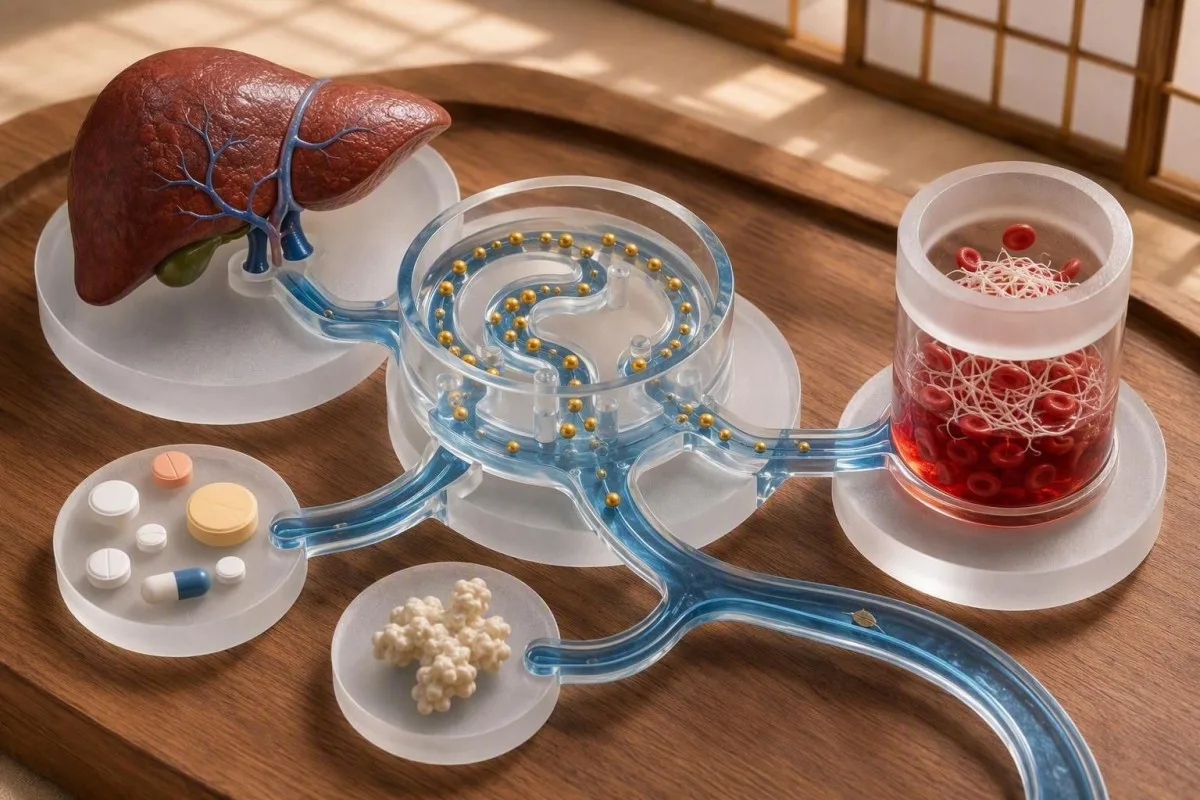
Il laboratorio può segnalare l'INR superiore a 1,2 come alto anche quando il target di warfarin previsto è 2,0-3,0. Tale segnalazione automatica ti confronta con adulti non trattati, non con il tuo obiettivo di trattamento prescritto. Questa è una frequente fonte di allarme non necessario nei portali pazienti.
Quando revisiono un pannello, guardo anche emoglobina, conta piastrinica, creatinina, bilirubina, albumina ed enzimi epatici. Un INR stabile di 2,6 con emoglobina in calo non è rassicurante finché non si è considerato un sanguinamento occulto; il nostro articolo su tempo di protrombina elevato con aPTT normale spiega il pattern diagnostico.
La regola pratica del Dr. Thomas Klein è di conservare il referto originale piuttosto che trascrivere solo il valore. Paesi diversi possono mostrare il PT in secondi, INR o entrambi, e l'intervallo di riferimento proprio del laboratorio fa parte dell'evidenza clinica.
Come l'IA può aiutare a interpretare l'INR e dove non può
L'IA può organizzare un risultato INR, identificare interazioni pertinenti e mostrare tendenze, ma non può sostituire la decisione immediata sulla dose di un prescrittore di anticoagulazione. Un'interpretazione sicura deve distinguere il monitoraggio del warfarin dalla malattia epatica, dall'uso di DOAC e da un campione potenzialmente inaffidabile.

L'IA di Kantesti può estrarre INR, PT, marcatori epatici, piastrine e intervalli di riferimento da un'immagine o PDF di un referto, quindi proporre domande a un medico. Kantesti è Strumento di analisi degli esami del sangue basato su AI creata per identificare il contesto e l'incertezza piuttosto che emettere una singola dose di warfarin.
Un output utile dovrebbe segnalare una discrepanza: ad esempio, un INR di 1,0 in una persona che assume apixaban potrebbe non rappresentare un trattamento inadeguato, mentre un INR di 1,0 in un paziente in warfarin con un target di 2,5 richiede chiaramente una revisione della terapia. La nostra Guida alla tecnologia AI spiega perché la convalida del referto sorgente è importante.
Kantesti utilizza una gestione incentrata sulla privacy e può supportare la revisione longitudinale, ma i sintomi urgenti hanno sempre la precedenza sull'interpretazione digitale. Accuratezza e percorsi di escalation clinica sono revisionati attraverso il nostro standard di validazione medica, con il giudizio del medico che rimane l'ultima salvaguardia.
Domande utili da porre riguardo a un risultato INR
Le domande più utili sull'INR sono: qual è il mio range target, cosa è cambiato dall'ultimo risultato, quando devo ripetere il test e quali sintomi dovrebbero indurre a cure di emergenza? Queste domande trasformano un valore di laboratorio isolato in un piano d'azione sicuro.
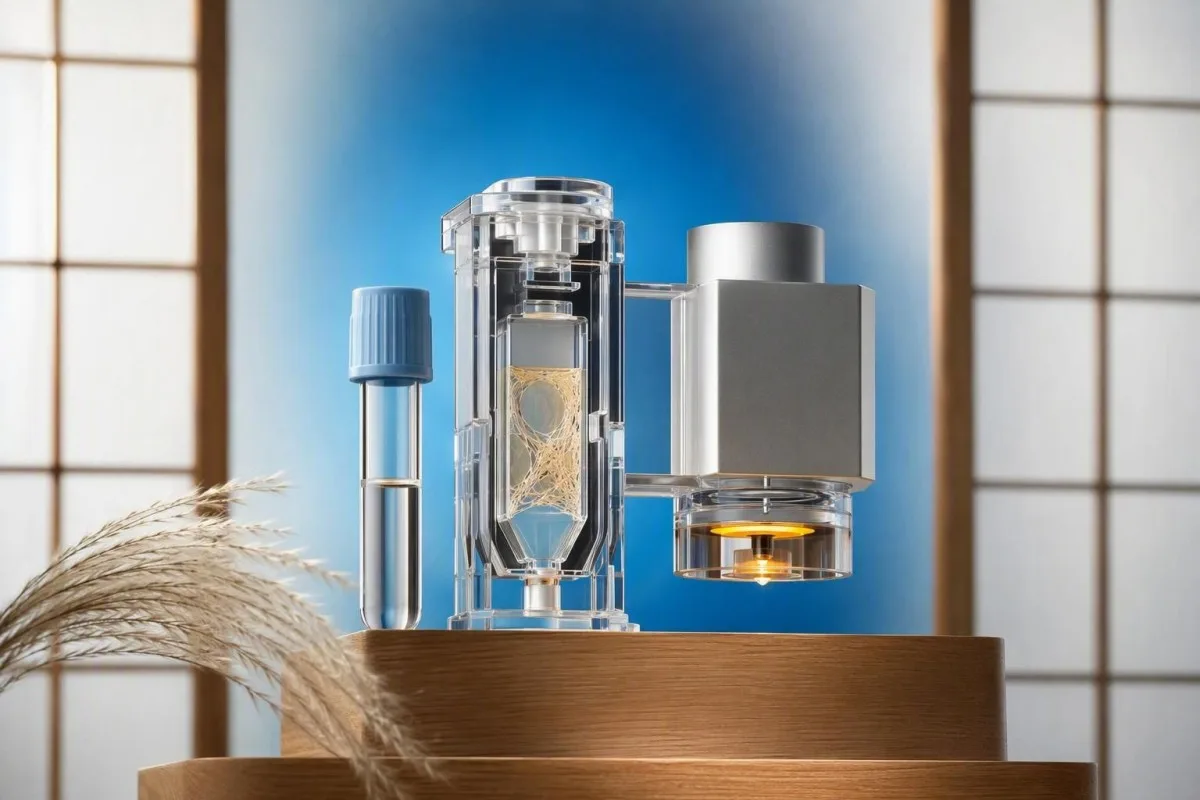
Chiedere se il valore proviene da un dispositivo point-of-care o da un campione di laboratorio venoso e se sono necessari test ripetuti. Se si ha un ematocrito molto elevato, malattie epatiche, recente ricovero ospedaliero o un risultato sorprendente, la qualità del campione e il metodo diventano più rilevanti.
Chiedere se una nuova prescrizione, un antidolorifico da banco, una preparazione a base di erbe, una bevanda nutrizionale, un antibiotico o un episodio di diarrea potrebbero spiegare il cambiamento. Evitare ibuprofene e FANS simili a meno che un medico non li abbia approvati, poiché possono aumentare il rischio di sanguinamento senza necessariamente modificare l'INR.
Per le domande sull'assistenza che vanno oltre il numero, l' Comitato consultivo medico di Kantesti supporta la supervisione clinica dei nostri contenuti educativi. Se i sintomi suggeriscono sanguinamento grave o ictus, saltare la ricerca online e cercare immediatamente assistenza di emergenza.
Domande frequenti
Cosa significa INR in un esame del sangue?
INR sta per International Normalized Ratio. Si tratta di un calcolo standardizzato basato sul tempo di protrombina, una misura di laboratorio di quanto tempo impiega un campione di plasma a coagulare dopo l'aggiunta di reagenti. Negli adulti che non assumono warfarin, l'INR è comunemente di circa 0,8-1,2, sebbene debba essere utilizzato l'intervallo di riferimento del laboratorio stesso. Per molte persone che assumono warfarin, il valore target prescritto è 2,0-3,0 anziché l'intervallo di riferimento non trattato.
Un INR di 1,0 è normale?
Un INR di 1,0 è solitamente normale per una persona che non sta assumendo warfarin o un altro antagonista della vitamina K. Un INR di 1,0 è solitamente troppo basso per una persona il cui target di warfarin è 2,0-3,0, poiché può indicare una ridotta protezione dalla coagulazione. Il risultato deve essere interpretato insieme all'elenco dei farmaci, all'indicazione del trattamento e all'intervallo target individuale. Non assumere una dose aggiuntiva di warfarin senza istruzioni da parte del team prescrittore.
Quale livello di INR è pericoloso?
L'urgenza di un INR dipende dal motivo per cui è stato misurato, ma un INR superiore a 5,0 in una persona che assume warfarin generalmente richiede un pronto consiglio anticoagulante. Un INR superiore a 8,0 richiede comunemente una valutazione clinica in giornata anche in assenza di sanguinamento evidente, mentre qualsiasi sintomo di sanguinamento grave è un'emergenza a qualsiasi valore di INR. I sintomi di emergenza includono feci nere e catramose, vomito di sangue, forte mal di testa improvviso, svenimento, confusione, nuova debolezza o sanguinamento che non si ferma. Le soglie individuali possono essere inferiori per gli anziani, le persone a rischio di caduta o le persone che assumono farmaci antiaggreganti piastrinici.
Perché l'INR è alto se non prendo il warfarin?
Un INR elevato senza warfarin può derivare da ridotto assorbimento o apporto di vitamina K, compromissione della sintesi epatica, diarrea prolungata correlata ad antibiotici, malattia grave, deficit ereditario dei fattori o determinati farmaci. Un INR lievemente elevato di 1,3-1,5 può richiedere una revisione pianificata, mentre un risultato in rapido aumento o un INR superiore a 2,0 con sintomi di sanguinamento richiede una valutazione più urgente. I medici solitamente controllano i test epatici, l'esposizione ai farmaci, lo stato nutrizionale, la conta piastrinica e ripetono i test se appropriato. L'INR da solo non può stabilire la causa.
Gli antibiotici possono influenzare il risultato di un test INR?
Sì, gli antibiotici possono aumentare l'INR nelle persone che assumono warfarin, spesso entro 3-7 giorni dall'inizio del trattamento. Alcuni antibiotici aumentano direttamente l'effetto del warfarin, mentre altri riducono la produzione intestinale di vitamina K o causano scarso apporto e diarrea. Trimetoprim-sulfametossazolo, metronidazolo e antifungini azolici sono esempi ben noti che giustificano una revisione proattiva della anticoagulazione. Contattare il medico che gestisce il warfarin quando viene prescritto un antibiotico, piuttosto che attendere ecchimosi o sanguinamento.
Un INR normale significa che non sono a rischio di sanguinamento?
No, un INR normale non esclude il rischio di sanguinamento perché l'INR valuta principalmente la via del tempo di protrombina. Disturbi piastrinici, uso di aspirina o FANS, malattia di von Willebrand, malattie renali e cause locali di sanguinamento possono essere presenti con un INR intorno a 1.0. Una persona con feci nere, vomito di sangue, svenimento o sanguinamento persistente necessita di una valutazione urgente anche se un recente INR era normale. I sintomi e l'emocromo completo spesso contano tanto quanto l'INR.
Ottieni oggi l’analisi degli esami del sangue con IA (AI-Powered Blood Test Analysis)
Unisciti a oltre 2 milioni di utenti in tutto il mondo che si fidano di Kantesti per un’analisi istantanea e accurata degli esami di laboratorio. Carica i tuoi risultati analisi del sangue e ricevi un’interpretazione completa dei biomarcatori di 15,000+ in pochi secondi.
📚 Pubblicazioni di ricerca di riferimento
Klein, T., Mitchell, S., & Weber, H. (2026). Kantesti LTD. (2026). Diarrea dopo il digiuno, granelli neri nelle feci e guida GI 2026. Figshare.. Kantesti AI Medical Research.
Klein, T., Mitchell, S., & Weber, H. (2026). Kantesti LTD. (2026). Women's Health Guide: Ovulation, Menopause & Hormonal Symptoms. Figshare.. Kantesti AI Medical Research.
📖 Riferimenti medici esterni





⚕️ Esclusione di responsabilità medica
Questo articolo ha solo scopo educativo e non costituisce consulenza medica. Consulta sempre un operatore sanitario qualificato per decisioni su diagnosi e trattamento.
Segnali di fiducia E-E-A-T
Esperienza
Revisione clinica guidata da un medico dei flussi di lavoro di interpretazione degli esami.
Competenza
Focus sulla medicina di laboratorio su come i biomarcatori si comportano nel contesto clinico.
autorevolezza
Scritto dal dott. Thomas Klein con revisione della dott.ssa Sarah Mitchell e del Prof. Dr. Hans Weber.
Affidabilità
Interpretazione basata su evidenze, con percorsi di follow-up chiari per ridurre l’allarme.