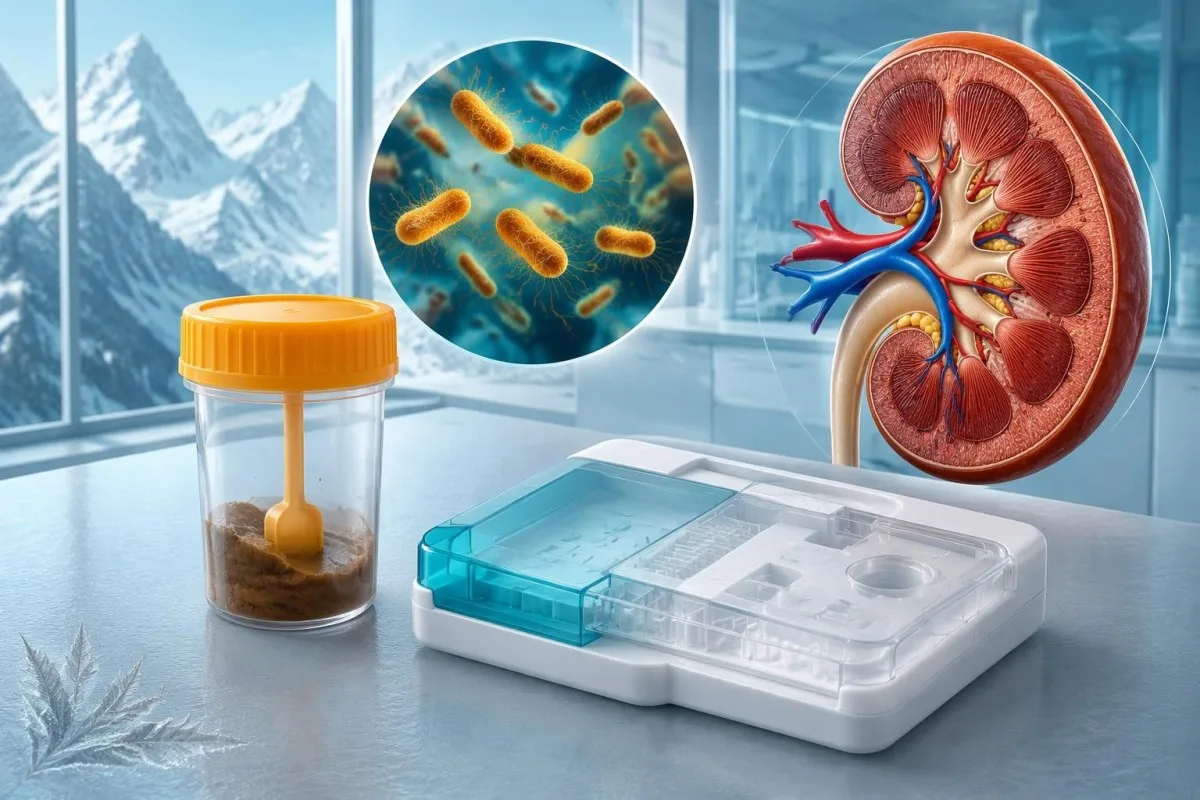
A positive stool result usually indicates Shiga toxin-producing E. coli, but it does not automatically mean kidney damage. Contact your clinician the same day; reduced urination, unusual bruising, marked pallor, or confusion require urgent assessment.

मुख्य निष्कर्ष
- शिगा टॉक्सिन पॉज़िटिव का अर्थ है कि मल के परीक्षण में Shiga toxin या उसके जीन पाए गए, जो आम तौर पर Shiga toxin बनाने वाले E. coli का संकेत है, जिसे STEC भी कहा जाता है।.
- उसी दिन की सलाह सकारात्मक नतीजे के बाद यह उचित है, भले ही दस्त में सुधार हो रहा हो; चिकित्सक जलयोजन का आकलन कर सकता है और गुर्दों तथा प्लेटलेट्स की निगरानी की व्यवस्था कर सकता है।.
- एंटीबायोटिक्स are generally avoided for STEC O157, Shiga toxin 2-producing STEC, or STEC with an unknown toxin type because treatment may increase HUS risk.
- दस्त-रोधी दवाएँ जैसे लोपरामाइड और डाइफेनॉक्सिलेट से संदिग्ध या पुष्ट STEC संक्रमण में बचना चाहिए, जब तक कि कोई विशेषज्ञ विशेष रूप से इसके विपरीत निर्देश न दे।.
- HUS timing is commonly around days 5–10 after diarrhea begins, and the complication can emerge as bowel symptoms improve.
- तात्कालिक चेतावनी संकेत include substantially less urine, unusual bruising, marked pallor, severe fatigue, swelling, confusion, or seizures; do not wait for another stool result.
- गुर्दे की चोट की सीमाएँ इसमें 48 घंटे के भीतर क्रिएटिनिन में कम-से-कम 0.3 mg/dL, यानी लगभग 26.5 µmol/L, की वृद्धि शामिल है; इसलिए प्रयोगशाला की सामान्य सीमा के भीतर आने वाला परिणाम भी चिंताजनक हो सकता है।.
- जलयोजन usually means oral rehydration solution while urine output remains adequate; reduced urination or swelling needs assessment rather than forced fluids at home.
What does a shiga toxin positive stool result mean?
A शिगा विष पॉज़िटिव stool result means the laboratory detected Shiga toxin or genes that encode it, usually indicating STEC संक्रमण. उसी दिन अपने चिकित्सक से संपर्क करें, और पेशाब कम आने, असामान्य चोट के निशान पड़ने, बहुत अधिक पीलापन, गंभीर कमज़ोरी या भ्रम की स्थिति में तत्काल चिकित्सकीय जाँच कराएँ; ये हेमोलिटिक यूरेमिक सिंड्रोम, या HUS.
A positive stool test does not establish HUS, and it does not measure how much toxin has reached the circulation. HUS involves 3 linked problems—damage to circulating red cellular elements, a falling platelet count, and acute kidney injury—which require clinical assessment and blood testing rather than interpretation of the stool result alone.
रिपोर्ट में लिखे गए शब्द महत्वपूर्ण हैं: किसी परीक्षण में Shiga toxin, stx1, stx2, STEC या E. coli O157 लक्ष्य सूचीबद्ध हो सकता है, और ये एक-दूसरे के स्थान पर इस्तेमाल किए जा सकने वाले विवरण नहीं हैं। O157 का पता न चलने पर भी toxin-positive परिणाम चिकित्सकीय रूप से महत्वपूर्ण non-O157 STEC को दर्शा सकता है; हमारा गुणात्मक परिणाम मार्गदर्शिका में समझाया गया है यह बताता है कि पता चलने का अर्थ मापी गई सांद्रता नहीं है।.
Kantesti is an AI blood test analyzer that can help explain the kidney and platelet results requested after a positive stool test, but our interpretation cannot diagnose or exclude evolving HUS. Information about हमारी संस्था में identifies Kantesti LTD and its service scope; urgent symptoms should go directly to a healthcare professional, not through an interpretation workflow.
शिगा टॉक्सिन के मल परीक्षण, PCR और कल्चर में क्या अंतर है?
A Shiga toxin stool test may detect toxin protein, while a molecular assay detects toxin-producing genes; culture attempts to recover the organism itself. These methods answer different questions, and a positive molecular result does not prove that living bacteria remain in the sample or specify an individual's HUS risk.
PCR पैनल आमतौर पर 2 जीन परिवारों, stx1 और stx2, को लक्षित करते हैं, हालाँकि कुछ रिपोर्ट उन्हें एक ही STEC परिणाम के रूप में जोड़ देती हैं। टॉक्सिन इम्यूनोएसे सीधे मल पर या प्रयोगशाला में संवर्धन के बाद किया जा सकता है; न तो साधारण पॉज़िटिव परिणाम और न ही रिपोर्ट में दर्ज न किया गया PCR साइकिल थ्रेशोल्ड, टॉक्सिन की मात्रा या गंभीरता का विश्वसनीय माप माना जाना चाहिए।.
2017 की संक्रामक रोग सोसायटी ऑफ अमेरिका की गाइडलाइन में, इस संक्रमण का संदेह होने पर ऐसे परीक्षण की सिफ़ारिश की गई है जो शिगा टॉक्सिन या उसके जीनों का पता लगाए और E. coli O157 को अन्य STEC से अलग पहचाने (Shane et al., 2017)। कल्चर और जन-स्वास्थ्य संबंधी विश्लेषण प्रकोपों की जाँच करने और स्ट्रेन की पहचान करने में मदद कर सकते हैं, इसलिए रैपिड पैनल का परिणाम पहले ही पॉज़िटिव आने के बाद भी प्रयोगशाला अतिरिक्त नमूना माँग सकती है।.
Discordant tests deserve explanation, not automatic dismissal: a gene-positive, culture-negative sample can reflect collection timing, transport conditions, or reduced organism viability, while an unexpected isolated toxin result may need confirmation. In contrast, stool inflammatory markers विशेष रूप से STEC के बजाय आंतों की प्रतिरक्षा गतिविधि का पता लगाते हैं; कैलप्रोटेक्टिन परिणाम शिगा टॉक्सिन के उत्पादन की पुष्टि या उसे खारिज नहीं कर सकता।.
कौन-से लक्षण और समय-क्रम STEC संक्रमण के अनुकूल हैं?
STEC संक्रमण commonly causes abdominal cramps and diarrhea that may become bloody; fever can be absent or relatively mild. Symptoms usually start about 3–4 days after exposure, although a roughly 1–10-day incubation range means the most recent meal is not necessarily the source.
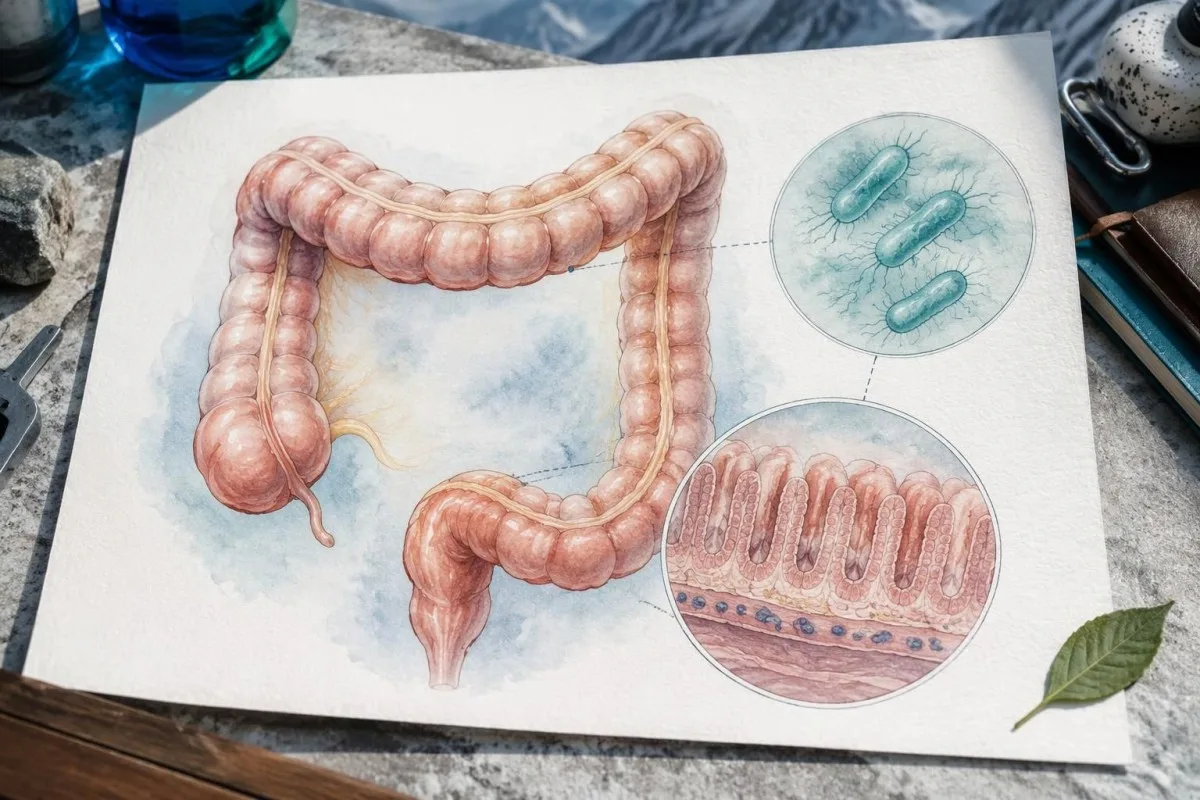
Bloody diarrhea increases concern for STEC, but its absence does not exclude the infection or later HUS. The first watery stool is generally the useful starting point for tracking illness day; for example, a laboratory result received on Thursday after diarrhea began Monday represents approximately day 4, not day 1 of the complication-monitoring period.
गंभीर पेट दर्द होने पर जाँच आवश्यक है, भले ही मल पैनल में किसी रोगजनक की पहचान हुई हो, क्योंकि पॉज़िटिव परिणाम से पेट की किसी अन्य आपातस्थिति की संभावना खारिज नहीं होती। मल में रक्त की मात्रा और उसका रूप भी महत्त्वपूर्ण हैं: हमारा मल में खून संबंधी चेतावनी गाइड explains why black tarry stool, heavy bleeding, or faintness should not simply be attributed to infectious diarrhea.
Fever does not reliably separate different causes of diarrhea, and broad panels sometimes detect more than 1 organism. A second result may alter treatment decisions—कैम्पिलोबैक्टर के उपचार संबंधी निर्णय differ from STEC decisions—so clinicians should interpret co-detections against symptom severity, exposure history, and the specific toxin finding rather than treating every positive target identically.
किन लोगों में हीमोलिटिक यूरेमिक सिंड्रोम का जोखिम अधिक होता है?
5 वर्ष से कम उम्र के बच्चे, older adults, and people with more severe STEC illness deserve particular attention for HUS. Strains producing Shiga toxin 2 are more strongly associated with HUS than strains producing Shiga toxin 1 alone, but toxin type cannot predict an individual outcome.
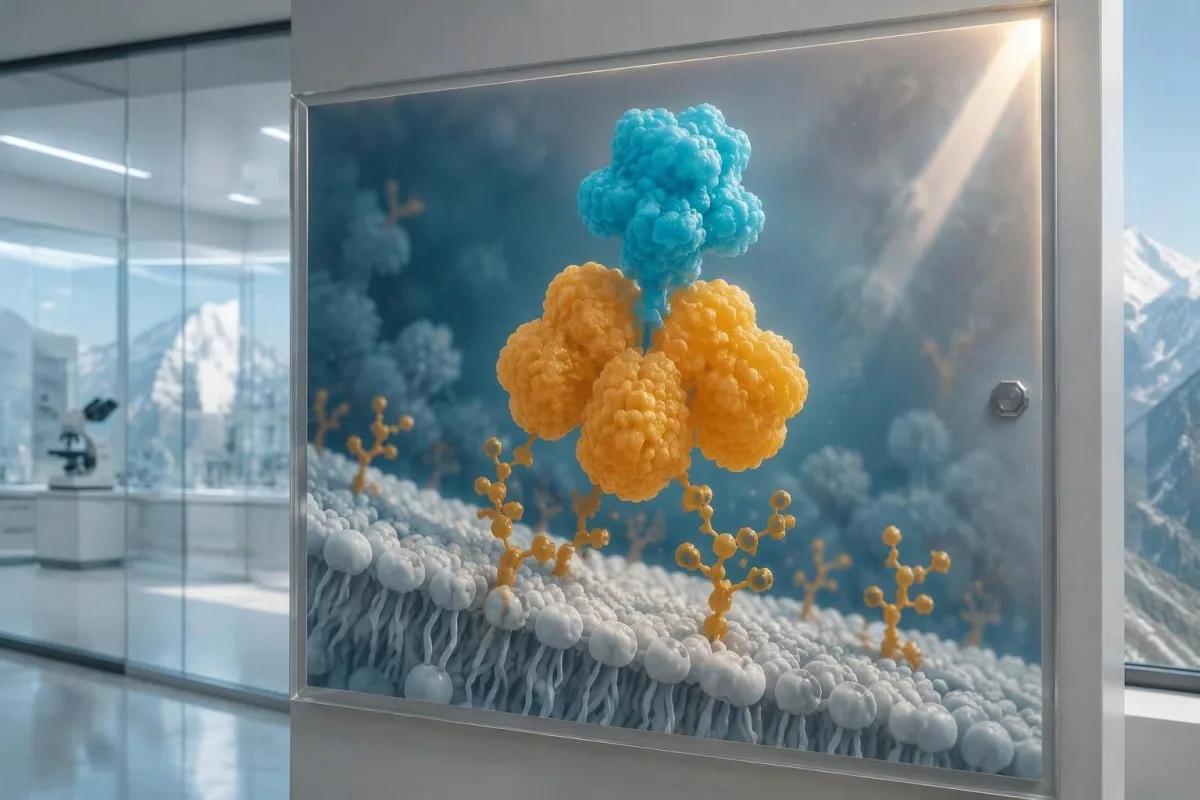
There is no single HUS percentage that applies to every Shiga toxin-positive report: published estimates depend on age, strain, outbreak setting, and how cases were identified. A child with O157 and bloody diarrhea belongs to a different risk group from an otherwise well adult with an incidentally detected non-O157 strain; quoting one pooled percentage can create misleading reassurance or alarm.
Dehydration, persistent vomiting, substantial intestinal symptoms, and concerning platelet or creatinine trends can increase the need for observation, but none is a stand-alone prediction tool. In a hypothetical 4-year-old who is drinking less and has fewer wet diapers, the immediate question is whether hydration and kidney function are deteriorating—not whether the child has completed the usual diarrhea timeline.
बच्चों की प्रयोगशाला रिपोर्ट की व्याख्या के लिए उम्र-विशिष्ट संदर्भ सीमाएँ आवश्यक हैं, खासकर क्रिएटिनिन के लिए, क्योंकि बच्चों में सामान्यतः कई वयस्कों की तुलना में इसका स्तर कम होता है। हमारा बच्चों के लिए रिपोर्ट समझने की सुरक्षा मार्गदर्शिका describes these limitations; Kantesti AI does not provide a validated HUS prediction score, consistent with our उत्तरदायी AI सीमाएँ.
Why are antibiotics often avoided in STEC infection treatment?
STEC संक्रमण का उपचार आमतौर पर एंटीबायोटिक दवाओं से परहेज़ किया जाता है, क्योंकि कुछ एंटीबायोटिक टॉक्सिन का उत्पादन या रिलीज़ बढ़ा सकते हैं और HUS का जोखिम बढ़ा सकते हैं। IDSA, STEC O157, शिगा टॉक्सिन 2 बनाने वाले STEC और ऐसे STEC के लिए, जिनका टॉक्सिन जीनोटाइप अज्ञात हो, एंटीमाइक्रोबियल उपचार से बचने की सिफारिश करता है (Shane et al., 2017)।.
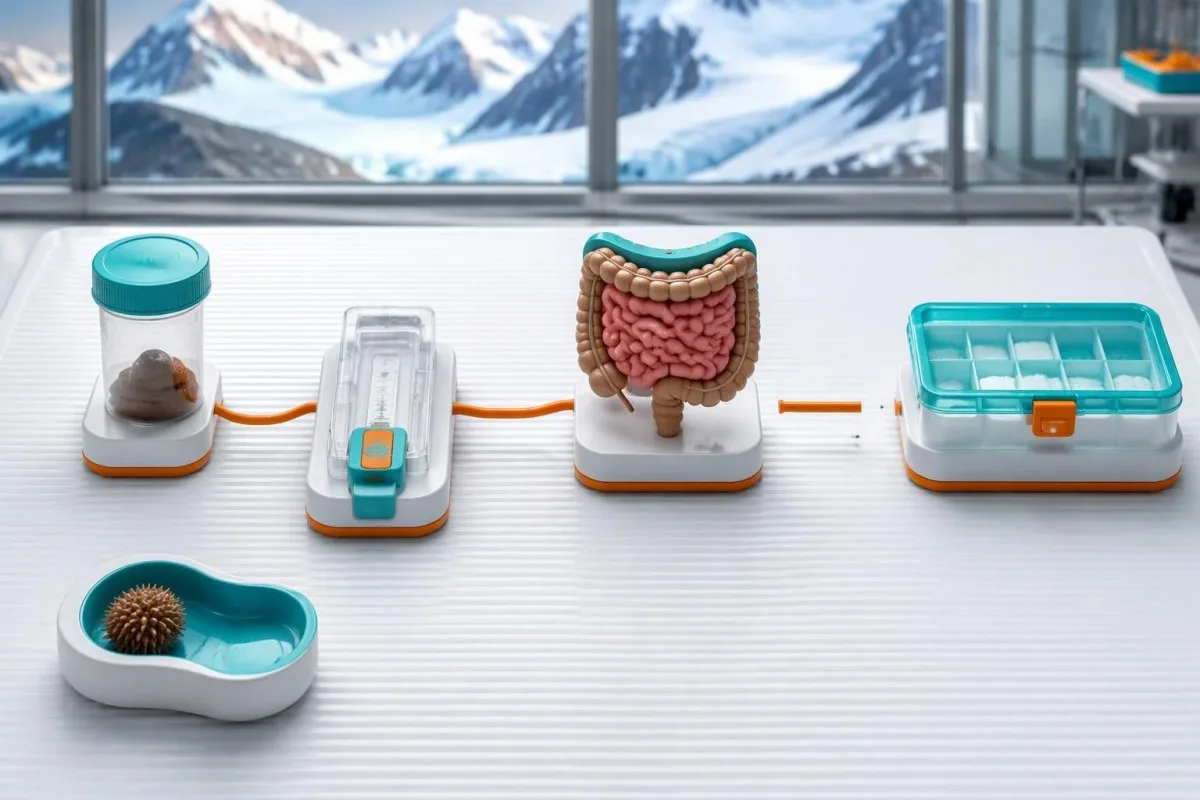
The evidence is genuinely mixed across antibiotic classes and study designs, but that uncertainty does not establish a safe routine antibiotic regimen. Freedman et al.'s 2016 meta-analysis included 17 reports and 1,896 patients; the pooled association was inconclusive overall, while the subset with lower risk of bias and accepted HUS definitions found higher HUS odds with antibiotics, OR 2.24, 95% CI 1.45–3.46.
Antibiotics can stress bacteria and activate toxin-related pathways, while bacterial breakdown can release toxin already present; the effect depends partly on the drug and organism. This explains why treatment is not simply a choice between stronger and weaker antibiotics, and why decisions for मल परीक्षण में Salmonella-पॉज़िटिव परिणाम cannot be transferred directly to STEC.
Already taking an antibiotic? Contact the prescriber promptly, ideally before the next dose, and explain the Shiga toxin result, the medicine, and the reason it was prescribed. A separate serious infection may still require treatment, and sepsis must not be undertreated; infectious-disease advice can help balance competing risks rather than having the patient independently stop, substitute, or restart medication.
दस्त-रोधी और दर्द की कौन-सी दवाओं से बचना चाहिए?
लोपरामाइड और डाइफेनॉक्सिलेट, जो मल त्याग को धीमा करती हैं, संदिग्ध या पुष्ट STEC संक्रमण में उनसे बचना चाहिए क्योंकि वे जटिलताओं का जोखिम बढ़ा सकती हैं। खूनी दस्त में अपनी ओर से मल त्याग धीमा करने वाली दवा लेना उचित नहीं है, और निर्जलीकरण या HUS की आशंका होने पर गुर्दों में रक्त प्रवाह बिगाड़ सकने वाली दवाओं की भी समीक्षा आवश्यक है।.
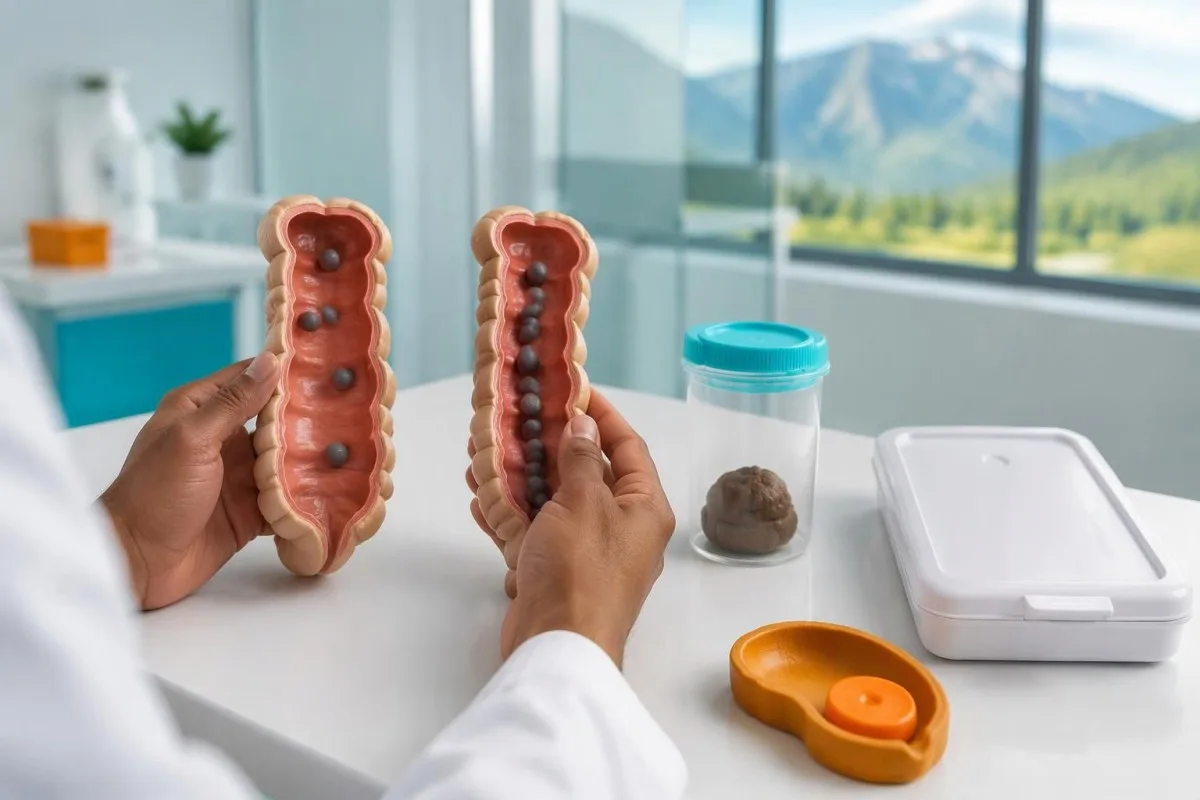
मल त्याग की संख्या कम होने से यह साबित नहीं होता कि टॉक्सिन का संपर्क समाप्त हो रहा है; आंतों के पारगमन को धीमा करने से आंतों की सामग्री के साथ संपर्क लंबे समय तक बना रह सकता है। ये दवाएँ तब तक निर्जलीकरण को भी नहीं रोकतीं, जब तक तरल की कमी की पर्याप्त भरपाई न हो, इसलिए कम मल त्याग होने पर भी यदि मूत्र उत्पादन घट रहा है, तो यह मानने के बजाय कि बीमारी ठीक हो रही है, आकलन की ज़रूरत है।.
Ibuprofen, naproxen, and other nonsteroidal anti-inflammatory drugs can worsen kidney function during volume depletion, particularly in someone taking a diuretic or certain blood-pressure medicines. Paracetamol, also called acetaminophen, is generally the more suitable fever or pain option when otherwise appropriate, but dosing must follow the patient's age, weight, liver status, and the product label rather than a generic adult recommendation.
Bismuth products, herbal diarrhea remedies, and probiotics are not established treatments for preventing STEC-associated HUS; some bismuth products contain salicylate and are unsuitable for particular patients. Medication recommendations also vary by the cause of diarrhea—our सी. डिफिसाइल परिणाम स्पष्टीकरण shows a different toxin-testing framework—so bring the exact stool report and every medicine name to the clinical review.
How should you hydrate safely after a positive result?
मौखिक पुनर्जलीकरण घोल (Oral rehydration solution) हल्के या मध्यम निर्जलीकरण में आमतौर पर इसे प्राथमिकता दी जाती है, जब व्यक्ति पी सकता हो और मूत्र उत्पादन पर्याप्त बना रहे। लगातार उल्टी, गंभीर निर्जलीकरण या पेशाब कम होने पर निगरानी में अंतःशिरा तरल की ज़रूरत पड़ सकती है; गुर्दे की संदिग्ध चोट से तरल देने की योजना बदल जाती है और ज़बरदस्ती तरल पीना असुरक्षित हो सकता है।.

व्यावसायिक मौखिक पुनर्जलीकरण घोल में आंतों द्वारा पानी के अवशोषण को बेहतर बनाने के लिए ग्लूकोज़ और सोडियम का एक साथ उपयोग किया जाता है; सादा पानी दस्त में खोए सभी लवणों की भरपाई नहीं करता। पाउच को बताई गई पानी की ठीक मात्रा में मिलाएँ, क्योंकि घोल को अधिक गाढ़ा करने से सोडियम की अत्यधिक मात्रा शरीर में जा सकती है; एक बड़ा गिलास जल्दी पीने की तुलना में बार-बार थोड़े-थोड़े घूँट लेना अक्सर अधिक सहनीय होता है।.
शुरुआती तरल सहायता गुर्दे के परिणामों को प्रभावित कर सकती है, लेकिन उपलब्ध साक्ष्य हर रोगी के लिए घर पर तरल की कोई निश्चित मात्रा तय करने को उचित नहीं ठहराते। Hickey et al. (2011) ने उन बच्चों में बीमारी के पहले 4 दिनों के दौरान अंतःशिरा तरल की मात्रा बढ़ाने और बाद में HUS विकसित होने पर ओलिगोएन्यूरिक गुर्दा विफलता कम होने के बीच एक अवलोकनात्मक संबंध बताया; यह इस बात का प्रमाण नहीं है कि सभी रोगियों में बिना सीमा के तरल देने से HUS रोका जा सकता है।.
At Kantesti, we distinguish dehydration-related kidney changes from evidence that needs an urgent in-person assessment, without assuming that a higher creatinine is harmless. Our निर्जलीकरण और GFR गाइड इनके बीच के ओवरलैप को समझाता है; STEC के बाद पेशाब कम होना, सूजन या साँस फूलना जाँच कराने की वजह है, क्योंकि जब गुर्दे तरल पदार्थ बाहर नहीं निकाल पाते, तो शरीर में अतिरिक्त तरल जमा हो सकता है।.
HUS के किन चेतावनी संकेतों के लिए तत्काल आकलन ज़रूरी है?
Substantially reduced urine, marked pallor, unusual bruising, severe fatigue, swelling, confusion, or seizures STEC संक्रमण के बाद HUS के लिए तत्काल आकलन आवश्यक है। यह जटिलता आमतौर पर दस्त शुरू होने के लगभग 5–10 दिनों के आसपास दिखाई देती है, और आंतों के लक्षणों में सुधार होने का मतलब यह नहीं कि इन चेतावनी-संकेतों को घर पर देखना सुरक्षित है।.
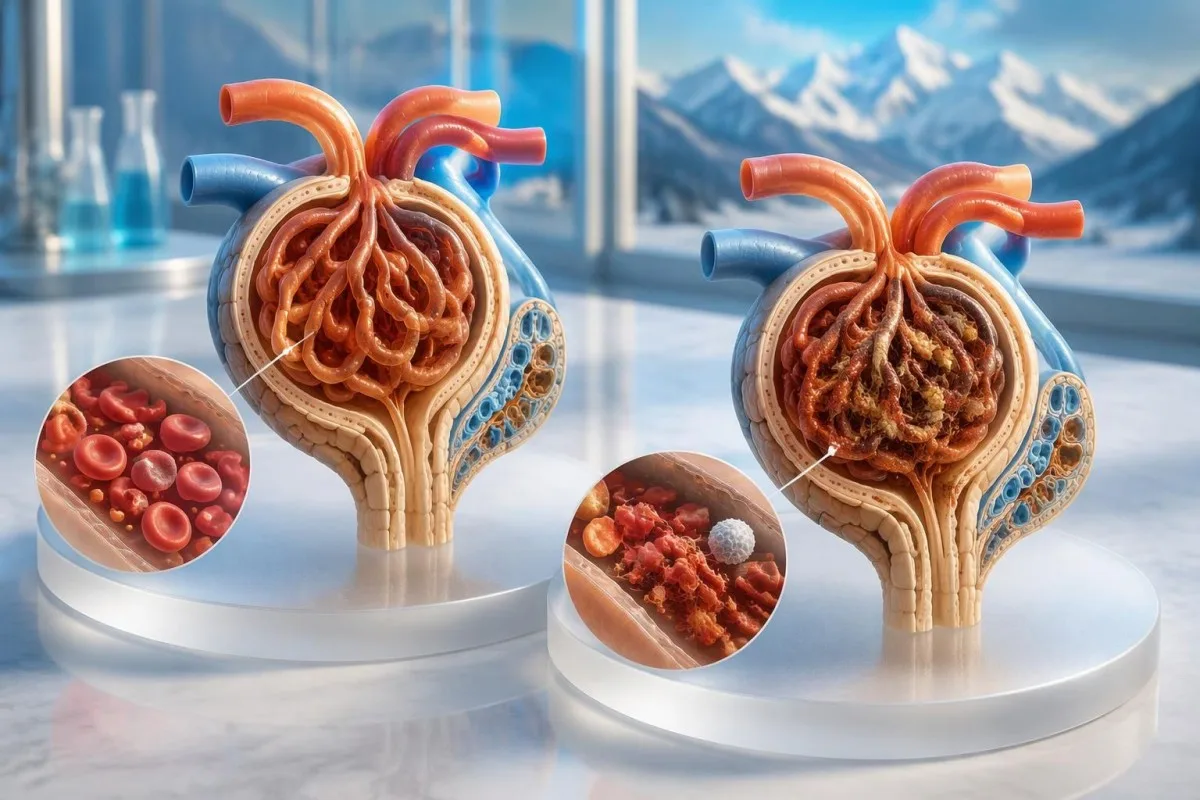
पेशाब कम होना, निर्जलीकरण या गुर्दे की क्षति का संकेत हो सकता है, और परिवार घर पर इन दोनों में भरोसेमंद ढंग से अंतर नहीं कर सकते। चिकित्सक कम-से-कम 6 घंटे तक 0.5 mL/kg/hour से कम मूत्र-उत्पादन को तीव्र गुर्दा क्षति का एक मानदंड मान सकते हैं, लेकिन जब पेशाब स्पष्ट रूप से कम हो रहा हो, बच्चे के गीले डायपर उल्लेखनीय रूप से कम हों या सूजन दिखाई दे, तो इस सीमा को मापने के लिए मरीज़ों को इंतज़ार नहीं करना चाहिए।.
Pallor and exhaustion can reflect falling hemoglobin, while new pinpoint spots or unexplained bruises may accompany a falling platelet count; the combination is more concerning than either symptom in isolation. Seek emergency help for seizures, confusion, difficulty waking, severe breathlessness, collapse, or rapidly worsening symptoms, and tell the receiving team that a Shiga toxin stool test was positive.
Severe abdominal pain, inability to retain fluids, or ongoing substantial bloody diarrhea also needs prompt assessment, even without the full HUS pattern. Our गुर्दे के लिए तत्काल चेतावनी मार्गदर्शिका provides supporting context, but a numerical eGFR is not required before seeking care; waiting for the next planned test can lose valuable time.
विकसित हो रहे HUS की जाँच के लिए कौन-से रक्त और मूत्र परीक्षण किए जाते हैं?
Clinicians assess possible HUS using a complete blood count, platelets, creatinine, urea, electrolytes, and tests for red cellular element breakdown. Urine testing and urine-output measurements add kidney information; a single normal panel early in STEC illness cannot exclude a complication that develops later.
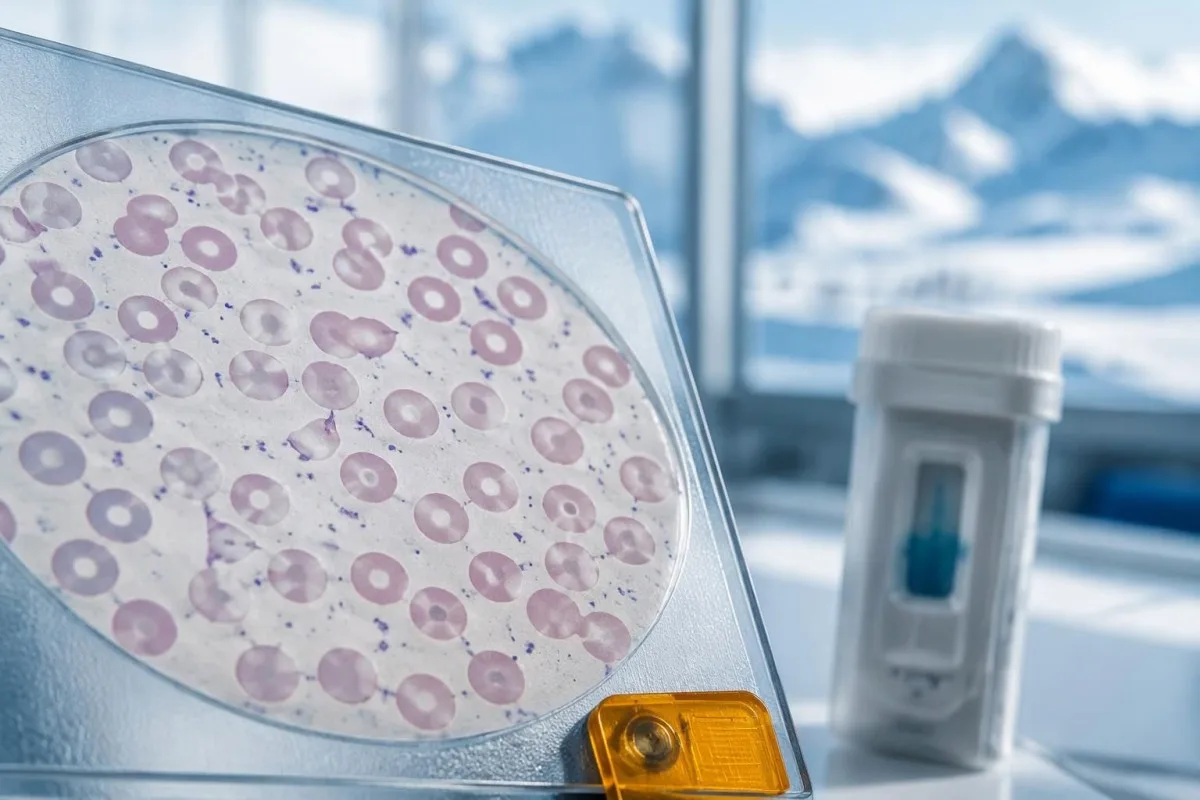
A falling platelet count together with rising creatinine and evidence of hemolysis raises concern for a thrombotic microangiopathy, including HUS. Adult platelet reference intervals commonly span 150–450 × 10^9/L, but a rapid decline within that interval can matter; the smear finding discussed in our schistocyte assessment guide must be interpreted alongside the overall pattern.
LDH, haptoglobin, bilirubin, and reticulocytes help evaluate hemolysis, but each has limitations: LDH can rise from several tissues, inflammation can affect haptoglobin, and marrow compensation may take time. Our LDH परिणाम की व्याख्या explains why elevated LDH alone does not establish HUS; clinicians may also request a direct antiglobulin test when the anemia mechanism is uncertain.
Creatinine may lag behind the start of kidney injury, and calculated eGFR becomes less reliable when creatinine is changing rapidly. A rise of at least 0.3 mg/dL, approximately 26.5 µmol/L, within 48 hours can meet an acute kidney injury criterion even if the latest value remains inside the printed range; urgent treatment decisions use trends, urine output, examination, and electrolytes together.
| स्तर | सीमा | इसका क्या अर्थ है |
|---|---|---|
| वयस्कों में platelets की सामान्य सीमा | 150–450 × 10^9/L | Use the laboratory's interval; a substantial downward trend can be concerning before the count becomes low. |
| Creatinine change suggesting acute kidney injury | 48 घंटों के भीतर ≥0.3 mg/dL की वृद्धि, या 7 दिनों के भीतर आधार रेखा से ≥1.5 गुना | पहले मानदंड के लिए लगभग 26.5 µmol/L की वृद्धि के बराबर; कारण का चिकित्सकीय आकलन आवश्यक है।. |
| माइक्रोएंजियोपैथी का समर्थन करने वाले शिस्टोसाइट्स | >1% in an adult peripheral sample | उपयुक्त नैदानिक संदर्भ में थ्रोम्बोटिक माइक्रोएंजियोपैथी की आशंका है, लेकिन अपने आप में HUS का निदान नहीं है।. |
| Potassium requiring urgent clinical review | ≥6.0 mmol/L | May require urgent ECG assessment and treatment; sample-related false elevation must be considered without delaying necessary care. |
क्रिएटिनिन और प्लेटलेट के रुझान, चेतावनी-संकेतों से अधिक महत्त्वपूर्ण क्यों हैं?
Serial creatinine and platelet measurements प्रयोगशाला रिपोर्ट में कई असामान्य संकेत दिखने से पहले विकसित हो रहे HUS का पता लगा सकता है। बदलाव की दिशा और गति मायने रखती है, खासकर दस्त शुरू होने के बाद पहले 1–2 हफ्तों में; दोबारा जाँच का अंतराल उपचार करने वाले चिकित्सक को तय करना चाहिए, न कि केवल किसी स्वचालित रिमाइंडर को।.
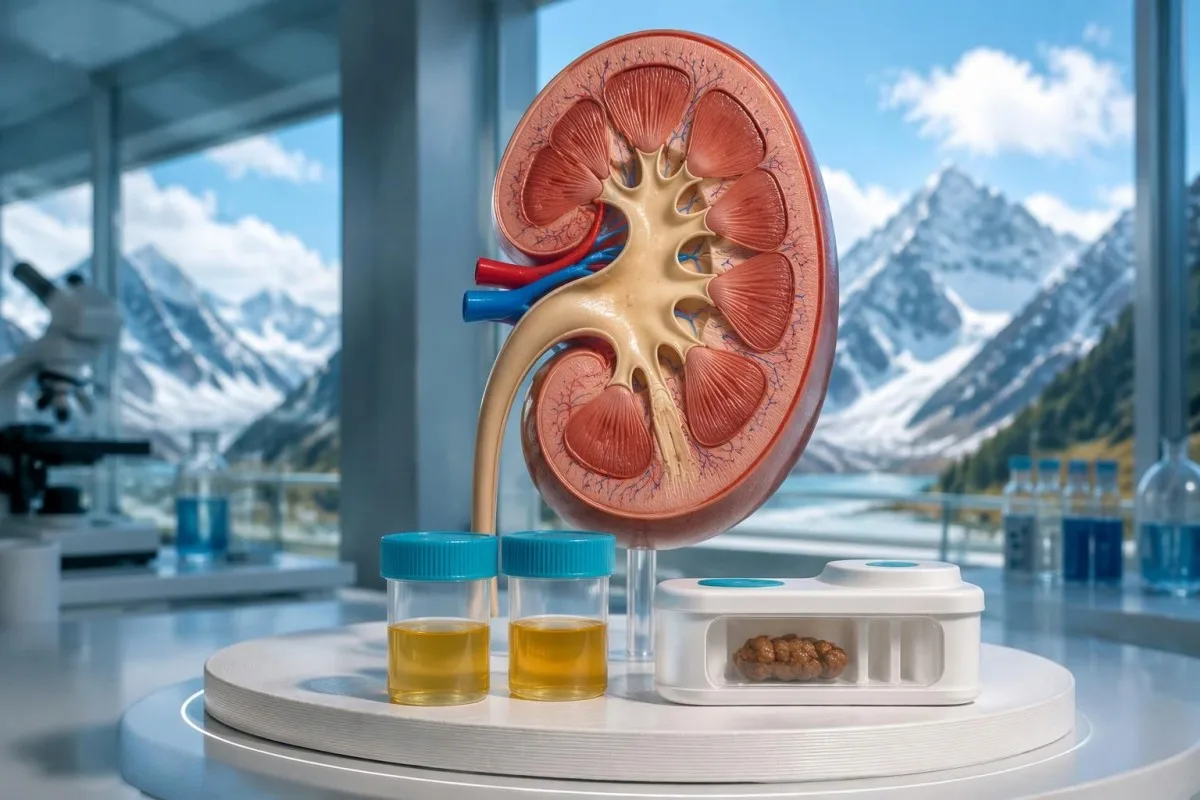
Consider a clearly hypothetical adult whose creatinine rises from 0.60 to 0.95 mg/dL over 48 hours while platelets fall from 310 to 165 × 10^9/L. Both final values might appear within that laboratory's reference intervals, yet the 0.35 mg/dL creatinine rise and substantial platelet decline warrant clinical review after STEC; they do not prove HUS, but they should not be labeled reassuringly normal.
प्लेटलेट के अप्रत्याशित परिणामों में नमूने की गुणवत्ता पर भी ध्यान देना आवश्यक है: EDTA-संबंधी गुच्छे बनने से गिनती गलत तरीके से कम आ सकती है, जिसकी जाँच प्रयोगशालाएँ कोशिका-नमूने की स्लाइड या वैकल्पिक संग्रह ट्यूब का उपयोग करके कर सकती हैं। हमारा प्लेटलेट क्लंपिंग स्पष्टीकरण describes that artifact, while the यूरिया और क्रिएटिनिन गाइड बताता है कि निर्जलीकरण पूरे कारण की पहचान किए बिना गुर्दे के संकेतकों को क्यों बदल सकता है।.
Kantesti is an AI blood test interpretation platform that can place recorded platelet and creatinine values in chronological context, but it cannot replace the clinician's decisions about daily testing or hospital observation. Our सत्यापन और चिकित्सकीय निगरानी संबंधी व्याख्या की कार्यविधि का वर्णन करता है; किन्हीं भी 2 रिपोर्टों की तुलना करने से पहले तारीखों, इकाइयों, आधारभूत मानों और यह जाँचना आवश्यक है कि परिणाम अलग-अलग प्रयोगशालाओं से आए हैं या नहीं।.
What happens if HUS is suspected or confirmed?
Suspected HUS usually requires hospital assessment, जहाँ चिकित्सक गुर्दे के कार्य, इलेक्ट्रोलाइट्स, रक्तचाप, तरल संतुलन और रक्त गणना की निगरानी करते हैं। उपचार मुख्य रूप से सहायक होता है और इसमें सावधानीपूर्वक नियंत्रित तरल देना, लाल रक्त कोशिकाओं का आधान और गुर्दे की विफलता से जटिलताएँ होने पर डायलिसिस शामिल हो सकते हैं; केवल मल परीक्षण का पॉज़िटिव परिणाम यह नहीं बताता कि डायलिसिस की आवश्यकता है।.
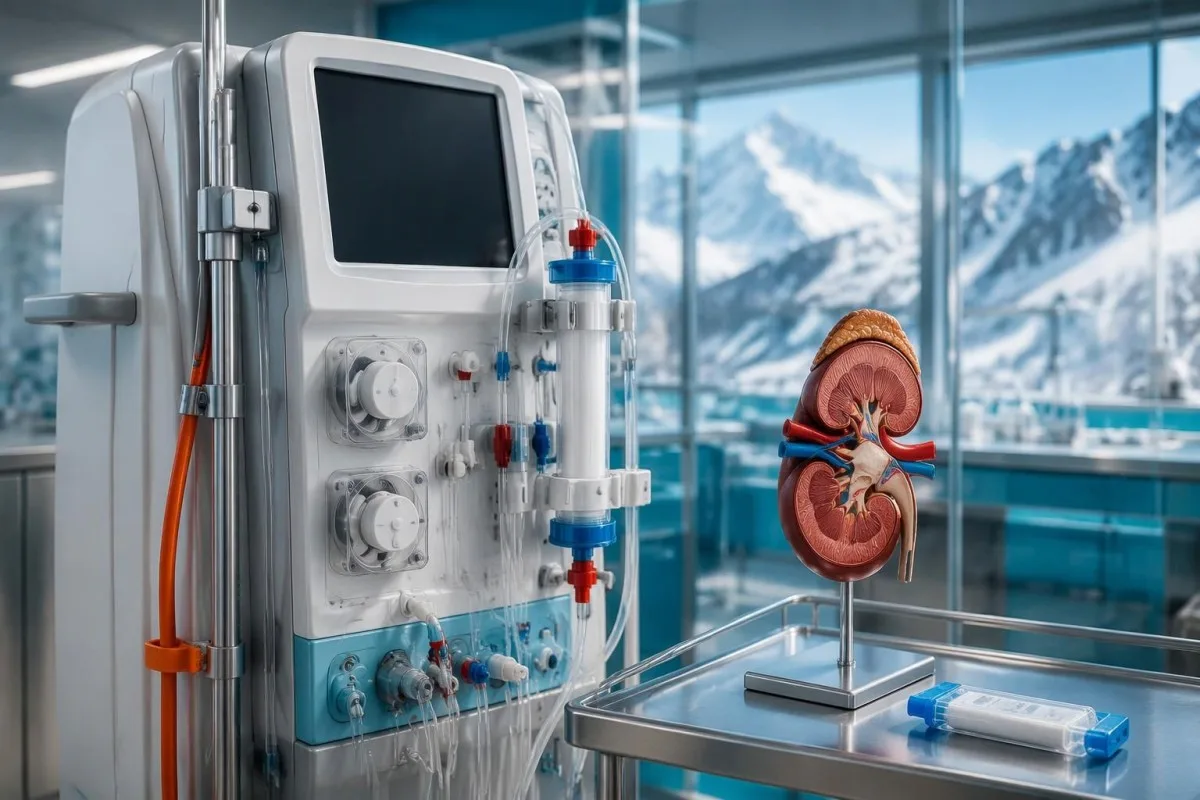
डायलिसिस का निर्णय नैदानिक स्थिति पर निर्भर करता है—जैसे पोटैशियम का खतरनाक रूप से बढ़ना, शरीर में तरल का अधिक जमाव, गंभीर एसिडोसिस या यूरेमिया संबंधी जटिलताएँ—न कि क्रिएटिनिन की किसी एक सार्वभौमिक सीमा पर। 3 mg/dL क्रिएटिनिन वाले व्यक्ति की उपचार संबंधी ज़रूरतें उसी परिणाम वाले किसी अन्य व्यक्ति से बहुत अलग हो सकती हैं; यह मूत्र की मात्रा, शरीर के आकार, गुर्दों की आधारभूत कार्यक्षमता और स्थिति बिगड़ने की गति पर निर्भर करता है।.
Platelet transfusion is not routinely given simply because the platelet count is low in a thrombotic microangiopathy; significant bleeding or a necessary procedure may create specific indications. Plasma exchange and complement-blocking treatment are not routine therapy for uncomplicated STEC-associated HUS, and any proposed use requires specialist assessment because alternative diagnoses and selected severe presentations may change the approach.
Anemia, low platelets, and kidney injury also occur in other emergencies, so the team must consider diagnoses beyond STEC-associated HUS when the pattern is atypical. In particular, ADAMTS13 testing for TTP can be relevant, because activity below 10% strongly supports thrombotic thrombocytopenic purpura in the appropriate context; suspected TTP may need treatment before confirmation returns.
घर में STEC का फैलाव कैसे कम कर सकते हैं?
STEC मल संदूषण के माध्यम से फैलता है, जिसमें दूषित भोजन या पानी, जानवरों के संपर्क और व्यक्ति-से-व्यक्ति संचरण शामिल हैं। शौचालय का उपयोग करने या डायपर बदलने के बाद और भोजन संभालने से पहले साबुन और पानी से हाथ धोएँ; दस्त से पीड़ित लोगों को दूसरों के लिए भोजन नहीं बनाना चाहिए, और कुछ नौकरियों या बाल-देखभाल केंद्रों में जन-स्वास्थ्य विभाग से अनुमति आवश्यक होती है।.

मल के संपर्क के बाद साबुन और पानी से हाथ धोना विशेष रूप से उपयोगी है, क्योंकि इससे संदूषण भौतिक रूप से हट जाता है; हाथ स्पष्ट रूप से गंदे हों तो अल्कोहल-आधारित हैंड सैनिटाइज़र से धोने की जगह नहीं लेनी चाहिए। बार-बार छुई जाने वाली बाथरूम की सतहों को उसके संपर्क-अवधि संबंधी निर्देशों के अनुसार किसी उपयुक्त घरेलू उत्पाद से साफ़ करें, तौलिए साझा न करें और दूषित कपड़ों को कमरे में झटके बिना धोएँ।.
खाद्य-संबंधी सावधानियों में बिना पाश्चुरीकृत डेयरी उत्पादों या जूस से परहेज करना, कच्चे खाद्य पदार्थों से होने वाले क्रॉस-कंटैमिनेशन को रोकना और रंग देखकर पकने का अनुमान लगाने के बजाय खाद्य थर्मामीटर से भोजन को अच्छी तरह पकाना शामिल है। जब दूषण कीमा बनाए गए मांस के अंदर तक पहुँच जाता है, तो STEC जीवित रह सकता है; इसीलिए केवल सतह का भूरा होना पर्याप्त नहीं है। उपज को धोने से सतही दूषण कम होता है, लेकिन हर जीव के हटने की गारंटी नहीं मिलती।.
A person may continue shedding STEC after diarrhea stops, so 48 symptom-free hours is not a universal clearance rule for this organism. Our post-diarrhea contagiousness guide illustrates why recovery and transmission are separate questions; for STEC, childcare attendance, food-handling work, and repeat stool testing should follow the local public-health team's specific requirements.
ठीक होने, दोबारा मल-जाँच और गुर्दों की अनुवर्ती देखभाल की ज़रूरत कब होती है?
Many people recover from STEC diarrhea within about 5–7 days, but symptom improvement does not establish that HUS risk has passed. Repeat stool testing is usually driven by public-health requirements or a specific clinical question, while people who developed HUS need individualized follow-up of kidney function, urine protein, and blood pressure.
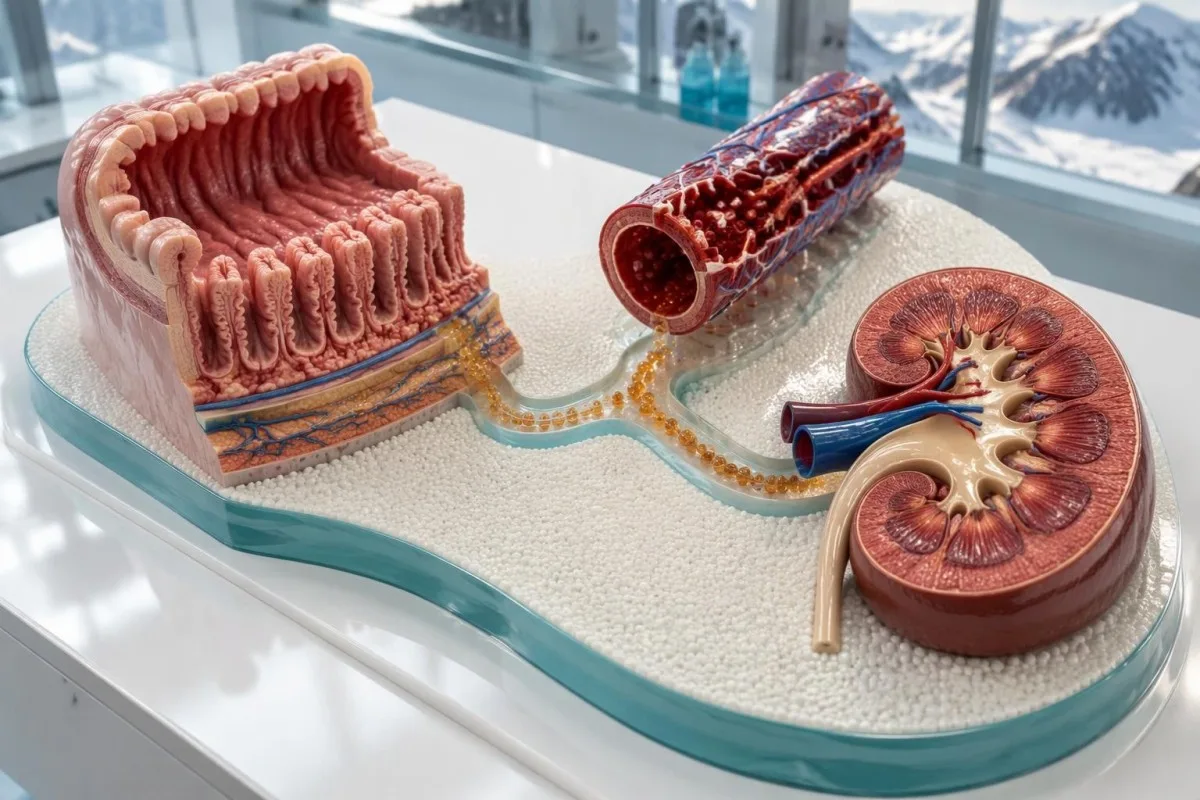
बार-बार किए गए मल परीक्षण का नकारात्मक परिणाम यह पुष्टि नहीं कर सकता कि गुर्दे का कार्य या प्लेटलेट की संख्या सुरक्षित है, क्योंकि मल से संक्रमण का साफ़ होना और शरीर-व्यापी जटिलताएँ अलग प्रक्रियाएँ हैं। इसी तरह, जीन का लगातार पता चलना अपने-आप एंटीबायोटिक देने को उचित नहीं ठहराता; यदि दस्त लगभग 14 दिनों से अधिक समय तक जारी रहें, तो चिकित्सक बार-बार परीक्षण का इलाज करने के बजाय जारी संक्रमण, किसी अन्य पाए गए रोगजनक, दवा के प्रभाव या संक्रमण के बाद होने वाले आंत्र विकार की समीक्षा कर सकते हैं।.
After HUS, apparently recovered creatinine does not rule out later hypertension or proteinuria, which is why renal follow-up can extend well beyond the initial hospital stay. New or persistent abnormalities may prompt a broader evaluation; complement testing context is relevant to selected alternative diagnoses, but normal C3 and C4 do not exclude complement-mediated HUS and these tests do not routinely confirm STEC-HUS.
We at Kantesti encourage readers to keep the first diarrhea date, hospitalization details, discharge plan, and prior kidney results together, because those details make later interpretation more meaningful. Returning to ordinary meals as tolerated is generally reasonable, but a person with ongoing kidney injury may need individualized sodium, potassium, protein, or fluid advice; a general wellness nutrition plan is not a substitute for renal dietetic guidance.
ब्लड टेस्ट रिपोर्ट समझें, ताकि सुरक्षित फॉलो-अप में कैसे सहायता मिले?
ब्लड टेस्ट रिपोर्ट समझें से व्यवस्थित करने में मदद मिल सकती है creatinine, platelets, hemoglobin, and electrolytes after STEC, but it cannot determine whether a symptomatic person is safe to stay home. Kantesti is an AI lab test interpretation service that explains recorded laboratory findings; reduced urination, unusual bruising, or neurological symptoms require direct medical assessment.
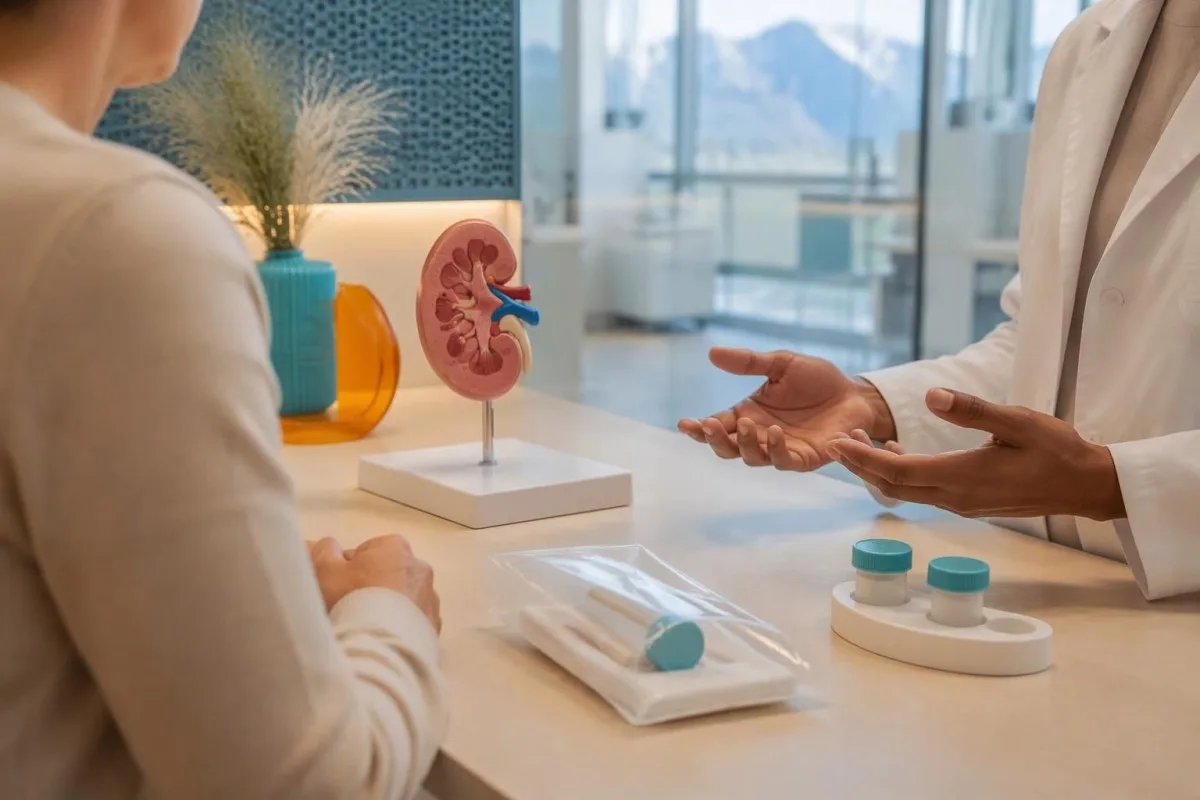
उसी दिन की उपयोगी कॉल में 4 ज़रूरी बातें शामिल होती हैं: पॉज़िटिव टेस्ट की सटीक शब्दावली, दस्त शुरू होने की पहली तारीख, वर्तमान मूत्र उत्पादन और तरल सेवन, तथा लक्षण शुरू होने के बाद से ली गई सभी दवाएँ। पूछें कि क्या रिपोर्ट stx1 और stx2 में अंतर बताती है, क्या कल्चर या सार्वजनिक स्वास्थ्य पुष्टि लंबित है, और क्या अभी या अगले कई दिनों के दौरान फिर से रक्त-जाँच की ज़रूरत है।.
Interpretation should preserve uncertainty rather than convert every abnormal value into a diagnosis; a hemolyzed laboratory sample, for example, can distort potassium or LDH without proving hemolysis inside the body. Kantesti LTD, UK Company No. 17090423, describes its approach to sourcing and scope in our चिकित्सा सामग्री मानक; the treating clinician remains responsible for urgent assessment and treatment decisions.
The 2 Zenodo publications listed below are broader educational resources on serum proteins and complement testing, not clinical trials of STEC treatment or evidence that our service detects HUS. Direct support for the infection-management recommendations comes from the separately listed IDSA guideline and peer-reviewed studies; keeping those evidence categories distinct helps readers judge what each reference can—and cannot—support.
अक्सर पूछे जाने वाले प्रश्न
क्या शिगा टॉक्सिन पॉज़िटिव होने का मतलब है कि मुझे ई. कोलाई है?
A shiga toxin positive stool result usually indicates Shiga toxin-producing E. coli, or STEC, but the precise meaning depends on whether the assay detected toxin protein or toxin genes. Some tests report stx1 and stx2 separately, while others combine them. Rarely, another organism such as Shigella dysenteriae type 1 can produce Shiga toxin, so culture and the laboratory's assay details may clarify the source. A positive stool result does not by itself diagnose hemolytic uremic syndrome or measure kidney damage.
क्या शिगा टॉक्सिन-पॉज़िटिव मल परीक्षण के लिए मुझे एंटीबायोटिक्स लेनी चाहिए?
STEC O157, शिगा टॉक्सिन 2 बनाने वाले STEC, या ऐसे STEC में, जिसमें टॉक्सिन का प्रकार अज्ञात हो, आमतौर पर एंटीबायोटिक्स से परहेज़ किया जाता है, क्योंकि वे हेमोलिटिक यूरेमिक सिंड्रोम का जोखिम बढ़ा सकते हैं। 2016 के एक मेटा-विश्लेषण में, कम पक्षपात वाले अध्ययनों के उपसमूह में HUS की अधिक संभावना से संबंध पाया गया, OR 2.24, हालांकि समग्र विश्लेषण अनिर्णायक था। यदि एंटीबायोटिक पहले ही निर्धारित की जा चुकी हो, तो उपचार में स्वयं बदलाव करने के बजाय तुरंत उसे निर्धारित करने वाले चिकित्सक से संपर्क करें। किसी अलग गंभीर संक्रमण या संदिग्ध सेप्सिस के लिए विशेषज्ञ के मार्गदर्शन में अलग निर्णय की आवश्यकता हो सकती है।.
क्या मैं STEC के साथ इमोडियम या लोपरामाइड ले सकता हूँ?
संदिग्ध या पुष्ट STEC संक्रमण में लोपेरामाइड और आंतों की गति धीमी करने वाली अन्य दवाओं से बचना चाहिए, क्योंकि वे जटिलताओं का जोखिम बढ़ा सकती हैं। दवा लेने के बाद मल त्याग कम होना यह साबित नहीं करता कि संक्रमण ठीक हो रहा है या गुर्दे सुरक्षित हैं। HUS आमतौर पर दस्त शुरू होने के 5–10 दिन बाद दिखाई देता है, कभी-कभी तब जब दस्त में सुधार हो रहा हो। लक्षणों से राहत के लिए किसी चिकित्सक से संपर्क करें और पेशाब कम होने, असामान्य रूप से चोट के निशान पड़ने, बहुत अधिक पीलापन या गंभीर कमजोरी होने पर तत्काल चिकित्सकीय जाँच करवाएँ।.
शिगा टॉक्सिन-पॉज़िटिव परिणाम आने के बाद मुझे अस्पताल कब जाना चाहिए?
शिगा टॉक्सिन पॉज़िटिव परिणाम के बाद यदि पेशाब की मात्रा में काफ़ी कमी आए, बिना किसी स्पष्ट कारण के नील पड़ें, या बहुत अधिक पीलापन, गंभीर थकान, सूजन या बीमारी बिगड़ने लगे, तो तुरंत चिकित्सकीय जाँच करवाएँ। भ्रम, दौरे, बेहोशी, जगाने में कठिनाई या गंभीर साँस फूलने पर आपातकालीन सहायता लें। HUS अक्सर दस्त शुरू होने के लगभग 5–10 दिन बाद सामने आता है, इसलिए आंतों के लक्षणों में सुधार को इन चेतावनी संकेतों की अनदेखी न करने दें। पेट में तेज़ दर्द, लगातार उल्टी या काफ़ी खूनी दस्त होने पर भी तुरंत चिकित्सकीय मूल्यांकन ज़रूरी है।.
क्या सामान्य रक्त जाँच से HUS को खारिज किया जा सकता है?
One normal blood panel cannot rule out HUS that is still developing after STEC infection. Clinicians use repeat platelet counts, hemoglobin, creatinine, electrolytes, and hemolysis tests when the illness pattern warrants monitoring. A creatinine rise of at least 0.3 mg/dL, approximately 26.5 µmol/L, within 48 hours can indicate acute kidney injury even if the final value remains within the laboratory's reference interval. Symptoms and urine output matter alongside the numerical results.
STEC दस्त बंद होने के बाद मैं कितने समय तक संक्रामक रहता/रहती हूँ?
STEC can continue to be shed after diarrhea resolves, so feeling well does not guarantee that transmission risk has ended. A 48-hour symptom-free interval is not a universal STEC clearance rule, particularly for young children, food handlers, or people providing close personal care. Local public-health authorities may require repeat stool samples or specific exclusion periods based on the person's setting and strain. Continue soap-and-water handwashing and follow the clearance instructions provided for your situation.
अपनी रक्त जांच रिपोर्ट समझें
अपनी लैब रिपोर्ट अपलोड करें और Kantesti का AI कुछ ही सेकंड में प्रत्येक बायोमार्कर को सरल भाषा में समझाएगा। दुनिया भर में 2 मिलियन से अधिक लोगों द्वारा इस्तेमाल किया जाता है।.
संदर्भ
- क्लाइन, टी., मिशेल, एस., & वेबर, एच. (2026)।. सीरम प्रोटीन मार्गदर्शिका: ग्लोब्युलिन, एल्ब्यूमिन और A/G अनुपात का ब्लड टेस्ट।. Kantesti AI चिकित्सा अनुसंधान।. डीओआई
- क्लाइन, टी., मिशेल, एस., & वेबर, एच. (2026)।. C3 C4 Complement Blood Test & ANA Titer Guide. Kantesti AI चिकित्सा अनुसंधान।. डीओआई
- Shane AL et al. (2017)।. संक्रामक दस्त के निदान और प्रबंधन के लिए 2017 की Infectious Diseases Society of America की क्लिनिकल प्रैक्टिस दिशानिर्देश।. Clinical Infectious Diseases।. डीओआई
- Freedman SB et al. (2016). Shiga Toxin-Producing Escherichia coli Infection, Antibiotics, and Risk of Developing Hemolytic Uremic Syndrome: A Meta-analysis. Clinical Infectious Diseases।. डीओआई
- Hickey CA et al. (2011). दस्त के दौरान शुरुआती वॉल्यूम विस्तार और उसके बाद होने वाले हेमोलिटिक यूरेमिक सिंड्रोम के दौरान सापेक्ष नेफ्रोप्रोटेक्शन।. Archives of Pediatrics & Adolescent Medicine.
- 2एम+विश्लेषित परीक्षण
- 127+देशों
- 100+बोली
चिकित्सा दल के बारे में


E-E-A-T भरोसा संकेत
अनुभव
चिकित्सक-नेतृत्व वाली लैब व्याख्या वर्कफ़्लो की क्लिनिकल समीक्षा।.
विशेषज्ञता
लैबोरेटरी मेडिसिन का फोकस इस पर कि बायोमार्कर क्लिनिकल संदर्भ में कैसे व्यवहार करते हैं।.
अधिकारिता
डॉ. Thomas Klein द्वारा चिकित्सकीय समीक्षा, जिसमें डॉ. Sarah Mitchell और प्रो. डॉ. Hans Weber का योगदान शामिल है।.
विश्वसनीयता
साक्ष्य-आधारित व्याख्या, जिसमें अलार्म कम करने के लिए स्पष्ट फॉलो-अप मार्ग शामिल हैं।.



चिकित्सकीय अस्वीकरण
यह लेख केवल शैक्षिक उद्देश्यों के लिए है और चिकित्सा सलाह का गठन नहीं करता। निदान और उपचार संबंधी निर्णयों के लिए हमेशा किसी योग्य स्वास्थ्य सेवा प्रदाता से परामर्श करें।.
प्रकाशित · संपादकीय दल से संपर्क करें
Kantesti Ltd द्वारा प्रकाशित, इंग्लैंड और वेल्स में पंजीकृत, कंपनी संख्या. 17090423, लंदन, यूनाइटेड किंगडम।.
