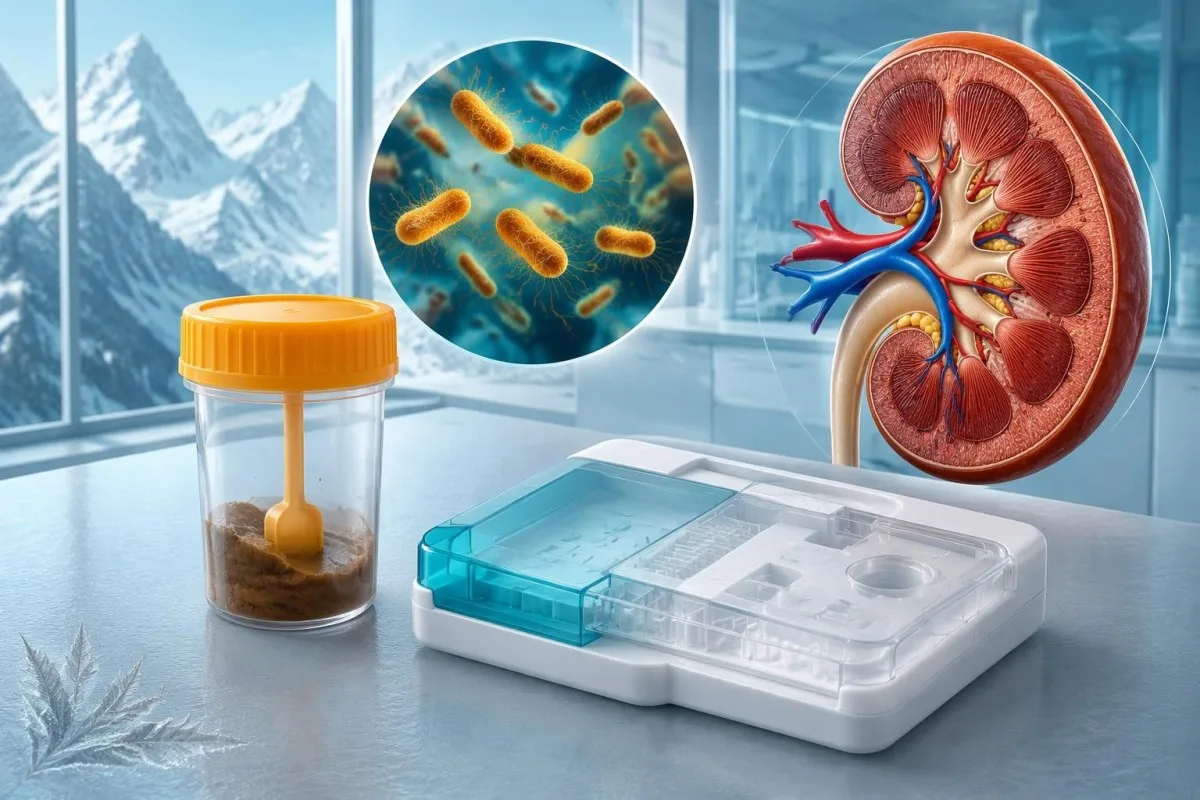
A positive stool result usually indicates Shiga toxin-producing E. coli, but it does not automatically mean kidney damage. Contact your clinician the same day; reduced urination, unusual bruising, marked pallor, or confusion require urgent assessment.

Ključne napomene
- Shiga toxin positive means a stool assay detected Shiga toxin or its genes, usually indicating Shiga toxin-producing E. coli, also called STEC.
- Savjet isti dan is appropriate after a positive result, even if diarrhea is improving; the clinician can assess hydration and arrange kidney and platelet monitoring.
- Antibiotici are generally avoided for STEC O157, Shiga toxin 2-producing STEC, or STEC with an unknown toxin type because treatment may increase HUS risk.
- Anti-diarrheal medicines such as loperamide and diphenoxylate should be avoided in suspected or confirmed STEC infection unless a specialist specifically directs otherwise.
- HUS timing is commonly around days 5–10 after diarrhea begins, and the complication can emerge as bowel symptoms improve.
- Hitni znakovi upozorenja uključuju znatno manje mokraće, neuobičajene modrice, izraženo bljedilo, jak umor, oticanje, zbunjenost ili napade; ne čekajte novi nalaz stolice.
- Kidney injury thresholds include a creatinine rise of at least 0.3 mg/dL, approximately 26.5 µmol/L, within 48 hours; a result still inside the laboratory range can therefore be concerning.
- Hidratacija obično znači oralnu rehidracijsku otopinu dok je izlučivanje urina adekvatno; smanjeno mokrenje ili oticanje zahtijevaju procjenu, umjesto forsiranja unosa tečnosti kod kuće.
What does a shiga toxin positive stool result mean?
A pozitivan nalaz šiga toksina stool result means the laboratory detected Shiga toxin or genes that encode it, usually indicating STEC infection. Contact your clinician the same day, and seek urgent assessment for reduced urination, unusual bruising, marked pallor, severe weakness, or confusion; these can signal hemolytic uremic syndrome, or HUS.
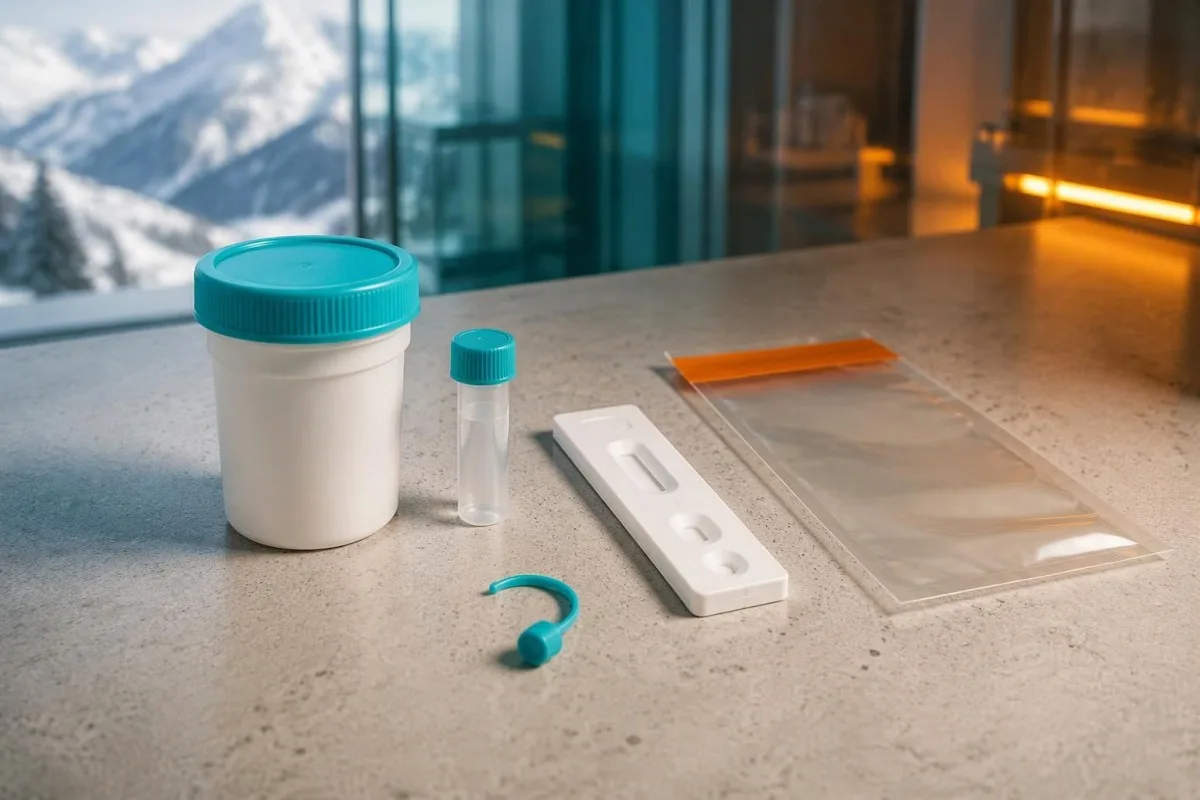
A positive stool test does not establish HUS, and it does not measure how much toxin has reached the circulation. HUS involves 3 linked problems—damage to circulating red cellular elements, a falling platelet count, and acute kidney injury—which require clinical assessment and blood testing rather than interpretation of the stool result alone.
The wording on the report matters: an assay may list Shiga toxin, stx1, stx2, STEC, or an E. coli O157 target, and these are not interchangeable descriptions. A toxin-positive result with O157 not detected can still represent clinically significant non-O157 STEC; our vodiču za kvalitativne rezultate objašnjava zašto otkriveno ne znači i izmjerenu koncentraciju.
Kantesti is an AI blood test analyzer that can help explain the kidney and platelet results requested after a positive stool test, but our interpretation cannot diagnose or exclude evolving HUS. Information about našoj organizaciji identifies Kantesti LTD and its service scope; urgent symptoms should go directly to a healthcare professional, not through an interpretation workflow.
How do Shiga toxin stool tests, PCR and culture differ?
A test stolice na šiga toksin may detect toxin protein, while a molecular assay detects toxin-producing genes; culture attempts to recover the organism itself. These methods answer different questions, and a positive molecular result does not prove that living bacteria remain in the sample or specify an individual's HUS risk.
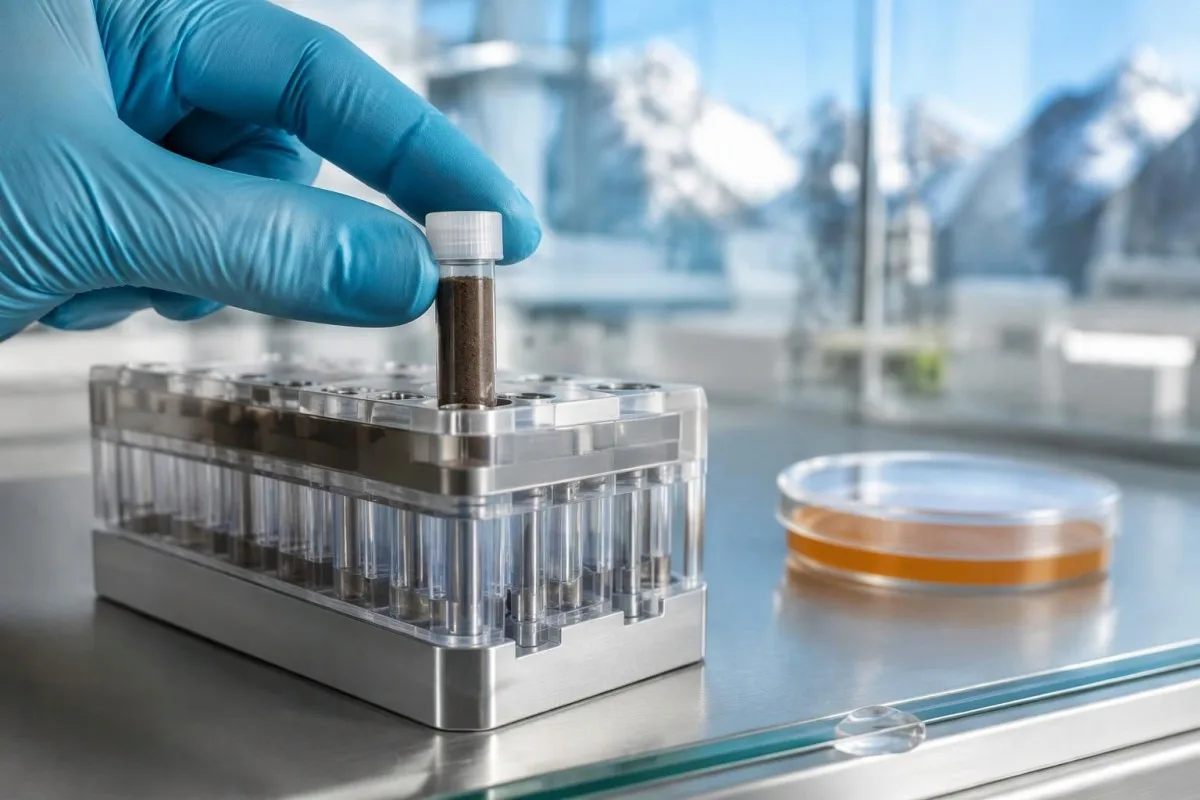
PCR panels commonly target 2 gene families, stx1 and stx2, although some reports combine them into one STEC result. A toxin immunoassay can be performed directly on stool or after laboratory enrichment; neither a simple positive result nor an unreported PCR cycle threshold should be interpreted as a reliable toxin dose or severity score.
The 2017 Infectious Diseases Society of America guideline recommends testing that detects Shiga toxin or its genes and distinguishes E. coli O157 from other STEC when this infection is suspected (Shane et al., 2017). Culture and public-health characterization can help investigate outbreaks and identify strains, so a laboratory may request additional material even after a rapid panel is already positive.
Discordant tests deserve explanation, not automatic dismissal: a gene-positive, culture-negative sample can reflect collection timing, transport conditions, or reduced organism viability, while an unexpected isolated toxin result may need confirmation. In contrast, stool inflammatory markers otkrivaju imunološku aktivnost u crijevima, a ne specifično STEC; rezultat kalprotektina ne može potvrditi niti isključiti proizvodnju šiga toksina.
Which symptoms and timing fit STEC infection?
STEC infection commonly causes abdominal cramps and diarrhea that may become bloody; fever can be absent or relatively mild. Symptoms usually start about 3–4 days after exposure, although a roughly 1–10-day incubation range means the most recent meal is not necessarily the source.
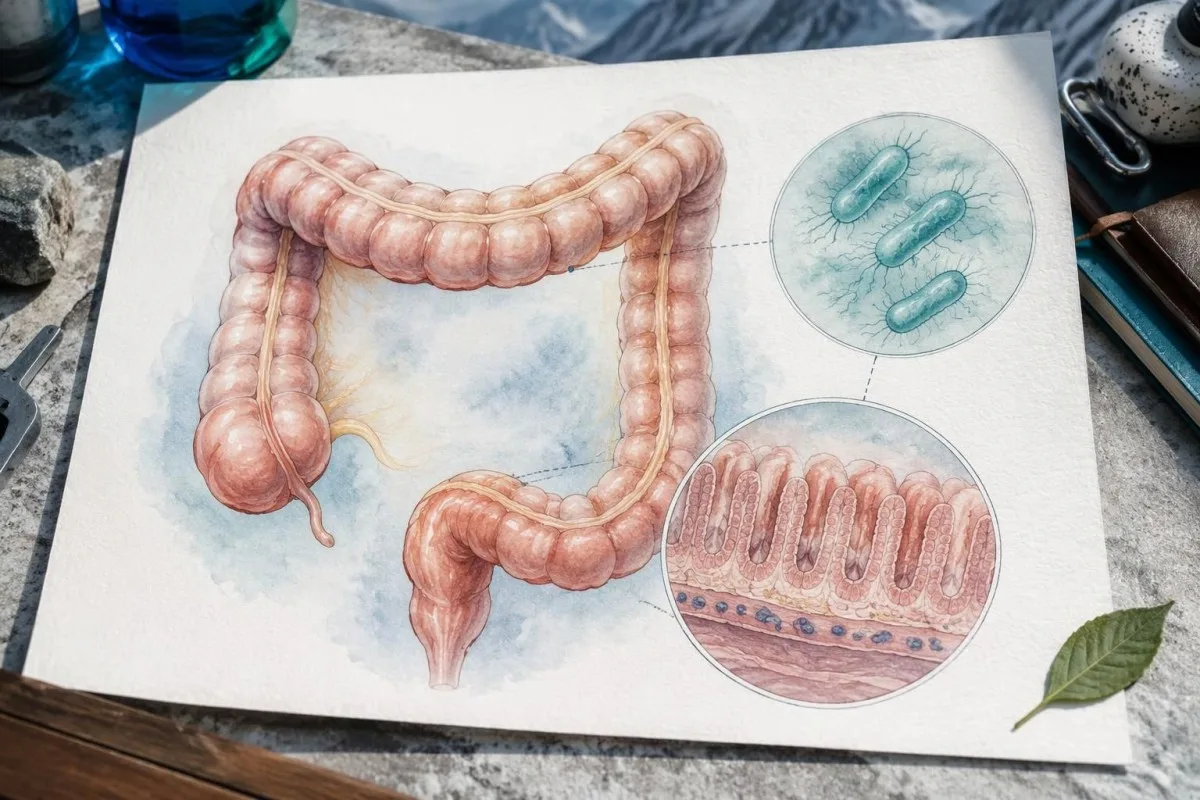
Bloody diarrhea increases concern for STEC, but its absence does not exclude the infection or later HUS. The first watery stool is generally the useful starting point for tracking illness day; for example, a laboratory result received on Thursday after diarrhea began Monday represents approximately day 4, not day 1 of the complication-monitoring period.
Severe abdominal pain warrants examination even when a stool panel has identified a pathogen, because a positive result does not exclude another abdominal emergency. The amount and appearance of stool blood also matter: our vodič za upozorenja na krv u stolici explains why black tarry stool, heavy bleeding, or faintness should not simply be attributed to infectious diarrhea.
Povišena temperatura ne razlikuje pouzdano različite uzroke proljeva, a široki paneli ponekad otkriju više od 1 organizma. Drugi nalaz može promijeniti odluke o liječenju—Campylobacter treatment decisions differ from STEC decisions—so clinicians should interpret co-detections against symptom severity, exposure history, and the specific toxin finding rather than treating every positive target identically.
Ko ima veći rizik od hemolitičko-uremijskog sindroma?
Djeca mlađa od 5 godina, older adults, and people with more severe STEC illness deserve particular attention for HUS. Strains producing Shiga toxin 2 are more strongly associated with HUS than strains producing Shiga toxin 1 alone, but toxin type cannot predict an individual outcome.
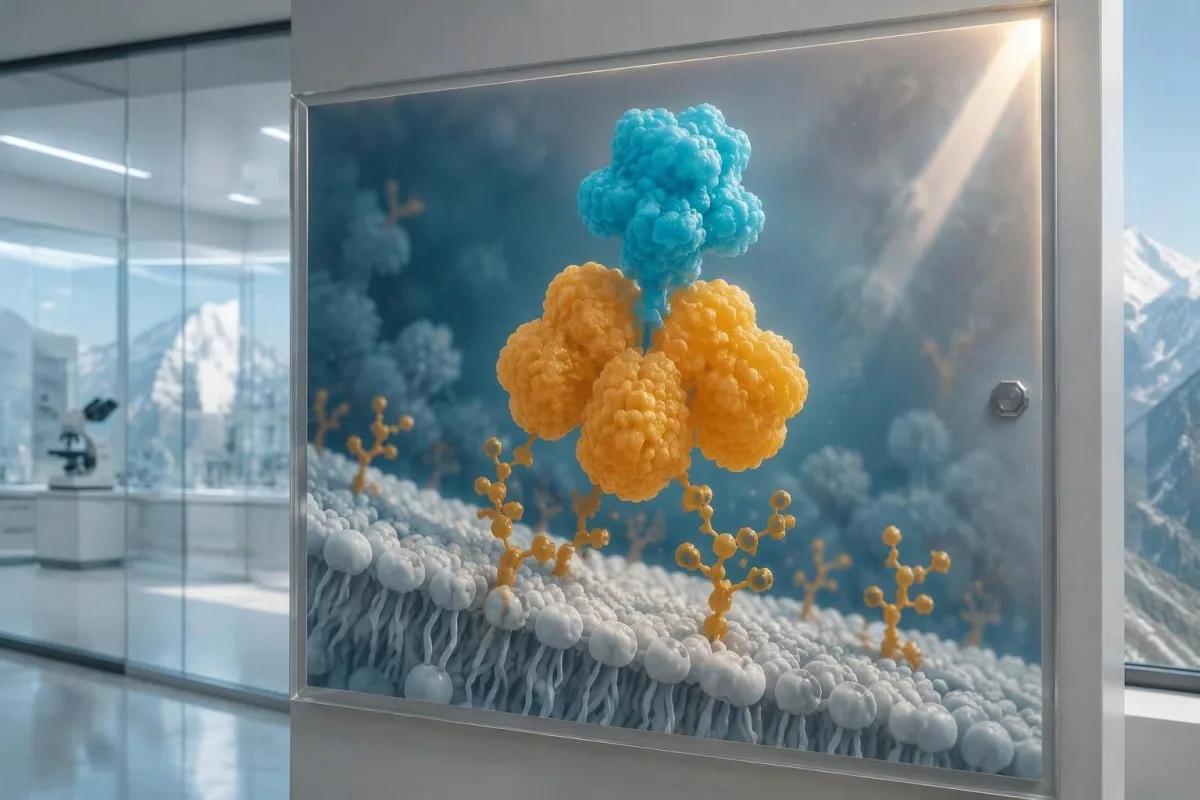
There is no single HUS percentage that applies to every Shiga toxin-positive report: published estimates depend on age, strain, outbreak setting, and how cases were identified. A child with O157 and bloody diarrhea belongs to a different risk group from an otherwise well adult with an incidentally detected non-O157 strain; quoting one pooled percentage can create misleading reassurance or alarm.
Dehydration, persistent vomiting, substantial intestinal symptoms, and concerning platelet or creatinine trends can increase the need for observation, but none is a stand-alone prediction tool. In a hypothetical 4-year-old who is drinking less and has fewer wet diapers, the immediate question is whether hydration and kidney function are deteriorating—not whether the child has completed the usual diarrhea timeline.
Pediatric laboratory interpretation requires age-specific reference intervals, especially for creatinine, because children normally have lower values than many adults. Our vodič za sigurnost tumačenja kod djece describes these limitations; Kantesti AI does not provide a validated HUS prediction score, consistent with our ograničenja odgovorne AI.
Why are antibiotics often avoided in STEC infection treatment?
STEC infection treatment obično izbjegava antibiotike jer neki antibiotici mogu povećati proizvodnju ili oslobađanje toksina i povećati rizik od HUS-a. IDSA preporučuje izbjegavanje antimikrobnog liječenja za STEC O157, STEC koji proizvodi Shiga toksin 2 i STEC kada je genotip toksina nepoznat (Shane et al., 2017).
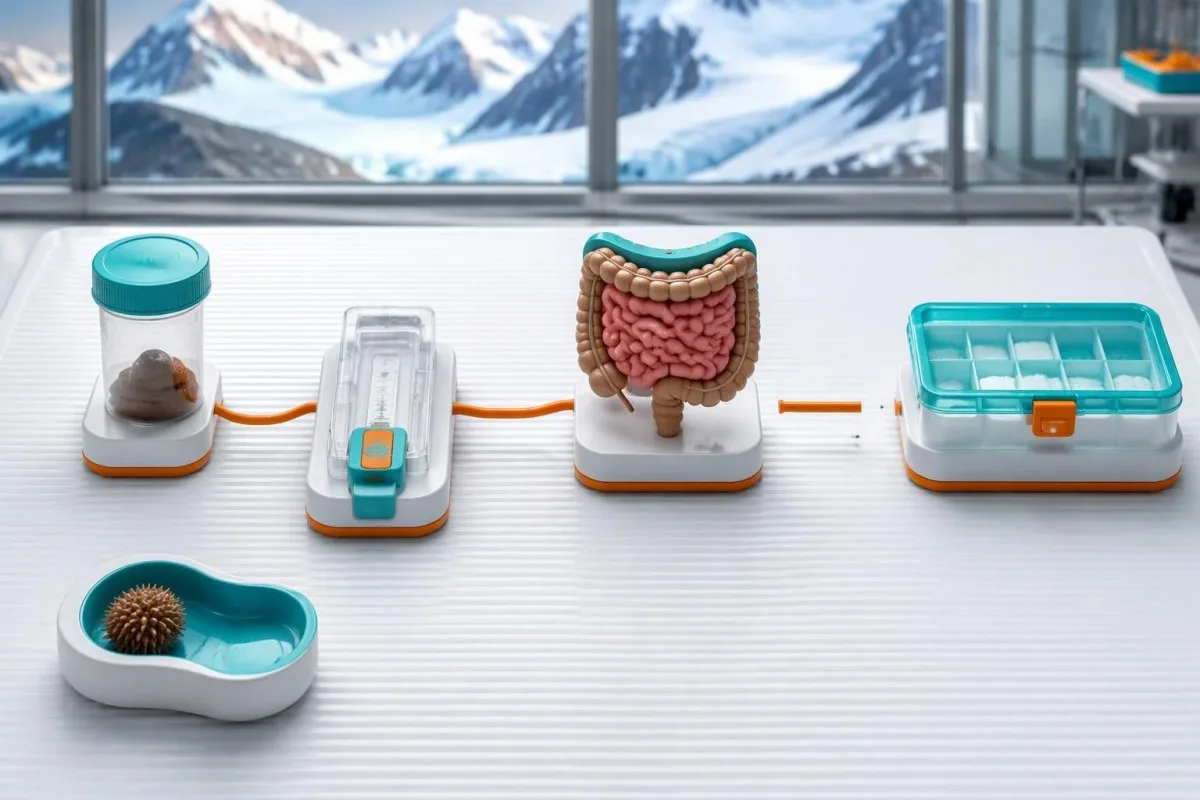
The evidence is genuinely mixed across antibiotic classes and study designs, but that uncertainty does not establish a safe routine antibiotic regimen. Freedman et al.'s 2016 meta-analysis included 17 reports and 1,896 patients; the pooled association was inconclusive overall, while the subset with lower risk of bias and accepted HUS definitions found higher HUS odds with antibiotics, OR 2.24, 95% CI 1.45–3.46.
Antibiotics can stress bacteria and activate toxin-related pathways, while bacterial breakdown can release toxin already present; the effect depends partly on the drug and organism. This explains why treatment is not simply a choice between stronger and weaker antibiotics, and why decisions for pozitivan nalaz stolice na salmonelu ne može se direktno primijeniti na STEC.
Već uzimate antibiotik? Odmah kontaktirajte ljekara koji ga je propisao, po mogućnosti prije sljedeće doze, i objasnite nalaz na šiga toksin, naziv lijeka i razlog zbog kojeg je propisan. Zasebna ozbiljna infekcija i dalje može zahtijevati liječenje, a sepsa se ne smije liječiti nedovoljno; savjet infektologa može pomoći u usklađivanju suprotstavljenih rizika, umjesto da pacijent samostalno prestane uzimati lijek, zamijeni ga ili ponovo počne s terapijom.
Which anti-diarrheal and pain medicines should be avoided?
Loperamide and diphenoxylate, which slow bowel movement, should be avoided in suspected or confirmed STEC infection because they may increase complication risk. Bloody diarrhea is not a situation for self-directed bowel-slowing treatment, and medicines that could worsen kidney perfusion also need review when dehydration or HUS is possible.
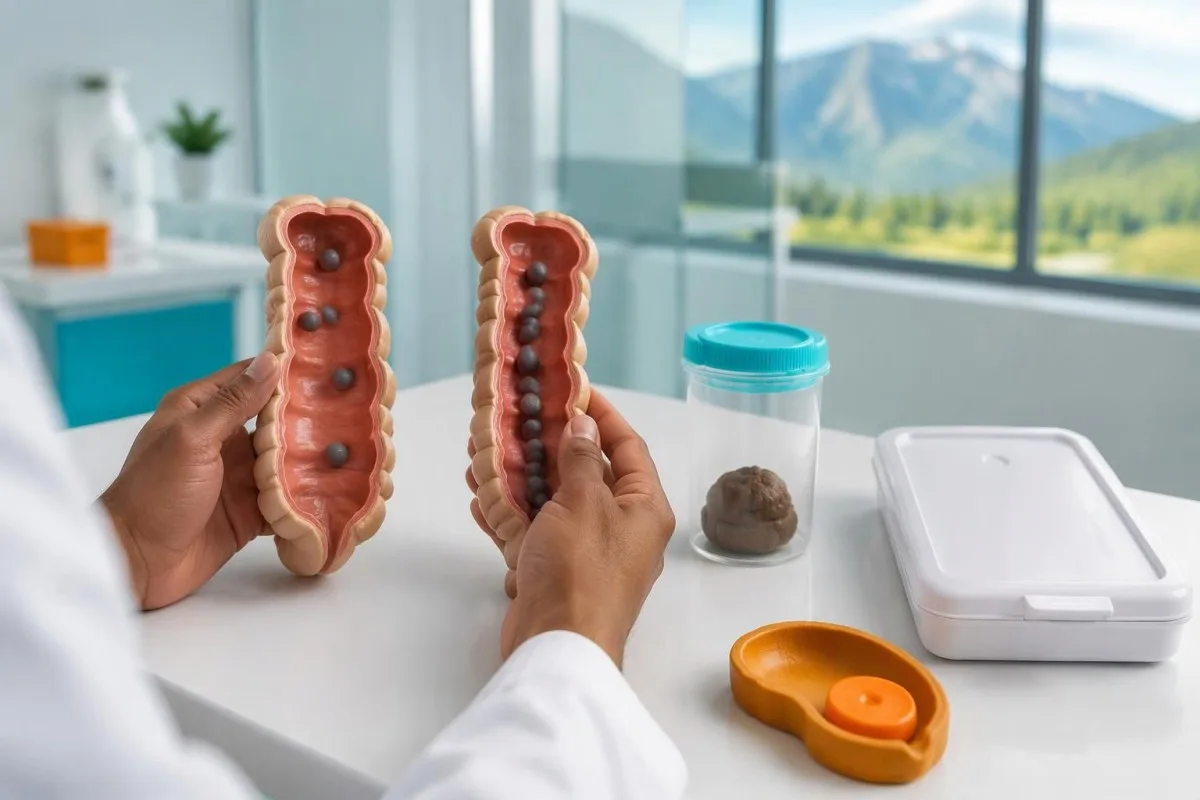
Smanjenje broja stolica ne dokazuje da izlaganje toksinu prestaje; usporavanje crijevnog tranzita može produžiti kontakt sa crijevnim sadržajem. Ovi lijekovi također ne sprečavaju dehidraciju osim ako se gubitak tečnosti adekvatno nadoknađuje, pa pacijentu s manje stolica, ali pogoršanim izlučivanjem urina, i dalje treba procjena, umjesto pretpostavke da se bolest povlači.
Ibuprofen, naproxen, and other nonsteroidal anti-inflammatory drugs can worsen kidney function during volume depletion, particularly in someone taking a diuretic or certain blood-pressure medicines. Paracetamol, also called acetaminophen, is generally the more suitable fever or pain option when otherwise appropriate, but dosing must follow the patient's age, weight, liver status, and the product label rather than a generic adult recommendation.
Preparati bizmuta, biljni lijekovi protiv proljeva i probiotici nisu dokazani tretmani za sprečavanje HUS-a povezanog sa STEC-om; neki preparati bizmuta sadrže salicilat i nisu prikladni za određene pacijente. Preporuke za lijekove također se razlikuju u zavisnosti od uzroka proljeva—naš objašnjenje rezultata C. difficile shows a different toxin-testing framework—so bring the exact stool report and every medicine name to the clinical review.
How should you hydrate safely after a positive result?
Oralna rehidrataciona otopina is usually preferred for mild or moderate dehydration when a person can drink and urine output remains adequate. Persistent vomiting, substantial dehydration, or reduced urination may require supervised intravenous fluids; suspected kidney injury changes the fluid plan and makes forced drinking potentially unsafe.

Commercial oral rehydration solution uses glucose and sodium together to improve intestinal water absorption; plain water does not replace all the salts lost in diarrhea. Mix sachets with exactly the stated water volume, because concentrating the solution can create an excessive sodium load; small frequent sips are often better tolerated than drinking a large glass quickly.
Early fluid support may influence kidney outcomes, but the evidence does not justify a fixed home fluid target for every patient. Hickey et al. (2011) reported an observational association between intravenous volume expansion during the first 4 illness days and less oligoanuric renal failure among children who subsequently developed HUS; this is not proof that unrestricted fluids prevent HUS in all patients.
At Kantesti, we distinguish dehydration-related kidney changes from evidence that needs an urgent in-person assessment, without assuming that a higher creatinine is harmless. Our vodič za dehidraciju i GFR explains the overlap; reduced urine, swelling, or breathlessness after STEC requires examination because additional fluids may accumulate when the kidneys cannot clear them.
Which HUS warning signs require urgent assessment?
Znatno smanjena količina urina, izraženo bljedilo, neuobičajene modrice, jak umor, oticanje, zbunjenost ili napadi after STEC infection require urgent assessment for HUS. The complication commonly appears around days 5–10 after diarrhea begins, and improving bowel symptoms do not make these warning signs safe to observe at home.
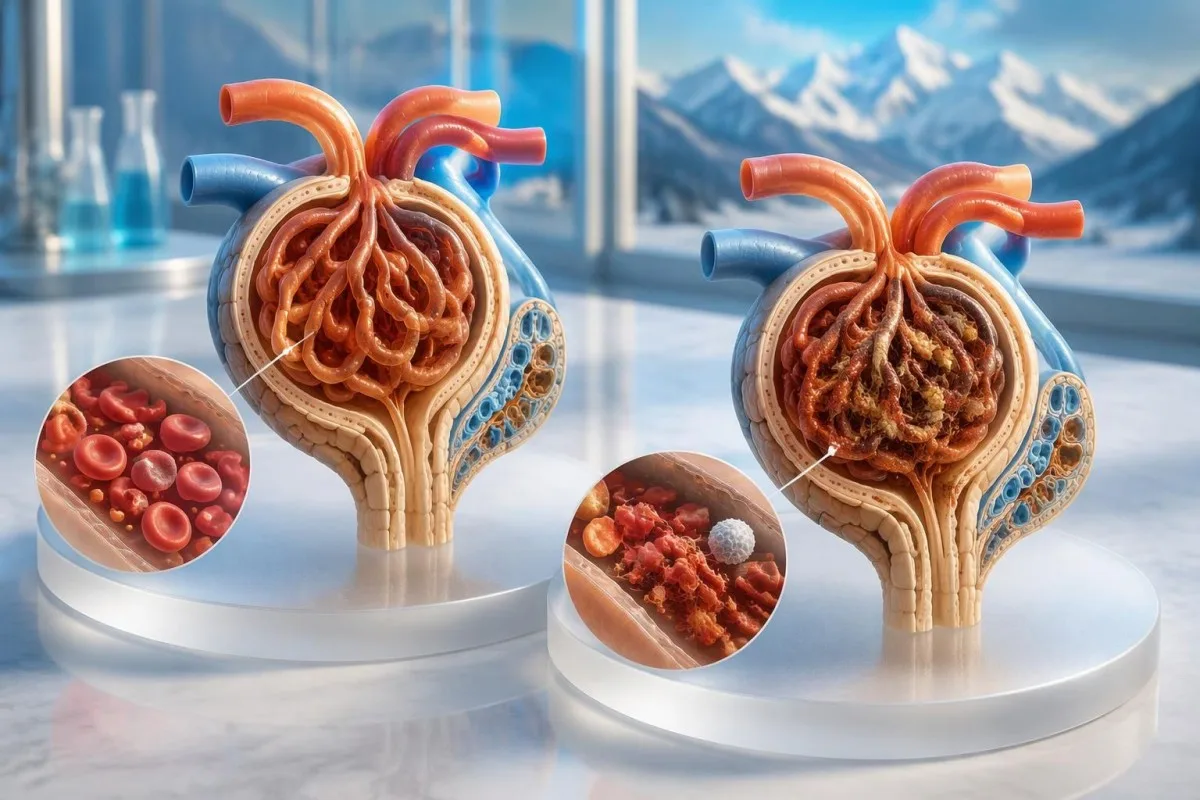
Smanjeno mokrenje može ukazivati na dehidraciju ili oštećenje bubrega, a porodice ih ne mogu pouzdano razlikovati kod kuće. Ljekar može kao kriterij za akutno oštećenje bubrega koristiti izlučivanje mokraće manje od 0,5 mL/kg/sat tokom najmanje 6 sati, ali pacijenti ne bi trebali čekati da se dosegne taj prag ako se mokrenje očigledno smanjuje, dijete ima znatno manje mokrih pelena ili se pojavi oticanje.
Bljedilo i iscrpljenost mogu ukazivati na pad hemoglobina, dok se uz smanjenje broja trombocita mogu javiti nove sitne tačkaste promjene ili neobjašnjive modrice; ova kombinacija je zabrinjavajuća više nego bilo koji simptom zasebno. Potražite hitnu pomoć ako dođe do napada, zbunjenosti, otežanog buđenja, teškog nedostatka zraka, kolapsa ili brzog pogoršanja simptoma i obavijestite tim koji vas primi da je test stolice na šiga toksin bio pozitivan.
Severe abdominal pain, inability to retain fluids, or ongoing substantial bloody diarrhea also needs prompt assessment, even without the full HUS pattern. Our urgent kidney warning guide provides supporting context, but a numerical eGFR is not required before seeking care; waiting for the next planned test can lose valuable time.
Which blood and urine tests check for developing HUS?
Clinicians assess possible HUS using a complete blood count, platelets, creatinine, urea, electrolytes, and tests for red cellular element breakdown. Urine testing and urine-output measurements add kidney information; a single normal panel early in STEC illness cannot exclude a complication that develops later.
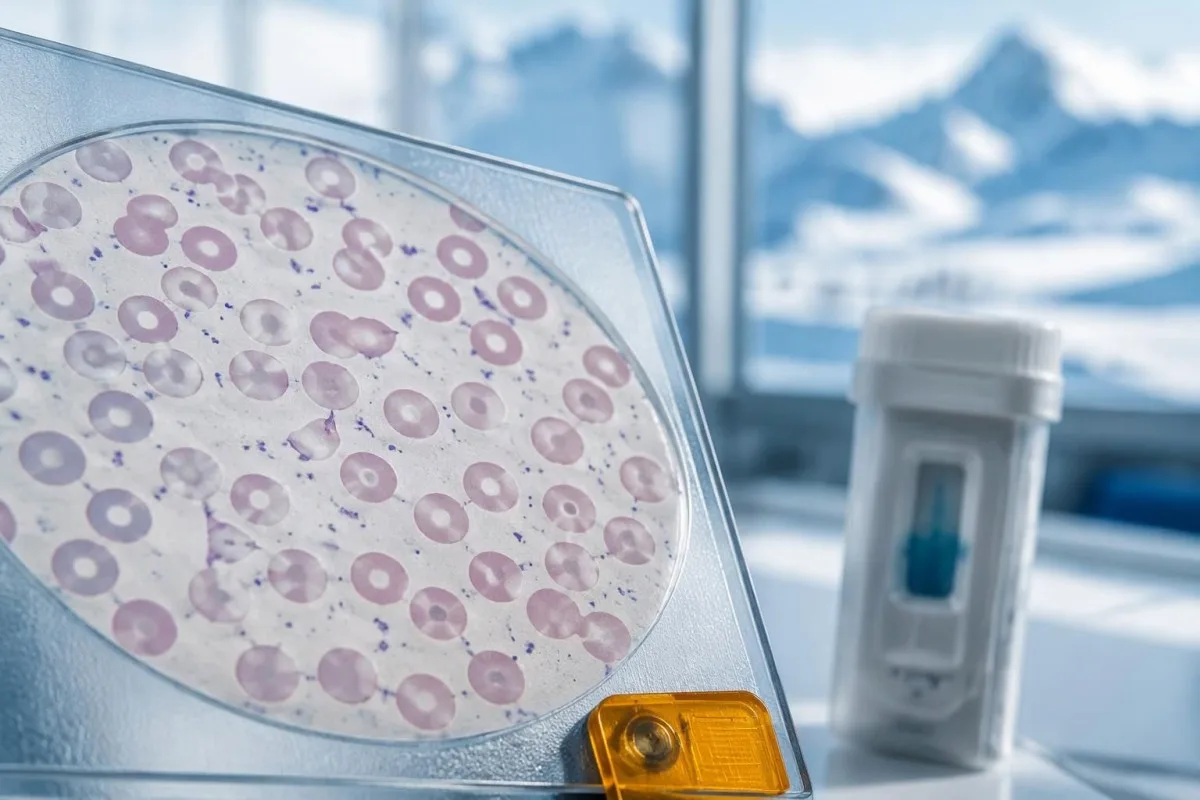
A falling platelet count together with rising creatinine and evidence of hemolysis raises concern for a thrombotic microangiopathy, including HUS. Adult platelet reference intervals commonly span 150–450 × 10^9/L, but a rapid decline within that interval can matter; the smear finding discussed in our schistocyte assessment guide must be interpreted alongside the overall pattern.
LDH, haptoglobin, bilirubin, and reticulocytes help evaluate hemolysis, but each has limitations: LDH can rise from several tissues, inflammation can affect haptoglobin, and marrow compensation may take time. Our objašnjenje rezultata LDH-a explains why elevated LDH alone does not establish HUS; clinicians may also request a direct antiglobulin test when the anemia mechanism is uncertain.
Creatinine may lag behind the start of kidney injury, and calculated eGFR becomes less reliable when creatinine is changing rapidly. A rise of at least 0.3 mg/dL, approximately 26.5 µmol/L, within 48 hours can meet an acute kidney injury criterion even if the latest value remains inside the printed range; urgent treatment decisions use trends, urine output, examination, and electrolytes together.
| Nivo | Raspon | Šta znači |
|---|---|---|
| Typical adult platelet interval | 150–450 × 10^9/L | Use the laboratory's interval; a substantial downward trend can be concerning before the count becomes low. |
| Promjena kreatinina koja ukazuje na akutnu povredu bubrega | Rise ≥0.3 mg/dL within 48 hours, or ≥1.5 times baseline within 7 days | Equivalent to a rise of approximately 26.5 µmol/L for the first criterion; the cause requires clinical assessment. |
| Šistociti koji ukazuju na mikroangiopatiju | >1% in an adult peripheral sample | Suspicious for thrombotic microangiopathy in the appropriate clinical context, but not diagnostic of HUS by itself. |
| Potassium requiring urgent clinical review | ≥6.0 mmol/L | Može zahtijevati hitnu procjenu EKG-om i liječenje; mora se uzeti u obzir lažno povišena vrijednost povezana s uzorkom, bez odgađanja neophodne njege. |
Why do creatinine and platelet trends matter more than flags?
Serijska mjerenja kreatinina i trombocita can reveal developing HUS before a laboratory report shows several abnormal flags. The direction and speed of change matter, particularly during the first 1–2 weeks after diarrhea begins; repeat-testing intervals should be set by the treating clinician rather than an automated reminder alone.
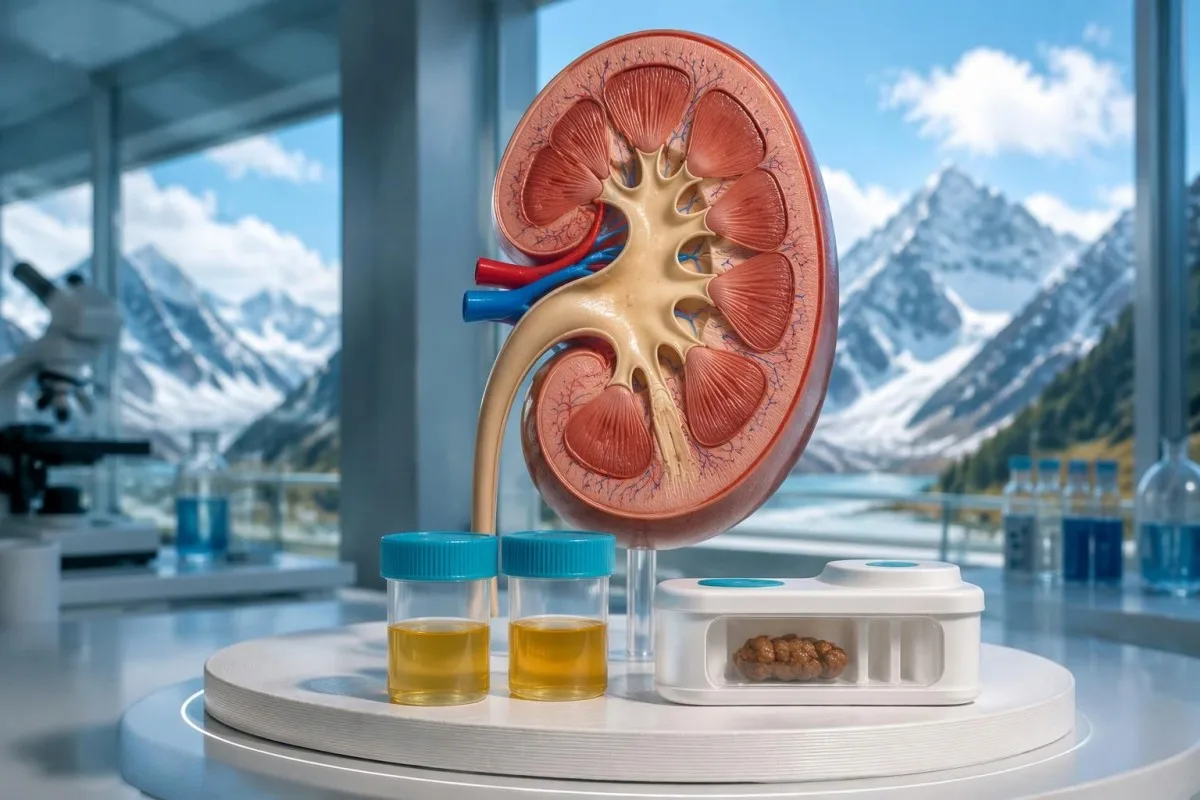
Consider a clearly hypothetical adult whose creatinine rises from 0.60 to 0.95 mg/dL over 48 hours while platelets fall from 310 to 165 × 10^9/L. Both final values might appear within that laboratory's reference intervals, yet the 0.35 mg/dL creatinine rise and substantial platelet decline warrant clinical review after STEC; they do not prove HUS, but they should not be labeled reassuringly normal.
Neočekivani rezultati broja trombocita također zahtijevaju pažnju na kvalitet uzorka: sljepljivanje povezano s EDTA-om može dovesti do lažno niskog broja, što laboratorije mogu ispitati pomoću razmaza uzorka ćelija ili alternativne epruvete za uzimanje uzorka. Naš objašnjenje aglutinacije trombocita describes that artifact, while the vodič za ureu i kreatinin objašnjava zašto dehidracija može promijeniti bubrežne markere, a da se pritom ne utvrdi cijeli uzrok.
Kantesti is an AI blood test interpretation platform that can place recorded platelet and creatinine values in chronological context, but it cannot replace the clinician's decisions about daily testing or hospital observation. Our informacije o validaciji i kliničkom nadzoru describes interpretation methodology; checking dates, units, baseline values, and whether results came from different laboratories is necessary before comparing any 2 reports.
What happens if HUS is suspected or confirmed?
Sumnja na HUS obično zahtijeva bolničku procjenu, where clinicians monitor kidney function, electrolytes, blood pressure, fluid balance, and the blood count. Treatment is mainly supportive and may include carefully managed fluids, red cellular element transfusion, and dialysis when kidney failure causes complications; a positive stool result alone does not mean dialysis is needed.
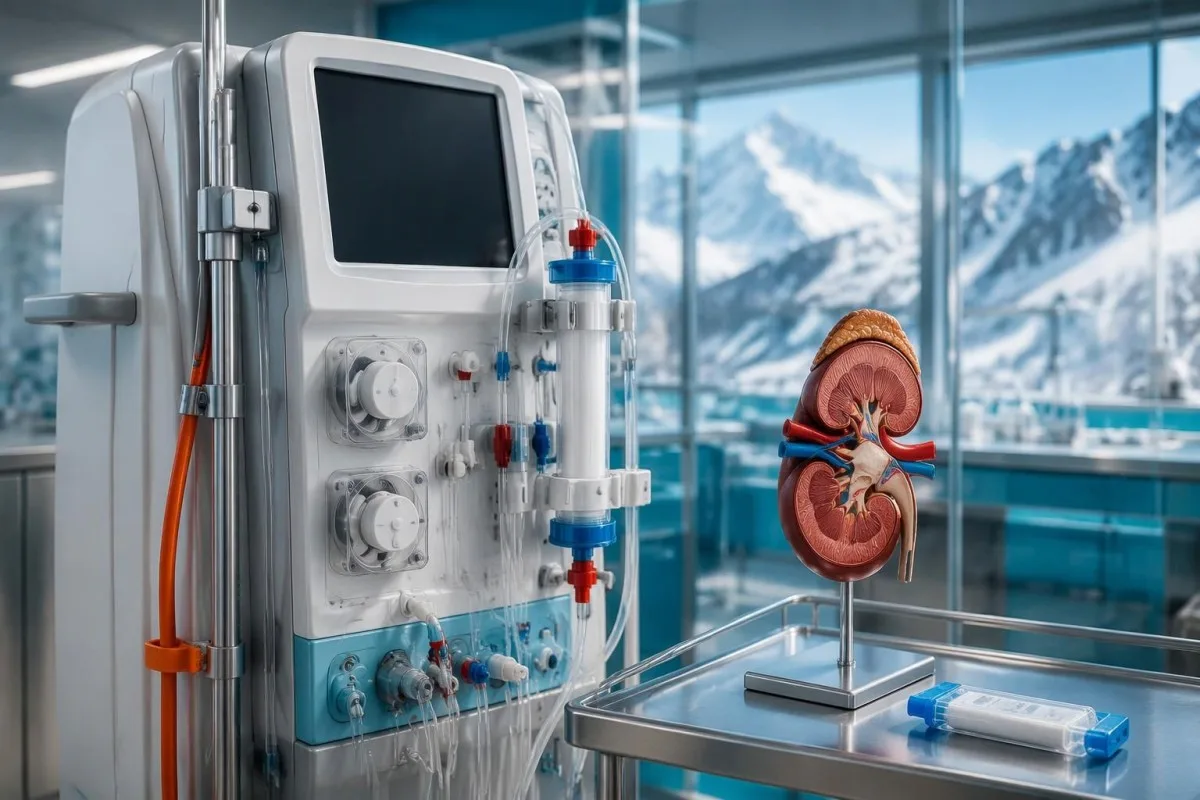
Odluke o dijalizi zavise od kliničke slike—kao što su opasno nakupljanje kalija, preopterećenje tečnošću, teška acidoza ili uremijske komplikacije—a ne od jednog univerzalnog praga kreatinina. Osobi s kreatininom od 3 mg/dL mogu biti potrebne sasvim drugačije mjere liječenja nego drugoj osobi s istim rezultatom, u zavisnosti od količine izlučenog urina, tjelesne veličine, početne funkcije bubrega i brzine pogoršanja.
Platelet transfusion is not routinely given simply because the platelet count is low in a thrombotic microangiopathy; significant bleeding or a necessary procedure may create specific indications. Plasma exchange and complement-blocking treatment are not routine therapy for uncomplicated STEC-associated HUS, and any proposed use requires specialist assessment because alternative diagnoses and selected severe presentations may change the approach.
Anemia, low platelets, and kidney injury also occur in other emergencies, so the team must consider diagnoses beyond STEC-associated HUS when the pattern is atypical. In particular, Testiranje ADAMTS13 za TTP can be relevant, because activity below 10% strongly supports thrombotic thrombocytopenic purpura in the appropriate context; suspected TTP may need treatment before confirmation returns.
Kako možete smanjiti širenje STEC-a u domaćinstvu?
STEC spreads through fecal contamination, including contaminated food or water, animal contact, and person-to-person transmission. Wash hands with soap and water after toileting or diaper changes and before food handling; people with diarrhea should not prepare food for others, and certain jobs or childcare settings require public-health clearance.

Soap-and-water washing is especially useful after contact with stool because it physically removes contamination; alcohol hand sanitizer should not replace washing when hands are visibly soiled. Clean frequently touched bathroom surfaces using an appropriate household product according to its contact-time instructions, avoid sharing towels, and wash contaminated laundry without shaking it around the room.
Mjere opreza u vezi s hranom uključuju izbjegavanje nepasteriziranih mliječnih proizvoda ili sokova, sprečavanje unakrsne kontaminacije sirovom hranom i temeljitu termičku obradu hrane uz upotrebu termometra za hranu, umjesto procjene gotovosti prema boji. STEC može preživjeti kada se kontaminacija prenese u sredinu mljevenog mesa, što je jedan od razloga zašto samo površinsko rumenjenje nije dovoljno; pranje namirnica smanjuje površinsku kontaminaciju, ali ne može garantovati uklanjanje svakog mikroorganizma.
A person may continue shedding STEC after diarrhea stops, so 48 symptom-free hours is not a universal clearance rule for this organism. Our post-diarrhea contagiousness guide illustrates why recovery and transmission are separate questions; for STEC, childcare attendance, food-handling work, and repeat stool testing should follow the local public-health team's specific requirements.
When are recovery, repeat stool tests and kidney follow-up needed?
Many people recover from STEC diarrhea within about 5–7 days, but symptom improvement does not establish that HUS risk has passed. Repeat stool testing is usually driven by public-health requirements or a specific clinical question, while people who developed HUS need individualized follow-up of kidney function, urine protein, and blood pressure.
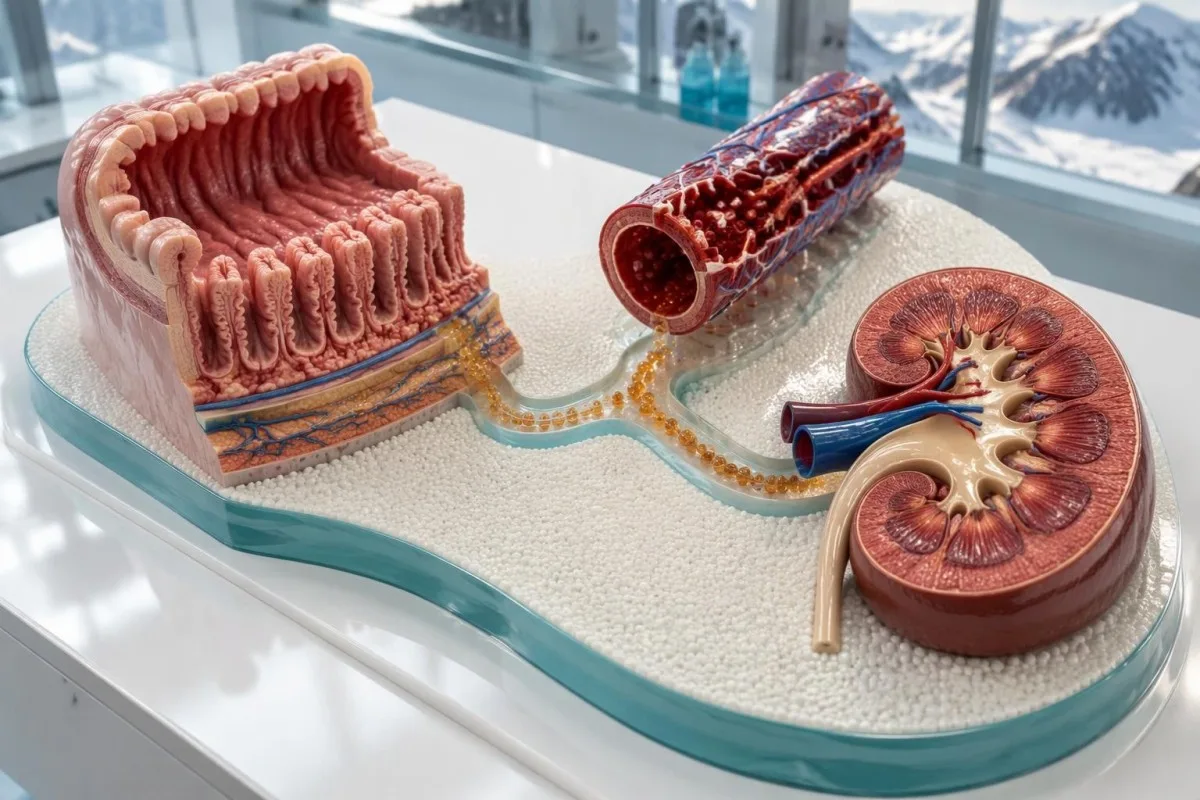
Negativan ponovljeni nalaz stolice ne može potvrditi da su funkcija bubrega ili broj trombocita sigurni, jer su eliminacija uzročnika stolicom i sistemske komplikacije različiti procesi. Isto tako, trajna detekcija gena ne opravdava automatski primjenu antibiotika; ako proljev traje duže od približno 14 dana, kliničar može razmotriti trajnu infekciju, drugi otkriveni patogen, učinak lijekova ili postinfektivni poremećaj crijeva, umjesto da testom iznova opravdava liječenje.
After HUS, apparently recovered creatinine does not rule out later hypertension or proteinuria, which is why renal follow-up can extend well beyond the initial hospital stay. New or persistent abnormalities may prompt a broader evaluation; kontekst testiranja komplementa relevantno je za odabrane alternativne dijagnoze, ali normalne vrijednosti C3 i C4 ne isključuju HUS posredovan komplementom, a ovi testovi ne potvrđuju rutinski STEC-HUS.
We at Kantesti encourage readers to keep the first diarrhea date, hospitalization details, discharge plan, and prior kidney results together, because those details make later interpretation more meaningful. Returning to ordinary meals as tolerated is generally reasonable, but a person with ongoing kidney injury may need individualized sodium, potassium, protein, or fluid advice; a general wellness nutrition plan is not a substitute for renal dietetic guidance.
Kako tumačenje krvne slike može podržati sigurno praćenje?
Blood test interpretation can help organize creatinine, platelets, hemoglobin, and electrolytes after STEC, but it cannot determine whether a symptomatic person is safe to stay home. Kantesti is an AI lab test interpretation service that explains recorded laboratory findings; reduced urination, unusual bruising, or neurological symptoms require direct medical assessment.
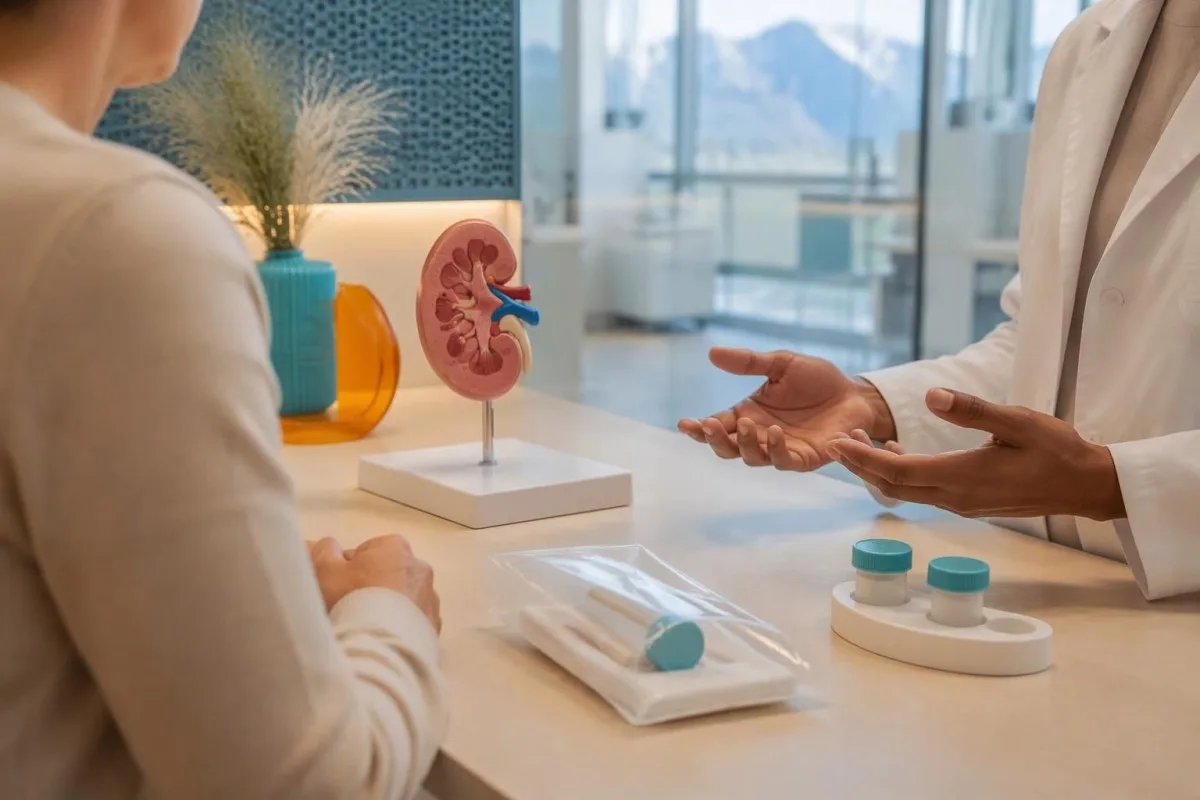
A useful same-day call includes 4 essentials: the exact positive test wording, the first diarrhea date, current urine output and fluid intake, and all medicines taken since symptoms began. Ask whether the report distinguishes stx1 from stx2, whether culture or public-health confirmation is pending, and whether blood testing is needed now or again during the next several days.
Interpretation should preserve uncertainty rather than convert every abnormal value into a diagnosis; a hemolyzed laboratory sample, for example, can distort potassium or LDH without proving hemolysis inside the body. Kantesti LTD, UK Company No. 17090423, describes its approach to sourcing and scope in our standardi medicinskog sadržaja; the treating clinician remains responsible for urgent assessment and treatment decisions.
Dvije Zenodo publikacije navedene u nastavku širi su edukativni izvori o serumskim proteinima i testiranju komplementa, a ne klinička ispitivanja liječenja STEC-a niti dokaz da naša usluga otkriva HUS. Direktnu potporu preporukama za liječenje infekcije pružaju zasebno navedene smjernice IDSA-e i recenzirane studije; razdvajanje ovih kategorija dokaza pomaže čitaocima da procijene šta svaka referenca može — a šta ne može — potkrijepiti.
Često postavljana pitanja
Znači li pozitivan nalaz šiga toksina da imam E. coli?
A shiga toxin positive stool result usually indicates Shiga toxin-producing E. coli, or STEC, but the precise meaning depends on whether the assay detected toxin protein or toxin genes. Some tests report stx1 and stx2 separately, while others combine them. Rarely, another organism such as Shigella dysenteriae type 1 can produce Shiga toxin, so culture and the laboratory's assay details may clarify the source. A positive stool result does not by itself diagnose hemolytic uremic syndrome or measure kidney damage.
Trebam li uzimati antibiotike ako je nalaz stolice pozitivan na Šiga toksin?
Antibiotici se uglavnom izbjegavaju kod STEC O157, STEC-a koji proizvodi Shiga toksin 2 ili STEC-a kod kojeg tip toksina nije poznat, jer mogu povećati rizik od hemolitičko-uremijskog sindroma. U metaanalizi iz 2016. godine, podskup studija s manjim rizikom od pristrasnosti utvrdio je povezanost s većim izgledima za HUS, OR 2,24, iako su rezultati ukupne analize bili neuvjerljivi. Ako je antibiotik već propisan, odmah kontaktirajte ljekara koji ga je propisao, umjesto da samostalno mijenjate terapiju. Odvojena ozbiljna infekcija ili sumnja na sepsu mogu zahtijevati drugačiju odluku uz nadzor specijaliste.
Mogu li uzimati Imodium ili loperamid kod STEC-a?
Loperamid i druge lijekove koji usporavaju rad crijeva treba izbjegavati kod sumnje na infekciju STEC-om ili potvrđene infekcije, jer mogu povećati rizik od komplikacija. Manji broj stolica nakon uzimanja lijeka ne znači da se infekcija povlači niti da su bubrezi sigurni. HUS se obično javlja oko 5–10 dana nakon početka proljeva, ponekad dok se proljev smiruje. Obratite se ljekaru u vezi s ublažavanjem simptoma i hitno zatražite pregled ako se smanji količina mokraće, pojave neuobičajene modrice, izrazito bljedilo ili jaka slabost.
Kada trebam otići u bolnicu nakon pozitivnog rezultata na šiga toksin?
Zatražite hitnu procjenu nakon pozitivnog nalaza šiga toksina ako se količina urina znatno smanji, pojave se neobjašnjive modrice ili nastanu izrazito bljedilo, jak umor, oticanje ili pogoršanje bolesti. Zbunjenost, napadi, kolaps, otežano buđenje ili ozbiljna otežanost disanja zahtijevaju hitnu pomoć. HUS se često javlja oko 5–10. dana nakon početka proljeva, stoga poboljšanje crijevnih simptoma ne bi smjelo zasjeniti ove upozoravajuće znakove. Jak bol u stomaku, uporno povraćanje ili obilan krvavi proljev također zahtijevaju brzu kliničku procjenu.
Mogu li normalni nalazi krvi isključiti HUS?
One normal blood panel cannot rule out HUS that is still developing after STEC infection. Clinicians use repeat platelet counts, hemoglobin, creatinine, electrolytes, and hemolysis tests when the illness pattern warrants monitoring. A creatinine rise of at least 0.3 mg/dL, approximately 26.5 µmol/L, within 48 hours can indicate acute kidney injury even if the final value remains within the laboratory's reference interval. Symptoms and urine output matter alongside the numerical results.
How long am I contagious after STEC diarrhea stops?
STEC can continue to be shed after diarrhea resolves, so feeling well does not guarantee that transmission risk has ended. A 48-hour symptom-free interval is not a universal STEC clearance rule, particularly for young children, food handlers, or people providing close personal care. Local public-health authorities may require repeat stool samples or specific exclusion periods based on the person's setting and strain. Continue soap-and-water handwashing and follow the clearance instructions provided for your situation.
Saznajte kako čitati krvnu sliku
Otpremite svoj laboratorijski nalaz, a AI alata Kantesti će u roku od nekoliko sekundi objasniti svaki biomarker jednostavnim jezikom. Koristi ga više od 2 miliona ljudi širom svijeta.
Reference
- Klein, T., Mitchell, S., & Weber, H. (2026). Vodič za serumske proteine: globulini, albumin i omjer A/G u krvnoj slici. Kantesti AI medicinsko istraživanje. DOI
- Klein, T., Mitchell, S., & Weber, H. (2026). Vodič za krvni test komplementa C3 C4 i titar ANA. Kantesti AI medicinsko istraživanje. DOI
- Shane AL i dr. (2017). Smjernice Društva za infektivne bolesti Amerike za kliničku praksu iz 2017. godine za dijagnosticiranje i liječenje infektivnog proljeva. Clinical Infectious Diseases. DOI
- Freedman SB et al. (2016). Shiga Toxin-Producing Escherichia coli Infection, Antibiotics, and Risk of Developing Hemolytic Uremic Syndrome: A Meta-analysis. Clinical Infectious Diseases. DOI
- Hickey CA et al. (2011). Early Volume Expansion During Diarrhea and Relative Nephroprotection During Subsequent Hemolytic Uremic Syndrome. Archives of Pediatrics & Adolescent Medicine.
- 2M+Analizirani testovi
- 127+Zemlje
- 100+Jezici
O medicinskom timu


E-E-A-T signal(i) povjerenja
Iskustvo
Klinička revizija radnih tokova tumačenja laboratorijskih nalaza koju vodi ljekar.
Stručnost
Fokus laboratorijske medicine na to kako se biomarkeri ponašaju u kliničkom kontekstu.
Autoritativnost
Medicinski recenzirao dr. Thomas Klein, uz doprinos dr. Sarah Mitchell i prof. dr. Hans Weber.
Pouzdanost
Tumačenje zasnovano na dokazima, s jasnim sljedećim koracima kako bi se smanjila uzbuna.



Medicinsko odricanje od odgovornosti
Ovaj članak je samo u edukativne svrhe i ne predstavlja medicinski savjet. Za odluke o dijagnozi i liječenju uvijek se posavjetujte s kvalifikovanim zdravstvenim radnikom.
Objavljeno · Kontaktirajte urednički tim
Izdavač je Kantesti Ltd, registrovan u Engleskoj i Walesu, broj kompanije. 17090423, London, Ujedinjeno Kraljevstvo.
