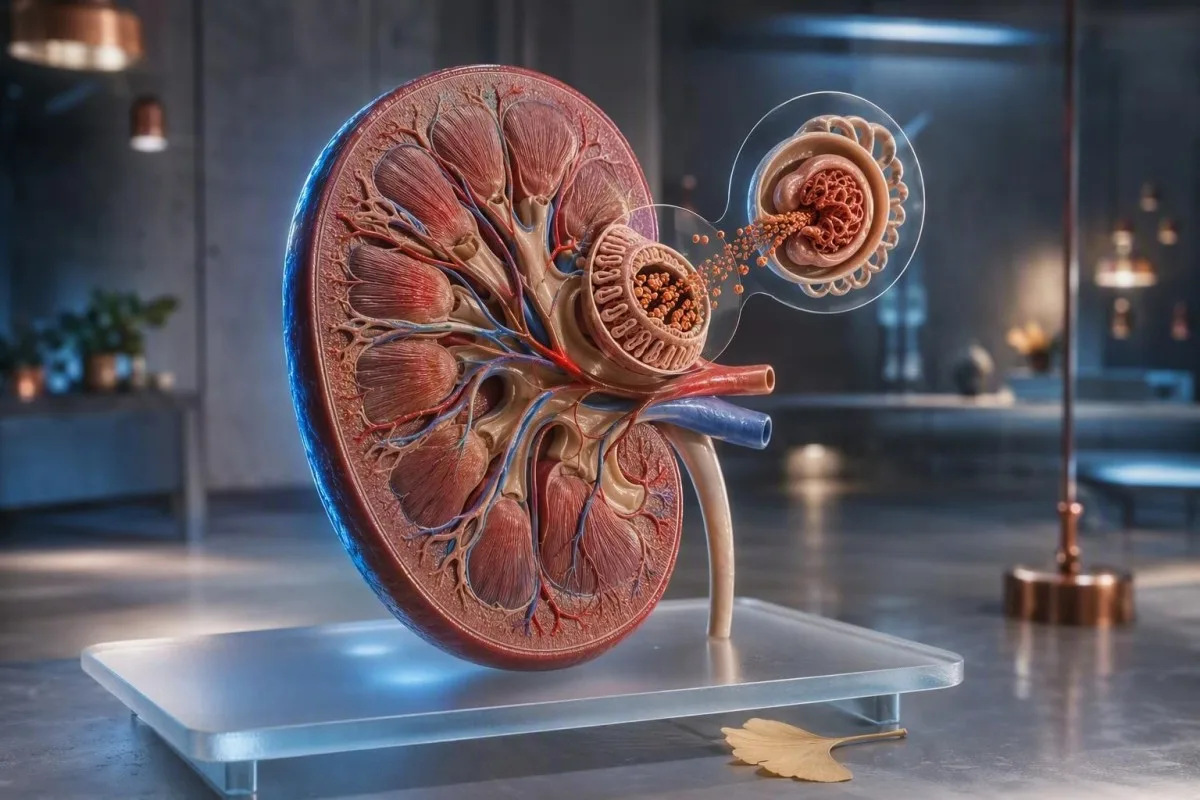
तेज़ मूत्र धारा के बाद कुछ बुलबुले आमतौर पर भौतिकी (physics) का परिणाम होते हैं। यदि झाग बार-बार कटोरे को कवर करता है, फ्लश करने के बाद भी बना रहता है, या सूजन के साथ आता है, तो अनुमान लगाने के बजाय मूत्र एल्ब्यूमिन परीक्षण (urine albumin test) करवाना चाहिए।.


- संक्षिप्त बुलबुले जो सेकंड के भीतर गायब हो जाते हैं, वे आम तौर पर गुर्दे की बीमारी के बजाय मूत्र की गति, शौचालय क्लीनर के अवशेष (toilet-cleaner residue), या केंद्रित मूत्र को दर्शाते हैं।.
- लगातार झागदार मूत्र तब अधिक चिंताजनक होता है जब बार-बार होने वाले मौकों पर 1-2 मिनट तक एक घना सफेद परत बनी रहती है।.
- पेशाब ACR 3 mg/mmol (30 mg/g) से कम अधिकांश वयस्कों में सामान्य से लेकर हल्के बढ़े हुए एल्ब्यूमिन उत्सर्जन (albumin excretion) है।.
- एल्ब्यूमिन्यूरिया 3-30 mg/mmol (30-300 mg/g) को कम से कम 3 महीनों में दोहराए गए सुबह के नमूनों के साथ पुष्टि की जानी चाहिए।.
- ACR 30 mg/mmol से ऊपर (300 mg/g) गंभीर रूप से बढ़ी हुई एल्ब्यूमिनुरिया (albuminuria) है और इसके लिए तत्काल नैदानिक मूल्यांकन (clinical assessment) की आवश्यकता होती है।.
- लाल झंडे चेहरे या पैर की सूजन, दिखाई देने वाला रक्त, सांस की तकलीफ, मूत्र उत्पादन में कमी, बुखार, या सिरदर्द और उच्च रक्तचाप के साथ गर्भावस्था शामिल है।.
- नमूना संग्रहण का महत्व: 24 घंटे तक भारी व्यायाम से बचें, एक साफ मिडस्ट्रीम सुबह का नमूना उपयोग करें, और मासिक धर्म या मूत्र पथ के संक्रमण (UTI) के बारे में चिकित्सक को सूचित करें।.
- रक्त परीक्षण सहायक होते हैं: क्रिएटिनिन, eGFR, सीरम एल्ब्यूमिन, ग्लूकोज, और HbA1c यह स्पष्ट करते हैं कि क्या मूत्र प्रोटीन गुर्दे, मधुमेह, या प्रणालीगत बीमारी को दर्शाता है।.
हानिरहित बुलबुले को लगातार झागदार मूत्र से कैसे अलग करें
झागदार मूत्र होने के कारण पानी में तेज धारा से लेकर गुर्दे के फिल्टर से रिसते एल्ब्यूमिन तक हो सकते हैं। हानिरहित बुलबुले बड़े, साफ होते हैं और जल्दी गायब हो जाते हैं; चिंताजनक झाग महीन, सफेद, बार-बार होने वाला होता है और साफ कटोरे के बावजूद लगभग 1-2 मिनट तक बना रहता है।.
सतह तनाव अधिकांश एक बार के बुलबुले की व्याख्या करता है। एक मजबूत पहली सुबह की धारा, निर्जलीकरण, केंद्रित विलेय, या बचे हुए सफाई एजेंट हवा को सतह पर फंसा सकते हैं बिना किसी प्रोटीन हानि के; यह विशेष रूप से लंबी उड़ान, बुखार, या कठिन कसरत के बाद आम है।.
एक एकल अवलोकन से अधिक पैटर्न महत्वपूर्ण है। मेरे 15 वर्षों के नैदानिक अभ्यास में, मैं रोगियों से एक साफ, बिना ब्लीच वाले कटोरे का उपयोग करके तीन अलग-अलग दिनों में झाग पर ध्यान देने के लिए कहता हूं; व्यायाम के बाद नाटकीय दिखने वाले प्रकरण की तुलना में एक दोहराने योग्य महीन झाग की परत परीक्षण के लिए एक बेहतर कारण है।.
झाग अकेले प्रोटीनूरिया का निदान नहीं कर सकता क्योंकि फॉस्फेट, पित्त लवण, वीर्य, और मूत्र पथ की सूजन भी सतह तनाव को बदल सकती है। यदि मूत्र झागदार होने के बजाय धुंधला है, तो अंतर क्रिस्टल, कोशिकाओं, या संक्रमण की ओर बढ़ता है; हमारा मार्गदर्शक धुंधले मूत्र के सुराग इन पैटर्न को अलग करने में मदद करता है।.
एक सरल घर अवलोकन नियम
शौचालय के कटोरे की तस्वीर न लें या घर पर “हिलाना परीक्षण” न करें। इसके बजाय, ध्यान दें कि क्या 7 दिनों में से कम से कम 3 दिनों पर एक साफ कटोरे में झाग होता है, क्या यह 1 मिनट से अधिक समय तक रहता है, और क्या सूजन या रक्तचाप में परिवर्तन मौजूद हैं। ये विवरण प्रयोगशाला अनुरोध को बहुत अधिक उपयोगी बनाते हैं।.
मूत्र में प्रोटीन स्थिर झाग क्यों बना सकता है
झागदार मूत्र प्रोटीन अक्सर एल्ब्यूमिन होता है, एक ऋणात्मक आवेशित प्रोटीन जो सामान्य रूप से रक्तप्रवाह में रहता है। जब ग्लोमेरुलर फिल्टर अधिक पारगम्य हो जाता है, तो एल्ब्यूमिन सतह तनाव को कम करता है और छोटे, स्थिर बुलबुले बना सकता है।.
एक स्वस्थ वयस्क आम तौर पर प्रतिदिन 30 मिलीग्राम से कम एल्ब्यूमिन उत्सर्जित करता है, हालांकि एक नियमित डिपस्टिक निम्न-स्तर की एल्ब्यूमिन हानि का पता नहीं लगा सकता है। अधिक संवेदनशील मूत्र एल्ब्यूमिन-क्रिएटिनिन अनुपात, या ACR, मूत्र एकाग्रता के लिए एल्ब्यूमिन को ठीक करता है और प्रारंभिक स्क्रीनिंग के लिए पसंदीदा है।.
एल्ब्यूमिन एकमात्र प्रोटीन नहीं है जो मायने रखता है। प्लाज्मा-सेल विकारों से लाइट चेन, कुछ दवाओं के बाद ट्यूबलर प्रोटीन, और बुखार के दौरान क्षणिक प्रोटीन एक डिपस्टिक से बच सकते हैं जो मुख्य रूप से एल्ब्यूमिन के लिए डिज़ाइन किया गया है; यही कारण है कि एक नकारात्मक पट्टी लगातार झाग के हर मामले को नहीं सुलझाती है।.
डॉ. थॉमस क्लेन दृश्य लक्षण को निदान मानने के बजाय सीरम क्रिएटिनिन, eGFR, एल्ब्यूमिन, और ग्लूकोज के साथ मूत्र निष्कर्षों की समीक्षा करते हैं। हमारा सीरम प्रोटीन गाइड बताता है कि कम रक्त एल्ब्यूमिन परिणाम और बढ़ा हुआ मूत्र ACR एक साथ अकेले की तुलना में अधिक भार क्यों वहन करते हैं।.
झागदार मूत्र के सामान्य गैर-गुर्दे वाले कारण
अधिकांश अस्थायी झागदार मूत्र का एक गैर-गुर्दे का स्पष्टीकरण होता है: केंद्रित मूत्र, तेजी से पेशाब आना, हाल ही में स्खलन, साबुन का अवशेष, बुखार, या ज़ोरदार व्यायाम। ये कारण सामान्य जलयोजन और ठीक होने के 24-48 घंटों के भीतर हल हो जाते हैं।.
निर्जलीकरण मूत्र को गहरा और अधिक केंद्रित बनाता है, इसलिए एल्ब्यूमिन उत्सर्जन सामान्य होने पर भी बुलबुले सघन दिखाई दे सकते हैं। अगले दिन हल्के-पीले रंग के मूत्र का लक्ष्य रखें बजाय अत्यधिक तरल पदार्थ पीने के; एक साथ कई लीटर पीने से संवेदनशील लोगों में सोडियम कम हो सकता है।.
व्यायाम मूत्र संबंधी एल्ब्यूमिन को क्षणिक रूप से बढ़ा सकता है। 10-किलोमीटर की दौड़, उच्च-तीव्रता वाले प्रतिरोध सत्र, या लंबे समय तक गर्मी के संपर्क में आने से तुरंत बाद एकत्र किए गए नमूने पर प्रोटीन बन सकता है, यही कारण है कि प्रयोगशालाएं आम तौर पर ACR परीक्षण से 24 घंटे पहले जोरदार व्यायाम से बचने की सलाह देती हैं।.
स्खलन के बाद मूत्रमार्ग में वीर्य अस्थायी बुलबुले और एक ट्रेस-धनात्मक प्रोटीन पट्टी का उत्पादन कर सकता है। दृश्यमान गुलाबी या चाय के रंग का मूत्र प्रश्न को पूरी तरह से बदल देता है और इसका मूल्यांकन इस गाइड का उपयोग करके किया जाना चाहिए मूत्र में रक्त, विशेषकर 45 वर्ष की आयु के बाद या धूम्रपान के संपर्क में आए किसी भी व्यक्ति में।.
लगातार झाग नैदानिक रूप से प्रासंगिक प्रोटीन हानि का सुझाव कब देता है
लगातार झाग मूत्र प्रोटीन परीक्षण की आवश्यकता का संकेत देता है जब यह बार-बार होता है और विशेष रूप से जब यह मधुमेह, उच्च रक्तचाप, सूजन, या कम eGFR के साथ जुड़ा होता है। एल्बुमिन्यूरिया एक प्रारंभिक गुर्दे की चेतावनी हो सकती है, भले ही क्रिएटिनिन प्रयोगशाला सीमा के भीतर बना रहे।.
KDIGO ACR को 3 mg/mmol, या 30 mg/g से कम A1; 3-30 mg/mmol को A2; और 30 mg/mmol से ऊपर A3 एल्बुमिन्यूरिया के रूप में परिभाषित करता है। श्रेणियां eGFR के साथ जोड़े जाने पर गुर्दे और हृदय संबंधी जोखिम का सबसे सटीक अनुमान लगाती हैं, न कि अकेले (KDIGO, 2024)।.
मधुमेह और उच्च रक्तचाप दुनिया भर में एल्बुमिन्यूरिया के सबसे आम पुराने कारण हैं, लेकिन वे एकमात्र कारण नहीं हैं। ग्लोमेरुलोनेफ्राइटिस, मोटापा-संबंधी ग्लोमेरुलोपैथी, ल्यूपस, प्री-एक्लेमप्सिया, स्लीप एप्निया, और कुछ एंटी-इंफ्लेमेटरी दवाएं भी योगदान कर सकती हैं; लगातार निष्कर्षों के लिए एक चिकित्सक को तंत्र का पता लगाने की आवश्यकता होती है।.
कांटेस्टी एक एआई रक्त परीक्षण विश्लेषक जो क्रिएटिनिन, eGFR, सीरम एल्ब्यूमिन, ग्लूकोज और HbA1c को एक अनुदैर्ध्य संदर्भ में रखता है। यह रक्त पैनल से मूत्र ACR को माप नहीं सकता है, लेकिन यह चयापचय या गुर्दे के पैटर्न की पहचान करने में मदद कर सकता है जो मूत्र परिणाम को अधिक जरूरी बनाता है।.
कौन से मूत्र प्रोटीन परीक्षण सबसे अच्छे परिणाम देते हैं
अधिकांश वयस्कों में एल्ब्यूमिन हानि के संदिग्ध होने पर सुबह का स्पॉट मूत्र ACR सबसे अच्छा पहला परीक्षण है। प्रोटीन-क्रिएटिनिन अनुपात, या PCR, तब उपयोगी होता है जब गैर-एल्ब्यूमिन प्रोटीन का संदेह हो या जब कुल प्रोटीन की मात्रा का पता लगाना आवश्यक हो।.
ACR को यूके और कई अन्य देशों में mg/mmol में, या संयुक्त राज्य अमेरिका में mg/g में रिपोर्ट किया जाता है। 3 mg/mmol का ACR लगभग 30 mg/g के बराबर होता है; यह रूपांतरण महत्वपूर्ण है क्योंकि रोगी कभी-कभी विभिन्न इकाइयों को एक बड़े परिणाम परिवर्तन के रूप में गलत समझ लेते हैं।.
ट्रेस या 1+ का डिपस्टिक प्रोटीन परिणाम एक स्क्रीनिंग सुराग है, निदान नहीं। क्षारीय मूत्र, केंद्रित मूत्र, और संदूषण भ्रामक सकारात्मक परिणाम दे सकते हैं, जबकि पतला मूत्र और गैर-एल्ब्यूमिन प्रोटीन झूठी सुरक्षा प्रदान कर सकते हैं; मात्रात्मक परीक्षण उस अनिश्चितता को हल करता है।.
24 घंटे का संग्रह अब चुनिंदा स्थितियों के लिए आरक्षित है, जैसे कि बहुत अधिक प्रोटीन हानि, गर्भावस्था का आकलन, या असंगत स्पॉट नमूने। इसे कम एकत्र करना आसान है, इसलिए हमारे व्यावहारिक 24-घंटे का मूत्र संग्रह गाइड शुरू करने से पहले पढ़ें।.
मूत्र प्रोटीन परीक्षण सटीकता से कैसे एकत्र करें
सटीक मूत्र प्रोटीन परीक्षण एक साफ सुबह की मध्यधारा नमूने के साथ शुरू होता है जो 24 घंटे के भारी व्यायाम के बिना एकत्र किया जाता है। जागने के बाद पहला मूत्र पसंद किया जाता है क्योंकि मुद्रा, जलयोजन और दिन की गतिविधि का एल्ब्यूमिन उत्सर्जन पर कम प्रभाव पड़ता है।.
हाथ धोएं, आपूर्ति किए गए बाँझ कंटेनर का उपयोग करें, शौचालय में पेशाब करना शुरू करें, फिर बर्तन या ढक्कन के अंदर को छुए बिना बीच के हिस्से को पकड़ें। नमूने को तुरंत सौंपें; यदि देरी से बचा नहीं जा सकता है, तो गर्म कार में छोड़ने के बजाय प्रयोगशाला के प्रशीतन निर्देशों का पालन करें।.
लक्षणों वाले यूटीआई, बुखार, दस्त, मासिक धर्म, या जोरदार व्यायाम के 24 घंटों के दौरान गैर-जरूरी परीक्षणों को स्थगित करें। ये स्थितियां अस्थायी रूप से एल्ब्यूमिन उत्सर्जन को बढ़ा सकती हैं, जबकि मासिक धर्म संदूषण से रक्त और प्रोटीन भी स्पष्ट हो सकता है; ल्यूकोसाइट एस्टरेज़ के परिणाम एक संभावित संक्रमण पैटर्न को स्पष्ट कर सकता है।.
ऑर्थोस्टैटिक प्रोटीन्यूरिया का उल्लेख करना उचित है, खासकर किशोरों और युवा वयस्कों में। दिन के मूत्र में दिखाई देने वाला प्रोटीन जो सुबह के पहले नमूने में अनुपस्थित होता है, अक्सर सौम्य होता है, हालांकि एक चिकित्सक को यह मानने के बजाय पैटर्न की पुष्टि करनी चाहिए।.
ACR और प्रोटीन-क्रिएटिनिन परिणामों की व्याख्या कैसे करें
3 mg/mmol से कम ACR आमतौर पर आश्वस्त करने वाला होता है, जबकि 3 mg/mmol या उससे अधिक का पुष्टि किया गया ACR जोखिम-आधारित अनुवर्ती की आवश्यकता होती है। एक ऊंचा नमूना क्रोनिक किडनी रोग स्थापित नहीं करता है क्योंकि व्यायाम, संक्रमण और ग्लूकोज स्पाइक्स अल्पकालिक एल्बुमिन्यूरिया का कारण बन सकते हैं।.
मधुमेह के बिना वयस्कों के लिए, एक नया बढ़ा हुआ ACR आमतौर पर हफ्तों के भीतर सुबह के नमूने का उपयोग करके दोहराया जाता है। क्रोनिक किडनी रोग के लिए कम से कम 3 महीने तक असामान्यताओं की उपस्थिति की आवश्यकता होती है, जब तक कि स्पष्ट तीव्र गुर्दे की चोट या काफी मात्रा में बढ़ा हुआ प्रोटीन न हो जिसके लिए तेजी से समीक्षा की आवश्यकता हो (KDIGO, 2024)।.
70 mg/mmol, लगभग 700 mg/g से ऊपर का ACR, आमतौर पर तत्काल विशेषज्ञ चर्चा का वारंट करता है, भले ही eGFR संरक्षित हो, खासकर मूत्र में रक्त के साथ। नेफ्रोटिक-रेंज प्रोटीन्यूरिया आम तौर पर 300 mg/mmol से ऊपर PCR या 3.5 g/दिन से ऊपर प्रोटीन उत्सर्जन होता है, जो अक्सर एडिमा और कम सीरम एल्ब्यूमिन के साथ होता है।.
कांटेस्टी एक AI लैब टेस्ट इंटरप्रिटेशन सर्विस जो तिथियों में गुर्दे के रक्त मार्करों को व्यवस्थित कर सकता है और गिरते हुए eGFR प्रवृत्ति को चिह्नित कर सकता है। प्रवृत्ति व्याख्या, गुर्दे की माइक्रोस्कोपी, ACR पुष्टि, और दवा समीक्षा के चिकित्सक के निर्णय का समर्थन करती है, लेकिन कभी भी प्रतिस्थापित नहीं करती है।.
कौन से रक्त परीक्षण झागदार मूत्र के परिणामों को सार्थक बनाते हैं
क्रिएटिनिन, eGFR, सीरम एल्ब्यूमिन, ग्लूकोज, HbA1c, इलेक्ट्रोलाइट्स, और लिपिड यह समझाने में मदद करते हैं कि मूत्र प्रोटीन गुर्दे की फ़िल्टरिंग चोट को दर्शाता है या व्यापक चयापचय विकार को। सामान्य क्रिएटिनिन प्रारंभिक एल्बुमिन्यूरिया को खारिज नहीं करता है।.
क्रिएटिनिन से eGFR की गणना की जाती है और यह मधुमेह वाले कई लोगों में हल्के एल्ब्यूमिन रिसाव की तुलना में बाद में आता है। 60 mL/min/1.73 m² से कम का eGFR 3 महीने या उससे अधिक समय तक क्रोनिक किडनी रोग के एक मानदंड को पूरा करता है, लेकिन उम्र, मांसपेशियों के द्रव्यमान और हाल की बीमारी के अनुसार मानों की व्याख्या की जानी चाहिए।.
लगभग 35 ग्राम/लीटर से कम सीरम एल्ब्यूमिन, भारी मूत्र प्रोटीन और नई टखने की सूजन के साथ, महत्वपूर्ण गुर्दे प्रोटीन हानि की चिंता बढ़ जाती है। इसके विपरीत, गहरे रंग के मूत्र के साथ उच्च एल्ब्यूमिन अक्सर निर्जलीकरण को दर्शाता है; हमारा निर्जलीकरण गाइड के बाद eGFR बताता है कि ठीक होने के बाद पुनः परीक्षण क्यों समझदारी भरा हो सकता है।.
अमेरिकन डायबिटीज एसोसिएशन टाइप 2 मधुमेह और 5 साल या उससे अधिक समय तक चलने वाले टाइप 1 मधुमेह में कम से कम वार्षिक UACR और eGFR परीक्षण की सलाह देता है (ADA Professional Practice Committee, 2024)। HbA1c हमें औसत ग्लाइसेमिया के बारे में बताता है, लेकिन HbA1c में बदलाव से पहले तेज ग्लूकोज वृद्धि क्षणिक रूप से मूत्र एल्ब्यूमिन बढ़ा सकती है।.
दवाएं, पूरक और बीमारियां जो मूत्र प्रोटीन को प्रभावित कर सकती हैं
सूजन-रोधी दर्द निवारक दवाएं, लिथियम, कुछ कैंसर उपचार और गंभीर संक्रमण गुर्दे की फिल्टरिंग या ट्यूबलर प्रोटीन को प्रभावित कर सकते हैं। मूत्र झागदार दिखने के कारण निर्धारित दवा लेना बंद न करें; मूत्र और गुर्दे के रक्त-परीक्षण की समीक्षा के लिए कहें।.
इबुप्रोफेन और नेप्रोक्सन जैसी NSAIDs गुर्दे के रक्त प्रवाह को कम कर सकती हैं, खासकर निर्जलीकरण, हृदय विफलता, या मौजूदा CKD के दौरान। जब एक NSAID को मूत्रवर्धक और ACE अवरोधक या ARB के साथ जोड़ा जाता है, तो यह जोखिम बढ़ जाता है, जिसे चिकित्सक कभी-कभी “ट्रिपल व्हैमी” कहते हैं।”
SGLT2 दवाएं जल्दी eGFR में थोड़ी गिरावट का कारण बन सकती हैं, लेकिन आमतौर पर उपयुक्त रूप से चयनित रोगियों में समय के साथ एल्बुमिन्यूरिया को कम करती हैं। वह अपेक्षित हेमोडायनामिक बदलाव प्रगतिशील चोट से अलग है; देखें SGLT2 उपचार के साथ eGFR परिवर्तन व्यावहारिक अंतरों के लिए।.
उच्च-खुराक विटामिन सी कुछ मूत्र डिपस्टिक में हस्तक्षेप कर सकती है, जबकि क्रिएटिन गुर्दे को नुकसान पहुंचाए बिना क्रिएटिनिन की व्याख्या को जटिल बना सकती है। नियुक्ति के समय नुस्खे वाली दवाओं, ओवर-द-काउंटर दर्द निवारक, प्रोटीन पाउडर और हर्बल उत्पादों की पूरी सूची साथ लाएँ—नाम और खुराक महत्वपूर्ण हैं।.
मधुमेह और रक्तचाप: सबसे अधिक उपज वाले जोखिम जांच
मधुमेह और उच्च रक्तचाप लगातार झाग को अधिक चिकित्सकीय रूप से महत्वपूर्ण बनाते हैं क्योंकि दोनों साल पहले लक्षण दिखाई देने से पहले एल्बुमिन्यूरिया का कारण बन सकते हैं। 140/90 mmHg या उससे अधिक का रक्तचाप और 3 mg/mmol या उससे अधिक का ACR एक संरचित प्राथमिक-देखभाल समीक्षा को प्रेरित करना चाहिए।.
CKD और एल्बुमिन्यूरिया वाले कई लोगों के लिए, चिकित्सक सहनशीलता के अनुसार 120 mmHg से कम का मानकीकृत कार्यालय सिस्टोलिक रक्तचाप का लक्ष्य रखते हैं, हालांकि उम्र, गिरने के जोखिम, गर्भावस्था और माप विधि के लिए लक्ष्य व्यक्तिगत होने चाहिए। घर पर गलत तरीके से लिए गए रीडिंग अकेले दवा में बदलाव का कारण नहीं बनने चाहिए।.
एल्बुमिन्यूरिया एक संवहनी जोखिम मार्कर भी है। हम ACR वृद्धि और उच्च रक्तचाप के बारे में इसलिए चिंतित हैं क्योंकि वे एक साथ एंडोथेलियल और ग्लोमेरुलर तनाव का सुझाव देते हैं, जबकि तीव्र बीमारी के दौरान कोई भी खोज क्षणिक हो सकती है; हमारा उच्च रक्तचाप प्रयोगशाला गाइड व्यापक कार्य-प्रक्रिया की रूपरेखा बताता है।.
कांटेस्टी एक AI बायोमार्कर व्याख्या प्लेटफ़ॉर्म ग्लूकोज, HbA1c, गुर्दे के मार्कर और लिपिड रुझानों की तुलना करने के लिए 127+ देशों में उपयोग किया जाता है। लगातार झागदार मूत्र के लिए, प्रासंगिक अगला परीक्षण प्रयोगशाला मूत्र ACR बना हुआ है, जिसे रक्तचाप या मधुमेह का प्रबंधन करने वाली समान नैदानिक टीम के साथ आदर्श रूप से समीक्षा की जानी चाहिए।.
गर्भावस्था और बच्चों में झागदार मूत्र के नियम अलग होते हैं
गर्भावस्था के दौरान झागदार मूत्र का उसी दिन आकलन किया जाना चाहिए यदि यह सिरदर्द, दृष्टि परिवर्तन, ऊपरी पेट में दर्द, अचानक सूजन, या बढ़ा हुआ रक्तचाप के साथ होता है। 20 सप्ताह के बाद प्रोटीन्यूरिया प्री-एक्लेमप्सिया का हिस्सा हो सकता है, लेकिन अकेले दिखावट कभी भी नैदानिक नहीं होती है।.
गर्भावस्था में, 30 mg/mmol या उससे अधिक का प्रोटीन-क्रिएटिनिन अनुपात, या 24 घंटे में 300 mg प्रोटीन, उचित नैदानिक सेटिंग में महत्वपूर्ण प्रोटीन्यूरिया का समर्थन करता है। यदि रक्तचाप 140/90 mmHg या उससे अधिक है और चिंताजनक लक्षण हैं, तो सामान्य दिखने वाला मूत्र का नमूना प्री-एक्लेमप्सिया को बाहर नहीं कर सकता है।.
बच्चों में अक्सर बुखार, खेल, या निर्जलीकरण के बाद अस्थायी प्रोटीन्यूरिया होता है। तीन नमूनों में लगातार प्रोटीन, उच्च रक्तचाप, एडिमा, या मूत्र में रक्त होने पर बाल चिकित्सा मूल्यांकन की आवश्यकता होती है; किशोरों में पोस्टुरल प्रोटीन्यूरिया को बाहर करने के लिए पहली सुबह की जांच विशेष रूप से उपयोगी होती है।.
गर्भावस्था फिल्टरिंग को बदल देती है, इसलिए जो क्रिएटिनिन मान गैर-गर्भवती वयस्कों के लिए “सामान्य” दिखते हैं, वे आश्वस्त करने वाले नहीं हो सकते हैं। हमारी गाइड गर्भावस्था में GFR के मान संदर्भ देती है, लेकिन अत्यावश्यक लक्षणों को ऑनलाइन व्याख्या के बजाय सीधे प्रसूति ट्राइएज में जाना चाहिए।.
लाल झंडे: झागदार मूत्र को तत्काल चिकित्सा देखभाल की आवश्यकता कब होती है
सांस की तकलीफ, पैरों या चेहरे की सूजन में तेजी से वृद्धि, मूत्र में उल्लेखनीय कमी, दिखाई देने वाला रक्त, बुखार के साथ पसलियों में दर्द, या गर्भावस्था के चेतावनी लक्षणों के साथ झागदार मूत्र के लिए तत्काल चिकित्सा मूल्यांकन लें। ये संयोजन महत्वपूर्ण गुर्दे, हृदय, संक्रामक, या गर्भावस्था से संबंधित बीमारी का संकेत दे सकते हैं।.
जागने पर चेहरे पर नई सूजन, शाम तक तंग जूते, और 2-3 दिनों में 2 किलोग्राम से अधिक वजन बढ़ना द्रव प्रतिधारण को दर्शा सकता है। जब ये लक्षण लगातार झाग के साथ होते हैं, तो चिकित्सक मूत्र प्रोटीन, क्रिएटिनिन, एल्ब्यूमिन, रक्तचाप और कभी-कभी छाती के निष्कर्षों की तुरंत जाँच करते हैं।.
तीव्र व्यायाम के बाद चाय के रंग का मूत्र जिसमें गंभीर मांसपेशियों में दर्द हो, वह सामान्य सौम्य झाग नहीं है; यह मायोग्लोबिन की रिहाई का संकेत दे सकता है और इसके लिए तत्काल रक्त और मूत्र परीक्षण की आवश्यकता होती है। यही बात कम उत्पादन वाले कोला-रंग के मूत्र पर भी लागू होती है, जो ग्लोमेरुलर रक्तस्राव या मांसपेशियों की चोट को दर्शा सकता है।.
डॉ. थॉमस क्लेन सलाह देते हैं कि जब लाल झंडे मौजूद हों तो रोगियों को घर के डिपस्टिक परिणाम की प्रतीक्षा नहीं करनी चाहिए। परिश्रम से संबंधित रंग परिवर्तन के लिए, हमारा लेख धावक की हेमट्यूरिया स्पेक्ट्रम के सौम्य अंत और उन विशेषताओं की व्याख्या करता है जो सौम्य नहीं हैं।.
सकारात्मक मूत्र प्रोटीन परिणाम के बाद चिकित्सक क्या करते हैं
सकारात्मक ACR या PCR के बाद, चिकित्सक आमतौर पर परिणाम की पुष्टि करते हैं, रक्तचाप और eGFR मापते हैं, मूत्र तलछट की जांच करते हैं, और मधुमेह, दवाओं, ऑटोइम्यून लक्षणों और पारिवारिक इतिहास की समीक्षा करते हैं। अगला कदम मात्रा, दृढ़ता और साथ में रक्त या कम निस्पंदन पर निर्भर करता है।.
मूत्र माइक्रोस्कोपी लाल कोशिकाओं, सफेद कोशिकाओं और कास्ट्स की पहचान कर सकती है जिन्हें केवल प्रोटीन संख्या से समझाया नहीं जा सकता है। लाल-कोशिका कास्ट्स या डिस्मॉर्फिक लाल कोशिकाएं ग्लोमेरुलर स्रोत का सुझाव देती हैं और नेफ्रोलॉजी रेफरल में तेजी लाती हैं; सरल हाइलिन कास्ट्स निर्जलीकरण या व्यायाम के बाद हो सकते हैं, जैसा कि हमारे हाइलिन कास्ट गाइड.
में कवर किया गया है। यदि एल्बुमिन्यूरिया की पुष्टि हो जाती है, तो उपचार आमतौर पर चालक को लक्षित करता है: रक्तचाप नियंत्रण, ग्लूकोज प्रबंधन, वजन और धूम्रपान सहायता, और जहां संकेत दिया गया हो वहां गुर्दे-सुरक्षात्मक दवाएं। गुर्दे का अल्ट्रासाउंड, प्रतिरक्षा परीक्षण, सीरम वैद्युतकणसंच, या गुर्दे की बायोप्सी चयनात्मक परीक्षण हैं - एक 1+ डिपस्टिक के स्वचालित परिणाम नहीं।.
Kantesti की नैदानिक पद्धति की समीक्षा संरचित सुरक्षा मानकों के विरुद्ध की जाती है, और पाठक हमारे चिकित्सा सत्यापन (medical validation) पद्धति. की जांच कर सकते हैं। हमारी भूमिका मौजूदा रक्त परिणामों को चर्चा में आसान बनाना है, न कि किसी छवि या एकल प्रयोगशाला मान से ग्लोमेरुलर विकार का निदान करना।.
लगातार झाग के लिए एक व्यावहारिक सात-दिवसीय योजना
लाल झंडे के बिना लगातार झागदार मूत्र के लिए, 1-2 सप्ताह के भीतर प्राथमिक-देखभाल मूत्र ACR और मूत्र विश्लेषण की व्यवस्था करें, आदर्श रूप से सुबह के पहले नमूने का उपयोग करके। रक्तचाप, जलयोजन, व्यायाम, दवाओं और सात दिनों तक झाग 1 मिनट से अधिक समय तक रहता है या नहीं, रिकॉर्ड करें।.
दिन 1-3: सामान्य रूप से हाइड्रेट करें, तीव्र व्यायाम से बचें, और केवल बिना किसी क्लीनर के एक साफ शौचालय कटोरे में निरीक्षण करें। अत्यधिक पानी से मुद्दे को “फ्लश करने” की कोशिश न करें; लक्ष्य एक प्रतिनिधि नमूना है, न कि कृत्रिम रूप से पतला नमूना।.
दिन 4-7: मूत्र विश्लेषण के साथ-साथ ACR का अनुरोध करें, और पूछें कि क्या क्रिएटिनिन, eGFR, पोटेशियम, सीरम एल्ब्यूमिन, ग्लूकोज और HbA1c आपकी परिस्थितियों के लिए उपयुक्त हैं। पिछले परिणामों को लाएं क्योंकि ACR 2 से 8 mg/mmol में परिवर्तन बिना संदर्भ के किसी भी संख्या की तुलना में अधिक अर्थ रखता है; अनुदैर्ध्य (longitudinal) परिणाम ट्रैकिंग तिथियों को व्यवस्थित करने में मदद कर सकता है।.
4 सितंबर, 2026 तक, विवेकपूर्ण संदेश आश्वस्त लेकिन दृढ़ बना हुआ है: अधिकांश अलग-अलग बुलबुले हानिरहित होते हैं, जबकि बार-बार होने वाले महीन झाग के लिए मात्रात्मक मूत्र परीक्षण की आवश्यकता होती है। यदि आपको किसी चिकित्सक के लिए प्रश्न तैयार करने में सहायता की आवश्यकता है, तो हमारा चिकित्सा सलाहकार टीम हमारे शैक्षिक सामग्री के पीछे नैदानिक मानकों को निर्धारित करता है।.
अक्सर पूछे जाने वाले प्रश्नों
क्या झागदार मूत्र हमेशा मूत्र में प्रोटीन का संकेत होता है?
नहीं, झागदार मूत्र हमेशा प्रोटीन की कमी का संकेत नहीं होता है। तेज़ धार, निर्जलीकरण, टॉयलेट-क्लीनर का अवशेष, बुखार, व्यायाम और वीर्य कुछ सेकंड के भीतर गायब होने वाले बुलबुले बना सकते हैं। लगातार, महीन सफेद झाग जो कई दिनों तक बना रहता है, वह प्रोटीनमेह का अधिक संकेत देता है और मूत्र एल्ब्यूमिन-क्रिएटिनिन अनुपात के साथ इसकी जांच की जानी चाहिए। 3 मिलीग्राम/एमएमओल (30 मिलीग्राम/ग्राम के बराबर) या उससे अधिक का एसीआर (ACR) असामान्य माना जाता है जिसके लिए नैदानिक संदर्भ और अक्सर दोहराए जाने वाले परीक्षण की आवश्यकता होती है।.
पेशाब में झाग कितनी देर तक रहना चाहिए जिससे मुझे चिंता हो?
जो झाग बार-बार लगभग 1-2 मिनट तक एक घने परत के रूप में बना रहता है, वह बड़ी बुलबुले जो जल्दी से गायब हो जाते हैं, की तुलना में अधिक चिंताजनक है। बुलबुले की स्थिरता को टॉयलेट केमिकल्स और पेशाब की सांद्रता बदल सकती है, इसलिए अवधि कोई नैदानिक परीक्षण नहीं है। यदि यह पैटर्न 3 या अधिक दिनों तक दोहराता है, तो 1-2 सप्ताह के भीतर मूत्र विश्लेषण (urinalysis) और मूत्र एसीआर (urine ACR) की व्यवस्था करें। यदि झाग के साथ सूजन, दिखाई देने वाला रक्त, सांस की तकलीफ, बुखार, या मूत्र उत्पादन में कमी होती है, तो तुरंत चिकित्सा सहायता लें।.
मुझे कौन सा मूत्र प्रोटीन परीक्षण करवाना चाहिए?
अधिकांश वयस्कों के लिए सबसे अच्छा पहला परीक्षण सुबह-सुबह का मूत्र एल्ब्यूमिन-क्रिएटिनिन अनुपात है, जिसे ACR या UACR कहा जाता है। 3 मिलीग्राम/एमएमओएल, या 30 मिलीग्राम/जी से नीचे ACR, आम तौर पर सामान्य से थोड़ा बढ़ा हुआ होता है, जबकि 3-30 मिलीग्राम/एमएमओएल मध्यम रूप से बढ़े हुए एल्ब्यूमिन्यूरिया का संकेत देता है। जब कुल या गैर-एल्ब्यूमिन प्रोटीन की हानि का संदेह हो तो प्रोटीन-क्रिएटिनिन अनुपात जोड़ा जा सकता है। एक नियमित डिपस्टिक उपयोगी स्क्रीनिंग है लेकिन यह कम-स्तरीय एल्ब्यूमिन हानि के लिए ACR की तुलना में कम सटीक है।.
क्या निर्जलीकरण से झागदार मूत्र हो सकता है?
हाँ, निर्जलीकरण (dehydration) मूत्र को अधिक गाढ़ा बना सकता है और गुर्दे के प्रोटीन की लगातार हानि के बिना अधिक दिखाई देने वाले बुलबुले या झाग बना सकता है। यह अक्सर गहरे पीले रंग के मूत्र, प्यास, गर्मी के संपर्क में आने, उल्टी, दस्त, या लंबे समय तक पानी न पीने पर होता है। तत्काल आवश्यकता न होने वाले परीक्षण से पहले 24-48 घंटे तक सामान्य मात्रा में तरल पदार्थ का सेवन करें, लेकिन परिणाम को पतला करने के लिए अत्यधिक मात्रा में पीने से बचें। यदि हाइड्रेशन के बाद झाग बना रहता है, तो मूत्र ACR परीक्षण का अनुरोध करें।.
क्या व्यायाम से मूत्र में प्रोटीन और झाग आ सकता है?
ज़ोरदार व्यायाम से अस्थायी एल्ब्यूमिन्यूरिया और झागदार मूत्र हो सकता है, खासकर दौड़ने, भारी प्रतिरोध प्रशिक्षण, धीरज की प्रतियोगिताओं, या गर्मी में व्यायाम करने के बाद। यह प्रभाव आमतौर पर 24-48 घंटों के भीतर ठीक हो जाता है, इसीलिए 24 घंटे तक ज़ोरदार व्यायाम से बचने के बाद ही एसीआर नमूना एकत्र किया जाना चाहिए। ठीक होने के बाद सुबह के नमूने में लगातार प्रोटीन्यूरिया की संभावना व्यायाम से अकेले समझाना कम है। गंभीर मांसपेशियों में दर्द के साथ गहरे या कोला-रंग का मूत्र होने पर तत्काल चिकित्सा मूल्यांकन की आवश्यकता होती है।.
कौन सा ACR स्तर खतरनाक है?
30 मि.ग्रा./मि.मोेल (300 मि.ग्रा./ग्राम) से ऊपर का ACR गंभीर रूप से बढ़ी हुई एल्ब्यूमिन्यूरिया है और इसके लिए तत्काल चिकित्सा मूल्यांकन की आवश्यकता है, खासकर यदि eGFR कम हो या मूत्र में रक्त हो। 70 मि.ग्रा./मि.मोेल (700 मि.ग्रा./ग्राम) से ऊपर का ACR, आमतौर पर तत्काल विशेषज्ञ चर्चा को प्रेरित करता है, भले ही क्रिएटिनिन सामान्य हो। जोखिम ACR, eGFR, रक्तचाप, मधुमेह की स्थिति, लक्षणों और दोहराए गए मापों के संयोजन से निर्धारित होता है। जब तक कि नैदानिक स्थिति अत्यावश्यक न हो, तब तक आमतौर पर एक एकल बढ़ा हुआ ACR की पुष्टि की जानी चाहिए।.
आज ही एआई-संचालित ब्लड टेस्ट विश्लेषण प्राप्त करें
दुनिया भर में 2 मिलियन से अधिक उपयोगकर्ता जुड़ें जो त्वरित, सटीक लैब टेस्ट विश्लेषण के लिए Kantesti पर भरोसा करते हैं। अपनी रक्त जांच रिपोर्ट अपलोड करें और कुछ सेकंड में 15,000+ बायोमार्कर की व्यापक व्याख्या प्राप्त करें।.
📚 संदर्भित शोध प्रकाशन
क्लाइन, टी., मिशेल, एस., और वेबर, एच. (2026)।. क्लिनिकल वैलिडेशन फ्रेमवर्क v2.0 (मेडिकल वैलिडेशन पेज). Kantesti एआई मेडिकल रिसर्च।.
क्लाइन, टी., मिशेल, एस., और वेबर, एच. (2026)।. एआई ब्लड टेस्ट विश्लेषक: 2.5M परीक्षणों का विश्लेषण | वैश्विक स्वास्थ्य रिपोर्ट 2026. Kantesti एआई मेडिकल रिसर्च।.
📖 बाहरी चिकित्सा संदर्भ
⚕️ चिकित्सा संबंधी अस्वीकरण
यह लेख केवल शैक्षिक उद्देश्यों के लिए है और चिकित्सा सलाह का गठन नहीं करता। निदान और उपचार संबंधी निर्णयों के लिए हमेशा किसी योग्य स्वास्थ्य सेवा प्रदाता से परामर्श करें।.
E-E-A-T भरोसा संकेत
अनुभव
चिकित्सक-नेतृत्व वाली लैब व्याख्या वर्कफ़्लो की क्लिनिकल समीक्षा।.
विशेषज्ञता
लैबोरेटरी मेडिसिन का फोकस इस पर कि बायोमार्कर क्लिनिकल संदर्भ में कैसे व्यवहार करते हैं।.
अधिकारिता
डॉ. थॉमस क्लाइन द्वारा लिखित, और डॉ. सारा मिशेल तथा प्रो. डॉ. हैंस वेबर द्वारा समीक्षा की गई।.
विश्वसनीयता
साक्ष्य-आधारित व्याख्या, जिसमें अलार्म कम करने के लिए स्पष्ट फॉलो-अप मार्ग शामिल हैं।.