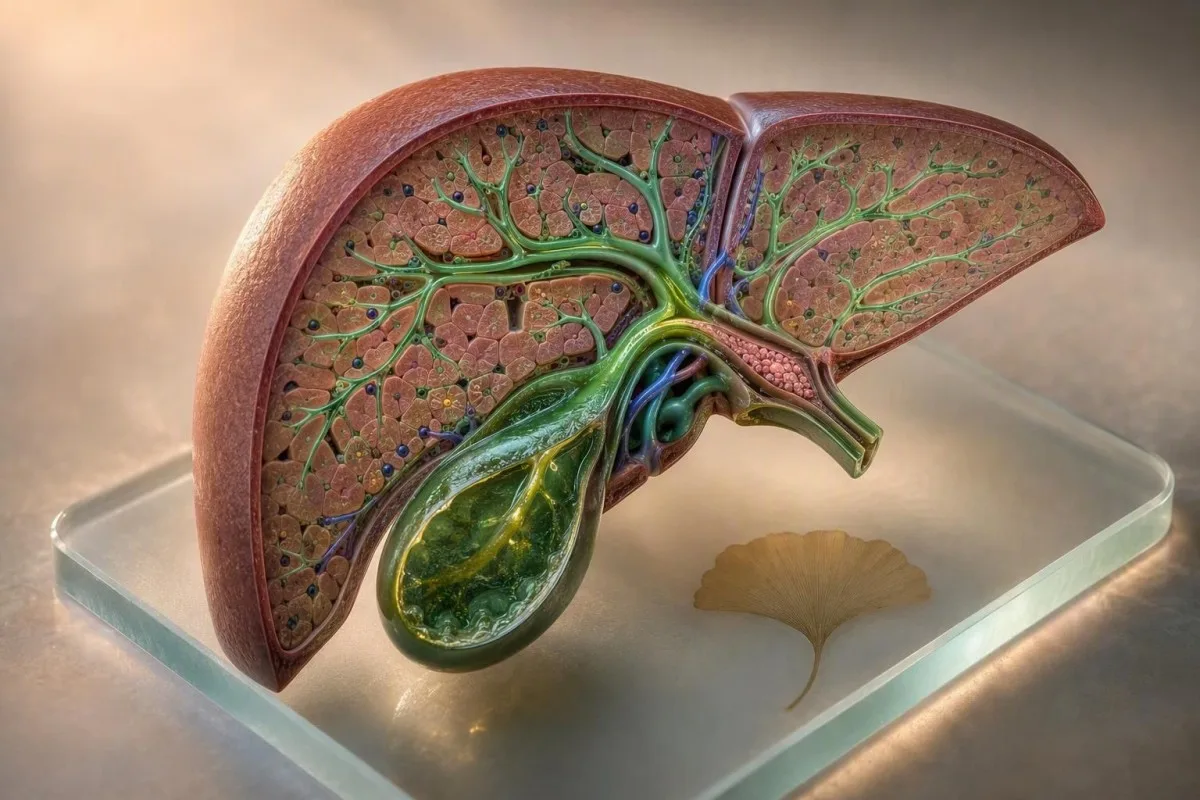
Un resultado elevado de bilirrubina directa significa que o fígado conxugou a bilirrubina pero non a pode mover normalmente á bile. O patrón do panel hepático circundante, especialmente ALP, GGT, cor da urina e síntomas, dinos se a obstrución ou a lesión das células hepáticas son máis probables.


- Bilirrubina directa adoita ser inferior a 0,3 mg/dL ou 5 µmol/L; un aumento indica que a bilirrubina conxugada está a chegar á corrente sanguínea.
- A bilirrubina na orina ocorre coa bilirrubina conxugada porque é soluble en auga; a bilirrubina indirecta normalmente non escurece a urina.
- Patrón colestático significa que a fosfatase alcalina e a GGT aumentan desproporcionadamente en comparación coa ALT e AST, apuntando a miúdo a unha alteración do fluxo biliar.
- ratio R de 2 ou inferior apoia un patrón colestásico, mentres que 5 ou superior apoia unha lesión hepatocelular.
- Combinación urxente de ictericia, febre e dor na parte superior dereita do abdome require unha avaliación o mesmo día por posible infección biliar.
- Patrón de hepatite adoita producir niveis máis altos de ALT e AST que de ALP, aínda que a hepatite grave tamén pode aumentar a bilirrubina directa.
- Heces pálidas e urina escura suxeren xuntos suxiren unha redución da chegada de bile ao intestino e merecen unha revisión clínica pronta.
- Un único valor non é un diagnóstico; os resultados previos, medicamentos, estado de xestación, exposición ao alcol e imaxes adoitan determinar o seguinte paso.
O que realmente significa un resultado elevado de bilirrubina directa
Unha bilirrubina directa alta significa que a bilirrubina conxugada se acumulou no torrente sanguíneo despois de que o fígado a procesase. O problema habitual é o transporte alterado da bile dende as células hepáticas cara aos pequenos condutos biliares ou unha obstrución máis adiante nas vías biliares; non é o patrón clásico da síndrome de Gilbert relacionada co xaxún.
Na maioría dos laboratorios para adultos, a bilirrubina directa está por debaixo de 0,3 mg/dL (5 µmol/L), aínda que o intervalo de referencia local sempre ten prioridade. Unha fracción directa superior a aproximadamente 20% da bilirrubina total trátase comúnmente como hiperbilirrubinemia conxugada, pero os clínicos preocúpanse máis polas enzimas acompañantes que por esa porcentaxe soa. Patróns de bilirrubina directa e indirecta interpréitanse por unha razón de xeito diferente.
A diferenza da bilirrubina non conxugada, a bilirrubina conxugada é soluble en auga e pode pasar á urina. É por iso que un paciente pode notar urina cor de té antes de que os ollos se vexan amarelos; unha tira de proba de urina pode detectar bilirrubina incluso cando a bilirrubina sérica total só está modestamente elevada.
A partir do 24 de agosto de 2026, enmarcaría este resultado como un problema de ruta en lugar dun diagnóstico. A regra práctica do Dr. Thomas Klein é sinxela: a bilirrubina directa máis a bilirrubina na urina significa que miramos primeiro o fluxo biliar, a lesión das células hepáticas, a exposición a medicamentos e a cronoloxía dos síntomas.
Directa fronte a indirecta non é unha escala de gravidade
Unha bilirrubina directa de 1,2 mg/dL non é automaticamente máis perigosa que unha bilirrubina indirecta de 3,0 mg/dL; cada unha apunta a un mecanismo diferente. A combinación de bilirrubina directa, fosfatase alcalina, GGT, ALT, INR e síntomas determina a urxencia.
Como a bilirrubina se converte en bilirrubina directa
O fígado converte a bilirrubina indirecta en bilirrubina directa ao engadir ácido glucurónico, e despois sécrétala na bile. Un resultado directo alto, polo tanto, indica que a conxugación ocorreu, pero a exportación posterior, o drenaxe dos condutos, ou ambos, poden estar fallando.
A vella hemoglobina dos glóbulos vermellos descompónse en bilirrubina non conxugada, que viaxa unida á albumina e non pode pasar á urina. Os hepatocitos conxúgana con ácido glucurónico a través da UGT1A1, creando un composto soluble en auga que debería fluír a través dos canalículos cara á árbore biliar.
Cando esta exportación se retarda, a bilirrubina conxugada pode refuxiar no plasma e aparecer na análise de urina. Un resultado positivo debe ser lido xunto con os achados de bilirrubina na urina, porque a vitamina C, as mostras antigas e a exposición á luz poden producir ocasionalmente resultados enganosos na tira de proba.
Kantesti é un Analizador de análises de sangue con IA que lese a bilirrubina directa xunto coa bilirrubina total, ALT, AST, ALP, GGT, albumina e resultados previos en lugar de asignar significado a un único número sinalado. Ese contexto importa cando o compoñente directo é só de 0,4 a 0,6 mg/dL por riba do rango.
Por que a bilirrubina unida á albumina se comporta de xeito diferente
A bilirrubina indirecta permanece firmemente unida á albúmina en concentracións habituais, polo que está ausente da urina. A orina escura por bilirrubina é, polo tanto, unha pista bioquímica, non só un sinal de deshidratación.
Rangos e fraccións de bilirrubina directa que usan os médicos
A bilirrubina directa é habitualmente normal por debaixo de 0,3 mg/dL, pero os laboratorios usan ensaios e puntos de corte diferentes. Un valor directo debe compararse coa bilirrubina total e co límite superior do laboratorio que informa, non cun rango xenérico de internet.
En unidades ao estilo do Reino Unido, o límite de referencia da bilirrubina total adoita ser 20 a 21 µmol/L, mentres que a bilirrubina directa adoita ser inferior a 5 µmol/L. Algúns laboratorios europeos informan dunha fracción conxugada calculada, e a variación menor preto do punto de corte pode reflectir o método máis que unha enfermidade nova.
Unha bilirrubina directa de 2,0 mg/dL cunha bilirrubina total de 2,4 mg/dL é un patrón moi diferente do dunha bilirrubina directa de 0,2 mg/dL cunha bilirrubina total de 3,0 mg/dL. O primeiro é predominantemente conxugado; o segundo é predominantemente indirecto e suxire unha avaliación distinta para hemólise, síndrome de Gilbert ou conxugación alterada.
Se os resultados son inesperados, repetir a proba é razoable cando a persoa está ben, pero non cando se está a desenvolver ictericia ou dor. As variacións súbitas pódense comprobar coa nosa guía para un delta de laboratorio significativo.
Por que a urina escura é unha pista útil para a bilirrubina conxugada
A urina escura ámbar ou cor de té pode indicar bilirrubina na urina cando a bilirrubina directa está elevada. É máis suxestivo cando persiste a pesar dunha hidratación normal e se acompaña de feces pálidas, prurito ou ollos amarelos.
A bilirrubinuria ocorre porque a bilirrubina conxugada é soluble en auga; a bilirrubina indirecta non se filtra na ouriña do mesmo xeito. Un resultado de bilirrubina na ouriña pode facerse positivo antes de que se faga visible a ictericia, que é unha pista temporal pequena pero clinicamente útil.
A deshidratación pode escurecer a ouriña sen bilirrubina, polo que só a cor non pode diagnosticar colestase. Na práctica, unha ouriña escura que segue escura despois de fluídos e con probas positivas para bilirrubina é máis significativa que unha única mostra concentrada de primeira hora da mañá; o noso guía de cor da ouriña explica outras causas comúns.
A urobilinóxeno engade matices. Unha obstrución extrahepática completa pode reducir o urobilinóxeno urinario, mentres que unha hepatite pode mostrar bilirrubinuria con urobilinóxeno normal ou aumentado, aínda que as tiras reactivas son imperfectas e non uso esa distinción en illamento.
Medicamentos e alimentos poden imitar unha ouriña escura
A nitrofurantoína, o metronidazol, a levodopa, a senna e algúns suplementos poden alterar a cor da ouriña sen bilirrubina. Unha tira reactiva e un panel hepático resolven a cuestión moito mellor que xulgar a cor baixo a iluminación do baño.
O patrón de ALP e GGT que suxire colestase
O patrón hepático colestático ocorre cando a ALP aumenta máis que a ALT e a AST, especialmente cando tamén está elevada a GGT. Esta combinación apoia unha orixe hepatobiliar para a ALP e aumenta a preocupación por obstrución, colestase relacionada con medicamentos ou enfermidade de pequeno conducto.
A ALP adoita considerarse elevada cando supera o límite superior do laboratorio, habitualmente ao redor de 120 a 130 UI/L en adultos, pero tamén procede do óso e da placenta. Unha GGT elevada, a miúdo por riba de 35 a 45 IU/L en mulleres ou 55 a 65 IU/L en homes dependendo do laboratorio, fai máis probable unha orixe hepática ou de conducto biliar.
A razón R axuda a formalizar o patrón: ALT dividida polo seu límite superior, e despois dividida por ALP dividida polo seu límite superior. Unha razón R de 2 ou menos é colestática, de 2 a 5 é mixta, e 5 ou superior é hepatocelular; esta convención úsase na avaliación da lesión hepática inducida por fármacos e é especialmente útil cando todas as encimas están alteradas.
A guía da EASL para a enfermidade hepática colestática recomenda a ecografía como primeira proba de imaxe cando se sospeita colestase, porque pode identificar dilatación ductal e cálculos biliares sen radiación (EASL, 2017). Para unha explicación bioquímica máis profunda, le o noso guía de patrón de colestase.
Cando a bilirrubina directa elevada apunta cara á obstrución
Unha bilirrubina directa alta con ALP e GGT altas adoita apuntar a un drenaxe biliar prexudicado, pero non proba unha pedra nin un conducto obstruído. As abes son comúns, mentres que as estenoses, as enfermidades pancreáticas, a inflamación das vías biliares e os efectos dos medicamentos seguen sendo causas posibles.
Unha pedra no conduto biliar común pode producir dor abdominal aguda na parte superior dereita, náuseas, ouriños escuros e un aumento da bilirrubina directa ao longo de horas ou días. A dor pode diminuír se a pedra se move, pero as probas hepáticas poden permanecer anormais durante varios días; esa falta de correspondencia pilla á xente por sorpresa.
Feces pálidas ou de cor de arxila desenvólvense cando pouca pigmentación biliar chega ao intestino, mentres que a coceira pode intensificarse cando os compoñentes biliares se acumulan na pel. Ningún síntoma confirma a localización dunha obstrución, pero xunto coa hiperbilirrubinemia directa xustifican unha avaliación rápida e normalmente unha ecografía.
A obstrución das vías biliares tamén pode afectar as encimas pancreáticas. A nova dor abdominal superior con vómitos e unha lipase elevada merece unha avaliación máis urxente que un panel hepático anormal illado; vexa a nosa guía práctica para patróns de lipase perigosos.
Como a hepatite produce un padrón de bilirrubina diferente
A hepatite adoita provocar que a ALT e a AST aumenten máis prominentemente que a ALP, coa bilirrubina directa aumentando cando o transporte hepatocitario está prexudicado. A hepatite vírica, a lesión asociada ao alcohol, a enfermidade do fígado graxo metabólico, a hepatite autoinmune e a lesión por fármacos poden producir este patrón.
Valores de ALT superiores a 1.000 IU/L non son típicos dunha obstrución ductal non complicada e fan máis probable a hepatite vírica aguda, a lesión isquémica, a toxicidade por acetaminofén ou a lesión grave por fármacos, aínda que existe solapamento. Pola contra, a enfermidade hepática crónica pode producir unha elevación substancial da bilirrubina cunha ALT inferior a 200 UI/L cando a reserva hepática está a diminuír.
A American College of Gastroenterology recomenda confirmar as alteracións das probas hepáticas e revisar os medicamentos recetados, os produtos sen receita e os suplementos antes dunha exploración ampla (Kwo et al., 2017). Na clínica, vin que as mesturas de cúrcuma, os produtos anabolizantes e os extractos de té verde concentrado importan máis do que os pacientes esperan inicialmente.
Unha AST alta non significa automaticamente hepatite; o exercicio físico intenso, as lesións musculares e o alcohol poden aumentar a AST. Lea sobre patróns de advertencia de AST alta antes de asumir que o fígado é a única fonte.
Patróns hepáticos mixtos e por que a razón R non é perfecta
Un patrón mixto significa que tanto a ALT ou AST como a ALP están elevadas significativamente, normalmente cunha relación R entre 2 e 5. Os resultados mixtos prodúcense en lesión hepática inducida por fármacos, cálculo biliar pasado, hepatite vírica, lesión hepática relacionada co alcohol e colestase relacionada coa sepsis.
A relación R é unha instantánea, non un diagnóstico final. Un paciente cuxo conduto estivo bloqueado brevemente pode mostrar inicialmente unha ALT de 600 IU/L e unha ALP só modestamente alta, e despois cambiar a un perfil colestásico 48 horas despois a medida que a bilirrubina e a ALP se poñen ao día.
O embarazo, a idade, a renovación ósea e as fracturas recentes poden aumentar a ALP independentemente do fígado. Cando a GGT é normal, os médicos deben considerar o óso como a fonte; a nosa explicación de ALP con GGT normal axuda a separar esas posibilidades.
Kantesti é un plataforma de interpretación de análise de sangue de IA que compara marcadores do mesmo día e cambios lonxitudinais, o que é especialmente útil cando unha bilirrubina directa crecente segue a un pico anterior de ALT. Aínda así, un algoritmo non pode substituír o exame, a ecografía ou a avaliación de emerxencia cando os síntomas son preocupantes.
Síntomas que fan que a bilirrubina directa elevada sexa urxente
A ictericia con febre, escalofríos intensos e dor na parte superior dereita do abdome é un patrón de emerxencia porque pode sinalar colanxite ascendente. A confusión, a presión arterial baixa, os vómitos persistentes ou a debilidade grave tamén xustifican unha avaliación de emerxencia en lugar de esperar unha proba de sangue repetida.
A tríade clásica de Charcot é febre, ictericia e dor na parte superior dereita do abdome. Non todas as persoas con colanxite presentan os tres signos, especialmente os adultos maiores, polo que a febre xunto coa ictericia debe levar a consello médico o mesmo día; a infección detrás dunha obstrución pode deteriorarse rapidamente.
Busque atención urxente para ictericia nova durante o embarazo, elevación da bilirrubina despois de comezar un medicamento potencialmente hepatotóxico, feces negras, confusión ou incapacidade para reter líquidos. Un INR superior a 1.5 con lesión hepática aguda é particularmente preocupante porque pode indicar unha redución da función sintética hepática.
Unha presentación menos dramática aínda pode necesitar unha revisión rápida: prurito con feces pálidas e urina escura durante 24 a 48 horas é suficiente para contactar cun profesional da saúde. A nosa guía sobre cando a bilirrubina precisa atención enumera os sinais de alerta en linguaxe sinxela.
Probas que os clínicos adoitan pedir despois de que aumente a bilirrubina conxugada
O primeiro seguimento adoita incluír un panel hepático repetido, INR, albúmina, hemograma completo e ecografía abdominal. As probas elixidas dependen de se o perfil é colestático, hepatocelular ou mixto, e de se os síntomas comezaron de súpeto.
A ecografía avalía cálculos biliares, cambios na vesícula biliar e dilatación das vías biliares máis grandes; un escáner normal non exclúe pequenas pedras ou colestase intrahepática. A CPREm, a ecografía endoscópica ou a CPRE poden seguir cando a sospeita segue sendo alta, reservándose a CPRE en xeral cando se poida necesitar tratamento.
A seroloxía da hepatite vírica, marcadores autoinmunes, ferritina, saturación de transferrina e revisión de medicamentos selecciónanse segundo o contexto en lugar de ordenarse indiscriminadamente. Un resumo do panel hepático completo axuda aos pacientes a ver por que a bilirrubina por si soa non pode resolver a causa.
O Dr. Thomas Klein recomenda fotografar as etiquetas dos medicamentos e os suplementos antes da cita. Doses exactas, datas de inicio e de fin a miúdo revelan un patrón que a memoria esquece, particularmente cando un produto novo comezou dentro do 5 a 90 días.
Medicamentos e suplementos que poden aumentar a bilirrubina directa
anterior. Os medicamentos poden causar un aumento da bilirrubina conxugada a través de colestase, lesión hepatocelular ou ambas. A pista relevante adoita ser o momento: os síntomas ou as probas anormais poden aparecer días ou varios meses despois de comezar un medicamento.
A amoxicilina-clavulanato é unha causa ben recoñecida de lesión hepática colestática tardía, que ás veces aparece despois de rematar o curso do antibiótico. Os esteroides anabolizantes-andróxenos, a clorpromacina, a azatioprina, algúns antifúngicos e certos produtos herbarios tamén poden prexudicar o fluxo biliar, aínda que o risco individual é difícil de predecir.
Non suspenda un medicamento esencial prescrito sen falar co prescriptor, a menos que os profesionais de urxencias aconsellen o contrario. A sobredose de paracetamol é diferente: require acción urxente e pode causar elevacións marcadas de aminotransferases, a miúdo por riba de 1.000 IU/L, antes de que a bilirrubina alcance o seu pico.
Os produtos vendidos como desintoxicación ou soporte hepático non son automaticamente benignos. A nosa revisión de suplementos que afectan o fígado abrangue categorías comúns de produtos que merecen ser declaradas.
Alcohol e fígado graxo: contexto útil, non respostas automáticas
O consumo de alcohol e a enfermidade do fígado graxo metabólico poden aumentar o GGT, ALT, AST e, ás veces, a bilirrubina directa, pero non deben usarse para explicar a ictericia. Un novo aumento da bilirrubina conxugada aínda necesita avaliación de obstrución, hepatite e lesión por medicamentos.
A hepatite asociada ao alcohol adoita ter AST máis alta que ALT, comunmente cunha relación AST:ALT superior a 2, pero esta relación non é nin o suficientemente sensible nin específica para diagnosticala soa. Unha moi alta bilirrubina, un INR en aumento, inchazo abdominal ou confusión sinalan unha posible enfermidade grave e deben ser avaliados urxentemente.
A hepatopatía graxa metabólica causa con máis frecuencia elevacións leves predominantes de ALT e pode ter bilirrubina normal ata unha enfermidade avanzada ou outro proceso que se desenvolva. A perda de peso pode cambiar transitoriamente a ALT, pero non debe causar feces pálidas persistentes ou urina positiva para bilirrubina; ver encimas hepáticas despois da perda de peso.
Na miña experiencia, a xente a miúdo se alivia cando un GGT moderado normalízase despois de reducir a inxesta de alcohol, pero iso non fai que unha bilirrubina de 3 mg/dL sexa segura para observar na casa. Os patróns poden coexistir, que é precisamente por iso que a historia e as imaxes son importantes.
Embarazo, idade avanzada e outras situacións especiais
O embarazo, a idade e a enfermidade subxacente alteran a urxencia e o diagnóstico diferencial da bilirrubina directa elevada. A nova coceira sen erupción cutánea no último embarazo require consello de maternidade o mesmo día porque a colestase intrahepática do embarazo pode aumentar os ácidos biliares antes de que a bilirrubina aumente substancialmente.
No embarazo, os ácidos biliares séricos son xeralmente máis sensibles que a bilirrubina para a colestase intrahepática, e os equipos de obstetricia usan probas repetidas porque os valores poden fluctuar. A xaqueta, a dor abdominal ou a febre non se asumen como relacionadas co embarazo e requiren unha avaliación inmediata.
Os adultos maiores poden ter xaqueta indolora, perda de apetito ou confusión en lugar da clásica dor cólica por obstrución. Un aumento da bilirrubina con perda de peso involuntaria, diabetes nova ou xaqueta indolora require imaxes urxentes dirixidas por un médico; esperar a unha revisión rutinaria non é apropiado.
Os nenos e os recentemente nacidos seguen regras de bilirrubina diferentes, particularmente nas primeiras semanas de vida. Bilirrubina conxugada persistente superior a 1 mg/dL nun lactante considérase anormal e require avaliación pediátrica, non tranquilidade sobre a xaqueta común do recentemente nado.
Como seguir a bilirrubina directa de forma segura ao longo do tempo
Unha bilirrubina directa en diminución adoita apoiar a recuperación, pero a tendencia debe interpretarse co ALP, ALT, INR e os síntomas. A bilirrubina pode atrasarse na melloría clínica durante días ou semanas despois dunha obstrución transitoria ou un episodio de hepatite.
Anota a data, o estado de xaxún, a inxesta de alcohol, os novos medicamentos, a enfermidade, os síntomas abdominais e se a cor da urina ou das feces cambiou. Unha diferenza de 0.1 mg/dL preto do límite de referencia pode ser unha variación analítica, mentres que un aumento de 0,4 a 2,1 mg/dL ao longo dunha semana é clinicamente significativo.
Kantesti é un Ferramenta de análise de probas de sangue impulsada por IA que pode organizar as tendencias de bilirrubina e enzimas hepáticas a partir de informes cargados, axudando aos usuarios a preparar preguntas enfocadas para o seu médico. A nosa 3-10 mEq/L sen potasio; 8-16 mEq/L con potasio explica por que a pendente e o momento adoitan importar máis que unha soa sinal illada.
O proceso de revisión médica de Kantesti está informado polos médicos listados na nosa Consello Asesor Médico, pero os síntomas urxentes deben dirixirse aos servizos de emerxencia locais ou a un médico en persoa. Ningún servizo de interpretación de informes pode determinar se un conduto bloqueado necesita drenaxe.
Un plan práctico de próximos pasos para a bilirrubina directa elevada
A bilirrubina directa alta debería desencadear unha revisión médica na mesma semana se estás ben doutro xeito, e unha avaliación o mesmo día se hai xaqueta, febre, dor, vómitos ou confusión. Non intentes unha limpeza hepática, xaxún agresivo nin automedicar unha obstrución sospeitada.
Traia o informe de laboratorio completo, non só a bilirrubina. O médico necesita bilirrubina total e directa, ALP, GGT, ALT, AST, albúmina, INR cando estea dispoñible e resultados previos; compare isto co noso guía completa de patrones.
Evite el alcohol hasta que la causa sea clara, mantenga una hidratación normal y no supere la dosis indicada de productos que contengan paracetamol. No hay evidencia de que el zumo limpie los conductos biliares abiertos, y el ayuno puede empeorar las elevaciones de bilirrubina indirecta no relacionadas, lo que dificulta la lectura del cuadro.
Si el resultado fue inesperado y no tiene síntomas, pregunte si una repetición de las pruebas de función hepática dentro de 48 a 72 horas y una ecografía son apropiadas para su patrón. Kantesti’s enfoque de validación clínica explica por qué el contexto clínico y el triaje de seguridad se incorporan a la interpretación en lugar de depender de una única señal de rango de referencia.
Preguntas frecuentes
Que significa ter a bilirrubina directa elevada se a miña bilirrubina total é normal?
Unha bilirrubina directa elevada con bilirrubina total normal ou case normal pode ser un signo temperán de alteración do transporte biliar, colestase leve, efecto dun medicamento ou variación analítica. Moitos laboratorios utilizan un límite superior para a bilirrubina directa de 0,3 mg/dL ou 5 µmol/L, polo que un resultado de 0,4 mg/dL debe interpretarse xunto coa ALP, a GGT, a ALT e os valores previos. Se a bilirrubina urinaria é positiva, a bilirrubina conxugada está realmente circulando e é máis útil facer un seguimento que asumir a presenza da síndrome de Gilbert. A aparición de ictericia, feces pálidas, febre ou dor abdominal transforma isto dun seguimento rutineiro nunha avaliación no mesmo día.
Pode a deshidratación causar bilirrubina directa elevada?
A deshidratación pode concentrar lixeiramente a bilirrubina total, pero con máis frecuencia aumenta a fracción indirecta que a directa. A deshidratación tamén pode facer que a urina pareza escura sen que haxa bilirrubina presente, polo que resulta útil unha tira reactiva de urina. Non se debe atribuír á deshidratación unha bilirrubina directa superior a 1,0 mg/dL ou 17 µmol/L sen revisar as encimas hepáticas e os síntomas. A persistencia de urina escura tras unha hidratación normal require valoración médica, especialmente se a proba de urina detecta bilirrubina.
Unha bilirrubina directa elevada sempre significa que hai unha obstrución do conduto biliar?
A bilirrubina directa elevada non sempre significa que haxa unha obstrución do conduto biliar. A obstrución é máis probable cando a ALP e a GGT están elevadas, as feces se volven pálidas, a ouriña se escurece ou a ecografía mostra dilatación dos condutos; a hepatite e a colestase relacionada con medicamentos poden producir o mesmo patrón de bilirrubina sen que haxa un cálculo. Unha relación R de 2 ou inferior apoia a colestase, mentres que unha relación R de 5 ou superior apoia a lesión hepatocelular. Normalmente son necesarias probas de imaxe e a historia clínica para distinguir estas causas con fiabilidade.
Que probas hepáticas son altas coa obstrución das vías biliares?
A obstrución do conduto biliar adoita elevar a fosfatase alcalina e a GGT de forma desproporcionada en comparación co ALT e a AST, e a bilirrubina directa pode aumentar a medida que o drenaxe empeora. Os límites superiores da FA en adultos adoitan estar entre 120 e 130 UI/L, mentres que os límites superiores da GGT varían segundo o sexo e o laboratorio, a miúdo entre 35 e 65 UI/L. A ALT pode aumentar brevemente ata centos despois dunha pedra biliar que pasa, polo que unha mostra temperá pode parecer hepatocelular antes de que xurda o padrón colestásico. A ecografía é comunmente a primeira proba de imaxe cando se sospeita unha obstrución.
Cando debo acudir á urxencia por bilirrubina directa alta?
Acuda ao servizo de urxencias ou busque unha avaliación de urxencia se presenta bilirrubina directa elevada con febre, tremores, ictericia, dor na parte superior dereita do abdome, confusión, debilidade, vómitos persistentes ou tensión arterial baixa. Esta combinación pode indicar colanxite, unha infección potencialmente grave por riba dun conduto biliar obstruído. A hepatopatía aguda cun INR superior a 1,5, confusión nova ou ictericia de rápida aparición tamén require avaliación urxente. Unha persoa asintomática cunha elevación leve illada pode contactar cun médico con prontitude, pero non debe esperar se desenvolve síntomas.
Pode a hepatite causar bilirrubina na urina?
A hepatite pode causar bilirrubina na urina cando a lesión hepatocelular reduce a capacidade do fígado para exportar a bilirrubina conxugada á bile. Neste contexto, a ALT e a AST adoitan ser máis altas en relación coa ALP, e os valores de ALT superiores a 1.000 UI/L suxiren unha lesión aguda grave como hepatite vírica, tóxica ou isquémica. A bilirrubina na urina non identifica a causa exacta por si soa, xa que a obstrución pode producir o mesmo achado. O cronograma da medicación, as probas de hepatite, a función sintética do fígado e a imaxe guían o seguinte paso.
Teño que estar en xaxún antes de repetir unha análise de sangue da bilirrubina directa?
Polo xeral, non é necesario estar en xaxún para unha análise de bilirrubina por si soa, pero outras análises solicitadas ao mesmo tempo poden requirilo. Siga as instrucións do seu laboratorio e non deixe de tomar os medicamentos prescritos a menos que llo indique o seu profesional sanitario.
Obtén hoxe unha análise de sangue con IA
Únete a máis de 2 millóns de usuarios en todo o mundo que confían en Kantesti para obter unha análise instantánea e precisa das análises de laboratorio. Carga os teus resultados de análise de sangue e recibe unha interpretación completa de biomarcadores de 15,000+ en segundos.
📚 Publicacións de investigación citadas
Klein, T., Mitchell, S., & Weber, H. (2026). Kantesti LTD. (2026). Analizador de análises de sangue AI: 2,5 millóns de probas analizadas | Informe de saúde global 2026. Zenodo. https://doi.org/10.5281/zenodo.18175532. Kantesti Investigación médica con IA.
Klein, T., Mitchell, S., & Weber, H. (2026). Kantesti LTD. (2026). Análise de sangue RDW: guía completa sobre RDW-CV, MCV e MCHC. Zenodo. https://doi.org/10.5281/zenodo.18202598. Kantesti Investigación médica con IA.
📖 Referencias médicas externas
⚕️ Aviso médico
Este artigo é só para fins educativos e non constitúe asesoramento médico. Consulta sempre un/ha profesional sanitario/a cualificado/a para decisións de diagnóstico e tratamento.
Sinais de confianza E-E-A-T
Experiencia
Revisión clínica dirixida por un médico dos fluxos de interpretación de análises.
Experiencia
Foco en medicina de laboratorio sobre como se comportan os biomarcadores no contexto clínico.
Autoridade
Escrito polo Dr. Thomas Klein, con revisión da Dra. Sarah Mitchell e do Prof. Dr. Hans Weber.
Fiabilidade
Interpretación baseada en evidencias con vías de seguimento claras para reducir a alarma.