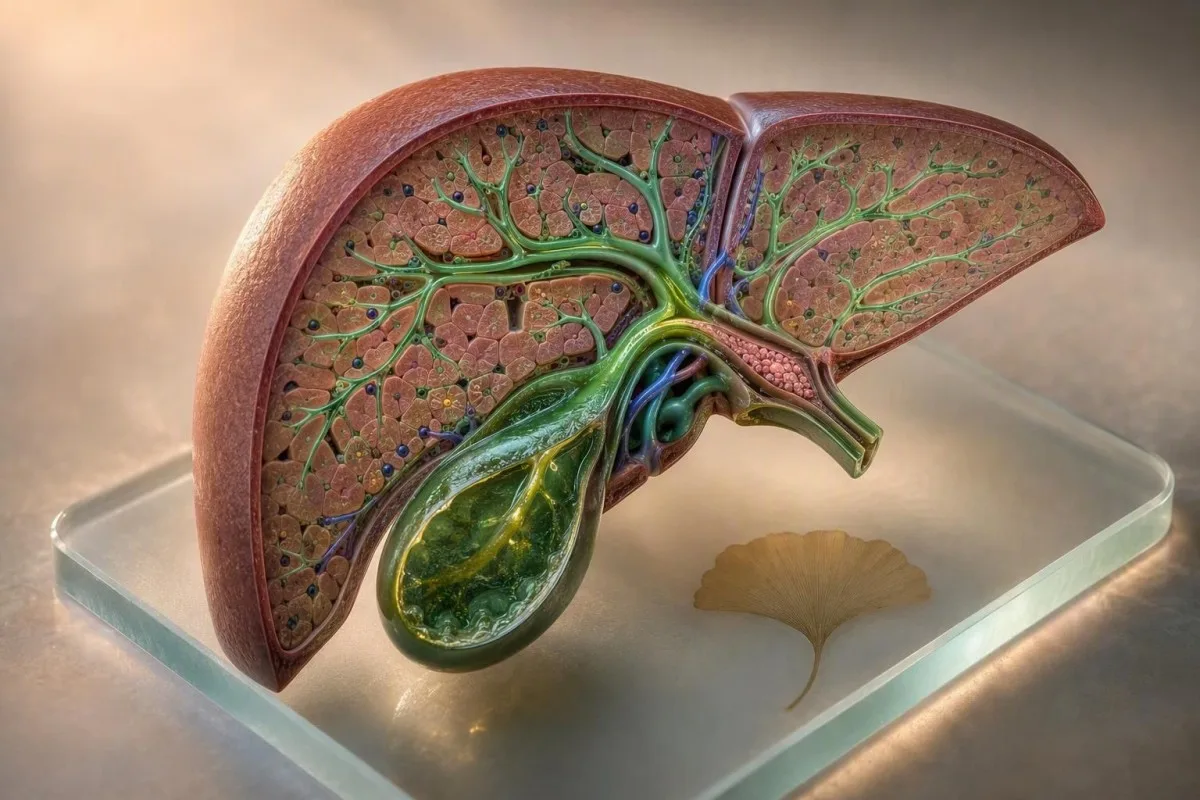
A magas direkt bilirubin érték azt jelenti, hogy a máj konjugálta a bilirubint, de nem tudja azt normálisan az epébe juttatni. A májprofil többi része, különösen az ALP, GGT, a vizelet színe és a tünetek alapján meg tudjuk állapítani, hogy inkább epeúti elzáródás vagy májsejt-károsodás valószínűbb.


- Direkt bilirubin általában 0,3 mg/dl vagy 5 µmol/l alatt van; emelkedése arra utal, hogy a konjugált bilirubin a véráramba jut.
- A vizeletben lévő bilirubin a konjugált bilirubinnál fordul elő, mert vízben oldódik; a közvetett bilirubin normálisan nem sötétíti el a vizeletet.
- Kolesztatikus mintázat azt jelenti, hogy az alkalikus foszfatáz és a GGT emelkedése aránytalanul nagyobb az ALT és AST-hoz képest, ami gyakran az epeáramlás zavarára utal.
- R arányt 2 vagy kisebb a kolestatikus mintázatot támasztja alá, míg 5 vagy nagyobb a hepatocellularis sérülést.
- Sürgős kombináció sárgaság, láz és jobb felső hasi fájdalom esetén epeúti fertőzés gyanúja miatt azonnali értékelésre van szükség.
- Hepatitis mintázat általában magasabb ALT és AST értéket produkál, mint ALP, bár súlyos hepatitis is emelheti a direkt bilirubint.
- Fakó széklet és sötét vizelet együttesen csökkent epetermelést jelentenek a belekbe, és azonnali klinikai kivizsgálást igényelnek.
- Egyetlen érték nem diagnózis; korábbi eredmények, gyógyszerek, terhességi státusz, alkoholfogyasztás és képalkotó vizsgálatok gyakran meghatározzák a következő lépést.
Mit jelent valójában a magas direkt bilirubin érték
A magas direkt bilirubin azt jelenti, hogy a konjugált bilirubin felhalmozódott a véráramban, miután a máj feldolgozta azt. A szokásos probléma az epe kiválasztódásának károsodása a májsejtekből a kis epevezetékekbe, vagy elzáródás az epevezetékeken tovább; ez nem az éhezéshez kapcsolódó Gilbert-szindróma klasszikus mintázata.
A legtöbb felnőtt laboratóriumában a direkt bilirubin < 0,3 mg/dl (5 µmol/l), bár a helyi referenciatartomány mindig felülírja. Körülbelül a direkt frakció feletti érték 20% a teljes bilirubinból általában konjugált hiperbilirubinémiának tekinthető, de a klinikusok jobban törődnek a kísérő enzimekkel, mint magával a százalékkal. Direkt és indirekt bilirubin mintázatok megértése eltérő okból szükséges.
Az indirekt bilirubintól eltérően a konjugált bilirubin vízben oldódik, és bejuthat a vizeletbe. Ezért észlelhet a beteg teaszínű vizeletet, mielőtt a szeme besárgul; egy vizelet tesztcsík kimutathatja a bilirubint, még akkor is, ha a teljes szérum bilirubin csak mérsékelten emelkedett.
2026. augusztus 24-től ezt az eredményt inkább útvonal problémaként, mint diagnózisként fogalmaznám meg. Dr. Thomas Klein gyakorlati szabálya egyszerű: direkt bilirubin plusz vizelet bilirubin azt jelenti, hogy először az epeáramlást, a májsejtek sérülését, a gyógyszerterhelést és a tünetek időbeli lefolyását vizsgáljuk.
A direkt és az indirekt nem a súlyosság skálája
Az 1,2 mg/dl-es direkt bilirubin nem automatikusan veszélyesebb, mint a 3,0 mg/dl-es indirekt bilirubin; mindegyik más mechanizmusra utal. A direkt bilirubin, az alkalikus foszfatáz, a GGT, az ALT, az INR és a tünetek kombinációja határozza meg az urgenciát.
Hogyan lesz a bilirubinból direkt bilirubin
A máj az indirekt bilirubint direkt bilirubinná alakítja glükuronsav hozzáadásával, majd kiválasztja az epébe. A magas direkt eredmény tehát azt jelzi, hogy a konjugáció megtörtént, de a kivezetés, az epevezeték vízelvezetése, vagy mindkettő meghibásodhat.
Az elhalt vörösvértestekből származó hem indirekt bilirubinná bomlik le, amely albuminhoz kötődve utazik, és nem juthat a vizeletbe. A hepatociták a UGT1A1 enzimen keresztül konjugálják glükuronsavval, így vízben oldódó vegyületet hoznak létre, amelynek az epetartó rendszerbe kellene áramlania a kanikulikon keresztül.
Amikor ez az export lelassul, a konjugált bilirubin visszarefluxálhat a plazmába és megjelenhet a vizeletvizsgálatban. A pozitív eredményt a következővel együtt kell értékelni: vizelet bilirubin leletek, mert a C-vitamin, az elavult minták és a fényhatás néha félrevezető tesztcsík eredményeket okozhatnak.
Kantesti egy AI vérvizsgálati analizátor amely a direkt bilirubint a teljes bilirubin, ALT, AST, ALP, GGT, albumin és korábbi eredmények mellett értékeli, ahelyett, hogy egyetlen kiemelt számot értékelne. Ez a kontextus számít, amikor a direkt komponens csak 0,4-0,6 mg/dl-lel haladja meg a tartományt.
Miért viselkedik másképp az albuminhoz kötött bilirubin
A közvetlen bilirubintartalom közönséges koncentrációban szorosan kötődik az albuminhoz, így a vizeletben nem található meg. A sötét vizelet ezért a bilirubin biokémiai jelzése, nem csupán a kiszáradás jele.
A direkt bilirubin tartományok és frakciók, amelyeket az orvosok használnak
A direkt bilirubin általában 0,3 mg/dL alatt normális, de a laboratóriumok eltérő vizsgálatokat és küszöbértékeket használnak. A direkt értéket össze kell hasonlítani a teljes bilirubinszinttel és a vizsgáló laboratórium felső határértékével, nem egy általános internetes tartománnyal.
Egyesült Királyságbeli egységekben a teljes bilirubin referenciahatára gyakran 20–21 µmol/L, míg a direkt bilirubin gyakran alatta van 5 µmol/L. Egyes európai laboratóriumok számított konjugált frakciót jelentenek, és a küszöbérték körüli kisebb eltérések az új betegség helyett a módszert tükrözhetik.
A direkt bilirubin 0,82 mmol/L és a teljes bilirubin 2,4 mg/dL mellett egészen más mintázatot ad, mint a 0,2 mg/dL direkt bilirubin és 3,0 mg/dL teljes bilirubin. Az első elsősorban konjugált; a második elsősorban nem konjugált, és más kivizsgálást igényel hemolízis, Gilbert-szindróma vagy impaired conjugation esetén.
Ha az eredmények váratlanok, érdemes megismételni a vizsgálatot, amikor a személy jól van, de nem akkor, amikor sárgaság vagy fájdalom alakul ki. A hirtelen változásokat ellenőrizheti a útmutatónk alapján egy értelmezhető laboratóriumi delta.
Miért hasznos jelző a sötét vizelet a konjugált bilirubin esetében
A sötét borostyán vagy tea színű vizelet a bilirubin jelenlétét jelezheti a vizeletben, ha a direkt bilirubin emelkedett. Ez inkább arra utal, ha normál hidratáció ellenére is fennáll, és halványszéklet, viszketés vagy sárga szem kíséri.
A bilirubinuria azért fordul elő, mert a konjugált bilirubin vízben oldódik; az indirekt bilirubin nem szűrődik be a vizeletbe ugyanúgy. A vizelet bilirubin értéke pozitívvá válhat a látható sárgaság előtt, ami egy kis, de klinikailag hasznos időzítési jel.
A kiszáradás a bilirubin nélkül is sötétebbé teheti a vizeletet, így a szín önmagában nem diagnosztizálhatja az epepangást. A gyakorlatban a folyadékbevitel után sötét maradó és bilirubint kimutató sötét vizelet többet jelent, mint egyetlen korai reggeli koncentrált minta; vizeletszín-útmutatónk a többi gyakori okot magyarázza el.
Az urobilinogén árnyaltságot ad. A teljes extrahepatikus elzáródás csökkentheti a vizelet urobilinogén tartalmát, míg a hepatitis bilirubinuriát mutathat normál vagy emelkedett urobilinogénnel, bár a tesztcsíkok tökéletlenek, és én nem használom ezt a különbséget önmagában.
Gyógyszerek és élelmiszerek imitálhatják a sötét vizeletet
A nitrofurantoin, metronidazol, levodopa, szennna és egyes étrend-kiegészítők megváltoztathatják a vizelet színét bilirubin nélkül. Egy tesztcsík és egy májpanel sokkal jobban eldönti a kérdést, mint a fürdőszobai világításban a szín megítélése.
Az ALP és GGT olyan mintázata, amely epepangásra utal
Kolestatikus májmintázat akkor alakul ki, amikor az ALP emelkedése nagyobb, mint az ALT és AST emelkedése, különösen, ha a GGT is emelkedett. Ez a kombináció az ALP máj- vagy epeeredetét támasztja alá, és aggodalomra ad okot elzáródás, gyógyszer okozta epepangás vagy kis epeúti betegség esetén.
Az ALP-t gyakran emelkedettnek tekintik, ha meghaladja a laboratóriumi felső határértéket, ami általában körülbelül 120–130 IU/L felnőtteknél, de csontból és placentából is származik. Az emelkedett GGT, gyakran 35-45 NE/L felett nőknél vagy 55-65 NE/L felett férfiaknál a laboratóriumtól függően, valószínűbbé teszi a máj- vagy epeúti eredetet.
Az R-arány segít formalizálni a mintázatot: Az ALT-t elosztjuk a felső határával, majd elosztjuk az ALP-t a felső határával. Az R-arány 2 vagy alacsonyabb kolestatikus, 2 és 5 között vegyes, és 5 vagy magasabb hepatocelluláris; ezt a konvenciót a gyógyszer okozta májkárosodás értékelésében használják, és különösen hasznos, ha minden enzim abnormális.
Az EASL kolestatikus májbetegségre vonatkozó irányelve ultrahangot javasol első képalkotó vizsgálatként, amikor epepangás gyanúja merül fel, mivel az sugárzás nélkül azonosíthatja az epevezeték-tágulatot és az epeköveket (EASL, 2017). A mélyebb biokémiai magyarázatért olvassa el kolesztázis mintázat útmutatónk.
Mikor utal a magas direkt bilirubin elzáródásra
A magas direkt bilirubin magas ALP-vel és GGT-vel gyakran a károsodott epeműködésre utal, de nem bizonyítja az követ vagy az elzáródott vezetéket. Epekövek gyakoriak, míg a szűkületek, hasnyálmirigy-betegség, epeúti gyulladás és gyógyszerhatások lehetséges okok maradnak.
A közös epevezetékben lévő kő hirtelen jobb felső-hasi fájdalmat, hányingert, sötét vizeletet és direkt bilirubin emelkedést okozhat órákon át napokig. A fájdalom enyhülhet, ha a kő elmozdul, de a májfunkciók még napokig abnormalisak maradhatnak; ez a különbség meglepi az embereket.
Halvány vagy agyagszínű széklet akkor alakul ki, ha kevés epigment jut a bélbe, míg a viszketés intenzívvé válhat, amikor az epesavak a bőrben felhalmozódnak. Egyik tünet sem erősíti meg az elzáródás helyét, de a direkt hiperbilirubinémia mellett sürgős kivizsgálást és általában ultrahangot indokolnak.
Az epeúti elzáródás a hasnyálmirigy-enzimeket is befolyásolhatja. Új felső-hasi fájdalom hányással és megemelkedett lipáz szinttel sürgősebb kivizsgálást igényel, mint egy izolált abnormalitás a májpanellben; lásd gyakorlati útmutatónkat a veszélyes lipáz mintázatokról.
Hogyan okoz a hepatitis más bilirubin mintázatot
A hepatitis általában az ALT és AST emelkedését okozza jobban, mint az ALP, a direkt bilirubin emelkedésével, amikor a hepatocita transzport károsodik. Vírusos hepatitis, alkoholhoz társuló sérülés, metabolikus zsírmájbetegség, autoimmun hepatitis és gyógyszeres sérülés mind okozhatja ezt a mintázatot.
Az ALT értékek, amelyek meghaladják a vagy rhabdomyolysis esetén a felső határérték ötszöröse felett a 2016-os Critical Care szisztematikus áttekintésben a gyakori klinikai alkalmazást. A szám nem varázslat; a CK nem jellemzőek az szövődménymentes epeúti elzáródásra, és valószínűbbé teszik az akut vírusos hepatitis, iszkémiás sérülés, acetaminofen toxicitás vagy súlyos gyógyszeres sérülés lehetőségét, bár átfedés létezik. Ezzel szemben a krónikus májbetegség jelentős bilirubinszint emelkedést okozhat, alacsonyabb, mint 200 IU/L ALT értékkel, amikor a máj tartalékai csökkennek.
Az American College of Gastroenterology azt javasolja, hogy széleskörű kivizsgálás előtt (Kwo et al., 2017) erősítsék meg az abnormalitásokat a máj laboratóriumi eredményeiben, és vizsgálják át az előírt gyógyszereket, vény nélkül kapható termékeket és étrend-kiegészítőket. A klinikán láttam, hogy a kurkuma keverékek, anabolikus termékek és koncentrált zöld tea kivonatok fontosabbak voltak, mint azt a betegek kezdetben várták.
Magas AST érték nem feltétlenül jelent hepatitiszt; megerőltető testmozgás, izomsérülés és alkohol emelheti az AST szintet. Olvassa el a magas AST figyelmeztető mintázatokról mielőtt azt feltételezné, hogy csak a máj az oka.
Kevert máj mintázatok és miért nem tökéletes az R-arány
A vegyes mintázat azt jelenti, hogy mind az ALT vagy AST, mind az ALP jelentősen emelkedett, általában 2 és 5 közötti R-aránnyal. Vegyes eredmények fordulnak elő gyógyszer okozta májkárosodásban, átmenő epekövekben, vírusos hepatitisben, alkoholhoz köthető májkárosodásban és szepszishez társuló kolesztázisban.
Az R-arány egy pillanatkép, nem végleges diagnózis. Egy olyan betegnél, akinek az epevezetékét röviden elzárta egy kő, kezdetben 600 IU/L ALT és csak mérsékelten magas ALP szint mutatható ki, majd 48 órával később kolesztatikus profillá válthat, ahogy a bilirubin és az ALP utoléri.
Terhesség, életkor, csontforgalom és friss törés növelheti az ALP szintet a májtól függetlenül. Ha a GGT normális, az orvosoknak a csontot kell forrásként megfontolniuk; magyarázatunk a ALP normál GGT-vel segít elválasztani ezeket a lehetőségeket.
Kantesti egy AI vérvizsgálat-értelmező platform amely összehasonlítja az azonos napon mért markereket és a hosszanti változásokat, ami különösen hasznos, ha egy emelkedő direkt bilirubin követ egy korábbi ALT tüskét. Ennek ellenére egy algoritmus nem helyettesítheti a vizsgálatot, az ultrahangot vagy a sürgősségi értékelést, ha a tünetek aggasztóak.
Tünetek, amelyek sürgőssé teszik a magas direkt bilirubint
Sárgaság lázzal, hidegrázással és jobb felső-hasi fájdalommal sürgősségi mintázat, mert felszálló cholangitist jelezhet. A zavartság, alacsony vérnyomás, tartós hányás vagy súlyos gyengeség szintén sürgősségi kivizsgálást igényel a megismételt vérvizsgálatra való várakozás helyett.
A klasszikus Charcot triász: láz, sárgaság és jobb felső-hasi fájdalom. Nem minden epevezeték-gyulladásban szenvedő betegnek van mindhárom jele, különösen az idősebb felnőtteknél, ezért a láz és a sárgaság önmagában is aznapi orvosi tanácsot kell, hogy adjon; az elzáródás mögötti fertőzés gyorsan súlyosbodhat.
Keresse fel sürgősségi ellátást új sárgaság esetén terhesség alatt, bilirubin emelkedés esetén egy potenciálisan májkárosító gyógyszer elkezdése után, fekete széklet, zavartság vagy folyadékbevitel képtelensége esetén. A 3 fölötti INR 1.5 akut májkárosodás esetén különösen aggasztó, mert csökkent máj szintézis funkciót jelezhet.
Egy kevésbé drámai megjelenés is sürgős felülvizsgálatot igényelhet: viszketés sápadt széklettel és sötét vizelettel több mint 24–48 órán át elegendő a kapcsolattartáshoz. Útmutatónk a arról, mikor van szükség figyelemre a bilirubin esetében felsorolja a vészjelzőket közérthető nyelven.
Milyen vizsgálatokat rendelnek gyakran a konjugált bilirubin emelkedése után
Az első utánkövetés általában egy ismételt májpanelt, INR-t, albumint, teljes vérképet és hasi ultrahangot foglal magában. A választott vizsgálatok attól függenek, hogy az eltérés epepangásos, májsejtes vagy kevert-e, és hogy a tünetek hirtelen kezdődtek-e.
Az ultrahang epeköveket, epehólyag-elváltozásokat és a nagyobb epevezetékek tágulatát értékeli ki; normál lelet nem zárja ki a kis köveket vagy az intrahepatikus epepangást. MRCP, endoszkópos ultrahang vagy ERCP következhet, ha a gyanú magas marad, az ERCP-t általában akkor tartják fenn, amikor kezelésre lehet szükség.
Vírusos hepatitis szerológia, autoimmun markerek, ferritin, transzferrin szaturáció és gyógyszeres felülvizsgálat kontextus szerint kerül kiválasztásra, nem pedig indokolatlanul rendelve. Egy teljes májpanel áttekintése segít a betegeknek megérteni, miért nem tudja a bilirubin önmagában megállapítani az okot.
Dr. Thomas Klein azt javasolja, hogy az időpont előtt fényképezze le a gyógyszerek és étrend-kiegészítők címkéjét. Az exact dózisok, kezdő- és befejező dátumok gyakran olyan mintázatot tárnak fel, amelyet az emlékezet kihagy, különösen, ha egy új termék az azt megelőző megmutathatja, hogy a bilirubin vagy az enzimek már korábban felfelé tendáltak-e..
Gyógyszerek és étrend-kiegészítők, amelyek emelhetik a direkt bilirubint
során kezdődött. A gyógyszerek epepangáson, májsejtes károsodáson vagy mindkettőn keresztül emelkedett konjugált bilirubint okozhatnak.
Az amoxicillin-klavulánsav a késleltetett epepangásos májkárosodás jól ismert oka, amely néha az antibiotikum kúra befejezése után jelentkezik. Anabolikus-androgén szteroidok, klórpromazin, azathioprin, egyes gombaellenes szerek és bizonyos gyógynövény-készítmények is ronthatják az epeáramlást, bár az egyéni kockázat nehezen becsülhető.
Ne hagyja abba az alapvető, felírt gyógyszert az orvossal való konzultáció nélkül, kivéve, ha sürgősségi orvosok másként tanácsolják. Az acetaminofen túladagolása más: sürgős beavatkozást igényel, és feltűnő transzamináz emelkedést okozhat, gyakran a 3 fölött, vagy rhabdomyolysis esetén a felső határérték ötszöröse felett a 2016-os Critical Care szisztematikus áttekintésben a gyakori klinikai alkalmazást. A szám nem varázslat; a CK, mielőtt a bilirubin szintje emelkedik.
A méregtelenítésre vagy májtámogatásra árusított termékek nem automatikusan veszélytelenek. Áttekintésünk a májat befolyásoló étrend-kiegészítőkről lefedi a gyakori termékkategóriákat, amelyek figyelembe vételt érdemelnek.
Alkohol és zsírmáj: hasznos kontextus, nem automatikus válaszok
Az alkoholfogyasztás és a metabolikus zsírmájbetegség növelheti a GGT, ALT, AST és néha a direkt bilirubint, de nem szabad magyarázatként felhasználni a sárgaságra. Az emelkedett konjugált bilirubin-szintet elzáródás, hepatitis és gyógyszer okozta károsodás szempontjából felül kell vizsgálni.
Az alkoholhoz társult hepatitisban gyakran magasabb az AST, mint az ALT, általában AST:ALT aránnyal, amely meghaladja a 2, de ez az arány önmagában nem elég érzékeny vagy specifikus a diagnózishoz. Nagyon magas bilirubinszint, emelkedő INR, hasi puffadás vagy zavartság súlyos betegségre utalhat, és sürgős értékelést igényel.
A metabolikus zsírmájbetegség gyakrabban okoz enyhe, ALT-domináns emelkedést, és a bilirubin normális lehet a fejlett betegségig vagy egy másik folyamat kialakulásáig. A fogyás átmenetileg befolyásolhatja az ALT-t, de nem okozhat tartósan halvány székletet vagy bilirubint tartalmazó vizeletet; lásd: májenzimek fogyás után.
Saját tapasztalatom szerint az emberek gyakran megkönnyebbülnek, amikor egy mérsékelt GGT-érték normalizálódik az alkoholfogyasztás csökkentése után, de ez nem teszi biztonságossá az otthoni megfigyelés szempontjából a 3 mg/dL bilirubint. A mintázatok együtt is előfordulhatnak, ezért is fontos a kórtörténet és a képalkotás.
Terhesség, idősebb kor és egyéb különleges helyzetek
A terhesség, az életkor és az alapbetegség befolyásolja az emelkedett direkt bilirubin sürgősségét és differenciáldiagnózisát. A terhesség késői szakaszában jelentkező, kiütés nélküli viszketés az anya sürgős orvosi tanácsát igényli, mert a terhesség intrahepatikus kolesztázisa már a bilirubin jelentős emelkedése előtt is emelheti az epesavakat.
Terhesség alatt a szérum epesavak általában érzékenyebbek a terhesség intrahepatikus kolesztázisa kimutatására, mint a bilirubin, és a szülészeti csapatok ismételt vizsgálatokat végeznek, mivel az értékek ingadozhatnak. A sárgaság, hasi fájdalom vagy láz nem tekinthető terhességhez kapcsolódónak, és azonnali értékelést igényel.
Az idősebb felnőtteknél fájdalommentes sárgaság, étvágycsökkenés vagy zavartság jelentkezhet a klasszikus, elzáródás okozta görcsös fájdalom helyett. Az emelkedett bilirubinszint akaratlan fogyással, új keletű cukorbetegséggel vagy fájdalommentes sárgasággal sürgős, orvos által vezetett képalkotást igényel; a rutin kontrollra való várakozás nem megfelelő.
A gyermekek és az újszülöttek májának más szabályai vannak, különösen az élet első heteiben. Az újszülöttek esetében a 1 mg/dL feletti konjugált bilirubin abnormalitásnak számít, és gyermekgyógyászati értékelést igényel, nem pedig megnyugtatást a gyakori újszülöttkori sárgaság miatt. 1 mg/dL az csecsemőknél abnormalitásnak számít, és gyermekgyógyászati értékelést igényel, nem pedig megnyugtatást a gyakori újszülöttkori sárgaság miatt.
Hogyan lehet biztonságosan nyomon követni a direkt bilirubint az idő múlásával
A csökkenő direkt bilirubinszint általában a gyógyulást támogatja, de a trendet az ALP, ALT, INR és a tünetek figyelembevételével kell értelmezni. A bilirubin napokkal vagy hetekkel a tünetek javulása után is megmaradhat átmeneti elzáródás vagy hepatitis után.
Jegyezze fel a dátumot, az éhomi állapotot, az alkoholfogyasztást, az új gyógyszereket, a betegséget, a hasi tüneteket, valamint azt, hogy a vizelet vagy a széklet színe megváltozott-e. 0,1 mg/dL a referenciatartományhoz közeli érték analitikai variációnak tekinthető, míg a 0,4-ről 2,1 mg/dL-re történő emelkedés egy hét alatt klinikailag jelentős.
Kantesti egy Mesterséges intelligencia-alapú vérvizsgálat-elemző eszköz amely képes a feltöltött leletekből rendezni a bilirubin- és májenzim-trendeket, segítve a felhasználókat a célzott kérdések megfogalmazásában az orvosukkal. A mi 3-10 mEq/L kálium nélkül; 8-16 mEq/L káliummal magyarázza el, miért a lejtő és az időzítés gyakran fontosabb, mint egyetlen elszigetelt eltérés.
a Kantesti orvosi felülvizsgálati folyamatát a listán szereplő orvosok tájékoztatják a mi Orvosi Tanácsadó Testület, de sürgős tünetek esetén a helyi sürgősségi szolgálathoz vagy személyes orvoshoz kell fordulni. Egyetlen leletértelmező szolgáltatás sem tudja megállapítani, hogy egy elzáródott csatorna vízelvezetést igényel-e.
Gyakorlati következő lépések a magas direkt bilirubin esetében
A magas konjugált (közvetlen) bilirubinszintet azonos héten belüli orvosi felülvizsgálatnak kell kiváltania, amennyiben amúgy jól van, és azonos napon történő kivizsgálást igényel, ha sárgaság, láz, fájdalom, hányás vagy zavartság áll fenn. Ne kíséreljen meg májméregtelenítést, drasztikus koplalást, vagy öngyógyítást feltételezett elzáródás esetén.
Hozza magával a teljes laboratóriumi jelentést, ne csak a bilirubint. A kezelőorvosnak szüksége van a teljes és a konjugált bilirubinra, ALP, GGT, ALT, AST, albumin, INR (ha elérhető), és korábbi eredményekre; ezt hasonlítsa össze a mi teljes panel mintázat-útmutatónkkal.
Kerülje az alkoholt, amíg az ok tisztázódik, tartsa fenn a normál hidratációt, és ne lépje túl az acetaminofént tartalmazó termékek feltüntetett adagját. Nincs bizonyíték arra, hogy a gyümölcslevek megnyitnák az epevezetékeket, és a koplalás ronthat a nem kapcsolódó, nem konjugált bilirubinszint emelkedésén, ami megnehezíti a kép megértését.
Ha az eredmény váratlan volt, és nincsenek tünetei, kérdezze meg, hogy a májenzimek megismételt vizsgálata a 48–72 órával későbbi és az ultrahang megfelelő-e az Ön mintázatára. Kantesti’s klinikai validálási megközelítésünk magyarázza el, miért épül a klinikai kontextus és a biztonsági triázs az értelmezésbe, ahelyett, hogy egyetlen referenciatartomány-jelzésre támaszkodnánk.
Gyakran Ismételt Kérdések
Mit jelent a magas direkt bilirubin, ha az összes bilirubinom normális?
A magas, direkt bilirubinszint normális vagy közel normális összbilirubinszint mellett a máj epeelválasztásának zavarának, enyhe epepangásnak, gyógyszerhatásnak vagy laboratóriumi variációnak lehet korai jele. Számos laboratórium a direkt bilirubin felső határát 0,3 mg/dL vagy 5 µmol/L-ben határozza meg, így a 0,4 mg/dL-es eredményt az ALP, GGT, ALT és korábbi értékekkel együtt kell értékelni. Ha a vizelet bilirubinja pozitív, konjugált bilirubin kering a szervezetben, és a követés hasznosabb, mint a Gilbert-szindróma feltételezése. Új sárgaság, sápadt széklet, láz vagy hasi fájdalom esetén a szokásos követés helyett azonnali vizsgálat szükséges.
Okozhat-e kiszáradás magas direkt bilirubint?
A dehidráció kissé koncentrálhatja a teljes bilirubint, de gyakrabban emeli az indirekt frakciót, mint a direkt frakciót. A dehidráció anélkül is sötétebbé teheti a vizeletet, hogy bilirubin lenne jelen benne, ezért hasznos a vizelet tesztcsík. Az 1,0 mg/dL vagy 17 µmol/L feletti direkt bilirubint nem szabad a dehidrációnak tulajdonítani anélkül, hogy a májenzimeket és tüneteket áttekintenék. A normál hidratáció utáni tartós sötét vizelet orvosi kivizsgálást igényel, különösen, ha a vizeletvizsgálat bilirubint mutat ki.
A magas direkt bilirubinszint mindig epeúti elzáródást jelent?
A magas direkt bilirubinszint nem mindig epeúti elzáródást jelent. Az elzáródás valószínűbb, ha az ALP és GGT szintje emelkedett, a széklet világossá válik, a vizelet besötétedik, vagy az ultrahang epevezeték tágulatot mutat; hepatitis és gyógyszer okozta cholestasis ugyanilyen bilirubinszint mintázatot produkálhat kő nélkül. Az R arány 2 vagy annál kisebb értéke cholestasisra utal, míg az 5 vagy annál nagyobb érték májkárosodásra utal. Ezen okok megbízható megkülönböztetéséhez általában képalkotó vizsgálatokra és anamnézisre van szükség.
Mely májfunkciós értékek emelkedettek epeúti elzáródás esetén?
Az epevezeték elzáródása általában a savas foszfatáz és a GGT emelkedését okozza az ALT és AST-hez képest, és a direkt bilirubin emelkedhet a vízelvezetés romlásával. A felnőtt ALP felső határai általában 120–130 IU/L körül vannak, míg a GGT felső határai nemtől és laboratóriumtól függően változnak, gyakran 35–65 IU/L körül. Az ALT átmenetileg a százas tartományba emelkedhet egy átmenő epekő után, így egy korai minta májsejtesnek tűnhet, mielőtt a kolestatikus minta megjelenik. Ultrahang vizsgálat általában az első képalkotó vizsgálat, amikor elzáródásra gyanakszanak.
Mikor menjek sürgősségre magas direkt bilirubinszinttel?
Menjen a sürgősségi osztályra, vagy kérjen sürgősségi vizsgálatot magas direkt bilirubinszint, láz, hidegrázás, sárgaság, jobb felső hasi fájdalom, zavartság, ájulásérzet, tartós hányás vagy alacsony vérnyomás esetén. Ez a kombináció cholangitist, az elzáródott epevezeték felett fellépő, potenciálisan súlyos fertőzést jelezhet. Az akut májkárosodás 1,5 feletti INR-rel, új keletű zavartsággal vagy gyorsan súlyosbodó sárgasággal szintén sürgős értékelést igényel. Az enyhe, izolált emelkedéssel rendelkező, jól érző személy gyakran gyorsan felveheti a kapcsolatot egy orvossal, de tünetek fellépése esetén nem szabad várnia.
Okozhat-e hepatitis a bilirubint a vizeletben?
A májgyulladás epebilirubint okozhat a vizeletben, amikor a májsejtek sérülése csökkenti a máj azon képességét, hogy a konjugált bilirubint az epébe exportálja. Ebben a helyzetben az ALT és AST gyakran magasabb a KLZ-hez képest, és az 1000 IU/L feletti ALT értékek akut súlyos sérülésre, például vírusos, toxikus vagy iszkémiás májgyulladásra utalnak. A vizelet bilirubin önmagában nem azonosítja a pontos okot, mert az elzáródás is hasonló eredményt produkálhat. A gyógyszerek időzítése, a májgyulladás tesztelése, a máj szintetikus funkciója és a képalkotás útmutatást ad a következő lépéshez.
Végezzen mesterséges intelligencia által támogatott vérvizsgálat-elemzést még ma
Csatlakozzon világszerte több mint 2 millió felhasználóhoz, akik az Kantesti-t bízzák meg azonnali, pontos laborvizsgálat-elemzésért. Töltse fel a vérvizsgálat eredményeit, és kapjon átfogó értelmezést az 15,000+ biomarkerekről másodpercek alatt.
📚 Hivatkozott kutatási publikációk
Klein, T., Mitchell, S., & Weber, H. (2026). Kantesti Kft. (2026). Mesterséges intelligencia vérvizsgálat-elemző: 2,5 millió elemzett teszt | Globális egészségügyi jelentés 2026. Zenodo. https://doi.org/10.5281/zenodo.18175532. Kantesti mesterséges intelligencia orvosi kutatás.
Klein, T., Mitchell, S., & Weber, H. (2026). Kantesti LTD. (2026). RDW vérvizsgálat: Teljes útmutató az RDW-CV-hez, MCV-hez és MCHC-hez. Zenodo. https://doi.org/10.5281/zenodo.18202598. Kantesti mesterséges intelligencia orvosi kutatás.
📖 Külső orvosi hivatkozások
⚕️ Orvosi nyilatkozat
A cikk kizárólag oktatási célokat szolgál, és nem minősül orvosi tanácsadásnak. A diagnózisra és a kezelési döntésekre vonatkozóan mindig konzultáljon szakképzett egészségügyi szolgáltatóval.
E-E-A-T bizalmi jelzések
Tapasztalat
Orvosok által vezetett klinikai áttekintés a laboratóriumi értelmezési munkafolyamatokról.
Szakértelem
Laboratóriumi medicina fókusz: hogyan viselkednek a biomarkerek klinikai környezetben.
Tekintélyesség
Dr. Thomas Klein írta, Dr. Sarah Mitchell és Prof. Dr. Hans Weber általi felülvizsgálattal.
Megbízhatóság
Bizonyítékokon alapuló értelmezés, világos követési útvonalakkal a riadalom csökkentésére.