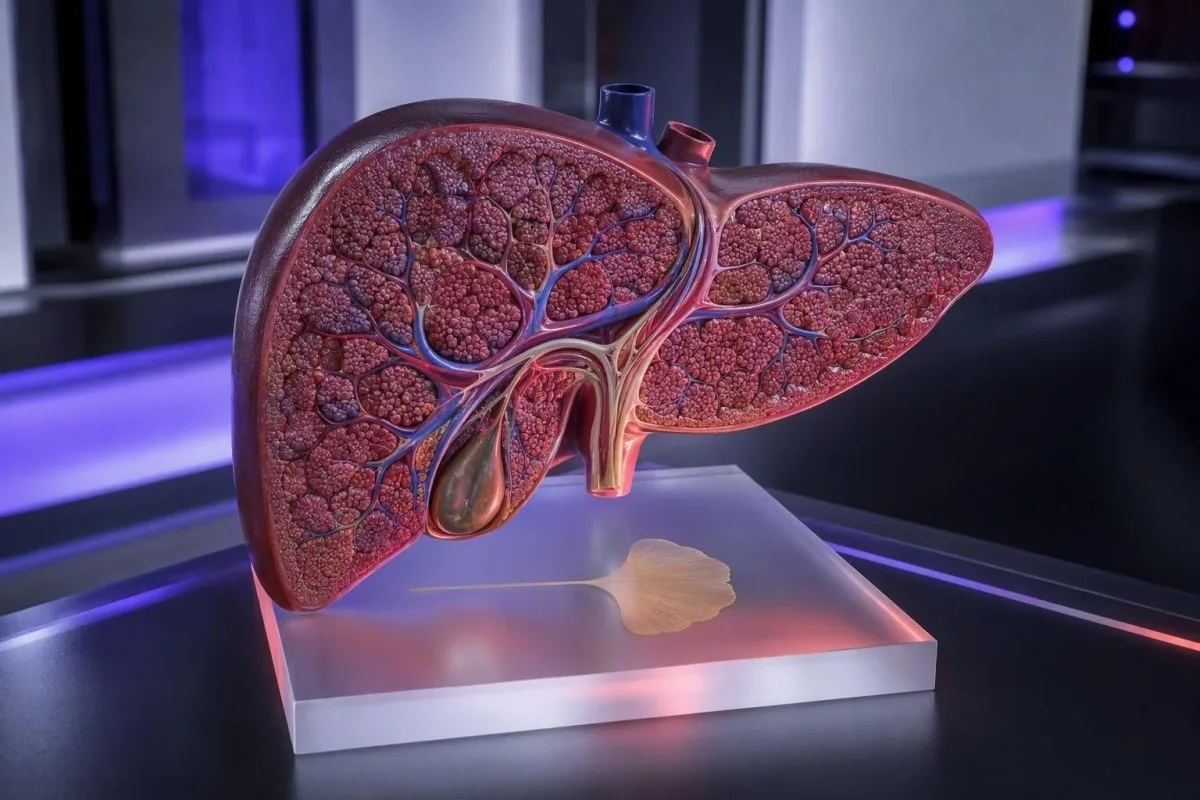
ALT estas ofte raportita hepata enzimo, sed ĝi estas signo de ĉela streso prefere ol diagnozo. La signifo devenas de ĝia grandeco, ŝablono, tempo kaj la resto de via hepata panelo.


- ALT-signifo: ALT signifas alaninaminotransaminazon, enzimon mezuritan en IU/L, kiu estas koncentrita en hepataj ĉeloj.
- Tipa gamo: Multaj laboratoriuroj por plenkreskuloj uzas ALT-supran limon de 35 IU/L por virinoj kaj 45 IU/L por viroj, kvankam la propra gamo de la raporto estas decidiga.
- Mildeta altiĝo: ALT sub 2 fojojn la supra limo de la laboratorio estas ofta kaj ofte meritas planitan ripeton, ne panikon.
- Gravas la ŝablono: ALT kun alta AST, ALP, GGT, bilirubino, aŭ INR signifas ion malsaman ol izolita ALT-altigo.
- Efiko de ekzercado: Peza rezista trejnado povas pliigi ALT kaj AST dum 7 tagoj aŭ pli longe, precipe kiam kreatina kinazo ankaŭ estas alta.
- Revizio de medikamentoj: Acetaminofeno, statinoj, antibiotikoj, kontraŭkonvulsiloj, suplementoj kaj herbaj produktoj povas influi ALT.
- Urĝaj simptomoj: Iktero, konfuzo, severa supra-dekstra abdomena doloro, ripetita vomado, aŭ tre malhela urino bezonas samtagan klinikan taksadon.
- Tendenca valoro: Falkanta ALT post forigo de ellasilo estas kutime pli certiga ol unu izolita lima rezulto.
Kion ALT signifas en sangokontrolo
ALT signifas alaninaminotransferazo, enzimo, kiu helpas ĉelojn transdoni aminogrupojn dum energia metabolado. Ĝi estas mezurata ĉar ALT eniras la cirkuladon kiam hepataj ĉeloj estas streĉitaj aŭ vunditaj; ĝi ne, memstare, pruvas konstantan hepatan damaĝon.
ALT troviĝas ĉefe interne de hepatocitoj, la laborĉeloj de la hepato, kvankam malgrandaj kvantoj okazas en skeleta muskolo kaj aliaj histoj. Altigita rezulto signifas, ke pli da enzimo atingis la specimenon ol atendite; ĝi ne povas identigi grasan hepaton, hepatiton, medikamentan vundon, aŭ ekzercon sen akompana pruvo.
En mia klinika praktiko, la plej utila unua demando ne estas “kiel alta ĝi estas?” sed “alta kompare kun kiu referenco kaj kiaj aliaj markiloj?” ALT de 58 IU/L post nova gimnastika rutino estas alia problemo ol ALT 58 IU/L kun bilirubino 65 µmol/L kaj flavaj okuloj.
Kantesti estas AI-sangotesta analizilo kiu legas ALT kune kun AST, ALP, GGT, bilirubino, albumino, plateta nombro, medikamentoj, kaj antaŭaj rezultoj prefere ol trakti unu flagitan valoron kiel diagnozon. Por pli larĝa mapo de rilataj mezuradoj, vidu nian biomarkila gvidilo.
Kial la pli malnova nomo SGPT povas aperi
Kelkaj raportoj ankoraŭ nomas ALT “serum glutamic-pyruvic transaminase” aŭ SGPT. ALT kaj SGPT rilatas al la sama enzima testo, kvankam moderna laboratoria raportado kutime uzas ALT.
Kial klinikistoj mezuras alaninaminotransaminazon
Klinikistoj mendas alaninaminotransferazo-teston por detekti hepatocelan streson, monitori konatan hepatan malsanon, kaj kontroli medikament-rilatan vundon. ALT ofte estas inkluzivita en hepata panelo aŭ ampleksa metabola panelo, eĉ kiam persono havas neniujn simptomojn.
ALT estas ofte kontrolata dum diabetaj aŭ lipidaj recenzoj ĉar metabola disfunkcio-rilata steatosa hepata malsano, antaŭe nomata grasa hepata malsano, povas esti silenta dum jaroj. La 2023 AASLD-konsiloj konsilas taksi homojn kun metabolaj riskfaktoroj kaj neklarigita hepata enzima altigo por steatosa hepata malsano kaj fibrosa risko (Rinella et al., 2023).
Normala ALT ne ekskludas signifan fibron, kaj alta ALT ne mezuras fibrozan stadion. Mi vidis pacientojn kun ALT 24 IU/L kaj signifan cikatrigon ĉe specialista takso, precipe kun tipo 2 diabeto; fibrosaj poentaroj kaj bildigo respondas al alia demando.
ALT-monitorado ankaŭ estas praktika post medikamenta ŝanĝo, sed ĝi devus esti planita pripense. Nia gvidilo pri jaraj sangaj analizoj klarigas kial testada frekvenco devus sekvi riskon, simptomojn, kaj traktadon prefere ol nur kutimon.
ALT normalaj gamoj kaj kial laboratoriokutoj varias
Plenkreskaj ALT-referencaj gamoj kutime varias de ĉirkaŭ 7 ĝis 35 IU/L por virinoj kaj 10 ĝis 45 IU/L por viroj, sed gamoj varias laŭ analizo, populacio, kaj laboratorio. Ĉiam uzu la supran limon presitan apud via propra rezulto prefere ol interreta limo.
La supra limo estas statistika, kutime derivita de referenca populacio, ne garantio ke ĉiu valoro sub ĝi reflektas tute sanan hepaton. Kelkaj eŭropaj laboratorioj uzas seks-specifajn supran limojn proksime de 25 IU/L por virinoj kaj 35 IU/L por viroj, kio povas identigi metabolan riskon pli frue sed ankaŭ krei pli da limaj flagoj.
Valoro sub dufoje la supra limo de normalo ofte nomiĝas milda altigo. Por laboratorio kun supra limo de 40 IU/L, ALT 55 ĝis 80 IU/L meritas kuntekston kaj kutime ripetplanon, dum ALT 400 IU/L estas 10 fojojn la supra limo kaj ŝanĝas la urĝecon.
D-ro Thomas Klein konsilas al pacientoj konservi la laboratorionomon, unuojn, gamon, dato de sangopremo, alkoholokonsumon kaj ekzercon en la antaŭa semajno. Tio faras rezultodiferencojn inter vizitoj multe pli interpreteblaj.
Kiel ALT kaj AST funkcias kune
ALT kaj AST devus esti interpretitaj kune ĉar ALT estas relative hepato-fokusita dum AST ankaŭ abundas en skeleta kaj kora muskolo. AST-al-ALT proporcio povas sugesti ŝablonojn, sed ĝi ne povas diagnozi alkohol-rilatan malsanon aŭ cirozon sole.
Kiam ALT superas AST, klinikistoj ofte konsideras metabolan steatozon, virusan hepatiton, aŭ medikamentajn efikojn, kvankam ekzistas multaj esceptoj. AST:ALT proporcio pli alta ol 2 povas okazi en alkohol-rilata hepata vundo, sed progresinta fibrozoj, muskola vundo, kaj tempigo post akra substreko ankaŭ povas ŝanĝi la proporcion.
52-jaraĝa maratona kuristo kun AST 89 IU/L, ALT 61 IU/L, kaj kreatina kinazo 1.450 IU/L post kurado bezonas malsaman konversacion ol iu kun la samaj enzimoj kaj kreatina kinazo 90 IU/L. La kialo, kial ni zorgas pri AST plus alta CK, estas muskola liberigo; ALT sola estas malpli muskol-specifa sed povas ankaŭ pliiĝi.
Por la muskola flanko de ĉi tiu distingo, legu nian klarigon de altaj AST-simptomoj. Se fizika aktiveco estas kredinda ellasilo, evitu nekutime streĉan trejnadon dum 7 tagoj antaŭ la ripeto, krom se via kuracisto konsilas alie.
Kial ALP, GGT kaj bilirubino ŝanĝas la signifon de ALT
ALT indikas hepatocelan ŝablonon, dum alkala fosfatato, GGT, kaj bilirubino helpas identigi ĥolestazon aŭ difektitan galfluon. ALT plus alta ALP kaj GGT devus stimuli konsideron de gal-dukta malsano, medikamentaj efikoj, aŭ hepata inflamo prefere ol supozi simplan grasan hepaton.
Kuracisto povas kalkuli R-proporcion: ALT dividita per sia supra limo, poste dividita per ALP dividita per sia supra limo. R-proporcio de 5 aŭ pli subtenas hepatocelan vudon, 2 aŭ malpli subtenas ĥolestazan vudon, kaj 2 ĝis 5 sugestas miksitan ŝablonon; tio estas triage ilo, ne fina diagnozo.
GGT estas utila kiam ALP estas altigita ĉar GGT-altigo subtenas hepatobiliaran fonton, dum ALP ankaŭ povas pliiĝi de osta metabolo. Izolita ALP-altigo kun normala GGT povas tial konduki al demandoj pri ostoj kaj vitamino D prefere ol hepata bildigo.
Malhela urino, pala feko, jukado, febro, aŭ iktero kun altigita bilirubino ne estas “atendi la venontan jaran teston” simptomoj. Nia gvidilo pri kolestazo klarigas la kombinaĵojn, kiuj devus esti taksitaj ĝustatempe.
Oftaj kaŭzoj de pliigita ALT
Altigita ALT plej ofte reflektas metabolan steatotan hepata malsano, alkoholan eksponiĝon, virusan hepatiton, medikamentajn efikojn, aŭ provizoran ekzerco-rilatan pliiĝon. La probablo de ĉiu kaŭzo ŝanĝiĝas kun korpa pezo, glukozo, trigliceridoj, alkohola ŝablono, vojaĝoj, medikamentoj, kaj la grandeco de la altigo.
Metabola steatota hepata malsano estas precipe verŝajna kiam ALT-altigo akompanas centran pezpliiĝon, trigliceridojn super 150 mg/dL, malaltan HDL-kolesterolon, altigitan fastan glukozon, aŭ tipon 2 diabeton. Ĝi povas okazi ankaŭ ĉe homoj kun pli malgrandaj korpoj, precipe kun viscera graso, genetiko, dormapneo, aŭ certaj medikamentoj.
Testado pri hepatito B kaj C dependas de eksponiĝo kaj risko, ne nur de ALT. La surfaca antigeno de hepatito B kaj la antikorpo kontraŭ hepatito C kun konfirmanta RNA-testado estas normaj partoj de celita taksado kiam la historio, geografio, aŭ enzima ŝablono subtenas tion; nia gvidilo pri hepatito C kovras la kutiman vojon.
Malpli oftaj sed gravaj kaŭzoj inkluzivas hemokromatozon, aŭtoimunan hepatiton, Wilson-malsanon ĉe pli junaj homoj, celiakon malsanon, kaj mankon de alfa-1 antitripsino. D-ro Thomas Klein vidis la damaĝon de supozi, ke ĉiu alta ALT rilatas al alkoholo; strukturita laboro estas pli bonkora kaj pli preciza.
Medikamentoj kaj suplementoj, kiuj povas pliigi ALT
Medikamentoj kaj suplementoj povas altigi ALT per rekta hepata lezo, ŝanĝita gala fluo, metabolaj efikoj, aŭ hazarda koincido. Ne ĉesu preskribitan medikamenton subite pro unu rezulto; kontaktu la preskribanton, kiu povas pesi la avantaĝon de la drogo kontraŭ la ŝablono kaj tendenco.
Acetaminofeno, ankaŭ nomata paracetamolo, povas kaŭzi markitan ALT-altigon en superdozo kaj foje pli mildajn ŝanĝojn ĉe alta terapia eksponiĝo. Por la plej multaj plenkreskuloj, la kutima maksimumo estas 4,000 mg tage, sed multaj kuracistoj rekomendas pli malaltan limon por homoj, kiuj regule trinkas alkoholon, havas hepatajn malsanojn, estas pli aĝaj, aŭ uzas kombinitajn malvarmumajn rimedojn.
Statinoj povas produkti malgrandajn ALT-kreskojn, tamen grava statin-rilata hepata lezo estas malofta; ĉesigi kardiovaskulan medikamenton sen konsilo povas esti pli riska ol la enzima signo. La ACG-gvidlinio rekomendas konfirmi nenormalajn hepatajn kemiojn kaj fari zorgeman preskriban, senreceptan, kaj suplementan historion antaŭ ampleksa testado (Kwo et al., 2017).
Verda teo-ekstrakto, anabolaj produktoj, alt-doza vitamino A, mult-ingredienaj “detoksaj” pulvoro, kaj nereguligitaj korpokonstruaj suplementoj meritas specifajn demandojn ĉar etikedoj povas esti nekompletaj. Revizu nian praktikan gvidilon pri suplementa sekureco antaŭ aldoni novan produkton.
Ĉu ekzercado povas provizore pliigi ALT?
Jes, peniga ekzercado povas provizore pliigi ALT, precipe post nekonata rezista trejnado, eltenivaj eventoj, aŭ muskola vundo. AST kaj kreatina kinazo kutime pliiĝas pli elstare, kaj valoroj povas daŭri 3 ĝis 10 tagojn por stabiligiĝi depende de la ekzerca intenseco kaj muskola maso.
La ofta miskompreniĝo estas, ke levita ALT ĉiam signifas hepata damaĝo. En praktiko, malfacila sesio implikanta ekcentran levadon—malrapidaj malsuprenirantaj movoj—povas interrompi muskolajn membranojn sufiĉe por ŝanĝi AST, ALT, LDH, kaj CK sen interna hepata malordo.
Por pura re-kontrolado, mi kutime petas stabilajn, bonfartajn pacientojn eviti viglan trejnadon dum 5 ĝis 7 tagoj, eviti alkoholon dum pluraj tagoj, konservi normalan hidratadon, kaj uzi la saman laboratorion kiam eble. Ĉi tio ne taŭgas se ekzistas ruĝaj flago-simptomoj aŭ ALT plurfoje super la limoj; tiuj situacioj bezonas klinikan konsilon unue.
Kantesti estas AI-movita ilo por analizo de sangotestoj uzata en 127+ landoj, kiuj povas kompari ALT, AST, CK, kaj antaŭajn sangotempadojn por marki ekzerc-kongruan ŝablonon sen deklari ĝin sendanĝera. Atletoj ankaŭ povas revizii tempigon de sangotestado post maratono.
Simptomoj, kiuj faras ALT-rezulton pli urĝa
Plej multaj mildaj ALT-altigoj kaŭzas neniujn simptomojn, sed iktero, tre malhela urino, pala feko, severa abdomena doloro, konfuzo, facila senpezeco, aŭ persista vomado postulas rapidan medicinan taksadon. Simptomoj gravas ĉar ili povas indiki malhelpitan bilirubin-traktadon, galobstrukcion, akutan hepatiton, aŭ reduktitan hepato-sintezan funkcion.
Serĉu samtagan prizorgon por flavaj okuloj aŭ haŭto, konfuzo, nova dormemo, rapide plimalboniĝanta doloro sub la dekstraj ripoj, aŭ nekapablo teni fluidojn. Ĉi tiuj simptomoj havas pli da pezo kiam ALT estas super 5-obla la supra limo, bilirubino estas levita, aŭ INR estas plilongigita.
Gravedeco ŝanĝas la sojlon por zorgo: jukado de manplatoj aŭ plandoj, dekstra-abdomena malkomforto, kapdoloro, vida perturbo, aŭ alta sangopremo bezonas urĝan akuŝan taksadon eĉ kiam ALT estas nur modeste altigita. Gravedec-specifaj kondiĉoj postulas malsaman vojon ol rutina ambulatoria hepata testado.
Urinaj ŝanĝoj povas aldoni indicojn sed ne estas diagnozaj memstare. Nia artikolo pri malhelaj urinaj kaŭzoj helpas distingi senhidratigon kaj medikamentojn disde bilirubin-rilataj avertosignoj.
Kio kutime okazas post nenormala ALT-rezulto
Post nenormala ALT-rezulto, kuracistoj kutime konfirmas la rezulton, revizias eksponiĝojn, kaj ripetas aŭ vastigas la panelon bazitan sur la grandeco de la altigo kaj simptomoj. Unuopa milda rezulto ofte kondukas al ripeto post semajnoj aŭ kelkaj monatoj, dum markita altigo aŭ iktero postulas pli rapidan taksadon.
Sencoza unua revizio inkluzivas alkoholajn kutimojn, lastatempan malsanon, ŝanĝojn de korpa pezo, vojaĝojn, familian historion, preskribajn kaj senpreskribajn medikamentojn, suplementojn, kaj ekzercon dum la antaŭaj 7 tagoj. Komunaj postaj testoj inkluzivas AST, ALP, GGT, bilirubinon, albuminon, plenan sangokalkulon, INR, hepatitan ekzamenon, feritinon kun transverina saturo, kaj glukozon aŭ HbA1c.
Ultrasono ofte estas utila por steatosis, galŝtonoj, gala dukta dilato, aŭ struktura ŝanĝo, sed ĝi ne fidinde stadigas fruan fibron. FIB-4 uzas aĝon, AST, ALT, kaj platetan kalkulon por taksi fibrozan riskon; ĝi fariĝas malpli fidinda sub 35-jaraĝo kaj ne devus esti uzata dum akra malsano.
Kantesti AI estas AI-labora testa interpretservo kiu organizas ĉi tiujn rilatajn signojn kaj longitudajn rezultojn por diskuto kun kuracisto. Nia hepata panelo klarigilo montras, kion kontribuas ĉiu posta ero.
Kial ALT-tendencoj estas pli utilaj ol unu nombro
ALT-tendenco ofte estas pli informa ol ununura rezulto, ĉar ĝi montras ĉu la signalo solviĝas, persistas aŭ akcelas. Ŝanĝo de 72 ĝis 34 IU/L post 6 semajnoj portas malsaman klinikan mesaĝon ol 34 ĝis 72 IU/L, eĉ se ambaŭ nombroj povas esti proksime de laboratoria limo.
Biologia vario, hidratiĝo, testo-vario kaj tempigo povas modeste movi ALT inter specimenoj. Ripeti ĉe la sama laboratorio, je simila horo de la tago, post komparebla agado kaj alkohola ekspozicio, reduktas bruon kaj faciligas identigi realan ŝanĝon.
Persista altiĝo dum pli ol 6 monatoj meritas pli delikatan taksadon, precipe kun diabeto, obezeco, familia historio de hepata malsano, plateta malkresko, aŭ altiĝanta bilirubino. Inverse, stabila milda ALT en plene taksita paciento povas esti monitorata prefere ol ĉasata per ripetita larĝa testado.
Kantesti AI interpretas ALT-tendencojn kun la akompananta AST, plateta kalkulo, bilirubino, kaj metabolaj signoj prefere ol traktante 3 IU/L ŝanĝon kiel malsano-progresadon. Vidu nian gvidilon pri longitudaj testoj por la detaloj valoraj por registri post ĉiu specimenigo.
ALT-miskomprenoj, kiuj povas konduki al malbonaj decidoj
ALT ne estas “hepata funkcia testo” en la strikta senco, ĉar ĝi mezuras enziman elfluon, ne la kapablon de la hepato produkti albuminon, koagulajn faktorojn, aŭ bilion. Albumin, INR, bilirubino, plateta kalkulo, simptomoj, kaj bildigo povas rakonti pli signifan historion ol nur ALT.
Normala ALT ne donas permeson ignori pezan alkoholan konsumadon, diabeton, aŭ fortan familian historion de hepata malsano. Same, altiĝinta ALT ne pruvas, ke alkoholo estis la kaŭzo; ĉi tiu supozo povas damaĝi fidon kaj prokrasti diagnozon de virusaj, aŭtoimunaj, genetikaj, aŭ medikament-rilataj kondiĉoj.
“Hepataj detoxoj” estas alia komuna kaptilo. La hepato jam prizorgas metabolon kaj klarigon, dum agresema fastado, nereguligitaj herboj, kaj rapida peza perdo povas foje plimalbonigi simptomojn aŭ laboratoriajn signojn; pruvoj por komercaj detox-reĝimoj estas honeste malfortaj.
Se dieto estas parto de la diskuto, fokusu pri daŭra peza ŝanĝo, taŭga proteino, fibro, kaj reduktita ultra-procesita manĝaĵo prefere ol miraklaj produktoj. Nia evidenc-bazita hepata manĝa gvidilo estas pli sekura komenca punkto.
ALT-interpreto ĉe infanoj, gravedeco kaj pli aĝa aĝo
ALT-interpreto bezonas aĝ-specifan kuntekston ĉe infanoj, gravedeco, kaj pli maljunaj plenkreskuloj, ĉar referencaj limoj kaj verŝajnaj kaŭzoj malsamas. Pediatriaj ALT-limoj estas ofte pli malaltaj ol plenkreskaj laboratoriaj gamoj, kaj gravedec-rilataj hepataj simptomoj postulas pli rapidan specialist-kontrolitan taksadon.
Ĉe infanoj, obezec-rilata steatota hepata malsano estas ĉiam pli agnoskita, sed virusaj malsanoj, muskolaj malordoj, celiaka malsano, kaj hereditaj metabolaj kondiĉoj devas resti en la diferencialo. Pediatria kuracisto devus interpreti persistan ALT-altiĝon prefere ol apliki plenkreskan “sub 40 IU/L estas en ordo” pensadon.
Dum gravedeco, ALT ĝenerale devus resti ene de la ne-graveda referenca intervalo; kresko kun hipertensiono, malaltaj platoj, jukado, aŭ naŭzo bezonas promptan taksadon por gravedec-specifaj malordoj. Albumin ofte falas pro plasma-voluma ekspansio, do albumin kaj ALT ne devus esti interpretitaj per la sama logiko.
Ĉe pli maljunaj plenkreskuloj, polifarmacio kaj fraileco pliigas la valoron de plena medikamenta revizio. Nia gvidilo pri laboratorio por medikamentoj de maljunuloj skizas demandojn por alporti al la rendevuo.
Sekura uzo de AI-interpreto por ALT-rezultoj
AI povas helpi organizi ALT-rezulton, sed ĝi ne povas ekzameni vin, kontroli simptomojn, aŭ anstataŭigi medicinan taksadon por eble grava hepata ŝablono. La plej sekura uzo estas preparo: identigu la ŝablonon, konservu la originalan raporton, kaj alportu fokusitajn demandojn al kvalifikita klinikisto.
Ekde la 5-a de septembro 2026, Kantesti estas AI sangotesta interpretada platformo kiu revizias alŝutitajn laboratoriajn raportojn en ĉirkaŭ 60 sekundoj kaj metas ALT en la kuntekston de rilataj valoroj, tendencohistorio, kaj raportitaj medikamentoj. Ĝi estas desegnita por plibonigi la kvaliton de demandoj, ne por eldoni diagnozon aŭ preskribi terapion.
Por precizeco, kontrolu, ke la raporta bildo legeblas, la unuoj estas ĝuste kaptitaj, kaj rezulto de antaŭa jaro ne estas konfuzita kun la hodiaŭa valoro. La klinika aliro de Kantesti estas formita de kuracista superrigardo; legantoj povas revizii nian medicinan validigan normaron kaj Medicina Konsila Komisiono kiam ili decidas kiel uzi AI-subvenciitan interpreton.
Alportu tri aferojn al revizio: la kompletan panelon, liston de ĉiu medikamento kaj suplemento kun dozoj, kaj templinion de alkoholo, malsano, vojaĝado, kaj intensa ekzercado. Tiu modesta preparo ofte malhelpas nenecesan alarmon kaj malhelpas, ke signifa ŝablono estu preterlasita.
Praktika kontrol listo antaŭ via sekva ALT-testo
Antaŭ planita ALT-retesto, konservu vian rutinon stabila kaj dokumentu faktorojn, kiuj povas ŝanĝi enzimojn. Evitu pezan trejnadon dum 5 ĝis 7 tagoj kie klinike sekure, evitu alkoholon dum pluraj tagoj, kaj ne ŝanĝu preskribitajn medikamentojn krom se la preskribanto diras al vi tion fari.
Registru ajnan uzon de acetaminofeno aŭ paracetamolo, antibiotikojn, novajn suplementojn, lastatempan febron, gastroenteriton, vakcinojn, faston, kaj rapidan pezŝanĝon. Fasto ne estas kutime postulata por ALT sole, kvankam ĝi povas esti petita se glukozo, trigliceridoj, aŭ aliaj testoj estas mezurataj ĉe la sama vizito.
Demandu la klinikiston, ĉu ripeto de ALT devus inkluzivi AST, ALP, GGT, bilirubinon, albuminon, trombocitojn, kaj CK. La respondo ofte dependas de la unua ŝablono; izolita ALT de 48 IU/L post pezlevado ne bezonas la saman esploron kiel ALT 248 IU/L kun bilirubino 48 µmol/L.
Se vi bezonas helpon kunmeti demandojn el via raporto, nia kontrolilon pri precizeco de AI-raporto estas utila antaŭ la vizito. Por organizaj informoj pri nia laboro, vidu Pri Kantesti.
Oftaj Demandoj
Kion signifas ALT en laboratoriaj rezultoj?
ALT signifas alaninan aminotransferazon, enzimon trovitan ĉefe en hepataj ĉeloj kaj mezuritan en internaciaj unuoj por litro (IU/L). Multaj laboratorioj uzas suprajn limojn ĉirkaŭ 35 IU/L por plenkreskaj virinoj kaj 45 IU/L por plenkreskaj viroj, kvankam la referenca intervalo presita sur la individua raporto estas la ĝusta komparanto. Leva ALT signalas ĉelan streson aŭ damaĝon sed ne povas identigi la kaŭzon per si mem. AST, ALP, GGT, bilirubino, medikamentoj, alkoholo, ekzercado kaj simptomoj determinas kion la rezulto signifas.
Ĉu ALT 50 IU/L estas alta?
ALT de 50 U/L estas modere pli alta en laboratorioj kun supra limo de 35 aŭ 40 U/L, sed ĝi estas proksima al normalo en iuj laboratorioj kun supra limo de 55 U/L. Valoro ĉirkaŭ 50 U/L estas kutime malpli urĝa kiam bilirubino, ALP, INR, kaj simptomoj estas normalaj, kvankam ĝi tamen meritas kuntekston kaj ofte ripeton. Lastatempa peza ekzercado, alkoholo, metabola steatozo, medikamentoj, kaj suplementoj estas oftaj klarigoj. Persista altiĝo dum pli ol 6 monatoj pravigas strukturitan klinikan revizion.
Ĉu ekzercado povas altigi nivelojn de ALT?
Penca ekzercado povas pliigi ALT, AST, LDH, kaj kreatin kinazon, ĉar la skeleta muskolo liberigas enzimojn post intensa aŭ nekonata peno. La kresko povas daŭri de 3 ĝis 10 tagoj, kun AST kaj kreatin kinazo ofte pliigante pli ol ALT. Eviti nekutime penan agadon dum 5 ĝis 7 tagoj antaŭ planita ripeto povas klarigi ĉu ekzercado kontribuis. Signifa ALT-altigo, iktero, severa doloro, aŭ malhela urino ankoraŭ postulas rapidan medicinan konsilon anstataŭ supozi, ke ekzercado estas respondeca.
Kio estas pli grava, ALT aŭ AST?
Nek ALT nek AST estas universale pli grava, ĉar la paro provizas pli da informoj ol ĉiu rezulto sola. ALT estas pli hepato-fokusita, dum AST ankaŭ ĉeestas en skeleto-muskolo kaj povas pliiĝi konsiderinde post ekzerco aŭ muskola vundo. AST-al-ALT-proporcio super 2 povas okazi kun alkohol-rilata hepata lezo, sed ĝi ne estas diagnostika kaj povas ankaŭ aperi kun progresinta fibrozo aŭ muskola liberigo. Klinikistoj interpretas ambaŭ valorojn kun GGT, ALP, bilirubino, kreatina kinazo, sangoplaneta nombro, kaj la klinika historio.
Kiam ALT-rezulto devus esti traktata kiel urĝa?
Alta ALT-rezulto bezonas urĝan taksadon kiam ĝi estas pli ol 5 fojojn la laboratoria supra limo, rapide altiĝas, aŭ okazas kun iktero, konfuzo, severa dekstra supra-abdomena doloro, persista vomado, facila sangado, aŭ tre malhela urino. Bilirubina altigo, plilongigita INR, malalta glukozo, aŭ malaltaj trombocitoj povas pliigi zorgon ĉar ili povas indiki pli ol izolan enziman liberigon. Gravedec-rilata jukado, kapdoloro, vidaj simptomoj, aŭ alta sangopremo kun ALT-altigo ankaŭ bezonas urĝan obstetrikan taksadon. Izola milda rezulto sub 2 fojojn la supra limo kutime estas taksata malpli urĝe sed ne devus esti ignorata.
Ĉu grasa hepato povas kaŭzi altan ALT?
Metabolika disfuncio-rilata steatota hepata malsano estas ofta kaŭzo de modere alta ALT, precipe kun trigliceridoj super 150 mg/dL, alta glukozo, tipo 2 diabeto, centra pezopliiĝo, aŭ malalta HDL kolesterolo. ALT povas esti normala malgraŭ hepata graso aŭ fibrozo, do normala rezulto ne ekskludas klinike signifan malsanon. La AASLD-gvidlinio de 2023 subtenas fibrozo-riskekzamenon ĉe homoj kun metabolaj riskaj faktoroj kaj neklarigitaj enzimaj altigoj. Daŭrigebla pezadministrado, diabeta kontrolo, alkoholredukto, kaj klinike direktita monitorado estas pli bazitaj sur pruvoj ol detox-produktoj.
Akiru hodiaŭ AI-movitan analizon de sangoanalizo
Aliĝu al pli ol 2 milionoj da uzantoj tutmonde, kiuj fidas je Kantesti por tuja, preciza analizo de laboratoriaj testoj. Alŝutu viajn rezultojn de sangoanalizo kaj ricevu ampleksan interpretadon de 15,000+-biomarkiloj en sekundoj.
📚 Referencitaj esplorpublikaĵoj
Klein, T., Mitchell, S., & Weber, H. (2026). G Negativa sangotipo, gvidilo pri LDH-sangotesto kaj retikulocita kalkulo. Kantesti AI Medicina Esploro.
Klein, T., Mitchell, S., & Weber, H. (2026). Diareo Post Fastado, Nigraj Makuloj en Fekaĵo & Gista Sistemo Gvidilo 2026. Kantesti AI Medicina Esploro.
📖 Eksteraj medicinaj referencoj
⚕️ Medicina Deklaro
Ĉi tiu artikolo estas nur por edukaj celoj kaj ne konsistigas medicinan konsilon. Ĉiam konsultu kvalifikitan sanprovizanton por diagnozaj kaj traktadaj decidoj.
Signaloj de fido E-E-A-T
Sperto
Kuracista gvidata klinika revizio de laboratoriaj interpretaj laborfluoj.
Kompetenteco
Laboratoria medicino fokusiĝas pri kiel biomarkiloj kondutas en klinika kunteksto.
Aŭtoritateco
Skribita de d-ro Thomas Klein kun revizio de d-ro Sarah Mitchell kaj prof. d-ro Hans Weber.
Fidindeco
Evident-bazita interpretado kun klaraj sekvaj vojoj por redukti alarmon.