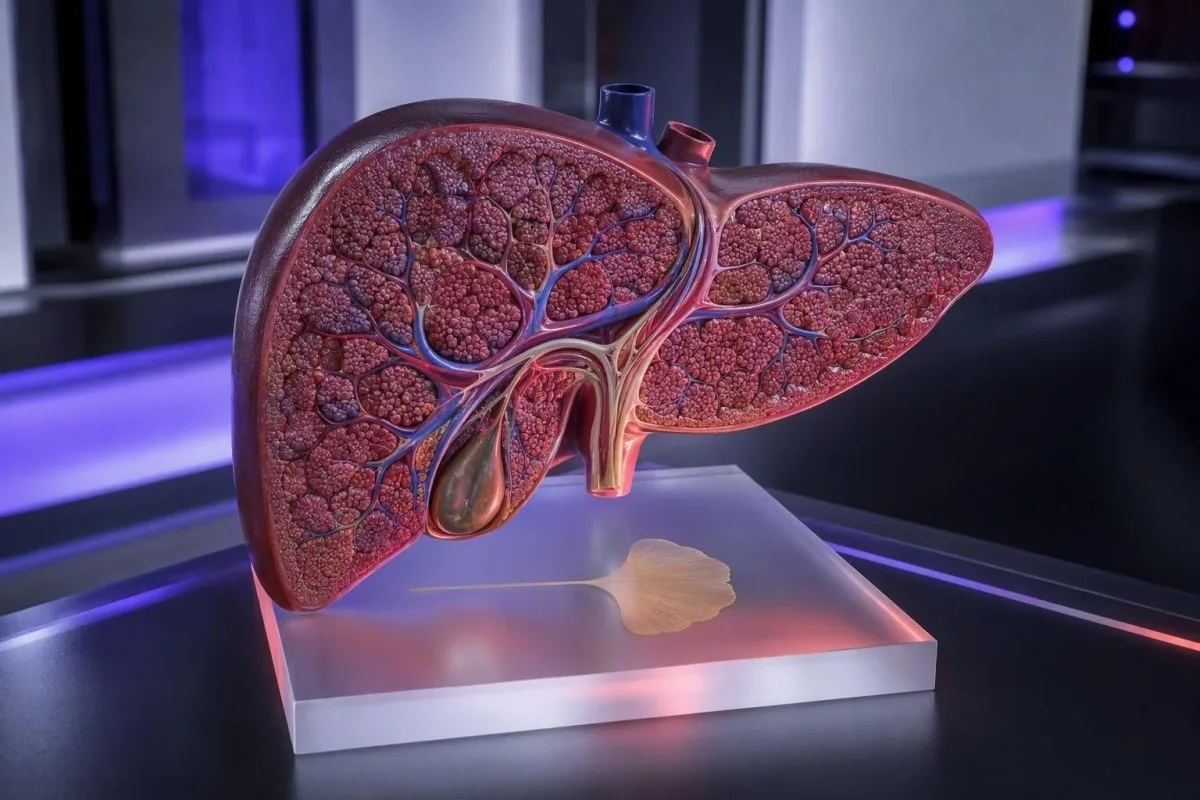
Ang ALT usa ka kasagarang gitaho nga liver enzyme, apan kini usa ka signal sa stress sa selula kaysa usa ka pagdayagnos. Ang kahulugan nagagikan sa gidak-on niini, sumbanan, oras, ug ang nahabilin sa imong liver panel.


- Kahulugan sa ALT: Ang ALT nagbarog alang sa alanine aminotransferase, usa ka enzyme nga gisukod sa IU/L nga nakonsentrar sa mga selula sa atay.
- Kasagaran nga range: Daghang mga laboratoryo sa hamtong ang naggamit ug kinatas-ang limitasyon sa ALT nga 35 IU/L alang sa mga babaye ug 45 IU/L alang sa mga lalaki, bisan tuod ang kaugalingong sakup sa report maoy desisyon.
- Hinay nga pagtaas: Ang ALT nga ubos sa 2 ka pilo sa kinatas-ang limitasyon sa laboratoryo kasagaran ug sagad naghatag ug rason alang sa giplano nga pagbalik-balik, dili pagpanic.
- importante ang pattern: Ang ALT nga adunay taas nga AST, ALP, GGT, bilirubin, o INR nagpasabot ug laing butang kaysa sa nahimulag nga pagtaas sa ALT.
- Epekto sa ehersisyo: Ang bug-at nga resistance training mahimong makadugang sa ALT ug AST sulod sa 7 ka adlaw o labaw pa, ilabi na kon taas usab ang creatine kinase.
- Pagsusi sa tambal: Ang acetaminophen, statins, antibiotics, mga tambal sa pag-atake, mga suplemento, ug mga herbal nga produkto mahimong makaapekto sa ALT.
- Mga sintomas nga kinahanglan ug dayon nga pagtagad: Ang jaundice, kalibog, grabe nga kasakit sa tuo nga bahin sa tiyan, balik-balik nga pagsuka, o ang hapit na itom nga ihi nagkinahanglan ug pagtimbang-timbang sa klinikal sa samang adlaw.
- Kantidad sa trend: Ang pagbaba sa ALT human makuha ang usa ka hinungdan kasagaran mas makahatag og kasigurohan kaysa usa ka ulaw nga resulta nga hapit na sa utlanan.
Unsay buot ipasabot sa ALT sa usa ka blood test
Ang ALT nagbarog alang sa alanine aminotransferase, usa ka enzyme nga makatabang sa mga selula sa pagbalhin sa mga amino group sa panahon sa pagproseso sa enerhiya. Kini gisukod tungod kay ang ALT mosulod sa sirkulasyon sa dihang ang mga selula sa atay nabug-atan o nasamdan; kini, sa iyang kaugalingon, dili makapamatuod sa permanente nga kadaot sa atay.
Ang ALT kasagaran makita sa sulod sa hepatocytes, ang mga working cells sa atay, bisan tuod gamay nga gidaghanon makita sa skeletal muscle ug uban pang mga tisyu. Ang taas nga resulta nagpasabot nga mas daghang enzyme ang nakaabot sa sample kay sa gipaabot; kini dili makaila sa fatty liver, hepatitis, kadaot sa tambal, o ehersisyo nga walay kaubang ebidensya.
Sa akong clinical practice, ang labing mapuslanon nga unang pangutana dili “unsa ka taas kini?” kondili “taas kumpara sa unsa nga baseline ug unsa nga ubang mga marka?” Ang ALT nga 58 IU/L human sa bag-ong gym routine usa ka laing problema gikan sa ALT 58 IU/L nga adunay bilirubin 65 µmol/L ug dalag nga mga mata.
Si Kantesti usa ka AI blood test analyzer nga nagbasa sa ALT kauban ang AST, ALP, GGT, bilirubin, albumin, ihap sa platelet, mga tambal, ug nangaging mga resulta kaysa pagtratar sa usa ka gimarkahan nga kantidad isip usa ka diagnosis. Alang sa mas lapad nga mapa sa mga may kalabutan nga pagsukod, tan-awa ang among biomarker guide.
Ngano nga ang mas daan nga ngalan nga SGPT mahimong makita
Ang ubang mga report nagtawag gihapon sa ALT nga “serum glutamic-pyruvic transaminase” o SGPT. Ang ALT ug SGPT nagtumong sa samang enzyme test, bisan tuod ang modernong laboratory reporting kasagaran naggamit sa ALT.
Ngano nga gisukod sa mga clinician ang alanine aminotransferase
Ang mga clinician mo-order ug pagsulay sa alanine aminotransferase aron mahibal-an ang hepatocellular stress, mamonitor ang nailhan nga sakit sa atay, ug mangita sa kadaot nga may kalabotan sa tambal. Ang ALT kasagaran apil sa usa ka liver panel o comprehensive metabolic panel, bisan kung ang usa ka tawo walay mga sintomas.
Ang ALT kasagarang gisusi atol sa mga pagrepaso sa diabetes o lipid tungod kay ang metabolic dysfunction-associated steatotic liver disease, nga kaniadto gitawag nga fatty liver disease, mahimong hilom sulod sa mga tuig. Ang 2023 AASLD guidance nagtambag sa pagtimbang-timbang sa mga tawo nga adunay metabolic risk factors ug wala’y katin-awan nga pagtaas sa liver-enzyme alang sa steatotic liver disease ug fibrosis risk (Rinella et al., 2023).
Ang normal nga ALT wala magpasabot nga walay dakong fibrosis, ug ang taas nga ALT wala mosukod sa fibrosis stage. Nakakita ko og mga pasyente nga adunay ALT 24 IU/L ug makahuluganon nga pagkapikas sa pagtimbang-timbang sa espesyalista, ilabi na sa type 2 diabetes; ang fibrosis scores ug imaging makatubag sa laing pangutana.
Ang pagmonitor sa ALT praktikal usab human sa kausaban sa tambal, apan kini kinahanglan i-iskedyul pag-ayo. Ang among giya sa tinuig nga pagsulay sa dugo nagpatin-aw ngano nga ang frequency sa pagsulay kinahanglan mosunod sa risgo, mga sintomas, ug pagtambal imbes nga batasan lamang.
Ang normal nga mga sakup sa ALT ug ngano nga magkalainlain ang mga limitasyon sa laboratoryo
Ang mga sakup sa reperensiya sa ALT sa mga hamtong kasagarang gikan sa mga 7 hangtod 35 IU/L alang sa mga babaye ug 10 hangtod 45 IU/L alang sa mga lalaki, apan ang mga sakup magkalahi sa assay, populasyon, ug laboratoryo. Kanunay gamita ang labing taas nga limitasyon nga gipatik tupad sa imong resulta imbes nga usa ka internet cutoff.
Ang labing taas nga limitasyon mao ang statistical, kasagaran gikan sa usa ka reference population, dili usa ka garantiya nga ang matag kantidad sa ubos niini nagpakita sa usa ka hingpit nga himsog nga atay. Ang ubang mga laboratoryo sa Europa naggamit og mga limitasyon nga piho sa sekso nga hapit sa 25 IU/L alang sa mga babaye ug 35 IU/L alang sa mga lalaki, nga makaila sa metabolic risk sa sayo pa apan makamugna usab og daghang borderline flags.
Ang usa ka kantidad ubos sa doble sa labing taas nga limitasyon sa normal kanunay gitawag nga mild elevation. Alang sa usa ka laboratoryo nga adunay labing taas nga limitasyon nga 40 IU/L, ang ALT 55 hangtod 80 IU/L nagkinahanglan ug konteksto ug kasagaran usa ka plano sa pag-usab, samtang ang ALT 400 IU/L mao ang 10 ka pilo sa labing taas nga limitasyon ug nagbag-o sa pagkadinalian.
Si Dr. Thomas Klein nagtambag sa mga pasyente sa pagluwas sa ngalan sa laboratoryo, mga yunit, sakop, petsa sa pagkuha, pag-inom ug alkohol, ug pag-ehersisyo sa miaging semana. Kini makahimo sa kalainan sa resulta tali sa mga pagbisita mas dali masabtan.
Giunsa pagtinabangay ang ALT ug AST
Ang ALT ug AST kinahanglan isipon nga magkauban tungod kay ang ALT medyo naka-focus sa atay samtang ang AST adunahan usab sa kaunoran sa kalabera ug kasingkasing. Ang AST-to-ALT ratio mahimong magpakita og mga sumbanan, apan dili kini makatultol sa sakit nga may kalabotan sa alkohol o cirrhosis sa ilang kaugalingon.
Sa diha nga ang ALT molabaw sa AST, ang mga clinician sagad maghunahuna sa metabolic steatosis, viral hepatitis, o mga epekto sa tambal, bisan og adunay daghang mga eksepsiyon. Ang AST:ALT ratio nga labaw sa 2 mahimong mahitabo sa alkohol-associated liver injury, apan ang advanced fibrosis, kadaot sa kaunoran, ug ang oras human sa usa ka acute insult mahimo usab nga makapausab sa ratio.
Ang usa ka 52-anyos nga marathon runner nga adunay AST 89 IU/L, ALT 61 IU/L, ug creatine kinase 1,450 IU/L human sa usa ka lumba nagkinahanglan og lahi nga panag-istoryahan gikan sa usa ka tawo nga adunay parehas nga mga enzyme ug creatine kinase 90 IU/L. Ang rason nga kita nabalaka sa AST ug taas nga CK mao ang paggawas sa kaunoran; ang ALT lamang dili kaayo espesipiko sa kaunoran apan mahimo usab nga motaas.
Alang sa bahin sa kaunoran niini nga kalainan, basaha ang among pagpatin-aw sa taas nga AST nga mga sintomas. Kung ang pisikal nga kalihokan usa ka posible nga hinungdan, likayi ang dili kasagaran nga mabug-at nga pagbansay sulod sa 7 ka adlaw sa dili pa balikon gawas kung ang imong clinician mosulti kanimo sa lain.
Ngano nga ang ALP, GGT ug bilirubin nagbag-o sa kahulugan sa ALT
Ang ALT nagpakita og usa ka hepatocellular pattern, samtang ang alkaline phosphatase, GGT, ug bilirubin makatabang sa pag-ila sa cholestasis o dili maayo nga pag-agos sa apdo. Ang ALT ug taas nga ALP ug GGT kinahanglan magpadasig sa pagkonsiderar sa sakit sa bile-duct, mga epekto sa tambal, o hepatic inflammation imbes nga maghunahuna og simple nga fatty liver.
Ang usa ka clinician mahimong makalkulo og R ratio: ALT gibahin sa iyang kinatas-ang limitasyon, unya gibahin sa ALP gibahin sa iyang kinatas-ang limitasyon. Ang R ratio nga 5 o labaw pa nagsuporta sa hepatocellular injury, 2 o ubos nagsuporta sa cholestatic injury, ug 2 ngadto sa 5 nagsugyot og usa ka mixed pattern; kini usa ka triage tool, dili usa ka final diagnosis.
Ang GGT mapuslanon kung ang ALP taas tungod kay ang GGT elevation nagsuporta sa usa ka hepatobiliary source, samtang ang ALP mahimo usab nga motaas gikan sa bone turnover. Ang usa ka isolated ALP rise nga adunay normal nga GGT mahimo nga magdala ngadto sa mga pangutana bahin sa bukog ug bitamina D imbes sa liver imaging.
Ang ngitngit nga ihi, luspad nga mga stool, kati, hilanat, o jaundice nga adunay taas nga bilirubin dili mga sintomas nga “huwat alang sa sunod nga tinuig nga pagsulay”. Ang among giya sa cholestasis pattern nagpatin-aw sa mga kombinasyon nga kinahanglan nga matasa dayon.
Mga kasagarang hinungdan sa taas nga ALT
Ang taas nga ALT kasagaran nagpakita sa metabolic steatotic liver disease, alcohol exposure, viral hepatitis, mga epekto sa tambal, o usa ka temporaryo nga pagtaas nga may kalabutan sa ehersisyo. Ang probabilidad sa matag hinungdan nag-usab sa gibug-aton sa lawas, glucose, triglycerides, pattern sa alkohol, pagbiyahe, mga tambal, ug ang gidak-on sa pagtaas.
Ang metabolic steatotic liver disease labi na nga lagmit kung ang ALT elevation inubanan sa sentral nga pagtaas sa timbang, triglycerides nga labaw sa 150 mg/dL, ubos nga HDL cholesterol, taas nga fasting glucose, o type 2 diabetes. Mahimo kini mahitabo sa mga tawo nga adunay gagmay nga mga lawas usab, labi na sa visceral fat, genetics, sleep apnea, o piho nga mga tambal.
Ang pagsulay sa viral hepatitis nagdepende sa pagkaladlad ug risgo, dili lang sa ALT. Ang Hepatitis B surface antigen ug hepatitis C antibody nga adunay kumpirmasyon nga RNA testing mga sumbanan nga bahin sa usa ka gitutokan nga ebalwasyon kung ang kasaysayan, heograpiya, o pattern sa enzyme nagsuporta niini; ang among giya sa hepatitis C naglangkob sa kasagaran nga agianan.
Ang dili kaayo komon apan importante nga mga hinungdan naglakip sa hemochromatosis, autoimmune hepatitis, Wilson disease sa mga batan-on, celiac disease, ug alpha-1 antitrypsin deficiency. Si Dr. Thomas Klein nakakita sa kadaot sa pag-ingon nga ang matag taas nga ALT nalangkit sa alkohol; ang usa ka istruktura nga trabaho mas maayo ug mas tukma.
Mga tambal ug suplemento nga makapataas sa ALT
Ang mga tambal ug suplemento makapataas sa ALT pinaagi sa direktang kadaot sa atay, nabag-o nga dagan sa apdo, mga epekto sa metaboliko, o usa ka dili konektado nga sulagma. Ayaw paghunong dayon sa usa ka gireseta nga tambal tungod sa usa ka resulta; kontaka ang nagreseta nga makatimbang sa kaayohan sa tambal batok sa pattern ug trend.
Ang Acetaminophen, gitawag usab nga paracetamol, mahimong hinungdan sa dakong pagsaka sa ALT sa sobra nga dosis ug usahay mas hinay nga mga kausaban sa taas nga therapeutic exposure. Alang sa kadaghanan sa mga hamtong, ang kasagaran nga maximum mao ang 4,000 mg kada adlaw, apan daghang mga clinician ang nagrekomenda og ubos nga limitasyon alang sa mga tawo nga regular nga nag-inom og alkohol, adunay sakit sa atay, mas tigulang, o naggamit og kombinasyon nga mga tambal sa sipon.
Ang mga Statins makamugna og gagmayng pagsaka sa ALT, bisan pa ang seryoso nga kadaot sa atay nga nalangkit sa statin talagsa ra; ang paghunong sa usa ka tambal sa cardiovascular nga walay tambag mahimong mas peligros ang pagkaladlad kaysa sa enzyme flag. Ang giya sa ACG nagrekomenda sa pagkumpirma sa dili normal nga mga kemikal sa atay ug pagkuha sa usa ka maampingon nga reseta, over-the-counter, ug kasaysayan sa suplemento sa wala pa ang kaylap nga pagsulay (Kwo et al., 2017).
Ang green tea extract, mga anabolic product, taas nga dosis sa bitamina A, multi-ingredient nga “detox” powders, ug mga dili regulado nga bodybuilding supplements angayan nga pangutan-on tungod kay ang mga label mahimong dili kumpleto. Ribyuha ang among praktikal giya sa kaluwasan sa suplemento sa wala pa magdugang og bag-ong produkto.
Makadugay ba ang ehersisyo sa temporaryo nga pagtaas sa ALT?
Oo, ang kusganong ehersisyo mahimong temporaryo nga makapadako sa ALT, ilabi na human sa dili pamilyar nga resistance training, mga panghitabo sa endurance, o kadaot sa kaunoran. Ang AST ug creatine kinase kasagaran mas motaas og dako, ug ang mga kantidad mahimong mokabat og 3 hangtod sa 10 ka adlaw aron maus-os depende sa kusog sa ehersisyo ug gidak-on sa kaunoran.
Ang kasagarang sayop nga pagsabot mao nga ang taas nga ALT kanunay nagpasabut nga kadaot sa atay. Sa praktis, ang usa ka lisud nga sesyon nga naglakip sa eccentric lifting—hinay nga pagpaubos nga mga lihok—makaguba sa mga lamad sa kaunoran igo na aron mabag-o ang AST, ALT, LDH, ug CK nga walay sakit sa atay.
Alang sa usa ka limpyo nga pag-recheck, kasagaran akong hangyoon ang mga stable, himsog nga pasyente nga likayan ang kusog nga pagbansay sulod sa 5 hangtod sa 7 ka adlaw, likayan ang alkohol sulod sa pipila ka adlaw, ipadayon ang normal nga hydration, ug gamiton ang parehas nga laboratoryo kung mahimo. Dili kini angay kung adunay mga pula nga bandila nga mga simtomas o ang ALT labaw sa usa ka beses sa range; ang maong mga kahimtang nagkinahanglan una og tambag sa klinika.
Si Kantesti usa ka AI-powered blood test analysis tool gigamit sa 127+ ka mga nasud nga makakumpara sa ALT, AST, CK, ug mga naunang pagkuha aron markahan ang usa ka pattern nga angay sa ehersisyo nga dili pagdeklarar nga kini dili makadaot. Mahimo usab nga ribyuha sa mga atleta ang iskedyul sa blood test sa marathon.
Mga simtomas nga naghimo sa resulta sa ALT nga mas dinalian
Kadaghanan sa hinay nga pagsaka sa ALT walay sintomas, apan ang jaundice, ngitngit kaayo nga ihi, luspad nga hugaw, grabe nga kasakit sa tiyan, kalibog, dali nga pagbunag, o padayon nga pagsuka nagkinahanglan og dinalian nga medikal nga pagsusi. Ang mga simtomas importante tungod kay kini mahimong magpakita sa nadaot nga pagproseso sa bilirubin, pagbabag sa apdo, acute hepatitis, o pagkunhod sa pag-andar sa paghimo sa atay.
Mangayo ug same-day care alang sa dalag nga mga mata o panit, kalibog, bag-ong pagkahinanok, paspas nga pagkagrabe sa kasakit ubos sa tuo nga mga gusok, o kawala’y katakus sa pagpugong sa mga likido. Kining mga simtoma mas bug-at kung ang ALT labaw sa 5 ka beses sa taas nga limitasyon, ang bilirubin taas, o ang INR dugay na.
Ang pagmabdos nagbag-o sa threshold alang sa kabalaka: ang pangangati sa mga palad o lapalapa, kasakit sa tuo-ibabaw nga tiyan, sakit sa ulo, pagkadaot sa panan-aw, o taas nga presyon sa dugo nagkinahanglan og dinalian nga obstetric assessment bisan kung ang ALT gamay ra ang pagsaka. Ang mga kondisyon nga piho sa pagmabdos nagkinahanglan og lahi nga agianan gikan sa regular nga outpatient liver testing.
Ang mga pagbag-o sa ihi makadugang og mga timailhan apan dili kini makatabang sa pag-diagnose sa ilang kaugalingon. Ang among artikulo bahin sa mga hinungdan sa ngitngit nga ihi makatabang sa pag-ila sa dehydration ug mga tambal gikan sa mga timailhan sa pasidaan nga nalangkit sa bilirubin.
Unsay kasagarang mahitabo human sa dili normal nga resulta sa ALT
Human sa dili normal nga resulta sa ALT, ang mga clinician kasagaran magkumpirma sa resulta, magrepaso sa mga pagkaladlad, ug mag-usab o magpalapad sa panel base sa gidak-on sa pagsaka ug mga simtomas. Ang usa ka hinay nga resulta kasagaran mosangpot sa pag-usab sa mga semana ngadto sa pipila ka bulan, samtang ang dakong pagsaka o jaundice nagkinahanglan og mas paspas nga assessment.
Ang usa ka makatarunganon nga unang pagrepaso naglakip sa pattern sa alkohol, bag-o nga sakit, pagbag-o sa gibug-aton sa lawas, pagbiyahe, kasaysayan sa pamilya, mga reseta ug dili reseta nga mga tambal, mga suplemento, ug ehersisyo sa miaging 7 ka adlaw. Ang kasagaran nga mga pagsulay sa follow-up naglakip sa AST, ALP, GGT, bilirubin, albumin, bug-os nga ihap sa dugo, INR, screening sa hepatitis, ferritin nga adunay transferrin saturation, ug glucose o HbA1c.
Ang ultrasound kanunay nga mapuslanon alang sa steatosis, gallstones, bile-duct dilation, o pagbag-o sa istruktura, apan dili kini kasaligan sa pag-stage sa sayo nga fibrosis. Ang FIB-4 naggamit sa edad, AST, ALT, ug ihap sa platelet aron mabanabana ang risgo sa fibrosis; kini nahimong dili kaayo kasaligan ubos sa edad nga 35 ug dili angay gamiton panahon sa acute illness.
Kantesti AI usa ka AI lab test interpretation service nga nag-organisar niining mga may kalabutan nga marka ug longitudinal nga mga resulta alang sa diskusyon sa usa ka clinician. Ang among pagpatin-aw sa liver panel nagpakita kung unsa ang gikontribuyut sa matag sangkap sa follow-up.
Ngano nga mas mapuslanon ang mga trend sa ALT kaysa usa ka numero
Ang usa ka ALT trend kanunay nga mas impormatibo kaysa usa ka resulta tungod kay kini nagpakita kung ang signal nag-resolve, nagpadayon, o nagpadali. Ang pagbag-o gikan sa 72 ngadto sa 34 IU/L pagkahuman sa 6 ka semana nagdala ug lahi nga klinikal nga mensahe kaysa 34 ngadto sa 72 IU/L, bisan kung ang duha ka numero mahimong duol sa usa ka laboratory cutoff.
Ang biological variation, hydration, assay variation, ug timing mahimong makalihok sa ALT sa gamay tali sa mga draw. Ang pag-usab sa parehas nga laboratoryo, sa parehas nga oras sa adlaw, pagkahuman sa parehas nga kalihokan ug pagkaladlad sa alkohol, nagpamenos sa kasaba ug naghimo sa tinuod nga pagbag-o nga mas dali mailhan.
Ang padayon nga pagtaas sulod sa kapin sa 6 ka bulan nagkantidad sa mas deliberado nga pagtasa, ilabi na sa diabetes, obesity, kasaysayan sa pamilya sa sakit sa atay, pagkunhod sa platelet, o pagtaas sa bilirubin. Sa kasukwahi, ang usa ka lig-on nga malumo nga ALT sa usa ka hingpit nga gisusi nga pasyente mahimong bantayan imbes nga sundan sa balik-balik nga lapad nga pagsulay.
Kantesti AI naghubad sa mga ALT trend uban sa nag-uban nga AST, ihap sa platelet, bilirubin, ug metabolic marker imbes nga pagtratar sa 3 IU/L nga pagbalhin isip pag-uswag sa sakit. Tan-awa ang among giya sa pagsulay sa paglabay sa panahon alang sa mga detalye nga angay irekord pagkahuman sa matag draw.
Mga sayop nga pagsabot sa ALT nga mahimong mosangpot sa dili maayo nga mga desisyon
Ang ALT dili usa ka “liver function test” sa estrikto nga kahulugan tungod kay kini nagsukod sa enzyme leakage, dili ang abilidad sa atay sa paghimo og albumin, clotting factors, o bile. Albumin, INR, bilirubin, ihap sa platelet, sintomas, ug imaging mahimong magsulti ug mas hinungdanon nga istorya kaysa ALT lamang.
Ang normal nga ALT wala maghatag ug permiso sa pagbalewala sa bug-at nga pag-inom og alkohol, diabetes, o kusganon nga kasaysayan sa pamilya sa sakit sa atay. Sa susama, ang taas nga ALT wala magpamatuod nga ang alkohol ang hinungdan; kining pangagpas makadaot sa pagsalig ug makadelay sa pagdayagnos sa viral, autoimmune, genetic, o mga kondisyon nga may kalabotan sa tambal.
“Ang mga ”Liver detoxes" usa pa ka kasagarang lit-ag. Ang atay nagdumala na sa metabolismo ug paglimpyo, samtang ang agresibo nga pagpuasa, dili regulated nga mga herbal, ug dali nga pagkawala sa timbang usahay makapasamot sa mga sintomas o laboratory marker; ang ebidensya alang sa komersyal nga detox regimen sa tinuod ubos.
Kung ang pagkaon bahin sa diskusyon, pag-focus sa malungtaron nga pagbag-o sa timbang, igo nga protina, fiber, ug gipamenos ang ultra-processed nga pagkaon imbes nga mga milagrosong produkto. Ang among ebidensya-based giya sa pagkaon sa atay usa ka mas luwas nga sinugdanan.
Interpretasyon sa ALT sa mga bata, pagmabdos ug tigulang nga edad
Ang interpretasyon sa ALT nagkinahanglan ug konteksto nga espesipiko sa edad sa mga bata, pagmabdos, ug mas tigulang nga mga hamtong tungod kay ang mga reference limit ug lagmit nga mga hinungdan managlahi. Ang pediatric ALT cutoffs kasagaran mas ubos kaysa sa adult laboratory ranges, ug ang mga sintomas sa atay nga may kalabotan sa pagmabdos nagkinahanglan ug mas paspas nga pagtasa nga gipangulohan sa espesyalista.
Sa mga bata, ang obesity-related steatotic liver disease nagkadaghan nga giila, apan ang mga viral illnesses, muscle disorders, celiac disease, ug mga minugna nga metabolic condition kinahanglan magpabilin sa differential. Ang usa ka pediatric clinician kinahanglan maghubad sa padayon nga pagtaas sa ALT imbes nga magamit ang adult nga “ubos sa 40 IU/L maayo” nga panghunahuna.
Panahon sa pagmabdos, ang ALT kinahanglan sa kasagaran magpabilin sulod sa dili mabdos nga reference interval; ang pagtaas nga adunay hypertension, ubos nga platelets, kati, o kasukaon nagkinahanglan ug dinalian nga pagtasa alang sa mga sakit nga piho sa pagmabdos. Ang albumin kasagarang mahulog tungod sa pagpalapad sa plasma-volume, busa ang albumin ug ALT dili kinahanglan hubaron sa parehas nga lohika.
Sa mas tigulang nga mga hamtong, ang polypharmacy ug frailty nagdugang sa bili sa usa ka bug-os nga pagrepaso sa tambal. Ang among giya sa tambal sa tigulang nga lab naglatid sa mga pangutana nga dad-on sa appointment.
Paggamit sa AI nga interpretasyon sa luwas nga paagi alang sa mga resulta sa ALT
Ang AI makatabang sa pag-organisar sa resulta sa ALT, apan dili kini makasusi kanimo, makapamatuod sa mga sintomas, o makapuli sa medikal nga pagsusi alang sa posibleng seryoso nga pattern sa atay. Ang labing luwas nga paggamit mao ang pagpangandam: mailhan ang pattern, tipigan ang orihinal nga report, ug mangandam ug naka-focus nga mga pangutana sa usa ka kwalipikado nga clinician.
Sugod sa Setyembre 5, 2026, ang Kantesti usa ka AI pagsabot sa resulta sa blood test platform nga nagrepaso sa mga gi-upload nga laboratory report sulod sa mga 60 segundos ug nagbutang sa ALT sa konteksto sa mga may kalabutan nga kantidad, kasaysayan sa trend, ug mga gi-report nga tambal. Kini gidesinyo aron mapauswag ang kalidad sa mga pangutana, dili sa paghatag ug diagnosis o pagreseta og tambal.
Alang sa katukma, susiha nga ang hulagway sa report mabasa, ang mga yunit nakuha sa husto, ug ang resulta gikan sa nangaging tuig dili masayop sa kantidad karon. Ang klinikal nga pamaagi sa Kantesti giumol sa pagdumala sa doktor; ang mga magbabasa mahimong magrepaso sa among mga sumbanan sa medikal nga pag-validate ug Lupon sa Medikal nga Magtatambag sa pagdesisyon kung unsaon paggamit ang gisuportahan sa AI nga interpretasyon.
Pagdala ug tulo ka butang sa pagrepaso: ang tibuok panel, usa ka listahan sa tanang tambal ug suplemento uban sa mga dosis, ug usa ka timeline sa alkohol, sakit, pagbiyahe, ug grabe nga ehersisyo. Kanang kasarangan nga pagpangandam sagad makapugong sa dili kinahanglan nga alarma ug makapugong sa usa ka makahuluganon nga pattern nga maapsan.
Usa ka praktikal nga checklist sa dili pa ang imong sunod nga ALT test
Sa wala pa ang usa ka giplano nga pag-usab sa ALT, ipadayon ang imong rutina nga makanunayon ug idokumento ang mga hinungdan nga makapausab sa mga enzyme. Likayi ang bug-at nga pagbansay sulod sa 5 hangtod 7 ka adlaw kung luwas sa klinikal, likayi ang alkohol sulod sa pipila ka adlaw, ug ayaw usba ang mga gireseta nga tambal gawas kon sultihan ka sa nagreseta.
Irekord ang bisan unsang paggamit sa acetaminophen o paracetamol, antibiotics, bag-ong mga suplemento, bag-o nga hilanat, gastroenteritis, mga bakuna, pagpuasa, ug dali nga pagbag-o sa timbang. Ang pagpuasa dili kasagarang gikinahanglan alang lamang sa ALT, bisan kung kini mahimong hangyoon kung ang glucose, triglycerides, o uban pang mga pagsulay gisukod sa samang pagbisita.
Pangutan-a ang clinician kung ang pag-usab sa ALT kinahanglan ba maglakip sa AST, ALP, GGT, bilirubin, albumin, platelets, ug CK. Ang tubag kasagarang nagdepende sa unang pattern; usa ka tinagsa nga ALT nga 48 IU/L human sa weightlifting dili magkinahanglan sa samang follow-up sama sa ALT 248 IU/L nga adunay bilirubin 48 µmol/L.
Kung kinahanglan nimo og tabang sa pagtipon og mga pangutana gikan sa imong report, among AI report accuracy checklist mapuslanon sa wala pa ang pagbisita. Alang sa impormasyon sa organisasyon bahin sa among trabaho, tan-awa Mahitungod sa Kantesti.
Kanunay nga Gipangutana nga mga Pangutana
Unsa ang gipasabut sa ALT sa mga resulta sa laboratoryo?
Ang ALT nagbarog alang sa alanine aminotransferase, usa ka enzyme nga kasagarang makita sa mga selula sa atay ug gisukod sa international units kada litro (IU/L). Daghang laboratoryo ang naggamit ug mga kinatas-an nga limitasyon nga mga 35 IU/L alang sa mga babaye nga hamtong ug 45 IU/L alang sa mga lalaki nga hamtong, bisan pa ang reference interval nga giimprinta sa indibidwal nga report mao ang saktong pangtandi. Ang taas nga ALT nagpaila sa stress o kadaot sa selula apan dili makahibalo sa hinungdan sa iyang kaugalingon. Ang AST, ALP, GGT, bilirubin, mga tambal, alkohol, ehersisyo, ug mga sintomas nagdeterminar kung unsa ang gipasabut sa resulta.
Taas ba ang ALT 50 IU/L?
Ang ALT nga 50 IU/L kay gamay nga taas sa mga laboratoryo nga adunay kinatas-ang limitasyon nga 35 o 40 IU/L, apan kini duol sa normal sa pipila ka mga laboratoryo nga adunay kinatas-ang limitasyon nga 55 IU/L. Ang bili nga mga 50 IU/L kasagaran dili kaayo dinalian kung normal ang bilirubin, ALP, INR, ug mga sintomas, bisan kung kini nagkinahanglan gihapon og konteksto ug kanunay usa ka pagsubli. Ang bag-ong pag-alsa og bug-at, alkohol, metabolic steatosis, mga tambal, ug mga suplemento kay kasagaran nga mga katin-awan. Ang padayon nga pagtaas labaw sa 6 ka bulan nagkinahanglan ug usa ka structured clinical review.
Makapataas ba ang ehersisyo sa lebel sa ALT?
Ang bug-at nga ehersisyo mahimong makapataas sa ALT, AST, LDH, ug creatine kinase tungod kay ang kaunoran sa kalabera (skeletal muscle) magpagawas ug mga enzyme human sa grabeng o dili pamilyar nga paningkamot. Ang pagtaas mahimong molungtad sa 3 ngadto sa 10 ka adlaw, diin ang AST ug creatine kinase sagad mas mosaka kaysa ALT. Ang paglikay sa dili kasagaran nga bug-at nga kalihokan sulod sa 5 ngadto sa 7 ka adlaw sa dili pa ang giplano nga pag-usab mahimong maklaro kung ang ehersisyo maoy hinungdan. Ang dakong pagsaka sa ALT, jaundice, grabeng kasakit, o ngil-ad nga ihi nagkinahanglan gihapon ug dinalian nga tambag medikal kay sa pag-ingon nga ang ehersisyo maoy responsable.
Unsa'y mas importante, ang ALT o AST?
Dili unibersal nga mas importante ang ALT o ang AST kay ang pares naghatag og dugang impormasyon kaysa sa usa lang ka resulta. Ang ALT mas naka-focus sa atay, samtang ang AST anaa usab sa kaunoran sa kalansay ug mahimong motaas pag-ayo human sa ehersisyo o kadaot sa kaunoran. Ang ratio nga AST-to-ALT nga labaw sa 2 mahimong makita sa kadaot sa atay nga may kalabutan sa alkohol, apan dili kini diagnostic ug mahimo usab nga makita sa advanced fibrosis o pagpagawas sa kaunoran. Gipakahulugan sa mga doktor ang duha ka kantidad uban sa GGT, ALP, bilirubin, creatine kinase, ihap sa platelet, ug ang kasaysayan sa klinika.
Kanus-a kinahanglan trataron nga dinalian ang taas nga resulta sa ALT?
Ang taas nga resulta sa ALT nagkinahanglan og dinalian nga pagsusi kung kini labaw pa sa 5 ka pilo sa labing taas nga limitasyon sa laboratoryo, paspas nga mosaka, o mahitabo uban ang jaundice, kalibog, grabeng kasakit sa tuo nga bahin sa tiyan, walay hunong nga pagsuka, dali nga pagka-samad, o hilabihan ka ngitngit nga ihi. Ang pagtaas sa bilirubin, usa ka dugay nga INR, ubos nga glucose, o ubos nga platelets makadugang sa kabalaka tungod kay kini mahimong magpakita labaw pa sa kinaiya nga enzyme release. Ang pangabugho nga may kalabutan sa pagmabdos, sakit sa ulo, mga sintomas sa panan-aw, o taas nga presyon sa dugo nga adunay pagtaas sa ALT nagkinahanglan usab og dinalian nga obstetric assessment. Ang usa ka bulag ug malumo nga resulta nga ubos sa 2 ka pilo sa labing taas nga limitasyon kasagaran nga gisusi nga dili kaayo dinalian apan dili angay pasagdan.
Makapahinabo ba ang fatty liver sa taas nga ALT?
Ang metabolic dysfunction-associated steatotic liver disease usa ka kasagarang hinungdan sa hinayhinay nga pagtaas sa ALT, ilabi na kung ang triglycerides labaw sa 150 mg/dL, taas nga glucose, type 2 diabetes, sentral nga pagtaas sa timbang, o ubos nga HDL cholesterol. Ang ALT mahimong normal bisan pa sa tambok o fibrosis sa atay, mao nga ang normal nga resulta dili makawagtang sa klinikal nga importanteng sakit. Ang 2023 AASLD nga giya nagsuporta sa pagtimbang-timbang sa risgo sa fibrosis sa mga tawo nga adunay mga metabolic risk factor ug wala'y katin-awan nga pagtaas sa enzyme. Ang malungtaron nga pagdumala sa timbang, pagkontrol sa diabetes, pagkunhod sa alkohol, ug pagmonitor ubos sa pagdumala sa clinician mas base sa ebidensya kaysa mga produkto sa detox.
Karon na ang AI-Powered Blood Test Analysis
Apil sa kapin sa 2 milyon nga mga user sa tibuok kalibutan nga nagsalig sa Kantesti para sa dayon ug tukma nga pag-analisa sa lab test. I-upload ang imong resulta sa blood test ug makadawat og komprehensibong pagsabot sa 15,000+ nga mga biomarker sulod sa mga segundo.
📚 Mga Napangalan nga Research Publications
Klein, T., Mitchell, S., & Weber, H. (2026). Giya sa B Negative Blood Type, LDH Blood Test ug Reticulocyte Count. Kantesti AI Medical Research.
Klein, T., Mitchell, S., & Weber, H. (2026). Kalibanga Human sa Pagpuasa, Itom nga mga Puntik sa Tae ug Giya sa GI 2026. Kantesti AI Medical Research.
📖 Mga Panlabas nga Sanggunian sa Medisina
⚕️ Pagpasabot sa Medikal
Kini nga artikulo para sa katuyoan sa edukasyon ra ug dili kini mosangpot sa medikal nga tambag. Kanunay mokonsulta sa usa ka kwalipikado nga healthcare provider alang sa mga desisyon sa diagnosis ug pagtambal.
Mga E-E-A-T Trust Signals
Kasinatian
Pagsusi sa klinika nga gipangulohan sa doktor sa mga workflow sa interpretasyon sa lab.
Kahanas
Pokus sa medisina sa laboratoryo kung giunsa paglihok ang mga biomarker sa konteksto sa klinika.
Pagka-awtorisado
Gisulat ni Dr. Thomas Klein ug gisusi ni Dr. Sarah Mitchell ug Prof. Dr. Hans Weber.
Kasaligan
Interpretasyon nga base sa ebidensya, nga adunay klaro nga mga agianan sa sunod nga buhat aron makunhuran ang kabalaka.