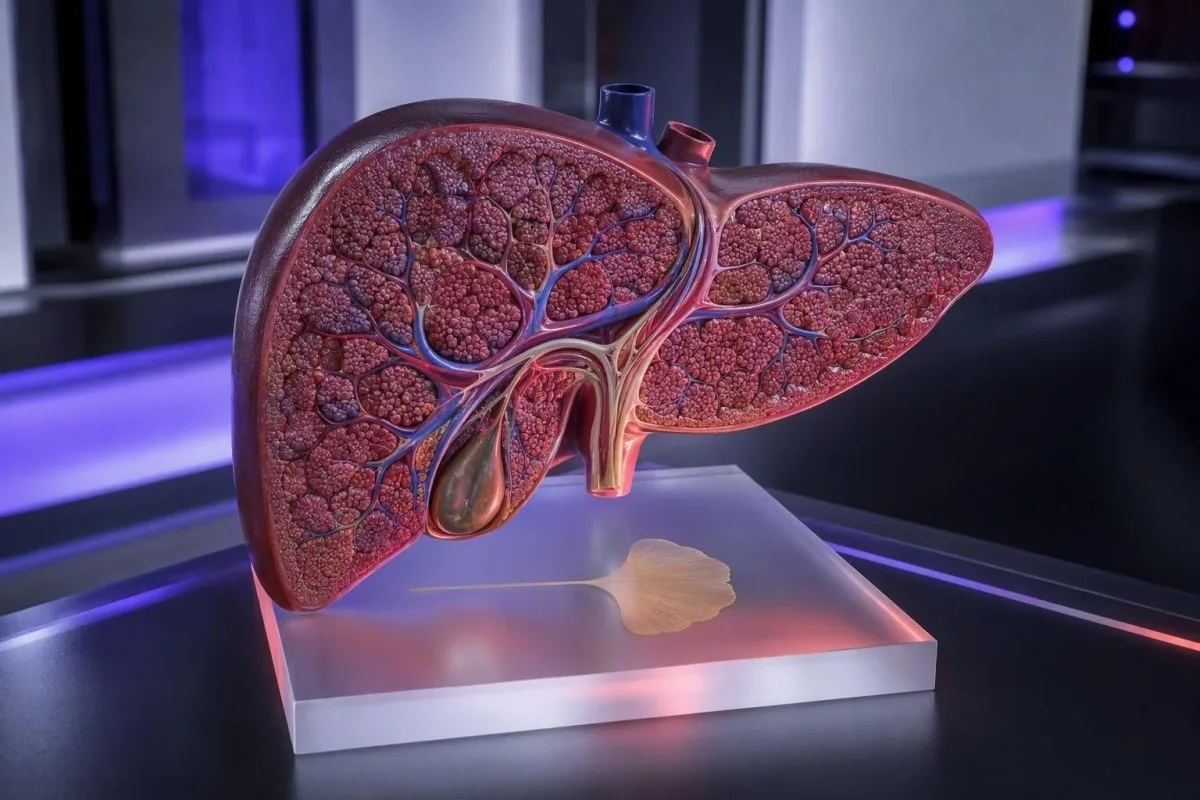
ALT በብዛት የሚዘገብ የጉበት ኢንዛይም ሲሆን ነገር ግን ከበሽታው ይልቅ የሴል ጭንቀት ምልክት ነው። ትርጉሙ የሚመነጨው ከመጠን ፣ ከስርዓተ-ነገር ፣ ከጊዜ እና ከሌሎች የጉበት ምርመራዎችዎ ነው።.


- ALT ትርጉም: ALT ማለት አላኒን አሚኖትራንስፌሬዝ ሲሆን በጉበት ሴሎች ውስጥ በከፍተኛ መጠን የሚገኝ እና በ IU/L የሚለካ ኢንዛይም ነው።.
- ተለመደው ክልል: ብዙ የጎልማሶች ላቦራቶሪዎች ለሴቶች የ ALT የላይኛው ገደብ 35 IU/L እና ለወንዶች 45 IU/L ይጠቀማሉ, ምንም እንኳን የሪፖርቱ የራሱ ወሰን ወሳኝ ቢሆንም.
- ቀላል ከፍታ: ከላቦራቶሪ የላይኛው ገደብ 2 እጥፍ በታች ያለው ALT የተለመደ ሲሆን ብዙውን ጊዜ ለጭንቀት ሳይሆን ለታቀደ ድግግሞሽ ይመከራል።.
- ንድፉ (pattern) ጠቃሚ ነው: ከፍ ያለ AST, ALP, GGT, ቢሊሩቢን, ወይም INR ጋር ያለው ALT ብቻውን ከፍ ካለው ALT የተለየ ትርጉም አለው።.
- የእንቅስቃሴ ተፅእኖ: ከባድ የመቋቋም ስልጠና ALT እና AST ን ለ 7 ቀናት ወይም ከዚያ በላይ ሊጨምር ይችላል, በተለይም creatine kinase ደግሞ ከፍ ያለ ከሆነ.
- የመድሀኒት ግምገማ: አሲታሚኖፌን፣ ስታቲን፣ አንቲባዮቲኮች፣ ፀረ-መናወጥ መድኃኒቶች፣ ተጨማሪዎች እና የእፅዋት ምርቶች ALT ላይ ተጽዕኖ ሊያሳድሩ ይችላሉ።.
- አስቸኳይ ምልክቶች: የቢጫ በሽታ፣ ግራ መጋባት፣ ከባድ የቀኝ የላይኛው የሆድ ህመም፣ ተደጋጋሚ ማስታወክ፣ ወይም በጣም ጥቁር ሽንት በቀን ውስጥ የህክምና ግምገማ ያስፈልጋቸዋል።.
- የዝንባሌ ዋጋ: የ ALT መጠን መቀነስ አነቃቂውን ካስወገዱ በኋላ ከተናጠል ድንበር ጋር ከተያያዘ ውጤት የበለጠ ማረጋገጫ ይሰጣል።.
በደም ምርመራ ላይ ALT ምን ማለት ነው
ALT ማለት የአላኒን አሚኖትራንስፌሬዝ ማለት ነው።, የኃይል ልውውጥን በሚያግዙ ህዋሳት ውስጥ አሚኖ ቡድኖችን ለማስተላለፍ የሚረዳ ኢንዛይም። የጉበት ህዋሳት ሲጨነቁ ወይም ሲጎዱ ወደ ደም ውስጥ ስለሚገባ ይለካል; ቋሚ የጉበት ጉዳትን በራሱ አያረጋግጥም።.
ALT በዋናነት በሄፕታይተስ ውስጥ ይገኛል, የጉበት የስራ ሴሎች, ምንም እንኳን ትንሽ መጠን በአጥንት ጡንቻ እና በሌሎች ሕብረ ሕዋሳት ውስጥ ቢከሰትም. የተነሳው ውጤት ከሚጠበቀው በላይ ኢንዛይም ወደ ናሙናው እንደደረሰ ያሳያል; ከደገፊ ማስረጃዎች ውጭ የሰባ ጉበት፣ የሄፐታይተስ፣ የመድኃኒት ጉዳት ወይም የአካል ብቃት እንቅስቃሴን መለየት አይችልም።.
በእኔ ክሊኒካዊ ልምምድ፣ በጣም ጠቃሚው የመጀመሪያው ጥያቄ “ምን ያህል ከፍ ያለ ነው?” ሳይሆን “ከምን መሰረታዊ መስመር እና ከሌሎች ምን ምልክቶች ጋር ነው?” የሚለው ነው። አዲስ የጂም አሰራር ከተጀመረ በኋላ 58 IU/L የሆነ ALT ከቢሊሩቢን 65 µmol/L እና ቢጫ አይኖች ጋር ALT 58 IU/L ከሆነ የተለየ ችግር ነው።.
ካንቴስቲ እ.ኤ.አ. AI የደም ምርመራ ተንታኝ ከምልክቶች ጋር ተያይዞ የሚመጣውን አንዱን የደመቀ እሴት እንደ ምርመራ ከመቁጠር ይልቅ AST, ALP, GGT, ቢሊሩቢን, አልቡሚን, የፕሌትሌት ብዛት, መድሃኒቶች, እና የቀደሙ ውጤቶችን የሚያሳይ ALTን ያነባል። ለተዛማጅ መለኪያዎች ሰፊ ካርታ፣ የእኛን ይመልከቱ የባዮማርከር መመሪያ.
ለምን የድሮው ስም SGPT ሊታይ ይችላል
አንዳንድ ዘገባዎች ALTን “ሴረም ግሉታሚክ-ፒሩቪክ ትራንስአሚኔዝ” ወይም SGPT. ብለው ይጠሩታል። ALT እና SGPT ተመሳሳይ የኢንዛይም ምርመራን ያመለክታሉ, ምንም እንኳን የዘመናዊ የላብራቶሪ ዘገባዎች አብዛኛውን ጊዜ ALTን ይጠቀማሉ.
ሐኪሞች ለምን የአላኒን አሚኖትራንስፌሬዝ ይለካሉ
ሐኪሞች አላኒን አሚኖትራንስፌሬዝ ምርመራ የጉበት ሴሎችን ጭንቀት ለመለየት, የታወቁ የጉበት በሽታዎችን ለመከታተል, እና የመድኃኒት-ነክ ጉዳቶችን ለመመርመር ያዝዛሉ። ALT ብዙ ጊዜ በጉበት ፓነል ወይም አጠቃላይ የሜታቦሊክ ፓነል ውስጥ ይካተታል, አንድ ሰው ምንም ምልክት ባይኖረውም.
ALT ብዙውን ጊዜ የስኳር በሽታ ወይም የሊపిድ ምርመራዎችን በሚያደርጉበት ጊዜ ይጣራል ምክንያቱም የሜታቦሊክ እክል-ነክ ስቴቶቲክ የጉበት በሽታ, ቀደም ሲል የሰባ ጉበት በሽታ ተብሎ ይጠራ የነበረው, ለዓመታት ዝም ሊል ይችላል. የ2023 AASLD መመሪያዎች የሜታቦሊክ የአደጋ ምክንያቶች እና ያልተገለጹ የጉበት ኢንዛይም ከፍታ ያላቸውን ሰዎች ለስቴቶቲክ የጉበት በሽታ እና የፋይብሮሲስ ስጋት (Rinella et al., 2023) እንዲገመገሙ ይመክራል።.
መደበኛ ALT ጉልህ የሆነ ፋይብሮሲስን አያካትትም, እና ከፍተኛ ALT የፋይብሮሲስን ደረጃ አይለካም. ALT 24 IU/L ያላቸው እና በልዩ ባለሙያ ግምገማ ላይ ትርጉም ያለው ጠባሳ ያላቸውን ታካሚዎችን አይቻለሁ, በተለይም ከ 2 ዓይነት የስኳር በሽታ ጋር; የፋይብሮሲስ ውጤቶች እና ምስሎች የተለያዩ ጥያቄዎችን ይመልሳሉ.
ALT ክትትል ከመድኃኒት ለውጥ በኋላም ተግባራዊ ነው, ነገር ግን በጥንቃቄ መታቀድ አለበት. የእኛ መመሪያ ዓመታዊ የደም ምርመራ ምርመራ ድግግሞሽ በደመ ነፍስ ብቻ ሳይሆን በአደጋ, በምልክቶች, እና በህክምና መመራት ያለበትን ምክንያት ያብራራል.
ALT መደበኛ ክልሎች እና የላቦራቶሪ ገደቦች ለምን ይለያያሉ
የአዋቂዎች ALT የማጣቀሻ ክልሎች ለሴቶች ከ 7 እስከ 35 IU/L እና ለወንዶች ከ 10 እስከ 45 IU/L ይደርሳሉ, ነገር ግን ክልሎች በአሳዛኝ ሁኔታ, በህዝብ ብዛት, እና በላብራቶሪ ይለያያሉ. ሁልጊዜ ከበይነመረቡ የመቁረጫ መስመር ይልቅ በውጤትዎ አጠገብ ባለው የላይኛው ገደብ ይጠቀሙ።.
የላይኛው ገደብ ስታቲስቲካዊ ነው, አብዛኛውን ጊዜ ከማጣቀሻ ህዝብ የተገኘ, ነገር ግን ከሱ በታች ያለው ማንኛውም እሴት ሙሉ በሙሉ ጤናማ ጉበትን እንደሚያንጸባርቅ ዋስትና አይደለም. አንዳንድ የአውሮፓ ላቦራቶሪዎች ለሴቶች ወደ 25 IU/L እና ለወንዶች ወደ 35 IU/L የሚጠጉ የጾታ-ተኮር የላይኛው ገደቦችን ይጠቀማሉ, ይህም የሜታቦሊክ አደጋን ቀደም ብሎ ሊለይ ይችላል, ነገር ግን ብዙ ድንበር ተሻጋሪ ባንዲራዎችን ይፈጥራል.
ከመደበኛው የላይኛው ገደብ በእጥፍ የሚቀንስ እሴት ብዙውን ጊዜ ቀላል ከፍታ ይባላል። ለ 40 IU/L የላይኛው ገደብ ላለው ላብራቶሪ, ALT 55 እስከ 80 IU/L አውድ እና አብዛኛውን ጊዜ የድጋሚ እቅድ ይገባቸዋል, ALT 400 IU/L ደግሞ የላይኛው ገደብ 10 እጥፍ ሲሆን አስቸኳይነቱን ይለውጣል.
ዶክተር ቶማስ ክላይን ለታካሚዎች የላቦራቶሪውን ስም፣ ክፍሎች፣ ክልል፣ የመሳል ቀን፣ የአልኮል መጠጣት እና ባለፈው ሳምንት የተደረገ የአካል ብቃት እንቅስቃሴ እንዲያስቀምጡ ይመክራሉ። ይህ በጉብኝቶች መካከል ያለውን የውጤት ልዩነት ለመተርጎም በጣም ቀላል ያደርገዋል።.
ALT እና AST እንዴት አብረው ይሰራሉ
ALT እና AST አብረው ሊተረጎሙ ይገባል ምክንያቱም ALT በጉበት ላይ ያተኮረ ሲሆን AST ደግሞ በአጥንት እና በልብ ጡንቻዎች ውስጥ በብዛት ይገኛል። የ AST-to-ALT ሬሾ ንድፎችን ሊያመለክት ይችላል፣ ነገር ግን የአልኮል-ነክ በሽታን ወይም ሲርሆሲስን በራሱ መመርመር አይችልም።.
ALT ASTን በሚበልጥበት ጊዜ፣ ክሊኒኮች ብዙውን ጊዜ የማዕከላዊ ስብጥር፣ የቫይረስ ሄፓታይስ ወይም የመድኃኒት ተጽዕኖዎችን ያስባሉ፣ ምንም እንኳን ብዙ ልዩ ሁኔታዎች ቢኖሩም። ከ 2 በላይ የሆነ AST:ALT ሬሾ በአልኮል-ተያያዥ የጉበት ጉዳት ሊከሰት ይችላል፣ ነገር ግን የላቀ ፋይብሮሲስ፣ የጡንቻ ጉዳት እና ከከባድ ጉዳት በኋላ ያለው ጊዜም ሬሾውን ሊቀይር ይችላል።.
ውድድር ካለቀ በኋላ AST 89 IU/L, ALT 61 IU/L, እና creatine kinase 1,450 IU/L ያለው የ52 ዓመቱ የማራቶን ሯጭ ተመሳሳይ ኢንዛይሞች እና creatine kinase 90 IU/L ካለው ሰው የተለየ ውይይት ያስፈልገዋል። AST እና ከፍተኛ CK የምንጨነቅበት ምክንያት የጡንቻ መለቀቅ ነው; ALT ብቻውን ለጡንቻ የተለየ አይደለም ነገር ግን ሊጨምር ይችላል።.
ለዚህ ልዩነት የጡንቻ ጎን, የእኛን ማብራሪያ ያንብቡ ከፍተኛ AST ምልክቶች. የአካል ብቃት እንቅስቃሴ ሊከሰት የሚችል ቀስቅሴ ከሆነ፣ ክሊኒኩዎ የተለየ ካልመከረ በስተቀር ለ 7 ቀናት ከመጠን በላይ የሆነ ከባድ ስልጠናን ከመውሰድ ይቆጠቡ።.
ALP, GGT እና ቢሊሩቢን ALT ትርጉምን እንዴት ይለውጣሉ
ALT የሄፓቶሴሉላር ንድፍን ያሳያል፣ አልካላይን ፎስፌት፣ GGT እና ቢሊሩቢን ደግሞ ኮሌስታሲስን ወይም የቢል ፍሰትን መጓደልን ለመለየት ይረዳሉ። ALT ከከፍተኛ ALP እና GGT ጋር የቢል-ዱክ በሽታ፣ የመድኃኒት ተጽዕኖዎች ወይም የጉበት እብጠት እንዲያስቡ ሊያደርግ ይገባል እንጂ ቀላል የስብ ጉበትን ከመገመት ይልቅ።.
ክሊኒክ የ R ሬሾን ሊያሰላ ይችላል፡ ALT በተወሰደው የላይኛው ገደብ ሲካፈል፣ ከዚያም ALP በተወሰደው የላይኛው ገደብ ሲካፈል። የ 5 ወይም ከዚያ በላይ የሆነ R ሬሾ የሄፓቶሴሉላር ጉዳትን ይደግፋል፣ 2 ወይም ከዚያ በታች ደግሞ የኮሌስታቲክ ጉዳትን ይደግፋል፣ እና 2 እስከ 5 ደግሞ የተደባለቀ ንድፍን ያመለክታል፤ ይህ የመመደቢያ መሳሪያ እንጂ የመጨረሻ ምርመራ አይደለም።.
GGT ጠቃሚ የሚሆነው ALP በሚጨምርበት ጊዜ ነው ምክንያቱም GGT መጨመር የሄፓቶቢሊያሪ ምንጭን ስለሚደግፍ፣ ALP ደግሞ ከአጥንት መዞርም ሊጨምር ይችላል። ስለዚህ የተለየ የ ALP መጨመር ከኖርማል GGT ጋር ወደ አጥንት እና የቫይታሚን ዲ ጥያቄዎች እንጂ የጉበት ምስልን ሊመራ ይችላል።.
ጥቁር ሽንት፣ የገረጣ ሰገራ፣ ማሳከክ፣ ትኩሳት ወይም ጃንዲስ ከፍ ያለ ቢሊሩቢን ጋር “ለሚቀጥለው አመታዊ ምርመራ ይጠብቁ” የሚሉ ምልክቶች አይደሉም። የእኛ د کولیسټاسس بڼه لارښود በፍጥነት መገምገም ያለባቸውን ጥምሮች ያብራራል።.
ከፍ ያለ ALT የተለመዱ ምክንያቶች
የ ALT መጨመር ብዙውን ጊዜ የማዕከላዊ ስብ ስቴቶቲክ የጉበት በሽታ፣ የአልኮል ተጋላጭነት፣ የቫይረስ ሄፓታይስ፣ የመድኃኒት ተጽዕኖዎች ወይም ጊዜያዊ የአካል ብቃት እንቅስቃሴ-ነክ ጭማሪን ያንጸባርቃል። የእያንዳንዱ ምክንያት ዕድል በሰውነት ክብደት፣ በግሉኮስ፣ በትራይግሊሰሪድስ፣ በአልኮል ንድፍ፣ በጉዞ፣ በመድኃኒቶች እና በከፍታው መጠን ይለወጣል።.
የሜታቦሊክ ስቴቶቲክ የጉበት በሽታ (metabolic steatotic liver disease) በተለይም የ ALT ከፍታ ከማዕከላዊ ውፍረት መጨመር፣ ከ 150 mg/dL በላይ የሆኑ ትራይግሊሰርਾਈዶች፣ ዝቅተኛ የ HDL ኮሌስት્રોલ፣ የጾም ግሉኮስ መጨመር ወይም የ 2 ዓይነት የስኳር በሽታ ጋር አብሮ ሲመጣ የመከሰት ዕድሉ ከፍተኛ ነው። እንዲሁም በትንንሽ አካላት ውስጥ ባሉ ሰዎች ላይ፣ በተለይም ከውስጥ ያሉ ቅባቶች፣ የዘረመል ቅድመ-ዝንባሌ፣ የእንቅልፍ አፕኒያ ወይም አንዳንድ መድኃኒቶች ባሉበት ሁኔታ ሊከሰት ይችላል።.
የቫይረስ ሄፓታይተስ ምርመራ የሚወሰነው ለቫይረሱ ተጋላጭነት እና ለአደጋው እንጂ ለ ALT ብቻ አይደለም። የሄፐታይተስ ቢ ወለል አንቲጂን (Hepatitis B surface antigen) እና የሄፐታይተስ ሲ ፀረ እንግዳ አካል (hepatitis C antibody) ከማረጋገጫ RNA ምርመራ ጋር በመሆን የታለመ ግምገማ መደበኛ አካል ናቸው፤ ይህም ታሪክ፣ ጂኦግራፊ ወይም የኢንዛይም ስርዓተ-ጥለት የሚደግፈው ከሆነ ነው። የእኛ የሄፐታይተስ ሲ መመሪያ የተለመደውን ሂደት ይሸፍናል።.
ያነሱ የተለመዱ ግን አስፈላጊ ምክንያቶች የሂሞክሮማቶሲስ (hemochromatosis)፣ ራስ-ሙን ሄፓታይተስ (autoimmune hepatitis)፣ በወጣቶች ላይ የዊልሰን በሽታ (Wilson disease)፣ የሴላሊክ በሽታ (celiac disease) እና የአልፋ-1 አንቲትሪፕሲን እጥረት (alpha-1 antitrypsin deficiency) ያካትታሉ። ዶክተር ቶማስ ክላይን እያንዳንዱ የ ALT ከፍታ ከአልኮል ጋር የተያያዘ ነው ብሎ ከመገመት የደረሰውን ጉዳት አይተዋል፤ የተደራጀ ምርመራ የበለጠ ሩህሩህ እና ትክክለኛ ነው።.
ALT ሊጨምሩ የሚችሉ መድኃኒቶች እና ተጨማሪዎች
መድኃኒቶች እና ተጨማሪዎች በቀጥታ የጉበት ጉዳት፣ በተቀየረ የቢሊ ፍሰት፣ በሜታቦሊክ ተጽዕኖዎች ወይም ባልተገናኘ ድንገተኛ አጋጣሚ አማካኝነት ALT ሊጨምሩ ይችላሉ። በአንድ ውጤት ምክንያት የታዘዘውን መድኃኒት በድንገት አያቁሙ፤ የሐኪምዎን ጥቅም ከስርዓተ-ጥለት እና አዝማሚያ ጋር በማመዛዘን ሊመዝን የሚችል ሐኪም ያማክሩ።.
አሲታሚኖፌን (Acetaminophen)፣ ፓራሲታሞል (paracetamol) በመባልም ይታወቃል፣ ከመጠን በላይ በሚወስዱበት ጊዜ ከፍተኛ የ ALT ከፍታን ሊያስከትል ይችላል፣ አንዳንድ ጊዜም በተለመደው ከፍተኛ መጠን ላይ መጠነኛ ለውጦችን ያመጣል። ለአብዛኛዎቹ አዋቂዎች፣ መደበኛ ከፍተኛው በቀን 4,000 mg ነው፣ ነገር ግን ብዙ ሐኪሞች አልኮልን አዘውትረው ለሚጠጡ፣ የጉበት በሽታ ላለባቸው፣ ለሚበልጡ ወይም የጉንፋን መድኃኒቶችን ለሚጠቀሙ ሰዎች ዝቅተኛ ገደብ ይመክራሉ።.
ስታቲኖች (Statins) ትንሽ የ ALT ጭማሪ ሊያስከትሉ ይችላሉ፣ ሆኖም ከባድ የስታቲን-ነክ የጉበት ጉዳት ብርቅ ነው። የልብና የደም ሥር (cardiovascular) መድኃኒትን ያለ ምክር ማቆም ከኢንዛይም ፍላግ (enzyme flag) የበለጠ አደገኛ ሊሆን ይችላል። የ ACG መመሪያው ሰፊ ምርመራ ከማድረግዎ በፊት (Kwo et al., 2017) መደበኛ ያልሆኑ የጉበት ኬሚስትሪዎችን ማረጋገጥ እና ጥንቃቄ የተሞላበት የሐኪም ማዘዣ፣ ያለማዘዣ እና ተጨማሪ መድሃኒት ታሪክ መውሰድ ይመክራል።.
አረንጓዴ ሻይ ተዋጽኦ (Green tea extract)፣ አናቦሊክ ምርቶች (anabolic products)፣ ከፍተኛ መጠን ያለው የቫይታሚን ኤ (high-dose vitamin A)፣ ብዙ ንጥረ ነገሮች ያሏቸው “የመርዛማነት” ዱቄቶች (multi-ingredient “detox” powders) እና ያልተደነገጉ የሰውነት ማጎልመሻ ተጨማሪዎች (unregulated bodybuilding supplements) ልዩ ጥያቄዎችን ይገባቸዋል ምክንያቱም መለያዎች ያልተሟሉ ሊሆኑ ይችላሉ። አዲስ ምርት ከመጨመሩ በፊት ተግባራዊ ተጨማሪዎች ደህንነት መመሪያችንን ይገምግሙ።.
የአካል ብቃት እንቅስቃሴ ALT ን በጊዜያዊነት ሊጨምር ይችላል?
አዎ፣ ከፍተኛ የአካል ብቃት እንቅስቃሴ ALTን በጊዜያዊነት ሊጨምር ይችላል፣ በተለይም ከማያውቁት የመቋቋም ስልጠና (resistance training)፣ የጽናት ክስተቶች (endurance events) ወይም የጡንቻ ጉዳት በኋላ። AST እና creatine kinase (creatine kinase) ብዙውን ጊዜ በግልጽ ይጨምራሉ፣ እና እሴቶቹ እንደ የአካል ብቃት እንቅስቃሴ ጥንካሬ እና የጡንቻ መጠን ከ 3 እስከ 10 ቀናት ሊወስድ ይችላል።.
የተለመደው የተሳሳተ ግንዛቤ የ ALT ከፍታ ሁልጊዜ የጉበት ጉዳት ማለት ነው። በተግባር፣ ኤክሰንትሪክ ማንሳት (eccentric lifting)—ቀርፋፋ ዝቅታ እንቅስቃሴዎች— የሚያካትት ከባድ ክፍለ ጊዜ AST፣ ALT፣ LDH እና CK ን ያለ ተፈጥሯዊ የጉበት መታወክ ሊለውጥ ይችላል።.
ለማንጻት ለድጋሚ ምርመራ፣ እኔ ብዙውን ጊዜ የተረጋጉ፣ ጤናማ ታካሚዎችን ለ 5 እስከ 7 ቀናት ከፍተኛ የአካል ብቃት እንቅስቃሴን እንዲያስወግዱ፣ ለጥቂት ቀናት አልኮልን እንዲያስወግዱ፣ መደበኛውን የውሃ መጠን እንዲጠብቁ እና በተቻለ መጠን ተመሳሳይ ላቦራቶሪ እንዲጠቀሙ እጠይቃለሁ። ይህ ቀይ-ባንዲራ ምልክቶች ካሉ ወይም ALT ከክልሉ ብዙ እጥፍ በላይ ከሆነ ተገቢ አይደለም፤ እንደዚህ ያሉ ሁኔታዎች መጀመሪያ የክሊኒካዊ ምክር ያስፈልጋቸዋል።.
ካንቴስቲ እ.ኤ.አ. በ AI የተጎላበተ የደም ምርመራ ትንተና መሳሪያ በ 127+ አገሮች ውስጥ ጥቅም ላይ የዋለ ሲሆን ይህም ALT፣ AST፣ CK እና የቀደሙትን ስዕሎች በማነፃፀር የአካል ብቃት እንቅስቃሴ ተኳሃኝ የሆነ ስርዓተ-ጥለት እንዲያሳይ እንጂ ደህንነቱ የተጠበቀ ነው ብሎ ሳይገልጽ መለየት ይችላል። አትሌቶችም ሊገመግሙ ይችላሉ የማራቶን የደም ምርመራ ጊዜ.
የ ALT ውጤትን ይበልጥ አስቸኳይ የሚያደርጉ ምልክቶች
አብዛኛዎቹ መጠነኛ የ ALT ከፍታዎች ምንም ምልክት አያስከትሉም፣ ነገር ግን የጃንዲስ (jaundice)፣ በጣም ጥቁር ሽንት፣ ቀላል ሰገራ፣ ከባድ የሆድ ህመም፣ ግራ መጋባት፣ ቀላል ድብደባ ወይም የማያቋርጥ ማስታወክ ለፈጣን የህክምና ግምገማ ያስፈልጋሉ። ምልክቶች ቢሊሩቢን (bilirubin) አያያዝ፣ የቢሊ መዘጋት፣ አጣዳፊ ሄፓታይተስ (acute hepatitis) ወይም የጉበት ውህደት ተግባር መቀነስ ሊያመለክቱ ስለሚችሉ አስፈላጊ ናቸው።.
ለቢጫ ዓይኖች ወይም ቆዳ፣ ግራ መጋባት፣ አዲስ እንቅልፍ ማጣት፣ በቀኝ የጎድን አጥንት ስር በፍጥነት እየተባባሰ የሚሄድ ህመም ወይም ፈሳሽ መያዝ አለመቻል ለዚያው ቀን እንክብካቤ ያድርጉ። ALT ከአምስት እጥፍ የላይኛው ወሰን በላይ ከሆነ፣ ቢሊሩቢን ከፍ ካለ ወይም INR ከተራዘመ እነዚህ ምልክቶች የበለጠ ክብደት አላቸው።.
እርግዝና የጭንቀት ገደቡን ይለውጣል፡ የዘንባባ ወይም የእግር ጫማ ማሳከክ፣ የቀኝ የላይኛው የሆድ ክፍል ምቾት፣ ራስ ምታት፣ የእይታ መታወክ ወይም ከፍተኛ የደም ግፊት፣ ALT መጠነኛ ከፍ ያለ ቢሆንም እንኳ አስቸኳይ የማህፀን ህክምና ግምገማ ያስፈልጋል። ለእርግዝና የተለዩ ሁኔታዎች ከመደበኛ የውጪ የጉበት ምርመራ የተለየ መንገድ ይፈልጋሉ።.
የሽንት ለውጦች ፍንጮችን ሊጨምሩ ይችላሉ ነገር ግን በራሳቸው በሽታን አያሳዩም። ጽሑፋችን ስለ ጥቁር ሽንት መንስኤዎች ድርቀትንና መድኃኒቶችን ከቢሊሩቢን-ነክ የጥንቃቄ ምልክቶች ለመለየት ይረዳል።.
ያልተለመደ የ ALT ውጤት ከተገኘ በኋላ ምን ይከሰታል
ከደካማ የ ALT ውጤት በኋላ፣ ሐኪሞች ውጤቱን ያረጋግጣሉ፣ የተጋላጭነት ሁኔታዎችን ይገመግማሉ፣ እና እንደ መጠኑ እና ምልክቶቹ መጠን ምርመራውን ይደግማሉ ወይም ያሰፋሉ። አንድ ነጠላ ቀላል ውጤት ብዙውን ጊዜ ከጥቂት ሳምንታት እስከ ጥቂት ወራት ባለው ጊዜ ውስጥ መደጋገም ያስከትላል፣ ከፍተኛ ጭማሪ ወይም የቆዳ ቢጫነት ፈጣን ግምገማን ይጠይቃል።.
ምክንያታዊ የሆነ የመጀመሪያ ግምገማ የሚያጠቃልለው የአልኮል አጠቃቀም ስርዓተ-ስርዓት፣ የቅርብ ጊዜ ህመም፣ የሰውነት ክብደት ለውጦች፣ ጉዞ፣ የቤተሰብ ታሪክ፣ የታዘዙ እና ያልታዘዙ መድኃኒቶች፣ ተጨማሪዎች እና የአካል ብቃት እንቅስቃሴ ባለፉት 7 ቀናት ውስጥ ነው። የተለመዱ ተከታታይ ምርመራዎች AST፣ ALP፣ GGT፣ ቢሊሩቢን፣ አልቡሚን፣ ሙሉ የደም ብዛት፣ INR፣ የሄፐታይተስ ምርመራ፣ ፈሪቲን ከትራንስፈርሪን ሙሌት ጋር እና ግሉኮስ ወይም HbA1c ያካትታሉ።.
አልትራሳውንድ ለስቴቶሲስ፣ ለሐሞት ጠጠር፣ ለቢል ቱቦ መስፋፋት ወይም ለጉዳት ለውጥ ጠቃሚ ሊሆን ይችላል፣ ነገር ግን የ early fibrosis ደረጃን በယုံကြည်ነት አይለካም። FIB-4 እድሜ፣ AST፣ ALT እና የፕሌትሌት ብዛት የፋይብሮሲስ አደጋን ለመገመት ይጠቀማል፤ ከ35 አመት በታች በሚሆንበት ጊዜ ያነሰ አስተማማኝ ይሆናል እና በከባድ ህመም ጊዜ ጥቅም ላይ መዋል የለበትም።.
Kantesti AI یو የAI ላብ ሙከራ ትርጓሜ አገልግሎት እነዚህን ተዛማጅ ምልክቶችን እና ተከታታይ ውጤቶችን ከሀኪም ጋር ለመወያየት የሚያደራጅ። የእኛ የጉበት ፓነል ገላጭ እያንዳንዱ ተከታታይ ክፍል አስተዋፅኦ የሚያደርገውን ያሳያል።.
የ ALT አዝማሚያዎች ከአንድ ቁጥር ይልቅ ለምን ጠቃሚ ናቸው
የ ALT አዝማሚያ ነጠላ ውጤትን የሚያሳይ ይበልጥ መረጃ ሰጪ ነው ምክንያቱም ምልክቱ እየቀነሰ፣ እየቀጠለ ወይም እየተፋጠነ እንደሆነ ስለሚያሳይ። በ6 ሳምንታት ውስጥ ከ72 ወደ 34 IU/L መለወጥ ከ34 ወደ 72 IU/L የተለየ ክሊኒካዊ መልእክት ይይዛል፣ ምንም እንኳን ሁለቱም ቁጥሮች በቤተ-ሙከራ ገደብ አጠገብ ቢሆኑም።.
ባዮሎጂያዊ ልዩነት፣ የውሃ መጠን፣ የአሰራር ልዩነት እና ሰዓት ALT ን በመጠኑ ሊያንቀሳቅሱት ይችላሉ። በተመሳሳዩ ቤተ-ሙከራ ውስጥ፣ በቀኑ በተመሳሳይ ሰዓት፣ ተመሳሳይ እንቅስቃሴ እና ከአልኮል ጋር ከተያያዘ በኋላ መደጋገም፣ ድምጽን ይቀንሳል እና እውነተኛ ለውጥን ለመለየት ቀላል ያደርገዋል።.
ከ6 ወር በላይ የሚቆይ የማያቋረጥ ጭማሪ ይበልጥ ጥንቃቄ የተሞላበት ግምገማን ይጠይቃል፣ በተለይም የስኳር በሽታ፣ ውፍረት፣ የቤተሰብ የጉበት በሽታ ታሪክ፣ የፕሌትሌት ቅነሳ ወይም የቢሊሩቢን መጨመር ካለ። በተቃራኒው፣ ሙሉ በሙሉ ከተገመገመ ታካሚ ውስጥ የተረጋጋ ቀላል ALT በተደጋጋሚ ሰፊ ምርመራ ከመደረግ ይልቅ ሊከታተል ይችላል።.
Kantesti AI የ ALT አዝማሚያዎችን ከጎን ያሉት AST, የፕሌትሌት ብዛት, ቢሊሩቢን, እና ሜታቦሊክ ምልክቶችን ይተረጉማል እንጂ 3 IU/L ለውጥን እንደ የበሽታ እድገት አይቆጥርም። የእኛን ይመልከቱ දිගුකාලීන පරීක්ෂණ මාර්ගෝපදේශය (longitudinal testing guide) බලන්න ከእያንዳንዱ ናሙና በኋላ መመዝገብ ያለባቸውን ዝርዝሮች ለማግኘት።.
ወደ መጥፎ ውሳኔዎች ሊመሩ የሚችሉ የ ALT የተሳሳቱ አመለካከቶች
ALT በጥብቅ አነጋገር “የጉበት ተግባር ምርመራ” አይደለም ምክንያቱም ኢንዛይም መፍሰስን ይለካል እንጂ የጉበት የአልቡሚን፣ የደም መርጋት ምክንያቶች ወይም የሐሞት የማምረት ችሎታን አይደለም። አልቡሚን፣ INR፣ ቢሊሩቢን፣ የፕሌትሌት ብዛት፣ ምልክቶች እና ምስል ከ ALT ብቻ የበለጠ ተዛማጅ ታሪክ ሊናገሩ ይችላሉ።.
መደበኛ ALT ከፍተኛ የአልኮል መጠጥ፣ የስኳር በሽታ ወይም የጉበት በሽታ ጠንካራ የቤተሰብ ታሪክን ችላ ለማለት ፍቃድ አይሰጥም። በተመሳሳይ መልኩ፣ የጨመረ ALT አልኮል መንስኤ መሆኑን አያረጋግጥም፤ ይህ ግምት እምነትን ሊጎዳ እና የቫይረስ፣ ራስን የመከላከል፣ የዘረመል ወይም የመድኃኒት-ነክ በሽታዎችን ምርመራ ሊያዘገይ ይችላል።.
“የጉበት መርዝ” ሌላ የተለመደ ወጥመድ ነው። ጉበት ቀድሞውንም ሜታቦሊዝም እና መወገድን ይቆጣጠራል፣ የከፋ ጾም፣ ያልተገቡ ዕፅዋት እና ፈጣን የክብደት መቀነስ አንዳንድ ጊዜ ምልክቶችን ወይም የላቦራቶሪ ምልክቶችን ሊያባብሱ ይችላሉ፤ የንግድ መርዝ ስርዓቶች ማስረጃ በእውነቱ ደካማ ነው።.
አመጋገብ ውይይቱ አካል ከሆነ፣ በዘላቂ የክብደት ለውጥ፣ በበቂ ፕሮቲን፣ ፋይበር እና የተቀነሰ እጅግ የhighly processed food ላይ ያተኩሩ እንጂ በተአምራዊ ምርቶች ላይ አይደለም። የእኛ ማስረጃ-ተኮር የጉበት ምግብ መመሪያ ደህንነቱ የተጠበቀ የመነሻ ነጥብ ነው።.
በህጻናት፣ በእርግዝና እና በእድሜ ለገፉ ሰዎች የ ALT ትርጓሜ
የ ALT ትርጓሜ በልጆች፣ በእርግዝና እና በእድሜ የገፉ አዋቂዎች ላይ እድሜ-ተኮር ሁኔታ ይፈልጋል ምክንያቱም የማጣቀሻ ገደቦች እና ሊሆኑ የሚችሉ ምክንያቶች ይለያያሉ። የህጻናት ALT ገደቦች ከአዋቂዎች የላብራቶሪ ክልሎች ይልቅ ዝቅተኛ ናቸው፣ እና በእርግዝና ጋር ተያይዘው የሚመጡ የጉበት ምልክቶች ፈጣን ልዩ ባለሙያ-የሚመራ ግምገማን ይጠይቃሉ።.
በህጻናት ላይ፣ በውፍረት የተያያዘ ስቴቶቲክ የጉበት በሽታ እየጨመረ መጥቷል፣ ነገር ግን የቫይረስ በሽታዎች፣ የጡንቻ መዛባት፣ የሴላሊክ በሽታ እና የተወረሱ የሜታቦሊክ ሁኔታዎች በልዩነት ውስጥ መቆየት አለባቸው። የህጻናት ሐኪም የአዋቂዎችን “ከ40 IU/L በታች ምንም ችግር የለም” አስተሳሰብ ከመተግበር ይልቅ የማያቋርጥ የ ALT ጭማሪን መተርጎም አለበት።.
በእርግዝና ወቅት፣ ALT በአጠቃላይ ከነጻ የእርግዝና ማጣቀሻ ክፍተት ውስጥ መቆየት አለበት፤ የደም ግፊት መጨመር፣ ዝቅተኛ ፕሌትሌቶች፣ ማሳከክ ወይም ማቅለሽለሽ ጋር መነሳት በእርግዝና-ነክ በሽታዎች ላይ ፈጣን ግምገማ ያስፈልገዋል። አልቡሚን በተለምዶ የፕላዝማ መጠን መስፋፋት ምክንያት ይወድቃል፣ ስለዚህ አልቡሚን እና ALT በተመሳሳይ ምክንያት መተርጎም የለባቸውም።.
በእድሜ የገፉ አዋቂዎች ላይ፣ ብዙ መድኃኒቶች እና ድክመት ሙሉ የመድኃኒት ግምገማ ዋጋን ይጨምራሉ። የእኛ ከፍተኛ የህክምና ላብ መመሪያ ቀጠሮ ሲይዙ ሊጠይቋቸው የሚገቡ ጥያቄዎችን ያቀርባል።.
የ ALT ውጤቶችን ለመተርጎም AI ን በደህና መጠቀም
CE የ ALT ውጤትን ለማደራጀት ሊረዳ ይችላል፣ ነገር ግን ሊመረምርዎት፣ ምልክቶችን ማረጋገጥ ወይም ለከባድ የጉበት ችግር ሊሆን የሚችል የህክምና ግምገማን መተካት አይችልም። በጣም አስተማማኝ አጠቃቀሙ ዝግጅት ነው፡ ስርዓተ-ጥረቱን ይለዩ፣ ዋናውን ሪፖርት ያስቀምጡ እና ብቁ ለሆነ ሀኪም ያተኮሩ ጥያቄዎችን ይዘው ይሂዱ።.
ከሴፕቴምበር 5, 2026 ጀምሮ, Kantesti AI የደም ምርመራ ውጤት ትርጓሜ መድረክ የተጫኑ የላብራቶሪ ሪፖርቶችን በ60 ሰከንድ ገደማ የሚገመግም እና ALTን ከሚመለከታቸው እሴቶች፣ የጊዜ ሰሌዳ ታሪክ እና ከሪፖርት የተደረጉ መድኃኒቶች ጋር በማነፃፀር የሚያስቀምጥ ነው። የጥያቄዎችን ጥራት ለማሻሻል ታስቦ የተሰራ እንጂ ምርመራ ለማድረግ ወይም ህክምና ለማዘዝ አይደለም።.
ለትክክለኝነት፣ የሪፖርቱ ምስል ሊነበብ የሚችል መሆኑን፣ ክፍሎቹ በትክክል መያዛቸውን እና ባለፈው ዓመት የተገኘ ውጤት ከዛሬው እሴት ጋር እንዳይነፃፀር ያረጋግጡ። የ Kantesti ክሊኒካዊ አካሄድ በሀኪም ቁጥጥር የተመሰረተ ነው፤ አንባቢዎች የኛን የሕክምና ማረጋገጫ መደበኛዎች እና የሕክምና አማካሪ ቦርድ AI-የተደገፈ ትርጓሜን እንዴት እንደሚጠቀሙ ሲወስኑ ማየት ይችላሉ።.
ለግምገማ ሶስት ነገሮችን ይዘው ይምጡ፡ ሙሉ ፓነል፣ መጠኖችን ጨምሮ ለእያንዳንዱ መድሃኒት እና ተጨማሪዎች ዝርዝር፣ እና የአልኮሆል፣ ህመም፣ ጉዞ እና ከፍተኛ የአካል ብቃት እንቅስቃሴ የጊዜ ሰሌዳ። ያ መጠነኛ ዝግጅት ብዙውን ጊዜ አላስፈላጊ ጭንቀትን ይከላከላል እና ትርጉም ያለው ስርዓተ-ጥረቱን እንዳይቀር ይከላከላል።.
ለቀጣዩ የ ALT ምርመራዎ የሚያገለግል ተግባራዊ መመሪያ
የታቀደ የ ALT ዳግም ምርመራ ከመደረጉ በፊት፣ ልምድዎን ይረጋጉ እና ኢንዛይሞችን ሊቀይሩ የሚችሉ ነገሮችን ይመዝግቡ። በክሊኒካዊ ሁኔታ ደህንነቱ የተጠበቀ ከሆነ ለ 5 - 7 ቀናት ከባድ ስልጠናን ያስወግዱ፣ ለብዙ ቀናት አልኮሆልን ያስወግዱ እና ሐኪምዎ እስካልነገረዎት ድረስ የታዘዙ መድኃኒቶችን አይቀይሩ።.
ማንኛውንም አሲታሚኖፌን ወይም ፓራሲታሞል አጠቃቀም፣ አንቲባዮቲክስ፣ አዲስ ተጨማሪዎች፣ የቅርብ ጊዜ ትኩሳት፣ የጨጓራ በሽታ፣ ክትባቶች፣ ጾም እና ፈጣን የክብደት ለውጥ ይመዝግቡ። ጾም ብዙውን ጊዜ ለ ALT ብቻ አያስፈልግም፣ ምንም እንኳን በዚያ ጉብኝት ግሉኮስ፣ ትራይግሊሰሪድስ ወይም ሌሎች ምርመራዎች እየተለኩ ከሆነ ሊጠየቅ ይችላል።.
AST, ALP, GGT, ቢሊሩቢን, አልቡሚን, ፕሌትሌቶች, እና CK እንዲያካትት የ ALT ዳግም ምርመራን በተመለከተ ሀኪሙን ይጠይቁ። መልሱ ብዙውን ጊዜ በመጀመሪያው ስርዓተ-ጥረቱ ላይ የተመሰረተ ነው፤ ከክብደት ማንሳት በኋላ ብቻውን የ ALT 48 IU/L ከ ALT 248 IU/L ከቢሊሩቢን 48 µmol/L ጋር ተመሳሳይ የጥናት ፍላጎት የለውም።.
ከሪፖርትዎ ጥያቄዎችን ለመሰብሰብ እገዛ ከፈለጉ፣ የእኛ چکلیست دقت گزارش AI استفاده کنید. ጉብኝትዎን ከመጎብኘትዎ በፊት ጠቃሚ ነው። ስለ ስራችን የድርጅት መረጃ ለማግኘት, ይመልከቱ ስለ ካንቴስቲ.
በተደጋጋሚ የሚጠየቁ ጥያቄዎች
ALT ምንድነው?
ALT ማለት የአላኒን አሚኖትራንስፌሬዝ ማለት ሲሆን ይህ ኢንዛይም በዋናነት በጉበት ሴሎች ውስጥ የሚገኝ ሲሆን በአለም አቀፍ አሃድ በሊትር (IU/L) ይለካል:: ብዙ ላቦራቶሪዎች ለአዋቂ ሴቶች ከ35 IU/L በታች እና ለአዋቂ ወንዶች ከ45 IU/L በታች ይጠቀማሉ, ምንም እንኳን በእያንዳንዱ ሪፖርት ላይ የታተመው የዋቢ ክልል ትክክለኛ ንፅፅር ቢሆንም:: ከፍ ያለ ALT የሴል ውጥረት ወይም ጉዳት ምልክት ነው ነገር ግን በራሱ ምክንያትውን ለይቶ ማወቅ አይችልም:: AST, ALP, GGT, ቢሊሩቢን, መድሃኒቶች, አልኮል, የአካል ብቃት እንቅስቃሴ እና ምልክቶች የውጤቱን ትርጉም ይወስናሉ::.
ALT 50 IU/L ከፍ ያለ ነው?
የ ALT መጠን 50 IU/L ሲሆን ይህም በአብዛኛዎቹ መአዛኖች የላይኛው ገደብ 35 ወይም 40 IU/L ከሆነ በትንሹ የጨመረ ነው, ነገር ግን የላይኛው ገደብ 55 IU/L ባለባቸው some laboratories ውስጥ መደበኛውን ይመስላል. የቢሊሩቢን, ALP, INR, እና ምልክቶች መደበኛ ከሆኑ, 50 IU/L አካባቢ ያለው እሴት ብዙውን ጊዜ ያን ያህል አስቸኳይ አይደለም, ምንም እንኳን አሁንም ትኩረት እና ብዙ ጊዜ ድግግሞሽ ቢገባውም. በቅርቡ የክብደት ማንሳት, አልኮል, ማትቦሊክ ስቴቶሲስ, መድሃኒቶች, እና ተጨማሪዎች የተለመዱ ማብራሪያዎች ናቸው. ከ 6 ወራት በላይ የቆየ ጭማሪ የ structured clinical review ጥናት ይጠይቃል.
እንቅስቃሴ የALT ደረጃዎችን ሊያሳድግ ይችላል?
የአካል ብቃት እንቅስቃሴ በከፍተኛ ሁኔታ ሊያደርግ ይችላል ALT, AST, LDH, እና creatine kinase ምክንያቱም የአጥንት ጡንቻዎች ከባድ ወይም ያልተለመደ ጥረት በኋላ ኢንዛይሞችን ስለሚለቁ። ጭማሪው ከ 3 እስከ 10 ቀናት ሊቆይ ይችላል, AST እና creatine kinase ከ ALT ይልቅ ብዙ ጊዜ ይጨምራሉ. የአካል ብቃት እንቅስቃሴ አስተዋጽኦ እንዳደረገ ለማወቅ ከታቀደው ድግግሞሽ ከ 5 እስከ 7 ቀናት በፊት ባልተለመደ ሁኔታ ከባድ እንቅስቃሴን ማስወገድ ይችላል። ከፍተኛ ALT, የጃንዲስ, ከባድ ህመም, ወይም ጨለማ ሽንት አሁንም የአካል ብቃት እንቅስቃሴ ተጠያቂ ነው ብሎ ከመገመት ይልቅ ፈጣን የህክምና ምክር ይፈልጋል።.
በደም ምርመራ ውስጥ ALT ከAST የበለጠ አስፈላጊ ነው ወይስ AST ከALT?
ALTም ሆነ AST በአለም አቀፍ ደረጃ የትኛው የበለጠ አስፈላጊ እንደሆነ የለም ምክንያቱም ሁለቱ አብረው ከሚያገኙት በላይ መረጃ ስለሚሰጡ ነው። ALT በጉበት ላይ ያተኮረ ሲሆን AST ደግሞ በአጥንት ጡንቻዎች ውስጥም ይገኛል እና ከከባድ የአካል ብቃት እንቅስቃሴ ወይም የጡንቻ ጉዳት በኋላ በከፍተኛ ሁኔታ ሊጨምር ይችላል። ከ2 በላይ የሆነ AST-to-ALT ሬሾ ከአልኮል ጋር በተያያዘ የጉበት ጉዳት ሊከሰት ይችላል፣ ነገር ግን በሽታን የሚያረጋግጥ አይደለም እና የላቀ የፋይብሮሲስ ወይም የጡንቻ መለቀቅ ጋርም ሊታይ ይችላል። ሐኪሞች ሁለቱንም እሴቶች ከ GGT, ALP, ቢሊሩቢን, creatine kinase, የፕሌትሌት ብዛት, እና ከክሊኒካዊ ታሪክ ጋር ያነባሉ።.
ከፍተኛ የ ALT ውጤት መቼ በአስቸኳይ መታየት አለበት?
የALT ውጤት በቤተ-ሙከራ የላይኛው ገደብ ከ5 እጥፍ በላይ ከሆነ፣ በፍጥነት ከፍ ካለ፣ ወይም ከቢጫ በሽታ፣ ራስን መሳት፣ ከባድ የሆድ የላይኛው ቀኝ ህመም፣ ተከታታይ ማስታወክ፣ በቀላሉ የመቁሰል ወይም የሽንት መጥቆር ጋር አብሮ ከታየ አስቸኳይ ግምገማ ያስፈልገዋል። የቢሊሩቢን መጨመር፣ የረዘመ INR፣ ዝቅተኛ ግሉኮስ፣ ወይም ዝቅተኛ የፕሌትሌት ብዛት ስጋትን ሊጨምሩ ይችላሉ ምክንያቱም እነሱ ከኤንዛይም መለቀቅ በተጨማሪ ሊያመለክቱ ይችላሉ። በእርግዝና ምክንያት የሚከሰት ማሳከክ፣ ራስ ምታት፣ የእይታ ምልክቶች፣ ወይም ከALT መጨመር ጋር ተያይዞ የሚከሰት ከፍተኛ የደም ግፊት እንዲሁ አስቸኳይ የፅንስና የማህፀን ግምገማ ያስፈልጋቸዋል። የላይኛው ገደብ ከ2 እጥፍ በታች የሆነ የተናጠለ ቀላል ውጤት በአብዛኛው አነስተኛ አስቸኳይ ግምገማ የሚያስፈልገው ቢሆንም ችላ ሊባል አይገባም።.
የሰባ ጉበት ALT እንዲጨምር ያደርጋል?
የሜታቦሊክ ዲስፉንክሽን ጋር ተያይዞ የሚከሰት የስብ የጉበት በሽታ (Metabolic dysfunction-associated steatotic liver disease) የ ALT መጠን በትንሹ እንዲጨምር የሚያደርግ የተለመደ ምክንያት ሲሆን በተለይ ትራይግሊሰರይድ ከ 150 mg/dL በላይ ከሆነ፣ የግሉኮስ መጠን መጨመር፣ አይነት 2 የስኳር በሽታ፣ ማዕከላዊ ውፍረት ወይም ዝቅተኛ HDL ኮሌስትሮል ካለ። ALT በጉበት ስብ ወይም ፋይብሮሲስ ቢኖርም መደበኛ ሊሆን ይችላል፣ ስለዚህ መደበኛ ውጤት ከክሊኒካዊ ጠቀሜታ ካለው በሽታ አያግድም። የ2023 AASLD መመሪያዎች በሜታቦሊክ ስጋት ምክንያቶች እና ባልታወቁ ኢንዛይም ጭማሪዎች ባሉባቸው ሰዎች ላይ የፋይብሮሲስ ስጋት ግምገማን ይደግፋሉ። ዘላቂ የክብደት አስተዳደር፣ የስኳር በሽታ ቁጥጥር፣ የአልኮሆል ቅነሳ እና በሀኪም የሚመራ ክትትል ከዲቶክስ ምርቶች የበለጠ ማስረጃ-ተኮር ናቸው።.
ዛሬ የAI-የኃይል የደም ምርመራ ትንተና ያግኙ
በፍጥነት እና ትክክለኛ የላቦራቶሪ ምርመራ ትንተና ለማግኘት Kantestiን የሚያምኑ ከ2 ሚሊዮን በላይ ተጠቃሚዎችን ይቀላቀሉ። የደም ምርመራ ውጤትዎን ይስቀሉ እና በ15,000+ ባዮማርከሮች ላይ የተሟላ ትርጓሜን በሰከንዶች ውስጥ ይቀበሉ።.
📚 የተጠቀሱ የምርምር ህትመቶች
Klein, T., Mitchell, S., & Weber, H. (2026). የB አሉታዊ የደም ዓይነት፣ የLDH የደም ምርመራ እና የሬቲኩሎይት ቆጠራ መመሪያ. Kantesti AI የሕክምና ምርምር።.
Klein, T., Mitchell, S., & Weber, H. (2026). ከጾም በኋላ የሚከሰት ተቅማጥ፣ በሰገራ ውስጥ ጥቁር ነጠብጣቦች እና የጂአይ መመሪያ 2026. Kantesti AI የሕክምና ምርምር።.
📖 ውጫዊ የሕክምና ማጣቀሻዎች
⚕️ የሕክምና ማስተባበያ
ይህ ጽሑፍ ለትምህርታዊ ዓላማ ብቻ ነው እና የሕክምና ምክር አይደለም። ለምርመራ እና ለሕክምና ውሳኔዎች ሁልጊዜ ብቁ የጤና ባለሙያን ያማክሩ።.
የE-E-A-T እምነት ምልክቶች
ልምድ
በሐኪም መሪነት የላቦራቶሪ ትርጓሜ የስራ ፍሰቶች ክሊኒካዊ ግምገማ።.
ባለሙያነት
በክሊኒካዊ አውድ ውስጥ ባዮማርከሮች እንዴት እንደሚሰሩ ላይ የላቦራቶሪ ሕክምና ትኩረት።.
ስልጣን ያለው
በዶክተር ቶማስ ክላይን የተፃፈ ከዶክተር ሳራ ሚቸል እና ፕሮፌሰር ዶክተር ሃንስ ዌበር ግምገማ ጋር።.
አስተማማኝነት
ለማስጠንቀቂያ ምላሽ መቀነስ ግልጽ የቀጣይ መንገዶች ያለው በማስረጃ የተደገፈ ትርጓሜ።.