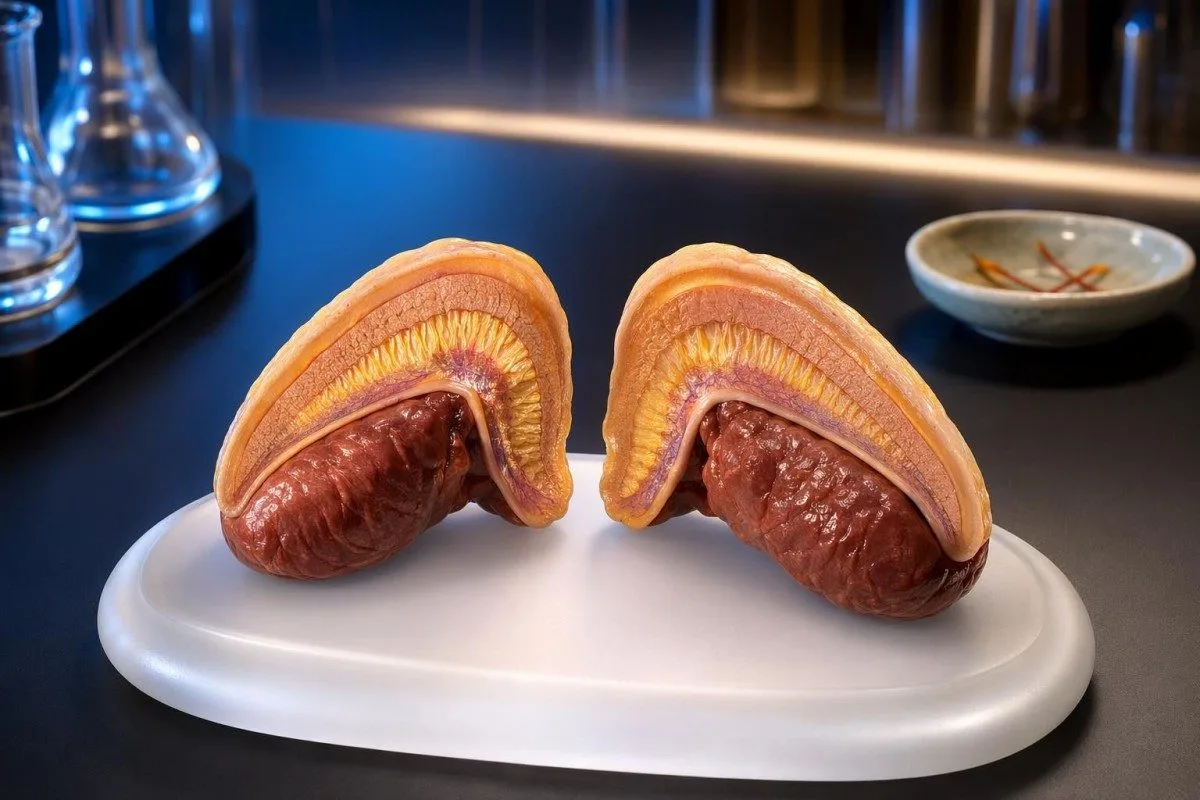
A cortisol number only starts the conversation. The safer read comes from matching the result with ACTH, medicines, symptoms, electrolytes, sleep pattern, and confirmatory testing.


- Cortisol levels are usually interpreted against an adult morning reference range near 5–25 µg/dL, but lab ranges differ by assay.
- Low cortisol levels below 3 µg/dL at about 8 AM strongly suggest adrenal insufficiency and usually need ACTH-based follow-up.
- High cortisol levels on one morning test rarely diagnose Cushing syndrome; repeated abnormal screening tests are needed.
- ACTH separates adrenal causes from pituitary or medication-related causes: high ACTH with low cortisol points toward primary adrenal failure.
- Cosyntropin stimulation commonly uses 250 µg synthetic ACTH; many older cutoffs use a peak cortisol of at least 18 µg/dL.
- Modern cortisol assays may use lower stimulated cutoffs near 14–15 µg/dL, so the lab method matters more than most patients realize.
- Oestrogen therapy and pregnancy can raise total cortisol by increasing cortisol-binding globulin without raising free cortisol in the same way.
- Steroid medicines including tablets, injections, creams, inhalers, and joint injections can suppress natural cortisol for weeks or months.
How to tell if cortisol is truly high or low
A single cortisol result is rarely enough: true high cortisol levels usually mean repeated abnormal screening tests plus Cushing-type signs, while true low cortisol levels mean a low morning value with symptoms, electrolyte clues, medication history, or failed ACTH stimulation. Our Kantesti AI interpretation starts by comparing the number with the lab method, units, medicines, and related results—not the cortisol value alone.
The pattern I trust most is not one isolated cortisol blood test; it is cortisol plus ACTH, sodium, potassium, glucose, albumin, and the clinical story. If timing is the only thing being discussed, our separate cortisol timing guide goes deeper, but this article is about deciding whether the result is biologically believable.
In clinic, the false alarm I see most often is a stressed person with a morning cortisol of 28–32 µg/dL, no bruising, no proximal muscle weakness, normal glucose, and a normal repeat. That is a very different patient from someone with new purple stretch marks, a rising HbA1c of 6.8%, and two abnormal late-night salivary cortisol results.
The reverse happens too. A cortisol of 6 µg/dL can be harmless in one person and concerning in another if there is weight loss, dizziness on standing, sodium of 129 mmol/L, and a history of steroid injections. Thomas Klein, MD, reviews these cases with our clinical team because the harm is in missing the pattern, not in missing a neat cutoff.
Morning cortisol ranges that actually change decisions
Morning cortisol levels around 5–25 µg/dL, or about 138–690 nmol/L, are common adult reference ranges, but the decision cutoffs are narrower than the printed normal range. A value below 3 µg/dL strongly supports adrenal insufficiency, while a value above 15–18 µg/dL often makes clinically significant adrenal failure unlikely.
Cortisol unit conversion trips people up: 1 µg/dL equals 10 ng/mL and about 27.6 nmol/L. A result of 12 µg/dL is therefore 120 ng/mL or roughly 331 nmol/L, and mixing those units is one reason screenshots of results cause unnecessary panic.
A cortisol value in the middle of the range does not exclude all adrenal disease if the patient is acutely unwell, taking oestrogen, or has low albumin. For broader context on why flagged results can mislead, our blood test normal range guide explains how reference intervals differ from diagnostic thresholds.
Some European laboratories report morning cortisol in nmol/L with a lower upper limit near 500–550 nmol/L, while many US-style reports use µg/dL. When I review these reports, I check the assay manufacturer before deciding whether a borderline result deserves repeat testing or formal stimulation.
Symptoms that make high cortisol more believable
High cortisol levels become medically convincing when the lab result travels with specific physical changes: easy bruising, facial rounding, purple stretch marks, proximal muscle weakness, hypertension, and rising glucose. Ordinary stress can raise cortisol, but it does not usually cause a stepwise change in body composition over 6–18 months.
The symptom I ask about first is leg strength, not mood. True cortisol excess often makes climbing stairs or rising from a low chair unexpectedly difficult because glucocorticoids break down proximal muscle protein over months.
A patient with anxiety, poor sleep, and a cortisol of 27 µg/dL is not automatically on a Cushing pathway. For anxiety-focused lab checks that often overlap with cortisol concerns, our guide to blood tests for anxiety covers thyroid, B12, iron, glucose, and inflammatory markers that can mimic stress physiology.
Cushing syndrome is uncommon, with estimates often around 2–3 cases per million people per year, so the pre-test probability is low unless the phenotype is clear. That rarity is exactly why I dislike broad cortisol screening in well people with vague fatigue; it creates more borderline numbers than diagnoses.
Symptoms and chemistry clues that support low cortisol
Low cortisol levels are more concerning when fatigue is paired with weight loss, nausea, salt craving, dizziness on standing, low sodium, high potassium, or low morning glucose. Primary adrenal insufficiency often shows high ACTH, while secondary adrenal suppression may show low or inappropriately normal ACTH.
A sodium below 135 mmol/L matters here, especially when it is new or worsening. In primary adrenal insufficiency, aldosterone deficiency can also push potassium above 5.0 mmol/L, which changes the urgency of the work-up.
Bancos et al. described adrenal insufficiency as a condition where diagnosis is delayed because symptoms are nonspecific, and I agree with that from clinic (Bancos et al., 2015). If your report shows low sodium, our low sodium guide helps separate adrenal, kidney, medication, and fluid-intake patterns.
Skin darkening on scars, gums, elbows, or skin folds points more toward primary adrenal disease because ACTH and related peptides rise. Secondary adrenal suppression from pituitary disease or steroid medicines usually lacks that pigmentation, even when cortisol is very low.
Medicines that can make cortisol look wrong
Steroid medicines are the most common reason cortisol blood test interpretation goes off track. Prednisolone, prednisone, hydrocortisone, dexamethasone, inhaled fluticasone, topical steroid creams, joint injections, and some eye drops can suppress natural cortisol or interfere with measurement.
One 40 mg triamcinolone joint injection can suppress the hypothalamic-pituitary-adrenal axis for several weeks in some patients. I have seen morning cortisol stay below 5 µg/dL after repeated injections, even when the patient never took a daily steroid tablet.
Dexamethasone is a special case: it usually does not cross-react much with many cortisol immunoassays, but it powerfully suppresses ACTH. That is why a medication timeline matters, and our medication monitoring guide gives practical examples of how long lab effects can linger.
Other drugs change interpretation indirectly. Oral oestrogen raises cortisol-binding globulin, rifampicin and some anti-seizure medicines accelerate steroid metabolism, opioids can suppress ACTH, and ketoconazole can lower steroid synthesis; none of those effects are obvious from a single cortisol number.
ACTH patterns separate adrenal from pituitary causes
ACTH plus cortisol is the fastest way to sort low adrenal production from pituitary signaling problems. Low cortisol with high ACTH suggests primary adrenal insufficiency, while low cortisol with low or normal ACTH suggests pituitary disease, hypothalamic disease, or medication-related suppression.
As a practical rule, ACTH above roughly 2 times the lab upper limit with low cortisol points toward primary adrenal failure. ACTH below about 5 pg/mL with high cortisol raises concern for an adrenal cortisol source, although cutoffs vary by assay and sample handling.
High cortisol with ACTH above 20 pg/mL usually suggests ACTH-dependent cortisol excess, which may come from a pituitary source or, less commonly, ectopic ACTH production. If DHEA-S is also abnormal, our DHEA blood test guide explains why adrenal androgen patterns can add a useful clue.
ACTH is fragile. The tube should be chilled and processed quickly in many protocols, and a delayed sample can read falsely low; I have rejected more than one tidy-looking ACTH result because the collection handling did not fit the physiology.
When a stimulation test proves low cortisol
A cosyntropin stimulation test is used when basal cortisol levels are too borderline to trust. The common protocol gives 250 µg synthetic ACTH and checks cortisol at baseline and again around 30 and/or 60 minutes, with the expected peak depending on the assay.
Older guidelines often used a stimulated cortisol peak of at least 18 µg/dL, or about 500 nmol/L, as a pass. With newer monoclonal immunoassays and LC-MS/MS, many centres now accept lower cutoffs around 14–15 µg/dL, which is why copying someone else’s cutoff online can be unsafe.
The Endocrine Society guideline for primary adrenal insufficiency recommends ACTH stimulation testing when possible and uses morning cortisol plus ACTH when immediate testing is not available (Bornstein et al., 2016). Kantesti’s clinical logic follows that same hierarchy, and our medical validation standards are built around assay-aware interpretation rather than one-size-fits-all flags.
A normal cosyntropin test can still miss very recent pituitary injury because the adrenal glands may not have had time to shrink. In my practice, a patient with pituitary surgery 2 weeks ago and borderline results is treated more cautiously than someone with the same numbers 2 years after a stable scan.
Follow-up tests that confirm high cortisol patterns
True high cortisol levels usually need at least two abnormal screening results before clinicians pursue localisation. The main screening tools are late-night salivary cortisol, 24-hour urinary free cortisol, and the 1 mg overnight dexamethasone suppression test.
The 1 mg dexamethasone test often uses a next-morning serum cortisol cutoff above 1.8 µg/dL as abnormal because that threshold is highly sensitive. It is not perfectly specific; poor sleep, missed dexamethasone, certain anti-seizure medicines, and oestrogen therapy can all confuse the result.
Nieman et al. recommend against using random serum cortisol to diagnose Cushing syndrome because it performs poorly compared with validated screening tests (Nieman et al., 2008). When one screening test is borderline, I usually prefer repeating a different method rather than escalating straight to imaging.
Urinary free cortisol becomes more convincing when it is above 3 times the upper limit of normal on a complete 24-hour collection. If a lab abnormality needs repeating before action, our repeat abnormal labs article explains when a second specimen changes the probability rather than merely calming nerves.
Stress, sleep, and exercise patterns that mimic disease
Stress can raise cortisol levels, but disease-like cortisol excess usually produces repeated abnormalities across different days and test types. Poor sleep, night shifts, intense endurance training, acute pain, infection, and major emotional stress can transiently push cortisol above a lab’s morning range.
A marathon runner after a hard training block may show cortisol of 30 µg/dL with normal ACTH, normal glucose, and no Cushing phenotype. That is physiology under load, not automatically endocrine disease.
Night-shift workers deserve special handling because clock time and biological morning can separate by 6–12 hours. Our guide to night shift blood tests discusses how sleep timing affects glucose, lipids, thyroid markers, and cortisol-adjacent interpretation.
The detail patients often forget is alcohol. Heavy alcohol use can create a pseudo-Cushing pattern with high cortisol screening tests, central weight gain, hypertension, and abnormal liver enzymes; several weeks of abstinence may change the endocrine picture completely.
Why oestrogen and binding proteins can raise total cortisol
Oestrogen raises total cortisol levels by increasing cortisol-binding globulin, so serum cortisol can look high while free cortisol physiology is less changed. This is common with combined oral contraceptives, oral hormone therapy, and pregnancy, and it matters most when a dexamethasone test or morning cortisol is being interpreted.
Oral oestrogen can increase cortisol-binding globulin enough to raise total cortisol by roughly 50–100% in some patients. Transdermal oestrogen tends to have less hepatic first-pass effect, so the cortisol distortion may be smaller, though clinicians still check the medication list carefully.
Pregnancy is a different physiology, not a simple high-cortisol disorder. Total cortisol rises across gestation, and symptoms such as weight gain or stretch marks are poor discriminators; for broader reproductive-hormone context, our perimenopause hormone guide shows how timing and binding proteins also affect other hormone tests.
Low albumin or low cortisol-binding globulin can make total cortisol look falsely low, especially in severe illness. In intensive care settings, free cortisol or clinical steroid-response decisions may matter more than a tidy serum reference interval, although practice varies between hospitals.
Electrolytes, glucose, and CBC clues that reframe cortisol
Cortisol interpretation improves when you read it beside sodium, potassium, glucose, bicarbonate, eosinophils, and blood pressure. Low cortisol often travels with low sodium or low glucose, while cortisol excess commonly travels with high glucose, hypertension, low lymphocytes, and sometimes low potassium.
A sodium of 128 mmol/L plus potassium of 5.4 mmol/L and cortisol of 2.5 µg/dL is not a wellness curiosity; it is an adrenal-pattern result. Our electrolyte panel guide explains how sodium, potassium, and CO2 shift in kidney, hormone, and medication problems.
Cortisol excess can raise fasting glucose and worsen insulin resistance, so an HbA1c moving from 5.6% to 6.5% over a year matters. If glucose and cortisol stories disagree, our diabetes blood test article helps separate diagnostic glucose markers from stress hyperglycaemia.
CBC changes are subtle but useful. Glucocorticoids often raise neutrophils and lower lymphocytes or eosinophils, so a high-normal neutrophil count after steroid exposure can explain a cortisol-adjacent pattern that otherwise looks inflammatory.
Assay methods, units, and biotin can change the answer
Cortisol blood test results depend on the assay, and different methods can disagree at clinically meaningful cutoffs. Immunoassays may cross-react with steroid metabolites, while LC-MS/MS is more specific but not always used for routine outpatient cortisol.
A stimulated cortisol of 15.2 µg/dL may fail under an old 18 µg/dL cutoff and pass under a modern assay-specific cutoff. That difference is not academic; it can change whether a patient is labelled adrenal insufficient.
Biotin supplements can interfere with some immunoassays, especially at high doses such as 5–10 mg daily or more. If your units or flags look changed between labs, our lab unit guide is a useful check before assuming your adrenal physiology changed overnight.
Some labs report serum cortisol, others report plasma cortisol, and salivary or urine results use different units again. I tell patients to keep the original PDF because a copied value without specimen type, collection time, assay note, and reference range is only half a lab result.
What to do when cortisol results are borderline or discordant
Borderline cortisol levels should be interpreted as a probability problem, not a diagnosis. The safest next step is usually to verify medicines, check ACTH and electrolytes, repeat under controlled conditions, or choose a confirmatory test matched to whether low or high cortisol is suspected.
Discordance is common: a morning cortisol of 9 µg/dL with normal sodium and no symptoms is different from 9 µg/dL after pituitary surgery. The same number can mean watch, repeat, or treat depending on pre-test probability.
I see the most confusion after people order broad wellness panels that include cortisol without ACTH. Our blood test variability guide explains why a 10–20% shift can be noise for some tests and meaningful for others.
If the result is very low and the person is vomiting, fainting, or severely weak, do not wait for a perfect outpatient explanation. Emergency clinicians may give hydrocortisone before all endocrine results return because untreated adrenal crisis can be fatal.
How Kantesti AI reads cortisol with the full lab story
Kantesti AI interprets cortisol levels by connecting the value with assay units, reference range, ACTH, electrolytes, glucose, CBC, medications, symptoms, and prior results. Our platform is built for pattern recognition, so it flags when a cortisol result conflicts with the rest of the lab story.
In our analysis of 2M+ blood tests across 127+ countries, cortisol problems often appear as unit or context errors before they appear as rare endocrine disease. Kantesti’s neural network checks more than 15,000 biomarkers, and our biomarker guide shows how related markers change interpretation.
The practical benefit is speed with guardrails. You can upload a PDF or photo and get an interpretation in about 60 seconds, but our reports still advise clinician follow-up when adrenal crisis, Cushing syndrome, pituitary disease, or steroid suppression is plausible; try it through our free blood test analysis.
Our AI blood test analyzer is validated against physician-reviewed cases, including hyperdiagnosis traps where a single abnormal value should not trigger a diagnosis. The methods behind this work are described in our published validation benchmark on Kantesti AI clinical validation.
Red flags that need same-day medical advice
Seek same-day medical advice for low cortisol levels with vomiting, severe weakness, confusion, fainting, low blood pressure, sodium below 130 mmol/L, potassium above 5.5 mmol/L, or known steroid withdrawal. For high cortisol patterns, urgent care is needed if severe infection, very high glucose, or uncontrolled blood pressure appears.
Adrenal crisis is treated clinically; doctors should not delay hydrocortisone in a collapsing patient just to protect a neat diagnostic sequence. A typical emergency adult hydrocortisone regimen begins with 100 mg intravenously, followed by ongoing dosing and fluids, but local protocols differ.
For non-urgent cases, bring the original report, medication list, supplement doses, steroid injection dates, and any prior cortisol or ACTH results. Our medical advisory board reviews patient-facing content like this so the advice stays cautious where the evidence is messy.
Bottom line: cortisol is a pattern test. If you want a structured second read before your appointment, our AI blood test platform can organise the result, highlight mismatches, and suggest the specific follow-up questions to ask your clinician; for severe symptoms, use emergency care first.
Frequently Asked Questions
What cortisol level is considered low in the morning?
A morning cortisol below 3 µg/dL, or below about 83 nmol/L, strongly suggests adrenal insufficiency when symptoms fit. A result between 3 and 15 µg/dL is usually indeterminate and often needs ACTH plus cosyntropin stimulation testing. A morning value above 15–18 µg/dL often makes adrenal insufficiency unlikely in a stable outpatient, but assay method and illness severity can change the cutoff.
Can one high cortisol blood test diagnose Cushing syndrome?
One high cortisol blood test usually cannot diagnose Cushing syndrome. The Endocrine Society recommends validated screening tests such as late-night salivary cortisol, 24-hour urinary free cortisol, or the 1 mg overnight dexamethasone suppression test rather than random serum cortisol. Clinicians usually want at least two abnormal screening results before looking for the source of cortisol excess.
What ACTH result goes with low cortisol?
Low cortisol with high ACTH suggests primary adrenal insufficiency, meaning the adrenal glands are not responding properly to the brain’s signal. Low cortisol with low or normal ACTH suggests pituitary, hypothalamic, or medication-related suppression. ACTH is sample-sensitive, so collection handling can matter as much as the number itself.
Can birth control or oestrogen make cortisol look high?
Yes, oral oestrogen and combined oral contraceptives can raise total cortisol by increasing cortisol-binding globulin. In some patients, total serum cortisol rises by roughly 50–100% without the same rise in free cortisol activity. This effect can confuse morning cortisol and dexamethasone suppression testing, so clinicians need to know about oestrogen use before interpreting the result.
How long can steroid medicines suppress cortisol?
Steroid medicines can suppress natural cortisol for days, weeks, or sometimes months, depending on dose, route, duration, and individual metabolism. Daily prednisone, repeated inhaled steroids, potent topical steroids, and joint injections can all affect adrenal testing. A single 40 mg triamcinolone injection may suppress the adrenal axis for several weeks in some patients.
What is a normal response to cosyntropin stimulation?
A traditional normal response to 250 µg cosyntropin is a peak cortisol of at least 18 µg/dL, or about 500 nmol/L. Many modern assays use lower acceptable peaks near 14–15 µg/dL because newer methods measure cortisol more specifically. The correct cutoff should come from the laboratory method used for that exact test.
Can stress alone cause high cortisol levels?
Stress, poor sleep, acute pain, infection, and intense exercise can temporarily raise cortisol levels, sometimes above the printed morning reference range. Stress alone usually does not cause the full Cushing pattern of progressive bruising, proximal muscle weakness, purple stretch marks, hypertension, and worsening glucose over months. Repeated abnormal screening tests are more meaningful than one stressed morning result.
Get AI-Powered Blood Test Analysis Today
Join over 2 million users worldwide who trust Kantesti for instant, accurate lab test analysis. Upload your blood test results and receive comprehensive interpretation of 15,000+ biomarkers in seconds.
📚 Referenced Research Publications
Klein, T., Mitchell, S., & Weber, H. (2026). Urobilinogen in Urine Test: Complete Urinalysis Guide 2026. Kantesti AI Medical Research.
Klein, T., Mitchell, S., & Weber, H. (2026). Iron Studies Guide: TIBC, Iron Saturation & Binding Capacity. Kantesti AI Medical Research.
📖 External Medical References
⚕️ Medical Disclaimer
This article is for educational purposes only and does not constitute medical advice. Always consult a qualified healthcare provider for diagnosis and treatment decisions.
E-E-A-T Trust Signals
Experience
Physician-led clinical review of lab interpretation workflows.
Expertise
Laboratory medicine focus on how biomarkers behave in clinical context.
Authoritativeness
Written by Dr. Thomas Klein with review by Dr. Sarah Mitchell and Prof. Dr. Hans Weber.
Trustworthiness
Evidence-based interpretation with clear follow-up pathways to reduce alarm.