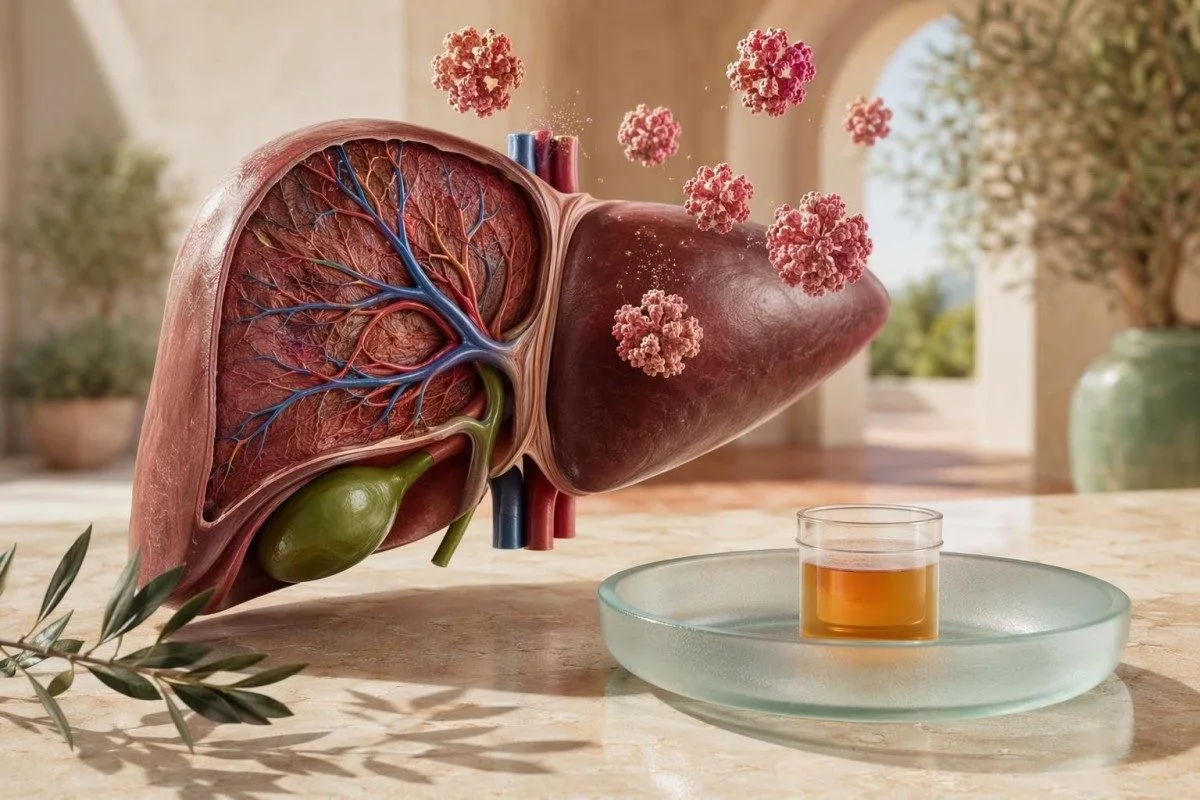
CRP is a clue, not a diagnosis. Mild elevations often behave very differently from triple-digit results, and symptoms, timing, and repeat testing usually matter more than the first number.


- Standard CRP is usually considered normal below 5 mg/L in adults, though some labs use <3 mg/L.
- hs-CRP is a different assay: <1 mg/L suggests lower cardiovascular risk, 1-3 mg/L average risk, and >3 mg/L higher risk.
- Mild elevation around 5-10 mg/L often reflects obesity, smoking, poor sleep, gum disease, a recent virus, or hard exercise.
- Very high CRP above 40 mg/L raises concern for infection, autoimmune flare, pancreatitis, or significant tissue injury.
- Urgent threshold above 100 mg/L with fever, confusion, chest pain, shortness of breath, or severe pain usually needs same-day medical review.
- Autoimmune nuance matters: rheumatoid arthritis often raises CRP clearly, while lupus can flare with only modest CRP changes.
- Repeat testing after 1-3 weeks often separates a transient bump from persistent inflammation; hs-CRP for heart risk is often repeated about 2 weeks apart when well.
- Unit tip saves confusion: if your report uses mg/dL, multiply by 10 to convert to mg/L.
What a High CRP Result Really Signals
High CRP means your liver is making more C-reactive protein because the immune system has been activated somewhere in the body. Mild elevations often come from obesity, smoking, poor sleep, gum disease, or a recent virus; very high CRP makes us think more about bacterial infection, inflammatory disease, or tissue injury. A single result does not tell you which one. On Kantesti AI, we usually interpret CRP alongside symptoms and the normal CRP range before we label it as worrisome.
CRP is usually reported in mg/L. A standard CRP below 5 mg/L is normal in many adult labs, although some European laboratories use <3 mg/L and a few still report results in broader reference bands. If your report is in mg/dL, multiply by 10; a CRP of 0.8 mg/dL equals 8 mg/L, which is a conversion error I see more often than patients expect on our blood test normal range guide.
Not all CRP tests are the same. Standard CRP is designed for infection and active inflammation once levels move clearly above normal, while hs-CRP measures low concentrations—roughly 0.3 to 10 mg/L—for cardiovascular risk work. Pepys and Hirschfield described CRP as a nonspecific acute-phase protein, which is exactly the practical issue in clinic: it tells us inflammation exists, not where it started (Pepys & Hirschfield, 2003).
Timing changes meaning. CRP can start rising within 6 to 8 hours of an inflammatory trigger, often peaks around 24 to 48 hours, and its plasma half-life is about 19 hours once the trigger settles. That is why a patient can look quite ill early in a pneumonia with only a modest CRP, then show a dramatic rise the next day, and later fall fast after treatment even while fatigue lingers.
This is one of those lab markers where context beats the raw number. In our clinical review workflow at Kantesti, a CRP of 7 mg/L in someone with obesity and no fever is a different conversation from 7 mg/L with shaking chills after a procedure; same biomarker, very different pre-test probability.
Standard CRP vs hs-CRP
A standard CRP result helps us evaluate infection, autoimmune activity, or tissue injury because it reads accurately at moderate and high levels. hs-CRP is a lower-range assay used mainly for cardiovascular risk, and if it comes back >10 mg/L, most clinicians repeat it after recovery rather than using it to estimate heart risk.
When Mildly Elevated CRP Is Common—and Often Not Dangerous
A mildly elevated CRP usually means low-grade inflammation rather than a medical emergency. Values around 5 to 10 mg/L often come from obesity, smoking, untreated sleep apnea, gum disease, a recent viral illness, or hard training rather than a serious bacterial infection; our inflammation marker guide helps put that in perspective.
I see this pattern every week. A patient with BMI 34 kg/m², borderline triglycerides, and CRP 6.4 mg/L but no fever usually has metabolic inflammation, not occult sepsis. That is where a personal baseline view becomes genuinely useful, because some people sit at 4 to 6 mg/L for years until weight, sleep, or liver fat improves.
Exercise muddies the water more than most websites admit. After a marathon, a high-volume leg session, or unaccustomed eccentric training, CRP can rise for 24 to 72 hours, sometimes a bit longer in untrained athletes. Thomas Klein, MD, here: I have seen healthy runners panic over a CRP of 11 mg/L drawn the morning after a race that normalized within a week.
Small inflammatory sources are easy to miss. Periodontal disease, chronic sinus symptoms, smoking, sleep deprivation, and even a rough viral week can push hs-CRP into the 2 to 5 mg/L range. Mild does not mean imaginary—it just means the differential diagnosis is broader and usually less urgent.
One practical rule helps. A CRP of 8 mg/L without symptoms is rarely an emergency, but if it stays elevated on two measurements 2 to 12 weeks apart, we stop calling it noise and start looking more carefully for obesity-related inflammation, autoimmune disease, persistent infection, or cardiovascular risk.
When Very High CRP Points Toward Infection or Major Inflammation
Very high CRP makes infection or substantial tissue inflammation more likely. Once CRP rises above 40 mg/L, we think beyond lifestyle factors; above 100 mg/L, bacterial infection, severe inflammatory disease, pancreatitis, or major tissue injury moves much higher on the list.
In day-to-day medicine, CRP over 100 mg/L is the level that changes my tone with patients. It does not prove bacterial illness, but it makes explanations like 'just stress' or 'just weight' very unlikely. That is why our critical value guide treats triple-digit CRP as a result that deserves prompt attention, especially if symptoms are present.
The CBC often sharpens the picture. CRP high + neutrophilia is a classic infection pattern, particularly when neutrophils rise above the lab upper limit or immature granulocytes start appearing. Our high neutrophils guide explains why that combination worries us more than CRP alone.
There are exceptions, and they matter. Severe gout, active vasculitis, inflammatory bowel disease, pancreatitis, and a major post-operative inflammatory response can all push CRP above 100 mg/L without a classic bacterial source. Viral illnesses more often sit in the 10 to 40 mg/L zone, although severe viral disease can certainly go higher.
A normal white count does not rescue the story. Older adults, people on immunosuppressive therapy, and some frail patients can have a dangerous infection with only a modest or even normal WBC. If CRP is soaring and the patient looks unwell, we never let one reassuring number end the workup.
How Symptoms and Companion Tests Change the Meaning
Symptoms and nearby labs are what separate a nuisance CRP from a meaningful one. Fever, cough, urinary symptoms, joint swelling, rash, chest pain, or abdominal pain usually tell us more than the CRP number by itself.
CRP high with fever and neutrophil-predominant CBC points us toward infection. CRP high with morning stiffness, anemia, and thrombocytosis points more toward chronic inflammatory disease. That is why we compare it with the neutrophil-to-lymphocyte ratio rather than treating CRP as a stand-alone answer.
CRP and ESR are not interchangeable. CRP changes over hours, while ESR shifts more slowly and can stay elevated for days or weeks because it reflects fibrinogen and red-cell behavior as much as acute inflammation. Our ESR guide is useful when the two disagree, which happens more often in anemia, older age, pregnancy, and monoclonal protein disorders.
Here is a pattern many readers do not hear until they are in clinic: high CRP + high ferritin + normal procalcitonin can fit autoimmune or metabolic inflammation better than bacterial infection. Ferritin is an acute-phase reactant too, so a high ferritin does not automatically mean iron overload. And high CRP + troponin is never waved away as 'just inflammation' when chest symptoms are on the table.
Kantesti AI is most helpful when the upload includes the whole panel rather than one isolated test. Our engine checks CRP beside CBC, creatinine, liver enzymes, glucose, lipids, and prior results, which is closer to how clinicians actually think than reading one biomarker in a vacuum.
Autoimmune Flares: Why CRP Can Be High, Normal, or Misleading
Autoimmune disease can raise CRP, but the pattern depends on the condition. Rheumatoid arthritis, vasculitis, polymyalgia rheumatica, psoriatic arthritis, and inflammatory bowel disease often raise CRP clearly, while lupus can flare with only a modest CRP rise.
This catches patients off guard. Someone with swollen knuckles and CRP 28 mg/L fits active inflammatory arthritis far better than someone with fatigue alone, which is why an isolated positive ANA never settles the diagnosis. The number needs a body map—where is the inflammation actually showing up?
Lupus is the classic exception. In systemic lupus, a markedly high CRP often pushes infection higher on my list unless there is obvious serositis or another strongly inflammatory feature; type I interferon biology seems to blunt CRP in many lupus flares. Our lupus lab guide shows why dsDNA, C3, and C4 may track disease activity better than CRP in that setting.
Autoimmune panels also overpromise. A negative screen does not erase inflammatory arthritis, spondyloarthritis, giant cell arteritis, or inflammatory bowel disease. I still tell patients to read our autoimmune panel blind spots before assuming 'all normal' means nothing inflammatory is happening.
The most useful clue is often the mismatch between the number and the symptoms. A CRP of 45 mg/L with a hot swollen joint and rising platelets feels different from 45 mg/L with cough and falling oxygen; the first may be rheumatology, the second may be infection, and both deserve real follow-up.
Obesity, Insulin Resistance, and Fatty Liver: The Quiet CRP Pattern
Obesity-related CRP is usually mildly to moderately elevated, not extreme. Values in the 3 to 10 mg/L range commonly reflect visceral fat, insulin resistance, fatty liver, or sleep apnea rather than an acute infection.
The biology is fairly elegant. Visceral adipose tissue releases cytokines—especially IL-6—that signal the liver to make more CRP. If the same patient also has high triglycerides, low HDL, or borderline fasting glucose, we think about metabolic inflammation before we think about antibiotics.
A familiar pattern on prediabetes testing is CRP 4.9 mg/L, triglycerides 210 mg/dL, HDL 38 mg/dL, ALT 46 U/L, and a widening waistline. That cluster does not mean nothing is happening; it often means the body is under chronic metabolic stress.
Fatty liver is another clue. When CRP is mildly high and ALT or GGT drifts up, our next question is often whether there is hepatic fat rather than hidden infection. The same logic shows up in our elevated liver enzyme guide because liver fat and CRP often travel together.
Most patients find this pattern oddly reassuring because it can move. A 5% to 10% body-weight reduction often lowers CRP meaningfully, and better sleep, treatment of sleep apnea, smoking cessation, and resistance training can help even before the scale changes much.
Does High CRP Mean Heart Disease?
High hs-CRP can signal higher cardiovascular risk, but it does not diagnose a blocked artery or a heart attack. In stable adults, hs-CRP <1 mg/L suggests lower vascular risk, 1 to 3 mg/L average risk, and >3 mg/L higher risk; >10 mg/L should usually be repeated after illness resolves.
Here is the cutoff clinicians actually use. The 2018 AHA/ACC cholesterol guideline treats hs-CRP ≥2.0 mg/L as a risk-enhancing factor when deciding whether a borderline- or intermediate-risk adult may benefit from statin therapy (Grundy et al., 2019). That is why our heart-risk biomarker guide places hs-CRP beside lipids rather than beside infection workups.
JUPITER made hs-CRP famous. In that trial, adults with LDL-C <130 mg/dL but hs-CRP ≥2 mg/L had fewer major cardiovascular events on rosuvastatin than on placebo (Ridker et al., 2008). I still would not start or stop treatment from CRP alone; I want the whole picture, including LDL targets by risk, blood pressure, smoking, family history, and diabetes status.
CRP is not a heart attack test. Troponin diagnoses myocardial injury, while CRP reflects inflammation and is far less specific. If hs-CRP is 4.2 mg/L and you feel well, that is a risk conversation; if you have chest pressure, shortness of breath, or jaw pain, that is acute care—not something to interpret casually online.
As of April 25, 2026, no major guideline recommends using hs-CRP alone to screen everybody. We use it selectively on our AI blood test platform when the risk estimate is borderline, the family history is strong, or the metabolic picture looks worse than LDL alone suggests.
What hs-CRP cannot do
hs-CRP cannot diagnose coronary blockage, predict the exact timing of a heart attack, or replace a lipid panel. It is best used as a tiebreaker marker in stable adults, not as a solo judge.
Why Repeat Testing Often Matters More Than the First Number
Repeat CRP testing is often the fastest way to separate transient inflammation from a persistent problem. If a mild elevation is unexplained, repeating the test in 1 to 3 weeks after recovery from illness, hard exercise, or dental treatment is often more useful than ordering a dozen extra tests immediately.
CRP is a trend biomarker. A fall from 18 mg/L to 4 mg/L over 10 days usually means the inflammatory trigger is settling, while a rise from 4 mg/L to 12 mg/L without symptoms nudges us toward a more deliberate search. Our blood test trend guide is built around exactly that kind of real-life comparison.
Timing traps are everywhere. I, Thomas Klein, MD, usually ask whether the patient had a vaccine in the last week, intense exercise in the last 48 to 72 hours, a gum flare, a respiratory virus, or menstruation. Oral estrogen may push CRP upward, while steroids and anti-inflammatory treatment can make a concerning process look deceptively quieter.
For hs-CRP and cardiovascular risk, many clinicians prefer two measurements about 2 weeks apart when the patient is well. That reduces the chance that one random cold or stressful week will reclassify long-term risk. Our borderline result guide explains why a single abnormal value should not be mistaken for a diagnosis.
Use the same lab if you can. Assay methods differ a bit, and small shifts—especially around 1 to 3 mg/L on hs-CRP—may reflect method variation as much as biology. Most patients find that a planned repeat test is calmer and more useful than chasing every mild bump on day one.
When a High CRP Needs Same-Day Medical Review
High CRP needs urgent review when the number is high and the person is unwell. CRP above 100 mg/L with fever, confusion, shortness of breath, severe abdominal pain, flank pain, spreading skin redness, or chest symptoms should not wait for a blog article to sort it out.
The red flags are clinical, not just numerical. A CRP of 65 mg/L in a comfortable patient may be worked up quickly but calmly; a CRP of 28 mg/L in someone who is pregnant, immunosuppressed, or newly confused can be more urgent. That mismatch between the lab and the person is where mistakes happen.
I worry most when CRP rises fast and the vital signs are off—temperature above 38.5°C, resting heart rate above 100, oxygen saturation falling, or blood pressure dropping. Our symptoms decoder can help patients connect lab patterns with symptoms, but emergency symptoms still need real-time medical care.
One misconception is worth saying plainly. CRP by itself does not diagnose cancer, sepsis, appendicitis, or autoimmune disease. It tells us the body is reacting; the diagnosis comes from the story, examination, imaging, cultures, and the rest of the lab pattern.
How We Interpret CRP Safely at Kantesti
Kantesti AI interprets high CRP by reading the number, the assay type, companion biomarkers, symptoms, and change over time—not by guessing from one isolated result. That is why a CRP of 7 mg/L can be flagged as likely metabolic inflammation in one patient and possible early infection in another.
On Kantesti's Medical Advisory Board, our physicians review exactly these edge cases because CRP is easy to overcall. A safe interpretation asks four questions first: standard CRP or hs-CRP, what are the units, what symptoms are present, and is this new or a trend.
Kantesti's neural network cross-checks CRP against 15,000+ biomarkers and prior uploads in about 60 seconds, then frames the result inside clinician-style reasoning. Our medical validation standards explain the safety framework behind that process. If you want the nuts and bolts, our technology guide walks through how the interpretation workflow is structured.
Because Kantesti serves 2M+ users across 127+ countries and 75+ languages, unit conversion and lab-method differences matter a lot. CRP reported as 0.7 mg/dL should not be read differently from 7 mg/L, and our system normalizes that automatically—one of those small safety details that matters more than people realize.
This is also where our clinical culture shows up. As a physician, I would much rather see a repeated CRP, a careful symptom review, and a better timeline than a reflex pile-on of low-yield testing. CRP is useful, but only when we respect what it can and cannot say.
If you want the practical next step today, use our free blood test analysis when the result is mild and you feel well. If the number is very high or you have red-flag symptoms, seek medical care first and use the tool after the urgent issue has been addressed.
Frequently Asked Questions
What CRP level is considered dangerously high?
A CRP level above 100 mg/L is the range where clinicians usually become concerned about a serious infection, major inflammatory flare, or significant tissue injury, especially if symptoms are present. A number above 40 mg/L is already meaningful, but above 100 mg/L with fever, shortness of breath, confusion, chest pain, or severe abdominal pain should usually prompt same-day medical review. CRP alone does not diagnose the cause. The urgency comes from the combination of the number, symptoms, vital signs, and the rest of the lab pattern.
Can obesity cause a high CRP without infection?
Yes. Obesity and visceral fat commonly keep CRP in the 3 to 10 mg/L range even when there is no infection. That happens because adipose tissue releases inflammatory cytokines such as IL-6, which stimulate the liver to make more CRP. If high CRP travels with high triglycerides, low HDL, mild ALT elevation, or insulin resistance, metabolic inflammation becomes much more likely than hidden bacterial illness. Extreme values above 40 to 100 mg/L are much less likely to be explained by obesity alone.
Should I repeat a mildly high CRP test?
Usually yes. If CRP is only mildly elevated—around 5 to 10 mg/L—and there are no red-flag symptoms, many clinicians repeat it in 1 to 3 weeks after recovery from illness, hard exercise, dental problems, or other temporary triggers. For hs-CRP used in heart-risk assessment, two measurements about 2 weeks apart while you are well are often preferred. A falling result is reassuring; a persistent or rising result changes the conversation.
Does high CRP mean I have an autoimmune disease?
No. High CRP can occur with autoimmune disease, but it is not specific for autoimmunity and cannot diagnose rheumatoid arthritis, lupus, vasculitis, or inflammatory bowel disease by itself. Rheumatoid arthritis and polymyalgia rheumatica often raise CRP clearly, sometimes into the 20 to 50 mg/L range or higher during active disease. Lupus is different because a flare may show only a modest CRP rise, and a markedly high CRP in lupus often makes doctors think about infection first. The diagnosis comes from symptoms, examination, antibodies, imaging, and the rest of the lab pattern.
Is hs-CRP the same as a regular CRP test?
No. Standard CRP is used for infection and active inflammation, while hs-CRP is a more sensitive assay designed to measure low levels for cardiovascular risk assessment. In a stable adult, hs-CRP <1 mg/L suggests lower vascular risk, 1 to 3 mg/L average risk, and >3 mg/L higher risk. If hs-CRP is >10 mg/L, most clinicians repeat it after the person is well because acute inflammation can distort the cardiovascular interpretation.
Can stress or exercise raise CRP?
Intense exercise definitely can. Hard endurance events and unaccustomed strength training may raise CRP for 24 to 72 hours, sometimes longer, especially in people who are not well adapted to the workload. Psychological stress may also nudge CRP upward, but usually by a small amount compared with infection, autoimmune disease, or obesity-related inflammation. If you want the cleanest result, avoid heavy training for a couple of days before repeat testing.
Why is my CRP reported in mg/dL instead of mg/L?
Some laboratories still report CRP in mg/dL rather than mg/L, and that unit difference confuses a lot of patients. The conversion is simple: 1 mg/dL equals 10 mg/L. So a CRP of 0.6 mg/dL is the same as 6 mg/L. When a result seems surprisingly high or low, checking the units is one of the first safety steps I recommend.
Get AI-Powered Blood Test Analysis Today
Join over 2 million users worldwide who trust Kantesti for instant, accurate lab test analysis. Upload your blood test results and receive comprehensive interpretation of 15,000+ biomarkers in seconds.
📚 Referenced Research Publications
Klein, T., Mitchell, S., & Weber, H. (2026). Clinical Validation of the Kantesti AI Engine (2.78T) on 15 Anonymised Blood Test Cases: A Pre-Registered Rubric-Based Benchmark Including Hyperdiagnosis Trap Cases Across Seven Medical Specialties. Kantesti AI Medical Research.
Klein, T., Mitchell, S., & Weber, H. (2026). AI Blood Test Analyzer: 2.5M Tests Analyzed | Global Health Report 2026. Kantesti AI Medical Research.
📖 External Medical References
⚕️ Medical Disclaimer
This article is for educational purposes only and does not constitute medical advice. Always consult a qualified healthcare provider for diagnosis and treatment decisions.
E-E-A-T Trust Signals
Experience
Physician-led clinical review of lab interpretation workflows.
Expertise
Laboratory medicine focus on how biomarkers behave in clinical context.
Authoritativeness
Written by Dr. Thomas Klein with review by Dr. Sarah Mitchell and Prof. Dr. Hans Weber.
Trustworthiness
Evidence-based interpretation with clear follow-up pathways to reduce alarm.