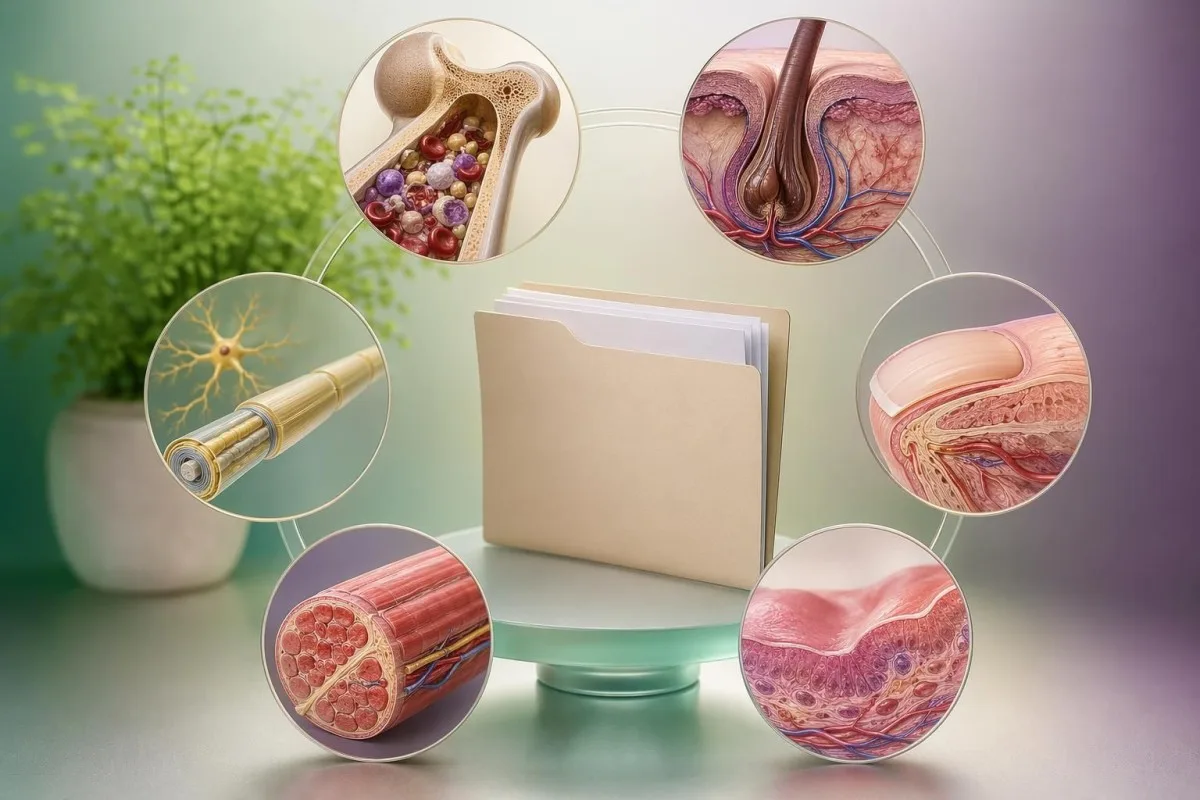
Fatigue, brittle nails, mouth sores, cramps, hair shedding, and brain fog often overlap. The useful question is not which supplement sounds right, but which lab pattern confirms the clue.


- Fatigue with hemoglobin below 12.0 g/dL in non-pregnant women or 13.0 g/dL in men needs anemia workup, not just vitamins.
- Ferritin below 15 ng/mL is highly specific for iron deficiency, but many symptomatic adults sit in the 15-30 ng/mL gray zone.
- B12 below 200 pg/mL supports deficiency; 200-350 pg/mL often needs methylmalonic acid or homocysteine confirmation.
- Vitamin D is best checked with 25-hydroxyvitamin D; levels below 20 ng/mL are commonly treated as deficiency.
- Magnesium serum range is usually 1.7-2.2 mg/dL, but normal serum magnesium can miss low tissue stores.
- Mouth sores plus high MCV above 100 fL points toward B12 or folate deficiency, while low MCV below 80 fL points toward iron loss.
- Hair shedding is usually delayed by 8-12 weeks after the trigger, so today’s ferritin may explain shedding that started months ago.
- Cramps require potassium, calcium, magnesium, kidney function, and sometimes CK; guessing with supplements can be unsafe.
- Kantesti AI reads nutrient-related lab patterns by combining CBC, iron studies, metabolic markers, vitamins, minerals, and trends.
How to know if symptoms are nutritional, not random
The most reliable signs of nutrient deficiency are symptom clusters that match a measurable lab pattern: fatigue with anemia or low ferritin, brittle nails with iron or zinc clues, mouth sores with B12, folate, iron, or zinc abnormalities, cramps with electrolyte shifts, hair shedding with low ferritin or thyroid changes, and brain fog with B12, iron, vitamin D, glucose, or thyroid results. As of May 21, 2026, I would not diagnose a deficiency from symptoms alone.
I am Thomas Klein, MD, Chief Medical Officer at Kantesti, and in our review of 2M+ uploaded blood test reports, the same pattern appears again and again: patients often have three mild symptoms and one overlooked biomarker rather than one dramatic abnormality. You can upload routine results to Kantesti AI when you want a fast pattern-based reading, but abnormal results still need a clinician who can examine you.
A useful first panel is not exotic: CBC with indices, ferritin, iron/TIBC/transferrin saturation, B12, folate, CMP, magnesium, calcium, 25-hydroxyvitamin D, TSH with free T4 when indicated, and HbA1c or fasting glucose. If the main complaint is exhaustion, our deeper guide to fatigue blood tests explains why anemia, thyroid disease, glucose swings, kidney function, and inflammation often mimic low nutrients.
Here is the clinical trap. A single low-normal number can be meaningless, but ferritin 18 ng/mL plus restless legs, heavy periods, and MCV drifting from 90 to 82 fL is a story. Kantesti AI reads those stories by comparing current values, reference ranges, unit conversions, age, sex, and trend direction rather than treating every flag as equal.
Fatigue and low stamina: the labs that usually matter first
Fatigue from nutrient deficiency is most often confirmed by CBC, ferritin, transferrin saturation, B12, folate, vitamin D, glucose, kidney function, and thyroid markers. Hemoglobin below 12.0 g/dL in non-pregnant adult women or below 13.0 g/dL in adult men meets the WHO-style anemia threshold and should not be dismissed as ordinary tiredness.
In clinic, I separate fatigue into oxygen delivery, cellular fuel, and recovery. Low hemoglobin reduces oxygen delivery; low B12 and folate impair cell turnover; vitamin D deficiency may worsen muscle discomfort; and low protein intake can show up indirectly as low creatinine, low BUN, or low albumin in the right context.
Ferritin below 15 ng/mL is a strong iron-deficiency signal, but many menstruating adults, runners, and frequent blood donors feel symptomatic at 15-30 ng/mL before hemoglobin drops. The WHO ferritin guideline uses 15 ng/mL as a common adult deficiency cutoff, while also warning that inflammation can falsely raise ferritin (WHO, 2020).
A 34-year-old runner I reviewed had normal hemoglobin at 12.7 g/dL, ferritin 11 ng/mL, transferrin saturation 12%, and a new 40-second slowdown per kilometre. Her fatigue was not mysterious; it was early iron depletion. Food strategy matters too, and we cover lab-guided choices in foods for low energy.
If fatigue is severe, sudden, or paired with chest pain, fainting, shortness of breath at rest, black stools, or unintentional weight loss, do not treat it as a supplement problem. Hemoglobin below 8 g/dL, potassium below 3.0 mmol/L, or calcium below about 7.5 mg/dL can be urgent depending on symptoms.
Brittle nails and hair shedding: iron, zinc, thyroid, protein
Brittle nails and diffuse hair shedding are most often investigated with ferritin, CBC indices, TSH, free T4, zinc, vitamin D, albumin, and sometimes androgen markers. Hair follicles react slowly, so the lab abnormality may have started 8-12 weeks before shedding becomes obvious.
The nail plate grows roughly 3 mm per month in adults, which means a ridge or brittle segment may reflect nutrition, illness, or stress from months ago. Spoon-shaped nails make me think of iron deficiency, but brittle nails alone are not diagnostic; frequent handwashing, thyroid disease, eczema, and nail trauma can look similar.
Ferritin below 30 ng/mL is often where dermatology discussions begin for diffuse hair shedding, although clinicians disagree about whether 40-70 ng/mL is a better target for regrowth. The evidence here is honestly mixed, and I tell patients not to chase ferritin upward if CRP is high or iron saturation is already elevated.
Serum zinc is usually interpreted around 70-120 µg/dL, but it is sensitive to fasting status, inflammation, pregnancy, and albumin. Low alkaline phosphatase below about 40 IU/L can nudge me toward zinc deficiency or malnutrition, yet it also raises a separate question about rare bone-enzyme conditions.
When I see hair shedding plus low ferritin and normal hemoglobin, I do not call it normal. Our article on hair loss blood tests walks through why ferritin, TSH, vitamin D, and androgen context need to be read together rather than bought as separate wellness add-ons.
Mouth sores, burning tongue, and cracked corners
Mouth sores and a burning tongue can be confirmed as nutrient-related with CBC, MCV, ferritin, B12, folate, zinc, and sometimes celiac testing. MCV above 100 fL points toward B12 or folate problems, while MCV below 80 fL often points toward iron deficiency or thalassemia traits.
A smooth red tongue, recurrent aphthous ulcers, angular cracking, and altered taste are not specific, but they are useful when paired with labs. B12 below 200 pg/mL supports deficiency, folate below about 3-4 ng/mL suggests low folate intake or absorption, and ferritin below 15 ng/mL strongly supports iron depletion.
Devalia and colleagues’ British Journal of Haematology guideline notes that serum B12 can be misleading and that methylmalonic acid or homocysteine can help when symptoms and B12 levels do not match (Devalia et al., 2014). In practice, a B12 of 260 pg/mL with numbness, glossitis, and elevated MMA worries me more than a B12 of 190 pg/mL in a completely well person taking biotin-free supplements.
Zinc deficiency can cause poor taste, slow epithelial repair, and mouth irritation, but zinc testing is fussy. I prefer morning fasting serum zinc with albumin and CRP, because inflammation and low albumin can make zinc look low when total circulating protein is the real issue.
Patients often ask whether mouth sores mean low vitamin C. In my experience that is much less common in routine UK and EU practice than iron, B12, folate, zinc, medication effects, viral triggers, or celiac disease, and the broader B12 interpretation is covered in our B12 range guide.
Cramps, twitches, and tingling: electrolytes before megadoses
Cramps and tingling should be checked with potassium, sodium, calcium, magnesium, kidney function, glucose, B12, TSH, and sometimes CK. Potassium below 3.5 mmol/L, corrected calcium below about 8.6 mg/dL, or magnesium below 1.7 mg/dL can each produce neuromuscular symptoms.
The unsafe version of self-treatment is taking potassium because calf cramps sound like a potassium problem. Potassium above 5.5 mmol/L can be dangerous in kidney disease or with ACE inhibitors, ARBs, spironolactone, trimethoprim, and some supplements.
Serum magnesium usually runs about 1.7-2.2 mg/dL, but only around 1% of body magnesium is in serum. A normal result does not fully exclude low magnesium stores, which is why I read magnesium alongside diet history, alcohol intake, proton-pump inhibitors, diarrhea, calcium, PTH, and kidney function.
Tingling is where I slow down. B12 deficiency, low calcium, high glucose, low sodium, hyperventilation, and neuropathy can all feel like pins and needles, and treating the wrong one may delay diagnosis. Our electrolyte panel guide is useful when sodium, potassium, chloride, and CO2 move together.
If cramps come with true weakness, dark urine, fever, confusion, palpitations, or an irregular heartbeat, the workup expands beyond nutrients. CK above 1,000 IU/L after severe muscle symptoms is not a magnesium footnote; it needs clinical review.
Brain fog, low mood, and memory slips: what labs can prove
Brain fog can be nutrient-related when B12, ferritin, vitamin D, folate, glucose, thyroid, or inflammatory markers are abnormal in the right symptom pattern. B12 between 200 and 350 pg/mL is a classic gray zone where methylmalonic acid above 0.40 µmol/L can support functional deficiency.
I see this pattern in office workers, new parents, vegans, people on metformin, and adults taking acid-suppressing medication for years. Their CBC may look normal, but B12, MMA, homocysteine, ferritin, or TSH tells a quieter story.
Kantesti AI links cognitive complaints to the same report patterns a clinician checks manually: macrocytosis, high RDW, low ferritin, borderline B12, low 25-OH vitamin D, abnormal glucose, and thyroid drift. Our AI-powered blood test interpretation is especially helpful when results are spread across several PDFs and different units.
Vitamin D is not a proven cure for brain fog, and I am careful not to oversell it. Still, a 25-OH vitamin D below 20 ng/mL is a real deficiency signal, and patients with muscle aches, winter low mood, low calcium intake, or raised PTH deserve a proper discussion.
If memory change is progressive, one-sided, associated with new headaches, seizures, personality change, or safety mistakes at work, blood tests are only the first door. Our focused review of brain fog lab patterns explains where labs help and where imaging, sleep assessment, or neurology review may be needed.
A nutrient deficiency symptoms chart that starts with labs
A practical nutrient deficiency symptoms chart should map symptoms to confirmatory tests, not to supplement shelves. The same symptom can point to several deficiencies, so a cluster such as fatigue plus mouth soreness plus high MCV is far stronger than fatigue alone.
Most online charts list one symptom and one nutrient, which is clinically too neat. In real practice, hair shedding may be iron, thyroid, postpartum recovery, calorie deficit, androgen excess, or a febrile illness from 10 weeks ago.
Our biomarker guide is built around pattern reading because nutrient deficiencies rarely arrive alone. Low ferritin may coexist with low vitamin D, low B12 may coexist with metformin use, and low zinc may simply reflect low albumin during inflammation.
Use the chart below as a discussion starter with your clinician. It is not a diagnosis, but it does stop the common mistake of ordering 20 supplements before ordering one CBC.
CBC clues: MCV, RDW, MCH, and hemoglobin patterns
CBC patterns often confirm nutrient deficiency before single vitamin tests do. MCV below 80 fL suggests microcytosis, MCV above 100 fL suggests macrocytosis, and RDW above about 14.5% shows mixed red-cell sizes that often appear early in iron, B12, or folate problems.
A normal hemoglobin does not clear iron deficiency. I often see ferritin 9-20 ng/mL with hemoglobin still normal, MCH drifting down toward 27 pg, and RDW rising first; that is early iron loss, not a clean bill of health.
Macrocytosis is also not automatically B12 deficiency. Alcohol, liver disease, hypothyroidism, reticulocytosis, medications, and bone marrow disorders can push MCV above 100 fL, which is why I pair CBC results with B12, folate, TSH, ALT, AST, bilirubin, and reticulocytes.
The reason RDW matters is timing. New small iron-deficient cells mix with older normal cells, so RDW may rise before the average MCV looks abnormal. Our RDW interpretation guide shows why high RDW with normal MCV is often a transition pattern rather than a contradiction.
Kantesti AI flags these combinations because a lab report may mark each value as normal while the trend is clinically meaningful. A fall in MCV from 92 to 84 fL over 18 months can matter even if both numbers sit inside the printed reference interval.
Iron studies: ferritin, TIBC, saturation, and CRP
Iron deficiency is best confirmed with ferritin plus transferrin saturation, TIBC, serum iron, CBC indices, and CRP when inflammation is possible. Ferritin below 15 ng/mL is highly specific for depleted iron stores in adults, while transferrin saturation below 16-20% supports reduced available iron.
Ferritin is an iron-storage protein and an acute-phase reactant. That second role is why ferritin 80 ng/mL does not always exclude iron deficiency in inflammatory bowel disease, rheumatoid arthritis, infection recovery, obesity, or chronic kidney disease.
TIBC usually rises in classic iron deficiency because the body produces more transferrin to capture scarce iron. In anemia of inflammation, iron may be low but TIBC is often low or normal, and ferritin is normal or high; that is a different treatment conversation.
WHO’s 2020 ferritin guideline explicitly recommends interpreting ferritin with inflammation markers such as CRP or alpha-1-acid glycoprotein in populations where inflammation is common (WHO, 2020). In individual practice, I use CRP because it is widely available and helps explain why ferritin looks falsely reassuring.
If iron saturation is high while ferritin is normal or high, do not take iron just because you are tired. Our iron studies guide explains why serum iron alone swings with meals, supplements, time of day, and recent iron tablets.
B12 and folate: when normal serum levels still miss deficiency
B12 and folate deficiency are confirmed with serum B12, folate, CBC/MCV, methylmalonic acid, homocysteine, and sometimes intrinsic factor antibodies. Serum B12 below 200 pg/mL supports deficiency, but symptoms with 200-350 pg/mL often need functional markers.
Methylmalonic acid rises mainly in B12 deficiency, while homocysteine can rise in B12, folate, or B6 deficiency, kidney disease, hypothyroidism, and some medications. Homocysteine above 15 µmol/L is not a diagnosis by itself; it is a clue that needs context.
Devalia et al. warned that no single B12 test is perfect, and that treatment should not be delayed when there are strong neurological features (Devalia et al., 2014). I agree with that clinically, especially when numbness, gait imbalance, memory change, or glossitis is present.
Folate testing has its own quirks. Serum folate can rise quickly after a few folate-rich meals, while red-cell folate reflects longer-term folate status but is less commonly ordered in many labs.
A hidden issue is folic acid masking. High folic acid intake can partially improve anemia while neurological B12 deficiency continues, so patients using multivitamins need B12 interpreted carefully. For borderline values and supplement timing, see our homocysteine range guide.
Vitamin D, calcium, phosphate, and PTH: the bone-muscle pattern
Vitamin D deficiency is confirmed with 25-hydroxyvitamin D, not the active 1,25-dihydroxyvitamin D test used in select kidney and endocrine cases. A 25-OH vitamin D below 20 ng/mL is widely considered deficient, while 20-29 ng/mL is often called insufficient by endocrine guidelines.
Holick and colleagues’ Endocrine Society guideline defined vitamin D deficiency as 25-OH vitamin D below 20 ng/mL and insufficiency as 21-29 ng/mL (Holick et al., 2011). Some bone-health groups accept 20 ng/mL as adequate for many adults, so this is one of those areas where the goal depends on risk.
Calcium needs albumin context because about 40% of circulating calcium is albumin-bound. Total calcium of 8.2 mg/dL with albumin 2.7 g/dL may correct into a safer range, while ionized calcium gives a more direct answer when symptoms are concerning.
PTH is the pattern-maker. Low vitamin D with normal calcium and mildly high PTH suggests secondary hyperparathyroidism; high calcium with high or inappropriately normal PTH points somewhere else entirely.
Patients often ask for the active vitamin D test because it sounds more advanced. In routine deficiency, 1,25-dihydroxyvitamin D can be normal or high even when 25-OH stores are low, which is why our vitamin D levels guide focuses on the storage form.
Magnesium, zinc, copper, selenium: useful tests with real limits
Trace minerals can confirm deficiency, but their tests are more fragile than CBC or ferritin. Serum zinc is commonly read around 70-120 µg/dL, copper around 70-140 µg/dL, and selenium often around 70-150 µg/L depending on the laboratory method.
Zinc falls after meals and during inflammation, so morning fasting collection is cleaner. Low zinc with low albumin may reflect protein status rather than a pure zinc problem, and that distinction changes the plan.
Copper deficiency is the one I worry clinicians miss. Excess zinc from lozenges, denture products, or high-dose supplements can reduce copper absorption, causing anemia, neutropenia, numbness, gait problems, or MCV changes that mimic B12 deficiency.
Selenium testing is rarely the first test for fatigue, but it matters in malabsorption, long-term parenteral nutrition, severe dietary restriction, and some thyroid discussions. I avoid selenium megadosing because toxicity can cause hair loss, nail changes, garlic-like breath, neuropathy, and gastrointestinal symptoms.
Kantesti’s neural network treats trace minerals as supporting evidence rather than stand-alone diagnoses. For zinc-specific food and lab interpretation, our zinc deficiency guide covers why serum values can mislead when CRP or albumin is abnormal.
Who needs expanded nutrient testing and when to retest
Expanded nutrient testing is most useful after bariatric surgery, strict vegan diets, heavy menstrual bleeding, pregnancy or breastfeeding, inflammatory bowel disease, celiac disease, kidney disease, long-term metformin or PPI use, and unexplained anemia. Retesting is usually most informative 8-12 weeks after a focused correction plan.
A retest after 7 days often reassures no one. Ferritin, hemoglobin, vitamin D, and MCV move at different speeds, so I usually plan 8-12 weeks for iron, B12, folate, and vitamin D unless symptoms or severity demand earlier follow-up.
After oral iron, hemoglobin should often rise by about 1 g/dL over 2-4 weeks if absorption and adherence are good, though ferritin repletion takes longer. After B12 treatment, reticulocytes can rise within about a week, while numbness may improve slowly and sometimes incompletely if deficiency was prolonged.
Bariatric surgery, chronic diarrhea, celiac disease, pancreatic insufficiency, and inflammatory bowel disease deserve broader testing because absorption is the issue, not just intake. That can mean fat-soluble vitamins, iron studies, B12, folate, zinc, copper, selenium, albumin, magnesium, calcium, phosphate, and PTH.
Trends beat snapshots. If you are comparing reports across months, our lab trend graph shows how to tell real change from normal biological variation, unit differences, and lab-to-lab reference shifts.
How Kantesti reviews nutrient labs, risk patterns, and research
Kantesti AI interprets nutrient-related labs by reading symptom context, biomarker clusters, reference ranges, unit conversions, trend direction, and known confounders such as inflammation or kidney disease. Our platform does not replace a physician, but it can turn a confusing report into a prioritized set of questions in about 60 seconds.
When I review nutrient panels as Thomas Klein, MD, I look first for danger, then for pattern, then for timing. Severe anemia, dangerous potassium, high calcium, kidney decline, neurological deficits, or unexplained weight loss outrank any supplement discussion.
Our medical standards are overseen through Kantesti medical validation and physician review from our Medical Advisory Board. The practical benefit is that our AI can flag combinations such as ferritin 18 ng/mL plus rising RDW, borderline B12 plus high homocysteine, or low vitamin D plus high PTH instead of treating each marker as an isolated line item.
Kantesti Research Group. (2026). Multilingual AI Assisted Clinical Decision Support for Early Hantavirus Triage: Design, Engineering Validation, and Real-World Deployment Across 50,000 Interpreted Blood Test Reports. Figshare. https://doi.org/10.6084/m9.figshare.32230290. ResearchGate and Academia.edu.
Kantesti Research Group. (2026). RDW Blood Test: Complete Guide to RDW-CV, MCV & MCHC. Zenodo. https://doi.org/10.5281/zenodo.18202598. ResearchGate and Academia.edu.
If you already have a lab PDF or a clear photo of your results, you can try a free interpretation through Try Free AI Blood Test Analysis. Bring the output to your clinician if anything is abnormal, worsening, or connected to symptoms that are new for you.
Frequently Asked Questions
How do I know if I have a nutrient deficiency?
You know a nutrient deficiency is likely when symptoms match a confirmatory lab pattern, such as fatigue with low ferritin, mouth sores with high MCV and low B12, or cramps with low magnesium, calcium, or potassium. Symptoms alone are not reliable because thyroid disease, diabetes, inflammation, kidney disease, medication effects, and sleep disorders can mimic nutrient deficiency. A practical first lab set includes CBC, ferritin, iron saturation, B12, folate, CMP, magnesium, calcium, 25-OH vitamin D, TSH, and glucose markers.
What blood tests show vitamin deficiency?
The most useful blood tests for vitamin deficiency are 25-hydroxyvitamin D for vitamin D, serum B12 with methylmalonic acid or homocysteine for uncertain B12 status, folate testing for folate deficiency, and CBC indices such as MCV and RDW for anemia patterns. Vitamin D below 20 ng/mL is commonly considered deficient, while B12 below 200 pg/mL supports deficiency. For fat-soluble vitamins such as A, E, and K, testing is usually reserved for malabsorption, liver disease, bariatric surgery, or unusual symptoms.
Can you have low iron with normal hemoglobin?
Yes, low iron stores can occur with normal hemoglobin, especially early in iron deficiency. Ferritin below 15 ng/mL is highly specific for iron deficiency, and many symptomatic adults have ferritin between 15 and 30 ng/mL before anemia appears. In that stage, RDW may rise, MCH may drift down, and transferrin saturation may fall below 16-20% even though hemoglobin is still inside range.
Which nutrient deficiencies cause mouth sores?
Mouth sores, burning tongue, and cracked mouth corners are commonly checked with B12, folate, ferritin, CBC with MCV, and zinc. B12 below 200 pg/mL, folate below about 3-4 ng/mL, ferritin below 15 ng/mL, or MCV above 100 fL can support a nutrient-related cause. Recurrent sores can also come from celiac disease, inflammatory bowel disease, infections, autoimmune conditions, medications, or local irritation, so persistent symptoms need medical review.
Do brittle nails mean I need iron?
Brittle nails can occur with iron deficiency, but they do not prove it. Ferritin, CBC indices, transferrin saturation, TSH, zinc, albumin, and sometimes inflammatory markers are more useful than nail appearance alone. Spoon-shaped nails make iron deficiency more suspicious, while brittle nails without low ferritin or anemia may reflect trauma, thyroid disease, eczema, aging, or frequent water exposure.
What labs should I check for muscle cramps?
Muscle cramps are usually evaluated with potassium, sodium, calcium, magnesium, kidney function, glucose, TSH, B12, and CK when weakness or muscle injury is possible. Potassium below 3.5 mmol/L, magnesium below 1.7 mg/dL, and corrected calcium below about 8.6 mg/dL can each contribute to cramping or twitching. Do not take potassium supplements without lab confirmation if you have kidney disease or take blood pressure medications that raise potassium.
How soon should I retest after treating a deficiency?
Most nutrient deficiencies are best retested after 8-12 weeks because ferritin, hemoglobin, MCV, vitamin D, and B12-related markers change at different speeds. Hemoglobin may rise by about 1 g/dL within 2-4 weeks after effective iron treatment, while ferritin replenishment usually takes longer. B12 reticulocyte response can begin within about 1 week, but nerve symptoms may take months and sometimes do not fully reverse if deficiency was prolonged.
Get AI-Powered Blood Test Analysis Today
Join over 2 million users worldwide who trust Kantesti for instant, accurate lab test analysis. Upload your blood test results and receive comprehensive interpretation of 15,000+ biomarkers in seconds.
📚 Referenced Research Publications
Klein, T., Mitchell, S., & Weber, H. (2026). Multilingual AI Assisted Clinical Decision Support for Early Hantavirus Triage: Design, Engineering Validation, and Real-World Deployment Across 50,000 Interpreted Blood Test Reports. Kantesti AI Medical Research.
Klein, T., Mitchell, S., & Weber, H. (2026). RDW Blood Test: Complete Guide to RDW-CV, MCV & MCHC. Kantesti AI Medical Research.
📖 External Medical References
World Health Organization (2020). WHO guideline on use of ferritin concentrations to assess iron status in individuals and populations. World Health Organization.
⚕️ Medical Disclaimer
This article is for educational purposes only and does not constitute medical advice. Always consult a qualified healthcare provider for diagnosis and treatment decisions.
E-E-A-T Trust Signals
Experience
Physician-led clinical review of lab interpretation workflows.
Expertise
Laboratory medicine focus on how biomarkers behave in clinical context.
Authoritativeness
Written by Dr. Thomas Klein with review by Dr. Sarah Mitchell and Prof. Dr. Hans Weber.
Trustworthiness
Evidence-based interpretation with clear follow-up pathways to reduce alarm.