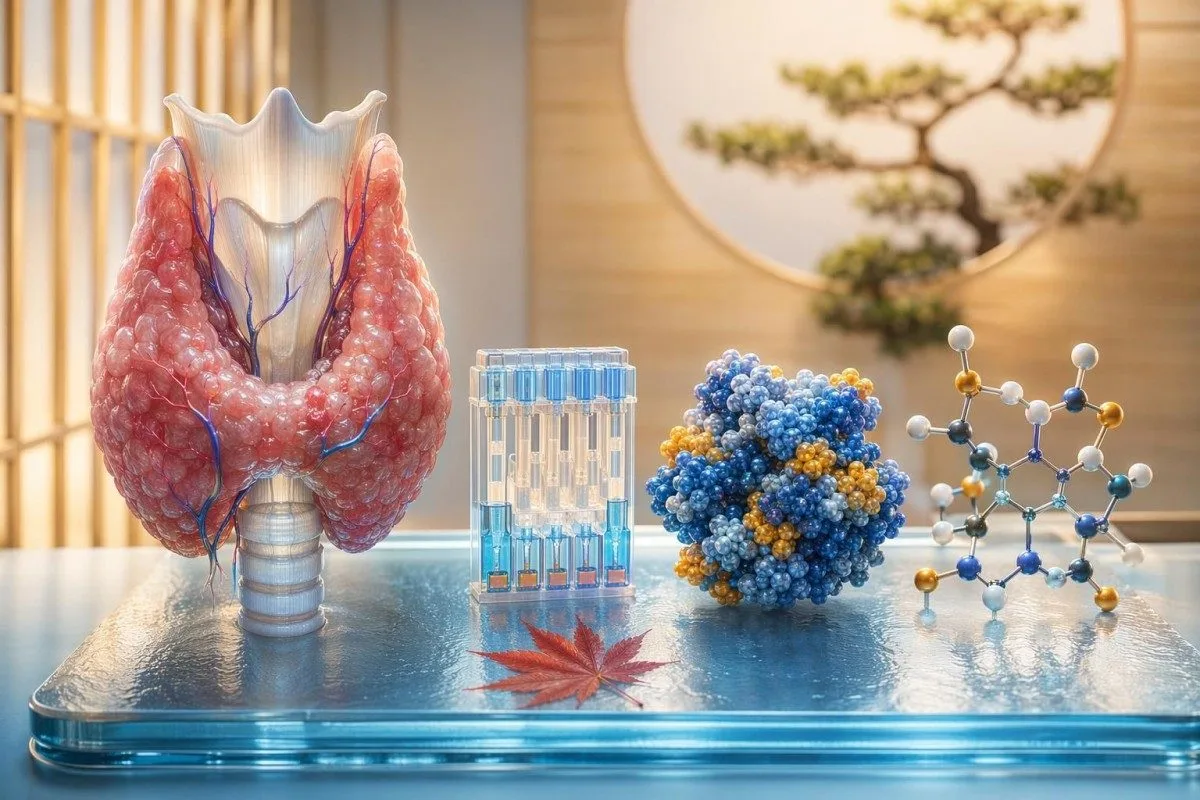
Feeling colder than everyone else is often blamed on poor circulation, but lab patterns frequently tell a more useful story. Thyroid function, iron stores, B12 status, glucose regulation and kidney markers can each point in a different direction.


- TSH and free T4 are the core thyroid test pair for cold intolerance; TSH above about 4.5 mIU/L with low free T4 suggests overt hypothyroidism.
- Ferritin below 30 ng/mL strongly supports low iron stores in most adults, even when hemoglobin still looks normal.
- Hemoglobin below 13.0 g/dL in men or 12.0 g/dL in nonpregnant women can reduce oxygen delivery and make cold sensitivity worse.
- Vitamin B12 below 200 pg/mL is usually treated as deficient, but symptoms can occur in the 200-350 pg/mL borderline zone.
- MCV below 80 fL points toward microcytosis, commonly iron deficiency or thalassemia trait; MCV above 100 fL suggests B12, folate, alcohol, liver or thyroid clues.
- Fasting glucose below 70 mg/dL can cause chills, shakiness and sweating, while insulin resistance can coexist with fatigue and poor temperature regulation.
- Albumin below 3.5 g/dL may reflect nutrition, kidney, liver or inflammatory disease and can make people feel frail and cold.
- Normal results do not end the story when symptoms are progressive, one-sided, associated with weight loss, blue fingers, fainting or new neurological signs.
Which blood tests most often explain feeling cold all the time?
A blood test for cold intolerance should usually include TSH, free T4, CBC, ferritin, iron saturation, vitamin B12, folate, fasting glucose or HbA1c, kidney function, liver enzymes, albumin and electrolytes. In our analysis of 2M+ blood tests at Kantesti AI, the most useful clues are rarely one isolated flag; the answer usually comes from patterns.
The common patient version is simple: I am cold when nobody else is. The clinical version is more layered, because cold intolerance blood work has to separate low heat production from poor oxygen delivery, low calorie availability, medication effects and vascular problems.
When I review a panel for this symptom, I start with TSH plus free T4, then look at hemoglobin, MCV and RDW before deciding whether ferritin, transferrin saturation or B12 explains the physiology. Our longer guide to anemia blood test patterns shows why the CBC often gives the first directional clue.
As of May 13, 2026, I would not call a normal TSH alone a full answer if the person is also losing weight, fainting, developing numbness, or turning blue in the fingers. Those details change the risk tier; labs guide the investigation, but they do not replace a proper examination.
How TSH and free T4 reveal thyroid-related cold intolerance
The best thyroid test for cold intolerance is TSH interpreted with free T4, not TSH alone. A TSH above about 4.5 mIU/L with a low free T4 typically indicates overt hypothyroidism, while TSH 4.5-10 mIU/L with normal free T4 suggests subclinical hypothyroidism in many adult reference systems.
TSH normal range is commonly about 0.4-4.0 mIU/L in adults, though some laboratories use 0.27-4.2 mIU/L or age-adjusted ranges. The American Association of Clinical Endocrinologists and American Thyroid Association guideline describes TSH as the most sensitive screening test for primary hypothyroidism when the pituitary is functioning normally (Garber et al., 2012).
Free T4 normal range is commonly about 0.8-1.8 ng/dL, or roughly 10-23 pmol/L, depending on the assay. A low free T4 with high TSH is the pattern I trust most for genuine underactive thyroid physiology; a high TSH with normal free T4 needs context, repeat testing and sometimes antibody testing.
I see a lot of 52-year-old patients with TSH 5.8 mIU/L, normal free T4, normal ferritin and vague cold hands. That number may matter if they have positive antibodies, infertility planning, pregnancy, a goitre or rising TSH over 6-12 months; our thyroid panel guide explains when T3 and antibodies add value.
If TSH is above 10 mIU/L, most clinicians become more inclined to treat or at least monitor closely, even when free T4 remains just inside range. For a practical breakdown of TSH patterns, see our guide to high TSH results.
When T3, thyroid antibodies and biotin change the answer
T3, TPO antibodies, thyroglobulin antibodies and medication history can explain why a thyroid result looks normal while the patient still feels cold. Biotin supplements can distort some thyroid immunoassays, sometimes making TSH and thyroid hormone results look misleading.
TPO antibody positivity supports autoimmune thyroiditis, but antibodies alone do not prove that cold intolerance is thyroid-driven. A patient with TPO antibodies, TSH 2.1 mIU/L and free T4 mid-range may need trend tracking rather than thyroid medication.
Biotin is a sneaky one. Doses of 5-10 mg daily, common in hair and nail supplements, can interfere with certain thyroid assays; I usually ask patients to stop biotin for at least 48-72 hours before repeat testing if the result does not match the clinical picture, and our biotin and thyroid test article goes deeper.
Low T3 with normal TSH is not automatically hypothyroidism. It can appear with caloric restriction, severe stress, acute illness, endurance overtraining or rapid weight loss; Kantesti AI flags this pattern differently from classic primary thyroid failure because the treatment path is not the same.
Our clinical standards team, described in Kantesti medical validation, reviews thyroid patterns against age, pregnancy status, medication use and assay units. That matters because a TSH of 4.2 mIU/L in an 82-year-old and a TSH of 4.2 mIU/L in early pregnancy do not carry the same meaning.
CBC clues: hemoglobin, MCV and RDW in cold sensitivity
A CBC can explain cold intolerance when it shows anemia, changing cell size or early nutritional deficiency. Hemoglobin below 13.0 g/dL in adult men or below 12.0 g/dL in nonpregnant adult women meets widely used anemia thresholds and can reduce oxygen delivery enough to worsen cold sensitivity.
The 2024 WHO guideline on haemoglobin cutoffs uses sex, age and pregnancy context when defining anemia, which is why I dislike interpreting hemoglobin without the patient story (WHO, 2024). A hemoglobin of 11.4 g/dL in a menstruating 28-year-old runner means something different from the same number in a 74-year-old man with new fatigue.
MCV below 80 fL usually means microcytosis, with iron deficiency and thalassemia trait high on the list. MCV above 100 fL points toward macrocytosis, often B12 deficiency, folate deficiency, alcohol exposure, liver disease, hypothyroidism or medication effects.
RDW is the quiet clue patients rarely notice. A high RDW with normal MCV can appear before obvious anemia, especially when iron stores are falling or B12 and iron problems coexist; our high RDW with normal MCV guide walks through that mixed pattern.
Here is the practical bedside version: if someone feels cold, breathless on stairs and newly craves ice, I do not stop at a CBC that says only mild anemia. I ask why the anemia is there, because occult blood loss, heavy periods, malabsorption and diet each lead to different next steps.
Ferritin and iron saturation: cold hands before anemia appears
Ferritin and transferrin saturation can show low iron availability before hemoglobin falls. Ferritin below 30 ng/mL strongly supports iron deficiency in most adults, while transferrin saturation below about 16-20% suggests too little circulating iron is available for red cell production.
Ferritin is an iron-storage protein, but it also rises during inflammation, liver injury and infection. A ferritin of 18 ng/mL is usually straightforward low iron; a ferritin of 90 ng/mL with CRP 38 mg/L and low iron saturation may still hide functional iron deficiency.
In our cold intolerance cases, the pattern I pay attention to is ferritin under 40 ng/mL plus low MCH or rising RDW, even if hemoglobin is still 12.6 g/dL. Patients often tell me their hands are colder, workouts feel flat and hair shedding started months before the CBC finally flags anemia.
Serum iron alone is noisy because it changes with meals, time of day and recent supplements. A better panel includes ferritin, serum iron, TIBC or transferrin, and transferrin saturation; our ferritin normal range guide shows why one iron number can mislead.
If ferritin is low, do not jump straight to high-dose iron forever. The cause matters: menstrual loss, gastrointestinal loss, celiac disease, bariatric surgery, vegetarian intake and frequent blood donation all leave different fingerprints.
B12, folate and homocysteine when cold comes with nerve symptoms
B12 deficiency can contribute to cold intolerance when it causes anemia, neuropathy or impaired red cell production. Vitamin B12 below 200 pg/mL is usually considered deficient, while 200-350 pg/mL is a borderline zone where methylmalonic acid or homocysteine can clarify tissue-level deficiency.
The British Committee for Standards in Haematology guideline recommends interpreting B12 with symptoms and sometimes confirmatory markers, because serum B12 can look borderline while deficiency is clinically real (Devalia et al., 2014). I worry more when cold intolerance appears with numb feet, burning tongue, balance changes or memory fog.
Methylmalonic acid above about 0.40 µmol/L supports cellular B12 deficiency, although kidney impairment can falsely raise it. Homocysteine above 15 µmol/L can rise with B12 deficiency, folate deficiency, B6 deficiency, kidney disease or hypothyroidism, so it is useful but not perfectly specific.
Macrocytosis is not required. I have seen patients with B12 around 240 pg/mL, MCV 88 fL and clear neuropathic symptoms; our guide to B12 deficiency without anemia covers why a normal CBC can miss early nerve involvement.
Vegans, older adults using acid-suppressing medication, people after bariatric surgery and patients taking metformin for years deserve a lower threshold for checking B12. For actual result interpretation, our vitamin B12 test guide explains low, borderline and high values.
Glucose, HbA1c and insulin clues that mimic being cold
Glucose disorders can mimic cold intolerance by causing chills, sweating, shakiness, fatigue or poor energy availability. Fasting glucose below 70 mg/dL is hypoglycemia, while HbA1c of 5.7-6.4% suggests prediabetes and 6.5% or higher supports diabetes when confirmed.
Low glucose tends to feel episodic: cold sweats, tremor, hunger, anxiety and relief after food. True cold intolerance from thyroid or anemia is usually more persistent, with patients wearing extra layers even in a warm room.
A normal HbA1c does not fully exclude glucose swings. Iron deficiency, B12 deficiency, kidney disease and altered red cell lifespan can distort HbA1c, which is why our HbA1c accuracy guide is useful when symptoms and A1c disagree.
Fasting insulin and HOMA-IR are not required for every cold patient, but they help when weight gain, high triglycerides, fatty liver markers or post-meal crashes are part of the story. A fasting insulin above 15-20 µIU/mL often suggests insulin resistance in the right context, even before A1c crosses 5.7%.
One pattern I see in under-fuelled athletes is low-normal glucose, low T3, low ferritin and high training load. That is not a supplement problem; it is usually an energy availability problem wearing a lab coat.
Kidney, liver and protein markers that change heat tolerance
Kidney function, liver markers and protein status can contribute to feeling cold through anemia, fluid balance, nutrition and systemic illness. Albumin below 3.5 g/dL is a clinically meaningful low protein marker that should prompt review of inflammation, kidney loss, liver synthesis and nutrition.
eGFR below 60 mL/min/1.73 m² for 3 months or more suggests chronic kidney disease, and kidney disease can cause anemia long before a patient thinks of kidneys as the problem. Creatinine alone can be deceptively normal in low-muscle older adults.
Liver disease can raise ferritin, lower albumin, alter B12 binding proteins and change thyroid hormone conversion. When AST, ALT, ALP, GGT, bilirubin and albumin move together, I read them as a pattern rather than a list of separate flags; our blood test biomarkers guide helps patients see those relationships.
Low total protein or albumin in someone who is always cold should make clinicians ask about poor intake, chronic inflammation, kidney protein loss and gastrointestinal absorption. Our guide to low albumin meaning covers the swelling and kidney clues that often travel with it.
Kantesti's neural network checks unit conversions across mg/dL, g/L, µmol/L and IU/L because international lab reports vary wildly. A UK albumin of 34 g/L and a US albumin of 3.4 g/dL are the same clinical signal.
Electrolytes, calcium, magnesium and CO2: small shifts, big symptoms
Electrolyte abnormalities rarely cause classic chronic cold intolerance by themselves, but they can cause weakness, cramps, palpitations and fatigue that patients describe as being cold. Sodium below 135 mmol/L, potassium below 3.5 mmol/L or above 5.0 mmol/L, and CO2 below 22 mmol/L deserve context-based follow-up.
Sodium is a water-balance marker as much as a salt marker. Mild sodium of 132-134 mmol/L can appear with diuretics, antidepressants, adrenal disease, heavy water intake or acute illness, and older adults may feel foggy, weak and chilled.
Potassium matters because abnormal levels can affect muscle and heart rhythm. A potassium result of 6.1 mmol/L may be dangerous or may reflect sample handling error, so repeat timing and ECG symptoms decide urgency; our electrolyte panel guide explains that split.
Magnesium is tricky because serum magnesium represents a tiny fraction of total body magnesium. A normal serum value around 1.7-2.2 mg/dL does not always exclude low intracellular stores, but severe deficiency usually leaves clues such as low potassium, low calcium or arrhythmia tendency.
CO2 on a basic metabolic panel is mostly bicarbonate. A low CO2 of 18 mmol/L can signal metabolic acidosis, chronic diarrhoea, kidney tubular problems or ketoacidosis, and that belongs in clinician territory rather than home interpretation.
Inflammation, infection and autoimmune patterns that hide behind coldness
Inflammation and chronic illness can make people feel cold by altering iron handling, appetite, metabolism and red cell production. CRP above 10 mg/L usually suggests active inflammation or infection, while ESR must be interpreted with age, sex, anemia and autoimmune context.
Ferritin rises during inflammation, which is why ferritin can look normal or high while transferrin saturation is low. This is called functional iron restriction, and it is common in chronic inflammatory disease, kidney disease and some infections.
ESR is slower and messier than CRP. An ESR of 45 mm/hr in a 25-year-old with joint swelling means more to me than the same ESR in an 86-year-old with anemia and no focal symptoms; our inflammation blood tests guide compares CRP, ESR, ferritin and CBC patterns.
Autoimmune thyroid disease can coexist with celiac disease, pernicious anemia and iron deficiency. That clustering is why I ask about diarrhoea, mouth ulcers, numbness and family autoimmune history when cold intolerance comes with borderline thyroid results.
Red flags are not subtle: fever, drenching night sweats, unintentional weight loss above 5% in 6-12 months, swollen lymph nodes or hemoglobin dropping quickly should be assessed promptly. Cold intolerance alone is usually not an emergency; cold intolerance plus systemic signs can be.
Cortisol and sex hormone clues when standard labs are normal
Cortisol and sex hormone testing may help when cold intolerance occurs with low blood pressure, weight change, missed periods, hot-cold swings or major fatigue. Morning cortisol below about 3 µg/dL is concerning for adrenal insufficiency, while values above about 15-18 µg/dL often make significant adrenal failure less likely.
Cortisol has a strong daily rhythm, so timing matters. A 4 p.m. cortisol cannot be interpreted like an 8 a.m. cortisol, and steroid creams, injections or tablets can suppress the axis for longer than patients expect.
Low blood pressure, salt craving, weight loss, darkening skin changes and recurrent low sodium push adrenal testing higher on my list. Our cortisol blood test timing article explains why a single random cortisol can create more confusion than clarity.
Sex hormones can change temperature perception, especially during postpartum months, perimenopause, hypothalamic amenorrhea or rapid weight loss. The lab pattern may include low estradiol, low-normal LH and FSH, low T3 and ferritin under 50 ng/mL, particularly in under-fuelled active women.
This is one of those areas where context matters more than the number. A 39-year-old night-shift nurse, a 19-year-old distance runner and a 56-year-old in menopause can all say they are freezing, but they need different questions before they need more tests.
When normal blood results still need follow-up
Normal blood results do not fully exclude clinically meaningful cold intolerance. If TSH, CBC, ferritin, B12, glucose and electrolytes are normal but symptoms are progressive, focal, painful or associated with color changes, follow-up should look beyond routine blood work.
Raynaud phenomenon is a classic example: fingers turn white, blue or red with cold exposure, yet routine labs may be completely normal. If Raynaud starts after age 30-40, becomes asymmetric, causes sores or accompanies joint pain, clinicians often check ANA, ESR, CRP and nailfold findings.
Medications matter. Beta blockers, stimulants, some migraine drugs, vasoconstrictors and excessive thyroid medication changes can alter temperature perception or circulation without producing a neat abnormal lab flag.
Our blood test normal range article makes a point I repeat often as Thomas Klein, MD: normal is not the same as optimal for that patient, and abnormal is not automatically dangerous. Baseline, trajectory and symptoms carry weight.
Kantesti content is reviewed with input from physicians and scientific advisors listed on our Medical Advisory Board. That review process is useful precisely because cold intolerance sits at the intersection of endocrinology, hematology, nutrition and primary care.
Age, pregnancy, children and athletes: the same number can mean different things
Cold intolerance labs should be interpreted differently in pregnancy, childhood, older age and high-training athletes. Pregnancy often uses lower TSH targets, children have age-specific CBC and thyroid ranges, and endurance athletes can show low ferritin before anemia appears.
Pregnancy changes thyroid-binding proteins, iron demand and plasma volume. A ferritin of 18 ng/mL in pregnancy is not a tiny footnote; it can sit alongside fatigue, restless legs and reduced exercise tolerance even before hemoglobin falls below trimester thresholds.
Children are not small adults on lab reports. Hemoglobin, lymphocyte patterns, alkaline phosphatase and TSH shift with age, which is why our pediatric blood test ranges guide separates toddlers, school-age children and teenagers.
Older adults often have multiple small contributors rather than one dramatic diagnosis. A mildly high TSH, eGFR 58, hemoglobin 11.9 g/dL and albumin 3.4 g/dL may collectively explain feeling cold, even if no single line on the report looks frightening.
Athletes deserve a ferritin conversation. In my clinic, runners with ferritin 20-35 ng/mL often report cold hands, poor recovery and slower pace before they meet formal anemia criteria.
How to prepare, repeat and track cold intolerance blood work
Cold intolerance blood work is most useful when testing conditions are consistent and abnormal results are repeated at the right interval. TSH is usually rechecked 6-8 weeks after a thyroid medication change, while ferritin often needs 8-12 weeks to show a meaningful response to iron treatment.
Morning testing is sensible when checking cortisol, fasting glucose, fasting insulin or testosterone, but it is less critical for CBC and ferritin. If you take biotin, iron, B12 or thyroid medication, timing can affect interpretation, so write down dose and timing before the sample is collected.
A single borderline result is not a life sentence. TSH can vary by 20-40% across time of day and illness recovery, ferritin rises after infection, and glucose changes with sleep, stress and the previous evening meal.
Trend tracking is where patients often get the biggest win. Our blood test progress tracking guide explains why a ferritin moving from 14 to 38 ng/mL can matter even if both numbers sit inside a lab’s broad reference interval.
Repeat urgently if the result is physiologically dangerous, not merely surprising. Examples include potassium above 6.0 mmol/L, sodium below 125 mmol/L, hemoglobin below 8 g/dL, or glucose below 54 mg/dL with symptoms.
How Kantesti AI reads the full cold intolerance lab pattern
Kantesti AI interprets cold intolerance blood work by comparing thyroid, CBC, iron, B12, metabolic, kidney, liver and inflammation markers in one pattern-based model. Our AI does not diagnose you; it helps you understand which lab clusters are worth discussing with a clinician.
You can upload a PDF or photo to our AI blood test platform and receive an interpretation in about 60 seconds, including unit normalization and trend comparison when prior results are available. Kantesti AI analyzes over 15,000 biomarkers across reports from 127+ countries and 75+ languages.
Kantesti LTD is a UK company, and our clinical direction is described on About Us. I am Thomas Klein, MD, Chief Medical Officer, and I care most about whether an answer helps a real patient ask a safer, better question at the next appointment.
Our research program includes multilingual clinical decision support work, including the Figshare publication on AI-assisted triage across 50,000 interpreted reports (Kantesti research DOI). For patients who simply want to understand today’s labs, the fastest route is to try the free blood test analyzer.
Bottom line: cold intolerance is not one test. It is a pattern across heat production, oxygen delivery, nutrient sufficiency, circulation and medication context, and our platform is built to make that pattern readable without pretending the computer replaces your doctor.
Frequently Asked Questions
What blood test should I get if I am always cold?
The usual first blood tests for feeling cold all the time are TSH, free T4, CBC, ferritin, iron saturation, vitamin B12, folate, fasting glucose or HbA1c, kidney function, liver enzymes, albumin and electrolytes. TSH above about 4.5 mIU/L, ferritin below 30 ng/mL, hemoglobin below 12.0 g/dL in nonpregnant women or 13.0 g/dL in men, and B12 below 200 pg/mL are common actionable clues. The best interpretation comes from combining these results rather than reading one number alone.
Can low ferritin make you feel cold even if hemoglobin is normal?
Yes, low ferritin can make some people feel cold, tired or exercise-intolerant before hemoglobin becomes abnormal. Ferritin below 30 ng/mL strongly suggests depleted iron stores in most adults, and values below 15 ng/mL usually indicate more severe depletion. This is especially common in menstruating women, endurance athletes, frequent blood donors and people with low dietary iron intake.
What thyroid results suggest cold intolerance is from hypothyroidism?
Cold intolerance is more likely to be thyroid-related when TSH is high and free T4 is low. A common adult TSH reference range is about 0.4-4.0 mIU/L, and TSH above 10 mIU/L is a stronger signal than a borderline value around 4.5-6.0 mIU/L. TPO antibodies, pregnancy status, age, medication use and biotin supplements can all change how thyroid results should be interpreted.
Can vitamin B12 deficiency cause feeling cold?
Vitamin B12 deficiency can contribute to feeling cold when it causes anemia, nerve symptoms or reduced red cell production. Serum B12 below 200 pg/mL is usually considered deficient, while 200-350 pg/mL is a borderline range where methylmalonic acid or homocysteine may help. Cold sensitivity with numbness, tingling, balance changes or burning tongue deserves timely medical review.
Why do I feel cold if all my blood tests are normal?
Normal blood tests do not rule out every cause of cold intolerance. Raynaud phenomenon, medication effects, low body fat, under-eating, autonomic dysfunction, sleep deprivation and anxiety-related adrenaline swings may not show up clearly on routine labs. Follow-up is especially important if coldness is one-sided, progressive, painful, associated with blue or white fingers, or paired with weight loss, fainting or neurological symptoms.
How often should I repeat abnormal cold intolerance blood work?
Repeat timing depends on the abnormal result and the treatment plan. TSH is commonly rechecked 6-8 weeks after starting or changing levothyroxine, while ferritin often needs 8-12 weeks to show a meaningful response to iron treatment. Dangerous results such as potassium above 6.0 mmol/L, sodium below 125 mmol/L, symptomatic glucose below 54 mg/dL or hemoglobin below 8 g/dL need urgent clinician-directed follow-up.
Get AI-Powered Blood Test Analysis Today
Join over 2 million users worldwide who trust Kantesti for instant, accurate lab test analysis. Upload your blood test results and receive comprehensive interpretation of 15,000+ biomarkers in seconds.
📚 Referenced Research Publications
Klein, T., Mitchell, S., & Weber, H. (2026). Multilingual AI Assisted Clinical Decision Support for Early Hantavirus Triage: Design, Engineering Validation, and Real-World Deployment Across 50,000 Interpreted Blood Test Reports. Kantesti AI Medical Research.
Klein, T., Mitchell, S., & Weber, H. (2026). Diarrhea After Fasting, Black Specks in Stool & GI Guide 2026. Kantesti AI Medical Research.
📖 External Medical References
World Health Organization (2024). Guideline on haemoglobin cutoffs to define anaemia in individuals and populations. World Health Organization Guideline.
⚕️ Medical Disclaimer
This article is for educational purposes only and does not constitute medical advice. Always consult a qualified healthcare provider for diagnosis and treatment decisions.
E-E-A-T Trust Signals
Experience
Physician-led clinical review of lab interpretation workflows.
Expertise
Laboratory medicine focus on how biomarkers behave in clinical context.
Authoritativeness
Written by Dr. Thomas Klein with review by Dr. Sarah Mitchell and Prof. Dr. Hans Weber.
Trustworthiness
Evidence-based interpretation with clear follow-up pathways to reduce alarm.