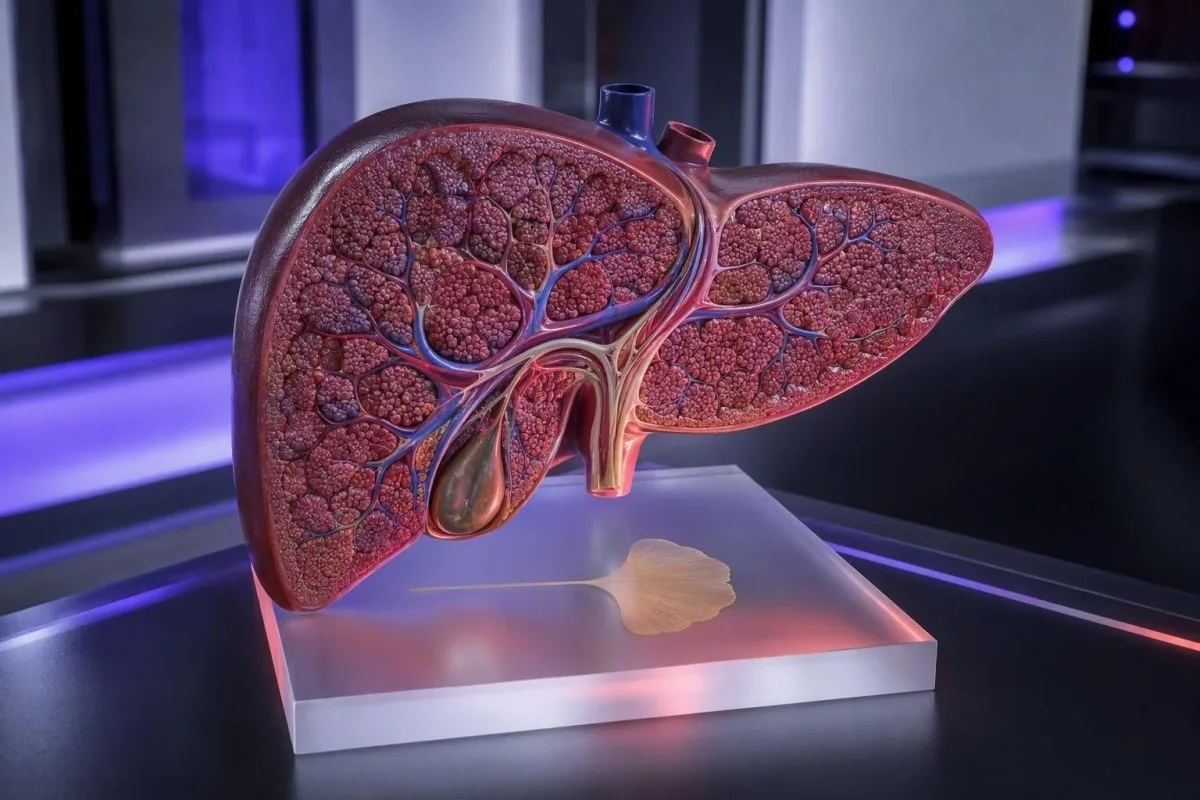
ALT – bu jigar fermenti bo'lib, ko'pincha xabar qilinadi, ammo bu tashxisdan ko'ra hujayra stressining belgisi. Ma'nosi uning kattaligi, namoyon bo'lishi, vaqti va jigaringiz panelining qolgan qismidan kelib chiqadi.


- ALT ma'nosi: ALT alanin aminotransferazani anglatadi, bu IU/L miqdorida o'lchanadigan ferment bo'lib, u jigar hujayralarida to'plangan.
- Odatdagi diapazon: Ko'pgina kattalar laboratoriyalar ayollar uchun 35 IU/L va erkaklar uchun 45 IU/L bo'lgan ALT yuqori chegarasidan foydalanadilar, ammo hisobotning o'z diapazoni hal qiluvchi hisoblanadi.
- Yengil ko‘tarilish: Laboratoriya yuqori chegarasidan 2 baravar past bo'lgan ALT keng tarqalgan va ko'pincha vahima emas, balki rejalashtirilgan takroriy tekshiruvni talab qiladi.
- naqsh muhim: Yuqori AST, ALP, GGT, bilirubin yoki INR bilan birga ALT, izolyatsiya qilingan ALT ko'tarilishidan farqli ma'noni bildiradi.
- Mashq ta’siri: Kuchli qarshilik mashqlari 7 kun yoki undan ko'proq vaqt davomida ALT va ASTni oshirishi mumkin, ayniqsa kreatin kinaza ham yuqori bo'lsa.
- Dori-darmonlarni ko‘rib chiqish: Asetaminofen, statinlar, antibiotiklar, tirishishga qarshi dorilar, qo'shimchalar va o'simlik mahsulotlari ALTga ta'sir qilishi mumkin.
- Shoshilinch belgilar: Sariqlik, chalkashlik, o'ng yuqori qorin bo'shlig'ida kuchli og'riq, takroriy qusish yoki juda qorong'i siydik bir kunda klinik baholashni talab qiladi.
- Trend qiymati: Tortish sababi olib tashlangandan keyin ALTning pasayishi odatda bitta chegaradagi natijadan ko'ra ko'proq tasalli beradi.
Qon tahlilida ALT nimani anglatadi
ALT - bu alanin aminotransferaza degan ma'noni anglatadi, bu energiya metabolizmida amin guruhlarini uzatishga yordam beradigan ferment. U jigarda hujayralar stress yoki shikastlanganda qonga kirganligi sababli o'lchanadi; u o'z navbatida, jigar shikastlanishini isbotlamaydi.
ALT asosan gepatotsitlarda, ya'ni jigarning ishchi hujayralarida topiladi, ammo skelet mushaklari va boshqa to'qimalarda ham oz miqdorda uchraydi. Yuqori natija kutilganidan ko'proq ferment namunaga yetib kelganligini bildiradi; u yog'li jigar, gepatit, dori vositalari bilan shikastlanish yoki mashq qilishni qo'shimcha dalillarsiz aniqlay olmaydi.
Mening klinik amaliyotimda eng foydali birinchi savol “qancha baland?” emas, balki “qanday asosiy va boshqa markerlarga nisbatan baland?” degan savoldir. Yangi sport zaliga borishdan keyin 58 IU/L ALT, bilirubin 65 mkmol/l va sariq ko'zlar bilan ALT 58 IU/L dan farqli muammodir.
Kantesti - bu AI qon testi analizatori bu jigarning bir belgilangan qiymatini diagnostika sifatida qabul qilish o'rniga, AST, ALP, GGT, bilirubin, albumin, trombotsitlar soni, dori vositalari va oldingi natijalar bilan bir qatorda ALTni o'qiydi. Tegishli o'lchovlarning keng xaritasi uchun bizning biomarkerlar bo‘yicha qo‘llanmamiz.
Nima uchun eski SGPT nomi paydo bo'lishi mumkin
Ba'zi hisobotlarda ALT hali ham “serum glutamik-piruvik transaminaza” deb nomlanadi yoki SGPT. ALT va SGPT bir xil ferment testini bildiradi, ammo zamonaviy laboratoriya hisobotlarida odatda ALT ishlatiladi.
Shifokorlar nima uchun alanin aminotransferazani o'lchaydilar
Shifokorlar buyuradilar alanin aminotransferaza testi gepatotsellyulyar stressni aniqlash, ma'lum bo'lgan jigar kasalligini kuzatish va dori vositalari bilan bog'liq shikastlanishlarni tekshirish uchun. ALT ko'pincha jigar paneli yoki keng qamrovli metabolik panelga kiritiladi, hatto odamda hech qanday alomatlar bo'lmasa ham.
ALT odatda diabet yoki lipid tekshiruvlari paytida tekshiriladi, chunki metabolik disfunksiya bilan bog'liq steatotik jigar kasalligi, ilgari yog'li jigar kasalligi deb nomlangan, yillar davomida yashirin bo'lishi mumkin. 2023 yilgi AASLD ko'rsatmasi metabolik xavf omillari va tushunilmagan jigar fermentining ko'tarilishi bo'lgan odamlarni steatotik jigar kasalligi va fibroz xavfi uchun baholashni tavsiya etadi (Rinella va boshqalar, 2023).
Normal ALT muhim fibrozni istisno qilmaydi va yuqori ALT fibroz bosqichini o'lchamaydi. Men bemorlarni ALT 24 IU/L va mutaxassis baholashda, ayniqsa 2-toifa diabet bilan ma'noli chandiqlar bilan ko'rganman; fibroz ballari va tasvirlash boshqa savolga javob beradi.
ALTni kuzatish dori o'zgarishidan keyin ham amaliy, ammo uni o'ylangan holda rejalashtirish kerak. Bizning qo'llanmamiz yillik qon tekshiruvi test chastotasi faqat odatga emas, balki xavf, alomatlar va davolanishga amal qilishi kerakligini tushuntiradi.
ALT normal diapazonlari va laboratoriya chegaralari nima uchun farq qiladi
Kattalar uchun ALT standart diapazonlari ayollar uchun taxminan 7 dan 35 IU/L gacha, erkaklar uchun esa 10 dan 45 IU/L gacha, ammo diapazonlar tahlil, populyatsiya va laboratoriyaga qarab farq qiladi. Internet chegarasidan ko'ra, har doim o'zingizning natijangiz yonidagi yuqori chegaradan foydalaning.
Yuqori chegara statistik ahamiyatga ega, odatda standart populyatsiyadan olingan, ammo undan past bo'lgan har bir qiymat butunlay sog'lom jigarni aks ettiradi degan kafolat emas. Ba'zi Yevropa laboratoriyalari ayollar uchun 25 IU/L, erkaklar uchun esa 35 IU/L ga yaqin jinsga xos yuqori chegaralardan foydalanadi, bu metabolik xavfni erta aniqlashi mumkin, ammo chegaradagi ko'proq belgilarni ham yaratadi.
Normal yuqori chegaradan ikki baravar past qiymat ko'pincha engil ko'tarilish deb ataladi. Yuqori chegarasi 40 IU/L bo'lgan laboratoriya uchun ALT 55 dan 80 IU/L gacha kontekst va odatda takrorlash rejasini talab qiladi, shu bilan birga ALT 400 IU/L yuqori chegaradan 10 barobar ko'p va shoshilinchlikni o'zgartiradi.
Doktor Tomas Klayn bemorlarga laboratoriya nomi, birliklari, diapazoni, qon olingan sana, spirtli ichimlik iste'moli va oldingi haftadagi jismoniy mashqlar haqida ma'lumotlarni saqlashni maslahat beradi. Bu tashriflar o'rtasidagi natijalarning farqlarini ancha tushunarli qiladi.
ALT va AST birgalikda qanday ishlaydi
ALT va AST birgalikda talqin qilinishi kerak, chunki ALT nisbatan jigarga yo'naltirilgan bo'lsa, AST ko'ndalang-to'shlangan va yurak mushaklarida ham ko'p uchraydi. ASTga nisbatan ALT nisbati namunani ko'rsatishi mumkin, lekin u yolg'iz spirtga bog'liq kasallikni yoki sirrozni tashxislashi mumkin emas.
ALT ASTdan oshib ketganda, klinisyenter ko'pincha metabolik steatoz, virusli gepatit yoki dori ta'sirini hisobga oladilar, garchi ko'plab istisnolar mavjud bo'lsa ham. Spirtga bog'liq jigar shikastlanishida AST:ALT nisbati 2 dan yuqori bo'lishi mumkin, ammo rivojlangan fibroz, mushak shikastlanishi va o'tkir insultdan keyin vaqt ham nisbatni o'zgartirishi mumkin.
Poyga o'tkazgandan so'ng AST 89 IU/L, ALT 61 IU/L va kreatin kinaza 1450 IU/L bo'lgan 52 yoshli marafonchi uchun kreatin kinazasi 90 IU/L bo'lgan bir xil fermentlarga ega bo'lgan kishidan farqli suhbat kerak bo'ladi. AST va yuqori CKdan xavotirga soladigan sabab mushaklardan ajralib chiqishdir; faqat ALT mushaklar uchun kamroq o'ziga xosdir, ammo u ham ko'tarilishi mumkin.
Ushbu farqning mushak tomoni uchun bizning tushuntirishimizni o'qing yuqori AST belgilari. Agar jismoniy faollik mumkin bo'lgan sabab bo'lsa, shifokoringiz boshqacha maslahat bermasa, takroriy tekshiruvdan oldin 7 kun davomida odatdagidan kuchli mashqlardan saqlaning.
Nima uchun ALP, GGT va bilirubin ALT ma'nosini o'zgartiradi
ALT gepatotsellyulyar namoyon bo'lishini ko'rsatadi, shu bilan birga ishqoriy fosfataza, GGT va bilirubin xolestaz yoki o't oqimining buzilishini aniqlashga yordam beradi. ALT, yuqori ALP va GGT birgalikda o't yo'llari kasalligi, dori ta'siri yoki jigar yallig'lanishini oddiy yog'li jigar deb hisoblash o'rniga ko'rib chiqishni rag'batlantirishi kerak.
Shifokor R nisbatini hisoblashi mumkin: ALT uning yuqori chegarasiga bo'lingan, keyin ALP uning yuqori chegarasiga bo'lingan. R nisbati 5 yoki undan yuqori bo'lsa, gepatotsellyulyar shikastlanishni, 2 yoki undan kam bo'lsa, xolestatik shikastlanishni qo'llab-quvvatlaydi va 2 dan 5 gacha aralash namoyon bo'lishini ko'rsatadi; bu oxirgi diagnoz emas, balki saralash vositasidir.
GGT ALP ko'tarilganda foydalidir, chunki GGT ko'tarilishi gepatobiliar manbani qo'llab-quvvatlaydi, shu bilan birga ALP suyak aylanishidan ham ko'tarilishi mumkin. Shu sababli, normal GGT bilan bir martalik ALP ko'tarilishi jigar tasviriga qaraganda suyak va D vitamini masalalariga olib kelishi mumkin.
To'q rangli siyish, oqarish, qichima, isitma yoki bilirubinning ko'tarilishi bilan kechadigan sariqlik “keyingi yillik tekshiruvni kutish” belgilari emas. Bizning xolestaz ko‘rinishlari bo‘yicha qo‘llanmamiz tezkor baholashni talab qiladigan kombinatsiyalarni tushuntiradi.
ALT ko'tarilishining umumiy sabablari
ALTning ko'tarilishi ko'pincha metabolik steatotik jigar kasalligi, spirtli ichimliklar bilan aloqada bo'lish, virusli gepatit, dori ta'siri yoki vaqtinchalik jismoniy mashqlar bilan bog'liq ko'tarilishni aks ettiradi. Har bir sababning ehtimoli tana vazni, glyukoza, triglitseridlar, spirtli ichimliklar uslubi, sayohat, dori-darmonlar va ko'tarilish hajmi bilan o'zgaradi.
Metabolik steatotik jigar kasalligi, ayniqsa, ALT ko'tarilishi, markaziy tana yog'ining ko'payishi, triglitseridlarning 150 mg/dl dan yuqori bo'lishi, HDL xolesterinning pastligi, och qoringa glyukoza yoki 2-toifa diabetning ko'tarilishi bilan birga kelganda ehtimoldir. U kichikroq tanali odamlarda ham, ayniqsa ichki yog', genetik, uyqu apnesi yoki ba'zi dori-darmonlar bilan yuzaga kelishi mumkin.
Virusli gepatitni tekshirish ALT ga bog'liq emas, balki ta'sir qilish va xavfga bog'liq. Gepatit B yuzaki antigena va gepatit C antikori, tasdiqlovchi RNK tekshiruvi bilan birga, anamnez, geografiya yoki ferment naqshi uni qo'llab-quvvatlaganda, maqsadli baholashning standart qismlaridir; bizning gepatit C bo'yicha qo'llanmamiz odatdagi yo'lni qamrab oladi.
Kamroq uchraydigan, ammo muhim sabablar orasida gemoxromatoz, otoimmün gepatit, yoshlarda Uilson kasalligi, seliyak kasalligi va alfa-1 antitiripsin etishmovchiligi kiradi. Har bir ko'tarilgan ALT alkogol bilan bog'liq deb taxmin qilishning zararini doktor Tomas Klayn ko'rgan; tuzilgan tekshiruv yanada shafqatli va aniqroqdir.
ALTni ko'tarishi mumkin bo'lgan dorilar va qo'shimchalar
Dori-darmonlar va qo'shimchalar jigar to'g'ridan-to'g'ri shikastlanishi, o't oqimining o'zgarishi, metabolik ta'sirlar yoki tasodifiy sabablar orqali ALTni ko'tarishi mumkin. Bir natija tufayli buyurilgan dori-darmonni birdaniga to'xtatmang; dori ta'sirini naqsh va tendensiyaga qarshi tortib oladigan shifokor bilan bog'laning.
Paratsetamol, shuningdek, asetaminofen deb ataladi, haddan tashqari dozada sezilarli ALT ko'tarilishiga va ba'zan yuqori terapevtik ta'sirda engilroq o'zgarishlarga olib kelishi mumkin. Ko'pchilik kattalar uchun odatdagi maksimal doz 4000 mg ni tashkil qiladi, ammo ko'plab shifokorlar muntazam alkogol iste'mol qiladigan, jigar kasalligi bo'lgan, yoshi katta yoki sovuqqa qarshi ko'p komponentli vositalarni ishlatadigan odamlar uchun pastroq chegarani tavsiya etadilar.
Statinalar ALTning kichik ko'tarilishiga olib kelishi mumkin, ammo jiddiy statin bilan bog'liq jigar shikastlanishi kam uchraydi; yurak-qon tomir dori-darmonini maslahatsiz to'xtatish ferment bayrog'idan ko'ra xavfliroq bo'lishi mumkin. ACG qo'llanmasi keng qamrovli tekshiruvdan oldin (Kwo va boshq., 2017) g'ayritabiiy jigar kimyosini tasdiqlashni va retsept bo'yicha, retseptsiz va qo'shimcha dorilarni diqqat bilan tarixini olishni tavsiya etadi.
Yashil choy ekstrakti, anabolik mahsulotlar, yuqori dozli A vitamini, ko'p komponentli “detoks” kukunlari va tartibga solinmagan bodibilding qo'shimchalari alohida savollarga loyiqdir, chunki yorliqlar to'liq bo'lmasligi mumkin. Qo'shimcha mahsulot qo'shishdan oldin bizning amaliy qo'shimcha xavfsizlik qo'llanmamizni ko'rib chiqing.
Jismoniy mashqlar vaqtincha ALTni oshirishi mumkinmi?
Ha, zo'riqishli jismoniy mashqlar, ayniqsa, notanish qarshilik mashqlari, chidamlilik tadbirlari yoki mushak shikastlanishidan keyin ALTni vaqtincha oshirishi mumkin. AST va kreatin kinaza odatda ko'proq ko'tariladi va qiymatlar mashqning intensivligi va mushak massasiga qarab 3 dan 10 kungacha o'zgarishi mumkin.
Ko'pchilik xato tushunishicha, ko'tarilgan ALT har doim jigar shikastlanishini anglatadi. Amalda, eksentrik ko'tarishni o'z ichiga olgan qattiq mashg'ulot - sekin tushirish harakatlari - mushak membranalarini AST, ALT, LDH va CK ni jigar kasalligisiz o'zgartirish uchun etarli darajada buzishi mumkin.
Toza qayta tekshirish uchun, odatda, barqaror, sog'lom bemorlardan 5 dan 7 kungacha qattiq mashqlardan, bir necha kun alkogoldan voz kechishni, normal hidratsiyani saqlashni va imkon bo'lsa, bir xil laboratoriyadan foydalanishni so'rayman. Agar qizil bayroqli belgilar yoki me'yordan bir necha barobar yuqori ALT bo'lsa, bu mos kelmaydi; bu vaziyatlarda avval klinik maslahat kerak.
Kantesti - bu AI asosidagi qon tahlili analiz vositasi 127+ mamlakatlarida qo'llaniladigan va ALT, AST, CK va oldingi namunalar bilan solishtirib, mashqga mos keladigan naqshni belgilaydigan, ammo xavfsiz deb aytmaydigan vositalar. Sportchilar ham ko'rib chiqishi mumkin marafonda qon tekshiruvi vaqti.
ALT natijasini yanada dolzarb qiladigan alomatlar
Ko'pchilik engil ALT ko'tarilishi hech qanday alomatlarni keltirib chiqarmaydi, ammo sarg'ayish, juda quyuq siydik, oqar rangli najas, qorinning kuchli og'rig'i, ongni yo'qotish, oson ko'karishlar yoki doimiy qusish tez tibbiy yordamni talab qiladi. Belgilar muhimdir, chunki ular bilirubinni qayta ishlashning buzilishi, o't yo'lining tiqilishi, o'tkir gepatit yoki jigarning sintez qilish funktsiyasining pasayishini ko'rsatishi mumkin.
Sariq ko'zlar yoki teri, ongni yo'qotish, yangi uyquchanlik, o'ng qovurg'a ostidagi og'riqning tez yomonlashishi yoki suyuqlikni ichida ushlay olmaslik uchun o'sha kuni davolanishga murojaat qiling. ALT me'yordan 5 martadan ko'p bo'lsa, bilirubin ko'tarilgan bo'lsa yoki INR uzaygan bo'lsa, bu belgilar ko'proq ahamiyatga ega.
Homiladorlik xavotirga soladigan chegarani o'zgartiradi: kaftlar yoki oyoqlar qichishi, o'ng yuqori qorinning noqulayligi, bosh og'rig'i, ko'rishning buzilishi yoki yuqori qon bosimi, hatto ALT faqat mo''tadil ko'tarilgan bo'lsa ham, zudlik bilan akusherlik baholashni talab qiladi. Homiladorlikka xos holatlar odatiy ambulator jigar tekshiruvlaridan farq qiladi.
Siydik o'zgarishlari qo'shimcha ma'lumotlar berishi mumkin, ammo o'zlari diagnostik emas. Bizning maqolamiz quyuq siydik sabablari haqida suvsizlanish va dorilarni bilirubin bilan bog'liq ogohlantirish belgilaridan ajratishga yordam beradi.
Anormal ALT natijasidan keyin odatda nima sodir bo'ladi
Anomali ALT natijasidan so'ng, shifokorlar odatda natijani tasdiqlaydi, ta'sirlarni ko'rib chiqadi va ko'tarilish darajasi va simptomlarga qarab panelni takrorlaydi yoki kengaytiradi. Yagona engil natija ko'pincha haftadan bir necha oygacha takrorlanishiga olib keladi, o'rtacha ko'tarilish yoki sarg'ayish esa tezroq baholashni talab qiladi.
Mantiqiy birinchi ko'rib chiqishga alkogol iste'moli, yaqinda bo'lgan kasallik, tana vaznining o'zgarishi, sayohatlar, oilaviy tarix, retsept bo'yicha va retseptsiz beriladigan dorilar, qo'shimchalar va oldingi 7 kun ichida jismoniy mashqlar kiradi. Umumiy kuzatuv testlariga AST, ALP, GGT, bilirubin, albumin, to'liq qon rasmi, INR, gepatit skriningi, transferrin to'yinganligi bilan ferritin va glyukoza yoki HbA1c kiradi.
Ultratovush ko'pincha steatoz, o't toshlari, o't pufagi kengayishi yoki strukturali o'zgarishlar uchun foydalidir, ammo u erta fibrozni ishonchli tarzda baholamaydi. FIB-4 fibroz xavfini baholash uchun yosh, AST, ALT va trombotsitlar sonidan foydalanadi; u 35 yoshdan pastda ishonchliligini yo'qotadi va o'tkir kasallik paytida ishlatilmasligi kerak.
Kantesti AI bu AI lab test interpretatsiya xizmati Bu bog'liq belgilar va uzunlamasına natijalarni shifokor bilan muhokama qilish uchun tashkil etadi. Bizning jigar paneli tushuntirishchisi har bir kuzatuv komponenti nimani berishini ko'rsatadi.
Nima uchun ALT tendensiyalari bitta raqamdan ko'ra foydaliroq
ALT tendentsiyasi ko'pincha bitta natijadan ko'ra ko'proq ma'lumot beradi, chunki u signalning yo'qolayotganini, davom etayotganini yoki tezlashayotganini ko'rsatadi. 6 haftadan keyin 72 dan 34 IU/L gacha bo'lgan o'zgarish, hatto ikkala raqam ham laboratoriya chegarasiga yaqin bo'lsa ham, 34 dan 72 IU/L gacha bo'lgan o'zgarishdan boshqa klinik xabarni olib boradi.
Biologik variatsiya, hidratsiya, tahlil variatsiyasi va vaqtni tanlash ALT ni tortishlar orasida asta-sekin harakatlantirishi mumkin. Bir xil laboratoriyada, kunning o'xshash vaqtida, taqqoslanadigan faollik va alkogol ta'siridan keyin takrorlash shovqinni kamaytiradi va haqiqiy o'zgarishni aniqlashni osonlashtiradi.
6 oydan ortiq davom etgan ko'tarilish ko'proq ehtiyotkorlik bilan baholashni talab qiladi, ayniqsa diabet, semirish, jigar kasalligi oilaviy tarixi, trombotsitlar sonining kamayishi yoki bilurubinning ko'tarilishi bilan. Aksincha, to'liq baholangan bemorda barqaror engil ALT takroriy keng testlar bilan ta'qib qilinishdan ko'ra kuzatilishi mumkin.
Kantesti AI ALT tendentsiyalarini hamrohlik qiluvchi AST, trombotsitlar soni, bilirubin va metabolik markerlar bilan talqin qiladi, 3 IU/L o'zgarishni kasallikning rivojlanishi sifatida ko'rmaydi. Bizning uzunlamasına (longitudinal) tekshiruvlar bo‘yicha qo‘llanmamizda ko‘ring har bir tortishdan keyin qayd etishga arziydigan tafsilotlar uchun.
Noto'g'ri qarorlarga olib kelishi mumkin bo'lgan ALT noto'g'ri tushunchalari
ALT qat'iy ma'noda “jigar funksiyasi tahlili” emas, chunki u fermentning chiqishini o'lchaydi, jigarning albumin, ivish omillari yoki o't ishlab chiqarish qobiliyatini emas. Albumin, INR, bilirubin, trombotsitlar soni, simptomlar va tasvirlar ALT dan ko'ra muhimroq hikoyani aytib berishi mumkin.
Normal ALT spirtli ichimliklarni ko'p iste'mol qilishni, diabetni yoki jigar kasalligining kuchli oilaviy tarixini e'tiborsiz qoldirishga ruxsat bermaydi. Xuddi shunday, ALT ning ko'tarilishi alkogol sabab bo'lganligini isbotlamaydi; bu taxmin ishonchni buzishi va virusli, otoimmün, genetik yoki dori-darmonga bog'liq bo'lgan kasalliklarni tashxis qilishni kechiktirishi mumkin.
“Jigar detokslari” yana bir keng tarqalgan tuzoqdir. Jigar allaqachon metabolizm va tozalashni boshqaradi, shu bilan birga intensiv parhez, tartibga solinmagan o'tlar va tez vazn yo'qotish ba'zan alomatlar yoki laboratoriya markerlarini yomonlashtirishi mumkin; tijoriy detoks rejimlarining dalillari samimiy ravishda zaifdir.
Agar parhez muhokamaning bir qismi bo'lsa, mo''jizaviy mahsulotlardan ko'ra, barqaror vazn o'zgarishi, etarli oqsil, tolalar va qayta ishlangan oziq-ovqatni kamaytirishga e'tibor qaratish lozim. Bizning dalillarga asoslangan jigar uchun oziq-ovqat qo'llanmasi xavfsizroq boshlang'ich nuqta.
Bolalar, homiladorlik va keksa yoshdagi ALT talqini
ALT talqini bolalar, homiladorlik va keksa yoshdagi odamlarda yoshga oid kontekstni talab qiladi, chunki mos yozuvlar chegaralari va ehtimoliy sabablar farq qiladi. Pediatrik ALT chegaralari ko'pincha kattalar laboratoriya diapazonlaridan pastroq bo'ladi va homiladorlik bilan bog'liq jigar belgilari tezroq mutaxassis boshchiligidagi baholashni talab qiladi.
Bolalarda semirish bilan bog'liq yog'li jigar kasalligi tobora ko'proq tan olinmoqda, ammo virusli kasalliklar, mushaklar distrofiyasi, seliakiy kasallik va irsiy metabolik kasalliklar differensial diagnostikada qolishi kerak. Pediatrik shifokor kattalar “40 IU/L dan past yaxshi” deb o'ylamasdan, davom etgan ALT ko'tarilishini talqin qilishi kerak.
Homiladorlik paytida ALT odatda homilador bo'lmagan mos yozuvlar intervalida qolishi kerak; gipertenziya, past trombotsitlar, qichishish yoki ko'ngil aynishi bilan ko'tarilish homiladorlikka xos kasalliklarni tez baholashni talab qiladi. Albumin ko'pincha plazma hajmining kengayishi tufayli tushadi, shuning uchun albumin va ALT bir xil mantiq bilan talqin qilinmasligi kerak.
Keksa yoshdagi odamlarda ko'p dorilar va zaiflik to'liq dori-darmonlarni ko'rib chiqishning ahamiyatini oshiradi. Bizning katta yoshli dori-darmon laboratoriyasi qo'llanmasi uchrashuvga olib borish kerak bo'lgan savollarni bayon qiladi.
ALT natijalari uchun sun'iy intellekt talqinini xavfsiz ishlatish
AI ALT natijasini tashkil qilishda yordam berishi mumkin, lekin u sizni tekshira olmaydi, simptomlarni tasdiqlay olmaydi yoki jiddiy jigar holati uchun tibbiy baholashni o'rnini bosa olmaydi. Eng xavfsiz foydalanish tayyorgarlikdir: holatni aniqlang, asl hisobotni saqlang va malakali shifokorga aniq savollar bilan murojaat qiling.
5-sentabr, 2026-yil holatiga ko'ra, Kantesti bu AI qon tahlili natijalari platformasi yuklangan laboratoriya hisobotlarini taxminan 60 soniyada ko'rib chiqadi va ALTni tegishli qiymatlar, tendentsiya tarixi va xabar qilingan dorilar kontekstiga qo'yadi. U tashxis qo'yish yoki davolashni buyurish uchun emas, balki savollar sifatini yaxshilash uchun mo'ljallangan.
Aniqlik uchun hisobot rasmining o'qilarliligini, birliklarning to'g'ri kiritilganligini va oldingi yilgi natijaning bugungi qiymati bilan adashtirilmaganligini tekshiring. Kantesti ning klinik yondashuvi shifokor nazorati ostida shakllanadi; o'quvchilar bizning tibbiy validatsiya standartlarimiz va Tibbiy maslahat kengashi dan foydalanishlari mumkin, agar ular AI yordamida talqin qilishdan qanday foydalanishni hal qilishsa.
Ko'rib chiqishga uch narsani olib keling: to'liq panel, dozalari bilan har bir dori va qo'shimcha vositalar ro'yxati, hamda alkogol, kasallik, sayohat va kuchli jismoniy mashqlar jadvali. Bu kamtarin tayyorgarlik ko'pincha keraksiz xavotirni oldini oladi va muhim holatni o'tkazib yuborishdan saqlaydi.
Keyingi ALT testidan oldin amaliy tekshirish ro'yxati
Rejalashtirilgan ALT takroriy tekshiruvidan oldin, odatdagi tartibingizni saqlab qoling va fermentlarni o'zgartirishi mumkin bo'lgan omillarni hujjatlang. Agar klinik jihatdan xavfsiz bo'lsa, 5 dan 7 kungacha og'ir mashqlardan saqlaning, bir necha kun alkogoldan saqlaning va agar vrach buyurmasa, buyurilgan dorilarni o'zgartirmang.
Asetaminofen yoki paratsetamol, antibiotiklar, yangi qo'shimchalar, yaqinda bo'lgan isitma, gastroenterit, vaktsinalar, ochlik va tez vazn o'zgarishini yozib qo'ying. Odatda faqat ALT uchun ochlik talab qilinmaydi, lekin agar glyukoza, triglitseridlar yoki boshqa testlar shu tashrifda o'lchanayotgan bo'lsa, so'ralishi mumkin.
Shifokordan so'rang, takroriy ALT AST, ALP, GGT, bilirubin, albumin, trombotsitlar va CK ni o'z ichiga olishi kerakmi. Javob ko'pincha birinchi holatga bog'liq; og'ir mashqdan keyin ALTning 48 IU/L izolyatsiyalangan qiymati bilirubin 48 µmol/L bilan ALT 248 IU/L kabi keng qamrovli tekshiruvni talab qilmaydi.
Agar hisobotingizdan savollarni tuzishda yordamga muhtoj bo'lsangiz, bizning AI hisobot aniqligi bo‘yicha chek-listimizdan foydalaning. tashrifdan oldin foydalidir. Bizning ish haqida tashkiliy ma'lumot uchun quyidagi manzilga qarang Kantesti haqida.
Tez-tez so'raladigan savollar
ALT laboratoriya natijalarida nimani anglatadi?
ALT (alanin aminotransferaza) - bu asosan jigar hujayralarida uchraydigan va litr uchun xalqaro birliklarda (IU/L) o'lchanadigan fermentdir. Ko'pgina laboratoriyalar kattalar ayollar uchun 35 IU/L atrofida va kattalar erkaklar uchun 45 IU/L atrofida yuqori chegaralarni ishlatadi, ammo individual hisobotda chop etilgan ma'lumotnomasi intervali to'g'ri taqqoslashdir. ALT ning ko'tarilishi hujayra stressi yoki shikastlanishini ko'rsatadi, ammo uning sababini o'z-o'zidan aniqlay olmaydi. AST, ALP, GGT, bilirubin, dori-darmonlar, alkogol, jismoniy mashqlar va simptomlar natijaning ma'nosini aniqlaydi.
ALT 50 IU/L yuqorimi?
ALT ning 50 IU/L qiymati 35 yoki 40 IU/L yuqori chegaraga ega laboratoriyalarda biroz ko'tarilgan hisoblanadi, ammo 55 IU/L yuqori chegaraga ega ba'zi laboratoriyalarda normal holatga yaqin. Bilirubin, ALP, INR va simptomlar normal bo'lganda 50 IU/L atrofidagi qiymat odatda kamroq shoshilinchdir, garchi u hali ham kontekst va ko'pincha takrorlashni talab qiladi. Yaqinda og'ir atletika, spirtli ichimliklar, metabolik steatoz, dori-darmonlar va qo'shimchalar keng tarqalgan sabablardir. 6 oydan ortiq davom etadigan ko'tarilish tizimli klinik ko'rib chiqishni talab qiladi.
Jismoniy mashqlar ALT darajasini oshirishi mumkinmi?
ALT, AST, LDH va kreatin kinazani kuchli mashqlar ko'tarishi mumkin, chunki skelet mushaklari zo'r yoki notanish zo'riqishdan keyin fermentlarni chiqaradi. Ko'tarilish 3 dan 10 kungacha davom etishi mumkin, AST va kreatin kinaz ko'pincha ALT ga qaraganda ko'proq oshadi. Mashqlar ta'sir qilganligini aniqlash uchun takrorlash rejalashtirilganidan 5 dan 7 kun oldin odatdagidan kuchliroq mashqlardan qochish foydalidir. ALT ning sezilarli ko'tarilishi, sarg'ayish, kuchli og'riq yoki quyuq siydik har qanday holatda ham mashqlar sabab bo'lgan deb taxmin qilishdan ko'ra, tez tibbiy yordamni talab qiladi.
ALT yoki AST, qaysi biri muhimroq?
Naf ALT, na AST unversal ravishda muhimroqdir, chunki bu juftlik har bir natijadan ko'ra ko'proq ma'lumot beradi. ALT jigar bilan ko'proq bog'liq, AST esa skelet mushaklarida ham mavjud bo'lib, mashqlar yoki mushak shikastlanishidan keyin sezilarli darajada ko'tarilishi mumkin. ALTga nisbatan ASTning 2 dan yuqori bo'lishi alkogolga bog'liq jigar shikastlanishida yuzaga kelishi mumkin, ammo bu diagnostik emas va rivojlangan fibroz yoki mushakdan ajralib chiqish bilan ham paydo bo'lishi mumkin. Shifokorlar ikkala qiymatni GGT, ALP, bilirubin, kreatin kinaza, trombositlar soni va klinik tarix bilan birgalikda talqin qilishadi.
Qachon yuqori ALT natijasi shoshilinch hisoblanishi kerak?
ALT natijasi laboratoriya yuqori chegarasidan 5 martadan ko'proq bo'lsa, tez ko'tarilsa yoki sarg'ayish, ongning chalkashishi, o'ng qorinning yuqori qismida kuchli og'riq, doimiy qusish, oson ko'karish yoki juda to'q rangli siydik bilan birga kelsa, zudlik bilan baholashni talab qiladi. Bilirubinning ko'tarilishi, INR ning uzayishi, glyukozaning pasayishi yoki trombotsitlarning kamayishi xavotirni kuchaytirishi mumkin, chunki ular faqat ferment ajralishidan ko'proq narsani ko'rsatishi mumkin. Homiladorlik bilan bog'liq qichima, bosh og'rig'i, ko'rish bilan bog'liq alomatlar yoki ALT ko'tarilishi bilan birga keladigan yuqori qon bosimi ham zudlik bilan акушерликка баҳолашни талаб қилади. Yuqori chegaradan 2 martadan past bo'lgan alohida engil natija odatda kamroq zudlik bilan baholanadi, lekin uni e'tiborsiz qoldirmaslik kerak.
Semiz jigar ALT darajasining ko'tarilishiga sabab bo'lishi mumkinmi?
Metabolik disfunksiya bilan bog'liq steatotik jigar kasalligi – bu ALT ning biroz ko'tarilishining umumiy sababi, ayniqsa triglitseridlarning 150 mg/dL dan yuqori bo'lishi, glyukoza ko'tarilishi, 2-toifa diabet, markaziy semirish yoki HDL xolesterinning past bo'lishi bilan bog'liq. ALT jigar yog'i yoki fibroziga qaramay normal bo'lishi mumkin, shuning uchun normal natija klinik jihatdan ahamiyatli kasallikni istisno qilmaydi. 2023 yilgi AASLD yo'riqnomasi metabolik xavf omillari va tushunarsiz ferment ko'tarilishi bo'lgan odamlarda fibroz xavfini baholashni qo'llab-quvvatlaydi. Sog'lom vaznni boshqarish, diabetni nazorat qilish, alkogolni kamaytirish va shifokor nazorati ostida monitoringni olib borish detoks mahsulotlaridan ko'ra ko'proq dalillarga asoslangan.
Bugun AI asosidagi qon tahlilini tahlil qilishni oling
Kantesti’ga tezkor va aniq laboratoriya tahlili uchun ishonadigan butun dunyo bo‘ylab 2 milliondan ortiq foydalanuvchiga qo‘shiling. Qon tahlili natijalaringizni yuklang va soniyalar ichida 15,000+ biomarkerlarining to‘liq talqinini oling.
📚 Havola qilingan ilmiy tadqiqot nashrlari
Klein, T., Mitchell, S., & Weber, H. (2026). B manfiy qon guruhi, LDH qon tahlili va retikulotsitlar soni bo‘yicha qo‘llanma. Kantesti AI tibbiy tadqiqoti.
Klein, T., Mitchell, S., & Weber, H. (2026). Ro'za tutgandan keyin diareya, najasda qora dog'lar va oshqozon-ichak trakti bo'yicha qo'llanma 2026. Kantesti AI tibbiy tadqiqoti.
📖 Tashqi tibbiy manbalar
⚕️ Tibbiy ogohlantirish
Ushbu maqola faqat ta’lim maqsadlari uchun mo‘ljallangan va tibbiy maslahatni anglatmaydi. Tashxis va davolash bo‘yicha qarorlar uchun har doim malakali sog‘liqni saqlash mutaxassisiga murojaat qiling.
E-E-A-T ishonch signallari
Tajriba
Shifokor boshchiligidagi laboratoriya talqin qilish ish jarayonlarini klinik ko‘rib chiqish.
Tajriba
Laboratoriya tibbiyoti biomarkerlarning klinik kontekstda qanday o‘zini tutishini yoritadi.
Vakolatlilik
Dr. Tomas Klein tomonidan yozilgan, Dr. Sarah Mitchell va Prof. Dr. Hans Weber tomonidan ko‘rib chiqilgan.
Ishonchlilik
Xavotirni kamaytirish uchun aniq keyingi qadamlar yo‘nalishlari bilan dalillarga asoslangan talqin.