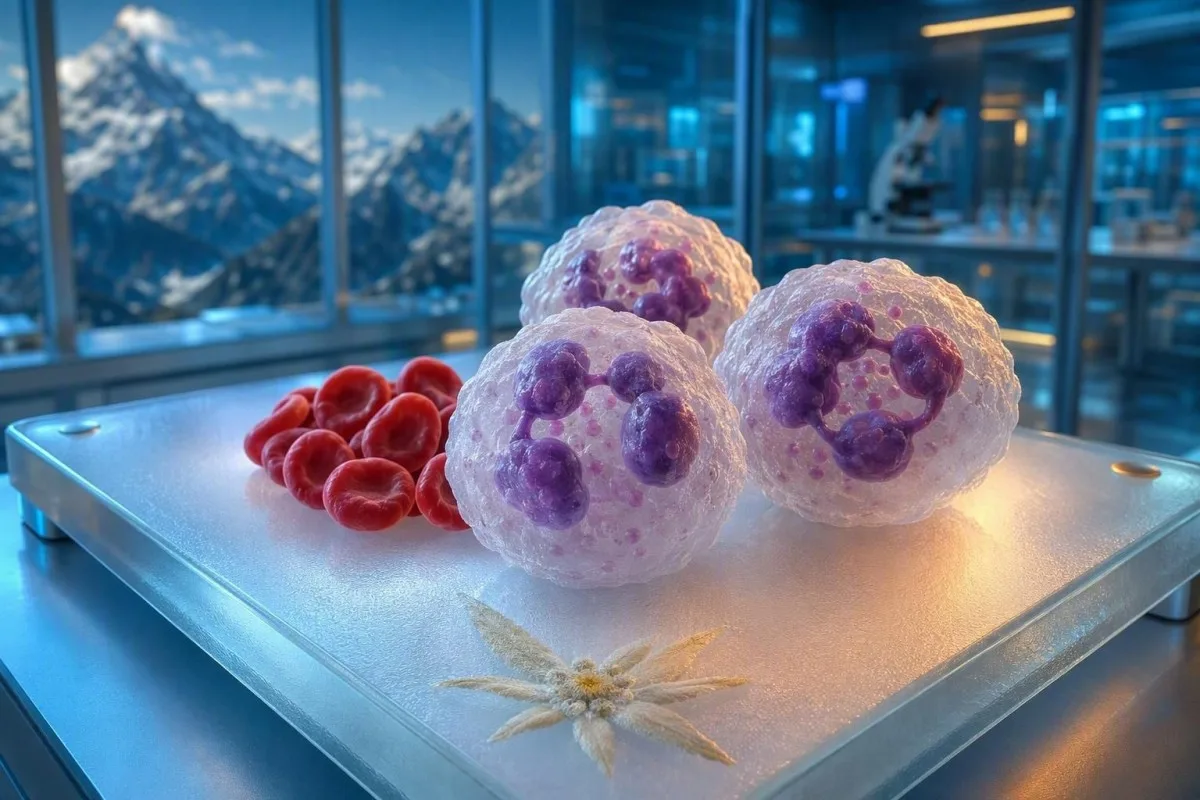
نېيتروپىلنىڭ سەل يۇقىرى بولۇشى دائىم ۋاقىتلىق، ئەمما مۇتلەق نېيتروپىل سانى، قالغان CBC، ۋە ئەڭ ئاخىرقى ئەھۋالى تەدبىر قوللىنىشنى بەلگىلەيدۇ.


- چېگراسىز نېيتروپىللار ئادەتتە قۇراماغا يەتكەنلەر ئۈچۈن NaOH نىڭ يۇقىرى چېگراسىدىن يۇقىرى بولغان، كۆپىنچە 7.0-7.5 × 10⁹/L ئەتراپىدا بولىدۇ.
- ئابسۇلىت نىيۇترۆفىل سانى (absolute neutrophil count) نېيتروپىل پىرسەنتىدىن پايدىلىنىشچان، NaOH نى WBC × نېيتروپىل پىرسەنتى ÷ 100 قىلىپ ھېسابلاڭ.
- يېنىك نوتروفىلىيە 15 × 10⁹/L دىن تۆۋەن بولسا، ئەندىشىلىنارلىق سىملىق بولمىسا، كۆپىنچە گىكلىك بولىدۇ، يۇقۇملىنىش، تاماكا چەككەن، چېنىمى ياكى ستېرويىد داۋالاشتىن كېيىن بولىدۇ.
- تەكرار قىلىش ۋاقتى ئادەتتە قىسقا كېسەللىك، ئېغىر چېنىم، ۋاكسىنا ياكى دورا ئۆزگەرتكەندىن كېيىن 2-6 ھەپتە.
- جىددىي تەكشۈرۈش ھەرپلىك يۇقۇملىنىش، نەپەس قىيىن بولۇش، ئىسسىق، غۇۋا، يۇقىرى رىتىم، ئانەمىيە ياكى تۆۋەن پلاكىت بىلەن قىزىش ئۈچۈن مۇۋاپىق.
- ستېرويىدلار ۋە ئادېرېنالىن ھۈجەيرىلەرنى تومۇردىن قانغا يۆتكەش ئارقىلىق سائەتلەر ئىچىدە نېيتروپىللارنى كۆپەيتەلەيدۇ.
- داۋاملىق يۇقىرى بولۇش 3 ئايدىن كۆپرەك، بولۇپمۇ 15-20 × 10⁹/L دىن يۇقىرى بولسا، كىلىنىست باشچىلىقىدىكى تەكشۈرۈش ۋە كۆپىنچە قان-يۇقىتىشقا ئەرزىيدۇ.
- ھامىلىدارلىق نورمالدا يەنە ئۆسۈش مىقدارىنى، بولۇپمۇ ھامىلدارلىق مەزگىلىدە يۇقىرى كۆتۈرەلەيدۇ، شۇڭا ھامىلە بولمىغان چوڭلارنىڭ سېلىشتۇرۇش دائىرىسى خاتا چىقىشى مۇمكىن.
چېگرىدا تۇرغان نېيتروپىل نەتىجىسىنىڭ ھەقىقىي مەنىسى
چېگرىدىكى ئۆسۈش ئادەتتە مۇتلەق ئۆسۈش مىقدارىنىڭ (ANC) كىچىككىنە ئېشىپ كېتىشىنى كۆرسىتىدۇ، دىئاگنوزنى ئەمەس. كۆپىنچە ساغلام چوڭلاردا، ANC نىڭ تەجرىبىخانا دائىرىسىدىن ئازراق يۇقىرى بولۇشى ۋاقىتلىق سەۋەب ئۆتكەندە نورماللىشىدۇ؛ بىرىنچى خىزمەت% نى بايقىغاندا ھەرىكەت قىلىشتىن بۇرۇن مۇتلەق مىقدارى، ئومۇمىي ئاق قان ھۈجەيرىسى ۋە ئەڭ ئاخىرقى ئەھۋالىنى تەكشۈرۈش.
چوڭلارنىڭ ANC سېلىشتۇرۇش ئارىلىقى ئادەتتە تەخمىنەن 1.5 دىن 7.5 × 10⁹/L غىچە, ، گەرچە يۇقىرى چېگرا ئۈسكۈنىگە، مىللەتكە، ھامىلدارلىق ئەھۋالىغا ۋە يەرلىك تەجرىبىخانا ئۇسۇلىغا ئوخشىمايدۇ. 7.8 × 10⁹/L قىممىتى 28 × 10⁹/L دىن كلىنىكىلىق جەھەتتىن زور پەرقلىق، ھەتتا ئىككىسىمۇ يۇقىرى دەپ بەلگە قويۇلغان بولسىمۇ؛ بىزنىڭ نورمال ئۆسۈش دائىرىسى.
The ئۆسۈش مىقدارى پەقەت لىمفا ھۈجەيرىلىرىنىڭ بېسىم ياكى كورتىكوستېروئىد تەسىرىدىن كېيىن چۈشۈپ كەتكەنلىكى ئۈچۈن يۇقىرى كۆرۈنۈشى مۇمكىن. مەسىلەن، WBC 6.0 × 10⁹/L بولۇپ، 78% ئۆسۈش بولسا، ANC 4.68 × 10⁹/L بولىدۇ، بۇ% يۇقىرى بولسىمۇ نورمال.
كانتېستى بىر AI قان تەكشۈرۈش ئانالىزچىسى CBC پەرقلىق نەتىجىسىنى ئومۇمىي WBC، ھېمglobulin، تромبوستىت ۋە ئىلگىرىكى نەتىجىلەر بىلەن بىللە قوللىنىدۇ، گەرچە بىرلا قىزىل سىگنالنى كېسەللىك بەلگىسى دەپ قاراشتىن. 2026-يىلى 8-ئاينىڭ 28-كۈنىدىن باشلاپ، بۇ ئۆلچەملىك بىرىنچى قەدەم سىنىپى چېگرا نەتىجىلىرىنى چۈشەندۈرۈشنىڭ ئەڭ بىخەتەر ئۇسۇلى.
تەجرىبىخانا سىگناللىرى نېمىشقا دىئاگنوز ئەمەس
سېلىشتۇرۇش دائىرىلىرى تاللانغان نوپۇسنىڭ ئوتتۇرا قىسمىنى قاپلايدۇ، شۇڭا تەخمىنەن 20 دىن 1 ساغلام ئۆلچەش تاشلاندۇق دائىرىسى سىرتىدا بولۇشى مۇمكىن. سىگنال بىر ھەرىكەت قوزغىتىش، بىر ئىسپات ئەمەس.
نېيتروپىلنىڭ پىرسەنتىگە قارىغاندا مۇتلەق نېيتروپىل سانى نېمىشقا مۇھىم
ANC ئۆسۈشنىڭ يۇقىرى كۆتۈرۈلۈشىنى ھۆكۈم قىلىش ئۈچۈن كلىنىكلار ئىشلىتىدىغان سان، چۈنكى ئۇ ئومۇمىي WBC بىلەن پەرقلىقنى بىرلەشتۈرىدۇ. نورمال ANC بىلەن يۇقىرى ئۆسۈش% كۆپىنچە نىسبەتلىك ئۆزگىرىش بولىدۇ، ھالبۇكى يۇقىرى ANC راستىنلا ئۆسۈش جەزمەن ئىسپاتلايدۇ.
فورمۇلا ئاددىي: ANC = WBC × (% نېرۋا ھۈجەيرە + % بەلۋاغ ھۈجەيرە) ÷ 100. WBC 12.0 × 10⁹/L ۋە neutrophils بىلەن ANC 9.0 × 10⁹/L گە تەڭ ؛ بۇ ئېغىر بولمىغان نېيتروفىلىيە، ئۆزىلا جىددىي ئەھۋال ئەمەس.
مەن دائىم سۇبيېكتىپ ئانksiyeteنى كۆرىمەن، چۈنكى پورتال neutrophils نى دوكلات قىلىدۇ، ئەمما ھېسابلاشنى ئېنىق كۆرسەتمەيدۇ. دوكتور توماس كلایننىڭ ئەمەلىي قائىدىسى WBC, ANC, ھېمໄປتىن، ئۆسمىنى سانى ۋە ھەر قانداق يېڭى تۇغۇلغان گرانولوسىت بايراقنى يېزىپ، نەتىجىنىڭ نېمىنى كۆرسىتىدىغانلىقىنى قارار قىلىشتىن بۇرۇن؛ بىزنىڭ CBC تەركىبلىرى يېتەكچىسى بۇ سۆزلۈكلەرگە ياردەم بېرىدۇ.
WBC نىڭ 11 × 10⁹/L ھامىلە بولمىغان چوڭلاردا ھۈجەيرە كۆپىيىشى دەپ ئاتالغان، ئەمما بۇ رەقەمدىنلا سەۋەبىنى چىقىرىش مۇمكىن ئەمەس. رايلىي ۋە روپېرت (2015) دوختۇرلارنى CBC نى تەكرارلاشقا ۋە ھۈجەيرە كۆپىيىشى چۈشەندۈرۈلمىگەن ياكى داۋاملاشقان ۋاقتىدا يۈزلىنىش تارتقۇچنى تەكشۈرۈشكە يىتەكلىدى.
سۈپۈرگىسىز غۇۋالىقنىڭ دائىملىق سەۋەبلىرى
ئېغىر بولمىغان نېيتروفىلىيە كۆپىنچە ۋاقىتلىق تاقابىل تۇرۇش جەريانىنى ئەكس ئەتتۈرىدۇ: يېقىنقى يۇقۇملىنىش، جىسمانىي بېسىم، تاماكا چېكىش، ياللۇغ، دورا تەسىرى ياكى ھامىلدارلىق. بۇ سەۋەبلەر مېڭە قېنىنىڭ نورمالسىز ھۈجەيرە ھاسىل قىلىدىغانلىقىنى بىۋاسىتە كۆرسەتمەي تۇرۇپ، قاندا ئايلىنىدىغان نېيتروفىللارنى كۆپەيتىدۇ.
سالقىن ھاۋا، چىش ياللۇغى، سۈيدۈك كېسەللىكى، تېرىنىڭ قىزىشىشى ياكى ۋىرۇسلۇق كېسەللىكنىڭ دەسلەپكى كۈنلىرىمۇ ANC نى 8-14 × 10⁹/L گە يەتكۈزەلەيدۇ. تېمپېراتۇرا توختىغاندىن كېيىن بىر نەچچە كۈنلەرگىچە نېيتروفىللار ئېغىر بولۇشى مۇمكىن، چۈنكى مېڭە قويۇپ بېرىش ۋە توقۇلمىلارنى ئەسلىگە كەلتۈرۈش بىرلا ۋاقىتتا توختاپ قالمايدۇ.
قاتتىق ئارىلىق مەشىقى، مارافون، ھەيرانلىق ھۇجۇمى ياكى ئاغرىق جىسمانىي جەۋھەرنى پەيدا قىلىشى مۇمكىن - ھۈجەيرىلەر ئىلگىرى تومۇر تېمىدا تۇرغان بولۇپ، قان تومۇرغا كىرىدۇ. بۇ ئۆسۈش بىر نەچچە مىنۇتتىن بىر نەچچە سائەت ئىچىدە يۈز بېرىدۇ، مەن تەنھەرىكەتچىلەردىن تەلەپ قىلىدىغان سەۋەبلەرنىڭ بىرى، پىلانلانغان CBC دىن 24-48 سائەت بۇرۇن ئادەتتىن تاشقىرى قاتتىق مەشىقتىن ساقلىنىش؛ بىزنىڭ دېمارگىناتسىيە (demargination)مەشىق بىلەن مۇناسىۋەتلىك قان تومۇرنى تەڭشەش كۆرسەتكۈچى تېخىمۇ كەڭ دائىرىنى چۈشەندۈرىدۇ. تاماكا چېكىش WBC ۋە نېيتروفىللارنىڭ كۆپىيىشى بىلەن مۇناسىۋەتلىك، گەرچە سېمىزلىك، يۇقىملىنىشچان چىش مىلكى كېسەللىكى ۋە ياللۇغ تېرى كېسەللىكلىرى بىر قەدەر ئېغىر ئۆسۈشنى ساقلاپ قالالايدۇ. شۇڭا، ئازراق ئېشىپ كەتكەن نېيتروفىللارنىڭ مەنىسى كۆپىنچە زەھەرلىك زەھەرلىك زەھەرلىك زەھەرلىك زەھەرلىك زەھەرلىك زەھەرلىك زەھەرلىك زەھەرلىك زەھەرلىك زەھەرلىك زەھەرلىك زەھەرلىك زەھەرلىك زەھەرلىك زەھەرلىك زەھەرلىك زەھەرلىك زەھەرلىك زەھەرلىك زەھەرلىك زەھەرلىك زەھەرلىك زەھەرلىك زەھەرلىك زەھەرلىك زەھەرلىك زەھەرلىك زەھەرلىك زەھەرلىك زەھەرلىك زەھەرلىك زەھەرلىك زەھەرلىك زەھەرلىك زەھەرلىك زەھەرلىك زەھەرلىك زەھەرلىك زەھەرلىك زەھەرلىك زەھەرلىك زەھەرلىك زەھەرلىك زەھەرلىك زەھەرلىك زەھەرلىك زەھەرلىك زەھەرلىك زەھەرلىك زەھەرلىك زەھەرلىك زەھەرلىك زەھەرلىك زەھەرلىك زەھەرلىك زەھەرلىك زەھەرلىك زەھەرلىك زەھەرلىك زەھەرلىك زەھەرلىك زەھەرلىك زەھەرلىك زەھەرلىك زەھەرلىك زەھەرلىك زەھەرلىك زەھەرلىك زەھەرلىك زەھەرلىك زەھەرلىك زەھەرلىك زەھەرلىك زەھەرلىك زەھەرلىك زەھەرلىك زەھەرلىك زەھەرلىك زەھەرلىك زەھەرلىك زەھەرلىك زەھەرلىك زەھەرلىك زەھەرلىك زەھەرلىك زەھەرلىك زەھەرلىك زەھەرلىك زەھەرلىك زەھەرلىك زەھەرلىك زەھەرلىك زەھەرلىك زەھەرلىك زەھەرلىك زەھەرلىك زەھەرلىك زەھەرلىك زەھەرلىك زەھەرلىك زەھەرلىك زەھەرلىك زەھەرلىك زەھەرلىك زەھەرلىك زەھەرلىك زەھەرلىك زەھەرلىك زەھەرلىك زەھەرلىك زەھەرلىك زەھەرلىك زەھەرلىك زەھەرلىك زەھەرلىك زەھەرلىك زەھەرلىك زەھەرلىك زەھەرلىك زەھەرلىك زەھەرلىك زەھەرلىك زەھەرلىك زەھەرلىك زەھەرلىك زەھەرلىك زەھەرلىك زەھەرلىك زەھەرلىك زەھەرلىك زەھەرلىك زەھەرلىك زەھەرلىك زەھەرلىك زەھەرلىك زەھەرلىك زەھەرلىك زەھەرلىك زەھەرلىك زەھەرلىك زەھەرلىك زەھەرلىك زەھەرلىك زەھەرلىك زەھەرلىك زەھەرلىك زەھەرلىك زەھەرلىك زەھەرلىك زەھەرلىك زەھەرلىك زەھەرلىك زەھەرلىك زەھەرلىك زەھەرلىك زەھەرلىك زەھەرلىك زەھەرلىك زەھەرلىك زەھەرلىك زەھەرلىك زەھەرلىك زەھەرلىك زەھەرلىك زەھەرلىك زەھەرلىك زەھەرلىك زەھەرلىك زەھەرلىك زەھەرلىك زەھەرلىك زەھەرلىك زەھەرلىك زەھەرلىك زەھەرلىك زەھەرلىك زەھەرلىك زەھەرلىك زەھەرلىك زەھەرلىك زەھەرلىك زەھەرلىك زەھەرلىك زەھەرلىك زەھەرلىك زەھەرلىك زەھەرلىك زەھەرلىك زەھەرلىك زەھەرلىك زەھەرلىك زەھەرلىك زەھەرلىك زەھەرلىك زەھەرلىك زەھەرلىك زەھەرلىك زەھەرلىك زەھەرلىك زەھەرلىك زەھەرلىك زەھەرلىك زەھەرلىك زەھەرلىك زەھەرلىك زەھەرلىك زەھەرلىك زەھەرلىك زەھەرلىك زەھەرلىك زەھەرلىك زەھەرلىك زەھەرلىك زەھەرلىك زەھەرلىك زەھەرلىك زەھەرلىك زەھەرلىك زەھەرلىك زەھەرلىك زەھەرلىك زەھەرلىك زەھەرلىك زەھەرلىك زەھەرلىك زەھەرلىك زەھەرلىك زەھەرلىك زەھەرلىك زەھەرلىك زەھەرلىك زەھەرلىك زەھەرلىك زەھەرلىك زەھەرلىك زەھەرلىك زەھەرلىك زەھەرلىك زەھەرلىك زەھەرلىك زەھەرلىك زەھەرلىك زەھەرلىك زەھەرلىك زەھەرلىك زەھەرلىك زەھەرلىك زەھەرلىك زەھەرلىك زەھەرلىك زەھەرلىك زەھەرلىك زەھەرلىك زەھەرلىك زەھەرلىك زەھەرلىك زەھەرلىك زەھەرلىك زەھەرلىك زەھەرلىك زەھەرلىك زەھەرلىك زەھەرلىك زەھەرلىك زەھەرلىك زەھەرلىك زەھەرلىك زەھەرلىك زەھەرلىك زەھەرلىك زەھەرلىك زەھەرلىك زەھەرلىك زەھەرلىك زەھەرلىك زەھەرلىك زەھەرلىك زەھەرلىك زەھەرلىك زەھەرلىك زەھەرلىك زەھەرلىك زەھەرلىك زەھەرلىك زەھەرلىك زەھەرلىك زەھەرلىك زەھەرلىك زەھەرلىك زەھەرلىك زەھەرلىك زەھەرلىك زەھەرلىك زەھەرلىك زەھەرلىك زەھەرلىك زەھەرلىك زەھەرلىك زەھەرلىك زەھەرلىك زەھەرلىك زەھەرلىك زەھەرلىك زەھەرلىك زەھەرلىك زەھەرلىك زەھەرلىك زەھەرلىك زەھەرلىك زەھەرلىك زەھەرلىك زەھەرلىك زەھەرلىك زەھەرلىك زەھەرلىك زەھەرلىك زەھەرلىك زەھەرلىك زەھەرلىك زەھەرلىك زەھەرلىك زەھەرلىك زەھەرلىك زەھەرلىك زەھەرلىك زەھەرلىك زەھەرلىك زەھەرلىك زەھەرلىك زەھەرلىك زەھەرلىك زەھەرلىك زەھەرلىك زەھەرلىك زەھەرلىك زەھەرلىك زەھەرلىك زەھەرلىك زەھەرلىك زەھەرلىك زەھەرلىك زەھەرلىك زەھەرلىك زەھەرلىك زەھەرلىك زەھەرلىك زەھەرلىك زەھەرلىك زەھەرلىك زەھەرلىك زەھەرلىك زەھەرلىك زەھەرلىك زەھەرلىك زەھەرلىك زەھەرلىك زەھەرلىك زەھەرلىك زەھەرلىك زەھەرلىك زەھەرلىك زەھەرلىك زەھەرلىك زەھەرلىك زەھەرلىك زەھەرلىك زەھەرلىك زەھەرلىك زەھەرلىك زەھەرلىك زەھەرلىك زەھەرلىك زەھەرلىك زەھەرلىك زەھەرلىك زەھەرلىك زەھەرلىك زەھەرلىك زەھەرلىك زەھەرلىك زەھەرلىك زەھەرلىك زەھەرلىك زەھەرلىك زەھەرلىك زەھەرلىك زەھەرلىك زەھەرلىك زەھەرلىك زەھەرلىك زەھەرلىك زەھەرلىك زەھەرلىك زەھەرلىك زەھەرلىك زەھەرلىك زەھەرلىك زەھەرلىك زەھەرلىك زەھەرلىك زەھەرلىك زەھەرلىك زەھەرلىك زەھەرلىك زەھەرلىك زەھەرلىك زەھەرلىك زەھەرلىك زەھەرلىك زەھەرلىك زەھەرلىك زەھەرلىك زەھەرلىك زەھەرلىك زەھەرلىك زەھەرلىك زەھەرلىك زەھەرلىك زەھەرلىك زەھەرلىك زەھەرلىك زەھەرلىك زەھەرلىك زەھەرلىك زەھەرلىك زەھەرلىك زەھەرلىك زەھەرلىك زەھەرلىك زەھەرلىك زەھەرلىك زەھەرلىك زەھەرلىك زەھەرلىك زەھەرلىك زەھەرلىك زەھەرلىك زەھەرلىك زەھەرلىك زەھەرلىك زەھەرلىك زەھەرلىك زەھەرلىك زەھەرلىك زەھەرلىك زەھەرلىك زەھەرلىك زەھەرلىك زەھەرلىك زەھەرلىك زەھەرلىك زەھەرلىك زەھەرلىك زەھەرلىك زەھەرلىك زەھەرلىك زەھەرلىك زەھەرلىك زەھەرلىك زەھەرلىك زەھەرلىك زەھەرلىك زەھەرلىك زەھەرلىك زەھەرلىك زەھەرلىك زەھەرلىك زەھەرلىك زەھەرلىك زەھەرلىك زەھەرلىك زەھەرلىك زەھەرلىك زەھەرلىك زەھەرلىك زەھەرلىك زەھەرلىك زەھەرلىك زەھەرلىك زەھەرلىك زەھەرلىك زەھەرلىك زەھەرلىك زەھەرلىك زەھەرلىك زەھەرلىك زەھەرلىك زەھەرلىك زەھەرلىك زەھەرلىك زەھەرلىك زەھەرلىك زەھەرلىك زەھەرلىك زەھەرلىك زەھەرلىك زەھەرلىك زەھەرلىك زەھەرلىك زەھەرلىك زەھەرلىك زەھەرلىك زەھەرلىك زەھەرلىك زەھەرلىك زەھەرلىك زەھەرلىك زەھەرلىك زەھەرلىك زەھەرلىك زەھەرلىك زەھەرلىك زەھەرلىك زەھەرلىك زەھەرلىك زەھەرلىك زەھەرلىك زەھەرلىك زەھەرلىك زەھەرلىك زەھەرلىك زەھەرلىك زەھەرلىك زەھەرلىك زەھەرلىك زەھەرلىك زەھەرلىك زەھەرلىك زەھەرلىك زەھەرلىك زەھەرلىك زەھەرلىك زەھەرلىك زەھەرلىك زەھەرلىك زەھەرلىك زەھەرلىك زەھەرلىك زەھەرلىك زەھەرلىك زەھەرلىك زەھەرلىك زەھەرلىك زەھەرلىك زەھەرلىك زەھەرلىك زەھەرلىك زەھەرلىك زەھەرلىك زەھەرلىك زەھەرلىك زەھەرلىك زەھەرلىك زەھەرلىك زەھەرلىك زەھەرلىك زەھەرلىك زەھەرلىك زەھەرلىك زەھەرلىك زەھەرلىك زەھەرلىك زەھەرلىك زەھەرلىك زەھەرلىك زەھەرلىك زەھەرلىك زەھەرلىك زەھەرلىك زەھەرلىك زەھەرلىك زەھەرلىك زەھەرلىك زەھەرلىك زەھەرلىك زەھەرلىك زەھەرلىك زەھەرلىك زەھەرلىك زەھەرلىك زەھەرلىك زەھەرلىك زەھەرلىك زەھەرلىك زەھەرلىك زەھەرلىك زەھەرلىك زەھەرلىك زەھەرلىك زەھەرلىك زەھەرلىك زەھەرلىك زەھەرلىك زەھەرلىك زەھەرلىك زەھەرلىك زەھەرلىك زەھەرلىك زەھەرلىك زەھەرلىك زەھەرلىك زەھەرلىك زەھەرلىك زەھەرلىك زەھەرلىك زەھەرلىك زەھەرلىك زەھەرلىك زەھەرلىك زەھەرلىك زەھەرلىك زەھەرلىك زەھەرلىك زەھەرلىك زەھەرلىك زەھەرلىك زەھەرلىك زەھەرلىك زەھەرلىك زەھەرلىك زەھەرلىك زەھەرلىك زەھەرلىك زەھەرلىك زەھەرلىك زەھەرلىك زەھەرلىك زەھەرلىك زەھەرلىك زەھەرلىك زەھەرلىك زەھەرلىك زەھەرلىك زەھەرلىك زەھەرلىك زەھەرلىك زەھەرلىك زەھەرلىك زەھەرلىك زەھەرلىك زەھەرلىك زەھەرلىك زەھەرلىك زەھەرلىك زەھەرلىك زەھەرلىك زەھەرلىك زەھەرلىك زەھەرلىك زەھەرلىك زەھەرلىك زەھەرلىك زەھەرلىك زەھەرلىك زەھەرلىك زەھەرلىك زەھەرلىك زەھەرلىك زەھەرلىك زەھەرلىك زەھەرلىك زەھەرلىك زەھەرلىك زەھەرلىك زەھەرلىك زەھەرلىك زەھەرلىك زەھەرلىك زەھەرلىك زەھەرلىك زەھەرلىك زەھەرلىك زەھەرلىك زەھەرلىك زەھەرلىك زەھەرلىك زەھەرلىك زەھەرلىك زەھەرلىك زەھەرلىك زەھەرلىك زەھەرلىك زەھەرلىك زەھەرلىك زەھەرلىك زەھەرلىك زەھەرلىك زەھەرلىك زەھەرلىك زەھەرلىك زەھەرلىك زەھەرلىك زەھەرلىك زەھەرلىك زەھەرلىك زەھەرلىك زەھەرلىك زەھەرلىك زەھەرلىك زەھەرلىك زەھەرلىك زەھەرلىك زەھەرلىك زەھەرلىك زەھەرلىك زەھەرلىك زەھەرلىك زەھەرلىك زەھەرلىك زەھەرلىك زەھەرلىك زەھەرلىك زەھەرلىك زەھەرلىك زەھەرلىك زەھەرلىك زەھەرلىك زەھەرلىك زەھەرلىك زەھەرلىك زەھەرلىك زەھەرلىك زەھەرلىك زەھەرلىك زەھەرلىك زەھەرلىك زەھەرلىك زەھەرلىك زەھەرلىك زەھەرلىك زەھەرلىك زەھەرلىك زەھەرلىك زەھەرلىك زەھەرلىك زەھەرلىك زەھەرلىك زەھەرلىك زەھەرلىك زەھەرلىك زەھەرلىك زەھەرلىك زەھەرلىك زەھەرلىك زەھەرلىك زەھەرلىك زەھەرلىك زەھەرلىك زەھەرلىك زەھەرلىك زەھەرلىك زەھەرلىك زەھەرلىك زەھەرلىك زەھەرلىك زەھەرلىك زەھەرلىك زەھەرلىك زەھەرلىك زەھەرلىك زەھەرلىك زەھەرلىك زەھەرلىك زەھەرلىك زەھەرلىك زەھەرلىك زەھەرلىك زەھەرلىك زەھەرلىك زەھەرلىك زەھەرلىك زەھەرلىك زەھەرلىك زەھەرلىك زەھەرلىك زەھەرلىك زەھەرلىك زەھەرلىك زەھەرلىك زەھەرلىك زەھەرلىك زەھەرلىك زەھەرلىك زەھەرلىك زەھەرلىك زەھەرلىك زەھەرلىك زەھەرلىك زەھەرلىك زەھەرلىك زەھەرلىك زەھەرلىك زەھەرلىك زەھەرلىك زەھەرلىك زەھەرلىك زەھەرلىك زەھەرلىك زەھەرلىك زەھەرلىك زەھەرلىك زەھەرلىك زەھەرلىك زەھەرلىك زەھەرلىك زەھەرلىك زەھەرلىك زەھەرلىك زەھەرلىك زەھەرلىك زەھەرلىك زەھەرلىك زەھەرلىك زەھەرلىك زەھەرلىك زەھەرلىك زەھەرلىك زەھەرلىك زەھەرلىك زەھەرلىك زەھەرلىك زەھەرلىك زەھەرلىك زەھەرلىك زەھەرلىك زەھەرلىك زەھەرلىك زەھەرلىك زەھەرلىك زەھەرلىك زەھەرلىك زەھەرلىك زەھەرلىك زەھەرلىك زەھەرلىك زەھەرلىك زەھەرلىك زەھەرلىك زەھەرلىك زەھەرلىك زەھەرلىك زەھەرلىك زەھەرلىك زەھەرلىك زەھەرلىك زەھەرلىك زەھەرلىك زەھەرلىك زەھەرلىك زەھەرلىك زەھەرلىك زەھەرلىك زەھەرلىك زەھەرلىك زەھەرلىك زەھەرلىك زەھەرلىك زەھەرلىك زەھەرلىك زەھەرلىك زەھەرلىك زەھەرلىك زەھەرلىك زەھەرلىك زەھەرلىك زەھەرلىك زەھەرلىك زەھەرلىك زەھەرلىك زەھەرلىك زەھەرلىك زەھەرلىك زەھەرلىك زەھەرلىك زەھەرلىك زەھەرلىك زەھەرلىك زەھەرلىك زەھەرلىك زەھەرلىك زەھەرلىك زەھەرلىك زەھەرلىك زەھەرلىك زەھەرلىك زەھەرلىك زەھەرلىك زەھەرلىك زەھەرلىك زەھەرلىك زەھەرلىك زەھەرلىك زەھەرلىك زەھەرلىك زەھەرلىك زەھەرلىك زەھەرلىك زەھەرلىك زەھەرلىك زەھەرلىك زەھەرلىك زەھەرلىك زەھەرلىك زەھەرلىك زەھەرلىك زەھەرلىك زەھەرلىك زەھەرلىك زەھەرلىك زەھەرلىك زەھەرلىك زەھەرلىك زەھەرلىك زەھەرلىك زەھەرلىك زەھەرلىك زەھەرلىك زەھەرلىك زەھەرلىك زەھەرلىك زەھەرلىك زەھەرلىك زەھەرلىك زەھەرلىك زەھەرلىك زەھەرلىك زەھەرلىك زەھەرلىك زەھەرلىك زەھەرلىك زەھەرلىك زەھەرلىك زەھەرلىك زەھەرلىك زەھەرلىك زەھەرلىك زەھەرلىك زەھەرلىك زەھەرلىك زەھەرلىك زەھەرلىك زەھەرلىك زەھەرلىك زەھەرلىك زەھەرلىك زەھەرلىك زەھەرلىك زەھەرلىك زەھەرلىك زەھەرلىك زەھەرلىك زەھەرلىك زەھەرلىك زەھەرلىك زەھەرلىك زەھەرلىك زەھەرلىك زەھەرلىك زەھەرلىك زەھەرلىك زەھەرلىك زەھەرلىك زەھەرلىك زەھەرلىك زەھەرلىك زەھەرلىك زەھەرلىك زەھەرلىك زەھەرلىك زەھەرلىك زەھەرلىك زەھەرلىك زەھەرلىك زەھەرلىك زەھەرلىك زەھەرلىك زەھەرلىك زەھەرلىك زەھەرلىك زەھەرلىك زەھەرلىك زەھەرلىك زەھەرلىك زەھەرلىك زەھەرلىك زەھەرلىك زەھەرلىك زەھەرلىك زەھەرلىك زەھەرلىك زەھەرلىك زەھەرلىك زەھەرلىك زەھەرلىك زەھەرلىك زەھەرلىك زەھەرلىك زەھەرلىك زەھەرلىك زەھەرلىك زەھەرلىك زەھەرلىك زەھەرلىك زەھەرلىك زەھەرلىك زەھەرلىك زەھەرلىك زەھەرلىك زەھەرلىك زەھەرلىك زەھەرلىك زەھەرلىك زەھەرلىك زەھەرلىك زەھەرلىك زەھەرلىك زەھەرلىك زەھەرلىك زەھەرلىك زەھەرلىك زەھەرلىك زەھەرلىك زەھەرلىك زەھەرلىك زەھەرلىك زەھەرلىك زەھەرلىك زەھەرلىك زەھەرلىك زەھەرلىك زەھەرلىك زەھەرلىك زەھەرلىك زەھەرلىك زەھەرلىك زەھەرلىك زەھەرلىك زەھەرلىك زەھەرلىك زەھەرلىك زەھەرلىك زەھەرلىك زەھەرلىك زەھەرلىك زەھەرلىك زەھەرلىك زەھەرلىك زەھەرلىك زەھەرلىك زەھەرلىك زەھەرلىك زەھەرلىك زەھەرلىك زەھەرلىك زەھەرلىك زەھەرلىك زەھەرلىك زەھەرلىك زەھەرلىك زەھەرلىك زەھەرلىك زەھەرلىك زەھەرلىك زەھەرلىك زەھەرلىك زەھەرلىك زەھەرلىك زەھەرلىك زەھەرلىك زەھەرلىك زەھەرلىك زەھەرلىك زەھەرلىك زەھەرلىك زەھەرلىك زەھەرلىك زەھەرلىك زەھەرلىك زەھەرلىك زەھەرلىك زەھەرلىك زەھەرلىك زەھەرلىك زەھەرلىك زەھەرلىك زەھەرلىك زەھەرلىك زەھەرلىك زەھەرلىك زەھەرلىك زەھەرلىك زەھەرلىك زەھەرلىك زەھەرلىك زەھەرلىك زەھەرلىك زەھەرلىك زەھەرلىك زەھەرلىك زەھەرلىك زەھەرلىك زەھەرلىك زەھەرلىك زەھەرلىك زەھەرلىك زەھەرلىك زەھەرلىك زەھەرلىك زەھەرلىك زەھەرلىك زەھەرلىك زەھەرلىك زەھەرلىك زەھەرلىك زەھەرلىك زەھەرلىك زەھەرلىك زەھەرلىك زەھەرلىك زەھەرلىك زەھەرلىك زەھەرلىك زەھەرلىك زەھەرلىك زەھەرلىك زەھەرلىك زەھەرلىك زەھەرلىك زەھەرلىك زەھەرلىك زەھەرلىك زەھەرلىك زەھەرلىك زەھەرلىك زەھەرلىك زەھەرلىك زەھەرلىك زەھەرلىك زەھەرلىك زەھەرلىك زەھەرلىك زەھەرلىك زەھەرلىك زەھەرلىك زەھەرلىك زەھەرلىك زەھەرلىك زەھەرلىك زەھەرلىك زەھەرلىك زەھەرلىك زەھەرلىك زەھەرلىك زەھەرلىك زەھەرلىك زەھەرلىك زەھەرلىك زەھەرلىك زەھەرلىك زەھەرلىك زەھەرلىك زەھەرلىك زەھەرلىك زەھەرلىك زەھەرلىك زەھەرلىك زەھەرلىك زەھەرلىك زەھەرلىك زەھەرلىك زەھەرلىك زەھەرلىك زەھەرلىك زەھەرلىك زەھەرلىك زەھەرلىك زەھەرلىك زەھەرلىك زەھەرلىك زەھەرلىك زەھەرلىك زەھەرلىك زەھەرلىك زەھەرلىك زەھەرلىك زەھەرلىك زەھەرلىك زەھەرلىك زەھەرلىك زەھەرلىك زەھەرلىك زەھەرلىك زەھەرلىك زەھەرلىك زەھەرلىك زەھەرلىك زەھەرلىك زەھەرلىك زەھەرلىك زەھەرلىك زەھەرلىك زەھەرلىك زەھەرلىك زەھەرلىك زەھەرلىك زەھەرلىك زەھەرلىك زەھەرلىك زەھەرلىك زەھەرلىك زەھەرلىك زەھەرلىك زەھەرلىك زەھەرلىك زەھەرلىك زەھەرلىك زەھەرلىك زەھەرلىك زەھەرلىك زەھەرلىك زەھەرلىك زەھەرلىك زەھەرلىك زەھەرلىك زەھەرلىك زەھەرلىك زەھەرلىك زەھەرلىك زەھەرلىك زەھەرلىك زەھەرلىك زەھەرلىك زەھەرلىك زەھەرلىك زەھەرلىك زەھەرلىك زەھەرلىك زەھەرلىك زەھەرلىك زەھەرلىك زەھەرلىك زەھەرلىك زەھەرلىك زەھەرلىك زەھەرلىك زەھەرلىك زەھەرلىك زەھەرلىك زەھەرلىك زەھەرلىك زەھەرلىك زەھەرلىك زەھەرلىك زەھەرلىك زەھەرلىك زەھەرلىك زەھەرلىك زەھەرلىك زەھەرلىك زەھەرلىك زەھەرلىك زەھەرلىك زەھەرلىك زەھەرلىك زەھەرلىك زەھەرلىك زەھەرلىك زەھەرلىك زەھەرلىك زەھەرلىك زەھەرلىك زەھەرلىك زەھەرلىك زەھەرلىك زەھەرلىك زەھەرلىك زەھەرلىك زەھەرلىك زەھەرلىك زەھەرلىك زەھەرلىك زەھەرلىك زەھەرلىك زەھەرلىك زەھەرلىك زەھەرلىك زەھەرلىك زەھەرلىك زەھەرلىك زەھەرلىك زەھەرلىك زەھەرلىك زەھەرلىك زەھەرلىك زەھەرلىك زەھەرلىك زەھەرلىك زەھەرلىك زەھەرلىك زەھەرلىك زەھەرلىك زەھەرلىك زەھەرلىك زەھەرلىك زەھەرلىك زەھەرلىك زەھەرلىك زەھەرلىك زەھەرلىك زەھەرلىك زەھەرلىك زەھەرلىك زەھەرلىك زەھەرلىك زەھەرلىك زەھەرلىك زەھەرلىك زەھەرلىك زەھەرلىك زەھەرلىك زەھەرلىك زەھەرلىك زەھەرلىك زەھەرلىك زەھەرلىك زەھەرلىك زەھەرلىك زەھەرلىك زەھەرلىك زەھەرلىك زەھەرلىك زەھەرلىك زەھەرلىك زەھەرلىك زەھەرلىك زەھەرلىك زەھەرلىك زەھەرلىك زەھەرلىك زەھەرلىك زەھەرلىك زەھەرلىك زەھەرلىك زەھەرلىك زەھەرلىك زەھەرلىك زەھەرلىك زەھەرلىك زەھەرلىك زەھەرلىك زەھەرلىك زەھەرلىك زەھەرلىك زەھەرلىك زەھەرلىك زەھەرلىك زەھەرلىك زەھەرلىك زەھەرلىك زەھەرلىك زەھەرلىك زەھەرلىك زەھەرلىك زەھەرلىك زەھەرلىك زەھەرلىك زەھەرلىك زەھەرلىك زەھەرلىك زەھەرلىك زەھەرلىك زەھەرلىك زەھەرلىك زەھەرلىك زەھەرلىك زەھەرلىك زەھەرلىك زەھەرلىك زەھەرلىك زەھەرلىك زەھەرلىك زەھەرلىك زەھەرلىك زەھەرلىك زەھەرلىك زەھەرلىك زەھەرلىك زەھەرلىك زەھەرلىك زەھەرلىك زەھەرلىك زەھەرلىك زەھەرلىك زەھەرلىك زەھەرلىك زەھەرلىك زەھەرلىك زەھەرلىك زەھەرلىك زەھەرلىك زەھەرلىك زەھەرلىك زەھەرلىك زەھەرلىك زەھەرلىك زەھەرلىك زەھەرلىك زەھەرلىك زەھەرلىك زەھەرلىك زەھەرلىك زەھەرلىك زەھەرلىك زەھەرلىك زەھەرلىك زەھەرلىك زەھەرلىك زەھەرلىك زەھەرلىك زەھەرلىك زەھەرلىك زەھەرلىك زەھەرلىك زەھەرلىك زەھەرلىك زەھەرلىك زەھەرلىك زەھەرلىك زەھەرلىك زەھەرلىك زەھەرلىك زەھەرلىك زەھەرلىك زەھەرلىك زەھەرلىك زەھەرلىك زەھەرلىك زەھەرلىك زەھەرلىك زەھەرلىك زەھەرلىك زەھەرلىك زەھەرلىك زەھەرلىك زەھەرلىك زەھەرلىك زەھەرلىك زەھەرلىك زەھەرلىك زەھەرلىك زەھەرلىك زەھەرلىك زەھەرلىك زەھەرلىك زەھەرلىك زەھەرلىك زەھەرلىك زەھەرلىك زەھەرلىك زەھەرلىك زەھەرلىك زەھەرلىك زەھەرلىك زەھەرلىك زەھەرلىك زەھەرلىك زەھەرلىك زەھەرلىك زەھەرلىك زەھەرلىك زەھەرلىك زەھەرلىك زەھەرلىك زەھەرلىك زەھەرلىك زەھەرلىك زەھەرلىك زەھەرلىك زەھەرلىك زەھەرلىك زەھەرلىك زەھەرلىك زەھەرلىك زەھەرلىك زەھەرلىك زەھەرلىك زەھەرلىك زەھەرلىك زەھەرلىك زەھەرلىك زەھەرلىك زەھەرلىك زەھەرلىك زەھەرلىك زەھەرلىك زەھەرلىك زەھەرلىك زەھەرلىك زەھەرلىك زەھەرلىك زەھەرلىك زەھەرلىك زەھەرلىك زەھەرلىك زەھەرلىك زەھەرلىك زەھەرلىك زەھەرلىك زەھەرلىك زەھەرلىك زەھەرلىك زەھەرلىك زەھەرلىك زەھەرلىك زەھەرلىك زەھەرلىك زەھەرلىك زەھەرلىك زەھەرلىك زەھەرلىك زەھەرلىك زەھەرلىك زەھەرلىك زەھەرلىك زەھەرلىك زەھەرلىك زەھەرلىك زەھەرلىك زەھەرلىك زەھەرلىك زەھەرلىك زەھەرلىك زەھەرلىك زەھەرلىك زەھەرلىك زەھەرلىك زەھەرلىك زەھەرلىك زەھەرلىك زەھەرلىك زەھەرلىك زەھەرلىك زەھەرلىك زەھەرلىك زەھەرلىك زەھەرلىك زەھەرلىك زەھەرلىك زەھەرلىك زەھەرلىك زەھەرلىك زەھەرلىك زەھەرلىك زەھەرلىك زەھەرلىك زەھەرلىك زەھەرلىك زەھەرلىك زەھەرلىك زەھەرلىك زەھەرلىك زەھەرلىك زەھەرلىك زەھەرلىك زەھەرلىك زەھەرلىك زەھەرلىك زەھەرلىك زەھەرلىك زەھەرلىك زەھەرلىك زەھەرلىك زەھەرلىك زەھەرلىك زەھەرلىك زەھەرلىك زەھەرلىك زەھەرلىك زەھەرلىك زەھەرلىك زەھەرلىك زەھەرلىك زەھەرلىك زەھەرلىك زەھەرلىك زەھەرلىك زەھەرلىك زەھەرلىك زەھەرلىك زەھەرلىك زەھەرلىك زەھەرلىك زەھەرلىك زەھەرلىك زەھەرلىك زەھەرلىك زەھەرلىك زەھەرلىك زەھەرلىك زەھەرلىك زەھەرلىك زەھەرلىك زەھەرلىك زەھەرلىك زەھەرلىك زەھەرلىك زەھەرلىك زەھەرلىك زەھەرلىك زەھەرلىك زەھەرلىك زەھەرلىك زەھەرلىك زەھەرلىك زەھەرلىك زەھەرلىك زەھەرلىك زەھەرلىك زەھەرلىك زەھەرلىك زەھەرلىك زەھەرلىك زەھەرلىك زەھەرلىك زەھەرلىك زەھەرلىك زەھەرلىك زەھەرلىك زەھەرلىك زەھەرلىك زەھەرلىك زەھەرلىك زەھەرلىك زەھەرلىك زەھەرلىك زەھەرلىك زەھەرلىك زەھەرلىك زەھەرلىك زەھەرلىك زەھەرلىك زەھەرلىك زەھەرلىك زەھەرلىك زەھەرلىك زەھەرلىك زەھەرلىك زەھەرلىك زەھەرلىك زەھەرلىك زەھەرلىك زەھەرلىك زەھەرلىك زەھەرلىك زەھەرلىك زەھەرلىك زەھەرلىك زەھەرلىك زەھەرلىك زەھەرلىك زەھەرلىك زەھەرلىك زەھەرلىك زەھەرلىك زەھەرلىك زەھەرلىك زەھەرلىك زەھەرلىك زەھەرلىك زەھەرلىك زەھەرلىك زەھەرلىك زەھەرلىك زەھەرلىك زەھەرلىك زەھەرلىك زەھەرلىك زەھەرلىك زەھەرلىك زەھەرلىك زەھەرلىك زەھەرلىك زەھەرلىك زەھەرلىك زەھەرلىك زەھەرلىك زەھەرلىك زەھەرلىك زەھەرلىك زەھەرلىك زەھەرلىك زەھەرلىك زەھەرلىك زەھەرلىك زەھەرلىك زەھەرلىك زەھەرلىك زەھەرلىك زەھەرلىك زەھەرلىك زەھەرلىك زەھەرلىك زەھەرلىك زەھەرلىك زەھەرلىك زەھەرلىك زەھەرلىك زەھەرلىك زەھەرلىك زەھەرلىك زەھەرلىك زەھەرلىك زەھەرلىك زەھەرلىك زەھەرلىك زەھەرلىك زەھەرلىك زەھەرلىك زەھەرلىك زەھەرلىك زەھەرلىك زەھەرلىك زەھەرلىك زەھەرلىك زەھەرلىك زەھەرلىك زەھەرلىك زەھەرلىك زەھەرلىك زەھەرلىك زەھەرلىك زەھەرلىك زەھەرلىك زەھەرلىك زەھەرلىك زەھەرلىك زەھەرلىك زەھەرلىك زەھەرلىك زەھەرلىك زەھەرلىك زەھەرلىك زەھەرلىك زەھەرلىك زەھەرلىك زەھەرلىك زەھەرلىك زەھەرلىك زەھەرلىك زەھەرلىك زەھەرلىك زەھەرلىك زەھەرلىك زەھەرلىك زەھەرلىك زەھەرلىك زەھەرلىك زەھەرلىك زەھەرلىك زەھەرلىك زەھەرلىك زەھەرلىك زەھەرلىك زەھەرلىك زەھەرلىك زەھەرلىك زەھەرلىك زەھەرلىك زەھەرلىك زەھەرلىك زەھەرلىك زەھەرلىك زەھەرلىك زەھەرلىك زەھەرلىك زەھەرلىك زەھەرلىك زەھەرلىك زەھەرلىك زەھەرلىك زەھەرلىك زەھەرلىك زەھەرلىك زەھەرلىك زەھەرلىك زەھەرلىك زەھەرلىك زەھەرلىك زەھەرلىك زەھەرلىك زەھەرلىك زەھەرلىك زەھەرلىك زەھەرلىك زەھەرلىك زەھەرلىك زەھەرلىك زەھەرلىك زەھەرلىك زەھەرلىك زەھەرلىك زەھەرلىك زەھەرلىك زەھەرلىك زەھەرلىك زەھەرلىك زەھەرلىك زەھەرلىك زەھەرلىك زەھەرلىك زەھەرلىك زەھەرلىك زەھەرلىك زەھەرلىك زەھەرلىك زەھەرلىك زەھەرلىك زەھەرلىك زەھەرلىك زەھەرلىك زەھەرلىك زەھەرلىك زەھەرلىك زەھەرلىك زەھەرلىك زەھەرلىك زەھەرلىك زەھەرلىك زەھەرلىك زەھەرلىك زەھەرلىك زەھەرلىك زەھەرلىك زەھەرلىك زەھەرلىك زەھەرلىك زەھەرلىك زەھەرلىك زەھەرلىك زەھەرلىك زەھەرلىك زەھەرلىك زەھەرلىك زەھەرلىك زەھەرلىك زەھەرلىك زەھەرلىك زەھەرلىك زەھەرلىك زەھەرلىك زەھەرلىك زەھەرلىك زەھەرلىك زەھەرلىك زەھەرلىك زەھەرلىك زەھەرلىك زەھەرلىك زەھەرلىك زەھەرلىك زەھەرلىك زەھەرلىك زەھەرلىك زەھەرلىك زەھەرلىك زەھەرلىك زەھەرلىك زەھەرلىك زەھەرلىك زەھەرلىك زەھەرلىك زەھەرلىك زەھەرلىك زەھەرلىك زەھەرلىك زەھەرلىك زەھەرلىك زەھەرلىك زەھەرلىك زەھەرلىك زەھەرلىك زەھەرلىك زەھەرلىك زەھەرلىك زەھەرلىك زەھەرلىك زەھەرلىك زەھەرلىك زەھەرلىك زەھەرلىك زەھەرلىك زەھەرلىك زەھەرلىك زەھەرلىك زەھەرلىك زەھەرلىك زەھەرلىك زەھەرلىك زەھەرلىك زەھەرلىك زەھەرلىك زەھەرلىك زەھەرلىك زەھەرلىك زەھەرلىك زەھەرلىك زەھەرلىك زەھەرلىك زەھەرلىك زەھەرلىك زەھەرلىك زەھەرلىك زەھەرلىك زەھەرلىك زەھەرلىك زەھەرلىك زەھەرلىك زەھەرلىك زەھەرلىك زەھەرلىك زەھەرلىك زەھەرلىك زەھەرلىك زەھەرلىك زەھەرلىك زەھەرلىك زەھەرلىك زەھەرلىك زەھەرلىك زەھەرلىك زەھەرلىك زەھەرلىك زەھەرلىك زەھەرلىك زەھەرلىك زەھەرلىك زەھەرلىك زەھەرلىك زەھەرلىك زەھەرلىك زەھەرلىك زەھەرلىك زەھەرلىك زەھەرلىك زەھەرلىك زەھەرلىك زەھەرلىك زەھەرلىك زەھەرلىك زەھەرلىك زەھەرلىك زەھەرلىك زەھەرلىك زەھەرلىك زەھەرلىك زەھەرلىك زەھەرلىك زەھەرلىك زەھەرلىك زەھەرلىك زەھەرلىك زەھەرلىك زەھەرلىك زەھەرلىك زەھەرلىك زەھەرلىك زەھەرلىك زەھەرلىك زەھەرلىك زەھەرلىك زەھەرلىك زەھەرلىك زەھەرلىك زەھەرلىك زەھەرلىك زەھەرلىك زەھەرلىك زەھەرلىك زەھەرلىك زەھەرلىك زەھەرلىك زەھەرلىك زەھەرلىك زەھەرلىك زەھەرلىك زەھەرلىك زەھەرلىك زەھەرلىك زەھەرلىك زەھەرلىك زەھەرلىك زەھەرلىك زەھەرلىك زەھەرلىك زەھەرلىك زەھەرلىك زەھەرلىك زەھەرلىك زەھەرلىك زەھەرلىك زەھەرلىك زەھەرلىك زەھەرلىك زەھەرلىك زەھەرلىك زەھەرلىك زەھەرلىك زەھەرلىك زەھەرلىك زەھەرلىك زەھەرلىك زەھەرلىك زەھەرلىك زەھەرلىك زەھەرلىك زەھەرلىك زەھەرلىك زەھەرلىك زەھەرلىك زەھەرلىك زەھەرلىك زەھەرلىك زەھەرلىك زەھەرلىك زەھەرلىك زەھەرلىك زەھەرلىك زەھەرلىك زەھەرلىك زەھەرلىك زەھەرلىك زەھەرلىك زەھەرلىك زەھەرلىك زەھەرلىك زەھەرلىك زەھەرلىك زەھەرلىك زەھەرلىك زەھەرلىك زەھەرلىك زەھەرلىك زەھەرلىك زەھەرلىك زەھەرلىك زەھەرلىك زەھەرلىك زەھەرلىك زەھەرلىك زەھەرلىك زەھەرلىك زەھەرلىك زەھەرلىك زەھەرلىك زەھەرلىك زەھەرلىك زەھەرلىك زەھەرلىك زەھەرلىك زەھەرلىك زەھەرلىك زەھەرلىك زەھەرلىك زەھەرلىك زەھەرلىك زەھەرلىك زەھەرلىك زەھەرلىك زەھەرلىك زەھەرلىك زەھەرلىك زەھەرلىك زەھەرلىك زەھەرلىك زەھەرلىك زەھەرلىك زەھەرلىك زەھەرلىك زەھەرلىك زەھەرلىك زەھەرلىك زەھەرلىك زەھەرلىك زەھەرلىك زەھەرلىك زەھەرلىك زەھەرلىك زەھەرلىك زەھەرلىك زەھەرلىك زەھەرلىك زەھەرلىك زەھەرلىك زەھەرلىك زەھەرلىك زەھەرلىك زەھەرلىك زەھەرلىك زەھەرلىك زەھەرلىك زەھەرلىك زەھەرلىك زەھەرلىك زەھەرلىك زەھەرلىك زەھەرلىك زەھەرلىك زەھەرلىك زەھەرلىك زەھەرلىك زەھەرلىك زەھەرلىك زەھەرلىك زەھەرلىك زەھەرلىك زەھەرلىك زەھەرلىك زەھەرلىك زەھەرلىك زەھەرلىك زەھەرلىك زەھەرلىك زەھەرلىك زەھەرلىك زەھەرلىك زەھەرلىك زەھەرلىك زەھەرلىك زەھەرلىك زەھەرلىك زەھەرلىك زەھەرلىك زەھەرلىك زەھەرلىك زەھەرلىك زەھەرلىك زەھەرلىك زەھەرلىك زەھەرلىك زەھەرلىك زەھەرلىك زەھەرلىك زەھەرلىك زەھەرلىك زەھەرلىك زەھەرلىك زەھەرلىك زەھەرلىك زەھەرلىك زەھەرلىك زەھەرلىك زەھەرلىك زەھەرلىك زەھەرلىك زەھەرلىك زەھەرلىك زەھەرلىك زەھەرلىك زەھەرلىك زەھەرلىك زەھەرلىك زەھەرلىك زەھەرلىك زەھەرلىك زەھەرلىك زەھەرلىك زەھەرلىك زەھەرلىك زەھەرلىك زەھەرلىك زەھەرلىك زەھەرلىك زەھەرلىك زەھەرلىك زەھەرلىك زەھەرلىك زەھەرلىك زەھەرلىك زەھەرلىك زەھەرلىك زەھەرلىك زەھەرلىك زەھەرلىك زەھەرلىك زەھەرلىك زەھەرلىك زەھەرلىك زەھەرلىك زەھەرلىك زەھەرلىك زەھەرلىك زەھەرلىك زەھەرلىك زەھەرلىك زەھەرلىك زەھەرلىك زەھەرلىك زەھەرلىك زەھەرلىك زەھەرلىك زەھەرلىك زەھەرلىك زەھەرلىك زەھەرلىك زەھەرلىك زەھەرلىك زەھەرلىك زەھەرلىك زەھەرلىك زەھەرلىك زەھەرلىك زەھەرلىك زەھەرلىك زەھەرلىك زەھەرلىك زەھەرلىك زەھەرلىك زەھەرلىك زەھەرلىك زەھەرلىك زەھەرلىك زەھەرلىك زەھەرلىك زەھەرلىك زەھەرلىك زەھەرلىك زەھەرلىك زەھەرلىك زەھەرلىك زەھەرلىك زەھەرلىك زەھەرلىك زەھەرلىك زەھەرلىك زەھەرلىك زەھەرلىك زەھەرلىك زەھەرلىك زەھەرلىك زەھەرلىك زەھەرلىك زەھەرلىك زەھەرلىك زەھەرلىك زەھەرلىك زەھەرلىك زەھەرلىك زەھەرلىك زەھەرلىك زەھەرلىك زەھەرلىك زەھەرلىك زەھەرلىك زەھەرلىك زەھەرلىك زەھەرلىك زەھەرلىك زەھەرلىك زەھەرلىك زەھەرلىك زەھەرلىك زەھەرلىك زەھەرلىك زەھەرلىك زەھەرلىك زەھەرلىك زەھەرلىك زەھەرلىك زەھەرلىك زەھەرلىك زەھەرلىك زەھەرلىك زەھەرلىك زەھەرلىك زەھەرلىك زەھەرلىك زەھەرلىك زەھەرلىك زەھەرلىك زەھەرلىك زەھەرلىك زەھەرلىك زەھەرلىك زەھەرلىك زەھەرلىك زەھەرلىك زەھەرلىك زەھەرلىك زەھەرلىك زەھەرلىك زەھەرلىك زەھەرلىك زەھەرلىك زەھەرلىك زەھەرلىك زەھەرلىك زەھەرلىك زەھەرلىك زەھەرلىك زەھەرلىك زەھەرلىك زەھەرلىك زەھەرلىك زەھەرلىك زەھەرلىك زەھەرلىك زەھەرلىك زەھەرلىك زەھەرلىك زەھەرلىك زەھەرلىك زەھەرلىك زەھەرلىك زەھەرلىك زەھەرلىك زەھەرلىك زە.
تاماكا چэكىش WBC ۋە نېيتروفىل سانىنىڭ يۇقىرى بولۇشى بىلەن مۇناسىۋەتلىك، گەرچە ئېغىرلىق، خرونىك چىش مىلكى كېسەللىكى ۋە ياللۇغلىنىش خاراكتېرلىك تېرە كېسەللىكلىرى سەل ئېشىشىنى ساقلاپ قالالايدۇ. شۇڭا سەل ئېشىپ كەتكەن نېيتروفىللارنىڭ مەنىسى كۆپىنچە باكتېرىيەلىك يۇقۇملىنىشنى كۆرسەتمەي، بەلكى ئۇچرىشىش ۋە فىزىئولوگىيەگە مۇناسىۋەتلىك.
نېيتروپىلنى ئاشۇرىدىغان دورىلار، ۋاكسىنىلار ۋە ھاياتتىكى ۋەقەلەر
كورتىكوستېروئىدلار، beta-agonist inhaler، لىتىي ۋە colony-stimulating دورىلار نېيتروفىللارنى، بەزىدە زور دەرىجىدە ئاشۇرالايدۇ. CBC خاتالىقى سەۋەبلىك زاكاس قىلىنغان دورىنى توختاتماڭ؛ ئەكسىچە، نەتىجىنى تەكشۈرگەن دوختۇرغا دورا، مىقدارى ۋە ۋاقتىنى خاتىرىلەڭ.
پرېدنىسون ۋە شۇنىڭغا ئوخشاش گلوكوكورتىكوئىدلار% s20000%غا يېتىشى مۇمكىن 4-6 سائەت demargination، توقۇلمىلارغا كېچىكىپ ھەرىكەت قىلىش ۋە ھۈجەيرە تازىلىنىشىنىڭ ئازىيىشى ئارقىلىق. ستېروئىد بىلەن مۇناسىۋەتلىك نېيتروفىلىيە كۆپىنچە زەھەرلىك زەررە ياكى ئەگەشمە باكتېرىيەلىك يۇقۇملىنىش قاتارلىق ئېغىر ياللۇغلىنىشنىڭ زەھەرلىك زەررە ياكى ئېنىق سولغا يۆتكىلىشى يوق، گەرچە بۇنى توغرا باھالاش ئۈچۈن قان قەۋىتى تەلەپ قىلىنىدۇ.
لىتىي granulocyte ئىشلەپچىقىرىشىنى ئاشۇرالايدۇ، filgrastim ۋە مۇناسىۋەتلىك داۋالاشتىن ئېنىق نېيتروفىللارنى ئاشۇرۇش مەقسىتىدە؛ يېقىنقى ئوپېراتسىيە، زەخمى ۋە تۇغۇت يەنە بىر بېسىمغا تاقابىل تۇرۇش رېئاكسىيەسىنى قوزغىتىدۇ. ۋاكسىنا پاسسىپىنى ۋاقىتلىق ئۆزگەرتەلەيدۇ، شۇڭا ۋاكسىنا ئىچىدە ئېلىنغان دائىملىق تەكشۈرۈش 7-14 كۈن ۋاكسىنا سەۋەبىدىن ئازراق ئوڭۇشلۇق بولۇشى مۇمكىن؛ بۇ ھەققىدە تېخىمۇ كۆپ ئوقۇڭ ۋاكسىنا سەۋەبىدىن پەيدا بولغان يۇقىرى قاننى ساقلاش.
كانتېستى بىر AI قان تەكشۈرۈش نەتىجىسىنى چۈشەندۈرۈش سۇپىسى گە، بۇ نەتىجىلەرنى ئۆزى بىلەن بىللە ساقلاپ، دورا ۋە كېسەللىك ئەھۋالىنى ساقلايدۇ، بۇ پەقەت ساندىكى سانلارنى سېلىشتۇرۇشتا تېخىمۇ كۆپ قوللىنىلىدۇ. دورا تىزىملىكىدە inhaler، ستېروئىد سىلىقلاشقۇچ، ئىچكى ساقلىغۇچ ۋە “ئاددىي” مەھسۇلاتلار - پەقەت يۇيۇنمايدۇ.
چېگراسىز نېيتروپىللارنى CBC بىلەن يەنە قاچان تەكشۈرۈش كېرەك
يۇقىرى نېيتروفىلىيە بار باشقا ساغلام كىشىلەر ئۈچۈن، يۇقىرى كۆتۈرۈلگەن سەۋەب تۈگىگەندىن كېيىن 2-6 ھەپتە ئىچىدە يەنە بىر CBC نى سىناش ئادەتتە مۇۋاپىق. ئەگەر يۇقۇملىنىش كېسەللىرى ساقايغان بولسا، بىر قېتىم پىلانلانغان قايتا تەكشۈرۈش ئۈچۈن، ھەر بىر نەچچە كۈندە داۋاملىق تەكشۈرۈشنى تاللايمەن. 4 ھەپتىدىن كېيىن قايتا تەكشۈرۈش، ئەگەر بىمار ئۆپكە ياللۇغىدىن ساقايغان بولسا، ياكى پرېدنېزولون باشلىغان بولسا، ياكى چىداملىق پائالىيەتكە قاتناشقان بولسا، خاتا نەتىجە بېرىشى مۇمكىن.
قايتا ئەۋرىشكە ئېلىش ئۈچۈن مۇقىم كۈننى تاللاڭ: قىزىتما بولماسلىقى، 24-48 سائەت جەريانىدا جىسمانىي چېنىقىش بولماسلىقى، نورمال سۇيۇقلۇق، ۋە يېقىندا باشلانغان ستېروئىد بولماسلىقى (دوختۇر باشقىچە دېمىسە). CBC ئۈچۈن ئادەتتە قورامدا بولۇش تەلەپ قىلىنمايدۇ، ئەمما كۈننىڭ ۋاقتى ۋە شارائىتىنى ماسلاشتۇرۇش ئۆزگىرىشلەرنى چۈشىنىشنى ئاسانلاشتۇرىدۇ؛ بىزنىڭ ntuziaka oge ule ọbara نېمىشقا شۇنداق قىلىدىغانلىقىمىزنى چۈشەندۈرىدۇ.
ئەگەر ANC 7.6-12 × 10⁹/L بولسا ۋە باشقا بارلىق ھۈجەيرە لىنىيىلىرى نورمال بولسا، مەن ھەر بىر نەچچە كۈندە داۋاملىق تەكشۈرۈشتىن بىر قېتىم پىلانلانغان قايتا تەكشۈرۈشنى ياخشى كۆرىمەن. 4 ھەپتىدىن كېيىن قايتا تەكشۈرۈش، ئەگەر بىمار ئۆپكە ياللۇغىدىن ساقايغان بولسا، پرېدنېزولون باشلىغان بولسا، ياكى چىداملىق پائالىيەتكە قاتناشقان بولسا، خاتا نەتىجە بېرىشى مۇمكىن.
داۋاملىق بولۇش يەككە رەقەمدىن مۇھىم. ئېنىق سەۋەبى يوق يۇقۇملىنىش 8-10 گە يەتكەندە، ئادەتتە باشلامچى تەكشۈرۈش، قان فىلىمىنى قولدا تەكشۈرۈش ۋە كېسەللىك ئالامەتلىرىگە ئاساسەن قارشى تۇرۇش تەكشۈرۈشىنى تەلەپ قىلىدۇ. 3 ئاي, ، ئېنىق بىۋاسىتە سەۋەبى يوق.
CBC ئەندىزىلىرى نېيتروپىلنىڭ ئېشىشىنى قانچىلىك خەتەرلىك ياكى خەتەرلىك ئەمەسلىكىنى كۆرسىتىدۇ
نورمال قان تومۇر ۋە سۇس قان بىلەن يەككە يېنىك ANC يۇقۇملىنىش بىلەن بىرگە كەڭ قورساقلىق، قان تومۇر كېمەيتىش، قان تومۇر كۆپىيىش ياكى يېتىلمىگەن ھۈجەيرىلەر بىلەن بىرگە بولىدىغان يۇقۇملىنىشتىن ئەنسىرەيدۇ. ئەتراپتىكى CBC ئەندىزىسى رەقەمگە كلىنىكىلىق مەنىسىنى بېرىدۇ.
كۆتۈرۈلگەن ANC قوشۇلغان 450 × 10⁹/L دىن يۇقىرى قان تومۇر, ، چۈشەندۈرگىلى بولمايدىغان قان كەمپۈتۈش، بازوفىللىق ياكى قاندا تومۇر قۇسۇش ياكى تومۇر قۇسۇشقا ئوخشاش بىر خىل خەتەرلىك جەرياننى كۆرسىتىدۇ. بۇنىڭ ھېچقايسىسى راكنى دىئاگنوز قويمايدۇ، ئەمما ئۇلار بىر نەچچە ئاي كېيىن بىر قېتىم كېچىكتۈرۈلگەن تەرتىپلىك قايتا تەكشۈرۈشنى ئەمەس، بەلكى تېز كلىنىك تەكشۈرۈشنى كاپالەتلەندۈرىدۇ؛ بىزنىڭ CSS نى كۆرۈپ بېقىڭ. قان راكىنى باھالاش يولىمىز.
“سولغا يۆتكىلىش” يۈزلىنىش، مېتامېلوتسىت ياكى مېلوتسىتنىڭ سىرتقى قاندا بارلىقىنى بىلدۈرىدۇ. چوڭ بىۋاسىتە بېسىمدا كىچىك سانلار پەيدا بولىدۇ، ئەمما داۋاملىق سولغا يۆتكىلىش قان فىلىمىنى تەكشۈرۈشنى تەلەپ قىلىدۇ، چۈنكى ئاپتوماتىك سىگnalلار ياخشى ئەسلىگە كېلىشنى ھەمىشە پەرقلەندۈرەلمەيدۇ.
Kantesti AI ئاق قان ھۈجەيرە تارماقلىرىنى قىزىل قان ھۈجەيرە كۆرسەتكۈچلىرى ۋە قان تومۇر يۈزلىنىشلىرى بىلەن بىللە تەكشۈرىدۇ، ئاندىن CBC دىن لېيكېمىيەنى دىئاگنوز قويۇشقا ئۇرۇنۇش ئورنىغا كلىنىكىلىق داۋالاش ئۈچۈن بىر قاتار رەقەملەرنى بەلگىلەيدۇ. بۇ خىل ئۇسۇل بىزنىڭ نەشىر قىلىنغان كلىنىكىلىق جىددىيلىك پىرىنسىپلىرىمىز بىلەن بىردەك..
يۇقۇملىنىش، ياللۇغ ياكى بېسىم: كلىنىكىلىق ئالامەتلەرنى ئوقۇش
قىزىتما، ئورۇننىڭ يۇقۇملىنىش ئالامەتلىرى ۋە كۆتۈرۈلگەن CRP يۇقۇملىنىشنى قوللايدىغان بولۇشى مۇمكىن، ئەمما كۆتۈرۈلگەن نېيتروفىل سانى يەككە ھالەتتە باكتېرىيە يۇقۇملىنىشىنى بېسىم ياكى ياللۇغدىن پەرقلەندۈرەلمەيدۇ. كلىنىكلىقلار پەقەت بىرلا خىل سانىنى ئەمەس، بەلكى ئۆزلىرىنىڭ ئالدىدىكى كىشىنى دىئاگنوز قويىدۇ.
باكتېرىيەلىك ئۆپكە ياللۇغى، پىئېلونېفىرىت ياكى ئاپپېندىتسىتتا، ANC 15 × 10⁹/L دىن يۇقىرى بولۇشى مۇمكىن, ، ئەمما بەزى ئېغىر يۇقۇملاردا نورمال ياكى تۆۋەن WBC بار - بولۇپمۇ قېرىلار ياكى ئىممۇنىتېت سىستېمىسى ئاجىز كىشىلەردە. كېسەللىك ئالامەتلىرى، ھاياتلىق بەلگىلىرى، تەكشۈرۈش ۋە كۆلچەكلەر دائىم ANC 11 ياكى 13 بولۇشىدىن مۇھىم.
CRP ESR دىن تېز پەيدا بولىدۇ ۋە چۈشىدۇ، ئەمما ئىككىسىمۇ يۇقۇملىنىش ئۈچۈن ئالاھىدە ئەمەس. ئەگەر نېيتروفىلوفىلىيە يۇقىرى CRP، بوغۇم ئىششىقى، ئۈچەي ئالامەتلىرى ياكى تاشمىسى بىلەن جۈپلەنسە، پەرقلىق ئۆتۈشى ئاپتوماتىك ۋە ياللۇغلىنىش ئەھۋالىغا تەرەققىي قىلىدۇ؛ بىزنىڭ چۈشەندۈرۈشىمىز يۇقىرى ESR ئەندىزىلىرى توغرىسىدىكى يېتەكچىمىز مۇنازىرنى باشلاشقا ياردەم بېرىدۇ.
مېنىڭ تەجرىبەمگە ئاساسلانغاندا، ANC 10.5 × 10⁹/L بولغان، ھېچقانداق ئىستېما بولمىغان ۋە ئۇخلىماي جىددىي قۇتقۇزۇش بۆلۈمىدىن ئۆتكەندىن كېيىن CRP نورمال بولغان بىمار ئادەتتە زۇكامغا قارىغاندا، جىددىي داۋالاشقا موھتاج.
ھامىلدارلىق، يېشى ۋە شەخسىي ئاساسلىق ئۆزگىرىشلەرنى چۈشەندۈرۈشنى ئۆزگەرتىدۇ
ھامىلدارلىق، بولۇپمۇ ھامىلدارلىقنىڭ ئاخىرقى مەزگىللىرىدە، فىزىئولوگىيىلىك نېيتروفىللىقنى كەلتۈرۈپ چىقىرىدۇ، بالىلارغا ياشقا مۇناسىپ دائىرىلەر كېرەك. ھامىلدار بولمىغان قۇرامىغا يەتكەنلەرنىڭ سېلىشتۇرما دائىرىسىنى مەلۇماتسىز ھامىلدار ئايالنىڭ CBC سىنى نورمالسىز دەپ خاتىرىلەشكە ئىشلىتىشكە بولمايدۇ.
ھامىلدارلىق جەريانىدا، WBC نىڭ ئومۇمىي قىممىتى يېتىپ كېلىشى مۇمكىن 12-15 × 10⁹/L ۋە تۇغۇت جەريانىدا، ئاساسلىقى نېيتروفىللار ئارقىلىق يۇقىرى ئۆرلىشى مۇمكىن. ئىستېما، ئانا جىگەرنىڭ سېزگىرلىكى، سۈيدۈك سىستېمىسىنىڭ ئالامەتلىرى ياكى باشقا كېسەللىك ئالامەتلىرى بولمىغاندا يۇقىرى قىممەت فىزىئولوگىيىلىك بولۇشى مۇمكىن، ئەمما ھامىلدارلىق كوماندىلىرى تولۇق كلىنىكىلىق رەسىمنى ئىشلىتىدۇ.
يېڭى تۇغۇلغان بوۋاقلار ۋە كىچىك بالىلارنىڭ نېيتروفىل قىممىتى قۇرامىغا يەتكەنلەرنىڭ دوكلاتىدا نورمالسىز كۆرۈنۈشى مۇمكىن، ياش قۇرامىغا يەتكەنلەر بولسا يۇقۇم جەريانىدا ئاق قان ھۈجەيرىسىنىڭ ئىنكاسىنى پەسەيتەلەيدۇ. بالىنىڭ نەتىجىسىنى laboratorlar نىڭ ياشقا ئائىت سېلىشتۇرۇشىغا قاراپ چۈشەندۈرۈڭ؛ بىزنىڭ بوۋاقتىنمۇ يېشىنى كۆرسىتىش كۆرسەتكۈچى قۇرامىغا يەتكەنلەر بىلەن سېلىشتۇرۇشنىڭ نېمە ئۈچۈن مەغلۇپ بولىدىغانلىقىنى چۈشەندۈرىدۇ.
ئۆزىڭىزنىڭ ئىلگىرىكى CBC لىرى دائىم ئەڭ ياخشى سېلىشتۇرۇش مەنبەسى. سالامەتلىكى ياخشى بولغان كىشىدە بەش يىلدا 7.8 × 10⁹/L ئەتراپىدىكى AN C نىڭ مۇقىم بولۇشى، 3.2 دىن 12.8 × 10⁹/L گە يېڭى ئۆرلىگەندىكىدىن باشقا خەۋپ-خەتەر بار.
تاماكا چەككەنلەر، مېتابولىزم factores ۋە دائىملىق تۆۋەن دەرىجىلىك نېيتروپىلىيە
تاماكا چېكىش، سېمىزلىك ۋە دائىملىق ياللۇغى ئىنكاسى سوغۇق تۈگىگەندىن كېيىن ساقلىنىپ قالىدىغان تۆۋەن دەرىجىلىك نېيتروفىللىقنى كەلتۈرۈپ چىقىرىدۇ. بۇ ئامىللار CBC نەتىجىسىدىن تاشقى ساقلىققا تەسىر قىلالايدىغان بولغاچقا، ئۇلارغا يەنىلا دىققەت قىلىشقا ئەرزىيدۇ.
تاماكا چېكىش بىلەن مۇناسىۋەتلىك لېيكوتوسىتوز نېيتروفىللار، لىمفوسىتلار ۋە مونوسىتلارنى ئۆز ئىچىگە ئالىدۇ، شۇڭا ئۇ پەقەت نېيتروفىللارنىڭ ئۆرلىشى بولۇپ چىقمايۋېرىدۇ. تەكرار CBC 8-12 ھەپتە تاماكا چېكىشنى تاشلىغاندىن كېيىن ئۇچۇر بېرىدۇ، گەرچە ساغلاملىق پايدىسىنى تەبرىكلەشتىن بۇرۇن نورمال نەتىجىگە ئېرىشىش تەلەپ قىلىنمايدۇ.
مەركىزى مېڭە، ئۇخلاش ۋاقتىدىكى ھاۋا ئۆتكىلىنىڭ توسۇلۇشى ۋە دائىملىق گېرمانىيە كېسەللىكى ياللۇغى سىگنالىغا ۋە سەل يۇقىرى WBC قىممىتىگە تۆھپە قوشالايدۇ. بۇ مۇناسىۋەتلەر ھەقىقىي ئەمما بېرىش-كېلىشسىز، ئۇلارنى يېڭى ئالامەتلەرنى ياكى تېز ئۆرلىگەن قىممەتنى رەت قىلىشقا ئىشلىتىشكە بولمايدۇ.
Kantesti، دوختۇرلارنىڭ نازارىتىدە تۈزۈلگەن بىر AI ئارقىلىق قوزغىتىلغان قان تەكشۈرۈش تەھلىل قورالى, ، نۆۋەتتىكى ئايرىم-ئايرىم نەتىجىلەرنى بىر نەچچە ئىلگىرىكى دوكلاتلار بىلەن سېلىشتۇرالايدۇ ۋە يىلدا بىر قېتىمقى نەتىجىنىڭ يوشۇرغان ئاستا ئۆزگىرىشلەرنى ئاشكارىلىيالايدۇ. ئەمەلىي تەكشۈرۈش ئۈچۈن، ھەر بىر تەكشۈرۈشنىڭ يېنىغا تاماكا چېكىش ھالىتى، ئېغىرلىقنىڭ ئۆزگىرىشى، يېقىنقى يۇقۇملىنىش ۋە ستېروئىدنى ئىشلىتىش قاتارلىقلارنى بىر ئۇزۇن مۇددەتلىك laboratorlar خاتىرىسى.
قاچان نېيتروپىللارنى ئەندىشىلەندۈرۈپ، جىددىي ياردەمگە مۇھتاج
قۇرامىغا يەتكەنلەر ئۈچۈن يۇقىرى نېيتروفىل نەتىجىسى، قۇسۇش، ئىستېما ۋە چۈچۈرەش، نەپەس سىستېمىسىنىڭ توسۇلۇشى، كۆكرەك ئاغرىشى، بويۇننىڭ قاتتىقلىشىشى ياكى تېزلا ناچارلاشقان ئالامەتلەر بولسا، شۇ كۈنىلا دوختۇرغا كۆرۈنۈڭ. جىددىيلىك سەۋەبى چېكى بېرىش ياكى سىستېمىلىق كېسەللىك بولۇشى مۇمكىن، پەقەت چەكلىك ANC نىڭ ئۆزىدىن ئەمەس.
WBC ياكى ANC 25-30 × 10⁹/L دىن يۇقىرى مۇقىم بولمىسا، ئۆسۈۋاتقان ياكى يېڭى پەيدا بولغان، بولۇپمۇ يېتىلمىگەن گىرانۇلوسىتلار بىلەن بىللە بولسا، دەرھال دوختۇرغا كۆرۈنۈش كېرەك. 50 × 10⁹/L ھۈجەيرە سانى يۇقىرى بولسا، لېيكوگىدتىن پايدىلىنىش ياكى قان كېسىلىنى كۆرسىتىشى مۇمكىن، دائىملىق يىللىق تەكشۈرۈشنى ساقلاش كېرەك..
ئۆز-ئۆزىدىن يۈز بېرىدىغان كېچىدىكى تەر، ئورۇقلاش، دائىملىق يۇقۇملىنىش، ئاسان كۆگۈنۈش، لىمفا تۈگۈنلىرىنىڭ چوڭىيىشى ياكى قورساقنىڭ تولۇقلىقى كېلىشىملىك دوختۇرنى ۋاقتىدا كۆرۈشنى تەلەپ قىلىدۇ. قان ئازلىق، قان تالالىرىنىڭ ئازلىقى، بازوفىلىيا ياكى ئانالىز قورالىدىكى ئادەتتىن تاشقىرى ھۈجەيرىلەر بىلەن بىللە بولغاندا ئەندىشە كۈچىيىدۇ..
سەپەردىن، خىيمىيىلىك داۋالاش، كۆچۈرۈش داۋالاش ياكى ئىممۇنىتېتنى باستۇرىدىغان دورا ئىشلىتىشتىن كېيىن ئاغرىپ قالسىڭىز، جىددىي باھالاش ئۈچۈن تۆۋەنرەك ياكى مۇقىم بولمىسا، ئۆسۈۋاتقان ياكى يېڭى پەيدا بولغان، بولۇپمۇ يېتىلمىگەن گىرانۇلوسىتلار بىلەن بىللە بولسا، دەرھال دوختۇرغا كۆرۈنۈش كېرەك. چىۋין-چىش كۆرسەتكۈچى قوللانمىسى نىمىشقا دائىملىق لაბوراتورىيە قىممەتلىرىنىڭ ئېغىر كېسەللىكنى رەت قىلمىغانلىقىنى چۈشەندۈرىدۇ..
نېيتروپىلىيە داۋاملاشقاندا كىلىنىستلار نېمىلەرنى تەكشۈرىدۇ
ئۆز-ئۆزىدىن كېلىپ چىققان توختىماي تۈگۈنچە ھۈجەيرە كۆپىيىشى ئادەتتە تارىخ، تەكشۈرۈش، تەكرار CBC، قورقۇنچلۇق قان يېلىمى ۋە نىشانلىق ياللۇغ ياكى يۇقۇملىنىش سىنىقى بىلەن باھالىنىدۇ.. مolecules نىشانى مېلوپروپېراتىپ يېڭى يېنىك كېسەللىكلىرىنى تەكلىپ قىلىدىغان ئەندىزىلەر ئۈچۈن ساقلىنىدۇ، ھەر بىر ئاز ئېشىپ كەتكەن نەتىجە ئۈچۈن ئەمەس..
دوختۇر چىش پاس بېرىش، ئۇخلاش ئۇيقۇسىزلىقى، خاراكتېرىلىق ئاغرىق، ياللۇغلۇق ئۈچەي كېسەللىكلىرى، ستېروئىد ئىشلىتىش، يېقىنقى سىپىلنى ئېلىۋېتىش ۋە ئائىلە قان كېسەللىكلىرىنى سورايدۇ. ئۇلار CRP، ESR، جىگەر ۋە بۆرەك كۆرسەتكۈچلىرى، مەدەنىيەت ياكى تەسۋىرنى پەقەت تارىخ شۇ يەرگە قارىغاندا - كلىنىكىلىق سوئالسىز كەڭ تەكشۈرۈش كۆپىنچە خاتالىقنى پەيدا قىلىدۇ..
قولدا يېلىمىش زەھەرلىك دانىخورەك، Döhli-body ئۆزگىرىشى، سولغا يۆتكىلىش، بازوفىلىيا ياكى تېز تۈگۈنچە ئانالىز قىلىنغان پەرقلەندۈرۈش سانىنى تولۇق كۆرسىتىپ بېرەلمەيدىغانلارنى تاپالايدۇ. 2022-يىللىق WHO تۈرلىرى، كرونىك نېيتروفىللىق لېيكۇمىيەنى رېتىملىق ئاز ئۇچرايدىغان مېلوپروپېراتىپ يېڭى يېنىك كېسەللىك دەپ تەسۋىرلەيدۇ، بۇ ئۈچۈن توختىماي تۈگۈنچە ھۈجەيرە كۆپىيىشى ۋە ئالاھىدە molecules ۋە morphologic قائىدىلەر تەلەپ قىلىنىدۇ؛ ئۇ چەكلىك نەتىجىدىن دىئاگنوز قويۇلمايدۇ (Khoury et al., 2022)..
BCR::ABL1 تەكشۈرۈشى، JAK2 تەكشۈرۈشى ياكى CSF3R تەكشۈرۈشىنى تاللانغان ئەھۋاللاردا قان كېسىلى مۇتەخەسسىسىلىرى تەرىپىدىن قارايدىغان بولۇشى مۇمكىن. بۇ تەكشۈرۈشلەر CBC ئەندىزىسى ۋە كلىنىكىلىق بايقاشلار ئۇلارنى قوللىغاندا ئەھمىيەتلىك بولىدۇ، 8.1 × 10⁹/L ANC نى يېنىكلىتىش ئۈچۈن ئەمەس..
قان-يۇقىتىش كۆزۈكىدىكى ئويلىنىشلار ۋە ياشلار نېمىلەرنى سۆزلىيەلەيدۇ
قان يېلىمىنى تەپسىلىي چۈشەندۈرۈش CBC سانىغا morphology - ھۈجەيرىلەرنىڭ سىمايى ۋە يېتىلىشىنى قوشىدۇ.. “"زەھەرلىك ئۆزگىرىشلەر" قاتتىق ئىنكاسىيىنى قوللىسا بولىدۇ، جۈملىدىن تېز تۈگۈنچە ياكى توختىماي تۈگۈنچە يېتىلمىگەن شەكلى قاتتىق تېز تەكشۈرۈشنى تەلەپ قىلىدۇ..
باغلار يېتىلمىگەن تۈگۈنچە ھۈجەيرىلەر بولۇپ، يۇقۇملىنىش، جىراحەت ياكى مېدىتسىنا ئەسلىگە كېلىش جەريانىدا بىر نەچچىسى پەيدا بولىدۇ. لაბورالىرىيە باغلارنى دوكلات قىلىشتا ئوخشىمايدۇ، شۇڭا پىرسەنتنى تۈرنىڭ ئېلان قىلىش ئۇسۇلىنى تەكشۈرمەي تۇرۇپ ھەر قايسى سىستېمىلاردا بىۋاسىتە سېلىشتۇرغىلى بولمايدۇ..
زەھەرلىك دانىخورەك ۋە سىتوبلازما ۋاكۇئوللاشما تەسۋىرىي يېلىمىش بايقاشتىن ئىبارەت، دىئاگنوز ئەمەس. ئۇلار ئېغىر توقۇلما ئىنكاسى بىلەن بىللە بولسا بولىدۇ، لېكىن چۈشەندۈرۈش كلىنىكىلىق ئەھۋال، CRP ۋە سولغا يۆتكىلىش بار-يوقلۇقىغا باغلىق؛ "زەھەرلىك تۈگۈنچە دانىخورەك" توغرىسىدىكى چۈشەندۈرۈشىمىز بۇ سۆزلەرنى قاپلايدۇ. زەھەرلىك تۈگۈنچە دانىخورەك بۇ سۆزلەرنى قاپلايدۇ..
دوكلاتتىكى تېز تۈگۈنچە، جىددىي ئەۋرىشكە تەكشۈرۈشنى تەلەپ قىلىدىغان لაბورالىرىيە چاقىرىشى ياكى يېڭى " ئادەتتىن تاشقىرى ھۈجەيرىلەر" نى چۈشەندۈرۈش شۇ كۈنى ئىلتىماس قىلغان دوختۇر بىلەن مۇزاكىرە قىلىنىشى كېرەك. بۇ دائىملىق تەكرار كۆزىتىشنى ساقلاش خاتا بولغان ئەھۋالنىڭ بىرى..
پايدىلىق نېيتروپىل قايتا تەكشۈرۈشىگە قانداق تەييارلىق قىلىش كېرەك
ئۈنۈملۈك تەكرار CBC كلىنىكىلىق جەھەتتىن مۇقىم بولغاندا ئېلىنىدۇ ۋە قالغان ئاشقان ئازايتىشلارنى چۈشەندۈرۈشكە يېتەرلىك مەزمۇننى ئۆز ئىچىگە ئالىدۇ.. سىز تۈگۈنچە ھۈجەيرىلەرنى سىناق ئۈچۈن بىخەتەر "تۆۋەنلەتكىلى" بولمايدۇ، لېكىن سىز ئالدىنى ئالغىلى بولىدىغان غاۋانى چىقىرالايسىز..
پىلاندىكى ئالدىنقى قاتتىق سىناق ئۈچۈن 24-48 سائەت ئەتراپىدا ئەڭ يۇقىرى چوققىغا چىقىدۇ, ، نورمال ھالەتتە سۇ ئىچىپ، قان ئالغۇچى كوماندىغا ستېروئىد مىقدارى، ئىس-تۈتەك، ۋاكسىنا ۋە يېقىنقى يۇقۇملىنىش ھەققىدە ئېيتىڭ. دورا-دەرەخلەرنى تاشلىۋەتمەڭ ياكى سىناق قىممىتىنى ئۆزگەرتىش ئۈچۈن سۇنى كۆپ ئىچمەڭ..
ئەينى ۋاقىتتا، ئوخشاش دورىخانىنى ئىشلىتىش، چۈنكى ئ analyzer-specific reference intervals and differential methods vary. 0.5-1.0 × 10⁹/L نىڭ پەرقلىنىشى ئادەتتىكى بىئولوگىيىلىك ۋە ئانالىتىك ئۆزگىرىشنى ئەكىس ئەتتۈرەلەيدۇ، بولۇپمۇ نەتىجىلەر سەل يۇقىرى چەككە يېقىن بولغاندا؛ بىزنىڭ ماقالىمىز ھەقىقىي بىلەن سېلىشتۇرغاندا رېئال قان ئۆزگىرىشلىرى بۇ مەسىلىنى تەكشۈرىدۇ.
ئىلگىرىكى دوكلاتنى ئېلىپ كېلىڭ ياكى ئۇنىڭ سۈرىتىنى ساقلاڭ. يۇقىرى ئىسسىقلىق، ئانتىبىيوتىك قوبۇل قىلىش، ستېروئىد زەھەرلىنىش ياكى زور چېنىقىشلارنىڭ ۋاقتى دائىم بىرلا قوشۇمچە قان سۈزۈكىدىن كۆپرەك چۈشەندۈرىدۇ.
كلىنىكىلىق كۆڭۈل بۆلۈشنى بىخەتەر ئىشلىتىش بىلەن بىللە سۈنئىي ئىدراكنى چۈشەندۈرۈشنى ئىشلىتىش
سۈنئىي ئىدراك CBC نى تۈزەلەيدۇ ۋە ئىز قوغلاش سوئاللارنى ئېنىقلايدۇ، ئەمما ئۇ تروپ كۆرسەتكۈچىنى باھالاپ، لىمفا ھۈجەيرىلىرىنى تەكشۈرۈپ ياكى ئېغىر يۇقۇملىنىشنى تاقالمايدۇ. يۇقىرى سۈپەتلىك چۈشەندۈرۈشتە گۇمانىيەتنى بىلدۈرۈش، ANC ھېسابلاشنى كۆرسىتىش ۋە ئالامەتلەرنى جىددىي داۋالاشقا يۆتكەش كېرەك.
Kantesti سۈنئىي ئىدراك نييتروفىل نەتىجىلىرىنى مۇتلەق سانى، ئومۇمىي لېيكوسىت، باشقا ھۈجەيرە لىنىيىسى، تەجرىبىخانا ئارىلىقى ۋە ئۇزۇنلۇق ئۆزگىرىشىنى ئانالىز قىلىش ئارقىلىق چۈشەندۈرىدۇ. ئۇ ئىشلەتكۈچىلەرنىڭ كلىنىكلىرى ئۈچۈن تېخىمۇ ياخشى سوئاللار تەييارلىشىغا ياردەم بېرىش ئۈچۈن لايىھەلەنگەن، جىددىي باھالاش ياكى داۋالاش تەۋسىيەسىنى ئالماشتۇرمايدۇ.
ئاممىبابلىق تەجرىبىخانا خاتىرىلىرىدە مۇھىم، چۈنكى CBC دورا ئىشلىتىش، ھامىلدارلىق بىلەن مۇناسىۋەتلىك ئۆزگىرىشلەر ۋە يوشۇرۇن ئۆزگىرىشچان كېسەللىكنى ئاشكارىلىيالايدۇ. Kantesti كۆپ تىللاردا بىخەتەر نەتىجىلەرنى چۈشەندۈرۈشنى قوللايدۇ، شۇنىڭ بىلەن بىر ۋاقىتتا دوختۇرلىرىمىز نازارەت قىلىدۇ داۋالاش مەسلىھەتچىلەر كومىتېتى.
دوكتور توماس كلېيننىڭ ئاخىرقى خۇلاسىسى ئاددىي: كىچىككىنە بىر قېتىملىق ئۆسۈش ئادەتتە قايتا سىناش ۋە kontekst مەسىلىسى، شۇنىڭ بىلەن بىر ۋاقىتتا يۇقىرى ياكى ئۆسۈۋاتقان ANC نىڭ ئالامەتلەر ياكى باشقا CBC نۇقسانلىرى بىلەن بىرلىشىشى كلىنىك كۆزدىن كەچۈرۈش مەسىلىسى. ئەگەر دوكلات سىز ئۆزىڭىزنى ھېس قىلغان بىلەن بىئارام بولسا، تۇنجى تەجرىبىخانا ھۆججىتىنى - رەسىمنىلا ئەمەس - كلىنىك كۆزدىن كەچۈرۈشنى تەلەپ قىلىڭ.
چېگرا نەتىجىسى ئۈچۈن ئەمەلىي كېيىنكى قەدەم پىلانى
چەكتىن ئاشقان نېيتروفىللارنىڭ كۆپىنچىسى ئۈچ باسقۇچلۇق پىلاننى ساقلاپ قالالايدۇ: ANC نى دوختۇر، چەكتىن ئاشقان سەۋەبنى بېكىتىش، ۋە مۇۋاپىق ۋاقتىدا قايتا سىناش. قىزىل بايراق ئالامەتلىرى ياكى چوڭ CBC نۇقسانلىرى بار بولسا دەرھال كۆتۈرۈڭ.
ئالدى بىلەن، بايقالغان قىممەتنىڭ ئۆلچەملىك ياكى ANC ئىكەنلىكىنى تەكشۈرۈپ، ئېنىق بىرلىكنى خاتىرىلەڭ. ئىككىنچىدىن، ئىلگىرىكى كېسەللىكنى يېزىڭ 2 ھەپتە, ، ئالدىنقى 48 سائەت ئىچىدە قاتتىق چېنىقىش، تاماكا چېكىش، ھامىلدارلىق ئەھۋالى، دورىلار ۋە ۋاكسىنا ۋاقتى.
ئۈچىنچىدىن، ئەگەر سىز ياخشى ھېس قىلسىڭىز ۋە ANC ئادەتتىن تاشقىرى يۇقىرى بولسا، ھەمراھى بار ھەمراھى ۋە ئۆلچەملىك ھېمໄປىيە ۋە پلېتېت بار بولسا، قايتا CBCنى مۇددەتكە توغرىلاپ تەڭشەڭ. 2-6 ھەپتە ئارقىلىق ئادەتتىكى كلىنىكلىرىڭىز ئارقىلىق. ئەگەر ئۇ 3 ئايدا يۇقىرى بولسا ياكى 15 × 10⁹/L گە يېقىنلاشسا، ئەگەر فىلىم كۆزدىن كەچۈرۈش ۋە مەقسەتلىك خىزمەت تەكشۈرۈشى مۇۋاپىق بولسا، بىزنىڭ ئىككىنچى پىكىر تەكشۈرۈش تىزىملىكى زىيارەتكە تەييارلىنىشقا ياردەم بېرەلەيدۇ.
مېتودولوگىيەمىزنىڭ يۈزلىنىش ۋە گۇمانىيەتنى قانداق بىر تەرەپ قىلىدىغانلىقى توغرىسىدا تېخىمۇ كۆپ ئۇچۇر ئۈچۈن، AI تېخنىكىسى يېتەكچىسى. چەكتىن ئاشقان بايقاش ئەقىللىق داۋاملىق پىلاننى، تۈن كېچىدىكى دىياگنوز ئىزدەش ئەمەس.
دائىم سورايدىغان سوئاللار
سىللىق ئۆرلىگەن نېيتروفىل دېگەن نېمە؟
ئازراق يۇقىرى چىققان نېيتروفىللار ئادەتتە مۇتلەق نېيتروفىل سانىنىڭ يەرلىك تەجرىبىخانا چەكلىمىسىدىن ئازراق ئېشىپ كەتكەنلىكىنى بىلدۈرىدۇ، كۆpin 7.5 × 10⁹/L ئەتراپىدا بولىدۇ. يېقىنقى يۇقۇم، چېنىقىش، تاماكا چېكىش، روھىي جىددىيلىك، ھامىلدارلىق ۋە گېكورتىكوستېروئىد قاتارلىقلار دائىم ئۇچرايدىغان سەۋەبلەردۇر. ئەگەر ANC 15 × 10⁹/L دىن تۆۋەن بولسا، ھېم został، że plateletler نورمال بولسا، سىزمۇ ياخشى ھېس قىلسىڭىز، 2-6 ھەپتىدىن كېيىن قايتا CBC قىلىش كۆpin مۇۋاپىق. نەتىجە تەجرىبىخانا دائىرىسى ۋە ئىلگىرىكى CBC لىرىڭىزغا سېلىشتۇرۇلۇشى كېرەك.
قاچان يۇقىرى نېيتروفىللارنى كۆزدە تۇتۇش كېرەك؟
قىنىدا نېيتروفىللارنىڭ يۇقىرى بولۇشى، بولۇپمۇ قاتتىق قىينىش، ئىڭراش، كېسەل بولۇش، كۆكرەك ئاغرىقى، بويۇن قىينىشى، تېز يامانلىشىش ياكى بەك يۇقىرى سان بىلەن بىرگە كۆرۈلسە، جىددىي تەكشۈرۈشنى تەلەپ قىلىدۇ. 25-30 × 10⁹/L دىن يۇقىرى ANC، بولۇپمۇ ئۆسۈۋاتقان ياكى يېتىلمىگەن ھۈجەيرىلەر، قان ئازلىق ياكى تۆۋەن تромبوسىت بىلەن بىللە بولسا، دوختۇرلار بىلەن ئالاقىلىشىشنى ئىلگىرى سۈرۈشى كېرەك. ساغلام كىشىدىكى 8-12 × 10⁹/L دىكى بىر قەدەر كىچىك ANC ئەندىشىگە تېگىشلىك ئەمەس. % نى ھېسابقا ئالمىغاندا، سىنتوم ۋە قالغان CBC لەرنى تەكشۈرۈش ئارقىلىق جىددىيلىكنى تېخىمۇ ئىشەنچلىك بەلگىلەشكە بولىدۇ.
Nötrofıllar yuqumluq كېسەللىكتىن كېيىن قانچە ۋاقىت يۇقىرى تۇرىدۇ؟
يۇقۇملىنىش ساقايغاندىن كېيىن, ئۇنىڭ ئېغىرلىقى ۋە ئىشلىتىلگەن داۋالاشقا ئاساسەن, نېيتروفىللار بىر نەچچە كۈندىن بىر نەچچە ھەپتىگىچە سەل ئېشىپ كېتىشى مۇمكىن. تولۇق ساقايغاندىن 2-6 ھەپتە كېيىن قايتا CBC تەكشۈرۈش, ئەتىسى يەنە تەكشۈرۈشتىن كۆپ پايدىلىق. ئېنىق سەۋەبى بولمىسا 3 ئايدىن ئاشقان داۋاملىق ئېشىش كىلىنىكا كۆزدىن كۆچۈرۈشنى تەلەپ قىلىدۇ. ستېروئىد داۋالاش سائەتلەر ئىچىدە قان aylanishida نېيتروفىللارنى كۆپەيتىش ئارقىلىق ئېشىپ كەتكەن نەتىجىنى ئۇزارتىش ياكى قايمۇقتۇرۇش مۇمكىن.
جىسمانىي غەزەپ ياكى چېنىقىش قانداق قىلىپ نېيتروفىللاردىكى يۇقىرى مىقدارنى كەلتۈرۈپ چىقىرىدۇ؟
ھەئە، ئۆتكۈر ھېسسىيات بېسىمى، ئاغرىق ۋە كۈچلۈك چېنىقىشلار نېيتروفىل سانىنى ۋاقىتلىق ئاشۇرالايدۇ، بۇ «دېمارگىنايىش» ئارقىلىق يۈز بېرىدۇ، بۇ جەرياندا ھۈجەيرىلەر قان تومۇر تېمىدىن ئايلىنىشچان ئەۋرىشكە قاراپ يۆتكىلىدۇ. بۇ ئۆزگىرىش سەل-پەل ياكى سائەتلەر ئىچىدە يۈز بېرىشى مۇمكىن، كۆپىنچە بېسىم پەسەيگەندىن كېيىن 24-48 سائەت ئىچىدە نورمال ھالغا كېلىدۇ. ئالدىن پىلانلانغان تەكرار CBC ئۈچۈن 24-48 سائەتتىن بۇرۇن ئادەتتىن تاشقىرى قاتتىق چېنىقىشتىن ساقلىنىش بۇ ئۆزگىرىش مەنبەسىنى ئازايتالايدۇ. بۇ تەسىر چېنىقىشنىڭ زىيانلىق ئىكەنلىكىنى ياكى يۇقۇملىنىش بارلىقىنى بىلدۈرمەيدۇ.
Nötrofillarning y i q ı l ı q ı n ı n ı n y i q ı l ı q ı a n a n a n a n a n a n a n a n a n a n a n a n a n a n a n a n a n a n a n a n a n a n a n a n a n a n a n a n a n a n a n a n a n a n a n a n a n a n a n a n a n a n a n a n a n a n a n a n a n a n a n a n a n a n a n a n a n a n a n a n a n a n a n a n a n a n a n a n a n a n a n a n a n a n a n a n a n a n a n a n a n a n a n a n a n a n a n a n a n a n a n a n a n a n a n a n a n a n a n a n a n a n a n a n a n a n a n a n a n a n a n a n a n a n a n a n a n a n a n a n a n a n a n a n a n a n a n a n a n a n a n a n a n a n a n a n a n a n a n a n a n a n a n a n a n a n a n a n a n a n a n a n a n a n a n a n a n a n a n a n a n a n a n a n a n a n a n a n a n a n a n a n a n a n a n a n a n a n a n a n a n a n a n a n a n a n a n a n a n a n a n a n a n a n a n a n a n a n a n a n a n a n a n a n a n a n a n a n a n a n a n a n a n a n a n a n a n a n a n a n a n a n a n a n a n a n a n a n a n a n a n a n a n a n a n a n a n a n a n a n a n a n a n a n a n a n a n a n a n a n a n a n a n a n a n a n a n a n a n a n a n a n a n a n a n a n a n a n a n a n a n a n a n a n a n a n a n a n a n a n a n a n a n a n a n a n a n a n a n a n a n a n a n a n a n a n a n a n a n a n a n a n a n a n a n a n a n a n a n a n a n a n a n a n a n a n a n a n a n a n a n a n a n a n a n a n a n a n a n a n a n a n a n a n a n a n a n a n a n a n a n a n a n a n a n a n a n a n a n a n a n a n a n a n a n a n a n a n a n a n a n a n a n a n a n a n a n a n a n a n a n a n a n a n a n a n a n a n a n a n a n a n a n a n a n a n a n a n a n a n a n a n a n a n a n a n a n a n a n a n a n a n a n a n a n a n a n a n a n a n a n a n a n a n a n a n a n a n a n a n a n a n a n a n a n a n a n a n a n a n a n a n a n a n a n a n a n a n a n a n a n a n a n a n a n a n a n a n a n a n a n a n a n a n a n a n a n a n a n a n a n a n a n a n a n a n a n a n a n a n a n a n a n a n a n a n a n a n a n a n a n a n a n a n a n a n a n a n a n a n a n a n a n a n a n a n a n a n a n a n a n a n a n a n a n a n a n a n a n a n a n a n a n a n a n a n a n a n a n n a n a n a n a n a n a n a n a n a n a n a n a n a n a n a n a n a n a n a n a n a n a n a n a n a n a n a n a n a n a n a n a n a n a n a n a n a n a n a n a n a n a n a n a n a n a n a n a n a n a n a n a n a n a n a n a n a n n a n a n a n a n a n a n a n a n a n a n a n a n a n a n a n a n a n a n a n a n a n a n a n a n a n a n a n a n a n a n a n a n a n a n a n a n a n a n a n a n a n a n a n a n a n a n a n a n a n a n a n a n a n a n a n a n a n a n a n a n a n a n a n a n a n a n a n a n a n a n a n a n a n a n a n a n a n a n a n a n a n a n n a n a n a n a n a n a n a n a n a n a n a n a n a n a n a n a n a n a n a n a n a n a n a n a n a n a n a n a n a n a n a n a n a n a n a n a n a n a n a n a n a n a n a n a n a n a n a n a n a n a n a n a n a n n a n a n a n a n a n a n a n a n a n a n a n a n a n a n a n a n a n a n a n a n a n a n a n a n a n a n a n a n a n a n a n a n a n a n a n a n a n a n a n a n a n a n a n a n a n a n a n a n a n a n a n a n a n a n a n a n a n a n a n a n a n a n a n a n n a n a n a n a n a n a n a n a n a n a n a n a n a n a n a n a n a n a n a n a n a n a n a n a n a n a n a n a n a n a n a n a n a n a n a n a n a n a n a n a n a n a n a n a n a n a n a n a n a n a n a n a n a n a n a n a n a n a n a n a n a n a n a n a n a n a n a n a n a n a n a n a n a n a n a n a n a n a n a n a n a n a n a n a n a n a n a n a n a n a n a n a n a n a n a n n a n a n a n a n a n a n a n a n a n a n a n a n a n a n a n a n a n a n a n a n a n a n a n a n a n a n a n a n a n a n a n a n a n a n a n a n a n a n a n a n a n a n a n a n a n a n a n a n a n a n a n a n a n a n a n a n a n a n a n a n a n a n a n a n a n a n a n a n a n a n a n a n a n a n a n a n a n a n a n a n a n a n a n a n a n a n a n a n a n a n a n a n a n a n a n a n a n a n a n a n a n a n a n a n a n a n a n a n a n a n a n a n a n a n a n a n a n a n a n a n a n a n a n a n a n a n a n a n a n a n a n a n a n a n a n a n a n a n a n a n a n a n a n a n a n a n a n a n a n a n a n a n a n a n a n a n a n a n a n a n a n a n a n a n a n a n a n a n a n a n a n a n a n a n a n a n a n a n a n a n a n a n a n a n a n a n a n a n a n a n a n a n a n a n a n a n a n a n a n a n a n a n a n a n a n a n a n a n a n a n a n a n a n a n a n a n a n a n a n a n a n a n a n a n a n a n a n a n a n a n a n a n a n a n a n a n a n a n a n a n a n a n a n a n a n a n a n a n a n a n a n a n a n a n a n a n a n a n a n a n a n a n a n a n a n a n a n a n a n a n a n a n a n a n a n a n a n a n a n a n a n a n a n a n a n a n a n a n a n a n a n a n a n a n a n a n a n a n a n a n a n a n a n a n a n a n a n a n a n a n a n a n a n a n a n a n a n a n a n a n a n a n a n a n a n a n a n a n a n a n a n a n a n a n a n a n a n a n a n a n a n a n a n a n a n a n a n a n a n a n a n a n a n a n a n a n a n a n a n a n a n a n a n a n a n a n a n a n a n a n a n a n a n a n a n a n a n a n a n a n a n a n a n a n a n a n a n a n a n a n a n a n a n a n a n a n a n a n a n a n a n a n a n a n a n a n a n a n a n a n a n a n a n a n a n a n a n a n a n a n a n a n a n a n a n a n a n a n a n a n a n a n a n a n a n a n a n a n a n a n a n a n a n a n a n a n a n a n a n a n a n a n a n a n a n a n a n a n a n a n a n a n a n a n a n a n a n a n a n a n a n a n a n a n a n a n a n a n a n a n a n a n a n a n a n a n a n a n a n a n a n a n a n a n a n a n a n a n a n a n a n a n a n a n a n a n a n a n a n a n a n a n a n a n a n a n a n a n a n a n a n a n a n a n a n a n a n a n a n a n a n a n a n a n a n a n a n a n a n a n a n a n a n a n a n a n a n a n a n a n a n a n a n a n a n a n a n a n a n a n a n a n a n a n a n a n a n a n a n a n a n a n a n a n a n a n a n a n a n a n a n a n a n a n a n a n a n a n a n a n a n a n a n a n a n a n a n a n a n a n a n a n a n a n a n a n a n a n a n a n a n a n a n a n a n a n a n a n a n a n a n a n a n a n a n a n a n a n a n a n a n a n a n a n a n a n a n a n a n a n a n a n a n a n a n a n a n a n a n a n a n a n a n a n a n a n a n a n a n a n a n a n a n a n a n a n a n a n a n a n a n a n a n a n a n a n a n a n a n a n a n a n a n a n a n a n a n a n a n a n a n a n a n a n a n a n a n a n a n a n a n a n a n a n a n a n a n a n a n a n a n a n a n a n a n a n a n a n a n a n a n a n a n a n a n a n a n a n a n a n a n a n a n a n a n a n a n a n a n a n a n a n a n a n a n a n a n a n a n a n a n a n a n a n a n a n a n a n a n a n a n a n a n a n a n a n a n a n a n a n a n a n a n a n a n a n a n a n a n a n a n a n a n a n a n a n a n a n a n a n a n a n a n a n a n a n a n a n a n a n a n a n a n a n a n a n a n a n a n a n a n a n a n a n a n a n a n a n a n a n a n a n a n a n a n a n a n a n a n a n a n a n a n a n a n a n a n a n a n a n a n a n a n a n a n a n a n a n a n a n a n a n a n a n a n a n a n a n a n a n a n a n a n a n a n a n a n a n a n a n a n a n a n a n a n a n a n a n a n a n a n a n a n a n a n a n a n a n a n a n a n a n a n a n a n a n a n a n a n a n a n a n a n a n a n a n a n a n a n a n a n a n a n a n a n a n a n a n a n a n a n a n a n a n a n a n a n a n a n a n a n a n a n a n a n a n a n a n a n a n a n a n a n a n a n a n a n a n a n a n a n a n a n a n a n a n a n a n a n a n a n a n a n a n a n a n a n a n a n a n a n a n a n a n a n a n a n a n a n a n a n a n a n a n a n a n a n a n a n a n a n a n a n a n a n a n a n a n a n a n a n a n a n a n a n a n a n a n a n a n a n a n a n a n a n a n a n a n a n a n a n a n a n a n a n a n a n a n a n a n a n a n a n a n a n a n a n a n a n a n a n a n a n a n a n a n a n a n a n a n a n a n a n a n a n a n a n a n a n a n a n a n a n a n a n a n a n a n a n a n a n a n a n a n a n a n a n a n a n a n a n a n a n a n a n a n a n a n a n a n a n a n a n a n a n a n a n a n a n a n a n a n a n a n a n a n a n a n a n a n a n a n a n a n a n a n a n a n a n a n a n a n a n a n a n a n a n a n a n a n a n a n a n a n a n a n a n a n a n a n a n a n a n a n a n a n a n a n a n a n a n a n a n a n a n a n a n a n a n a n a n a n a n a n a n a n a n a n a n a n a n a n a n a n a n a n a n a n a n a n a n a n a n a n a n a n a n a n a n a n a n a n a n a n a n a n a n a n a n a n a n a n a n a n a n a n a n a n a n a n a n a n a n a n a n a n a n a n a n a n a n a n a n a n a n a n a n a n a n a n a n a n a n a n a n a n a n a n a n a n a n a n a n a n a n a n a n a n a n a n a n a n a n a n a n a n a n a n a n a n a n a n a n a n a n a n a n a n a n a n a n a n a n a n a n a n a n a n a n a n a n a n a n a n a n a n a n a n a n a n a n a n a n a n a n a n a n a n a n a n a n a n a n a n a n a n a n a n a n a n a n a n a n a n a n a n a n a n a n a n a n a n a n a n a n a n a n a n a n a n a n a n a n a n a n a n a n a n a n a n a n a n a n a n a n a n a n a n a n a n a n a n a n a n a n a n a n a n a n a n a n a n a n a n a n a n a n a n a n a n a n a n a n a n a n a n a n a n a n a n a n a n a n a n a n a n a n a n a n a n a n a n a n a n a n a n a n a n a n a n a n a n a n a n a n a n a n a n a n a n a n a n a n a n a n a n a n a n a n a n a n a n a n a n a n a n a n a n a n a n a n a n a n a n a n a n a n a n a n a n a n a n a n a n a n a n a n a n a n a n a n a n a n a n a n a n a n a n a n a n a n a n a n a n a n a n a n a n a n a n a n a n a n a n a n a n a n a n a n a n a n a n a n a n a n a n a n a n a n a n a n a n a n a n a n a n a n a n a n a n a n a n a n a n a n a n a n a n a n a n a n a n a n a n a n a n a n a n a n a n a n a n a n a n a n a n a n a n a n a n a n a n a n a n a n a n a n a n a n a n a n a n a n a n a n a n a n a n a n a n a n a n a n a n a n a n a n a n a n a n a n a n a n a n a n a n a n a n a n a n a n a n a n a n a n a n a n a n a n a n a n a n a n a n a n a n a n a n a n a n a n a n a n a n a n a n a n a n a n a n a n a n a n a n a n a n a n a n a n a n a n a n a n a n a n a n a n a n a n a n a n a n a n a n a n a n a n a n a n a n a n a n a n a n a n a n a n a n a n a n a n a n a n a n a n a n a n a n a n a n a n a n a n a n a n a n a n a n a n a n a n a n a n a n a n a n a n a n a n a n a n a n a n a n a n a n a n a n a n a n a n a n a n a n a n a n a n a n a n a n a n a n a n a n a n a n a n a n a n a n a n a n a n a n a n a n a n a n a n a n a n a n a n a n a n a n a n a n a n a n a n a n a n a n a n a n a n a n a n a n a n a n a n a n a n a n a n a n a n a n a n a n a n a n a n a n a n a n a n a n a n a n a n a n a n a n a n a n a n a n a n a n a n a n a n a n a n a n a n a n a n a n a n a n a n a n a n a n a n a n a n a n a n a n a n a n a n a n a n a n a n a n a n a n a n a n a n a n a n a n a n a n a n a n a n a n a n a n a n a n a n a n a n a n a n a n a n a n a n a n a n a n a n a n a n a n a n a n a n a n a n a n a n a n a n a n a n a n a n a n a n a n a n a n a n a n a n a n a n a n a n a n a n a n a n a n a n a n a n a n a n a n a n a n a n a n a n a n a n a n a n a n a n a n a n a n a n a n a n a n a n a n a n a n a n a n a n a n a n a n a n a n a n a n a n a n a n a n a n a n a n a n a n a n a n a n a n a n a n a n a n a n a n a n a n a n a n a n a n a n a n a n a n a n a n a n a n a n a n a n a n a n a n a n a n a n a n a n a n a n a n a n a n a n a n a n a n a n a n a n a n a n a n a n a n a n a n a n a n a n a n a n a n a n a n a n a n a n a n a n a n a n a n a n a n a n a n a n a n a n a n a n a n a n a n a n a n a n a n a n a n a n a n a n a n a n a n a n a n a n a n a n a n a n a n a n a n a n a n a n a n a n a n a n a n a n a n a n a n a n a n a n a n a n a n a n a n a n a n a n a n a n a n a n a n a n a n a n a n a n a n a n a n a n a n a n a n a n a n a n a n a n a n a n a n a n a n a n a n a n a n a n a n a n a n a n a n a n a n a n a n a n a n a n a n a n a n a n a n a n a n a n a n a n a n a n a n a n a n a n a n a n a n a n a n a n a n a n a n a n a n a n a n a n a n a n a n a n a n a n a n a n a n a n a n a n a n a n a n a n a n a n a n a n a n a n a n a n a n a n a n a n a n a n a n a n a n a n a n a n a n a n a n a n a n a n a n a n a n a n a n a n a n a n a n a n a n a n a n a n a n a n a n a n a n a n a n a n a n a n a n a n a n a n a n a n a n a n a n a n a n a n a n a n a n a n a n a n a n a n a n a n a n a n a n a n a n a n a n a n a n a n a n a n a n a n a n a n a n a n a n a n a n a n a n a n a n a n a n a n a n a n a n a n a n a n a n a n a n a n a n a n a n n a n a n a n a n a n a n a n a n a n a n a n a n a n a n a n a n a n a n a n a n a n a n a n a n a n a n a n a n a n a n a n a n a n a n a n a n a n a n a n a n a n a n a n a n a n a n a n a n a n a n a n a n a n a n a n a n a n a n a n a n a n a n a n a n a n a n a n a n a n a n a n a n a n a n a n a n a n a n a n a n a n a n a n a n a n a n a n a n a n a n a n a n a n a n a n a n a n a n a n a n a n a n a n a n a n a n a n a n a n a n a n a n a n a n a n a n a n a n a n a n n a n a n a n a n a n a n a n a n a n a n a n a n a n a n a n a n a n a n a n a n a n a n a n a n a n a n a n a n a n a n a n a n a n a n a n a n a n a n a n a n a n a n a n a n a n a n a n a n a n a n a n a n a n a n a n a n a n a n a n a n a n a n a n a n a n a n a n a n a n a n a n a n a n a n a n a n a n a n a n a n a n a n a n a n a n a n a n a n a n a n a n a n a n a n a n a n a n a n a n a n a n a n a n a n a n a n a n a n a n a n a n a n a n a n a n a n a n a n a n a n a n a n a n a n a n a n a n a n a n a n a n a n a n a n a n a n a n a n a n a n a n a n a n a n a n a n a n a n a n a n a n a n a n a n a n a n a n a n a n a n a n a n a n a n a n a n a n a n a n a n a n a n a n a n a n a n a n a n a n a n a n a n a n a n a n a n a n a n a n a n a n a n a n a n a n a n a n a n a n a n a n a n a n a n a n a n a n a n a n a n a n a n a n a n a n a n a n a n a n a n a n a n a n a n a n a n a n a n a n a n a n a n a n a n a n a n a n a n a n a n a n a n a n a n a n a n a n a n a n a n a n a n a n a n a n a n a n a n a n a n a n a n a n a n a n a n a n a n a n a n a n a n a n a n a n a n a n a n a n a n a n a n a n a n a n a n a n a n a n a n a n a n a n a n a n a n a n a n a n a n a n a n a n a n a n a n a n a n a n a n a n a n a n a n a n a n a n a n a n a n a n a n a n a n a n a n a n a n a n a n a n a n a n a n a n a n a n a n a n a n a n a n a n a n a n a n a n a n a n a n a n a n a n a n a n a n a n a n a n a n a n a n a n a n a n a n a n a n a n a n a n a n a n a n a n a n a n a n a n a n a n a n a n a n a n a n a n a n a n a n a n a n a n a n a n a n a n a n a n a n a n a n a n a n a n a n a n a n a n a n a n a n a n a n a n a n a n a n a n a n a n a n a n a n a n a n a n a n a n a n a n a n a n a n a n a n a n a n a n a n a n a n a n a n a n a n a n a n a n a n a n a n a n a n a n a n a n a n a n a n a n a n a n a n a n a n a n a n a n a n a n a n a n a n a n a n a n a n a n a n a n a n a n a n a n a n a n a n a n a n a n a n a n a n a n a n a n a n a n a n a n a n a n a n a n a n a n a n a n a n a n a n a n a n a n a n a n a n a n a n a n a n a n a n a n a n a n a n a n a n a n a n a n a n a n a n a n a n a n a n a n a n a n a n a n a n a n a n a n a n a n a n a n a n a n a n a n a n a n a n a n a n a n a n a n a n a n a n a n a n a n a n a n a n a n a n a n a n a n a n a n a n a n a n a n a n a n a n a n a n a n a n a n a n a n a n a n a n a n a n a n a n a n a n a n a n a n a n a n a n a n a n a n a n a n a n a n a n a n a n a n a n a n a n a n a n a n a n a n a n a n a n a n a n a n a n a n a n a n a n a n a n a n a n a n a n a n a n a n a n a n a n a n a n a n a n a n a n a n n a n a n a n a n a n a n a n a n a n a n a n a n a n a n a n a n a n a n a n a n a n a n a n a n a n a n a n a n a n a n a n a n a n a n a n a n a n n a n a n a n a n a n a n a n a n a n a n a n a n a n a n a n a n a n a n a n a n a n a n a n a n a n a n a n a n a n a n a n a n a n a n a n a n a n a n a n a n a n a n a n a n a n a n a n a n a n a n a n a n a n a n a n a n a n a n a n a n a n a n a n a n a n a n a n a n a n a n a n a n a n a n a n a n a n a n a n a n a n a n a n a n a n a n a n a n a n a n a n a n a n a n a n a n a n a n a n a n a n a n a n a n a n a n a n a n a n a n a n a n a n a n a n a n a n a n a n a n a n a n a n a n a n a n a n a n a n a n a n a n a n a n a n a n a n a n a n a n a n a n a n a n a n a n a n a n a n a n a n a n a n a n a n a n a n a n a n a
ياق، نېيتروفىللاردىكى يۇقىرى نىسبەت چوقۇم نېيتروفىللاردىكى يۇقىرى ساننى بىلدۈرمەيدۇ. ANC= ئومۇمىي WBC * (نېيتروفىل نىسبىتى / 100) ، شۇڭا WBC 6.0 × 10⁹/L ۋە% 78% نېيتروفىل بار بولسا، ANC نورمال 4.68 × 10⁹/L بولىدۇ. لىمفوتىسلاردىكى تۆۋەن نىسبەت، ھەتتا ئابستراكت نېيتروفىل سانى نورمال بولسىمۇ، نېيتروفىل نىسبىتىنى يۇقىرى كۆرسىتىشى مۇمكىن. خىزمەتچىلەر ئادەتتە ANCنى ئىشلىتىپ ھەقىقىي نېيتروفىلىيەنى پەرقلەندۈرىدۇ.
Emelel neutrophilsni kopaytirishi mumkinmi?
بەزى قان راك كېسەللىكلىرى ۋە قاتتىق ئىستېفانلار نېيتروفىلىيەنى كەلتۈرۈپ چىقىرىشى مۇمكىن، ئەمما ئۇلار يالغۇز بىر سىزىقسىز نەتىجىگە ئاز ئۇچرايدىغان چۈشەندۈرۈشلەر. نېيتروفىلىيە داۋاملاشقان ۋە ئانېمىيە، تромبوپىنىيە، بازوفىلىيە، يېتىشمىگەن ھۈجەيرىلەر، قارا تۈزۈلۈش، كېچىدە تەرلەش ياكى ئىختىيارسىز ئورۇقلاش بىلەن بىللە بولغاندا ئەندىشە كۈچىيىدۇ. 2022-يىلدىكى WHO كىيىملىرى مىلوئىد نېئوپلازما دىئاگنوزىغا مۇقىم كىلىنىكىلىق، قان-سۈزگۈچ ۋە مولېكۇلا تېپىلغان نەتىجىلەرنى تەلەپ قىلىدۇ. ئاقسىل ANC نىڭ بىۋاسىتە ئۆسۈشى راكنى دىئاگنوز قىلمايدۇ.
بۈگۈنلا AI بىلەن قان تەكشۈرۈش تەھلىلى ئېلىڭ
دۇنيادىكى 2 مىليوندىن ئارتۇق ئىشلەتكۈچى Kantesti نى دەرھال، توغرا تەجرىبىخانا تەھلىلى ئۈچۈن ئىشەنچ قىلىدۇ. قان تەكشۈرۈش نەتىجىڭىزنى يوللاپ، 15,000+ بىئوماركىرلىرىنىڭ تولۇق چۈشەندۈرۈشىنى بىر نەچچە سېكۇنتتا ئېلىڭ.
📚 پايدىلىنىلغان تەتقىقات ئېلانلىرى
Klein, T., Mitchell, S., & Weber, H. (2026). Kantesti LTD. (2026). سېرۇم ئاقسىلى قوللانمىسى: گىلوبۇلىن، ئالبۇمىن ۋە A/G نىسبىتى قان تېستى. Zenodo. DOI ئارقىلىق بار؛ مۇناسىۋەتلىك ئاپتورلار ئارقىلىق ResearchGate ۋە Academia.edu ئارقىلىق ئىزدەش مۇمكىن.. Kantesti AI Medical Research.
Klein, T., Mitchell, S., & Weber, H. (2026). Kantesti LTD. (2026). C3 C4 كومپىلمېنت قان تېستى ۋە ANA تىتېر قوللانمىسى. Zenodo. DOI ئارقىلىق بار؛ مۇناسىۋەتلىك ئاپتورلار ئارقىلىق ResearchGate ۋە Academia.edu ئارقىلىق ئىزدەش مۇمكىن.. Kantesti AI Medical Research.
📖 تاشقى داۋالاش پايدىلىنىش ماتېرىياللىرى
رايلىي LK، رۇپېرت J (2015). لېۋكېمىيە بىلەن مۇناسىۋەتلىك ئاق قان ھۈجەيرىسى كۆپىيىشى (leukocytosis) بار بىمارلارنى باھالاش. ئائىلە جۇمھۇرىيەتچىلىرى.
⚕️ تېببىي ئەسكەرتىش
بۇ ماقالە پەقەت تەربىيە-ئوقۇتۇش مەقسىتى ئۈچۈن بولۇپ، داۋالاش مەسلىھەتىنى تەشكىل قىلمايدۇ. دىئاگنوز قويۇش ۋە داۋالاش قارارلىرى ئۈچۈن ھەمىشە لاياقەتلىك ساغلاملىق مۇلازىمىتى تەمىنلىگۈچى بىلەن مەسلىھەتلىشىڭ.
E-E-A-T ئىشەنچ سىگناللىرى
تەجرىبە
دوختۇر رەھبەرلىكىدىكى لابوراتورىيە تەبىرىنى چۈشەندۈرۈش خىزمەت ئېقىملىرىنى بالىياتقۇچلۇق تەكشۈرۈش.
مۇتەخەسسىسلىك
بىئوماركىرلارنىڭ كىلىنىكىلىق مۇھىتتا قانداق ھەرىكەت قىلىدىغانلىقىغا مەركەزلەشكەن لابوراتورىيە تېبابىتى.
ھوقۇقدارلىق
دوكتور توماس كلېين تەرىپىدىن يېزىلغان، دوكتور سارا ميتچېل ۋە پروف. دوكتور ھانس ۋېبېر تەرىپىدىن تەكشۈرۈلگەن.
ئىشەنچلىكلىك
ئاگاھلاندۇرۇشنى ئازايتىش ئۈچۈن ئېنىق كېيىنكى قەدەملەر بىلەن ئىسپات-ئاساسلىق تەبىر.