ھەئە—پولىمالگىيە رېماتىزىمىدا قان تەكشۈرۈش نەتىجىلىرى نورمال بولۇشى مۇمكىن، گەرچە داۋالاشتىن بۇرۇن ESR بىلەن CRP نىڭ بىرلا ۋاقىتتا نورمال بولۇشى كۆپ ئۇچرىمىسىمۇ. دىئاگنوز بىرلا تەجرىبىخانا كۆرسەتكۈچىگە ئەمەس، كېسەللىك ئالامەتلىرىنىڭ ئەندىزىسى، تەكشۈرۈش ۋە باشقا سەۋەبلەرنى چىقىرىۋېتىشكە باغلىق.

مۇھىم خۇلاسىلەر
- نورمال نەتىجىلەر پولىمالگىيە رېماتىزىمىنى پۈتۈنلەي يوققا چىقارمايدۇ؛ ESR بىلەن CRP نىڭ بىرلا ۋاقىتتا نورمال بولۇشى داۋالانمىغان ھالەتتە دىئاگنوزنى ئانچە تىپىك قىلمايدۇ ۋە باشقا ئېھتىماللىقلارنى تەكشۈرۈشنى ئاقلايدۇ.
- 50 ياش ياكى ئۇنىڭدىن چوڭ بولۇش دىئاگنوز قويۇشتا مۇھىم بىر يىپ ئۇچى: پولىمالگىيە رېماتىزىمى 50 ياشتىن تۆۋەنلەردە ناھايىتى ئاز ئۇچرايدۇ.
- ئەتىگەنلىك قاتتىقلىقنىڭ 45 مىنۇتتىن ئۇزۇن داۋاملىشىشى ئىككى مۈرە تەڭ تەسىرلەنگەندە، بولۇپمۇ يانپاش بەلبېغى ئالامەتلىرى بىلەن بىللە بولغاندا، دىئاگنوزنى قوللايدۇ.
- CRP 5 mg/L دىن تۆۋەن نۇرغۇن تەجرىبىخانىلاردا نورمال دائىرىدە ھېسابلىنىدۇ، ئەمما بەزى تەجرىبىخانىلار يۇقىرى چېگراسىنى 10 mg/L دەپ ئىشلىتىدۇ؛ بۇ چېگرالارنىڭ ھېچقايسىسى PMR دىئاگنوزىنىڭ چېكى ئەمەس.
- ESR بىلەن CRP نىڭ بىر-بىرىگە ماس كەلمەسلىكى ئەھۋالغا قاراپ چۈشەندۈرۈشنى تەلەپ قىلىدۇ: قان ئازلىق ۋە پلازما ئاقسىللىرى CRP ماس ھالدا ئۆرلىمەي تۇرۇپمۇ ESR نى ئۆرلىتىۋېتىشى مۇمكىن.
- مۈرە ئۇلترا ئاۋازلىق تەكشۈرۈشى ئۇلار بورساغ ياللۇغىنى ياكى پەي قېپىدىكى ئۆزگىرىشلەرنى كۆرسىتىپ بېرىشى مۇمكىن، ئەمما بۇ بايقاشلار PMR دىئاگنوزىنى مۇستەقىل دەلىللىمەيدۇ، پەقەت ئۇنى قوللايدۇ.
- ھەر كۈنى 12.5–25 mg Prednisone 2015-يىللىق EULAR/ACR تەۋسىيەلىرىدە دوختۇر نازارەت قىلىپ داۋالايدىغان PMR ئۈچۈن دەسلەپكى مىقدار دائىرىسى ھېسابلىنىدۇ؛ داۋاغا ياخشى جاۋاب بېرىشنىڭ ئۆزى دىئاگنوزنى ئىسپاتلىمايدۇ.
- يېڭى باش ئاغرىقى، چاينىغاندا ئېڭەك ئاغرىشى ياكى كۆرۈش ئالامەتلىرى ياللۇغ كۆرسەتكۈچلىرى نورمال بولغان تەقدىردىمۇ، گىگانت ھۈجەيرىلىك ئارتېرىيە ياللۇغىنىڭ بار-يوقلۇقىنى جىددىي باھالاشنى تەلەپ قىلىدۇ.
پولىمالگىيە رېماتىزىمىنىڭ قان تەكشۈرۈشى نورمال چىقامدۇ؟
شۇنداق: پولىمىئالگىيە رېۋماتىكادا ESR نورمال بولۇشى مۇمكىن، بەزىدە داۋالاشتىن ئىلگىرى ESR ۋە CRP نىڭ ھەر ئىككىسى نورمال بولىدۇ. پولىمىئالگىيە رېۋماتىكا ئۈچۈن بۇ كېسەللىكنى جەزملەشتۈرىدىغان ياكى يوققا چىقىرىدىغان يەككە قان تەكشۈرۈشى يوق؛ دوختۇرلار ئادەتتە 50 ياش ياكى ئۇنىڭدىن چوڭلاردا ئالامەتلەر، تەكشۈرۈش نەتىجىلىرى ۋە باشقا دىئاگنوزلارغا قارشى دەلىللەرنى بىرلەشتۈرىدۇ.
ياللۇغ كۆرسەتكۈچلىرىنىڭ نورمال بولۇشى باھالاشنى توختاتمايدۇ، بەلكى دىئاگنوزغا بولغان ئىشەنچنى تۆۋەنلىتىدۇ. ھەر كۈنى ئەتىگەندە 90 مىنۇتتىن ئىككى مۈرىسى ۋە يانپاشى يېڭىدىن قېتىپ قالغان 72 ياشلىق كىشىگە، نەرسە كۆتۈرگەندىن كېيىن بىر مۈرىسى ئاغرىغان كىشىدىن پەرقلىق باھالاش كېرەك؛ ھەر ئىككىسىنىڭ CRP سى 3 mg/L بولۇشى مۇمكىن، ئەمما ئالامەتلىرىنىڭ ئەندىزىسى دىئاگنوز قويۇشتا زور دەرىجىدە پەرقلىق ئەھمىيەتكە ئىگە.
ESR ياكى CRP نىڭ يۇقىرى بولۇشىمۇ ئۆزلىكىدىن PMR نى ئېنىقلىيالمايدۇ، چۈنكى بۇ ئىككى تەكشۈرۈش كېسەللىككە خاس ئانتىتېلانى ئەمەس، خاس بولمىغان ئىنكاسلارنى ئۆلچەيدۇ. يۇقۇملىنىش، رېماتىزملىق بوغۇم ياللۇغى ۋە بەزى راكلار تەجرىبىخانىدا مۇشۇنىڭغا ئوخشاش نەتىجىلەرنى پەيدا قىلىشى مۇمكىن؛ مېخانىكىلىق مۈرىە مەسىلىلىرىمۇ كۆرسەتكۈچلەرنىڭ يۇقىرى بولۇشىغا سەۋەب بولىدىغان باشقا ئەھۋال بىلەن بىللە كۆرۈلۈشى مۇمكىن؛ بىزنىڭ چۈشەندۈرۈلمىگەن ئاغرىقنى تەكشۈرۈش قوللانمىمىز كلىنىكىلىق سوئالنىڭ نېمە ئۈچۈن ئالدى بىلەن قويۇلىدىغانلىقىنى چۈشەندۈرىدۇ.
كانتېستى بىر AI قان تەكشۈرۈش ئانالىزچىسى ESR ۋە CRP نەتىجىلىرىنى چۈشىنىشكە ياردەم بېرەلەيدىغان، جۈملىدىن CRP نىڭ 4 mg/L بولۇشى نېمە ئۈچۈن PMR دىياگنوزىنى ھەل قىلمايدىغانلىقىنى چۈشەندۈرىدىغان. بىزنىڭ رولىمىز تەجرىبىخانا ئۇچۇرلىرىنى چۈشىنىشلىك قىلىش؛ مۈرىنىڭ ھەرىكىتى، يانپاشنىڭ ئىقتىدارى ياكى تەجرىبىخانا دوكلاتىدا ئىپادىلەنمەيدىغان جىددىي قان تومۇر ئالامەتلىرىنى باھالاشنىڭ ئورنىنى ئېلىش ئەمەس.
قايسى مۈرە ۋە يانپاش ئالامەتلىرى PMR ئېھتىماللىقىنى ئاشۇرىدۇ؟
PMR ئادەتتە ئىككى مۈرىدە يېڭىدىن ئاغرىش ۋە ئۇزاق داۋاملىشىدىغان قېتىشنى پەيدا قىلىدۇ، بۇ كۆپىنچە يانپاش بەلبېغى قېتىشى بىلەن بىللە كۆرۈلىدۇ. 45 مىنۇتتىن ئۇزاق داۋاملىشىدىغان ئەتىگەنلىك قېتىش بۇ ئالامەتلەر ئەندىزىسىنى قوللايدۇ؛ بولۇپمۇ كىيىنىش، قولنى كۆتۈرۈش ياكى ئورۇندۇقتىن تۇرۇش تۇيۇقسىز قىيىنلىشىپ قالغاندا.

ئاغرىق سەۋەبىدىن ھەرىكەتنىڭ چەكلىنىشى ھەقىقىي مۇسكۇل ئاجىزلىقى بىلەن ئوخشاش ئەمەس. مىسال ئۈچۈن، 68 ياشلىق بىر كىشىنىڭ مۈرىسى ئاغرىغانلىقتىن سىرتقى كىيىمىنى بېشىدىن ئۆتكۈزۈپ كىيىشى قىيىن بولۇشى مۇمكىن، ئەمما قولايلىق ھالەتتە تەكشۈرۈلگەندە مۇسكۇل كۈچى ساقلانغان بولىدۇ؛ ئاغرىققا مۇناسىپ شارائىت يارىتىلغان تەقدىردىمۇ ئېنىق كۆرۈلىدىغان ئاجىزلىق ئاددىي PMR غا قارىغاندا مۇسكۇل، نېرۋا ياكى ئىچكى ئاجراتما كېسەللىكلىرىنى تېخىمۇ مۇناسىۋەتلىك قىلىدۇ.
يانپاش بەلبېغى ئالامەتلىرى بىۋاسىتە يىرىق ئىچىدە ئەمەس، بەلكى يوتا، يوتىنىڭ ئۈستۈنكى قىسمى ياكى يانپاشنىڭ سىرتقى تەرىپىدە سېزىلىشى مۇمكىن؛ دوختۇرلار ئۇخلىغاندىن كېيىنكىدەك ئولتۇرغاندىن كېيىنكى قېتىشنىمۇ سورايدۇ. ئەتىگەنلىك چەكلىنىشنىڭ 10 مىنۇتمۇ ياكى 70 مىنۇتمۇ داۋاملىشىدىغانلىقىنى خاتىرىلەش، پەقەت “ھەممە يېرىم ئاغرىيدۇ” دەپ يېزىشتىن پايدىلىق؛ داۋاملىشىش ۋاقتى سىزنىڭ ھەقىقىي ئەھۋالىڭىزنى كۆرسىتىشى كېرەك، ئۆزىڭىز يەتمەكچى بولغان نىشان بولماسلىقى كېرەك.
مەلۇم بارماقلاردىكى چىمىلداش ئايرىم دىياگنوزلۇق بېشارەتتۇر, ، مۈرىە قېتىشىمۇ بار بولغان تەقدىردىمۇ. باش بارماق، كۆرسەتكۈچ بارماق ۋە ئوتتۇرا بارماقتىكى ماغدۇرسىزلىنىش ئوتتۇرا نېرۋىنىڭ قىسىلىشىنى كۆرسىتىشى مۇمكىن؛ بۇ ئەھۋال بىزنىڭ بىلەك كارپال توننېل كېسەللىك ئالامەتلىرى قوللانمىمىزدا; دا چۈشەندۈرۈلگەن؛ دوختۇرلار ھەر بىر يېڭى شىكايەتنى بىرلا ياللۇغلىنىش دىياگنوزىغا باغلاپ قويماستىن، بۇنداق ئالامەتلەرنى باھالىشى كېرەك.
PMR دا ESR ۋە CRP ئەمەلىيەتتە نېمىنى ئۆلچەيدۇ؟
ESR ۋە CRP ياللۇغ ئىنكاسىنىڭ ئوخشىمىغان تەرەپلىرىنى ئۆلچەش ئارقىلىق PMR نى باھالاشقا ياردەم بېرىدۇ، PMR نىڭ ئۆزىنى ئۆلچىمەيدۇ. نۇرغۇن تەجرىبىخانىلار CRP نىڭ 5 mg/L دىن تۆۋەن بولۇشىنى پايدىلىنىش چېكى قىلىدۇ؛ ESR نىڭ پايدىلىنىش دائىرىسى بولسا ئۇسۇل، ياش، جىنس ۋە يەرلىك تەجرىبىخانىغا باغلىق.
ESR measures how far cellular elements settle in a testing column over 1 hour, usually reported in mm/hour. Fibrinogen, immunoglobulins, anemia, and cellular characteristics affect that settling, so an ESR of 48 mm/hour with CRP of 2 mg/L is not automatically evidence of active PMR; it may prompt review of the full blood count and protein results.
CRP is a liver-produced acute-phase protein that generally changes faster than ESR when the inflammatory stimulus changes. Check the units before comparing reports: 1 mg/dL 10 mg/L غا تەڭ., so CRP 0.6 mg/dL and 6 mg/L represent the same concentration; the distinction between cellular counts and acute-phase proteins is explored in WBC ۋە CRP نىتاڭشسى.
An ESR of 40 mm/hour is not a universal diagnostic boundary for PMR. Older diagnostic approaches often emphasized that value, but contemporary assessment considers the whole presentation and the laboratory's reference interval; conversely, ESR of 90 mm/hour does not establish PMR and should not distract from fever, focal symptoms, or unexplained abnormalities elsewhere in the report.
| دەرىجە | دائىرە | مەنىسى |
|---|---|---|
| CRP within a common reference interval | <5 mg/L at many laboratories | Does not exclude PMR; some laboratories use an upper limit of 10 mg/L. |
| Illustrative adult ESR intervals | 0–20 or 0–30 mm/hour | These are examples, not universal limits; use the age- and method-appropriate interval on the report. |
| CRP above the local upper limit | >5 or >10 mg/L, depending on the laboratory | Supports an inflammatory process but does not distinguish PMR from infection or other inflammatory disorders. |
| ESR above the local upper limit | Above the report's stated interval, in mm/hour | Interpret with CRP, hemoglobin, plasma proteins, symptoms, and treatment timing; no ESR value alone confirms PMR. |
PMR دا ESR ۋە CRP نىڭ نورمال بولۇشى قانچىلىك كۆپ ئۇچرايدۇ؟
Normal ESR is reported more often than normal ESR and CRP together in untreated PMR. A 2018 review described normal ESR in approximately 7–22% of reported cases, but CRP was usually elevated in those patients; these figures are not an individual's diagnostic probability.
Both markers being normal was uncommon in several older PMR cohorts, with proportions around 1–2% in some series discussed by Manzo and Milchert in Reumatologia (2018). Selected specialist cohorts have reported higher proportions, so a single universal percentage would be misleading; referral patterns, diagnostic definitions, treatment exposure, and how thoroughly mimics were excluded all influence the denominator.
The phrase “polymyalgia rheumatica normal ESR” can hide 2 different situations: ESR is normal but CRP is raised, or both tests are within range. A hypothetical ESR of 18 mm/hour with CRP of 24 mg/L still provides biochemical evidence of an inflammatory response, whereas ESR of 18 with CRP of 2 mg/L requires more reliance on examination and alternative explanations.
Cardiovascular hs-CRP categories are not PMR diagnostic categories, even though hs-CRP measures the same protein with greater low-level sensitivity. A value of 3 mg/L may matter in a cardiovascular risk discussion without confirming musculoskeletal inflammation; our hs-CRP context guide separates those uses, preventing a heart-risk label from being mistaken for a rheumatology diagnosis.
پولىمالگىيە رېماتىزىمىغا كلىنىكىلىق جەھەتتىن قانداق دىئاگنوز قويۇلىدۇ؟
Polymyalgia rheumatica is diagnosed clinically after assessing the characteristic symptom pattern and excluding more plausible causes. The 2012 EULAR/ACR classification framework starts with age 50 or older, bilateral shoulder aching, and abnormal ESR or CRP, but classification criteria are not a stand-alone diagnostic test.
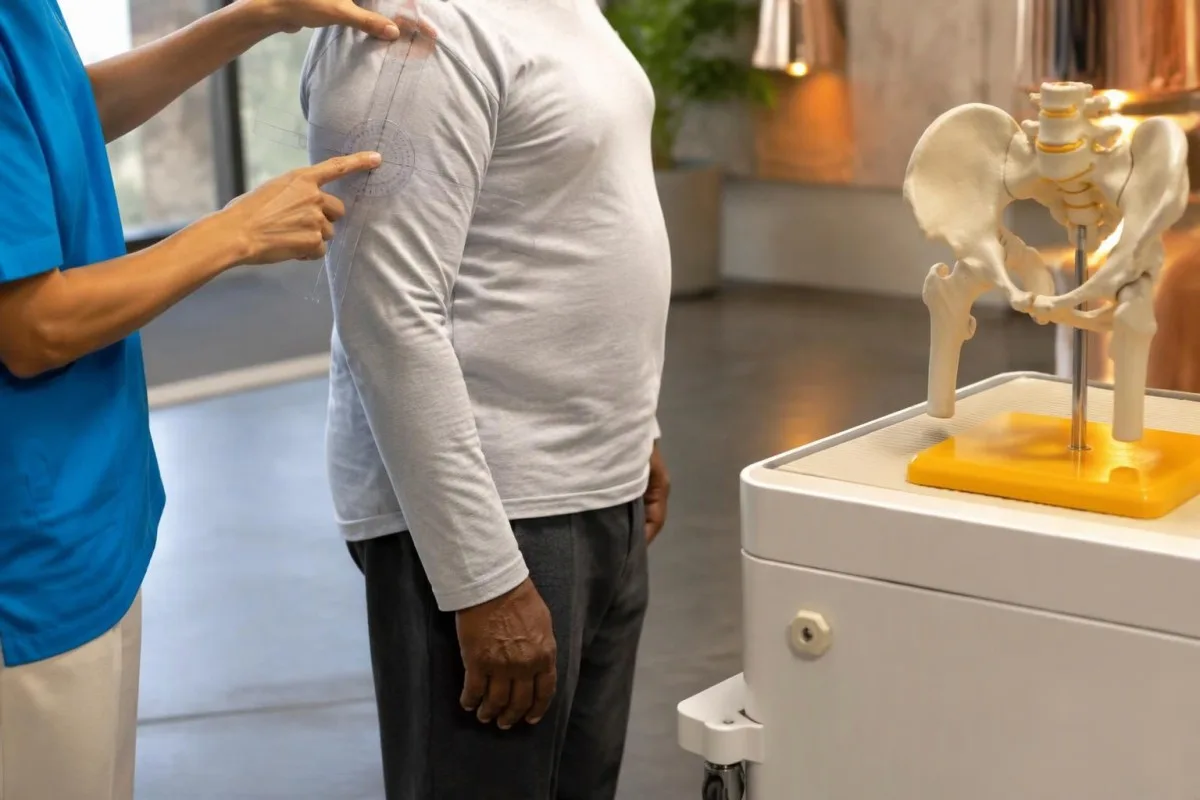
The 2012 criteria were developed to classify patients consistently for research, not to rule out every unusual clinical presentation (Dasgupta et al., 2012). Someone with normal ESR and CRP does not meet that framework's entry requirements, but this does not logically prove that PMR is impossible; it means the standard research classification cannot be applied in the usual way.
The same framework assigns weight to morning stiffness lasting more than 45 minutes, hip symptoms, absence of rheumatoid-factor or anti-CCP antibodies, and absence of other joint pain. Clinicians interpret those features rather than asking patients to diagnose themselves with a score, because early elderly-onset rheumatoid arthritis may resemble PMR before persistent hand or wrist swelling becomes obvious.
A pretreatment baseline is especially useful when the diagnosis is uncertain, provided urgent assessment is not delayed. Bring the symptom timeline and any previous ESR or CRP results, including a result obtained 2 weeks before steroids started; our دەسلەپكى تەكشۈرۈشكە تەييارلىق explains how medication dates and the reason for testing make that first report more interpretable.
قايسى كېسەللىكلەر قان تەكشۈرۈشى نورمال بولسىمۇ PMR غا ئوخشاپ كېتىدۇ؟
Mechanical shoulder disorders, osteoarthritis, thyroid disease, medication-related muscle symptoms, and other rheumatic conditions can resemble PMR. Normal ESR and CRP make a careful review of these alternatives particularly valuable, especially when symptoms are one-sided, morning stiffness is brief, or the person is younger than 50.
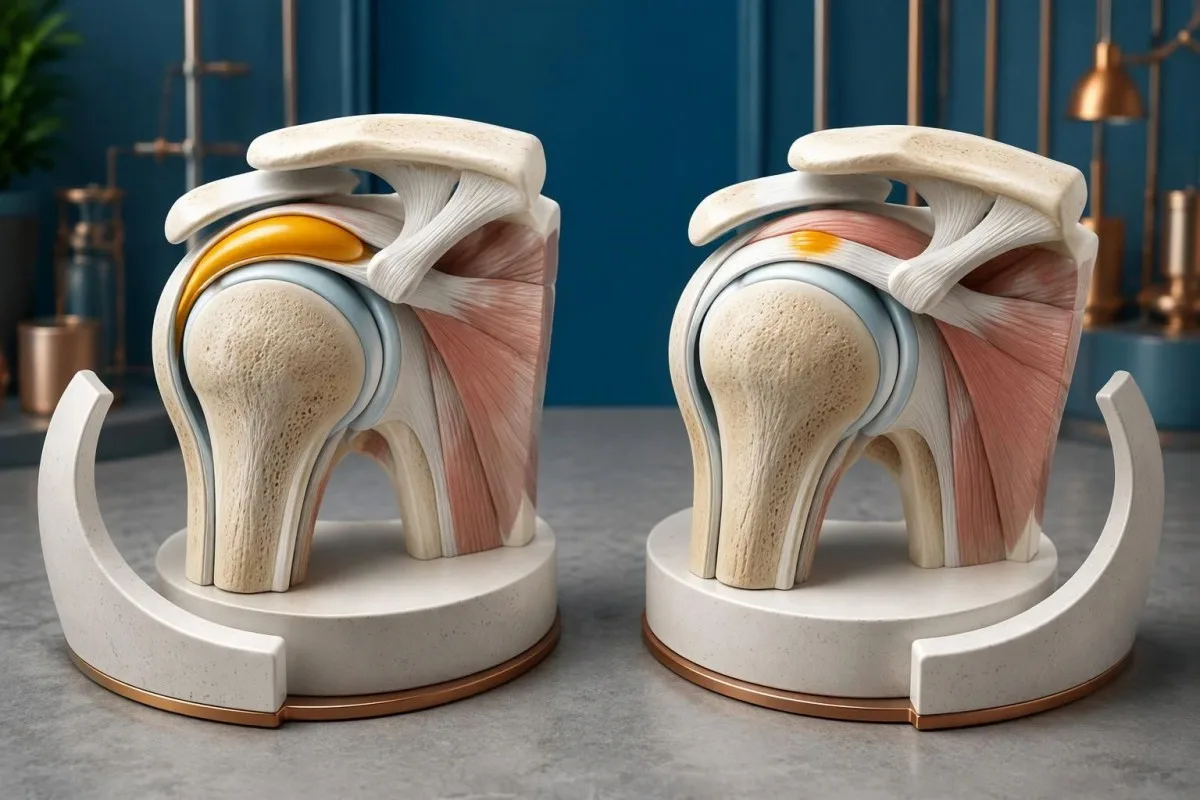
Rotator cuff disease and adhesive capsulitis are assessed through movement patterns, including whether passive movement is restricted and whether a specific arc provokes discomfort. A hypothetical 61-year-old with one stiff shoulder and 15 minutes of morning symptoms is less typical for PMR than someone with bilateral shoulder and hip restriction; coexistence is possible, so finding a tendon problem does not automatically explain everything.
Thyroid dysfunction can contribute to muscle aching, fatigue, and reduced exercise tolerance, but a mildly abnormal TSH does not prove that the thyroid explains the entire symptom picture. Clinicians interpret TSH with free T4 and the examination rather than anchoring on a single flag; our subclinical hypothyroidism guide explains why modest biochemical changes may or may not be clinically relevant.
Statin-associated muscle symptoms can occur with normal creatine kinase, making the medication timeline useful even when several tests look reassuring. Symptoms beginning 3 weeks after a dose increase deserve discussion rather than an unsupervised medication stop; our statin muscle-risk guide explains one susceptibility factor, but genetic testing is not a routine way to distinguish PMR from statin symptoms.
PMR غا ئوخشاپ كېتىدىغان كېسەللىكلەرنى چىقىرىۋېتىشكە يەنە قايسى قان تەكشۈرۈشلىرى ياردەم بېرىدۇ؟
Additional tests look for alternative diagnoses and establish treatment safety; they do not create a confirmatory PMR panel. Depending on the presentation, clinicians may review a full blood count, kidney and liver function, calcium, glucose, thyroid tests, creatine kinase, and rheumatoid-factor or anti-CCP antibodies.
Creatine kinase is usually not elevated by uncomplicated PMR itself. True weakness with a hypothetical CK of 1,200 U/L, interpreted against the laboratory's interval and recent exercise, shifts attention toward muscle injury or myopathy; selected cases may also involve aldolase testing, discussed in our muscle enzyme follow-up guide, rather than assuming that every proximal symptom represents joint-girdle inflammation.
Anemia or unusual plasma protein results can help explain why ESR and CRP disagree, and they may identify a problem that needs its own evaluation. For example, hemoglobin of 95 g/L with a disproportionately high ESR should not simply be filed under PMR; our سېرۇم ئاقسىلىنى چۈشەندۈرۈش قوللانمىسى explains protein patterns without implying that every abnormal globulin result warrants the same investigation.
كانتېستى بىر AI بىئوماركر ئىزاھلاش سۇپىسى that can help organize a report containing ESR, CRP, CK, and thyroid results, but those 4 measurements answer different clinical questions. We encourage targeted interpretation: ANA or complement testing may be appropriate when specific systemic features suggest connective-tissue disease, whereas ordering broad antibody panels solely because PMR markers are normal can produce distracting incidental positives.
ESR ۋە CRP نورمال بولغاندا ئۇلترا ئاۋازلىق تەكشۈرۈش ياردەم بېرەمدۇ؟
Ultrasound can support suspected PMR by showing shoulder or hip-region bursitis, tendon-sheath changes, or joint inflammation. Bilateral subacromial-subdeltoid bursitis is a useful pattern, but imaging findings are not specific enough to confirm PMR independently, particularly in adults over 50 with common degenerative changes.
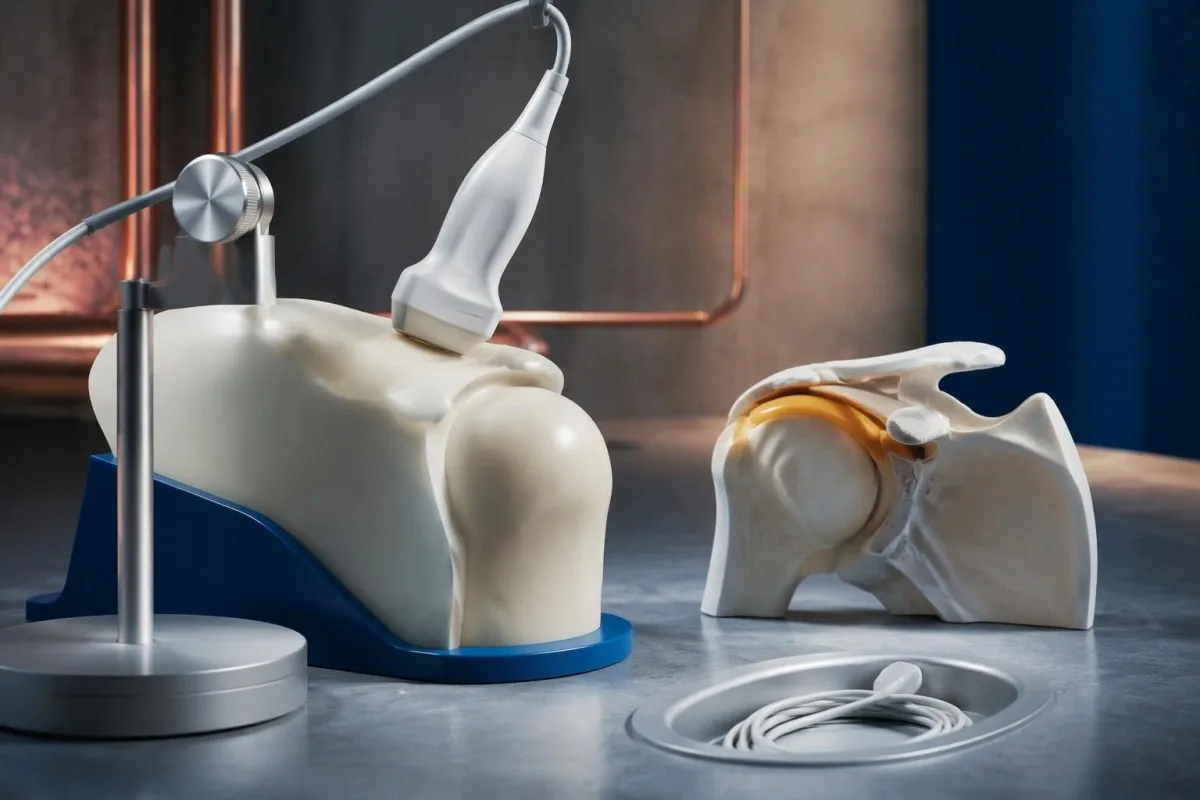
The 2012 EULAR/ACR study incorporated ultrasound as an optional classification aid, while recognizing overlap with other shoulder conditions (Dasgupta et al., 2012). Finding bursal changes on both sides can strengthen a coherent clinical picture, but a scan obtained after 2 weeks of treatment may not show the same degree of change as a pretreatment examination.
Ultrasound is most useful when it answers a specific question: is the main restriction related to bursitis, a tendon disorder, joint changes, or several processes together? A hypothetical 73-year-old with CRP of 3 mg/L and bilateral bursitis still needs assessment for rheumatoid arthritis and mechanical disease; the scan does not convert a nonspecific symptom pattern into PMR simply because a bursa contains fluid.
Negative rheumatoid factor does not rule out rheumatoid arthritis, and positive rheumatoid factor does not automatically exclude PMR. Persistent swelling of 2 or more small joints changes the differential more meaningfully than a low-positive antibody alone; our رېماتىزملىق ئامىلنى چۈشەندۈرۈش قوللانمىمىز explains why antibody concentration, examination, and imaging must be interpreted together.
پرېدنىزونغا تېز ئىنكاس قايتۇرۇش PMR نى ئىسپاتلامدۇ؟
A rapid response to glucocorticoids supports PMR but does not prove the diagnosis, because other inflammatory conditions also improve. The 2015 EULAR/ACR recommendations describe an initial prednisone-equivalent range of 12.5–25 mg daily for clinician-managed PMR, adjusted to disease activity and treatment risks.
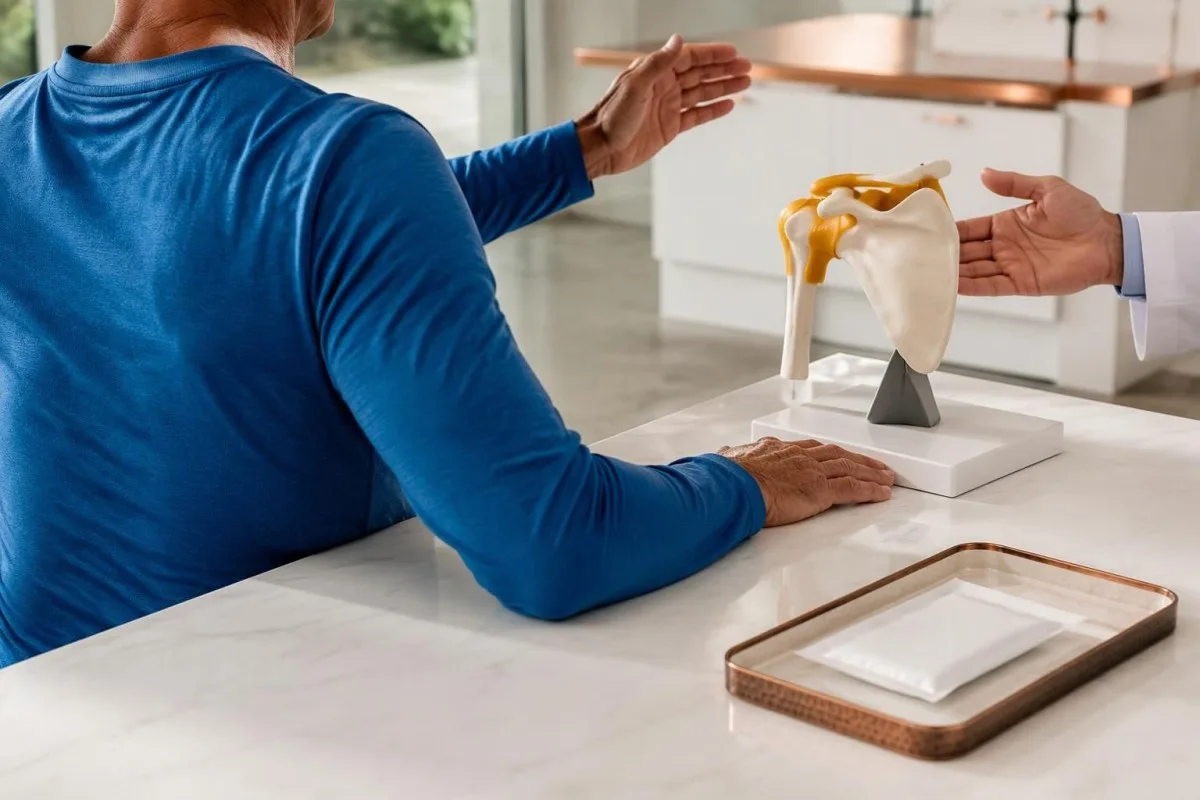
Prednisone should not be used as a self-directed diagnostic experiment. Starting 15 mg daily before evaluation may lower inflammatory markers and obscure an alternative illness, while exposing someone without PMR to adverse effects; the EULAR/ACR recommendations emphasize individualized dosing and reassessment rather than treating response as a binary diagnostic challenge (Dejaco et al., 2015).
Improvement should include the actual features that prompted concern, not just a vague increase in energy or better sleep. In a hypothetical case, morning stiffness falling from 90 minutes to 20 minutes and easier dressing provides useful follow-up information, but persistent one-sided shoulder restriction may indicate a coexisting tendon disorder; incomplete response should trigger clinical review rather than automatic dose escalation.
Glucocorticoid safety depends on pre-existing risks and other medicines, including diabetes, osteoporosis, glaucoma, and infection vulnerability. A glucose rise from 6 to 12 mmol/L after treatment needs a management plan even if shoulder symptoms improve; our older-adult medication effects guide explains why a changing laboratory result may reflect treatment rather than worsening of the original condition.
گىگانت ھۈجەيرىلىك ئارتېرىيە ياللۇغىغا گۇمان تۇغدۇرىدىغان قايسى ئالامەتلەر جىددىي باھالاشنى تەلەپ قىلىدۇ؟
New headache, scalp tenderness, jaw pain when chewing, or visual disturbance in someone with suspected PMR require urgent assessment for giant cell arteritis. Sudden visual loss, double vision, or a temporary curtain over vision needs immediate emergency evaluation—even if CRP is below 5 mg/L.

Normal ESR and CRP cannot safely exclude giant cell arteritis when the symptoms are concerning. Clinicians may start treatment before laboratory confirmation or vascular imaging because delay can threaten vision; a hypothetical 76-year-old with jaw fatigue during meals and a new temporal headache should not wait 1 week for a routine repeat blood test.
Jaw claudication means discomfort or fatigue triggered by chewing and relieved by resting, rather than simply constant dental pain. A new symptom appearing after 2 minutes of chewing, especially with headache or scalp tenderness, deserves same-day medical assessment; describe the trigger and relief pattern clearly, because “jaw pain” alone can conceal the feature that makes clinicians concerned.
Sudden speech difficulty, facial asymmetry, or weakness on one side is an emergency, whether PMR has been diagnosed or not. Follow the emergency actions in our stroke warning-sign guide rather than waiting for an inflammatory marker result; fever with severe illness or a new hot, swollen single joint also warrants urgent assessment for causes other than uncomplicated PMR.
ياللۇغ كۆرسەتكۈچلىرى نورمال ھالەتتە قالسا، PMR قانداق كۆزىتىلىدۇ؟
When ESR and CRP are uninformative, PMR monitoring relies more heavily on symptoms, function, examination, and treatment safety. Track morning stiffness in minutes and repeatable tasks such as dressing or chair rising; a CRP of 2 mg/L cannot independently establish remission or exclude relapse.
Glucocorticoids can normalize previously elevated markers, so a normal result after treatment is different from a normal result before any treatment. Some IL-6 receptor-blocking medicines also suppress CRP directly, making a value below 5 mg/L less useful for judging inflammatory activity; the medication name and timing belong beside the laboratory value during review.
A practical diary can record 3 repeatable observations: morning stiffness duration, ease of raising both arms, and ability to get up from the same chair. If stiffness changes from 15 to 60 minutes after a taper, contact the treating clinician, but do not assume relapse automatically; osteoarthritis, deconditioning, tendon disease, and glucocorticoid-related complications can also change how those tasks feel.
With Kantesti AI, laboratory trends can be considered alongside treatment dates rather than comparing 2 isolated “normal” labels. Our دورا بىخەتەرلىك تەرەققىيات كۆرسەتمىسى explains why glucose, kidney function, and other safety measurements may remain useful even when ESR and CRP provide little information; dose changes still require the prescribing clinician's judgment.
PMR باھالاشىغا نېمىلەرنى ئېلىپ بېرىش كېرەك؟
Bring the original laboratory report, a symptom timeline, and a complete medication list to a PMR assessment. Include whether both shoulders and hips are affected, how many minutes morning stiffness lasts, and whether ESR or CRP was measured before or after the first glucocorticoid dose.
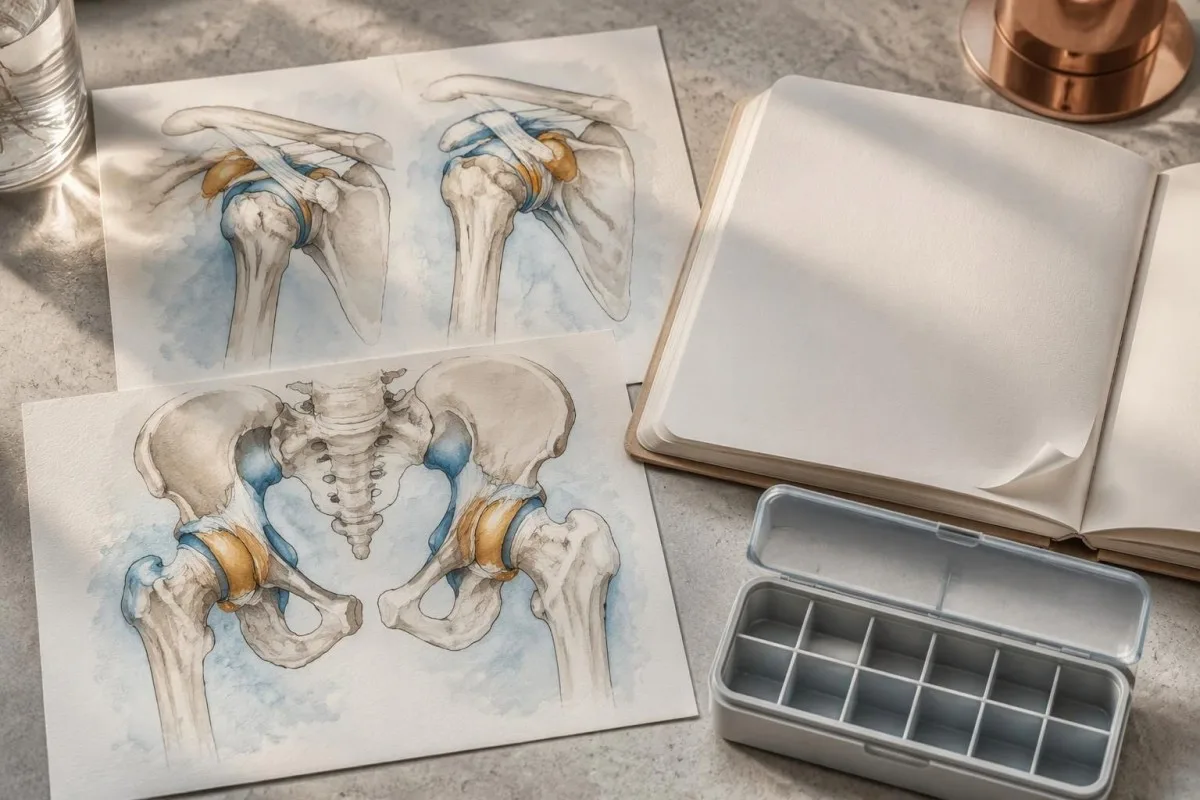
Exact dates are more useful than “recently.” Write down whether symptoms started 6 weeks ago, whether a statin dose changed 3 weeks ago, and whether the laboratory sample was collected 4 days after prednisone began; also list fever, weight change, persistent swollen joints, and any new headache or chewing-related jaw symptoms because these details can redirect the assessment.
Keep the original units and reference intervals visible when sharing a report, since ESR of 25 mm/hour may be flagged differently across laboratories. Before sending a PDF or photo to any digital service, review our report-sharing privacy steps; retaining clinically relevant dates and removing unnecessary identifiers are different tasks, and neither should alter the actual test values.
Kantesti is operated by Kantesti LTD, UK Company No. 17090423; information about بىزنىڭ تەشكىلاتىمىزدا helps distinguish the service provider from the clinician responsible for diagnosis. Our AI تېخنىكىسى يېتەكچىسى explains the report interpretation workflow, but even a clearly explained set of 2 inflammatory markers cannot replace a physical examination.
سۈنئىي ئەقىل ئارقىلىق ئىزاھلاش نېمىگە ياردەم بېرەلەيدۇ—نېمىگە دىئاگنوز قويالمايدۇ؟
AI interpretation can explain laboratory units, reference intervals, and trends, but it cannot independently diagnose PMR or exclude giant cell arteritis. كانتېستى بىر AI قان تەكشۈرۈش نەتىجىسىنى چۈشەندۈرۈش سۇپىسى that supports understanding of ESR and CRP reports without turning a CRP of 3 mg/L into a diagnostic verdict.
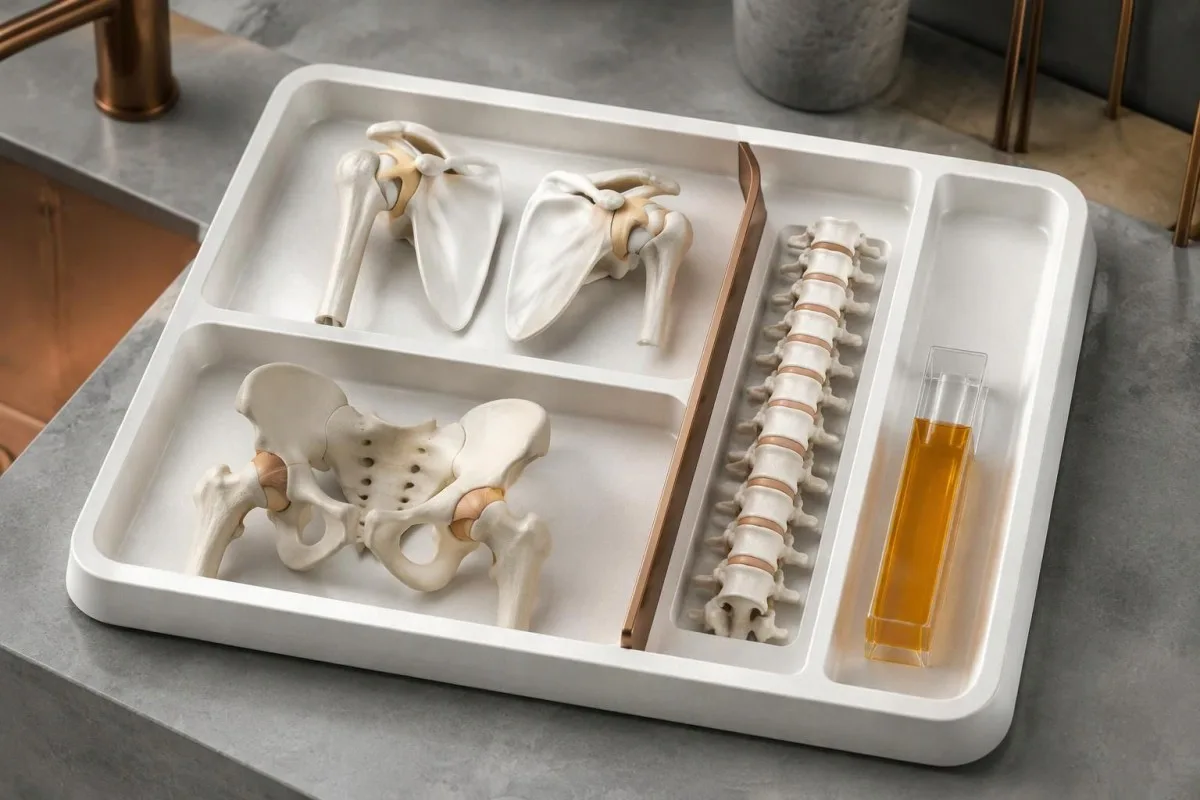
The safest output separates observation from conclusion. “CRP is 4 mg/L and within this laboratory's interval” is a report observation, while “PMR is excluded” is an unsupported clinical conclusion; similarly, a raised ESR should generate questions about symptoms and confounders rather than automatically label an inflammatory disease.
Kantesti AI cannot test passive shoulder movement, establish pain-independent muscle strength, or verify chewing-related jaw claudication from a laboratory PDF. Those limitations matter even when 10 other biomarkers appear reassuring; a concerning visual symptom requires urgent care directly, not completion of an upload or waiting for an interpretation result.
A technical benchmark is not the same as a PMR diagnostic accuracy study. بىزنىڭ دەلىللەش ۋە كىلىنىكىلىق نازارەت information should be read with that distinction in mind: explaining a CRP result correctly and diagnosing a 70-year-old's shoulder stiffness are different tasks, and performance on one cannot be assumed to establish performance on the other.
PMR نى ئىزاھلاشنىڭ ئارقىسىدىكى تەتقىقات نەشر بۇيۇملىرى ۋە ئىسپاتلار
The most relevant PMR evidence addresses clinical classification, treatment, and the limitations of normal inflammatory markers. The 2012 EULAR/ACR classification study, 2015 EULAR/ACR management recommendations, and 2018 review of normal ESR and CRP each answer a different question; none establishes a single confirmatory blood test.
Evidence about normal-marker PMR is less certain than evidence about the usual presentation. The 7–22% normal-ESR range summarized by Manzo and Milchert (2018) comes from heterogeneous reports, while estimates for both markers being normal depend strongly on patient selection; these studies support keeping PMR possible, not bypassing the search for a better explanation.
The 2 DOI-linked background publications below cover serum proteins and autoimmune laboratory interpretation, not PMR diagnostic validation or treatment effectiveness. Our تولۇقلىما ۋە ANA يېتەكچىسى is relevant when a clinician suspects a different systemic autoimmune condition, but normal-marker shoulder stiffness alone does not justify assuming that ANA or C3/C4 will confirm PMR.
Kantesti's background guides should be distinguished from the external peer-reviewed PMR references listed separately, including the 2015 treatment recommendations. Our 0 تېببىي مەزمۇن ئۆلچەملىرى describe the editorial framework; the practical decision remains clinical: assess the shoulder and hip pattern, review plausible mimics, and treat new visual or jaw symptoms as urgent rather than waiting for a laboratory flag.
دائىملىق سورالدىغان سوئاللار
0 نورمال ESR ۋە CRP بولغاندا كۆپ مۇسكۇل رېماتىزمى بولۇشى مۇمكىنمۇ؟
0 ھەئە، پولىمىيالجىيە رېماتىكا بەزىدە ESR ۋە CRP نورمال بولغان تەقدىردىمۇ كۆرۈلۈشى مۇمكىن، گەرچە نەشر قىلىنغان بىر قانچە تەتقىقات گۇرۇپپىسىدا داۋالاشتىن بۇرۇن ھەر ئىككىسىنىڭ نورمال بولۇشى كۆپ ئۇچرىمايدۇ. 2018-يىلدىكى بىر ئوبزوردا خۇلاسىلەنگەن ئەھۋاللارنىڭ تەخمىنەن 7–22%ىدە پەقەت ESR نىڭ نورمال ئىكەنلىكى خەۋەر قىلىنغان، ئادەتتە CRP يۇقىرى بولىدۇ. دوختۇرلار تەجرىبىخانا نەتىجىسىگىلا ئاساسلىنىپ PMR نى رەت قىلىشنىڭ ئورنىغا، ئىككى مۈرەدىكى قېتىش، يانپاش ئالامەتلىرى، 50 ياش ياكى ئۇنىڭدىن چوڭ بولۇش، تەكشۈرۈش نەتىجىلىرى ۋە باشقا مۇمكىن بولغان دىياگنوزلارنى باھالايدۇ. ئالامەتلەرنىڭ ئەندىزىسى PMR غا ماس كېلىپ، ئەمما ھەر ئىككى ماركېر نورمال ھالەتتە قالغاندا، مۇتەخەسسىسنىڭ تەكشۈرۈشى ئالاھىدە پايدىلىق.
قايسى قان تەكشۈرۈشى پولىمۇيالگىيە رېۋماتىكا كېسىلىنى جەزملەشتۈرىدۇ؟
ھېچقانداق يەككە قان تەكشۈرۈشى كۆپ مۇسكۇل رېماتىزمىنى جەزملەشتۈرەلمەيدۇ. ESR ۋە CRP ياللۇغلىنىش ئىنكاسىنىڭ كونكرېت بولمىغان دەلىلىنى تەمىنلەيدۇ، CK، قالقانسىمان بەز ئىقتىدارى، رېماتىزم ئامىلى ۋە anti-CCP قاتارلىق تەكشۈرۈشلەر بولسا، مۇۋاپىق بولغاندا باشقا ئېھتىماللىقلارنى تەكشۈرۈشكە ياردەم بېرىدۇ. نۇرغۇن تەجرىبىخانىلاردا CRP نىڭ 5 mg/L دىن تۆۋەن بولۇشى نورمال دائىرىدە ھېسابلىنىدۇ، ئەمما بۇ قىممەتنىڭ ئۆزىمۇ، ESR نىڭ يۇقىرى بولۇشىمۇ دىئاگنوزنى ئېنىقلىمايدۇ. PMR كلىنىكىلىق باھالاش ۋە تېخىمۇ مۇمكىن بولغان سەۋەبلەرنى يوققا چىقىرىش ئارقىلىق دىياگنوز قويۇلىدۇ.
قايسى دەرىجىدىكى ESR ياكى CRP كۆپ مۇسكۇل-رېماتىزملىق پولىمىئالگىيەنى كۆرسىتىدۇ؟
پولىمېيالجىيە رېماتىزمىغا ئۆزلۈكىدىن ئىشەنچلىك دىئاگنوز قويالايدىغان ESR ياكى CRP چېكى يوق. بەزى كونا دىئاگنوز قويۇش ئۇسۇللىرىدا ESR نىڭ سائىتىگە 40 mm بولۇشى تەكىتلەنگەن، ئەمما بۇ كلىنىكىلىق دىئاگنوز قويۇشنىڭ ھەممە جايدا تەلەپ قىلىنىدىغان شەرتى ئەمەس. نۇرغۇن تەجرىبىخانىلار CRP نىڭ يۇقىرى چېكىنى 5 mg/L دەپ بېكىتىدۇ، باشقىلىرى بولسا 10 mg/L دەپ بېكىتىدۇ. بۇ چەكتىن يۇقىرى قىممەتلەر ياللۇغلىنىش جەريانىنى قوللايدۇ، ئەمما PMR نى يۇقۇملىنىش ياكى باشقا ياللۇغلىنىش كېسەللىكلىرىدىن پەرقلەندۈرمەيدۇ.
قان تەكشۈرۈش نەتىجىلىرى نورمال بولغاندا، پولىمىئالگىيە رېماتىكا قانداق دىياگنوز قويۇلىدۇ؟
قان تەكشۈرۈش نەتىجىلىرى نورمال بولغاندا، كىلىنىكىدا كېسەللىك ئالامەتلىرىنىڭ ئەندىزىسىنى باھالايدۇ، مۈرە ۋە يانپاشنىڭ ھەرىكىتىنى تەكشۈرىدۇ ۋە كۆپ مۇسكۇل رېماتىزمىغا ئوخشاپ كېتىدىغان كېسەللىكلەرنى تەكشۈرىدۇ. 50 ياش ياكى ئۇنىڭدىن چوڭ بولۇش، ئىككى مۈرىنىڭ ئالامەتلىرى بولۇش ۋە ئەتىگەنلىك قېتىشنىڭ 45 مىنۇتتىن ئۇزۇن داۋاملىشىشى تىپىك كۆرۈنۈشنى قوللايدۇ. ئۇلترا ئاۋازلىق تەكشۈرۈش قوللىغۇچى بۇرسا ياللۇغى ياكى پە قېپىدىكى ئۆزگىرىشلەرنى ئېنىقلىشى مۇمكىن، ئەمما بۇ بايقاشلار ئۆز ئالدىغا دىياگنوز قويۇشقا يەتمەيدۇ. ۋاقىتنىڭ ئۆتۈشىگە ئەگىشىپ باشقا بىر رېماتىزملىق ياكى مېخانىكىلىق كېسەللىك تېخىمۇ ئېنىق بولۇشى مۇمكىن بولغاچقا، دائىم قايتا تەكشۈرۈش لازىم بولىدۇ.
پردنىزون بىلەن ياخشىلىنىش مېنىڭ چوقۇم PMR كېسىلىم بارلىقىنى بىلدۈرەمدۇ؟
0] Prednisone بىلەن ياخشىلىنىش كۆپ مۇسكۇل-رېماتىزملىق پولىمىئالگىيەگە ئېنىق دىئاگنوز قويمايدۇ، چۈنكى باشقا ياللۇغلىنىش كېسەللىكلىرىمۇ گلۇكوكورتىكوئىدلارغا ئىنكاس قايتۇرۇشى مۇمكىن. 2015-يىللىق EULAR/ACR تەۋسىيەلىرىدە دەسلەپكى باسقۇچتا دوختۇرنىڭ نازارىتىدە بېرىلىدىغان prednisone غا تەڭ مىقدارنىڭ كۈنىگە 12.5–25 mg ئارىلىقىدا بولۇشى، كېسەللىك ئالامەتلىرى ۋە داۋالاش خەۋپلىرىگە قاراپ شەخسلەشتۈرۈلۈشى بايان قىلىنغان. ئىنكاسنى پەقەت كۈچ-قۇۋۋەتنىڭ ياخشىلىنىشىغا قاراپلا ئەمەس، بەلكى مەتانەتلىك قېتىش ۋە ھەرىكەت ئىقتىدارىدىكى كونكرېت ئۆزگىرىشلەرگە قاراپ باھالاش كېرەك. ئۆزىڭىزگە دىئاگنوز قويۇش سىنىقى سۈپىتىدە prednisone نى باشلىماڭ ياكى مىقدارىنى ئۆزگەرتمەڭ.
نورمال ياللۇغلىنىش بەلگىلىرى بىلەن گىگانت ھۈجەيرەلىك ئارتېرىيە ياللۇغى كۆرۈلۈشى مۇمكىنمۇ؟
ھەئە، ياللۇغ كۆرسەتكۈچلىرىنىڭ نورمال بولۇشى، كېسەللىك ئالامەتلىرى گۇمانلىق بولغاندا گىگانت ھۈجەيرىلىك ئارتېرىيە ياللۇغىنى بىخەتەر ھالدا يوققا چىقارمايدۇ. يېشى 50 ياكى ئۇنىڭدىن چوڭ كىشىدە يېڭى باش ئاغرىقى، باش تېرىسىنىڭ سەزگۈرلۈكى ياكى چايناشتىن پەيدا بولىدىغان ئېڭەك بىئاراملىقى جىددىي باھالاشنى تەلەپ قىلىدۇ. تۇيۇقسىز كۆرۈش قۇۋۋىتىدىن ئايرىلىش، قوش كۆرۈش ياكى كۆرۈش قۇۋۋىتىنىڭ ۋاقىتلىق يوقىلىشى، CRP 5 mg/L دىن تۆۋەن بولغان تەقدىردىمۇ، دەرھال جىددىي باھالاشنى تەلەپ قىلىدۇ. داۋالاشنى كېچىكتۈرۈش كۆرۈش قۇۋۋىتىگە تەھدىت ئېلىپ كېلىشى مۇمكىن بولغاچقا، دوختۇرلار تەكشۈرۈش ئارقىلىق جەزملەشتۈرۈشتىن بۇرۇن داۋالاشنى باشلىشى مۇمكىن.
قان تەكشۈرۈش نەتىجىسىنى قانداق ئوقۇش
تەجرىبىخانا دوكلاتىڭىزنى يوللاڭ، Kantesti نىڭ سۈنئىي ئەقىلى ھەر بىر بىئوماركېرنى بىر نەچچە سېكۇنت ئىچىدە ئاددىي تىلدا چۈشەندۈرىدۇ. دۇنيا بويىچە 2 مىليوندىن ئارتۇق ئادەم ئىشلىتىدۇ.
پايدىلانغان ماتېرىياللار
- Klein, T., Mitchell, S., & Weber, H. (2026). قان زەردابى ئاقسىللىرى يېتەكچىسى: گلوبۇلىن، ئالبۇمېن ۋە A/G نىسبىتى قان تەكشۈرۈشى. Kantesti AI Medical Research. DOI
- Klein, T., Mitchell, S., & Weber, H. (2026). C3 C4 تولۇقلاش قان تەكشۈرۈشى ۋە ANA تىترى يېتەكچىسى. Kantesti AI Medical Research. DOI
- Dasgupta B et al. (2012). 2012 provisional classification criteria for polymyalgia rheumatica: a European League Against Rheumatism/American College of Rheumatology collaborative initiative. Annals of the Rheumatic Diseases. DOI
- Dejaco C et al. (2015). 2015 recommendations for the management of polymyalgia rheumatica: a European League Against Rheumatism/American College of Rheumatology collaborative initiative. Annals of the Rheumatic Diseases. DOI
- Manzo C, Milchert M. (2018). Polymyalgia rheumatica with normal values of both erythrocyte sedimentation rate and C-reactive protein concentration at the time of diagnosis: a four-point guidance. Reumatologia.
- 2M +تەھلىل قىلىنغان تەكشۈرۈشلەر
- 127+دۆلەتلەر
- 100+تىللار
تېببىي گۇرۇپپا ھەققىدە


E-E-A-T ئىشەنچ سىگناللىرى
تەجرىبە
دوختۇر رەھبەرلىكىدىكى لابوراتورىيە تەبىرىنى چۈشەندۈرۈش خىزمەت ئېقىملىرىنى بالىياتقۇچلۇق تەكشۈرۈش.
مۇتەخەسسىسلىك
بىئوماركىرلارنىڭ كىلىنىكىلىق مۇھىتتا قانداق ھەرىكەت قىلىدىغانلىقىغا مەركەزلەشكەن لابوراتورىيە تېبابىتى.
ھوقۇقدارلىق
دوكتور توماس كلېين تېببىي جەھەتتىن تەكشۈرگەن، دوكتور سارا مىچېل ۋە پروفېسسور دوكتور خانس ۋېبېرنىڭ تۆھپىسى بىلەن تەييارلانغان.
ئىشەنچلىكلىك
ئاگاھلاندۇرۇشنى ئازايتىش ئۈچۈن ئېنىق كېيىنكى قەدەملەر بىلەن ئىسپات-ئاساسلىق تەبىر.



تېببىي ئاگاھلاندۇرۇش
بۇ ماقالە پەقەت تەربىيە-ئوقۇتۇش مەقسىتى ئۈچۈن بولۇپ، داۋالاش مەسلىھەتىنى تەشكىل قىلمايدۇ. دىئاگنوز قويۇش ۋە داۋالاش قارارلىرى ئۈچۈن ھەمىشە لاياقەتلىك ساغلاملىق مۇلازىمىتى تەمىنلىگۈچى بىلەن مەسلىھەتلىشىڭ.
Published · تەھرىر گۇرۇپپىسى بىلەن ئالاقىلىشىڭ
ئەنگلىيە ۋە ۋېلىشتا تىزىمغا ئېلىنغان Kantesti Ltd تەرىپىدىن نەشر قىلىنغان، شىركەت نومۇرى:. 17090423, ، لوندون، ئەنگلىيە.
