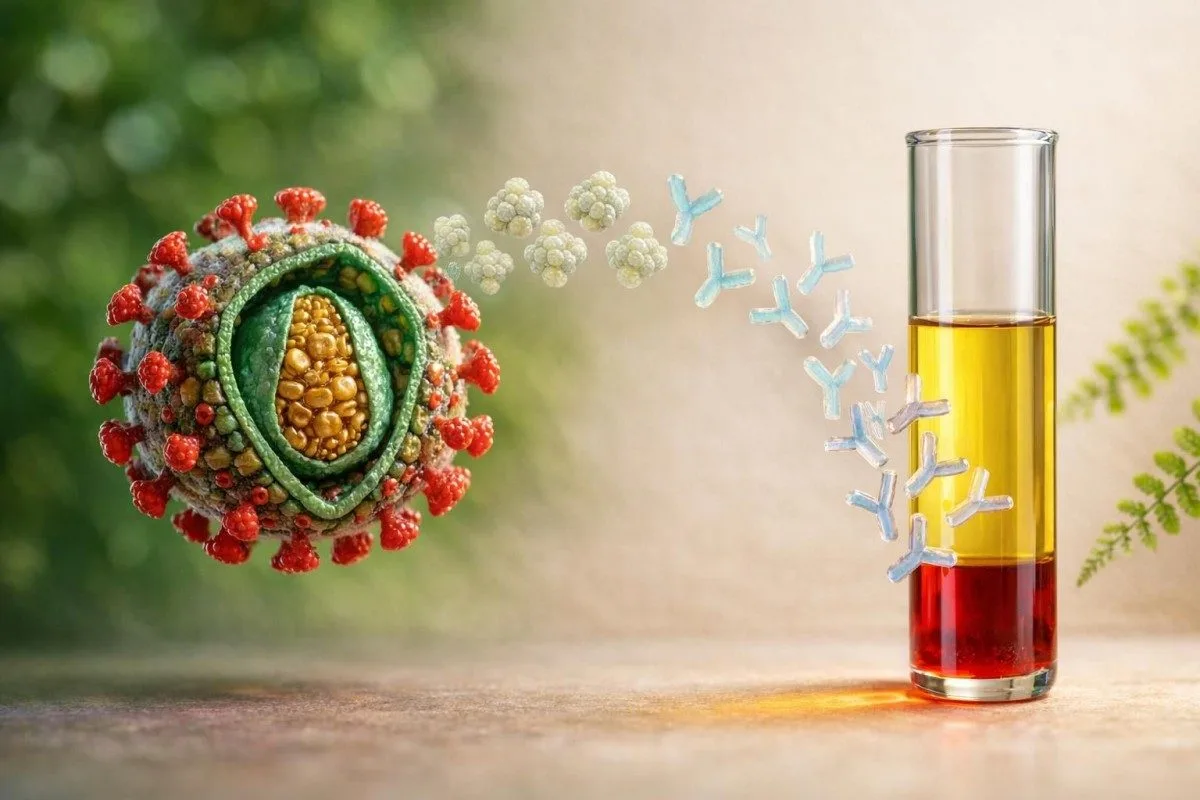
Tek bir maruziyetten sonra NAT yaklaşık 10-33 gün içinde pozitifleşebilir; 4. nesil bir HIV kan testi 18-45 gün içinde pozitifleşebilir ve yalnızca antikor testleri 23-90 gün içinde pozitifleşebilir. Test doğru ama zamanlama yanlış olduğunda erken negatif sonuçlar sık görülür.


- NAT tespit edebilir HIV RNA hakkında 10-33 gün maruziyetten sonra ve en erken işe yarayan kan testidir.
- 4. nesil HIV kan testi genellikle 18-45 gün içinde pozitifleşir çünkü p24 antijenini ve antikorları.
- Antikor-only testler 23-90 gün boyunca negatif kalabilir 23-90 gün, özellikle örnek venöz plazma yerine ağız sıvısı veya parmak ucundan alındığında.
- 45 gün tek bir maruziyetten sonra, negatif 4. nesil sonuç, UK’deki birçok klinik tarafından, PEP yoksa.
- 28. gün 4. nesil negatif çok rahatlatıcıdır; ancak birçok klinisyen maruziyetin yakın zamanda olup olmadığına göre 45 gün nihai bir kontrol daha ister.
- PEP erken tespiti geciktirebilir veya bulanıklaştırabilir; birçok hizmet, basit 45 günlük kuralı kullanmak yerine testleri yaklaşık olarak 12 hafta boyunca sürdürür.
- PrEP erken dönemde belirsiz sonuçlar oluşturabilir; bu nedenle klinisyenler genellikle Ag/Ab testi ile NAT daha yüksek riskli durumlarda birlikte kullanır.
- Son maruziyet tarihi saati sıfırlar; farklı günlerde birden fazla maruziyet, nihai test tarihini ileri taşır.
- Reaktif tarama kesin tanı anlamına gelmez; standart takip, bir diferansiyasyon testi (ayırıcı test) ve bazen HIV-1 NAT.
HIV maruziyetten sonra kan testinde ne zaman görünür?
HIV en erken NAT üzerinde görünür; yaklaşık olarak 10-33 gün, ardından laboratuvarda 4. nesil HIV kan testi şurada: 18-45 gün içinde pozitifleşir, ve en güncel yalnızca antikor içeren kan testleri şurada: 23-90 gün. Ben Thomas Klein, MD; hâlâ en sık gördüğüm hata, negatif bir 7. gün sonucunu kesin sonuç gibi ele almak.
itibarıyla 16 Nisan 2026, CDC zamanlama tabloları hâlâ 10-33 gün . NAT, 18-45 gün içinde pozitifleşir bir laboratuvar için Ag/Ab testi, Ve 23-90 gün . yalnızca antikor testleri. Üzerinde 2M’dan fazla kullanıcı olan Kantesti AI, zamanlama karmaşası enfeksiyon sonuçlarının yanlış okunmasının en yaygın nedenlerinden biridir.
Negatif sonuç yalnızca, o testin o anda makul şekilde görebileceğini dışlar. Maruziyetiniz 12 gün önceyse ve yalnızca antikor içeren bir test kullandıysanız, sonuç temelde biyolojik temizlenme değil, zamanlamaya dair bir sonuçtur.
Birçok Birleşik Krallık cinsel sağlık hizmeti, tek bir maruziyetin ardından 4. nesil test sonucunu 45 gün içinde, başka bir maruziyet yoksa ve PEP yoksa yoksa kesin kabul eder. Bazı ABD’li klinisyenler ise testin net olmadığı durumlarda, örneğin venöz kan olmadığı durumlarda veya dokümantasyon yetersizse daha sonra tekrar eder.
Kaçırılan bir ayrıntı: saat, en son olası maruziyetten başlar; en korkutucu olandan değil. 0, 7 ve 21. günlerde tekrarlanan maruziyetler bitiş çizgisini ileri iter; bu da tarihlerin dikkatli kaydı ve çevrim içi laboratuvar siparişi verme konusunda akıllı bir rehber beklenmedik şekilde işe yarar hale gelir.
7. gün neden olması gerekenden daha fazla rahatlatıcı hissettiriyor?
Kaygı erken dönemde zirve yapar; bu yüzden biyoloji hazır olmasa bile insanlar çoğu zaman ilk hafta test yaptırır. Benim deneyimime göre, erken test yaptırmak; bunun nihai cevap değil, bir başlangıç düzeyi ya da kısmi yanıt olduğunu anlıyorsanız uygundur.
4. nesil, antikor ve NAT HIV kan testleri gerçekte nasıl farklıdır?
NAT, 4. nesil, Ve sadece antikor HIV kan testleri farklı zamanlarda pozitifleşir; çünkü farklı hedefleri ölçer: viral RNA, p24 antijenini, ve vücudun antikorları. Pencere dönemlerinin var olmasının nedeni tamamen bu farktır.
A NAT arar HIV RNA ve pozitifleşen en erken kan testidir; çoğu zaman, viral yüklerin 100.000 kopya/mL veya daha yükseğe çıkabildiği akut enfeksiyon sırasında görülür. Birçok tanısal NAT platformu yaklaşık olarak 20-40 kopya/mL, seviyesine kadar tespit edebilir; ancak kesin eşik laboratuvara göre değişir. Ekibimiz, assay (test) limitlerinin Kantesti’nin tıbbi doğrulama standartları.
kapsamında nasıl önemli olduğunu ayrıntılandırıyor. 4. nesil HIV kan testi bir laboratuvar p24 antijenini Ve hem. HIV-1/2 antikorlarına bakar. Bu çift hedef, erken enfeksiyonda sadece antikor testlerini neden geride bıraktığını ve yaklaşık 18 ile 45 gün arasında çoğu kişi için neden en iyi rutin seçenek olarak kaldığını açıklar. maruziyetten sonra.
Bir sadece antikor test, bağışıklık sisteminizin yanıt vermesini bekler. Bu yanıt, içine gecikebilir üçüncü aya kadar, ve oral sıvı testleri genellikle kan temelli testlerin gerisinde kalır; bu da, her ikisi de gündelik olarak HIV testi diye anılsa bile, venöz bir laboratuvar örneği ile hızlı parmak ucundan alınan sonuçların birbirinin yerine kullanılamamasının nedenlerinden biridir.
Eğer bir rapor yalnızca 'HIV taraması' testi adını (kullanılan yöntemi) belirtmeden yazıyorsa, en erken pencerenin geçerli olduğunu varsaymayın. Bizim Yapay zeka teknolojisi rehberi Kantesti’nin PDF’lerden test (assay) dilini nasıl ayrıştırdığını açıklıyoruz; böylece hastalar hızlı bir antikor testini bir laboratuvar Ag/Ab testiyle karıştırmayı bırakır.
Laboratuvar plazması, pratik/kolay testlerden daha erkendir
Venöz plazma örneği genellikle, hızlı bir tam kan cihazına kıyasla cihaza daha temiz ve analitik olarak daha 'uyumlu' bir hedef sunar. Uygulamada, “4. nesil” diye pazarlanan bazı başvuru/yerinde testler, ilk haftalarda laboratuvar plazma testleri kadar etkileyici performans göstermeyebilir.
Kan bağışı kişisel tanı değildir
Bağış taraması kan kaynağını korur; maruziyet tarihinize göre kurgulanmış, belgelenmiş bir tanısal inceleme değildir. Hastalara, özel HIV testi için bir çözüm yolu olarak bağışı kullanmamalarını söylüyorum; çünkü izlem yolu ve raporlama farklıdır.
HIV kan testinin pencere dönemi neden ilk etapta vardır?
The HIV kan testi pencere dönemi vardır; çünkü enfeksiyon tek seferde değil, aşamalar halinde ölçülebilir hale gelir. Önce viral RNA görünür, ardından p24 antijenini, ardından IgM/IgG antikorları.
Klasik Fiebig dizilimi klinikte hâlâ geçerlidir: önce viral nükleik asit, sonra antijen, sonra antikor. Sözde “eclipse” (karanlık dönem), sırasında, çoğu zaman ilk 7-10 gün, test bile, örnekte hedef çok az olduğu için negatif kalabilir.
Bu yüzden hastalara “henüz sinyal yok” 'ifadesini karıştırmamalarını söylüyorum.' ile 'enfeksiyon yok.' Bunu netleştirmek için bu ayrımı açıklığa kavuşturmaya çok zaman harcıyoruz. Kantesti’nin Hakkımızda sayfasında, çünkü biyolojiyi yanlış anlamak, gereksiz tekrar testlerinin çoğunu tetikleyen şeydir.
İşte birçok üst sonucun atladığı kısım: p24 antikorlar onu bağlayıp bağışıklık kompleksleri oluşturdukça yükselebilir ve sonra düşebilir. Çift hedefli 4. nesil bir test zekicedir; çünkü iyi bir değerlendirme yazımızda ele aldığımız kör noktaları nasıl önlerse, bu devir teslimin iki tarafında da enfeksiyonu yakalayabilir. standart kan testi ve neyi kaçırdığına dair rehberimiz.
Belirtiler, test pozitifliğiyle tam olarak örtüşmez. Aynı günün öğleden sonrasında antikor-negatif olup RNA-pozitif olan, ateş ve döküntüsü olan hastalar gördüm; ayrıca bunun tersini de gördüm—hiç belirti olmadan dramatik bir kaygı ve doğru zamanda yapılan testlerin tekrar tekrar negatif çıkması. 16 o aynı öğleden sonra antikor negatif ama RNA pozitif olanlar, ve bunun tersini de gördüm — belirti göstermeyen ve tekrarlanan doğru zamanlanmış testlerde negatif çıkan kişilerde dramatik anksiyete.
Tek bir maruziyetten sonra gün ve haftalara göre gerçekçi bir zaman çizelgesi
Kimden 0. günden 7. güne kadar, yeni bir maruziyetten sonra rutin HIV kan testi sizi güvenilir biçimde “temiz” sayamaz. Yaklaşık, 10. günden 14. güne kadar , NAT enfeksiyonu tespit etmeye başlayabilir; yaklaşık, 18. günden 21. güne kadar.
Bu zaman çizelgesi, erken testin ne zaman yardımcı olabileceğini ve daha sonraki testlerin ne zaman daha kesin hale geldiğini gösterir. 72 saat boyunca, Hâlâ PEP, içindeyseniz, acil soru çoğu zaman.
test yapmak değildir. Zemin (bazal) bir test hâlâ faydalıdır; ancak zamanında başlatılan önleme, 2. gün ya da 3. gün sonucundan kesinlik “zorlamaya” çalışmaktan çok daha önemlidir. sizi güvenilir biçimde “temiz” sayamaz. Yaklaşık, olan erkeklerde, NAT Yaklaşık.
Yaklaşık olarak , NAT enfeksiyonu tespit etmeye başlayabilir; yaklaşık, bir laboratuvar 4. nesil HIV kan testi p24 antijeni ve erken antikorlar ortaya çıktıkça enfeksiyonların anlamlı bir bölümünü tespit etmeye başlar. Buradaki negatif sonuç iyi bir haberdir; ancak bunu son söz olarak değil, ara bir yanıt olarak çerçeveliyorum.
Şu anda 28. gün, birçok 4. nesil sonuç güçlü biçimde güven vericidir;
45. gün , PEP uygulanmamış tek bir maruziyetin ardından birçok Birleşik Krallık kliniği tarafından laboratuvar temelli bir 4. nesil test kesin kabul edilir. Pencere dönemi, laboratuvar lojistiğinden ziyade biyolojiyle ilgilidir; bu yüzden evde kan testi için kılavuzumuz, sınırları ve gerçek laboratuvar raporlama zaman çizelgilerimiz iki çok farklı soruyu yanıtlar. Çok Erken.
Erken dönemde yapılan negatif bir HIV kan testi gerçekte ne anlama gelir?
'bu testte bu zaman itibarıyla henüz saptanmadı' 'otomatik olarak' değil 'HIV yok.' Testten sonra kullanılan ifade, “negatif” kelimesi kadar neredeyse önemlidir.
Negatif 7. gün veya 10. gün antikor sonucu, yakın zamanda maruz kalma hakkında neredeyse hiçbir şey söylemez. Hatta negatif 14. gün NAT vakayı tamamen kapatmak yerine daha fazla endişeyi azaltır; çünkü akut HIV kendini birkaç gün sonra belli edebilir.
Negatif 28. gün laboratuvar 4. nesil test çok daha faydalıdır ve genellikle bunu rahatlatıcı ama henüz kesin olmayan şeklinde ifade ederim; yerel politika aksi yönde demedikçe. Günlük pratikte bu, insanların uyumasına yardımcı olan sonuçtur; planlanan 45. gün sonucu ise genellikle meseleyi kesinleştiren sonuçtur.
Hastalar Kantesti’ye seri raporlar yüklediğinde, yapay zekamız 14. gün negatif ile 45. gün negatifin neden eşit ağırlık taşımadığını göstermede iyidir. Pratik ders, sonuçları yalnızca tarih Ve testin (analiz) türü, e göre değil,.
PDF bunu açıkça belirtmiyorsa '4. nesil,' 'Ag/Ab,' veya 'antijen/antikor,' bunun daha erken saptayan test olduğunu varsaymayın. Test yöntemi satırı çoğu zaman bir alt bilgiye gömülüdür; bu yüzden zaman içinde kan testlerini karşılaştırma rehberimiz ve herhangi bir kan testi uygulaması yüklemesi için bu kontrol listesi Beklediğinizden daha fazla yardımcı olur.
Yeniden test ne zaman faydalıdır — ne zaman çoğunlukla kaygıdır?
İlk test çok erken yapıldıysa, test türü bilinmiyorsa, PEP/PrEP tabloyu değiştirir ya da daha sonra başka bir maruziyet yaşadıysanız. Endişe gece boyunca arttığı için sadece ertesi sabah tekrar test yaptırmak genellikle faydalı değildir.
Tek günlük bir ara yönetimi nadiren değiştirir. Viral replikasyon hızlıdır; ancak negatif 5. gün sonucunun 6. güne kadar; güvenilir bir şekilde temizlenme (clearance) anlamına gelmesi için o kadar hızlı değildir; bir sonraki anlamlı kontrol noktasını beklemek daha bilgilendiricidir ve genellikle daha ucuzdur.
Testin laboratuvar 4. nesil HIV kan testi, olduğunu biliyorsanız, 45 gün son maruziyetten itibaren genellikle PEP yoksa tek bir olaydan sonra pratik bitiş çizgisidir. Test türünü bilmiyorsanız ya da tükürük sıvısı (oral-fluid) veya yalnızca antikor testi yapıldıysa, çoğu hastaya tekrar test için 90 gün.
öneriyorum. Tekrarlayan hafta sonu maruziyetleri saati sürekli yeniden başlatır. Bazı hastaların bitmeyen bir pencere dönemine (window period) sıkışmış gibi hissetmesinin nedenlerinden biri budur; sorun test değil, nihai tarihin sürekli hareket etmesidir.
Rastgele negatifler toplamak yerine doğru zamanda yapılmış bir test ayarlayın. Size yakın güvenilir bir kan testi seçmeye yönelik rehberimiz iyi bir başlangıçtır ve Kantesti’nin sinir ağı, tekrar test düşünmeden önce bile laboratuvar raporundan testin Ag/Ab mi yoksa yalnızca antikor testi mi olduğunu genellikle söyleyebilir.
Özel durumlar: PEP, PrEP, belirtiler ve bağışıklık baskılanması
PEP Ve PrEP Enfeksiyonun biyolojisi ortadan kalkmamış olsa bile, erken belirteçleri baskılayabildikleri veya bulanıklaştırabildikleri için test planını değiştirmeleri gerekir. Klinik ortamında çoğu zaman bu bölümü yavaşlatıyorum.
Maruziyet şunlar içindeyse 72 saat boyunca, PEP acilen görüşülmelidir; çünkü önleme, testin pozitifleşmesini beklemekten daha iyidir. PEP sonrası birçok klinik artık basit 45 günlük kısayolunu kullanmaz ve bunun yerine bir laboratuvar Ag/Ab artı NAT planını yaklaşık olarak 12 hafta, yerel farklılıklarla birlikte uygular.
İle PrEP, özellikle aralıklı kullanım veya yakın zamanda başlayıp bırakmalar varsa, olağandışı örüntülerden endişe ederim: düşük düzey RNA, gecikmiş antikorlar veya belirsiz bir tarama testi. Uzun etkili enjektabl PrEP, beni en çok yavaşlatan gruptur; çünkü ilk denemede bazen tek satırlık, net bir yorum yapmak mümkün değildir.
Bu durumlarda laboratuvar temelli testler ve uzman değerlendirmesi önemlidir; bu yüzden Tıbbi Danışma Kurulu temkinli bir okuma yapmayı tercih eder. Klinik takip olmadan yalnızca belirsiz bir ev sonucuna dayanarak PrEP’e başlayıp başlamamaya karar vermeyin.
Şiddetli bağışıklık baskılanması sadece antikor testleri geciktirebilir; ancak modern 4. nesil Ve NAT stratejiler, eski sadece antikor taramasından çok daha iyi çalışır. Eğer CBC’niz ayrıca mutlak lenfosit sayısı 1.0 x 10^9/L’nin altındaysa, HIV hakkında açıklayıcımız düşük lenfositler bağlam ekler; ancak normal değerler HIV’i dışlamaz ve düşük değerler tanı koydurmaz.
Gebelik ve HIV-2 ayrı istisnalardır
Gebelik daha uzun bir HIV pencere dönemi oluşturmaz; ancak yanlış-pozitif tarama sonuçları, hastaların beklediğinden biraz daha sık görülür. Ve HIV-2 maruziyeti mümkünse, özellikle Batı Afrika bağlantıları varsa, standart bir HIV-1 RNA sonucu tüm soruyu yanıtlamayabilir.
Bir HIV kan testi reaktif, pozitif veya kesin olmayan (inconclusive) ise ne olur?
A reaktif HIV tarama testi güçlü bir sinyaldir; ancak doğrulama algoritması tamamlanana kadar nihai tanı değildir. İyi laboratuvarlar ilk reaktif çizgide durmaz.
Yaygın modern algoritma şöyledir: ilk laboratuvar 4. nesil tarama, ardından HIV-1/HIV-2 ayrım testi, ardından HIV-1 NAT bu sonuçlar birbiriyle uyuşmazsa. Reaktif tarama + pozitif ek test enfeksiyonu doğrular; reaktif tarama + negatif veya belirsiz ek test çoğu zaman NAT’ı belirleyici (eşitliği bozan) unsur olarak tetikler.
Yanlış-reaktif taramalar olur — gebelik, otoimmün hastalık, yakın zamanda geçirilen viral enfeksiyonlar ve basit test/ölçüm gürültüsü hepsi katkıda bulunabilir — bu yüzden asla bir hastaya yalnızca ilk taramaya bakarak kesin olarak HIV’i olduğunu söylemem. Söylediğim şey şudur: reaktif bir sonuç hızlı takip gerektirir; panik ve kendi kendine tanı koyma değil.
Birçok makalenin atladığı bir nüans: reaktif bir tarama ile negatif HIV-1 RNA her zaman yanlış alarm değildir; eğer HIV-2 hikâyenin içindeyse, özellikle Batı Afrika’da maruziyet veya o bölgeden bir partnerle temas sonrası. Bu nadirdir; ancak bunu kaçırmak, insanların laboratuvar yolaklarını fazla rahat yorumladığında yapılan türden bir hatadır.
Bir rapora bakıp neyin gerçekten yapıldığını bilmiyorsanız, kan tahlili sonuçlarını okumaya yönelik adım adım rehberimiz dizilimi çözmeye yardımcı olur. Kantesti burada faydalıdır; çünkü yapay zekâmız yalnızca gibi bir kelimeyi işaretlemekle kalmaz; o kelimenin test algoritması içinde nerede konumlandığını kontrol eder. reaktif; Nonreaktif Tarama.
HIV testiyle ilgili olarak diğer kan testleri neleri söyleyebilir, neleri söyleyemez?
Düzenli kan testleri akut viral bir hastalığa dair ipucu verebilir; ancak HIV’i tanı koyamaz ve pencere dönemi sırasında sizi “temiz” olarak gösteremez. CBC veya CMP, doğru zamanlanmış bir HIV testi yerine geçmez.
Akut HIV geçici olarak düşürebilir trombositler 60 mL/dk/1,73 m²’nin altında 150 x 10^9/L. Şu yazımızda düşük trombositler bunun ne zaman önemli olduğunu ve ne zaman olmadığını açıklıyoruz.
Beyaz hücre sayıları da kayabilir; ancak patern özgül değildir. Temelleri istiyorsanız, hafif lökopeni veya lenfosit kaymasını fazla yorumlamadan önce bizim WBC aralık rehberimizle karşılaştırın. iyi bir tazeleme olur.
Hafif AST/ALT yükselmeler — örneğin AST 58 U/L veya ALT 76 U/L — akut viral sendromlar sırasında, akut HIV dahil olmak üzere görülebilir; ancak izole karaciğer enzimi yükselmeleri çok uzaktan özgüldür. Bu yüzden hafif anormal bir biyokimya panelinin, doğru zamanlanmış bir HIV testinin önüne geçmesine izin vermiyorum; karaciğer enzimleri makalemizde daha geniş ayırıcı tanıyı ortaya koyuyorum.
Normal CBC ve normal biyokimya değerleri, erken HIV’i dışlamaz. Aynı gün daha sonra HIV RNA pozitif dönen birinde tamamen olağan trombositler, karaciğer enzimleri ve lökosit sayıları gördüm.
Bugün uygulayabileceğiniz pratik bir HIV test planı
Uygulanabilir bir plan basittir: testi maruziyetten bu yana geçen güne göre eşleştirin ve ilk olana değil, son maruziyet tarihine göre sayın. Bunu, ben Thomas Klein, MD, klinikte kâğıda aynı şekilde çizerken yazdım: maruziyet tarihi, test türü, son kontrol noktası.
Eğer 72 saat içinde, acilen şunu sorun: PEP ve temel (bazal) test yaptırın. Eğer sizde 10-33 gün maruziyet riski yüksekse veya belirtiler varsa, şunu isteyin: NAT ve ayrıca bir laboratuvarda 4. nesil HIV kan testi sadece antikor testine değil.
Eğer 18-45 gün içinde pozitifleşir PEP olmadan 4. nesil HIV kan testi genellikle doğru “iş atı” (ana çalışma yöntemi) laboratuvar testidir ve 45 gün birçok klinikte negatif sonuç kesin kabul edilir. Test adları kafa karıştırıcıysa, bizim Yapay zeka destekli kan testi yorumu yaklaşık 60 saniyede rapor yapısını okuyabilir.
The PDF yükleme kılavuzu analiz adı bir dipnotta gömülü kaldığında ya da sayfalar arasında bölündüğünde tam olarak ne göndermeniz gerektiğini gösterir. Kantesti’nin sinir ağı, doğrulayıcı HIV testinin yerini almıyor; hangi testi gerçekten yaptığınızı ve zamanlamanın mantıklı olup olmadığını belirlemenize yardımcı oluyor.
Elinizde sadece bir telefon fotoğrafı varsa, Ücretsiz AI Kan Testi Analizini Deneyin genellikle analiz dilini ve zaman çizelgesini belirlemek için yeterlidir. Analiz raporlarını fotoğraftan tarama konusunda bu kısa eğitim, görsel kırpılmışsa, bulanıksa ya da analiz satırı eksikse yardımcı olur. görüntü kırpılmış, bulanık veya test çizgisini göstermiyorsa yardımcı olur.
Araştırma yayınları ve editoryal şeffaflık
Bu DOI kayıtları Olumsuz HIV pencere dönemi (window period) çalışmaları; yayın şeffaflığı için dahil edilmiştir ve Kantesti kapsamında sağlık eğitimi çalışmalarını nasıl belgelediğimizi göstermeyi amaçlar. Thomas Klein, MD olarak, bir referans listesini “şişirmekten”se, neyin birincil kanıt olup olmadığını açıkça belirtmeyi tercih ederim.
HIV zamanlamasının kendisi için klinik olarak güncel HKM pencere dönemi tablolarına, BHIVA/BASHH test uygulamasına ve enfeksiyon hastalıkları klinisyenlerinin hâlâ yatak başında kullandığı daha eski serokonversiyon sıralaması literatürüne güvendim. Laboratuvar tıbbı alanında daha fazla gözden geçirilmiş açıklayıcı içeriğimizi görmek isterseniz, şuraya göz atın: Kantesti blogunda da tartıştığımız yaklaşım budur..
Kantesti Yapay Zeka. (2026). Oruç Sonrası İshal, Dışkıda Siyah Noktalar ve Sindirim Sistemi Rehberi 2026. Figshare. DOI: https://doi.org/10.6084/m9.figshare.31438111. ResearchGate: arama kaydı. Academia.edu: arama kaydı.
Kantesti Yapay Zeka. (2026). Kadınlar HeALT Rehberi: Ovulasyon, Menopoz ve Hormonal Semptomlar. Figshare. DOI: https://doi.org/10.6084/m9.figshare.31830721. ResearchGate: arama kaydı. Academia.edu: arama kaydı.
Sıkça Sorulan Sorular
Dördüncü nesil bir HIV kan testi enfeksiyonu ne kadar erken tespit edebilir?
Dördüncü nesil bir laboratuvar HIV kan testi, maruziyetten sonra genellikle yaklaşık 18-45 gün içinde enfeksiyonu saptar; çünkü hem p24 antijenini hem de HIV antikorlarını arar. Bazı enfeksiyonlar 18-21 gün civarında daha erken yakalanabilir, ancak bu kadar erken dönemde çıkan negatif sonuç yine de kesin değildir. Birleşik Krallık’taki birçok klinikte, tek bir maruziyetin ardından PEP uygulanmamış ve yeni bir maruziyet olmamışsa, maruziyetten 45 gün sonra elde edilen negatif bir dördüncü nesil laboratuvar sonucu kesin kabul edilir. Hızlı parmak ucundan yapılan testler, her iki test için de insanlar bazen “dördüncü nesil” ifadesini gevşekçe kullansa bile, laboratuvar plazma testlerine göre daha geriden kalabilir.
HIV, 1 hafta sonra bir kan testinde ortaya çıkabilir mi?
Genellikle enfeksiyonun varlığını ya da yokluğunu güvenilir biçimde kesin olarak dışlayacak şekilde değildir. İlk 7 gün içinde, çok iyi HIV kan testleri bile negatif kalabilir; çünkü virüs, p24 antijeni veya antikorlar henüz saptanabilir düzeye ulaşmamış olabilir. NAT yaklaşık 10. günde pozitifleşmeye başlayabilir; ancak 7. gün negatif sonucu, rahatlatma için hâlâ erkendir. Maruziyetten sonraki 72 saat içindeyseniz, acil konu erken bir testi takip etmekten ziyade PEP (maruziyet sonrası profilaksi) olup olmadığını sormaktır.
28 gün sonra yapılan negatif bir HIV testi güvenilir mi?
Maruziyetten 28 gün sonra yapılan negatif bir 4. nesil HIV kan testi (laboratuvar testi) oldukça güven vericidir; ancak birçok klinisyen, maruziyet yakın zamanda olduysa 45 gün için son bir kontrol daha ister. Bunun nedeni, 28 günün bir laboratuvar Ag/Ab (antijen/antikor) testinin işe yarar penceresinin içinde yer almasıdır; fakat bu, söz konusu penceresinin en ucunda değildir. 28. günde yapılan yalnızca antikor testinin negatif çıkması çok daha az bilgilendiricidir ve genellikle kesin sonuç olarak kabul edilmez. 28 gün sonucunun kesin ağırlığı; kullanılan testin türüne, örnek türüne ve PEP ya da PrEP uygulanıp uygulanmadığına bağlıdır.
4. nesil HIV kan testi yaptırdıktan sonra 90 gün sonra tekrar test yaptırmam gerekir mi?
Her zaman değil. Test, belgelenmiş bir laboratuvar 4. nesil HIV kan testi ise; tek bir maruziyet olmuşsa, PEP kullanılmamışsa ve sonrasında yeni bir maruziyet yoksa, birçok klinik 90 gün yerine 45 günle durur. Test türü bilinmiyorsa, kullanılan test antikor-yalnız veya ağız sıvısı (oral-fluid) temelli ise ya da PEP gibi bir ilaç yorumlamayı karmaşıklaştırıyorsa 90 günlük kural hâlâ geçerlidir. Emin değilseniz, üç tam ay boyunca tekrar test gerektiğini varsaymadan önce kullanılan testin (assay) tam adını doğrulayın.
PEP veya PrEP, HIV kan testi pencere dönemini değiştirir mi?
PEP ve PrEP, viral RNA’nın önce, ardından p24 antijeninin ve daha sonra antikorların sırasını temel olarak değiştirmez; ancak bu belirteçlerin standart bir takvime göre ne zaman saptanabilir hale geldiğini geciktirebilir veya bulanıklaştırabilir. PEP sonrasında birçok klinisyen, basit 45 günlük kısayol yerine yaklaşık 12 haftaya kadar laboratuvar Ag/Ab testlerine ek olarak NAT’yi de takip eder. PrEP’te ise özellikle düzensiz kullanım veya uzun etkili enjektabl maruziyet durumunda, erken sonuçlar yeterince belirsiz olabilir; bu nedenle uzman değerlendirmesi yapmak akıllıca olur. Bu, yalnızca takvimin tek başına yeterli olmadığı alanlardan biridir.
HIV kan testinde “reaktif” veya “kesin olmayan” ne anlama gelir?
Reaktif bir tarama sonucu, ilk testin HIV olabilecek bir sinyal bulduğunu gösterir; ancak tek başına nihai tanı değildir. Standart takip, bir HIV-1/HIV-2 ayrım testi (diferansiyasyon analizi) ve sonuçlar net şekilde uyuşmuyorsa bir HIV-1 NAT’tır. Reaktif tarama + pozitif doğrulayıcı test tanıyı koyar; reaktif tarama + negatif veya belirsiz (indeterminate) takip ise akut enfeksiyonu ya da yalancı-reaktif bir sonucu yansıtabilir. Çoğu kişi reaktif ifadesini 'doğrulama gerekir' şeklinde düşünmelidir; son söz olarak değil.
Parmak ucundan yapılan HIV testi, laboratuvarda yapılan kan alımıyla aynı şey midir?
Hayır. Parmak ucundan alınan (fingerstick) ya da ağız sıvısı (oral-fluid) testi, örnek türü ve analitik duyarlılık farklı olduğu için, venöz bir laboratuvar örneğinden daha uzun etkili pencere dönemine sahip olabilir. Zamanlama önemli olduğunda, özellikle maruziyetten sonraki ilk 18-45 gün içinde, laboratuvar temelli plazma 4. nesil HIV kan testi genellikle daha iyi rutin tercihtir. Bu yüzden iki kişi de 'kan testi yaptırdım' diyebilir; yine de takvimde aynı noktada çok farklı yanıtlar alabilir.
Yakın zamanda yapılan bir aşı, soğuk algınlığı veya ilaç HIV testini pozitif yapabilir mi?
Rutin aşılama, yaygın soğuk algınlığı ve çoğu ilaç HIV enfeksiyonuna neden olmaz veya doğrulanmış bir HIV tanısını ortaya koymaz. Bazen bir tarama testi, belirli olmayan nedenlerle reaktif olabilir, bu nedenle her reaktif sonuç, tamamlayıcı laboratuvar testleri ile kontrol edilir.
Tespit edilemeyen bir partnerle cinsel ilişkiden sonra HIV testi yaptırmam gerekir mi?
Partneriniz HIV tedavisini güvenilir şekilde alıyorsa ve doğrulanmış tespit edilemeyen bir viral yüke sahipse, cinsel bulaşma riski fiilen sıfırdır. Yakın zamanda viral yükleri bilinmiyorsa, olağan pencere süresinde bir laboratuvar 4. nesil test ile iç rahatlığı için test yaptırmak makul bir yaklaşımdır.
Daha yüksek riskli bir maruziyet, bir HIV testinin daha erken pozitif çıkmasına neden olur mu?
Hayır. Maruziyet türü HIV bulaşma olasılığını değiştirir, ancak enfeksiyon gerçekleştiyse testin pencere süresini değiştirmez. Aynı zamanlama kurallarını kullanın ve maruziyet PEP için uygun olabilir ise 72 saat içinde acil tıbbi yardım alın.
Bugün Yapay Zekâ Destekli Kan Tahlili Analizini Alın
Anlık ve doğru laboratuvar testi analizi için Kantesti’ye güvenen dünya genelindeki 2 milyondan fazla kullanıcıya katılın. Kan testi sonuçlarınızı yükleyin ve saniyeler içinde 15,000+ biyobelirteçlerinin kapsamlı yorumunu alın.
📚 Kaynak Gösterilen Araştırma Yayınları
Klein, T., Mitchell, S., & Weber, H. (2026). Oruç Sonrası İshal, Dışkıda Siyah Noktalar ve Sindirim Sistemi Rehberi 2026. Kantesti Yapay Zeka Tıbbi Araştırma.
Klein, T., Mitchell, S., & Weber, H. (2026). Kadın Sağlığı Rehberi: Yumurtlama, Menopoz ve Hormonal Belirtiler. Kantesti Yapay Zeka Tıbbi Araştırma.
⚕️ Tıbbi Uyarı
Bu makale yalnızca eğitim amaçlıdır ve tıbbi tavsiye niteliği taşımaz. Tanı ve tedavi kararları için her zaman yetkin bir sağlık hizmeti sağlayıcısına danışın.
E-E-A-T Güven Sinyalleri
Deneyim
Hekim liderliğinde laboratuvar yorumlama iş akışlarının klinik incelemesi.
Uzmanlık
Klinik bağlamda biyobelirteçlerin nasıl davrandığına odaklanan laboratuvar tıbbı.
Otorite
Dr. Thomas Klein tarafından yazılmış; Dr. Sarah Mitchell ve Prof. Dr. Hans Weber tarafından gözden geçirilmiştir.
Güvenilirlik
Alarmı azaltmaya yönelik net takip yollarıyla kanıta dayalı yorumlama.