Gözlerde sararma, hepatit B için güvenilir bir tarama testi değildir. Enfeksiyon sıklıkla sessiz seyreder ve belirtilerin tek başına değil, doğru antikor ve virüs testleri ne olduğunu belirler.



- Sessiz enfeksiyon yaygındır: hepatit B'li kişilerin çoğunda sarılık ve belirgin hepatit B belirtisi yoktur.
- Kuluçka süresi akut hepatit B için genellikle 60–150 gündür, ortalama 90 gün civarındadır.
- 6 ay boyunca HBsAg pozitifliği kronik hepatit B enfeksiyonunu tanımlar ve klinik takip gerektirir.
- IgM anti-HBc genellikle yakın zamanda geçirilmiş akut enfeksiyonu destekler, ancak kronik hepatit B'nin alevlenmesi sırasında da yükselebilir.
- Belgelenmiş bir aşı serisinden sonra en az 10 mIU/mL Anti-HBs genellikle koruyucu bir immün yanıt olarak kabul edilir.
- ALT 1.000 IU/L üzeri akut viral hepatitte görülebilir, ancak ilaçlar, iskemi ve diğer virüsler de aynı deseni gösterebilir.
- HBV DNA viral replikasyon ölçer; bu, pozitif bir tarama sonucunu bir yönetim planına dönüştüren testtir.
- Acil bakım kafa karışıklığı, şiddetli kusma, olağandışı morarma, artan uyuşukluk veya soluk dışkı ile birlikte sarılık için uygundur.
Hepatit B sarılık olmadan ortaya çıkabilir mi? Evet, sıklıkla sessizce
Evet, sarılık olmayan hepatit B yaygındır. Pek çok insan hiç belirti göstermez ve hatta semptomatik akut enfeksiyon bile karaciğer probleminden ziyade spesifik olmayan viral bir hastalık gibi hissedilebilir. Sarılık, bilirubin gözleri ve cildi renklendirecek kadar biriktiğinde ortaya çıkar; karaciğer hücresi hasarı veya hepatit B bulaşması için gerekli değildir.
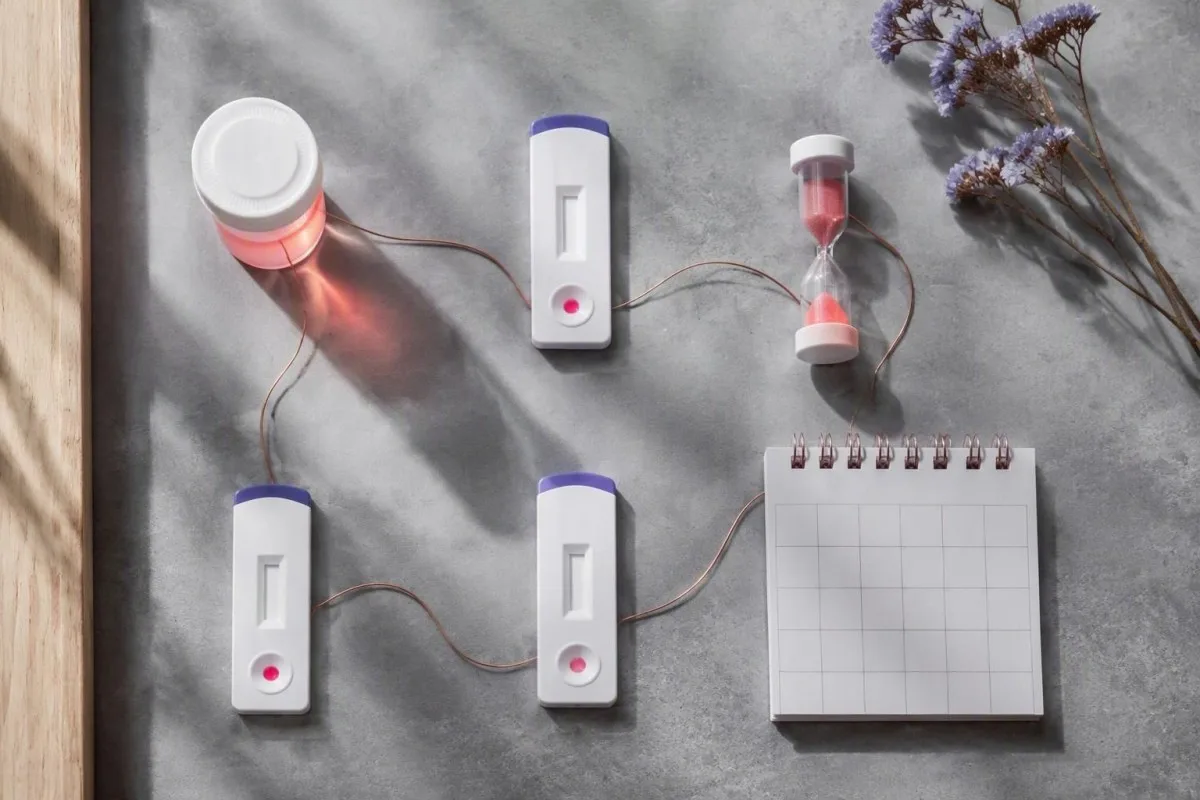
Klinik deneyimimde, en olası gözden kaçırılan kişi mutlaka hasta değildir: gebelik, göç, yeni bir ilişki veya ilgisiz anormal karaciğer enzimi için tarama paneli istenen, iyi görünen hastadır. Akut hepatit B belirtileri enfekte yetişkinlerin yalnızca yaklaşık –50'sinde gelişirken, küçük çocuklarda çok daha az sıklıkla görülür; ateş, sarı gözler veya karın ağrısının olmaması onu dışlamaz.
Sarılık, dolaşımdaki bilirubin artışını yansıtır ve genellikle toplam bilirubin kabaca 2–3 mg/dL'yi (34–51 µmol/L) aştığında görünür hale gelir. Bu noktadan önce karaciğer iltihabı önemli ölçüde olabilir, bu nedenle normal görünümlü idrar rengi ve beyaz gözler yalnızca çok sınırlı bir anlamda güvence verir; kılavuzumuza bakınız bilirubin uyarı desenleri.
Kantesti bir AI kan testi analizörü bu, karaciğer enzimleri, bilirubin, albümin ve trombosit sonuçlarını, hekimin istediği viral serolojinin yanına yerleştirir. Tek başına rutin kimya ile hepatit B'yi teşhis edemez, ancak “karaciğer testi” sonucunun hepatite özgü testler olmadan eksik olduğunu fark etmeye yardımcı olabilir.
Belirtiler neden zayıf bir tarama aracıdır
HBV, belirgin hastalıktan önce, eşlik ederken veya sonrasında olduğu için belirti vermeyen bir aşamada bulaşabilir. 11 Eylül 2026 itibarıyla, risk temelli ve tek seferlik yetişkin taraması, özellikle HBV prevalansının daha yüksek olduğu bölgelerde doğan veya ev içi, cinsel veya enjeksiyon maruziyeti olan kişiler için belirti beklemekten daha güvenilirdir.
Hepatit B'nin en erken belirtileri nelerdir?
Erken hepatit B belirtileri genellikle yorgunluk, iştah azalması, bulantı, hafif ateş, kas ağrıları ve sağ kaburgaların altındaki rahatsızlıktır. Hiçbiri hepatit B'yi doğrulamak için yeterince spesifik değildir ve maruziyetten sonraki belirtisiz aralık genellikle 60-150 gündür.
Olayların sırası yararlı bir klinik ipucudur. Halsizlik ve iştah kaybı genellikle koyu idrar veya sararmadan önce gelir ve kişi bilirubin hala normal iken belirgin şekilde yorgun hissedebilir. Kuluçka ortalaması 90 güne yakındır, bu da olası bir maruziyetten sonraki gün test yapmanın soruyu netleştirmek için çok erken olabileceği anlamına gelir.
Eklem ağrıları ve geçici bir döküntü, immün kompleksler belirgin hepatit gelişmeden önce dolaştığı için prodromda ortaya çıkabilir. Bunu grip veya yeni bir gıda reaksiyonu ile karıştırmayı gördüm; ayırt edici detay, döküntünün kendisi değil, pozitif hepatit B yüzey antijeninin yanı sıra 642 IU/L olan bir ALT idi.
Asetaminofen kullanımı, takviyeler, alkol, Epstein-Barr virüsü ve kas yaralanmaları aminotransferazları yükseltebilir. Dikkatli bir ALT sonuç incelemesi nedeni doğrulamadan önce her yükselmiş ALT'yi “hepatit” olarak adlandırmanın yaygın hatasını önler.
Daha az tipik olan belirtiler
Kaşıntı, soluk dışkı ve sürekli koyu idrar, bozulmuş safra taşıma önerir ve daha hızlı değerlendirmeyi hak eder, ancak bunlar olağan erken sunum değildir. İzole şişkinlik, reflü veya aralıklı sol taraflı ağrısı olan bir kişinin istatistiksel olarak başka bir açıklaması olma olasılığı daha yüksektir, ancak risk maruziyeti yine de HBV testini gerektirmelidir.
Hepatit B testi ne zaman yaptırmalısınız?
Kendinizi tamamen iyi hissetseniz bile, kan, cinsel, ev içi veya perinatal maruziyetten sonra derhal hepatit B testi yaptırın. Temel testler durumunuzu belgelerken, tekrar testler pencere dönemine göre zamanlanır ve aşı geçmişine göre yönlendirilir.
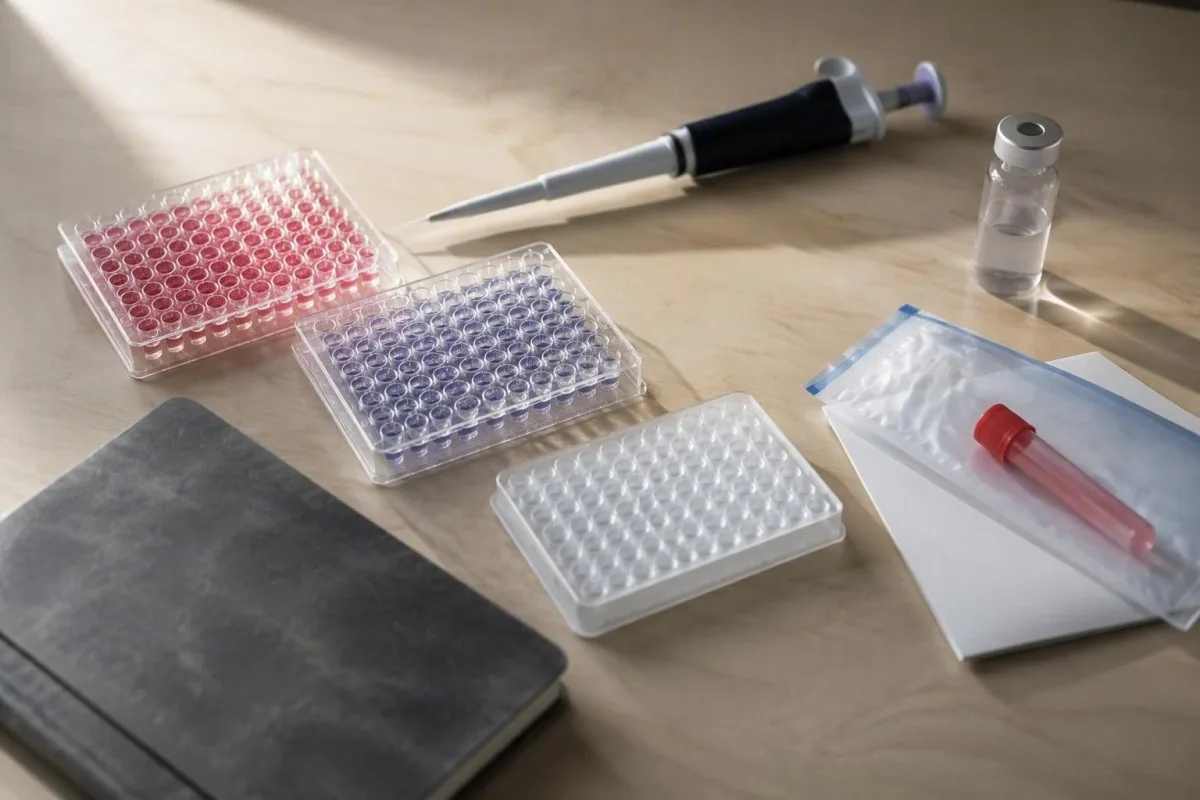
CDC, üç testlik bir panel ile tek seferlik yetişkin taramasını önermektedir: HBsAg, anti-HBs ve toplam anti-HBc (Conners ve diğerleri, 2023). Bu kombinasyon, yalnızca HBsAg istenmesinden daha etkili bir şekilde mevcut enfeksiyonu, geçmişte çözülmüş enfeksiyonu, aşı bağışıklığını ve duyarlılığı ayırır.
Anlamlı bir yakın maruziyetten sonra, ilk panel enfeksiyon veya bağışıklık oluşturmazsa, bir klinisyen şimdi test yapabilir ve yaklaşık 6 ay sonra testleri tekrarlayabilir. Maruziyet sonrası profilaksi zamana duyarlıdır—hepatit B aşısı mümkün olduğunca çabuk başlatılmalı ve seçilmiş bağışık olmayan maruziyetler için hepatit B immün globül endike olabilir—bu nedenle semptomları beklemeyin.
Kantesti bir AI kan tahlili yorumlama platformu çekilmiş veya yüklenmiş bir seroloji raporunu üç belirteç desenine göre organize edebilen, ancak maruziyet yönetimi acil bakım, cinsel sağlık, mesleki sağlık veya birinci basamak sağlık hizmetleri kliniğine aittir. Bizim hepatit C semptom rehberimiz viral hepatit testlerinin virüs bazında yorumlanması gerektiğini açıklar.
Gebelik sırasında test
Her gebelikte, algılanan risk ne olursa olsun, her gebelikte HBsAg taraması yapılmalıdır. Pozitif bir sonuç, yenidoğan önleme planını değiştirir: bebek doğumdan sonraki 12 saat içinde hepatit B aşısı ve endike olduğunda immün globül gerektirir.
Hepatit B durumunu netleştiren üç kan testi
HBsAg, anti-HBs ve toplam anti-HBc, temel hepatit B tarama testleridir. Birlikte, virüsün şu anda tespit edilebilir olup olmadığını, bağışıklığın mevcut olup olmadığını ve bağışıklık sisteminin daha önce hepatit B ile karşılaşıp karşılaşmadığını yanıtlarlar.
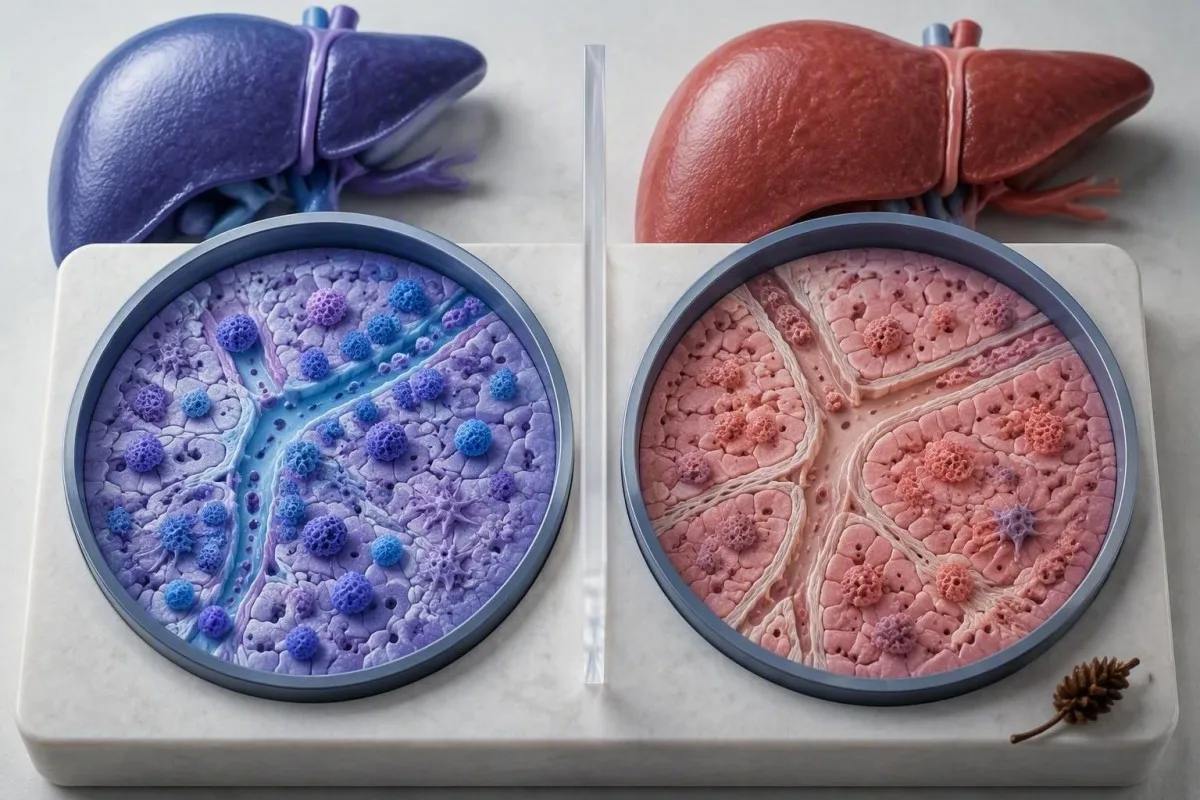
HBsAg hepatit B yüzey antijenidir; pozitif bir sonuç mevcut enfeksiyonun mümkün olduğu anlamına gelir ve onay ve klinik takip gerektirir. Anti-HBs yüzey antikorudur; tam belgelenmiş bir aşı serisinden sonra en az 10 mIU/mL düzeyinin, immün yetmezliği olmayan kişilerde genel olarak koruyucu bir yanıt olarak kabul edilir.
Total anti-HBc önceki veya mevcut doğal enfeksiyondan kaynaklanan çekirdek antikorunu saptar ve aşı ile üretilmez. HBsAg negatif, anti-HBs pozitif ve toplam anti-HBc negatif deseni aşıdan türetilen bağışıklığa uyar; HBsAg negatif, anti-HBs pozitif ve toplam anti-HBc pozitif deseni genellikle çözülmüş doğal enfeksiyona uyar.
İzole pozitif toplam anti-HBc, en zorlu desenlerden biridir. Uzak çözülmüş enfeksiyonu azalan anti-HBs ile, yanlış pozitif bir tetkik, gizli enfeksiyon veya daha az sıklıkla erken akut enfeksiyonu yansıtabilir; klinisyenler serolojiyi tekrarlayabilir ve özellikle immünsüpresif tedavi öncesinde HBV DNA isteyebilirler. Açıklamamız pozitif antikor sonuçları neden nadiren bir antikorun tüm hikayeyi anlattığını kapsar.
Testler akut ile kronik hepatit B'yi nasıl ayırt eder
Akut ve kronik hepatit B, bir kişinin ne kadar hasta hissettiğiyle değil, esas olarak zaman ve seroloji ile ayırt edilir. En az 6 ay boyunca devam eden HBsAg, kronik enfeksiyonu belirler; tek bir pozitif HBsAg sonucu enfeksiyonun tarihini tek başına belirleyemez.
IgM anti-HBc Yeni HBsAg pozitifliği ve uyumlu bir hastalık ile eşleştirildiğinde yakın zamanda akut enfeksiyonu güçlü bir şekilde destekler. Mükemmel değildir: Kronik hepatit B alevlenmesi sırasında IgM anti-HBc de saptanabilir, bu nedenle klinisyenler önceki sonuçları, semptom zamanlamasını, ALT yörüngesini ve HBV DNA'yı karşılaştırır.
HBV DNA, IU/mL olarak raporlanır ve dolaşımdaki viral genetik materyalin miktarını ölçer. Hastalığı tek başına akut veya kronik olarak etiketlemez, ancak saptanabilen bir sonuç çoğalmayı doğrular ve izleme ve tedavi kararları için merkezi hale gelir; düşük veya saptanamayan DNA, HBsAg ve karaciğer durumunu birlikte yorumlama ihtiyacını ortadan kaldırmaz.
AASLD kılavuzu, tek bir laboratuvar anlık görüntüsü yerine seri ALT, HBV DNA, HBeAg durumu ve fibrozis değerlendirmesini vurgular (Terrault et al., 2018). Normal bir ALT'nin kronik HBV'nin zararsız olduğunu kanıtlamamasının bir nedeni budur.
Altı aylık kuralın bir amacı vardır
6 aylık eşik, spontan olarak temizlenmesi muhtemel enfeksiyonları, kalıcı olan ve fibrozis ve hepatoselüler karsinom riski taşıyanlardan ayırır. Yetişkinlerde, immünitesi olan akut enfeksiyonların 'ından fazlası iyileşirken, doğumda edinilen enfeksiyon çok daha sık kronikleşir.
Karaciğer testleri neyi gösterebilir ve neyi gösteremez
ALT ve AST hepatosit hasarını ortaya çıkarırken, bilirubin, albümin, INR ve trombositler ciddiyeti ve karaciğer fonksiyonunu göstermeye yardımcı olur. Rutin bir karaciğer paneli, viral seroloji olmadan hepatit B'yi neden olarak tanımlayamaz.

ALT, AST'den daha karaciğere özgüdür, ancak hiçbiri karaciğere özel değildir. Akut viral hepatitte ALT 1.000 IU/L'yi aşabilir; aynı aralık asetaminofen toksisitesi veya azalmış karaciğer kan akışı ile de oluşabilir, bu nedenle sayı kendi kendine teşhisten ziyade acil bir bağlam gerektirir.
Bilirubin, konjugasyonu ve safra ekskresyonunu yansıtırken, INR ve albümin sentetik kapasiteyi yansıtır. Yükselen bir INR, özellikle 1,5 veya daha fazla akut hepatit ve değişen zihinsel duruma sahip bir kişide, akut karaciğer yetmezliği endişesini artırır ve acil değerlendirme gerektirir; bizim INR rehberimiz ölçümü açıklar.
Kantesti'nin sinir ağı, tıbbi inceleme için kalıpları işaretlemek üzere transaminazları bilirubin, alkalin fosfataz, albümin ve trombositlerle birlikte okur. Bizim karaciğer paneli dökümü normal bir “karaciğer fonksiyon testi”nin HBV taramasını içerdiğini varsaymadan önce faydalıdır.
AST:ALT oranı hepatit B testi değildir
1'in altındaki bir AST:ALT oranı viral hepatitte yaygındır ancak ne hassas ne de spesifiktir. Yakın zamanda yoğun egzersiz kaslardan AST'yi yükseltebilir, oysa gama-glutamil transferaz ve bilirubin normal kalabilir; iyileştikten sonra testlerin tekrarlanması yanıltıcı bir viral taramayı önleyebilir.
Hangi hepatit B belirtileri aynı gün bakım gerektirir?
Konfüzyon, alışılmadık uyku hali, tekrarlayan kusma, hızla derinleşen sarılık, yeni morarma veya şiddetli karın şişliği, aynı gün acil değerlendirme gerektirir. Bu belirtiler, basit bir akut hepatit hastalığı yerine karaciğer fonksiyon bozukluğunu işaret edebilir.
Bilinç bulanıklığı veya değişen uyku-uyanıklık düzeni, özellikle sarılık ve uzamış INR ile birlikte görüldüğünde hepatik ensefalopatiyi gösterebilir. Nadirdir, ancak bu “Pazartesiye kadar bekleyin” belirtisi değildir; akut karaciğer yetmezliği saatler içinde günlere ilerleyebilir.
Koyu idrar tek başına otomatik olarak acil durum değildir; dehidrasyon, ilaçlar ve konsantre idrar yaygın alternatiflerdir. Koyu idrar artı soluk dışkı, sarı gözler, kaşıntı, ateş veya sağ üst karın hassasiyeti, bizim detaylandırdığımız gibi, safra veya safra akışı bozukluğuna daha güçlü bir şekilde işaret eder koyu idrar rehberimiz.
Değerlendirme altındayken alkolden kaçının ve bitkisel “karaciğer kürleri”ne başlamayın. Çok bileşenli takviyelerin çoğu belirsiz içeriklere sahiptir ve detoksifikasyon için pazarlanan bir ürün, hekimlerin temiz bir tanısal resme ihtiyaç duyduğu anda ilaçla indüklenen karaciğer hasarını karmaşık hale getirebilir.
Belirtileri olmadan bile kimler daha çabuk değerlendirilmelidir?
Hamile olanlar, sirozu olanlar, kemoterapi veya biyolojik immünosupresif tedavi alanlar, HIV olanlar veya bilinen kronik HBV'si olanlar, yeni bir anormal sonuçtan sonra bireyselleştirilmiş incelemeye ihtiyaç duyarlar. Reaktivasyon, ALT yükselene kadar klinik olarak sessiz olabilir, bu nedenle önleyici antiviral planlama reaktif test yapmaktan daha güvenli olabilir.
Kronik hepatit B neden tamamen normal hissedilebilir
Kronik hepatit B genellikle yıllarca günlük belirtiye neden olmaz, hatta viral replikasyon veya düşük dereceli karaciğer hasarı devam etse bile. Enerjik hissetmek, düzenli egzersiz yapmak ve normal bilirubin seviyesine sahip olmak fibroz riskini dışlamaz.

Hastaların anlaşılır bir şekilde zorlandığı yer burasıdır: bir kişi normal veya hafif yükselmiş ALT'ye sahip olabilir ve yine de yapılandırılmış takip gerektirebilir, çünkü HBV DNA, yaş, HBeAg durumu, aile öyküsü ve fibrozun tümü riski değiştirir. Yaklaşık 150 × 10⁹/L'nin altına düşen trombosit sayısı sirozun tanısı değildir, ancak anormal karaciğer testleriyle dikkat gerektirir.
A FIB-4 skoru fibroz için bir triyaj tahmini olarak yaş, AST, ALT ve trombosit sayısını kullanır; sirozu teşhis edemez veya elastografinin yerini alamaz. Bizim FIB-4 hesaplayıcı kılavuzu 65 yaşından sonra yaşın neden sınırdaki bir skoru daha endişe verici gösterebileceğini açıklar.
Kantesti bir Yapay zekâ destekli kan testi analiz aracı eski karaciğer panellerini karşılaştırmak için tasarlanmıştır, bu nedenle kademeli bir ALT veya trombosit değişikliği tek bir “normal aralıkta” işaretiyle gizlenmez. Eğilim tanıma, daha iyi bir hekim konuşması hazırlamaya yardımcı olur; HBV DNA testi, ultrason veya uzman bakımının yerini tutmaz.
Kanser takibi risk temellidir
Karaciğer kanseri için ultrason takibi sadece belirtilere göre belirlenmez. Hekimler, altı ayda bir takibin uygun olup olmadığına karar vermek için kronik HBV durumu, siroz, aile öyküsü, yaş, cinsiyet ve köken bölgesi riskini kullanırlar; AFP bazen eklenir ancak tek başına bir tarama testi olarak güvenilir değildir.
Yorgunluk hepatit B'yi kanıtlamaz - klinisyenler bunu nasıl ayırt eder
Yorgunluk hepatit B'de yaygındır ancak çok daha sık uyku bozukluğu, anemi, tiroid hastalığı, depresyon, ilaç etkileri veya diğer enfeksiyonlardan kaynaklanır. Faydalı soru, yorgunluğun risk maruziyeti, karaciğer testi değişiklikleri veya pozitif HBV belirteçleri ile birlikte olup olmadığıdır.
Bir yarıştan sonra AST'si 89 IU/L olan 52 yaşındaki bir dayanıklılık koşucusunun otomatik olarak karaciğer hastalığı olduğu anlamına gelmez; kas salınımı AST'yi yükseltebilir ve kreatin kinaz artı dinlenme sonrası tekrarlanan bir panel genellikle kaynağı netleştirir. Buna karşılık, HBsAg pozitifliği ve koyu idrar ile birlikte 289 IU/L ALT çok farklı bir yol gerektirir.
Yorgunluk artı düşük hemoglobin, düşük ferritin veya anormal tiroid belirteçleri, tek bir nedene bağlı bir öyküden ziyade paralel bir değerlendirmeyi hak eder. Bizim düşük ferritin belirtisi makalesi demir tükenmesinin anemi ortaya çıkmadan önce yorgunluğa neden olabileceğini açıklar.
Dr. Thomas Klein'ın pratik kuralı basittir: belirtiler araştırmayı başlatır, ancak örüntüler onu belirler. Bir CBC, karaciğer kimyası, ilaç incelemesi, maruz kalma öyküsü ve hedeflenmiş viral testler genellikle tek bir enzimi tekrar tekrar kontrol etmekten daha fazla cevap verir.
“Öğrenmek için” kan bağışında bulunmayın”
Kan bağışçısı taraması alıcıları korur ancak kişisel bir tanı stratejisi değildir ve zamanında danışmanlık sağlamayabilir. Maruz kalma olasılığı varsa, tam üç belirteç paneli ve takip görüşülebilen gizli klinik veya halk sağlığı testi düzenleyin.
Pozitif HBsAg sonucu ne anlama gelir?
Pozitif bir HBsAg sonucu, doğrulayıcı değerlendirme, HBV DNA testi, karaciğer kimyası ve sürenin ve bulaşmayı önlemenin gözden geçirilmesini tetiklemelidir. Acil olarak takip edilmesi gereken kadar ciddidir, ancak otomatik olarak siroz veya acil antiviral tedavi gerekliliği anlamına gelmez.
Klinisyenler yaygın olarak tekrar veya doğrulayıcı HBsAg, toplam ve IgM anti-HBc, anti-HBs, HBeAg ve anti-HBe, kantitatif HBV DNA, ALT, AST, bilirubin, albümin, INR, CBC ve hepatit C, hepatit D ve HIV testlerini ilgili olduğunda isterler. Ek testler farklı soruları yanıtlar - replikasyon, evre, karaciğer hasarı, eş enfeksiyonlar ve tedavi güvenliği.
Hane halkı ve cinsel temaslılar test edilmeli ve duyarlı iseler aşılanmalıdır. Jilet, diş fırçası veya enjeksiyon ekipmanı paylaşmayın; HBV kan ve belirli vücut sıvıları yoluyla bulaşır, ancak sarılma, yemek paylaşma, öksürme veya sıradan işyeri teması yoluyla yayılmaz.
Pozitif bir HBsAg ayrıca bir incelemeyi de tetiklemelidir yüksek AST örüntüleri alkolü veya yağlı karaciğeri refleks olarak suçlamak yerine. Eşlik eden metabolik karaciğer hastalığı yeterince yaygındır ki birden fazla süreç mevcut olabilir.
Sonuçlar yanlış pozitif olabilir mi?
Yanlış pozitif HBsAg sonuçları nadirdir ancak olasıdır, özellikle bir test kesme noktasına yakın olduğunda veya olağandışı koşullarda aşılamadan kısa bir süre sonra. Laboratuvarın önerdiği nötralizasyon veya tekrar yöntemiyle doğrulama uygundur, ancak bir kişi sonuç çözülene kadar potansiyel olarak bulaşıcıymış gibi davranmalıdır.
Kronik hepatit B her zaman tedavi gerektirir mi?
Hayır, kronik hepatit B her zaman acil antiviral tedavi gerektirmez, ancak her doğrulanmış vaka risk temelli izleme gerektirir. Tedavi kararları HBV DNA, ALT, fibrozis veya siroz, HBeAg durumu, yaş, aile öyküsü ve eşlik eden durumları tartar.

Birinci basamak uzun süreli ilaçlar genellikle tenofovir veya entecavir içerir çünkü HBV replikasyonunu etkili bir şekilde baskılarlar ve dirence karşı yüksek bir engelleri vardır. Virüsü güvenilir bir şekilde ortadan kaldırmak yerine kontrol ederler, bu nedenle uzman tavsiyesi olmadan tedaviyi bırakmak bir alevlenmeyi tetikleyebilir.
HBV DNA eşikleri HBeAg durumuna ve kılavuz bağlamına göre farklılık gösterir; yaygın olarak kullanılan bir karar noktasıdır 2.000 IU/mL, ancak tedavi asla yalnızca bu sayıya dayanmaz. Siroz hesaplamayı önemli ölçüde değiştirir, çünkü telafi edilmiş sirozda tespit edilebilir herhangi bir HBV DNA tedavi gerektirebilir.
The tıbbi doğrulama çerçevesi arkasındaki Kantesti, bir yorumlama aracının takip sorularını ortaya çıkarması gerektiğini, antiviralleri reçete etmemesi gerektiğini vurgular. İlaç seçimi böbrek fonksiyonu, gebelik planları, kemik sağlığı, direnç öyküsü ve uzman değerlendirmesini gerektirir.
İzleme aralıkları değişir
Şu anda tedavi edilmeyen kişiler, aktif evrelerde her 3-6 ayda bir ve stabil evrelerde daha az sıklıkla ALT ve HBV DNA kontrolleri yaptırmaları gerekebilir, aralıklar klinisyenleri tarafından belirlenir. Bugünkü normal bir sonuç, HBV aktivitesi dalgalanabileceğinden, kalıcı olarak inaktif bir durumu garanti etmez.
Partnerleri ve aile üyelerini nasıl korursunuz
Aşılama ve testler, evre ve cinsel temaslıları belirti izlemeden daha güvenilir bir şekilde hepatit B'den korur. Duyarlı kişiler derhal aşılama başlamalıdır, pozitif HBsAg'ye sahip temaslılar ise yalnızca güvence yerine klinik değerlendirme gerektirir.
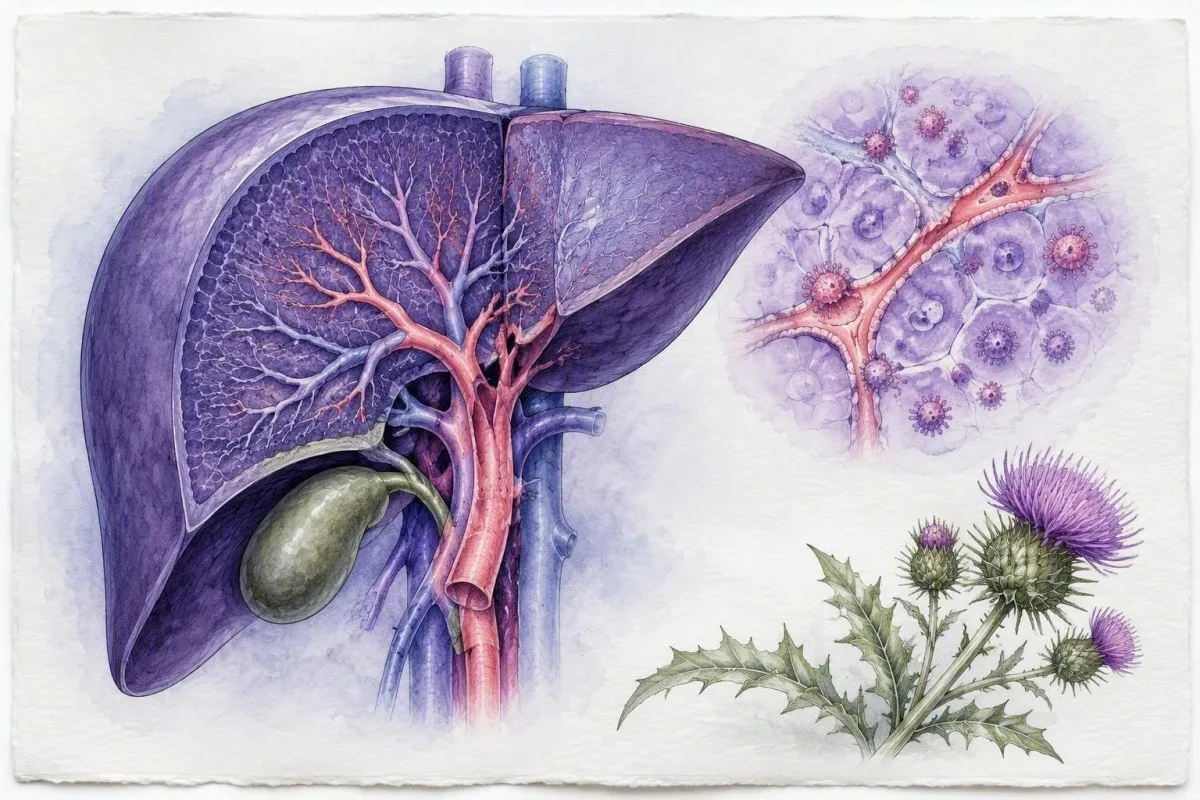
Hepatit B aşısı, seri tamamlandığında oldukça etkilidir. Yetişkinlerde mesleki veya immün risk nedeniyle aşı sonrası yanıt kanıtı ihtiyacı olanlar için, son dozdan 1-2 ay sonra anti-HBs ölçülür; 10 mIU/mL veya daha yüksek geleneksel koruyucu eşiktir.
Kondom kullanın, yaraları kapatın ve kişisel bakım eşyalarınızı kişisel tutun. Rutin sosyal temas güvenlidir ve çocuklar HBV'li bir ebeveynden izole edilmemelidir — bu yanlış anlama hala gereksiz aile endişesine neden oluyor.
Kantesti’nin aile sağlığı takip kaynakları hane halklarının rızaya dayalı olarak ayrı sonuçları organize etmelerine yardımcı olabilir, ancak her kişinin kendi test ve aşılama kaydına ihtiyacı vardır. Bir akrabanın pozitif antikor testi, başka hiç kimsenin bağışıklığını oluşturamaz.
Emzirme hakkında ne düşünüyorsunuz?
Yenidoğanın önerilen hepatit B immünoprofilaksisini alması durumunda emzirme genellikle kabul edilebilir. Çatlamış veya kanayan meme uçları, HIV ko-enfeksiyonu veya anne antiviral tedavisi ile ilgili sorular varsa hala bireysel tavsiye gereklidir.
Hepatit B sonuçlarını beklerken nelere dikkat etmelisiniz?
Akut hepatit B değerlendirilirken alkol, gereksiz asetaminofen ve yeni bitkisel veya vücut geliştirme takviyelerinden kaçının. Bu maruziyetler karaciğer stresini artırabilir veya anormal sonuçların kaynağını belirlemeyi zorlaştırabilir.
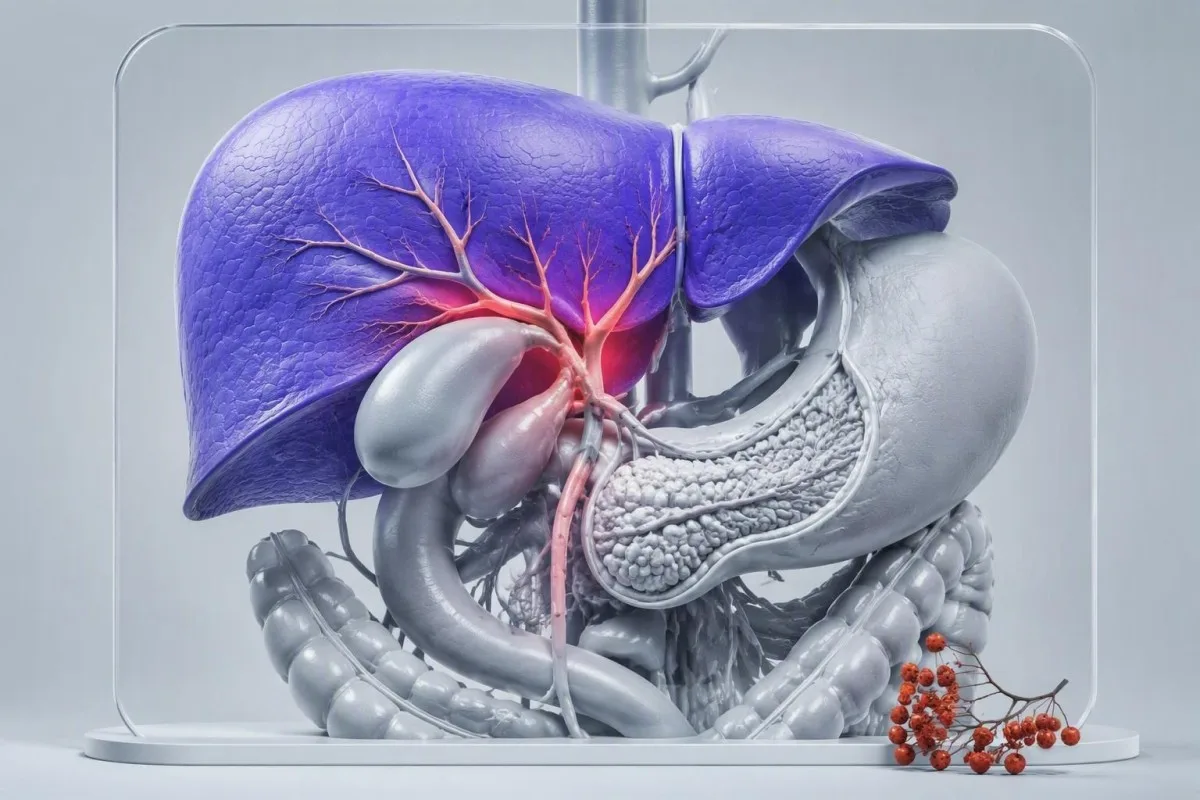
Meyve suyu kürlerinin, oruç rejimlerinin veya reçetesiz satılan detoks ürünlerinin hepatit B'yi temizlediğine dair hiçbir kanıt yoktur. Bazı ürünler konsantre özler veya açıklanmayan bileşenler içerir ve karaciğer, akut inflamatuar bir atak sırasında özellikle hassas olabilir; incelememiz riskli karaciğer takviyeleri endişeyi açıklıyor.
Reçete edilen bir ilacı, reçete eden kişi tavsiye etmedikçe aniden kesmeyin. Asetaminofen için, karaciğer hasarı olduğunda klinisyenler sıklıkla güvenli limitleri bireyselleştirir; aksi takdirde standart bir maksimum 4.000 mg günlük, akut hepatiti, alkol kullanımı, düşük vücut ağırlığı veya kronik karaciğer hastalığı olan biri için otomatik olarak uygun değildir.
Değerlendirme beklerken hidrasyon, düzenli basit öğünler, alkolden kaçınma ve ilaç ve takviyelerin tarihli bir listesini tutmak mantıklıdır. Kusma sıvı alımını engelliyorsa veya zihinsel berraklık değişirse, evde yönetmeye çalışmak yerine acil bakım alın.
Gıda HBV'yi bulaştırmaz
Hepatit B, sıradan gıda hazırlama, ortak tabaklar veya içme bardaklarından bulaşmaz. Bu önemlidir çünkü aile yemeklerinden kaçınmak bulaşmayı azaltmaz, oysa aşılama ve kanla kontamine olmuş kişisel eşyalardan kaçınmak azaltır.
Hepatit B takip randevusu için nasıl hazırlanırsınız
Her hepatit B sonucunu, toplama tarihlerini, aşı kaydınızı, ilaç listenizi ve kısa bir maruz kalma zaman çizelgesini getirin. Bu ayrıntılar, tek bir testi tekrarlamaktan daha hızlı bir şekilde yeni bir enfeksiyonu, uzak bir enfeksiyonu, yanlış pozitif bir deseni veya yerleşik kronik hepatit B'yi ayırt etmeye yardımcı olur.
Olası maruz kalma, seyahat, yeni cinsel partnerler, enjeksiyon veya dövme prosedürleri, ev teması, gebelik ve önceki aşılama tarihlerini not alın. Ayrıca, rituksimab, yüksek doz steroidler, kemoterapi veya biyolojik ilaçlar gibi bağışıklık baskılayıcı ilaçları, HBsAg negatif olsa bile anti-HBc pozitifliğinin önemli olabileceği için ekleyin.
Dört doğrudan soru sorun: Hangi üç tarama belirteci pozitifti? IgM anti-HBc mevcut mu? IU/mL cinsinden HBV DNA nedir? Fibrozis değerlendirmesi veya hepatit D testi yaptırmam gerekiyor mu? Bu sorular, konuşmayı belirsiz bir endişeden bir plana taşır.
Dr. Thomas Klein, referans aralıkları, test adları, tarihler ve laboratuvar yorumları yorumlamayı etkileyebileceğinden, portal ekran görüntüsünün yalnızca ekran görüntüsünü değil, orijinal PDF'yi kaydetmeyi önerir. Kantesti’nin teknoloji rehberi yapay zekamızın rapor bağlamını nasıl çıkardığını açıklıyor, ancak teşhis ve tedavi sorumluluğu klinisyeninize aittir.
Son pratik bir bakış açısı
Negatif bir duygu, negatif bir test değildir ve sarılık geç ve tutarsız bir ipucudur. Maruz kalma veya tarama riski geçerliyse, tamamen normal hissetseniz bile üç belirteçli paneli ayarlayın; erken bilgi hem karaciğerinizi hem de yakınınızdaki insanları korur.
Sıkça Sorulan Sorular
Sarılık olmadan Hepatit B olabilir mi?
Evet. Hepatit B sarılık olmadan da görülebilir ve enfekte olanların çoğu hiç belirti göstermez. Sarılık genellikle toplam bilirubin yaklaşık 2–3 mg/dL (34–51 µmol/L) seviyesine yükseldiğinde fark edilir, ancak hepatit B, bilirubin bu aralığa ulaşmadan da karaciğer iltihabına neden olabilir. Uygun tarama paneli, belirti kontrol listesi değil, HBsAg, anti-HBs ve toplam anti-HBc'dir.
Hepatit B'nin ilk belirtileri nelerdir?
Hepatit B'nin en erken belirtileri arasında yorgunluk, iştahsızlık, mide bulantısı, hafif ateş, kas ağrıları, eklem ağrısı ve kaburgaların altında rahatsızlık yer alabilir. Akut semptomlar genellikle 60–150 gün, ortalama 90 gün süren bir kuluçka süresinden sonra ortaya çıkar. Bu semptomlar birçok hastalıkla örtüşür, bu nedenle hepatit B durumunu belirlemek için HBsAg, toplam anti-HBc ve anti-HBs testi gereklidir. Koyu idrar veya sarı gözler daha sonra ortaya çıkabilir, ancak bunların hiçbiri zorunlu değildir.
Hepatit B'nin akut mu yoksa kronik mi olduğunu hangi test gösterir?
Hepatit B'yi mükemmel bir şekilde tarihleyen tek bir test yoktur, ancak HBsAg'nin 6 ay veya daha uzun süre kalıcı olması kronik enfeksiyonu belirler. IgM anti-HBc, yeni HBsAg pozitifliği ile eşleştirildiğinde yakın zamanda geçirilen akut enfeksiyonu destekler, ancak kronik hepatit B alevlenmesi sırasında da yükselebilir. IU/mL cinsinden HBV DNA, viral replikasyonu ölçer ve yönetime rehberlik etmeye yardımcı olurken, önceki test tarihleri genellikle en net cevabı verir. Bir klinisyen genellikle bu testleri ALT, bilirubin ve maruz kalma geçmişiyle birlikte yorumlar.
Kronik Hepatit B'de karaciğer enzimleri normal olabilir mi?
Evet. Enfeksiyon devam etmesine ve HBV DNA'nın tespit edilebilir kalmasına rağmen, kronik hepatit B'de ALT ve AST belirli bir zamanda normal olabilir. Normal bir ALT fibrozisi dışlamaz, bu nedenle klinisyenler karaciğer enzimleri ile birlikte HBV DNA, HBeAg durumu, trombositler, fibroz riski, yaş ve aile öyküsünü değerlendirir. 1.000 IU/L üzerindeki ALT, akut viral hepatitte ortaya çıkabilir, ancak hafif veya normal ALT değerleri kronik hastalığı dışlamaz. Seriye bağlı sonuçlar, tek bir kan alımından daha bilgilendiricidir.
Pozitif hepatit B yüzey antijeni ne anlama gelir?
Pozitif bir hepatit B yüzey antijeni (HBsAg), mevcut bir hepatit B enfeksiyonunun olası olduğunu gösterir ve acil teyit takibi gerektirir. Klinisyenler genellikle riske bağlı olarak HBV DNA, toplam ve IgM anti-HBc, anti-HBs, HBeAg, karaciğer kimyası, CBC ve sıklıkla hepatit C, hepatit D ve HIV testleri ekler. HBsAg en az 6 ay boyunca pozitif kalırsa, enfeksiyon kronik olarak sınıflandırılır. Pozitif bir sonuç tek başına siroz kanıtı değildir veya antiviral tedavi gerekip gerekmediğini belirlemez.
Hepatit B'den şüphelenildiğinde ne zaman acil yardım almalıyım?
Kafa karışıklığı, şiddetli uykululuk, tekrarlayan kusma, hızla kötüleşen sarılık, olağandışı morarma, belirgin karın şişliği veya sıvıları yutmada güçlük durumunda aynı gün acil bakım alın. Akut hepatitte, INR'nin 1.5 veya daha yüksek olması ve zihinsel durum değişikliğinin birlikte görülmesi akut karaciğer yetmezliği endişesini artırır ve acil değerlendirme gerektirir. Tek başına koyu idrarın iyi huylu nedenleri olabilir, ancak açık renk dışkı, ateş, sarı gözler veya yoğun kaşıntı ile birlikte koyu idrar durumunda acil tıbbi inceleme gerekir. Bakım beklerken alkol veya yeni detoks takviyeleri kullanmayın.
Bugün Yapay Zekâ Destekli Kan Tahlili Analizini Alın
Anlık ve doğru laboratuvar testi analizi için Kantesti’ye güvenen dünya genelindeki 2 milyondan fazla kullanıcıya katılın. Kan testi sonuçlarınızı yükleyin ve saniyeler içinde 15,000+ biyobelirteçlerinin kapsamlı yorumunu alın.
📚 Kaynak Gösterilen Araştırma Yayınları
Klein, T., Mitchell, S., & Weber, H. (2026). Kantesti LTD. (2026). AI Kan Testi Analizörü: 2,5 Milyon Test Analiz Edildi | Küresel Sağlık Raporu 2026. Zenodo.. Kantesti Yapay Zeka Tıbbi Araştırma.
Klein, T., Mitchell, S., & Weber, H. (2026). Kantesti LTD. (2026). RDW Kan Testi: RDW-CV, MCV ve MCHC için Tam Kılavuz. Zenodo.. Kantesti Yapay Zeka Tıbbi Araştırma.
📖 Harici Tıbbi Kaynaklar
Dünya Sağlık Örgütü (2024). Kronik hepatit B enfeksiyonu olan kişiler için önleme, teşhis, bakım ve tedavi kılavuzları.Bolton-Maggs PHB ve ark. (2012).

⚕️ Tıbbi Uyarı
Bu makale yalnızca eğitim amaçlıdır ve tıbbi tavsiye niteliği taşımaz. Tanı ve tedavi kararları için her zaman yetkin bir sağlık hizmeti sağlayıcısına danışın.
E-E-A-T Güven Sinyalleri
Deneyim
Hekim liderliğinde laboratuvar yorumlama iş akışlarının klinik incelemesi.
Uzmanlık
Klinik bağlamda biyobelirteçlerin nasıl davrandığına odaklanan laboratuvar tıbbı.
Otorite
Dr. Thomas Klein tarafından yazılmış; Dr. Sarah Mitchell ve Prof. Dr. Hans Weber tarafından gözden geçirilmiştir.
Güvenilirlik
Alarmı azaltmaya yönelik net takip yollarıyla kanıta dayalı yorumlama.