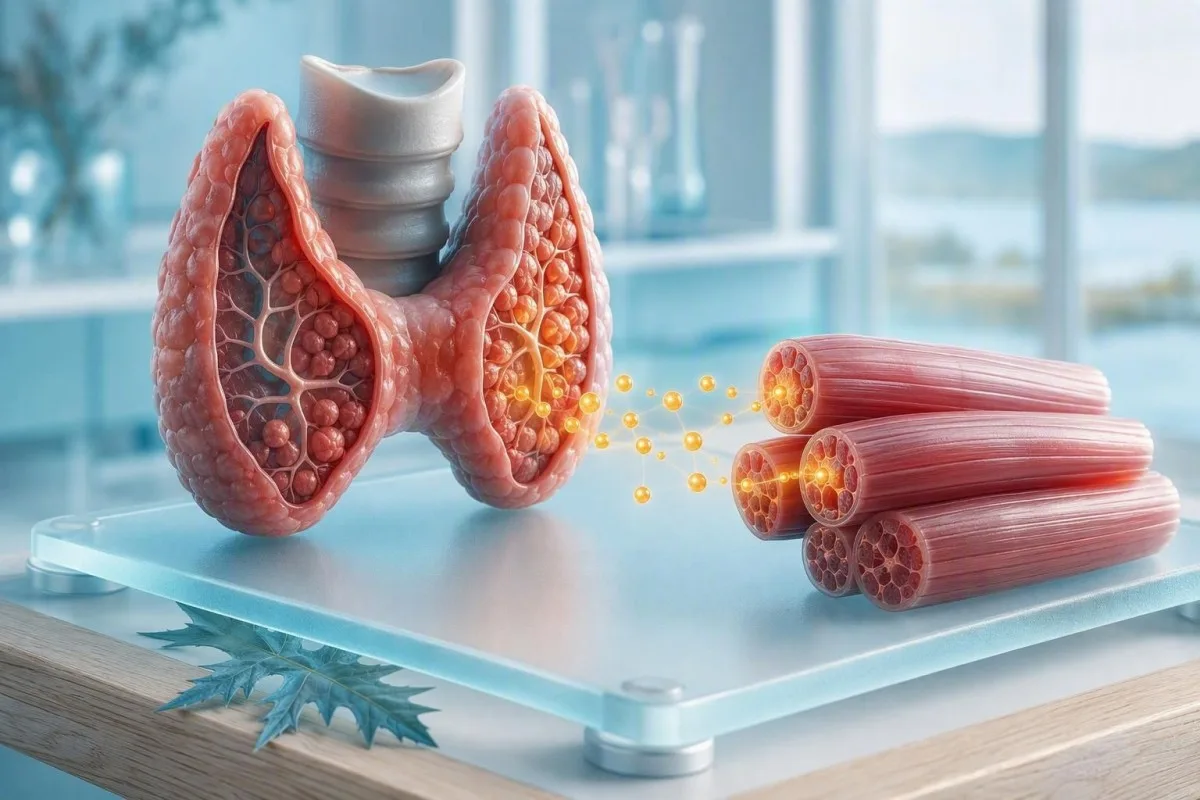
ระดับ T3 อิสระต่ำอาจเกิดขึ้นพร้อมกับอาการอ่อนเพลีย อารมณ์ซึมเศร้า กล้ามเนื้อหนัก และรู้สึกหนาว แต่บ่อยครั้งสะท้อนถึงความเจ็บป่วยหรือการขาดพลังงาน มากกว่าภาวะต่อมไทรอยด์ทำงานต่ำ ผล TSH และ T4 อิสระรอบข้างมักมีความสำคัญมากกว่า T3 อิสระเพียงอย่างเดียว.


- T3 อิสระต่ำ มักไม่ก่อให้เกิดอาการเฉพาะเจาะจง; อาการอ่อนเพลีย อารมณ์ซึมเศร้า และการทนต่อการออกกำลังกายได้น้อยลง มีคำอธิบายที่พบบ่อยกว่ามาก.
- ช่วงปกติของผู้ใหญ่โดยทั่วไป อยู่ที่ประมาณ 2.0-4.4 pg/mL (3.1-6.8 pmol/L) แต่ช่วงอ้างอิงของห้องปฏิบัติการที่รายงานเป็นเพียงตัวเปรียบเทียบที่ถูกต้อง.
- TSH ปกติ บวกกับ T4 อิสระปกติ ร่วมกับ T3 อิสระต่ำ มักบ่งชี้ถึงความเจ็บป่วย การได้รับพลังงานไม่เพียงพอ หรือผลจากยา มากกว่าภาวะไทรอยด์ทำงานต่ำขั้นต้น.
- ภาวะเจ็บป่วยเฉียบพลัน สามารถลด T3 ได้ภายใน 24-48 ชั่วโมง โดยการลดการแปลง T4 เป็น T3; สิ่งนี้มักจะกลับคืนสู่สภาพเดิมได้ระหว่างการฟื้นตัว.
- การจำกัดแคลอรี่ ประมาณ 800-1,200 kcal/วัน หรือการลดน้ำหนักอย่างรวดเร็ว สามารถลด T3 ได้โดยไม่มีภาวะต่อมไทรอยด์ล้มเหลวถาวร.
- ภาวะไทรอยด์ทำงานต่ำแบบส่วนกลาง (Central hypothyroidism) สงสัยเมื่อ T4 อิสระต่ำและ TSH ต่ำ ปกติ หรือสูงขึ้นเล็กน้อยเท่านั้น; T3 อิสระเพียงอย่างเดียวไม่สามารถยืนยันได้.
- ข้อควรระวังในการรักษา มีความสำคัญ: แนวทางของผู้เชี่ยวชาญไม่แนะนำให้ใช้ liothyronine ตามปกติสำหรับผล T3 อิสระต่ำที่แยกได้นอกเหนือการดูแลของผู้เชี่ยวชาญ.
- การตรวจซ้ำ มีประโยชน์มากที่สุดหลังจากการฟื้นตัว การรับประทานอาหารที่คงที่ และการทบทวนยา โดยทั่วไปคือ 6-8 สัปดาห์หลังจากการเปลี่ยนแปลงการรักษาต่อมไทรอยด์ที่มีนัยสำคัญ.
อาการของ T3 อิสระต่ำที่สามารถและไม่สามารถอธิบายได้
อาการ T3 อิสระต่ำ อาจรวมถึงการฟื้นตัวจากการออกกำลังกายช้าลง ปวดกล้ามเนื้อ แรงจูงใจต่ำ ท้องผูก ความไวต่อความเย็น และอาการสมองล้า แต่ไม่มีอาการใดที่จำเพาะเพียงพอที่จะวินิจฉัยภาวะขาดไทรอยด์ได้ ในการทำงานทางคลินิกของผม Thomas Klein, MD ได้เห็นผู้ป่วยตำหนิ T3 อิสระที่ 2.6 pg/mL สำหรับทุกอาการ เมื่อการขาดธาตุเหล็ก การนอนไม่พอ ภาวะซึมเศร้า หรือการจำกัดอาหารเมื่อเร็วๆ นี้เป็นสาเหตุที่แก้ไขได้มากกว่า.
T3 อิสระเป็นส่วนของฮอร์โมนที่ออกฤทธิ์ทางชีวภาพซึ่งไหลเวียนอยู่นอกโปรตีนที่จับ แต่ก็เป็นส่วนเล็กๆ และผันผวนของสรีรวิทยาของไทรอยด์ ห้องปฏิบัติการส่วนใหญ่ระบุประมาณ 2.0-4.4 pg/mL หรือ 3.1-6.8 pmol/L สำหรับผู้ใหญ่ ในขณะที่การทดสอบบางรายการในยุโรปกำหนดขอบเขตล่างที่ใกล้เคียง 2.3 pg/mL เปรียบเทียบกับช่วงที่พิมพ์ถัดจากผลลัพธ์ของคุณในของเราเท่านั้น คือประมาณ 0.4-4.0 mIU/L, free T4 ประมาณ 0.8-1.8 ng/dL และ free T3 ประมาณ 2.0-4.4 pg/mL.
อาการเกี่ยวกับกล้ามเนื้อเป็นไปได้เมื่อการทำงานของไทรอยด์ต่ำจริงๆ เพราะ T3 มีอิทธิพลต่อเอนไซม์ไมโตคอนเดรีย การใช้ไกลโคเจน และการแสดงออกของไมโอซิน ผู้ป่วยที่มีอาการกล้ามเนื้อต้นขาสมมาตรอ่อนแรง รีเฟล็กซ์ช้า ผิวแห้ง หัวใจเต้นช้ากว่า 60 ครั้ง/นาที, และ TSH ที่เพิ่มสูงขึ้น มีรูปแบบภาวะขาดไทรอยด์ที่น่าเชื่อถือกว่าผู้ที่มีอาการขาเมื่อยล้าหลังการฝึกซ้อมหนักสามครั้ง.
อาการทางอารมณ์สมควรได้รับการยับยั้งในลักษณะเดียวกัน อารมณ์ต่ำ การครุ่นคิดวิตกกังวล และปัญหาในการมีสมาธิซ้อนทับกับโรคไทรอยด์ แต่ T3 อิสระต่ำเพียงอย่างเดียวไม่สามารถแยกความแตกต่างของความผิดปกติของต่อมไร้ท่อจากภาวะซึมเศร้าหลัก การขาดวิตามิน B12 ภาวะโลหิตจาง หรือการจำกัดการนอนหลับเรื้อรังได้; เบาะแสการตรวจเลือดที่เกี่ยวข้องกับอารมณ์ สามารถช่วยกำหนดกรอบการทบทวนที่กว้างขึ้นได้.
การแปลผลการตรวจ T3 อิสระเริ่มต้นด้วย TSH และ T4 อิสระ
การตีความการทดสอบ T3 อิสระจะปลอดภัยที่สุดเมื่อ TSH และ T4 อิสระถูกอ่านก่อน. TSH สูงร่วมกับ T4 อิสระต่ำบ่งชี้ภาวะขาดไทรอยด์ปฐมภูมิ ในขณะที่ T3 อิสระต่ำร่วมกับ TSH และ T4 อิสระปกติมักไม่เป็นเช่นนั้น.
สำหรับผู้ใหญ่ที่ไม่ได้รับการรักษา TSH สูงกว่าขีดจำกัดบนของห้องปฏิบัติการ บ่อยครั้ง 4.0-4.5 mIU/L, ร่วมกับ T4 อิสระต่ำ บ่งชี้ภาวะขาดไทรอยด์ปฐมภูมิได้น่าเชื่อถือกว่า T3 อิสระ แนวทางของ American Thyroid Association นำโดย Jonklaas แนะนำให้ใช้ TSH เป็นเครื่องหมายหลักสำหรับการจัดการภาวะขาดไทรอยด์ปฐมภูมิส่วนใหญ่ (Jonklaas et al., 2014); ดูคู่มือภาษาธรรมดาของเราสำหรับ คำย่อของการตรวจไทรอยด์.
TSH ปกติไม่ใช่การเคลียร์ทุกอย่างโดยสากล โรคต่อมใต้สมองหรือไฮโปทาลามัสสามารถทำให้เกิด ภาวะไทรอยด์ทำงานต่ำส่วนกลาง, ซึ่ง T4 อิสระต่ำแต่ TSH ต่ำ ปกติ หรือสูงเล็กน้อยและมีประสิทธิภาพทางชีวภาพต่ำ รูปแบบนี้ต้องการการประเมินของผู้ป่วย โดยเฉพาะอย่างยิ่งหากมีอาการปวดศีรษะ การเปลี่ยนแปลงของลานสายตา โซเดียมต่ำ หรือความผิดปกติของฮอร์โมนต่อมใต้สมองอื่นๆ.
คันเตสตีเป็น เครื่องวิเคราะห์ผลเลือด AI ที่อ่าน T3 อิสระร่วมกับ TSH, T4 อิสระ, ยา และค่าก่อนหน้า แทนที่จะถือเอาธงสีแดงที่แยกออกเป็นข้อวินิจฉัย การจำแนกนี้ป้องกันความผิดพลาดที่พบบ่อยและมีค่าใช้จ่ายสูง: การสันนิษฐานว่า TSH ปกติทำให้ทุกอาการเหนื่อยล้าไม่เกี่ยวกับทางการแพทย์โดยอัตโนมัติ.
ทำไมความเจ็บป่วยจึงทำให้ T3 ต่ำโดยที่ TSH ปกติ
T3 ต่ำร่วมกับ TSH ปกติมักเกิดขึ้นระหว่างการเจ็บป่วยเฉียบพลันหรือเรื้อรัง เนื่องจากร่างกายจะเปลี่ยน T4 เป็น T3 น้อยลง. รูปแบบนี้เรียกว่ากลุ่มอาการเจ็บป่วยที่ไม่เกี่ยวกับไทรอยด์ หรือกลุ่มอาการป่วยที่ต่อมไทรอยด์ทำงานปกติ และไม่ได้หมายความว่าต่อมไทรอยด์ล้มเหลวโดยอัตโนมัติ.
ไซโตไคน์ที่ทำให้เกิดการอักเสบ การรับประทานแคลอรี่ลดลง การหลั่งคอร์ติซอล และการเปลี่ยนแปลงกิจกรรมของดีไอโอดีเนสสามารถลด T3 ได้ภายใน 24-48 ชั่วโมง ของการเจ็บป่วยที่มีนัยสำคัญ ในการดูแลผู้ป่วยหนัก T3 ต่ำมักปรากฏก่อน TSH เปลี่ยนแปลง Fliers และเพื่อนร่วมงานอธิบายว่าเป็นปฏิกิริยาการเผาผลาญที่ปรับตัวได้และบางครั้งก็ปรับตัวได้ไม่ดี แทนที่จะเป็นความล้มเหลวของต่อมไทรอยด์อย่างง่าย (Fliers et al., 2015).
ความรุนแรงมีความสำคัญมากกว่าค่าตัดเดี่ยว ผู้ป่วยโรคปอดบวม มีค่า CRP 120 mg/L, อัลบูมิน 28 g/L และ free T3 ต่ำกว่าช่วงปกติ มีปัญหาพื้นฐานที่แตกต่างจากผู้ป่วยนอกที่สบายดีซึ่งมีค่า T3 เท่ากัน การทบทวนของเรา กลุ่มอาการป่วยจากต่อมไทรอยด์ยูไทรอยด์ (euthyroid sick syndrome) อธิบายว่าเหตุใดการทดสอบการฟื้นตัวจึงมักจะฉลาดกว่าการรักษาด้วยฮอร์โมนทันที.
Kantesti AI แจ้งเตือนแผงตรวจไทรอยด์รูปแบบโรคว่าเป็นบริบทในการติดตามผล ไม่ใช่คำสั่งให้สั่งยา หาก T3 ต่ำร่วมกับอาการไข้ หายใจลำบาก สับสน เจ็บหน้าอก หน้ามืด หรือความอิ่มตัวของออกซิเจนต่ำกว่า 92%, ปัญหาเร่งด่วนคือการประเมินทางคลินิกของอาการป่วยเอง ไม่ใช่ความพยายามในการแก้ไขค่าในห้องปฏิบัติการ.
การจำกัดแคลอรี่เป็นสาเหตุที่พบบ่อยของ T3 อิสระต่ำ
การจำกัดแคลอรี่สามารถลด free T3 ได้แม้ว่าต่อมไทรอยด์จะปกติทางโครงสร้าง. การเปลี่ยนแปลงนี้พบได้บ่อยเป็นพิเศษหลังจากการลดน้ำหนักอย่างรวดเร็ว การอดอาหารเป็นเวลานาน การฝึกความทนทานโดยมีพลังงานไม่เพียงพอ หรืออาหารที่มีคาร์โบไฮเดรตและโปรตีนรวมน้อยเกินไป.
ในการศึกษาการอดอาหารที่ควบคุมได้ ค่า T3 ในกระแสเลือดสามารถลดลงประมาณ 30-50% ภายใน 1-2 สัปดาห์, ในขณะที่ reverse T3 เพิ่มขึ้นและ TSH อาจยังคงปกติ นี่คือสัญญาณการประหยัดพลังงาน: ฮอร์โมนไทรอยด์ที่ทำงานน้อยลงช่วยลดการใช้พลังงานขณะพัก ซึ่งน่าหงุดหงิดในช่วงลดน้ำหนัก แต่ไม่ใช่ข้อพิสูจน์ว่าบุคคลนั้นต้องการยาไทรอยด์.
ฉันมักจะเห็นสิ่งนี้ในนักวิ่งที่เพิ่มระยะทางวิ่งในขณะที่รับประทานอาหาร 1,400 กิโลแคลอรีต่อวัน จากนั้นจึงมีอาการมือเย็น ฟื้นตัวช้า ประจำเดือนขาด หรือความต้องการทางเพศลดลง ในบริบทนั้น ให้ประเมินปริมาณพลังงาน เฟอร์ริติน วิตามินดี CBC และประวัติการบาดเจ็บควบคู่ไปกับการตรวจไทรอยด์ คู่มือการตรวจเลือด RED-S ของนักกีฬาของเรา คู่มือห้องปฏิบัติการ RED-S สำหรับนักกีฬา ครอบคลุมรูปแบบที่กว้างขึ้น.
อย่าพยายาม “แก้ไข” T3 ต่ำที่เกี่ยวข้องกับอาหารด้วยไอโอดีน สาหร่ายทะเล หรือลิโอไทโรนีนที่สั่งเอง การฟื้นฟูพลังงานที่เพียงพอ ซึ่งมักจะใช้เวลา 6-12 สัปดาห์, มักจะเป็นการรักษาเบื้องต้น ในขณะที่ไอโอดีนมากเกินไปสามารถทำให้อาการของโรคไทรอยด์ภูมิต้านตนเองแย่ลงได้ บริบทอาหารที่ใช้ได้จริงอยู่ในบทความโภชนาการไทรอยด์ของเรา บทความโภชนาการต่อมไทรอยด์.
ยาและอาหารเสริมที่เปลี่ยนแปลงผลการตรวจ T3 อิสระ
กลูโคคอร์ติคอยด์ โดปามีน อะมิโอดาโรน และสารทึบรังสีบางชนิดสามารถลดการแปลง T4 เป็น T3 หรือกด TSH. ดังนั้น ยาจึงอาจสร้างรูปแบบ T3 ต่ำโดยไม่มีภาวะพร่องไทรอยด์หลัก และไม่ควรหยุดยาโดยไม่ได้รับคำแนะนำจากแพทย์.
การใช้เพรดนิโซนประมาณ 20 mg/day หรือสูงกว่า, เด็กซาเมทาโซน และการให้ยาโดปามีนทางหลอดเลือดดำ สามารถลด TSH และ T3 ได้ชั่วคราว อะมิโอดาโรนมีไอโอดีนจำนวนมากและยับยั้งเอนไซม์ deiodinase ดังนั้นจึงอาจเพิ่ม free T4 ในขณะที่ลด T3 รูปแบบที่ไม่สอดคล้องกันนี้ต้องการแพทย์ผู้รู้ข้อบ่งชี้ของโรคหัวใจ ไม่ใช่การตอบสนองต่ออาหารเสริมทั่วไป.
ไบโอตินเป็นปัญหาที่แตกต่างออกไป: มักจะให้ผลลวง สูง free T3 และ free T4 ร่วมกับ TSH ที่ต่ำอย่างผิดปกติในอิมมูโนแอสเซย์ที่อ่อนไหว แทนที่จะเป็น T3 ที่ต่ำจริง ผลิตภัณฑ์สำหรับเส้นผมและเล็บขนาดสูงมักมี 5,000-10,000 ไมโครกรัม; ห้องปฏิบัติการหลายแห่งแนะนำให้หยุดใช้ไบโอตินอย่างน้อย 48 ชั่วโมงก่อนทำการทดสอบ แต่ให้ปฏิบัติตามคำแนะนำของห้องปฏิบัติการหรือผู้สั่งยา.
คันเตสตีเป็น บริการตีความผลการทดสอบของ AI ที่แจ้งเตือนผู้ใช้ให้บันทึกปริมาณยาต่อมไทรอยด์ เวลาที่รับประทาน อาหารเสริม และการถ่ายภาพรังสีล่าสุดเมื่อมีการอัปโหลดผล สำหรับผู้ป่วยที่รับประทานยา levothyroxine อยู่แล้ว แผนการทดสอบซ้ำเมื่อเปลี่ยนยี่ห้อ โดยทั่วไปจะมีประโยชน์มากกว่าการติดตาม free T3 ในแต่ละวัน.
ขีดจำกัดของการตรวจวัดอาจทำให้ T3 อิสระมีความสำคัญน้อยกว่าที่เห็น
การทดสอบ Free T3 มีความน่าเชื่อถือน้อยกว่า TSH ในด้านเทคนิคเมื่อมีค่าต่ำในการทดสอบผู้ป่วยนอกทั่วไป. การเปลี่ยนแปลงของโปรตีน การเจ็บป่วยรุนแรง การตั้งครรภ์ และการรบกวนเฉพาะของชุดตรวจ สามารถเปลี่ยนแปลงค่าการวัดของส่วนอิสระได้โดยไม่ตรงกับการทำงานของต่อมไทรอยด์ในเนื้อเยื่อ.
ชุดตรวจอิมมูโนแอสเซย์ free T3 ทั่วไปจะประเมินความเข้มข้นของฮอร์โมนที่ไม่ได้จับซึ่งมีปริมาณน้อยแทนการวัดการทำงานของฮอร์โมนในเซลล์โดยตรง ห้องปฏิบัติการสองแห่งสามารถรายงานค่าที่แตกต่างกันจากบุคคลเดียวกันได้อย่างถูกต้องตามกฎ เนื่องจากแอนติบอดี การสอบเทียบ และช่วงอ้างอิงแตกต่างกัน เมื่อติดตามแนวโน้ม ให้ใช้ห้องปฏิบัติการเดียวกันเสมอเมื่อทำได้.
การตั้งครรภ์จะเพิ่ม thyroxine-binding globulin และโรคตับหรือไตที่รุนแรงจะเปลี่ยนแปลงการจับของโปรตีนและการเผาผลาญ การทดสอบฮอร์โมนอิสระด้วยอิมมูโนแอสเซย์อาจมีความน่าเชื่อถือน้อยลงในสภาวะเหล่านี้ ซึ่งเป็นเหตุผลว่าทำไมการดูแลการตั้งครรภ์จึงมักเน้นการตีความ TSH และ free T4 ตามช่วงไตรมาสของการตั้งครรภ์ เปรียบเทียบวิธีการใน คู่มือ free T4 เทียบกับ total T4.
ผลลัพธ์จะน่าเชื่อถือมากขึ้นเมื่อสภาวะก่อนการวิเคราะห์คงที่: ห้องปฏิบัติการเดียวกัน การเก็บตัวอย่างตอนเช้าหากเป็นไปได้ ไม่มีความไข้เฉียบพลัน และไม่มีการเปลี่ยนแปลงอาหารเสริมอย่างกะทันหัน การเคลื่อนไหว 0.2 pg/mL ข้ามขอบเขตอ้างอิงอาจเป็นความแปรปรวนจากการวิเคราะห์และชีวภาพทั่วไป ไม่ใช่การเสื่อมสภาพที่มีความหมาย.
เมื่อ T3 อิสระต่ำบ่งชี้ถึงโรคต่อมไทรอยด์ที่แท้จริง
ค่า free T3 ที่ต่ำทำให้เกิดความกังวลเกี่ยวกับโรคต่อมไทรอยด์ที่แท้จริงเมื่อมี TSH สูง free T4 ต่ำ หรืออาการที่คงอยู่ร่วมกับการตรวจร่างกายที่สนับสนุน. โรคต่อมไทรอยด์อักเสบฮาชิโมโตะเป็นสาเหตุที่พบบ่อย แต่แอนติบอดีบ่งชี้ความเสี่ยงและสาเหตุ แต่ไม่ได้บอกเราว่าอาการจะรุนแรงเพียงใด.
TSH ที่สูงกว่า 10 mIU/L อย่างต่อเนื่อง โดยทั่วไปถือเป็นเกณฑ์การรักษาที่เข้มงวดกว่าค่า T3 ที่ต่ำเพียงอย่างเดียว โดยเฉพาะอย่างยิ่งเมื่อ free T4 ต่ำ แอนติบอดี TPO ที่เป็นบวกสนับสนุนโรคต่อมไทรอยด์อักเสบจากภูมิต้านตนเอง แต่บางคนยังคงมีภาวะยูไทรอยด์เป็นเวลาหลายปี คำอธิบายของเราเกี่ยวกับ แอนติบอดี TPO ที่มี TSH ปกติ ช่วยหลีกเลี่ยงการวินิจฉัยเกินจริง.
การบ่งชี้ทางกายภาพช่วยเพิ่มความน่าจะเป็นที่อธิบายได้ คอพอกแข็งไม่เจ็บ ปฏิกิริยาเอ็นข้อเท้าช้า ผมหยาบ LDL สูงโดยไม่ทราบสาเหตุ และประวัติครอบครัวเป็นโรคต่อมไทรอยด์จากภูมิต้านตนเอง ทำให้คำอธิบายเกี่ยวกับต่อมไทรอยด์มีความเป็นไปได้มากขึ้น ในขณะที่อาการที่ผันผวนร่วมกับ TSH และ free T4 ปกติ มักต้องพิจารณาการวินิจฉัยแยกโรคที่กว้างขึ้น.
จากประสบการณ์ของฉัน ความรุนแรงของอาการและ TSH ไม่สอดคล้องกันอย่างชัดเจน ผู้ป่วยที่มี TSH 18 mIU/L อาจยังคงรู้สึกสบายดี ในขณะที่อีกรายที่มี TSH 3.5 mIU/L อาจกำลังประสบปัญหาจากการขาดธาตุเหล็ก การบาดเจ็บ วัยหมดประจำเดือน หรือการนอนไม่หลับ ผลเลือดควรเป็นแนวทางในการสนทนา ไม่ใช่จุดสิ้นสุด.
อาการกล้ามเนื้อต้องการคำอธิบายมากกว่าแค่ต่อมไทรอยด์
อาการกล้ามเนื้อจากภาวะพร่องไทรอยด์มักจะค่อยเป็นค่อยไป สมมาตร และมาพร้อมกับสัญญาณเตือนของต่อมไทรอยด์อื่นๆ. อาการอ่อนแรงเฉพาะจุดใหม่ หน้าตก ลำบากในการกลืน ปัสสาวะสีโคลา หรืออาการปวดที่แย่ลงอย่างรวดเร็ว จำเป็นต้องได้รับการประเมินที่แตกต่างกันและบางครั้งก็เร่งด่วน.
ภาวะพร่องไทรอยด์สามารถทำให้ระดับครีเอทีนไคเนสสูงขึ้นเล็กน้อย เนื่องจากเมแทบอลิซึมของกล้ามเนื้อที่ช้าลงและการหมุนเวียนของเยื่อหุ้มเซลล์ทำให้เอนไซม์รั่วไหล CK อาจสูงถึง 1,000 IU/L หรือมากกว่า ในโรคที่แสดงอาการชัดเจน แต่ CK ที่เพิ่มขึ้นหลังจากการออกกำลังกายอย่างหนัก ยา statins การเจ็บป่วยจากไวรัส หรือการบาดเจ็บจากการถูกบดขยี้ มีสาเหตุอื่นที่แตกต่างกัน โปรดดูเมื่อ CK สูงต้องการการดูแลเร่งด่วน.
การจำแนกประเภททางคลินิกที่ใช้ได้จริงคือการทำงาน การลุกจากเก้าอี้ซ้ำๆ การขึ้นบันได หรือการยกของเหนือศีรษะเป็นเวลาหลายเดือน บ่งชี้ถึงอาการอ่อนแรงที่ส่วนต้นของร่างกายและสมควรได้รับการตรวจร่างกาย อาการตะคริวหลังจากการขาดน้ำหรือการออกกำลังกายที่ยาวนาน มักจะชี้ไปที่ของเหลว แมกนีเซียม โซเดียม ภาระการฝึก หรือสภาพร่างกาย.
Kantesti AI วิเคราะห์ค่าไทรอยด์ควบคู่ไปกับ CK, เฟอร์ริติน, ฮีโมโกลบิน, อิเล็กโทรไลต์ และค่าบ่งชี้การทำงานของไต เมื่อการทดสอบเหล่านั้นพร้อมใช้งาน ผลลัพธ์ตามรูปแบบถูกออกแบบมาเพื่อสนับสนุนการเข้าพบแพทย์ และ มาตรฐานการยืนยันทางการแพทย์ อธิบายว่าเหตุใดการตีความอัตโนมัติจึงไม่สามารถแทนที่การตรวจร่างกายทางระบบประสาทได้.
อารมณ์ ความจำ คอเลสเตอรอล และน้ำหนักเป็นเบาะแสบริบท
อารมณ์ซึมเศร้า ความคิดช้า น้ำหนักขึ้น และระดับ LDL คอเลสเตอรอลที่สูงขึ้น อาจเกิดขึ้นในภาวะพร่องไทรอยด์ที่แสดงอาการชัดเจน แต่เป็นเพียงเบาะแสที่อ่อนแอเมื่อ TSH และ free T4 ปกติ. การรวมกันนี้มีน้ำหนักมากกว่าอาการใดอาการหนึ่ง หรือค่า free T3 ที่ต่ำ.
ฮอร์โมนไทรอยด์มีผลต่อการทำงานของตัวรับ LDL ในตับ ดังนั้นภาวะพร่องไทรอยด์ที่แสดงอาการชัดเจนและไม่ได้รับการรักษา อาจทำให้ระดับ LDL คอเลสเตอรอลและไตรกลีเซอไรด์สูงขึ้น การเพิ่มขึ้นของ LDL อย่างกะทันหัน 1 mmol/L (39 mg/dL) ควบคู่ไปกับ TSH ที่สูง สมควรได้รับการทบทวนเกี่ยวกับไทรอยด์ก่อนที่จะสรุปว่าการควบคุมอาหารล้มเหลว คู่มือของเราเกี่ยวกับ การเพิ่มขึ้นของ LDL ที่ไม่คาดคิด อธิบายปัจจัยร่วมอื่นๆ ที่พบบ่อย.
อาการทางปัญญามีความต้องการการปรับเทียบ ภาวะพร่องไทรอยด์สามารถทำให้ความเร็วในการประมวลผลช้าลงได้ แต่การสูญเสียความจำที่เกิดขึ้นอย่างต่อเนื่อง การหลงทางในสถานที่ที่คุ้นเคย การเห็นภาพหลอน หรือการเปลี่ยนแปลงบุคลิกภาพ ไม่ควรถูกอธิบายด้วยค่า T3 ที่อยู่ในเกณฑ์เฉลี่ย การตรวจสอบที่สมเหตุสมผลอาจรวมถึง CBC, B12, กลูโคส, การทบทวนยา และการประเมินทางระบบประสาทเฉพาะจุด.
ผล free T3 ที่ต่ำ ไม่ได้บ่งชี้ถึง “ภาวะดื้อฮอร์โมนไทรอยด์” “ภาวะต่อมหมวกไตอ่อนล้า” หรือความจำเป็นในการใช้ฮอร์โมนที่ปรุงผสม ความชัดเจนของหลักฐานในการเพิ่ม T3 ในผู้ป่วยที่มีอาการต่อเนื่องแม้ TSH ปกติ นั้นผสมปนเปกันจริงๆ และแนวทางของ ATA ไม่ได้แนะนำการรักษาแบบผสมผสานเป็นประจำสำหรับผู้ป่วยทุกราย (Jonklaas et al., 2014).
เมื่อใดและอย่างไรจึงจะตรวจซ้ำผล T3 อิสระต่ำ
ให้ตรวจซ้ำผล free T3 ที่ต่ำหลังจากสาเหตุชั่วคราวที่น่าจะเป็นไปได้สงบลง แทนที่จะทดสอบซ้ำทุกๆ สองสามวัน. สำหรับผู้ป่วยนอกที่อาการคงที่และไม่มีอาการน่าเป็นห่วง การตรวจซ้ำ TSH และ free T4 ร่วมกับ free T3 ในอีกประมาณ 6-8 สัปดาห์ มักจะเป็นเรื่องสมเหตุสมผล หากปริมาณแคลอรี่ ยา และสภาวะการเจ็บป่วยคงที่แล้ว.
ตรวจซ้ำเร็วขึ้นเมื่อ TSH ผิดปกติอย่างมาก free T4 ต่ำกว่าช่วงปกติ มีการตั้งครรภ์เข้ามาเกี่ยวข้อง หรืออาการกำลังเพิ่มขึ้น หลังจากการปรับขนาดยา levothyroxine TSH โดยทั่วไปต้องใช้เวลาประมาณ 6 สัปดาห์ เพื่อให้ถึงสภาวะคงที่ใหม่ การทดสอบในวันที่ 10 ส่วนใหญ่จะวัดการเปลี่ยนแปลง ไม่ใช่อิทธิพลสุดท้าย.
บันทึกรายละเอียดที่เปลี่ยนแปลงการตีความ: การติดเชื้อใน 2 สัปดาห์ก่อน การอดนอน ระยะเวลาอดอาหาร การดื่มแอลกอฮอล์ อาหารเสริมใหม่ การสัมผัสสเตียรอยด์ เวลาที่รับประทานยา และว่าตัวอย่างมาจากห้องปฏิบัติการเดียวกันหรือไม่ ของเรา มีแนวทางกำหนดเวลาการตรวจเลือด มีประโยชน์เพราะเรื่องราวเบื้องหลังผลการตรวจสามารถให้ข้อมูลได้มากเท่ากับค่าที่ได้.
AI สามารถนำผลการตรวจต่อมไทรอยด์ใหม่มาเทียบกับผลก่อนหน้าและระบุได้ว่า TSH เปลี่ยนจาก 1.8 เป็น 5.6 mIU/L หรือไม่ หรือฮอร์โมน T3 อิสระอย่างเดียวมีการเปลี่ยนแปลงไปจากค่าพื้นฐานที่คงที่หรือไม่ สิ่งนี้มีประโยชน์อย่างยิ่งสำหรับผู้ที่มีผลการตรวจหลายปีแต่ไม่มีช่วงเวลาที่ชัดเจน.
คำถามที่จะนำไปปรึกษาแพทย์เกี่ยวกับ T3 อิสระต่ำ
การเข้าพบแพทย์ที่ดีที่สุดเริ่มต้นด้วยการตรวจครบทุกรายการ ประวัติอาการ ยา และการเปลี่ยนแปลงสุขภาพล่าสุด. การถามว่ารูปแบบบ่งชี้ถึงโรคต่อมไทรอยด์ปฐมภูมิ ภาวะพร่องไทรอยด์จากส่วนกลาง โรคที่ไม่เกี่ยวกับไทรอยด์ หรือภาวะขาดพลังงาน จะทำให้การปรึกษามีประโยชน์มากกว่าการถามเพียงการรักษาด้วย T3.
นำรายงานจริงมาด้วย แทนที่จะเป็นตัวเลขที่คัดลอกมา หน่วยมีความสำคัญ: 1 pg/mL เท่ากับประมาณ 1.54 pmol/L สำหรับ T3 และผลลัพธ์ที่ดูเหมือนต่ำอาจเกิดจากความเข้าใจผิดเรื่องหน่วยหรือช่วงอ้างอิง คำแนะนำผลตรวจนอกช่วง แสดงให้เห็นว่าเหตุใดการแจ้งเตือนจึงไม่ใช่การวินิจฉัย.
คำถามที่มีประโยชน์ ได้แก่: ฉันป่วยหรือได้รับพลังงานไม่เพียงพอหรือไม่? ค่า free T4 ต่ำหรือไม่? TSH เหมาะสมกับค่า free T4 หรือไม่? ฉันต้องการการตรวจหา TPO antibodies, ferritin, B12, CBC, การทดสอบ coeliac หรือการตรวจต่อมใต้สมองหรือไม่? แพทย์อาจถามเกี่ยวกับการเปลี่ยนแปลงของประจำเดือน การให้นมบุตร อาการปวดศีรษะ การใช้สเตียรอยด์ และประวัติโรคแพ้ภูมิตนเองในครอบครัว.
คันเตสตีเป็น เครื่องมือวิเคราะห์ผลตรวจเลือดที่ขับเคลื่อนด้วย AI สร้างขึ้นเพื่อจัดระเบียบคำถามเหล่านี้ในเอกสาร PDF ผลการตรวจทางห้องปฏิบัติการขนาดใหญ่และผลการตรวจตามลำดับเวลา ผู้อ่านสามารถเรียนรู้วิธีการจัดการการกำกับดูแลทางคลินิกของเรา เกี่ยวกับเรา, แต่การแปลผลทางห้องปฏิบัติการยังคงเป็นเพียงส่วนประกอบหนึ่งของการวินิจฉัยทางการแพทย์.
สัญญาณอันตราย: เมื่อ T3 ต่ำไม่ควรจัดการเพียงลำพัง
ขอการประเมินทางการแพทย์อย่างเร่งด่วนเมื่อมีฮอร์โมนไทรอยด์ต่ำร่วมกับอาการสับสน อุณหภูมิร่างกายต่ำกว่าปกติ อาการหน้ามืด อาการเจ็บหน้าอก หายใจลำบากรุนแรง ภาวะแทรกซ้อนระหว่างตั้งครรภ์ หรืออาการที่สงสัยว่าเกี่ยวกับต่อมใต้สมอง. สถานการณ์เหล่านี้ต้องการการตรวจร่างกายและบางครั้งอาจต้องมีการตรวจอย่างเร่งด่วน ผลการตรวจออนไลน์ไม่สามารถระบุสาเหตุได้อย่างปลอดภัย.
สัญญาณฉุกเฉินของภาวะพร่องไทรอยด์อย่างรุนแรงอาจรวมถึงการเปลี่ยนแปลงระดับความรู้สึกตัว อุณหภูมิแกนกลางร่างกายต่ำกว่า 35°C, อาการบวมอย่างรุนแรง หัวใจเต้นช้า และโซเดียมต่ำ แม้ว่าสิ่งนี้จะไม่พบบ่อยก็ตาม ผู้ที่มีอาการเหล่านี้ต้องการการดูแลฉุกเฉิน โดยเฉพาะอย่างยิ่งหลังการผ่าตัดต่อมไทรอยด์ การรักษาด้วยไอโอดีนกัมมันตรังสี หรือการหยุดยาฮอร์โมนทดแทนตามใบสั่งแพทย์.
สัญญาณอันตรายของต่อมใต้สมอง ได้แก่ อาการปวดศีรษะเรื้อรังที่ไม่หายไป การสูญเสียการมองเห็นด้านข้าง ความดันโลหิตต่ำโดยไม่ทราบสาเหตุ ภาวะน้ำตาลในเลือดต่ำซ้ำๆ หรือความต้องการทางเพศลดลงร่วมกับค่า free T4 ต่ำและ TSH ไม่สูง แนวทางปี 2018 ของ European Thyroid Association นำโดย Persani แนะนำให้ยืนยันค่า free T4 ต่ำอย่างน้อย สองครั้ง โดยตัดผลจากเครื่องมือวัดและผลจากโรคที่ไม่เกี่ยวกับไทรอยด์ออก (Persani et al., 2018).
อย่ารับประทานยา liothyronine จากแหล่งที่ไม่ได้รับอนุญาตหรือเพิ่มยา levothyroxine เพราะค่า free T3 ต่ำ การได้รับ T3 มากเกินไปอาจกระตุ้นอาการใจสั่น วิตกกังวล ภาวะหัวใจห้องบนสั่นพลิ้ว และการสูญเสียมวลกระดูก แพทย์ใน คณะกรรมการที่ปรึกษาทางการแพทย์ เน้นการรักษาที่อยู่ภายใต้การดูแลและนำโดยการวินิจฉัย.
การใช้ผล T3 อิสระต่ำโดยไม่พยายามให้ได้ตัวเลขที่สมบูรณ์แบบ
ผล T3 อิสระต่ำมีประโยชน์มากที่สุดในฐานะเบาะแสในการสอบถามว่ามีอะไรเปลี่ยนแปลงไปในร่างกาย ไม่ใช่เป้าหมายเดี่ยวที่จะต้องทำให้เหมาะสม. ณ วันที่ 21 สิงหาคม 2026 การปฏิบัติมาตรฐานเกี่ยวกับต่อมไทรอยด์ยังคงอาศัย TSH และ free T4 เป็นหลักในการวินิจฉัยและการปรับขนาดยาในผู้ใหญ่ส่วนใหญ่.
ลำดับชั้นเชิงปฏิบัติทำได้ง่าย: ระบุภาวะพร่องไทรอยด์แบบชัดเจนหรือภาวะพร่องไทรอยด์จากส่วนกลางก่อน จากนั้นพิจารณาภาวะเจ็บป่วย การขาดแคลอรี่ และยา แล้วจึงตรวจสอบสาเหตุของอาการอื่นๆ ลำดับนี้หลีกเลี่ยงกับดักที่คุ้นเคยในการปฏิบัติ—การรักษาผลตรวจทางห้องปฏิบัติการ ในขณะที่ภาวะโลหิตจาง ภาวะหยุดหายใจขณะหลับ ภาวะซึมเศร้า อาการปวดเรื้อรัง หรือการออกกำลังกายมากเกินไป ยังคงไม่ได้รับการแก้ไข.
TSH ที่คงที่อยู่ระหว่างประมาณ 0.4 ถึง 4.0 mIU/L และ free T4 ปกติ ทำให้ภาวะพร่องไทรอยด์ปฐมภูมิที่สำคัญมีความเป็นไปได้น้อยลง แม้ว่าจะไม่ได้ทำให้ไม่มีอาการก็ตาม ติดตามการนอนหลับ ชีพจร การขับถ่าย น้ำหนักตัว ปริมาณอาหาร และการฝึกควบคู่ไปกับผลการตรวจ; คู่มือติดตามผลทางห้องปฏิบัติการตามระยะเวลา อธิบายวิธีสังเกตแนวโน้มที่แท้จริง.
Kantesti AI แปลผลแผงไทรอยด์ผ่านกฎตามบริบทและการเปรียบเทียบแนวโน้ม แทนที่จะสัญญาว่าจะวินิจฉัยจากตัวบ่งชี้ชีวภาพเพียงตัวเดียว สำหรับผู้อ่านที่สนใจเกี่ยวกับวิธีการสร้างและตรวจสอบนั้น คู่มือเทคโนโลยี AI อธิบายมาตรการรักษาความปลอดภัย ผู้ป่วยส่วนใหญ่พบว่าแผนที่สงบและทำซ้ำได้มีประโยชน์มากกว่าการไล่ตามค่า T3 ในอุดมคติ.
คำถามที่พบบ่อย
ระดับ T3 อิสระต่ำทำให้เกิดความวิตกกังวลหรือภาวะซึมเศร้าได้หรือไม่
T3 อิสระต่ำอาจพบร่วมกับภาวะซึมเศร้า การคิดช้า แรงจูงใจต่ำ และบางครั้งความวิตกกังวล แต่ก็ไม่ได้พิสูจน์ว่าเป็นเพราะฮอร์โมนไทรอยด์ ภาวะไทรอยด์ฮอร์โมนต่ำที่ชัดเจนมีแนวโน้มมากขึ้นเมื่อ T4 อิสระต่ำและ TSH สูงกว่าเกณฑ์ในห้องปฏิบัติการ ซึ่งมักจะสูงกว่า 4.0-4.5 mIU/L ภาวะซึมเศร้าและความวิตกกังวลควรได้รับการประเมินตามคุณสมบัติของตนเอง รวมถึงการนอนหลับ ยา การใช้สารเสพติด วิตามิน B12 สถานะธาตุเหล็ก และข้อกังวลด้านความปลอดภัย จำเป็นต้องได้รับความช่วยเหลือด้านสุขภาพจิตเร่งด่วนสำหรับความคิดที่จะทำร้ายตนเอง โดยไม่คำนึงถึงผลการตรวจไทรอยด์.
T3 ต่ำแต่ TSH ปกติ หมายถึงอะไร?
T3 ต่ำร่วมกับ TSH ปกติ ส่วนใหญ่มักสะท้อนถึงภาวะเจ็บป่วยที่ไม่ใช่ต่อมไทรอยด์ การจำกัดแคลอรี่ การฟื้นตัวจากการผ่าตัด หรือผลของยา มากกว่าภาวะพร่องไทรอยด์ปฐมภูมิ ช่วงปกติของ free T3 ในผู้ใหญ่คือประมาณ 2.0-4.4 pg/mL แต่ช่วงอ้างอิงของห้องปฏิบัติการแต่ละแห่งจะเป็นตัวกำหนดว่าผลการตรวจนั้นต่ำจริงหรือไม่ หาก free T4 ก็ต่ำด้วยร่วมกับ TSH ปกติหรือต่ำ แพทย์จะพิจารณาภาวะพร่องไทรอยด์ส่วนกลางและประเมินบริบทของต่อมใต้สมอง การตรวจซ้ำหลังจากการฟื้นตัวและภาวะโภชนาการคงที่เป็นประโยชน์มากกว่าการเริ่มการรักษาด้วย T3 ทันที.
การอดอาหารสามารถลดระดับ T3 อิสระได้หรือไม่
ใช่ การอดอาหารเป็นเวลานานและการจำกัดแคลอรี่อย่างมากสามารถลดระดับ free T3 ได้ภายใน 1-2 สัปดาห์ บางครั้งอาจลดลง 30-50% ในขณะที่ TSH ยังคงอยู่ในเกณฑ์ปกติ ร่างกายจะลดการเปลี่ยน T4 เป็น T3 ในช่วงที่พลังงานขาดแคลน และอาจเพิ่ม reverse T3 เป็นส่วนหนึ่งของการสงวนพลังงาน การอดอาหารสั้นๆ ในช่วงข้ามคืนสำหรับการเจาะเลือดในห้องปฏิบัติการตามปกติมักจะมีผลน้อยกว่าการอดอาหารหลายวันหรือการลดน้ำหนักอย่างรวดเร็ว ผู้ที่มีอาการอ่อนเพลีย ประจำเดือนขาด การบาดเจ็บซ้ำๆ หรือการฟื้นตัวจากการออกกำลังกายได้ไม่ดี ควรปรึกษาแพทย์เกี่ยวกับภาวะพลังงานไม่เพียงพอ.
ฉันควรทาน T3 หากระดับ Free T3 ของฉันต่ำหรือไม่?
ผล free T3 ที่ต่ำเพียงอย่างเดียว ไม่ใช่เหตุผลในการใช้ยา liothyronine หรือยา T3 อื่นๆ แนวทางของ American Thyroid Association ปี 2014 แนะนำให้ใช้ levothyroxine เป็นการรักษามาตรฐานสำหรับภาวะพร่องไทรอยด์ชนิดปฐมภูมิ และไม่แนะนำการรักษาแบบผสมผสานเป็นประจำสำหรับผู้ป่วยทุกรายที่มีอาการต่อเนื่อง T3 อาจทำให้เกิดอาการใจสั่น มือสั่น นอนไม่หลับ ภาวะหัวใจห้องบนสั่นพลิ้ว และการสูญเสียมวลกระดูกเมื่อใช้ยาเกินขนาด การตัดสินใจในการรักษาควรพิจารณาจากค่า TSH, free T4, การวินิจฉัย, สถานะการตั้งครรภ์, ประวัติโรคหัวใจ และคำแนะนำของผู้เชี่ยวชาญ.
ใช้เวลานานเท่าใดกว่า T3 อิสระจะกลับสู่ภาวะปกติหลังการเจ็บป่วย?
Free T3 มักจะเริ่มฟื้นตัวภายในไม่กี่วันถึงหลายสัปดาห์หลังจากอาการป่วยเฉียบพลัน ภาวะขาดแคลอรี่ หรือผลกระทบจากยาหมดไป แต่การฟื้นตัวจะแตกต่างกันไปตามความรุนแรงของอาการป่วย ในกรณีของอาการป่วยทั่วร่างกายอย่างรุนแรง T3 อาจยังคงต่ำ ในขณะที่ CRP สูง หรือภาวะโภชนาการและการเคลื่อนไหวยังคงย่ำแย่ สำหรับผู้ป่วยนอกที่อาการคงที่ การตรวจ TSH, free T4 และ free T3 ซ้ำในอีกประมาณ 6-8 สัปดาห์ เป็นช่วงเวลาที่ปฏิบัติได้ทั่วไป free T4 ที่ต่ำอย่างต่อเนื่อง, TSH ที่สูงขึ้น, หรืออาการที่แย่ลง ควรแจ้งให้แพทย์พิจารณาตรวจประเมินก่อนกำหนด.
ภาวะ T3 อิสระต่ำเป็นอันตรายต่อการตั้งครรภ์หรือไม่?
ระดับ free T3 ที่ต่ำในระหว่างตั้งครรภ์จำเป็นต้องมีการตีความโดยใช้ช่วงอ้างอิงเฉพาะไตรมาส เนื่องจากโปรตีนจับฮอร์โมนและการทำงานของเครื่องตรวจวัดมีการเปลี่ยนแปลงอย่างมาก ภาวะพร่องไทรอยด์ของมารดาส่วนใหญ่ประเมินโดยใช้ TSH และ free T4 หรือวิธีการวัด total T4 ที่เหมาะสมกับการตั้งครรภ์ ไม่ใช่ free T3 เพียงอย่างเดียว TSH สูงร่วมกับ free T4 ต่ำบ่งชี้ว่าจำเป็นต้องได้รับการประเมินจากแพทย์สูติศาสตร์หรือแพทย์ต่อมไร้ท่ออย่างเร่งด่วน เนื่องจากภาวะพร่องไทรอยด์ที่ชัดเจนซึ่งไม่ได้รับการรักษาอาจส่งผลกระทบต่อผลลัพธ์ของมารดาและทารกในครรภ์ ผู้ป่วยที่ตั้งครรภ์ไม่ควรปรับยาไทรอยด์หรือเริ่มรับประทานผลิตภัณฑ์เสริมไอโอดีนโดยไม่ได้รับคำแนะนำจากแพทย์ผู้ดูแลการตั้งครรภ์.
รับการวิเคราะห์ผลตรวจเลือดด้วย AI วันนี้
เข้าร่วมผู้ใช้งานมากกว่า 2 ล้านคนทั่วโลกที่ไว้วางใจ Kantesti สำหรับการวิเคราะห์ผลตรวจทางห้องแล็บแบบทันทีและแม่นยำ อัปโหลดผลตรวจเลือดของคุณ แล้วรับการอ่านผลตรวจเลือดอย่างครอบคลุมของไบโอมาร์กเกอร์ 15,000+ ภายในไม่กี่วินาที.
📚 งานวิจัยที่อ้างอิง
Klein, T., Mitchell, S., & Weber, H. (2026). Kantesti LTD. (2569). AI Blood Test Analyzer: 2.5M Tests Analyzed | Global Health Report 2026. Zenodo. https://doi.org/10.5281/zenodo.18175532. ResearchGate: https://www.researchgate.net/. Academia.edu: https://www.academia.edu/..
Klein, T., Mitchell, S., & Weber, H. (2026). Kantesti LTD. (2569). RDW Blood Test: Complete Guide to RDW-CV, MCV & MCHC. Zenodo. https://doi.org/10.5281/zenodo.18202598. ResearchGate: https://www.researchgate.net/. Academia.edu: https://www.academia.edu/..
📖 อ้างอิงทางการแพทย์ภายนอก
⚕️ ข้อสงวนสิทธิ์ทางการแพทย์
บทความนี้จัดทำเพื่อวัตถุประสงค์ด้านการศึกษาเท่านั้น และไม่ถือเป็นคำแนะนำทางการแพทย์ โปรดปรึกษาผู้ให้บริการด้านสุขภาพที่มีคุณสมบัติเหมาะสมเสมอสำหรับการตัดสินใจด้านการวินิจฉัยและการรักษา.
สัญญาณความน่าเชื่อถือ E-E-A-T
ประสบการณ์
การทบทวนเชิงคลินิกโดยแพทย์ที่นำโดยกระบวนการตีความผลตรวจในห้องแล็บ.
ความเชี่ยวชาญ
โฟกัสด้านเวชศาสตร์ห้องปฏิบัติการเกี่ยวกับพฤติกรรมของไบโอมาร์กเกอร์ในบริบททางคลินิก.
อำนาจ
เขียนโดย ดร. โธมัส ไคลน์ (Dr. Thomas Klein) พร้อมทบทวนโดย ดร. ซาราห์ มิตเชลล์ (Dr. Sarah Mitchell) และ ศ.ดร. ฮันส์ เวเบอร์ (Prof. Dr. Hans Weber).
ความน่าเชื่อถือ
การตีความที่อิงหลักฐาน พร้อมเส้นทางการติดตามที่ชัดเจนเพื่อลดความตื่นตระหนก.