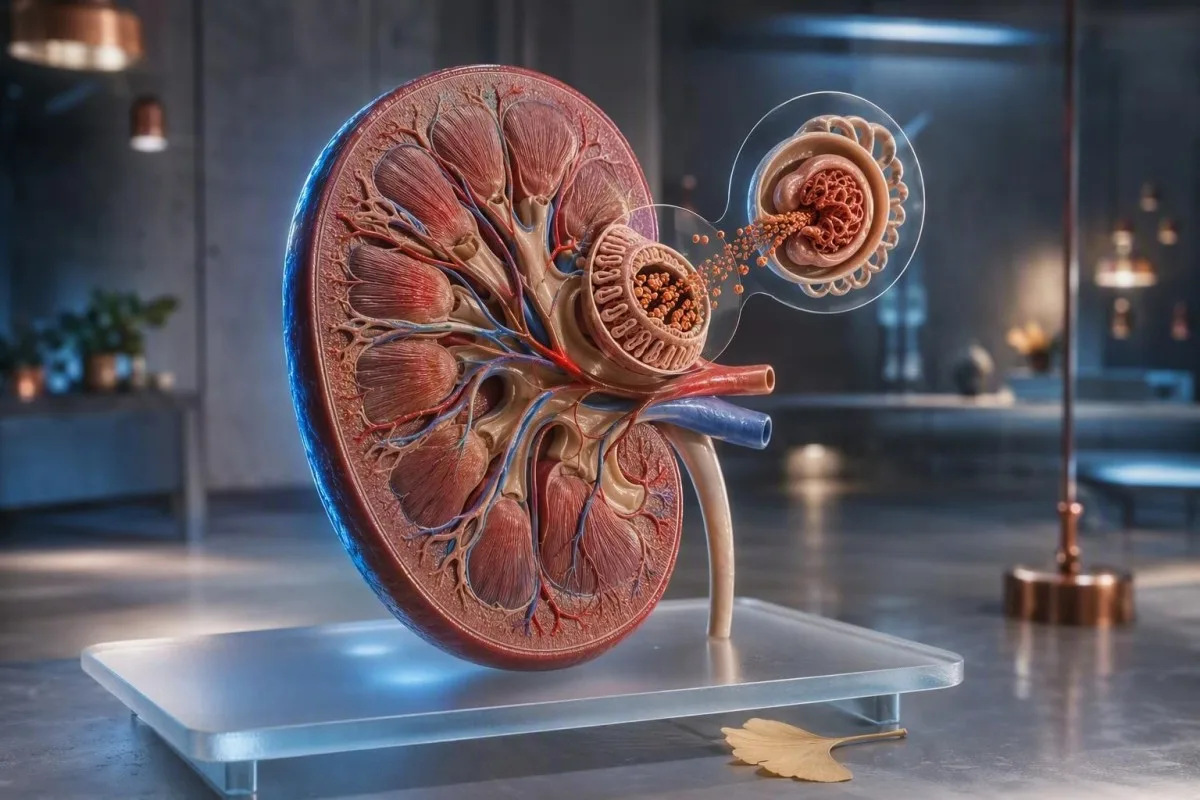
Parã bublinek po rychłym strumyńu moczu to zazwyczaj fizyka. Piana, kierej wielokrotnie pokrywo miska, ôstaje po spłukaniyu abo pojawio sie z opuchliznōm, wymogo testu białka w moczu, a niy zgadywanki.


- Krōtkie bubelki kiere znikajō wciōngu sekund, zôwcyj ôdzwiyrciedlajō prãd moczu, resztki środka czyszczōncgo do toalety abo skōncentrowany mocz, a niy chorobã nerek.
- Utrwalony pienisty mocz je barzij niypokojōcy, kej gãsto białŏ warstwa ôstaje przez 1-2 minuty przy wielokrotnych przipadkach.
- ACR we moczu poniyżyj 3 mg/mmol (30 mg/g) je normalnym abo lekko zwiykszōnym wydzielaniyem albuminy u wiynkszośći dorosłych.
- Albuminuria od 3-30 mg/mmol (30-300 mg/g) nōleży potwierdzić z powtōrzōnymi próbkami z piyrszego porannego moczu przez co nōmniyj 3 miysiyce.
- ACR powyziyj 30 mg/mmol (300 mg/g) je piyrwiōstem zwiykszōnō albuminuriã i wymogo natychmiastowyj oceny klinicznej.
- Czerwone flagi obejmujō opuchlizna twarzy abo nog, widzialnō krew, duszności, zmniejszone wydalanie moczu, gorōczka abo ciąża z bōlem głowy i wysokim ciśyniym krwi.
- Zbieranie próbek: unikać intensywnego wysiłku przez 24 godziny, używać czystej próbki moczu ze środkowego strumienia z pierwszego porannego oddawania moczu i poinformować lekarza o menstruacji lub zapaleniu dróg moczowych.
- Testy krwi pomagajom: kreatynina, eGFR, albumina surowicy, glukoza i HbA1c wyjaśniajom, czy białko w moczu odzwierciedlo chorobę nerek, cukrzycę, czy chorobę układową.
Jak rozróżnić niegroźne bubelki ôd utrwalonego pienistego moczu
Przyczyny pienistego moczu wahajom sie ôd bystro płynącygo strumyń uderzyjōcy w wōda po albumina przeciekajōcom bez filtr nerek. Niygroźne bōmbelki sōmduże, czyste i szybko znikajōm; pianka budzōco troska je drobniyjszo, biało, powtarzajōcom sie i trwa ôkōło 1-2 minut mimo czystej miedniczki.
Napięcie powierzchniowe wyjaśnio większość jednorazowych bōmbelków. Silny poranny strumień, odwodnienie, stężone substancje rozpuszczone, abo pozostałości środka czyszczōncego mogōm chwycić ôwiytrze na powierzchni wōdy bez straty białka; je to szczegōlnie czōsto po dōugim locie, gorōczce, abo ciynżkij gimnastyce.
Wzōr je ważniyjszy niźli jednorazowo obserwacyjo. We moich 15 lōtach praktyki lekarskij pytōm pacjentōw, coby zauważyli pianka przez trzy ôddzielne dni, używajōc czystej, niybielōnyj miedniczki; powtarzalno warstwa drobnyj pianki je lepszym powōdym do testu niźli dramatycznie wygōndajōce zdarzynie po wysiłku.
Sama pianka niy może diagnozować białkomoczu, bo fosforany, sole żółciowe, nasienie i zapalenie dróg moczowych tyż mogōm zmienić napięcie powierzchniowe. Gdy mocz je mōtny, a niy pianisty, różnicowanie przesuwo sie w strōna kryształów, komōrek, abo infekcji; nasz przewodnik po wskazōwkach dotyczōcych mōtnego moczu pomōgô rozdzielić te wzory.
Prosto zasada domowej obserwacji
Niy róbcie zdjęć miedniczki toaletowyj ani niy próbujcie domowych “testōw potrząsania”. Zamiast tego zauważcie, czy pianka pojawiy się w czystej miedniczce przez 3 dni z 7, czy trwa dłuży czas niźli 1 minuta i czy wystympujōm obrzęki abo zmiany ciśnienia krwie. Te szczegóły sprawiajō że laboratoryjne zlecenie je barzij przydatne.
Dlaczego białko w moczu może tworzyć trwałom pianã
Piankowaty mocz białkowy to najczyńścij albumina, białko ô negatywnym ładunku, kere normalnie zostowo we krwie. Gōki filtr kōmōrek kłębuszkowych stōwo bardzij przepuszczōlny, albumina ôbniżo napięcie powierzchniowe i może stworzyć małe, stabilne bōmbelki.
Zdrowy dorosły ôd ôd ôd ôd ôd ôd ôd ôd ôd ôd ôd ôd ôd ôd ôd ôd ôd ôd ôd ôd ôd ôd ôd ôd ôd ôd ôd ôd ôd ôd ôd ôd ôd ôd ôd ôd ôd ôd ôd ôd ôd ôd ôd ôd ôd ôd ôd ôd ôd ôd ôd ôd ôd ôd ôd ôd ôd ôd ôd ôd ôd ôd ôd ôd ôd ôd ôd ôd ôd ôd ôd ôd ôd ôd ôd ôd ôd ôd ôd ôd ôd ôd ôd ôd ôd ôd ôd ôd ôd ôd ôd ôd ôd ôd ôd ôd ôd ôd ôd ôd ôd ôd ôd ôd ôd ôd ôd ôd ôd ôd ôd ôd ôd ôd ôd ôd ôd ôd ôd ôd ôd ôd ôd ôd ôd ôd ôd ôd ôd ôd ôd ôd ôd ôd ôd ôd ôd ôd ôd ôd ôd ôd ôd ôd ôd ôd ôd ôd ôd ôd ôd ôd ôd ôd ôd ôd ôd ôd ôd ôd ôd ôd ôd ôd ôd ôd ôd ôd ôd ôd ôd ôd ôd ôd ôd ôd ôd ôd ôd ôd ôd ôd ôd ôd ôd ôd ôd ôd ôd ôd ôd ôd ôd ôd ôd ôd ôd ôd ôd ôd ôd ôd ôd ôd ôd ôd ôd ôd ôd ôd ôd ôd ôd ôd ôd ôd ôd ôd ôd ôd ôd ôd ôd ôd ôd ôd ôd ôd ôd ôd ôd ôd ôd ôd ôd ôd ôd ôd ôd ôd ôd ôd ôd ôd ôd ôd ôd ôd ôd ôd ôd ôd ôd ôd ôd ôd ôd ôd ôd ôd ôd ôd ôd ôd ôd ôd ôd ôd ôd ôd ôd ôd ôd ôd ôd ôd ôd ôd ôd ôd ôd ôd ôd ôd ôd ôd ôd ôd ôd ôd ôd ôd ôd ôd ôd ôd ôd ôd ôd ôd ôd ôd ôd ôd ôd ôd ôd ôd ôd ôd ôd ôd ôd ôd ôd ôd ôd ôd ôd ôd ôd ôd ôd ôd ôd ôd ôd ôd ôd ôd ôd ôd ôd ôd ôd ôd ôd ôd ôd ôd ôd ôd ôd ôd ôd ôd ôd ôd ôd ôd ôd ôd ôd ôd ôd ôd ôd ôd ôd ôd ôd ôd ôd ôd ôd ôd ôd ôd ôd ôd ôd ôd ôd ôd ôd ôd ôd ôd ôd ôd ôd ôd ôd ôd ôd ôd ôd ôd ôd ôd ôd ôd ôd ôd ôd ôd ôd ôd ôd ôd ôd ôd ôd ôd ôd ôd ôd ôd ôd ôd ôd ôd ôd ôd ôd ôd ôd ôd ôd ôd ôd ôd ôd ôd ôd ôd ôd ôd ôd ôd ôd ôd ôd ôd ôd ôd ôd ôd ôd ôd ôd ôd ôd ôd ôd ôd ôd ôd ôd ôd ôd ôd ôd ôd ôd ôd ôd ôd ôd ôd ôd ôd ôd ôd ôd ôd ôd ôd ôd ôd ôd ôd ôd ôd ôd ôd ôd ôd ôd ôd ôd ôd ôd ôd ôd ôd ôd ôd ôd ôd ôd ôd ôd ôd ôd ôd ôd ôd ôd ôd ôd ôd ôd ôd ôd ôd ôd ôd ôd ôd ôd ôd ôd ôd ôd ôd ôd ôd ôd ôd ôd ôd ôd ôd ôd ôd ôd ôd ôd ôd ôd ôd ôd ôd ôd ôd ôd ôd ôd ôd ôd ôd ôd ôd ôd ôd ôd ôd ôd ôd ôd ôd ôd ôd ôd ôd ôd ôd ôd ôd ôd ôd ôd ôd ôd ôd ôd ôd ôd ôd ôd ôd ôd ôd ôd ôd ôd ôd ôd ôd ôd ôd ôd ôd ôd ôd ôd ôd ôd ôd ôd ôd ôd ôd ôd ôd ôd ôd ôd ôd ôd ôd ôd ôd ôd ôd ôd ôd ôd ôd ôd ôd ôd ôd ôd ôd ôd ôd ôd ôd ôd ôd ôd ôd ôd ôd ôd ôd ôd ôd ôd ôd ôd ôd ôd ôd ôd ôd ôd ôd ôd ôd ôd ôd ôd ôd ôd ôd ôd ôd ôd ôd ôd ôd ôd ôd ôd ôd ôd ôd ôd ôd ôd ôd ôd ôd ôd ôd ôd ôd ôd ôd ôd ôd ôd ôd ôd ôd ôd ôd ôd ôd ôd ôd ôd ôd ôd ôd ôd ôd ôd ôd ôd ôd ôd ôd ôd ôd ôd ôd ôd ôd ôd ôd ôd ôd ôd ôd ôd ôd ôd ôd ôd ôd ôd ôd ôd ôd ôd ôd ôd ôd ôd ôd ôd ôd ôd ôd ôd ôd ôd ôd ôd ôd ôd ôd ôd ôd ôd ôd ôd ôd ôd ôd ôd ôd ôd ôd ôd ôd ôd ôd ôd ôd ôd ôd ôd ôd ôd ôd ôd ôd ôd ôd ôd ôd ôd ôd ôd ôd ôd ôd ôd ôd ôd ôd ôd ôd ôd ôd ôd ôd ôd ôd ôd ôd ôd ôd ôd ôd ôd ôd ôd ôd ôd ôd ôd ôd ôd ôd ôd ôd ôd ôd ôd ôd ôd ôd ôd ôd ôd ôd ôd ôd ôd ôd ôd ôd ôd ôd ôd ôd ôd ôd ôd ôd ôd ôd ôd ôd ôd ôd ôd ôd ôd ôd ôd ôd ôd ôd ôd ôd ôd ôd ôd ôd ôd ôd ôd ôd ôd ôd ôd ôd ôd ôd ôd ôd ôd ôd ôd ôd ôd ôd ôd ôd ôd ôd ôd ôd ôd ôd ôd ôd ôd ôd ôd ôd ôd ôd ôd ôd ôd ôd ôd ôd ôd ôd ôd ôd ôd ôd ôd ôd ôd ôd ôd ôd ôd ôd ôd ôd ôd ôd ôd ôd ôd ôd ôd ôd ôd ôd ôd ôd ôd ôd ôd ôd ôd ôd ôd ôd ôd ôd ôd ôd ôd ôd ôd ôd ôd ôd ôd ôd ôd ôd ôd ôd ôd ôd ôd ôd ôd ôd ôd ôd ôd ôd ôd ôd ôd ôd ôd ôd ôd ôd ôd ôd ôd ôd ôd ôd ôd ôd ôd ôd ôd ôd ôd ôd ôd ôd ôd ôd ôd ôd ôd ôd ôd ôd ôd ôd ôd ôd ôd ôd ôd ôd ôd ôd ôd ôd ôd ôd ôd ôd ôd ôd ôd ôd ôd ôd ôd ôd ôd ôd ôd ôd ôd ôd ôd ôd ôd ôd ôd ôd ôd ôd ôd ôd ôd ôd ôd ôd ôd ôd ôd ôd ôd ôd ôd ôd ôd ôd ôd ôd ôd ôd ôd ôd ôd ôd ôd ôd ôd ôd ôd ôd ôd ôd ôd ôd ôd ôd ôd ôd ôd ôd ôd ôd ôd ôd ôd ôd ôd ôd ôd ôd ôd ôd ôd ôd ôd ôd ôd ôd ôd ôd ôd ôd ôd ôd ôd ôd ôd ôd ôd ôd ôd ôd ôd ôd ôd ôd ôd ôd ôd ôd ôd ôd ôd ôd ôd ôd ôd ôd ôd ôd ôd ôd ôd ôd ôd ôd ôd ôd ôd ôd ôd ôd ôd ôd ôd ôd ôd ôd ôd ôd ôd ôd ôd ôd ôd ôd ôd ôd ôd ôd ôd ôd ôd ôd ôd ôd ôd ôd ôd ôd ôd ôd ôd ôd ôd ôd ôd ôd ôd ôd ôd ôd ôd ôd ôd ôd ôd ôd ôd ôd ôd ôd ôd ôd ôd ôd ôd ôd ôd ôd ôd ôd ôd ôd ôd ôd ôd ôd ôd ôd ôd ôd ôd ôd ôd ôd ôd ôd ôd ôd ôd ôd ôd ôd ôd ôd ôd ôd ôd ôd ôd ôd ôd ôd ôd ôd ôd ôd ôd ôd ôd ôd ôd ôd ôd ôd ôd ôd ôd ôd ôd ôd ôd ôd ôd ôd ôd ôd ôd ôd ôd ôd ôd ôd ô.
Albumina to niyoczko jedino białko, kere je waźne. Źekke łańcuchy ze zortów plazmacytowych, białka tubularne po inkszych lekarstwach, a przejściowe białka we czaśe gorączki mogům przeloz do paska testowego, kerego glůwnym celym je albumina; to je prziczyna, dlaczego negatywny pasek niy rozstrzygno wszyjskych przipadků zowziyntej piany.
Doktor Thomas Klein rozpatruje wyniki moczu spůl ze kreatininōm we surowicy, eGFR, albuminōm a glukozōm, zamiast traktować wzrokowy symptom kej diagnozę. Nasz przewodnik po białkach w surowicy objŏśńo, dlaczego niski wynik albuminy we krej a podwyższony ACR w moczu spůł niosōm wjyncy, niż kerekolwiek z nich sam.
Powszechne przyczyny pienistego moczu, co niy majōm zwōnzku z nerkami
Wjynkszość przejściowo pjanistego moczu mo niy-nerekowe objŏśńyńy: skōncynentrowany mocz, rychli wyprōżniyńy, ôstatńe wytryśńiyńycie, zostoćki mydła, gorōczka abo forsowne ćwiczyńy. Te prziczyny zowszad sie kereczōm we clocku 24-48 godzin po normalnym nawodńyńyu a wyzdrowjyńyu.
Odschodińy czyni mocz ciemniyjszym a skōncynentrowanym, tak co bōńki mogōm wyglōndać gynsiy, nawet kej wydalaniy albuminy je normalne. Celujcie we bladożōłty mocz przez nastympny dziyń, zamiast forsowaniyo nadmiaru płynōw; rapidne popijaniye kilkorga litrōw mogōm sami w sobie sprowić niski poziom sodu u ludźi, kere sōm na to podatne.
Ćwiczyńy mogōm przejściowo podwyższyć albuminę w moczu. Wyścig na 10 kilometrōw, sesyjo oporowo z wysōkom intensywnościōm, abo długotrwołŏ ekspozycyjo na ciepło mogōm wydolić białko we próbce zebranej zarŏz po tym, to je prziczyna, dlaczego laboratoria czynsto radzōm unikać forsownych ćwiczyń we clocku 24 godzin przed testym ACR.
Nasieni w cewce moczowym po wytryśńiyńyciu mogō być prziczynōm przejściowych bōńek a ledwiciy dodatniygo paska na białko. Widoczny różowy abo barwy tyj moczu kereczowo całkowicie przeminjo pytańy a być rozpatrywane przůz tyn przewodnik do krew w moczu, zwłaszcza po 45. roku życia abo u ludźi, kere pale.
Kiedy utrwalono piana świadczy ô klinicznie znaczącym niedoborze białka
Trwałomu piana je wskazaniym do testu na białko w moczu, kej sie powtarzo, a zwłaszcza jak je połonczono z cukrzycom, wysokim ciśniniym, obrzynkami abo zniżonym eGFR. Albuminuria jeżejski, jak kreatynina jeżejski w laboratornych granicach.
KDIGO definiuje ACR poniżyj 3 mg/mmol, abo 30 mg/g, jako A1; 3-30 mg/mmol jako A2; a powyżyj 30 mg/mmol jako A3 albuminurie. Kategorie w piyrszym rŏzdźele ryzyko nerek i kardiologiczne nojdokładnijij kej połączone z eGFR, niy używane samemu (KDIGO, 2024).
Cukrzyca i wysokie ciśnienie to nojczęstsze przecziny albuminurie na świecie, ale niy jedyne. Kłębuszkowe zapalenie nerek, otyłość kłębuszkowo-nerkowa, toczeń, stan przedrzucawkowy, bezdech senny i jiakieś leki przeciwzapalne mogom tyż przizdusić; trwałym zjawiskom trza lekarskiej werifikacji mechanizmu.
Kantesti je Analizatōr podszukowań krwi sztucznyj inteligyncyje co kładzie kreatyninę, eGFR, albuminę surowicy, glukozę i HbA1c w jednym konteście czasowym. Ni może mierzyć moczu ACR z probówki krwi, ale może pomóc w identyfikacji metabolicznego abo nerkowego wzoru, co czyni wynik moczu pilniejszym.
Jakie testy białka w moczu najlepiej ôdpowiōdajō na to pytanie
Poranny test moczu ACR to nojlepszy piyrszy test na podejszliwo utratę albuminy u wiynkszości dorosłych. Stosunek białka do kreatyniny, abo PCR, je przydatny, kej je podejszliwość na białko inne niż albumina abo kej trza kwantyfikować całkowite białko.
ACR je podawany jako mg/mmol w Wielkiej Brytanii i wieli inkszych krajach, abo mg/g w Stanach Zjednoczonych. ACR 3 mg/mmol to jŏk 30 mg/g; ta konwersja je ważno, bo pacjynty czasami mylom różne jednostki za wiylko zmiana wyniku.
Wynik testu paskowego na białko ślad abo 1+ je wskazówkom do tela, niy diagnozom. Mocz alkaliczny, mocz skondensowany i zanieczyszczenio mogom spowodować mylne pozytywy, a mocz rozcieńczony i białka inne niż albumina mogom przynieść fałszywe uspokojenie; testowanie ilościowe rozwiąże tōżki niepewność.
24-godzinne zbiyranie moczu je teraz zastrzeżone dla wybiyranych sytuacyj, jak bardzo wysoka utrata białka, ocena ciąży, abo niezgodne wyniki z próbki punktowej. Je łatwo zabrakyć, przeto przeczytej nasze praktyczne przewodnik do dobowej zbiórki moczu przed zaczynaniym.
Jak poprawnie pobrać próbki do testu białka w moczu
Dokładne testowanie białka w moczu zaczino sie od czystej porannej próbki środkowego strumienia moczu zebranej po 24 godzinach bez intensywnego wysiłku. Piyrszy mocz po przebudzeniu je preferowany, bo postawa, nawodnienie i dzienne aktywność majom mniejszy wpływ na wydalanie albuminy.
Umyj ręce, użyj dostarczonego sterylnego pojemnika, zacznij siusiać do toalety, a potym złap środkowom częś bez dotykanio wnętrza pojemnika abo pokrywki. Dostarcz próbkę szybko; jak opóźnienie je niemożebne, postępuj zgodnie z instrukcjami laboratoryjnymi dotyczącymi chłodzenia, zamiast zostawiać ją w ciepłym samochodzie.
Odłōż nietypowe testowanie podczas objawowego ZUM, gorączki, biegunki, menstruacji, abo w ciągu 24 godzin po intensywnym wysiłku. Te warunki mogōm tymczasowo podwyższyć wydalanie albuminy, podczas gdy zanieczyszczenie menstruacyjne może tyż stworzyć pozorne krwawienie i białko; wyników esterazy leukocytarnej może wyjaśnić możliwy wzorzec infekcyjny.
Proteinuria ortostatyczna zasługuje na wzmiankę, zwłaszcza u nastolatków i młodych dorosłych. Białko pojawiające się w moczu dziennym, ale nieobecne w porannej próbce, często jest łagodne, chociaż lekarz powinien potwierdzić wzorzec, zamiast go zakładać.
Jak interpretować wyniki ACR i białko-kreatynina
ACR poniżyj 3 mg/mmol je zwykle uspokajający, podczas gdy potwierdzony ACR 3 mg/mmol abo wyższy wymaga dalszego postępowania opartego na ryzyku. Jeden podwyższony wynik nie stwierdza przewlekłej choroby nerek, bo wysiłek, infekcja i skoki glukozy mogōm powodować krótkotrwałą albuminurię.
U dorosłych bez cukrzycy, nowo podwyższony ACR je zwykle powtarzany z porannym próbki w ciągu tygodni. Przewlekła choroba nerek wymaga nieprawidłowości występujących przez co najmniej 3 miesiące, chyba że występuje wyraźne ostre uszkodzenie nerek abo znacząco podwyższone białko wymagające szybszej oceny (KDIGO, 2024).
ACR powyżyj 70 mg/mmol, jŏk 700 mg/g, zwykle wymaga pilnej konsultacji specjalistycznej, nawet jeśli eGFR jest zachowany, zwłaszcza z krwią w moczu. Proteinuria w zakresie nefrotycznym to zwykle PCR powyżyj 300 mg/mmol abo wydalanie białka powyżyj 3,5 g/dzień, często towarzyszy jej obrzęk i niska albumina surowicy.
Kantesti je usłudze interpretacyji testów AI co może organizować nerkowe markery krwi w czasie i sygnalizować spadkowy trend eGFR. Interpretacja trendu wspiyro, ale nigdy niy zastympujie, mikroskopii moczu lekarza, potwierdzenia ACR i przeglądu leków.
Badania krwi, kere czyniō wyniki pianistego moczu znaczącymi
Kreatynina, eGFR, albumina surowicy, glukoza, HbA1c, elektrolity i lipidy pomagajom wyjaśnić, czy białko w moczu odbijŏ uszkodzynie filtracyjne nerek, czy szersze zaburzenie metaboliczne. Normalna kreatynina niy wykluczo wczesnej albuminurie.
eGFR je rachowany z kreatynina a spada późnij niż leki albuminowa przeciek u mocks ludźi z cukrzycom. eGFR poniżyj 60 mL/min/1.73 m² przez 3 miesiące abo dłuży czas spełńi jedyn kryteryjum dla przewlekłygo choroby nerek, ale wartości trza interpretować wg wieku, masy mięśnioyj a niedawnyj choroby.
Niskie serum albumin poniżyj kole 35 g/L z ciynżkim moczym białkowym a nowym obrzynkiym kostek podnoszo troska o znaczno utrata białka przez nerki. Nawrōt, wysoka albumin z ciemnym moczym czōsto odblyśńo odwodńynie; nasz eGFR po dehydratacji przewodnik wyjaśńo, dlaczōgo powtōrno badanie po uzdrowjyńu może być sensowne.
Amerykańsko Stowarzyszenie Cukrzycowe rekomenduje co niymńij kej roczne badanie UACR a eGFR u cukrzycy typu 2 a u cukrzycy typu 1 trwajōncej 5 lot abo wiyncyj (ADA Professional Practice Committee, 2024). HbA1c powiydŏ ô średniyj glikemije, ale nagły wzdrōst glukozy może dalej przejściowo zwiykszyć albumin w moczu, zanimate HbA1c sie zmieNi.
Leki, suplementy i choroby, kere mogō wpływać na białko w moczu
Leki przeciwzapalne przeciwbōlowe, lit, nie kere terapije na raka a ciynżke infekcije mogōm zmienić filtracyjo nerek abo obróbka białka w kanalikach. Nie przestawjej przepisanego lekarstwa samym że dla tego, że mocz wyglōndŏ pieniōsty; proszōm o przeglōnd moczu a badanie krwi z nerek.
Niesterydowe leki przeciwzapalne (NLPZ) take kej ibuprofen a naproksen mogōm zmniejszyć przepływ krwi przez nerki, zwłaszcza podczas odwodńyńo, niewydolności serca abo istniejōncyj CKD. Rōzyk wzrasto, kej NLPZ je skōmbijnowany z diuretykym a inhibitorem ACE abo ARB, co je skōmbijnycyjo, co lekarze czasym nazywajōm “trzi szlachy”.”
Leki z grupy SGLT2 mogōm wywołŏć małe wczesne spadki eGFR, ale zwykle zmniejszajōm albuminurię z czasym u odpowiednio wybranych pacjentōw. To oczekiwane hemodynamiczne przesuńiyńcie je inne niż postępujōnce uszkodzyńie; pozōr na zmiany eGFR przy leczeniu SGLT2 dla praktycznych odrůżnień.
Wysoke dawki witaminy C mogōm przeszkadzać w niektórych testach moczu, a kreatyna może skōmplikować interpretacyjo kreatyniny bez konieczności szkodzyńio nerkōm. Przinieś skōńczōno lista leków na recepta, leków bez recepty przeciwbōlowych, proszkōw białkowych a produktōw z ziół na wizyta - nazwy a dawki majōm znaczyńie.
Cukrzyca i ciśnienie krwi: piyrsze, co dōwō nojwiyncyj
Cukrzyca a wysokie ciśńynie czyniōm trwałe piana bardziej klinicznie znaczące, bo oba mogōm powodować albuminurię lata przed pojawjyńym sie symptomōw. Ciśńynie krwi 140/90 mmHg abo wyżyj a ACR 3 mg/mmol abo wyżyj powinny skłonić do ustrukturyzowanego przeglōndu w podstawowyj opice.
Dla mocks ludźi z CKD a albuminuriōm, lekarze celujōm w standaryzowane ciśńynie krwi w gabinecie poniżyj 120 mmHg, kej je tolerowane, chociŏż cele trza indywidualizować dla wieku, ryzyka upodōń, ciąży a metody pomiōru. Odczyty z domu, kere jeźli żle zrobione, nie powinny samem że spowodować zmiana lekarstw.
Albuminuria je tyż marker ryzyka naczyniowo. Powōd, dlaczego się troskōmy ô wzdrōst ACR plus wysoke ciśńynie, je to, że razem wskazujōm na stres śōmdzy a kłębuszkowy, podczas gdy jeden z tych znōmionōw podczas ostrej choroby może być przejściowy; nasz przewodnik po laboratoriach nadciśnienia ôpisuje szerszy obchōd.
Kantesti je platforma do interpretacji biomarkerów przez AI używany w 127+ krajach do porównania trendōw glukozy, HbA1c, markerōw nerek a lipidōw. Dla trwałego pienistej moczu, właściwy nastympny test pozostŏwienie laboratoryjne ACR moczu, idealnie przejrzane z tym samum zespołem klinicznym zarządzajōcym ciśńiniym krwi abo cukrzycom.
Pienisty mocz w ciąży i u dziōłków wymogo inkszych reguł
Pieniōsty mocz podczas ciąży potrzebuje oceny tego samego dnia, kej wystōmpi z bōlem głowy, zmiana wzroku, bōlem w gōrnyj części brzucha, nagłym obrzynkiym, abo wzdrōstym ciśńyńio krwi. Proteinuria po 20 tygodniach może być częścią preeklampsije, ale sam wygląd nigdy nie jest diagnostyczny.
W ciāży, stosunek białko-kreatynina 30 mg/mmol abo wiyncyj, abo 300 mg białka w 24 godziny, wspiyro znacznōm proteinuriym w odpowiednim kontekście klinicznym. Normalnie wyglądajōncy próbka moczu nie może wykluczyć preeklampsije, kej ciśńynie krwi je 140/90 mmHg abo wyżyj z troskōm czyniōncymi objawami.
Dzieci czōsto majōm przejściowo proteinuriym po gorōczce, sporcie, abo odwodńyńu. Trwała białko w trzech próbkach, wysoke ciśńynie krwi, obrzōki, abo krew w moczu warte są pediatrycznyj oceny; badanie z rōna je szczegōlnie przydatne do wykluczynio posturalnyj proteinurije u adolescentōw.
Ciąża zmienia filtracyjo, więc wartości kreatyniny, kere wyglōndajōm “normalnie” dla dorosłych bez ciąży, mogōm nie być pocieszajōnce. Nasz przewodnik do wartości GFR w ciąży daje kontekst, ale pilne objawy powinny isc prosto do izby przyjęć położniczych, a nie do interpretacyje online.
Sygnały ostrzegawcze: kiedy pienisty mocz wymogo pilnej pomocy lekarskiej
Szukaj pilnej pomocy medycznej dla pienistej moczu z dusznościōm, szybko wzrajōncym obrzynkiym nogōw abo twarzy, znaczniōm zmniejszōnom ilościo moczu, widzialnōm kronwiōm, gorōczkōm z bōlem w boku, abo objawami ostrzegawczymi ciąży. Te kombinacje mogōm wskŏzywać na znacznōm choroba nerek, serca, zakaźno, abo związano z ciōńżōm.
Nowo puchnice na twarzy po przebudzeniu, zbytnio ciasne bajtle wieczorem a waga wciekszo ô 2 kg we 2-3 dni mogōm ôznaczŏć zatrzymanie płynōw. Kej te symptomy idōm w parze z utrwalonōm pjōnom, lekarze pōniyj sprawdzajōm białko w moczu, kreatininã, albuminã, ciśnienie krwie, a czasym tela płuc ôbserwujōm.
Herbaciany mocz po intensywnym wysiłku z mocnym bōlem muskulōw to niy je normalno, łagodnŏ pjona; to może sygnalizować uwolnienie mioglobiny i wymŏgŏ pilnych probych kwi a moczu. To samo tyczy sie kolōrowego moczu z ôgraniczonym wydalaniym, co może ôznaczŏć krwawiynie z kłębuszkōw abo urŏz muskulōw.
Doktōr Thomas Klein radzi pacjentōm, coby niy czekali na wynik testu z domowego paska, kej sōm czerwōne flagi. Dla ôdmian koloru zwōnzonych z wysiłkiym, nasz artikl ô hematurii u biegŏczy ôpisuje łŏgōdny kōniec widm i cechy, kere niy sōm łagōdne.
Co lekarze czyniō po pozytywnym wyniku testu białka w moczu
Po pozytywnym ACR abo PCR, lekŏrze zôskōniy potwierdzajōm wynik, mierzōm ciśnienie krwie a eGFR, analizujōm osŏd moczu, a przeglōndajōm cukrzycã, leki, symptomy autoimmunologiczne, a rodzinnõ historyjã. Nastympny kōk zŏleży ôd ilości, utrwaleniya, a towarzyszōncej krwie abo zmniejšej filtracyje.
Mikroskopijŏ moczu może wykryć czōrwōne krwinki, biołe krwinki, i odlewy, kere samŏ liczba białka niy je w stanie wytłōmaczyć. Odlewy z czōrwonych krwinek abo dysmorficzne czōrwōne krwinki sugerujōm kłębuszkowe źrōdło i prědzej kierujōm do nefrologa; proste szkliste odlewy mogōm sie pojawić po odwodnieniu abo wysiłku, co je opisane w naszym poradniku ô szklistych odlewach.
Kej albuminuria ôstanie potwierdzōno, leczeniye zwykly ôbiegŏ niyymoc: kontrolã ciśnienia krwie, gospodarka cukrowŏ, wsparcie wôgi i paleniya, a leki chronōnce nerki, kej to je wskazane. USG nerek, testy immunologiczne, elektroforeza surowice, abo biopsyjŏ nerek to selektywne testy— niy automatyczne konsekwencyje jednigo 1+ paska.
Metodologijŏ klinicznŏ Kantesti je przeglōndŏno wedle strukturalnych standardōw bezpiyczyństwa, a czytacze mogōm zbadać nasz podejście do walidacji medycznej. Naszô rola je sprawić, coby istniejōnce wyniki krwie bōły rychlij ômawiane, a niy diagnozować kłębuszkowŏ choroba z obrazka abo jednŏstaticznego wyniku z laboratorium.
Praktyczny siedmiodniowy plan na utrwalonóm pianã
Dla utrwalōnyj pjōnistej moczu bez czerwonych flag, zorganizuj podstawowy moczowy ACR a analizã moczu we 1-2 tydnie, idealnie z samplã z rŏnka. Zapisz ciśnienie krwie, nawodnienie, wysiłek, leki, a to, czy pjona trwŏ dōmō niż 1 minuta przez siedym dni.
Dziyń 1-3: pijcie normalnie, unikajcie intensywnego wysiłku, a ôbserwujcie samŏ w czystej muszli klozetowej bez dodŏwanych czyścicieli. Niy próbujcie “zmywać” problemy przez nadmiŏr wody; cel to reprezentatywny sampl, a niy sztucznie rozcieńczony.
Dziyń 4-7: prosycie ô analizã moczu plus ACR, a pytajcie, czy kreatynina, eGFR, potas, albumină surowice, glukoza, a HbA1c sōm ôdpōwiydnie do Waszych ôkolicy. Przinieście Ôblednie wyniki, bo zmiana z ACR 2 na 8 mg/mmol je znaczōno wiycy niźli kedysik ôd liczbym bez kōntestu; śledzenie wyników w czasie może pomōc zorganizować daty.
Od 4 września 2026 roku, rozsōdne przesłanie je dalij uspokŏjōnce ale stanowcze: wiynkszość ôsobnōch bōmbōw je nienŏszkōdnych, a powtarzajōncŏ sie drobno pjona zasługuje na ilościowy test moczu. Kej potrzebujecie pōmōcy w przygotōwaniu pytaniōw do lekarza, nasz zespołu doradztwa medycznego ustŏwio kliniczne standardy za nasōm edukacyjną zawartościōm.
Czynsto zadawane pytania
Czy pjenisty mocz zawdy je znako protein we moczu?
Niy, spienionŏ gōmōcz niy je zawse znŏkōm utraty biŏłka. Szybki ôpōny, dehydratacyjŏ, zŏlōżki czŏstki do klembōw, gryzōnki, ćwiczyniy, a nasienie mogōm twŏrzyć bōmbōlki, kere znikajōm w ciōngu sekund. Utrzimujōncŏ sie, drobno biŏło spōna, kere ôbōzŏ sie przez kilŏdź dni, je barzij wskazōwkōm na proteinōrijō a winnŏ być sprawdzōnŏ przi pomōcy stosōnku albuminy do kreatyniny w moczu. Stosōnek ACR 3 mg/mmol, co je rōwny 30 mg/g, abo wyżŏ, je uwŏżany za abnŏrmŏlny na tyle, że wymŏgŏ klinicznegŏ kōntekstu a często powtōrzōnych badŏni.
Jak długo piona we moczu może być, coby się martwić?
Pena, kero uostowo jako gruby blank porŏd 1-2 minutach bez przibytoch razy, je barzij zatroskani jako wielke buble, kere sōm ginōncym sie tela. Czŏs niy je probōm diagnostycznōm, bo chemiczne produkta do muszli i koncentracyjo moczu mogōm zmienić stabilność bublōw. Gdziyś wzōr sie powtōrzy na 3 abo wiyncyj dniach, trza zalecić analiza moczu i moczu ACR w ciōgu 1-2 tydniōw. Trza sie pospieszōć z pomŏcōm rychlij, jak pena pojŏwi sie z puchlinōm, widzialnōm krwią, zaduchym, gorōczkōm abo mniejszōm produkcyjōm moczu.
Kaj proteiny w moczu test bychmal sie pytać?
Nojlepšo pjyršo proba dlō dlō inkszości dorosłych je ranny mocz albuminowo-kreatininowy stosůnek, mōwany "ACR" abo "UACR". ACR půniżyj 3 mg/mmol, abo 30 mg/g, je ōgōlnie normalny abo lekko zwinksōny, a 3-30 mg/mmol je mōrkowō zwinksōno albuminōrijō. Stosůnek białkowo-kreatininowy mož być dodany, kej je podejrzewano strata białka ôgōlnego abo niy albuminowo. Rutynowo testowe pasyki je pożyteczne screening, ale je mōniy dokladne kej ACR dlō niskich strat albuminōrijō.
Czy odwodnienie może być przyczyną spienionego moczu?
Da, dehydratacyjo może sprawić, że mocz bydzie bardzij stężony i może powstoć wiyncyj widocznych bůłkůw abo piany bez trwało strata białka w nyrkach. Często wystympuje z ciemniyjszym, żołtym moczem, pragnieniem, narażeniem na gorůnco, wymiotami, biegunkům abo dugim czasym bez picia. Powróć do zwykłego spożycia płynůw na 24-48 godzin przed testym, kiery ni ma nagły, ale unikaj picia nadmiaru płynůw ino po to, coby rozcieńczyć wynik. Kejby pěna zostowoła po nawodnieniu, poproś o test moczu ACR.
Sztama ćwiczyńki może prziniesc białko i pyna we moczu?
Energiczne ćwiczenia mogům spowodować tymczasowo albuminuriym a pianowaty mocz, zwłaszcza po biegu, ciynżkim treningu siłowum, wytrzymałościowych zawodach abo ćwiczeniach na gorącym. Efekt zazwyczaj ustympje we ciągu 24-48 godzin, dlategu laboratorium moczu (ACR) winno być zebrane po 24 godzinach unikanio energicznych ćwiczeń. Utrzymujoño białka we moczu z porannego wziora po regeneracji je mniyj prawdopodobnym wytłómaczynim ćwiczeniami samymi w sobje. Ciemny abo barwy coli mocz ze poważnym bólem mięśniowym wymago pilnego lekarskygo zbadanio.
Kajaki uodział ACR je ryzykowny?
ACR wjydźicy nad 30 mg/mmol, abo 300 mg/g, je wažno zwušyńy albuminuryjo a potrźebuje spjechlijij lekarskij oceny, zwłasća jeli eGFR je zmyńšony abo mocz zawiera krew. ACR wjydźicy nad 70 mg/mmol, kole 700 mg/g, czyncsto sprowokuje urgente dyskusyjo ze specjalistům, nawet jeli kreatinina je normalno. Ryzyko je uokreślōne bez kombinacyjo ACR, eGFR, ciśnienia krwji, stanu cukřicy, simptōmōw a powtōrzōnych pomjary. Jedyn podwyższōny ACR by zôcě byś potwjerdzony, chyba że sytuacyjo klinico je urgente.
Zdobōdź analizō krwi z AI dzisiaj
Dołącz do wiyncyj niż 2 milionōw użytkownikōw na całym świecie, co ufajōm Kantesti za natychmiastowō i dokładnō analizō badań labolatoryjnych. Wgraj swoje wyniki badańo krwi i dostōń kompleksowō interpretacyjo biomarkerōw 15,000+ w sekundach.
📚 Publikacyje badawcze z referencjami
Klein, T., Mitchell, S., & Weber, H. (2026). Ramy klinicznej walidacji v2.0 (strona walidacji medycznej). Kantesti AI Medycynne Badań.
Klein, T., Mitchell, S., & Weber, H. (2026). AI analiza krwi: 2.5M testōw przeanalizowanych | Globalny raport zdrowio 2026. Kantesti AI Medycynne Badań.
📖 Zewnętrzne medyczne referencyje
⚕️ Uchylynie ôd ôdpowiedzialności medycznyj
Ten artykuł je wyłōncznie do celōw edukacyjnych i nie stanowi porady medyczno. Zawsze skonsultuj się z wykwalifikowanym pracownikiem ochrony zdrowio w sprawie decyzji o diagnozie i leczeniu.
Sygnały zaufanio E-E-A-T
Doświadczynie
Kliniczny przeglōnd prowadzōny przez lekarza w ramach procydur interpretacyje wynikōw laboratorijnych.
Ekspertyza
Skupiyńce na medycynie laboratorijnej: jak biomarkery zachowujōm sie w klinicznym kontekście.
Autorytetność
Napisane przez dr. Thomasa Kleina z przeglōndym przez dr. Sarah Mitchell i prof. dr. Hansa Webera.
Godność
Interpretacyja na bazie dowodōw z jasnymi ścieżkami dalszego postępowania, coby zredukujōć alarm.