Macho yenye njano si kipimo cha uhakika cha vichunguzi vya hepatitis B. Maambukizi huenda kimya kimya, na kingamwili zinazofaa na vipimo vya virusi—si dalili pekee—huweka wazi kinachoendelea.



- Maambukizi ya kimya kimya ni ya kawaida: watu wengi wenye hepatitis B hawana manjano na hawana dalili zinazotambulika za hepatitis B.
- Kipindi cha kuingia mwilini kwa hepatitis B ya papo hapo kwa kawaida ni siku 60–150, kwa wastani wa siku 90.
- HBsAg chanya kwa miezi 6 huainisha maambukizi ya hepatitis B ya muda mrefu na huhitaji uchunguzi wa kimatibabu.
- IgM anti-HBc kwa kawaida huunga mkono maambukizi ya papo hapo, lakini pia inaweza kuongezeka wakati wa kuzuka kwa hepatitis B ya muda mrefu.
- Anti-HBs angalau 10 mIU/mL baada ya mfululizo wa chanjo uliorekodiwa kwa ujumla huzingatiwa kama mwitikio wa kinga unaolinda.
- ALT zaidi ya 1,000 IU/L inaweza kutokea katika homa ya ini ya virusi papesi, lakini dawa, uharibifu wa tishu, na virusi vingine vinaweza kutoa mchoro huo huo.
- HBV DNA hupima kuongezeka kwa virusi; ni kipimo ambacho hugeuza matokeo chanya ya uchunguzi kuwa mpango wa matibabu.
- huduma ya dharura inafaa kwa kuchanganyikiwa, kutapika kali, michubuko isiyo ya kawaida, kukua usingizi, au manjano na kinyesi kilicho na rangi ya rangi.
Je, hepatitis B inaweza kutokea bila manjano? Ndiyo—mara nyingi kimya kimya
Ndiyo, homa ya ini B bila manjano ni kawaida. Watu wengi hawana dalili zozote, na hata maambukizi papesi yenye dalili yanaweza kuhisi kama ugonjwa wa kawaida wa virusi badala ya tatizo la ini. Manjano huonekana tu wakati bilirubini inapojilimbikiza vya kutosha kubadilika rangi ya macho na ngozi; haihitajiki kwa uharibifu wa seli za ini au maambukizi ya homa ya ini B.
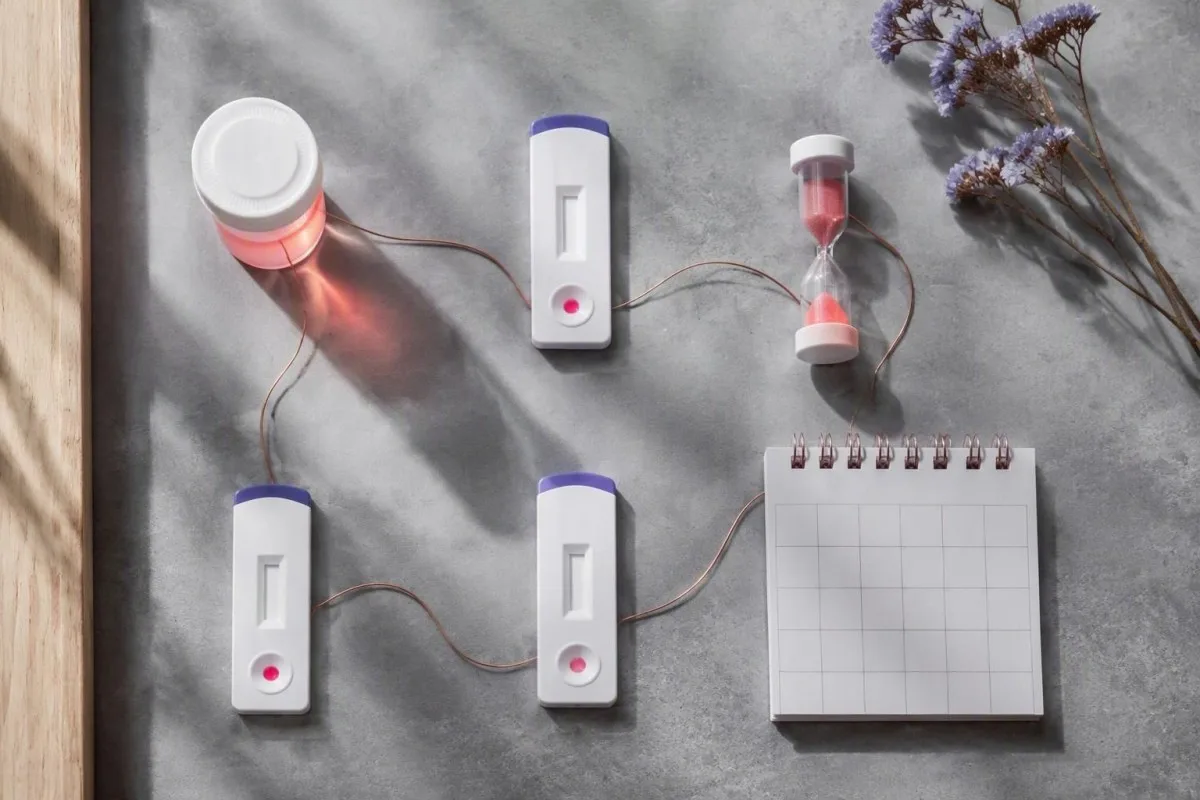
Kwa uzoefu wangu wa kimatibabu, mtu ambaye ana uwezekano mkubwa wa kukosa kugundulika si lazima mgonjwa: ni mgonjwa anayeonekana mzima ambaye uchunguzi wake ulifanywa kwa ajili ya mimba, uhamiaji, uhusiano mpya, au enzyme isiyo ya ini isiyohusiana. Dalili za homa ya ini B papesi hutokea kwa takriban 30%–50% tu ya watu wazima walioambukizwa, wakati watoto wadogo huwa na dalili mara chache zaidi; kutokuwepo kwa homa, macho ya njano, au maumivu ya tumbo hakutoi uhakika wa kutokuwepo kwa ugonjwa.
Manjano huonyesha kuongezeka kwa bilirubini kwenye damu, ambayo huonekana kwa kawaida mara tu bilirubini jumla inazidi takriban 2–3 mg/dL (34–51 µmol/L). Kuvimba kwa ini kunaweza kuwa kiasi kikubwa kabla ya hatua hiyo, kwa hivyo rangi ya kawaida ya mkojo na macho meupe yanathibitisha usalama kwa maana ndogo sana; ona mwongozo wetu wa mchoro wa maonyo ya bilirubini.
Kantesti ni Mchambuzi wa mtihani wa damu wa AI unaoweka vipimo vya enzyme za ini, bilirubini, albymini, na chembechembe karibu na uchunguzi wa virusi ambao daktari ameagiza. Haipati homa ya ini B kutoka kwa kemia ya kawaida pekee, lakini inaweza kumsaidia mtu kugundua kuwa matokeo ya “kipimo cha ini” hayajakamilika bila vipimo maalum vya homa ya ini.
Kwa nini dalili ni zana duni ya uchunguzi
HBV inaweza kuambukizwa wakati wa awamu isiyo na dalili kwa sababu kuongezeka kwa virusi hutangulia, huambatana, au huishi kwa muda mrefu zaidi kuliko ugonjwa unaoonekana. Kufikia Septemba 11, 2026, uchunguzi wa watu wazima kulingana na hatari na mara moja unabaki kuwa wa kuaminika zaidi kuliko kusubiri dalili, hasa kwa watu waliozaliwa katika mikoa yenye kuenea kwa HBV au wale wenye mazingira ya kaya, ya kingono, au ya sindano.
Je, dalili za awali kabisa za hepatitis B ni zipi?
Dalili za awali za homa ya ini B kwa kawaida ni uchovu, kupungua kwa hamu ya kula, kichefuchefu, homa ya chini, maumivu ya misuli, na usumbufu chini ya mbavu za kulia. Hakuna hata moja inayotosha kuthibitisha homa ya ini B, na kipindi cha bila dalili baada ya kuambukizwa kwa kawaida ni siku 60–150.
Kidokezo muhimu cha kimatibabu ni mpangilio wa matukio. Malaise na kupoteza hamu ya kula mara nyingi huwasili kabla ya mkojo mweusi au njano, na mtu anaweza kuhisi uchovu sana wakati bilirubini bado ni kawaida. Wastani wa kuotesha ni karibu siku 90, ndiyo maana kupima siku baada ya kuambukizwa kunaweza kuwa mapema sana kutuliza swali.
Maumivu ya viungo na upele wa muda mfupi unaweza kutokea katika hatua ya awali kwa sababu mchanganyiko wa kinga huenea kabla ya homa ya ini dhahiri kutokea. Nimeona hii ikichanganywa na mafua au mmenyuko mpya wa chakula; maelezo ya kutofautisha ilikuwa ALT ya 642 IU/L pamoja na antijeni ya uso wa homa ya ini B, sio upele wenyewe.
Matumizi ya Acetaminophen, virutubisho, pombe, virusi vya Epstein–Barr, na majeraha ya misuli yote yanaweza kuongeza aminotransferases. Makini uhakiki wa matokeo ya ALT huzuia kosa la kawaida la kuita kila ALT iliyoinuliwa “homa ya ini” kabla ya kuthibitisha sababu.
Dalili ambazo si za kawaida
Kuwashwa, kinyesi cha rangi ya rangi, na mkojo mweusi unaoendelea huashiria kushindwa kwa utendaji wa nyongo na unastahili kutathminiwa kwa haraka zaidi, lakini si uwasilishaji wa kawaida wa awali. Mtu aliye na uvimbe wa pekee, reflaksi, au maumivu ya upande wa kushoto mara kwa mara ana uwezekano mkubwa zaidi wa kuwa na maelezo mengine, ingawa kuathirika kwa hatari bado kunapaswa kuchochea uchunguzi wa HBV.
Unapaswa kupima hepatitis B lini?
Pata uchunguzi wa homa ya ini B mara baada ya kuambukizwa na damu, kingono, kaya, au kwa njia ya kuzaliwa, hata kama unajisikia vizuri kabisa. Upimaji wa msingi huandika hali yako, wakati upimaji wa kurudia unatokana na kipindi cha dirisha na kuongozwa na historia ya chanjo.
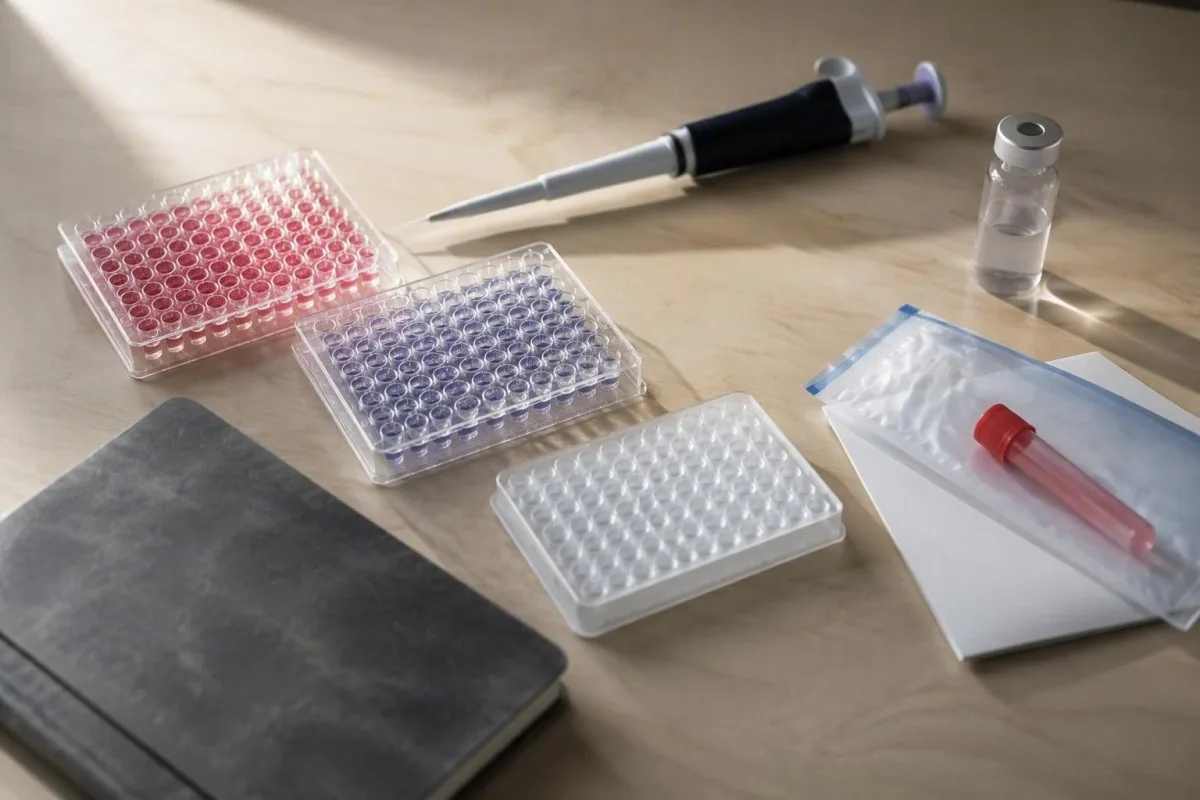
CDC inapendekeza uchunguzi wa watu wazima mara moja na paneli ya vipimo vitatu: HBsAg, anti-HBs, na anti-HBc jumla (Conners et al., 2023). Mchanganyiko huu unatenganisha maambukizi ya sasa, maambukizi yaliyopona zamani, kinga ya chanjo, na uwezekano wa kuambukizwa kwa ufanisi zaidi kuliko kuagiza HBsAg pekee.
Baada ya kuathiriwa hivi karibuni, daktari anaweza kupima sasa na kurudia kupima karibu miezi 6 ikiwa paneli ya awali haithibitishi maambukizi au kinga. Kinga baada ya kuathiriwa ni nyeti kwa wakati—chanjo ya hepatitis B inapaswa kuanza haraka iwezekanavyo, na kinga ya hepatitis B inaweza kuhitajika kwa maambukizi yaliyochaguliwa ambayo hayana kinga—kwa hivyo usisubiri dalili.
Kantesti ni jukwaa la tafsiri ya vipimo vya damu la AI ambayo inaweza kuandaa ripoti ya serolojia iliyopigwa picha au kupakiwa katika muundo wa alama tatu, lakini usimamizi wa kuathiriwa ni wa daktari wa huduma ya haraka, afya ya ngono, afya ya kazini, au huduma ya msingi. Yetu mwongozo wa dalili za hepatitis C unaeleza kwa nini vipimo vya virusi vya hepatitis lazima vitafsiriwe virusi kwa virusi.
Upimaji wakati wa ujauzito
Kila ujauzito unapaswa kujumuisha uchunguzi wa HBsAg wakati wa kila ujauzito, bila kujali hatari inayotarajiwa. Matokeo chanya hubadilisha upangaji wa kuzuia watoto wachanga: mtoto huhitaji chanjo ya hepatitis B na, inapohitajika, kinga ndani ya masaa 12 ya kuzaliwa.
Vipimo vitatu vya damu vinavyoelezea hali ya hepatitis B
HBsAg, anti-HBs, na anti-HBc jumla ndizo vipimo vya msingi vya uchunguzi wa hepatitis B. Pamoja, wanajibu ikiwa virusi vinaweza kugunduliwa kwa sasa, ikiwa kinga ipo, na ikiwa mfumo wa kinga umeathiriana na hepatitis B hapo awali.
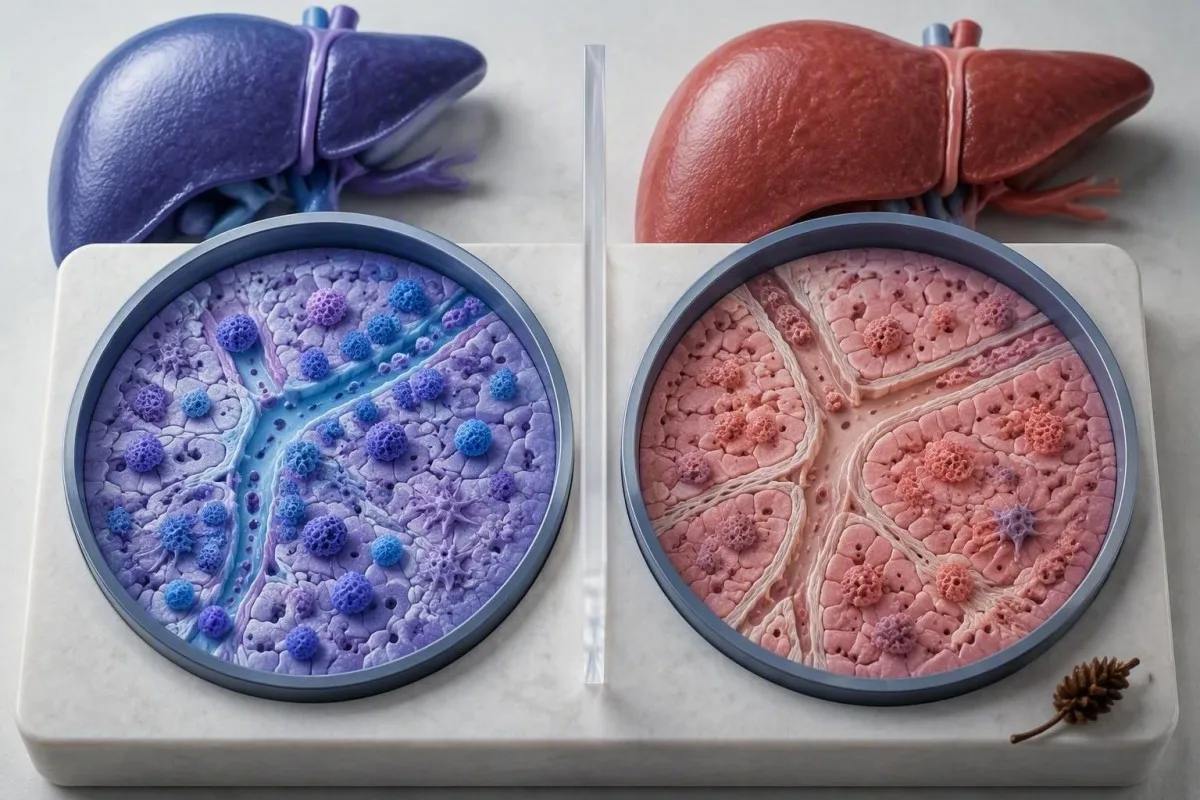
HBsAg ni hepatitis B surface antigen; matokeo chanya inamaanisha maambukizi ya sasa yanawezekana na yanahitaji uthibitisho na ufuatiliaji wa kimatibabu. Anti-HBs ni antibody ya surface; kiwango cha angalau 10 mIU/mL baada ya mfululizo kamili wa chanjo ulioandikwa kwa ujumla huchukuliwa kuwa majibu ya kinga kwa watu wasio na kinga.
Anti-HBc ya jumla hugundua antibody ya msingi kutoka kwa maambukizi ya zamani au ya sasa na haitolewi na chanjo. Muundo HBsAg hasi, anti-HBs chanya, na anti-HBc jumla hasi unafaa kinga inayotokana na chanjo; HBsAg hasi, anti-HBs chanya, na anti-HBc jumla chanya kwa kawaida hufaa maambukizi ya asili yaliyopona.
Anti-HBc jumla chanya pekee ni mojawapo ya miundo migumu zaidi. Inaweza kuonyesha maambukizi ya mbali yaliyopona na anti-HBs zinazopungua, kipimo cha uwongo, maambukizi ya siri, au mara chache maambukizi ya awali; waganga wanaweza kurudia serolojia na kuagiza HBV DNA, hasa kabla ya matibabu ya immunosuppressive. Maelezo yetu ya matokeo chanya ya antibody yanaeleza kwa nini antibody moja mara chache huonyesha hadithi nzima.
Jinsi vipimo vinavyotofautisha hepatitis B ya papo hapo na ya muda mrefu
Hepatitis B kali na sugu hutofautishwa hasa kwa wakati na serolojia, si kwa jinsi mtu anavyojisikia mgonjwa. Kuendelea kwa HBsAg kwa angalau miezi 6 kunaanzisha maambukizi sugu; matokeo moja ya HBsAg haiwezi kuweka tarehe ya maambukizi yenyewe.

IgM anti-HBc huunga mkono kwa nguvu maambukizi mapya makali inapounganishwa na kuongezeka kwa HBsAg na ugonjwa unaolingana. Haitoshi: IgM anti-HBc pia inaweza kugunduliwa wakati wa kuongezeka kwa hepatitis B sugu, kwa hivyo wataalamu wa matibabu hulinganisha matokeo ya awali, muda wa dalili, mwelekeo wa ALT, na HBV DNA.
HBV DNA inaripotiwa katika IU/mL na hupima kiwango cha nyenzo za urithi za virusi zinazozunguka. Haiiashirii yenyewe ugonjwa kuwa mkali au sugu, lakini matokeo yanayoweza kugunduliwa yanathibitisha kuongezeka na kuwa muhimu kwa ufuatiliaji na maamuzi ya matibabu; DNA ya chini au isiyoweza kugunduliwa haiiondoi haja ya kutafsiri HBsAg na hali ya ini pamoja.
Mwongozo wa AASLD unasisitiza mfululizo wa ALT, HBV DNA, hali ya HBeAg, na tathmini ya fibrosis badala ya picha moja ya maabara (Terrault et al., 2018). Hii ni moja ya sababu kwa nini ALT ya kawaida katika uchunguzi mmoja haithibitishi kuwa HBV sugu haina madhara.
Kanuni ya miezi sita ina lengo
Kizingiti cha miezi 6 hutenganisha maambukizi ambayo huenda yakapona yenyewe kutoka kwa yale ambayo yameendelea na yana hatari ya muda mrefu ya fibrosis na saratani ya ini; kwa watu wazima, zaidi ya 90% ya maambukizi makali yanayoweza kupona hupona, wakati maambukizi yaliyopatikana karibu na kuzaliwa huwa sugu mara nyingi zaidi.
Vipimo gani vya ini vinaweza kuonyesha—na havionyeshi
ALT na AST huonyesha jeraha la seli za ini, wakati bilirubini, albumin, INR, na vipete huonyesha ukali na utendaji wa ini. Jopo la kawaida la ini haliwezi kutambua hepatitis B kama sababu bila serolojia ya virusi.

ALT ni maalum zaidi kwa ini kuliko AST, ingawa hakuna hata moja inayotoka tu kwa ini. Katika hepatitis ya virusi kali, ALT inaweza kuzidi 1,000 IU/L; kiwango hicho hicho kinaweza kutokea na sumu ya asetaminofeni au mtiririko wa damu wa ini uliopunguzwa, kwa hivyo nambari inahitaji muktadha wa haraka badala ya utambuzi wa kibinafsi.
Bilirubin huonyesha muungano na utoaji wa nyongo, wakati INR na albumin huonyesha uwezo wa awali. INR inayoongezeka, hasa saa 1.5 au zaidi kwa mtu aliye na hepatitis kali na hali ya akili iliyobadilika, huleta wasiwasi wa kushindwa kwa ini kali na unahitaji tathmini ya dharura; yetu INR inaelezea kipimo.
Mtandao wa akili wa Kantesti unasoma transaminases pamoja na bilirubini, fosfati ya alkali, albumin, na vipete ili kuashiria mifumo kwa ukaguzi wa matibabu. Yetu uchanganuzi wa jopo la ini ni muhimu kabla ya kudhani kuwa “kipimo cha utendaji wa ini” cha kawaida kilijumuisha uchunguzi wa HBV.
Uwiano wa AST:ALT sio kipimo cha hepatitis B
Uwiano wa AST:ALT chini ya 1 ni wa kawaida katika hepatitis ya virusi lakini sio nyeti wala maalum. Mazoezi makali ya hivi majuzi yanaweza kuongeza AST kutoka kwa misuli, wakati gamma-glutamyl transferase na bilirubini zinaweza kubaki kawaida; kurudia vipimo baada ya kupona kunaweza kuzuia uchunguzi wa virusi wenye kudanganya.
Ni dalili zipi za hepatitis B zinazohitaji huduma ya siku hiyo hiyo?
Kuchanganyikiwa, usingizi usiokuwa wa kawaida, kutapika mara kwa mara, manjano inayozidi kuwa mbaya haraka, michubuko mipya, au uvimbe mkubwa wa tumbo huhitaji tathmini ya haraka siku hiyo hiyo. Dalili hizi zinaweza kuashiria utendaji duni wa ini badala ya kuwa ugonjwa wa kawaida wa hepatitis papo hapo.
Kuchanganyikiwa au mabadiliko ya muundo wa usingizi-kuamka kunaweza kuonyesha upungufu wa fahamu wa ini, hasa ikijumuishwa na manjano na INR iliyodumu kwa muda mrefu. Si jambo la kawaida, lakini si dalili ya “ngoja hadi Jumatatu”—kushindwa kwa ini papo hapo kunaweza kuendelea kwa saa hadi siku.
Mkojo mweusi pekee si dharura kiotomatiki; upungufu wa maji mwilini, dawa, na mkojo uliojilimbikizia ni mbadala za kawaida. Mkojo mweusi pamoja na kinyesi rangi ya kijivu, macho ya njano, kuwashwa, homa, au maumivu kwenye sehemu ya juu kulia ya tumbo huashiria zaidi usumbufu wa bilirubini au mtiririko wa nyongo, kama ilivyoelezwa katika wa mkojo wa giza.
Epuka pombe na usianze “kusafisha ini” kwa mitishamba wakati unathminiwa. Nyongezo nyingi zenye viungo vingi zina maudhui yasiyojulikana, na bidhaa inayouzwa kwa ajili ya detoxification inaweza kuleta ugumu katika majeraha ya ini yanayosababishwa na dawa wakati wataalamu wanahitaji picha safi ya utambuzi.
Nani anapaswa kutathminiwa mapema hata bila dalili?
Watu wanaojifungua, wenye cirrhosis, wanaotumia tiba ya chemotherapy au tiba ya kudhoofisha kinga ya mwili inayotokana na biolojia, wenye VVU, au wenye maambukizi sugu ya HBV wanayojulikana wanahitaji mapitio ya mtu binafsi baada ya matokeo mapya yasiyo ya kawaida. Kuibuka tena kunaweza kuwa kimya kliniki hadi ALT ipande, kwa hivyo kupanga kinga ya kuzuia virusi kunaweza kuwa salama zaidi kuliko kupima kwa kukabiliana na hali.
Kwa nini hepatitis B ya muda mrefu inaweza kujisikia kawaida kabisa
Hepatitis B sugu mara nyingi haisababishi dalili za kila siku kwa miaka mingi, hata wakati uzalishaji wa virusi au uharibifu wa kiwango cha chini wa ini unaendelea. Kujisikia mwenye nguvu, kufanya mazoezi mara kwa mara, na kuwa na bilirubini ya kawaida hakutengani hatari ya fibrosis.

Hapa ndipo wagonjwa wanapojitahidi kueleweka: mtu anaweza kuwa na ALT ya kawaida au iliyoinuka kidogo na bado anahitaji ufuatiliaji uliopangwa kwa sababu HBV DNA, umri, hali ya HBeAg, historia ya familia, na fibrosis huathiri hatari. Hesabu ya chembechembe za damu zinazopungua chini ya takriban 150 × 10⁹/L si utambuzi wa cirrhosis, lakini pamoja na vipimo vya ini visivyo vya kawaida vinastahili kuzingatiwa.
A Alama ya FIB-4 hutumia umri, AST, ALT, na hesabu ya chembechembe za damu kama makadirio ya uchunguzi wa fibrosis; haiwezi kugundua cirrhosis au kuchukua nafasi ya elastografia. Mwongozo wa kikokotoo cha FIB-4 unaeleza kwa nini umri unaweza kufanya alama ya mpaka ionekane ya kutisha zaidi baada ya miaka 65.
Kantesti ni Zana ya uchambuzi wa vipimo vya damu inayotumia AI iliyoundwa kulinganisha paneli za ini za zamani, kwa hivyo mabadiliko ya polepole ya ALT au chembechembe za damu hayafichwi na bendera moja ya “ndani ya kiwango”. Kutambua mwelekeo husaidia kuandaa mazungumzo bora na mtaalamu; si mbadala wa kupima HBV DNA, ultrasound, au huduma za wataalamu.
Ufuatiliaji wa saratani unategemea hatari
Ufuatiliaji wa ultrasound kwa saratani ya hepatocellular hauamuliwi na dalili pekee. Wataalamu hutumia hali ya HBV sugu, cirrhosis, historia ya familia, umri, jinsia, na hatari ya eneo la asili kuamua ikiwa ufuatiliaji wa miezi sita unafaa; AFP huongezwa wakati mwingine lakini si ya kuaminika kama kipimo cha uchunguzi cha pekee.
Uchovu hauthubutishi hepatitis B—jinsi waganga wanavyoifafanua
Uchovu ni wa kawaida katika hepatitis B lakini mara nyingi husababishwa na usumbufu wa usingizi, upungufu wa damu, ugonjwa wa tezi, unyogovu, athari za dawa, au maambukizi mengine. Swali muhimu ni kama uchovu hutokea pamoja na uwezekano wa hatari, mabadiliko ya vipimo vya ini, au alama chanya za HBV.
Mkimbiaji wa masafa marefu mwenye umri wa miaka 52 na AST 89 IU/L baada ya mbio si lazima awe na ugonjwa wa ini; kutolewa kwa misuli kunaweza kuinua AST, na creatine kinase pamoja na paneli rudufu baada ya kupumzika mara nyingi hufafanua chanzo. Kinyume chake, ALT 289 IU/L na HBsAg chanya na mkojo mweusi huhitaji njia tofauti sana.
Uchovu pamoja na hemoglobin ya chini, ferritin ya chini, au alama za tezi zisizo za kawaida zinastahili tathmini sambamba badala ya hadithi ya sababu moja. nakala yetu ya dalili za ferritin ya chini inaeleza kwa nini upungufu wa chuma unaweza kusababisha uchovu kabla ya upungufu wa damu kuonekana.
Kanuni ya vitendo ya Daktari Thomas Klein ni rahisi: dalili huanzisha uchunguzi, lakini ruwaza huamua. CBC, kemia ya ini, mapitio ya dawa, historia ya kukabiliwa na hatari, na upimaji wa virusi unaolengwa kwa kawaida hujibu zaidi ya kuangalia mara kwa mara enzyme moja.
Usichangie damu “ili kujua”
Uchunguzi wa wachangiaji damu hulinda wapokeaji lakini sio mkakati wa utambuzi binafsi na inaweza isitoe ushauri kwa wakati unaofaa. Ikiwa uwezekano wa kuambukizwa upo, panga vipimo vya siri vya kimatibabu au vya afya ya umma ambapo paneli kamili ya alama tatu na ufuatiliaji unaweza kujadiliwa.
Nini hutokea baada ya matokeo chanya ya HBsAg?
Matokeo chanya ya HBsAg yanapaswa kusababisha tathmini ya uthibitisho, kipimo cha HBV DNA, kemikali ya ini, na uhakiki wa muda na uzuiaji wa maambukizi. Ni mbaya vya kutosha kufuatilia mara moja, lakini haimaanishi kuwa ni ugonjwa wa ini kwa moja au uhitaji wa matibabu ya haraka ya kuua virusi.
Madaktari mara nyingi huagiza HBsAg ya marudio au ya uthibitisho, jumla na IgM anti-HBc, anti-HBs, HBeAg na anti-HBe, DNA ya HBV ya kiasi, ALT, AST, bilirubini, albmini, INR, CBC, na vipimo vya hepatitis C, hepatitis D, na VVU inapohusika. Vipimo vya ziada hujibu maswali tofauti—kuenea, awamu, uharibifu wa ini, maambukizi ya pamoja, na usalama wa matibabu.
Jamaa wa nyumbani na wapenzi wa kingono wanapaswa kupimwa na kupewa chanjo ikiwa wanahusika. Usishiriki nyembe, brashi za meno, au vifaa vya sindano; HBV huenea kupitia damu na maji fulani ya mwili, lakini hauenezwi kwa kukumbatia, kushiriki milo, kukohoa, au mawasiliano ya kawaida ya kazini.
HBsAg chanya pia inapaswa kusababisha uhakiki wa ruwaza za juu za AST badala ya kulaumu pombe au ini lenye mafuta. Ugonjwa wa ini wa kimetaboliki unaoambatana ni wa kawaida wa kutosha kwamba michakato zaidi ya moja inaweza kuwepo.
Je matokeo yanaweza kuwa chanya vibaya?
Matokeo chanya vibaya ya HBsAg si ya kawaida lakini yanawezekana, hasa karibu na kikomo cha kipimo au muda mfupi baada ya chanjo katika hali zisizo za kawaida. Uthibitisho kupitia njia ya kutopunguza athari au ya marudio inayopendekezwa na maabara ni sahihi, lakini mtu anapaswa kuishi kama anaweza kuwaambukiza hadi matokeo yafafanuliwe.
Je, hepatitis B ya muda mrefu kila wakati huhitaji matibabu?
Hapana, hepatitis B sugu haiitaji matibabu ya kuua virusi mara moja kila wakati, lakini kila kisa kilichothibitishwa kinahitaji ufuatiliaji kulingana na hatari. Maamuzi ya matibabu huangalia DNA ya HBV, ALT, fibrosis au cirrhosis, hali ya HBeAg, umri, historia ya familia, na hali zinazoambatana.

Dawa za kwanza za muda mrefu mara nyingi hujumuisha tenofovir au entecavir kwa sababu zinazuia kuenea kwa HBV kwa ufanisi na zina kizuizi kikubwa cha upinzani. Zinadhibiti virusi badala ya kukiangamiza kwa uhakika, kwa hivyo kusimamisha matibabu bila ushauri wa mtaalamu kunaweza kusababisha shambulio la ghafla.
Vizingiti vya DNA vya HBV hutofautiana kulingana na hali ya HBeAg na muktadha wa mwongozo; hatua ya kawaida ya uamuzi ni 2,000 IU/mL, lakini matibabu hayategemei tu nambari hiyo. Cirrhosis hubadilisha hesabu kwa kiasi kikubwa, kwa sababu DNA yoyote ya HBV inayoweza kugundulika inaweza kuhalalisha matibabu katika cirrhosis iliyokamilika.
The mfumo wa uthibitishaji wa matibabu nyuma ya Kantesti inasisitiza kwamba zana ya tafsiri inapaswa kuonyesha maswali ya ufuatiliaji, sio kuagiza dawa za kuua virusi. Uchaguzi wa dawa unahitaji utendaji wa figo, mipango ya ujauzito, afya ya mfupa, historia ya upinzani, na uamuzi wa mtaalamu.
Vipindi vya ufuatiliaji hutofautiana
Watu ambao hawapati matibabu wanaweza kuhitaji vipimo vya ALT na DNA ya HBV kila baada ya miezi 3-6 wakati wa awamu za kazi na mara chache zaidi katika awamu tulivu, na vipindi vimewekwa na daktari wao. Matokeo ya kawaida leo hayathibitishi hali ya kutokuwa na shughuli milele kwa sababu shughuli za HBV zinaweza kutofautiana.
Jinsi ya kuwalinda wapenzi na wanafamilia
Chanjo na upimaji hufanya jamaa wa nyumbani na wapenzi wa kingono kuwa salama zaidi kutokana na hepatitis B kuliko ufuatiliaji wa dalili. Watu ambao wana hatari wanapaswa kuanza chanjo mara moja, wakati jamaa walio na HBsAg chanya wanahitaji tathmini ya kimatibabu badala ya uhakikisho pekee.
Chanjo ya hepatitis B ina ufanisi sana ikiwa mfululizo umekamilika. Kwa watu wazima wanaohitaji ushahidi wa majibu baada ya chanjo kwa sababu ya hatari ya kikazi au kinga, anti-HBs hupimwa miezi 1-2 baada ya dozi ya mwisho; 10 mIU/mL au zaidi ni kizingiti cha kawaida cha ulinzi.
Tumia kondomu hadi kinga ya mshirika ithibitishwe, funika michubuko, na weka vifaa vya kujitunza binafsi kwa matumizi binafsi. Mawasiliano ya kawaida ya kijamii ni salama, na watoto hawapaswi kutengwa na mzazi mwenye HBV—dhana potofu hii bado husababisha wasiwasi usio wa lazima katika familia.
Kantesti’s rasilimali za kufuatilia afya ya familia zinaweza kusaidia kaya kupanga matokeo tofauti kwa idhini, lakini kila mtu anahitaji rekodi yake ya upimaji na chanjo. Kipimo cha kingamwili cha chanya cha jamaa mmoja hakiwezi kuthibitisha kinga ya mtu mwingine yeyote.
Je, unyonyeshaji vipi?
Unyonyeshaji kwa ujumla unaruhusiwa wakati mtoto mchanga anapokea chanjo ya hepatitis B iliyopendekezwa. Ushauri binafsi bado unahitajika ikiwa kuna chuchu zilizopasuka au zinazovuja damu, maambukizi ya pamoja ya VVU, au maswali kuhusu tiba ya virusi kwa mama.
Unapaswa kuepuka nini wakati unasubiri matokeo ya hepatitis B?
Epuka pombe, dawa za asetaminofeni zisizo za lazima, na virutubisho vipya vya mitishamba au vya kujenga mwili wakati hepatitis B kali inapochunguzwa. Athari hizi zinaweza kuzidisha msongo wa ini au kufanya iwe vigumu kutambua chanzo cha matokeo yasiyo ya kawaida.
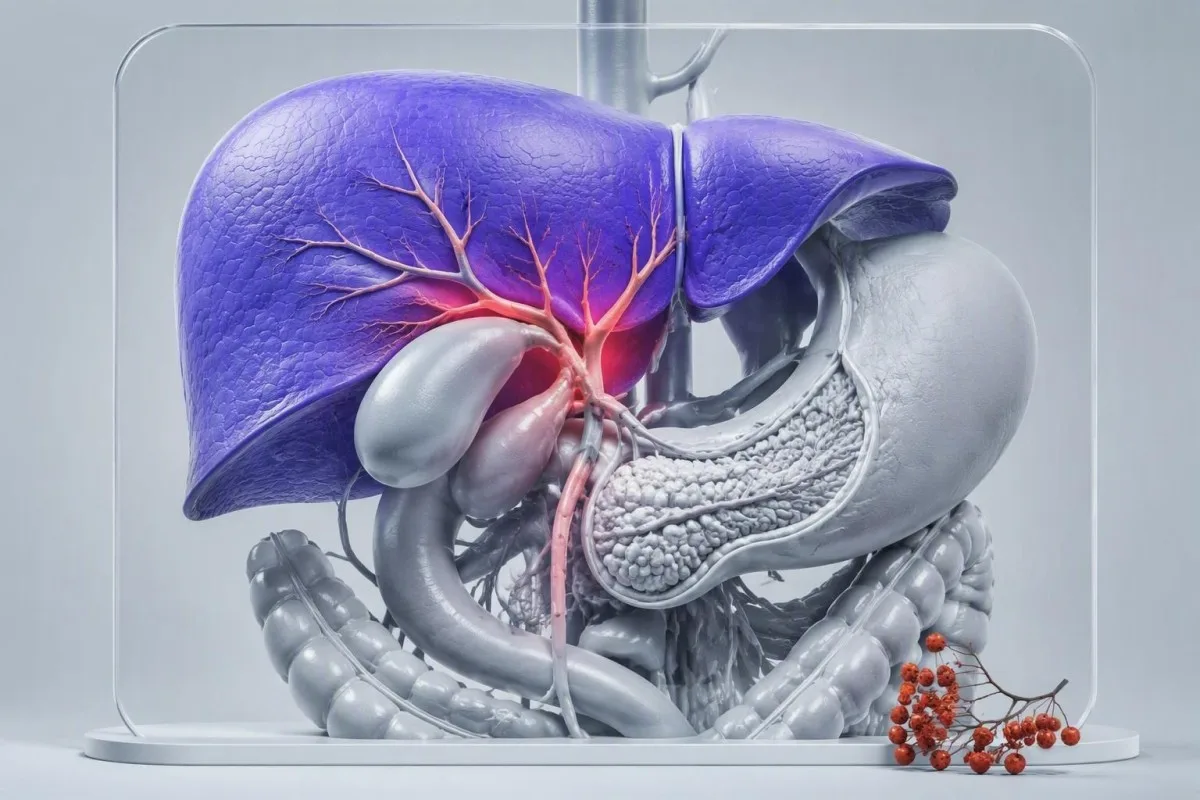
Hakuna ushahidi kwamba juisi za kusafisha mwili, mlo wa kufunga, au bidhaa za kuondoa sumu mwilini zinazoonekana sokoni huondoa hepatitis B. Baadhi ya bidhaa zina dondoo zilizo na kiwango kikubwa au viungo visivyofichuliwa, na ini inaweza kuwa hatari sana wakati wa kipindi cha uvimbe mkali; uhakiki wetu wa virutubisho hatarishi vya ini unaeleza wasiwasi.
Usisimamishe dawa iliyoagizwa ghafla isipokuwa daktari anashauri hivyo. Kwa asetaminofeni, wahudumu wa afya mara nyingi huweka mipaka salama kwa kila mtu wanapoonekana majeraha ya ini; kiwango cha juu cha kawaida cha miligramu 4,000 kwa siku hakifai kiotomatiki kwa mtu mwenye hepatitis kali, matumizi ya pombe, uzito mdogo wa mwili, au ugonjwa sugu wa ini.
Kunywa maji mengi, kula milo rahisi mara kwa mara, kuepuka pombe, na kuweka orodha yenye tarehe ya dawa na virutubisho ni busara wakati unasubiri uhakiki. Ikiwa kutapika kunazuia maji, au akili inabadilika, tafuta huduma ya haraka badala ya kujaribu kuitibu nyumbani.
Chakula hakisambazi HBV
Hepatitis B haipatikani kutokana na maandalizi ya kawaida ya chakula, sahani zilizoshirikiwa, au vikombe vya kunywea. Hii ni muhimu kwa sababu kuepuka milo ya familia hakupunguzi maambukizi, wakati chanjo na kuepuka vitu binafsi vilivyochafuliwa na damu hufanya hivyo.
Jinsi ya kujiandaa kwa miadi ya uchunguzi wa hepatitis B
Lete kila matokeo ya hepatitis B yenye tarehe za kukusanywa, rekodi yako ya chanjo, orodha ya dawa, na ratiba fupi ya kufichuliwa. Maelezo haya mara nyingi hutofautisha maambukizi ya hivi karibuni, maambukizi ya zamani, muundo wa matokeo chanya ya uwongo, au hepatitis B sugu iliyoanzishwa haraka zaidi kuliko kurudia kipimo kimoja.
Andika tarehe za uwezekano wa kufichuliwa, safari, wapenzi wapya wa kimapenzi, taratibu za sindano au tatoo, mawasiliano ya nyumbani, ujauzito, na chanjo ya awali. Pia jumuisha dawa zinazodhoofisha kinga kama vile rituximab, steroide za kipimo cha juu, chemotherapy, au biologics, kwa sababu upositiviti wa anti-HBc unaweza kuwa muhimu hata wakati HBsAg ni hasi.
Uliza maswali manne ya moja kwa moja: Ni alama zipi tatu za uchunguzi zilikuwa chanya? Je, IgM anti-HBc iko? Je, HBV DNA iko katika IU/mL? Je, ninahitaji tathmini ya fibrosis au upimaji wa hepatitis D? Maswali hayo huhamisha mazungumzo kutoka wasiwasi usio na maana hadi mpango.
Dk. Thomas Klein anapendekeza kuhifadhi PDF asili badala ya picha tu ya skrini kutoka kwenye lango, kwa sababu safu za marejeleo, majina ya uchambuzi, tarehe, na maoni ya maabara yanaweza kuathiri tafsiri. Wetu wa Kantesti mwongozo wa teknolojia unaeleza jinsi AI yetu inavyochukua muktadha wa ripoti, wakati mhudumu wako wa afya anabaki na jukumu la utambuzi na matibabu.
Mtazamo wa mwisho wa vitendo
Hisia hasi sio kipimo hasi, na njano ni dalili ya kuchelewa na isiyo thabiti. Ikiwa hatari ya kufichuliwa au uchunguzi inatumika, panga paneli ya alama tatu hata wakati unajisikia kawaida kabisa; maarifa ya mapema hulinda ini lako na watu walio karibu nawe.
Maswali Yanayoulizwa Mara Kwa Mara
Je, unaweza kupata homa ya ini B bila manjano?
Ndiyo. Hepatitis B inaweza kutokea bila manjano, na watu wengi walioambukizwa hawana dalili hata kidogo. Manjano kwa ujumla huwa dhahiri wakati jumla ya bilirubini inapoongezeka hadi kufikia takriban 2–3 mg/dL (34–51 µmol/L), lakini hepatitis B inaweza kusababisha uvimbe wa ini kabla bilirubini haijafikia kiwango hicho. Kifaa kinachofaa cha uchunguzi ni HBsAg, anti-HBs, na jumla ya anti-HBc, si orodha ya dalili.
Dalili za kwanza za hepatitis B ni zipi?
Dalili za awali za hepatitis B huenda zikajumuisha uchovu, kukosa hamu ya kula, kichefuchefu, homa ya wastani, maumivu ya misuli, maumivu ya viungo, na usumbufu chini ya mbavu za kulia. Dalili kali kawaida hutokea baada ya kipindi cha hadi siku 60–150, wastani wa siku 90. Dalili hizi huambatana na magonjwa mengi, kwa hivyo vipimo vya HBsAg, jumla ya anti-HBc, na anti-HBs vinahitajika ili kubaini hali ya hepatitis B. Mkojo wa giza au macho ya njano huweza kutokea baadaye, lakini hakuna kati ya hizi zinazohitajika.
Ni kipimo kipi kinaonyesha kama hepatitis B ni ya muda mfupi au sugu?
Hakuna kipimo kimoja kinachoamua hepatitis B kikamilifu, lakini kuendelea kwa HBsAg kwa miezi 6 au zaidi kunaanzisha maambukizi sugu. IgM anti-HBc huunga mkono maambukizi mapya ya papo hapo yanapounganishwa na upositiviti mpya ya HBsAg, ingawa pia inaweza kuongezeka wakati wa kuongezeka kwa hepatitis B sugu. HBV DNA kwa IU/mL hupima kuenea kwa virusi na husaidia kuongoza usimamizi, wakati tarehe za vipimo vya awali mara nyingi hutoa jibu lililo wazi zaidi. Daktari kwa kawaida hutafsiri vipimo hivi na ALT, bilirubini, na historia ya kuathirika.
Je, vipimo vya vimeng'enya vya ini vinaweza kuwa vya kawaida kwa hepatitis B sugu?
Ndiyo. ALT na AST zinaweza kuwa za kawaida wakati fulani katika homa ya ini sugu, hata kama maambukizi yanaendelea na HBV DNA bado yanaonekana. ALT ya kawaida haiondoi nyuzinyuzi, kwa hivyo waganga hutathmini HBV DNA, hali ya HBeAg, vipande vya damu, hatari ya nyuzinyuzi, umri, na historia ya familia pamoja na vimeng'enya vya ini. ALT zaidi ya 1,000 IU/L inaweza kutokea katika homa ya ini ya virusi kali, lakini maadili ya chini au ya kawaida ya ALT hayazuilii magonjwa sugu. Matokeo mfululizo yana taarifa zaidi kuliko uchunguzi mmoja wa damu.
Maana ya kitu cha hepatitis B cha uso chenye kuleta matokeo chanya ni nini?
HBsAg chanya, au HBsAg, huonyesha kuwa kuna uwezekano wa maambukizi ya hepatitis B na inahitaji uthibitisho wa haraka. Madaktari kwa kawaida huongeza HBV DNA, jumla na IgM anti-HBc, anti-HBs, HBeAg, kemikali ya ini, CBC, na mara nyingi vipimo vya hepatitis C, hepatitis D, na HIV kulingana na hatari. Ikiwa HBsAg inabaki chanya kwa angalau miezi 6, maambukizi huainishwa kama sugu. Matokeo chanya hayathibitishi kwa yenyewe upungufu wa damu au kubaini ikiwa matibabu ya kuzuia virusi yanahitajika.
Nitafute huduma ya haraka lini kwa tuhuma za homa ya ini B?
Tafuta huduma ya haraka siku hiyo hiyo kwa kuchanganyikiwa, usingizi mzito, kutapika mara kwa mara, njano inayoongezeka kwa kasi, michubuko isiyo ya kawaida, uvimbe mkubwa wa tumbo, au kutoweza kushikilia vimiminika. Katika homa ya ini kali, INR ya 1.5 au zaidi pamoja na hali ya akili iliyobadilika huleta wasiwasi kwa kushindwa kwa ini kali na huhitaji tathmini ya dharura. Mkojo mweusi pekee unaweza kuwa na sababu zisizo na madhara, lakini mkojo mweusi wenye kinyesi cheupe, homa, macho ya manjano, au kuwasha kali huhitaji ukaguzi wa haraka wa kimatibabu. Usitumie pombe au virutubisho vipya vya detox wakati wa kusubiri huduma.
Pata Uchambuzi wa Vipimo vya Damu kwa AI Leo
Jiunge na zaidi ya watumiaji 2 milioni duniani kote wanaoamini Kantesti kwa uchambuzi wa papo hapo na sahihi wa vipimo vya maabara. Pakia matokeo yako ya vipimo vya damu na upate tafsiri ya kina ya viashiria vya 15,000+ ndani ya sekunde.
📚 Machapisho ya Utafiti Yanayorejelewa
Klein, T., Mitchell, S., & Weber, H. (2026). Kantesti LTD. (2026). Kichanganuzi cha Vipimo vya Damu vya AI: Vipimo 2.5M Vilivyochambuliwa | Ripoti ya Afya ya Kimataifa 2026. Zenodo.. Kantesti uchambuzi wa damu kwa AI ya utafiti wa matibabu.
Klein, T., Mitchell, S., & Weber, H. (2026). Kantesti LTD. (2026). Kipimo cha damu cha RDW: Mwongozo Kamili wa RDW-CV, MCV & MCHC. Zenodo.. Kantesti uchambuzi wa damu kwa AI ya utafiti wa matibabu.
📖 Marejeo ya Nje ya Tiba
Shirika la Afya Duniani (World Health Organization) (2024). Miongozo ya uzuiaji, utambuzi, utunzaji na matibabu kwa watu wenye maambukizi sugu ya hepatitis B. Shirika la Afya Duniani.
⚕️ Kanusho la Kimatibabu
Makala haya ni kwa madhumuni ya elimu tu na si ushauri wa kimatibabu. Wasiliana na mtoa huduma aliyehitimu kila wakati kwa maamuzi ya utambuzi na matibabu.
E-E-A-T Trust Signals
Uzoefu
Mapitio ya kimatibabu inayoongozwa na daktari ya mifumo ya tafsiri ya maabara.
Utaalamu
Kuzingatia dawa za maabara kuhusu jinsi viashiria (biomarkers) vinavyobadilika katika muktadha wa kliniki.
Mamlaka
Imeandikwa na Dk. Thomas Klein kwa mapitio ya Dk. Sarah Mitchell na Prof. Dk. Hans Weber.
Uaminifu
Tafsiri inayotegemea ushahidi yenye njia zilizo wazi za ufuatiliaji ili kupunguza tahadhari za hofu.