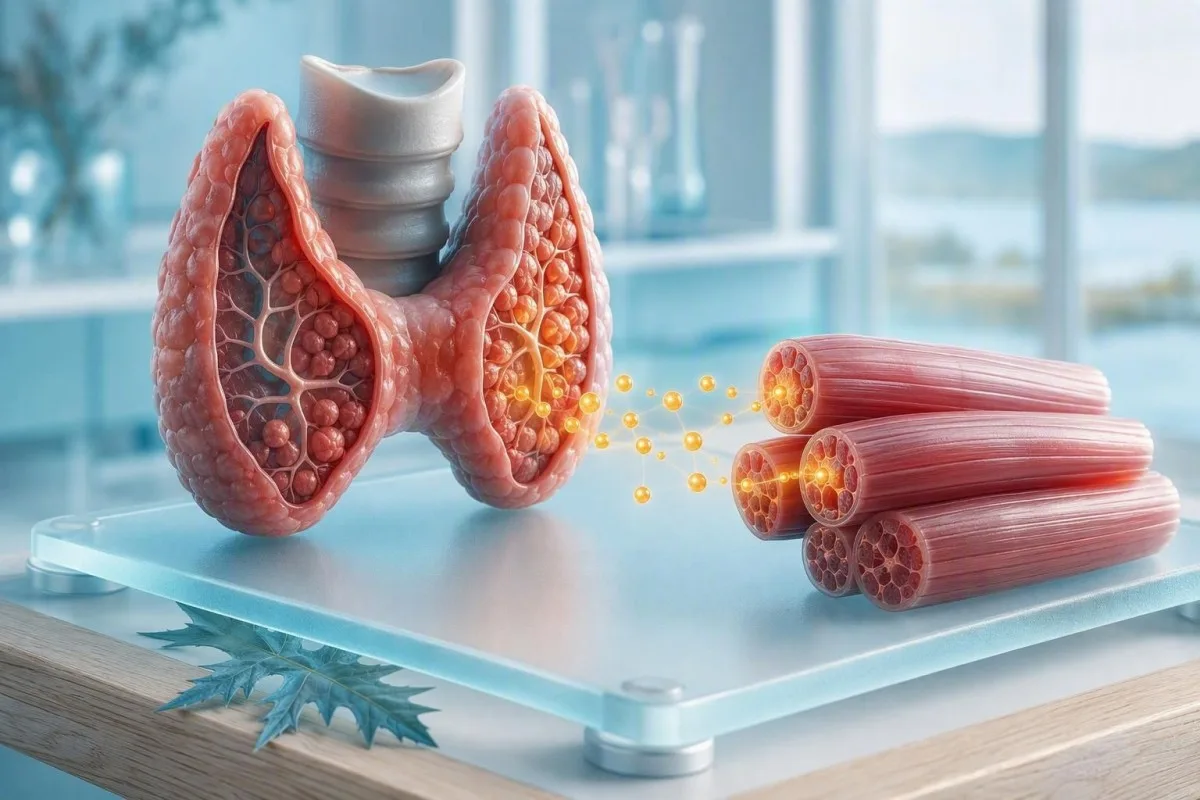
Nízka hladina voľného T3 môže sprevádzať únavu, zlú náladu, ťažkosť svalov a pocit chladu, ale často odráža ochorenie alebo energetický deficit, skôr než hypotyreózu. Okolité výsledky TSH a voľného T4 sú zvyčajne dôležitejšie ako samotné voľné T3.


- Nízka hladina voľného T3 zvyčajne nespôsobuje žiadny jedinečný symptóm; únava, zlá nálada a intolerancia cvičenia majú oveľa bežnejšie vysvetlenia.
- Typický rozsah pre dospelých je približne 2,0-4,4 pg/mL (3,1-6,8 pmol/L), ale referenčný rozsah laboratória je jediným platným porovnaním.
- Normálne TSH plus normálne voľné T4 s nízkym voľným T3 zvyčajne poukazuje na ochorenie, nedostatočný príjem energie alebo účinok liekov, skôr než na primárnu hypotyreózu.
- Akútne ochorenie môže znížiť T3 do 24-48 hodín znížením konverzie T4 na T3; toto je často reverzibilné počas zotavenia.
- Kalorická reštrikcia približne 800-1200 kcal/deň alebo rýchly úbytok hmotnosti môže znížiť T3 bez trvalej zlyhania štítnej žľazy.
- centrálna hypotyreóza sa podozrieva, keď je voľné T4 nízke a TSH je nízke, normálne alebo len mierne zvýšené; samotné voľné T3 ho nemôže potvrdiť.
- Opatrnosť pri liečbe veci: odborne odporucania neodporucaju rutinne podavanie liotyroninu pri izolovanom nizkom vysledku T3 mimo starostlivosti specialistu.
- Opakované testovanie je najužitočnejšia po zotavení, stabilnom prijme potravy a revizii liekov, obvykle 6-8 tyzdnov po zmysluplnej zmene liečby stitnej zlazy.
Čo symptómy nízkej hladiny voľného T3 môžu a nemôžu vysvetliť
Nízke hladiny volneho T3 priznaky mozu zahŕňat pomalsie zotavenie po cviceni, bolest svalov, nizku motivaciu, zapchu, citlivost na chlad a mentalnu hmlu, ale ziaden nie je dostatocne specificky na diagnostikovanie hypotyreoidizmu. Vo svojej klinickej praxi Thomas Klein, MD, videl pacientov, ktori pripisovali kazdy symptom volnemu T3 vo vyske 2,6 pg/mL, ked nedostatok zeleza, deficit spanku, depresia alebo nedavna dieta boli pravdepodobnejsou a riesitelnejsou pricinou.
Volny T3 je biologicky aktivna hormonálna frakcia cirkulujuca mimo väzbových proteinov, napriek tomu predstavuje malú a kolísavú cast fyziologie štítnej žľazy. Väčšina laboratórií uvádza približne 2.0-4.4 pg/mL alebo 3.1-6.8 pmol/L pre dospelych, zatiaľ čo niektoré európske skúšky stanovujú nižšiu hranicu bližšie k 2,3 pg/mL; porovnávajte iba s rozsahom uvedeným vedľa vášho výsledku v našom sprievodca intervalom pre voľný T3.
Svalove tazkosti su plausibilne, ked je cinnost stitnej zlazy skutocne nizka, pretoze T3 ovplyvnuje mitochondrialne enzymy, vyuzitie glykogenu a expresiu myozinu. Pacient, u ktoreho sa vyvinie symetrická slabost stehien, spomalene reflexy, sucha koza, bradykardia pod 60 tepov za minútu, a zvysujuci sa TSH, ma prekonatelnejsi hypothyroidny vzor ako niekto s unavenymi nohami po troch tazkych treningovych jednotkach.
Priznaky nalady si zasluzia rovnaku zdrzanlivost. Nízka nalada, uzkostne ruminacie a problemy so sustredenim sa prekryvaju s ochorenim stitnej zlazy, ale jedine nizke volne T3 nemoze odlisit endokrinne ochorenie od tazkej depresie, nedostatku B12, anemie alebo chronickeho nedostatku spanku; ukazovatele krvnych testov suvisiace s naladou mozu pomoct ramcovat rozsiahlejsiu reviziu.
Interpretácia testu voľného T3 začína s TSH a voľným T4
Interpretacia testu volneho T3 je najbezpecnejsia, ked sa najprv citaju TSH a volne T4. Vysoke TSH s nizkym volnym T4 podporuje primarnu hypotyreozu, zatiaľ čo nizke volne T3 s normalnym TSH a volnym T4 zvyčajne nie.
U neliečených dospelých, TSH nad hornou hranicou laboratória, často 4,0 – 4,5 mIU/l, plus nízke voľné T4, spoľahlivejšie naznačuje primárnu hypotyreózu ako voľné T3. Usmernenie Americkej štítnej žľazy pod vedením Jonklaasovej odporúča používať TSH ako hlavný marker pre väčšinu liečby primárnej hypotyreózy (Jonklaas et al., 2014); pozri náš sprievodca v jednoduchom jazyku k skratiek vyšetrení štítnej žľazy.
Normálne TSH nie je univerzálne „zelená“. Ochorenie hypofýzy alebo hypotalamu môže spôsobiť centrálnej hypotyreóze, kde je voľné T4 nízke, ale TSH je nízke, normálne alebo mierne zvýšené a biologicky slabé; tento vzor si vyžaduje posúdenie lekára, najmä pri bolestiach hlavy, zmenách zorného poľa, nízkom sodíku alebo iných abnormalitách hypofýznych hormónov.
Kantesti je Analyzátor krvných testov s umelou inteligenciou ktorý číta voľné T3 vedľa TSH, voľného T4, liekov a predchádzajúcich hodnôt, namiesto toho, aby izolovaný červený výstražný signál považoval za diagnózu. Toto rozlíšenie predchádza bežnej a nákladnej chybe: predpokladu, že normálne TSH automaticky robí z každého príznaku únavy nemedicínsky problém.
Prečo ochorenie môže spôsobiť nízke T3 pri normálnom TSH
Nízke T3 pri normálnom TSH sa bežne vyskytuje počas akútneho alebo chronického systémového ochorenia, pretože telo konvertuje menej T4 na T3. Tento vzor sa nazýva syndróm netyreoidálneho ochorenia alebo eutyroidný chorý syndróm a automaticky neznamená, že štítna žľaza zlyhala.
Zápalové cytokíny, znížený príjem kalórií, návaly kortizolu a zmenená aktivita dejodinázy môžu znížiť T3 v rámci 24 – 48 hodín významnej choroby. Na jednotke intenzívnej starostlivosti sa nízka T3 často objavuje pred zmenami TSH; Fliers a kolegovia to opisujú ako adaptívnu a niekedy maladaptívnu metabolickú odpoveď, nie ako zlyhanie štítnej žľazy (Fliers et al., 2015).
Závažnosť je dôležitejšia ako jedno percentilné. Osoba s pneumóniou, CRP 120 mg/l, albumínom 28 g/l a voľným T3 pod normou má zásadne iný problém ako inak zdravý ambulantný pacient s rovnakou hodnotou T3; naša revízia euthyroid sick syndróm vysvetľuje, prečo je testovanie obnovy často múdrejšie ako okamžitá hormonálna liečba.
AI označí panel štítnej žľazy ako vzorec choroby ako kontext na sledovanie, nie ako pokyn na predpis. Ak nízka T3 sprevádza horúčku, dýchavičnosť, zmätenosť, bolesť na hrudníku, mdloby alebo saturáciu kyslíkom pod 92%, naliehavým problémom je klinické posúdenie samotnej choroby, nie pokus o nápravu laboratornej hodnoty.
Kalorická reštrikcia je častou príčinou nízkej hladiny voľného T3
Kalorické obmedzenie môže znížiť voľné T3, aj keď je štítna žľaza štrukturálne normálna. Táto zmena je obzvlášť bežná po rýchlom chudnutí, dlhodobom pôste, vytrvalostnom tréningu s nízkou dostupnosťou energie alebo diétach s príliš malým množstvom sacharidov a celkových bielkovín.
V kontrolovaných štúdiách hladovania môže cirkulujúce T3 klesnúť približne o 30-50% v priebehu 1-2 týždňov, zatiaľ čo reverzné T3 stúpa a TSH môže zostať normálne. Toto je signál šetrenia energie: menej aktívny hormón štítnej žľazy znižuje pokojový energetický výdaj, čo je frustrujúce počas chudnutia, ale nie dôkazom, že osoba potrebuje lieky na štítnu žľazu.
Často to vidím u bežcov, ktorí zvýšili kilometráž pri dennom príjme 1 400 kcal a potom hlásia studené ruky, zlú regeneráciu, vynechanie menštruácie alebo pokles libida. V tomto kontexte posúďte príjem energie, feritín, vitamín D, CBC a anamnézu zranení spolu s vyšetreniami štítnej žľazy; náš sprievodca laboratórnymi testami pre športovcov RED-S pokrýva širšiu problematiku.
Nesnažte sa “opraviť” T3 nízke v dôsledku stravy pomocou jódu, kelpu alebo samoliečebne predpísaného liotyronínu. Obnovenie primeranej dostupnosti energie, často v priebehu 6–12 týždňoch, je zvyčajne prvou intervenciou, zatiaľ čo nadbytočný jód môže zhoršiť autoimunitné ochorenie štítnej žľazy; praktický potravinový kontext je v našom článku o výžive štítnej žľazy.
Lieky a doplnky, ktoré ovplyvňujú výsledky voľného T3
Glukokortikoidy, dopamín, amiodarón a niektoré kontrastné látky môžu znížiť konverziu T4 na T3 alebo potlačiť TSH. Lieky preto môžu vytvoriť obraz nízkeho voľného T3 bez primárnej hypotyreózy a nikdy by sa nemali zastaviť bez rady predpisujúceho lekára.
Dávky prednizónu okolo 20 mg/deň alebo vyššie, dexametazón a infúzie dopamínu môžu prechodne znížiť TSH a T3. Amiodarón obsahuje značné množstvo jódu a inhibuje deiodinázové enzýmy, takže môže zvýšiť voľné T4 a zároveň znížiť T3; tento nesúladný vzorec vyžaduje lekára, ktorý pozná kardiálnu indikáciu, nie bežnú reakciu na doplnky.
Biotín je iný problém: zvyčajne produkuje falošne vysoký voľné T3 a voľné T4 s falošne nízkym TSH pri citlivých imunoesejoch, namiesto skutočne nízkeho T3. Vysoko dávkované prípravky na vlasy a nechty bežne obsahujú 5 000 – 10 000 mikrogramov; mnohé laboratóriá odporúčajú prerušiť užívanie biotínu najmenej 48 hodín pred testovaním, ale riaďte sa pokynmi laboratória alebo predpisujúceho lekára.
Kantesti je službe na interpretáciu výsledkov AI laboratórnych testov ktoré používateľov vyzýva zaznamenať dávku liekov na štítnu žľazu, čas podania, doplnky stravy a nedávnu kontrastnú látku pri zobrazovaní, keď je nahraný výsledok. U pacientov užívajúcich levotyroxín, plán opakovaného testovania po zmene značky je vo všeobecnosti užitočnejší ako sledovanie voľného T3 deň čo deň.
Limity testu môžu spôsobiť, že voľné T3 je menej rozhodujúce, než sa zdá
Séria na voľné T3 je technicky menej spoľahlivá pri nízkych hodnotách ako TSH pri bežnom ambulantnom testovaní. Zmeny proteínov, závažné ochorenie, tehotenstvo a interferencia špecifická pre sériu môžu posunúť nameranú voľnú frakciu bez zodpovedajúcej činnosti štítnej žľazy v tkanivách.
Bežné imunoeseje na voľné T3 odhadujú malú nezviazanú koncentráciu namiesto priameho merania bunkovej hormonálnej činnosti. Dve laboratóriá môžu oprávnene hlásiť rôzne hodnoty od tej istej osoby, pretože ich protilátky, kalibrácia a referenčné intervaly sa líšia; pri sledovaní trendu používajte vždy, keď je to možné, rovnaké laboratórium.
Tehotenstvo zvyšuje hladinu tyreoglobulínu viažuceho tyroxín a závažné ochorenie pečene alebo obličiek mení väzbu proteínov a metabolizmus. Imunoeseje voľných hormónov môžu byť v týchto situáciách menej spoľahlivé, preto starostlivosť o tehotné ženy bežne zdôrazňuje interpretáciu TSH a voľného T4 špecifickú pre trimester; porovnajte metódy v našej príručke voľného T4 verzus celkového T4.
Výsledok je dôveryhodnejší, keď sú preanalytické podmienky stabilné: rovnaké laboratórium, odber ráno, ak je to možné, bez akútnej horúčky a bez náhlych zmien v doplnkoch stravy. 0.2 pg/mL pohyb cez referenčnú hranicu môže byť bežná analytická a biologická variácia, nie významné zhoršenie.
Kedy nízka hladina voľného T3 ukazuje na skutočné ochorenie štítnej žľazy
Nízke voľné T3 vyvoláva obavy z pravého ochorenia štítnej žľazy, keď sprevádza vysoké TSH, nízke voľné T4 alebo pretrvávajúce príznaky s podpornými nálezmi pri vyšetrení. Tyreoiditída Hashimota je bežnou príčinou, ale protilátky identifikujú riziko a príčinu; nehovoria nám, aké závažné budú príznaky.
Pretrvávajúce TSH nad 10 mIU/L je vo všeobecnosti silnejšou hranicou pre liečbu ako izolované nízke T3, najmä ak je voľné T4 nízke. Pozitívne protilátky TPO podporujú autoimunitnú tyreoiditídu, napriek tomu niektorí ľudia zostávajú eutyroidní po celé roky; naše vysvetlenie protilátok TPO pri normálnom TSH pomáha predchádzať nadmernej diagnostike.
Fyzické náznaky pridávajú pravdepodobnosť. Pevná bezbolestná struma, spomalené reflexy členkov, hrubé vlasy, nevysvetliteľný nárast LDL a rodinná anamnéza autoimunitného ochorenia štítnej žľazy robia vysvetlenie štítnou žľazou pravdepodobnejším, zatiaľ čo kolísavé príznaky s normálnym TSH a voľným T4 si často vyžadujú širšiu diferenciálnu diagnostiku.
Podľa mojich skúseností sa závažnosť príznakov a TSH nezhodujú presne. Pacient s TSH 18 mIU/l sa môže stále cítiť pomerne dobre, zatiaľ čo iný s TSH 3,5 mIU/L sa môže potýkať s nedostatkom železa, traumou, menopauzou alebo nespavosťou; krvné testy by mali viesť konverzáciu, nie ju ukončiť.
Svalové symptómy potrebujú viac než len vysvetlenie štítnej žľazy
Svalové príznaky hypotyreózy sú zvyčajne postupné, symetrické a sprevádzané inými štítnymi žľazami. Nová fokálna slabosť, pokles tváre, problémy s prehĺtaním, moč hnedej farby ako kolový nápoj alebo rýchlo sa zhoršujúca bolesť si vyžadujú iné a niekedy naliehavé vyšetrenie.
Hypotyreóza môže mierne zvýšiť kreatínkinázu, pretože pomalejší metabolizmus svalov a obnova membrán umožňujú únik enzýmu. CK môže dosiahnuť 1 000 IU/L alebo viac pri zjavnom ochorení, ale zvýšenie CK po intenzívnom cvičení, statínoch, vírusovom ochorení alebo drvení mäkkých tkanív má inú diferenciálnu diagnózu; pozri, kedy vysoká CK potrebuje naliehavú starostlivosť.
Praktickým klinickým rozlíšením je funkcia. Obtiažnosť opakovaného vstávania zo stoličky, chôdze po schodoch alebo zdvíhania predmetov nad hlavu počas niekoľkých mesiacov naznačuje proximálnu slabosť a zaslúži si vyšetrenie; kŕče len po dehydratácii alebo dlhom tréningu častejšie poukazujú na tekutiny, horčík, sodík, záťaž pri tréningu alebo kondíciu.
Kantesti AI analyzuje hodnoty štítnej žľazy spolu s CK, feritínom, hemoglobínom, elektrolytmi a obličkovými markermi, ak sú tieto testy k dispozícii. Jeho výstup založený na vzoroch je navrhnutý tak, aby podporil návštevu lekára, a naša štandardy lekárskej validácie popisuje, prečo žiadna automatizovaná interpretácia nemôže nahradiť neurologické vyšetrenie.
Nálada, pamäť, cholesterol a hmotnosť sú kontextové ukazovatele
Zhoršená nálada, pomalšie myslenie, priberanie na váhe a vyšší cholesterol LDL sa môžu vyskytnúť pri zjavnej hypotyreóze, ale sú to slabé príznaky, keď sú TSH a voľný T4 normálne. Kombinácia je presvedčivejšia ako akýkoľvek jednotlivý príznak alebo nízka hodnota voľného T3.
Hormóny štítnej žľazy ovplyvňujú pečeňovú aktivitu LDL receptora, takže neliečená zjavná hypotyreóza môže zvýšiť cholesterol LDL a triglyceridy. Náhle zvýšenie LDL o 1 mmol/l (39 mg/dl) spolu s vysokou TSH si zaslúži vyšetrenie štítnej žľazy pred predpokladom zlyhania diéty; náš sprievodca neočakávanými zvýšeniami LDL vysvetľuje ďalšie bežné prispievateľe.
Kognitívne príznaky vyžadujú kalibráciu. Hypotyreóza môže spomaliť rýchlosť spracovania, ale progresívna strata pamäti, stratenie sa na známych miestach, zrakové halucinácie alebo zmena osobnosti by sa nemali vysvetliť hraničnou hodnotou T3; rozumné vyšetrenie môže zahŕňať CBC, B12, glukózu, kontrolu liekov a cielené neurologické vyšetrenie.
Nízky výsledok T3 nepreukazuje “rezistenciu na štítnu žľazu”, “adrenálnu únavu” ani potrebu kompoundovaných hormónov. Dôkazy pre pridanie T3 u pacientov s pretrvávajúcimi príznakmi napriek normálnej TSH sú úprimne zmiešané a usmernenie ATA neschvaľuje rutinnú kombinovanú terapiu pre všetkých pacientov (Jonklaas et al., 2014).
Kedy a ako zopakovať výsledok nízkej hladiny voľného T3
Zopakujte nízky výsledok voľného T3 po tom, ako sa pravdepodobne dočasná spúšť upokojí, namiesto opakovaného testovania každých pár dní. Pre stabilného ambulantného pacienta bez znepokojujúcich príznakov je často primerané zopakovať TSH a voľný T4 s voľným T3 približne o 6-8 týždňov, ak sa stabilizoval príjem kalórií, liečba a stav choroby.
Testujte skôr, keď je TSH výrazne abnormálna, voľný T4 je pod rozsahom, je prítomná gravidita alebo sa príznaky zhoršujú. Po zmene dávky levotyroxínu sa TSH vo všeobecnosti potrebuje asi 6 týždňov na dosiahnutie nového ustáleného stavu; testovanie na 10. deň väčšinou meria prechod, nie konečný účinok.
Zaznamenajte podrobnosti, ktoré menia interpretáciu: infekcia v predchádzajúcich 2 týždňoch, strata spánku, dĺžka pôstu, príjem alkoholu, nové doplnky, expozícia steroidom, načasovanie dávky a či vzorka pochádzala z tej istej laboratória. Naše sprievodca načasovaním krvného testu je užitočné, pretože príbeh okolo odberu môže byť rovnako informatívny ako hodnota.
Kantesti AI môže umiestniť novú štítnu žľazu vedľa predchádzajúcich panelov a identifikovať, či sa TSH posunul z 1,8 na 5,6 mIU/l alebo či sa voľný T3 sám od seba posunul okolo nezmeneného základného stavu. To je obzvlášť užitočné pre ľudí, ktorí majú roky výsledkov, ale žiadnu jasnú časovú os.
Otázky na lekára týkajúce sa nízkej hladiny voľného T3
Najlepšia návšteva lekára začína kompletným panelom, časovou osou symptómov, liekmi a nedávnymi zdravotnými zmenami. Pýtať sa, či vzor naznačuje primárne ochorenie štítnej žľazy, centrálny hypotyreózu, netyreoidálne ochorenie alebo energetický deficit, vedie k oveľa užitočnejšej konzultácii, než pýtať sa len na liečbu T3.
Prineste skutočnú správu, nie prepísané číslo. Jednotky sú dôležité: 1 pg/ml sa rovná približne 1,54 pmol/l pre T3, a zdanlivo nízky výsledok môže byť nedorozumenie jednotiek alebo referenčných rozsahov; naše sprievodca výsledkami mimo referenčného intervalu ukazuje, prečo označenie nie je diagnóza.
Užitočné otázky zahŕňajú: Bol som chorý alebo nedostatočne živený? Je voľný T4 nízky? Je TSH vhodný pre voľný T4? Potrebujem protilátky TPO, feritín, B12, CBC, testy na celiakiu alebo prehľad hypofýzy? Lekár sa vás tiež môže spýtať na zmeny menštruácie, laktáciu, bolesti hlavy, užívanie steroidov a rodinnú anamnézu autoimunitných ochorení.
Kantesti je Nástroj na analýzu krvných testov poháňaný AI vytvorené na organizovanie týchto otázok v rozsiahlych laboratórnych PDF a longitudinálnych výsledkoch. Čitatelia sa môžu dozvedieť, ako naša organizácia rieši klinický dohľad na stránke O nás, ale laboratórna interpretácia zostáva len jednou zložkou lekárskej diagnózy.
Výstražné znamenia: kedy nízke T3 by sa nemalo riešiť samostatne
Vyhľadajte okamžité lekárske posúdenie, ak sa vyskytnú nízke hormóny štítnej žľazy s miernou zmätenosťou, hypotermiou, mdlobou, príznakmi na hrudníku, ťažkou dýchavičnosťou, komplikáciami tehotenstva alebo podozrením na príznaky hypofýzy. Tieto situácie vyžadujú klinické vyšetrenie a niekedy urgentné testovanie; výsledok online nemôže bezpečne určiť ich príčinu.
Núdzové príznaky závažnej hypotyreózy môžu zahŕňať zmenené vedomie, telesnú teplotu pod 35°C, výrazný opuch, pomalý srdcový rytmus a nízku hladinu sodíka, hoci to je neobvyklé. Osoba s týmito príznakmi potrebuje urgentnú starostlivosť, najmä po operácii štítnej žľazy, liečbe rádioaktívnym jódom alebo zastavení predpísanej hormonálnej náhrady.
Červené vlajky hypofýzy zahŕňajú novú pretrvávajúcu bolesť hlavy, stratu zraku na stranách, nevysvetlenú nízku krvný tlak, opakovanú nízku hladinu glukózy alebo znížené libido s nízkym voľným T4 a nezvýšeným TSH. Usmernenie Európskej asociácie pre štítnu žľazu z roku 2018 pod vedením Persaniho odporúča potvrdiť nízky voľný T4 pri najmenej dvoch stanoveníach pri súčasnom vylúčení účinkov odberu a netyreoidálneho ochorenia (Persani et al., 2018).
Neobjednávajte liotyronín z neregulovaných zdrojov ani nezvyšujte levotyroxín kvôli nízkej hladine voľného T3. Prebytok T3 môže vyvolať palpitácie, úzkosť, atriálnu fibriláciu a stratu kostnej hmoty; lekári na našej Lekárska poradná rada zdôrazniť liečbu pod dohľadom, vedenú diagnózou.
Použitie výsledku nízkej hladiny voľného T3 bez snahy o dokonalé číslo
Nízky výsledok voľného T3 je najužitočnejší ako indícia na zistenie, čo sa v tele zmenilo, nie ako samostatný cieľ na optimalizáciu. K 21. augustu 2026 sa štandardná štítna žľaza pri diagnostike a úprave dávkovania u väčšiny dospelých naďalej primárne spolieha na TSH a voľný T4.
Praktická hierarchia je jednoduchá: najprv identifikujte zjavnú hypotyreózu alebo centrálne hypotyreózu; potom hľadajte chorobu, kalorický deficit a lieky; potom preskúmajte ďalšie príčiny symptómov. Toto poradie zabraňuje známej pasci v praxi – liečbe laboratórneho znaku, zatiaľ čo anémia, spánková apnoe, depresia, chronická bolesť alebo pretrénovanie pokračujú nekontrolovane.
Stabilné TSH medzi približne 0,4 a 4,0 mIU/L a normálny voľný T4 robia významnú primárnu hypotyreózu menej pravdepodobnou, hoci to nevyvracia symptómy. Sledujte spánok, pulz, črevné návyky, telesnú hmotnosť, príjem potravy a tréning popri výsledkoch; naše príručka pre longitudinálne sledovanie laboratórnych hodnôt vysvetľuje, ako rozpoznať skutočný trend.
Kantesti AI interpretuje štítne panely prostredníctvom svojich kontextových pravidiel a porovnávania trendov, namiesto toho, aby sľubovalo diagnózu z jedného biomarkera. Pre čitateľov, ktorí sa zaujímajú o to, ako je táto metodika zostavená a overená, naša Sprievodca AI technológiou popisuje bezpečnostné opatrenia; väčšina pacientov zistí, že pokojný, opakovaný plán je užitočnejší ako snaha o idealizované číslo T3.
Často kladené otázky
Môže nízka voľná hladina T3 spôsobovať úzkosť alebo depresiu?
Nízka hladina voľného T3 sa môže vyskytovať spolu s depresiou, spomaleným myslením, nízkou motiváciou a niekedy s úzkosťou, ale nedokazuje to, že príčinou je hormón štítnej žľazy. Zjavná hypotyreóza je pravdepodobnejšia, keď je voľné T4 nízke a TSH je nad laboratórnym limitom, často nad 4,0-4,5 mIU/L. Depresia a úzkosť by sa mali stále posudzovať nezávisle, vrátane spánku, liekov, užívania návykových látok, stavu vitamínu B12, železa a bezpečnostných obáv. Naliehavá pomoc v oblasti duševného zdravia je potrebná pri myšlienkach na sebapoškodzovanie, bez ohľadu na výsledky štítnej žľazy.
Čo znamená nízka hladina T3 pri normálnom TSH?
Nízke T3 pri normálnom TSH najčastejšie odráža neštítovú chorobu, kalorickú reštrikciu, zotavenie po operácii alebo účinky liekov, skôr ako primárnu hypotyreózu. Typický rozsah voľného T3 u dospelých je približne 2,0-4,4 pg/ml, ale individuálny laboratórny interval určuje, či je výsledok skutočne nízky. Ak je voľné T4 tiež nízke pri normálnom alebo nízkom TSH, lekári zvažujú centrálnu hypotyreózu a hodnotia hypofýzu. Opakovanie panelu po zotavení a stabilnej výžive je často informatívnejšie ako okamžité začatie liečby T3.
Môže pôst znížiť voľný T3?
Áno, dlhodobé pôst a výrazné obmedzenie kalórií môžu znížiť voľný T3 do 1-2 týždňov, niekedy o 30-50 %, zatiaľ čo TSH zostáva v rozsahu. Telo znižuje konverziu T4 na T3 počas energetického deficitu a môže zvýšiť reverzný T3 ako súčasť metabolickej úspory. Krátke nočné pôst pred bežným odberom laboratórnych vzoriek má zvyčajne oveľa menší vplyv ako niekoľko dní pôstu alebo rýchly úbytok hmotnosti. Ľudia s únavou, vynechaním menštruácie, opakovanými zraneniami alebo zlou regeneráciou po cvičení by mali prediskutovať nízku dostupnosť energie s lekárom.
Mám užívať T3, ak mám nízke hladiny voľného T3?
Izolovaný nízky výsledok voľného T3 nie je sám o sebe dôvodom na užívanie liotyronínu alebo iných liekov s obsahom T3. Usmernenie Americkej štítnej žľazy z roku 2014 odporúča levotyroxín ako štandardnú liečbu pre zavedenú primárnu hypotyreózu a neodporúča rutinnú kombinačnú terapiu pre každého pacienta s pretrvávajúcimi príznakmi. T3 môže spôsobiť palpitácie, tras, nespavosť, fibriláciu predsiení a stratu kostnej hmoty, ak je dávka nadmerná. Rozhodnutia o liečbe by mali zodpovedať plnej diagnóze TSH, voľného T4, stavu tehotenstva, anamnéze srdca a odporúčaniam špecialistu.
Ako dlho trvá obnova voľného T3 po chorobe?
Voľné T3 sa často začne zotavovať počas dní až niekoľkých týždňov po akútnom ochorení, kalorickom deficite alebo po odstránení účinku liekov, ale zotavenie sa líši v závislosti od závažnosti ochorenia. Pri závažných systémových ochoreniach môže T3 zostať nízke, zatiaľ čo CRP je zvýšené alebo výživa a pohyblivosť sú stále zlé. U stabilných ambulantných pacientov je bežným praktickým intervalom opakovanie TSH, voľného T4 a voľného T3 približne za 6-8 týždňov. Pretrvávajúce nízke voľné T4, stúpajúce TSH alebo zhoršujúce sa príznaky by mali viesť k skoršiemu lekárskemu posúdeniu.
Je nízka hladina voľného T3 nebezpečná počas tehotenstva?
Nízka hladina voľného T3 počas tehotenstva si vyžaduje interpretáciu s referenčnými hodnotami špecifickými pre trimester, pretože bielkoviny viažuce hormóny a výkonnosť testov sa podstatne menia. Hypotyreóza matky sa hodnotí najmä pomocou TSH a voľného T4 alebo metódy celkového T4 vhodnej pre tehotenstvo, nie samotného voľného T3. Vysoká hladina TSH s nízkou hladinou voľného T4 si vyžaduje okamžité posúdenie pôrodníkom alebo endokrinológom, pretože neliečená zjavná hypotyreóza môže ovplyvniť výsledky u matky a plodu. Tehotné pacientky by nemali meniť liečbu štítnej žľazy ani začať užívať doplnky jódu bez pokynov svojho pôrodníckeho lekára.
Získajte analýzu krvných testov s podporou AI už dnes
Pridajte sa k viac než 2 miliónom používateľov na celom svete, ktorí dôverujú Kantesti pri okamžitej a presnej analýze laboratórnych testov. Nahrajte svoje výsledky krvných testov a získajte komplexnú interpretáciu biomarkerov 15,000+ v priebehu sekúnd.
📚 Citované publikácie výskumu
Klein, T., Mitchell, S., & Weber, H. (2026). Kantesti LTD. (2026). AI Blood Test Analyzer: 2,5 milióna analyzovaných testov | Globálna zdravotná správa 2026. Zenodo. https://doi.org/10.5281/zenodo.18175532. ResearchGate: https://www.researchgate.net/. Academia.edu: https://www.academia.edu/.. Kantesti AI Medical Research.
Klein, T., Mitchell, S., & Weber, H. (2026). Kantesti LTD. (2026). RDW Krvný test: Kompletný sprievodca RDW-CV, MCV a MCHC. Zenodo. https://doi.org/10.5281/zenodo.18202598. ResearchGate: https://www.researchgate.net/. Academia.edu: https://www.academia.edu/.. Kantesti AI Medical Research.
📖 Externé lekárske referencie
⚕️ Vyhlásenie o lekárskej starostlivosti
Tento článok je určený len na vzdelávacie účely a nepredstavuje lekárske poradenstvo. Pri rozhodnutiach o diagnostike a liečbe sa vždy poraďte s kvalifikovaným poskytovateľom zdravotnej starostlivosti.
Signály dôvery E-E-A-T Trust Signals
Skúsenosti
Klinické hodnotenie vedené lekárom pracovných postupov interpretácie laboratórnych výsledkov.
Odbornosť
Laboratórna medicína so zameraním na to, ako sa biomarkery správajú v klinickom kontexte.
Autoritatívnosť
Napísané Dr. Thomasom Kleinom, recenzia Dr. Sarah Mitchell a prof. Dr. Hans Weber.
Dôveryhodnosť
Interpretácia založená na dôkazoch s jasnými následnými krokmi na zníženie poplachu.