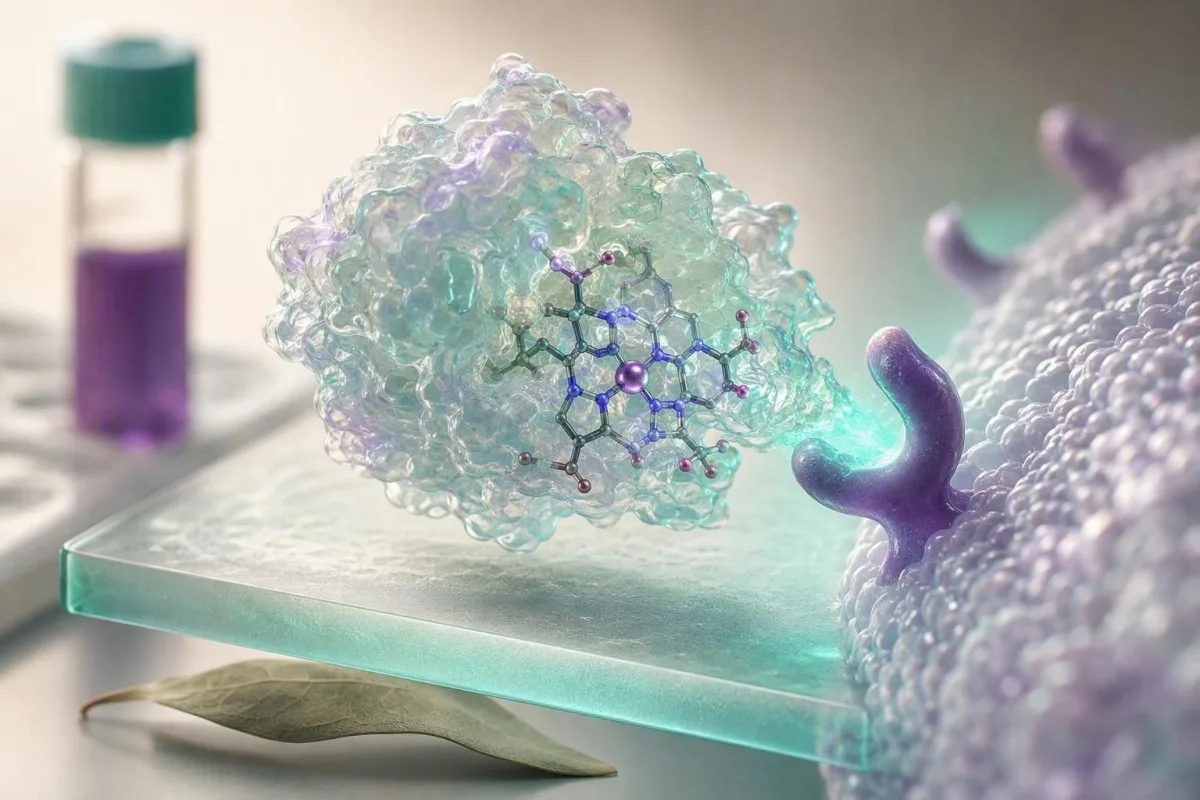
Normálna aktívna hladina B12 čoskoro po suplementácii môže preukázať nedávny príjem skôr ako obnovenie zásoby v tkanivách. Na interpretácii čísla sa často podieľa načasovanie, funkcia obličiek, symptómy a metylmalonová kyselina.


- Nedávna dávka B12 môže zvýšiť holotranskobalamín v priebehu hodín až dní, takže normálny výsledok čoskoro po liečbe spoľahlivo nevylučuje predchádzajúci deficit.
- Rozsah holotranskobalamínu je bežne okolo 37-150 pmol/L, ale každé laboratórium musí používať svoj vlastný interval špecifický pre test.
- test aktívneho B12 meria B12 naviazaný na transkobalamín, frakciu dostupnú pre bunkový príjem; priamo nemeria intracelulárnu aktivitu B12.
- test MMA stúpa, keď je bunkový B12 nedostatočný, ale znížená funkcia obličiek môže zvýšiť MMA aj vtedy, keď je stav B12 adekvátny.
- Načasovanie injekcie je najdôležitejšie: injekcia 1 000 mikrogramov môže spôsobiť, že výsledky sérového a aktívneho B12 budú vyzerať upokojujúco týždne, zatiaľ čo neurologická obnova trvá dlhšie.
- Plán sledovania by mal zaznamenávať presnú formu, dávku, spôsob podania a dátum B12; bez týchto podrobností je porovnávanie výsledkov často zavádzajúce.
- Urýchlené posúdenie je vhodný pri nových ťažkostiach s chôdzou, progresívnom znecitlivení, zmätenosti, silnej slabosti alebo príznakoch anémie, bez ohľadu na nedávno normálny výsledok testu aktívneho B12.
Môže nedávny B12 spôsobiť, že holotranskobalamín bude vyzerať normálne?
Áno. Nedávne perorálne alebo injekčné podanie vitamínu B12 môže dočasne zvýšiť hladinu holotranskobalamínu, často nazývaného aktívny B12, aj keď bol test objednaný, pretože sa podozrievala jeho nedostatok. Výsledok nám potom hovorí, že absorbovateľný B12 nedávno vstúpil do obehu; sám o sebe nemôže dokázať, že zásoby v tkanivách, funkcia nervov alebo pôvodná príčina nedostatku sú opravené. K 3. septembru 2026 je moje praktické pravidlo jednoduché: zdokumentujte každú dávku užitú počas predchádzajúcich 14 dní pred považovaním testu aktívneho B12 za upokojujúci.
Jedna tableta B12 s obsahom 1 000 mikrogramov môže ovplyvniť cirkulujúce markery skôr, ako si pacient všimne akúkoľvek klinickú zmenu. Počas mojej 15-ročnej praxe som videl pacientov, ktorí užili doplnok stravy tri dni pred testovaním, získali normálny výsledok holotranskobalamínu a predpokladali, že ich mesiace brnenia nemali žiadnu výživovú zložku.
Injekcia B12 vytvára väčší a pretrvávajúcejší interpretačný problém ako štandardná tableta. Sérový B12 a holotranskobalamín sa môžu po parenterálnej liečbe výrazne zvýšiť, zatiaľ čo kyselina metylmalónová, obnova krvného obrazu a neurologické príznaky nasledujú rôzne časové osy; naše Sprievodca injekciami B12 verzus tablety vysvetľuje farmakologický kontrast.
Prístup Dr. Thomasa Kleina spočíva v tom, že výsledok aktívneho B12 po dávke považuje za výsledok v kontexte liečby, nie za základný diagnostický výsledok. Kantesti je Analyzátor krvných testov s umelou inteligenciou , ktorý zachováva dátumy dávok popri biomarkeroch, pretože izolovaná hodnota bez časového údaja je často nesprávnou klinickou otázkou.
Užitočná otázka pre vášho lekára
Opýtajte sa, či je cieľom diagnostikovať neliečený nedostatok, potvrdiť biochemickú odpoveď alebo vyšetriť pretrvávajúce príznaky. Sú to tri rôzne otázky a môžu vyžadovať rôzne načasovanie a rôzne testy.
Čo holotranskobalamín skutočne meria
Holotranskobalamín meria vitamín B12 viazaný na transkobalamín, transportný proteín, ktorý dodáva B12 do buniek. Je to biologicky dostupná cirkulujúca frakcia, ale stále je to meranie v obehu, nie priamy údaj o funkcii intracelulárnych enzýmov.
Väčšina cirkulujúceho B12 je viazaná na haptokorín a nie je okamžite dostupná pre tkanivá; holotranskobalamín predstavuje približne 10% až 30% celkového cirkulujúceho B12. Táto biológia je dôvodom, prečo test aktívneho B12 dokáže identifikovať niektoré skoré nedostatky, ktoré celkový B12 prehliada, najmä okolo hraničných koncentrácií celkového B12.
Mnoho laboratórií klasifikuje holotranskobalamín pod približne 35 pmol/l ako nízky a hodnoty nad 50 pmol/L ako adekvátne, s šedou zónou medzi nimi. Tieto hraničné hodnoty sú však závislé od metódy, takže referenčný interval uvedený vykazujúcim laboratóriom má prednosť pred akýmkoľvek internetovým prahom; pozri náš prehľad aktívneho B12 a MMA.
Normálny výsledok holotranskobalamínu je najsilnejší, keď bol odobratý pred podaním doplnkov stravy, injekcií alebo obohatených energetických nápojov. Je menej rozhodujúci u osôb užívajúcich vysoko dávkované B-komplexné produkty, ktoré často obsahujú 500 až 5 000 mikrogramov B12 na dávku; náš Sprievodca B-komplexnými doplnkami pokrýva tieto skryté dávky.
Ako rýchlo perorálny B12 mení výsledky testu aktívneho B12
Perorálny B12 môže rýchlo zvýšiť hladinu holotranskobalamínu, pretože časť vysokej dávky sa absorbuje pasívnou difúziou, aj keď je absorpcia vnútorným faktorom narušená. Normálny výsledok testu na aktívny B12 po niekoľkých nedávnych dávkach môže preto odrážať doplnok stravy skôr ako neliečený stav pacienta.
V fyziologických dávkach vnútorný faktor riadi absorpciu B12 v terminálnom ileu; pri dávkach okolo 1 000 mikrogramov, približne 1% môže preniknúť pasívnou difúziou. Toto malé percento je klinicky významné, preto vysokodávkové tablety môžu fungovať pre mnohých pacientov, ale môžu tiež skresliť diagnostické testovanie.
Zvyčajne odporúčam pacientom, aby si nevymýšľali “vymývacie” obdobie, keď majú znepokojujúce tŕpnutie, zmeny rovnováhy, anémiu, tehotenstvo alebo liečebný plán riadený lekárom. Prerušenie liečby len preto, aby bola laboratórna hodnota "čistejšia", môže byť nesprávnym kompromisom; lekár môže namiesto toho interpretovať výsledok vzhľadom na históriu dávkovania.
Pre neurgentné diagnostické opakované testovanie mnohí lekári žiadajú pacientov, aby sa vyhli perorálnemu B12 aspoň 48 až 72 hodinách, hoci je to pragmatické laboratórne konvencia, skôr než univerzálne overené pravidlo. Dôkazy sú úprimne zmiešané o ideálnom intervale, takže konzistentnosť medzi testami je často dôležitejšia ako snaha o jeden údajne dokonalý deň; prečítajte si náš príručka načasovania krvných testov.
Prečo injekcie B12 spôsobujú najväčšiu časovú pascu
Injekcia B12 môže spôsobiť, že holotranskobalamín a celkový B12 sa budú javiť ako vysoké po celé dni až týždne, takže tieto markery sú slabými nástrojmi na diagnostiku základného nedostatku bezprostredne potom. Výsledok môže potvrdiť expozíciu B12, ale nevysvetliť, prečo sa vyvinul nedostatok, alebo či sa tkanivové účinky zlepšili.
Hydroxokobalamín sa bežne podáva ako 1 000 mikrogramov intramuskulárne, niekedy niekoľkokrát počas 2 až 3 týždňov v načítacích režimoch. Vzorka krvi odobratá krátko potom môže ukázať výsledok ďaleko nad hornou referenčnou hranicou a toto zvýšenie je v väčšine prípadov očakávané skôr ako toxické.
Smernica British Society for Haematology uvádza, že sérový B12 nie je užitočný na monitorovanie pacientov užívajúcich intramuskulárnu terapiu B12 (Devalia et al., 2014). V praxi sledujem symptómy, kompletný krvný obraz, odpoveď retikulocytov pri prítomnosti anémie a dodržiavanie plánovaného režimu namiesto objednávania sériových testov aktívneho B12.
Nárast retikulocytov sa môže začať približne 3 až 5 dní po účinnej liečbe, zatiaľ čo hemoglobín sa často zlepšuje počas 4 až 8 týždňov ak anémiu spôsoboval nedostatok B12. Pretrvávajúce pichanie a tŕpnutie si zaslúži pozornosť aj pri vysokom výsledku po injekcii; náš sprievodca k vysokému výsledku B12 oddeľuje očakávané účinky suplementácie od iných vzorcov.
Kedy test MMA pridáva užitočný kontext
Kyselina metylmalónová je najužitočnejšia, keď je holotranskobalamín hraničný, nedávno zmenený doplnkami stravy, alebo v rozpore so symptómami a nálezmi krvného obrazu. MMA sa zvyšuje, keď je metabolizmus závislý od B12 narušený, čo z neho robí funkčný sprievodný test skôr než náhradu klinického posúdenia.
Koncentrácia MMA v plazme pod približne 0,40 mikromol/l je často považovaná za normálnu, hoci lokálne rozsahy stanovenia sa líšia. Vyššie hodnoty podporujú funkčný nedostatok B12, keď je funkcia obličiek normálna a nie je prítomná žiadna významná sprievodná choroba; naše podrobné Vysvetlenie testu MMA diskutuje bežné alternatívy.
MMA môže zostať zvýšené krátko po začatí liečby B12, takže jeho testovanie ihneď po tabletke alebo injekcii vždy nevyrieši otázku. Meraný pokles počas niekoľkých týždňov považujem za informatívnejší ako jedna hodnota po liečbe, najmä u pacientov, ktorí začali terapiu pred prvým hodnotením.
Kantesti AI interpretuje holotranskobalamín spolu s MMA, kreatinínom, eGFR, MCV, hemoglobínom a zdokumentovanou expozíciou doplnkov, namiesto toho, aby ktorýkoľvek marker považoval za definitívny. Kantesti je platforma na interpretáciu krvného testu AI navrhnutý tak, aby tento vzor poskytol na diskusiu s lekárom, nie na diagnostikovanie pernicióznej anémie z jedného nahratia.
Kedy funkcia obličiek znižuje špecifickosť MMA
Znížená funkcia obličiek môže zvýšiť MMA nezávisle od stavu B12, takže zvýšené MMA je menej špecifické, ak je eGFR pod 60 mL/min/1,73 m². Toto je jeden z najčastejších dôvodov, prečo sa test MMA zdá byť v rozpore s normálnym výsledkom aktívneho B12.
MMA je čiastočne vylučované obličkami a koncentrácie sa zvyčajne zvyšujú so poklesom eGFR. MMA vo 0,55 mikromol/l u staršieho dospelého s eGFR 38 mL/min/1,73 m² si vyžaduje inú interpretáciu ako rovnaký výsledok u 28-ročného človeka s eGFR 105.
Homocysteín sa tiež zvyšuje pri nedostatku B12, ale je ovplyvnený stavom folátu, vitamínu B6, hypotyreózou, renálnou funkciou, fajčením a viacerými liekmi. Keď sú MMA aj homocysteín vysoké u osoby so zachovanou renálnou funkciou a nízkym holotranskobalamínom, argument pre funkčný deficit sa stáva presvedčivejším.
Neoznačujte nárast MMA súvisiaci s obličkami ako zlyhanie liečby bez preskúmania kreatinínu a trajektórie eGFR. Naša Sprievodca štádiami CKD a článok o GFR po dehydratácii vysvetľuje, prečo aj renálne markery vyžadujú kontext.
Ktoré zmeny CBC môžu objasniť situáciu
Kompletný krvný obraz môže poskytnúť nezávislé indície o nedostatku B12, ale normálne MCV ho nevylučuje. Makrocytóza, anémia, vysoké RDW, nízke biele krvinky alebo nízke trombocyty pri ich prítomnosti podporujú diagnózu, avšak neurologický nedostatok B12 sa môže vyskytnúť s normálnym CBC.
MCV nad 100 fL zvyšuje podozrenie na nedostatok B12 alebo folátu, expozíciu alkoholu, ochorenie pečene, hypotyreózu, lieky alebo poruchy kostnej drene. Nedostatok železa môže vykompenzovať makrocytózu a spôsobiť klamlivo normálne MCV, preto nikdy nepoužívam jeden index červených krviniek ako veto.
Zvyšujúce sa RDW môže byť skorým príznakom počas zotavovania, pretože novo produkované bunky sa líšia veľkosťou od starších buniek. Po začatí liečby môže krvný obraz vyzerať premenlivejšie, než sa zlepší; naše sprievodcom pre vysoké MCV načrtáva diferenciálnu diagnózu.
Klinické hodnotenie Carmel zdôrazňuje, že neurologické prejavy sa môžu vyskytnúť bez anémie alebo makrocytózy (Carmel, 2000). Nová porucha vnímania vibrácií, nestabilita chôdze alebo kognitívna zmena by mali viesť k včasnému lekárskemu vyšetreniu, aj keď sa aktívne B12 po doplnku normalizovalo.
Prečo normálny výsledok po podaní nemôže vylúčiť pernicióznu anémiu
Normálny výsledok holotranskobalamínu po liečbe B12 nemôže vylúčiť pernicióznu anémiu, pretože test meria dodané B12, nie autoimunitu vnútorného faktora. Základná diagnóza je dôležitá, pretože určuje, či sú potrebné diskusie o celoživotnej náhrade a sledovaní žalúdka.
Perciózna anémia je výsledkom autoimunitného poškodenia, ktoré ovplyvňuje produkciu vnútorného faktora a parietálnych buniek žalúdka, čím sa znižuje fyziologická absorpcia B12. Pozitivita protilátok proti vnútornému faktoru je vysoko špecifická, ale negatívny výsledok túto diagnózu úplne nevylučuje; protilátky proti parietálnym bunkám sú menej špecifické a musia sa interpretovať opatrne.
Na mojej klinike sa kľúčová anamnéza často skrýva na očiach: autoimunitné ochorenie štítnej žľazy, vitiligo, chronická gastritída, predchádzajúca operácia žalúdka a príbuzní, ktorí dostávajú pravidelné injekcie B12. Normálna hodnota po samoliečbe by nemala ukončiť tento rozhovor; pozri naše sprievodca testovaním na perióznu anémiu.
Kantesti, Nástroj na analýzu krvných testov poháňaný AI, môžu organizovať výsledky protilátok, indexy CBC, gastrín, kde je k dispozícii, a longitudinálne markery súvisiace s B12. Nemôže nahradiť rozhodnutie lekára o endoskopii, autoimunitnom hodnotení alebo o tom, či parenterálna náhrada zostáva nevyhnutná.
Lieky a stavy, ktoré menia plán sledovania
Metformín, inhibítory protónovej pumpy, chirurgické zákroky na žalúdku, zápalové ochorenie čriev, celiakia a diétne obmedzenia môžu spôsobiť alebo pretrvávať deficit B12 napriek dočasne normálnemu testu aktívneho B12. Korekcia čísla bez identifikácie príčiny často vedie k opakujúcej sa neistote.
Pokles hladiny B12 spojený s metformínom je pravdepodobnejší pri vyšších dávkach a dlhšej expozícii, najmä nad 4 roky; periodické hodnotenie B12 sa odporúča u pacientov s rizikom anémie alebo neuropatie. Potlačenie kyslosti môže znížiť uvoľňovanie B12 viazaného na potraviny, hoci klinický účinok sa značne líši od človeka k človeku.
Pacient užívajúci metformín v dávke 2 000 mg denne môže po začatí suplementácie vykazovať dobre vyzerajúci výsledok aktívneho B12, zatiaľ čo pôvodný problém s vstrebávaním zostáva relevantný. To nie je dôvod na ukončenie liečby metformínom bez rady; je to dôvod na zaznamenanie liečby a inteligentné monitorovanie, ako je opísané v našej príručke pre vyšetrenie krvi po metformíne.
Celiakia a ochorenia ilea môžu skomplikovať perorálnu náhradu, pretože odpoveď závisí od aktivity ochorenia a dávky. Ak sa vyskytuje chronická hnačka, úbytok hmotnosti, nedostatok železa alebo rodinná anamnéza celiakie, lekár môže potrebovať vyšetrenie pred dlhodobou samoliečbou; naša príručka o načasovaní gluténového výzvy vysvetľuje jednu diagnostickú pascu.
Ako sa pripraviť na užitočný test holotranskobalamínu
Pre najjasnejší test aktívneho B12 uveďte laboratóriu a predpisujúcemu lekárovi presný produkt B12, dávku, spôsob podania a dátum poslednej dávky. Pôst zvyčajne nie je potrebný pre holotranskobalamín, ale konzistentné pred-testové podmienky robia sériové výsledky porovnateľnejšími.
Zapíšte si, či produkt bol cyanokobalamín, metylkobalamín, hydroxykobalamín alebo neoznačený multivitamín, plus dávku v mikrogramoch. “Niekedy užívam B12” nie je dostatočná klinická informácia, keď výsledky sedia blízko rozhodovacieho prahu, ako napríklad 35 až 50 pmol/L.
Ak váš lekár chce neupravenú východiskovú hodnotu a ste klinicky stabilný, konkrétne sa opýtajte, či máte vysadiť perorálne doplnky na 48 až 72 hodinách a ako dlho po injekcii sa má čakať na testovanie. Nepredpokladajte, že sa všeobecný pokyn o pôste vzťahuje na B12; naše doplnkov pred odberom krvi pokrýva širšie pred-testové účinky.
Fotografovanie etikety doplnku a jej uloženie spolu so správou predíde prekvapivo častému problému: B12 sa často skrýva v produktoch na vlasy, energetických práškoch, tehotenských vitamínoch a obohatených nápojoch. Nástroj Kantesti na prehľad trendov je postavený na základe dátumovaných vstupov, pretože porovnávanie dvoch hodnôt bez dátumov liečby môže vytvoriť falošný naratív o zlepšení alebo relaps.
Kedy zopakovať aktívny B12, MMA a CBC
Načasovanie sledovania závisí od toho, prečo bola liečba začatá: aktívny B12 je po injekciách často zbytočný, zatiaľ čo CBC a prehľad symptómov môžu byť užitočnejšie po 4 až 8 týždňoch. MMA môže pridať kontext, keď bola východisková hodnota neistá, ale mala by sa interpretovať s ohľadom na funkciu obličiek a načasovanie liečby.
Pri hematologickej deficiencii, retikulocytová odpoveď okolo dňa 5 až 10 a opätovné posúdenie CBC približne pri 6 až 8 týždňov môžu dokumentovať zotavenie. Nedostatok očakávaného zlepšenia by mal vyvolať preskúmanie železa, folátov, pretrvávajúceho krvácania, ochorenia kostnej drene, dodržiavania liečby a toho, či bola pôvodná diagnóza správna.
Pri neuropatii záleží viac na trajektórii symptómov ako na naháňaní vysokej hodnoty aktívneho B12. Zotavenie nervov môže trvať mesiace a po dlhodobom deficite môže byť neúplné, takže zhoršujúca sa rovnováha, nová slabosť alebo príznaky močového mechúra by sa mali posúdiť promptne namiesto liečby opakovanými doplnkami.
Kantesti AI porovnáva predchádzajúce výsledky a zvýrazňuje zmeny, ktoré môžu prekročiť bežné laboratórne variácie, ale plán následného sledovania patrí do kompetencie liečebného tímu. Čitatelia, ktorí chcú pochopiť zmysluplné zmeny medzi odbermi, si môžu pozrieť našu sprievodca výsledkami vedľa seba a naše prístup k medicínskej validácii.
Špeciálne situácie: tehotenstvo, vyšší vek a rastlinná strava
Tehotenstvo, neskorší vek a rastlinné stravovacie návyky môžu zmeniť predtestovú pravdepodobnosť deficitu B12, ale neurobia z nedávno doplneného výsledku holotranskobalamínu diagnostický. Najbezpečnejšia interpretácia stále kombinuje anamnézu expozície, symptómy, CBC a funkčné markery, ak sú vhodné.
Tehotenstvo mení plazmatický objem a laboratórnu interpretáciu, zatiaľ čo fetálny dopyt robí trvalú adekvátnosť B12 klinicky relevantnou. Ľudia užívajúci prenatálne doplnky môžu už užívať 2,6 mikrogramov alebo viac denne, takže etiketa doplnku by mala byť súčasťou každej diskusie o B12; náš sprievodca bezpečnosťou doplnkov v tehotenstve ponúka praktický kontext.
Dospelí nad 65 rokov majú vyššiu prevalenciu malabsorpcie potravinového kobalamínu, expozíciu liekom a autoimunitnú gastritídu. U staršieho pacienta s pádmi alebo kognitívnymi príznakmi neodmietam B12 len preto, že nedávny multivitamín priniesol normálny test aktívneho B12; náš sprievodca vyšetrením krvi u starších ľudí vysvetľuje širšie vzorce krehkosti.
Prísne vegánske diéty vyžadujú spoľahlivý zdroj B12, pretože nefortifikované rastlinné potraviny spoľahlivo nedodávajú aktívny B12. Môže sa použiť denný doplnok 25 až 100 mikrogramov alebo občasný plán s vyššou dávkou, ale individuálne odporúčanie na predpisovanie je dôležité; pozri náš sprievodca potravinami s vysokým obsahom B12.
Kedy symptómy majú väčšiu váhu ako nedávno normálny výsledok
Progresívne znecitlivenie, problémy s chôdzou, nová slabosť, zmätenosť, zmeny zraku alebo príznaky ťažkej anémie si vyžadujú lekárske posúdenie, aj keď bol holotranskobalamín normálny po nedávnom podaní B12. Výsledok ovplyvnený doplnkami by sa nikdy nemal použiť na ospravedlnenie neurologických varovných signálov.
Vyhľadajte lekársku radu v ten istý deň pri rýchlo sa zhoršujúcich problémoch s chôdzou, silnej dýchavičnosti, bolesti na hrudníku, mdlobách alebo výraznej zmätenosti. Tieto príznaky majú mnoho možných príčin a deficit B12 je len jednou z nich; odkladanie posúdenia na opakované testovanie vitamínov nie je bezpečný plán.
Jemným, ale zmysluplným ukazovateľom je strata vnímania vibrácií alebo polohy skôr ako samotná bolesť. Stretol som sa s pacientmi, ktorých príznaky boli mesiace pripisované stresu, pretože ich CBC bolo normálne, napriek tomu anamnéza a funkčné markery oprávňovali liečbu a ďalšie vyšetrenie.
Kantesti AI je službe na interpretáciu výsledkov AI laboratórnych testov ktoré môžu používateľom pomôcť pripraviť stručné zhrnutie trendov pre lekára, vrátane dát doplnkov a spárovaných hodnôt CBC. Naša lekárska poradná rada preskúma zásady klinickej bezpečnosti, ale naliehavé príznaky vyžadujú miestnu lekársku starostlivosť namiesto online interpretácie.
Praktický plán na interpretáciu vášho ďalšieho výsledku
Najlepším ďalším krokom po potenciálne zavádzajúcom výsledku holotranskobalamínu je klasifikovať test ako základný, po perorálnom podaní alebo po injekčnom podaní, potom podľa toho zvoliť následné markery. Toto zabraňuje falošnému upokojeniu aj zbytočnému opakovanému testovaniu.
Ak bol test vykonaný pred doplnkami stravy, nízky výsledok holotranskobalamínu spolu s kompatibilnými príznakmi alebo zmenami CBC podporuje urýchlené klinické posúdenie. Ak bol vykonaný po perorálnom podaní B12, zaznamenajte interval a zvážte, či MMA, homocysteín, protilátky alebo opakovaný test za konzistentných podmienok zodpovedia zostávajúcu otázku.
Ak test nasledoval po injekcii, nepoužívajte zvýšenú hodnotu aktívneho B12 na posúdenie úspešnosti liečby ani na vylúčenie pernicióznej anémie. Zamerajte sa na indikáciu liečby, priebeh príznakov, obnovu CBC a príčinu narušeného príjmu alebo vstrebávania; naše sprievodcovi normálnym rozmedzím B12 vysvetľuje rozdiely v jednotkách a prahoch.
Kantesti podporil viac ako 2 milióny používateľov v 127+ krajinách s viacjazyčnou interpretáciou laboratórnych výsledkov, ale výsledok B12 je najužitočnejší, keď je ukotvený v časovej osi. Uložte si správu, štítok doplnku stravy, dátum injekcie, výsledky obličiek a príznaky dohromady; naše Sprievodca AI technológiou popisuje, ako je analýza trendov v kontexte navrhnutá tak, aby pomáhala – nie nahrádzala – klinickú starostlivosť.
Často kladené otázky
Ako dlho po užití B12 stúpa holotranskobalamín?
Holotranskobalamín môže stúpnuť v priebehu hodín až dní po perorálnom podaní B12, pretože absorbovaný kobalamín sa rýchlo naviaže na transkobalamín. Vysoko dávkovaný perorálny produkt obsahujúci 1 000 mikrogramov môže zmysluplne ovplyvniť test aktívneho B12, aj keď základná absorpcia zostáva narušená. Presná dĺžka trvania sa líši v závislosti od dávky, formulácie, funkcie obličiek a predchádzajúcich zásob, takže neexistuje univerzálne validovaný interval „washout“. Pre stabilné, neakútne diagnostické opakované testovanie lekári často používajú 48 až 72 hodín bez perorálneho podania B12, ale individuálne pokyny by mali mať prednosť.
Môžem mať normálny aktívny test B12 a napriek tomu trpieť nedostatkom B12?
Áno, normálny test aktívneho vitamínu B12 sa môže vyskytnúť spolu s nedávnou suplementáciou B12, skorou liečbou, variabilitou stanovenia alebo klinickým obrazom, ktorý si stále vyžaduje vyšetrenie. Holotranskobalamín meria cirkulujúci B12 dostupný na príjem, nie priamu intracelulárnu aktivitu enzýmov alebo príčinu malabsorpcie. Test MMA nad lokálnou hornou hranicou, často okolo 0,40 mikromolu/l, môže podporiť funkčný deficit, keď je GFR zachovaná. Nové neurologické príznaky si vyžadujú klinické posúdenie bez ohľadu na nedávno normálnu hodnotu aktívneho B12.
Mám prestať užívať B12 pred testom MMA?
Zastavte predpísaný B12 až po konzultácii s lekárom, ktorý nariadil test, najmä ak máte anémiu, ste tehotná, máte neuropatiu alebo podozrenie na pernicióznu anémiu. Liečba B12 môže časom znížiť MMA, takže test MMA po liečbe už nemusí predstavovať neliečenú základnú hodnotu. Ak testovanie nie je naliehavé, lekár môže požiadať o definovanú prestávku od perorálnych doplnkov, zvyčajne 48 až 72 hodín, ale nie je to vhodné pre každého pacienta. Musí sa skontrolovať funkcia obličiek, pretože eGFR nižšia ako 60 mL/min/1,73 m² môže nezávisle zvýšiť MMA.
Ako dlho po injekcii B12 mám testovať aktívny B12?
Testovanie aktívneho B12 ihneď po injekcii 1 000 mikrogramov B12 zvyčajne nie je užitočné pri diagnostike základného nedostatku, pretože cirkulujúca koncentrácia môže zostať vysoká niekoľko dní až týždňov. Britské hematologické usmernenia neodporúčajú sérové B12 na monitorovanie pacientov užívajúcich intramuskulárnu liečbu B12. Následná starostlivosť sa bežne spolieha na odpoveď na symptómy, odpoveď retikulocytov po približne 5 až 10 dňoch, ak je prítomná anémia, a CBC približne o 6 až 8 týždňov. Liečiaci lekár by mal rozhodnúť, či sú MMA, protilátky alebo iný test stále užitočné.
Čo znamená hraničný výsledok holotranskobalamínu?
Hraničný výsledok holotranskobalamínu je bežne hodnota okolo 35 až 50 pmol/L, hoci laboratóriá používajú rôzne metódy a referenčné intervaly. Hraničný aktívny B12 je znepokojujúcejší, keď je MMA zvýšené, eGFR je normálne, MCV je vysoké, alebo sú prítomné príznaky ako necitlivosť a nestabilita. Je menej interpretovateľný, ak osoba užila B12 v predchádzajúcich niekoľkých dňoch alebo nedávno dostala injekciu. Opakované vyšetrenie za konzistentných podmienok alebo párový test MMA môže objasniť situáciu.
Maskuje vysoký príjem folátu nedostatok vitamínu B12?
Vysoký príjem folátu môže zlepšiť anémiu pri deficite vitamínu B12, zatiaľ čo neurologické poškodenie pretrváva, preto normálny hemoglobín nevylučuje neuropatiu súvisiacu s B12. Tento problém je najrelevantnejší pri dávkach doplnkového folátu okolo 1 mg denne alebo viac, na rozdiel od bežného príjmu potravy. Holotranskobalamín, MMA, homocysteín, CBC indexy a symptómy by sa mali interpretovať spoločne. Nové tŕpnutie, zmena chôdze alebo kognitívne symptómy si vyžadujú včasné lekárske vyšetrenie, aj keď sú hladiny folátu a hemoglobínu normálne.
Získajte analýzu krvných testov s podporou AI už dnes
Pridajte sa k viac než 2 miliónom používateľov na celom svete, ktorí dôverujú Kantesti pri okamžitej a presnej analýze laboratórnych testov. Nahrajte svoje výsledky krvných testov a získajte komplexnú interpretáciu biomarkerov 15,000+ v priebehu sekúnd.
📚 Citované publikácie výskumu
Klein, T., Mitchell, S., & Weber, H. (2026). Krvný test na vírus Nipah: Sprievodca včasnou detekciou a diagnostikou 2026. Kantesti AI Medical Research.
Klein, T., Mitchell, S., & Weber, H. (2026). Sprievodca: krvná skupina B negatívna, LDH krvný test a počet retikulocytov. Kantesti AI Medical Research.
📖 Externé lekárske referencie
⚕️ Vyhlásenie o lekárskej starostlivosti
Tento článok je určený len na vzdelávacie účely a nepredstavuje lekárske poradenstvo. Pri rozhodnutiach o diagnostike a liečbe sa vždy poraďte s kvalifikovaným poskytovateľom zdravotnej starostlivosti.
Signály dôvery E-E-A-T Trust Signals
Skúsenosti
Klinické hodnotenie vedené lekárom pracovných postupov interpretácie laboratórnych výsledkov.
Odbornosť
Laboratórna medicína so zameraním na to, ako sa biomarkery správajú v klinickom kontexte.
Autoritatívnosť
Napísané Dr. Thomasom Kleinom, recenzia Dr. Sarah Mitchell a prof. Dr. Hans Weber.
Dôveryhodnosť
Interpretácia založená na dôkazoch s jasnými následnými krokmi na zníženie poplachu.