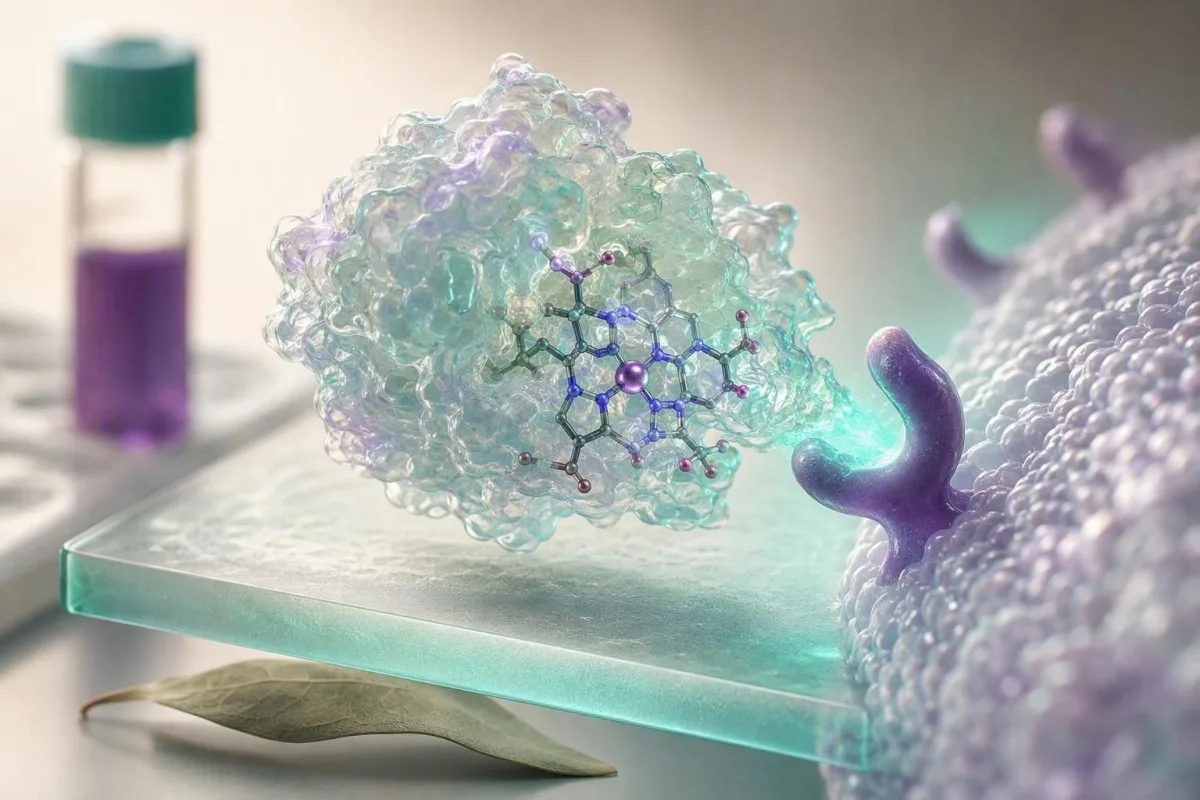
Faodaidh toradh gnìomhach B12 àbhaisteach goirid às deidh stuth-leigheis a thoirt a-steach, seach dìreach solar clò a chaidh a thoirt air ais. Bidh ùine, gnìomh dubhaig, comharran, agus searbhag methylmalonic gu tric a’ dearbhadh dè a tha an àireamh a’ ciallachadh.


- Dòs B12 o chionn ghoirid faodaidh holotranscobalamin àrdachadh taobh a-staigh uairean gu làithean, agus mar sin chan eil toradh àbhaisteach goirid às dèidh làimhseachaidh a’ dùnadh a-mach dìth roimhe gu earbsach.
- Raon Holotranscobalamin mar as trice timcheall air 37-150 pmol/L, ach feumaidh gach obairlann an raon aca fhèin a tha sònraichte do assay a chleachdadh.
- Deuchainn B12 gnìomhach a’ tomhas B12 ceangailte ri transcobalamin, am briseadh a tha ri fhaighinn airson gabhail a-steach cealla; chan eil e a’ tomhas gu dìreach gnìomhachd B12 a-staigh cealla.
- Deuchainn MMA ag èirigh nuair a tha B12 cealla neo-iomchaidh, ach faodaidh gnìomh dubhaig air a lughdachadh MMA àrdachadh eadhon nuair a tha inbhe B12 iomchaidh.
- Ùine stealladh tha cudromachd as motha: faodaidh stealladh 1,000 microgram toradh B12 serum agus gnìomhach a dhèanamh a’ coimhead misneachail airson seachdainean fhad ‘s a bheir ath-bheothachadh neurological nas fhaide.
- Plana leantainn bu chòir an cruth B12, dòs, slighe, agus ceann-latha mionaideach a chlàradh; às aonais na mion-fhiosrachaidh sin, tha coimeas a dhèanamh air toraidhean gu tric a’ cur troimh-chèile.
- ath-sgrùdadh èiginneach Tha seo freagarrach airson duilgheadas ùr ann an dòigh-coiseachd, tinnearachd a tha a’ dol am meud, troimh-chèile, laigse mhòr, no comharran anemia, ge bith dè an deuchainn gnìomhach B12 a bha o chionn ghoirid àbhaisteach.
An urrainn do B12 o chionn ghoirid holotranscobalamin a dhèanamh a bhith a’ coimhead àbhaisteach?
Seadh. Faodaidh vitimín B12 beòil no stealladh o chionn ghoirid àrdachadh sealach a dhèanamh air holotranscobalamin, a theirear gu tric ris a’ B12 ghnìomhach, eadhon nuair a chaidh an deuchainn òrdachadh leis gu robh dìth ga fhaicinn. Mar sin, tha an toradh ag innse dhuinn gun do ràinig B12 a ghabhas gabhail a-steach an cuairteachadh o chionn ghoirid; chan urrainn dha, leis fhèin, dearbhadh gu bheil stòran nèip, gnìomh nèamhach, no an tùs tùsail den dìth air an ceartachadh. Mar air 3 Sultain, 2026, tha an riaghailt phractaigeach agam sìmplidh: clàraich a h-uile dòs a chaidh a ghabhail anns na 14 latha roimhe sin mus gairm thu deuchainn gnìomhach B12 a tha misneachail.
Faodaidh aon chlàr B12 de 1,000 microgram atharrachadh air comharran cuairteachaidh mus mothaich euslainteach atharrachadh sam bith clionaigeach. Nam 15 bliadhna de chleachdadh, tha mi air euslaintich fhaicinn a’ gabhail stuth airson trì latha mus deach an deuchainn a dhèanamh, a’ faighinn toradh holotranscobalamin àbhaisteach, agus a’ gabhail ris nach robh ceangal beathachaidh aig na mìosan de dh ’inghealachadh aca.
Tha stealladh B12 a’ cruthachadh duilgheadas eadar-mhìneachaidh nas motha agus nas seasmhaiche na clàr àbhaisteach. Faodaidh serum B12 agus holotranscobalamin a bhith air an àrdachadh gu mòr às deidh làimhseachadh parenteral, fhad ‘s a tha searbhag methylmalonic, ath-bheothachadh cunntais fala, agus comharran nèural a’ leantainn chlàran-ama eadar-dhealaichte; tha ar Stiùireadh stealladh B12 an aghaidh chlàran a’ mìneachadh a’ chaochladh cungaidh-leigheis.
Is e dòigh an Dotair Thomas Klein a bhith a’ làimhseachadh toradh gnìomhach B12 às deidh dòs mar thoradh air co-theacsa làimhseachaidh, chan e toradh breithneachaidh bunaiteach. Tha ALT na Anailisiche deuchainn fala AI a ghleidheas cinn-latha dòs còmhla ri biomarkers, leis gur e ceist chlinigeach ceàrr a th’ ann luach air leth gun àm.
A’ cheist fheumail a bhith a’ faighneachd do do neach-clionaigeach
Faighnich a bheil an amas a bhith a’ lorg dìth neo-làimhseachadh, a’ dearbhadh freagairt bith-cheimiceach, no a’ sgrùdadh comharran leantainneach. Is e sin trì ceistean eadar-dhealaichte, agus dh’ fhaodadh iad a bhith feumach air clàradh agus deuchainnean eadar-dhealaichte.
Dè a tha holotranscobalamin a’ tomhas gu fìrinneach
Tha Holotranscobalamin a’ tomhas vitimín B12 ceangailte ri transcobalamin, am pròtain còmhdhail a bhios a’ lìbhrigeadh B12 do cheallan. Is e am pàirt cuairteachaidh a tha rim faighinn gu bith-eòlasach, ach is e tomhas cuairteachaidh fhathast a th’ ann seach leughadh dìreach air gnìomh enzyme intracellular.
Tha a’ mhòr-chuid de B12 cuairteachaidh ceangailte ri haptocorrin agus chan eil e ri fhaighinn sa bhad do nèip; tha holotranscobalamin a’ riochdachadh timcheall air 20% gu 30% den B12 cuairteachaidh iomlan. Is e sin adhbhar bith-eòlasach gu bheil an deuchainn gnìomhach B12 comasach air cuid de dhìth thràth a lorg a tha B12 iomlan ag ionndrainn, gu sònraichte timcheall air dùmhlachdan B12 iomlan a tha air iomall.
Bidh mòran de naoidhean a’ seòrsachadh holotranscobalamin gu h-ìosal timcheall air 35 pmol/L mar ìosal agus luachan os cionn 50 pmol/L mar gu leòr, le raon glas eadar. Tha na crìochan sin an urra ris an sgrùdadh ge-tà, mar sin tha an raon iomraidh a tha an naoidhe leasachaidh a’ clò-bhualadh a’ toirt urram do shruth eadar-lìn sam bith; faic ar Sealladh-farsaing gnìomhach B12 agus MMA.
Tha toradh holotranscobalamin àbhaisteach as làidire nuair a chaidh a dhèanamh roimhe seo a chaidh stuthan, stealladh, no deochan lùtha fortanach a thoirt a-steach. Tha e nas lugha de chinnt ann an daoine a tha a’ cleachdadh toraidhean B-complex àrd-dòis, anns a bheil gu tric 500 gu 5,000 microgram de B12 gach dòs; tha ar Stiùireadh stuthan B-complex a’ còmhdach na dòsan falaichte sin.
Cia mheud a dh’ atharraicheas B12 beòil gu sgiobalta deuchainn B12 gnìomhach
Faodaidh B12 beòil holotranscobalamin àrdachadh gu luath leis gu bheil pàirt de dhòs mhòr air a ghabhail a-steach le sgaoileadh fulangach eadhon nuair a tha gabhail a-steach factar-taobh a-staigh air a mhilleadh. Faodaidh deuchainn B12 gnìomhach àbhaisteach às deidh grunn dòsan o chionn ghoirid mar sin a bhith a’ nochdadh an stuth-leasachaidh an àite staid neo-làimhseachaidh an euslaintich.
Aig dòsan fìobail, tha factar dùthchasach a’ riaghladh gabhail B12 anns an ileum crìochnachaidh; aig dòsan timcheall air 1,000 micrograms, faodaidh timcheall air 1% a dhol a-steach tro sgaoileadh fulangach. Tha an ìre bheag sin a’ ciallachadh gu mòr a thaobh clionaigeach, is e sin as coireach gum faod clàran àrd-dòis obrachadh airson mòran euslaintich ach is urrainn dhaibh cuideachd deuchainnean breithneachaidh fhalach.
Mar as trice bidh mi a“ comhairleachadh dhut gun a bhith a” dèanamh ùine nighe air falbh nuair a tha iomagain ort mu fhearann, atharrachadh cothromachaidh, anemia, torrachas, no plana làimhseachaidh air a stiùireadh le lighiche. Faodaidh stad a chuir air làimhseachadh dìreach gus luach obair-lann a dhèanamh nas “glaine” a bhith na mhalairt cheàrr; faodaidh an lighiche an àite sin mìneachadh a dhèanamh air an toradh an aghaidh eachdraidh an dòis.
Airson ath-dheuchainn breithneachaidh nach eil èiginneach, bidh mòran de lighichean ag iarraidh air euslaintich B12 beòil a sheachnadh airson co-dhiù 48 gu 72 uairean, ged is e seo gnàthas obair-lann pragmatic seach riaghailt uile-choitcheann air a dhearbhadh. Tha an fhianais gu h-onarach measgaichte air an ùine as fheàrr, agus mar sin mar as trice tha cunbhalachd eadar deuchainnean nas cudromaiche na bhith a’ ruith às dèidh aon latha a thathar a’ smaoineachadh a tha foirfe; leugh ar treòrachadh ùine deuchainn-fuil.
Carson a tha steallaidhean B12 ag adhbhrachadh an ribe ùine as motha
Faodaidh stealladh B12 holotranscobalamin agus làn B12 a dhèanamh a’ nochdadh àrd airson làithean gu seachdainean, agus mar sin tha na comharran sin nan innealan bochd airson dìth bunaiteach a dhearbhadh dìreach às deidh sin. Faodaidh an toradh nochdadh gu bheil thu air a bhith fosgailte do B12 ach chan eil e a’ mìneachadh carson a thàinig dìth air no an deach buaidhean nan nèapraigean fhuasgladh.
Mar as trice bidh Hydroxocobalamin air a thoirt seachad mar 1,000 micrograman a-steach do na fèithean, uaireannan grunn thursan thairis air 2 gu 3 seachdainean ann an rèiteachaidhean luchdachadh. Faodaidh sampall fala a chruinnichear goirid às deidh sin sealltainn toradh fada os cionn na h-ìre iomraidh àrda, agus tha an àrdachadh sin an dùil seach a bhith puinnseanta anns a’ mhòr-chuid de dhòsan.
Tha stiùireadh Chomann airson Haematology Bhreatainn ag ràdh nach eil serum B12 feumail airson sùil a chumail air euslaintich a tha a’ faighinn làimhseachadh B12 intramuscular (Devalia et al., 2014). Ann an cleachdadh, bidh mi a’ leantainn chomharran, an cunntas fala iomlan, freagairt reticulocyte nuair a tha anemia ann, agus gèilleadh ris an rèiteachadh a tha san amharc seach a bhith a’ òrdachadh deuchainnean B12 gnìomhach sreathach.
Faodaidh àrdachadh reticulocyte tòiseachadh timcheall air 3 gu 5 làithean às dèidh làimhseachadh èifeachdach, fhad ‘s a bhios hemoglobin gu tric a’ leasachadh thairis air 4 gu 8 seachdainean ma bha dìth B12 a’ draibheadh anemia. Tha comharran prìneachan is snàthadan a’ dùileachadh aire eadhon le toradh àrd às deidh stealladh; ar stiùireadh toraidh B12 àrd a’ sgaradh buaidhean stuth-leasachaidh dùil bho phàtranan eile.
Cuin a chuireas deuchainn MMA ris an tuigse a tha feumail
Tha searbhag methylmalonic as fheumail nuair a tha holotranscobalamin air a bhith ceart gu leòr, air atharrachadh o chionn ghoirid le stuthan-leasachaidh, no neo-chunbhalach ri comharran agus toraidhean cunntas fala. Bidh MMA ag èirigh nuair a tha metabolism a tha an urra ri B12 air a mhilleadh, ga dhèanamh na dheuchainn com-pàirteach gnìomhach seach ath-nuadhachadh air measadh clionaigeach.
Tha dùmhlachd MMA plasma fo timcheall air 0.40 micromol/L gu tric air a mheas mar àbhaisteach, ged a tha raointean anailis ionadail ag atharrachadh. Tha luachan nas àirde a’ toirt taic do dìth B12 gnìomhach nuair a tha gnìomh nan dubhagan àbhaisteach agus chan eil mòr-thinneas ann; ar mion-fhiosrachadh mìneachadh deuchainn MMA beachdaichidh e air na roghainnean eile cumanta.
Faodaidh MMA fuireach àrd airson ùine ghoirid an dèidh do làimhseachadh B12 tòiseachadh, mar sin chan eil deuchainn a dhèanamh air dìreach às dèidh clàr no stealladh an-còmhnaidh a’ dearbhadh na cùise. Tha mi a’ faighinn lùghdachadh tomhaiste thar grunn sheachdainean nas informative na aon luach às dèidh làimhseachaidh, gu h-àraidh ann an euslaintich a thòisich air leigheas mus robh a’ chiad measadh aca.
tha Kantesti AI a’ mìneachadh holotranscobalamin còmhla ri MMA, creatinine, eGFR, MCV, hemoglobin, agus nochdadh stuthan cur-ris clàraichte an àite a bhith a’ làimhseachadh aon chomharra mar dhearbhte. Tha Kantesti na àrd-ùrlar mìneachaidh deuchainn fala AI air a dhealbhadh gus am pàtran seo fhoillseachadh airson beachdachadh le neach-clionaigeach, chan ann airson galairean pernicious anemia a dhearbhadh bho aon luchdachadh suas.
Cuin a nì gnìomh dubhaig MMA nas lugha de shònraichte
Faodaidh gnìomhachd dubhaig lag MMA a thogail gu neo-eisimeileach bho staid B12, mar sin tha MMA àrd nas lugha de shònrachadh nuair a tha eGFR nas ìsle na 60 mL/min/1.73 m². Is e seo aon de na h-adhbharan as cumanta a tha deuchainn MMA a’ nochdadh mar a tha e an aghaidh toradh gnìomhach B12 àbhaisteach.
Tha MMA air a ghlanadh gu ìre leis na dubhagan, agus bidh dùmhlaichean gu tric a’ dol suas mar a thuiteas eGFR. MMA de 0.55 micromol/L ann an seann neach-aibidh le eGFR 38 mL/min/1.73 m² feumach air mìneachadh eadar-dhealaichte na an aon toradh ann an neach 28-bliadhna le eGFR 105.
Tha Homocysteine cuideachd ag èirigh ann an dìth B12, ach tha e air a thoirt buaidh le staid folate, vitimín B6, hypothyroidism, gnìomhachd dubhaig, smocadh, agus grunn chungaidh-leigheis. Nuair a tha an dà chuid MMA agus homocysteine àrd ann an cuideigin le gnìomhachd dubhaig glèidhte agus holotranscobalamin ìosal, tha an cùis airson dìth gnìomhach nas fheàrr.
Na cuir bileag air MMA a tha ag èirigh co-cheangailte ri dubhagan mar fhàilligeadh leigheis gun a bhith a’ sgrùdadh creatinine agus slighe eGFR. Ar stiùireadh ìrean CKD agus artaigil GFR às deidh dìth uisgeachaidh mìneachadh carson a tha eadhon comharran dubhaig feumach air co-theacsa.
Dè na h-atharrachaidhean ann an CBC as urrainn an sgeulachd a shoilleireachadh
Faodaidh cunntas iomlan fala comharran neo-eisimeileach a thoirt seachad airson dìth B12, ach chan eil MCV àbhaisteach ga dùnadh a-mach. Tha macrocytosis, anemia, RDW àrd, ceallan geala ìosal, no plateletan ìosal a’ toirt taic don diagnosis nuair a tha iad an làthair, ach faodaidh dìth B12 neòlach tachairt le CBC àbhaisteach.
Thathar a’ meas gu bheil MCV os cionn 100 fL a’ meudachadh amharas airson dìth B12 no folate, nochdadh deoch làidir, tinneas grùthan, hypothyroidism, cungaidhean-leigheis, no eas-òrdughan smior. Faodaidh dìth iarainn a bhith a’ dìoladh macrocytosis agus a’ toirt a-mach MCV àbhaisteach a tha a’ ciallachadh, is e sin as coireach nach cleachd mi ach aon chomharra cealla-ruadh mar bhòtaidh.
Faodaidh RDW a tha ag èirigh a bhith na chomharra tràth rè ath-bheothachaidh leis gu bheil meud nan ceallan ùra eadar-dhealaichte bho na seann cheallan. An dèidh do làimhseachadh tòiseachadh, faodaidh an CBC a bhith a’ coimhead nas caochlaideach mus coimhead e nas fheàrr; ar stiùireadh leanmhainn MCV àrd a’ toirt geàrr-chunntas air a’ mhìneachadh eadar-dhealaichte.
Tha ath-sgrùdadh clionaigeach Carmel a’ cur cuideam air gum faodadh nochdaidhean neòlach tachairt gun anemia no macrocytosis (Carmel, 2000). Bu chòir do mhothachadh crathaidh ùr air a mhilleadh, neo-sheasmhachd astar, no atharrachadh cognaidh a bhith a’ brosnachadh measadh meidigeach ùineail eadhon ma tha B12 gnìomhach air normalachadh às deidh stuth cur-ris.
Carson nach urrainn toradh às dèidh dòs àbhaisteach a dhiùltadh anemia pernicious
Chan urrainn toradh holotranscobalamin àbhaisteach às dèidh làimhseachadh B12 dùnadh a-mach pernicious anemia oir tha an deuchainn a’ tomhas B12 a chaidh a thoirt seachad, chan e fèin-ghràdh factor-intrinsic. Tha an diagnosis bunaiteach cudromach oir tha e a’ dearbhadh a bheil feum air ath-nuadhachadh fad-beatha agus beachdachadh air sgrùdadh gastric.
Tha anemia pernicious a’ tighinn bho mhilleadh fèin-ghalair a bheir buaidh air toirt a-mach factar a-staigh agus ceallan parietal stamag, a’ lughdachadh gabhail a-steach B12 fiseòlais. Tha deimhneachd antibody factar a-staigh gu math sònraichte, ach chan eil toradh àicheil a’ cur às don t-suidheachadh gu tur; tha antibodies cealla parietal nas lugha de shònrachas agus feumar an mìneachadh gu faiceallach.
Nam chlinic, gu tric tha an eachdraidh chudromach a’ falach air an t-sealladh soilleir: galar thyroid fèin-ghalair, vitiligo, gastritis cronach, obair-lannsa stamag roimhe seo, agus càirdean a tha a’ faighinn steallaidhean B12 gu cunbhalach. Cha bu chòir luach àbhaisteach às dèidh fèin-làimhseachaidh an còmhraidh sin a dhùnadh; faic ar leabhar-làimhe deuchainn ana-cainnt pernicious.
Kantesti, na Inneal mion-sgrùdaidh deuchainn fala le cumhachd AI, faodaidh tu toraidhean antibody, clàran CBC, gastrin far a bheil e ri fhaighinn, agus comharran co-cheangailte ri B12 a chuir air dòigh. Chan urrainn dha co-dhùnadh clionaigeach mu endoscopaidh, measadh fèin-ghalair, no an fheum air ath-nuadhachadh parenteral a chuir an àite.
Cungaidhean-leigheis agus suidheachaidhean a dh’ atharraicheas a’ phlana leantainn
Faodaidh Metformin, luchd-dìolaidh pumpa proton, obair-lannsa stamag, galar innidh sèidteach, galar celiac, agus cuingealachadh daithead adhbhrachadh no cumail a’ dol le dìth B12 a dh’aindeoin deuchainn B12 gnìomhach a tha a’ coimhead àbhaisteach. Bidh ceartachadh na h-àireamh gun a bhith a’ comharrachadh an dràibhear gu tric a’ leantainn gu teagamh ath-chuairteach.
Tha lughdachadh B12 co-cheangailte ri Metformin nas dualtaich le dòsan nas àirde agus nochdadh nas fhaide, gu sònraichte thairis air 4 bliadhna; thathas a’ moladh measadh B12 bho àm gu àm ann an euslaintich le anemia no cunnart neuropathy. Faodaidh casg searbhag lughdachadh sgaoileadh B12 a tha ceangailte ri biadh, ged a tha an buaidh clionaigeach ag atharrachadh gu mòr bho dhuine gu duine.
Is dòcha gum faic euslainteach a tha a’ gabhail metformin 2,000 mg gach latha toradh B12 gnìomhach a tha a’ coimhead fallain às deidh dha stuth-leigheis a thòiseachadh, fhad ‘s a tha an duilgheadas gabhail tùsail fhathast buntainneach. Chan e sin adhbhar airson metformin a stad gun chomhairle; is e adhbhar a th’ ann làimhseachadh a chlàradh agus sùil a chumail gu h-òrdail, mar a tha air a mhìneachadh anns na againn leabhar obair fala às dèidh stiùireadh metformin.
Faodaidh galar coeliac agus dìth-chothromach innidh a bhith a’ dèanamh ath-nuadhachadh beòil duilich leis gu bheil an freagairt an urra ri gnìomhachd ghalaran agus dòs. Ma tha a’ bhuinne cronach, call cuideim, dìth iarainn, no eachdraidh teaghlaich de ghalar coeliac an làthair, is dòcha gum feum clionaigeach sgrùdadh a dhèanamh mus tèid fèin-làimhseachadh fada; ar stiùireadh ùine dùbhlain gluten a’ mìneachadh aon phàirt dhiagnostach.
Mar a ni thu ullachadh airson deuchainn holotranscobalamin feumail
Airson an deuchainn B12 gnìomhach as soilleire, thoir don obair-lann agus don òrdugh an dearbh toradh B12, an dòs, an t-slighe, agus ceann-latha na dòs mu dheireadh agad. Mar as trice chan eil feum air fasting airson holotranscobalamin, ach tha suidheachaidhean ro-dheuchainn cunbhalach a’ dèanamh toraidhean sreathach nas coimeasaiche.
Sgrìobh sìos an robh an toradh cyanocobalamin, methylcobalamin, hydroxocobalamin, no multivitamin gun leubail, a bharrachd air an dòs ann am micrograms. Chan eil “B12 uaireannan” gu leòr fiosrachaidh clionaigeach nuair a tha toraidhean faisg air stairsneach co-dhùnaidh mar 35 gu 50 pmol/L.
Ma tha do chliionaiche ag iarraidh bunaitean gun làimhseachadh agus gu bheil thu gu clionaigeach seasmhach, faighnich gu sònraichte an cuir thu stad air stuthan beòil airson 48 gu 72 uairean agus dè cho fada às deidh deuchainn a tha stealladh bu chòir feitheamh. Na gabh ris gu bheil stiùireadh fasting coitcheann a’ buntainn ri B12; ar stuthan-leasachaidh ro dheuchainnean fala stiùiridh a’ còmhdach buaidhean ro-dheuchainn nas fharsainge.
Bidh togail dhealbhan den leubal stuth-leigheis agus a shàbhaladh leis an aithisg a’ seachnadh duilgheadas a tha caran cumanta: bidh B12 gu tric a’ falach ann am bathar fuilt, pùdar lùth, vitamain ro-bhreith, agus deochan leasaichte. Tha sealladh gluasaid Kantesti air a thogail timcheall air cuir a-steach le ceann-latha, oir faodaidh coimeas dà luach às aonais cinn-latha làimhseachaidh a bhith a’ cruthachadh aithris meallta de leasachadh no ath-thuiteamas.
Cuin a dh’ fheumar B12 gnìomhach, MMA, agus CBC ath-aithris
Tha ùine leanmhainn an urra ris an adhbhar a thòisich làimhseachadh: gu tric chan eil B12 gnìomhach riatanach às deidh steallaidhean, fhad ‘s a dh’ fhaodadh clàr CBC agus sgrùdadh comharraidhean a bhith nas feumail aig 4 gu 8 seachdainean. Faodaidh MMA co-theacsa a chur ris nuair a bha am bun-loidhne neo-chinnteach, ach bu chòir a mhìneachadh le gnìomh dubhaig agus ùine làimhseachaidh an sealladh.
Airson dìth fala, freagairt reticulocyte timcheall air latha 5 gu 10 agus ath-mheasadh CBC aig timcheall 6 gu 8 seachdainean faodaidh e dearbhadh gu bheil slànachadh ann. Bu chòir gum bi dìth an leasachaidh ris a bheil dùil a’ brosnachadh ath-sgrùdadh iarainn, folate, call fala leantainnach, galair smior, gèilleadh, agus an robh an t-seann diagnosis ceart.
Airson neuropathy, tha slighe nan comharran nas cudromaiche na bhith a’ ruith às dèidh luach àrd gnìomhach B12. Faodaidh slànachadh neòrnaighean mìosan a thoirt agus faodaidh e a bhith neo-choileanta às dèidh dìth fada, mar sin bu chòir measadh a dhèanamh air cothromachadh a tha a’ fàs nas miosa, laigse ùr, no comharran bladder gu sgiobalta seach a bhith air an làimhseachadh tro stuthan ath-aithris.
Kantesti AI a’ dèanamh coimeas ris na toraidhean roimhe agus a’ soilleireachadh atharrachaidhean a dh’ fhaodadh a dhol thairis air atharrachadh obair-lann àbhaisteach, ach buinidh a’ phlana leanmhainn leis an sgioba leigheas. Faodaidh luchd-leughaidh a tha airson atharrachadh ciallach eadar tarraingean a thuigsinn ar n-ath-sgrùdadh stiùireadh toraidhean taobh ri taobh agus ar dòigh-obrach dearbhaidh meidigeach againn.
Suidheachaidhean sònraichte: torrachas, aois nas sine, agus daithead stèidhichte air planntrais
Faodaidh torrachas, beatha nas fhaide, agus pàtranan ithe stèidhichte air planntrais atharrachadh coltas ro-dheuchainn dìth B12, ach chan eil iad a’ dèanamh toradh holotranscobalamin a chaidh a chuir ris o chionn ghoirid nan diagnostach. Tha an mìneachadh as sàbhailte fhathast a’ cothlamadh eachdraidh nochdaidh, comharraidhean, CBC, agus comharran gnìomhach far a bheil sin iomchaidh.
Bidh torrachas ag atharrachadh tomhas-lìonaidh plasma agus mìneachadh obair-lann, fhad ‘s a tha iarrtas fetal a’ dèanamh làn-fheòracas B12 riatanach gu clionaigeach. Faodaidh daoine a tha a’ cleachdadh stuthan ro-bhreith a bhith a’ gabhail 2.6 micrograms no barrachd gach latha, mar sin bu chòir bileag an stuth a bhith mar phàirt de gach còmhraidhean B12; ar stiùireadh sàbhailteachd stuthan torrachas a’ tabhann co-theacsa practaigeach.
Tha nas àirde na 65 aig daoine nas sine air tricead nas àirde de mhì-rianachadh biadh-cobalamin, nochdadh dhrogaichean, agus gastritis fèin-chumhachdach. Ann an euslainteach nas sine le tuiteam no comharraidhean cogais, chan eil mi a’ cur às do B12 dìreach leis gun do rinn multivitamin o chionn ghoirid deuchainn B12 gnìomhach àbhaisteach; ar stiùireadh deuchainn fala airson seann daoine a’ mìneachadh pàtranan laigse nas fharsainge.
Feumaidh daithead vegan teann stòr B12 earbsach oir chan eil biadh planntrais gun neart a’ toirt seachad B12 gnìomhach gu earbsach. Faodar stuthan 25 gu 100 microgram gach latha no plana eadar-amail nas àirde a chleachdadh, ach tha comhairle òrdachaidh fa leth cudromach; faic ar biadhan àrd ann an stiùireadh B12.
Cuin a tha comharran nas cudromaiche na toradh àbhaisteach o chionn ghoirid
Tha feum air ath-sgrùdadh meidigeach air numbness progressive, duilgheadas coiseachd, laigse ùr, troimh-chèile, atharrachadh lèirsinneach, no comharraidhean anemia trom eadhon ged a bha holotranscobalamin àbhaisteach às dèidh B12 o chionn ghoirid. Cha bu chòir toradh a chaidh atharrachadh le stuthan a chleachdadh gus comharran deargais neurologach a mhìneachadh.
Faigh comhairle air an aon latha airson duilgheadas dìreadh a tha a’ fàs gu luath, anail gann, mì-chofhurtachd broilleach, fàiligeadh, no troimh-chèile follaiseach. Tha iomadh adhbhar a dh’ fhaodadh a bhith aig na comharraidhean sin, agus tha dìth B12 mar aon dhiubh; chan e plana sàbhailte a th’ ann a bhith a’ dàil air measadh gus deuchainn bhiotaimin ath-aithris.
Is e comharra sottil ach ciallach call mothachaidh crathaidh no suidheachadh seach pian a-mhàin. Tha mi air coinneachadh ri euslaintich aig an robh na comharraidhean aca air an dùnadh gu cuideam airson mìosan oir bha an CBC aca àbhaisteach, ach bha an eachdraidh agus na comharran gnìomhach a’ dearbhadh làimhseachadh agus tuilleadh measaidh.
Kantesti AI ’s e seirbheis eadar-mhìneachaidh deuchainn-lann AI a chuidicheas luchd-cleachdaidh gus geàrr-chunntas treallaich sgiobalta ullachadh airson neach-clionaigeach, a’ toirt a-steach cinn-latha stuthan agus luachan CBC càraid. Ar bòrd comhairleachaidh meidigeach a’ sgrùdadh phrionnsabalan sàbhailteachd clionaigeach, ach feumaidh comharraidhean èiginneach cùram meidigeach ionadail seach mìneachadh air-loidhne.
Plana practaigeach airson do ath-sgrùdadh a mhìneachadh
Is e an ath cheum as fheàrr às dèidh toraidhean holotranscobalamin a dh’ fhaodadh a bhith mealltach a bhith a’ clàradh an deuchainn mar bhun-loidhne, post-dòs beòil, no post-instealladh, an uairsin a’ taghadh comharran leantainn a rèir sin. Tha seo a’ cur casg air an dà chuid misneachd bhrèige agus deuchainn ath-aithris neo-riatanach.
Mas e an deuchainn a chaidh a dhèanamh mus deach cungaidhean-leigheis a ghabhail, tha toradh ìosal de holotranscobalamin còmhla ri comharran co-fhreagarrach no atharrachaidhean CBC a’ toirt taic do mheasadh clionaigeach sgiobalta. Mas e às dèidh B12 beòil a chaidh a ghabhail, clàraich an ùine agus beachdaich air am freagair ceistean sam bith a tha air fhàgail le MMA, homocysteine, antibodies, no ath-aithris fo chumhachan cunbhalach.
Mas e às dèidh an steallaidh a chaidh an deuchainn, na cleachd an luach B12 gnìomhach àrdaichte gus soirbheachas làimhseachaidh a mheasadh no gus anemia pernicious a dùnadh a-mach. Dèan fòcas air an adhbhar airson làimhseachadh, cùrsa comharran, ath-bheothachadh CBC, agus adhbhar neo-ghabhail no neo-ghabhail; ar stiùireadh raon B12 a’ mìneachadh eadar-dhealachaidhean aonad agus stairsnich.
Tha Kantesti air taic a thoirt do chòrr air 2 mhillean neach-cleachdaidh ann an 127+ dùthchannan le mìneachadh obair-lann ioma-chànanach, ach tha toradh B12 fhathast as fheumail nuair a tha e ceangailte ri clàr-ama. Sàbhail an aithisg, bileag an stuth-leigheis, ceann-latha an steallaidh, toraidhean nan dubhagan, agus na comharran còmhla; ar stiùireadh teicneòlais AI a’ toirt cunntas air mar a tha mion-sgrùdadh rothaidh co-theacsa air a dhealbhadh gus cuideachadh - chan ann an àite - cùram clionaigeach.
Ceistean Bitheanta
Dè cho fada an dèidh B12 a ghabhail a dh’èireas holotranscobalamin?
Faodaidh holotranscobalamin èirigh taobh a-staigh uairean gu làithean às dèidh dòs B12 beòil leis gu bheil cobalamin a chaidh a ghabhail air a luchdachadh gu luath air transcobalamin. Faodaidh toradh beòil làn-dòis anns a bheil 1,000 micrograman atharrachadh gu brìoghmhor air deuchainn B12 gnìomhach eadhon nuair a tha droch-ghabhail bunaiteach fhathast air a mhilleadh. Tha an dearbh fhad eadar-dhealaichte a rèir dòis, cruthachadh, gnìomh dubhaig, agus stòran roimhe, mar sin chan eil ùine nighe air a dhearbhadh gu cruinneil. Airson ath-dheuchainn breithneachaidh seasmhach, gun èiginn, bidh luchd-clionaigeach gu tric a’ cleachdadh 48 gu 72 uairean far B12 beòil, ach bu chòir stiùireadh fa leth a bhith aig a’ phrìomh àite.
An urrainn dhomh deuchainn B12 gnìomhach àbhaisteach fhaighinn agus a bhith ann fhathast gu bheil dìth B12 orm?
Tha, faodaidh deuchainn gnìomhach àbhaisteach air B12 a bhith ann aig an aon àm ri cur-ris B12 o chionn ghoirid, làimhseachadh tràth, atharrachadh tomhais, no suidheachadh clionaigeach a dh’ fheumas tuilleadh sgrùdaidh. Tha holotranscobalamin a’ tomhas B12 a tha a’ cuairteachadh ri fhaighinn airson gabhail a-steach, chan e gnìomhachd enzyme intracellular dìreach no adhbhar mì-ghabhail. Faodaidh deuchainn MMA os cionn na h-ìre as àirde ionadail, gu tric timcheall air 0.40 micromol/L, dìth gnìomhach a chuideachadh nuair a tha an eGFR air a ghleidheadh. Feumaidh comharraidhean eanchainn ùra measadh clionaigeach ge bith dè an luach gnìomhach B12 àbhaisteach o chionn ghoirid.
Am bu chòir dhomh stad a chur air B12 ro dheuchainn MMA?
Na stad air B12 òrdaichte gun a bhith a’ faighneachd bhon neach-leighis a dh’ òrduich an deuchainn, gu sònraichte ma tha anemia, torrachas, neuropathy, no droch ana-miann ort. Faodaidh làimhseachadh le B12 MMA a lughdachadh thar ùine, agus mar sin is dòcha nach riochdaich deuchainn MMA às deidh làimhseachadh an ìre gun làimhseachadh tuilleadh. Nuair nach eil feum air deuchainn, faodaidh neach-leighis iarraidh gun stadar stuthan beòil beòil airson ùine shònraichte, mar as trice 48 gu 72 uair a thìde, ach chan eil seo iomchaidh airson a h-uile euslainteach. Feumar gnìomh dubhaig a sgrùdadh oir faodaidh eGFR fo 60 mL/min/1.73 m² MMA àrdachadh gu neo-eisimeileach.
Dè cho fada an dèidh stealladh B12 bu chòir dhomh B12 gnìomhach a dhearbhadh?
Chan eil deuchainn gnìomhach B12 dìreach an dèidh dòis 1,000 microgram de B12 gu tric feumail airson cion bunaiteach a dhearbhadh oir faodaidh an dùmhlachd a tha a ’cuairteachadh fuireach àrd airson làithean gu seachdainean. Chan eil stiùireadh fuil-eòlas Bhreatainn a ’moladh B12 serum airson sùil a chumail air euslaintich a tha a’ faighinn làimhseachadh B12 a-steach. Gu tric bidh leanmhainn an urra ri freagairt nan comharran, freagairt reticulocyte timcheall air 5 gu 10 latha às deidh sin nuair a tha anemia an làthair, agus CBC timcheall air 6 gu 8 seachdainean. Bu chòir don neach-leigheis a bhith a ’co-dhùnadh an robh MMA, antibodies, no deuchainn eile fhathast feumail.
Dè tha toradh holotranscobalamin aig ìre an lùb?
Is toradh holotranscobalamin aig a bheil crìoch àbhaisteach luach timcheall air 35 gu 50 pmol/L, ged a chleachdas obairlann diofar sgrùdaidhean agus raointean iomraidh. Tha gnìomhachd B12 aig a bheil crìoch a tha nas draghail nuair a tha MMA àrd, eGFR àbhaisteach, MCV àrd, no comharran mar pairilis agus neo-chothromachadh an làthair. Tha e nas duilghe a mhìneachadh ma thug an neach B12 anns na làithean roimhe sin no ma fhuair e stealladh o chionn ghoirid. Faodaidh deuchainn ath-aithris fo chumhachan cunbhalach no deuchainn MMA còmhla soilleireachadh a dhèanamh air an t-sealladh.
Am ceil a bheil searbhag-dìomhair àrd a' falach dìth B12?
Faodaidh ìrean àrda de folate leasachadh a dhèanamh air a’ Bhi-chiùmarachd bho dìth B12 fhad ‘s a tha an dochann neòlach a’ leantainn, is e sin as coireach nach eil hemoglobin àbhaisteach a’ dùnadh a-mach neuropathaidh co-cheangailte ri B12. Tha an dragh seo as buntainniche le dòsan de dh’aigéad fulach a bharrachd timcheall air 1 mg gach latha no barrachd, seach biadh àbhaisteach. Bu chòir Holotranscobalamin, MMA, homocysteine, clàr-innse CBC, agus comharraidhean a mhìneachadh còmhla. Tha numbness ùr, atharrachadh air a’ ghluasad, no comharraidhean cognitive a’ gealltainn ath-sgrùdadh meidigeach ann an deagh àm eadhon nuair a tha folate agus hemoglobin àbhaisteach.
Faigh Mion-sgrùdadh Deuchainn Fala le Cumhachd AI an-diugh
Thig còmhla ri còrr is 2 mhillean neach air feadh an t-saoghail a tha a’ earbsa Kantesti airson mion-sgrùdadh sa bhad, ceart air deuchainnean obair-lann. Luchdaich suas na toraidhean deuchainn fala agad agus faigh mìneachadh coileanta air biomarcair 15,000+ ann an diogan.
📚 Foillseachaidhean Rannsachaidh le Iomraidhean
Klein, T., Mitchell, S., & Weber, H. (2026). Deuchainn Fuil Bhìoras Nipah: Stiùireadh airson Lorg is Breithneachadh Tràth 2026. Rannsachadh Leigheis AI Kantesti.
Klein, T., Mitchell, S., & Weber, H. (2026). Stuth fala B àicheil, stiùireadh deuchainn fala LDH & cunntas reticulocyte. Rannsachadh Leigheis AI Kantesti.
📖 Iomraidhean Meidigeach Taobh a-muigh
⚕️ Àicheadh Meidigeach
Tha an artaigil seo dìreach airson adhbharan foghlaim agus chan eil e a’ dèanamh comhairle mheidigeach. Cuir fios an-còmhnaidh gu solaraiche cùram slàinte teisteanasach airson co-dhùnaidhean breithneachaidh is leigheis.
Comharran earbsa E-E-A-T
Eòlas
Lèirmheas clionaigeach air a stiùireadh le lighiche air sruthan-obrach mìneachaidh obair-lann.
Eòlas
Fòcas air leigheas obair-lann air mar a bhios bith-chomharraidhean (biomarkers) a’ giùlan ann an co-theacsa clionaigeach.
Ùghdarrasachd
Air a sgrìobhadh le Dr. Thomas Klein le ath-sgrùdadh le Dr. Sarah Mitchell agus Prof. Dr. Hans Weber.
Earbsachd
Mìneachadh stèidhichte air fianais le slighean leanmhainn soilleir gus dragh a lughdachadh.