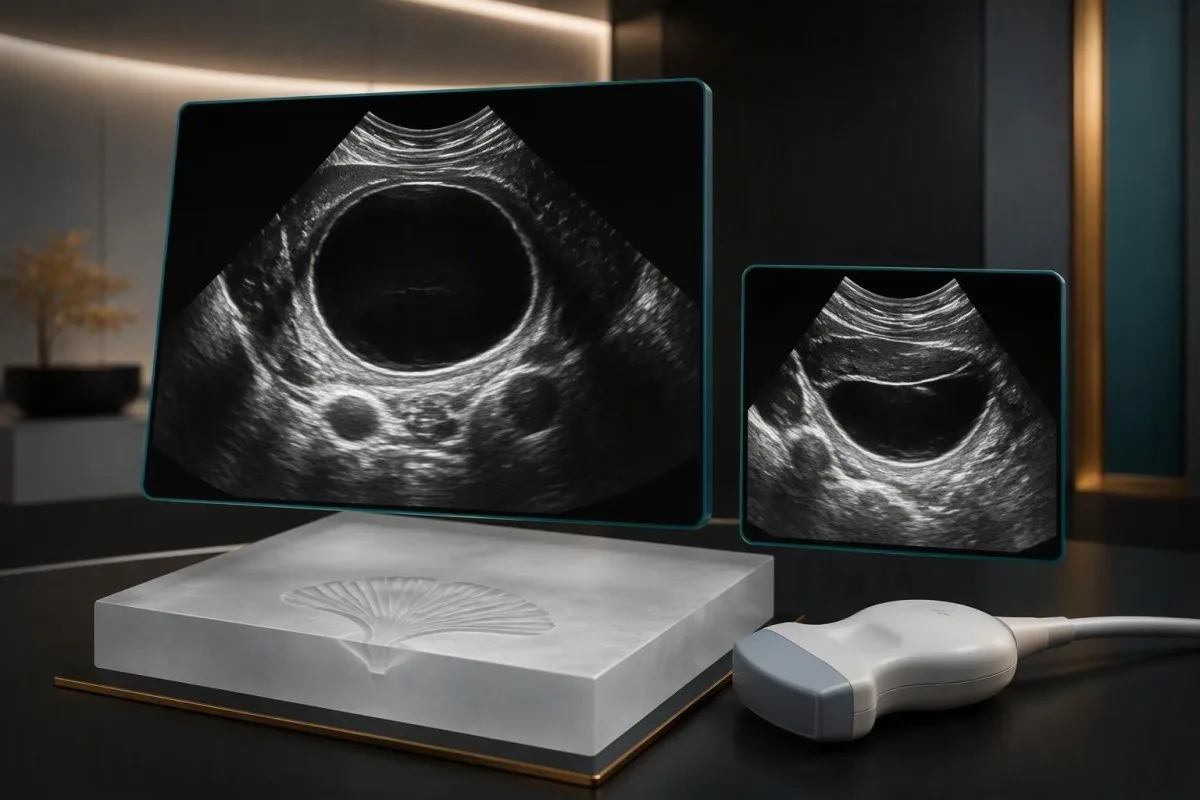
ڦاٽڻ سان رطوبت نڪري سگهي ٿي يا اندروني رت وهڻ ٿي سگهي ٿو؛ مروڙ ۾ بيضي کي مروڙ اچي ٿو ۽ ان جي رت جي فراهمي خطري ۾ پوي ٿي. ٻنهي سان اوچتو پيٽ جي هيٺئين حصي ۾ سور ٿي سگهي ٿو، تنهنڪري رڳو علامتن جي بنياد تي انهن ۾ محفوظ نموني فرق نٿو ڪري سگهجي.


- بيضي جي سسٽ جون علامتون انهن ۾ پيٽ جي هيٺئين حصي جي هڪ پاسي هلڪو سور، دٻاءُ، ڦوڪ يا جنسي عمل دوران سور شامل ٿي سگهن ٿا، پر گهڻين سسٽن جي ڪا به علامت نه هوندي آهي.
- ڦاٽل بيضي جي سسٽ جون علامتون انهن ۾ ٿوري مهبلي رت وهڻ سان اوچتو سور شامل ٿي سگهي ٿو؛ گهڻو رت وهڻ مڪمل طور پيٽ جي اندر به رهي سگهي ٿو.
- بيضي جي مروڙ جون علامتون انهن ۾ اڪثر هڪ پاسي اوچتو سور ۽ متلي يا الٽي شامل هوندي آهي، پر مروڙ وقفي وقفي سان ٿيڻ تي سور گهٽ وڌ ٿي سگهي ٿو.
- هنگامي جائزو (Emergency assessment) اوچتي ۽ شديد پيٽ جي هيٺئين حصي جي سور لاءِ ضروري آهي، خاص طور تي الٽي، بيهوشيءَ جهڙو احساس، ڪلهي جي چوٽيءَ ۾ سور، بخار يا حمل جو امڪان هجي ته.
- سسٽ جي ماپ لڳ ڀڳ 5 cm کان وڌيڪ هجڻ سان مروڙ جو خطرو وڌي ٿو، پر ننڍي سسٽ—يا نظر ايندڙ سسٽ نه هجڻ—مروڙ کي رد نٿو ڪري.
- حمل جي جاچ جڏهن به حمل جو حياتياتي امڪان هجي، حمل جو ٽيسٽ پيٽ جي هيٺئين حصي جي شديد سور جي جائزي جو حصو آهي، توڙي جو حمل کان بچاءَ جا طريقا استعمال ڪيا وڃن.
- ڊاپلر سان الٽراسائونڊ سِسٽ، حوضي ۾ رطوبت ۽ رت جي گردش جو جائزو وٺڻ ۾ مدد ڪري ٿو، پر ڊاپلر ۾ رت جو وهڪرو برقرار هجڻ سان بيضي جي مروڙ رد نٿي ٿئي.
- سيريل ٽيسٽنگ (Serial testing) شڪي رت وهڻ دوران هيموگلوبن ٻيهر ماپڻ ۽، اڻڄاتل هنڌ واري حمل ۾ جڏهن مريض جي حالت مستحڪم هجي، لڳ ڀڳ 48 ڪلاڪن جي وقفي سان سيرم hCG ٻيهر ماپڻ شامل ٿي سگهي ٿو.
بيضي جي سسٽ جي ڦاٽڻ ۽ بيضي جي مروڙ ۾ ڪهڙو فرق آهي؟
سِسٽ ڦاٽڻ سِسٽ جو مواد ۽ ڪڏهن ڪڏهن رت حوضي ۾ خارج ڪري ٿو؛; بيضي جو مروڙ بيضي جي سهارو ڏيندڙ بافتن کي وڪڙي ٿو ۽ ان جي رت جي فراهمي روڪي سگهي ٿو. ٻنهي سبب اوچتو، هڪ پاسي حوضي ۾ سور ٿي سگهي ٿو، ۽ نه سور جو انداز ۽ نه ئي اندام مان رت نه وهڻ انهن ۾ ڀروسي جوڳو فرق ٻڌائي ٿو.
اوچتو شديد حوضي جي سور ۾ گهر ۾ سبب سڃاڻڻ جي ڪوشش بدران هنگامي طبي جائزو ضروري آهي. ڊاڪٽر عام طور حياتياتي نشانين، معائني، حمل جي ٽيسٽ ۽ حوضي جي الٽراسائونڊ کي گڏجي ڏسن ٿا؛ شڪي بيضي جي مروڙ ۾ تڪڙي جراحي جي ضرورت ٿي سگهي ٿي، ڀلي شروعاتي اسڪين مان پڪ نه پوي.
بيضي جي سِسٽ رطوبت سان ڀريل هڪ بناوت آهي، نه ته لازمي طور اهڙي بيماري جنهن جي علاج جي ضرورت هجي. ڪيتريون ئي فعلي سِسٽون 2–3 ماهواري چڪرن ۾ پاڻ ختم ٿي وڃن ٿيون، جڏهن ته اينڊوميٽريوما، ڊرموئڊ سِسٽون ۽ ٻيون برقرار رهندڙ ڳوڙهيون مختلف نموني هلن ٿيون؛ اسان جو عورتن جي صحت بابت گائيڊ ماهواري چڪر سان لاڳاپيل پسمنظر جي وضاحت ڪري ٿو.
ڊاڪٽر ٿامس ڪلين جي حيثيت سان لکندي، منهنجي ڪلينڪي ترجيح اها آهي ته وقت جي لحاظ کان حساس هنگامي حالت کي اهڙي سِسٽ کان الڳ ڪريان جنهن جي پيروي ڪري سگهجي—صرف سور جي بيان مان ان تي ليبل لڳائڻ نه. Kantesti جو تنظيمي پسمنظر اسان جي ڪردار جي وضاحت ڪري ٿو: Kantesti هڪ AI رت جي ٽيسٽ جو تجزيو ڪندڙ اوزار آهي، جيڪو ليبارٽري نتيجن جي وضاحت ڪري سگهي ٿو، پر سِسٽ ڦاٽڻ جي تشخيص يا بيضي جي مروڙ کي رد نٿو ڪري سگهي.
بيضي جي غير پيچيده سسٽ سان ڪهڙيون علامتون ٿي سگهن ٿيون؟
بيضي جي سسٽ جون علامتون ۾ حوضي جو هلڪو سور، هڪ پاسي دٻاءُ، پيٽ ڦوڪجڻ، جنسي عمل دوران تڪليف، يا ڀرپاسي جي بناوتن تي دٻاءَ سبب بار بار پيشاب اچڻ شامل ٿي سگهي ٿو. ڪيتريون سِسٽون ڪا به علامت پيدا نٿيون ڪن، ۽ الٽراسائونڊ ۾ سِسٽ ملڻ سان اهو ثابت نٿو ٿئي ته اها هر علامت جي وضاحت ڪري ٿي.
سور جي جاءِ بنيادي مسئلي جو اڻپورو اشارو آهي. ساڄي پاسي جي سِسٽ وچ ۾ تڪليف پيدا ڪري سگهي ٿي، جڏهن ته آنڊن جو ڦوڪجڻ، حوضي جي تري جي عضلن جو سور يا پيشاب جي ڪا حالت ساڳيا احساس پيدا ڪري سگهي ٿي؛ اهم سوال اهو آهي ته علامتون معائني ۽ تصويرڪشي سان ٺهڪن ٿيون يا نه، رڳو پاسي سان نه.
ماهواري چڪر جو وقت پسمنظر ڏئي ٿو، تصديق نه. چڪر جي وچ ۾ ٿوري وقت لاءِ تڪليف بيضو ڇڏجڻ سان لاڳاپيل ٿي سگهي ٿي، جڏهن ته ماهواري سان گڏ بار بار ٿيندڙ سور اينڊوميٽريوسس جو اشارو ٿي سگهي ٿو؛ تڪڙي سببن کي رد ڪرڻ کان پوءِ 2–3 چڪرن تي ٻڌل علامتن جي ڊائري نمونا سڃاڻڻ ۾ مدد ڪري ٿي.
پولي سسٽڪ اووري سنڊروم هڪ وڏي بيضي جي سِسٽ هجڻ جهڙو ناهي. PCOS سان لاڳاپيل ننڍڙا فوليڪل اوچتو سور ڪندڙ سِسٽ کان مختلف آهن، ۽ رڳو حوضي جو سور هجڻ سان PCOS جي تصديق نٿي ٿئي؛ اسان جا PCOS جي تشخيصي معيار وضاحت ڪن ٿا ته هارمونن جا نمونا، ماهواريءَ جي تاريخ ۽ ٻيا نتيجا ڇو اهم آهن.
ڦاٽل بيضي جي سسٽ جون علامتون ڪهڙو احساس ڏين ٿيون؟
ڦاٽل بيضي جي سسٽ جون علامتون اڪثر اوچتي حوضي جي سور سان شروع ٿين ٿا، ڪڏهن ورزش يا جنسي عمل دوران ۽ ڪڏهن بنا ڪنهن سبب جي. رطوبت يا رت سان پيٽ جي اندروني جھلي ۾ خارش ٿيڻ سبب سور هڪ جاءِ تي رهي سگهي ٿو يا وڌيڪ پکڙجي سگهي ٿو؛ اندام مان رت وهڻ شايد نه ٿئي.
خارج ٿيل رطوبت جو ٿورو مقدار به خطرناڪ رت وهڻ کان سواءِ سخت سور پيدا ڪري سگهي ٿو. ان جي ابتڙ ڳالهه به اهم آهي: جاري اندروني رت وهڻ ۾ شروعاتي طور رڳو وچولي شدت جي تڪليف ٿي سگهي ٿي، تنهنڪري سور جي شدت رت وهڻ جي سنگينيءَ جو ڀروسي جوڳو اندازو ناهي.
ڪلهي جي چوٽيءَ ۾ سور، چڪر اچڻ، بيهوشي يا غيرمعمولي ڪمزوري، پيٽ ۾ اهم رت وهڻ سان گڏ ٿي سگهن ٿا. انهن علامتن ۾ هنگامي طبي امداد ضروري آهي، خاص ڪري جڏهن حمل جو امڪان هجي؛ پيڊن جو ڳاڻيٽو اندروني رت وهڻ جي ماپ نٿو ڪري سگهي، جيتوڻيڪ اسان جو heavy menstrual bleeding guidance can help distinguish separate concerns about vaginal blood loss.
After a clinician confirms an uncomplicated rupture and establishes stability, pain often begins improving over the next 24–48 hours, although tenderness can last longer. That timeframe is not permission to wait out an unassessed first episode: a presumed rupture can actually be torsion, ectopic pregnancy, or another abdominal emergency.
بيضي جي مروڙ جون ڪهڙيون علامتون ڳڻتي جو سبب هئڻ گهرجن؟
بيضي جي مروڙ جون علامتون commonly include sudden one-sided pelvic or lower abdominal pain with nausea or vomiting. Pain can come and go when the adnexa twist and partially untwist, so temporary improvement does not make torsion safe to dismiss.
An enlarged ovary or adnexal mass increases mobility and creates a mechanical opportunity for twisting. Masses around 5 cm or larger are a recognized risk factor, but size is not a diagnostic cutoff; torsion also occurs with smaller masses and without a mass.
ACOG's Committee Opinion No. 783 reports that torsion occurs without an associated mass or cyst in as many as 46% of pediatric and adolescent cases (ACOG, 2019). That adolescent finding should not be applied as an adult prevalence estimate, but it explains why a normal-looking or cyst-free scan cannot end the assessment automatically.
Fertility treatment can enlarge the ovaries and increase torsion risk, including during early pregnancy. Anyone receiving ovarian stimulation should mention the treatment and the date of their last monitoring scan during emergency assessment; our IVF monitoring explanation describes why laboratory results and ultrasound measurements are interpreted together.
رڳو علامتن مان ڦاٽڻ ۽ مروڙ ۾ فرق ڇو نٿو ڪري سگهجي؟
Rupture and torsion share too many symptoms for a reliable home diagnosis: abrupt pain, tenderness, nausea, and sometimes fluctuating discomfort. Appendicitis, ectopic pregnancy, kidney stones, and pelvic infection can overlap with both, making examination and testing necessary.
Consider a hypothetical 29-year-old with 30 minutes of right-sided pelvic pain and vomiting. A known cyst makes torsion or rupture plausible, but it does not eliminate appendicitis or ectopic pregnancy; anchoring on an old ultrasound report can delay recognition of the actual emergency.
Nausea makes torsion more concerning, but rupture can also provoke nausea through pain and abdominal irritation. Fever is similarly unhelpful as a gatekeeper: early torsion may occur without fever, and fever with pelvic pain broadens the differential rather than identifying one cause.
Normal inflammatory markers do not reliably exclude an early abdominal emergency. Our appendicitis testing limits explain the same principle: a reassuring white cell count is one piece of evidence, not a substitute for a repeat examination when pain persists or changes.
اوچتو پيٽ جي هيٺئين حصي جو سور ڪڏهن هنگامي طبي امداد جو تقاضو ڪري ٿو؟
Sudden severe pelvic pain requires emergency assessment, even without fever or vaginal bleeding. Seek urgent help immediately for pain with fainting, marked dizziness, repeated vomiting, shoulder-tip pain, a rigid or increasingly swollen abdomen, or possible pregnancy.
Call your local emergency number if you collapse, feel close to fainting, or cannot travel safely; do not drive yourself while dizzy or impaired by pain. There is no dependable pain-score threshold or minimum duration that makes waiting safe when torsion or internal bleeding is possible.
Anticoagulants and bleeding disorders lower the threshold for urgent assessment because a ruptured cyst may bleed more extensively. Bring the medication name and last dose, and do not stop prescribed anticoagulation without clinician advice; our coagulation test limitations explain why apparently normal clotting results may not capture every medication effect.
New persistent pelvic pain that is not severe still deserves prompt clinical advice, particularly with a known cyst, pregnancy possibility, or recent fertility treatment. Tell the service if pain has improved after a sudden episode: intermittent torsion can produce a misleadingly comfortable interval, and pain relief does not establish the diagnosis.
بيضي جي سسٽ جي سور ۾ حمل جو ٽيسٽ ڇو ضروري آهي؟
Pregnancy testing helps identify ectopic pregnancy, a potentially life-threatening cause of pelvic pain that can resemble cyst rupture or torsion. Testing is appropriate whenever pregnancy is biologically possible, regardless of contraception use or whether the pain feels familiar.
A negative home urine test can be misleading very early in pregnancy or when urine is dilute. Many urine assays detect hCG at approximately 20–25 IU/L, but sensitivity varies; our urine pregnancy test guidance explains why the test date and menstrual history matter.
NICE guideline NG126 recommends considering pregnancy testing in reproductive-age patients even when symptoms are nonspecific and emphasizes that ectopic pregnancy can present atypically (NICE, 2019; updated 2023). Pelvic pain with a positive pregnancy test needs prompt assessment, and severe pain or circulatory symptoms require emergency care.
A pregnancy test does not determine where a pregnancy is located. A corpus luteum cyst may be a normal early-pregnancy finding, while an ectopic pregnancy can coexist with an ovarian cyst; clinicians therefore interpret the test alongside ultrasound rather than treating either finding as a complete explanation.
سيرم hCG جا نتيجا ايندڙ قدمن جي رهنمائي ڪيئن ڪن ٿا؟
Serum hCG helps establish pregnancy status and guide follow-up, but a single concentration cannot diagnose ectopic pregnancy or distinguish cyst rupture from torsion. If pregnancy is confirmed but its location is not visible, clinicians may arrange repeat hCG measurements and ultrasound.
Many laboratories report serum hCG below 5 IU/L as negative and 5–25 IU/L as indeterminate, although the assay's own interpretation takes precedence. An indeterminate result may reflect very early pregnancy, a resolving pregnancy, or another explanation; severe symptoms require assessment rather than waiting for the number to cross a threshold.
For a clinically stable pregnancy of unknown location, NICE recommends 2 serum hCG measurements as close as possible to 48 hours apart, but not earlier. Symptoms take priority over the trend, and even a falling concentration does not immediately remove ectopic risk; our hCG decline explanation discusses why follow-up continues until the clinical situation is resolved.
Kantesti is an AI blood test interpretation platform that can explain hCG units and serial laboratory changes, but an algorithm cannot locate a pregnancy. The practical limitation is substantial: the same hCG concentration can accompany different ultrasound findings, so an apparently reassuring result must never overrule new pain, faintness, or a clinician's concern.
الٽراسائونڊ ڇا ڏيکاري سگهي ٿو—۽ ان کان ڇا نظرانداز ٿي سگهي ٿو؟
Pelvic ultrasound can characterize a cyst, assess ovarian size, identify free fluid, and evaluate circulation with Doppler. Transvaginal imaging often provides more detail when appropriate and consented to; transabdominal imaging is an alternative or a complementary examination.
Free pelvic fluid supports several possibilities rather than one diagnosis. A small amount can be physiological, while complex or extensive fluid can raise concern for bleeding; clinicians assess its appearance and amount alongside pregnancy status, vital signs, and hemoglobin rather than calling every fluid collection a rupture.
Preserved Doppler flow does not rule out torsion because the ovary has more than one source of arterial supply and twisting can be intermittent. ACOG states that Doppler findings alone should not guide decision-making and that no clinical or imaging criteria reliably confirm torsion before surgery (ACOG, 2019).
Cyst appearance also helps distinguish a simple functional cyst from a hemorrhagic cyst, endometrioma, or another mass. Our endometriosis diagnostic explanation discusses why imaging carries more diagnostic weight than an isolated biomarker; persistent severe pain after an inconclusive scan still warrants gynecologic reassessment.
ڦاٽڻ يا مروڙ جو جائزو وٺڻ ۾ ڪهڙا رت جا ٽيسٽ مدد ڪن ٿا؟
Blood tests assess consequences and alternative diagnoses, not torsion itself. A complete blood count can help monitor suspected bleeding, pregnancy testing addresses ectopic risk, and additional tests depend on hydration, medications, infection concerns, and whether an operation may be needed.
Hemoglobin can initially remain normal during acute blood loss because plasma and red cells are lost together. A later fall may reflect ongoing bleeding, fluid redistribution, intravenous fluids, or several factors; our hemoglobin and hematocrit comparison explains why the trend needs clinical context.
An illustrative fall from 12.8 to 10.4 g/dL over 4 hours would prompt careful reassessment, but it is not a universal operation threshold. Clinicians also consider pulse, blood pressure, increasing abdominal tenderness, fluid on imaging, and ongoing symptoms; a stable number cannot make an unstable patient safe.
White cell count and CRP may be normal early or elevated for nonspecific reasons, including physiological stress. Our WBC and CRP interpretation explains these disagreements; the examination still matters, particularly guarding, focal tenderness, and a change between the first assessment and a repeat assessment.
بيضي جي سسٽ جي ڦاٽڻ جي تصديق ٿيڻ تي علاج ڪيئن ڪيو ويندو آهي؟
A stable patient with a confirmed uncomplicated cyst rupture may be treated with observation and pain relief, while ongoing bleeding or clinical instability may require hospital care or surgery. The decision depends on the whole assessment, not simply whether ultrasound shows free fluid.
Kim and colleagues reported conservative management in 80.8% of 78 healthy reproductive-age women with ruptured cysts and hemoperitoneum; 19.2% underwent surgery (Kim et al., 2014). This retrospective cohort excluded important higher-risk situations and is not a guarantee that any individual patient can safely be managed at home.
Observation may involve repeat vital signs, abdominal examinations, hemoglobin measurements, and sometimes repeat imaging. Increasing pain, worsening circulatory signs, or evidence of continuing blood loss can change the plan quickly; receiving fluids or pain medicine is supportive care, not proof that the underlying problem has resolved.
After discharge, instructions should specify whom to contact, which symptoms require immediate return, and whether another scan is needed. Iron testing is useful later if blood loss or heavy periods have depleted stores—not as the first test for sudden internal bleeding; our آئرن اسٽڊيز جو نتيجو ڪيئن پڙهجي explains that follow-up distinction.
مروڙ جو شڪ ٿيڻ تي زناني بيمارين جي ماهر کان فوري جائزو ڇو ضروري آهي؟
Suspected ovarian torsion needs urgent gynecologic assessment because delayed treatment can compromise ovarian function. Definitive diagnosis usually occurs during laparoscopy, and treatment generally aims to untwist the adnexa and preserve the ovary whenever clinically appropriate.
There is no validated 6-hour or 12-hour deadline that guarantees whether an ovary will recover. Earlier treatment is preferred, but a longer symptom history is not a reason to abandon assessment or assume preservation is impossible; ACOG's adolescent guidance favors detorsion and preservation regardless of the ovary's appearance when feasible.
Fertility concerns should inform follow-up without delaying emergency treatment. AMH does not diagnose torsion and cannot predict the outcome of an acute episode; our AMH after ovarian surgery discussion explains why age, procedure type, and test timing affect later interpretation.
Persistent or complex cysts, particularly after menopause, require a different risk assessment from a transient functional cyst. CA-125 is often interpreted around a laboratory cutoff of 35 U/mL but is not a rupture or torsion test; our CA-125 limits and warnings explains benign elevations, while our HE4 interpretation guidance explains why kidney function can complicate another tumor-marker result.
بيضي جي سسٽ جي سور کان پوءِ فالو اپ ۾ ڪهڙيون ڳالهيون شامل هئڻ گهرجن؟
Follow-up should confirm symptom improvement, clarify the cyst type, and provide a specific return plan. A repeat ultrasound is sometimes arranged in approximately 6–12 weeks for selected presumed functional or hemorrhagic cysts, but timing depends on the scan, age, symptoms, and local guidance.
A planned scan weeks away does not cover a new emergency today. Return for reassessment if pain becomes sudden or severe, vomiting develops, or dizziness and weakness appear; improving discomfort is reassuring only within the context of an established diagnosis and an appropriate discharge plan.
Kantesti is an AI-powered blood test analysis tool that can help explain a CBC or iron panel after clinician-directed follow-up, not provide real-time pelvic triage. Before sharing laboratory reports, review our privacy and data handling; ultrasound access, an examination, and symptom reassessment remain outside a blood-report interpretation workflow.
My advice as Dr. Thomas Klein is to keep 3 items together: the ultrasound report, the relevant laboratory results, and the discharge instructions. Kantesti's AI ٽيڪنالاجي گائيڊ describes our interpretation approach, but neither an AI explanation nor a normal-looking panel should persuade someone to ignore recurrent symptoms suggestive of torsion or internal bleeding.
تحقيقي اشاعتون ۽ ڪلينڪل شاهدي: ڪهڙيون لاڳو ٿين ٿيون؟
Clinical guidance on torsion and ectopic pregnancy—not AI performance reports—supports the emergency recommendations in this article. As of October 13, 2026, the cited evidence includes ACOG's 2019 torsion opinion, NICE guideline NG126, and Kim and colleagues' 2014 observational rupture-management study.
The 3 external references have different scopes: ACOG addresses adolescents, NICE addresses early-pregnancy complications, and Kim et al. studied selected healthy patients with confirmed rupture. Applying them responsibly means preserving those boundaries; an adolescent recommendation or a small retrospective cohort should not be presented as a universal diagnostic rule.
The 2 Kantesti publications listed below describe a clinical validation framework and a global blood-test report, respectively. They are platform publications hosted on Zenodo, not trials validating AI diagnosis of ovarian torsion, cyst rupture, or ectopic pregnancy; the ResearchGate and Academia.edu links are discovery searches rather than verified copies of those records.
Readers assessing our methodology can consult Kantesti's طبي توثيقي جي ڄاڻ alongside the independently published medical references. This article provides education rather than an individual diagnosis: sudden severe pelvic pain warrants emergency assessment, and an online explanation should never delay ultrasound, pregnancy testing, or urgent gynecologic review.
وچان وچان سوال ڪرڻ
بيضه دانيءَ جي سِسٽ جون سڀ کان عام علامتون ڪهڙيون آهن؟
بيضه دانيءَ جي سِسٽ جي علامتن ۾ پيٽ جي هيٺئين حصي جي هڪ پاسي سور، دٻاءُ، ڦوڪ، جنسي عمل دوران سور، يا بار بار پيشاب اچڻ شامل ٿي سگهن ٿا، پر ڪيترين ئي سِسٽن جي ڪا به علامت نه هوندي آهي. فعالي سِسٽون اڪثر 2–3 حيض جي چڪرن اندر ختم ٿي وينديون آهن، جيتوڻيڪ سِسٽ جا ٻيا قسم برقرار رهي سگهن ٿا. علامتون اهو ثابت نٿيون ڪن ته سِسٽ ئي ذميوار آهي، ڀلي اڳئين اسڪين ۾ سِسٽ ڏٺي وئي هجي. اوچتو شديد سور ۾ سِسٽ جي معمول واري پيروي بدران هنگامي طبي جائزو ضروري آهي.
ڦاٽل بيضي جي سِسٽ ۽ بيضي جي مروڙ ۾ فرق ڪيئن سڃاڻي سگهان ٿو؟
رڳو علامتن جي بنياد تي ڦاٽل بيضي جي سِسٽ کي بيضي جي مروڙ کان ڀروسي جوڳي نموني الڳ سڃاڻي نٿو سگهجي. ٻنهي سبب اوچتو هڪ پاسي درد ۽ متلي ٿي سگهي ٿي، جڏهن ته مروڙ ۾ وقفي وقفي سان تڪليف جا دورا ٿي سگهن ٿا، جيڪڏهن مروڙ جزوي طور واپس سڌو ٿي وڃي. لڳ ڀڳ 5 سينٽي ميٽر يا ان کان وڏي ڳوڙهي سان مروڙ جو خطرو وڌي ٿو، پر ننڍيون ڳوڙهيون ۽ سِسٽ کان خالي بيضا به مڙي سگهن ٿا. حمل جي جاچ، معائنو ۽ الٽراسائونڊ جائزي ۾ رهنمائي ڪن ٿا، ۽ مروڙ جو شڪ هجي ته تصويري جاچ غير فيصلائتي هجڻ باوجود آپريشن جي ضرورت پئجي سگهي ٿي.
ڇا بيضي جي ڳوڙهي ڦاٽڻ سان اندام نهاني مان رت وهڻ کان سواءِ به ٿي سگهي ٿو؟
بيضي جي سِسٽ ڦاٽي سگهي ٿي، بغير ڪنهن مهبلي رت وهڻ جي، ڇاڪاڻتہ نڪتل مايع يا رت پيٽ جي گفا اندر رهي سگهي ٿو. تنهنڪري مهبلي رت وهڻ جي مقدار مان سِسٽ ڦاٽڻ جي شدت جو اندازو نٿو لڳائي سگهجي. جڏهن طبيب تصديق ڪري ته سِسٽ بنا پيچيدگيءَ جي ڦاٽي آهي، ته درد اڪثر 24–48 ڪلاڪن اندر گهٽجڻ شروع ٿيندو آهي، پر بنا معائني واري واقعي لاءِ ايترو انتظار ڪرڻ محفوظ ناهي. بيهوش ٿيڻ، شديد چڪر اچڻ، ڪلهي جي ڇيڙي ۾ درد، يا وڌندڙ درد جي صورت ۾ هنگامي طبي امداد وٺڻ ضروري آهي.
ڇا ڊوپلر ۾ رت جي وهڪري جو معمول موجب هجڻ بيضي جي مروڙ کي رد ڪري ٿو؟
عام ڊاپلر رت جي وهڪري سان اووري جي ٽورشن خارج نٿي ٿئي. اووري کي شرياني رت جي فراهمي جا 2 بنيادي ذريعا آهن، ۽ وقفي وقفي سان يا اڻپوري مروڙ سان سڃاڻپ لائق وهڪرو برقرار رهي سگهي ٿو. ACOG جي 2019 واري رهنمائي موجب، رڳو ڊاپلر جي نتيجن جي بنياد تي فيصلا نه ڪرڻ گهرجن. الٽراسائونڊ جي رپورٽ اطمينان بخش لڳڻ جي باوجود، مسلسل ڪلينڪي شڪ جي صورت ۾ ترت زناني بيمارين جي ماهر کان جائزو وٺڻ ضروري آهي.
جڏهن ڊاڪٽرن کي بيضي جي سسٽ جو شڪ هوندو آهي ته اهي حمل جي جاچ ڇو ڪندا آهن؟
0 ڊاڪٽر حمل جي جاچ ڪن ٿا، ڇاڪاڻتہ رحم کان ٻاهر حمل سسٽ ڦاٽڻ يا مروڙ جهڙو لڳي سگهي ٿو ۽ اندروني خطرناڪ رت وهڻ جو سبب بڻجي سگهي ٿو. پيشاب جا ڪيترائي حمل جا ٽيسٽ hCG کي لڳ ڀڳ 20–25 IU/L تي سڃاڻن ٿا، تنهنڪري شروعاتي يا گهڻو پتلي پيشاب جي نموني سان غلط منفي نتيجو اچي سگهي ٿو. مثبت ٽيسٽ حمل جي جاءِ نٿي ٻڌائي؛ الٽراسائونڊ ۽ ڪڏهن ڪڏهن سيريز ۾ سيرم hCG جاچون گهربل ٿين ٿيون. ممڪن حمل سان گڏ سخت پيڙون جو سور هجي ته گهر جي ٽيسٽ منفي اچڻ کان پوءِ به هنگامي طبي جائزو وٺڻ ضروري آهي.
ڇا عام رت جا ٽيسٽ ڦاٽل سِسٽ يا ٽورشن کي خارج ڪري سگهن ٿا؟
0 عام رت جا ٽيسٽ بيضي جي مروڙ يا رت وهندڙ سِسٽ جي شروعاتي ڦاٽڻ کي خارج نٿا ڪري سگهن. شديد رت جي نقصان دوران هيموگلوبن شروع ۾ معمول مطابق رهي سگهي ٿو، ۽ اڇن رت جي خلين جو ڳاڻيٽو يا CRP شروعاتي مرحلي ۾ معمول مطابق ٿي سگهي ٿو يا غير مخصوص سببن جي ڪري وڌي سگهي ٿو. اڻڄاتل جاءِ واري حمل ۾، جيڪڏهن مريض جي حالت ڪلينڪي طور مستحڪم هجي، ته سيرم hCG عام طور لڳ ڀڳ 48 ڪلاڪن جي وقفي سان ٻيهر ماپيو ويندو آهي، پر علامتون وڌڻ تي اڳواٽ ٻيهر جائزو وٺڻ ضروري آهي. معائني، تصويرڪشي، اهم جسماني نشانين ۽ ليبارٽري نتيجن جي لاڳيتين تبديلين کي گڏجي سمجهڻ لازمي آهي.
جيڪڏهن مون کي لڳي ته مون کي اووريءَ جو مروڙ آهي، ته مان ڪيترو وقت انتظار ڪري سگهان ٿو؟
0 شڪي بيضي جي مروڙ لاءِ گهر ۾ ڪجهه وقت انتظار ڪرڻ بدران هنگامي جائزي جي ضرورت آهي. 6 ڪلاڪن يا 12 ڪلاڪن جي ڪا به تصديق ٿيل مهلت ناهي جيڪا بيضي جي بحالي جي ضمانت ڏئي يا اهو ثابت ڪري ته انتظار ڪرڻ محفوظ آهي. اوچتو هڪ پاسي شديد سور، خاص طور تي متلي يا الٽي سان گڏ، ڳڻتي جوڳو آهي، جيتوڻيڪ پوءِ سور گهٽجي وڃي. جلد زناني بيمارين جي ماهر کان جائزو وٺڻ سان مروڙ جي سڃاڻپ ڪرڻ ۽ ممڪن هجي ته بيضي جي ڪارڪردگي محفوظ رکڻ جو بهترين موقعو ملي ٿو.
اڄ ئي AI-طاقتور خون جي جاچ جو تجزيو حاصل ڪريو
دنيا ڀر ۾ 2 ملين کان وڌيڪ استعمال ڪندڙن ۾ شامل ٿيو جيڪي فوري ۽ درست ليب ٽيسٽ تجزيو لاءِ Kantesti تي ڀروسو ڪن ٿا. پنهنجا خون جي جاچ جا نتيجا اپلوڊ ڪريو ۽ سيڪنڊن ۾ 15,000+ بائيو مارڪرز جي جامع تشريح حاصل ڪريو.
📚 حوالا ڏنل تحقيقي اشاعتون
Kantesti (2026). ڪلينڪل ويلڊيشن فريم ورڪ v2.0 (ميڊيڪل ويلڊيشن پيج). Kantesti AI Medical Research.
Kantesti (2026). AI خون جي جاچ تجزيو: 2.5M جاچون تجزيو ڪيون ويون | عالمي صحت رپورٽ 2026. Kantesti AI Medical Research.
📖 ٻاهرين طبي حوالا
American College of Obstetricians and Gynecologists (2019). Adnexal Torsion in Adolescents: ACOG Committee Opinion No. 783. Obstetrics & Gynecology, 134(2), e56–e63.
نيشنل انسٽيٽيوٽ فار هيلٿ اينڊ ڪيئر ايڪسيلنس (2019). ايڪٽوپڪ حمل ۽ اسقاط حمل: تشخيص ۽ ابتدائي انتظام. NICE guideline NG126; updated 2023.
Kim JH et al. (2014). Successful Conservative Management of Ruptured Ovarian Cysts with Hemoperitoneum in Healthy Women. PLOS ONE, 9(3), e91171.
⚕️ طبي دستبرداري
هي آرٽيڪل صرف تعليمي مقصدن لاءِ آهي ۽ طبي مشورو نٿو بڻجي. تشخيص ۽ علاج جي فيصلن لاءِ هميشه ڪنهن قابل صحت فراهم ڪندڙ سان صلاح ڪريو.
E-E-A-T اعتماد جا سگنل
تجربو
ڊاڪٽر جي نگرانيءَ هيٺ ليبارٽري نتيجن جي تشريح واري عمل جو جائزو.
ماهر
ليبارٽري دوائن جو ڌيان ان ڳالهه تي ته بايو مارڪرز ڪلينڪل حوالي سان ڪيئن رويو ڏيکارين ٿا.
اختيار
ڊاڪٽر ٿامس ڪلين لکيو، ۽ ڊاڪٽر ساره مچل ۽ پروف. ڊاڪٽر هانس ويبر طرفان جائزو ورتل.
اعتبار
ثبوتن تي ٻڌل تشريح، جنهن سان خبرداري گهٽائڻ لاءِ واضح پيرويءَ جا رستا موجود هجن.