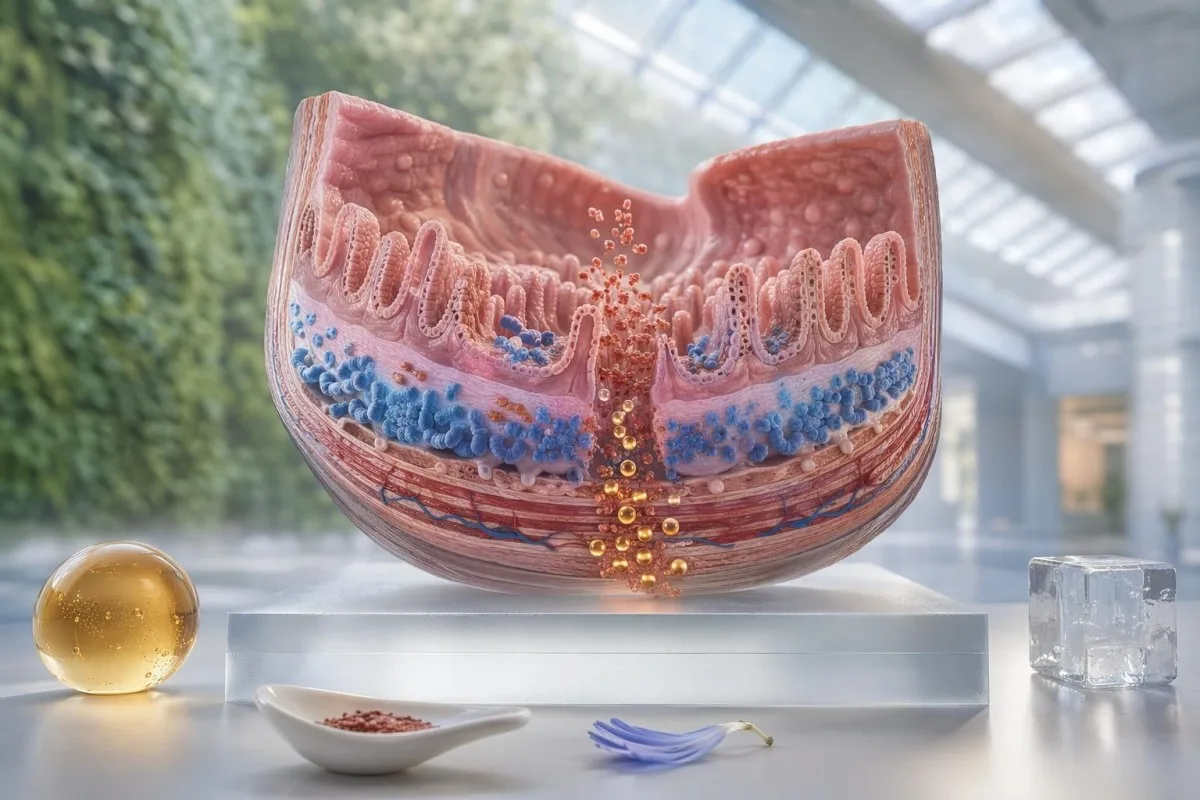
Prebiotics are not magic gut powder. Used carefully, they can shift stool pattern, LDL cholesterol, glucose response and inflammatory signals in ways your lab trends can actually confirm.


- Prebiotics supplement benefit is most likely when constipation, low fiber intake, borderline LDL-C, high triglycerides, or insulin resistance sit in the same clinical picture.
- Start dose is usually 2-3 g/day for inulin, FOS, GOS, or PHGG; jumping to 10 g/day is the fastest route to gas and regret.
- Constipation response should show within 7-21 days as Bristol stool type moves toward 3-4 and straining falls by at least 30%.
- LDL-C change from viscous soluble fiber is usually modest: about 5-10% after 6-12 weeks when daily intake reaches 5-10 g of effective fiber.
- Glucose markers that may improve include fasting glucose, fasting insulin, HOMA-IR, triglycerides, and HbA1c after roughly 8-12 weeks.
- Bloating warning is worsening distension, pain, diarrhea, or brain fog after each dose; this can suggest FODMAP intolerance, SIBO, or dose escalation that was too fast.
- Stool-adjacent markers such as fecal calprotectin above 50 µg/g, positive FIT, or low fecal elastase below 200 µg/g should not be blamed on a supplement without medical review.
- Personalized supplement plan decisions are safer when paired with CBC, CMP, lipid panel, HbA1c, fasting insulin, TSH, CRP, and symptom timing.
When a prebiotics supplement is most likely to help
A prebiotics supplement may help when your main problem is low fermentable fiber exposure, constipation, borderline LDL cholesterol, or insulin resistance—not when bloating is driven by active inflammation, celiac disease, obstruction, or uncontrolled infection. In clinic, I look for the pattern: stool frequency, Bristol stool type, LDL-C, non-HDL-C, triglycerides, fasting insulin, HbA1c, CRP, and sometimes stool-adjacent tests. You can upload those results to Kantesti AI blood test analyzer and compare them with your symptoms before buying yet another tub of powder.
The patient I remember best was 46, desk-bound, and convinced every fiber product hated her. Her fasting insulin was 18 µIU/mL, triglycerides 196 mg/dL, LDL-C 142 mg/dL, and she had one hard stool every 3-4 days. A slow 3 g/day partially hydrolyzed guar gum plan helped her more than the expensive probiotic stack she had abandoned after two bloated weeks.
Prebiotics feed selected gut microbes; they are not laxatives, probiotics, or digestive enzymes. The practical question is whether fermentation will create useful short-chain fatty acids or simply trap gas in a sensitive bowel. Our deeper guide to blood tests for gut health explains why standard labs can hint at gut-adjacent problems but rarely diagnose the microbiome itself.
As of May 13, 2026, I would not use a prebiotic as a stand-alone treatment for rectal bleeding, weight loss, anemia, nocturnal diarrhea, persistent fever, or fecal calprotectin above 50 µg/g. Those findings need diagnosis first. Supplements come later.
What prebiotics are—and what they are not
Prebiotics are selectively used by gut microorganisms and confer a health benefit to the host. That definition comes from the International Scientific Association for Probiotics and Prebiotics consensus statement by Gibson et al., 2017, and it matters because not every fiber powder qualifies.
Common supplemental prebiotics include inulin, fructo-oligosaccharides or FOS, galacto-oligosaccharides or GOS, partially hydrolyzed guar gum or PHGG, resistant starch, beta-glucan, and psyllium. Doses vary wildly: GOS may work at 2.5-5 g/day, PHGG often at 3-6 g/day, while cholesterol trials with psyllium commonly use about 10 g/day.
The distinction from probiotics is simple. A probiotic is a live organism; a prebiotic is the food source that resident organisms can ferment. Kantesti AI interprets prebiotic-related decisions by reading the broader lab pattern, not by pretending a single microbiome snapshot can predict everything; our biomarker guide lists the blood markers we weigh most heavily.
Clinicians disagree about whether every soluble fiber deserves the label prebiotic. I am fairly pragmatic here. If the supplement improves stool pattern, lowers LDL-C by 8-15 mg/dL, or helps post-meal glucose without triggering symptoms, I care more about the clinical signal than the marketing category.
Bloating: when prebiotics calm it or make it worse
Prebiotics may reduce bloating when constipation and low stool volume are the driver, but they often worsen bloating when IBS, SIBO, or FODMAP sensitivity is active. A worsening pattern within 2-6 hours of dosing is a useful clue.
A fast-fermenting inulin dose of 8-10 g can produce gas in almost anyone. In a patient with irritable bowel syndrome, even 2 g may be too much at first. If abdominal circumference increases after each dose and eases overnight, I think fermentation load before I think allergy.
The pattern is different when bloating is mostly constipation. Hard stool, incomplete evacuation, and fewer than 3 bowel movements per week can make the abdomen feel full even before meals. In that setting, PHGG or psyllium may reduce distension over 2-3 weeks by improving transit; our low FODMAP guide helps separate fiber intolerance from broader IBS triggers.
A practical trial is 2 g/day for 7 days, then increase by 1-2 g every week if symptoms stay tolerable. If pain, vomiting, fever, black stool, or persistent diarrhea appears, stop the supplement and get checked. That is not a detox reaction; it is a red flag until proven otherwise.
Constipation: the stool clues that show it is working
A prebiotic or soluble fiber plan is working for constipation when stool frequency rises, straining falls, and Bristol stool type moves toward 3-4. Most people who respond notice a change within 1-3 weeks, not overnight.
I ask patients for three numbers before judging success: bowel movements per week, minutes spent straining, and whether stools are Bristol type 1-2, 3-4, or 6-7. A shift from 2 bowel movements weekly to 5, with less straining, is meaningful even if the person still feels somewhat gassy.
Psyllium is not always branded as a prebiotic, but its viscous soluble fiber is often the most reliable constipation-and-lipid option. PHGG is gentler in many IBS-prone patients. If stools become loose, greasy, floating, or urgent, consider whether pancreatic, bile acid, thyroid, or celiac issues were missed; our digestive enzymes guide covers that distinction.
Water matters, but not in the cartoonish way people repeat online. A person taking 10 g psyllium with very little fluid can feel blocked, while someone on magnesium, metformin, or a GLP-1 medication may need a different plan. I usually separate new fiber from new laxatives by at least 7 days so we know what actually helped.
Cholesterol markers that can move with prebiotic fiber
Viscous soluble fibers can lower LDL-C and non-HDL-C modestly, usually by about 5-10% after 6-12 weeks. The effect is most believable when the dose reaches 5-10 g/day and diet is otherwise stable.
The mechanism is not mystical. Viscous fiber binds bile acids, increases fecal bile acid loss, and nudges the liver to use more cholesterol to replace them. In real numbers, an LDL-C of 150 mg/dL falling to 137 mg/dL after 10 weeks is a plausible fiber response, not a miracle.
According to the 2018 AHA/ACC cholesterol guideline published by Grundy et al., 2019, LDL-C remains central, while non-HDL-C and ApoB help clarify risk when triglycerides are elevated. That is why I often pair a prebiotic trial with a repeat lipid panel reading rather than relying on total cholesterol alone.
ApoB is useful when LDL-C looks fine but particle number remains high. If ApoB drops from 112 mg/dL to 98 mg/dL after weight, fiber, and dietary changes, I take that more seriously than a 3 mg/dL wiggle in HDL-C. Our article on the ApoB blood test explains why that marker can expose risk hidden behind a normal LDL calculation.
Glucose and insulin clues that prebiotics are helping
Prebiotics and viscous fibers may improve glucose control when insulin resistance is present, but HbA1c usually needs 8-12 weeks to show the change. Fasting insulin and triglycerides can move earlier.
Reynolds et al., 2019 in The Lancet linked higher fiber intake with lower rates of type 2 diabetes and cardiovascular events across prospective studies and trials. In practice, I see the clearest supplement signal when fasting insulin is above 10-12 µIU/mL, triglycerides are above 150 mg/dL, and waist circumference is rising.
HOMA-IR is calculated from fasting glucose and fasting insulin, and values above about 2.0-2.5 often suggest insulin resistance in many adult populations. The cutoff is not universal; some lean young adults run lower, and some labs use different insulin assays. Our HOMA-IR explainer walks through the calculation and its blind spots.
HbA1c can mislead when anemia, kidney disease, recent blood loss, pregnancy, or hemoglobin variants are present. A 0.2-0.4 percentage point fall after 12 weeks can still be clinically meaningful if fasting glucose and post-meal readings move in the same direction. For mismatched results, review our HbA1c accuracy guide before overcrediting a supplement.
Baseline labs I check before recommending prebiotics
Before starting a prebiotic, the most useful baseline labs are CBC, CMP, lipid panel, HbA1c, fasting glucose, fasting insulin, TSH, CRP, ferritin, and sometimes celiac serology. The goal is to avoid treating a clue as a nuisance symptom.
A low hemoglobin with low ferritin changes the whole conversation. If a 58-year-old has constipation, bloating, ferritin 9 ng/mL, and positive stool testing, the answer is not more inulin. It is evaluation for blood loss, malabsorption, or both.
TSH belongs in the first pass because hypothyroidism can cause constipation, high LDL-C, fatigue, and weight gain at the same time. A TSH above 10 mIU/L with low free T4 is not a prebiotic deficiency. It is thyroid disease until proven otherwise.
Kantesti AI can build supplement recommendations based on blood test patterns by checking whether a fiber trial fits the labs rather than chasing symptoms alone. If you are unsure what is included in your report, our comprehensive blood panel guide shows which markers are commonly present and which need separate ordering.
Stool-adjacent markers that change the plan
Fecal calprotectin, FIT, fecal elastase, and breath hydrogen or methane can reveal problems a prebiotic will not fix. These tests are not routine wellness toys; they are context tools when symptoms persist.
Fecal calprotectin below 50 µg/g is often considered reassuring for active intestinal inflammation, while values above 150-250 µg/g deserve more attention depending on age, symptoms, NSAID use, and lab method. A high result after starting fiber should not be blamed on the fiber unless infection and inflammatory bowel disease have been considered.
A positive FIT or fecal occult blood test is never a supplement side effect in my book. It requires proper follow-up, especially with iron deficiency, weight loss, or a change in bowel habit after age 45-50. If diarrhea is chronic and nutrient markers are low, celiac blood test results may be more relevant than adding more fermentable powder.
Breath testing has messy edges. Methane-predominant breath patterns are often associated with constipation, while hydrogen rises can track carbohydrate fermentation; neither test is perfect. Still, if a patient gets severe distension after 1 g inulin and breath methane is high, I slow down and treat the motility problem first.
How I choose the form and dose
The best prebiotic form depends on the target: PHGG for sensitive constipation, psyllium or beta-glucan for LDL-C, GOS for some IBS patterns, and resistant starch for gradual metabolic support. Dose matters more than branding.
For bloating-prone patients, I usually start PHGG at 2-3 g/day with breakfast for 7-10 days. For constipation without much gas sensitivity, psyllium 3-5 g/day can be reasonable, increasing toward 10 g/day if tolerated. Inulin is the one I treat with the most caution because it ferments quickly.
A common mistake is stacking five gut products at once: prebiotic, probiotic, magnesium, digestive enzymes, and a new protein powder. That makes side effects uninterpretable. Our guide to AI supplement recommendations explains why a personalized supplement plan should change one variable at a time.
Texture can decide adherence. Psyllium gels quickly and needs prompt mixing; PHGG dissolves more quietly; resistant starch can alter food texture. The most elegant plan is useless if the patient hates taking it after 4 days.
Building a personalized supplement plan from labs
A personalized supplement plan should connect the symptom target to measurable markers, a defined dose, and a stop rule. Without those three pieces, supplement advice becomes guesswork with a subscription label.
Kantesti's neural network reviews uploaded blood test PDFs or photos in about 60 seconds, then maps results across 15,000+ biomarkers where available. For a prebiotic question, our AI looks for lipid risk, glucose regulation, inflammation, kidney function, liver enzymes, anemia clues, thyroid pattern, and medication context.
This is where an AI supplement recommendation can be useful, but only if it stays clinically humble. A patient with HbA1c 5.9%, fasting insulin 16 µIU/mL, triglycerides 210 mg/dL, and normal CRP is a different case from someone with HbA1c 5.9%, hemoglobin 9.8 g/dL, ferritin 6 ng/mL, and chronic diarrhea. Same A1c, completely different plan.
Our medical validation standards describe how we check interpretation quality across specialties, including trap cases where the obvious supplement answer is wrong. You can also use our AI-powered blood test interpretation platform to compare old and new results without manually converting every unit.
When to recheck labs after starting prebiotics
Recheck timing depends on the target: stool symptoms in 1-3 weeks, lipids in 6-12 weeks, fasting insulin in 8-12 weeks, and HbA1c after about 12 weeks. Checking too early creates noise.
LDL-C can shift within 4-6 weeks, but I prefer 8-12 weeks because diet adherence and dose tolerance become clearer. Triglycerides can swing 20-40 mg/dL from alcohol, fasting duration, illness, and recent carbohydrate intake, so a single change should not be overread.
HbA1c reflects roughly 2-3 months of glycation, with more weight toward recent weeks. If fasting glucose improves after 3 weeks but HbA1c barely changes, that does not mean failure. It means biology has a calendar.
Trend reading is where patients often get misled by green and red flags on portals. A creatinine change from 0.82 to 0.90 mg/dL may be meaningless, while ApoB falling 14 mg/dL is not. Our blood test comparison guide shows how to spot real movement instead of lab chatter.
Safety checks, medication spacing, and who should pause
Most prebiotics are safe, but they can interfere with medication timing, worsen obstruction risk, or aggravate severe gas-sensitive conditions. Anyone with swallowing difficulty, bowel narrowing, recent bowel surgery, or unexplained weight loss should ask a clinician first.
I usually separate fiber supplements from thyroid medication, iron, certain antibiotics, and some heart medicines by at least 2-4 hours. Psyllium is the main offender because it forms a gel; it can slow absorption if swallowed at the same time as medication.
Kidney disease changes the safety conversation. Not because prebiotics are directly nephrotoxic, but because diarrhea, dehydration, potassium shifts, and changes in appetite can move creatinine, bicarbonate, and electrolytes. Our urine ACR kidney guide is useful when diabetes, hypertension, or kidney risk is part of the picture.
Stop and seek advice for severe abdominal pain, vomiting, persistent diarrhea beyond 48-72 hours, black stool, visible blood, fever, or new confusion. Rarely, patients with short bowel syndrome or major gut surgery can develop unusual metabolic complications from carbohydrate fermentation. That is not common, but it is real enough that I ask about surgical history.
Special cases: GLP-1 users, older adults, pregnancy, children
Prebiotic plans need extra care in GLP-1 users, older adults, pregnancy, children, and post-bariatric patients because transit time, intake, hydration, and nutrient risk differ. A standard adult dose can be too much.
GLP-1 medications commonly slow gastric emptying and reduce appetite. Add a bulky fiber too fast and nausea, reflux, or constipation may worsen. In these patients, I start lower—often 1-2 g/day—and judge by stool comfort before increasing.
Older adults may have lower thirst drive, reduced kidney reserve, and more constipating medicines such as calcium channel blockers, opioids, anticholinergics, or iron. A prebiotic can help, but medication review often helps more. Our GLP-1 lab tracking guide covers overlapping glucose, kidney, and nutrition markers.
For children and pregnancy, I avoid casual high-dose experimentation. Pediatric dosing should be age- and weight-aware, and pregnancy symptoms can mimic thyroid, iron, or glucose issues. If anemia, vomiting, poor growth, or abnormal glucose is present, labs come before supplement escalation.
What it means if symptoms or labs worsen
Worsening after a prebiotic usually means the dose is too high, the fiber type is wrong, or the original diagnosis was incomplete. The pattern of timing, stool change, and inflammatory markers tells us which is more likely.
Gas alone after a dose increase is common and often settles within 3-7 days. Gas plus diarrhea, pain, fever, rising CRP, or fecal calprotectin above 150 µg/g is a different story. That combination deserves investigation rather than another supplement rotation.
CRP is nonspecific, but it can be helpful when interpreted with symptoms. A high-sensitivity CRP below 1 mg/L is generally low cardiovascular inflammatory risk, 1-3 mg/L is intermediate, and above 3 mg/L is higher risk if persistent and not explained by infection or injury. Our CRP blood test guide explains why standard CRP and hs-CRP are not interchangeable.
Kantesti AI also flags possible lab mismatch and pre-analytical problems, such as a triglyceride spike after a non-fasting draw or potassium distortion from sample handling. If a new abnormal result appears right after a supplement change, our lab error check guide can help you decide what needs repeating.
Food-first prebiotics versus powder
Food-first prebiotics are better for most healthy people, but supplements are useful when dose precision, IBS sensitivity, cholesterol targets, or constipation tracking matter. The best choice is the one you can repeat consistently.
Foods rich in prebiotic fibers include oats, barley, legumes, onions, garlic, asparagus, chicory, slightly green bananas, cooled potatoes, and cooled rice. The catch is tolerance. A beautiful lentil-and-onion plan can flatten one patient and rescue another.
For cholesterol, beta-glucan from oats or barley and psyllium have the cleanest practical signal. For glucose, replacing refined carbohydrates with intact high-fiber foods often beats adding powder to the same diet. For constipation, supplement precision can help because 3 g, 6 g, and 10 g are very different experiences.
I often use food as the base and a measured supplement as the experiment. That gives a cleaner read on LDL-C, non-HDL-C, triglycerides, fasting glucose, and stool pattern. If you want the broader diet-lab connection, our guide to foods that lower cholesterol is a sensible next read.
Kantesti research notes and next step
The safest next step is to match your prebiotic target to your actual labs, then retest on the right timeline. If your goal is LDL-C, HbA1c, constipation, or bloating, a vague supplement stack is less useful than a focused 8-12 week plan.
Thomas Klein, MD, reviews supplement questions by asking one plain question first: what result would prove this helped? If the answer is softer stools, track stool frequency weekly. If the answer is cardiometabolic improvement, upload your results through Try Free AI Blood Test Analysis and compare LDL-C, non-HDL-C, ApoB, triglycerides, fasting insulin, and HbA1c.
Kantesti LTD is described on About Us as an AI-powered blood test interpretation company serving users across 127+ countries and 75+ languages. Our medical content is reviewed with physician oversight, and you can see the clinical team through our Medical Advisory Board. For platform context, Kantesti supports PDF or photo lab upload, trend analysis, family health risk review, and nutrition planning.
Related Kantesti research publications: Kantesti AI. (2026). C3 C4 Complement Blood Test & ANA Titer Guide. Zenodo. DOI: 10.5281/zenodo.18353989. ResearchGate: Kantesti ResearchGate. Academia.edu: Kantesti Academia.edu. Kantesti AI. (2026). Nipah Virus Blood Test: Early Detection & Diagnosis Guide 2026. Zenodo. DOI: 10.5281/zenodo.18487418. ResearchGate: Kantesti ResearchGate. Academia.edu: Kantesti Academia.edu. Our broader AI validation work is also available as a clinical benchmark.
Frequently Asked Questions
Can a prebiotics supplement help bloating?
A prebiotics supplement can help bloating when bloating is mainly caused by constipation, low stool volume, or low fiber intake, but it can worsen bloating in IBS, SIBO, or FODMAP sensitivity. A useful trial starts around 2-3 g/day and increases slowly every 7 days if symptoms stay mild. If bloating is paired with fever, weight loss, anemia, diarrhea at night, or fecal calprotectin above 50 µg/g, medical evaluation should come before more fiber.
How long does it take prebiotics to help constipation?
Prebiotics or soluble fiber usually help constipation within 7-21 days if the fiber type and dose are right. A meaningful response is more bowel movements per week, less straining, and Bristol stool type moving toward 3-4. If constipation worsens, especially with pain or vomiting, stop the supplement and seek clinical advice because obstruction, medication effects, thyroid disease, or dehydration may be involved.
Which blood tests show whether prebiotics are working?
The most useful blood tests for a prebiotic trial are LDL-C, non-HDL-C, ApoB, triglycerides, fasting glucose, fasting insulin, HbA1c, CRP, liver enzymes, creatinine, and electrolytes. Lipid changes usually need 6-12 weeks, while HbA1c needs about 12 weeks to reflect a real shift. Stool frequency, Bristol stool type, and symptom timing are just as important as blood markers for gut symptoms.
Can prebiotics lower cholesterol?
Viscous soluble fibers such as psyllium and beta-glucan can lower LDL-C by roughly 5-10% after 6-12 weeks when taken consistently at effective doses. A fall from LDL-C 150 mg/dL to around 135-142 mg/dL is plausible, especially when saturated fat intake is stable or lower. Very high LDL-C, especially ≥190 mg/dL, should not be managed with supplements alone.
Can prebiotics improve blood sugar or insulin resistance?
Prebiotics and viscous fibers may improve glucose control by slowing carbohydrate absorption, changing gut fermentation, and improving satiety. The clearest lab pattern is improvement in fasting insulin, HOMA-IR, triglycerides, fasting glucose, and HbA1c after 8-12 weeks. HbA1c can be unreliable in anemia, kidney disease, pregnancy, recent blood loss, or hemoglobin variants, so it should be interpreted with context.
What is the best prebiotic supplement dose to start with?
Most adults with sensitive digestion should start with 2-3 g/day of PHGG, GOS, FOS, or inulin-type fiber, then increase by 1-2 g each week if tolerated. Psyllium often starts around 3-5 g/day and may increase toward 10 g/day when the goal is constipation or LDL-C reduction. Starting at a full 10 g dose is a common reason people develop gas, cramping, or diarrhea.
When should I stop taking a prebiotic supplement?
Stop a prebiotic supplement if you develop severe abdominal pain, vomiting, persistent diarrhea beyond 48-72 hours, black stool, visible blood, fever, or unexplained weight loss. Also pause if symptoms reliably worsen after each dose despite reducing to 1-2 g/day. People with bowel narrowing, swallowing difficulty, recent bowel surgery, short bowel syndrome, or active inflammatory bowel disease should get clinician guidance before using concentrated fiber.
Can I take a prebiotic while following a low-FODMAP diet?
During the strict elimination phase, inulin and fructooligosaccharides often worsen symptoms because they are high-FODMAP fibers. Ask a dietitian or clinician whether a lower-FODMAP option such as partially hydrolyzed guar gum suits you, then reintroduce fibers gradually.
Should I take a prebiotic supplement with food or on an empty stomach?
Most people tolerate prebiotics better with a meal, especially breakfast or dinner, because fermentation feels gentler when the gut is already moving food along. If nausea, cramping, or bloating appears, try half the dose with food before stopping completely.
Get AI-Powered Blood Test Analysis Today
Join over 2 million users worldwide who trust Kantesti for instant, accurate lab test analysis. Upload your blood test results and receive comprehensive interpretation of 15,000+ biomarkers in seconds.
📚 Referenced Research Publications
Klein, T., Mitchell, S., & Weber, H. (2026). C3 C4 Complement Blood Test & ANA Titer Guide. Kantesti AI Medical Research.
Klein, T., Mitchell, S., & Weber, H. (2026). Nipah Virus Blood Test: Early Detection & Diagnosis Guide 2026. Kantesti AI Medical Research.
📖 External Medical References
⚕️ Medical Disclaimer
This article is for educational purposes only and does not constitute medical advice. Always consult a qualified healthcare provider for diagnosis and treatment decisions.
E-E-A-T Trust Signals
Experience
Physician-led clinical review of lab interpretation workflows.
Expertise
Laboratory medicine focus on how biomarkers behave in clinical context.
Authoritativeness
Written by Dr. Thomas Klein with review by Dr. Sarah Mitchell and Prof. Dr. Hans Weber.
Trustworthiness
Evidence-based interpretation with clear follow-up pathways to reduce alarm.