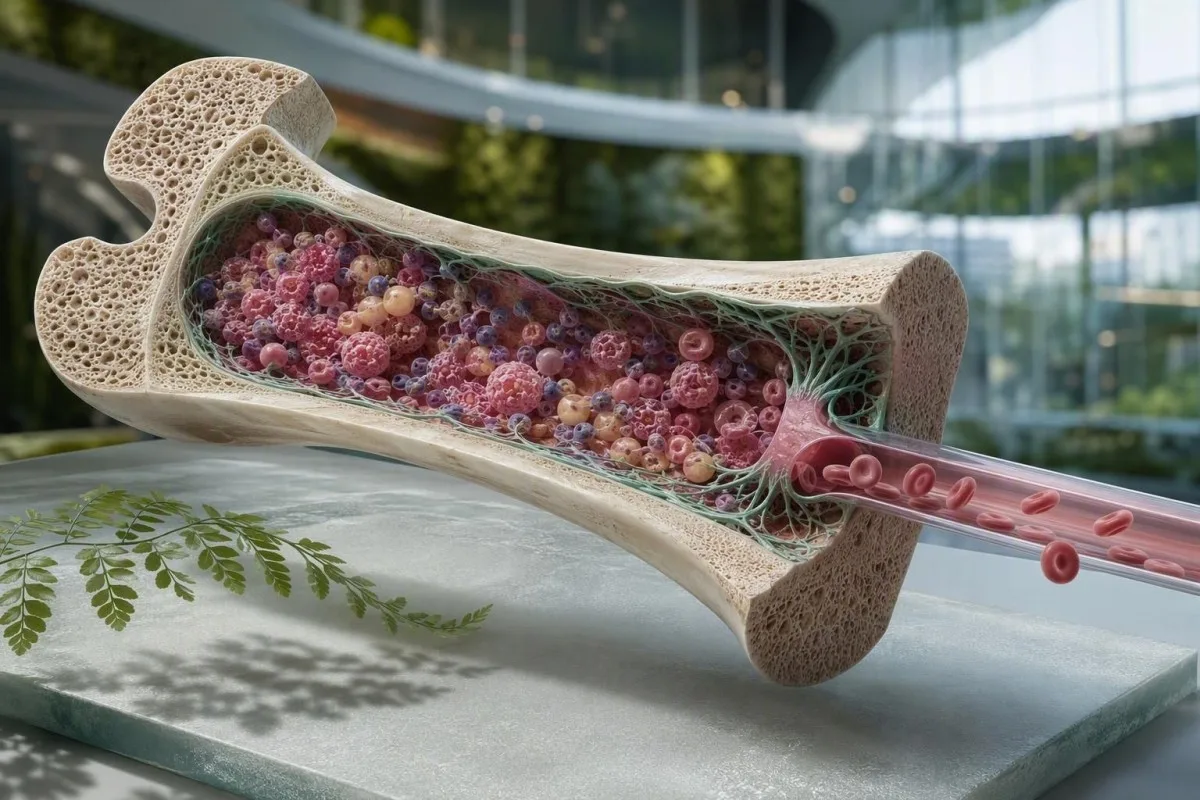
Bilangan RBC yang rendah boleh menjadi tidak berbahaya jika hemoglobin adalah normal, tetapi sesak nafas ketika rehat, pengsan, sakit dada, atau tanda-tanda pendarahan memerlukan penilaian perubatan segera. Kuncinya ialah sama ada keupayaan membawa oksigen telah menurun—dan mengapa.


- kiraan RBC lazimnya sekitar 4.1–5.1 ×10¹²/L pada wanita dewasa dan 4.5–5.9 ×10¹²/L pada lelaki dewasa, walaupun julat makmal berbeza.
- Hemoglobin menentukan simptom dengan lebih langsung berbanding nombor RBC kerana ia mengukur protein pembawa oksigen di dalam sel darah merah.
- Ambang anemia WHO ialah hemoglobin di bawah 120 g/L pada wanita tidak hamil dan di bawah 130 g/L pada lelaki berumur 15 tahun ke atas.
- Simptom kecemasan termasuk sakit dada, pengsan, kekeliruan, sesak nafas ketika rehat, najis hitam seperti tar, atau kelemahan yang meningkat dengan cepat.
- RBC rendah dengan hemoglobin normal selalunya mencerminkan sel yang lebih besar daripada purata, perubahan akibat dehidrasi, atau penanda rujukan khusus makmal, bukan penghantaran oksigen yang berkurang.
- Ferritin di bawah 45 ng/mL menyokong kekurangan zat besi pada orang dewasa yang mengalami anemia menurut garis panduan American Gastroenterological Association.
- Retikulosit menunjukkan sama ada sumsum tulang sedang memberi respons: respons yang rendah semasa anemia mencadangkan pengurangan pengeluaran, manakala respons yang tinggi mencadangkan kehilangan atau pemusnahan.
- Jangan rawat sendiri dengan zat besi sehingga punca yang mungkin diperiksa; zat besi boleh menjadi tidak sesuai dalam sesetengah keadaan keturunan sel darah merah dan boleh mengaburkan penilaian klinikal.
Maksud sebenar simptom RBC yang rendah
Gejala bilangan sel darah merah yang rendah biasanya disebabkan oleh hemoglobin yang rendah, kehilangan darah yang cepat, atau penyakit yang mendasari—bukan semata-mata oleh kiraan RBC. Dapatkan rawatan kecemasan sekarang untuk tekanan dada, pengsan, kekeliruan, sesak nafas ketika rehat, atau najis hitam atau berdarah; aturkan penilaian segera untuk sesak nafas semasa aktiviti yang baharu, berdebar-debar, keletihan yang ketara, atau trend CBC yang semakin menurun.
Sel darah merah mengangkut hemoglobin, dan hemoglobin membawa oksigen daripada paru-paru ke tisu. Seorang wanita dewasa biasa mempunyai kiraan RBC sekitar 4.1–5.1 ×10¹²/L, manakala seorang lelaki dewasa biasa mempunyai 4.5–5.9 ×10¹²/L; julat yang dicetak oleh makmal anda sendiri adalah yang diutamakan.
Apabila saya menyemak CBC, saya mula-mula bertanya sama ada hemoglobin rendah dan sama ada perubahan itu baharu. Kantesti ialah penganalisis ujian darah AI yang membaca kiraan RBC bersama hemoglobin, hematokrit, MCV, RDW, dan keputusan terdahulu, bukannya merawat satu bendera rendah sebagai diagnosis; penerangan kami panduan biomarker kami menerangkan bagaimana nilai-nilai tersebut saling berkait.
Penurunan hemoglobin yang beransur-ansur kepada 105 g/L mungkin menyebabkan lebih sedikit daripada toleransi senaman yang berkurang, manakala penurunan mendadak daripada 140 kepada 105 g/L boleh menyebabkan pening walaupun nombor akhir yang sama. Perbezaan—kelajuan perubahan—itulah sebabnya ketidakpadanan kiraan sel darah merah dan hemoglobin wajar diberi konteks, bukan panik.
Mengapa gejala berbeza antara individu
Individu yang mempunyai penyakit jantung atau paru-paru boleh mengalami angina atau sesak nafas pada nilai hemoglobin yang boleh diterima oleh individu muda yang sihat. Berdasarkan pengalaman saya, kecergasan asas, kehamilan, pendedahan kepada altitud, ubat-ubatan, dan seberapa cepat nilai itu berubah adalah sekurang-kurangnya sama penting seperti bilangan RBC.
Mengapa bilangan RBC boleh rendah sementara hemoglobin kekal normal
Kiraan RBC yang rendah dengan hemoglobin normal biasanya bermaksud terdapat lebih sedikit sel tetapi lebih besar atau lebih padat hemoglobin, jadi jumlah keupayaan membawa oksigen kekal. Ia tidak semestinya bermaksud anemia, walaupun ia perlu ditafsir bersama MCV, hematokrit, gejala, dan trend.
Hemoglobin dilaporkan dalam g/L atau g/dL, manakala kiraan RBC ialah bilangan sel per liter. Seseorang boleh mempunyai RBC 3.9 ×10¹²/L, MCV 101 fL, dan hemoglobin 130 g/L kerana setiap sel yang lebih besar membawa lebih banyak hemoglobin daripada biasa.
Pertubuhan Kesihatan Sedunia mentakrifkan anemia dalam orang dewasa yang tidak hamil sebagai hemoglobin di bawah 120 g/L pada wanita dan 130 g/L pada lelaki, bukan semata-mata berdasarkan kiraan RBC (Pertubuhan Kesihatan Sedunia, 2024). Untuk penjelasan dalam bahasa mudah tentang nilai tengah, lihat maksud HGB.
Makrositosis, yang bermaksud MCV melebihi kira-kira 100 fL, boleh berlaku selepas pendedahan alkohol, penyakit hati, hipotiroidisme, kekurangan B12 atau folat, atau ubat-ubatan tertentu. Oleh itu, bilangan RBC yang sedikit rendah kadangkala merupakan petunjuk pertama untuk menyiasat saiz sel—bukan sebab untuk menganggap organ anda kekurangan oksigen.
Simptom yang menggambarkan penghantaran oksigen yang berkurang
Keletihan, stamina berkurang, sesak nafas ketika melakukan aktiviti, degupan jantung berdebar, pening, sakit kepala, dan pucat ialah simptom klasik bagi penghantaran oksigen yang berkurang akibat anemia. Ia menjadi lebih membimbangkan apabila ia baharu, cepat bertambah teruk, atau berlaku ketika rehat.
Badan mengimbangi anemia dengan meningkatkan kadar denyutan jantung dan mengekstrak lebih banyak oksigen daripada setiap unit darah. Sebab itulah memanjat satu tingkat tangga tiba-tiba terasa jauh lebih sukar apabila hemoglobin jatuh di bawah kira-kira 100 g/L, walaupun tiada satu ambang simptom tunggal.
Pucat ialah tanda yang tidak sempurna. Tapak tangan pucat, kelopak mata bahagian dalam, atau dasar kuku mungkin menyokong anemia apabila hemoglobin di bawah 80 g/L, tetapi warna kulit, pencahayaan, dan peredaran darah menjadikan penilaian visual tidak boleh dipercayai; CBC lebih selamat untuk menjawab persoalan itu.
Tangan sejuk, kabus otak, dan kaki resah boleh berlaku akibat kekurangan zat besi walaupun sebelum anemia muncul, tetapi ia tidak spesifik. Bandingkan kiraan RBC dengan hematokrit dan MCV melalui kami panduan MCV dan MCH dan bukannya cuba mendiagnosis anemia hanya berdasarkan rasa letih.
Gejala yang sering disangka sebagai anemia
Keletihan dengan hemoglobin normal masih boleh berpunca daripada kurang tidur, penyakit tiroid, kemurungan, jangkitan, kesan ubat, tekanan darah rendah, atau B12 rendah. CBC normal mengurangkan kemungkinan penghantaran oksigen yang rendah menjadi punca, tetapi tidak menolak punca-punca lain tersebut.
Corak saiz sel yang berubah untuk menunjukkan punca yang mungkin
MCV memisahkan corak RBC rendah kepada kumpulan mikrositik, normositik, dan makrositik, dan pembahagian itu menentukan ujian seterusnya. MCV di bawah 80 fL menunjukkan penghasilan yang terhad zat besi atau ciri talasemia, manakala MCV di atas 100 fL menimbulkan persoalan yang berbeza.
Anemia mikrositik menggabungkan hemoglobin rendah dengan MCV di bawah 80 fL dan paling kerap ialah kekurangan zat besi, tetapi RBC normal atau tinggi dengan mikrositosis yang ketara boleh sebaliknya mencadangkan ciri talasemia. Zat besi tidak seharusnya dimulakan secara berterusan atas andaian bahawa setiap sel darah merah kecil mencerminkan kekurangan zat besi dalam diet.
Anemia normositik mempunyai MCV sekitar 80–100 fL dan boleh berlaku akibat penyakit buah pinggang, keradangan kronik, kekurangan zat besi peringkat awal, kehilangan darah, hemolisis, atau penekanan sumsum tulang. Kiraan retikulosit amat berguna di sini kerana ia membezakan tindak balas sumsum tulang yang aktif daripada penghasilan yang tidak mencukupi.
Anemia makrositik selalunya bermula dengan MCV di atas 100 fL sebelum hemoglobin berkurang dengan ketara. Kekurangan B12 boleh menyebabkan kebas, gangguan keseimbangan, atau perubahan memori walaupun anemia masih ringan, jadi semak ujian B12 dan folat segera dan jangan merawat folat sahaja.
Petunjuk kekurangan zat besi dan kehilangan darah yang doktor cari
Kekurangan zat besi ialah punca biasa bagi gejala RBC rendah, tetapi doktor perlu mengenal pasti sumber kehilangan zat besi atau penyerapan yang lemah, bukan sekadar menggantikan zat besi. Perdarahan haid yang banyak, kehilangan darah gastrousus, kehamilan, pendermaan yang kerap, diet yang menyekat, dan malabsorpsi ialah laluan yang biasa.
Ferritin di bawah 15 ng/mL sangat spesifik untuk simpanan zat besi yang telah berkurang pada orang dewasa yang sihat sebaliknya, tetapi keradangan boleh menaikkan ferritin. American Gastroenterological Association mengesyorkan 45 ng/mL sebagai pemotongan ferritin yang praktikal apabila menilai kekurangan zat besi pada individu dengan anemia (Ko et al., 2020).
Kaedah praktikal Dr. Thomas Klein adalah mudah: tanya tentang corak kehilangan sebelum membincangkan suplemen. Najis hitam seperti tar, muntah bahan yang menyerupai hampas kopi, pendarahan rektum baharu, atau haid yang banyak sehingga pelindung diserap setiap 1–2 jam memerlukan penilaian perubatan—bukan pemeriksaan semula ferritin yang ditangguhkan.
Besi serum berubah dalam beberapa jam dan menurun semasa keradangan, jadi ia merupakan bukti yang lebih lemah berbanding feritin, ketepuan transferrin, dan CRP. Huraian terperinci kami panduan kajian besi dan panduan ferritin untuk wanita menerangkan mengapa keputusan besi serum yang rendah boleh mengelirukan.
Petunjuk gastrousus yang kurang jelas
Kekurangan zat besi tanpa kehilangan haid yang ketara mungkin memerlukan saringan penyakit seliak, semakan penggunaan ubat anti-radang, dan pemeriksaan gastrousus mengikut kesesuaian umur. Persatuan Gastroenterologi British menasihatkan agar mempertimbangkan penilaian gastrousus dalam anemia kekurangan zat besi yang disahkan kerana kehilangan yang tidak disedari kadangkala senyap secara klinikal (Snook et al., 2021).
Bila sel darah merah sedang hilang atau dipecahkan
Kiraan retikulosit yang tinggi semasa anemia menunjukkan sumsum tulang bertindak balas terhadap kehilangan darah atau peningkatan pemusnahan sel darah merah, manakala kiraan retikulosit yang rendah menunjukkan penghasilan yang tidak mencukupi. Perbezaan ini boleh mengubah keputusan pada hari yang sama, terutamanya apabila hemoglobin menurun dengan cepat.
Retikulosit ialah eritrosit muda yang dilepaskan oleh sumsum tulang, biasanya dilaporkan sebagai peratusan dan kiraan mutlak. Dalam anemia, kiraan retikulosit mutlak melebihi kira-kira 100 ×10⁹/L menunjukkan respons pampasan, manakala kiraan yang tidak dijangka rendah menghala kepada kekurangan zat besi, kekurangan B12, penyakit buah pinggang, keradangan, atau penekanan sumsum.
Hemolisis selalunya menghasilkan corak peningkatan bilirubin tidak langsung dan LDH, haptoglobin yang berkurang, dan kadangkala air kencing gelap atau jaundis. Tiada satu pun penanda ini yang bersifat diagnostik secara sendirian; penyakit hati, pengambilan sampel yang sukar, dan keadaan diwarisi boleh merumitkan gambaran.
Kiraan RBC yang tiba-tiba rendah bersama jaundis, air kencing berwarna teh, sakit belakang yang teruk, demam, atau lemah memerlukan semakan klinikal segera. Untuk logik makmal di sebalik corak ini, baca panduan tafsiran haptoglobin kami dan panduan penanda retikulosit.
Punca penghasilan RBC yang rendah selain zat besi
Penghasilan RBC yang rendah berlaku apabila sumsum tulang kekurangan bahan binaan, menerima isyarat eritropoietin yang tidak mencukupi, ditekan oleh penyakit atau ubat, atau itu sendiri terjejas. Retikulosit rendah bersama anemia menjadikan kumpulan ini lebih berkemungkinan berbanding kehilangan darah aktif.
Buah pinggang menghasilkan eritropoietin, hormon yang memberitahu sumsum tulang untuk menghasilkan eritrosit. Penyakit buah pinggang kronik lazimnya menyebabkan anemia normositik apabila eGFR kekal di bawah menunjukkan CKD, di bawah, walaupun tahap keparahan anemia tidak sepadan dengan sempurna dengan mana-mana satu keputusan eGFR.
Keradangan meningkatkan hepsidin, hormon yang dibuat oleh hati yang mengunci zat besi daripada peredaran dan menurunkan penyerapan usus. Itu bermakna feritin boleh normal atau tinggi sementara ketepuan transferrin berada di bawah 20%, corak yang sering dipanggil kekurangan zat besi berfungsi.
Kantesti ialah platform tafsiran ujian darah AI yang menilai penanda buah pinggang, CRP, kajian besi, dan retikulosit sebagai corak, kemudian menonjolkan soalan untuk seorang klinisyen dan bukannya menetapkan punca. Pembaca yang mempunyai penanda buah pinggang di luar julat mungkin mendapati panduan peringkat CKD kami berguna; kami pengesahan klinikal kami menerangkan bagaimana semakan perubatan memaklumkan aliran kerja tersebut.
Kombinasi CBC yang memerlukan penilaian lebih cepat
Kiraan RBC yang rendah menjadi lebih mendesak apabila hemoglobin menurun, platelet atau sel darah putih juga tidak normal, atau filem darah mengandungi sel yang belum matang. Kelainan tiga baris boleh menunjukkan masalah yang lebih luas pada sumsum tulang, imun, ubat, atau isu sistemik dan tidak seharusnya diuruskan sebagai kekurangan zat besi yang disyaki.
Anemia bersama platelet di bawah 100 ×10⁹/L atau neutrofil di bawah 1.0 ×10⁹/L memerlukan perhubungan segera dengan doktor, terutamanya jika ada demam, lebam, luka mulut, atau jangkitan berulang. Kebimbangan ialah gabungan faktor, bukan satu bacaan yang sedikit tidak normal.
RDW yang tinggi menunjukkan saiz sel darah merah yang berubah-ubah dan boleh meningkat awal semasa kekurangan zat besi, selepas rawatan bermula, atau semasa kekurangan B12 dan zat besi yang bercampur. RDW bukan ujian kanser, tetapi RDW yang meningkat bersama hemoglobin yang menurun memerlukan penjelasan; lihat panduan kami panduan tafsiran RDW kami.
Doktor mungkin mengulang CBC, meminta smear periferi, retikulosit, kajian zat besi, B12, folat, ujian buah pinggang dan ujian tiroid, atau merujuk kepada hematologi bergantung pada corak. Sitopenia berterusan yang tidak dapat dijelaskan memerlukan penilaian berstruktur laluan ujian kanser darah, tetapi kebanyakan CBC yang tidak normal tidak membuktikan kanser.
Bila simptom RBC yang rendah memerlukan rawatan kecemasan
Hubungi perkhidmatan kecemasan atau pergi ke jabatan kecemasan jika mengalami simptom anemia dengan sakit dada, pengsan, keliru, sesak nafas yang teruk ketika rehat, pendarahan berat yang aktif, atau najis hitam seperti tar. Tanda-tanda ini boleh mencerminkan penghantaran oksigen yang tidak mencukupi, kehilangan darah yang ketara, masalah jantung, atau kecemasan lain.
Nilai hemoglobin di bawah 70 g/L (7 g/dL) selalunya berada dalam julat yang mana doktor mempertimbangkan transfusi untuk pesakit dewasa yang stabil di hospital, tetapi tiada nombor triage kendiri yang selamat. Individu yang mempunyai penyakit koronari, kehilangan yang berterusan, komplikasi kehamilan, atau simptom yang teruk mungkin memerlukan tindakan pada nilai yang lebih tinggi.
Jangan memandu jika anda telah pengsan, sukar bernafas, atau mengalami tekanan pada dada. Penilaian segera biasanya termasuk nadi, tekanan darah, ketepuan oksigen, ECG jika perlu, CBC ulangan, dan ujian untuk kehilangan yang aktif; najis gelap boleh dinilai bersama panduan tanda amaran najis kami panduan tanda amaran najis.
Amaran RBC yang rendah yang ditemui secara kebetulan, dengan hemoglobin hampir pada paras asas anda dan tiada simptom, biasanya tidak memerlukan lawatan kecemasan. Sehingga 1 Ogos 2026, jalan tengah yang munasabah ialah menghubungi doktor yang memesan ujian dalam beberapa hari, lebih awal jika nilai menurun atau simptom mula muncul.
Seberapa cepat perlu mengulang keputusan RBC yang rendah
Masa ulangan untuk kiraan RBC yang rendah bergantung pada tahap keparahan, simptom, dan perubahan berbanding nilai sebelum ini: jam untuk disyaki kehilangan darah yang aktif, hari untuk anemia simptomatik baharu, dan minggu untuk kelainan ringan yang stabil. Satu keputusan RBC yang sempadan mungkin mencerminkan hidrasi, masa pengambilan, variasi sampel, atau trend awal yang benar.
Perubahan isipadu plasma boleh menyebabkan kiraan RBC, hemoglobin, dan hematokrit kelihatan lebih rendah selepas pengambilan cecair yang banyak atau cecair intravena; dehidrasi boleh menyebabkan ia kelihatan lebih tinggi. Ini ialah pencairan atau pemekatan, bukan perubahan semalaman dalam bilangan eritrosit yang dihasilkan.
Untuk rawatan kekurangan zat besi yang stabil, ramai doktor mengulang hemoglobin dalam 2–4 minggu dan menjangka peningkatan kira-kira 10–20 g/L dalam tempoh 2–4 minggu jika penyerapan, pematuhan, dan diagnosis adalah betul. Kegagalan untuk meningkat harus mencetuskan semakan terhadap pendarahan, dos, penyerapan, keradangan, dan diagnosis asal.
Di klinik saya, saya membandingkan makmal yang sama jika boleh kerana julat rujukan dan penganalisis berbeza. Kantesti AI boleh mengatur nilai CBC berurutan untuk semakan, dan panduan kami untuk perubahan sebenar antara ujian darah menerangkan mengapa sedikit perubahan angka mungkin tidak bermakna secara klinikal.
Situasi khas: kehamilan, kanak-kanak, dan warga emas
Kehamilan, kanak-kanak, dan usia yang lebih tua memerlukan tafsiran CBC khusus populasi kerana isipadu plasma normal, pertumbuhan, pemakanan, dan penyakit kronik mengubah nilai yang dijangka. Julat rujukan dewasa tidak seharusnya digunakan untuk menilai bayi atau individu yang sedang hamil tanpa konteks.
Semasa kehamilan, isipadu plasma mengembang lebih daripada jisim sel darah merah, menghasilkan pencairan fisiologi. WHO menggunakan takat pemotongan hemoglobin di bawah 110 g/L pada trimester pertama dan ketiga dan di bawah 105 g/L pada trimester kedua untuk menentukan anemia (Pertubuhan Kesihatan Sedunia, 2024).
Pada kanak-kanak, julat kiraan RBC dan hemoglobin berubah dengan ketara mengikut umur, terutamanya pada tahun pertama kehidupan. Seorang kanak-kanak yang pucat, luar biasa mengantuk, sesak nafas semasa permainan biasa, makan dengan teruk, atau mempunyai kadar denyutan jantung yang cepat wajar dinilai oleh pakar pediatrik walaupun orang dewasa mungkin menggelar hemoglobin yang sama sebagai “ringan”.”
Warga emas tidak seharusnya diberitahu bahawa anemia semata-mata normal akibat penuaan. Penyakit buah pinggang, keradangan, kehilangan gastrousus yang tidak tersedari, kekurangan B12, kesan ubat, dan gangguan sumsum tulang menjadi lebih kerap, jadi gunakan julat CBC pediatrik atau panduan khusus kehamilan, bukannya tafsiran satu saiz untuk semua.
Apa yang perlu dibawa untuk temujanji RBC yang rendah
Persediaan yang paling berguna ialah trend CBC bertarikh, senarai ubat dan suplemen, sejarah pendarahan, sejarah diet, dan sejarah keluarga yang berkaitan. Butiran tersebut sering mengenal pasti ujian seterusnya dengan lebih cepat berbanding mengulang panel yang luas tanpa soalan klinikal.
Bawa keputusan hemoglobin terdahulu, MCV, RDW, ferritin, kreatinin, B12, folat, dan retikulosit, termasuk unit dan julat rujukan. Nyatakan perencat pam proton, metformin, ubat anti-radang, antikoagulan, kemoterapi, ubat antikejang, pengambilan alkohol, dan derma darah baru-baru ini kerana setiap satu boleh mengubah pembezaan.
Huraikan pendarahan haid secara praktikal: bilangan hari aliran, banjir, ketulan, perubahan perlindungan waktu malam, dan sama ada anda terlepas kerja atau sekolah. Untuk petunjuk gastrousus, laporkan najis gelap, darah yang kelihatan, sakit perut, penurunan berat badan, perubahan tabiat buang air, simptom koeliak, dan sejarah keluarga kanser usus.
Kantesti ialah alat analisis ujian darah berkuasa AI yang boleh membandingkan panel CBC dan mendedahkan konteks yang hilang untuk lawatan klinisi, tetapi ia tidak boleh menilai dapatan fizikal atau menggantikan rawatan segera. Jika anda memuat naik laporan, semak dokumen sumber terlebih dahulu menggunakan senarai semak keputusan PDF dan baca cara kami teknologi mengendalikan data makmal.
Kesilapan rawatan yang perlu dielakkan semasa menunggu penjagaan
Jangan menganggap bahawa setiap bacaan RBC yang rendah memerlukan zat besi, dan jangan tangguhkan penilaian simptom pendarahan sambil mencuba perubahan diet. Rawatan berfungsi paling baik apabila menyasarkan mekanisme tersebut: kekurangan zat besi, B12 yang rendah, kekurangan erythropoietin berkaitan buah pinggang, keradangan, hemolisis, kesan ubat, atau kehilangan darah.
Dos zat besi unsur oral sebanyak 40–65 mg sekali sehari atau pada hari berselang lazim digunakan untuk kekurangan zat besi yang disahkan, tetapi dos dan jadual perlu diperibadikan. Pemberian pada hari berselang mungkin meningkatkan penyerapan dan mengurangkan loya atau sembelit bagi sesetengah orang kerana hepcidin meningkat selepas dos zat besi.
Jangan ambil asid folik sahaja untuk makrositosis yang tidak dapat dijelaskan tanpa menyemak B12. Folat boleh memperbaiki anemia sambil membenarkan kecederaan saraf berkaitan B12 terus berkembang, sebab itu kebas, perubahan keseimbangan, atau simptom kognitif wajar dinilai segera.
Makanan boleh menyokong rawatan—lentil, kacang, daging jika sesuai, bijirin diperkaya, sayur berdaun hijau, dan hasil yang mengandungi vitamin-C membantu—tetapi diet tidak dapat membetulkan anemia yang ketara dengan cepat akibat kehilangan yang berterusan. Untuk pemantauan yang selamat, lihat panduan dos suplemen zat besi dan panduan nutrisi ferritin rendah.
Menggunakan tafsiran AI tanpa terlepas penjagaan segera
Tafsiran AI boleh mengatur corak CBC dan menyerlahkan soalan susulan, tetapi ia tidak dapat menentukan sama ada seseorang tidak stabil, sedang mengalami pendarahan aktif, atau memerlukan pemeriksaan. Simptom dan tanda vital sentiasa lebih diutamakan berbanding satu keputusan makmal yang kelihatan meyakinkan.
Kantesti AI menyemak laporan makmal yang dimuat naik dalam anggaran 60 saat dan boleh mengenal pasti penanda berkaitan seperti hemoglobin, MCV, ferritin, kreatinin, bilirubin, dan reticulocytes. Ia paling membantu apabila ia menunjukkan trend dan mencadangkan soalan yang fokus untuk doktor anda, bukan apabila digunakan untuk diagnosis sendiri.
Dr. Thomas Klein menasihati pesakit untuk menganggap ringkasan AI sebagai alat persediaan: sahkan unit, simpan laporan asal, catat simptom dan tarikh, serta dapatkan rawatan segera untuk tanda amaran yang disenaraikan di atas. Ketepuan oksigen yang normal tidak menolak anemia, kerana ketepuan mengukur peratus hemoglobin yang dimuatkan dengan oksigen—bukan jumlah hemoglobin yang tersedia.
Doktor dan pengulas klinikal kami menyediakan tadbir urus bagi standard tafsiran; anda boleh memenuhi Lembaga Penasihat Perubatan dan semak semula kami senarai semak ketepatan laporan AI. Intinya mudah: simptom RBC yang rendah menjadi mendesak apabila ia menandakan fungsi yang terjejas, perubahan yang cepat, pendarahan, atau kelainan CBC berbilang baris.
Soalan Lazim
Apakah simptom yang boleh disebabkan oleh bilangan sel darah merah yang rendah?
Gejala kiraan sel darah merah yang rendah biasanya termasuk keletihan, toleransi senaman yang berkurang, sesak nafas semasa melakukan aktiviti, pening, sakit kepala, berdebar-debar, dan pucat apabila hemoglobin juga rendah. Gejala mencerminkan kapasiti pembawa oksigen yang berkurang lebih daripada bilangan RBC itu sendiri. Sakit dada, pengsan, kekeliruan, sesak nafas ketika rehat, najis hitam, atau pendarahan berat yang aktif memerlukan penilaian kecemasan. Keputusan hemoglobin di bawah 80 g/L lebih berkemungkinan menyebabkan gejala yang ketara, tetapi kadar penurunan dan penyakit jantung atau paru-paru boleh menjadikan tahap yang lebih tinggi penting secara klinikal.
Bolehkah kiraan RBC saya rendah tetapi hemoglobin saya normal?
Ya, bilangan RBC boleh menjadi rendah sementara hemoglobin kekal normal apabila sel darah merah lebih besar atau membawa lebih banyak hemoglobin setiap sel. Sebagai contoh, bilangan RBC 3.9 ×10¹²/L dengan MCV 101 fL dan hemoglobin 130 g/L mungkin tidak menunjukkan anemia. MCV melebihi kira-kira 100 fL boleh berlaku dengan kekurangan B12 atau folat, pendedahan alkohol, penyakit hati, hipotiroidisme, atau sesetengah ubat. CBC harus ditafsirkan sebagai suatu corak, bukannya merawat bendera RBC rendah sebagai suatu diagnosis.
Berapakah kiraan RBC yang dianggap terlalu rendah secara berbahaya?
Tiada satu bacaan RBC yang rendah secara berbahaya kerana risiko klinikal ditentukan terutamanya oleh hemoglobin, simptom, kadar penurunan, pendarahan, dan penyakit jantung atau paru-paru yang mendasari. Julat rujukan RBC dewasa yang tipikal adalah kira-kira 4.1–5.1 ×10¹²/L bagi wanita dan 4.5–5.9 ×10¹²/L bagi lelaki, tetapi julat makmal berbeza-beza. Hemoglobin di bawah 70 g/L selalunya cukup teruk sehingga klinisi hospital mempertimbangkan transfusi pada orang dewasa yang stabil, namun simptom kecemasan boleh memerlukan rawatan pada nilai yang lebih tinggi. Sakit dada, pengsan, sesak nafas yang teruk, kekeliruan, atau tanda pendarahan gastrousus memerlukan penilaian segera tanpa mengira bilangan RBC.
Adakah kiraan RBC yang rendah sentiasa bermaksud kekurangan zat besi?
Tidak, bilangan RBC yang rendah tidak semestinya bermaksud kekurangan zat besi. Kekurangan zat besi selalunya menyebabkan hemoglobin rendah, MCV rendah di bawah 80 fL, ferritin rendah, dan RDW yang meningkat, tetapi penyakit buah pinggang, keradangan kronik, kekurangan B12 atau folat, hemolisis, kehilangan darah, ubat-ubatan, dan keadaan sumsum tulang juga boleh menurunkan penghasilan atau kelangsungan hidup RBC. Ferritin di bawah 45 ng/mL menyokong kekurangan zat besi pada orang dewasa dengan anemia di bawah garis panduan American Gastroenterological Association. Memulakan zat besi tanpa menilai punca yang mungkin boleh melambatkan diagnosis pendarahan atau keadaan lain.
Bilakah saya perlu mengulang ujian darah RBC yang rendah?
Ulangan masa bergantung pada konteks: pendarahan aktif yang disyaki atau simptom yang teruk memerlukan penilaian segera, anemia simptomatik baharu selalunya memerlukan ujian ulangan dalam tempoh beberapa hari, dan kelainan ringan yang stabil boleh diperiksa semula dalam tempoh beberapa minggu. Semasa rawatan zat besi, hemoglobin selalunya disemak selepas 2–4 minggu, dengan peningkatan yang dijangka sekitar 10–20 g/L dalam tempoh tersebut apabila rawatan dan diagnosis adalah betul. Hemoglobin yang menurun, simptom baharu, atau perubahan pada platelet atau sel darah putih harus mempercepatkan semakan. Gunakan makmal yang sama jika boleh kerana penganalisis dan julat rujukan berbeza.
Bolehkah dehidrasi menyebabkan bilangan RBC yang rendah?
Dehidrasi biasanya menyebabkan kiraan RBC, hemoglobin, dan hematokrit kelihatan lebih tinggi kerana isipadu plasma berkurang. Pengambilan cecair yang banyak, cecair intravena, kehamilan, dan sesetengah penyakit boleh mencairkan sampel dan menyebabkan nilai ini kelihatan lebih rendah tanpa kehilangan segera jisim sel darah merah. Keputusan RBC yang benar-benar rendah perlu dinilai berbanding hemoglobin, hematokrit, MCV, simptom, dan keputusan terdahulu. Jika sesuatu keputusan bercanggah dengan cara anda berasa atau berubah secara tidak dijangka, seorang klinisyen mungkin mengulang CBC dalam keadaan yang stabil.
Dapatkan Analisis Ujian Darah Berkuasa AI Hari Ini
Sertai lebih 2 juta pengguna di seluruh dunia yang mempercayai Kantesti untuk analisis ujian makmal segera dan tepat. Muat naik keputusan ujian darah anda dan terima tafsiran menyeluruh biomarker 15,000+ dalam beberapa saat.
📚 Penerbitan Penyelidikan Dirujuk
Klein, T., Mitchell, S., & Weber, H. (2026). Kantesti LTD. (2026). Rangka Kerja Pengesahan Klinikal v2.0 (Halaman Pengesahan Perubatan). Zenodo. https://doi.org/10.5281/zenodo.17993721. Kantesti Penyelidikan Perubatan AI.
Klein, T., Mitchell, S., & Weber, H. (2026). Kantesti LTD. (2026). Penganalisis Ujian Darah AI: 2.5 Juta Ujian Dianalisis | Laporan Kesihatan Global 2026. Zenodo. https://doi.org/10.5281/zenodo.18175532. Kantesti Penyelidikan Perubatan AI.
📖 Rujukan Perubatan Luaran
Pertubuhan Kesihatan Sedunia (2024). Garis panduan tentang takat potong hemoglobin untuk mentakrifkan anemia dalam individu dan populasi. Pertubuhan Kesihatan Sedunia.
⚕️ Penafian Perubatan
Artikel ini adalah untuk tujuan pendidikan sahaja dan tidak merupakan nasihat perubatan. Sentiasa rujuk pembekal penjagaan kesihatan yang berkelayakan untuk keputusan diagnosis dan rawatan.
Isyarat Kepercayaan E-E-A-T
Pengalaman
Semakan klinikal yang diketuai oleh doktor terhadap aliran kerja tafsiran makmal.
Kepakaran
Fokus perubatan makmal tentang bagaimana biomarker berkelakuan dalam konteks klinikal.
Kewibawaan
Ditulis oleh Dr. Thomas Klein dengan semakan oleh Dr. Sarah Mitchell dan Prof. Dr. Hans Weber.
Kebolehpercayaan
Tafsiran berasaskan bukti dengan laluan susulan yang jelas untuk mengurangkan kebimbangan.