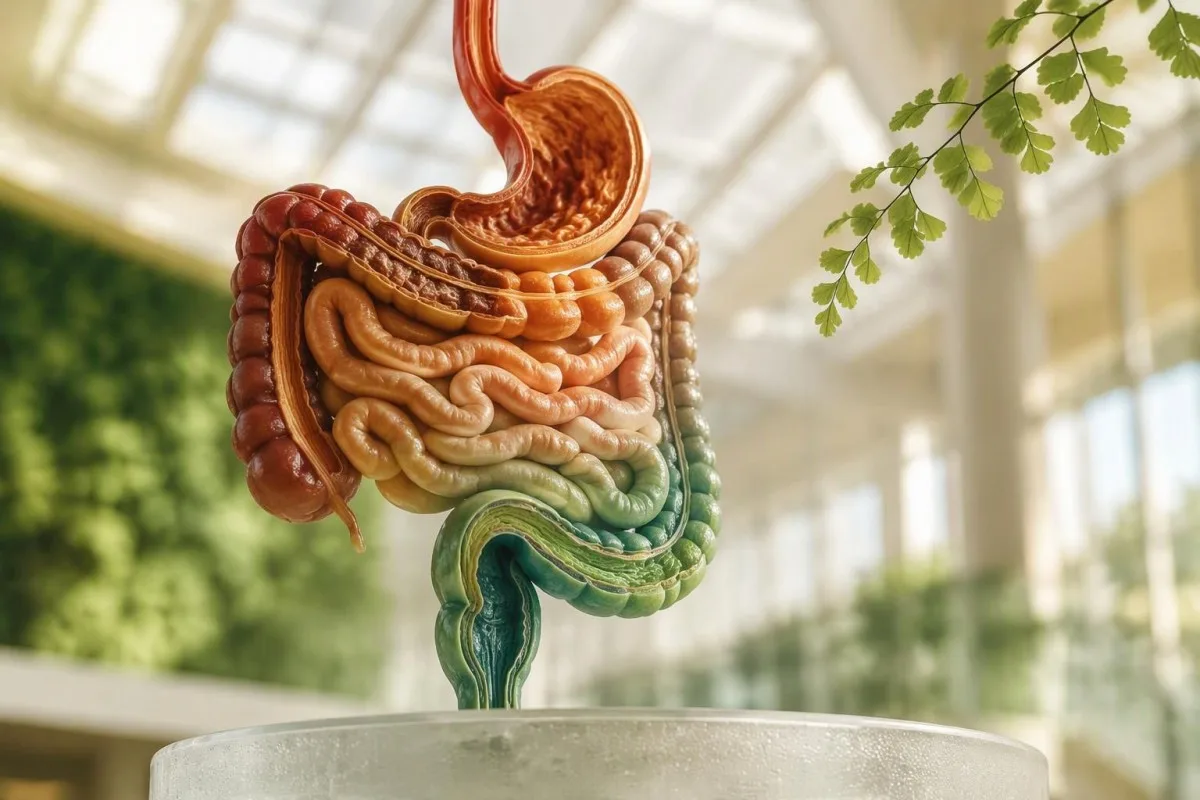
Өтний өнгө нь хоол боловсруулах замын цус алдалтыг илрүүлэхэд тусалж болох ч зөвхөн өнгөөр шалтгааныг оношлох боломжгүй. Энэхүү шинж тэмдгээс эхлэх гарын авлага нь яаралтай тусламж шаардлагатай шинж тэмдгүүдийг цаг алдалгүй эмнэлгийн үзлэг шаардлагатай нөхцөл байдлаас ялгана.


- Хар өнгийн өт нь хоол боловсруулах замын дээд хэсгийн цус алдалтыг илтгэж болно. Ялангуяа толгой эргэх, сульдах, бөөлжих шинж тэмдэг илэрвэл тухайн өдөрт нь яаралтай үзлэг хийлгэх шаардлагатай.
- Өтөнд байгаа улаан цус нь ихэвчлэн геморрой эсвэл ан цаваас болдог боловч 40 наснаас дээшхи хүмүүст дахилтат цус алдалт гарвал эмнэлгийн үзлэг хийлгэх шаардлагатай.
- Хүрэн өнгөтэй өт нь бүдүүн гэдэг эсвэл нарийн гэдэсний хурдан эсвэл их хэмжээний цус алдалтыг илтгэж болох ба гэртээ ажиглаж болохгүй.
- Яаралтай тусламжийн босго нь ухаан алдах, цээж өвдөх, амьсгалахад хүндрэх, төөрөлдөх, хэвлийгээр хүчтэй өвдөх, зүрхний цохилт хурдасах зэрэг шинж тэмдэг илэрсэн бүх төрлийн өтний цус алдалт юм.
- CBC-ийн дохио: унаж буй гемоглобин эсвэл нэмэгдэж буй шээс-креатинин харьцаа нь хоол боловсруулах замын цус алдалтыг клиник талаас нь нотлох боломжтой.
- Эмийн тойм асуудлууд: аспирин, ибупрофен, напроксен, антикоагулянт, кортикостероид, мөн зарим нэмэлт тэжээл нь цус алдалтын эрсдэлийг нэмэгдүүлж болно.
- Хоолны орлуулагч нь нилээд бууцай, улаан хоолны будаг, висмут, төмөр зэргийг агуулдаг; тэд өтгөн өнгийг өөрчилж болох боловч өтгөн дэх цусны шинжилгээг тайлбарлаж чадахгүй.
- Заавал ууж байсан антикоагулянтыг бүү зогсоо түүнээс өмнө эмчлэх эмчээс нь яаралтай зөвлөгөө авалгүйгээр, шулуун гэдсээс цус алдаж байсан ч гэсэн.
Эхний цагт өтний цусны өнгө юуг илтгэж болох вэ
Өтгөн дэх цус нь ходоод гэдэсний дээд хэсгээс анус хүртэл хаа нэг газар цус алдаж байгааг илтгэж болно; хар, наалдамхай өтгөн нь ихэвчлэн цаасны бие засах газрын хэд хэдэн тод улаан судалтай харьцуулахад илүү яаралтай байдаг. 2026 оны 9-р сарын 25-ны байдлаар миний практик дүрэм энгийн: хэрэв та тавгүй, ухаан алдаж, амьсгал давчдаж, хөлрөх юм бол эсвэл хар өнгөтэй, наалдамхай өтгөн байвал гэртээ шалтгааныг нь тодорхойлохыг оролдохын оронд яаралтай тусламж аваарай.
Тод улаан цус нь ихэвчлэн боловсорч амжаагүй байдаг тул ихэвчлэн шулуун гэдсээс эсвэл анал сувгаас гардаг. Мэлена гэж нэрлэгддэг хар, наалдамхай өтгөн нь ихэвчлэн цус нь ходоодны хүчил, гэдэсний ферментүүдээр өөрчлөгдсөнийг илтгэнэ, ихэвчлэн хоолой, ходоод, эсвэл дуоденаль. Гадаад өнгө нь эх үүсвэрийг баталж чадахгүй, гэхдээ энэ нь яаралтай байдлыг өөрчилдөг.
Хар эсвэл бараан дарс шиг өтгөн нь бүдүүн гэдэсний баруун тал, нарийн гэдэс, эсвэл хурц дээд ходоод гэдэсний цус алдалтаас үүдэлтэй байж болно. Практик дээр, хэмнэл нь минутанд 100 удаа цохилттой, шинээр толгой эргэх, эсвэл шээсний гарц багассан хар эсвэл дарс шиг өтгөн нь батлагдаагүй бол болгон доторх цус алдалтын алдагдал гэж үзнэ.
Кантести бол AI цусны шинжилгээний анализатор Эмч одоо байгаа шинж тэмдгүүдийг эмчилсний дараа хэрэглэгчдэд CBC, төмрийн шинжилгээ, бөөрний маркерууд болон элэгний шинжилгээг ойлгоход тусалдаг. Гэдэсний хэв маягийн холбоотой зөвлөмжүүдийн хувьд бидний гарын авлагыг үзнэ үү Bristol-ийн өтгөний хүснэгт.
Өнгөийг гэрээр оношлох хэрэгсэл болгон бүү ашигла
Нилээд бууцай, улаан өнгө, улаан лоолийн хальс, төмрийн шахмал, висмут нь санаа зовоосон өнгө өөрчлөлтийг дуурайж болно. Үнэхээр наалдамхай өтгөн нь ихэвчлэн гялалзсан хар, гялбам, наалдамхай, ер бусын муухай үнэртэй байдаг - энгийн хар хүрэн биш.
Өтөнд байгаа улаан цус: нийтлэг шалтгаан ба хязгаарлалт
Өтгөн дэх тод улаан цус нь ихэвчлэн геморрой, анал ан цав, шулуун гэдэсний үрэвсэл, эсвэл гэдэсний доод хэсгийн гэмтэлээс үүдэлтэй байдаг. Зөвхөн цаасан дээрх жижиг өвдөлтгүй судал нь бага байж болох ч давтан давтагдах, өтгөнөөр холилдсон цус, эсвэл жин хасахтай холбоотой цус алдалт нь эмнэлгийн хяналт шаардлагатай.
Геморрой нь ихэвчлэн аяга эсвэл арчихад гарч буй улаан дусал, ялангуяа өтгөн хатах, жирэмслэх, хүнд зүйл өргөх, удаан хугацаагаар шахалттай байх үед үүсдэг. Анал ан цав нь ихэвчлэн гэдэс дотор эсвэл дараа нь хурц өвдөлт үүсгэдэг; эмч нь үүнийг зорилтот шинжилгээгээр ихэвчлэн ялгаж чаддаг.
Цус нь холилдсон өтгөн дээр биш, харин гадаргуу дээр нь байдаг нь илүү анхаарал татах ёстой, учир нь энэ нь шулуун гэдсээс эсвэл бүдүүн гэдсээс дээгүүр үүсдэг байж болно. NICE-ийн хорт хавдартай байж болзошгүй гэсэн зам нь 50 ба түүнээс дээш насны насанд хүрэгчдийн тайлбарлагдаагүй шулуун гэдсээс цус алдалтыг, ялангуяа хэвлий өвдөх эсвэл гэдэсний хэв маяг өөрчлөгдөхөд (NICE, 2025) яаралтай мөрдөн байцаалт хийхийг зөвлөдөг.
Практик дээр ашигтай алхам бол өтгөнөө хувийн байдлаар зураг авах явдал юм. Дараа нь цаг хугацаа, хэмжээ, өвдөлт, гэдэсний давтамж, эмчилгээг тэмдэглэнэ. Удаан хугацааны өтгөн хаталт нь ан цав эсвэл геморройг улам хүндрүүлж болно; бидний нийтлэл нь шингээгүй хоол хүнс ба анхааруулах шинж тэмдгүүд нь өтгөн өөрчлөлтүүд юу хийдэг, юуг илтгэдэггүйг тайлбарладаг.
Хар өнгийн өтний шалтгаан ба яаралтай тусламж шаардлагатай байдлын босго
Black tarry stool causes include peptic ulcer bleeding, gastritis, oesophageal varices, and medicines that irritate the stomach lining; true melaena warrants same-day urgent assessment. Black stool plus faintness, vomiting that resembles coffee grounds, or severe weakness is an emergency.
Melaena is classically black, sticky, and difficult to flush because digested haemoglobin changes stool texture as well as colour. Iron supplements may make stool dark green-black, but they usually do not create the sticky, tar-like quality or the illness symptoms that accompany an active upper gastrointestinal bleed.
A urea level that rises out of proportion to creatinine can occur in upper gastrointestinal bleeding because digested protein is absorbed and converted to urea. This pattern is supportive rather than diagnostic; hydration status, kidney function, and steroid use can produce similar results. Our BUN ба креатинины харьцаа удирдамж explains those competing explanations.
The 2021 American College of Gastroenterology guideline recommends risk assessment at presentation for overt upper gastrointestinal bleeding and supports endoscopy within 24 hours for patients admitted or under observation (Laine et al., 2021). I would not advise driving yourself if you are dizzy or passing repeated black stools.
Хүрэн өнгөтэй өтний утга: яагаад энэ өнгө нь яаралтай үзлэг шаардлагатай байдаг вэ
Maroon stool means blood may be moving through the bowel quickly enough that it is only partly digested, and it should be assessed urgently if new or ongoing. It can arise from the colon, small intestine, or occasionally a rapid upper gastrointestinal source.
Maroon stool is not a harmless middle ground between red and black. A person can lose a clinically meaningful volume of blood before the stool becomes obviously red, particularly if they are older, take beta-blockers, or have limited cardiac reserve.
Diverticular bleeding is often painless and can be surprisingly brisk, while colitis more commonly brings urgency, cramps, diarrhoea, fever, or mucus. A new maroon stool after a recent colonoscopy, polyp removal, or change in anticoagulant dose should prompt immediate contact with the treating team.
The 2016 ACG guideline states that haematochezia with haemodynamic instability may indicate an upper gastrointestinal source and merits upper endoscopy consideration (Strate and Gralnek, 2016). Review our positive FIT follow-up guide if screening test results are part of the picture.
Өтөнд цус гарах нь яаралтай тусламж хэзээ шаардлагатай вэ
Call emergency services or go to an emergency department now if stool bleeding occurs with fainting, confusion, chest pain, shortness of breath, severe abdominal pain, or repeated large-volume blood loss. A normal-looking blood pressure does not reliably exclude early blood loss, especially in fit younger adults.
A resting heart rate above 100 beats per minute, systolic pressure below 100 mmHg, cold sweaty skin, or inability to stand without dizziness are practical danger signs. In my experience, patients often minimise these symptoms because the bleeding seems to have stopped; that can be misleading after an intermittent bleed.
Seek urgent care the same day for black stool, maroon stool, recurrent red bleeding, or any bleeding while taking warfarin, apixaban, rivaroxaban, dabigatran, clopidogrel, or dual antiplatelet therapy. Do not independently skip an anticoagulant dose unless an emergency clinician tells you to—stroke and clot risk can rise quickly.
Кантести AI цусны шинжилгээний тайлал платформ can organise trends in haemoglobin, platelets, kidney tests, and iron markers, but it is not an emergency service and cannot rule out active bleeding. If the bleeding is paired with breathlessness, our амьсгал давчдах шинж тэмдэгтэй цусны шинжилгээ article explains why anaemia is only one possibility.
Жирийн үзлэг хэзээ үндэслэлтэй вэ
A routine primary-care appointment is reasonable for one small episode of bright-red blood clearly linked to constipation or painful wiping when you feel entirely well. Arrange review within days rather than months if it recurs, even when you suspect haemorrhoids.
The lower-risk pattern is a few drops of red blood on paper after a hard stool, with no blood mixed into stool, no abdominal symptoms, and no anaemia symptoms. Even then, age, family history of colorectal cancer, inflammatory bowel disease, and prior polyps alter the threshold for investigation.
New rectal bleeding with unexplained fatigue, unintentional weight loss, persistent altered bowel habit, or abdominal mass should not be labelled haemorrhoids without an examination. A full blood count is often useful, but a normal haemoglobin does not exclude an early lesion or intermittent bleeding.
Dr. Thomas Klein advises patients to bring a complete medication and supplement list, including turmeric, fish oil, ginkgo, NSAIDs, and iron. A clinician may use a faecal immunochemical test, examination, sigmoidoscopy, or colonoscopy; compare FIT and FOBT testing before assuming the tests are interchangeable.
Нас, өвдөлт, гэдэсний хэв шинжээр шалтгаан өөр өөр байдаг
The most likely cause of blood in stool changes with age and symptoms: fissures and infectious diarrhoea are common in younger adults, while diverticular disease, polyps, angiodysplasia, and cancer become more relevant with age. Pain, diarrhoea, fever, and medication use refine the pattern.
Painful bright bleeding after constipation points toward a fissure, while painless intermittent bleeding may fit haemorrhoids, polyps, or diverticular disease. Cramping with bloody diarrhoea raises concern for infectious colitis, inflammatory bowel disease, or ischaemic colitis—particularly after dehydration, low blood pressure, or vascular disease.
In adults under 50, colorectal cancer is still less common than benign causes, but incidence has risen enough that persistent rectal bleeding should never be dismissed by age alone. The presence of iron-deficiency anaemia, a first-degree relative with colorectal cancer, or symptoms that wake someone at night changes the risk calculation substantially.
Stool inflammatory markers can sometimes clarify whether diarrhoea reflects intestinal inflammation, although they cannot identify the cause by themselves. See калпротектин ба лактоферрины харьцуулалт for sensible next questions after recurrent loose, bloody stool.
Цус алдалтын эрсдэлийг өөрчилдөг эм, согтууруулах ундаа, нэмэлт тэжээл
Aspirin, ibuprofen, naproxen, anticoagulants, antiplatelet drugs, corticosteroids, and heavy alcohol use can make gastrointestinal bleeding more likely or more severe. The combination of an NSAID with an anticoagulant is more concerning than either medicine alone.
NSAIDs reduce protective prostaglandins in the stomach and duodenum, which can allow ulcers to form or bleed. A person taking ibuprofen 600 mg three times daily for several days may be at higher risk than they realise, especially if they are also older than 65, use steroids, or have had an ulcer before.
Warfarin requires an INR check when bleeding occurs, but a normal INR does not make rectal bleeding unimportant. Direct oral anticoagulants do not have a simple routine blood level that excludes clinically meaningful bleeding; emergency clinicians use timing of the last dose, kidney function, and bleeding severity.
Dark stool after iron is common, while bismuth can turn stool black and the tongue darker. If you take iron because of low ferritin, review the underlying reason with our бага ферритиний шинж тэмдгийн гарын авлага rather than assuming replacement has solved the cause.
Эмч нар цус, өтний шинжилгээнд юу шалгадаг вэ
Clinicians commonly check a full blood count, ferritin, urea, creatinine, liver tests, clotting studies, and stool tests when blood in stool is recurrent or significant. No single laboratory result can identify the exact bleeding site.
A haemoglobin below the laboratory reference range supports anaemia, while a low mean corpuscular volume and low ferritin can suggest longer-term iron loss. Ferritin below 15 ng/mL is highly specific for depleted iron stores in many adults, although inflammation can raise ferritin and hide deficiency.
Platelet count, prothrombin time, INR, activated partial thromboplastin time, albumin, bilirubin, and liver enzymes may be relevant when bleeding is unexpected or liver disease is possible. A platelet count below 50 × 10^9/L increases procedural and spontaneous bleeding concerns, though individual decisions depend on context.
Кантести бол AI-аар ажилладаг цусны шинжилгээний үр дүнгийн шинжилгээний хэрэгсэл that compares these markers across reports so a clinician can see whether a low haemoglobin is new, stable, or worsening. For why red-cell size matters, read our бага MCV шалтгаан гарын авлага.
Цус багадалтын шинж тэмдгүүд нь өтний цус алдалтыг илүү анхаарал татахуйц болгодог
Blood in stool becomes more concerning when it is paired with falling haemoglobin, low ferritin, fatigue, exertional breathlessness, palpitations, or pale skin. Chronic small-volume bleeding may cause iron deficiency before a person sees obvious red blood.
A haemoglobin decrease of 2 g/dL or more over days to weeks is clinically meaningful and should be interpreted urgently when bleeding is suspected. Acute blood loss can initially leave haemoglobin looking deceptively normal because fluid shifts take time; symptoms and vital signs still matter.
Iron deficiency can produce fatigue, restless legs, reduced exercise tolerance, hair shedding, and concentration difficulty before anaemia develops. In men and postmenopausal women, confirmed iron-deficiency anaemia commonly prompts gastrointestinal evaluation because menstrual loss is not an adequate explanation.
Dr. Thomas Klein has seen patients reassured by a “normal” haemoglobin of 13.2 g/dL despite a clear downward trend from 15.8 g/dL over six months. Our haematocrit and haemoglobin guide shows why both numbers and trends deserve attention.
Жирэмсэн үед, хүүхэд, хөгшдийн өтөнд цус гарах нь
Pregnancy, childhood, and older age each change the likely causes of blood in stool, but black stool or systemic illness is urgent at any age. In infants and children, a paediatric clinician should assess recurrent bleeding rather than relying on adult haemorrhoid explanations.
Pregnancy increases constipation and haemorrhoids, so small bright-red streaks are common, yet severe abdominal pain, heavy bleeding, dizziness, or black stool still needs urgent assessment. Iron supplements can darken stool during pregnancy, but they do not make a person safe from gastrointestinal bleeding.
In children, fissures from constipation are common, but bloody diarrhoea with fever, reduced drinking, lethargy, or abdominal swelling needs same-day paediatric care. Currant-jelly-like stool with episodic severe pain is an emergency pattern because intussusception is one possible cause.
Older adults may have less pain despite substantial bleeding, especially with diverticular disease or angiodysplasia. If there is a bleeding tendency in the wider family, our von Willebrand disease symptoms guide may help prepare for the right questions.
Эмнэлгийн зөвлөгөө хүлээх хугацаанд юу хийх ёсгүй вэ
Do not take extra ibuprofen or aspirin for abdominal pain, use anti-diarrhoeal medicines for bloody diarrhoea without advice, or stop critical anticoagulants on your own. These choices can worsen bleeding, hide important symptoms, or create clotting risk.
Avoid alcohol, strenuous exercise, and fasting if you are light-headed or continuing to pass blood. Drink small amounts of fluid if you can keep them down, but do not force fluids if vomiting, severe pain, or confusion is present—those are reasons for urgent in-person assessment.
Do not use a home stool test to reassure yourself after visible blood. A negative result can miss intermittent bleeding, while a positive result cannot identify whether the cause is a fissure, inflammation, polyp, ulcer, or cancer.
Write down the last normal stool, estimated amount of bleeding, medicine doses, and any prior endoscopy results. If you use warfarin, see our explanation of what INR means before discussing results with your care team.
Хоол боловсруулах замын цус алдалтын эх үүсвэрийг эмч нар хэрхэн олж тогтоодог вэ
Doctors locate gastrointestinal bleeding using symptom pattern, examination, laboratory trends, and targeted procedures such as endoscopy, colonoscopy, CT angiography, or capsule endoscopy. The test choice depends on whether bleeding is active, likely upper or lower, and whether the person is stable.
Upper endoscopy examines the oesophagus, stomach, and duodenum and can often treat a bleeding ulcer during the same procedure. Colonoscopy examines the colon and rectum, but preparation quality, active bleeding, and medical stability influence timing and visibility.
CT angiography can identify active bleeding when the rate is high enough to detect, but a negative scan does not rule out a slow or intermittent source. Capsule endoscopy is sometimes used for suspected small-bowel bleeding after standard upper and lower examinations are unrevealing.
Kantesti AI interprets supportive laboratory patterns, not images or endoscopic findings, and our эмнэлзүйн баталгаажуулалтын арга explains why clinical context and human oversight remain necessary. A normal test on one day is not proof that intermittent bleeding never occurred.
Үр дүнтэй эмнэлгийн үзлэгт хэрхэн бэлтгэх вэ
The most useful appointment preparation is a precise timeline of stool colour, amount, pain, bowel changes, medicines, family history, and prior laboratory results. This often shortens the path to the appropriate test more than a vague description such as “a little blood.”
Tell the clinician whether blood is on paper, drips into the bowl, coats stool, or is mixed throughout it; these descriptions change the working diagnosis. Record associated symptoms including fever, urgency, nocturnal diarrhoea, nausea, weight change, and fatigue, plus whether you have travelled or recently used antibiotics.
Bring prior CBC, ferritin, liver, kidney, and coagulation results if available. A longitudinal view can reveal a gradual decline that a single report conceals; our цусны шинжилгээний чиг хандлагын заавар outlines what to save between visits.
Kantesti is used across 127+ countries as an AI лабораторийн шинжилгээний тайлбар үйлчилгээ, but no automated interpretation should delay a clinician’s assessment of visible gastrointestinal bleeding. Our doctors and reviewers follow clinical oversight standards described by the Эмнэлгийн зөвлөх зөвлөл.
Өнгө болон шинж тэмдгээс хамаарсан практик арга хэмжээний төлөвлөгөө
Treat black tarry stool, maroon stool, large-volume red bleeding, or any bleeding with weakness or faintness as urgent; arrange timely review for recurring bright-red bleeding even if haemorrhoids seem likely. The safest decision is based on colour plus how you feel, not colour alone.
Call emergency services for fainting, chest pain, severe shortness of breath, confusion, severe abdominal pain, or ongoing large-volume bleeding. Go for same-day urgent evaluation for melaena, maroon stool, coffee-ground vomiting, or bleeding while on anticoagulants.
Book a prompt outpatient appointment for recurring bright red blood, blood mixed in stool, changed bowel habits lasting more than 3 weeks, unexplained fatigue, or weight loss. A presumed haemorrhoid diagnosis should be revisited when the pattern changes or symptoms persist.
The practical lesson from my clinical work is that people rarely regret seeking assessment for a potentially serious bleed; they more often regret waiting because a familiar explanation seemed plausible. For a broader overview of clinical test interpretation safeguards, visit our AI технологийн заавар.
Байнга асуудаг асуултууд
Өвчин эмгэг шинж тэмдэг нь өтгөнтэй холилдсон цус үүсгэж чадах уу?
Haemorrhoids usually cause bright-red blood on toilet paper, on the stool surface, or as drops in the bowl rather than blood thoroughly mixed through stool. Blood mixed into stool can come from higher in the rectum or colon and should be assessed, particularly if it recurs or occurs after age 40. Seek faster care if there is weight loss, changed bowel habit, abdominal pain, fatigue, or a haemoglobin decline of 2 g/dL or more. A clinician can confirm haemorrhoids, but visible bleeding should not be self-diagnosed indefinitely.
Шархлаа шинж байдаг үү?
Black stool is not always blood because iron tablets, bismuth-containing medicines, and some foods can darken stool. True melaena is usually jet black, glossy, sticky, and unusually foul-smelling, and it may occur with weakness, dizziness, or a heart rate above 100 beats per minute. Black tarry stool should receive same-day urgent medical assessment, even if you take iron. Emergency care is needed if fainting, vomiting, chest pain, or shortness of breath accompanies it.
бордуу үүл ямар утгатай вэ?
Maroon stool can mean bleeding from the right colon, small intestine, or a rapidly bleeding upper gastrointestinal source. It is more concerning than a few small bright-red streaks because it can reflect blood moving quickly through the bowel. Maroon stool with light-headedness, low urine output, fast pulse, or repeated bowel movements needs emergency assessment. Doctors may use a CBC, urea and creatinine, CT angiography, colonoscopy, or upper endoscopy depending on stability.
Цус алдалттай гэдэсний шинж тэмдгээр хэзээ яаралтай тусламж авах шаардлагатай вэ?
Go to the emergency department immediately for black tarry stool, maroon stool, large amounts of red blood, fainting, confusion, chest pain, severe abdominal pain, shortness of breath, or a resting pulse above 100 beats per minute. These features can indicate substantial blood loss or a serious gastrointestinal condition. People taking warfarin, apixaban, rivaroxaban, dabigatran, clopidogrel, or dual antiplatelet therapy should seek same-day advice for any new visible stool bleeding. Do not drive yourself if you feel weak or dizzy.
Төмрийн эм уувал ялгадас хар болдог уу?
Iron tablets commonly make stool dark green or black, and this effect can begin within 24 to 48 hours of starting treatment. Iron-related dark stool is usually not sticky or tar-like and does not typically cause dizziness, weakness, coffee-ground vomiting, or a falling haemoglobin level. Do not assume black stool is from iron if the appearance is new, very tarry, foul-smelling, or accompanied by illness symptoms. A clinician can decide whether a CBC, ferritin, and urgent gastrointestinal evaluation are needed.
Дотоод ходоод гэдэсний цус алдалтыг ямар цусны шинжилгээ илрүүлж чадах вэ?
A full blood count can show low haemoglobin, low haematocrit, and sometimes a low MCV when blood loss has been ongoing long enough to deplete iron. Ferritin below 15 ng/mL strongly supports depleted iron stores in many adults, although inflammation can make ferritin appear higher than expected. Urea may rise disproportionately to creatinine in upper gastrointestinal bleeding because digested protein increases urea production. Normal laboratory results do not exclude a recent or intermittent bleed, especially during the first hours.
Өнөөдөр AI-аар дэмжигдсэн цусны шинжилгээний тайлал аваарай
Лабораторийн шинжилгээний агшин зуур, үнэн зөв тайлалд итгэдэг дэлхийн 2 сая гаруй хэрэглэгчтэй нэгдээрэй. Цусны шинжилгээний хариугаа байршуулж, 15,000+ биомаркеруудын цогц тайллыг хэдхэн секундын дотор аваарай.
📚 Иш татсан судалгааны нийтлэлүүд
Клейн, Т., Митчелл, С., ба Вебер, Х. (2026). BUN/Creatinine Ratio Explained: Kidney Function Test Guide. Kantesti Research Publication. Zenodo.. Kantesti AI Медикл Рисерч.
Клейн, Т., Митчелл, С., ба Вебер, Х. (2026). Urobilinogen in Urine Test: Complete Urinalysis Guide 2026. Kantesti Research Publication. Zenodo.. Kantesti AI Медикл Рисерч.
📖 Гадаад эмнэлгийн лавлагаа
Эрүүл мэнд, асрамжийн үндэсний хүрээлэн (2025). Suspected cancer: recognition and referral. NICE guideline NG12.
⚕️ Эмнэлгийн мэдэгдэл
Энэ нийтлэл зөвхөн боловсролын зорилготой бөгөөд эмнэлгийн зөвлөгөө биш болно. Оношилгоо, эмчилгээний шийдвэр гаргахдаа мэргэшсэн эрүүл мэндийн үйлчилгээ үзүүлэгчтэй заавал зөвлөлдөнө.
E-E-A-T итгэлийн дохио
Туршлага
Эмчийн удирдлагатай лабораторийн тайлалын ажлын урсгалын клиник хяналт.
Мэргэшсэн байдал
Биомаркерууд клиникийн нөхцөлд хэрхэн ажиллаж/өөрчлөгдөж байгаад чиглэсэн лабораторийн анагаах ухаан.
Эрх мэдэл
Доктор Томас Клейн бичсэн, Доктор Сара Митчелл, Проф. Доктор Ханс Вебер нар хянан тохиолдуулсан.
Найдвартай байдал
Сэрэмжлүүлгийг бууруулахын тулд тодорхой дараагийн алхамтай, нотолгоонд суурилсан тайлал.