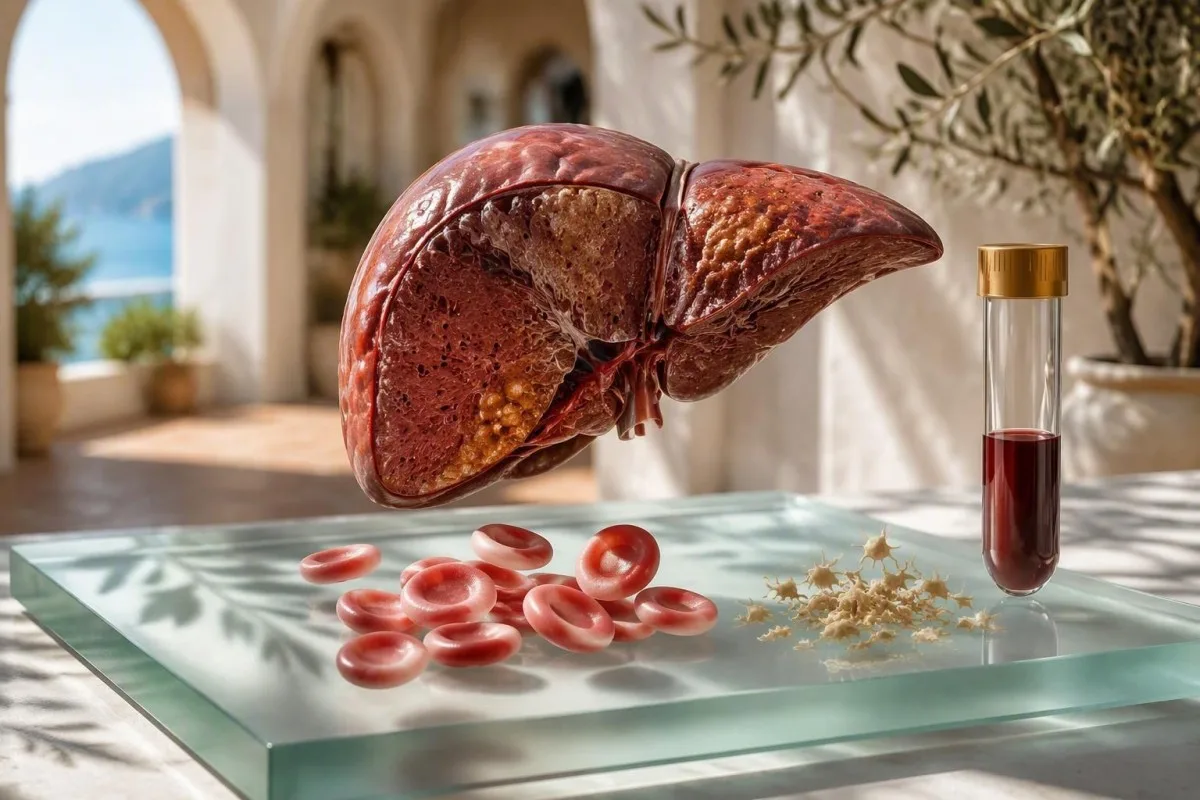
HELLP sindroms tiek uzskatīts par aizdomīgu, ja grūtniecības laikā vai drīz pēc dzemdībām vienlaicīgi rodas zems trombocītu skaits, paaugstināts AST vai ALT un sarkano asins šūnu sadalīšanās pazīmes. Spēcīgas galvassāpes, redzes izmaiņas, sāpes vēdera labajā augšējā daļā, elpas trūkums, stipra asiņošana vai samazināta augļa kustība prasa tūlītēju novērtēšanu dzemdību nodaļā vai neatliekamajā palīdzībā — negaidiet atkārtotas analīzes.


- Trombocīti zem 100 × 10⁹/L kopā ar paaugstinātu aknu enzīmu līmeni sasniedz galveno smagas slimības slieksni grūtniecības laikā un prasa to pašu dienu akušierisku novērtēšanu.
- LDH virs 600 U/L kopā ar zemu haptoglobīnu, paaugstinātu netiešo bilirubīnu vai šistocītiem atbalsta hemolīzi klasiskajā HELLP modelī.
- AST vai ALT vismaz 70 U/L tiek izmantots Tenesī kritērijos; klīnicisti arī novērtē, vai kāds no enzīmiem ir divreiz lielāks par laboratorijas augšējo robežu.
- Viens nenormāls rezultāts nav HELLP. Bažas strauji pieaug, kad trombocītu skaita samazināšanās, aknu šūnu bojājumi un hemolīze savienojas stundu laikā.
- Neatliekamie simptomi ietver pastāvīgas stipras galvassāpes, redzes traucējumus, sāpes epigastrijā vai vēdera labajā augšējā kvadrantā, elpas trūkumu, apjukumu, krampjus vai samazinātu augļa kustību.
- HELLP var rasties pēcdzemdībās. Aptuveni 30% gadījumu rodas pēc dzemdībām, visbiežāk 48 stundu laikā, bet dažreiz līdz pat 7 dienām.
- Dzemdības ir galvenā ārstēšana , ja rodas mātes vai augļa stāvokļa pasliktināšanās; magnija sulfāts bieži tiek lietots krampju profilaksei.
- Neveiciet pašārstēšanos ar zemu trombocītu skaitu ar uztura bagātinātājiem vai neatsakieties no medicīniskās palīdzības, meklējot informāciju tiešsaistē, ja ir grūtniecības brīdinājuma simptomi.
Trīs HELLP laboratorijas paraugu shēmas īsumā
HELLP sindroma laboratorijas dati liecina par medicīnisku ārkārtas situāciju, ja hemolīze, paaugstināts aknu enzīmu līmenis un zems trombocītu skaits parādās kā viens attīstošs modelis. Trombocītu skaits zem 100 × 10⁹/L, AST 70 U/L vai vairāk un LDH virs 600 U/L ir bieži lietoti diagnostikas sliekšņi, taču strauja lejupejoša tendence var būt tikpat satraucoša.
HELLP apzīmē hemolīze, paaugstināts aknu enzīmu līmenis un zems trombocītu skaits. Etiķete ir noderīga, taču klīniskā realitāte ir dinamiska: persona var vispirms novērot, ka trombocītu skaits 12 stundu laikā samazinās no 185 līdz 112 × 10⁹/L pirms 100 sliekšņa pārsniegšanas. Manā praksē šis slīpums liek rīkoties jau sen pirms kāda tiek nomierināts ar joprojām tehniski normālu vērtību; grūtniecības trombocītu diapazoniem palīdzēt vienu skaitli ievietot kontekstā.
Tenesī klasifikācija definē pilnīgu HELLP kā LDH vismaz 600 U/L, AST vismaz 70 U/L un trombocītu skaitu zem 100 × 10⁹/L. Misisipi sistēma klasificē smagumu daļēji pēc trombocītu krituma: 1. klase ir 50 × 10⁹/L vai zemāka, 2. klase ir 50 līdz 100 × 10⁹/L, un 3. klase ir 100 līdz 150 × 10⁹/L ar enzīmu un LDH kritērijiem.
Kantesti ir AI asins analīžu analizators kas izskata CBC, aknu paneli un hemolīzes marķierus kopā, nevis atzīmē vienu izolētu ārpus diapazona vērtību. Thomas Klein, MD, iesaka jebkurai grūtniecei ar šo kombināciju vai satraucošiem simptomiem nekavējoties sazināties ar savu dzemdību palīdzības triāžas dienestu; digitālā interpretācija nekad neaizstāj steidzamu novērtējumu pie gultas.
Kāpēc modelim ir lielāka nozīme nekā vienam skaitlim
Trombocītu skaits 118 × 10⁹/L var liecināt par grūtniecības laikā radušos trombocitopēniju, kas parasti ir viegla un stabila. Skaits 118 ar AST 96 U/L un LDH 720 U/L liecina par mikrovaskulāru slimību, līdz dzemdību komanda pierāda pretējo.
Zems trombocītu skaits grūtniecības laikā: skaitļi, kas maina steidzamību
Trombocītu skaits zem 100 × 10⁹/L grūtniecības laikā ir nopietna preeklampsijas pazīme un prasa steidzamu klīnisku izvērtēšanu, īpaši, ja skaits samazinās. Trombocītu skaits zem 50 × 10⁹/L ievērojami palielina procedūru un asiņošanas vadības sarežģītību, lai gan spontāna asiņošana nav noteikta tikai pēc skaita.
Tipisks nenopietnas grūtniecības trombocītu atsauces intervāls ir aptuveni 150 līdz 400 × 10⁹/L, savukārt parasta grūtniecība var izraisīt nelielu kritumu vēlīnā grūtniecības laikā. Grūtniecības laikā radusies trombocitopēnija parasti paliek virs 100 × 10⁹/L, nerada hemolīzi vai transaminītu un izzūd pēc dzemdībām. Šī atšķirība ir iemesls, kāpēc klīnicisti atkārto pilnu paneli, nevis ārstē katru zemu skaitu kā tādu pašu problēmu.
ACOG identificē trombocītu skaitu zem 100 × 10⁹/L kā smagu preeklampsijas pazīmi, neatkarīgi no tā, vai hipertensija ir dramatiska (ACOG, 2020). Skaits 72 × 10⁹/L ar jaunu stipru galvassāpi nav rezultāts, ko uzraudzīt mājās; tas prasa tūlītēju asinsspiediena, neiroloģiskā statusa, augļa stāvokļa un sērijas laboratorisko analīžu izvērtēšanu.
Laboratorijai jāpārskata smērējums vai jāatkārto paraugs, ja tiek aizdomas par trombocītu aglutināciju, jo EDTA saistītā aglutinācija var radīt viltus zemu automātisku rezultātu. Šis brīdinājums nedrīkst aizkavēt triāžu, ja ir simptomi; mūsu ceļvedis EDTA izraisīta trombocītu salipšana izskaidro, kāpēc dažkārt var pieprasīt citrāta mēģenes skaitīšanu.
Paaugstināts aknu enzīmu līmenis grūtniecības laikā: AST un ALT rādījumu lasīšana
AST and ALT rise in HELLP because small-vessel injury and reduced blood flow affect the liver, not because HELLP is ordinary hepatitis. AST or ALT at least twice the local upper limit is a severe-feature threshold, while AST of 70 U/L or higher is used in classic Tennessee HELLP criteria.
ALT is more liver-specific than AST, but both matter in pregnancy. An AST of 145 U/L and ALT of 120 U/L is far more concerning alongside platelets of 82 × 10⁹/L than the same enzyme values in an otherwise well non-pregnant endurance athlete. The aknu paneļa ceļvedis explains which tests usually accompany AST and ALT.
Severe right-upper-quadrant or epigastric pain can reflect liver capsule stretching even before enzymes reach their maximum. Pain, nausea, shoulder-tip discomfort, hypotension, or a rapidly falling haemoglobin raises concern for hepatic hematoma or rupture, rare but life-threatening complications that require emergency imaging and specialist management.
Alkaline phosphatase is a poor discriminator in late pregnancy because placental production can make it two to four times the non-pregnant upper limit. Bilirubin may be normal in HELLP; when indirect bilirubin rises above about 20.5 µmol/L or 1.2 mg/dL with LDH elevation, hemolysis becomes more likely than isolated liver injury.
Do AST and ALT have to be extremely high?
No. HELLP may be present with AST between 70 and 200 U/L, and the trajectory can worsen quickly. AST or ALT in the thousands shifts the differential toward acute viral hepatitis, ischemic injury, toxin exposure, or acute fatty liver of pregnancy, although overlap can occur.
Hemolīzes marķieri: LDH, bilirubīns, haptoglobīns un smēri
Hemolysis in HELLP is demonstrated by red-cell fragmentation and turnover, most often an LDH above 600 U/L plus a falling haptoglobin or schistocytes on a peripheral smear. A haemoglobin decline alone is not enough because pregnancy fluid expansion and bleeding have different mechanisms.
LDH is a sensitive but nonspecific marker of cellular injury; muscle injury, liver injury, and even a poorly handled specimen can increase it. In HELLP, LDH above 600 U/L gains meaning when it parallels platelets falling and AST rising. A high LDH result should therefore trigger a search for the whole pattern, not a single-cause assumption.
Schistocytes are fragmented red cells seen on a manually reviewed cell sample slide. Their presence supports a thrombotic microangiopathy, but their percentage and interpretation require an experienced laboratory professional; a sample with more than 1% schistocytes is generally considered significant in the right clinical setting.
Haptoglobin often falls below the laboratory reference interval as it binds free haemoglobin, while indirect bilirubin and reticulocytes may rise. These are supporting markers, not gatekeepers: in rapidly evolving HELLP, clinicians do not wait for every confirmatory value before admitting and monitoring a symptomatic patient.
A sample error can imitate hemolysis
Laboratory sample hemolysis can falsely increase potassium, LDH, AST, and bilirubin-related measurements. It does not explain a genuine platelet decline or new hypertension, so a redraw is sensible only alongside—not instead of—immediate clinical assessment; see our repeat test after hemolysis guide.
Kāpēc sērijas HELLP sindroma asins analīzes ir svarīgas
Suspected HELLP requires serial CBC, AST, ALT, LDH, creatinine, and coagulation testing because the direction of change over 6 to 12 hours can alter delivery and critical-care decisions. A normal result yesterday does not exclude an emergency pattern today.
Hospital teams commonly repeat key laboratories every 6 to 12 hours in unstable or evolving disease, then adjust the interval to symptoms and results. A platelet fall of 35 × 10⁹/L between draws matters even if both values are above 100 × 10⁹/L. The first 24 hours after delivery can also be the nadir, which catches many families off guard.
Coagulation studies are not required to diagnose HELLP, but PT, aPTT, fibrinogen, and D-dimer help assess disseminated intravascular coagulation when there is bleeding, placental abruption, shock, or very low platelets. Pregnancy normally raises fibrinogen to around 4 to 6 g/L, so a fibrinogen of 2 g/L may be concerning despite appearing nonzero; our koagulācijas testu ceļvedis sniedz noderīgu kontekstu.
A rising creatinine, particularly above 1.1 mg/dL or 97 µmol/L, is another severe-feature marker and can coexist with HELLP. One practical point: ask for the actual prior values, not merely whether the result was flagged, because many electronic portals hide the clinical significance of a sharp change within the reference interval.
Do not wait for the final send-out test
Most decisive HELLP tests are routine hospital laboratories with turnaround measured in hours, not days. Treatment decisions rest on bedside condition, blood pressure, fetal monitoring, and the available trend—not on a delayed specialized assay.
Asinsspiediens, urīna proteīns un nieru rādījumi kopā ar HELLP
HELLP often occurs with preeclampsia, so blood pressure of 160/110 mmHg or higher, new proteinuria, or creatinine above 1.1 mg/dL increases urgency—but HELLP can appear without obvious hypertension or protein in urine. Normal urine protein never clears a concerning laboratory triad.
Preeclampsia is classically diagnosed after 20 weeks with new blood pressure of at least 140/90 mmHg on two readings four hours apart, plus proteinuria or maternal organ dysfunction. Severe-range pressure of 160 systolic or 110 diastolic needs prompt treatment in a monitored setting to reduce maternal stroke risk. Home cuffs can be helpful, but technique and cuff size change readings by 10 mmHg or more.
A urine protein-to-creatinine ratio of 0.3 mg/mg or more supports proteinuria, while a 24-hour urine total of 300 mg or more is another accepted threshold. Yet about 10% to 20% of HELLP presentations may lack hypertension or proteinuria at first, which is why unexplained epigastric pain and falling platelets should never be dismissed.
Kantesti ir AI asins analīžu rezultātu platforma that can organize renal, liver, and CBC results in a clear timeline, but urgent pregnancy symptoms override any remote review workflow. For practical context about a positive result, read our guide to proteīnu urīnā.
Neatliekamās palīdzības simptomi, kas pārsniedz viena laboratorijas rezultāta nozīmi
A severe persistent headache, visual symptoms, upper-abdominal pain, shortness of breath, seizure, confusion, vaginal bleeding, or reduced fetal movement needs emergency assessment immediately in pregnancy or within 7 days after birth. These symptoms can signal cerebral, liver, lung, placental, or clotting complications before laboratory values are complete.
Headache is common in pregnancy, but a new headache that is severe, persistent, unresponsive to acetaminophen, or paired with flashing lights, blind spots, or confusion is different. A blood pressure reading below 140/90 does not make neurologic symptoms safe. In the emergency department, assessment may include repeated pressure measurements, reflexes, oxygen saturation, fetal monitoring, and a focused neurologic examination.
Right-upper-quadrant pain may be mistaken for reflux, gallbladder disease, or a pulled muscle. If it is intense, constant, accompanied by vomiting or shoulder pain, or occurs with platelets below 150 × 10⁹/L, seek care now; the differential includes HELLP and conditions discussed in our gallbladder blood test article.
Breathlessness, chest pressure, oxygen saturation below 95%, or sudden swelling with rapid weight gain can reflect pulmonary edema or another urgent cardiopulmonary condition. Do not drive yourself if you feel faint, confused, severely unwell, or have reduced fetal movement; call emergency services or your local maternity emergency line.
What to say when calling triage
State the gestational age or delivery date, blood pressure if known, exact symptoms, fetal movement change, and the latest platelet, AST, ALT, and LDH values. Saying that you are worried about HELLP provides the team a useful clinical frame without asking you to diagnose yourself.
Stāvokļi, kas laboratorijas rādījumos var līdzināties HELLP
Acute fatty liver of pregnancy, thrombotic thrombocytopenic purpura, atypical hemolytic uremic syndrome, lupus flare, viral hepatitis, and severe infection can resemble HELLP. The overlap is why hospital clinicians check glucose, creatinine, coagulation, blood film, medication exposure, and the timing of symptoms rather than relying on one checklist.
Acute fatty liver of pregnancy more often brings low glucose, raised bilirubin, prolonged PT or INR, elevated ammonia, and liver synthetic dysfunction. HELLP more characteristically features severe hypertension, platelet consumption, and microangiopathic hemolysis, but mixed cases happen. A glucose below 70 mg/dL or an INR above 1.5 in late pregnancy deserves immediate senior obstetric and liver input.
TTP can produce profound thrombocytopenia and neurologic symptoms with comparatively modest liver enzyme elevation; ADAMTS13 activity below 10% supports the diagnosis, but treatment may begin before the result returns. Atypical HUS frequently has prominent kidney injury after delivery. These distinctions are specialist territory, not something a patient should try to settle from a portal result.
Viral hepatitis can raise ALT and AST above 1,000 U/L, often much higher than in classic HELLP, but numbers overlap. Medication and supplement history matters too—particularly acetaminophen-containing products and herbal preparations; our hepatitis symptom guide explains why jaundice may be absent.
Why a specialist blood film matters
A manually reviewed cell sample can distinguish schistocyte-predominant hemolysis from other red-cell patterns. In difficult cases, obstetrics, maternal-fetal medicine, hematology, anesthesia, nephrology, and critical care may all be involved within the same day.
Ko parasti ietver neatliekamā slimnīcas aprūpe HELLP gadījumā
Emergency HELLP care centers on maternal stabilization, seizure prevention, blood-pressure control, close fetal assessment, and timely delivery when indicated. Delivery is the definitive treatment for HELLP, although clinicians may briefly stabilize a parent or give fetal corticosteroids when that is safe.
Magnesium sulfate is commonly administered for seizure prevention in preeclampsia with severe features and HELLP; a common regimen is a 4 to 6 g intravenous loading dose followed by 1 to 2 g per hour, adjusted for renal function and local protocol. Staff monitor reflexes, breathing, urine output, and serum magnesium when clinically indicated. This is hospital medicine, not a home supplement strategy.
For sustained severe blood pressure, teams may use intravenous labetalol, intravenous hydralazine, or immediate-release oral nifedipine, aiming to treat promptly rather than allowing repeated pressures above 160/110 mmHg. ACOG recommends urgent antihypertensive therapy for acute-onset severe hypertension persisting 15 minutes or more (ACOG, 2020).
Platelet transfusion is not routine just because a count is low; it is considered around delivery, active bleeding, or invasive procedures based on count and clinical context. Vaginal delivery is often feasible, while anesthesia decisions require a current platelet trend and local expertise; platelet thresholds before procedures illustrate why procedure-specific risk matters.
Will corticosteroids cure HELLP?
Corticosteroids may be given before preterm delivery for fetal lung maturation, generally betamethasone 12 mg intramuscularly every 24 hours for two doses. Evidence has not established maternal high-dose corticosteroids as a reliable cure for HELLP, so they must not delay indicated delivery.
Pēcdzemdību HELLP: kāpēc pirmās 48 stundas joprojām ir svarīgas
HELLP can first appear after birth, most commonly within 48 hours and occasionally up to 7 days postpartum. New headache, abdominal pain, breathlessness, swelling, high blood pressure, or abnormal labs after discharge should be treated as an obstetric emergency, not assumed to be normal recovery.
Roughly 30% of HELLP cases present postpartum, and platelet counts may continue falling for 24 to 48 hours after delivery before recovering. Haram and colleagues described the syndrome's variable timing and emphasized that postpartum surveillance is clinically necessary, not merely precautionary (Haram et al., 2009). A planned follow-up blood pressure check does not replace emergency review for red-flag symptoms.
The postpartum differential includes retained products, infection, cardiomyopathy, pulmonary embolism, TTP, and postpartum hemorrhage, so clinicians again interpret laboratory changes with examination and vital signs. Sudden breathlessness, fainting, one-sided weakness, or a seizure needs emergency services rather than a call-back request. The elpas trūkuma asins analīžu ceļvedi describes several non-HELLP causes that also require speed.
Do not stop prescribed antihypertensives or anticonvulsant plans because the baby has been delivered; the maternal risk does not end at birth. Document the diagnosis and nadir platelet count for future pregnancies, because a prior HELLP history changes early antenatal risk planning.
When do laboratory values recover?
Most patients begin improving within 48 to 72 hours after delivery, but recovery varies with disease severity and complications. Persistent hemolysis, worsening creatinine, or platelets that do not turn upward should trigger reassessment for an alternative thrombotic microangiopathy.
Kā droši izmantot tiešsaistes rezultātus, ja iespējams HELLP
Online laboratory results can help you identify a concerning trend, but they cannot establish whether you or your baby are clinically stable. If HELLP is possible, contact maternity triage first and use the exact report only to communicate values, dates, units, and symptoms accurately.
A result page may display platelets as 92, AST as 88, and LDH as 650 without explaining that all three were normal yesterday. That delta is clinically meaningful. Save screenshots or PDFs with collection times, but do not spend an hour comparing reference ranges while severe symptoms are developing.
Kantesti AI ir ar AI balstīts asins analīzes rīks designed to identify cross-panel patterns and trends, including the CBC-liver-hemolysis relationship that clinicians assess in suspected HELLP. Its output should be treated as a structured conversation starter for a clinician, not as clearance to remain at home; our medicīniskās validācijas pieeja describes the boundaries of responsible interpretation.
Before sharing a report, check patient identity, pregnancy week, collection date, units, and whether the laboratory marked the sample hemolyzed. A point-of-care platelet count and the central laboratory count can differ slightly, but an important clinical decision should be based on the treating team's verified result and repeat testing.
A practical message for your care team
A concise message can read: 32 weeks pregnant, platelets fell from 154 to 94 × 10⁹/L today, AST 82 U/L, new right-upper-abdominal pain, blood pressure 158/102. That gives triage staff a usable snapshot in fewer than 30 seconds.
Ko nedarīt ar aizdomīgiem HELLP rezultātiem
Do not wait for a routine appointment, start an iron product for a falling haemoglobin, or use supplements to treat a possible HELLP pattern. HELLP is driven by pregnancy-related endothelial and microvascular disease, and its dangerous complications can develop over hours.
Iron deficiency is common in pregnancy, but it does not explain LDH above 600 U/L with schistocytes and rapidly falling platelets. Taking iron may be appropriate when a clinician confirms deficiency, yet it will not reverse HELLP or replace urgent monitoring. If iron questions coexist, review a proper dzelzs izmeklējumu interpretācija after the emergency issue is addressed.
Avoid nonsteroidal anti-inflammatory drugs unless your obstetric clinician specifically advises them, particularly with thrombocytopenia, kidney impairment, hypertension, or bleeding risk. Do not take aspirin, herbal products, or high-dose vitamins to alter a result on your own; low-dose aspirin is preventive therapy for selected high-risk pregnancies, not emergency treatment for established HELLP.
I have seen patients minimize symptoms because an earlier scan was reassuring or because their home pressure was only 145/95 mmHg. Fetal imaging and one pressure are snapshots. Persistent severe pain, visual change, or a deteriorating laboratory trend deserves a higher level of caution.
Can diet prevent a current episode?
No food, salt restriction, hydration plan, or supplement reverses established HELLP. Nutrition supports general pregnancy health, but emergency obstetric assessment is the intervention that changes immediate safety.
Atveseļošanās un plānošana nākamajai grūtniecībai
A prior HELLP syndrome episode raises the risk of hypertensive disease in a later pregnancy, so preconception or early first-trimester review is appropriate. Recurrence estimates vary by population and definition, but are often cited around 5% to 20% for HELLP or preeclampsia-spectrum disease.
At the postnatal review, ask for the discharge diagnosis, highest AST and ALT, lowest platelets, kidney function, blood pressure plan, and whether any alternative diagnosis was excluded. This record helps a future obstetric team distinguish recurrent disease from baseline mild thrombocytopenia. It also prevents the frustrating situation where a patient remembers only that their liver tests were high.
Many high-risk patients are offered low-dose aspirin, commonly 81 to 150 mg daily, starting between 12 and 28 weeks and ideally before 16 weeks, according to local guidance and individual bleeding risk. Aspirin must be prescribed by the pregnancy clinician; its role is prevention, not a response to acute warning labs. Baseline CBC, creatinine, urine protein assessment, and liver tests can make later changes easier to recognize.
Kantesti, kas ir AI laboratorijas testa interpretācijas pakalpojumā, can maintain a date-stamped laboratory timeline for a clinician-led pregnancy plan across reports from different laboratories. For decisions about safeguards and clinical oversight, our Medicīnas konsultatīvā padome outlines the physicians who guide our medical standards.
When to seek preconception advice
Arrange review before trying to conceive if HELLP occurred before 34 weeks, involved kidney injury, severe hypertension, intensive care, or fetal growth restriction. Maternal-fetal medicine may individualize aspirin timing, blood-pressure targets, and surveillance frequency.
Klīnicista gatavs kontrolsaraksts nākamajai stundai
When HELLP is suspected, the next hour should focus on emergency contact, safe transport, symptom documentation, and bringing the laboratory report—not on interpreting every reference range. Prompt escalation is appropriate even if the diagnosis is uncertain.
Call maternity triage, labor and delivery, or emergency services now if red-flag symptoms or a concerning lab combination is present. Do not drive if you have visual disturbance, severe pain, faintness, confusion, seizure activity, heavy bleeding, or shortness of breath. If fetal movements are reduced, say so explicitly when you call.
Bring or transmit the latest report and one prior report if available. Include platelet count in × 10⁹/L, AST and ALT in U/L, LDH in U/L, bilirubin, creatinine, collection time, medications, allergies, and blood-pressure readings. This information helps the team recognize a meaningful delta rather than repeating history under pressure.
As of September 16, 2026, the practical standard remains the same: suspected HELLP is an obstetric emergency evaluated in person with serial tests and maternal-fetal monitoring. Thomas Klein, MD, recommends that readers use our klīniskās tehnoloģijas ceļvedis only after urgent care has been arranged, because a well-designed tool should accelerate escalation—not create false reassurance.
What improvement looks like after treatment
Improvement usually means symptoms settle, blood pressure becomes controllable, urine output is adequate, platelets turn upward, LDH falls, and AST or ALT stop rising. One better value is encouraging, but hospital discharge decisions depend on the full trajectory and reliable follow-up.
Bieži uzdotie jautājumi
Kādas laboratoriskās vērtības diagnosticē HELLP sindromu?
Pilnīgu HELLP sindromu parasti definē ar trombocītu skaitu zem 100 × 10⁹/L, AST vismaz 70 U/L un LDH vismaz 600 U/L saskaņā ar Tenesī sistēmu. Hemolīzi tālāk atbalsta šistocīti perifērajā iegriezuma uztriepe, zems haptoglobīns, paaugstināts netiešais bilirubīns vai retikulocītu pieaugums. Klīnicisti arī izmanto ACOG smago simptomu kritērijus, ieskaitot trombocītus zem 100 × 10⁹/L un aknu transamināzes vismaz divas reizes virs vietējās augšējās robežas. Diagnoze vienmēr apvieno laboratorijas tendences ar simptomiem, asinsspiedienu, izmeklēšanu un grūtniecības laiku.
Vai HELLP sindroms var rasties pie normāla asinsspiediena?
Jā, HELLP sindroms var rasties bez acīmredzamas hipertensijas vai proteinūrijas, īpaši tā agrīnā stadijā. Aptuveni 10% līdz 20% cilvēku ar HELLP var nebūt klasisku preeklampsijas pazīmju sākotnējās novērtēšanas laikā. Trombocītu skaita samazināšanās, AST vai ALT paaugstināšanās, LDH virs 600 U/L, stipras galvassāpes vai sāpes vēdera labajā augšējā kvadrantā joprojām prasa steidzamu dzemdniecības izvērtēšanu. Normāls asinsspiediens mājās droši neizslēdz HELLP.
Cik zems var būt trombocītu skaits HELLP sindromā?
trombocītu skaits HELLP sindromā var būt zemāks par 100 × 10⁹/L, un Misisipi klasifikācija identificē skaitļus 50 × 10⁹/L vai mazāk kā 1. klasi, kas ir visnopietnākā trombocītu kategorija. Ātrs kritums no 180 līdz 110 × 10⁹/L 12 stundu laikā var radīt klīnisku bažas pat pirms skaita sasniegšanas 100. Trombocītu skaits vien neprognozē visas komplikācijas, tāpēc klīnicisti kopīgi novērtē asiņošanu, aknu enzīmus, hemolīzi, asinsspiedienu un dzemdību nepieciešamību. Jebkurai grūtniecei ar trombocītu skaitu zem 100 × 10⁹/L jāveic steidzama klīniska izmeklēšana.
Vai aknu enzīmiem ir jābūt ļoti augstiem HELLP gadījumā?
Nē, aknu enzīmiem nav jāsasniedz tūkstoši, lai HELLP sindroms būtu bīstams. AST 70 U/L vai augstāks tiek izmantots Tenesī kritērijos, un AST vai ALT vismaz divas reizes pārsniedzot laboratorijas augšējo robežu, ir smagas preeklampsijas pazīme. Spēcīgas sāpes labajā augšējā kvadrantā var rasties, neskatoties uz mērenu enzīmu paaugstināšanos, jo aknu kapsulas izstiepšanās nav pilnībā proporcionāla skaitlim. AST vai ALT virs 1000 U/L paplašina diferenciāldiagnozi uz vīrusu, išēmisku, toksīnu izraisītu vai akūtu aknu taukainības slimību, taču jebkurā gadījumā prasa neatliekamu izvērtēšanu.
Vai HELLP var sākties pēc dzemdībām?
Jā, apmēram 30% HELLP sindroma gadījumu rodas pēc dzemdībām, visbiežāk 48 stundu laikā un dažreiz līdz 7 dienām pēc dzemdībām. Trombocītu skaits var pasliktināties 24 līdz 48 stundas pēc dzemdībām, pirms tie sāk atgūties, tāpēc var būt nepieciešama laboratorijas uzraudzība pēc dzemdībām. Smagas galvassāpes, redzes izmaiņas, sāpes vēderā, elpas trūkums, augsts asinsspiediens vai tūska pēc dzemdībām ir jānovērtē steidzami. Dzemdības ārstē pamata grūtniecības izraisītāju, bet neizbeidz tūlītēju mātes risku.
Kāda ir HELLP sindroma neatliekamā ārstēšana?
Neatliekamā HELLP sindroma ārstēšana ietver hospitalizāciju, rūpīgu mātes un augļa uzraudzību, magnija sulfātu krampju profilaksei, ja nepieciešams, tūlītēju ilgstoša asinsspiediena ārstēšanu, kas ir 160/110 mmHg vai augstāks, un dzemdības, ja mātes vai augļa stāvoklis to prasa. Parasta magnija sulfāta deva ir 4 līdz 6 g intravenoza sākotnējā deva, kam seko 1–2 g stundā, pielāgojot to nieru darbībai un lokālajai protokola. Asins produkti, antihipertensīvie līdzekļi, kortikosteroīdi augļa plaušu nobriešanai un intensīvās terapijas atbalsts tiek izvēlēti atbilstoši klīniskajai situācijai. Neviens uztura bagātinātājs, diētas maiņa vai mājas asinsspiediena kontroles plāns nevar aizstāt neatliekamo dzemdniecības aprūpi.
Iegūstiet AI vadītu asins analīžu analīzi jau šodien
Pievienojieties vairāk nekā 2 miljoniem lietotāju visā pasaulē, kuri uzticas Kantesti tūlītējai, precīzai laboratorijas analīžu interpretācijai. Augšupielādējiet savas asins analīzes rezultātus un dažu sekunžu laikā saņemiet visaptverošu 15,000+ biomarķieru interpretāciju.
📚 Atsauces pētniecības publikācijas
Kleins, T., Mičels, S., un Vēbers, H. (2026). Kantesti LTD. (2026). Dzelzs pētījumu rokasgrāmata: TIBC, dzelzs piesātinājums un saistīšanās spēja. Zenodo.. Kantesti AI Medicīnas pētījumi.
Kleins, T., Mičels, S., un Vēbers, H. (2026). Kantesti LTD. (2026). aPTT normālais diapazons: D-Dimer, proteīna C asins recēšanas ceļvedis. Zenodo.. Kantesti AI Medicīnas pētījumi.
📖 Ārējās medicīniskās atsauces
⚕️ Medicīniskā atruna
Šis raksts ir paredzēts tikai izglītojošiem nolūkiem un nav medicīnisks padoms. Vienmēr konsultējieties ar kvalificētu veselības aprūpes speciālistu, lai pieņemtu lēmumus par diagnostiku un ārstēšanu.
E-E-A-T uzticēšanās signāli
Pieredze
Ārstu vadīta klīniskā laboratorijas interpretācijas darbplūsmu pārskatīšana.
Ekspertīze
Laboratorijas medicīnas fokuss uz to, kā biomarķieri uzvedas klīniskā kontekstā.
Autoritāte
Sagatavojis Dr. Thomas Klein, pārskatījusi Dr. Sarah Mitchell un prof. Dr. Hans Weber.
Uzticamība
Uz pierādījumiem balstīta interpretācija ar skaidriem turpmākās rīcības ceļiem, lai mazinātu trauksmi.