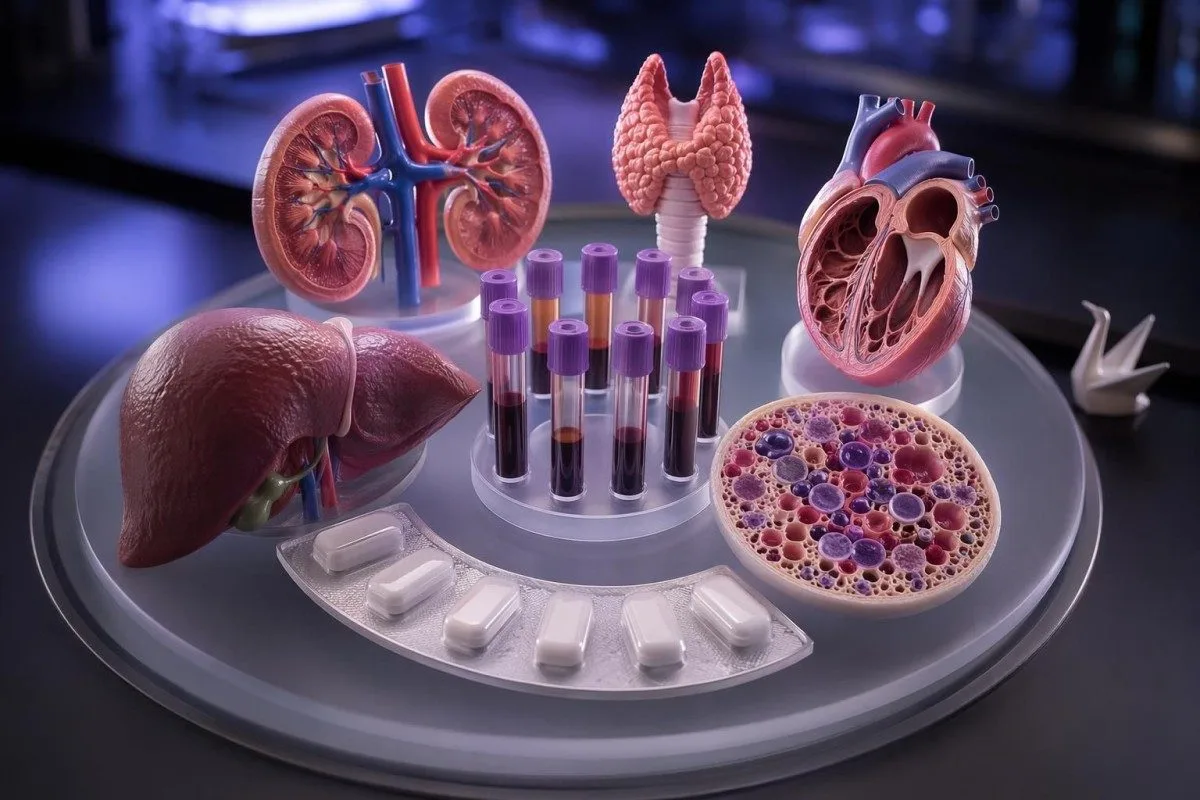
ການກວດເລືອດກ່ຽວກັບຢາສ່ວນໃຫຍ່ບໍ່ແມ່ນການຄາດເດົາທຸກປີ: ຢາກຸ່ມທີ່ກະທົບຕໍ່ໄຕແລະໂພແທດຊຽມມັກຕ້ອງກວດຊ້ຳໃນ 1-2 ອາທິດ, ຢາ statins ໃນ 4-12 ອາທິດ, ຢາກວດໄທລອຍໃນ 6-8 ອາທິດ, ແລະການຄວບຄຸມເບົາຫວານໃນປະມານ 3 ເດືອນ.



- ຢາສຳລັບໄຕແລະໂພແທດຊຽມ ເຊັ່ນ ACE inhibitors, ARBs, spironolactone, ແລະຢາຂັບປັດສະວະ ມັກຕ້ອງກວດ creatinine, eGFR, sodium, ແລະ potassium ຕອນເລີ່ມຕົ້ນ (baseline) ແລະກວດຊ້ຳອີກພາຍໃນ 1-2 ອາທິດ.
- ຢາສະເຕຕິນ ມັກຕ້ອງກວດຊຸດໄຂມັນ (lipid panel) ໃນ 4-12 ອາທິດຫຼັງເລີ່ມໃຊ້ ຫຼືປ່ຽນຂະໜາດຢາ; ALT ຖືກກວດຕອນເລີ່ມຕົ້ນ (baseline) ແລະຈະກວດຊ້ຳເປັນຫຼັກກໍ່ເມື່ອມີອາການ ຫຼືມີປັດໃຈສ່ຽງສູງ.
- Levothyroxine ການປ່ຽນຂະໜາດຢາຄວນຕິດຕາມດ້ວຍ TSH ແລະ free T4 ຫຼັງ 6-8 ອາທິດ ເພາະວ່າ TSH ຈະຊ້າກວ່າການປ່ຽນແປງຂອງຮໍໂມນຕົວຈິງ.
- Warfarin ຕ້ອງກວດ INR ທຸກໆສອງສາມມື້ໃນໄລຍະເລີ່ມຕົ້ນ, ຈາກນັ້ນຈະຫຼຸດລົງເມື່ອຄົງທີ່; ເປົ້າໝາຍ INR ປົກກະຕິສຳລັບ atrial fibrillation ຫຼື venous thrombosis ແມ່ນ 2.0-3.0.
- Lithium ຄວນວັດເປັນຄ່າ trough ຫຼັງຜ່ານໄປ 12 ຊົ່ວໂມງ ປະມານ 5-7 ມື້ຫຼັງເລີ່ມໃຊ້ ຫຼືປ່ຽນຂະໜາດຢາ; ລະດັບສູງກວ່າ 1.5 mmol/L ອາດເປັນພິດໄດ້.
- Methotrexate ແລະ azathioprine ຕ້ອງມີການຕິດຕາມ CBC, ເອນໄຊຕັບ, ແລະການກວດການເຮັດວຽກຂອງໄຕ; ມັກຈະເຮັດທຸກ 1-2 ອາທິດໃນໄລຍະຕົ້ນ ແລະທຸກ 8-12 ອາທິດເມື່ອຄົງທີ່.
- ເມັດຟອມິນ ຕ້ອງມີການຕິດຕາມ eGFR ຢ່າງໜ້ອຍປີລະ 1 ຄັ້ງ ແລະກວດວິຕາມິນ B12 ທຸກ 2-3 ປີ, ໄວກວ່ານັ້ນຖ້າມີໂລຫິດຈາງ, ອາການປວດປະສາດ (neuropathy), ຫຼື ອາຫານແບບ vegan.
- ຄວາມແຕກຕ່າງຂອງການກວດເລືອດລະຫວ່າງຄັ້ງກວດ ມັນສຳຄັນທີ່ສຸດເມື່ອການປ່ຽນແປງເຂົ້າກັບຢາ, ເວລາ, ຂະໜາດຢາ, ແລະອາການ; ຕົວເລກທີ່ຖືກແຈ້ງຄັ້ງດຽວມັກຈະມີປະໂຫຍດໜ້ອຍກວ່າແນວໂນ້ມ.
ຢາອັນໃດທີ່ມັກຕ້ອງກວດເລືອດຊ້ຳ?
ການກວດເລືອດເພື່ອຕິດຕາມຢາ ປົກກະຕິຈະຄວນເຮັດທີ່ baseline, 1-2 ອາທິດສຳລັບຢາທີ່ກ່ຽວກັບຄວາມສ່ຽງຕໍ່ໄຕ ຫຼື potassium, 4-12 ອາທິດສຳລັບຢາກຸ່ມ cholesterol, 6-8 ອາທິດສຳລັບການປ່ຽນຂະໜາດຢາ thyroid, ແລະ 3 ເດືອນສຳລັບການປ່ຽນ HbA1c. ແພດຈະຕິດຕາມອະໄວຍະວະທີ່ຢາອາດກະທົບ, ລະດັບທີ່ຢາຕັ້ງໃຈຈະປັບປຸງ, ຫຼື ຄວາມເຂັ້ມຂອງຢາເອງ. ຖ້າທ່ານອັບໂຫຼດຜົນຊ້ຳເຂົ້າໄປທີ່ ການກວດເລືອດເພື່ອຕິດຕາມຢາ, Kantesti AI ສາມາດປຽບທຽບເວລາ, ບໍລິບົດຂະໜາດຢາ, ແລະທິດທາງແນວໂນ້ມ ແທນທີ່ຈະອ່ານລາຍງານສະບັບດຽວໂດຍລຳພັງ.
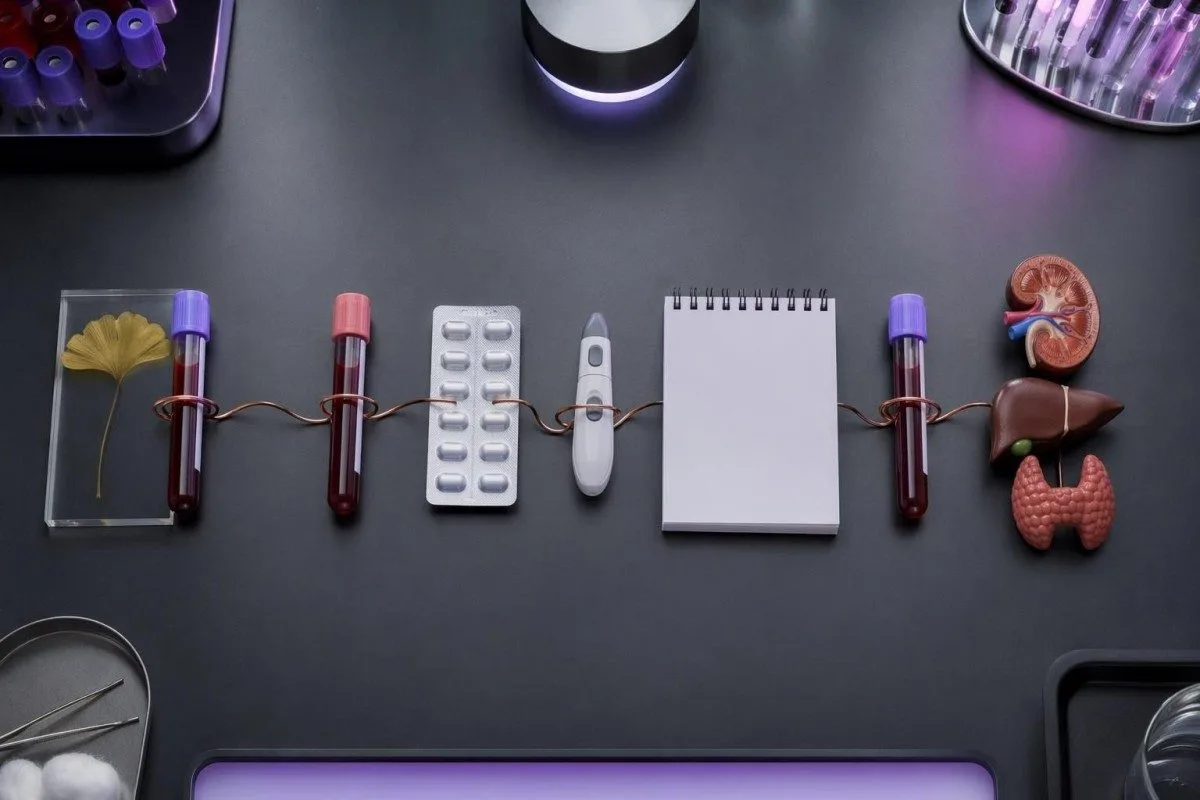
ຕົວຊີ້ວັດຊ້ຳທີ່ພົບບ່ອຍທີ່ສຸດແມ່ນ creatinine, eGFR, potassium, sodium, ALT, AST, CBC, INR, TSH, HbA1c, lipids, ແລະລະດັບຢາທີ່ໃຊ້ຕິດຕາມການຮັກສາ. baseline ທີ່ປົກກະຕິບໍ່ໄດ້ປົກປ້ອງທ່ານສະເໝີຫຼັງຈາກປ່ຽນຂະໜາດຢາ; spironolactone ສາມາດປ່ຽນ potassium ໃນ 3-7 ວັນ, ໃນຂະນະທີ່ levothyroxine ອາດບໍ່ສະແດງຜົນກະທົບເຕັມຂອງ TSH ໃນ 6-8 ອາທິດ.
ຂ້ອຍເຫັນຄົນເຈັບທີ່ກັງວົນຫຼາຍຫຼັງຈາກມີການແຈ້ງສັນຍານໃໝ່ໃນພອດທັນ. ຄຳຖາມທຳອິດທີ່ຂ້ອຍຖາມບໍ່ແມ່ນວ່າຜົນເປັນສີແດງບໍ; ແຕ່ແມ່ນວ່າຜົນໄດ້ປ່ຽນໄປຫຼັງຈາກທີ່ຢາຄວນຈະປ່ຽນມັນ, ແລະຂະໜາດການປ່ຽນນັ້ນມີເຫດຜົນທາງຊີວະວິທະຍາບໍ.
ນັບແຕ່ວັນທີ 29 ເມສາ 2026, ທີມຄລີນິກຂອງພວກເຮົາທີ່ Kantesti ໃນຖານະເປັນອົງກອນ ເຫັນແຜນການຕິດຕາມການໃຊ້ຢາທີ່ປອດໄພທີ່ສຸດ ທີ່ສ້າງຂຶ້ນຮອບວັນສຳຄັນ 3 ວັນ: ວັນ baseline, ວັນປ່ຽນຂະໜາດຢາ, ແລະວັນຄາດຄະເນທີ່ຈະເຂົ້າສູ່ສະພາບຄົງທີ່ (steady-state) ທີ່ຄາດໄວ້. ຖ້າຫ້ອງທົດລອງຖືກເກັບໄວເກີນໄປ, ຄຳຕອບທີ່ຊື່ສຸດອາດແມ່ນວ່າການກວດເປັນໄວເກີນໄປ (premature), ບໍ່ແມ່ນບໍ່ມີອັນຕະລາຍ ຫຼື ບໍ່ແຈ້ງເຕືອນ.
ຄວາມໄວໃນການສົ່ງຜົນ (turnaround) ກໍສຳຄັນເຊັ່ນກັນ. potassium ທີ່ກວດໃນພາກສຸກເສີນອາດກັບມາໄດ້ໃນໜ້ອຍກວ່າ 1 ຊົ່ວໂມງ, ໃນຂະນະທີ່ລະດັບຢາທີ່ສົ່ງໄປກວດພາຍນອກອາດໃຊ້ເວລາຫຼາຍກວ່າຫຼາຍມື້; ຄູ່ມືຂອງພວກເຮົາທີ່ ເວລາຈິງຂອງການກວດໃນຫ້ອງທົດລອງ ອະທິບາຍວ່າເຫດຜົນທີ່ເວລາ ແລະຄວາມໄວໃນການລາຍງານແມ່ນບັນຫາທີ່ແຍກກັນ.
ຄວາມແຕກຕ່າງຂອງຜົນກວດເລືອດລະຫວ່າງຄັ້ງກວດມີຫຍັງແທ້?
ຄວາມແຕກຕ່າງຂອງການກວດເລືອດລະຫວ່າງຄັ້ງແມ່ນມີຄວາມໝາຍທາງຄລີນິກ ຖ້າເກີນກວ່າຄວາມແປຜັນທີ່ຄາດໄວ້ຂອງຫ້ອງທົດລອງ ແລະ ສອດຄ່ອງກັບໄລຍະເວລາຂອງຢາ. ການເພີ່ມຂຶ້ນຂອງ creatinine 5 µmol/L ອາດເປັນສຽງລົບກວນ, ແຕ່ການເພີ່ມຂຶ້ນຂອງ creatinine 30% ຫຼັງ 10 ວັນຫຼັງເລີ່ມໃຊ້ ACE inhibitor ແມ່ນສັນຍານທີ່ຄວນດຳເນີນການ.
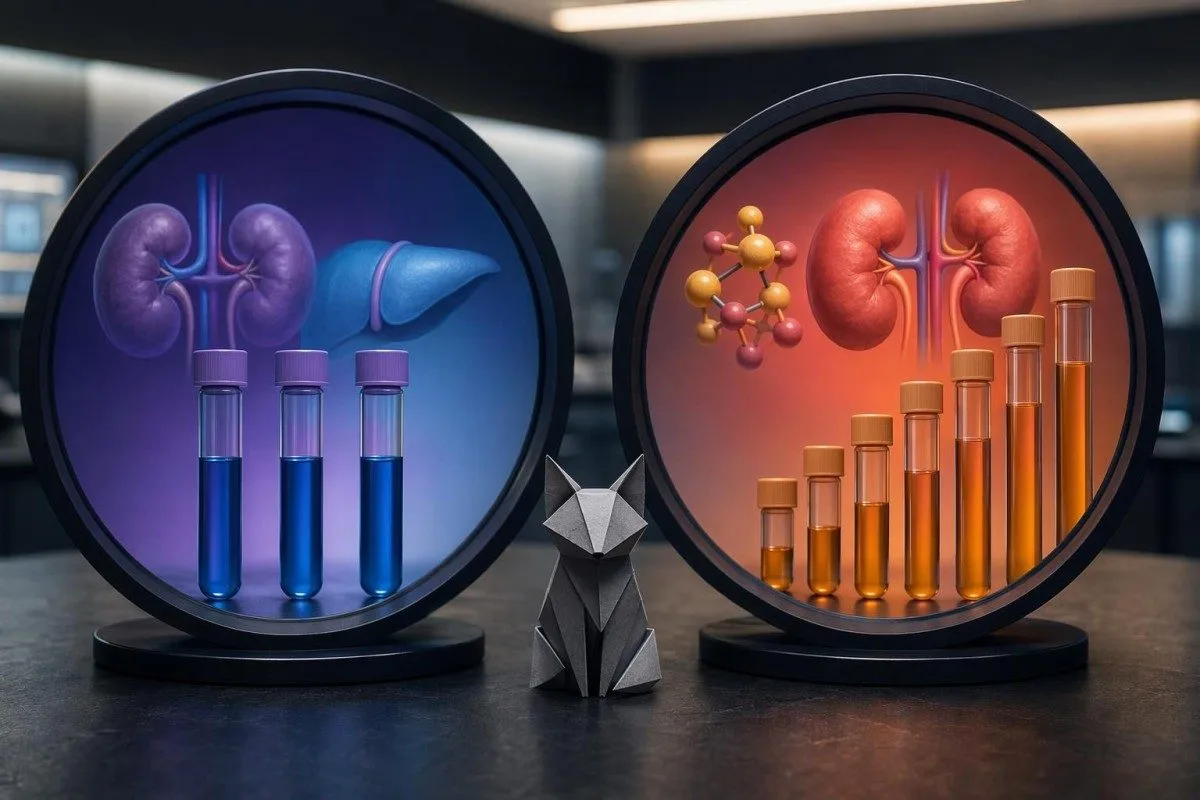
ໃນການວິເຄາະຂອງພວກເຮົາກ່ຽວກັບການກວດເລືອດທີ່ອັບໂຫຼດ 2M+ ຄັ້ງ, ພວກເຮົາເຫັນຢ່າງສະໝ່ຳສະເໝີວ່າຄົນເຈັບມັກປຽບທຽບ “ສັນຍານເຕືອນ” (red flags) ຫຼາຍກວ່າການປຽບທຽບ “ຄ່າທີ່ປ່ຽນແປງ” (deltas). ຄ່າ potassium 5.2 mmol/L ຈາກຫ້ອງທົດລອງທີ່ມີຂີດຈຳກັດສູງສຸດ 5.1 ອາດຈະເປັນການໜ້າກັງວົນໜ້ອຍກວ່າການປ່ຽນຈາກ 4.2 ໄປເປັນ 5.2 ຫຼັງຈາກເພີ່ມ trimethoprim ໃສ່ lisinopril.
ຫ້ອງທົດລອງບາງແຫ່ງໃນເອີຣົບໃຊ້ຊ່ວງອ້າງອີງ (reference ranges) ຂອງ potassium, ALT, ແລະ TSH ທີ່ແຕກຕ່າງກັນເລັກນ້ອຍ, ເຊິ່ງອາດເຮັດໃຫ້ຄ່າດຽວກັນເບິ່ງຄືວ່າປົກກະຕິໃນລາຍງານໜຶ່ງ ແລະ ສູງໃນອີກລາຍງານໜຶ່ງ. Kantesti ຕາມແຜນຜັງ (map) ໜ່ວຍ ແລະ ຊ່ວງອ້າງອີງຂ້າມລາຍງານດ້ວຍເຄືອຂ່າຍ neural ຂອງພວກເຮົາ ໂດຍໃຊ້ ຄູ່ມືຕົວຊີ້ວັດ 15,000+ ກ່ອນຈະຕັດສິນວ່າການປ່ຽນແປງນັ້ນນ່າຈະເປັນຄວາມຈິງຫຼືບໍ່.
ເວລາຂ້ອຍ, Thomas Klein, MD, ທົບທວນຜົນການກວດຊ້ຳເປັນຊຸດ, ຂ້ອຍມັກຄຳນວນການປ່ຽນແປງເປັນຮ້ອຍລະກ່ອນຈະເບິ່ງສັນຍານເຕືອນ. ຄ່າ creatinine ເພີ່ມຈາກ 80 ເປັນ 104 µmol/L ແມ່ນການເພີ່ມ 30%; creatinine ເພີ່ມຈາກ 150 ເປັນ 174 µmol/L ແມ່ນການເພີ່ມ 16%, ເຖິງແມ່ນວ່າທັງສອງປ່ຽນແປງໂດຍ 24 µmol/L ເທົ່າກັນ.
ການດື່ມນ້ຳ (hydration), ການຖືກອົດອາຫານ (fasting), ການອອກກຳລັງກາຍ, ເວລາຂອງຮອບເດືອນ (menstrual timing), ການຈັດການຕົວຢ່າງ (sample handling), ແລະ ເວລາຂອງມື້ (time of day) ສາມາດປ່ຽນຜົນໄດ້ທັງໝົດ. ບົດຄວາມທີ່ເລິກກວ່າຂອງພວກເຮົາກ່ຽວກັບ ຄວາມແປປ່ຽນຂອງການກວດເລືອດ ເປັນປະໂຫຍດ ເມື່ອໄລຍະເວລາຂອງຢາ ແລະ ການປ່ຽນແປງຂອງຫ້ອງທົດລອງ ບໍ່ຄ່ອຍສອດຄ່ອງກັນ.
ACE inhibitors, ARBs, ຢາຂັບປັດສະວະ: ໄລຍະເວລາຂອງໄຕແລະໂພແທດຊຽມ
ACE inhibitors, ARBs, spironolactone, eplerenone, thiazides, ແລະ loop diuretics ຕ້ອງກວດ creatinine ຫຼື eGFR ພ້ອມກັບ electrolytes ໃນຕອນເລີ່ມຕົ້ນ (baseline) ແລະ ປົກກະຕິອີກຄັ້ງພາຍໃນ 1-2 ອາທິດ. Potassium ສູງກວ່າ 5.5 mmol/L ຫຼື creatinine ເພີ່ມຂຶ້ນຫຼາຍກວ່າປະມານ 30% ຫຼັງຈາກຢາກຸ່ມ renin-angiotensin ຄວນໄດ້ຮັບການທົບທວນຢ່າງທັນດ່ວນ.
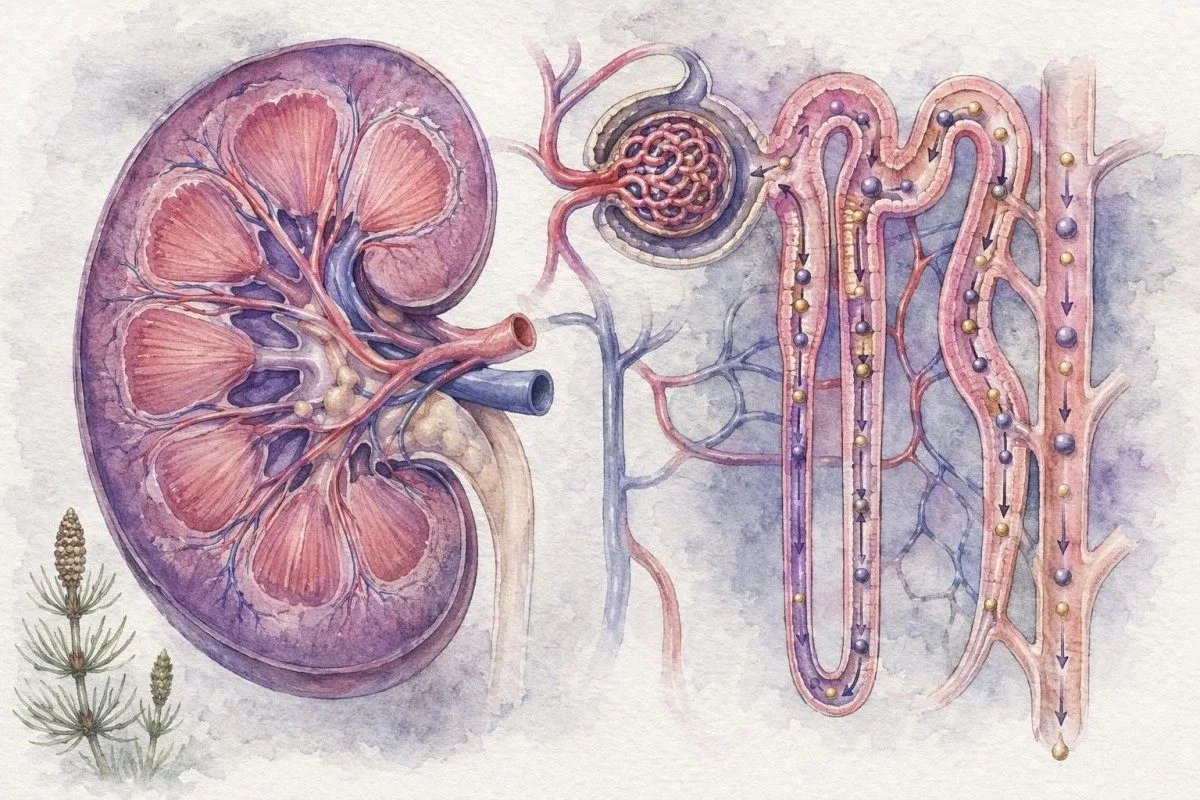
NICE NG203 ແນະນຳໃຫ້ກວດ eGFR ແລະ potassium ກ່ອນການໃຊ້ຕົວຍັບຍັ້ງລະບົບ renin-angiotensin-system ແລະ ກວດຊ້ຳຫຼັງມີການປ່ຽນແປງການຮັກສາໃນ CKD; ໃນການໃຊ້ງານປະຈຳວັນ ຂ້ອຍໃຊ້ 7-14 ວັນສຳລັບຜູ້ເຈັບສ່ວນໃຫຍ່ (NICE, 2021). ຄາດວ່າ creatinine ຈະເພີ່ມຂຶ້ນໜ້ອຍກວ່າ ເພາະຢາເຫຼົ່ານີ້ຫຼຸດຄວາມດັນພາຍໃນຕົວກອງຂອງໄຕ (kidney filter) ເຊິ່ງມັກຈະເປັນປະໂຫຍດໃນໄລຍະຍາວ.
ກົດເກນທີ່ໃຊ້ໄດ້ງ່າຍ: ການລົດລົງຂອງ eGFR ເຖິງ 25% ຫຼື creatinine ເພີ່ມຂຶ້ນເຖິງ 30% ອາດຈະຍອມຮັບໄດ້ ຖ້າ potassium ປອດໄພ ແລະ ຄວາມດັນເລືອດດີຂຶ້ນ. ຜົນ potassium ສູງກວ່າ 6.0 mmol/L ແມ່ນດ່ວນ ເພາະຄວາມສ່ຽງຂອງ arrhythmia ເພີ່ມຂຶ້ນ, ໂດຍສະເພາະເມື່ອການເຮັດວຽກຂອງໄຕຖືກບົກພ່ອງ.
ຢາຂັບປັດສະລະກຸ່ມ thiazide ມັກຈະຫຼຸດ sodium ແລະ potassium ຫຼາຍກວ່າ, ໃນຂະນະທີ່ spironolactone ແລະ eplerenone ມັກຈະເພີ່ມ potassium ຫຼາຍກວ່າ. ສຳລັບຜູ້ເຈັບທີ່ໃກ້ຂີດຈຳກັດ potassium ສູງສຸດຢູ່ແລ້ວ, ຂ້ອຍມັກກວດທີ່ວັນທີ 3-7 ຫຼັງເລີ່ມໃຊ້ spironolactone, ອີກຄັ້ງໃນ 1 ເດືອນ, ແລະ ຈາກນັ້ນທຸກໆ 3 ເດືອນ ຈົນກວ່າແນວໂນ້ມຈະສະແດງຮູບແບບທີ່ຄົງທີ່.
ຢ່າຕີຄວາມໝາຍການກວດຢາສຳລັບໄຕ (kidney medication labs) ໂດຍບໍ່ຮູ້ເື່ອງຂອງສະພາບນ້ຳ (fluid story). ການຂາດນ້ຳ (dehydration), ການອາເຈັບ (vomiting), ການໃຊ້ NSAID, ແລະ ການອົດຄາບຕ່ຳ (low-carb crash dieting) ສາມາດເຮັດໃຫ້ creatinine ແລະ BUN ປ່ຽນໄດ້ໄວ; ປຽບທຽບຜົນຂອງທ່ານກັບ ຄູ່ມືຊ່ວງໂພແທດຊຽມ ແລະ ປຽບທຽບຊຸດກວດໝາກໄຂ່ຫຼັງ ຖ້າຊື່ກຸ່ມການກວດ (panel) ແຕກຕ່າງ.
Statins ແລະຢາກຸ່ມໄຂມັນ: ເມື່ອໃດຄວນກວດໄຂມັນຊ້ຳ, ALT, ແລະ CK
ຢາ statins ຕ້ອງກວດກາກະທົບໄຂມັນ (lipid panel) 4-12 ອາທິດຫຼັງເລີ່ມໃຊ້ ຫຼືປ່ຽນຂະໜາດ, ແລ້ວທຸກ 3-12 ເດືອນເມື່ອຄົງທີ່. ປົກກະຕິຈະກວດ ALT ກ່ອນເລີ່ມການຮັກສາ; ບໍ່ໄດ້ຕິດຕາມ CK ເປັນປົກກະຕິ ຍົກເວັ້ນເມື່ອມີອາການກ້າມເນື້ອ, ອ່ອນແອຢ່າງຮຸນແຮງ, ຫຼືມີການປະຕິສຳພັນທີ່ມີຄວາມສ່ຽງສູງ.
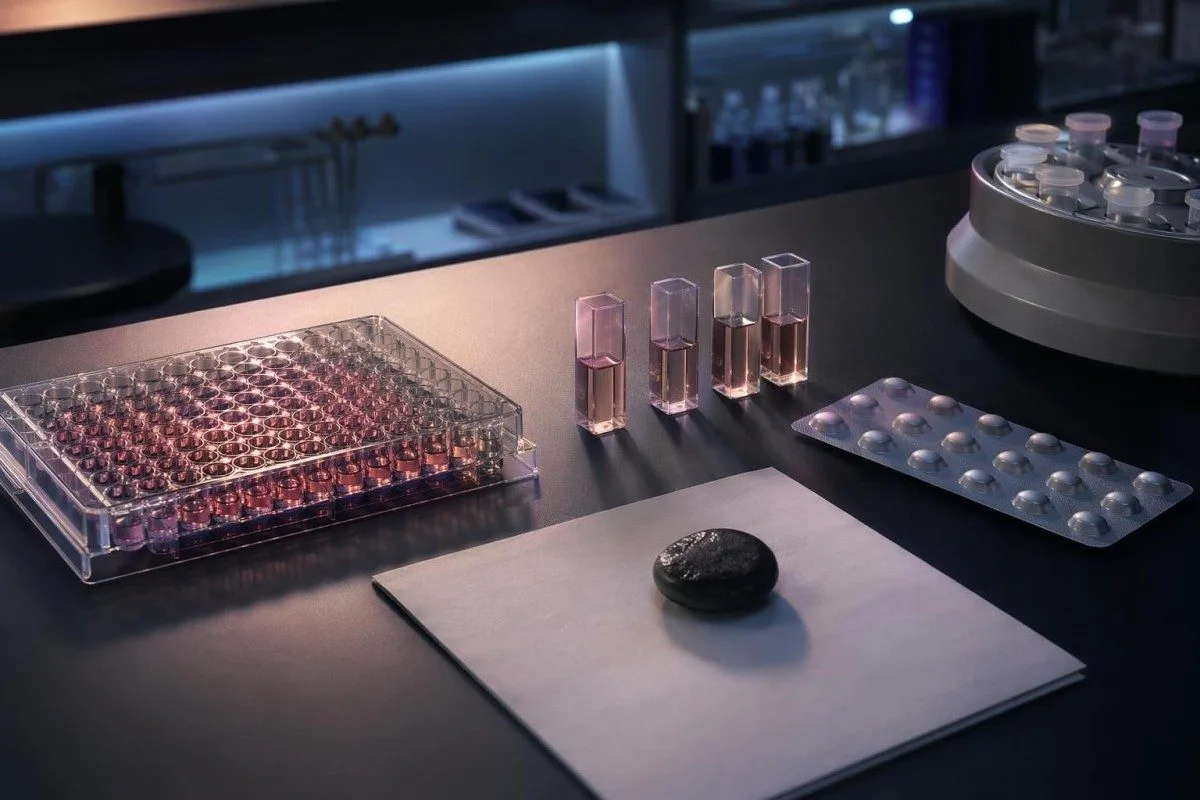
ຄູ່ມືຄໍເລສເຕີຣອລປີ 2018 ຂອງ AHA/ACC ແນະນຳໃຫ້ກວດ lipid panel ແບບຖືອາຫານ (fasting) ຫຼືບໍ່ຖືອາຫານ (nonfasting) 4-12 ອາທິດຫຼັງເລີ່ມ statin ຫຼືປັບຂະໜາດ, ແລ້ວທຸກ 3-12 ເດືອນຕາມຄວາມຈຳເປັນ (Grundy et al., 2019). ການຫຼຸດ LDL-C ປະມານ 30-49% ຊີ້ວ່າເປັນການຕອບສະໜອງຂອງ statin ຄວາມເຂັ້ມປານກາງ; ການຫຼຸດລົງ 50% ຫຼືຫຼາຍກວ່ານັ້ນຊີ້ວ່າເປັນການຕອບສະໜອງຂອງ statin ຄວາມເຂັ້ມສູງ.
ALT ສູງກວ່າ 3 ເທົ່າຂອງຂີດຈຳກັດສູງສຸດຂອງຄ່າປົກກະຕິໃນການກວດຊ້ຳ ແມ່ນເກນທົ່ວໄປທີ່ເຮັດໃຫ້ແພດຢຸດຄິດ, ແຕ່ການສູງຂຶ້ນຂອງ ALT ແບບເບົາແມ່ນພົບໄດ້ເລື້ອຍໃນຕັບໄຂມັນ ແລະບໍ່ໄດ້ໝາຍຄວາມວ່າ statin ເຮັດໃຫ້ເກີດການບາດເຈັບຕັບທັນທີ. ນັກແລ່ນມາຣາທອນອາຍຸ 52 ປີ ທີ່ມີ AST 89 IU/L, ALT 42 IU/L, ແລະ CK 780 U/L ຫຼັງຈາກການແຂ່ງ ອາດຈະເປັນການຮົ່ວໄຫຼຈາກກ້າມເນື້ອ ຫຼາຍກວ່າການເສຍຫາຍຂອງຕັບ.
ຢາ fibrates ແລະຢາ omega-3 ຂະໜາດສູງ ໂດຍທົ່ວໄປຈະຕິດຕາມດ້ວຍ triglycerides, ALT, ແລະການເຮັດວຽກຂອງໝາກໄຂ່ຫຼັງ, ໂດຍສະເພາະເມື່ອ triglycerides ພື້ນຖານເກີນ 500 mg/dL. Triglycerides ສູງກວ່າ 1000 mg/dL ເພີ່ມຄວາມສ່ຽງຕໍ່ການເກີດ pancreatitis ແລະເຮັດໃຫ້ຕ້ອງຈັດການໄວກວ່າການປ້ອງກັນຄໍເລສເຕີຣອລອອກຈາກປົກກະຕິ.
ຖ້າລາຍງານຄໍເລສເຕີຣອລຂອງທ່ານເປັນການກວດບໍ່ຖືອາຫານ, ຢ່າຄິດວ່າມັນໃຊ້ບໍ່ໄດ້. ພວກເຮົາ ການກວດໄຂມັນໃນເລືອດ (lipid panel) ອະທິບາຍວ່າ triglycerides ທີ່ບໍ່ຖືອາຫານຍັງສາມາດນຳໄປດຳເນີນການໄດ້ເມື່ອໃດ ແລະເມື່ອໃດການກວດຊ້ຳແບບຖືອາຫານຈະໃຫ້ການຕັດສິນໃຈການໃຊ້ຢາທີ່ຊັດເຈນກວ່າ.
ຢາກວດໄທລອຍ: ເປັນຫຍັງການກຳນົດເວລາຂອງ TSH ຊ້າກວ່າທີ່ຄົນເຈັບຄາດໄວ້
ການປ່ຽນຂະໜາດຢາ levothyroxine ໂດຍທົ່ວໄປຄວນກວດກັບ TSH ແລະ free T4 ຫຼັງ 6-8 ອາທິດ, ບໍ່ແມ່ນຫຼັງຈາກສອງສາມມື້. ຢາຕ້ານໄທລອຍ ເຊັ່ນ methimazole ຫຼື carbimazole ມັກຈະຕ້ອງກວດ free T4 ແລະ T3 ທຸກ 2-6 ອາທິດໃນໄລຍະຕົ້ນ ເພາະວ່າ TSH ສາມາດຖືກກົດໄວ້ໄດ້ເປັນເດືອນ.
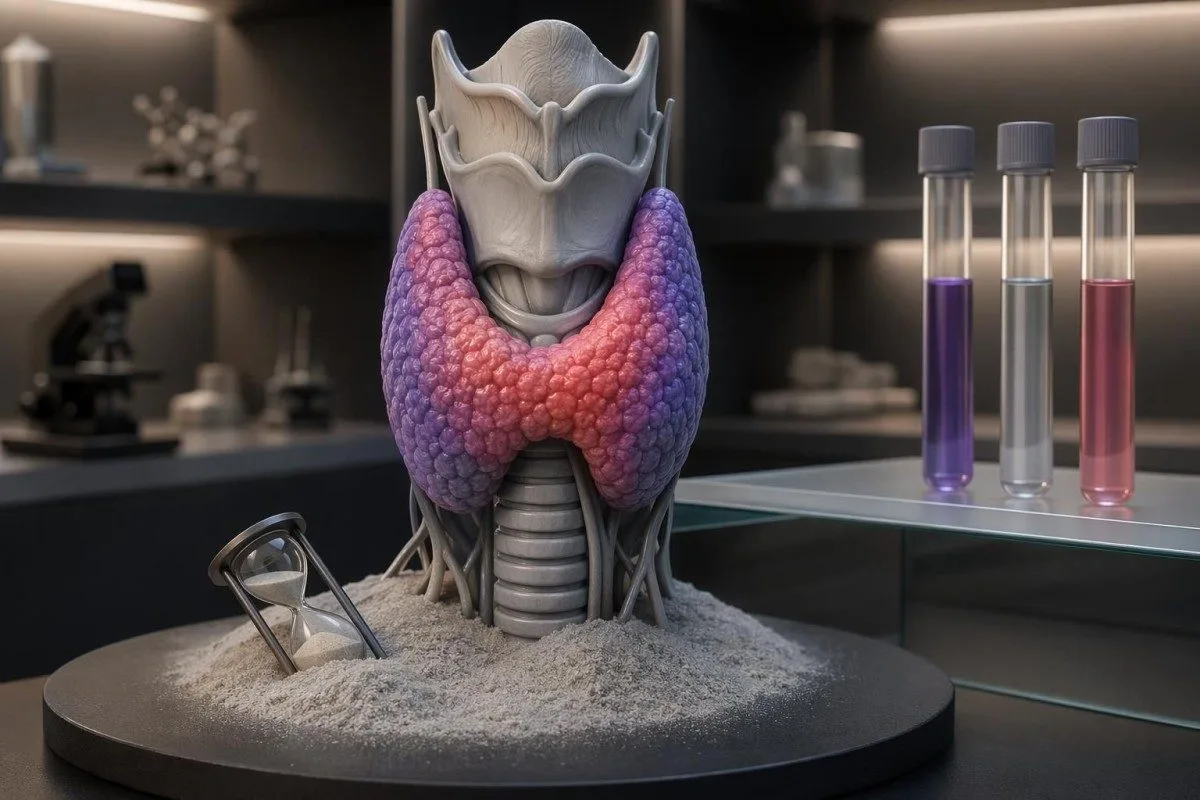
TSH ແມ່ນສັນຍານການຕອບສະໜອງຈາກຕ່ອມສະໝອງ (pituitary) ແລະມັນຄ່ອຍໆປ່ຽນຫຼັງມີການປ່ຽນ levothyroxine. ການກວດ TSH ທີ່ 10 ມື້ ອາດທຳໃຫ້ທັງຄົນເຈັບ ແລະແພດສັບສົນ ເພາະຕົວເລກຍັງບໍ່ໄດ້ໄປຮອດສະພາບຄົງຕົວໃໝ່.
ການຖືພາແຕກຕ່າງ. ນັກຕໍ່ມະວິທະຍາສ່ວນໃຫຍ່ຈະກວດຄືນ TSH ປະມານທຸກ 4 ອາທິດໃນເຄິ່ງທຳອິດຂອງການຖືພາ ເພາະວ່າຄວາມຕ້ອງການຮໍໂມນຕ່ອມໄທລອຍສາມາດເພີ່ມຂຶ້ນໄດ້ໄວ, ແລະເປົ້າໝາຍຕາມໄຕມາດແຄບກວ່າຊ່ວງຄ່າທົ່ວໄປຂອງຜູ້ໃຫຍ່.
ຢາຕ້ານໄທລອຍ ມີຄວາມສ່ຽງທີ່ຫາຍາກແຕ່ຮ້າຍແຮງຂອງ agranulocytosis, ມັກຖືກອ້າງປະມານ 0.1-0.5%. ຂ້ອຍບອກຄົນເຈັບໃຫ້ຢຸດຢາ ແລະໄປກວດ CBC ຢ່າງດ່ວນ ຖ້າມີໄຂ້, ແຜໃນປາກ, ຫຼືເຈັບຄໍຮຸນແຮງ; CBC ປົກກະຕິບໍ່ໄດ້ຊີ້ບອກຢ່າງເຊື່ອຖືໄດ້ທຸກກໍລະນີທີ່ເກີດຂຶ້ນທັນທີ.
Biotin ສາມາດເຮັດໃຫ້ການກວດເລືອດຕ່ອມໄທລອຍເບິ່ງຜິດໄດ້, ໂດຍສະເພາະ TSH ແລະ free T4 ທີ່ໃຊ້ວິທີ immunoassay. ສຳລັບເສັ້ນເວລາ ແລະກັບດັກຂອງການທົດສອບ, ໃຫ້ປຽບທຽບກັບພວກເຮົາ ເສັ້ນເວລາ TSH ຂອງ levothyroxine ກັບ the ຄຳເຕືອນຕ່ອມໄທລອຍຈາກ biotin.
ຢາສຳລັບເບົາຫວານ: HbA1c, ການກວດການເຮັດວຽກຂອງໄຕ, ແລະ B12
ການປ່ຽນຢາສຳລັບໂລກເບົາຫວານ ໂດຍທົ່ວໄປຈະປະເມີນດ້ວຍ HbA1c ຫຼັງປະມານ 3 ເດືອນ ເພາະອາຍຸຂອງເມັດເລືອດແດງ ເຮັດໃຫ້ການປ່ຽນຂອງ A1c ໃນໄລຍະກ່ອນຍັງບໍ່ຄົບຖ້ວນ. Metformin ຕ້ອງມີການຕິດຕາມ eGFR ຢ່າງນ້ອຍປີລະ 1 ຄັ້ງ ແລະກວດວິຕາມິນ B12 ທຸກ 2-3 ປີ, ໄວກວ່ານັ້ນຖ້າມີໂລກຈາງ (anemia) ຫຼື neuropathy.
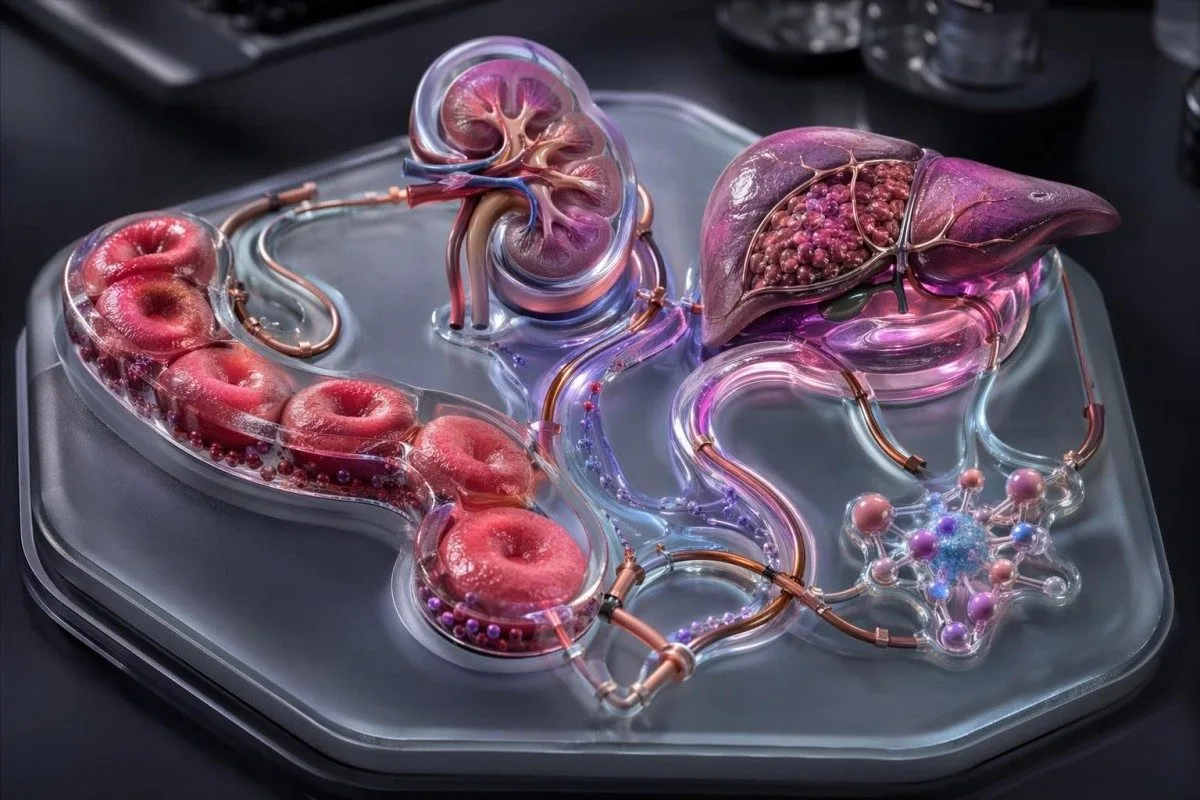
HbA1c ສະທ້ອນການໄດ້ຮັບນ້ຳຕານປະມານ 8-12 ອາທິດ, ໂດຍ 4 ອາທິດຫຼ້າສຸດມີນ້ຳໜັກຫຼາຍກວ່າ. ຢາທີ່ເລີ່ມໃຊ້ໄປແລ້ວ 14 ມື້ ສາມາດຊ່ວຍໃຫ້ນ້ຳຕານຈາກການຈິ້ມປາຍນິ້ວດີຂຶ້ນ ໃນຂະນະທີ່ HbA1c ຍັງເບິ່ງບໍ່ດີ.
ໂດຍທົ່ວໄປຈະຫຼີກລ້ຽງ metformin ເມື່ອ eGFR ຕ່ຳກວ່າ 30 mL/min/1.73 m², ແລະມັກພິຈາລະນາຫຼຸດຂະໜາດຢາເມື່ອຕ່ຳກວ່າ 45 mL/min/1.73 m². ຢາ SGLT2 inhibitors ສາມາດເຮັດໃຫ້ eGFR ຕົກໄວໃນໄລຍະຕົ້ນປະມານ 3-5 mL/min/1.73 m²; ຮູບແບບນີ້ມັກເປັນດ້ານ hemodynamic ຫຼາຍກວ່າການເສຍຫາຍຂອງໝາກໄຂ່ຫຼັງ ຖ້າມັນຄົງຕົວ.
Sulfonylureas ແລະ insulin ບໍ່ຈຳເປັນຕ້ອງກວດລະດັບຢາ, ແຕ່ຕ້ອງທົບທວນຮູບແບບນ້ຳຕານ ເພາະວ່າ hypoglycemia ສາມາດເກີດຂຶ້ນໄດ້ເຖິງແມ່ນ HbA1c ປົກກະຕິ. GLP-1 receptor agonists ຖືກຕິດຕາມຫຼາຍກວ່າດ້ວຍອາການ, ນ້ຳໜັກ, ສະພາບໝາກໄຂ່ຫຼັງໃນເວລາຂາດນ້ຳ, ແລະອາການຂອງ pancreatic ຫຼາຍກວ່າການອ້າງອີງຈາກຕົວຊີ້ວັດເລືອດອັນດຽວທີ່ກັບມາຊ້ຳ.
ຖ້າ A1c ແລະຜົນຈາກການຈິ້ມປາຍນິ້ວບໍ່ກົງກັນ, ພາວະຈາງ (anemia), ໂລກໝາກໄຂ່ຫຼັງ, ຄວາມແປປ່ຽນຂອງ hemoglobin, ແລະການໂອນເລືອດບໍ່ດົນມານີ້ ສາມາດທຳໃຫ້ການຕີຄວາມຜິດພາດໄດ້. ເລີ່ມຈາກພວກເຮົາ ຄູ່ມືການກວດເລືອດສຳລັບໂລກເບົາຫວານ ແລະ ບົດຄວາມກ່ຽວກັບ ຄວາມຖືກຕ້ອງຂອງ HbA1c ກ່ອນປ່ຽນແຜນການຮັກສາທີ່ກຳລັງໃຊ້ຢູ່.
ຢາຕ້ານການເກາະຕົວຂອງເລືອດ: INR ສຳລັບ warfarin, ກວດໄຕສຳລັບ DOACs
Warfarin ຕ້ອງກວດ INR ເລື້ອຍໆເມື່ອເລີ່ມຕົ້ນ ຫຼື ປ່ຽນຂະໜາດຢາ, ໃນຂະນະທີ່ DOACs ຕ້ອງມີການຕິດຕາມການເຮັດວຽກຂອງໝາກໄຂ່ຫຼັງ, ການເຮັດວຽກຂອງຕັບ, ແລະ ການກວດເລືອດຄົບຖ້ວນ ຫຼາຍກວ່າການກວດລະດັບຢາປົກກະຕິ. ເປົ້າໝາຍ INR ທົ່ວໄປສຳລັບ atrial fibrillation ຫຼື venous thrombosis ແມ່ນ 2.0-3.0, ແຕ່ລິ້ນກົນຈັກອາດຕ້ອງການເປົ້າໝາຍສູງກວ່າ.
ເມື່ອເລີ່ມໃຊ້ warfarin, ອາດຈະກວດ INR ທຸກ 2-3 ມື້ ຈົນກວ່າຈະເຂົ້າໃນຊ່ວງ, ຫຼັງຈາກນັ້ນທຸກອາທິດ, ແລະ ທຸກ 4-12 ອາທິດ ຖ້າສະເຖຍຍິ່ງຫຼາຍ. ຢາປฏິຊີວະນະ (antibiotics), ການປ່ຽນແປງການດື່ມເຫຼົ້າ, ທ້ອງສຽງ (diarrhea), ພະຍາດຕັບ, ແລະ ການກິນວິຕາມິນ K ສາມາດຂັບ INR ໄດ້ໄວກວ່າທີ່ຫຼາຍຄົນຄາດ.
DOACs ເຊັ່ນ apixaban, rivaroxaban, edoxaban, ແລະ dabigatran ແຕກຕ່າງກັນ. ປົກກະຕິຂ້ອຍຈະເບິ່ງ CBC ພື້ນຖານ, creatinine clearance, ການເຮັດວຽກຂອງຕັບ, ແລະ ນ້ຳໜັກ; ຫຼັງຈາກນັ້ນ ການຕິດຕາມການໄຕ (renal monitoring) ຈາກທຸກປີ ຫາທຸກ 3-6 ເດືອນ ໃນຄົນເຈັບທີ່ອ່ອນແອ (frail) ຫຼື ຜູ້ທີ່ creatinine clearance ຕ່ຳກວ່າ 60 mL/min.
ລະດັບ hemoglobin ທີ່ຫຼຸດລົງໃນຂະນະໃຊ້ anticoagulant ອາດຈະບອກໄດ້ຊັດເຈນກວ່າຕົວເລກການແຂງຕົວຂອງເລືອດ (coagulation number) ເອງ. Hemoglobin ຕ່ຳກວ່າປະມານ 80 g/L, ອາຈົມດຳ (black stools), ວິນຫົວຈົນເປັນລົມ (fainting), ຫຼື ຫົວໃຈເຕັ້ນໄວ (rapid heart rate) ຕ້ອງມີການປະເມີນທາງຄລີນິກໃນມື້ດຽວກັນ ເຖິງແມ່ນວ່າຂະໜາດຢາ anticoagulant ເໝືອນຈະຖືກຕ້ອງ.
ສຳລັບຄົນເຈັບທີ່ພະຍາຍາມເຂົ້າໃຈ PT, INR, aPTT, fibrinogen, ແລະ D-dimer ພ້ອມກັນ, ຂອງພວກເຮົາ ຄູ່ມືຊ່ວງ PT INR ເໝາະກັບການ ພາບລວມການກວດການແຂງຕົວຂອງເລືອດ (coagulation test overview).
Lithium ແລະຢາຄົງອາລົມ: ລະດັບ, ໄຕ, ກວດໄທລອຍ, ແລະ CBC
Lithium ຕ້ອງກວດລະດັບຕ່ຳສຸດ (trough) ຫຼັງ 12 ຊົ່ວໂມງ ປະມານ 5-7 ມື້ ຫຼັງເລີ່ມໃຊ້ ຫຼື ປ່ຽນຂະໜາດຢາ, ຫຼັງຈາກນັ້ນກວດຊ້ຳຈົນກວ່າຈະສະເຖຍ. ເປົ້າໝາຍການຮັກສາທົ່ວໄປ ປະມານ 0.6-0.8 mmol/L ສຳລັບຄົນເຈັບຫຼາຍຄົນ, ໃນຂະນະທີ່ລະດັບສູງກວ່າ 1.5 mmol/L ເຮັດໃຫ້ມີຄວາມກັງວົນເລື່ອງພິດ (toxicity).
NICE CG185 ແນະນຳໃຫ້ກວດ lithium 1 ອາທິດຫຼັງເລີ່ມໃຊ້ ແລະ 1 ອາທິດຫຼັງການປ່ຽນຂະໜາດຢາແຕ່ລະຄັ້ງ, ຫຼັງຈາກນັ້ນທຸກອາທິດຈົນກວ່າຈະສະເຖຍ, ແລະ ຕິດຕາມຕໍ່ເນື່ອງທຸກ 3 ເດືອນໃນປີທຳອິດ ແລະ ມັກຈະທຸກ 6 ເດືອນຫຼັງຈາກນັ້ນ (NICE, 2023). ໃນຄົນເຈັບທີ່ມີຄວາມສ່ຽງສູງກວ່າ ເຊັ່ນ ຜູ້ສູງອາຍຸ ຫຼື ຜູ້ທີ່ກິນ ACE inhibitors, diuretics, ຫຼື NSAIDs, ຂ້ອຍຈະຮັກສາໄລຍະໃຫ້ສັ້ນລົງ.
Lithium ສາມາດກະທົບຕໍ່ໄຕ, ຕ່ອມໄທລອຍ, ແລະ ການຄວບຄຸມຄາຊຽມ, ດັ່ງນັ້ນ eGFR, TSH, ແລະ calcium ມັກຈະກວດທຸກ 6 ເດືອນ. ກັບດັກທີ່ເປັນຄລາສສິກ ແມ່ນການເອົາເລືອດກວດຫຼັງ 3 ຊົ່ວໂມງຈາກກິນຢາ; ມັນອາດຈະເບິ່ງຄ່າສູງເກີນຈິງ ເມື່ອທຽບກັບ trough 12 ຊົ່ວໂມງທີ່ຕ້ອງການ.
ການຕິດຕາມ Valproate ປົກກະຕິປະກອບມີ CBC ພື້ນຖານ, platelets, ALT, AST, ນ້ຳໜັກ, ແລະ ການໃຫ້ຄຳແນະນຳເລື່ອງຄວາມສ່ຽງການຖືພາ ຖ້າມີຄວາມເໝາະສົມ. Carbamazepine ຕ້ອງການ CBC, ຄ່າເອນໄຊຕັບ, sodium, ແລະ ການທົບທວນການປະຕິສຳພັນ; sodium ຕ່ຳກວ່າ 130 mmol/L ໃນ carbamazepine ບໍ່ແມ່ນການພົບແບບບັງເອີນ.
ຜູ້ທົບທວນທາງການແພດຂອງ Kantesti, ທີ່ລາຍຊື່ຜ່ານທາງ ຄະນະທີ່ປຶກສາທາງການແພດ, ມັກຈະກວດພົບການປະສົມຢາກ່ອນທີ່ຢາດຽວຈະກາຍເປັນບັນຫາ. Lithium ບວກກັບການຂາດນ້ຳ (dehydration) ບວກກັບ ibuprofen ມີຮູບແບບຄວາມສ່ຽງທີ່ແຕກຕ່າງຈາກ lithium ຢ່າງດຽວ ໃນລະດັບທີ່ວັດໄດ້ເທົ່າກັນ.
Methotrexate, azathioprine, ແລະ DMARDs: CBC ແລະຕາຕະລາງການກວດຕັບ
Methotrexate, azathioprine, leflunomide, ແລະ ຢາພູມຄຸ້ມກັນອື່ນໆຫຼາຍຊະນິດ ຕ້ອງການການກວດ CBC, ຄ່າເອນໄຊຕັບ, ແລະ ການກວດການເຮັດວຽກຂອງໝາກໄຂ່ຫຼັງ ໄວໆຫຼັງເລີ່ມໃຊ້ ແລະ ກວດຊ້ຳຫຼາຍຄັ້ງໃນໄລຍະປັບຂະໜາດຢາ (dose escalation). ການຕິດຕາມໄລຍະເລີ່ມມັກເປັນທຸກ 1-2 ອາທິດ, ຫຼັງຈາກນັ້ນທຸກ 8-12 ອາທິດ ເມື່ອຂະໜາດຢາ ແລະ ຜົນການກວດສະເຖຍ.
ພິດຂອງ Methotrexate ອາດຈະປາກົດເປັນ ຈຳນວນເມັດເລືອດຂາວຫຼຸດລົງ, platelets ຫຼຸດລົງ, ALT ເພີ່ມຂຶ້ນ, ແຜໃນປາກ (mouth ulcers), ຫຼື ຫາຍໃຈບໍ່ອອກທີ່ບໍ່ມີສາເຫດອະທິບາຍ. ຫຼາຍແຜນການຮ່ວມດູແລ (shared-care protocols) ຈະເລີ່ມລະວັງເມື່ອ WBC ຕ່ຳກວ່າ 3.5 x 10⁹/L, neutrophils ຕ່ຳກວ່າ 1.6 x 10⁹/L, ຫຼື platelets ຕ່ຳກວ່າ 140 x 10⁹/L, ເຖິງແມ່ນວ່າກົດລະບຽບພາຍໃນແຕກຕ່າງກັນ.
Azathioprine ແມ່ນໜຶ່ງໃນຕົວຢ່າງທີ່ຊັດເຈນທີ່ສຸດຂອງພັນທຸກຳກ່ອນການຮັກສາ ທີ່ປ່ຽນແປງຄວາມປອດໄພຂອງການກວດເລືອດ. TPMT ແລະ ຕໍ່ມາມີການກວດ NUDT15 ຫຼາຍຂຶ້ນ ຊ່ວຍລະບຸຄົນທີ່ມີຄວາມສ່ຽງສູງຕໍ່ການກົດກະທົບຕໍ່ໄຂກະດູກຢ່າງຮຸນແຮງ (profound myelosuppression) ກ່ອນທີ່ເມັດຢາເມັດທຳອິດຈະເຮັດອັນຕະລາຍ.
ການເພີ່ມຂຶ້ນຂອງ ALT ແບບເລັກນ້ອຍຫຼັງ methotrexate ຖືກຕີຄວາມແຕກຕ່າງໃນຄົນເຈັບທີ່ມີຄວາມອ້ວນ, ໂລກເບົາຫວານ, ແລະ ຕັບໄຂມັນ ກັບຄົນທີ່ບາງ (lean) ທີ່ມີຄ່າເອນໄຊຕັບປົກກະຕິມາກ່ອນ. ບໍລິບົດສຳຄັນກວ່າຕົວເລກຢ່າງດຽວ ນັ້ນແມ່ນເຫດທີ່ຂ້ອຍມັກຈະຢາກເຫັນຂໍ້ມູນຢ່າງໜ້ອຍສາມຈຸດ ກ່ອນຈະສະຫຼຸບວ່າຮູບແບບຕ່ຳລະດັບທີ່ສະເຖຍແມ່ນອັນຕະລາຍ.
ການກວດແຍກສ່ວນຂອງ CBC ສາມາດສະແດງແບບແຜນກ່ອນທີ່ WBC ລວມຈະເລີ່ມອອກອາການທີ່ນ່າກັງວົນ. ຖ້າທ່ານກຳລັງປຽບທຽບ neutrophils, lymphocytes, ແລະ platelets ໃນຊ່ວງການຮັກສາ DMARD, ໃຫ້ໃຊ້ຂອງພວກເຮົາ ຂ້ອຍຍັງໃຫ້ຄວາມສົນໃຈກັບ ຄຽງຄູ່ກັບແຜນຄວາມປອດໄພຂອງທ່ານແພດຜູ້ສັ່ງຢາ.
ຢາກັນຊັກ: ເມື່ອໃດລະດັບຊ່ວຍ ແລະເມື່ອໃດ CBC ຫຼື sodium ສຳຄັນກວ່າ
Phenytoin, carbamazepine, ແລະ valproate ອາດຈະຕ້ອງກວດລະດັບຢາ, ແຕ່ sodium, CBC, albumin, ແລະ enzyme ຂອງຕັບ ມັກຈະອະທິບາຍບັນຫາຄວາມປອດໄພທີ່ແທ້ຈິງ. Lamotrigine ແລະ levetiracetam ປົກກະຕິບໍ່ຈຳເປັນຕ້ອງກວດລະດັບເປັນປະຈຳ ຍົກເວັ້ນມີການຖືພາ, ມີພິດ, ຄວາມບໍ່ແນ່ໃຈໃນການກິນຢາ, ຫຼືມີການປະຕິສຳພັນທີ່ບໍ່ປົກກະຕິ.
Phenytoin ມີ kinetics ບໍ່ເປັນເສັ້ນສະນັ້ນ ການເພີ່ມຂະໜາດຢາພຽງນ້ອຍອາດທຳໃຫ້ລະດັບຂຶ້ນແບບຫຼາຍ. ຊ່ວງລະດັບ phenytoin ລວມທົ່ວໄປ ມັກຢູ່ປະມານ 10-20 µg/mL, ແຕ່ albumin ຕ່ຳ ສາມາດເຮັດໃຫ້ລະດັບທີ່ເປັນອິດສະຫຼະ (free active) ສູງກວ່າຈຳນວນລວມທີ່ຄິດຈາກຄ່າລວມ.
Carbamazepine ສາມາດຫຼຸດ sodium ໄດ້ຜ່ານສະພາບຄ້າຍ SIADH, ໂດຍສະເພາະໃນຜູ້ສູງອາຍຸ ຫຼືເມື່ອໃຊ້ຮ່ວມກັບຢາຂັບປັດຍ່ຽວ. Sodium ຕ່ຳກວ່າ 130 mmol/L ພ້ອມກັບຄວາມສັບສົນ, ຕົກ, ຫຼືຊັກ ແມ່ນບັນຫາທີ່ຕ້ອງແກ້ໃນມື້ນັ້ນ, ບໍ່ແມ່ນບັນຫາລໍຖ້າໄປຈັດການນັດປົກກະຕິ.
ລະດັບ Valproate ມັກຖືກຕີຄວາມປະມານ 50-100 µg/mL, ແຕ່ຈຳນວນ platelets, ALT, ນ້ຳໜັກ, ອາການສັ່ນ (tremor), ແລະອາການທີ່ກ່ຽວຂ້ອງກັບ ammonia ອາດສຳຄັນກວ່າການຕິດປ້າຍຊື່ຊ່ວງການຮັກສາທີ່ສວຍງາມ. ຂ້ອຍເຄີຍເຫັນຄົນເຈັບທີ່ມີລະດັບຢູ່ໃນຂອບທີ່ຍອມຮັບ ແຕ່ຮູ້ສຶກວ່າເປັນພິດຊັດເຈນ, ໂດຍສະເພາະຫຼັງຈາກມີການເພີ່ມຢາທີ່ມີການປະຕິສຳພັນ.
ການຕີຄວາມຂອງ enzyme ຂອງຕັບ ຍິ່ງຍາກໃນຈຸດນີ້ ເພາະຢາກັນຊັກສາມາດກະຕຸ້ນ enzyme ໄດ້ ພ້ອມກັບທຳລາຍເນື້ອຢູ່. ຂອງພວກເຮົາ ການກວດການເຮັດວຽກຂອງຕັບ ຊ່ວຍແຍກແບບ hepatocellular, cholestatic, ແລະ enzyme-induction.
ຢາຊ່ວງສັ້ນທີ່ຍັງຄວນຕິດຕາມຜົນກວດເລືອດ
ການໃຫ້ຢາປฏິຊີວະສັ້ນໆສ່ວນໃຫຍ່ ບໍ່ຈຳເປັນຕ້ອງກວດເລືອດຊ້ຳ, ແຕ່ trimethoprim, co-trimoxazole, terbinafine ກິນ, ການຮັກສາ TB, ຢາຕ້ານໄວຣັດບາງຊະນິດ, ແລະ isotretinoin ແມ່ນຂໍ້ຍົກເວັ້ນທີ່ພົບເລື້ອຍ. ຄວາມກັງວົນທົ່ວໄປ ແມ່ນ potassium, creatinine, ALT, CBC, ຫຼື triglycerides ພາຍໃນບໍ່ກີ່ມື້ ຫາຫຼາຍອາທິດ.
Trimethoprim ສາມາດເພີ່ມ potassium ພາຍໃນ 3-7 ມື້, ໂດຍສະເພາະເມື່ອໃຊ້ຮ່ວມກັບ ACE inhibitors, ARBs, spironolactone, CKD, ຫຼືອາຍຸສູງ. ຄົນເຈັບທີ່ເຄີຍທົນກັບ lisinopril ມາເປັນປີ ອາດຈະເກີດ hyperkalemia ທີ່ອັນຕະລາຍ ຫຼັງຈາກການໃຫ້ຢາປฏິຊີວະສັ້ນໆທາງຍ່ຽວ.
Terbinafine ກິນ ສຳລັບພະຍາດເລັບເຊື້ອລາ ມັກຈະໃຫ້ຄຽງຄູ່ກັບ enzyme ຂອງຕັບພື້ນຖານ ແລະກວດຊ້ຳປະມານ 4-6 ອາທິດ ໃນຄົນທີ່ມີຄວາມສ່ຽງສູງ ຫຼືໃຊ້ຢາດົນກວ່າ. ALT ສູງກວ່າ 3 ເທົ່າຂອບເທິງ, ມີອາການຕາເຫຼືອງ (jaundice), ຍ່ຽວຊ້ຳ, ຫຼືອ່ອນເພຍຮ້າຍແຮງ ຄວນຢຸດວິທີແບບປ່ອຍໃຫ້ລໍຖ້າແບບສະບາຍໆ.
ການຕິດຕາມ isotretinoin ໃນຫຼາຍສຳນັກງານຜິວໜັງ ກາຍເປັນບໍ່ເຂັ້ມງວດເກີນໄປແລ້ວ ແຕ່ ALT ພື້ນຖານ ແລະ triglycerides ພ້ອມກັບການກວດຊ້ຳຫຼັງ 1-2 ເດືອນ ຫຼືໃນຊ່ວງຂະໜາດສູງສຸດ ຍັງເປັນທົ່ວໄປ. Triglycerides ສູງກວ່າ 500 mg/dL ມັກຈະກະຕຸ້ນການດຳເນີນການ, ແລະຄ່າໃກ້ 1000 mg/dL ຈະເພີ່ມຄວາມກັງວົນເລື່ອງ pancreatitis.
ຖ້າ ALT ຫຼື AST ຂຶ້ນຫຼັງຈາກຢາໃໝ່, ໃຫ້ເບິ່ງແບບການປ່ຽນແປງ ແທນທີ່ຈະໂທດເມັດໃໝ່ທີ່ສຸດໂດຍອັດຕະໂນມັດ. ບົດຄວາມຂອງພວກເຮົາກ່ຽວກັບ ການຍົກສູງຄ່າເອນໄຊຕັບ ອະທິບາຍວ່າເປັນຫຍັງ ALT, AST, ALP, bilirubin, ແລະ GGT ຈຶ່ງຊີ້ໄປຫາກົນໄກທີ່ຕ່າງກັນ.
ການຮັກສາດ້ວຍຮໍໂມນ ແລະ testosterone: CBC, ໄຂມັນ, ການກວດຕັບ, ແລະ PSA ໃນບໍລິບົດ
ການຮັກສາດ້ວຍ testosterone ປົກກະຕິຕ້ອງກວດ hematocrit ພື້ນຖານ, ທີ່ 3-6 ເດືອນ, ແລ້ວຈຶ່ງປະຈຳປີ ຖ້າຄົງທີ່. Hematocrit ສູງກວ່າ 54% ແມ່ນເກນທົ່ວໄປສຳລັບການຢຸດ ຫຼືຫຼຸດຂະໜາດການຮັກສາ ເພາະປະລິມານເລືອດທີ່ໜາຂຶ້ນສາມາດເພີ່ມການກໍ່ຕົວຂອງລິ່ມເລືອດ ແລະຄວາມເຄັ່ງຕຶງຕໍ່ລະບົບຫົວໃຈ-ເລືອດ.
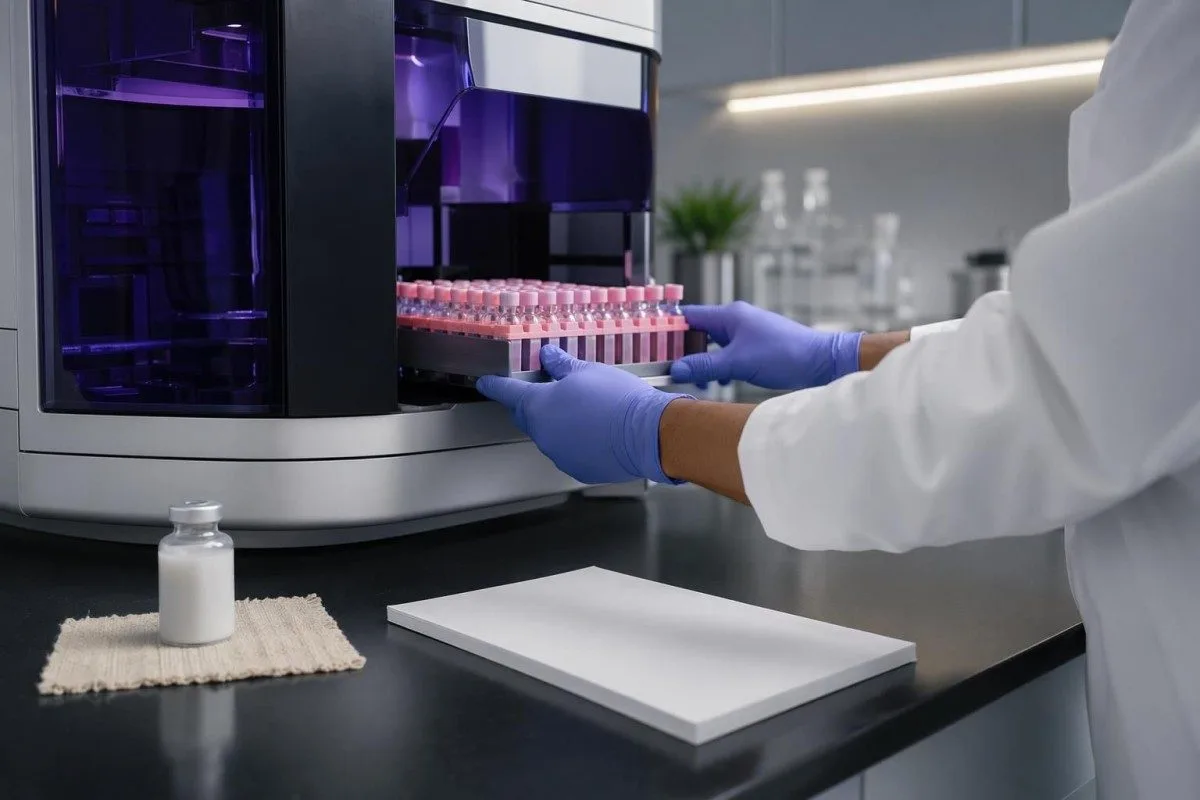
Testosterone ສາມາດເພີ່ມ hemoglobin ແລະ hematocrit ພາຍໃນບໍ່ກີ່ເດືອນ, ໂດຍສະເພາະການສັກທີ່ສ້າງຈຸດສູງຂຶ້ນ (higher peaks). ການທີ່ hematocrit ຂຍັບຈາກ 45% ໄປເປັນ 52% ອາດສຳຄັນແມ່ນກ່ອນທີ່ຈະຂ້າມເກນສັນຍານເຕືອນຂອງຫ້ອງທົດລອງ (lab's red-flag threshold).
ການຕິດຕາມ PSA ຂຶ້ນກັບອາຍຸ, ຄວາມສ່ຽງພື້ນຖານ, ອາການ, ແລະການຕັດສິນໃຈຮ່ວມກັນ; ບໍ່ແມ່ນກາໝາຍກວດ testosterone ຢ່າງງ່າຍໆຢ່າງດຽວ. ຄວາມໄວຂອງ PSA ທີ່ສູງຂຶ້ນ (rising PSA velocity) ອາດສຳຄັນກວ່າຄ່າດຽວ, ແລະການຕິດເຊື້ອໃນທາງຍ່ຽວ ຫຼືການກະທຳຫຼ້າສຸດໆ ສາມາດທຳໃຫ້ການຕີຄວາມຜິດພາດໄດ້.
ການຮັກສາດ້ວຍຮໍໂມນເພື່ອຢືນຢັນເພດ ກໍໃຊ້ການຕິດຕາມຜ່ານການກວດທາງຫ້ອງທົດລອງເໝືອນກັນ, ແຕ່ຊ່ວງເປົ້າໝາຍ ແລະຕົວຊີ້ວັດຄວາມປອດໄພ ຄວນສອດຄ່ອງກັບແຜນການຮັກສາຂອງບຸກຄົນ, ບໍ່ແມ່ນປ້າຍອ້າງອີງທົ່ວໄປສຳລັບຜູ້ຊາຍ ຫຼືຜູ້ຍິງ. ນີ້ແມ່ນຂົງເຂດໜຶ່ງທີ່ການຕີຄວາມຜ່ານພອດອັດຕະໂນມັດອາດຈະບໍ່ຄ່ອຍສະດວກ ຖ້າບໍ່ມີບໍລິບົດທາງຄລີນິກ.
ສຳລັບການປ່ຽນແປງຂອງເມັດເລືອດແດງ ໃນຊ່ວງການໃຊ້ testosterone ຫຼືຮໍໂມນອື່ນໆ, ຂອງພວກເຮົາ ຄູ່ມື hematocrit ຂໍ້ມູນນີ້ອະທິບາຍຄວາມແຕກຕ່າງທີ່ເປັນປະໂຫຍດລະຫວ່າງ hemoglobin, hematocrit, ຈຳນວນ RBC, ແລະຄ່າສູງທີ່ຜິດພາດຈາກການຂາດນ້ຳ.
ການຕິດຕາມທີ່ລືມ: NSAIDs, PPIs, allopurinol, ແລະ digoxin
ຢາທົ່ວໄປໃນຊີວິດປະຈຳຫຼາຍຊະນິດຕ້ອງມີການວິເຄາະເລືອດເປັນປະຈຳ ເຖິງແມ່ນວ່າຜູ້ປ່ວຍບໍ່ຄ່ອຍຄິດວ່າເປັນຢາທີ່ມີຄວາມສ່ຽງສູງ. NSAIDs ແບບໃຊ້ຍາວນານສາມາດກະທົບ creatinine ແລະ hemoglobin, PPIs ສາມາດຫຼຸດ magnesium ຫຼື B12, allopurinol ຖືກປັບຂະໜາດຕາມ uric acid, ແລະ digoxin ຕ້ອງມີການຕິດຕາມລະດັບໂດຍຄຳນຶງເຖິງການເຮັດວຽກຂອງໝາກໄຂ່ຫຼັງ.

NSAIDs ສາມາດຫຼຸດການໄຫຼຂອງເລືອດໄປຫາໝາກໄຂ່ຫຼັງ, ໂດຍສະເພາະໃນເວລາຂາດນ້ຳ ຫຼືເມື່ອໃຊ້ຮ່ວມກັບ ACE inhibitors ຫຼື diuretics. ຂ້ອຍມັກຈະກວດຄືນ creatinine ແລະ potassium ພາຍໃນ 1-3 ອາທິດຫຼັງເລີ່ມໃຊ້ NSAIDs ແບບໃຊ້ຍາວໃນຜູ້ສູງອາຍຸ, CKD, ພາວະຫົວໃຈລົ້ມເຫຼວ, ຫຼືການໃຊ້ຢາສາມຢ່າງຮ່ວມກັນ.
PPIs ບໍ່ຈຳເປັນຕ້ອງກວດທຸກເດືອນ, ແຕ່ການໃຊ້ຍາວນານອາດກ່ຽວຂ້ອງກັບ magnesium ຕ່ຳ, B12 ຕ່ຳ, ແລະບັນຫາການດູດຊຶມທາດເຫຼັກໃນຜູ້ປ່ວຍບາງກຸ່ມ. Magnesium ຕ່ຳກວ່າ 0.65 mmol/L ພ້ອມກັບການບີບຕົວ (cramps), ພະຍາດຈັງຫວະຫົວໃຈ (arrhythmia), ຫຼືຊັກ (seizures) ຕ້ອງການການປະເມີນຫຼາຍກວ່າການຄາດເດົາຈາກການເສີມ.
Allopurinol ຄວນຖືກປັບຂະໜາດໃຫ້ສອດຄ່ອງກັບ uric acid ບໍ່ແມ່ນປ່ອຍໃຫ້ຢູ່ຕະຫຼອດທີ່ຂະໜາດເລີ່ມ. ເປົ້າໝາຍທົ່ວໄປຂອງ gout ແມ່ນ serum urate ຕ່ຳກວ່າ 6 mg/dL, ຫຼືຕ່ຳກວ່າ 5 mg/dL ໃນຜູ້ປ່ວຍຫຼາຍຄົນທີ່ມີ tophi, ໂດຍກວດທຸກ 2-5 ອາທິດໃນໄລຍະປັບຂະໜາດ.
Digoxin ບໍ່ອະນຸຍາດຫຼາຍເມື່ອການເຮັດວຽກຂອງໝາກໄຂ່ຫຼັງປ່ຽນແປງ. ປົກກະຕິຈະກວດລະດັບຢ່າງໜ້ອຍ 6-8 ຊົ່ວໂມງຫຼັງກິນຢາ, ມັກຈະເປັນຫຼັງ 5-7 ວັນໃນສະພາບຄົງທີ່, ແລະຫຼາຍຄົນທີ່ເບິ່ງແຍງພາວະຫົວໃຈລົ້ມເຫຼວມັກຕັ້ງເປົ້າປະມານ 0.5-0.9 ng/mL; ປຽບທຽບກັບບັນບັນທຶກກ່ຽວກັບໝາກໄຂ່ຫຼັງຂອງທ່ານກັບ ຄູ່ມື creatinine ສູງ.
ຫຼັງເລີ່ມໃຊ້, ຢຸດ, ຫຼືປ່ຽນຂະໜາດຢາ ຈະມີຫຍັງປ່ຽນແປງ?
ເວລາຂອງການກວດເລືອດຈະປ່ຽນແປງຫຼາຍທີ່ສຸດຫຼັງເລີ່ມຢາ, ເພີ່ມຂະໜາດ, ເພີ່ມຢາທີ່ມີປະຕິກິລິຍາ, ຢຸດຢາທີ່ເປັນປະໂຫຍດ, ຫຼືເມື່ອກາຍເປັນຄົນຂາດນ້ຳ. ແຜນການກວດປະຈຳປີທີ່ຄົງທີ່ອາດກາຍເປັນແຜນ 3 ມື້, 1 ອາທິດ, ຫຼື 6 ອາທິດ ຂຶ້ນກັບຟາມະໂຄໂນມີຂອງຢາ.

ການເລີ່ມຖາມວ່າຮ່າງກາຍທົນຕໍ່ຢາບໍ; ການປ່ຽນຂະໜາດຖາມວ່າຂອບຄວາມປອດໄພກ່ອນໜ້ານັ້ນຍັງຢູ່ບໍ. ການຢຸດຖາມຄຳຖາມອີກແບບ: ຕົວຊີ້ວັດໄດ້ດີດກັບຄືນ, ກັບສູ່ປົກກະຕິ, ຫຼືເປີດເຜີຍວ່າຢາໄດ້ປົກປິດບັນຫາບໍ?
ບາງເວລາການຢຸດຢາໄວ. INR ສາມາດຫຼຸດລົງໃນບໍ່ກີ່ມື້ຫຼັງຢຸດ warfarin, potassium ອາດຫຼຸດລົງຫຼັງຢຸດ spironolactone, ແລະ glucose ອາດສູງຂຶ້ນໃນ 24-72 ຊົ່ວໂມງຫຼັງຢຸດ insulin ຫຼື steroids.
ບາງເວລາການຢຸດຢາຊ້າ. TSH ອາດຕ້ອງໃຊ້ 6-8 ອາທິດ ເພື່ອສະທ້ອນການປ່ຽນຂອງ levothyroxine, LDL-C ອາດຄ່ອຍໆສູງຂຶ້ນໃນຫຼາຍອາທິດຫຼັງຢຸດ statin, ແລະ HbA1c ອາດຕ້ອງໃຊ້ປະມານ 3 ເດືອນ ເພື່ອສະແດງຜົນເຕັມຂອງການປ່ຽນຢາບຳລຸງຄວາມຫວານໃນເບົາຫວານ.
ຄຳແນະນຳທີ່ເປັນປະໂຫຍດຂອງທ່ານດຣ Thomas Klein ແມ່ນໃຫ້ຮັກສາບັນທຶກການປ່ຽນຢາແບບ 1 ແຖວຂ້າງຂ້າງປະຫວັດການກວດຂອງທ່ານ: ວັນທີ, ຢາ, ຂະໜາດ, ເຫດຜົນ, ແລະອາການ. Kantesti AI ສາມາດຊ່ວຍ ການປຽບຜົນກວດເລືອດ ແລະດົນກວ່າ ປະຫວັດການກວດເລືອດ ທົບທວນເມື່ອມີວັນທີເຫຼົ່ານັ້ນ.
ວິທີອ່ານແນວໂນ້ມການຕິດຕາມການໃຊ້ຢາຢ່າງປອດໄພດ້ວຍ Kantesti
Kantesti AI ຕີຄວາມການກວດເລືອດເພື່ອຕິດຕາມຢາ ໂດຍການປຽບທຽບທິດທາງຂອງຕົວຊີ້ວັດ, ເວລານັບຈາກການປ່ຽນຢາ, ຊ່ວງອ້າງອີງ, ອາຍຸ, ເພດ, ການແປງໜ່ວຍ, ແລະຄວາມສຳພັນທີ່ຮູ້ຈັກລະຫວ່າງຢາ-ຕົວຊີ້ວັດ. ຂອງພວກເຮົາ ແພລດຟອມການກວດເລືອດດ້ວຍ AI ຖືກສ້າງຂຶ້ນເພື່ອອະທິບາຍແບບແຜນຮູບແບບ (patterns) ບໍ່ແມ່ນເພື່ອທົດແທນຜູ້ສັ່ງຢາທີ່ຮູ້ວ່າເປັນຫຍັງຈຶ່ງເລີ່ມຢາ.
ການວິເຄາະເລືອດເປັນປະຈຳຄວນຕອບ 4 ຄຳຖາມ: ມີຫຍັງປ່ຽນແປງ, ປ່ຽນໄປເທົ່າໃດ, ເວລາກົງກັບຢາບໍ, ແລະການປ່ຽນນັ້ນອັນຕະລາຍໃນມື້ນີ້ບໍ. Kantesti AI ເນັ້ນຈຸດເຫຼົ່ານັ້ນໃນປະມານ 60 ວິນາທີຫຼັງອັບໂຫຼດ PDF ຫຼືຮູບພາບ, ແຕ່ອາການດ່ວນຍັງຄວນໄປຮັບການດູແລສຸກເສີນ ຫຼືພາຍໃນມື້ດຽວກັນ.
ຖ້າທ່ານມີລາຍງານຕິດຕາມຢາ 2 ສະບັບຂຶ້ນໄປ, ອັບໂຫຼດຜ່ານ ລອງໃຊ້ການວິເຄາະກວດເລືອດ AI ຟຣີ ແລະໃສ່ວັນທີເລີ່ມຢາ ຫຼືວັນທີປ່ຽນຂະໜາດ ເມື່ອຖືກຖາມ. potassium 5.4 mmol/L ໝາຍຄວາມຫຼາຍຢ່າງໃນມື້ທີ 6 ຂອງ spironolactone ກວ່າທີ່ເປັນໃນ 8 ເດືອນຫຼັງຈາກແຜນທີ່ບໍ່ປ່ຽນ.
ວິທີການທາງຄລີນິກ ແລະມາດຕະຖານການທົບທວນຂອງພວກເຮົາ ຖືກອະທິບາຍໄວ້ໃນ ການກວດສອບທາງການແພດ. ມາດຕະຖານອ້າງອີງຂອງປະຊາກອນທົ່ວໄປສຳລັບເຄື່ອງຈັກຂອງ Kantesti ກໍມີໃຫ້ເບິ່ງໄດ້ເຊັ່ນກັນໃນ a ການທຽບຄຽງທີ່ pre-registered, ເຊິ່ງຊ່ວຍໃຫ້ຜູ້ອ່ານເຫັນວ່າພວກເຮົາທົດສອບລະບົບຕໍ່ກັບກໍລະນີທີ່ຍາກ ແລະມີແນວໂນ້ມຈະຖືກວິນິດໄຊເກີນຈຳເປັນ (hyperdiagnosis).
ສະນັ້ນຖ້າຜົນກວດປ່ຽນແປງ ທ່ານຄວນເຮັດຫຍັງ? ຢ່າຢຸດຢາທີ່ມີຄວາມສ່ຽງສູງພຽງຢ່າງດຽວ; ໃຫ້ສົ່ງຂໍ້ມູນໃຫ້ຜູ້ສັ່ງຢາ (prescriber) ພ້ອມກັບຜົນກວດ, ຂະໜາດຢາ (dose), ເວລາ (timing), ອາການ, ແລະຢາທີ່ຊື້ເອງຈາກຮ້ານຂາຍຢາ (over-the-counter) ທີ່ເພີ່ມໃໝ່, ເພາະນັ້ນແມ່ນຊຸດຂໍ້ມູນທີ່ຊ່ວຍໃຫ້ແພດສາມາດຕັດສິນໃຈໄດ້ໄວ.
ສິ່ງພິມວິຈັຍຂອງ Kantesti
Klein, T., ແລະ Kantesti Clinical Research Unit. (2026). ຄູ່ມືການກວດເລືອດ C3 C4 Complement ແລະ ANA Titer. Zenodo. DOI: 10.5281/zenodo.18353989. ResearchGate: ບັນທຶກ ResearchGate. Academia.edu: ບັນທຶກຂອງສາຂາວິຊາ (Academia record).
Klein, T., ແລະ Kantesti Clinical Research Unit. (2026). ຄູ່ມືການກວດເລືອດໄວຣັດ Nipah: ການກວດພົບແຕ່ເຊົ້າ ແລະການວິນິດໄຊ 2026. Zenodo. DOI: 10.5281/zenodo.18487418. ResearchGate: ບັນທຶກ ResearchGate. Academia.edu: ບັນທຶກຂອງສາຂາວິຊາ (Academia record).
ຄໍາຖາມທີ່ຖາມເລື້ອຍໆ
ຢາຊະນິດໃດທີ່ຕ້ອງກວດເລືອດເປັນປົກກະຕິ?
ການກວດເລືອດເປັນປະຈຳມັກຈະຈຳເປັນສຳລັບຢາ warfarin, lithium, digoxin, methotrexate, azathioprine, carbamazepine, valproate, ACE inhibitors, ARBs, spironolactone, ຢາຂັບປັດສະວະ (diuretics), statins, metformin, testosterone, allopurinol, ແລະຢາຕ້ານເຊື້ອບາງຊະນິດທີ່ໃຊ້ເປັນໄລຍະດົນ. ຕົວຊີ້ວັດທີ່ຕ້ອງຕິດຕາມຈະແຕກຕ່າງຕາມຢາ: INR ສຳລັບ warfarin, lithium trough ສຳລັບ lithium, creatinine ແລະ potassium ສຳລັບຢາທີ່ກະທົບຕໍ່ໄຕ, ການກວດເລືອດຄົບຖ້ວນ (CBC) ແລະ ALT ສຳລັບຢາທີ່ສ່ຽງຕໍ່ໄຂກະດູກ ຫຼືຕ່ຽງຕໍ່ຕັບ, ແລະ HbA1c ຫຼື lipids ສຳລັບຄວາມມີປະສິດຜົນ. ຢາທີ່ສະຖຽນຫຼາຍຈຳເປັນຕ້ອງກວດທຸກ 3-12 ເດືອນ, ແຕ່ການເລີ່ມຢາທີ່ມີຄວາມສ່ຽງສູງ ຫຼືການປ່ຽນຂະໜາດຢາ ອາດຕ້ອງກວດພາຍໃນ 3-14 ວັນ.
ຂ້ອຍຄວນໄປກວດເລືອດພາຍໃນເວລາເທົ່າໃດຫຼັງຈາກເລີ່ມໃຊ້ຢາໃໝ່?
ເວລາທີ່ປອດໄພທີ່ສຸດຂຶ້ນກັບຢາ, ບໍ່ແມ່ນຂຶ້ນກັບປະຕິທິນ. ຢາທີ່ມີຄວາມສ່ຽງຕໍ່ໄຕແລະໂພແທດຊຽມມັກຈະມີການກວດຊ້ຳຫຼັງ 1-2 ອາທິດ, ລິເທຍມ ແລະດິກອກຊິນກວດລະດັບຫຼັງປະມານ 5-7 ມື້ໃນສະພາບຄົງທີ່, ໄຂມັນຂອງຢາກຸ່ມ statin ຫຼັງ 4-12 ອາທິດ, ການກວດ TSH ຂອງ levothyroxine ຫຼັງ 6-8 ອາທິດ, ແລະ HbA1c ຫຼັງປະມານ 3 ເດືອນ. ຖ້າມີອາການປາກົດໄວກວ່ານັ້ນ, ເຊັ່ນ ວິນຫົວຈົນເປັນລົມ, ອ່ອນແອຢ່າງຮຸນແຮງ, ຕາເຫຼືອງ, ອາຈົມສີດຳ, ໄຂ້ໃນຂະນະໃຊ້ຢາຕ້ານໄທລອຍ, ຫຼື ໃຈສັ່ນພ້ອມຄວາມສ່ຽງໂພແທດຊຽມສູງ, ຄວນກວດຢ່າງດ່ວນ ແທນທີ່ຈະກວດແບບປົກກະຕິ.
ການກວດເລືອດມີຄວາມແຕກຕ່າງລະຫວ່າງຄັ້ງກວດທີ່ຄວນເຮັດໃຫ້ຂ້ອຍກັງວົນບໍ?
ຄວາມແຕກຕ່າງຂອງການກວດເລືອດລະຫວ່າງຄັ້ງແມ່ນຈະໜ້າກັງວົນຫຼາຍຂຶ້ນເມື່ອມັນມີຂະໜາດໃຫຍ່, ເກີດຂຶ້ນໄວ, ກ່ຽວຂ້ອງກັບຢາ, ແລະມີອາການປະກອບ. ຕົວຢ່າງລວມມີ creatinine ເພີ່ມຂຶ້ນຫຼາຍກວ່າປະມານ 30% ຫຼັງຈາກ ACE inhibitor ຫຼື ARB, ທາດໂປຕາສຊຽມສູງກວ່າ 6.0 mmol/L, ALT ສູງກວ່າ 3 ເທົ່າຂອບເທິງຂອງຄ່າປົກກະຕິໃນການກວດຊ້ຳ, INR ສູງກວ່າ 4.5 ໃນ warfarin, lithium ສູງກວ່າ 1.5 mmol/L, ຫຼື hematocrit ສູງກວ່າ 54% ໃນ testosterone. ການປ່ຽນແປງຂະໜາດນ້ອຍພາຍໃນຊ່ວງອ້າງອີງອາດຍັງສຳຄັນ ຖ້າມັນກໍ່ຮູບແບບເປັນແນວໂນ້ມທີ່ສອດຄ່ອງຫຼັງຈາກປ່ຽນຢາ.
ຂ້ອຍຈຳເປັນກວດເລືອດຫຼັງຈາກຢຸດຢາບໍ?
ການກວດເລືອດຫຼັງຈາກຢຸດຢາແມ່ນມີປະໂຫຍດ ເມື່ອຢານັ້ນຄວບຄຸມຕົວຊີ້ວັດທີ່ສາມາດວັດໄດ້ ຫຼື ປ້ອງກັນຄວາມເປັນພິດ. INR ສາມາດຫຼຸດລົງໄດ້ພາຍໃນບໍ່ກີ່ມື້ຫຼັງຈາກຢຸດ warfarin, ທາດໂປຣຕັສຊຽມ (potassium) ສາມາດປ່ຽນແປງໄດ້ພາຍໃນບໍ່ກີ່ມື້ຫຼັງຈາກຢຸດ spironolactone ຫຼື ACE inhibitors, LDL-C ອາດຈະເພີ່ມຂຶ້ນໃນໄລຍະຫຼາຍອາທິດຫຼັງຈາກຢຸດ statins, TSH ປົກກະຕິຕ້ອງໃຊ້ເວລາ 6-8 ອາທິດຫຼັງຈາກການປ່ຽນແປງຂອງ levothyroxine, ແລະ HbA1c ຕ້ອງໃຊ້ເວລາປະມານ 3 ເດືອນຫຼັງຈາກການປ່ຽນແປງຢາສຳລັບໂລກເບົາຫວານ. ຄຳຖາມຫຼັງຈາກຢຸດຢາແມ່ນວ່າຕົວຊີ້ວັດນັ້ນຈະກັບມາສູງອີກ (rebound), ກັບສູ່ຄ່າປົກກະຕິ, ຫຼື ເປີດເຜີຍພະຍາດອື່ນ.
ການກວດເລືອດທີ່ມີຄ່າຜິດປົກກະຕິອັນໜຶ່ງຄັ້ງ ສາມາດເປັນຄວາມຜິດພາດຈາກຫ້ອງທົດລອງໄດ້ບໍ?
ແມ່ນ, ການກວດເລືອດຕິດຕາມທີ່ມີຄ່າຜິດປົກກະຕິພຽງຄັ້ງດຽວ ສາມາດສະທ້ອນຄວາມແຕກຕ່າງຂອງຫ້ອງທົດລອງ, ການຈັດການຕົວຢ່າງ, ການຂາດນ້ຳ, ການອອກກຳລັງກ່ອນໜ້ານີ້, ສະຖານະການງົດອາຫານ, ຫຼື ເວລາທີ່ກວດ ແທນທີ່ຈະເປັນພິດຈາກຢາຢ່າງແທ້ຈິງ. ໂພແທດຊຽມອາດມີຄ່າສູງເກີນແທ້ (falsely high) ຖ້າອົງປະກອບໃນເຊວລ໌ແຕກລະຫວ່າງການຈັດການຕົວຢ່າງ, ຄຣີອາຕີນອາດສູງຂຶ້ນຊົ່ວຄາວກັບການຂາດນ້ຳ, ແລະ AST ອາດສູງຂຶ້ນຫຼັງອອກກຳລັງໜັກ. ການກວດຊ້ຳມັກເປັນເຫດຜົນທີ່ສົມຄວນ ເມື່ອຜົນອອກມາບໍ່ຄາດຄິດ ແລະຄົນເຈັບມີອາການດີ, ແຕ່ຄ່າຜິດປົກກະຕິຮ້າຍແຮງ ເຊັ່ນ ໂພແທດຊຽມສູງກວ່າ 6.0 mmol/L, INR ສູງກວ່າ 5, ຫຼື lithium ສູງກວ່າ 1.5 mmol/L ບໍ່ຄວນຖືວ່າບໍ່ເປັນອັນຕະລາຍ ຈົນກວ່າຈະຢືນຢັນດ້ວຍການປະເມີນທາງຄລີນິກ.
Kantesti ສາມາດປຽບທຽບການກວດເລືອດຢາທີ່ໃຊ້ຊ້ຳໆໄດ້ບໍ?
Kantesti AI ສາມາດປຽບທຽບການກວດເລືອດຢາທີ່ໃຊ້ຊ້ຳໆໄດ້ ໂດຍການອ່ານ PDF ຫຼືຮູບພາບທີ່ອັບໂຫຼດ, ກຳນົດໜ່ວຍ ແລະຊ່ວງອ້າງອີງ, ແລະສະແດງວ່າຕົວຊີ້ວັດໄດ້ຂະຫຍາຍ/ປ່ຽນໄປໃນທິດທາງທີ່ກ່ຽວຂ້ອງກັບຢາບໍ່. ແພລດຟອມສາມາດເນັ້ນໃຫ້ເຫັນແນວໂນ້ມໃນ creatinine, eGFR, potassium, ALT, AST, CBC, INR, TSH, HbA1c, lipids, uric acid, ແລະຕົວຊີ້ວັດທີ່ກ່ຽວຂ້ອງກັບຢາອື່ນໆອີກຫຼາຍຢ່າງຂ້າມຄັ້ງການກວດ. ມັນບໍ່ແທນການຮັກສາດ່ວນ ຫຼືຜູ້ສັ່ງຢາ (prescriber) ແຕ່ຊ່ວຍໃຫ້ຄົນເຈັບນຳຄຳຖາມ ແລະເສັ້ນເວລາທີ່ຊັດເຈນຂຶ້ນໄປສູ່ແພດຜູ້ດູແລ.
ຮັບການວິເຄາະຜົນກວດເລືອດດ້ວຍ AI ທັນທີ
ເຂົ້າຮ່ວມຜູ້ໃຊ້ຫຼາຍກວ່າ 2 ລ້ານຄົນທົ່ວໂລກ ທີ່ໄວ້ໃຈ Kantesti ສຳລັບການວິເຄາະການກວດເລືອດທີ່ທັນທີ ແລະຖືກຕ້ອງ. ອັບໂຫຼດຜົນກວດເລືອດຂອງທ່ານ ແລະຮັບການຕີຄວາມໝາຍຢ່າງຄົບຖ້ວນຂອງ biomarker 15,000+ ໃນວິນາທີ.
📚 ບົດຄວາມວິຈັຍທີ່ອ້າງອີງ
Klein, T., Mitchell, S., & Weber, H. (2026). ຄູ່ມືການກວດເລືອດ C3 C4 Complement & ຄ່າທິດສະດີ ANA. ການຄົ້ນຄວ້າທາງການແພດຂອງ AI Kantesti.
Klein, T., Mitchell, S., & Weber, H. (2026). ການກວດເລືອດໄວຣັດ Nipah: ຄູ່ມືການກວດຫາ ແລະ ການວິນິດໄສແຕ່ຫົວທີ 2026. ການຄົ້ນຄວ້າທາງການແພດຂອງ AI Kantesti.
📖 ເອກະສານອ້າງອີງທາງການແພດພາຍນອກ
ສະຖາບັນແຫ່ງຊາດດ້ານສຸຂະພາບ ແລະ ການດູແລ (NICE) (2021). ໂລກໄຕເສື່ອມຊໍາເຮື້ອ: ການປະເມີນ ແລະການຈັດການ. ຄູ່ມື NICE NG203.
ສະຖາບັນແຫ່ງຊາດດ້ານສຸຂະພາບ ແລະການແນະນຳ (National Institute for Health and Care Excellence) (2023). ໂລກຈິດແບບສອງຂົ້ວ (bipolar disorder): ການປະເມີນ ແລະການຈັດການ. ຄູ່ມື NICE CG185.




⚕️ ຂໍ້ສັງເກດທາງການແພດ
ບົດຄວາມນີ້ມີຈຸດປະສົງເພື່ອການສຶກສາເທົ່ານັ້ນ ແລະບໍ່ແມ່ນຄຳແນະນຳທາງການແພດ. ຄວນປຶກສາຜູ້ໃຫ້ບໍລິການດ້ານສຸຂະພາບທີ່ມີຄຸນວຸດທິສະເໝີ ສຳລັບການວິນິດໄຊ ແລະ ການຕັດສິນໃຈດ້ານການຮັກສາ.
ສັນຍານຄວາມໄວ້ໃຈ E-E-A-T
ປະສົບການ
ການທົບທວນຄລີນິກຂອງແພດຜູ້ນຳພາ ກ່ຽວກັບຂັ້ນຕອນການຕີຄວາມໝາຍຜົນການກວດໃນຫ້ອງທົດລອງ.
ຄວາມຊ່ຽວຊານ
ວິຊາການແພດທົດລອງ (ການແພດທາງຫ້ອງທົດລອງ) ເນັ້ນໃສ່ວ່າຕົວຊີ້ວັດ (biomarkers) ມີພຶດຕິກຳແນວໃດໃນບັນບົດທາງຄລີນິກ.
ຄວາມເປັນອຳນາດ
ຂຽນໂດຍທ່ານດຣ. Thomas Klein ໂດຍມີການກວດທານໂດຍທ່ານດຣ. Sarah Mitchell ແລະ ສາດສະດາຈານດຣ. Hans Weber.
ຄວາມໜ້າເຊື່ອຖື
ການຕີຄວາມໝາຍອີງຕາມຫຼັກຖານດ້ວຍເສັ້ນທາງຕິດຕາມທີ່ຊັດເຈນ ເພື່ອຫຼຸດການຕົກໃຈ.